History Lessons Schools Don’t Want You to Know
Every classroom has its blind spots. Teachers follow approved curricula, textbooks skip uncomfortable chapters, and school boards prefer the sanitized version of events.
But history doesn’t cooperate with political comfort zones. The real stories—the ones that might make administrators squirm or parents write angry letters—those get quietly shuffled aside.
What remains are the safe narratives, the ones that won’t spark difficult conversations during parent-teacher conferences.
The Tulsa Race Massacre Was America’s Worst Act of Racial Violence
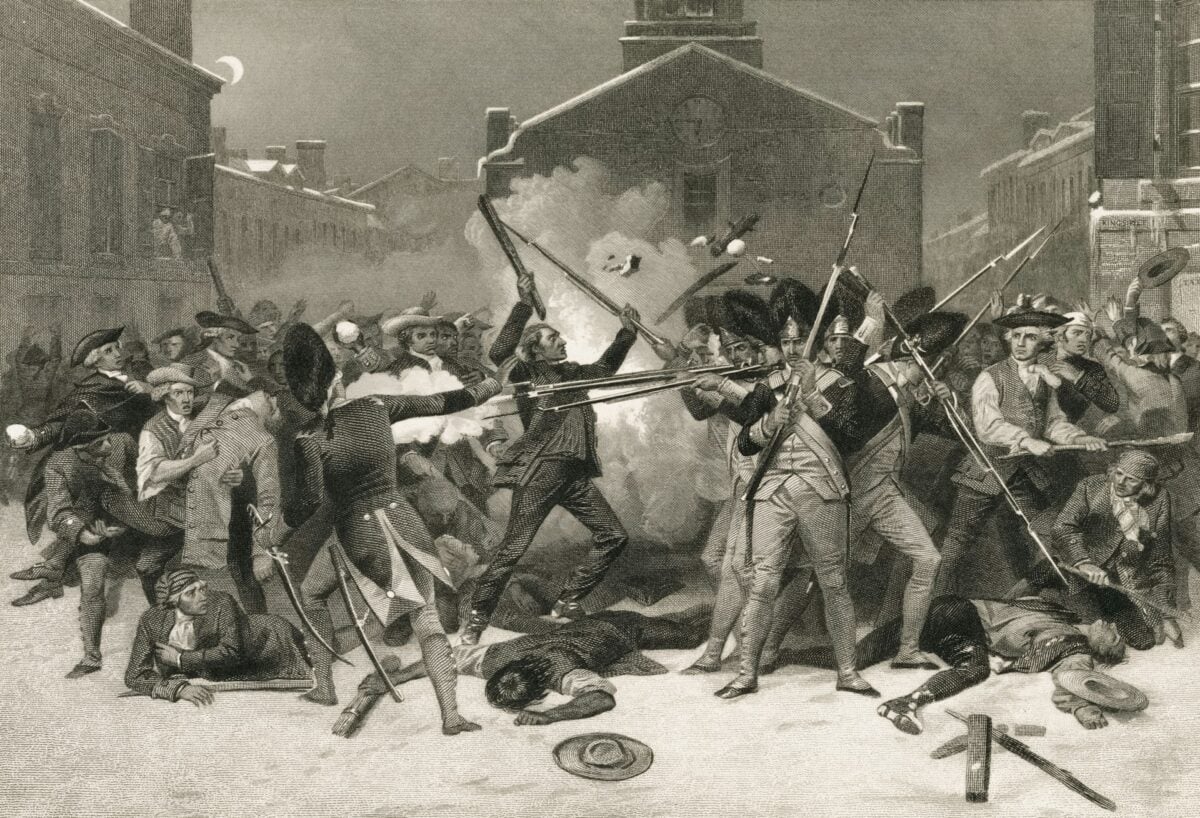
Most Americans learned about Pearl Harbor in school. The Tulsa Race Massacre in 1921? Not so much.
White mobs destroyed an entire prosperous Black neighborhood called Greenwood, known as “Black Wall Street.” Planes dropped incendiary bombs from the sky.
An estimated 300 people died, and 10,000 were left homeless.The event disappeared from Oklahoma textbooks for decades. Insurance companies refused to pay claims.
Survivors were threatened into silence. It took 80 years for the state to acknowledge what happened—and even then, many schools still don’t teach it.
America Turned Away Jewish Refugees During the Holocaust
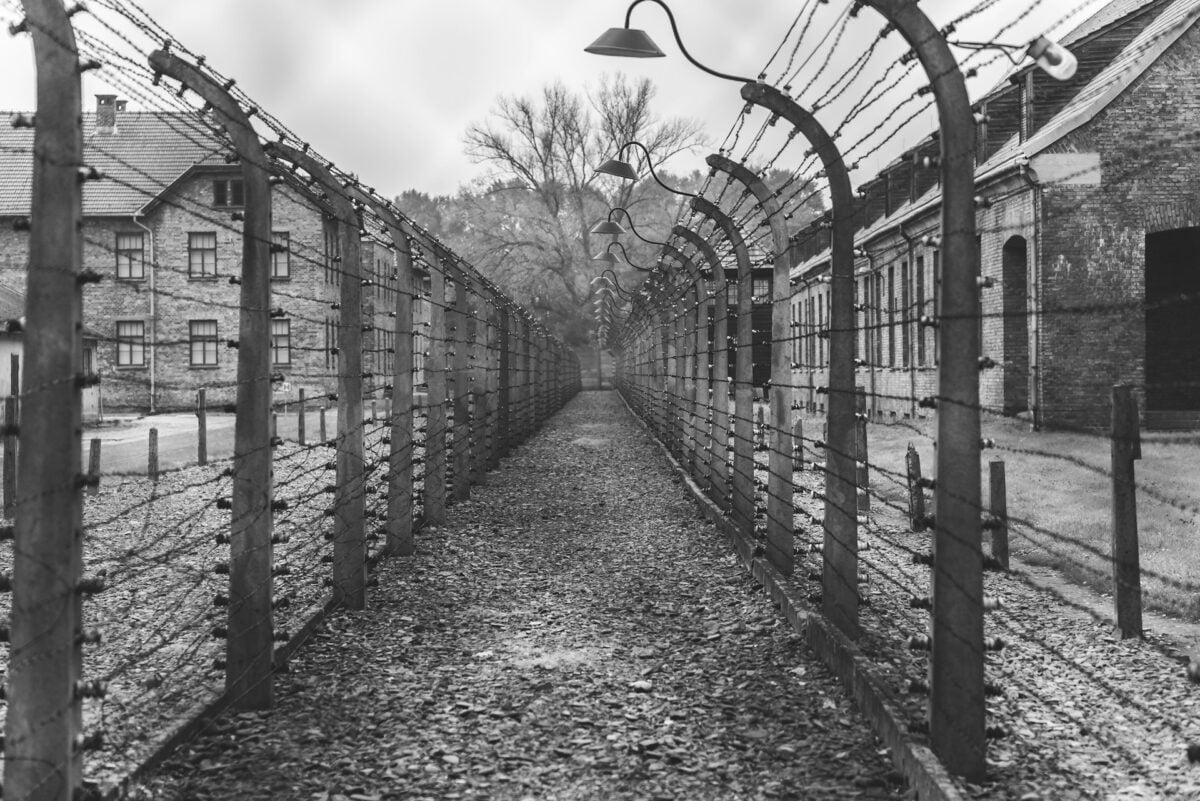
The narrative goes that America was the heroic liberator in World War II, which is true enough when it comes to military action. But the immigration story during those same years tells a different tale—one where bureaucratic indifference and thinly veiled antisemitism kept Jewish refugees trapped in Europe while the machinery of genocide churned on around them (and everyone in Washington knew exactly what was happening).
The St. Louis incident gets mentioned sometimes: a ship carrying 900 Jewish refugees that was turned away from American ports in 1939, forcing most passengers to return to Europe where many would later perish in concentration camps. But that wasn’t an isolated event.
That was policy. Immigration quotas were deliberately kept low, visa applications were tangled in red tape that could stretch for years, and American consulates in Europe were instructed to be especially thorough in their background checks—thoroughness that, under the circumstances, amounted to a death sentence.
And the American public, according to polling at the time, supported these restrictions. So while American soldiers were fighting fascism abroad, American immigration policy was enforcing a quieter version of the same cruelty at home.
The FBI Tried to Drive Martin Luther King Jr. to Take His Own Life
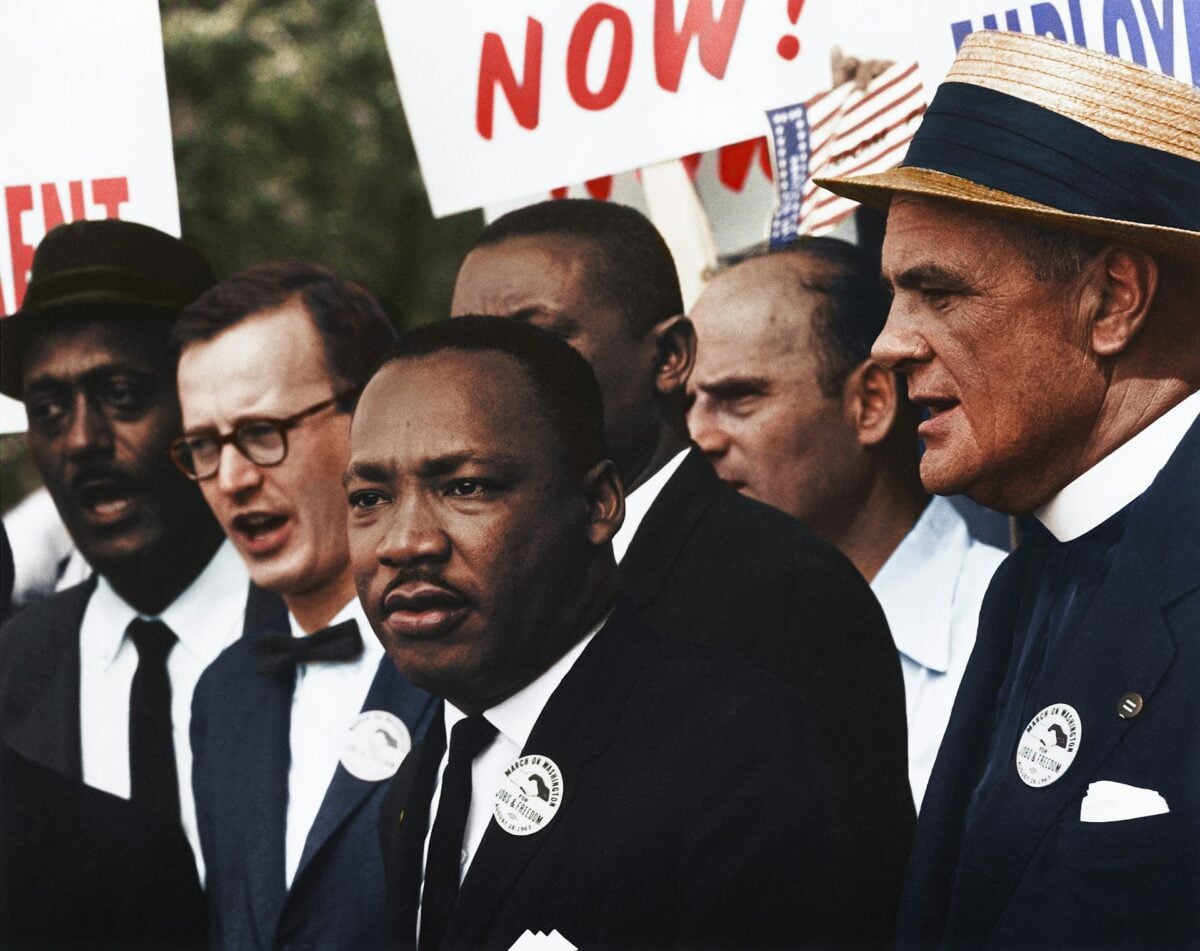
History textbooks love Martin Luther King Jr.—the sanitized version who gave inspiring speeches about dreams and brought people together. They’re less enthusiastic about teaching how the federal government actively worked to destroy him.
The FBI’s COINTELPRO program didn’t just monitor King. They wiretapped his phones, bugged his hotel rooms, and sent him anonymous letters trying to convince him to end his own life.
J. Edgar Hoover called King “the most dangerous Negro in America.” This wasn’t some rogue operation.
This was systematic government harassment of a civil rights leader who preached non-violence. The same government that now celebrates King with a national holiday spent years trying to break him.
Japanese American Internment Was About Racism, Not Security
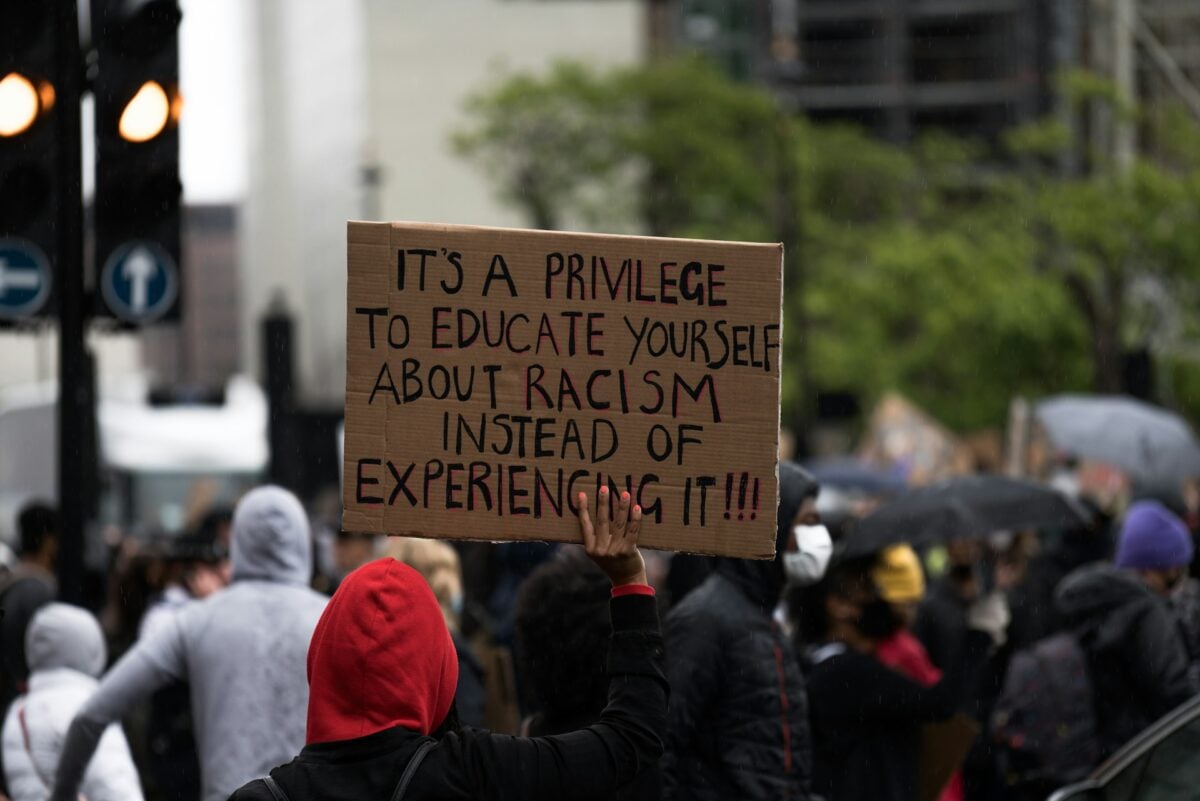
Picture this: your country decides that everyone who looks like your grandmother might be a traitor. Not because of anything they’ve done, not because of evidence or suspicious behavior, but because their faces remind people of the enemy.
That’s what internment was—a mirror that showed America something about itself it didn’t want to see, so the mirror got packed away in a dusty corner of the national memory where it wouldn’t reflect anything uncomfortable. They called them “relocation centers” because “concentration camps” sounded too much like something the bad guys would do.
But the barbed wire faced inward, the guards had rifles, and families lost their homes, their businesses, their lives as they knew them. Meanwhile, German Americans and Italian Americans went about their daily routines.
The difference wasn’t about security threats or military necessity. The difference was visible on people’s faces.
The CIA Funded Mind Control Experiments on Unwitting Americans

Project MK-Ultra sounds like conspiracy theory material. Unfortunately, it’s documented history that the government would prefer to leave buried in classified files.
From the 1950s through the 1970s, the CIA conducted illegal experiments on American and Canadian citizens. They used LSD, electroshock therapy, and psychological torture techniques.
Subjects included mental patients, prisoners, and ordinary people who had no idea they were being used as test subjects. When congressional investigations began in the 1970s, CIA Director Richard Helms ordered most MK-Ultra files destroyed.
The experiments violated the Nuremberg Code established after World War II to prevent exactly this kind of human experimentation.
Native American Children Were Forcibly Removed from Their Families Until the 1970s
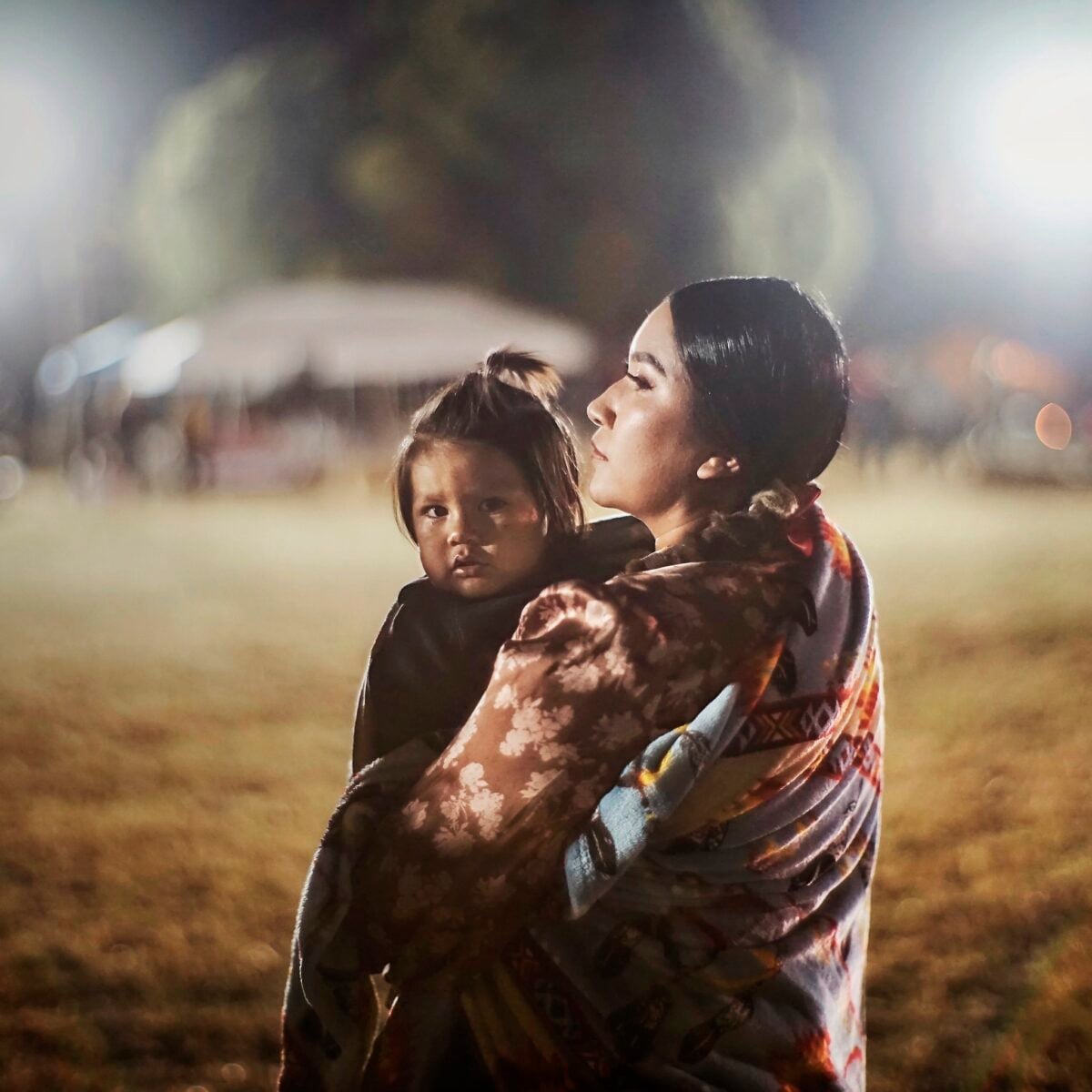
The phrase “Kill the Indian, save the man” wasn’t just a slogan. It was educational policy, enforced through a network of boarding schools that separated Native children from their families, their languages, and their cultures (and when separation failed to do the job completely, punishment filled in the gaps).
Children were beaten for speaking their native languages, forced to cut their hair, given European names, and told that everything about their heritage was primitive and shameful. Some never saw their families again—distance and time had carved too wide a gap to cross.
This wasn’t ancient history confined to the 1800s, though that’s usually how it’s taught when it’s taught at all. The Indian Adoption Act of 1978 had to be passed because Native children were still being removed from their families and placed with white families at rates that defied any explanation except deliberate cultural destruction.
And the last government-run Indian boarding school didn’t close until 1973. But textbooks prefer talking about Thanksgiving.
The US Government Conducted Biological Warfare Tests on Its Own Citizens
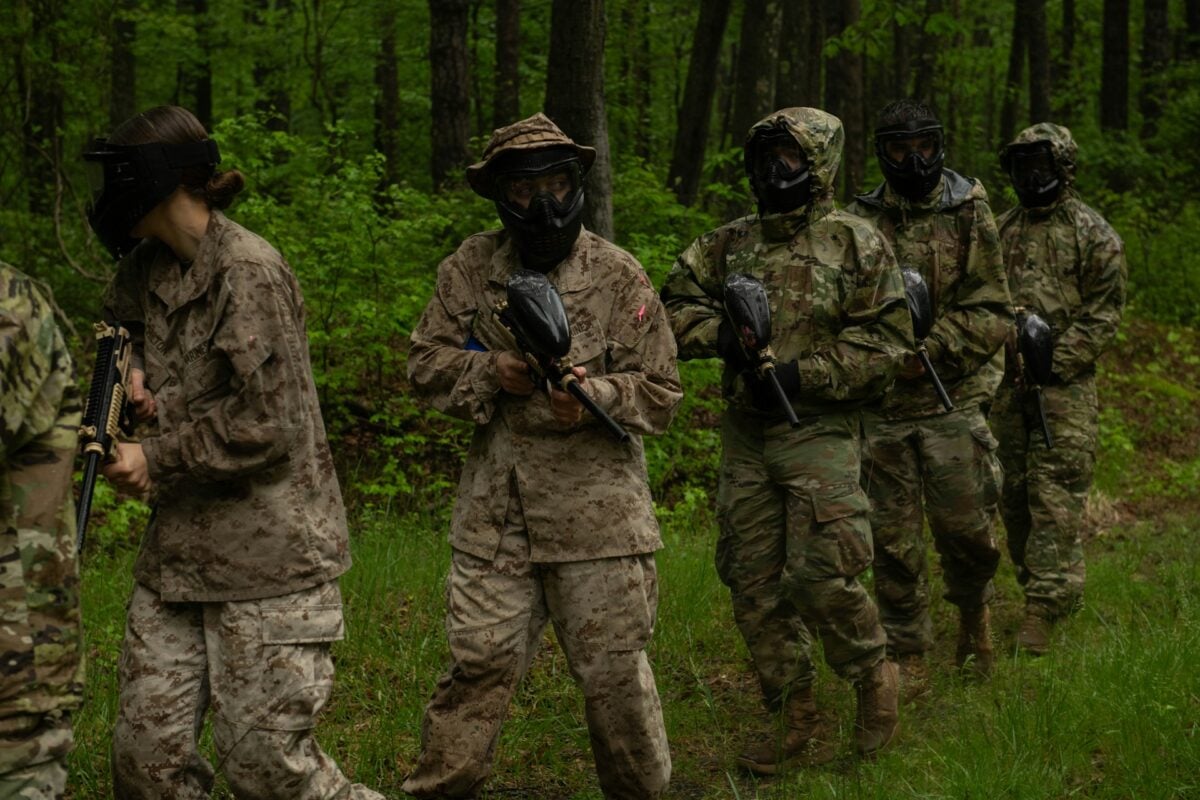
Germ warfare testing happened on American soil, using American citizens as unknowing test subjects. The military wanted to understand how biological weapons might spread in populated areas.
In 1950, the Navy sprayed bacteria over San Francisco to see how it would disperse. Residents reported unusual illnesses afterward.
In the 1960s, subway systems in New York and Chicago were used for similar tests with what the military claimed were harmless bacteria. The Pentagon’s defense was always the same: the bacteria were harmless.
But they never asked permission from the cities or the people who were exposed. Informed consent apparently didn’t apply when national security was the justification.
American Corporations Profited from Nazi Labor Camps
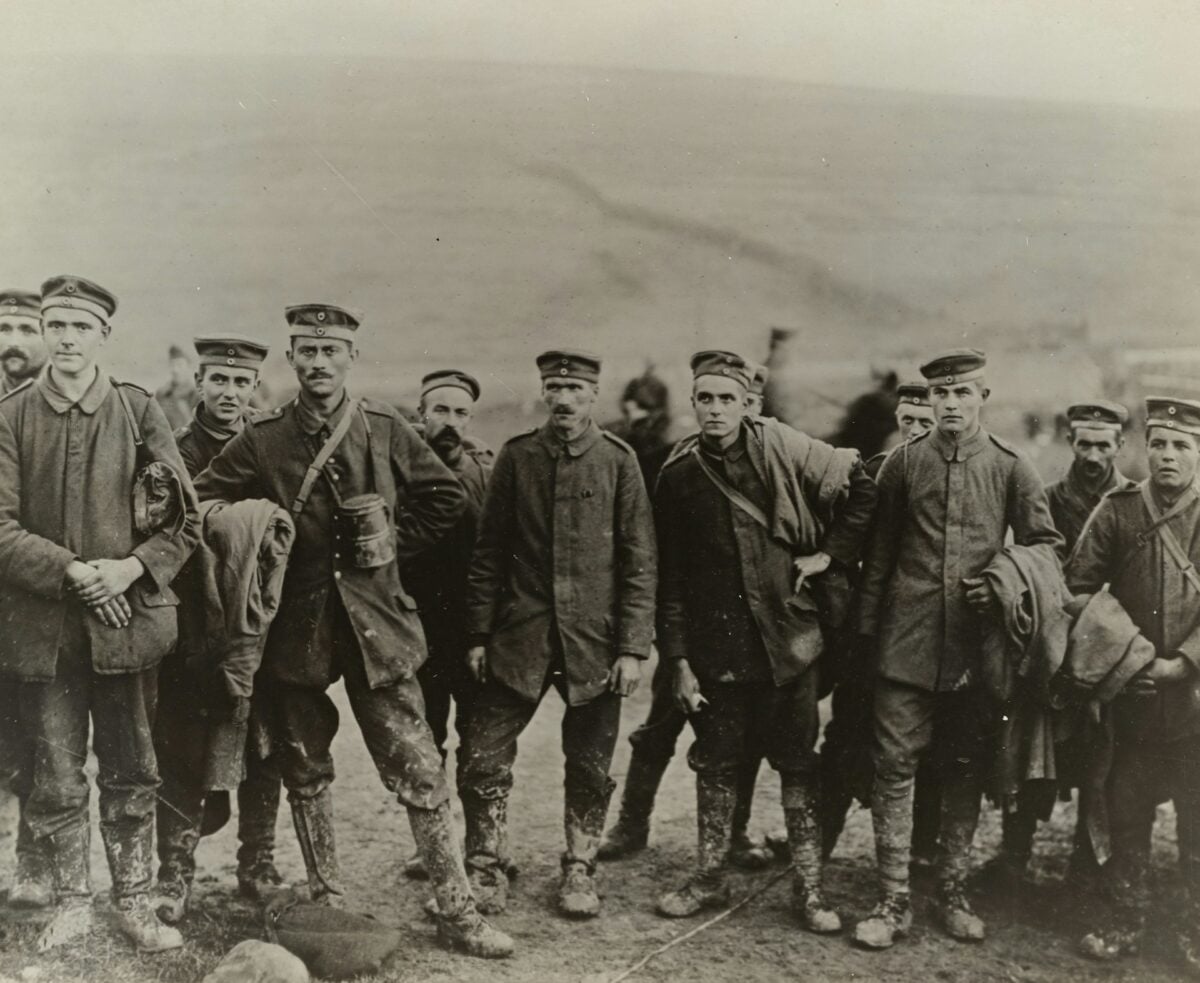
War makes strange business partners, but some partnerships are stranger than others—and more profitable than anyone wanted to admit once the smoke cleared and the moral accounting began. IBM’s punch-card technology helped organize the logistics of the Holocaust, tracking prisoners and managing the bureaucracy of genocide with the efficiency that American business was famous for.
Ford and General Motors had subsidiaries that used forced labor in Nazi Germany, and their executives knew exactly what kind of labor they were using. After the war, these companies faced a choice: acknowledge their complicity or find creative ways to explain away what had happened when the moral landscape was different and business opportunities looked different than they do in retrospect.
Most chose the latter. And American business schools don’t typically spend much time on the ethics case studies that these arrangements might provide, which is probably just as well for everyone’s comfort level.
The money was real, though. The profits were real.
And the labor was free because the people providing it had no choice in the matter.
The US Overthrew Democratically Elected Governments Throughout the Cold War
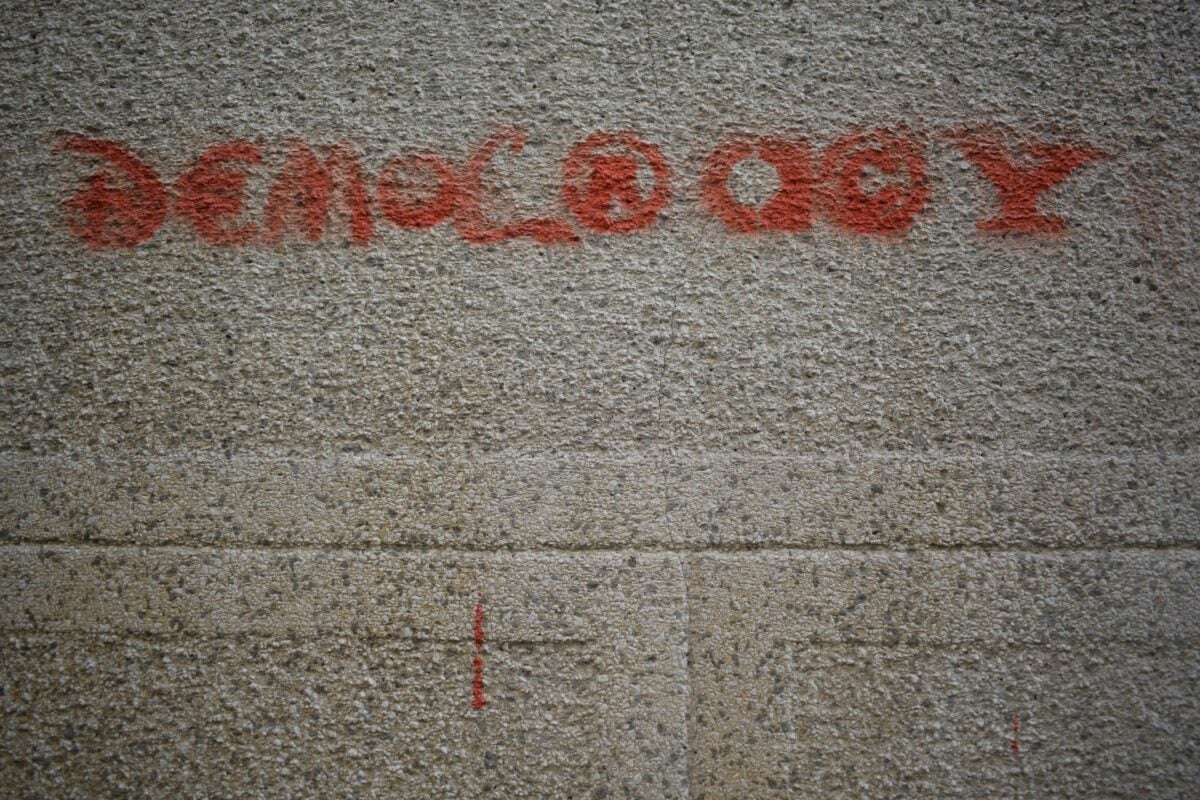
Democracy is great—as long as the right people win. When the wrong people won elections in places like Iran, Guatemala, and Chile, the US had a tendency to correct those mistakes.
In 1953, the CIA helped overthrow Iran’s democratically elected Prime Minister Mohammad Mossadegh because he wanted to nationalize oil resources. The result was decades of dictatorship under the Shah.
In Guatemala the following year, a similar operation removed President Jacobo Árbenz for threatening United Fruit Company’s business interests. These weren’t defensive actions against communist aggression.
These were offensive operations to protect American economic interests. The people in those countries had elected leaders who prioritized their own nations’ welfare over American corporate profits.
That couldn’t be allowed to stand.
The War on Drugs Targeted Black and Anti-War Communities by Design
The drug war wasn’t about drugs. It was about politics, and specifically about neutralizing two groups that posed problems for the Nixon administration: Black Americans and the anti-war movement.
John Ehrlichman, Nixon’s domestic policy advisor, admitted this explicitly in a 1994 interview. The administration couldn’t make it illegal to be Black or oppose the Vietnam War, but they could criminalize drugs associated with those communities and then arrest people for drug offenses.
Crack cocaine and powder cocaine are pharmacologically identical, but crack carries much harsher sentences. This wasn’t accidental.
Crack was associated with Black communities, powder cocaine with white users. The sentencing disparity was policy, not oversight.
American Eugenics Programs Inspired Nazi Policies
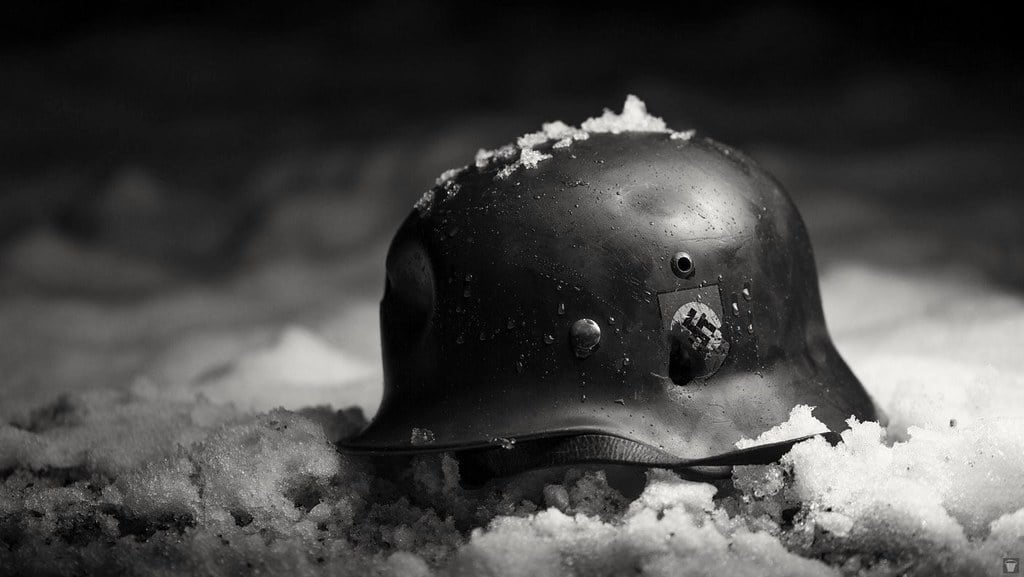
Hitler didn’t invent eugenics. He imported it from America, where forced sterilization programs had been running since the early 1900s.
By the time the Nazis came to power, over 60,000 Americans had been forcibly sterilized for being “unfit” to reproduce. The Supreme Court endorsed this practice in Buck v. Bell (1927). Justice Oliver Wendell Holmes wrote that “three generations of imbeciles are enough.”
The decision has never been formally overturned. California led the nation in forced sterilizations, targeting people in mental institutions, prisons, and those deemed “undesirable.”
The program didn’t end until the 1970s. Nazi officials specifically cited American eugenics laws as inspiration for their own racial policies.
The Environmental Movement Started Because Corporate Pollution Was Killing People
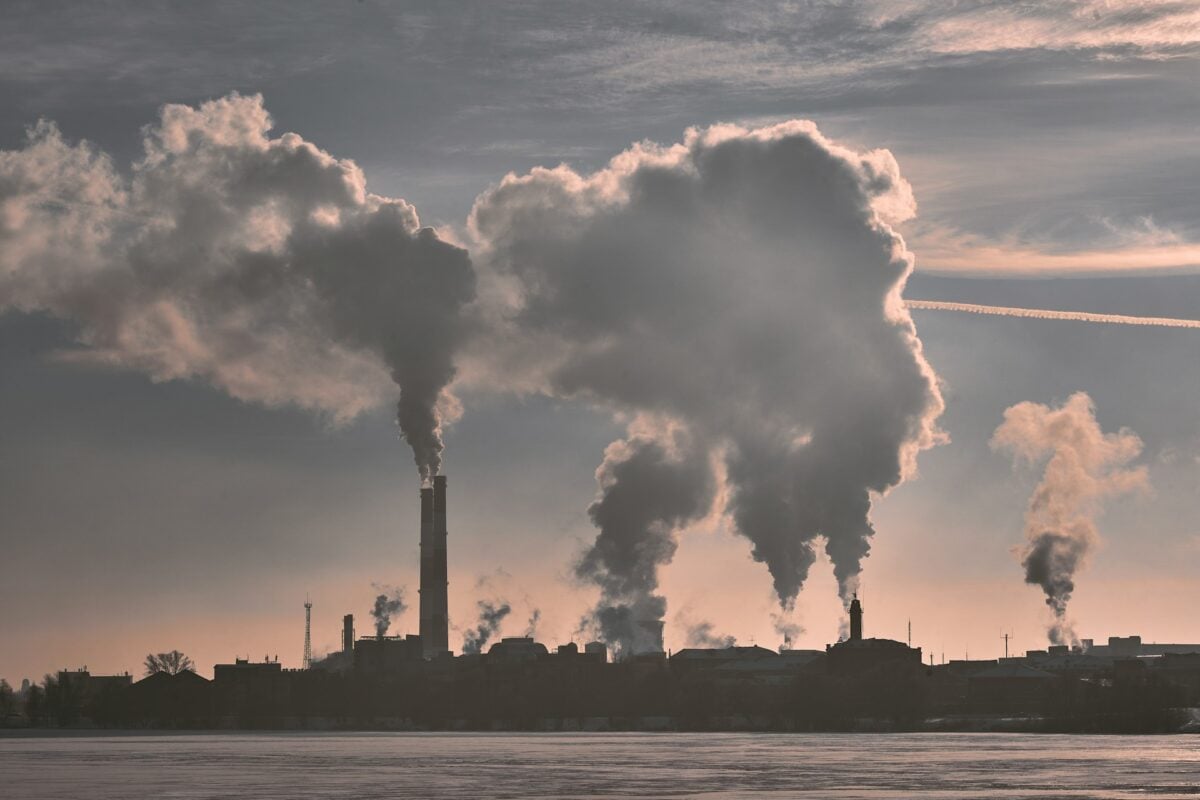
Environmental protection wasn’t about hugging trees originally. It was about stopping corporations from poisoning entire communities.
The Cuyahoga River in Ohio caught fire multiple times because it was so polluted with industrial chemicals. Air pollution in cities was so bad that people died during temperature inversions that trapped smog.
Love Canal in New York became uninhabitable after Hooker Chemical buried 21,000 tons of toxic waste under what became a residential neighborhood. Birth defects and cancer rates skyrocketed.
The company knew the chemicals were there but sold the land anyway. These weren’t accidents.
These were business decisions. Companies found it cheaper to pollute than to dispose of waste properly, and they fought environmental regulations every step of the way.
Labor Unions Were Violently Suppressed with Government Support
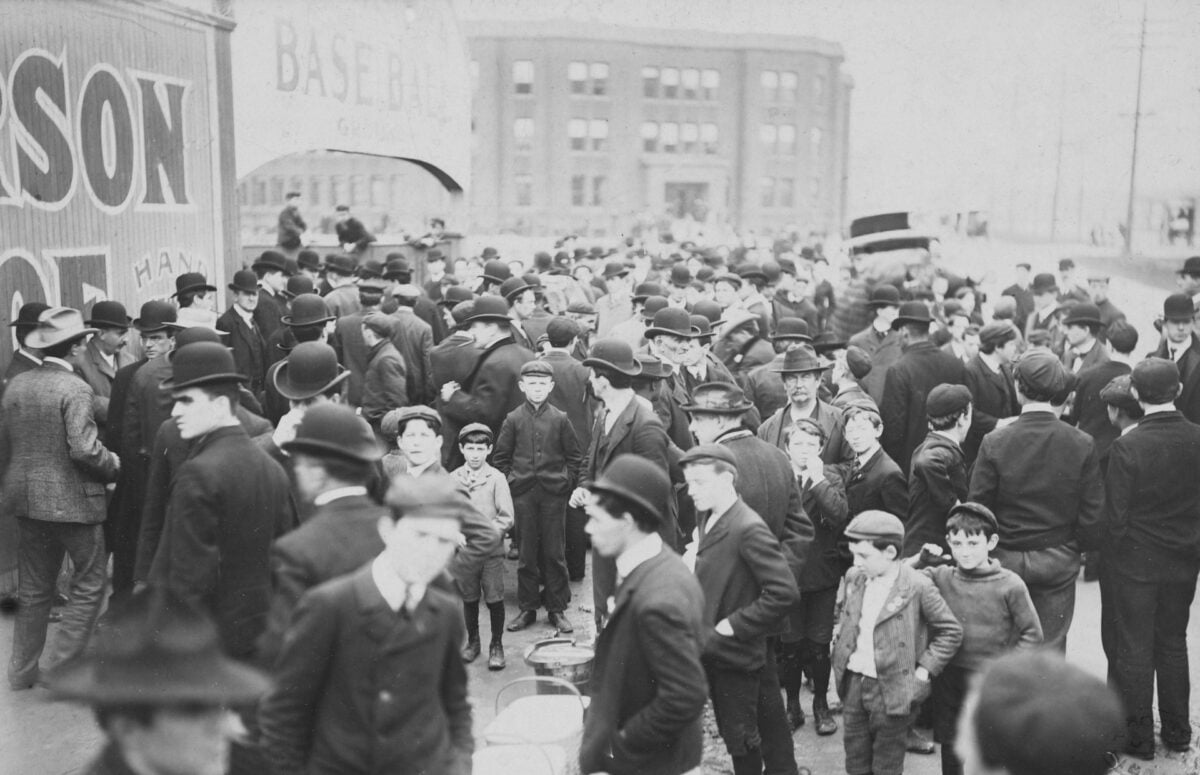
The eight-hour workday and workplace safety protections didn’t emerge from corporate goodwill. They were won through strikes, organizing, and sometimes violence—violence that usually came from the company side, with government backing.
The Ludlow Massacre in Colorado saw National Guard troops attack a tent city of striking miners and their families. Women and children died.
The Pinkertons were a private army hired by corporations to break strikes and intimidate workers. When labor tried to organize, companies could count on police, National Guard troops, and hired muscle to break up their efforts.
The Wagner Act of 1935 gave workers legal protections, but companies had spent decades using violence to prevent that legislation from ever becoming necessary.
Where Truth Lives Now
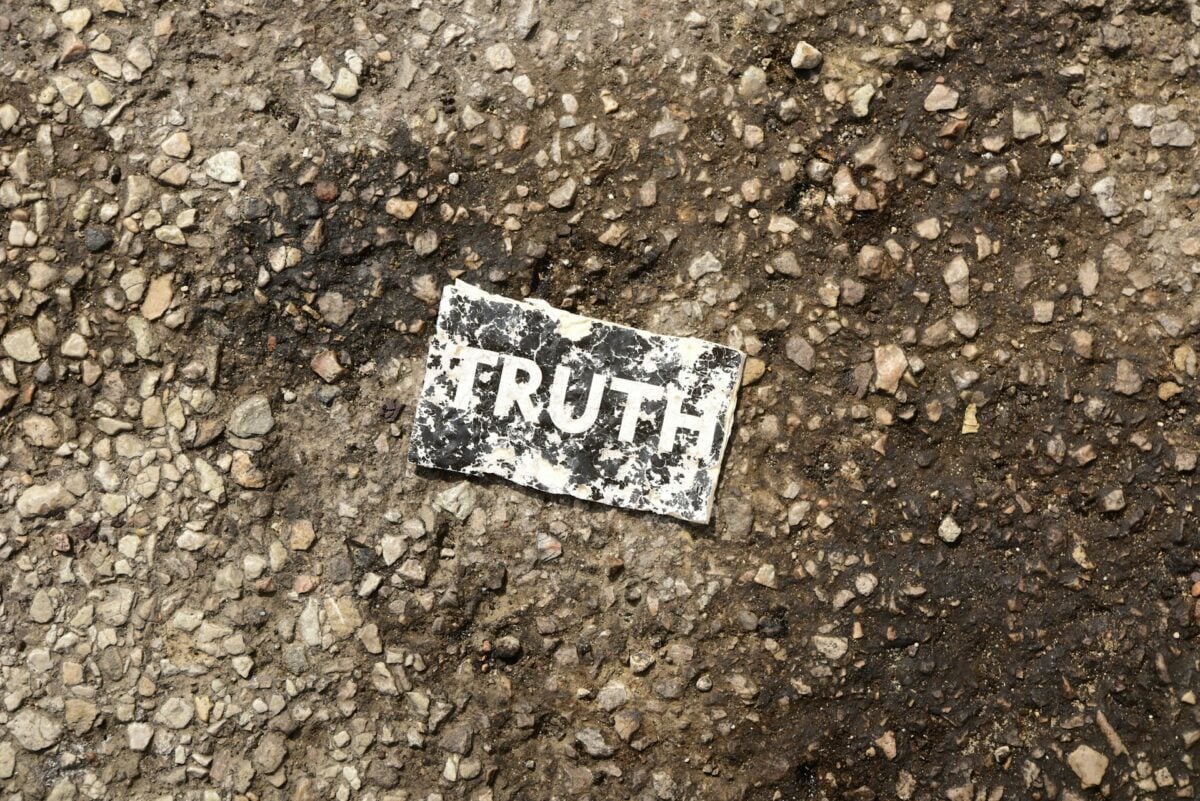
Maybe the real lesson isn’t in any specific historical event that got omitted from textbooks. Maybe it’s in recognizing that every generation curates the past to serve the present, choosing which stories support the current version of who we think we are and which ones complicate that narrative in ways that feel dangerous or unnecessary.
The stories that make it into classrooms aren’t necessarily the most important ones—they’re the safest ones, the ones that don’t challenge fundamental assumptions about how power works and who gets to wield it. But those other stories don’t disappear just because they don’t get taught.
They live in archives, in declassified documents, in the testimonies of people who were there when the cameras weren’t rolling and the textbook writers weren’t taking notes. They wait for anyone curious enough to look beyond the authorized version of events.
And they remind us that the difference between history and mythology often comes down to who’s telling the story and what they need that story to accomplish.
More from Go2Tutors!

- The Romanov Crown Jewels and Their Tragic Fate
- 13 Historical Mysteries That Science Still Can’t Solve
- Famous Hoaxes That Fooled the World for Years
- 15 Child Stars with Tragic Adult Lives
- 16 Famous Jewelry Pieces in History
Like Go2Tutors’s content? Follow us on MSN.