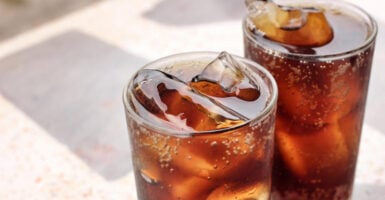
Iconic Food Everyone Was Eating In The 1960s
Meals in the 1960s held stories between bites. Change swept across America at speed, while dinner plates quietly shifted too.
Around those tables sat comfort mixed with curiosity. New flavors arrived daily because factories dreamed up boxes full of powder and plastic-wrapped slices.
Progress tasted like melted orange goo more often than anyone expected.
Back then, if your childhood matched those years – or you simply enjoyed peeling back the layers of how people ate – these picks might spark something real. Each bite here shaped what meals meant during ten straight years of change.
TV Dinners
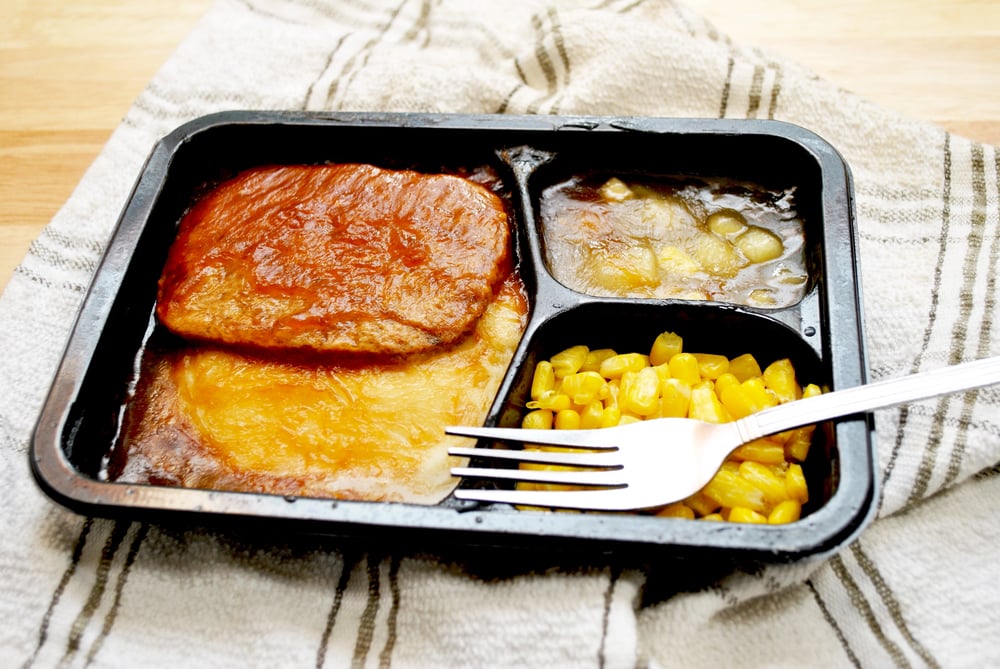
That Swanson brought out TV dinners near the end of the 1950s is true – yet it was only during the next decade they really spread through U.S. households. A whole dinner sitting in a shiny metal dish, warmed up fast while watching shows, seemed almost like something from tomorrow.
Mothers dealing with tight schedules grabbed onto these meals without hesitation. As for children?
They saw them as better than nearly anything else since cold boxes first kept food fresh.
Jell-O Salads
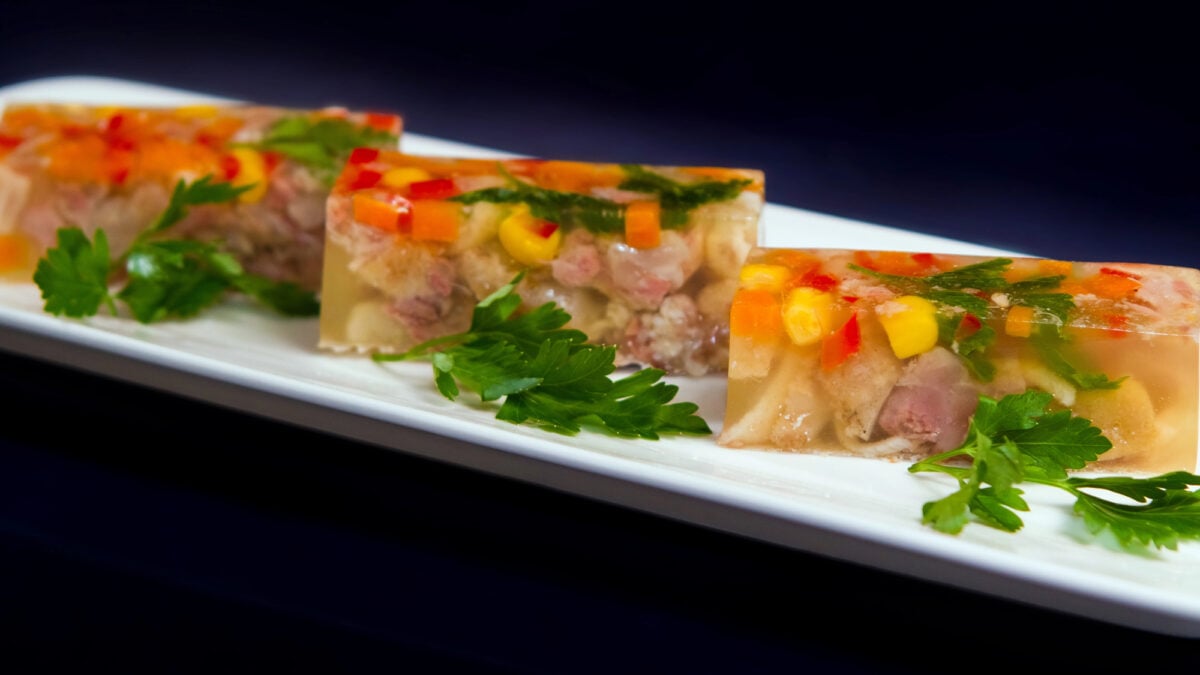
Back in the 1960s, you could hardly miss a Jell-O salad – they turned up at every gathering, from church suppers to family holidays. Floating bits of fruit, veggies, or meat in colored gelatin seemed fancy at the time, though it might seem odd now.
Instead of just mixing things together, people loved layering textures and flavors. One version stood out: lime-flavored gelatin blended with cream cheese and dotted with tiny pieces of pineapple.
Fondue
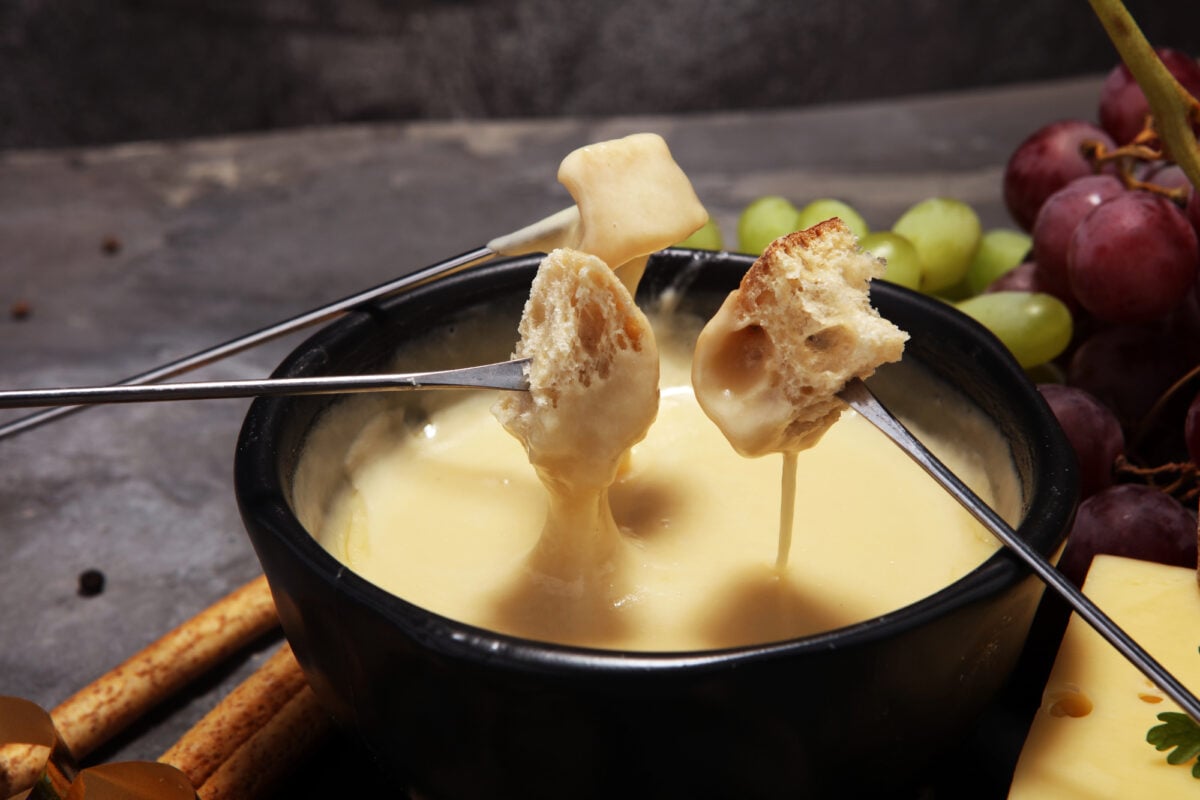
Fondue made its way into U.S. households in the sixties, suddenly showing up at every host’s table aiming for flair. Melted cheese – or later, chocolate – bubbled in a warm pot, waiting for bread or fruit to plunge in.
A dedicated pot helped keep it steady, alongside long-tined forks meant just for dipping. Burning your mouth happened often, yet guests kept doing it anyway.
Beef Stroganoff
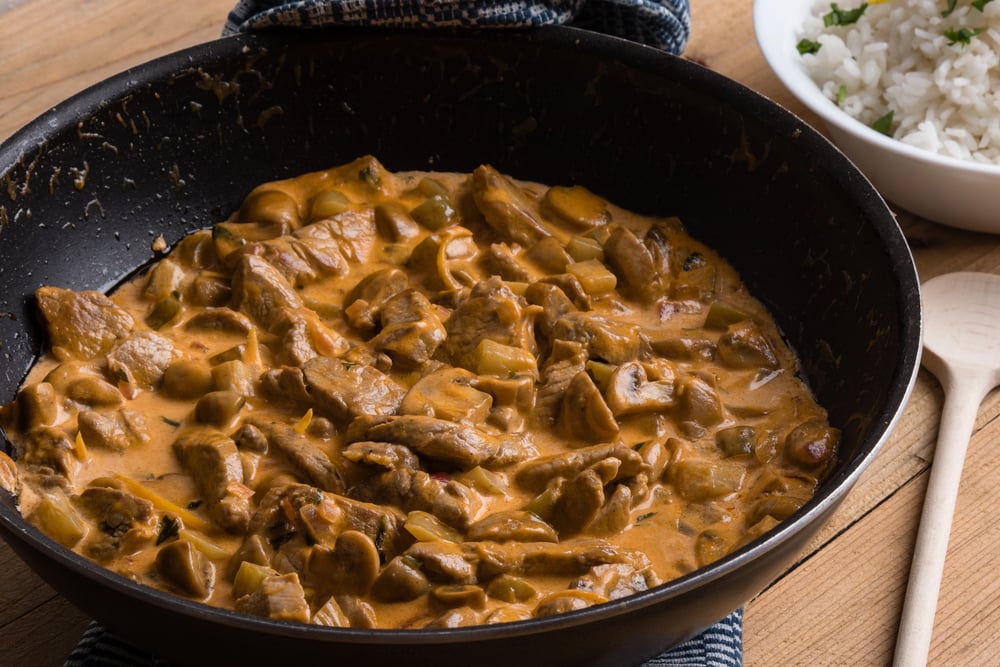
A plate of beef stroganoff could turn any kitchen into something resembling a real restaurant. Soft pieces of meat swam in a thick sauce brightened by sour cream, giving each bite depth without fuss.
Often found in well-worn cookbooks from the mid-1900s, it settled easily into family routines. Homes filled with its aroma on tired evenings, proof that comfort didn’t need complexity.
Space Food Sticks
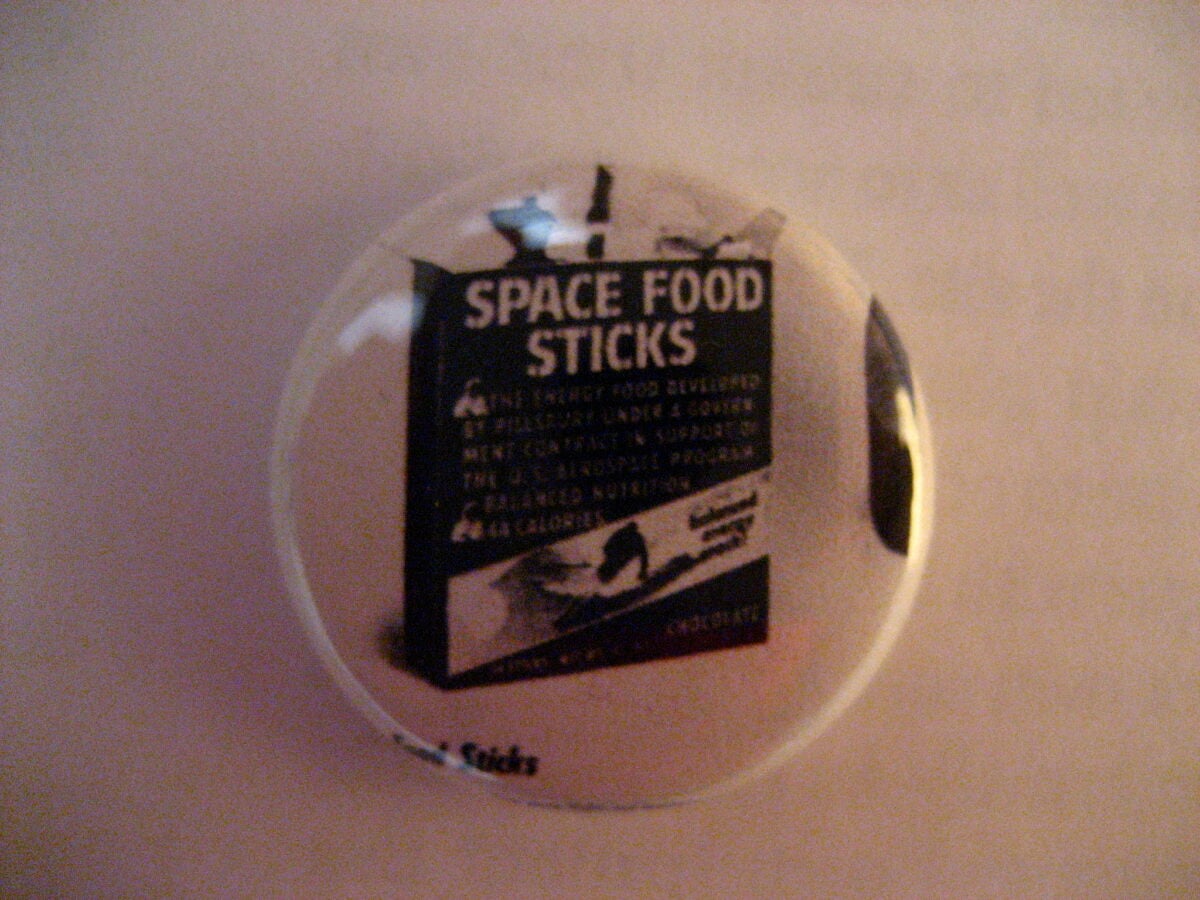
Midway through the twentieth century, while rockets shot toward the stars, food makers quickly chased that energy. Pillsbury dreamed up Space Food Sticks – snacks shaped by what fed real astronauts.
Flavors such as chocolate and peanut butter filled the tubes. Young fans couldn’t get enough of treats tied to cosmic adventure.
Ambrosia Salad
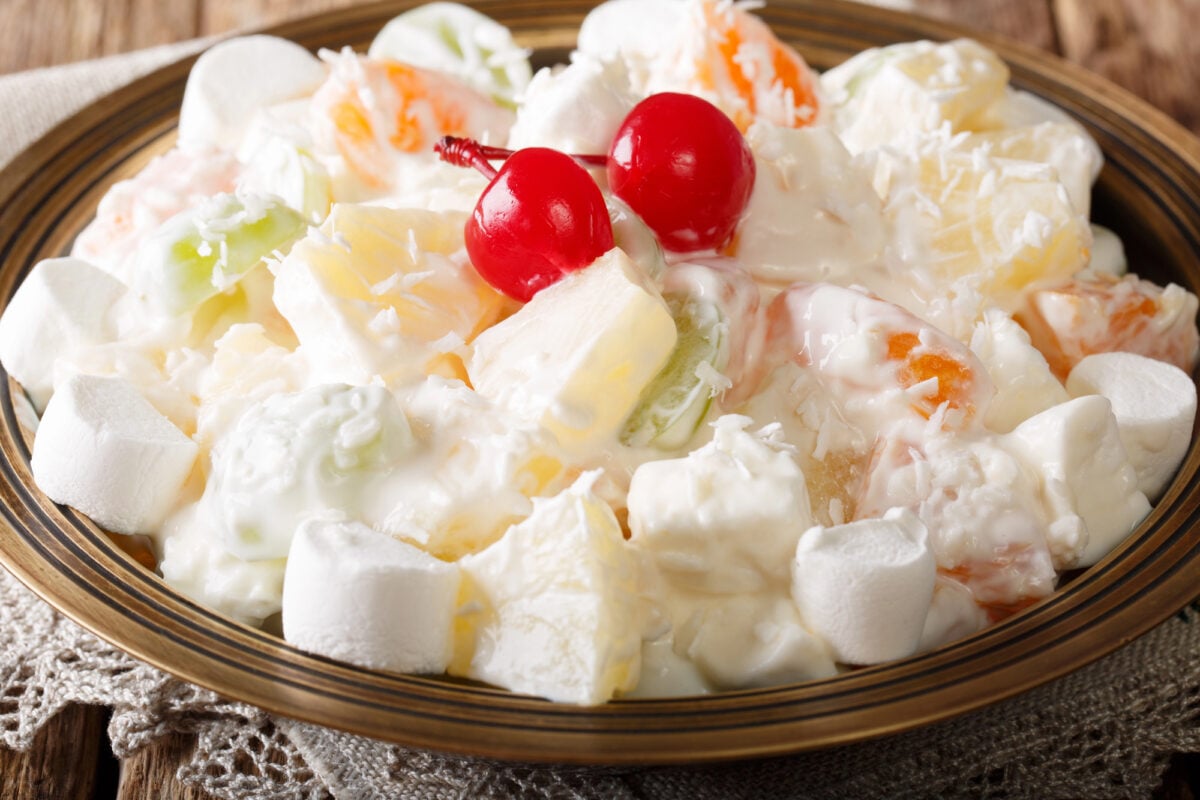
At every family event, there’d be that one bowl – canned peaches glistening next to tiny white puffs, coconut flakes drifting through like snow. You’d find it between the deviled eggs and meatloaf, pretending to belong.
Texture did most of the talking: squishy fruit meeting airy sugar clouds, everything glued by cool swirls of cream. Kids would hover first, then everyone else, drawn less by appetite than memory.
Calling it a salad felt generous, really – it behaved like something you’d eat after ice cream. Sweetness stacked on sweetness, yet somehow balanced, like nostalgia had weight.
Pigs In A Blanket
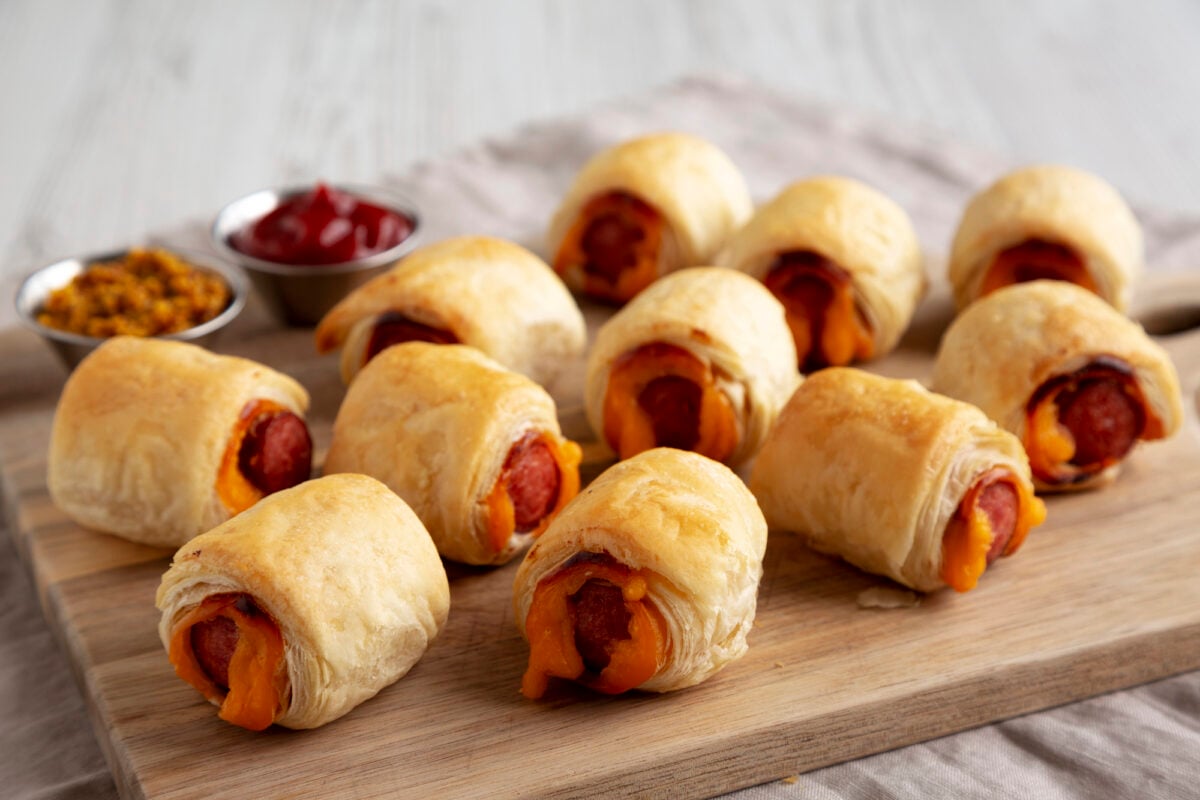
Baked goods like pigs in a blanket started popping up everywhere during the sixties, sharing platters with hard boiled eggs dressed in mayo and squares of sharp cheddar. Little hot dogs tucked into flaky pastry triangles made their way into ovens across suburbs, coming out puffed and browned.
Without much effort needed in the kitchen, these bites vanished fast once trays landed on countertops – often gone before guests even reached for seconds.
Tuna Noodle Casserole
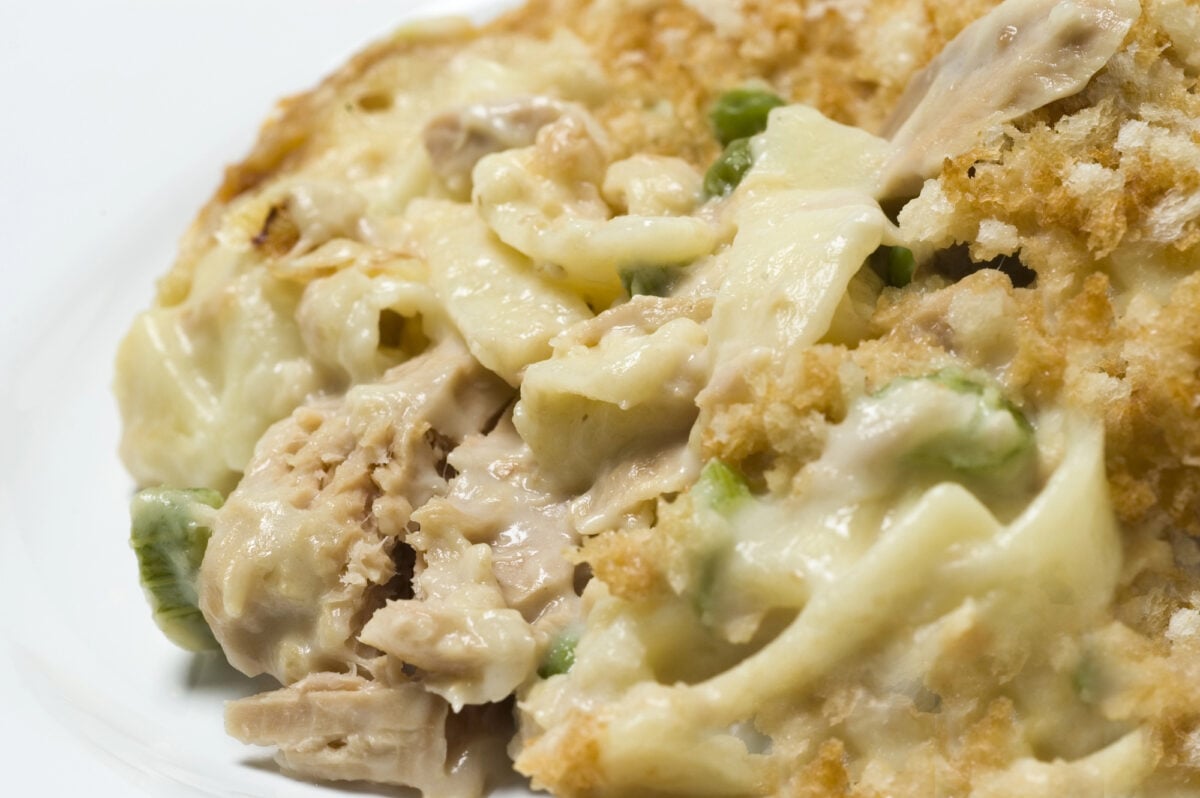
Back in the 1960s, tuna noodle casserole meant dinner got done without fuss. A single dish held egg noodles swimming in canned tuna mixed with mushroom soup from a can.
Baked until bubbly, it wore a crusty hat of crumbs – crushed crackers or toasted bread bits doing the job. Costing next to nothing, it filled bellies fast.
Because it asked so little from whoever stood at the stove, busy households clung to it.
Deviled Eggs
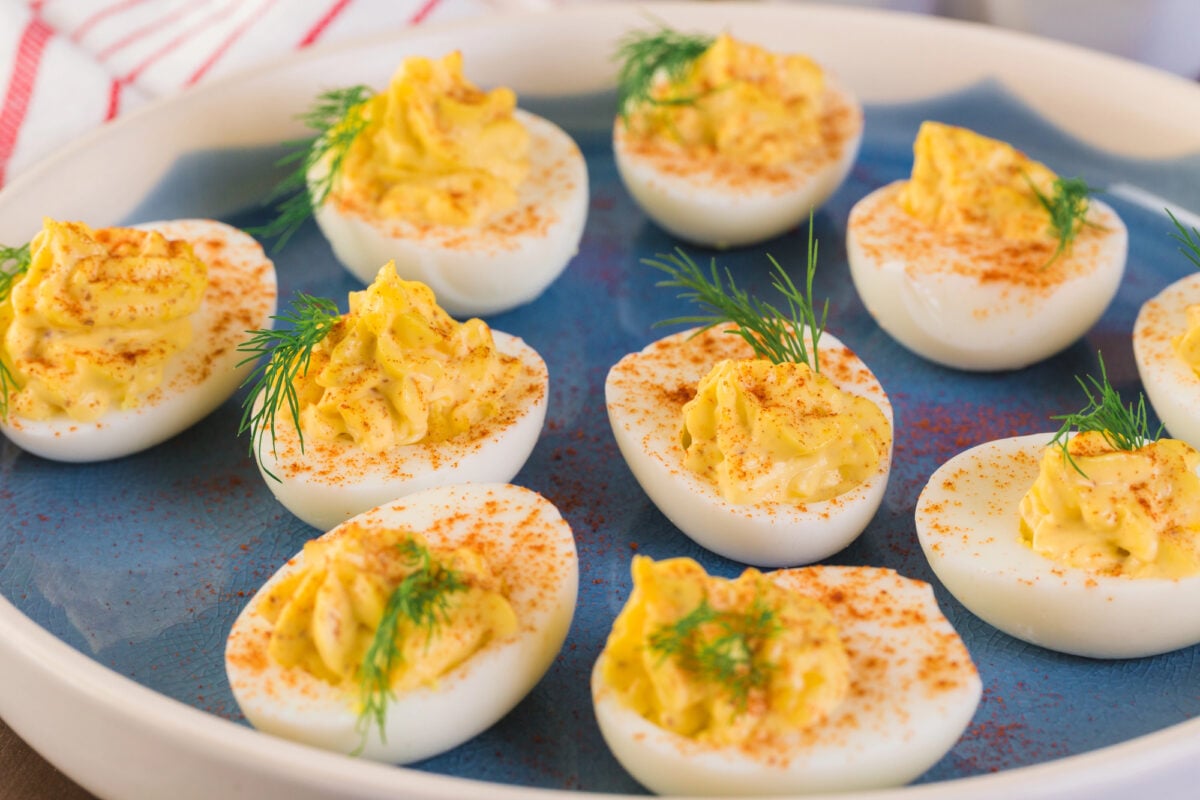
Backyard cookouts, fancy dinners – no event in the 1960s skipped deviled eggs. Smooth, sharp, with just a hint of heat inside the yolk mix.
Neat swirls tucked into firm whites, finished off with a red sprinkle of paprika. Fancy enough to impress, though hardly any work stood behind them.
Exactly what hosts wanted but rarely admitted out loud.
Chiffon Cake
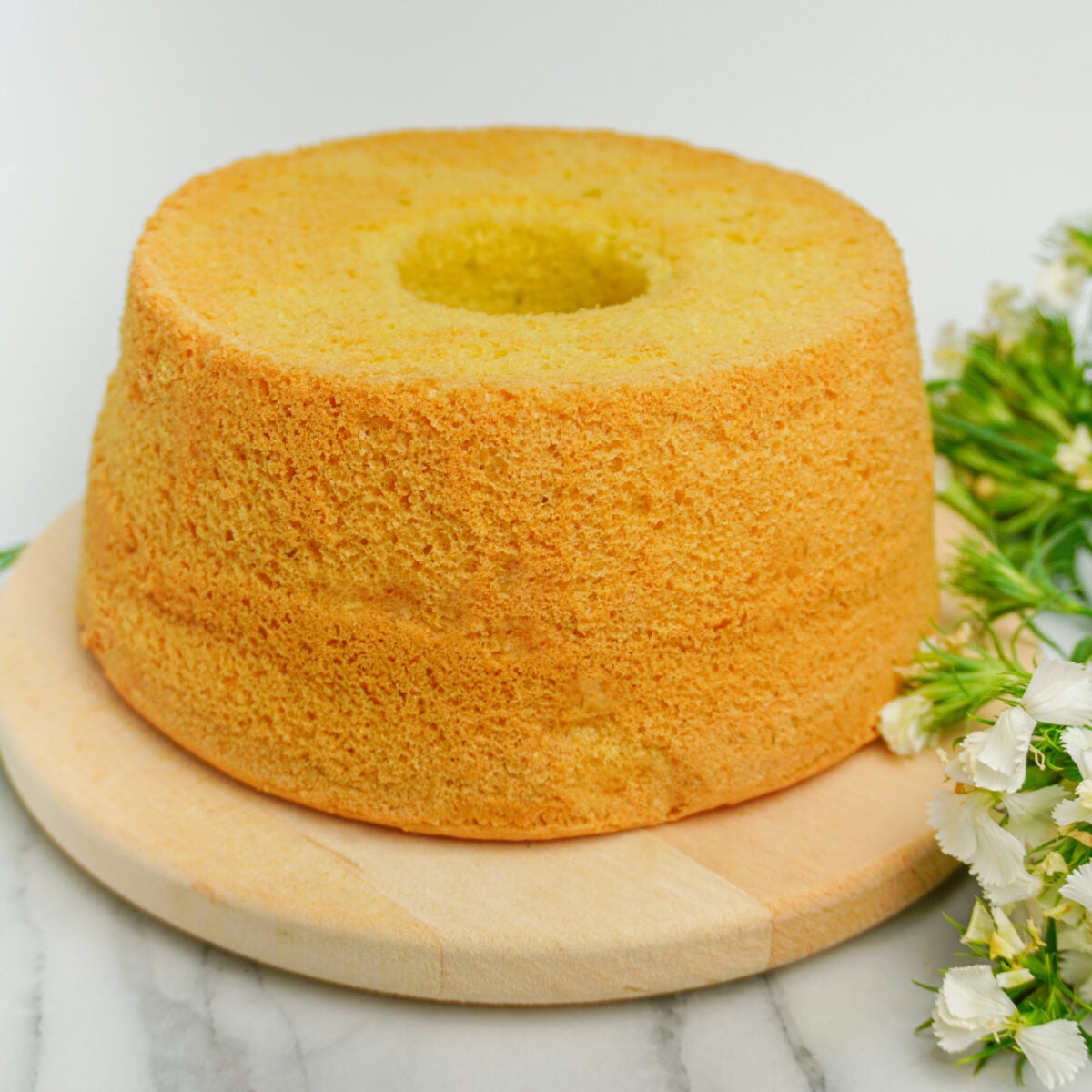
Chiffon cake had a moment in the 1960s that was hard to ignore. Lighter than a regular butter cake but richer than an angel food cake, it sat right in the middle and pleased nearly everyone.
Home bakers loved showing it off because it looked impressive on a cake stand, even though the recipe was not particularly difficult once you got the hang of it.
Velveeta Dishes
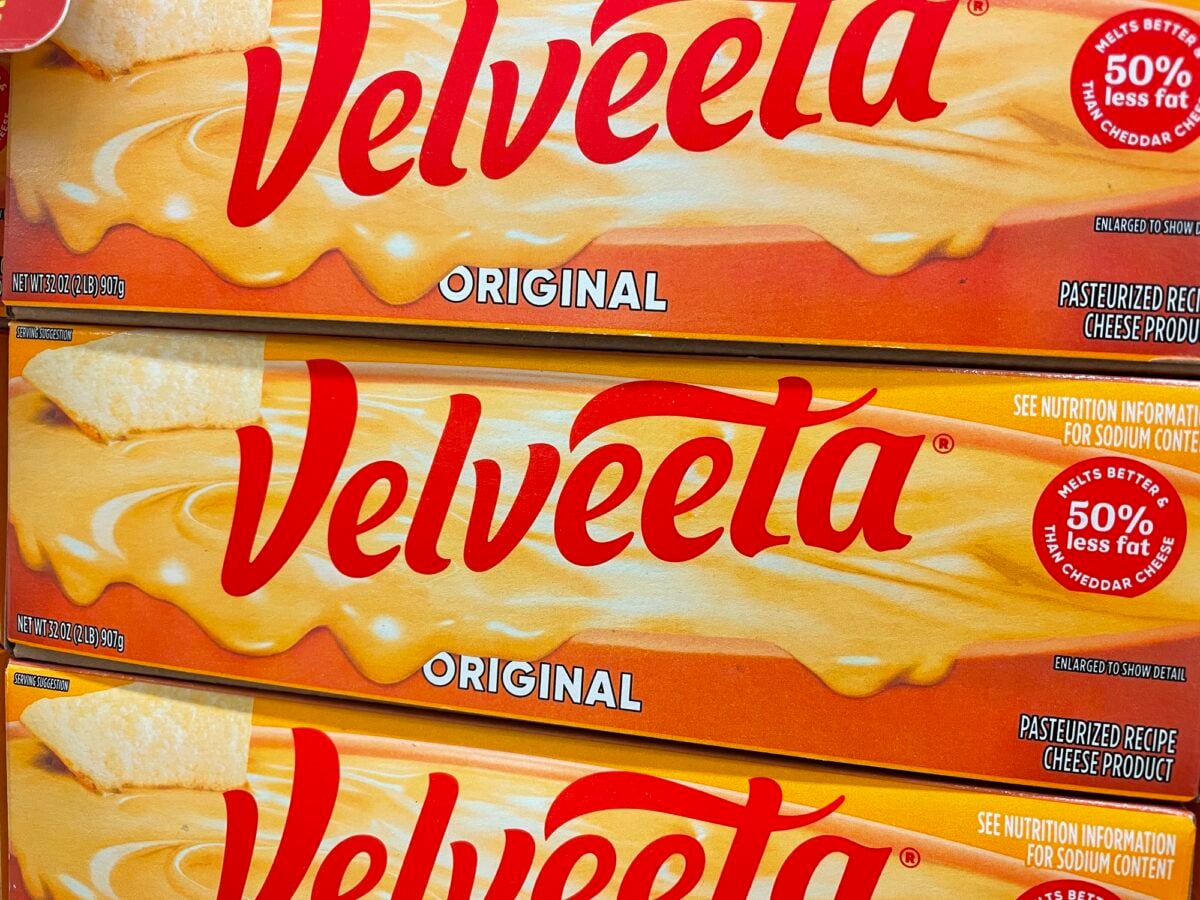
Velveeta was not just a product in the 1960s; it was practically a food group. The smooth, meltable processed cheese found its way into dips, casseroles, and sauces across the country.
Ro-Tel dip, made with Velveeta and canned tomatoes with green chiles, became one of the most popular party dips of the decade and has never really gone away.
Hawaiian Pizza
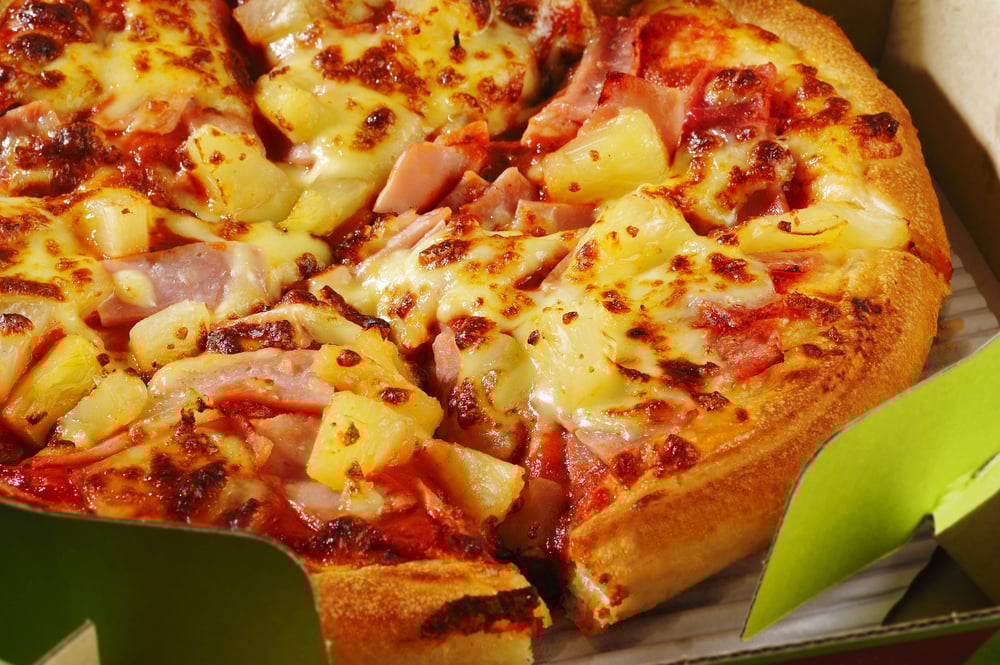
Sam Panopoulos created Hawaiian pizza in Canada in 1962, and the combination of ham and pineapple on a pizza quickly crossed borders and became a conversation starter everywhere. People either loved it intensely or refused to go near it, and that debate has been running ever since.
Either way, it made pizza more adventurous and pushed people to think beyond traditional toppings.
Onion Soup Dip
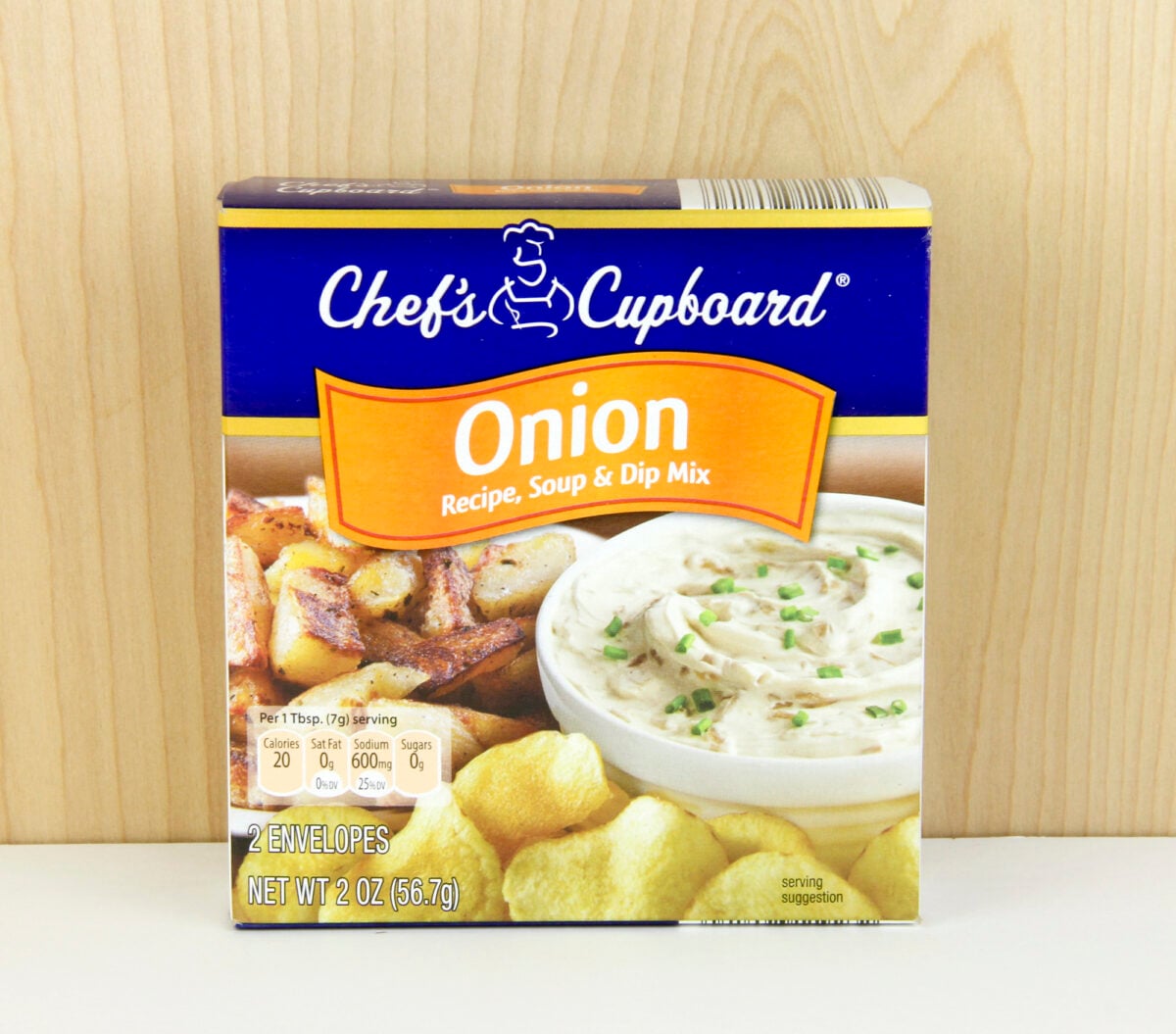
Lipton onion soup mix stirred into a container of sour cream became one of the simplest and most beloved dips of the 1960s. It appeared at almost every party, served with potato chips or raw vegetables for dipping.
The recipe was literally printed on the back of the soup mix box, which tells you everything about how accessible and popular it was.
Lobster Newburg
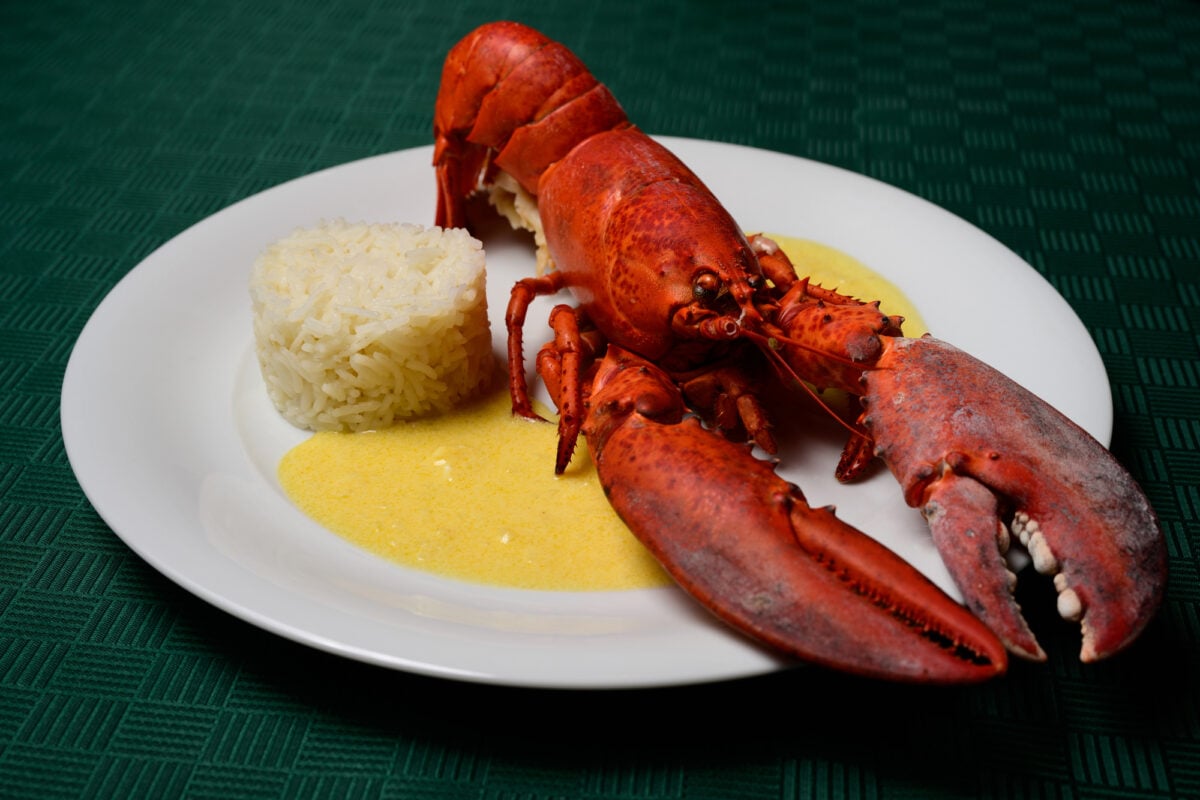
Lobster Newburg had been around since the 1800s, but the 1960s gave it a second life as a dinner party showstopper. It combined lobster meat in a rich cream sauce made with butter, egg yolks, and sherry, usually served over toast points.
Hosting it for guests was a clear signal that the evening was going to be a serious affair.
Iceberg Lettuce Wedge Salad
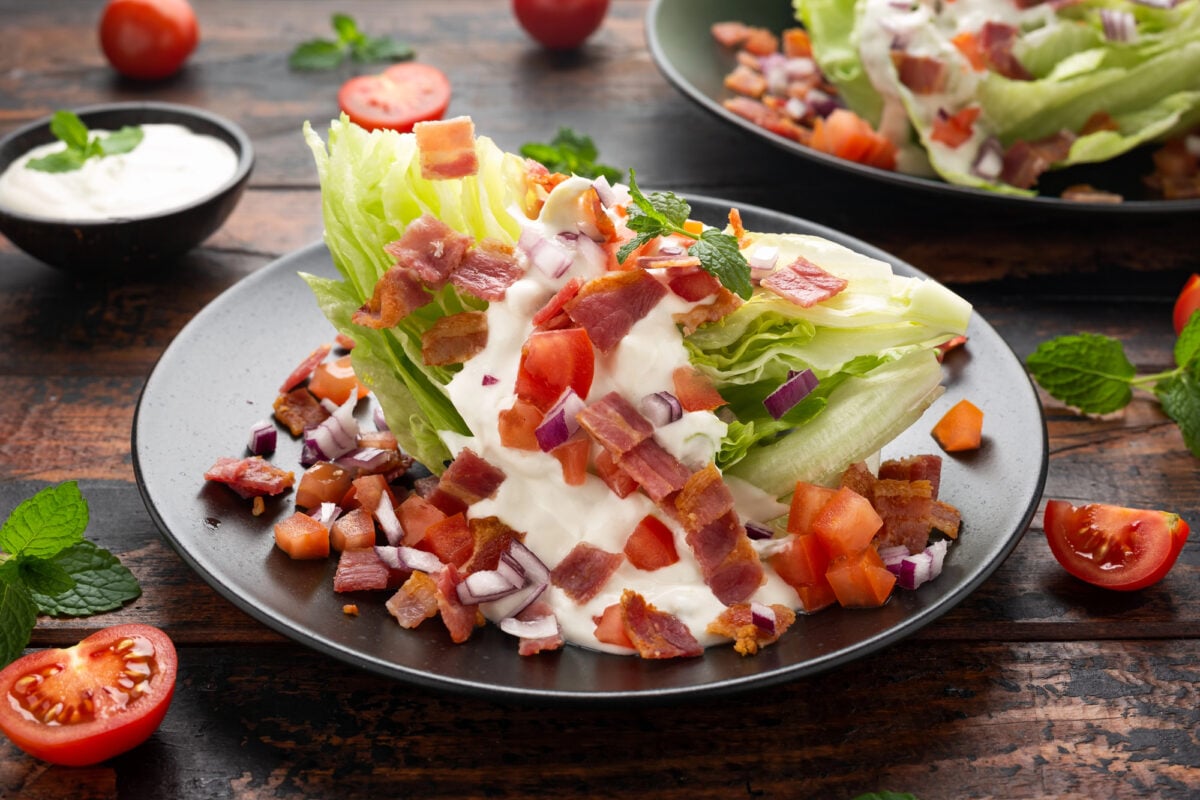
The wedge salad was the salad of the 1960s, full stop. A thick wedge of iceberg lettuce topped with blue cheese dressing, bacon bits, and tomato was considered both elegant and satisfying.
Steakhouses leaned into it heavily, and home cooks copied the style for their own dinner tables without hesitation.
Cherry Jell-O Cake
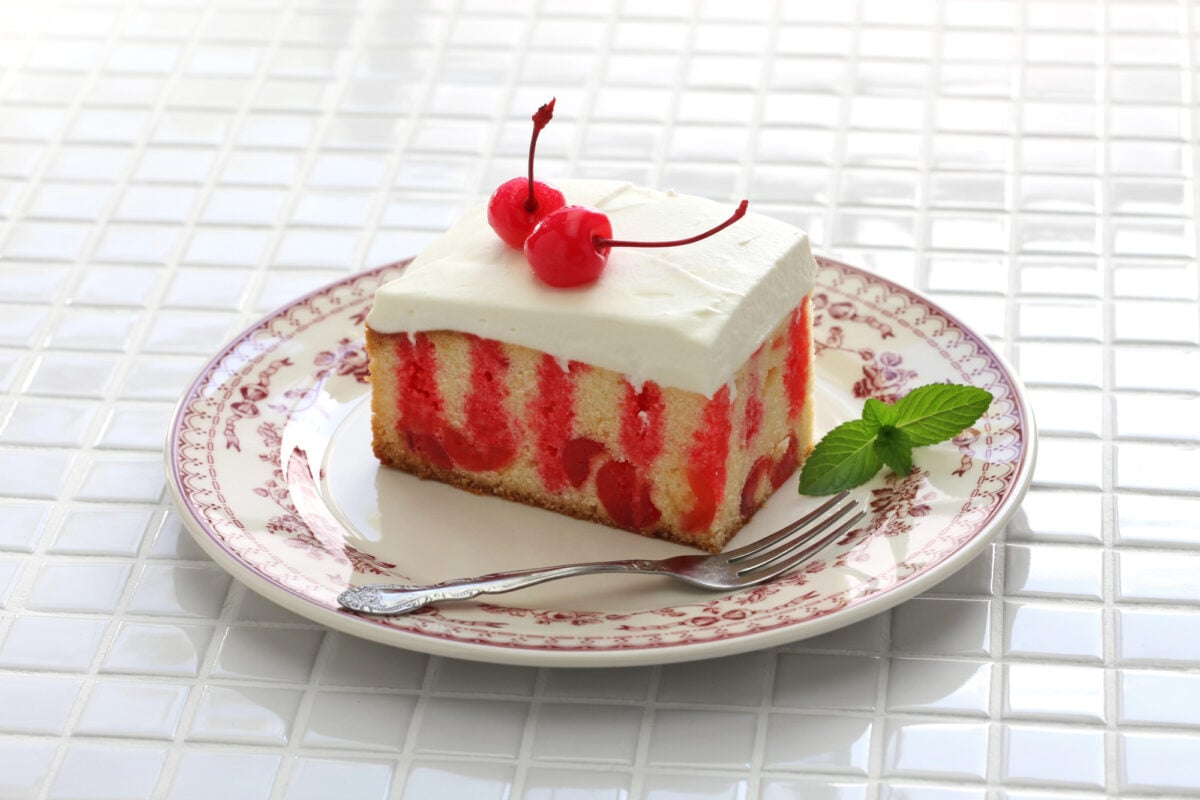
Cherry Jell-O cake, sometimes called poke cake, became a widespread sensation in the 1960s when home bakers discovered how easy and colorful it was to make. The method involved baking a plain white cake, poking through it, and pouring liquid Jell-O over the top so it soaked in and created bright streaks of color inside every slice.
It looked impressive, tasted sweet and fruity, and required almost zero baking expertise.
Chicken À La King
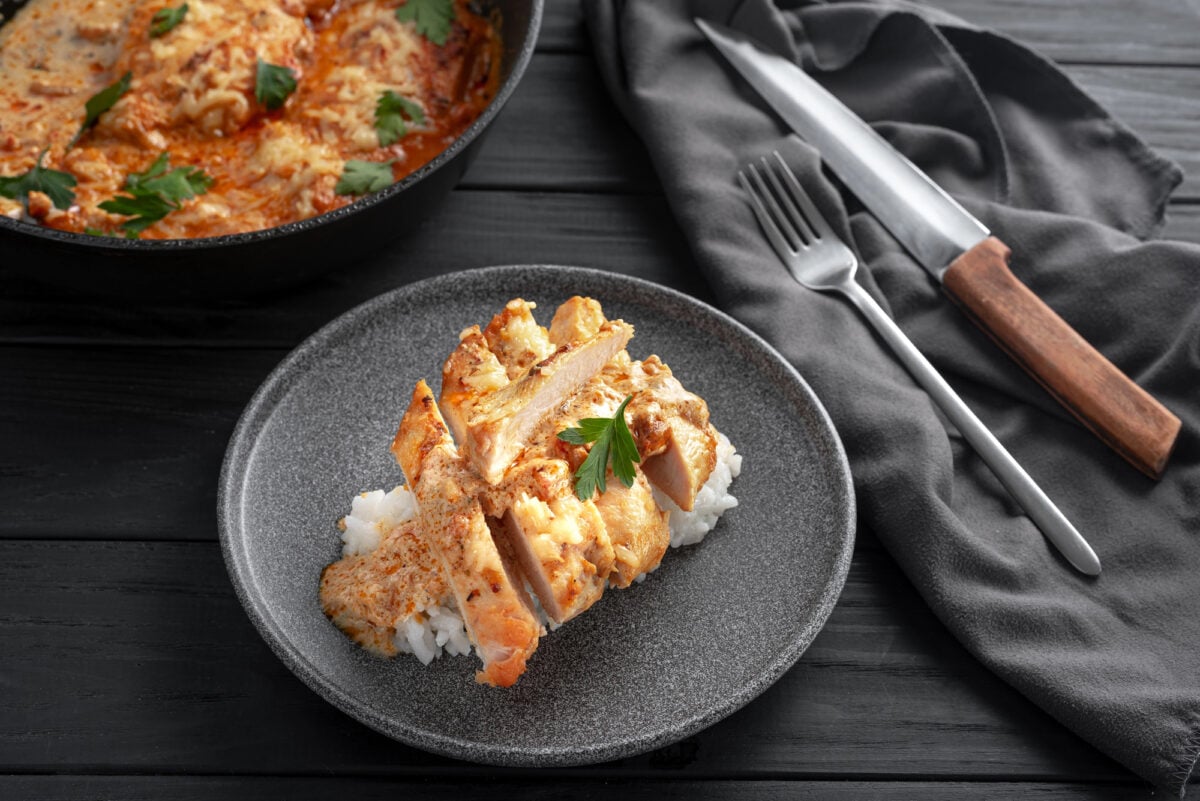
Chicken à la king was a creamy, comforting dish made with diced chicken, mushrooms, and bell peppers in a rich white sauce, typically served over rice or in a pastry shell. It felt fancy enough for company but simple enough to make on a Tuesday night.
The dish appeared on restaurant menus, in home kitchens, and on the pages of nearly every major food magazine throughout the decade.
Grasshopper Pie
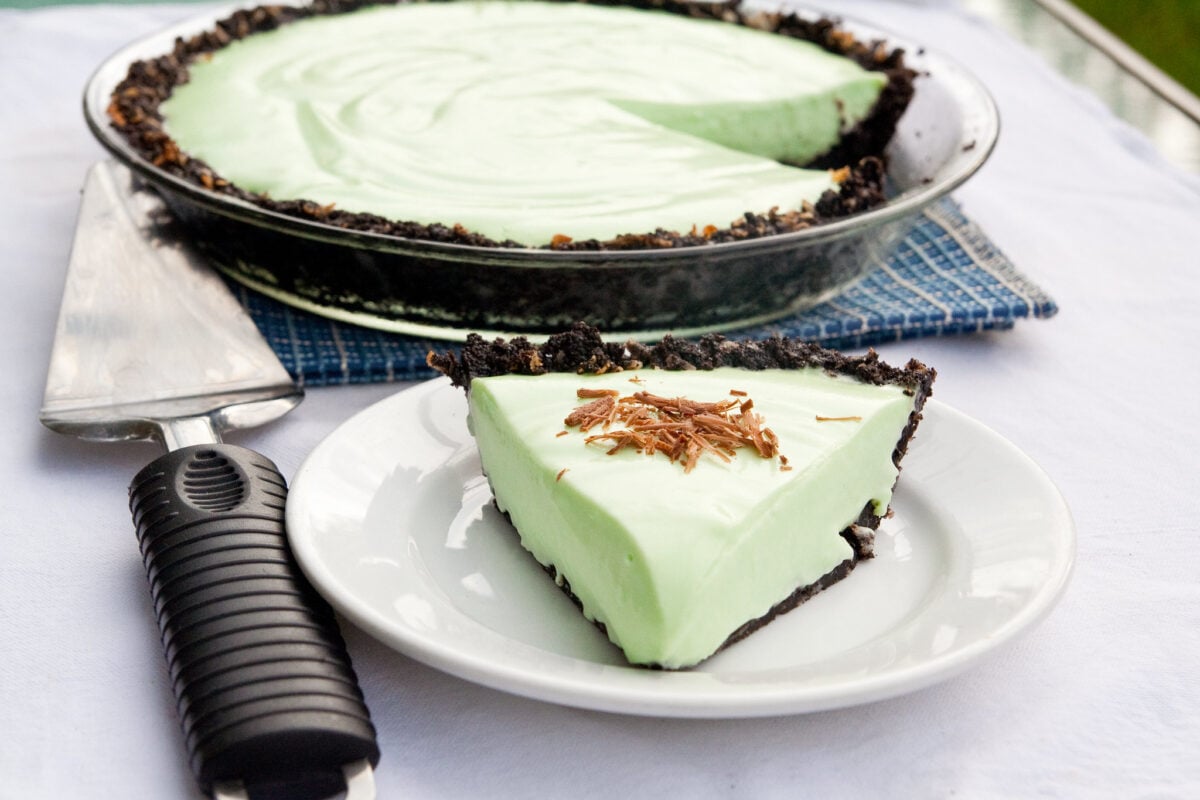
Grasshopper pie had one of the most fun names in 1960s dessert culture and matched it with a flavor that nobody expected to enjoy as much as they did. Made with mint, cream, and a chocolate cookie crust, it was cool, creamy, and bright green, which made it stand out on any dessert table.
The combination of mint and chocolate turned out to be a winner long before mint chip ice cream made it mainstream.
The Table That Time Never Cleared
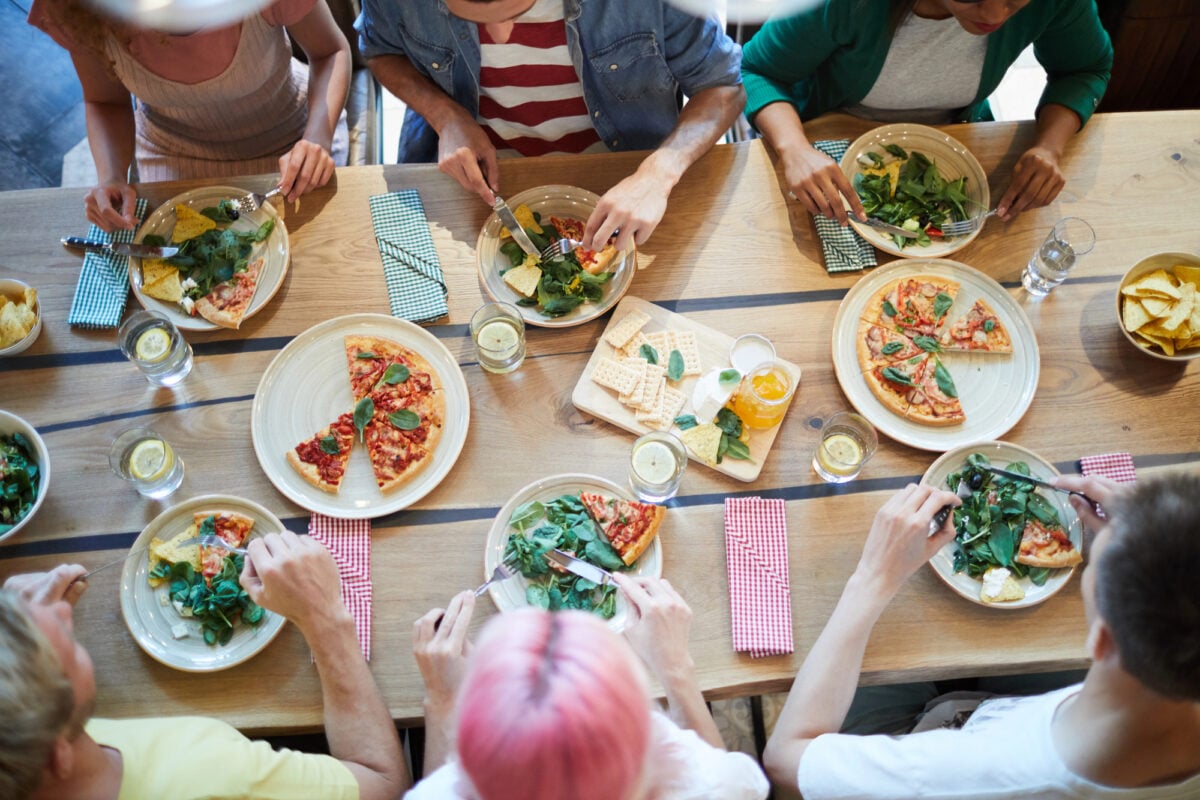
The food of the 1960s tells a story about a generation that was learning to embrace convenience while still caring deeply about gathering around a table together. Many of these dishes have faded, but a surprising number of them quietly survived and still show up at family reunions, potlucks, and holiday dinners today.
Fondue had a full comeback in the 1990s, pigs in a blanket never actually left, and people are still arguing about Hawaiian pizza. The 1960s kitchen shaped the way Americans eat more than most people realize, and that influence is still on the table.
More from Go2Tutors!

- The Romanov Crown Jewels and Their Tragic Fate
- 13 Historical Mysteries That Science Still Can’t Solve
- Famous Hoaxes That Fooled the World for Years
- 15 Child Stars with Tragic Adult Lives
- 16 Famous Jewelry Pieces in History
Like Go2Tutors’s content? Follow us on MSN.