16 Mind-Blowing Facts About Sharks That Will Surprise You
Most people think they know sharks. You’ve seen the movies, watched the documentaries, heard the statistics about lightning strikes being more likely than shark attacks.
But sharks have been perfecting their craft for over 400 million years, and they’ve developed some truly bizarre adaptations along the way. These ancient predators hold secrets that challenge everything you thought you knew about how life works in the ocean.
Sharks Are Older Than Trees

Sharks existed 100 million years before trees appeared on Earth. While the planet was still figuring out how to grow forests, sharks were already cruising the oceans as apex predators.
Trees are newcomers by comparison.
Some Sharks Glow in the Dark
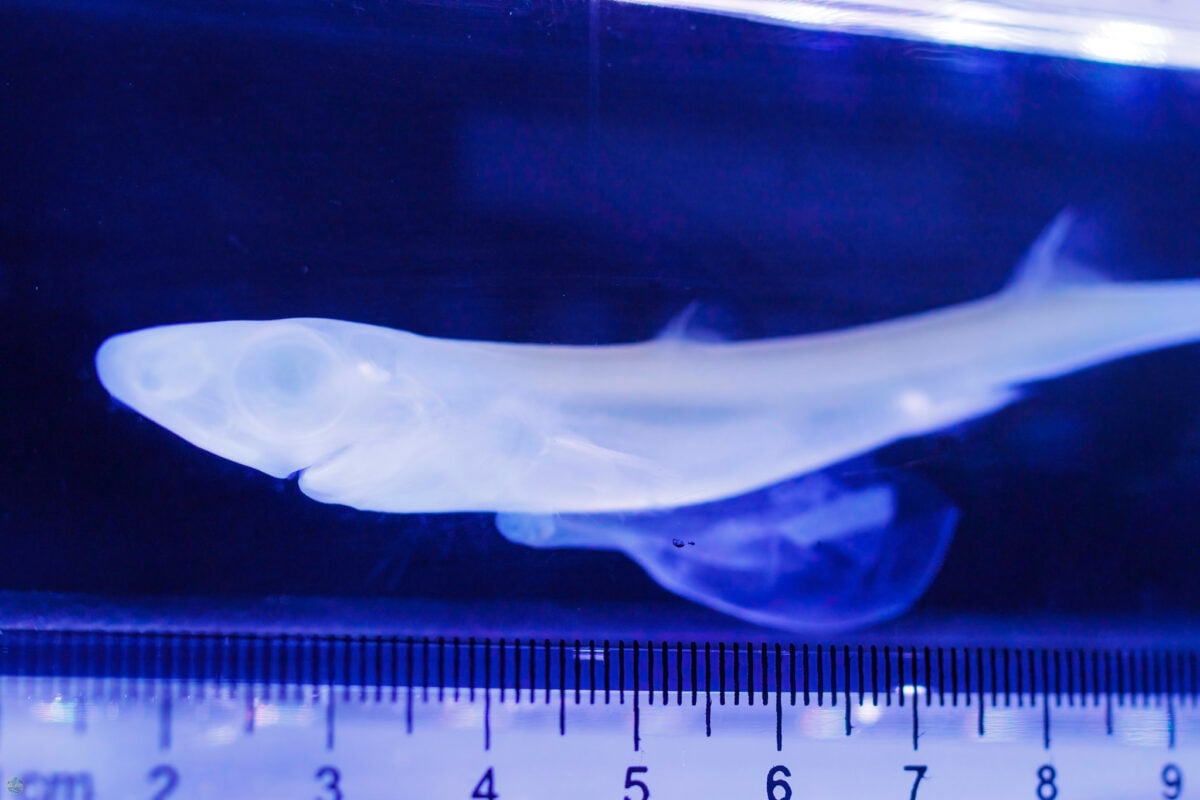
Deep-sea sharks create their own light through bioluminescence, and it’s not just for show (though the effect can be stunning when witnessed in the wild, which happens rarely enough that marine biologists still get genuinely excited about it). The lantern shark, for instance, uses photophores along its belly to match the faint light filtering down from above — so when prey looks up, the shark becomes invisible against the dim surface glow.
And yet this isn’t just camouflage; it’s also communication, because other sharks can read these light patterns like a secret language written in living morse code across the darkness of the deep ocean.
Greenland Sharks Can Live Over 400 Years
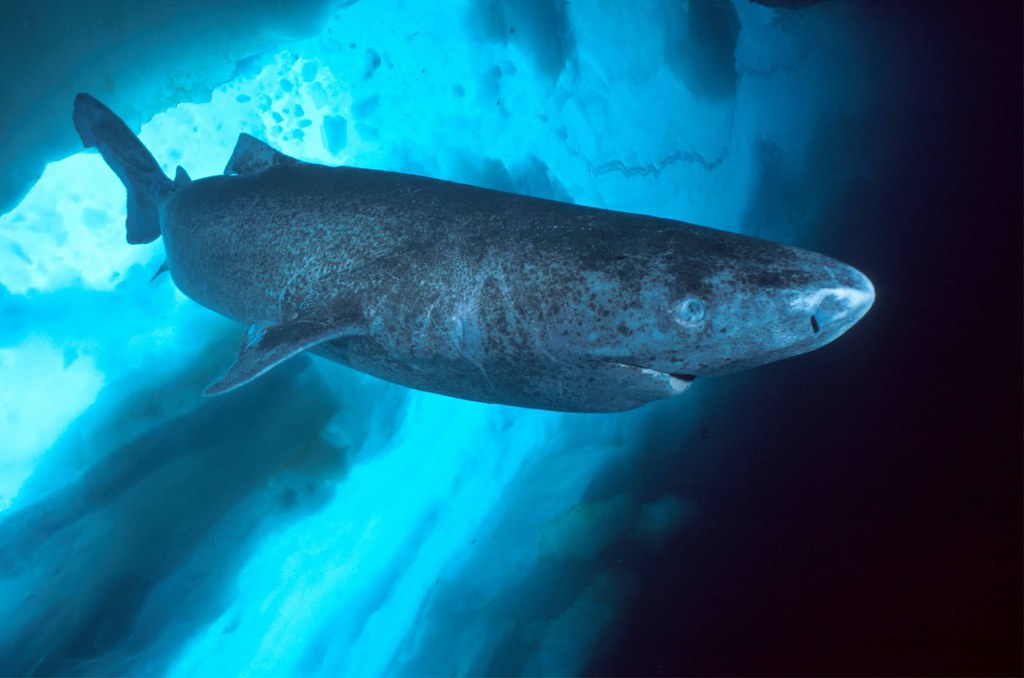
There’s something unsettling about an animal that treats centuries the way most creatures treat decades. These Arctic sharks grow so slowly that by the time they’re mature enough to reproduce, entire human civilizations have risen and fallen.
They swim through the same waters their great-great-grandparents knew, carrying the ocean’s memory in their ancient flesh. The cold preserves them, but it also makes them patient in a way that feels almost geological — less like animals and more like moving pieces of the seafloor itself.
Shark Skin Is Made of Teeth

Shark skin isn’t skin at all — it’s millions of tiny teeth called denticles. This makes sharks living sandpaper that can slice through water with minimal drag while simultaneously providing armor against predators.
Traditional swimsuit manufacturers have spent millions trying to replicate this design, which tells you something about 400 million years of evolution.
Some Sharks Give Birth to Live Young Who Eat Each Other
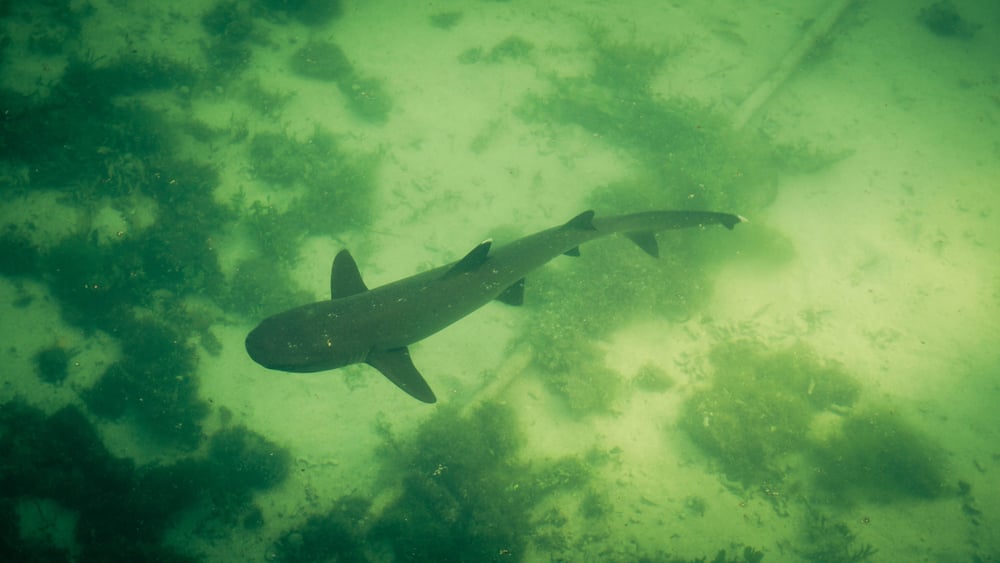
Inside the sand tiger shark’s womb, the strongest pup eats its siblings before birth, and this isn’t some tragic accident of nature — it’s the entire reproductive strategy, designed and refined over millions of years to ensure only the most capable offspring survive (which sounds ruthless until you consider that the ocean doesn’t grade on a curve, and weak sharks simply don’t make it). So these mothers are essentially running gladiator schools in their own bodies, where the prize for winning isn’t freedom but the chance to be born into an even more competitive arena.
The victor emerges not just alive but already practiced in the fundamental rule of shark existence: eat or be eaten.
Sharks Have No Bones
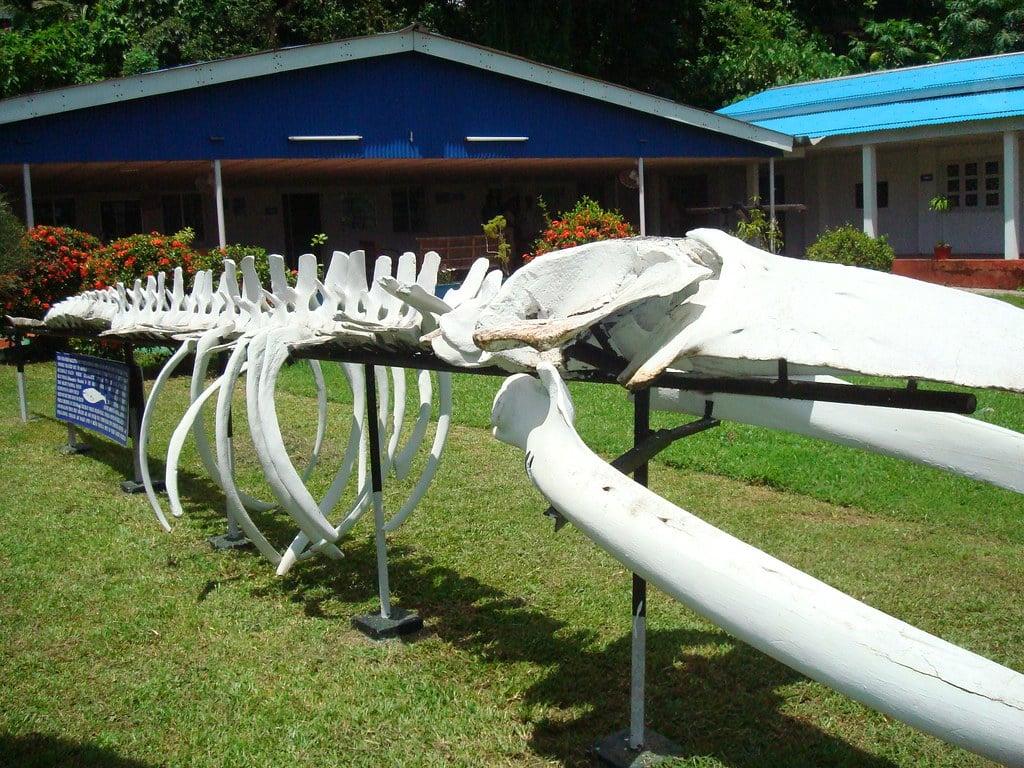
Their skeletons are made entirely of cartilage — the same flexible material in your nose and ears. This makes them lighter, more flexible, and better able to handle the pressure changes of deep-water hunting.
It also means their skeletons rarely fossilize, which is why most shark fossils are just teeth.
Great White Sharks Are Warm-Blooded
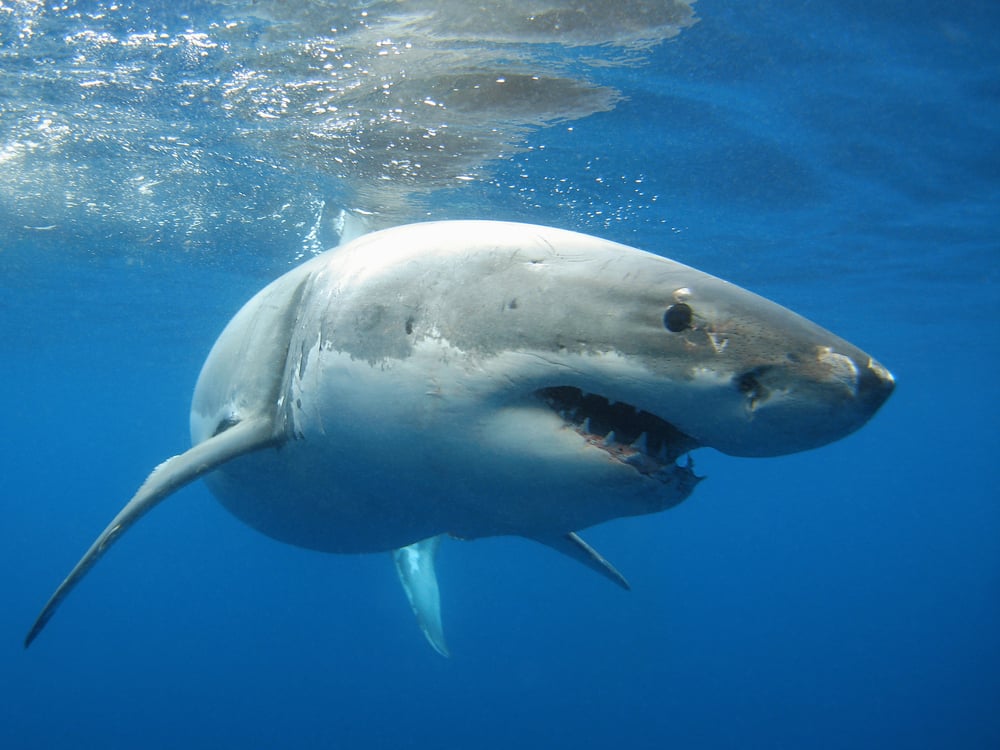
Unlike most fish, great whites can regulate their body temperature, keeping their core warmer than the surrounding water. This gives them the energy to burst through the surface in those spectacular breaches that look less like swimming and more like controlled explosions.
They’re not just cold-blooded killers — they’re literally running hot, burning calories to maintain an edge that most fish can’t match.
Sharks Can Detect Electricity
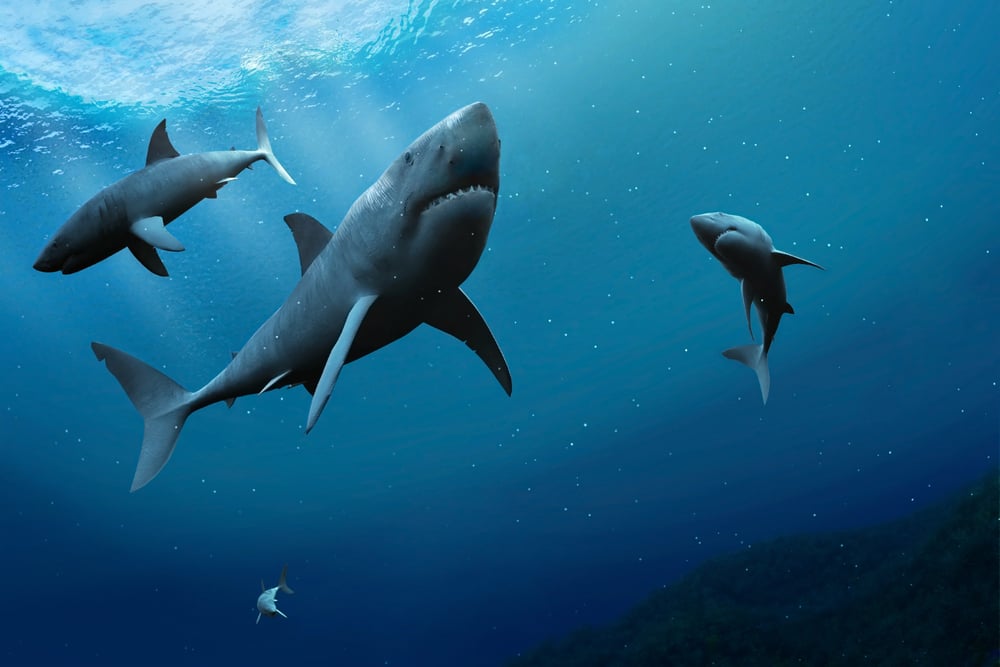
The ampullae of Lorenzini — gel-filled pores around a shark’s head — can detect the electrical fields generated by all living creatures, and this sense is so acute that they can find a fish buried in sand from the tiny electrical impulses of its gills (imagine being able to sense someone’s heartbeat from across a room, except the room is an entire section of ocean floor). This turns every hunt into something like echolocation, but instead of sound waves, they’re reading the electrical signatures of life itself.
Even a motionless fish can’t hide because being alive means being electrical, and sharks have been eavesdropping on that conversation for hundreds of millions of years.
Cookie Cutter Sharks Take Perfect Round Bites
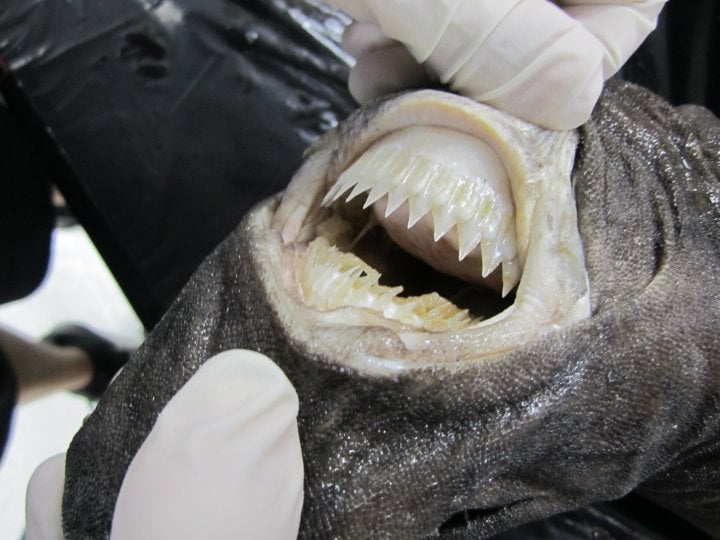
These small sharks attack whales, dolphins, and even submarines by latching on with suction-cup lips and twisting away a perfect circular chunk of flesh. The bite marks look like someone used an industrial punch on a whale.
Military submarines have had to surface for repairs after cookie cutter encounters.
Sharks Don’t Sleep
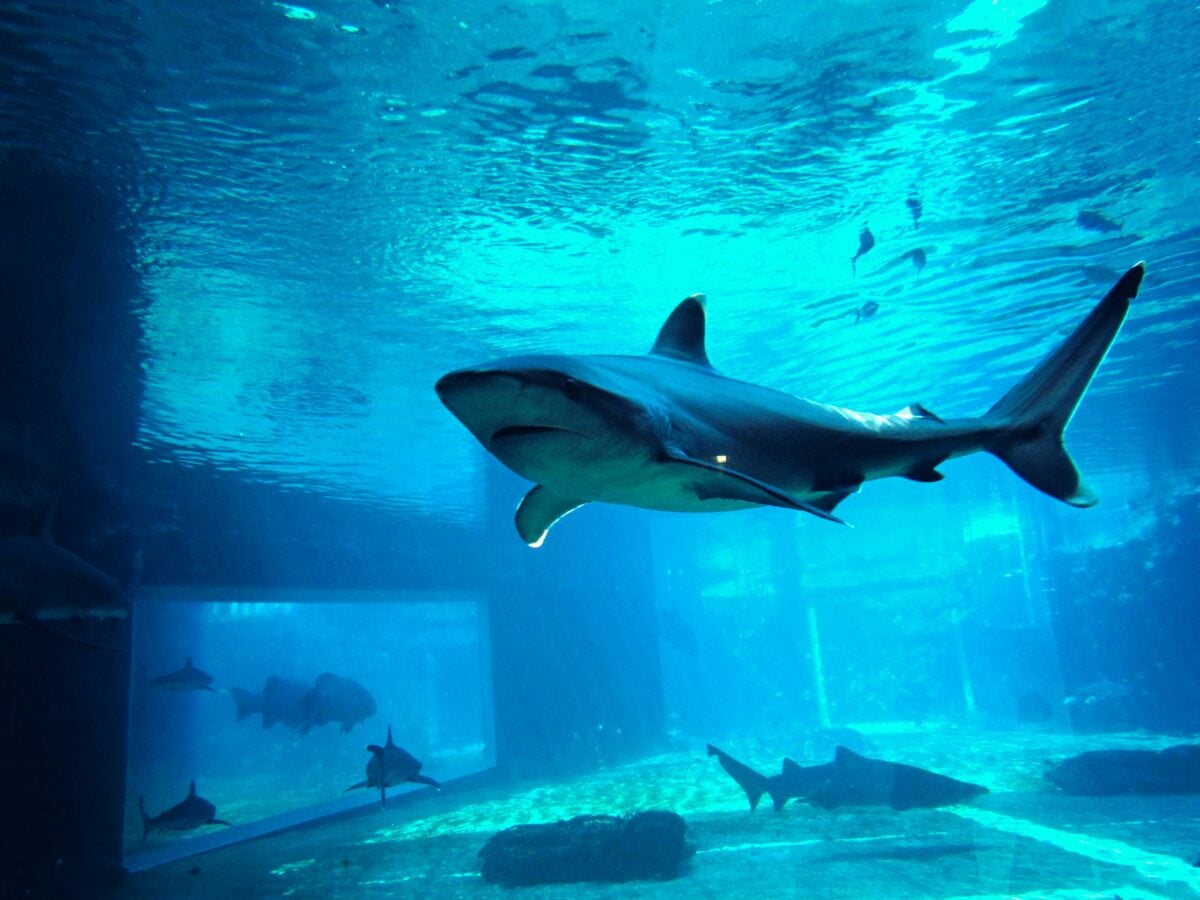
They enter a state called “tonic immobility” where they rest while still moving enough to breathe, but true sleep (as mammals experience it) doesn’t happen. Some species have been observed resting motionless on the ocean floor, but their brains remain alert to threats and opportunities.
Sleep is apparently a luxury sharks decided they couldn’t afford.
Hammerhead Sharks Use Their Heads as Weapons
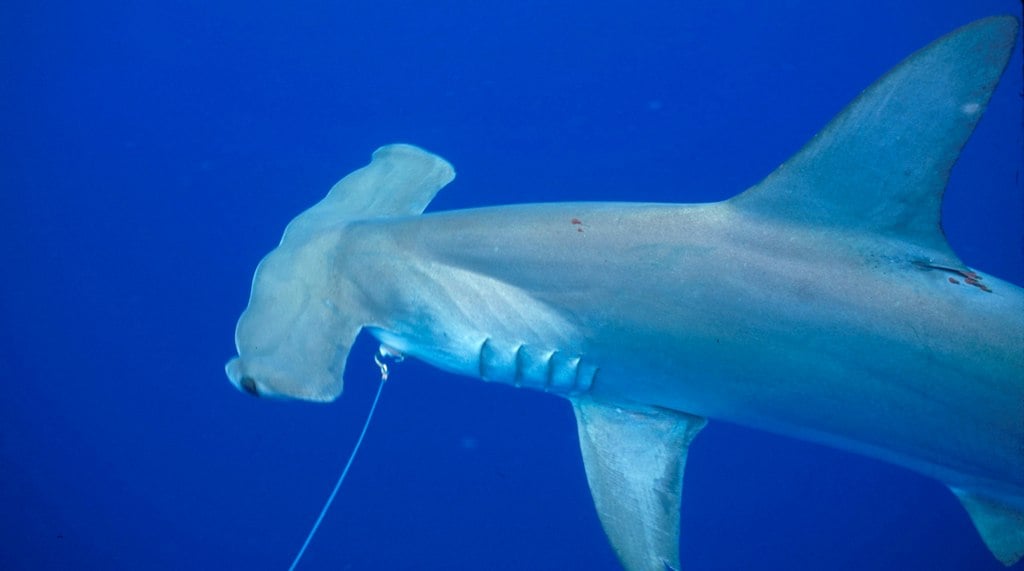
That bizarre hammer-shaped head isn’t just for show — it’s a precision instrument that gives them 360-degree vision and enhanced electrical sensitivity, but it also works as a club for pinning stingrays to the seafloor before eating them (which means hammerheads are essentially swimming with built-in hammers, hence the name, though the metaphor becomes literal when you watch them hunt). The head shape also provides extra lift during swimming, turning them into living hydrofoils that can maneuver in ways that shouldn’t be possible for something their size.
But perhaps most remarkably, recent studies suggest they use the electrical sensors in their hammer to detect stingrays buried in sand with such precision that they rarely miss — turning what looks like an evolutionary accident into one of nature’s most sophisticated hunting tools.
Sharks Have Multiple Rows of Teeth
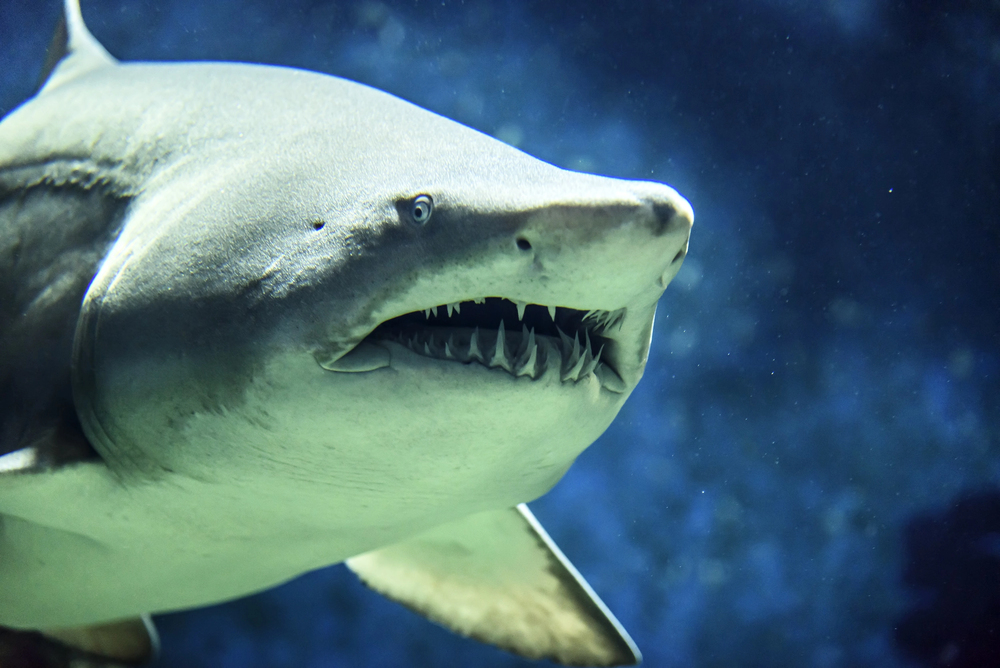
A single shark can go through 30,000 teeth in its lifetime. They have conveyor-belt mouths where new teeth constantly move forward to replace lost ones.
This means every bite is delivered with factory-fresh cutting edges, and lost teeth just become part of the ocean floor’s geological record.
Some Sharks Can Walk on Land
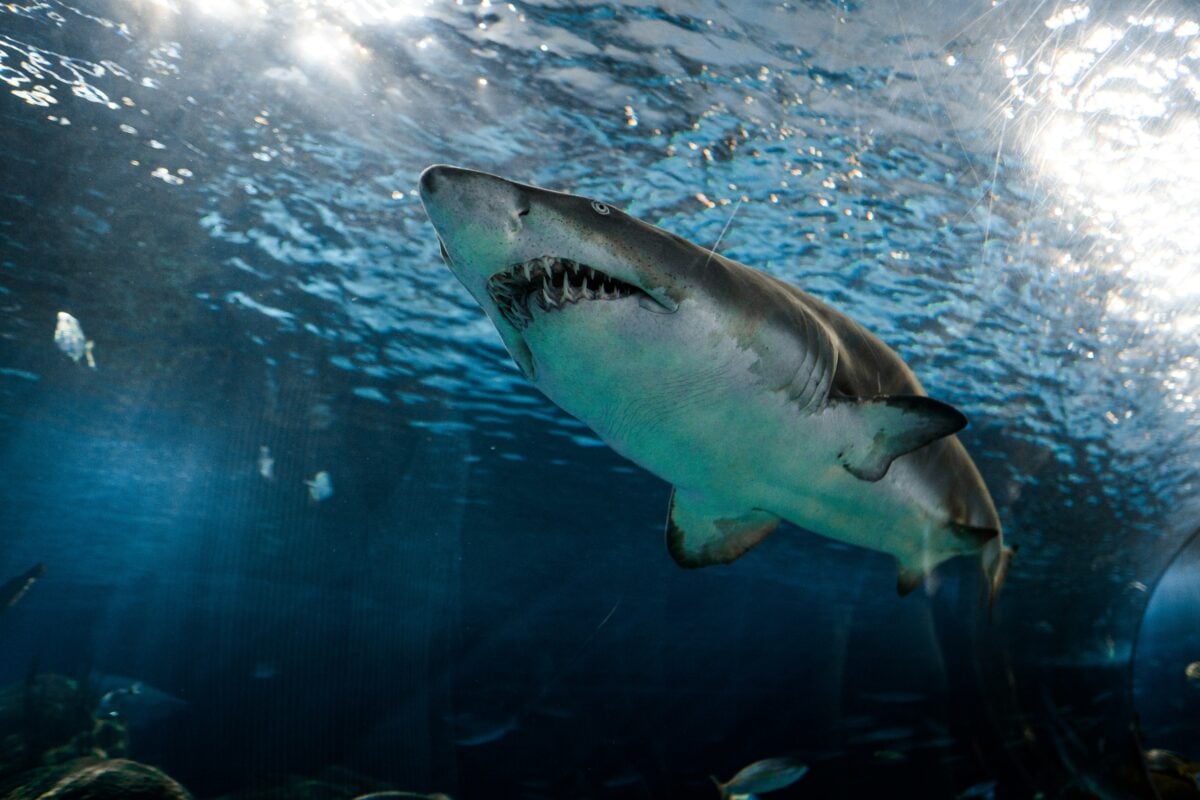
Epaulette sharks use their fins like legs to walk across coral reefs and even onto dry land for short periods. They can survive out of water for over an hour, hunting in tide pools that other predators can’t reach.
Watching a shark walk is exactly as unsettling as it sounds — like seeing evolution change its mind in real time.
Sharks Have Been to Space
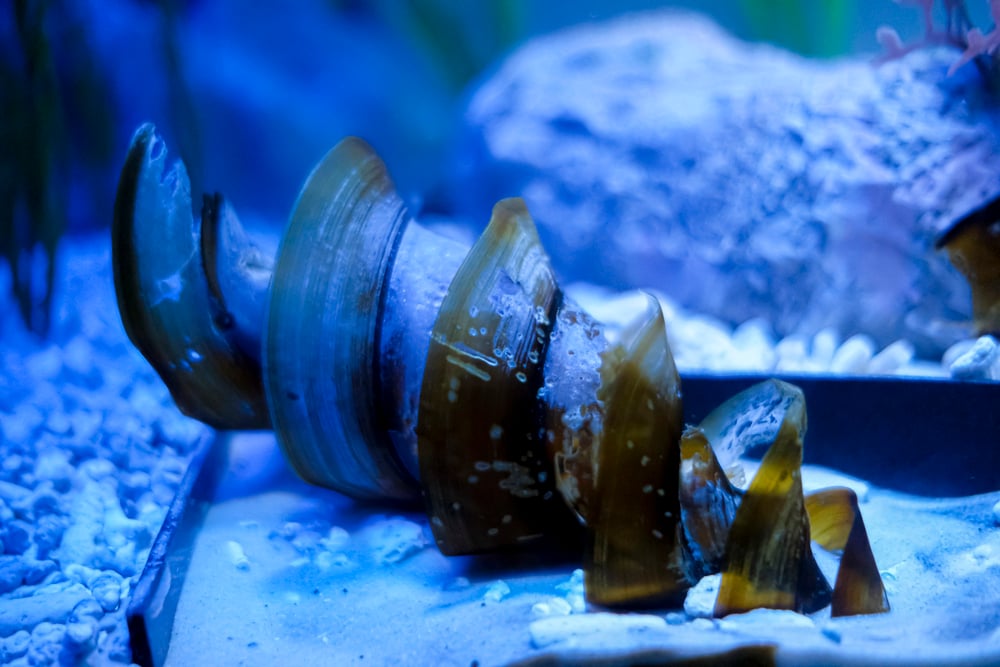
Well, their eggs have, and the results were fascinatingly weird: baby sharks that developed in zero gravity showed significant changes to their inner ear structure and swimming patterns once back on Earth (which raises questions about what happens to sensory development when the fundamental force that shaped it for millions of years suddenly disappears). NASA wanted to understand how microgravity affects balance and spatial orientation, so they sent shark embryos to the International Space Station, where they developed without the constant pull of gravity that normally guides the formation of their sensory organs.
These space sharks swam differently when they returned, struggling with the same kind of spatial disorientation that astronauts experience — except for them, it was permanent, a reminder that even the most perfectly adapted predator can be thrown off by changing the rules of physics.
Sharks Can Smell a Drop of Blood in 25 Gallons of Water

Their olfactory system is so sensitive that they dedicate two-thirds of their brain to processing smell. They don’t just detect blood — they can track its source by following the concentration gradient back to its origin, turning the entire ocean into a three-dimensional scent map that guides them to injured prey from miles away.
Some Sharks Reproduce Without Males
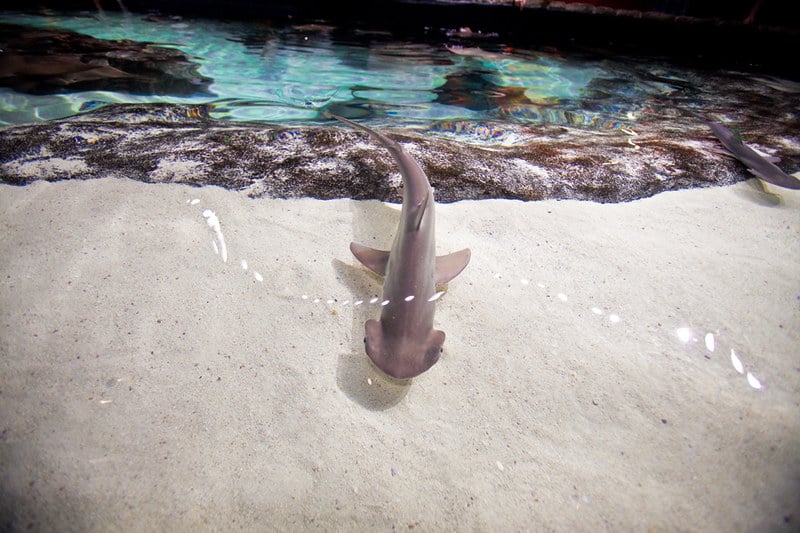
Bonnethead sharks can reproduce through parthenogenesis — essentially cloning themselves when no males are available. The offspring are genetically identical to their mothers, which means these sharks have solved the ultimate single-parent problem.
Evolution gave them a backup plan that most species don’t have.
The Ocean’s Living Memory
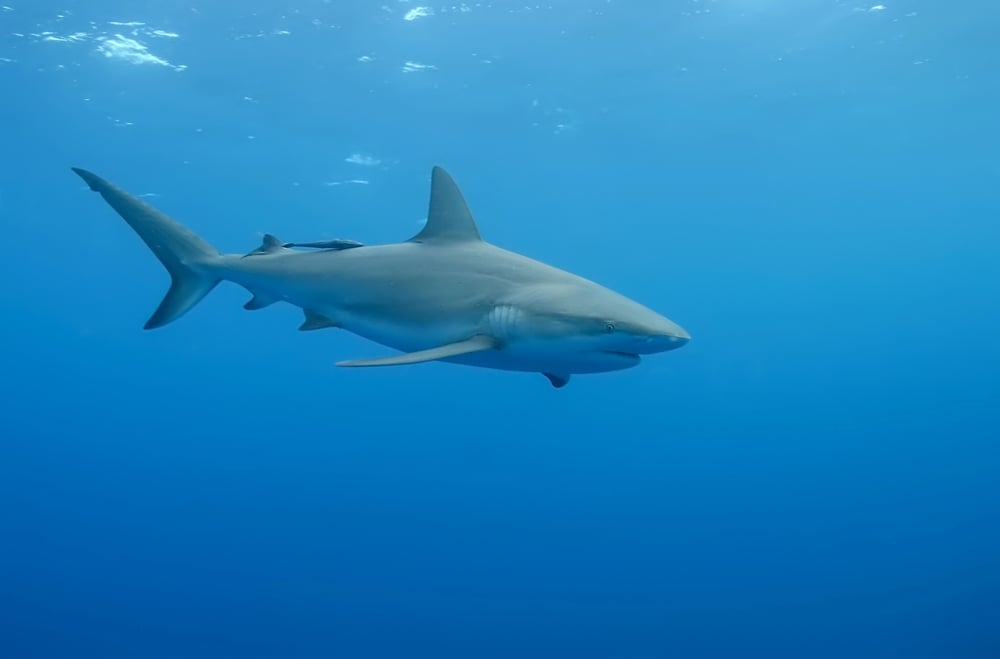
These facts barely scratch the surface of what makes sharks remarkable. They’ve survived five mass extinctions, adapted to every ocean environment, and continue to evolve in ways that challenge our understanding of what’s possible in the natural world.
Every time scientists think they’ve figured out sharks, these ancient predators reveal another secret that’s been hiding in plain sight for millions of years.
More from Go2Tutors!

- The Romanov Crown Jewels and Their Tragic Fate
- 13 Historical Mysteries That Science Still Can’t Solve
- Famous Hoaxes That Fooled the World for Years
- 15 Child Stars with Tragic Adult Lives
- 16 Famous Jewelry Pieces in History
Like Go2Tutors’s content? Follow us on MSN.