Most Exclusive Restaurants in the World
Getting a table at certain restaurants requires more than just money and a phone call. Some dining spots have turned exclusivity into an art form, with reservation systems so elaborate they’d make getting concert tickets look easy.
These places aren’t just serving food—they’re guarding culinary experiences like they’re state secrets. From postcard lotteries to table ownership systems that span generations, the world’s most exclusive restaurants have mastered the delicate balance between desire and scarcity.
Here is a list of restaurants where a reservation is worth its weight in gold.
The Lost Kitchen
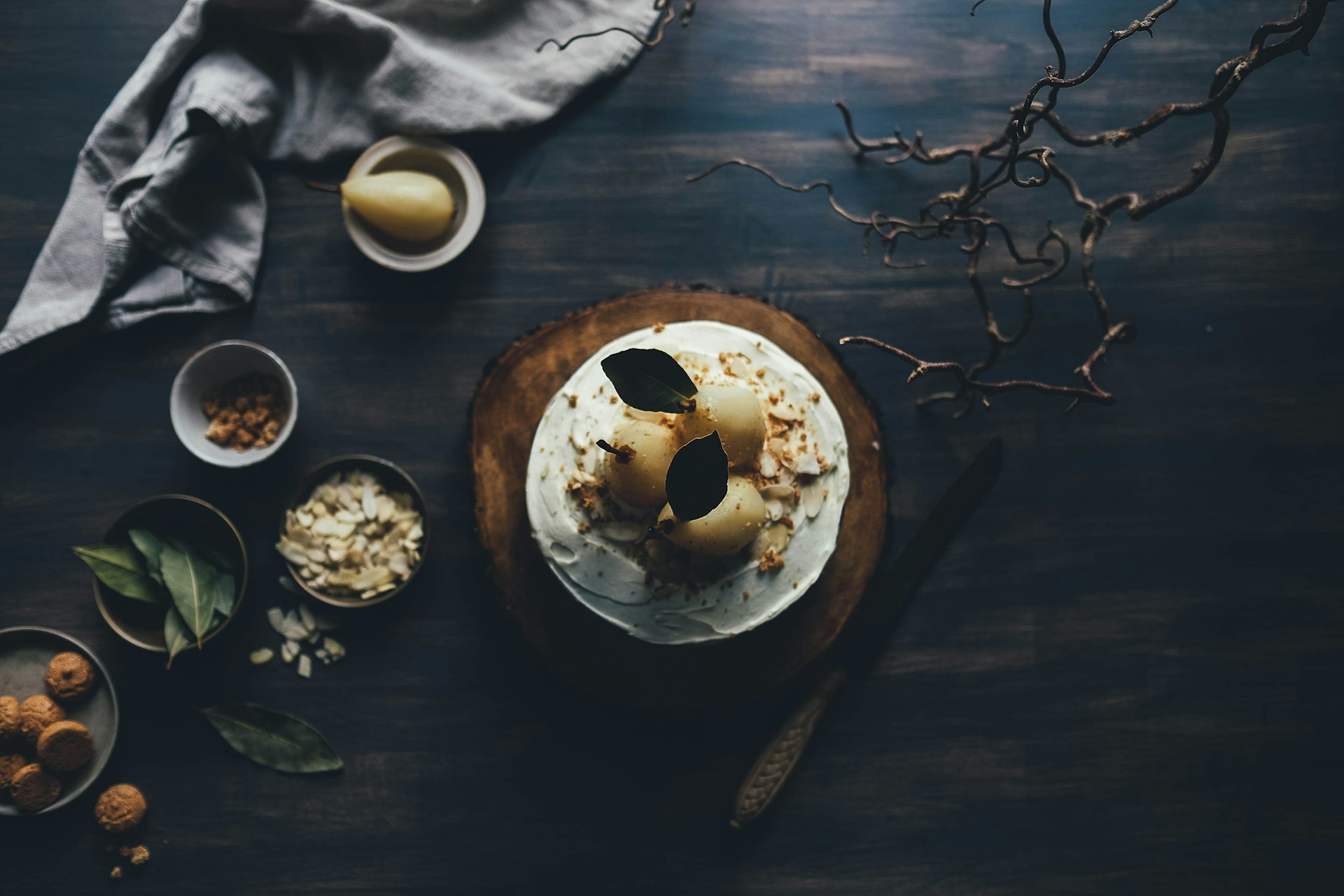
Tucked away in Freedom, Maine, this restaurant takes the prize for the world’s most unusual booking system. Forget clicking refresh at midnight or speed-dialing a reservations line.
The Lost Kitchen requires hopeful diners to mail an actual postcard during April, and only a random selection of senders get callbacks. The restaurant operates just one night a week from May through October, serving a prix fixe menu that changes with whatever’s available locally.
With thousands of postcards flooding in annually for a handful of Saturday night seats, your odds are about as good as winning a small lottery.
Rao’s
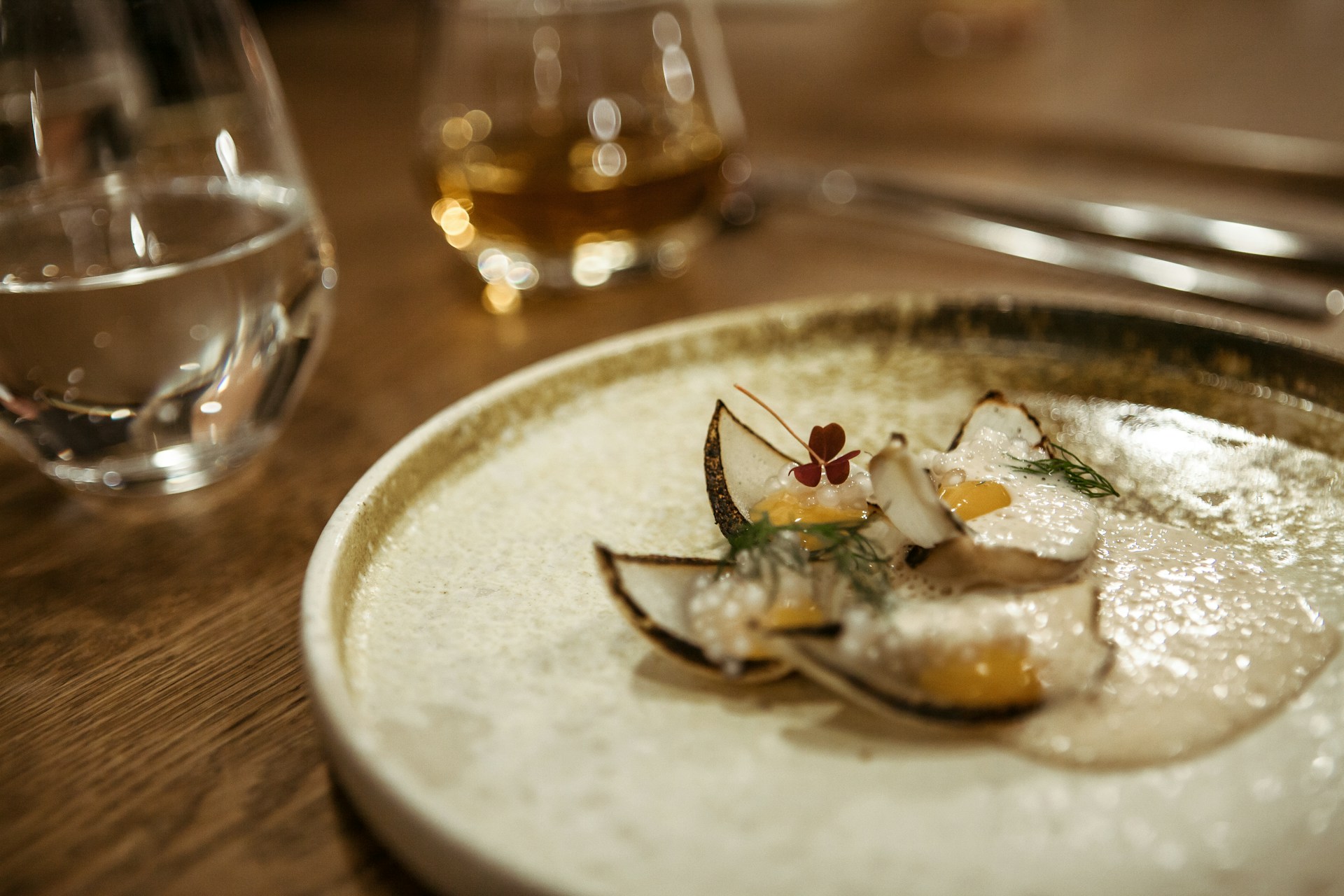
This East Harlem Italian institution has been serving red sauce and meatballs since 1896, but good luck getting through the door. Rao’s operates on a table ownership system where the same families and VIPs have claimed the restaurant’s ten tables for decades.
You can’t make a reservation through normal channels because there aren’t any normal channels. The only way in is through an invitation from a table holder, and those spots get passed down like heirlooms.
Some table assignments come with weekly privileges, while others might only grant access once a year.
Noma
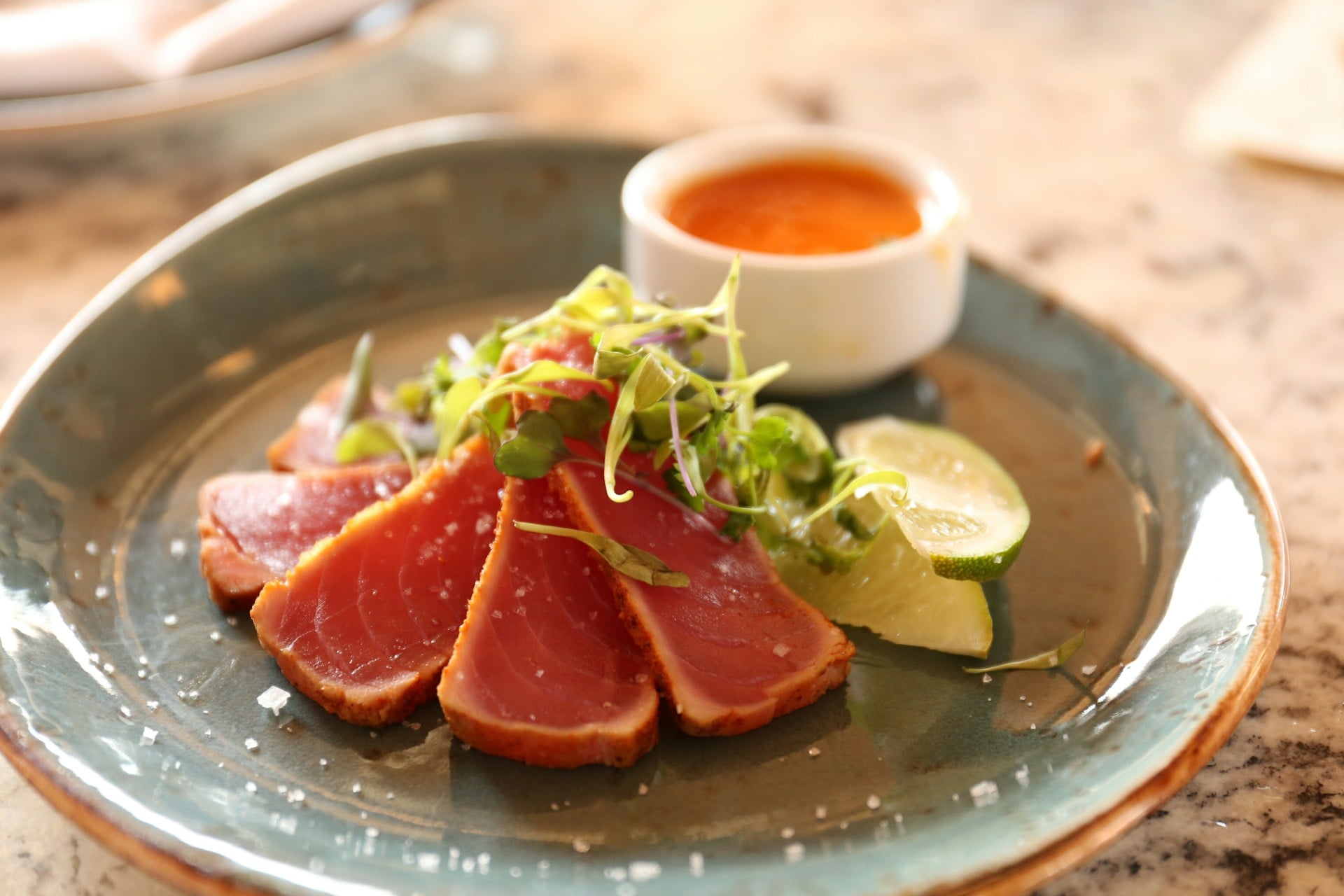
Copenhagen’s Noma has claimed the title of world’s best restaurant multiple times, and the dining public hasn’t forgotten. Chef René Redzepi’s groundbreaking Nordic cuisine creates a 90-day waitlist that fills up within hours of booking windows opening.
The restaurant pioneered the concept of hyper-local, foraged ingredients long before it became trendy, turning moss and insects into high art. Reservations on the resale market have sold for over $1,300, proving some people will pay almost anything to experience Redzepi’s 20-course tasting menus.
The French Laundry
Thomas Keller’s Napa Valley masterpiece operates on a precisely timed system that rewards the quick and the organized. Reservations open exactly two months in advance at 10 AM Pacific Time, and the best tables disappear in minutes.
The stone farmhouse setting belies the technical precision happening in the kitchen, where Keller’s team produces nightly tasting menus that have earned three Michelin stars since 2007. Resale reservations have fetched over $2,000, making this one of the priciest secondary market bookings on the planet.
Sukiyabashi Jiro
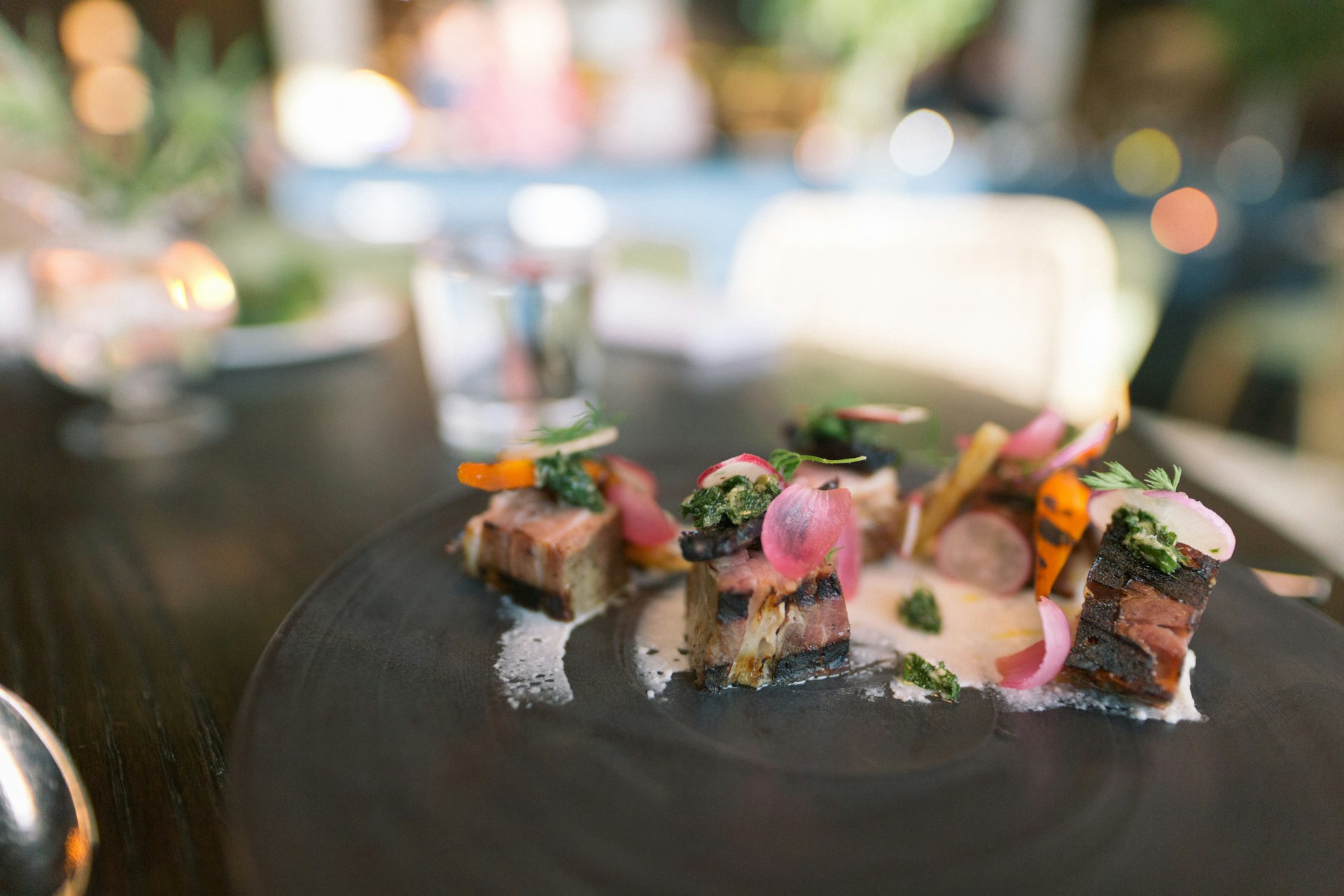
This ten-seat Tokyo sushi counter gained worldwide fame after a documentary spotlighted 96-year-old master Jiro Ono’s obsessive pursuit of perfection. Reservations open on the first day of each month for that same month, and phone lines stay jammed for days as callers compete for spots.
The 20-piece omakase meal runs around $370, but the real cost is following Jiro’s strict etiquette rules about how to eat each piece of sushi. Foreigners typically need a Japanese-speaking hotel concierge to navigate the booking process.
Damon Baehrel
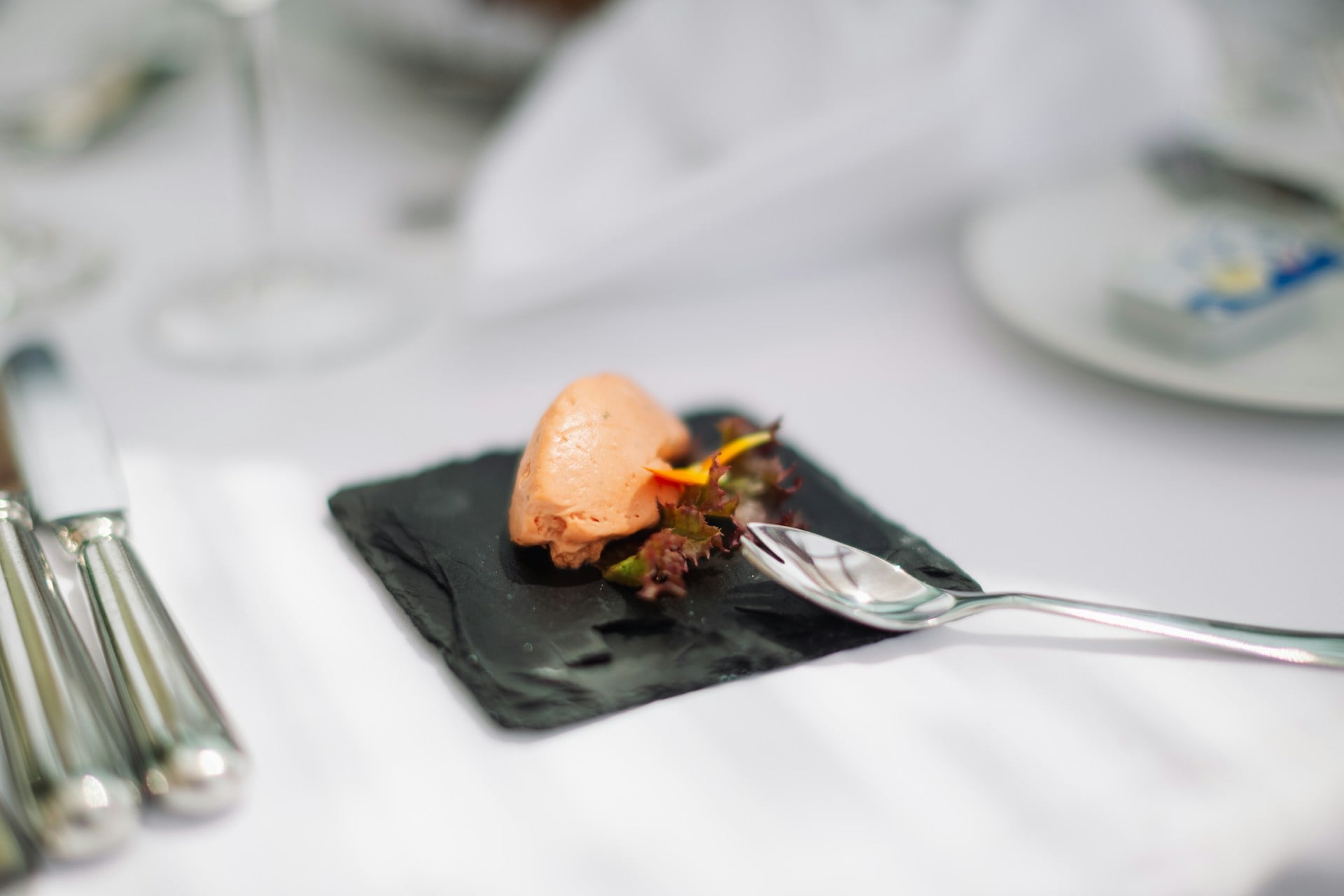
Operating from a 12-acre property in upstate New York, this restaurant barely acknowledges the internet exists. Damon Baehrel grows or forages nearly every ingredient himself, creating a hyperlocal dining experience that’s built its reputation entirely through whispers.
With just 88 Instagram followers and minimal online presence, the year-long waitlist relies almost exclusively on word-of-mouth recommendations. The tasting menu stretches across several hours and costs whatever Baehrel decides it should.
El Celler de Can Roca
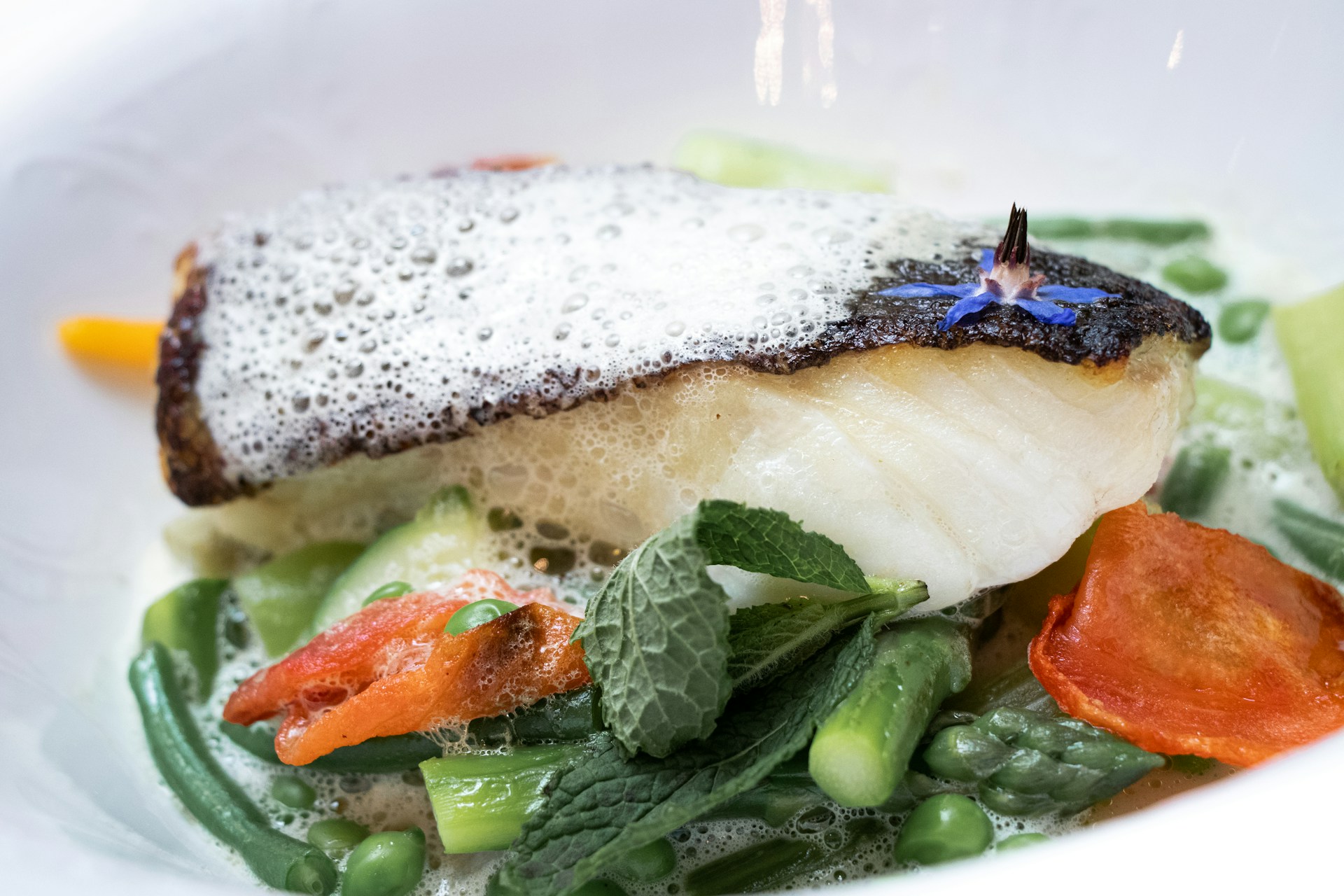
Three brothers run this Catalan restaurant that opens its booking system 11 months in advance on the first day of every month at midnight Spanish time. The average wait time hovers around 330 days, assuming you’re fast enough to grab a spot when the system opens.
The Roca brothers blend technical innovation with Catalan traditions, earning three Michelin stars and a spot among the world’s top restaurants. Prepayment is required, and the non-refundable deposit means planning nearly a year ahead better not conflict with anything else in your life.
Sublimotion
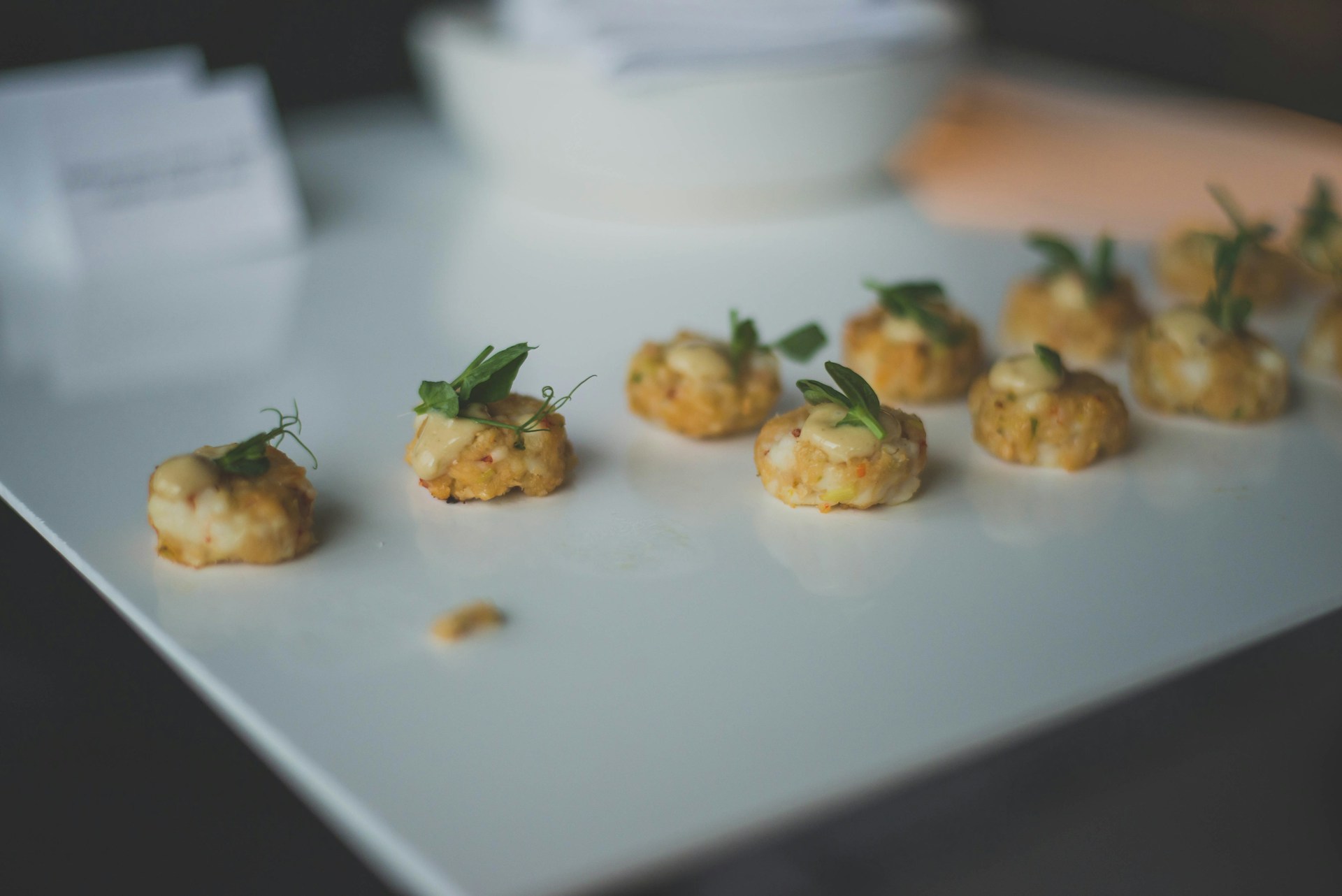
At roughly $1,700 per person, this Ibiza restaurant holds the title for the world’s most expensive dining experience. Chef Paco Roncero combines food with technology and theater, creating an immersive spectacle where lights, projections, and scents change with each course.
The 10-course meal unfolds in a room designed to transport diners into virtual reality, making it less like dinner and more like being inside a very expensive, very delicious video game. Only 12 people can experience it per night, and booking requires deep pockets plus several months of advance planning.
Den
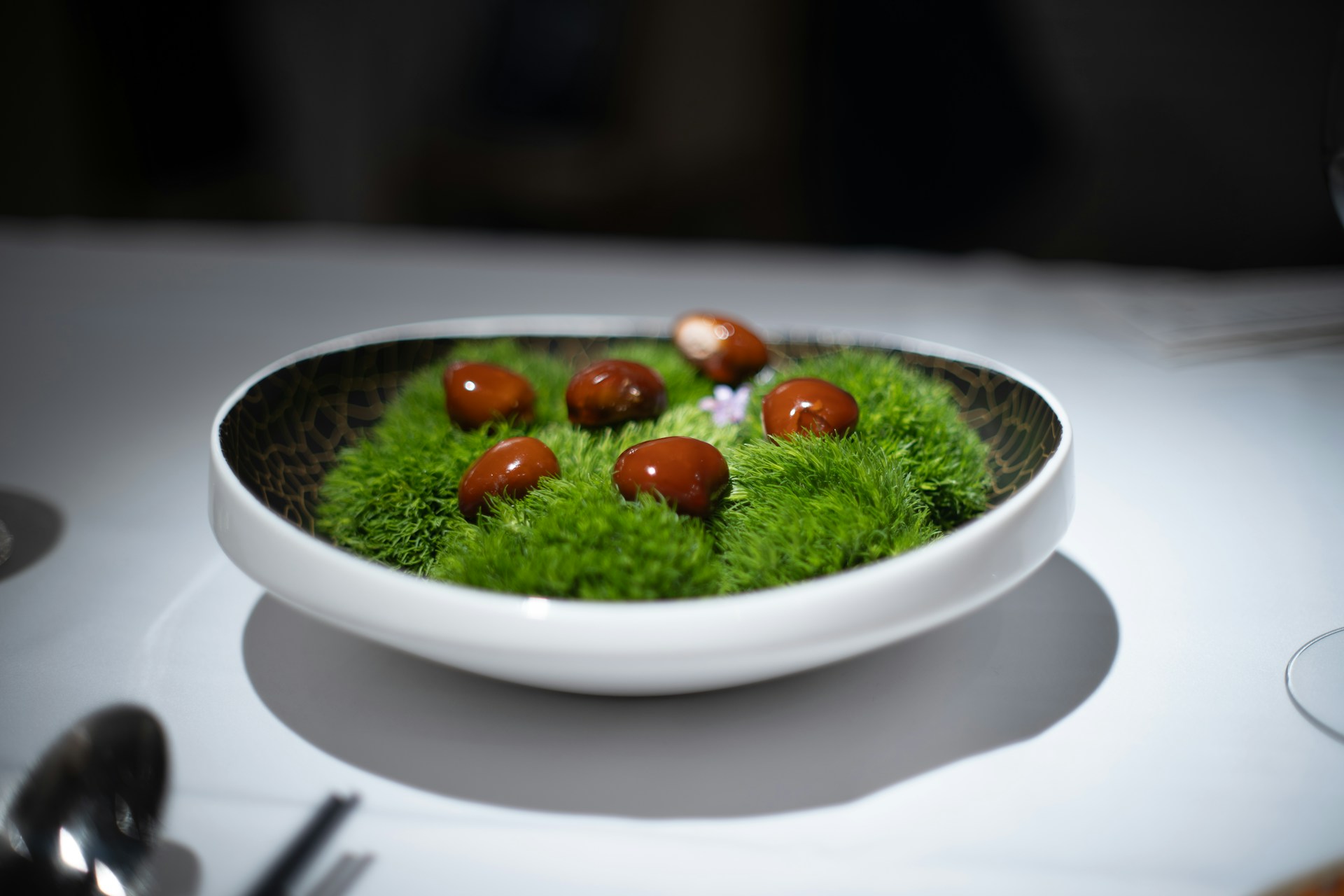
Tokyo’s Den claimed Asia’s best restaurant title and promptly became nearly impossible to book. The kaiseki spot accepts reservations only by phone during a narrow daily window, and calling requires the persistence of a telemarketer.
Lines open two months in advance, and you’ll need to hit redial repeatedly while competing against countless other hungry diners. Den won’t work with hotel concierges or third parties, so there’s no outsourcing this task to someone with better luck.
The Chairman
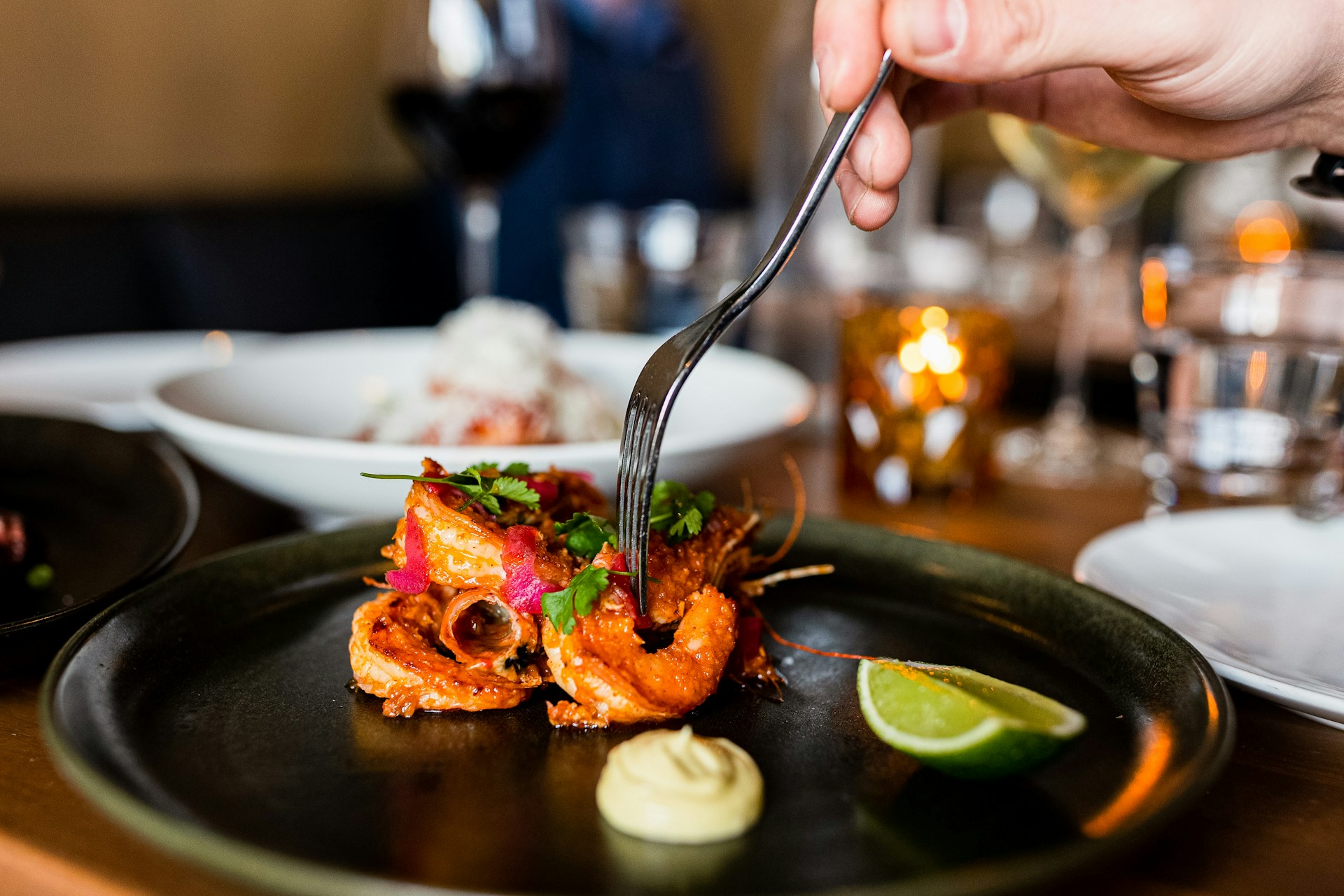
This Hong Kong restaurant releases reservations just a few times per year in quarterly batches, and available slots vanish within minutes. The online system opens at 9 AM Hong Kong time, essentially functioning as a lottery given the stampede of hopeful diners.
After topping Asia’s 50 Best Restaurants list, demand went from high to stratospheric. Your best strategy involves watching their social media like a hawk and having lightning-fast fingers when booking announcements drop.
Ultraviolet
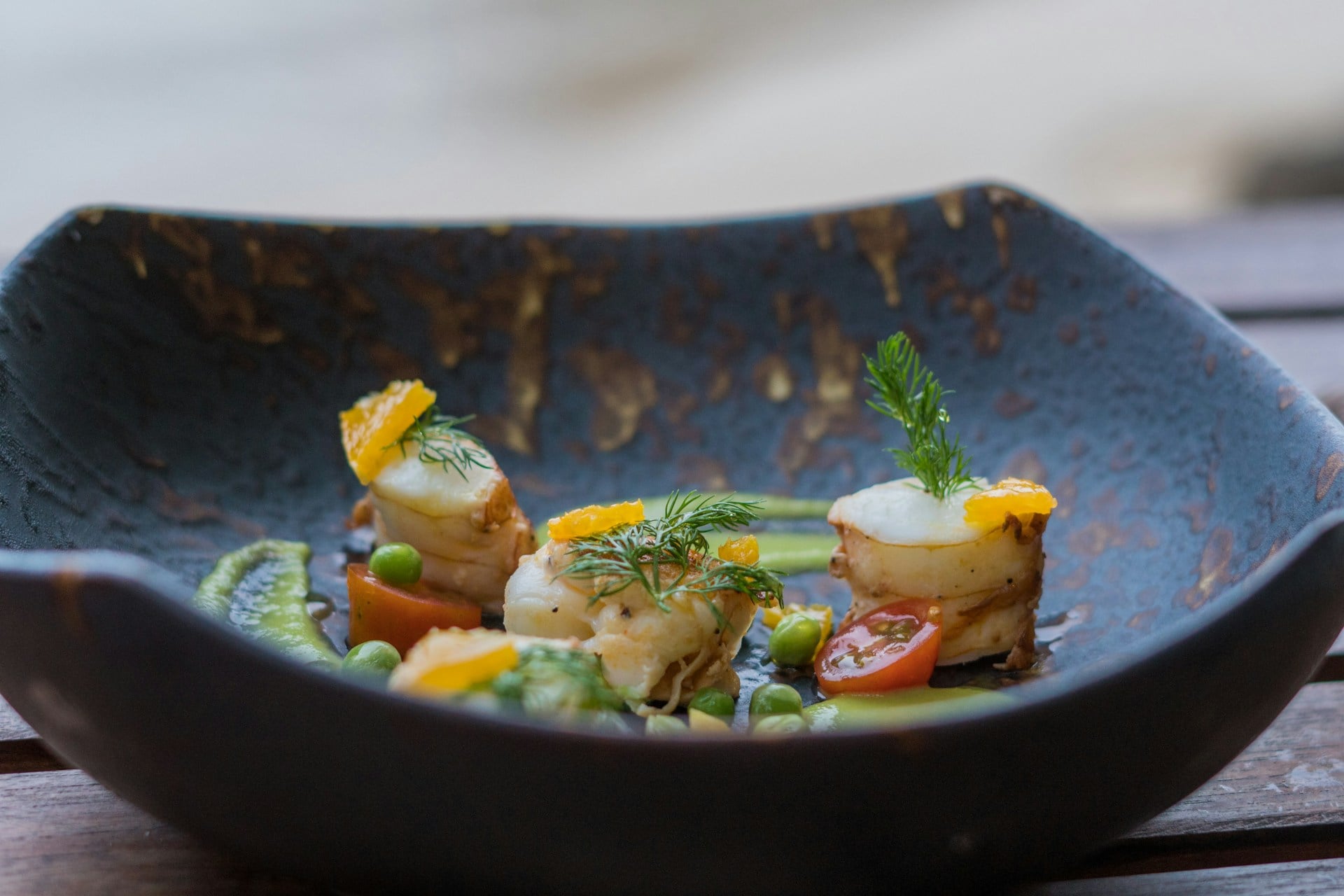
Shanghai’s Ultraviolet takes exclusivity to another level by keeping its location secret until after you’ve secured one of the ten seats. Chef Paul Pairet’s three-Michelin-star restaurant offers a fully immersive multi-sensory experience, with a 20-foot table surrounded by screens projecting visuals synchronized to each course.
Custom music, lighting, and even aromas get choreographed around the food, creating something closer to performance art than a typical dinner. The address gets disclosed only to confirmed diners, adding an element of mystery to the already elaborate experience.
Alain Ducasse au Plaza Athénée
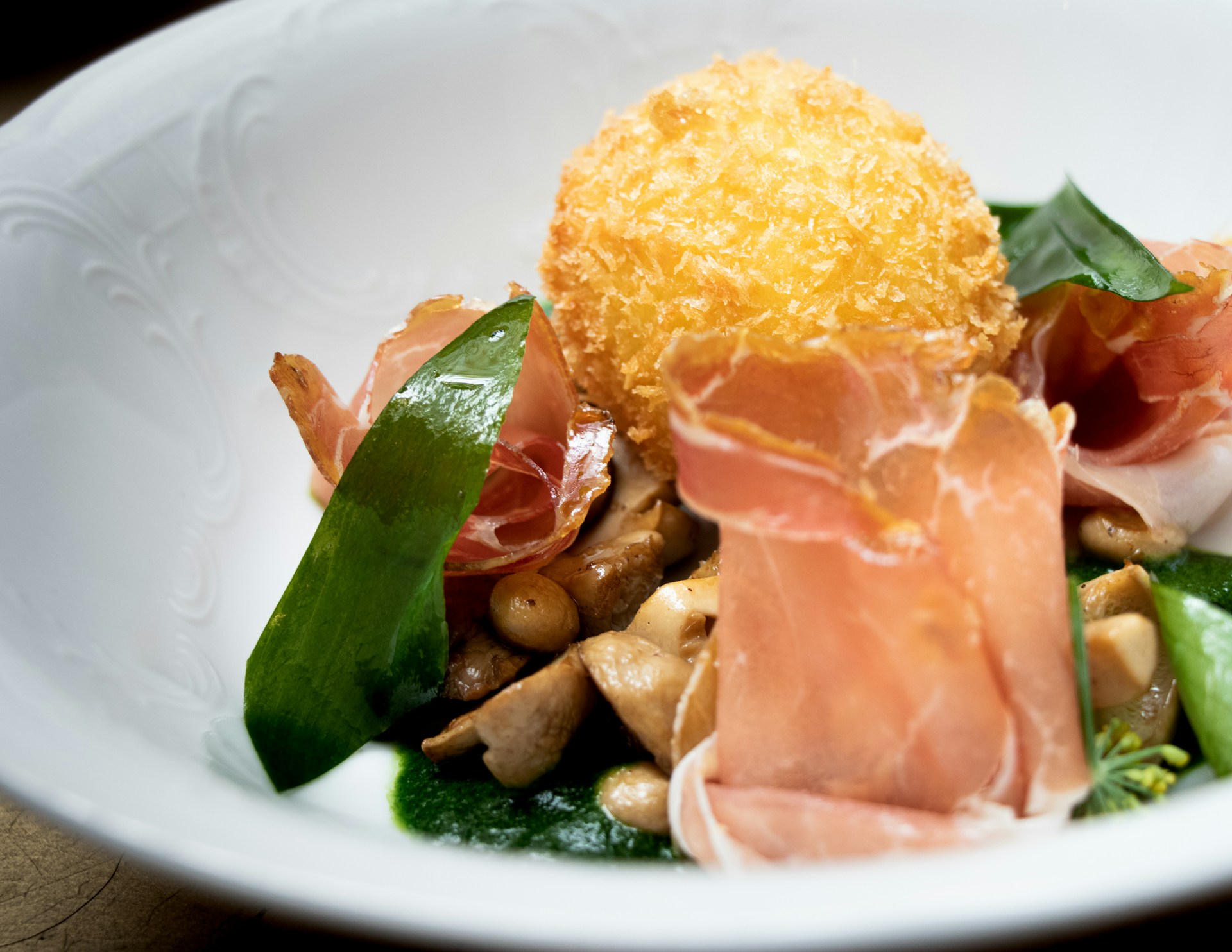
Located inside one of Paris’s most luxurious hotels, this three-Michelin-star restaurant pioneered the concept of haute cuisine without red meat. Chef Alain Ducasse’s fish-vegetables-cereals philosophy promotes healthier, more sustainable fine dining while maintaining the precision expected at this level.
The dining room glitters with Swarovski crystal chandeliers and silver cloche-shaped seating, creating an atmosphere that’s equal parts elegant and futuristic. Ducasse became the first chef to earn three Michelin stars in three different cities simultaneously, cementing his legendary status.
Osteria Francescana
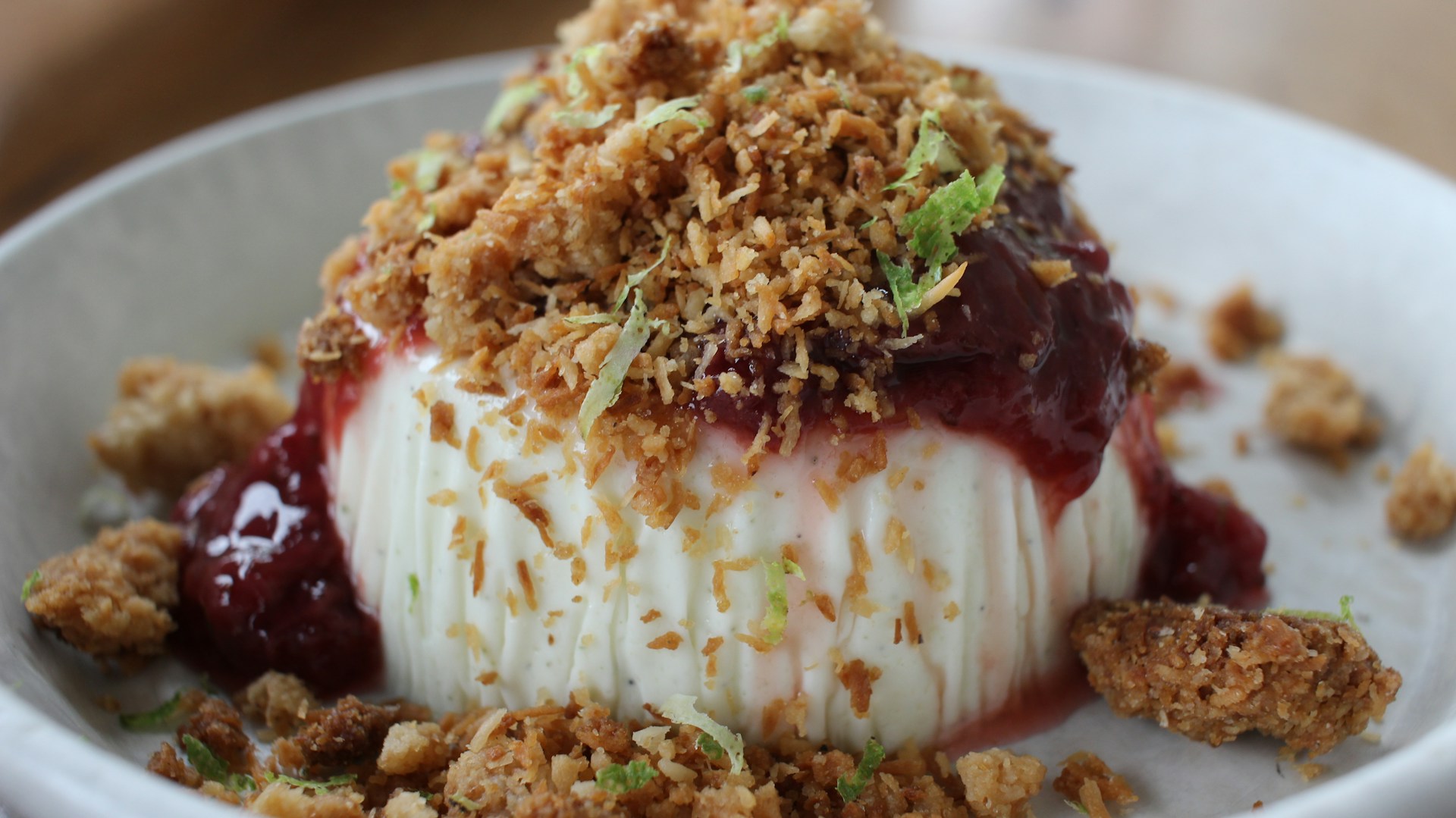
Chef Massimo Bottura’s Modena restaurant has claimed the world’s best title multiple times, turning traditional Italian cuisine into contemporary art. Dishes like ‘Five Ages of Parmigiano Reggiano’ deconstruct familiar flavors into something entirely new, inspired by both his grandmother’s cooking and modern artists.
Reservations open one to two months in advance and require prepayment, with tables for smaller parties disappearing almost instantly. The non-refundable policy means commitment, but visitors consistently describe it as worth the hassle.
n/naka
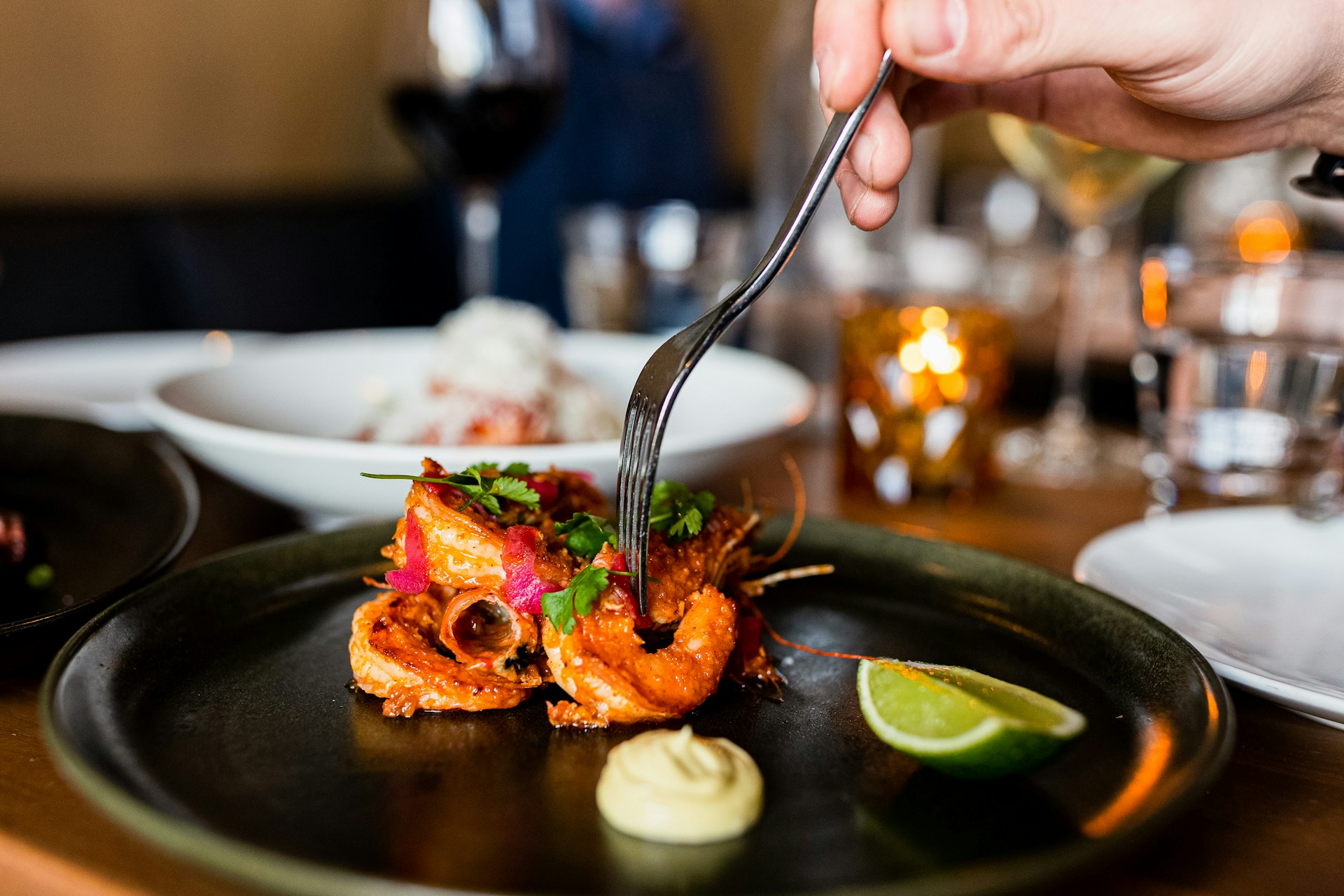
This Los Angeles kaiseki restaurant gained fame after appearing on Netflix’s Chef’s Table, transforming from insider secret to impossibly booked overnight. Chef Niki Nakayama’s 13-course tasting menu requires three months of advance planning, with reservations opening every Sunday at 10 AM Pacific Time.
The modern kaiseki experience stretches across three hours and runs about $275 per person, showcasing Japanese traditions through a contemporary California lens. Speed matters when booking opens, so setting multiple alarms isn’t paranoid—it’s smart.
Tickets
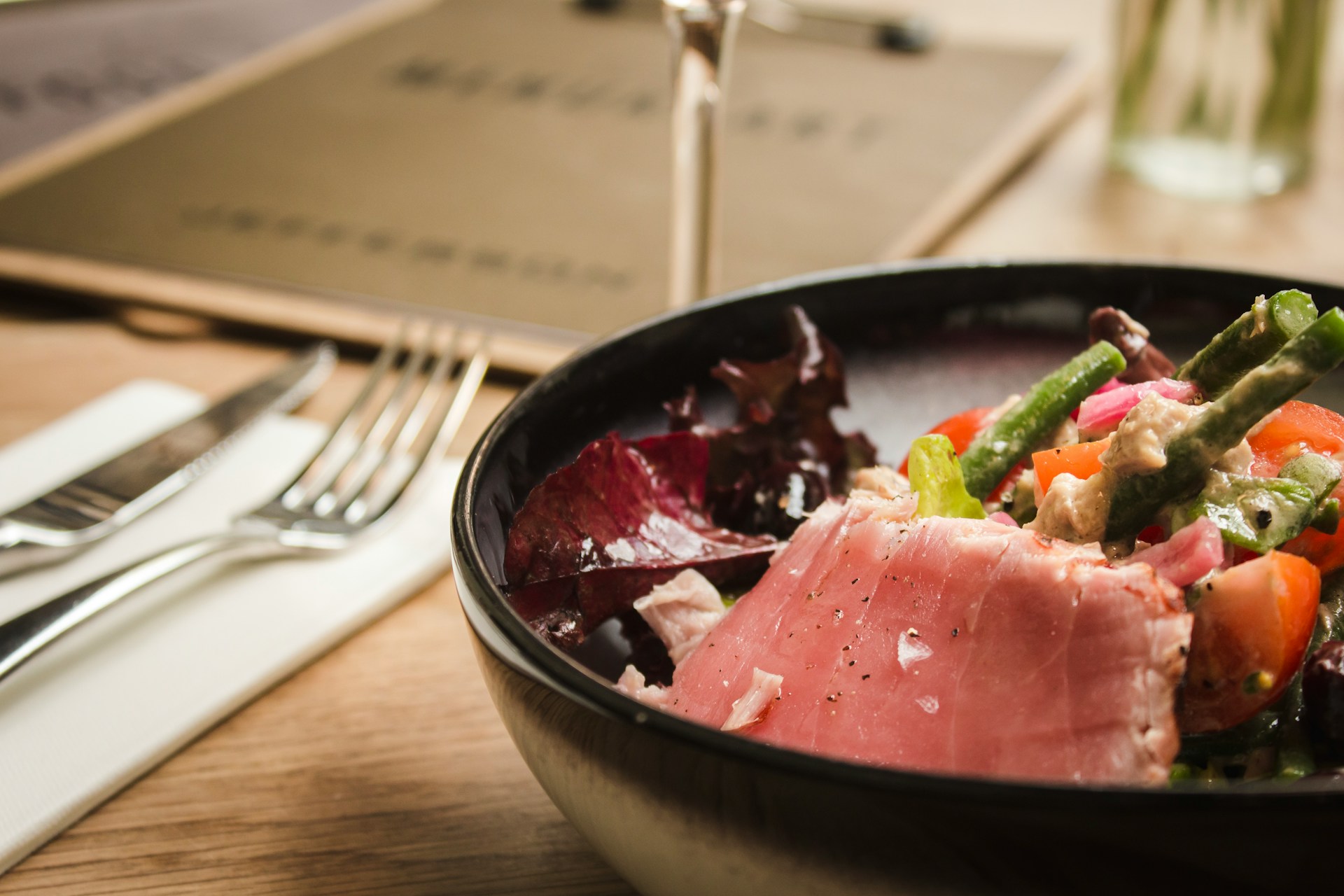
Barcelona’s Tickets comes from Albert Adrià, brother of legendary chef Ferran Adrià who ran the groundbreaking El Bulli. Currently ranked among the world’s top 20 restaurants, Tickets combines Spanish tapas with molecular gastronomy techniques.
Bookings open at midnight Spanish time for a single service 60 days out, and you’ll wait months even if you successfully snag a reservation. The restaurant’s playful approach to avant-garde cuisine has created a loyal following willing to jump through booking hoops.
House of Prime Rib
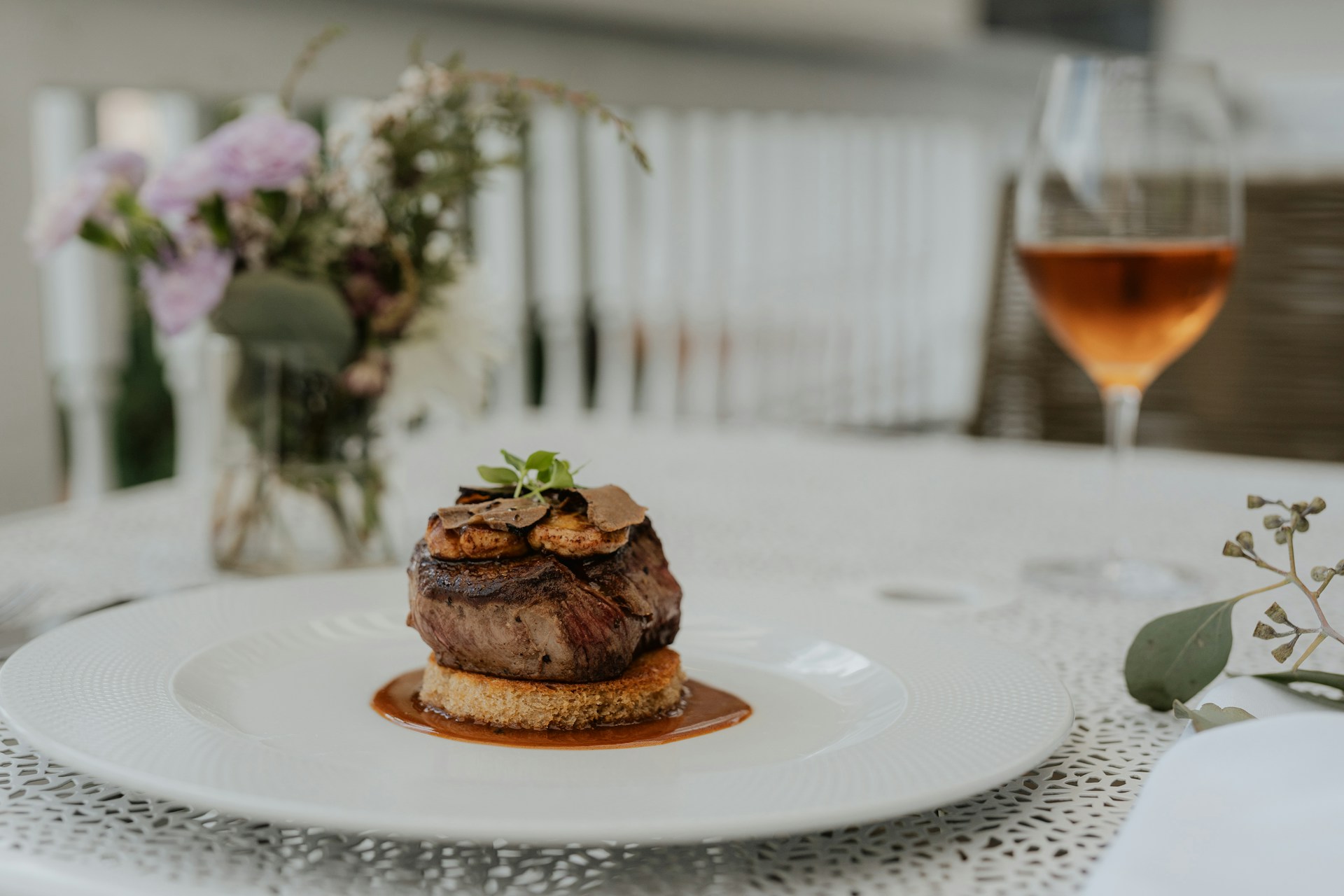
San Francisco’s House of Prime Rib has served the same menu since 1949, proving that consistency trumps trends. This old-school steakhouse carves prime rib tableside to your specifications, sourcing what they claim is the top two percent of available beef.
Online reservations stretch months into the future, with some diners reporting year-long waits for peak times. The restaurant’s refusal to change with every passing food fad has created a devoted clientele that keeps coming back for decades.
When Exclusivity Meets Excellence
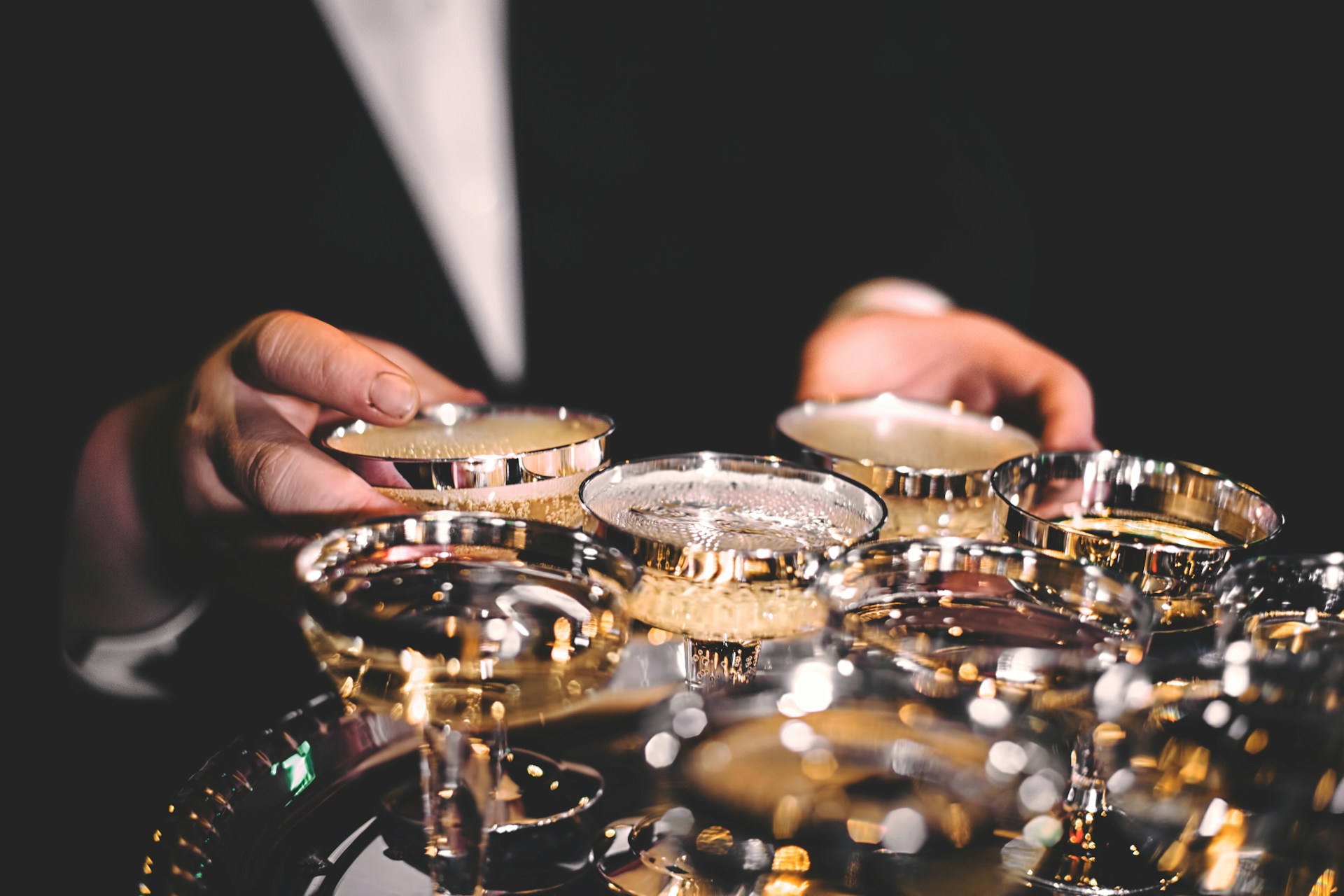
The restaurant world has always had gatekeepers, but today’s most exclusive spots have elevated scarcity into their primary currency. What started as simple supply-and-demand economics has evolved into elaborate systems of postcards, lotteries, and table inheritance rights.
These restaurants prove that in a world where almost anything can be bought instantly online, the hardest thing to acquire isn’t a product—it’s an experience that money alone can’t guarantee. The waiting lists keep growing, the booking systems keep getting more creative, and somewhere right now, thousands of people are setting alarms for midnight reservation drops they might not even win.
More from Go2Tutors!

- The Romanov Crown Jewels and Their Tragic Fate
- 13 Historical Mysteries That Science Still Can’t Solve
- Famous Hoaxes That Fooled the World for Years
- 15 Child Stars with Tragic Adult Lives
- 16 Famous Jewelry Pieces in History
Like Go2Tutors’s content? Follow us on MSN.