Strange Hidden Features Found Inside The White House
Most people think they know the White House pretty well from movies, TV shows, and the occasional news footage. The grand staircase, the Oval Office, those perfectly manicured gardens — it all feels familiar enough.
But the president’s house keeps plenty of secrets tucked away behind marble columns and beneath polished floors.
Some of these hidden features were built for security, others for convenience, and a few just happened by accident over two centuries of constant renovation and expansion.
The Presidential Emergency Operations Center
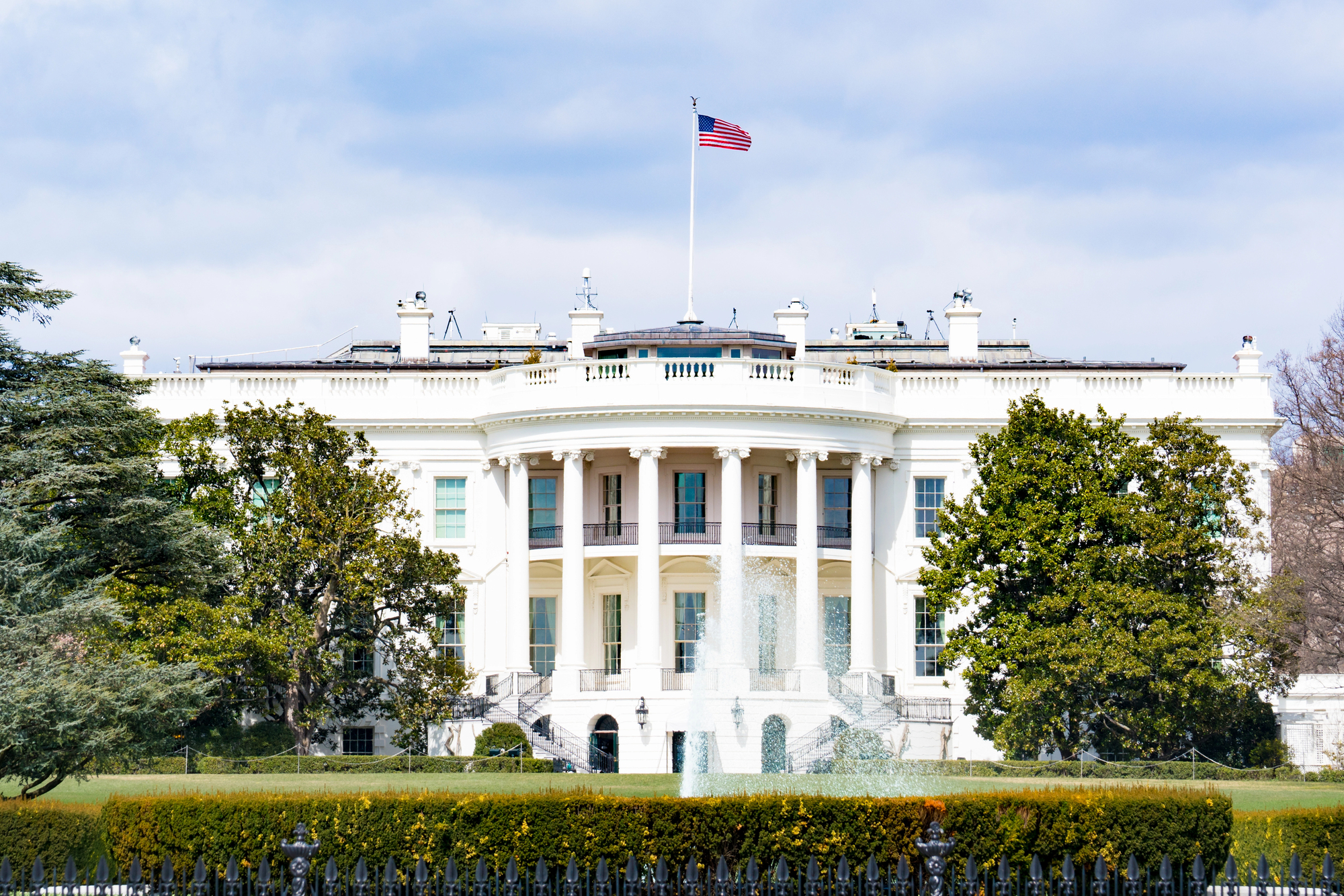
Deep underneath the East Wing sits a bunker that makes most people’s basement look like a garden shed.
Known as the PEOC, this underground command center can sustain the president and key staff for weeks during a national emergency.
The space includes sleeping quarters, communications equipment that can reach anywhere on the planet, and enough filtered air to outlast most disasters.
On September 11th, Vice President Cheney spent hours down there coordinating the government’s response while the president was airborne.
Hidden Tunnels Throughout The Building
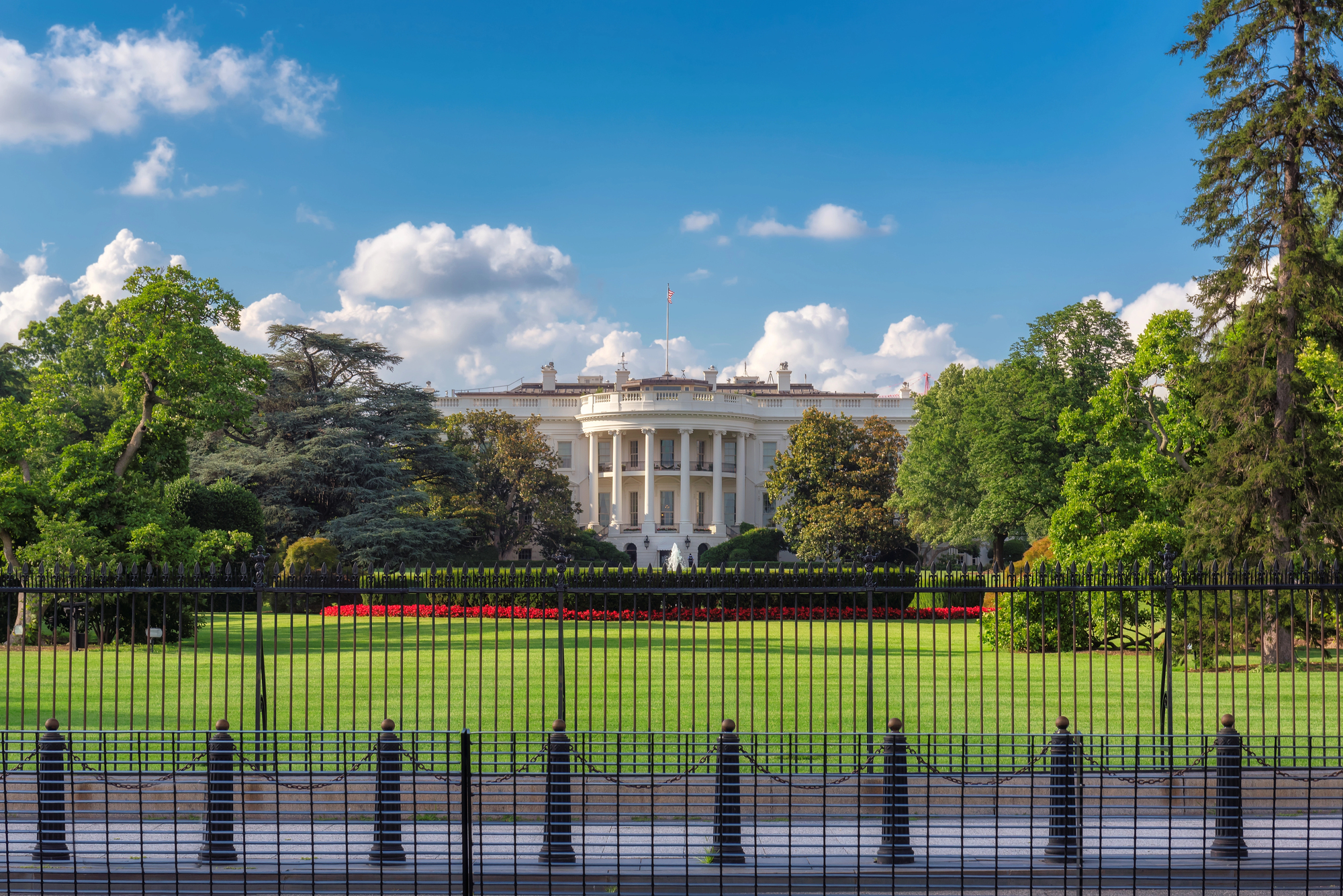
The White House connects to more places than visitors realize (and the Secret Service would prefer to keep it that way, which is why the exact routes stay classified).
These passages allow staff and security to move around without being seen, whether they’re heading to the Treasury Building next door or just trying to avoid photographers in the hallway.
So when the president disappears from one room and shows up somewhere else faster than seems possible, there’s probably a good reason for that.
A Chocolate Shop On The Ground Floor
Tucked away in the basement level, there’s a small chocolate shop that feels like something out of Willy Wonka, if Wonka had security clearance and worked for the federal government.
The White House pastry chef uses this space to create custom chocolates for state dinners and special occasions — intricate pieces shaped like the presidential seal or designed to match a visiting dignitary’s home country.
It’s the kind of detail that sounds excessive until you realize that diplomatic relationships sometimes hinge on whether the dessert course shows proper respect.
And frankly, if you’re stuck living above your office for four years straight, having access to fresh chocolate seems like a reasonable perk.
The Secret Bunker Beneath The North Lawn
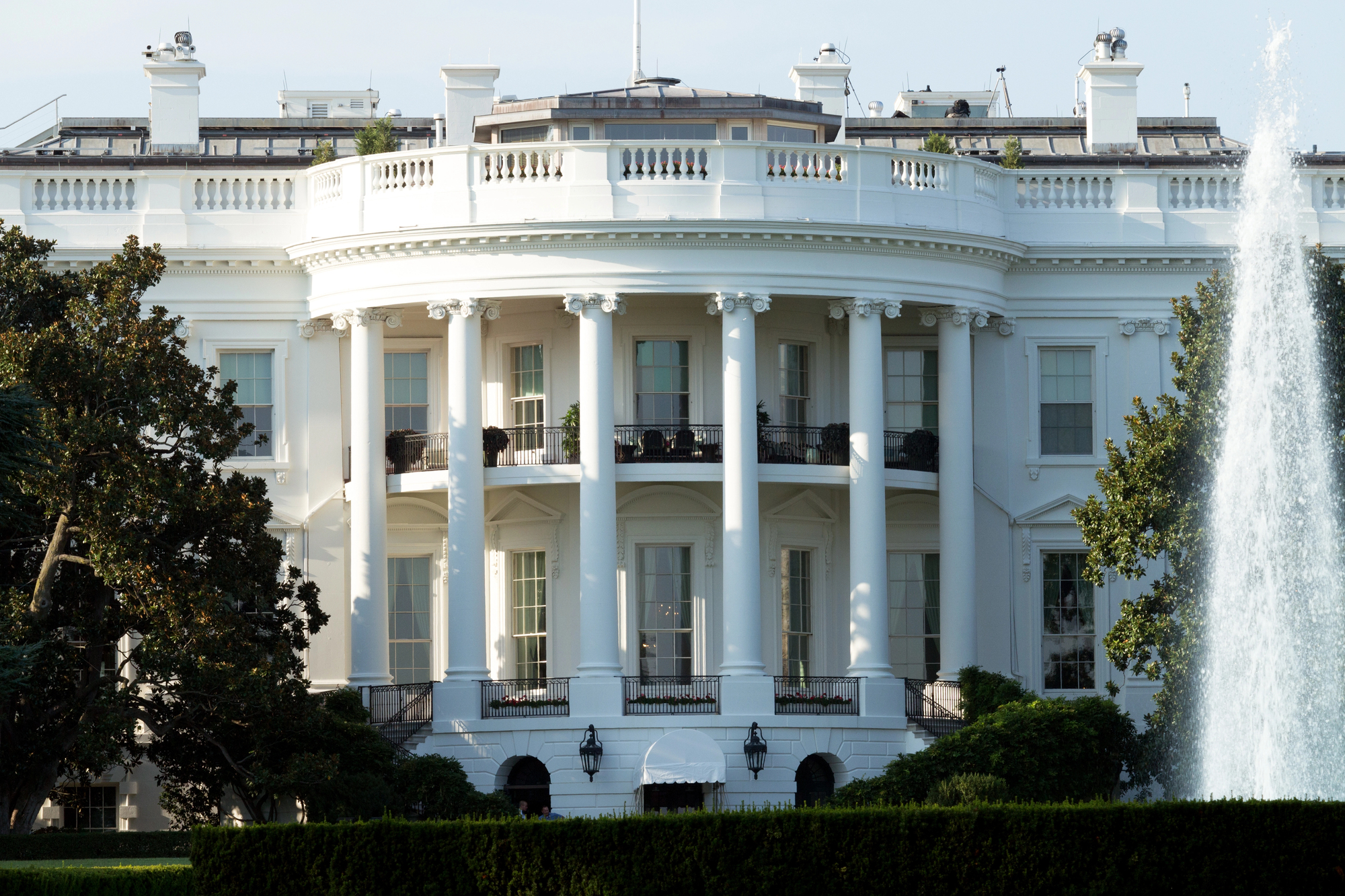
The official line is that there’s nothing particularly interesting under the North Lawn besides grass roots and sprinkler systems.
But construction crews have been spotted working on “landscaping projects” that require an unusual amount of concrete and steel reinforcement materials.
The general assumption among security experts is that there’s a secondary bunker system down there, separate from the PEOC, possibly connected to the White House by those tunnels mentioned earlier.
Makes sense when you consider that any serious threat would likely target the main building first.
A Movie Theater That Doubles As A Briefing Room
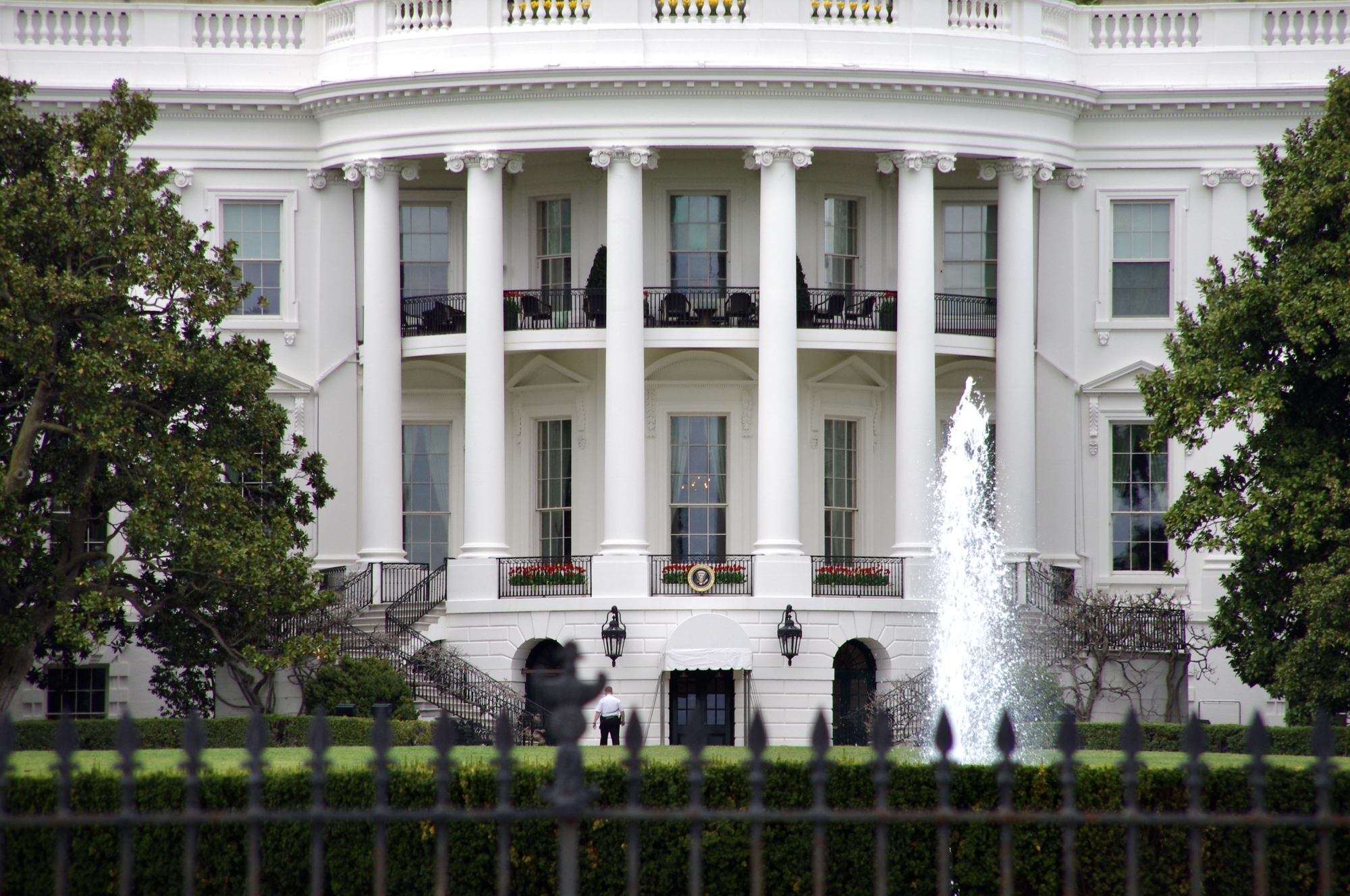
The White House movie theater isn’t just for entertainment, though presidents certainly use it to unwind with the latest Hollywood releases before they hit regular theaters.
The space converts quickly into a secure briefing room where classified presentations can be shown on the big screen without worrying about surveillance from neighboring buildings.
The projection system connects directly to intelligence agencies, so the president can watch live satellite feeds or classified footage without leaving the residence.
It’s like having a personal IMAX that occasionally shows top-secret documentaries instead of blockbusters.
Swimming Pool Converted Into Press Room
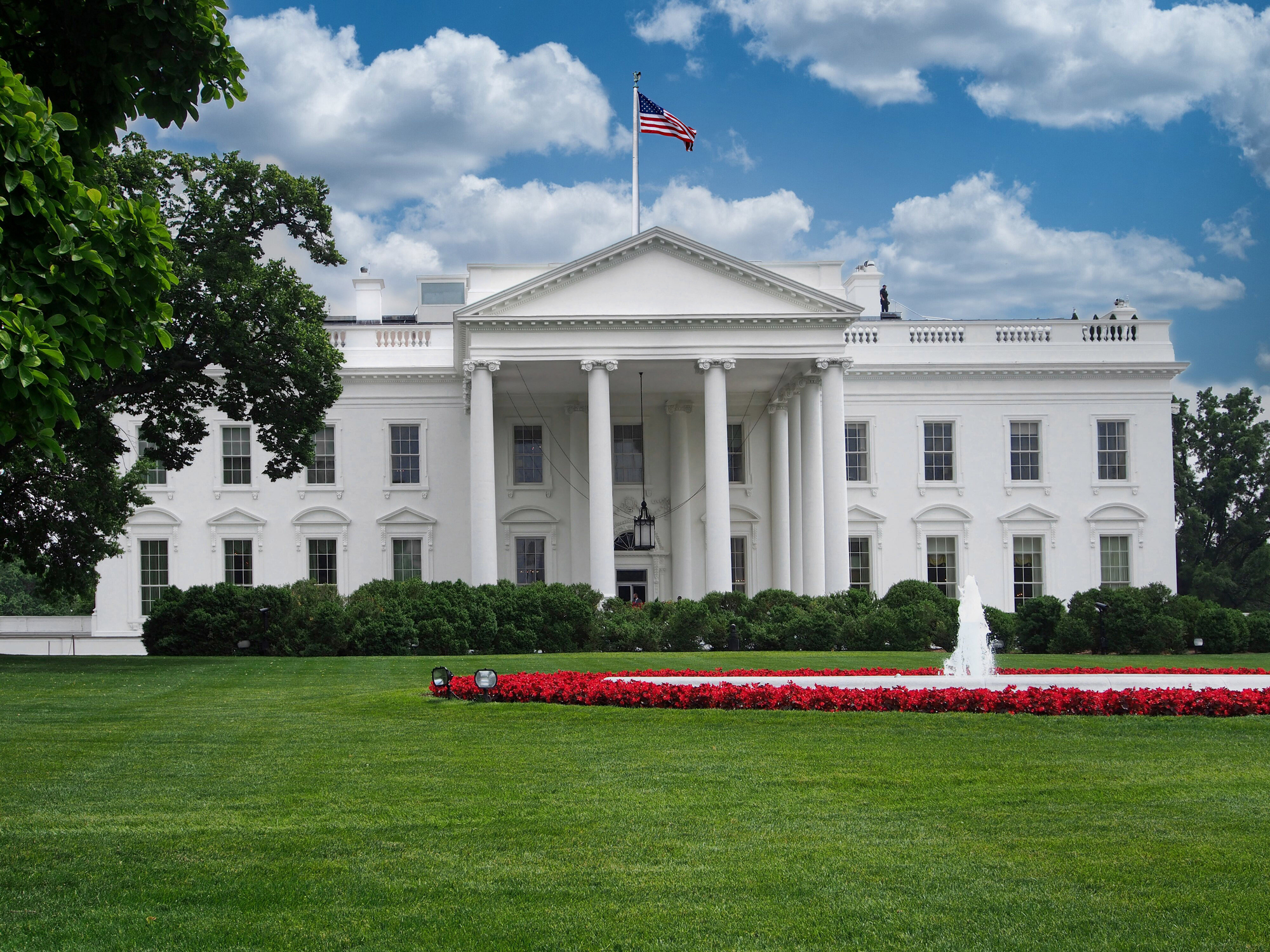
Everyone knows about the current press briefing room, but fewer people realize it sits on top of what used to be the White House swimming pool.
Franklin Roosevelt had the pool installed for his physical therapy, and it stayed in use through the Kennedy administration before being covered over in 1970 to create more space for the growing White House press corps.
The press briefing room was built in the space that formerly housed the White House swimming pool.
While the pool was removed to create the room, the extent to which original pool structures remain intact beneath the current floor is not publicly documented.
The Situation Room’s Decoy Locations
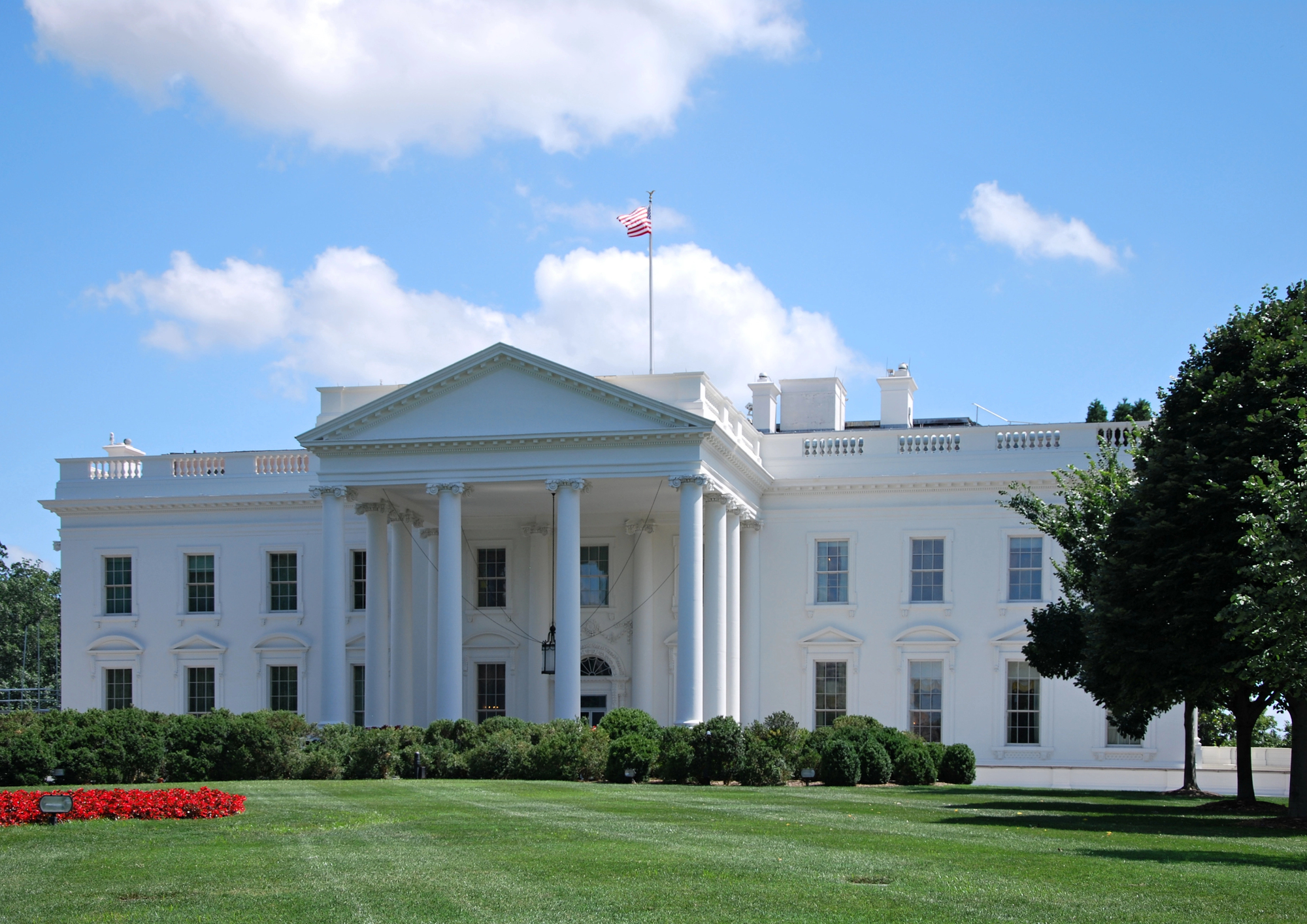
The famous Situation Room where presidents make crucial national security decisions isn’t actually in the location most people assume.
There are several conference rooms throughout the White House complex that look official enough to serve as decoys, complete with similar technology and furniture layouts.
This way, foreign intelligence services can’t easily determine when important meetings are taking place based on activity patterns around one specific room.
The real Situation Room moves periodically, or at least the equipment does.
A Medical Facility That Rivals Most Hospitals
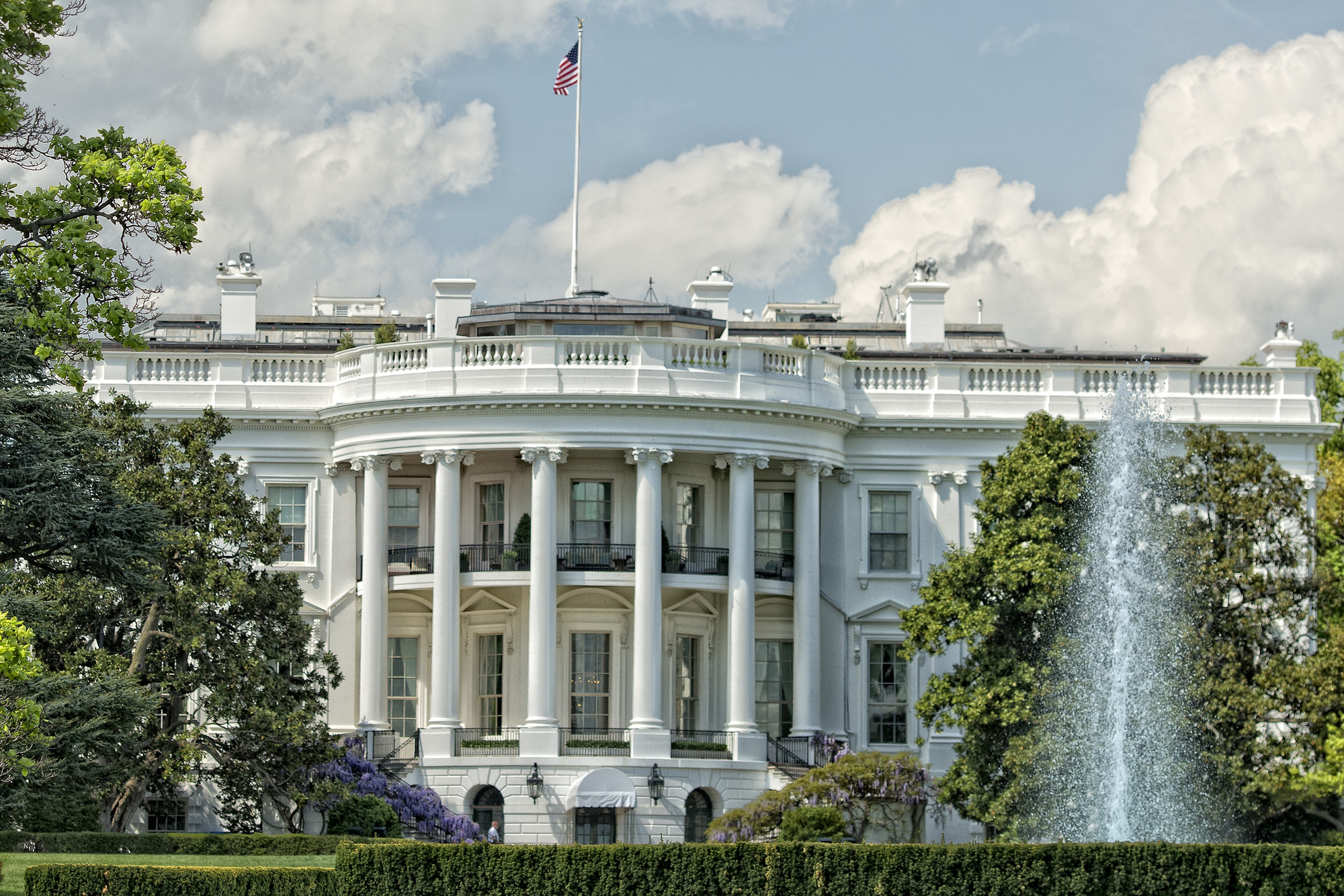
The White House Medical Unit occupies more space than you’d expect and includes equipment that most community hospitals would envy.
There’s an operating room capable of handling major surgery, a pharmacy stocked with medications for virtually any condition, and diagnostic equipment that can run comprehensive tests without the president ever leaving the building.
The facility stays staffed around the clock with military doctors who hold top-secret clearances, because even routine medical information about the president counts as classified material.
Multiple Kitchens For Security Purposes
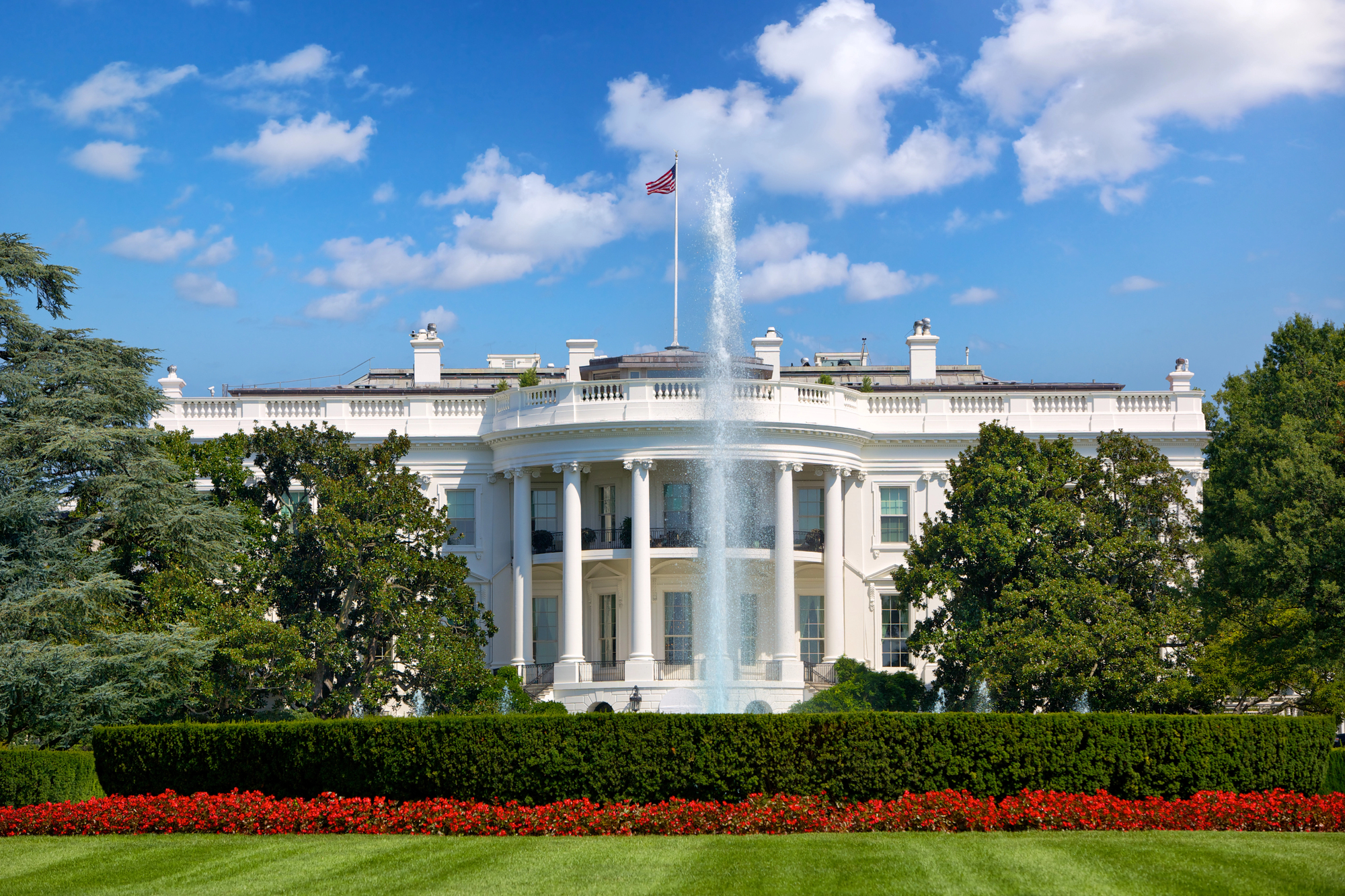
Food security takes on a whole different meaning when you’re feeding the president.
The White House operates several kitchens simultaneously, and meals are prepared in different locations as a precaution against tampering.
Staff members don’t know until the last minute which kitchen will actually provide the president’s food, and ingredients come from multiple suppliers through separate supply chains.
It’s an elaborate system that turns every meal into a small military operation, but it beats the alternative of worrying about poisoned soup.
Secret Service Command Posts Hidden In Plain Sight
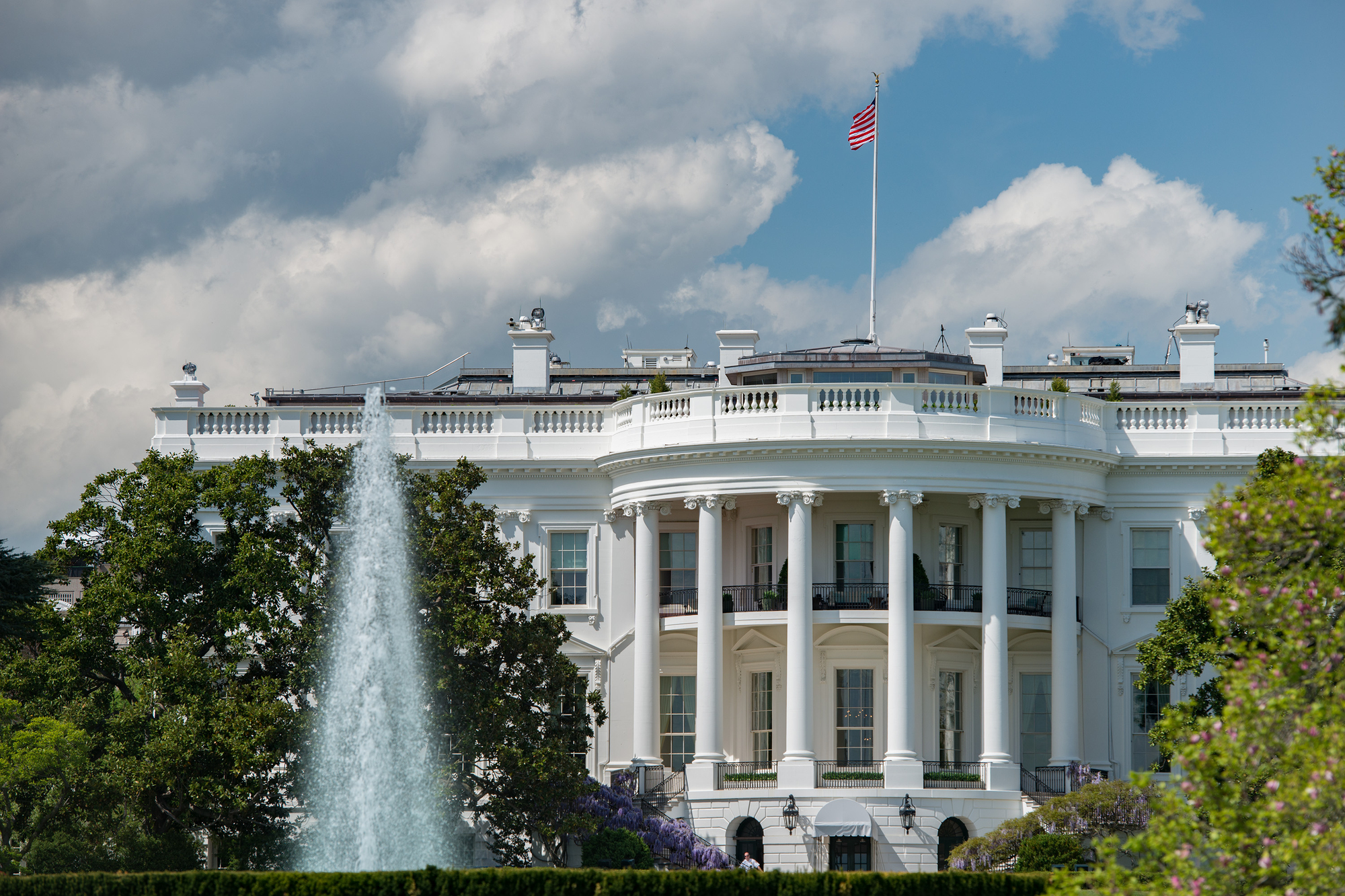
Throughout the White House, certain rooms that appear to have mundane purposes actually serve as command centers for Secret Service operations.
A closet might contain enough surveillance monitors to watch every angle of the building.
A maintenance room could house the central controls for the building’s security systems.
Even some decorative elements throughout the building conceal cameras, sensors, or communication equipment.
The idea is that threats should never be able to identify the actual nerve centers of the security operation.
A Calligraphy Office For Official Documents
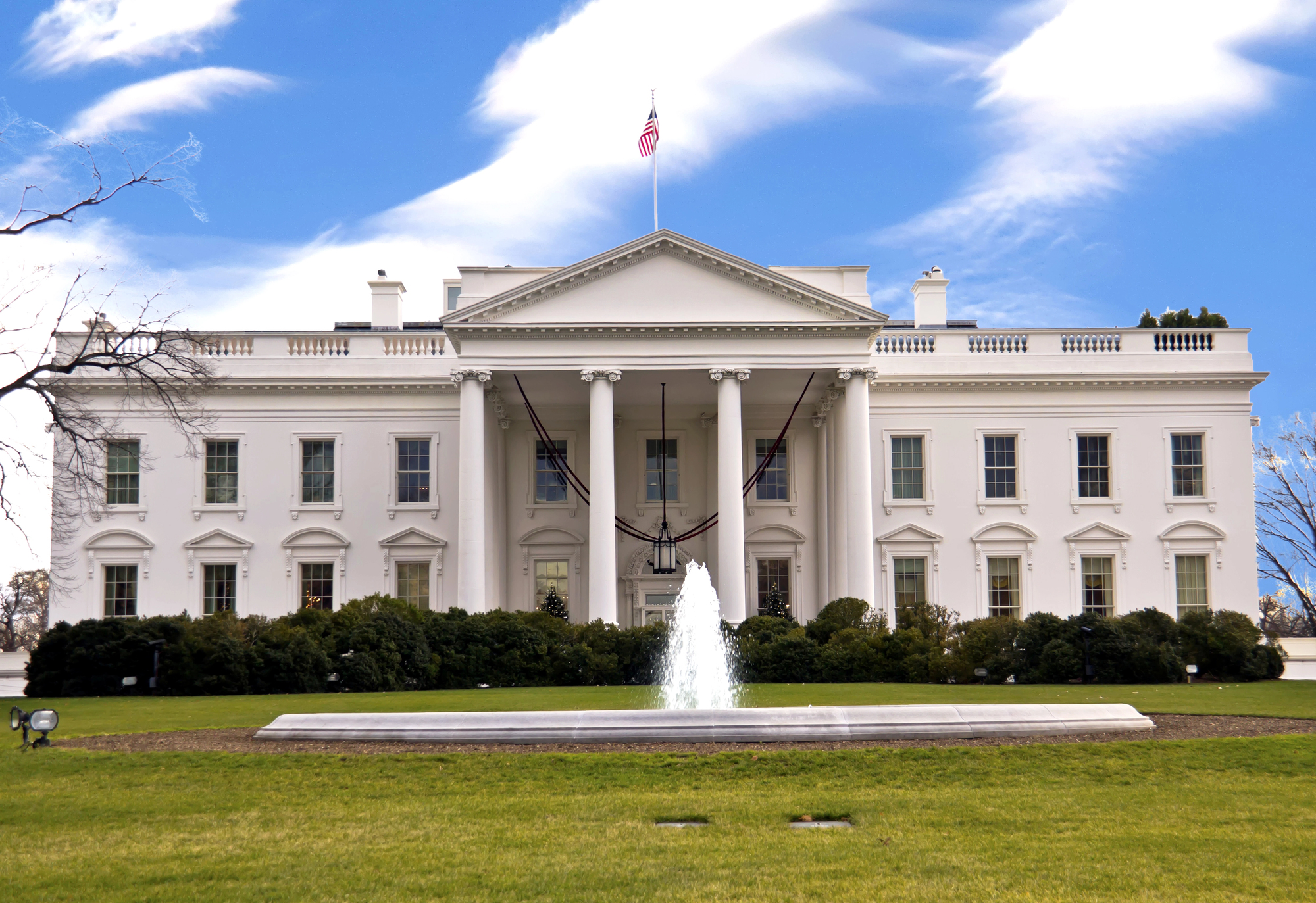
Handwritten invitations and official proclamations still matter in presidential politics, which is why the White House employs full-time calligraphers who work in a dedicated studio space.
These artists create everything from state dinner invitations to the official documents that accompany presidential medals and awards.
The office includes antique pens, specialty papers, and traditional sealing wax for documents that require a more ceremonial touch than a laser printer can provide.
It’s one of those old-fashioned touches that persists because some occasions still call for actual craftsmanship.
A Barbershop That Doubles As A Secure Meeting Space
The White House barbershop serves an obvious purpose, but it also functions as one of the most secure meeting spaces in the building.
The small room can be swept for surveillance devices quickly, and its location makes it easy to control who has access during sensitive conversations.
Presidents have reportedly used haircut appointments as cover for confidential discussions with advisors, since the presence of the barber provides a plausible reason for the meeting.
Plus, it’s one of the few places where even the president has to sit still and stay quiet for extended periods.
Hidden Passages Behind Famous Paintings
Several of the White House’s most famous paintings and portraits conceal doorways that lead to service corridors and security stations.
The artwork hangs on hinges that allow authorized personnel to access these hidden routes without disturbing the public areas of the building.
It’s a clever solution that preserves the building’s historical appearance while meeting modern security requirements.
Visitors admiring a presidential portrait have no idea they’re looking at a functional piece of the building’s infrastructure rather than just decoration.
Behind The Walls Of Power
These hidden features reveal something important about how the presidency actually works in practice.
The public sees ceremonies and speeches, but the real work of governing happens in spaces designed for security, efficiency, and confidentiality rather than public consumption.
Each of these concealed elements serves a specific purpose, whether it’s protecting the president from physical threats or simply ensuring that the complex machinery of government can operate smoothly behind the scenes.
The White House isn’t just a symbol or a museum — it’s a working building that has adapted over two centuries to meet the changing demands of American leadership.
More from Go2Tutors!

- The Romanov Crown Jewels and Their Tragic Fate
- 13 Historical Mysteries That Science Still Can’t Solve
- Famous Hoaxes That Fooled the World for Years
- 15 Child Stars with Tragic Adult Lives
- 16 Famous Jewelry Pieces in History
Like Go2Tutors’s content? Follow us on MSN.