Lost Films and Legendary Unfinished Projects
Cinema history isn’t only shaped by the masterpieces that survived—it’s also haunted by the ones that vanished or never quite came together. Some reels were destroyed in vault fires, while others fell apart mid-production after swallowing years of effort and mountains of cash.
These elusive works have taken on a mythic quality, leaving film lovers wondering what might have been.Here’s a look at 14 lost films and legendary unfinished projects that still echo through movie lore.
London After Midnight

Lon Chaney’s 1927 vampire thriller is probably the crown jewel of lost Hollywood films. The last known copy perished in the 1965 MGM vault fire, erasing forever what many called one of the silent era’s greatest horror tales.
All that remains are still photos showing Chaney’s eerie grin—razor-sharp teeth under a tall hat—enough to keep fans fascinated and frustrated in equal measure.
Cleopatra (1917)

Theda Bara’s turn as the Egyptian queen in this extravagant Fox production was the stuff of legend. Lavish sets, daring costumes, and one of the most famous silent-era stars at her peak—it had all the ingredients of a blockbuster.
Sadly, almost all prints were lost in a studio fire. Only a few fragments and stills survive, offering fleeting glimpses of Bara’s bold performance that scandalized censors of the time.
Like Go2Tutors’s content? Follow us on MSN.
The Magnificent Ambersons (Original Cut)
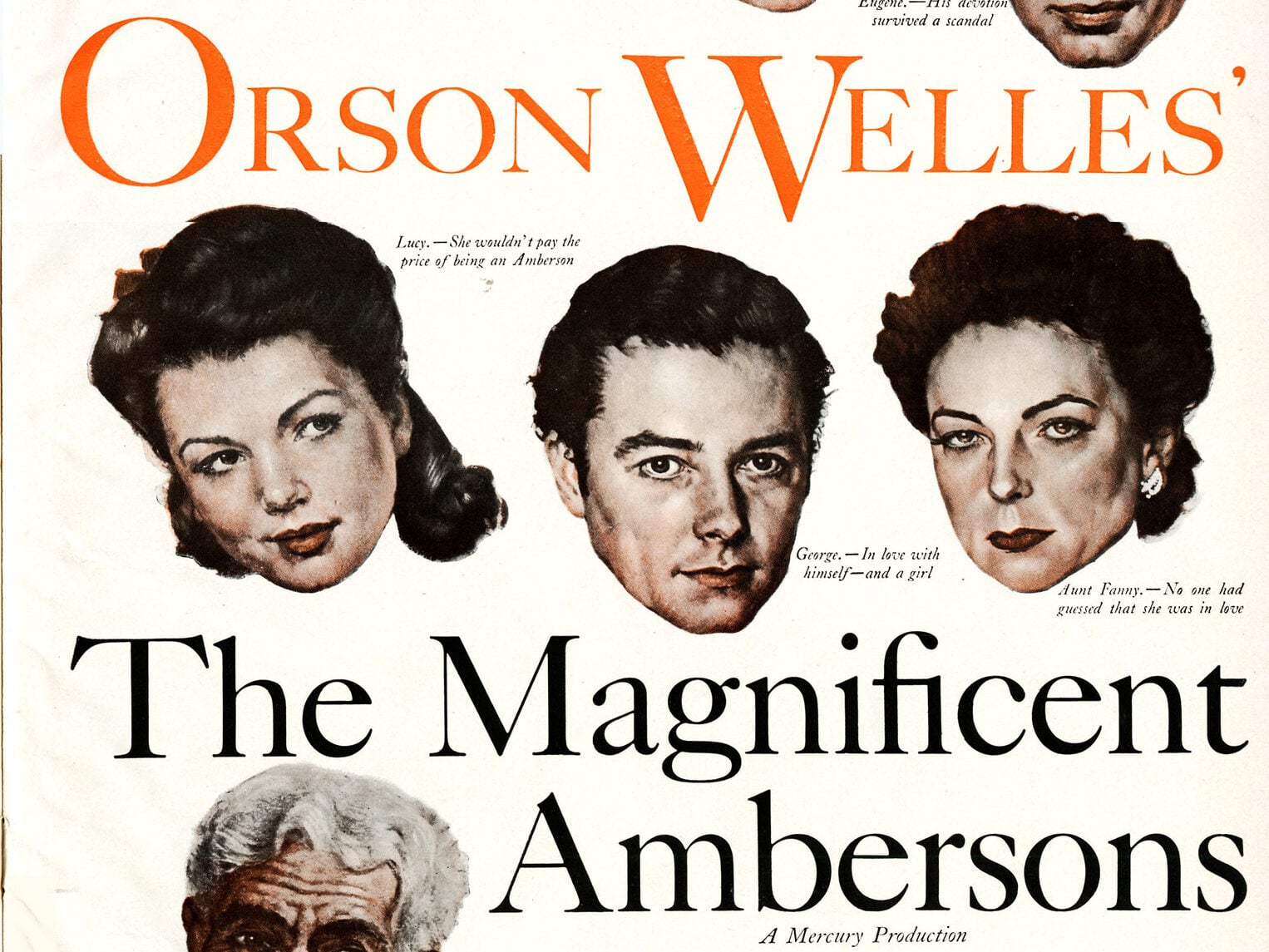
After Citizen Kane, Orson Welles poured his genius into this family drama. While Welles was away in South America, RKO chopped away nearly an hour of footage and tacked on a happier ending.
The deleted material was destroyed, and critics who saw early cuts swore the original rivaled Kane itself. For Welles, it was the most painful loss of his career.
The Day the Clown Cried
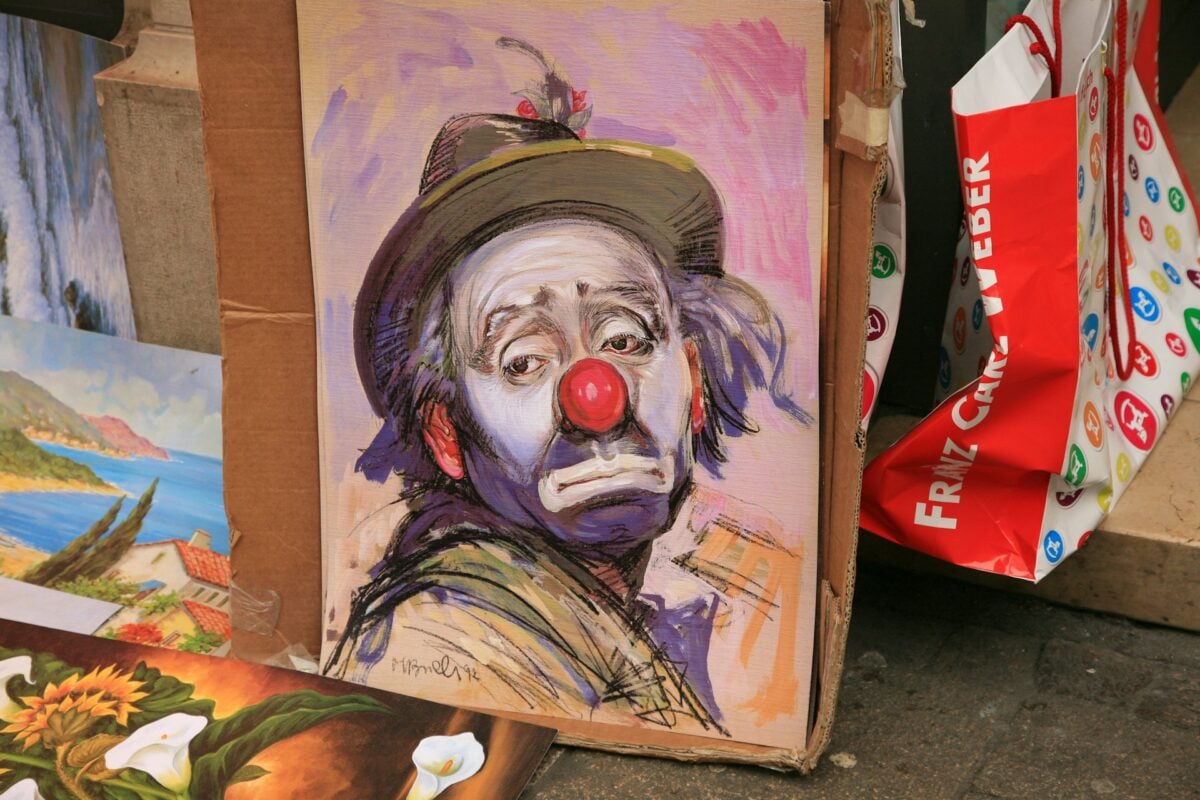
J. Lewis’s infamous 1972 drama about a clown performing for children on their way to Nazi gas chambers is one of cinema’s most mysterious vault-dwellers. Lewis shelved it himself, calling it a failure he couldn’t repair.
The film exists—somewhere—but he refused to let it be shown during his lifetime. Few films have inspired so much curiosity without a single public screening.
Jodorowsky’s Dune

In the mid-1970s, Alejandro Jodorowsky tried to craft what he called “the movie that would change cinema forever.” He recruited Salvador Dalí, Mick Jagger, and Orson Welles, and had Pink Floyd set for the soundtrack.
But studios balked at the budget and scale, killing the project before filming began. The storyboards and designs went on to inspire Alien, Blade Runner, and Star Wars—proof that even a film never shot can shape the future.
Like Go2Tutors’s content? Follow us on MSN.
Greed (Original Version)
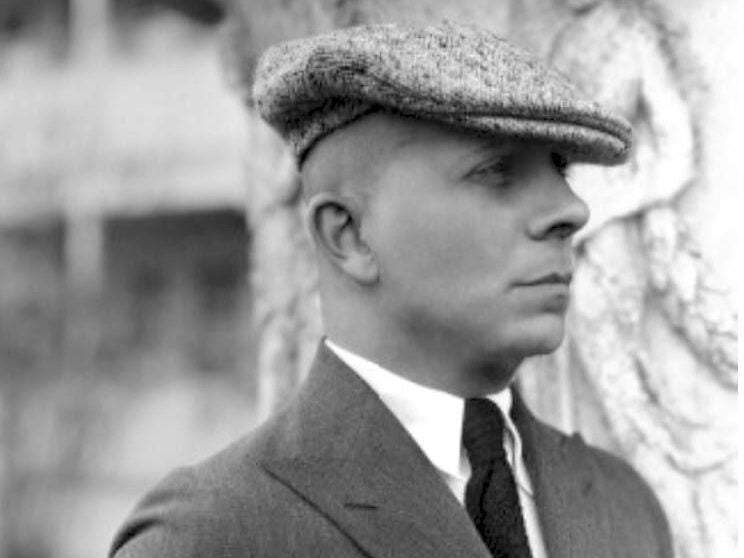
Erich von Stroheim’s 1924 opus originally ran nine hours long, meant to be screened over two nights. MGM whittled it down to two hours, destroying the cut footage in the process.
Even in its reduced form, Greed remains a landmark of realism and visual storytelling. Stroheim, though, never recovered—he believed his true masterpiece had been mutilated beyond repair.
Kaliyattam Unfinished Sequences

Indian filmmaker Jayaraj began transforming Shakespeare’s Othello into a Kerala folk art performance, blending cinema with the ritual beauty of Theyyam. Financial problems halted production, leaving only fragments behind.
Those glimpses reveal a vision unlike anything seen in Indian cinema—a haunting reminder of innovation lost to circumstance.
Napoleon (Stanley Kubrick)
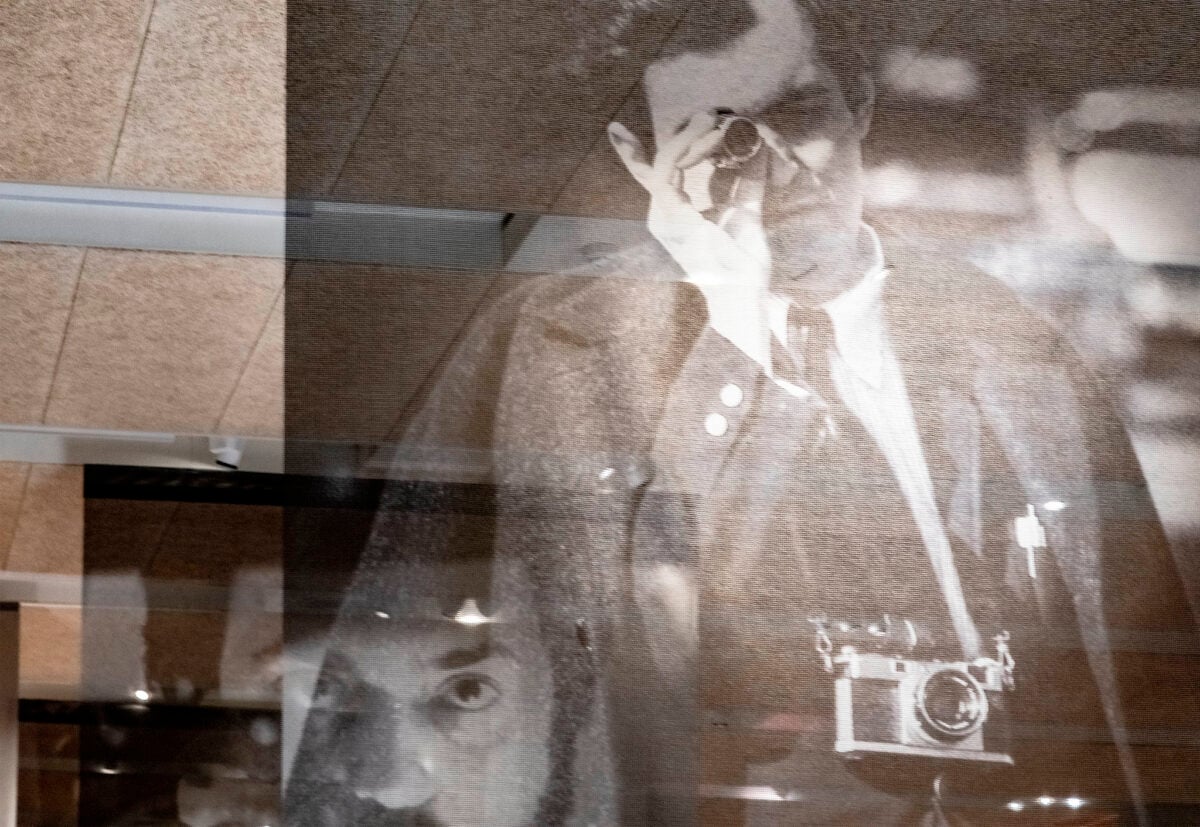
Stanley Kubrick’s unmade Napoleon is often called “the greatest movie never filmed.” He studied thousands of historical texts, planned massive battle scenes, and even catalogued daily details of Napoleon’s life.
After similar epics flopped, MGM pulled the plug, crushing Kubrick’s dream. Some of his research later resurfaced in Barry Lyndon, but the grand vision of Napoleon never materialized.
Like Go2Tutors’s content? Follow us on MSN.
The Other Side of the Wind

Orson Welles’s long-gestating project about an aging filmmaker became a legend of unfinished cinema. He shot it across a decade, whenever money appeared, but legal wrangling locked it away for forty years.
Netflix eventually pieced it together in 2018, yet no one can say if it reflects Welles’s true intent—just one possible version among many he left behind.
Don Quixote (Orson Welles)

Welles began filming Don Quixote in 1957, revisiting it off and on for decades. The concept kept evolving, blending timelines and tones until the project collapsed under its own ambition.
Others tried to finish it after his death, but what exists feels more like a patchwork of brilliance—a window into Welles’s restless creative mind.
At the Mountains of Madness
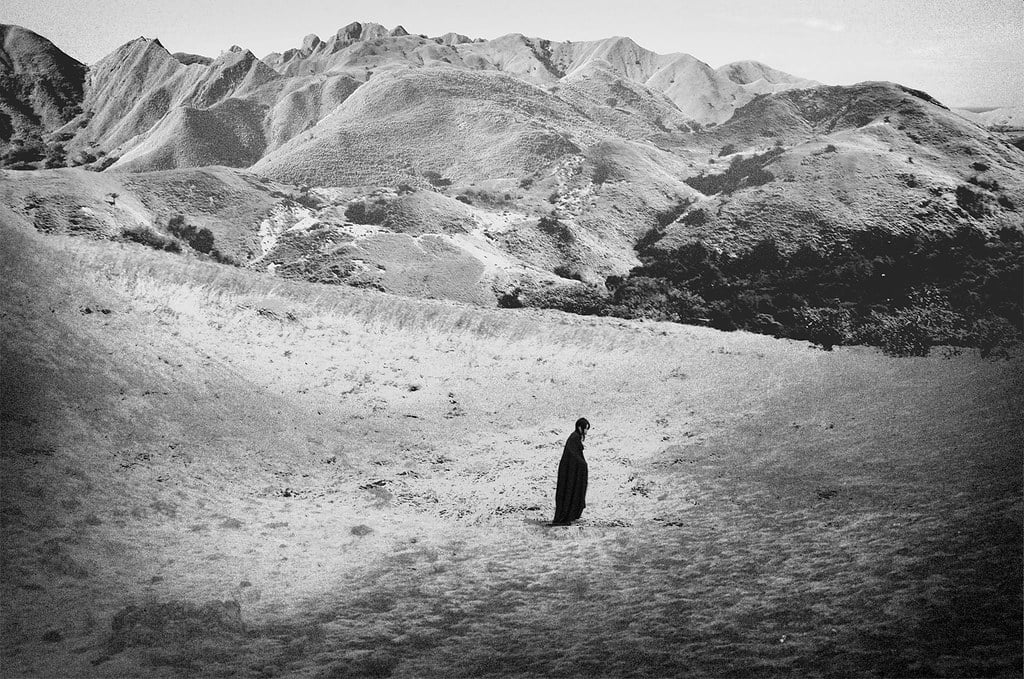
Guillermo del Toro’s adaptation of H.P. Lovecraft’s icy nightmare nearly happened—with James Cameron producing and Tom Cruise set to star. But Universal balked when del Toro refused to make it PG-13.
He’s since called it the heartbreak of his career. The elaborate concept art and creature designs hint at a masterpiece that never left the drawing board.
Like Go2Tutors’s content? Follow us on MSN.
Something’s Got to Give
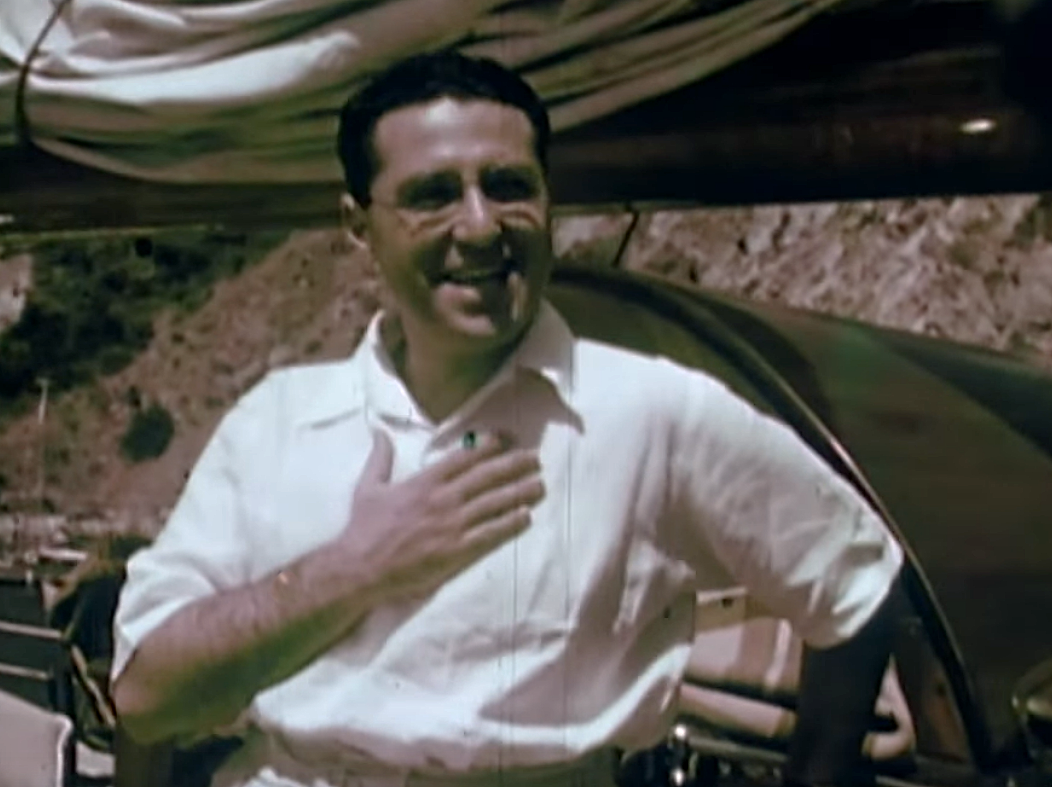
In 1962, Marilyn Monroe was in the middle of shooting this romantic comedy remake when Fox dismissed her over illness-related absences. Her death a few months later froze the film in time—just 37 minutes of footage remained.
Those fragments show her sharp comic instincts intact, making the loss of what might have been her comeback all the more poignant.
The Man Who Killed Don Quixote (Original Attempt)

Terry Gilliam’s dream project fell apart spectacularly in 2000. A flood destroyed the set, the lead actor fell ill, and production shut down after six days.
The chaos was captured in the documentary Lost in La Mancha, which turned the failure into film history. Gilliam finally finished a version in 2018, but that original, surreal vision starring Johnny Depp remains a great cinematic “what if.”
Convention City
This 1933 pre-Code comedy was reportedly so risqué that Warner Bros. destroyed every copy after the Production Code took hold. Set at a salesman’s convention full of wild affairs and boozy antics, it was too scandalous for censors—and too tempting for legend.
All prints are gone, making it one of the few sound films from a major studio that completely disappeared.
Like Go2Tutors’s content? Follow us on MSN.
What These Ghosts Tell Us

These vanished and unfinished projects are the ghosts of cinema—reminders that art can be as fragile as film stock itself. Fires, studio meddling, and bad luck have erased countless works that might have reshaped the medium.
What remains are tantalizing fragments and whispers of ambition, hinting at the many alternate histories Hollywood could have written—if only things had gone differently.
More from Go2Tutors!

- 16 Historical Figures Who Were Nothing Like You Think
- 12 Things Sold in the 80s That Are Now Illegal
- 15 VHS Tapes That Could Be Worth Thousands
- 17 Historical “What Ifs” That Would Have Changed Everything
- 18 TV Shows That Vanished Without a Finale
Like Go2Tutors’s content? Follow us on MSN.