Strange Conspiracy Theories from the Cold War Era
The Cold War wasn’t just about nuclear standoffs and spy novels. It was a breeding ground for some of the most bizarre conspiracy theories in modern history.
When two superpowers spent decades locked in ideological warfare, reality became stranger than fiction — and fiction started looking suspiciously like reality.
The tension between East and West created the perfect environment for paranoid thinking. Every technological breakthrough, cultural shift, or unexplained event could be evidence of enemy infiltration.
People on both sides of the Iron Curtain developed elaborate theories about secret mind control programs, hidden bases, and plots so outlandish they would make Hollywood screenwriters blush.
Mind Control Through Television

Television was the devil, according to certain Cold War conspiracy theorists. The CIA was supposedly broadcasting subliminal messages through regular programming.
Every commercial break contained hidden commands. Every news anchor was a government agent.
The theory went deeper than simple propaganda. Secret frequencies were allegedly embedded in the broadcast signal itself, designed to alter brainwaves and create compliant citizens.
No evidence ever surfaced, but that only proved how sophisticated the cover-up had become.
Fluoride as a Communist Plot

Water fluoridation programs in the 1950s triggered massive paranoia among anti-communist groups, who became convinced (and this is where the story takes one of those turns that feels almost theatrical in its absurdity) that the entire public health initiative was actually a Soviet scheme to weaken American minds and make the population more susceptible to communist ideology.
The theory gained so much traction that city council meetings turned into battlegrounds, with concerned citizens demanding to know why their government was apparently poisoning them on behalf of Moscow.
But here’s what made it stick: fluoride was indeed a chemical being added to the water supply by government mandate, which meant the basic premise wasn’t entirely wrong — just the motivation behind it.
And that small kernel of truth was enough to keep the theory alive for decades, even after mountains of scientific evidence proved fluoride’s benefits for dental health.
So the conspiracy theorists weren’t entirely paranoid — they were just wrong about who was behind it and why.
Paul McCartney’s Mysterious Death
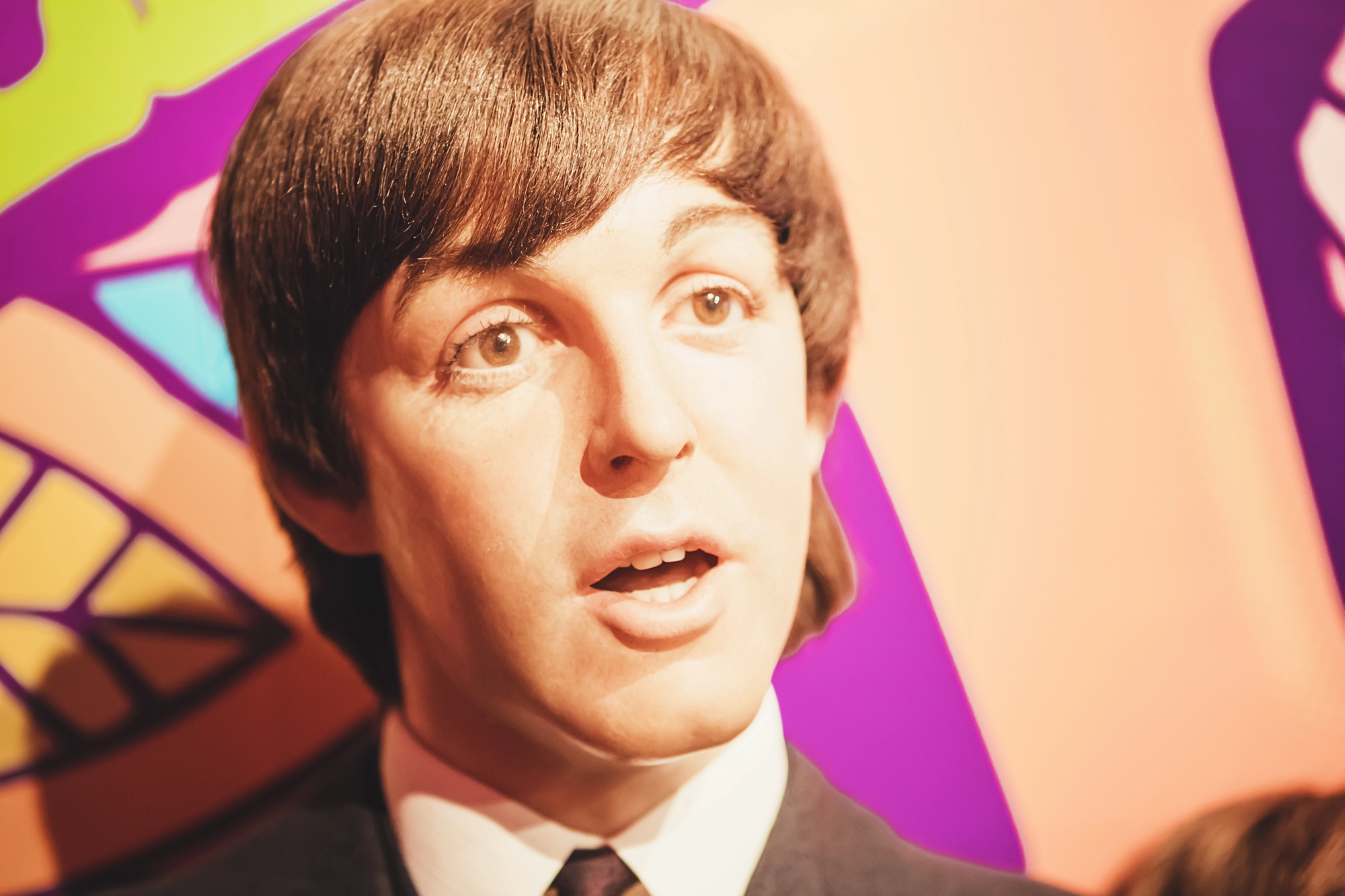
The “Paul is Dead” conspiracy theory emerged in the late 1960s, but it carried distinct Cold War undertones that most people miss. According to believers, Paul McCartney died in a car crash in 1966 and was replaced by a Soviet-trained double.
The goal was to use the Beatles’ massive cultural influence to spread communist messages through popular music.
Theorists pointed to “clues” hidden in album covers and song lyrics. They analyzed every photograph for signs that this wasn’t the real Paul.
The backwards messages on certain tracks were supposedly coded communications between Soviet handlers. It sounds ridiculous now, but during the height of Cold War paranoia, the idea of weaponizing rock music didn’t seem that far-fetched.
Project Blue Book Cover-ups

UFO sightings during the Cold War weren’t just about little green men — they were about little green men working for the other side. Every unidentified flying object was potentially a Soviet aircraft testing new technology.
Every alien abduction story was possibly a cover for communist kidnapping and brainwashing operations.
The government’s Project Blue Book, which investigated UFO reports, only fueled more conspiracy theories. Official denials were taken as proof of a cover-up.
Classified documents meant something bigger was being hidden.
The Moon Landing as Soviet Theater
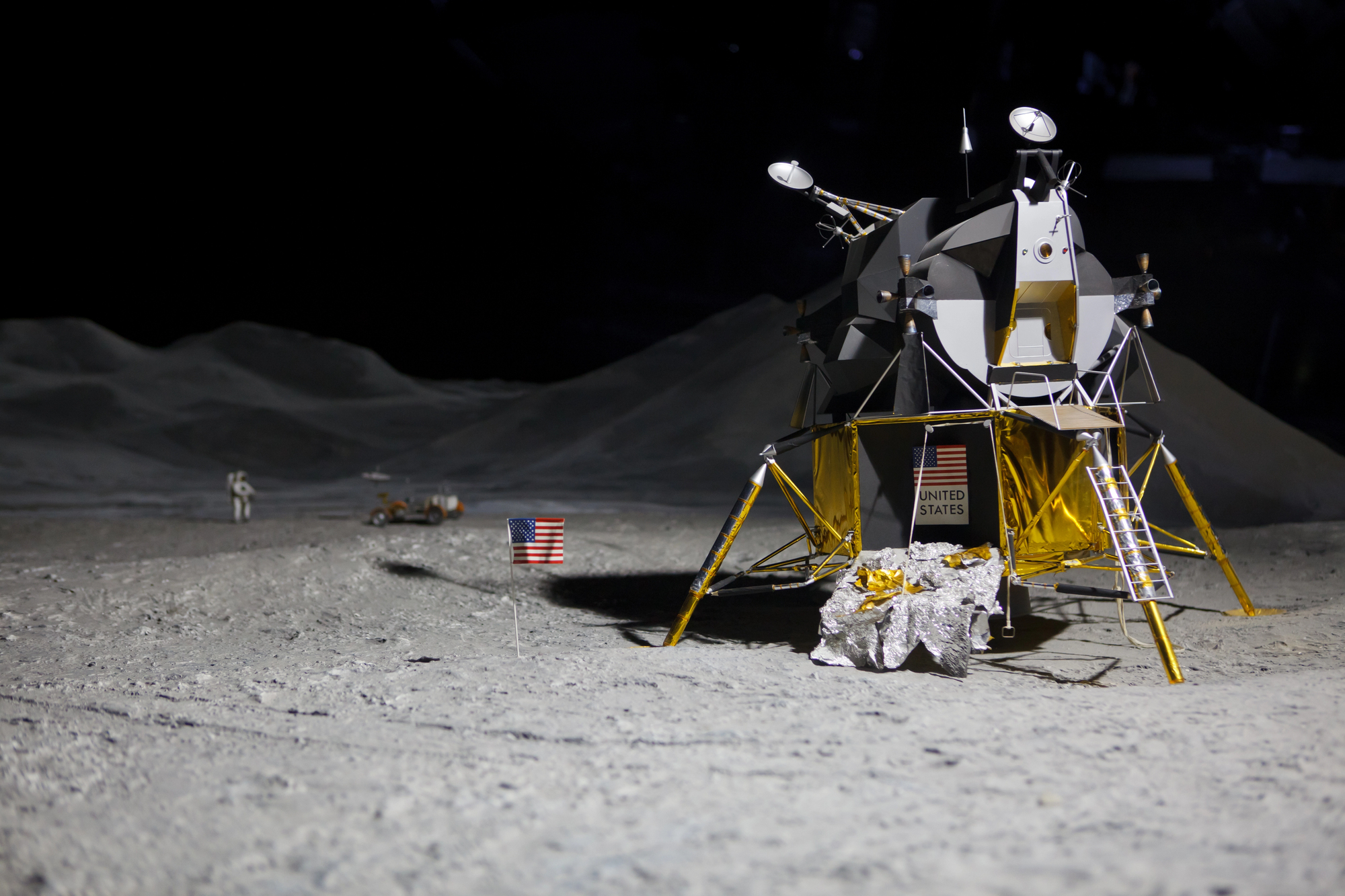
Most people know about the conspiracy theory claiming the moon landing was faked. Fewer know about the version that claimed it was real — but orchestrated by the Soviets.
This theory suggested that NASA had been infiltrated so thoroughly by communist agents that the entire space program was actually a Soviet operation designed to bankrupt America through massive spending on useless projects.
The evidence was circumstantial but creative (and here’s where you have to admire the sheer audacity of the theorists): why else would America spend billions of dollars to plant a flag on a rock nobody could live on, when that money could have been used to build weapons or infrastructure that actually mattered for national defense?
The answer, according to believers, was that Soviet agents had convinced American leaders to waste resources on publicity stunts while Russia built up its real military capabilities back on Earth.
It was psychological warfare disguised as scientific achievement, and the fact that Americans celebrated the moon landing only proved how completely they’d been fooled.
Weather Control Warfare

Both sides accused each other of weaponizing the weather. Cloud seeding technology was real, which meant weather modification was possible — and if it was possible, someone was definitely using it for military purposes.
American droughts were blamed on Soviet weather machines. Russian crop failures were attributed to CIA climate manipulation.
Hurricane patterns were analyzed for signs of artificial intervention. Every natural disaster became potential evidence of meteorological warfare.
Even the scientific community got nervous about this one, because unlike most conspiracy theories, weather modification wasn’t entirely science fiction.
Television Personalities as Enemy Agents

The paranoia extended beyond subliminal messages to the personalities delivering them, creating a bizarre ecosystem where popular entertainers were viewed as potential sleeper agents whose real job was to gradually shift American cultural values toward communist ideals through seemingly innocent entertainment programming.
Game show hosts, news anchors, and children’s television performers all came under suspicion — particularly anyone who promoted cooperation over competition, questioned authority figures, or suggested that sharing resources might be a good idea.
The theory gained enough credibility that some networks actually started including loyalty oaths in their contracts, and background investigations became routine for anyone appearing regularly on television.
But the most unsettling part wasn’t the paranoia itself — it was how the paranoia changed the actual content of television, as writers and producers began self-censoring anything that might be interpreted as communist propaganda, even when it was just basic human decency or critical thinking skills.
The irony was perfect: fear of communist influence actually succeeded in making American television more controlled and propagandistic.
Secret Bases in Antarctica

Antarctica became the setting for elaborate theories involving hidden Nazi bases, Soviet research stations, and joint enemy operations designed to launch surprise attacks on the Western world.
The continent’s isolation made it perfect for conspiracy theories — nobody could easily verify what was actually happening down there.
Underground facilities were supposedly being built beneath the ice. Advanced aircraft were being tested in the endless white landscape.
Some theories even included alien technology being reverse-engineered at these secret installations, with Nazi scientists and Soviet engineers working together under extraterrestrial supervision.
Poisoned Consumer Products

Everyday products became weapons in the minds of Cold War conspiracy theorists. Toothpaste contained mind-control chemicals. Breakfast cereals were laced with mood-altering substances.
Even clothing was suspect — synthetic fabrics were supposedly designed to make Americans lazy and complacent.
The theories were specific and detailed. Particular brands were named as communist fronts. Certain ingredients were identified as Soviet-developed compounds.
Consumer protection agencies were accused of being infiltrated by enemy agents who approved dangerous products on purpose.
Some theorists went so far as to create lists of “safe” products made by companies with verified American ownership and patriotic management.
The Beatnik Movement as Psychological Warfare

The emergence of beatnik culture in the 1950s was interpreted by some as a sophisticated communist plot to undermine traditional American values, with jazz music, coffee houses, and unconventional poetry serving as delivery mechanisms for anti-capitalist messaging wrapped in artistic expression that made it more palatable to impressionable young minds.
The theory wasn’t entirely without basis — some prominent figures in the movement did have communist sympathies, and the emphasis on questioning authority and rejecting materialism did align with certain socialist principles.
And yet the paranoia grew so intense that FBI agents were actually assigned to monitor poetry readings and jazz clubs, looking for coded revolutionary messages in improvised saxophone solos and experimental verse — which was both absurd and oddly flattering to the artists, who suddenly found themselves credited with powers of persuasion that most of them knew they didn’t actually possess.
But the real genius of the conspiracy theory was how it turned artistic expression itself into something suspicious, making creativity seem dangerous rather than valuable.
Hypnotic Radio Frequencies

Radio wasn’t safe either. Certain frequencies were allegedly being used to transmit hypnotic suggestions directly into listeners’ subconscious minds.
The theory was that communist agents had discovered specific sound wavelengths that could bypass conscious thought and plant ideas directly into the brain.
Late-night radio programs came under particular suspicion, since people listening alone in the dark were supposedly more vulnerable to hypnotic influence. Classical music stations were considered especially dangerous because their audience was educated and therefore valuable targets for ideological conversion.
Amateur radio operators started monitoring broadcasts for suspicious patterns and frequencies that didn’t match standard broadcasting protocols.
Fast Food as Cultural Sabotage

The rise of fast food chains in the 1950s triggered theories about communist infiltration of American eating habits. The goal was supposedly to make Americans unhealthy, lazy, and dependent on processed foods that could be easily contaminated or withdrawn during a crisis.
McDonald’s golden arches were analyzed for hidden communist symbolism. The standardization of restaurant procedures was seen as training Americans to accept conformity and central planning.
Even the speed of service was suspect — it was allegedly designed to prevent people from having meaningful conversations during meals.
Some theorists claimed that specific additives in fast food were designed to reduce fertility rates and weaken the next generation of Americans.
Shopping Malls as Surveillance Networks

The development of suburban shopping malls was interpreted as a communist plot to monitor American consumer behavior and create centralized locations where large groups of people could be easily controlled during emergencies.
The layout of malls was analyzed for evidence of surveillance optimization — wide corridors for crowd monitoring, central courts for mass gatherings, and anchor stores positioned to funnel shoppers past maximum observation points.
Department store mannequins were suspected of containing hidden cameras. Public address systems were allegedly designed for crowd control rather than customer service.
Even the background music was considered suspicious — too cheerful to be natural, probably designed to keep shoppers docile and compliant.
The conspiracy gained credibility when people realized that malls really were designed to manipulate behavior, just not for the reasons the theorists imagined.
Echoes in an Uncertain World

These theories seem absurd now, but they reveal something genuine about the Cold War era — a deep anxiety about invisible threats and hidden influences that couldn’t be easily identified or confronted.
When the enemy could look like anyone and be anywhere, every institution became suspect. Every innovation carried the potential for infiltration.
The conspiracy theories were wrong about the details, but they captured something real about living in a world where information was controlled, technology was advancing rapidly, and the stakes felt existential.
People created elaborate explanations for changes they couldn’t understand, enemies they couldn’t see, and a future they couldn’t predict.
In their own paranoid way, these theories were attempts to make sense of a senseless time.
More from Go2Tutors!

- The Romanov Crown Jewels and Their Tragic Fate
- 13 Historical Mysteries That Science Still Can’t Solve
- Famous Hoaxes That Fooled the World for Years
- 15 Child Stars with Tragic Adult Lives
- 16 Famous Jewelry Pieces in History
Like Go2Tutors’s content? Follow us on MSN.