15 Colleges With Admissions So Tough They’re Legendary
Getting into college has always been competitive, but some schools exist in a category all their own. These institutions don’t just reject most applicants — they inspire legends, spawn neuroses, and create entire industries built around the impossibility of acceptance.
The numbers tell part of the story, but the real measure lives in the collective cultural anxiety these places generate. When a school becomes shorthand for academic perfection, when parents start planning their toddler’s application strategy, when rejection letters become badges of honor just for trying — that’s when tough becomes legendary.
Harvard University
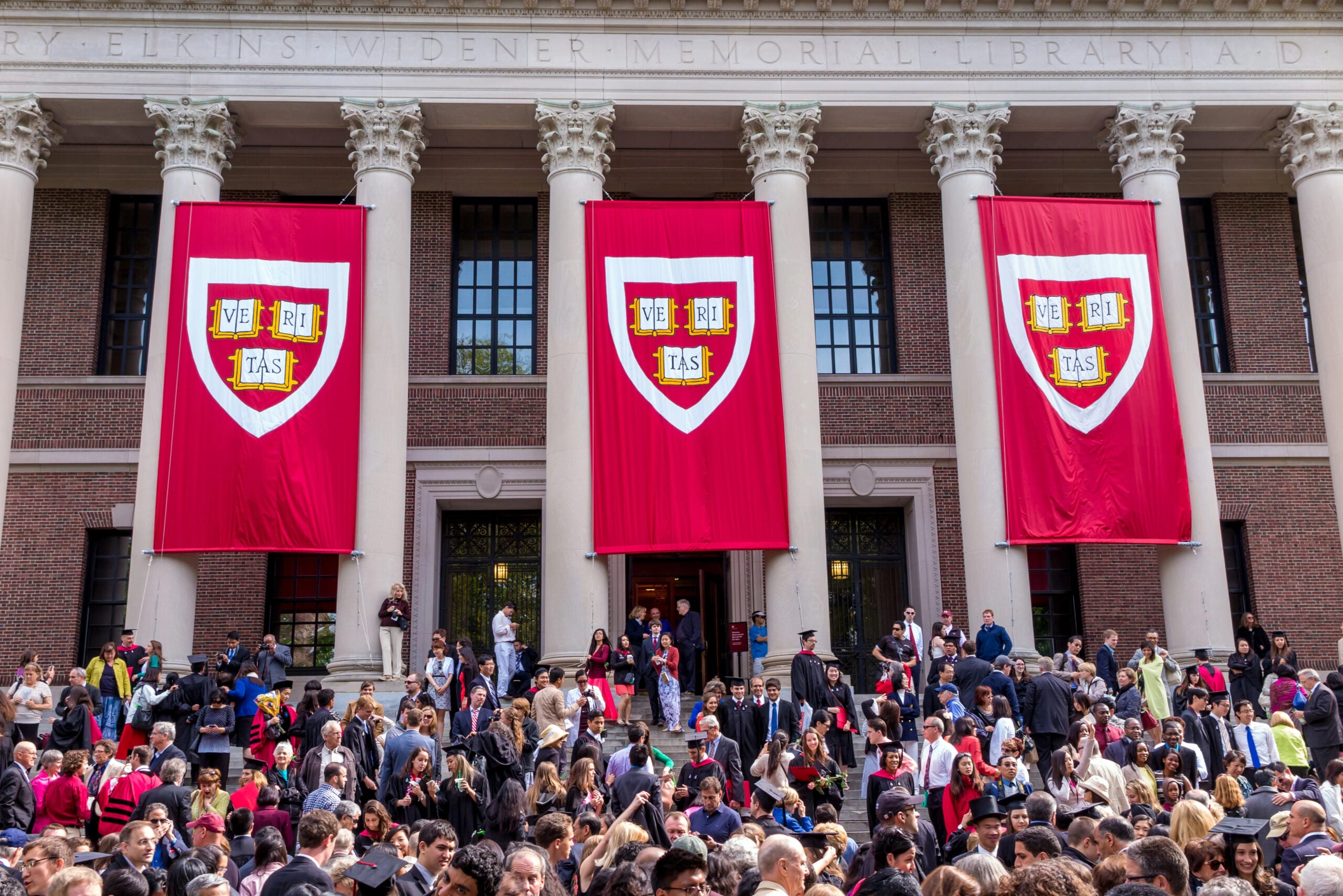
Harvard rejects 19 out of every 20 applicants. The other 19 weren’t lacking — they were simply unlucky enough to want the same thing as everyone else with perfect test scores and flawless transcripts.
Stanford University
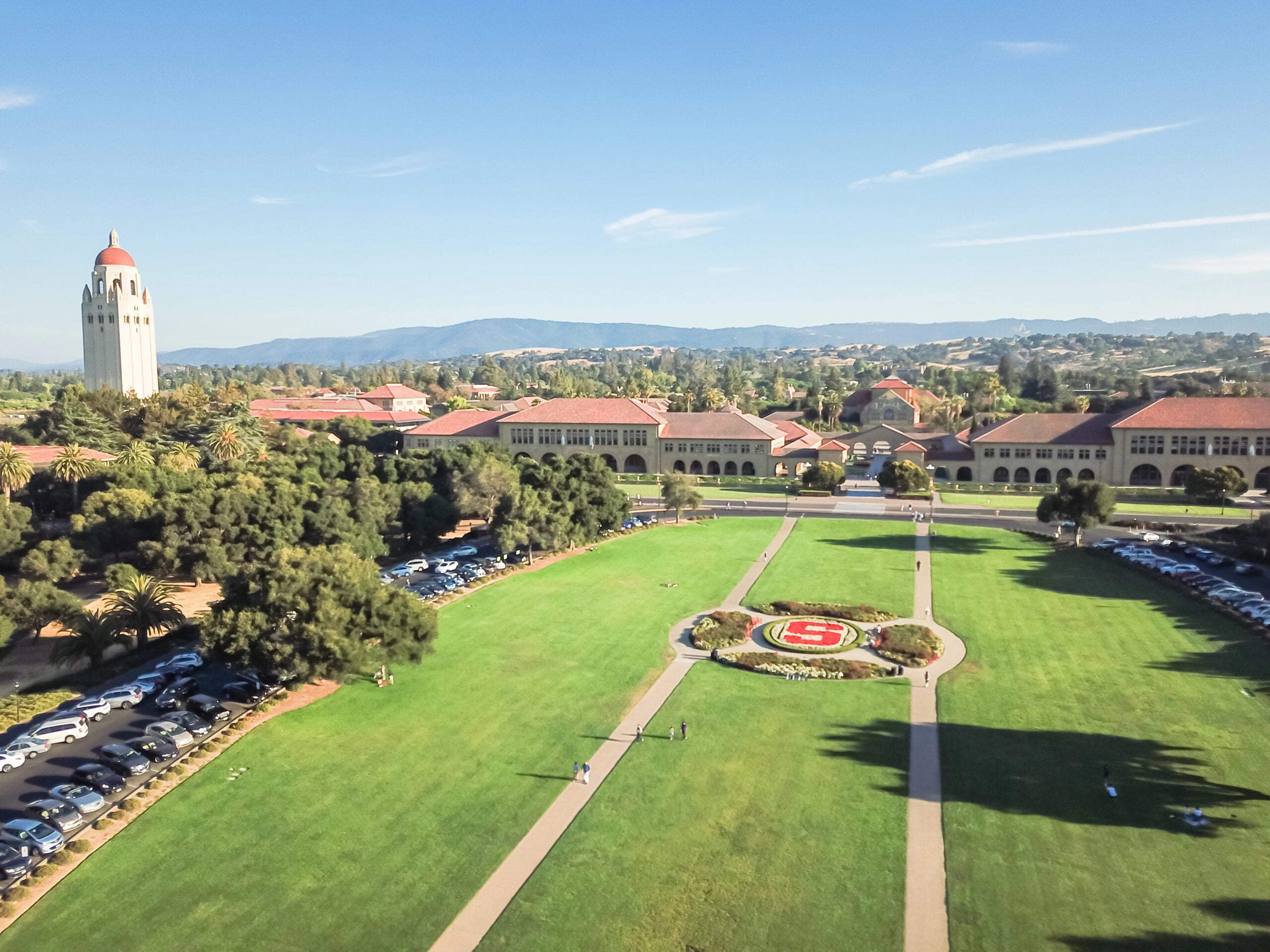
Stanford’s acceptance rate hovers around 4%, but the real cruelty lies in its location. Silicon Valley proximity means every tech billionaire’s child applies, along with every student who thinks proximity to innovation guarantees success.
It doesn’t.
Massachusetts Institute of Technology
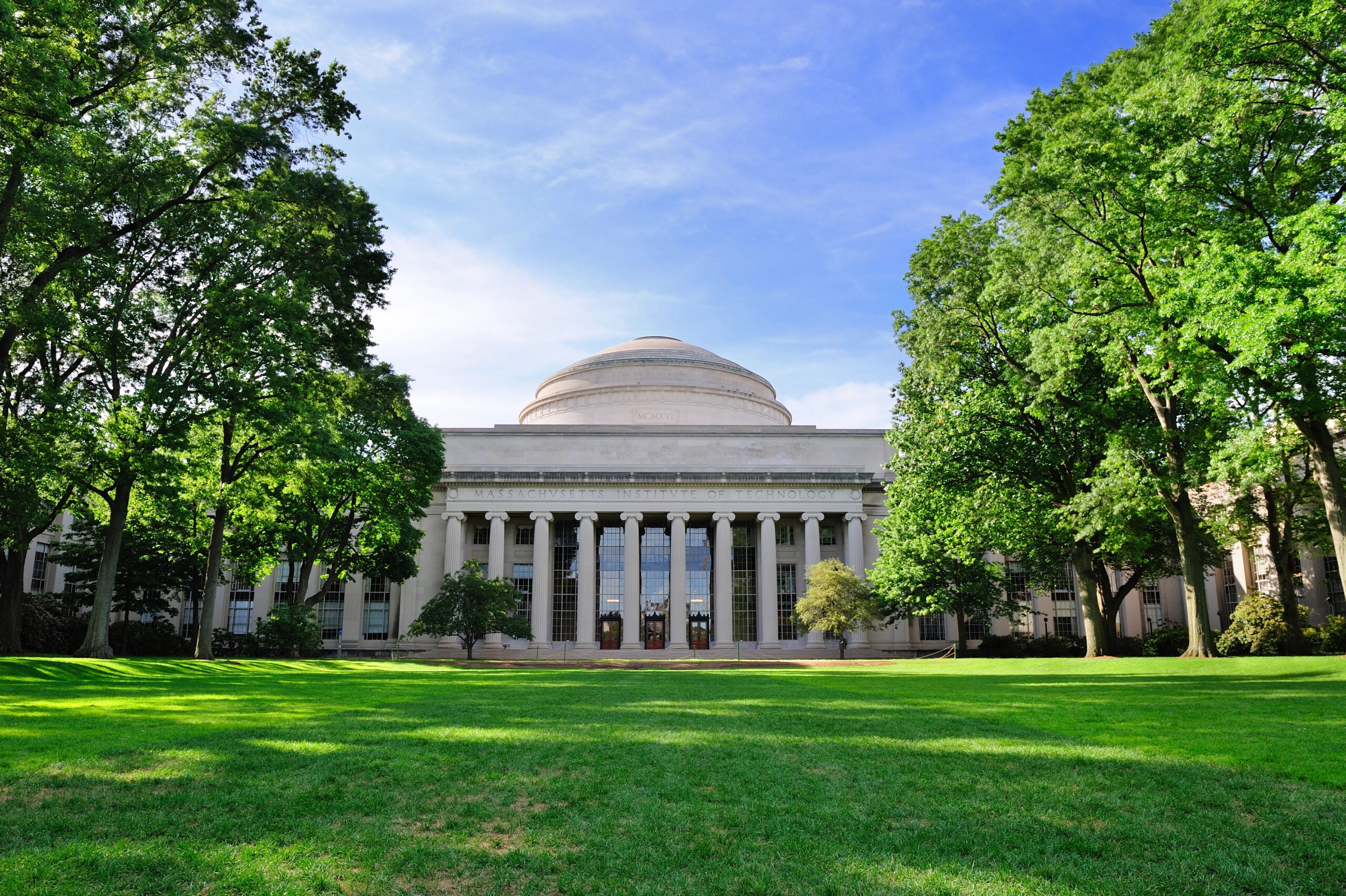
MIT operates like a machine designed to identify other machines — specifically, the kind of human machines that solve problems normal people can’t even understand. The application process feels less like college admissions and more like auditions for a very exclusive club of people who think in algorithms, and the selection committee (which probably includes actual robots at this point, though they’re not saying) seems to evaluate candidates based on whether they’ve already solved world hunger or just discovered a new element in their garage workshop during sophomore year. But here’s what makes MIT particularly brutal: they’re not just looking for smart kids who can memorize formulas and regurgitate textbook knowledge.
No, that would be too simple.
They want the kind of students who build functioning rockets in their backyards, who write code that makes seasoned programmers weep with envy, who look at a broken toaster and see seventeen different ways to turn it into a renewable energy source. And even those students — the ones who’ve been thinking like engineers since they could hold a crayon — get rejected in numbers that would make a lottery commissioner blush.
California Institute of Technology
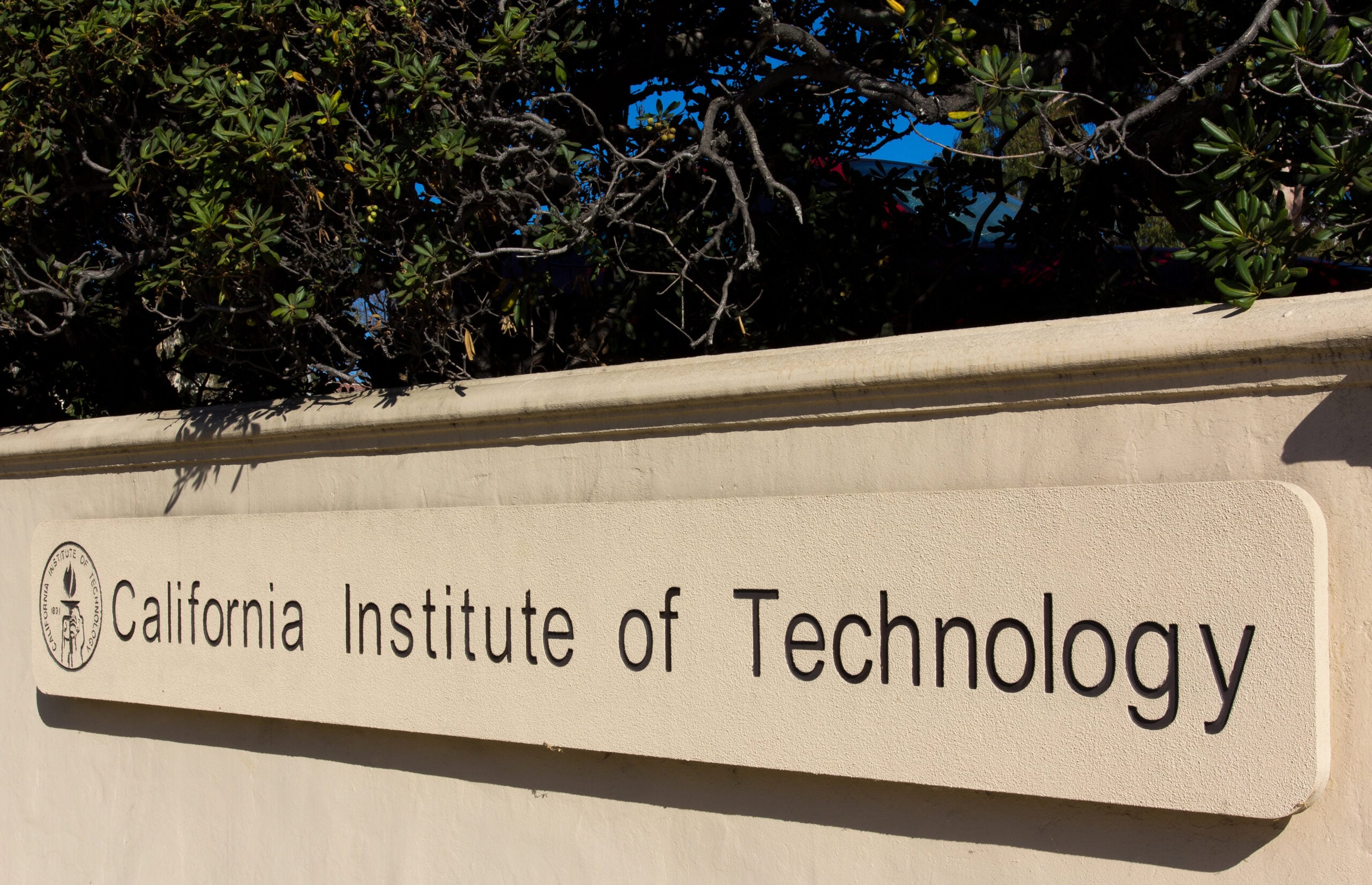
Caltech’s applicant pool reads like a convention of future Nobel laureates who happened to peak in high school. The school admits roughly 40-50 students per year from a stack of applications that could populate a small research university.
Every acceptance letter represents about 15 broken dreams, which sounds harsh until you consider that most of those rejected students will probably end up running NASA anyway.
Yale University
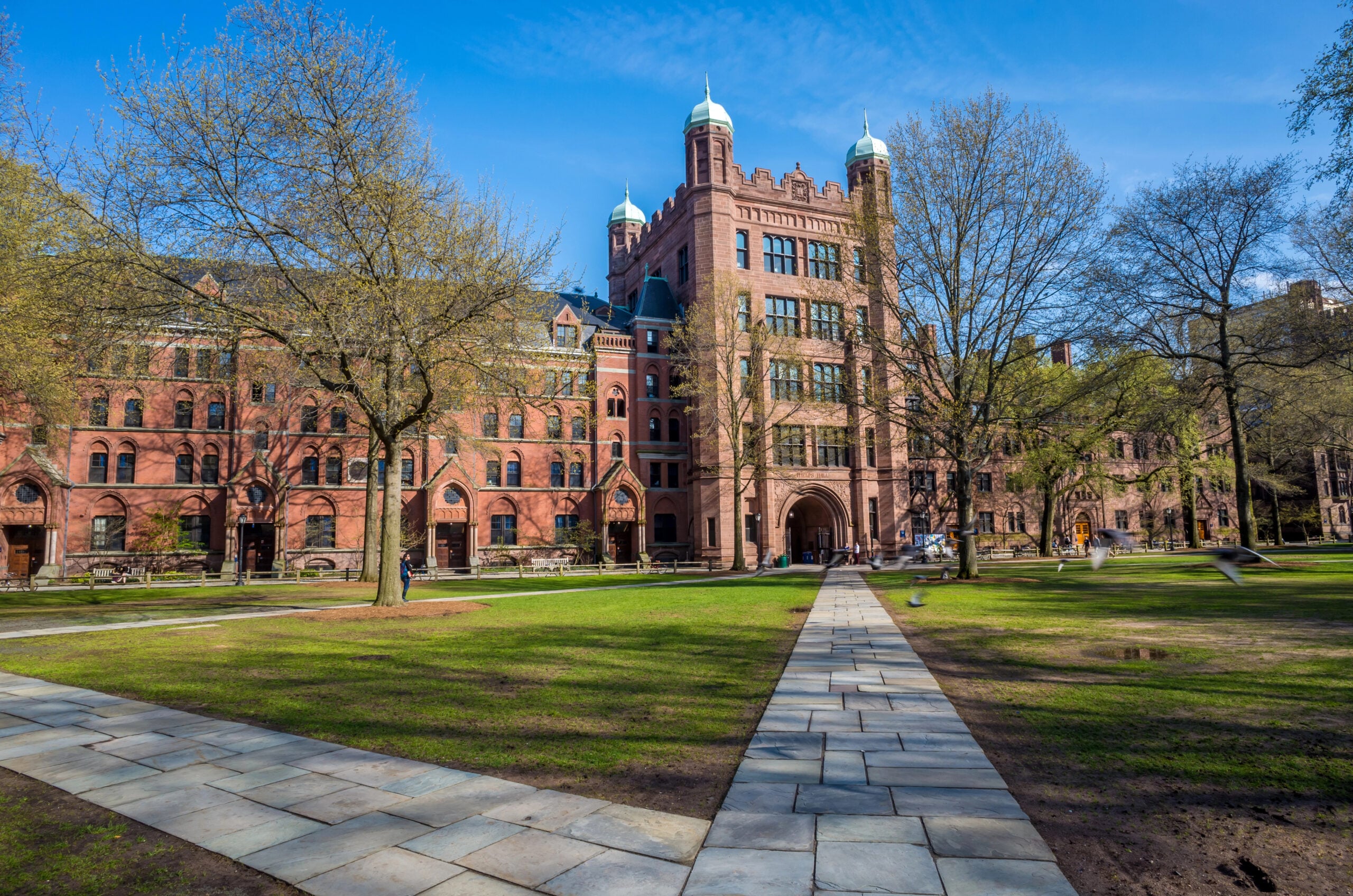
Yale maintains the pretense that they’re looking for well-rounded students, but the reality cuts deeper than academic metrics. They’re curating a very particular type of person — someone who can discuss Chaucer over dinner and still remember to laugh at the right jokes.
The admissions office doesn’t just evaluate transcripts; they’re assembling a cast for a four-year performance of what intellectual sophistication looks like. And like any good casting director, they reject perfectly qualified actors because they already have someone who plays that role.
The essays matter here more than anywhere else, not because Yale cares about your writing skills, but because they need to hear the right voice. It’s not enough to be brilliant. You have to be brilliantly likeable.
Princeton University
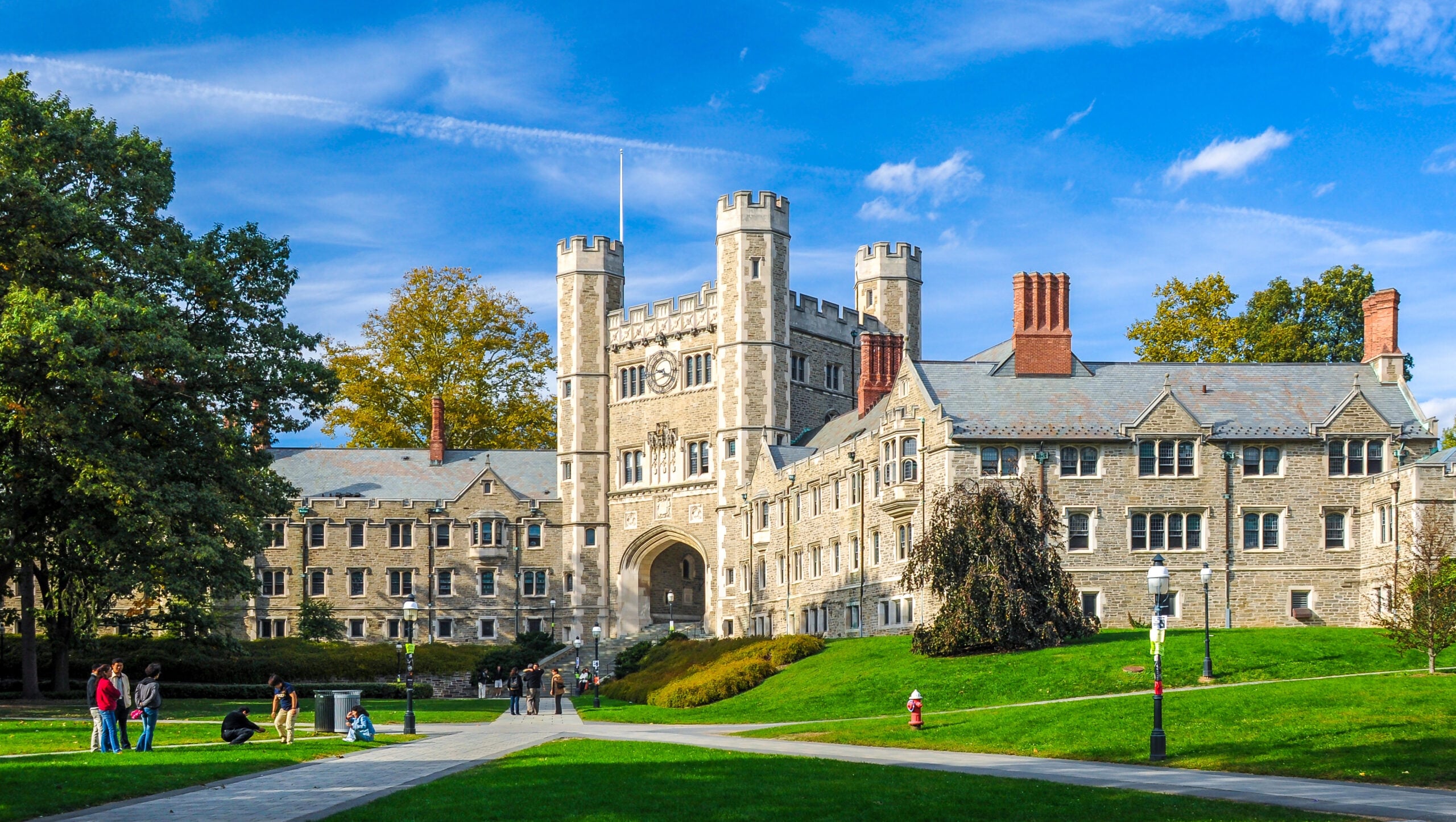
Princeton’s rejection rate exceeds 95%, which means being exceptional isn’t exceptional enough. The school has perfected the art of making applicants feel simultaneously honored to apply and foolish for hoping.
Fair enough — when your alumni include presidents and Supreme Court justices, turning down future Rhodes Scholars becomes a Tuesday morning task.
Columbia University
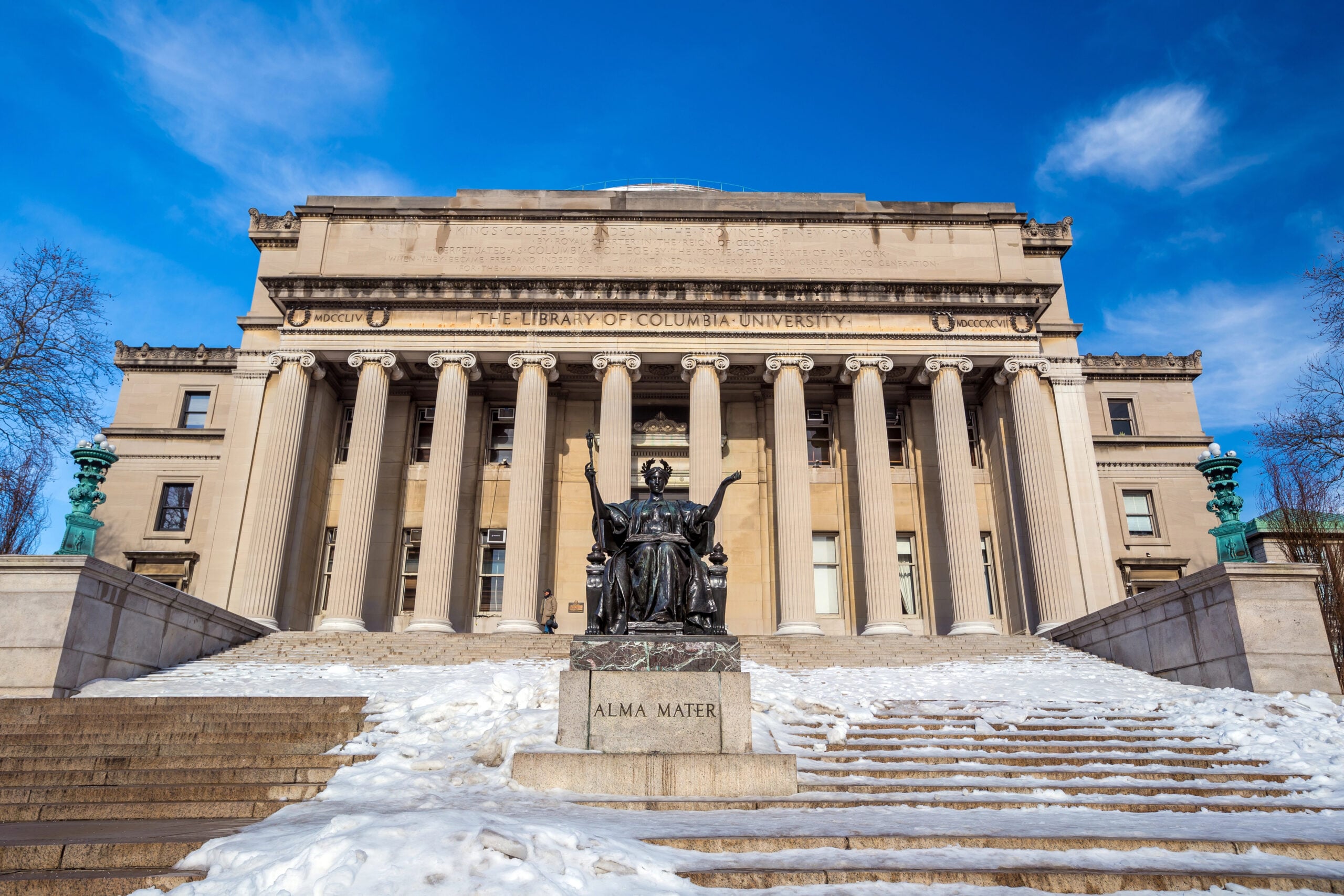
Living in Manhattan while attending college sounds glamorous until you realize that Columbia’s admissions committee knows this too (and probably rolls their eyes every time another essay mentions “the energy of the city” or “opportunities around every corner”). The school receives applications from students who think geography grants them sophistication, alongside genuinely brilliant candidates who happen to want an Ivy League education in the middle of the greatest city on earth — which creates a peculiar sorting problem where the committee has to distinguish between students who want New York and students who want Columbia to happen to be in New York.
And that distinction, subtle as it might seem to anyone who hasn’t spent their junior year crafting the perfect application strategy, becomes the difference between acceptance and rejection for thousands of hopefuls who discover that wanting something badly doesn’t make you deserving of it.
But here’s what makes Columbia particularly unforgiving: the school doesn’t just compete with other Ivy League institutions for the same pool of overachieving students. It competes with the fantasy of urban college life that every high schooler has constructed in their head.
University of Chicago
The University of Chicago takes pride in rejecting students who apply for the wrong reasons. Their application prompts read like philosophy riddles designed to scare away anyone seeking a conventional college experience.
The admissions office doesn’t want eager freshmen — they want future academics who find intellectual masochism appealing. This approach works exactly as intended.
Students who survive the application process arrive already understanding what they’ve signed up for: four years of rigorous thinking that will ruin them for normal conversation.
Northwestern University
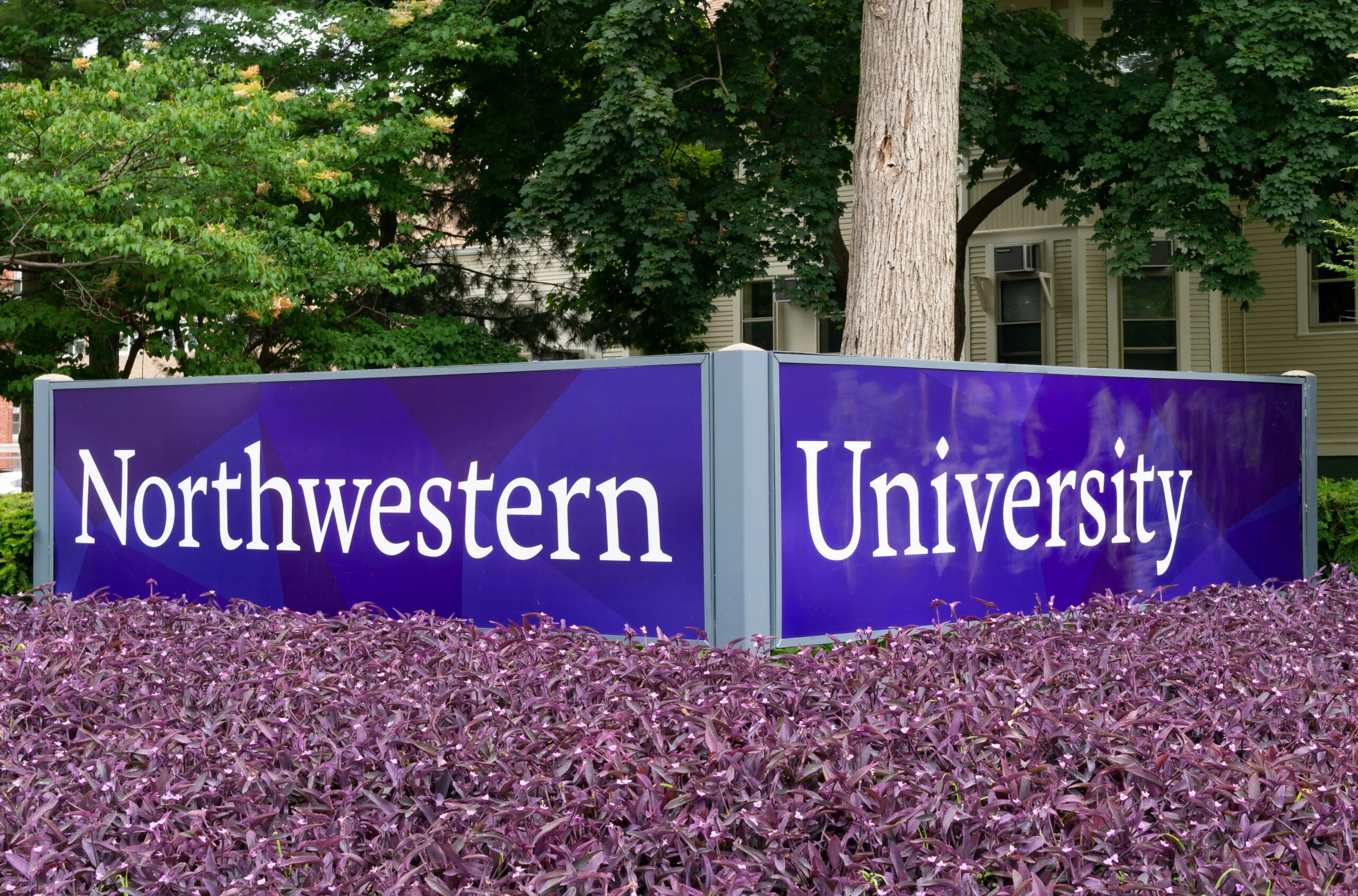
Northwestern sits in that particular circle of admissions hell reserved for schools that are simultaneously prestigious enough to attract top-tier applicants and practical enough to produce graduates who actually get jobs. The admissions committee sorts through applications from students who want the Ivy League experience without the Ivy League pretension, which sounds reasonable until you realize that half the Ivy League applicant pool had the same idea.
What emerges is a competition more fierce than Harvard’s, because Northwestern offers something rarer than prestige: prestige with a backup plan. The school’s journalism and theater programs add another layer of complexity, drawing creative students who can write compelling essays and perform convincing interviews — skills that make the entire applicant pool deceptively competitive.
Duke University
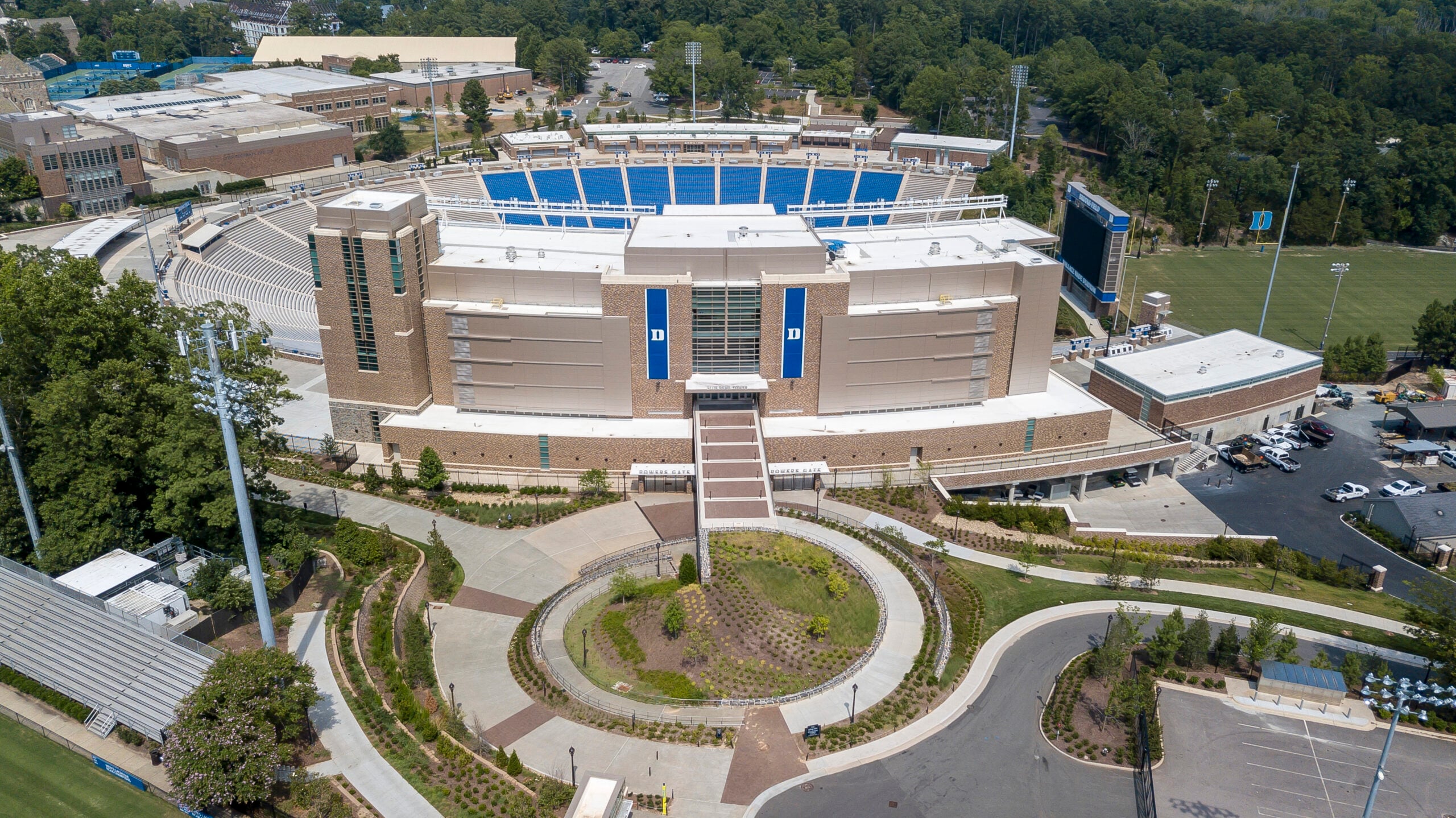
Duke rejects students who would be automatic admits at most prestigious universities. The basketball program generates applications from students who confuse athletic excellence with academic accessibility.
These hopefuls discover that Duke’s admissions standards don’t soften just because the team makes March Madness headlines.
Dartmouth College
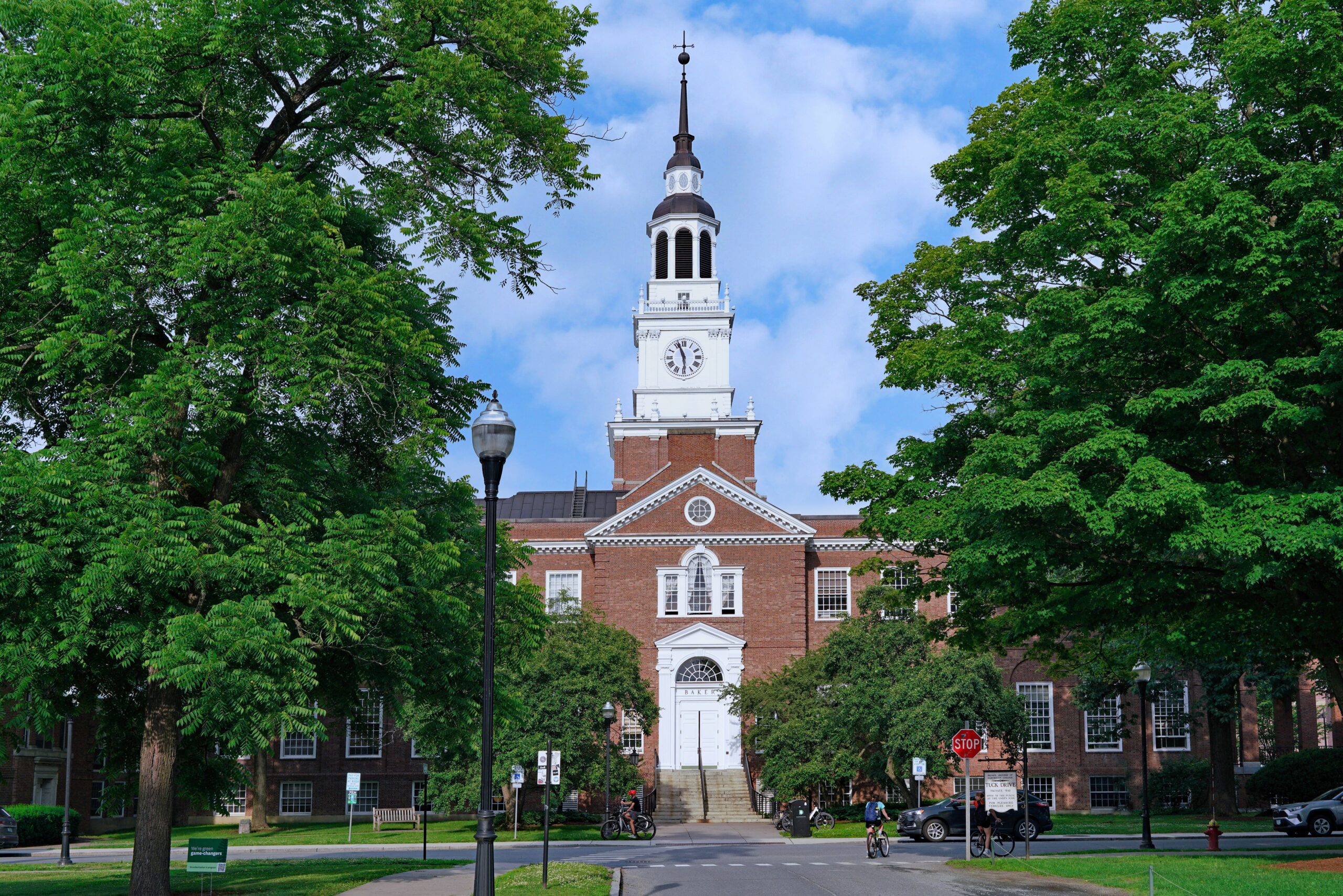
Dartmouth’s reputation for outdoorsy intellectualism attracts a specific type of overachiever — the kind who climbs mountains between AP classes and writes college essays about finding themselves on hiking trails. The problem with this approach becomes apparent when several thousand students submit variations of the same wilderness-as-metaphor personal statement.
The admissions office has read every possible version of “conquering peaks taught me to conquer challenges,” which means standing out requires actual personality rather than recreational accomplishments. The school’s rural location doesn’t deter applicants the way it should, probably because most 17-year-olds underestimate how much they’ll miss civilization after the first snowfall.
Brown University
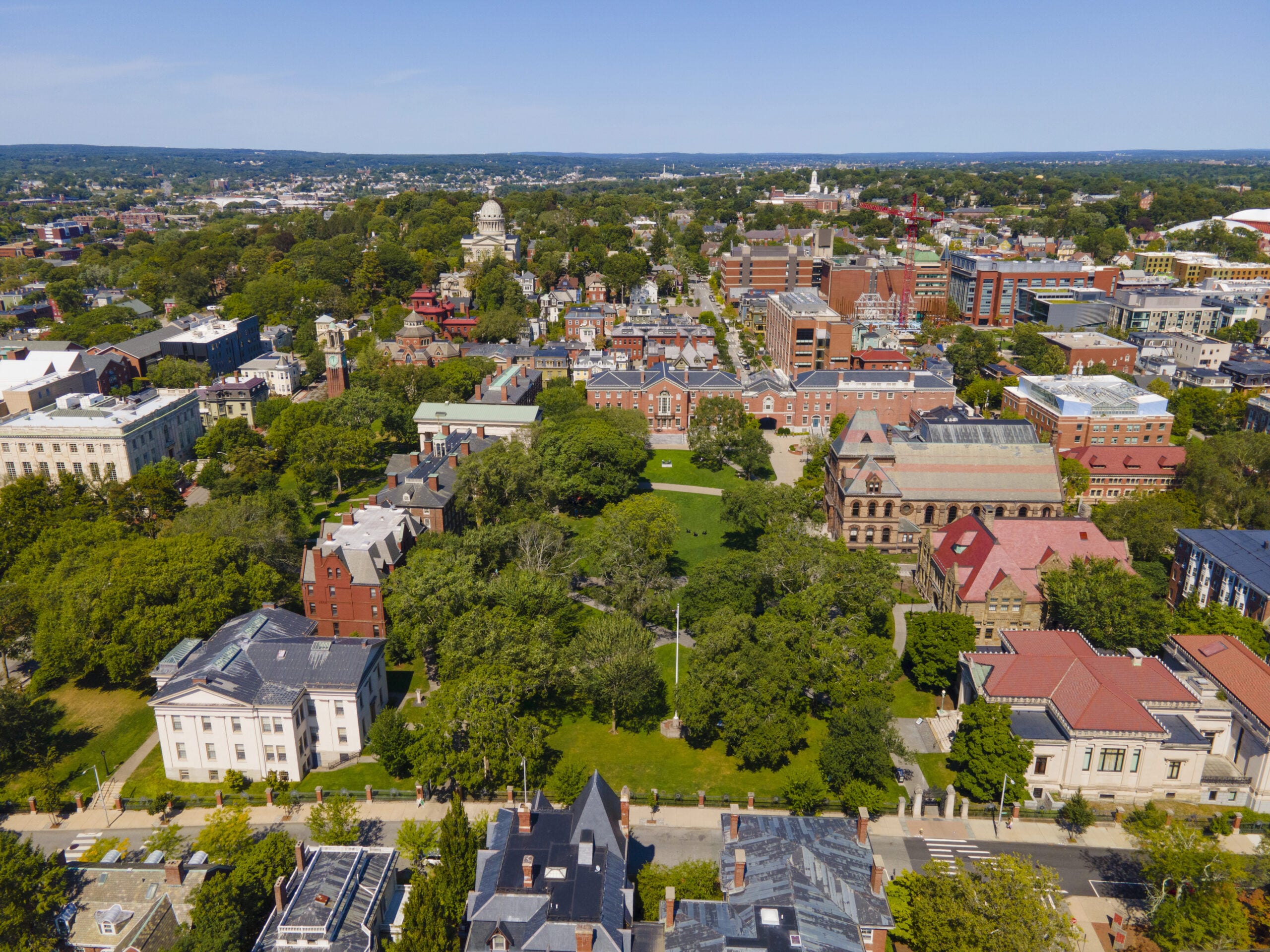
Brown’s open curriculum sounds like academic freedom until you realize it attracts every high school student who thinks they’re too creative for requirements (which, statistically speaking, includes most high school students who’ve ever taken an art class or written a poem). The result: an applicant pool convinced that traditional academic structure would stifle their unique intellectual journey, competing for spots at the one Ivy League school that promises to let them design their own education.
And the admissions committee, faced with thousands of essays about students who don’t want to be confined by conventional learning, has to identify which applicants actually possess the self-discipline to thrive without guardrails and which ones just want permission to avoid math. But Brown’s legendary difficulty isn’t just about numbers — it’s about the specific type of rejection the school perfects.
Getting turned down by Brown feels personal in a way that Harvard rejection doesn’t, because Brown markets itself as the school for students who don’t quite fit anywhere else. So when they don’t want you either, the message stings.
Cornell University
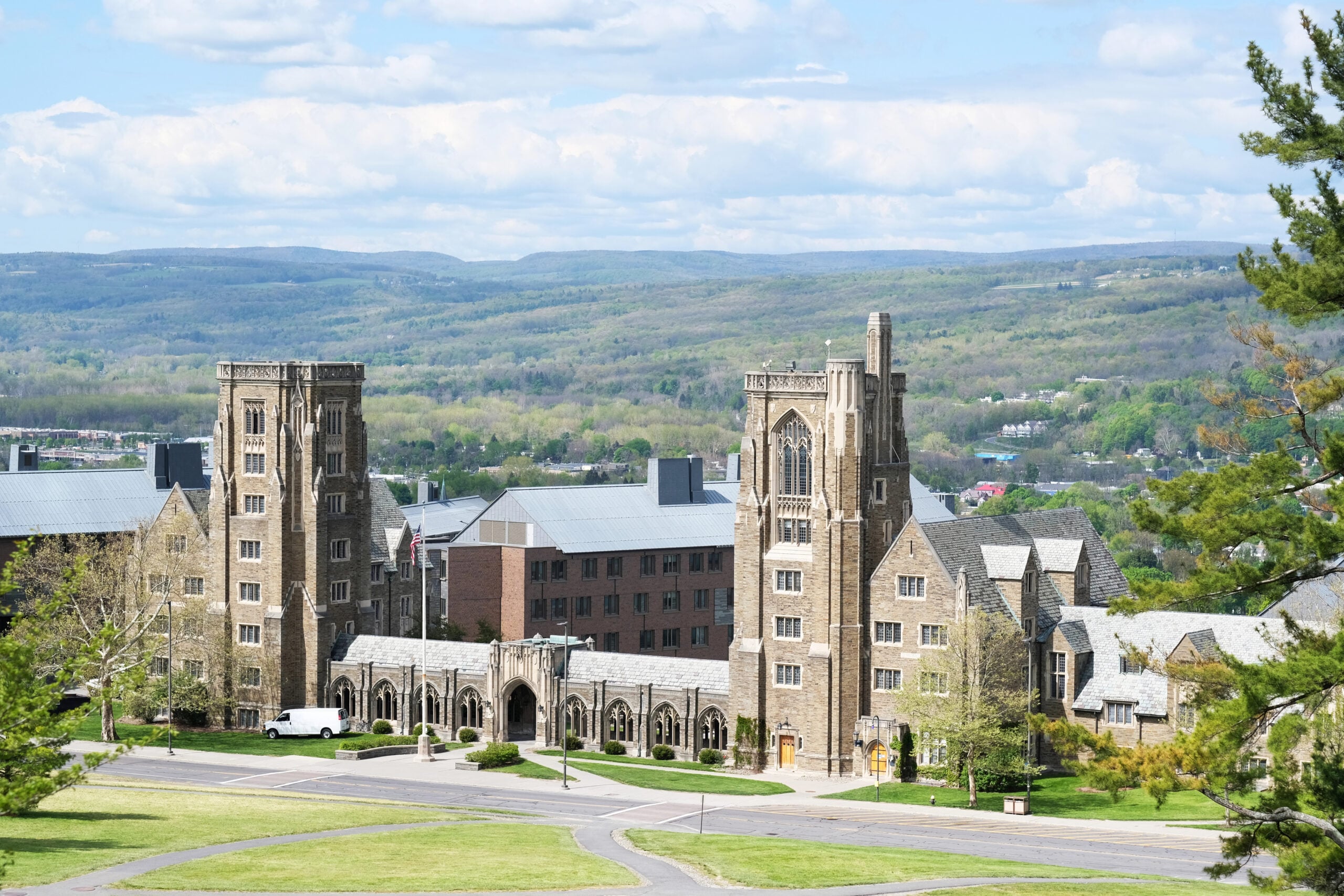
Cornell occupies the strange position of being the “easiest” Ivy to get into, which is roughly equivalent to being the most affordable Ferrari. The school’s acceptance rate still eliminates 90% of applicants, but the “easiest Ivy” label attracts students who treat it as their safety school.
These applicants discover that Cornell’s admissions office takes particular pleasure in rejecting students who applied as an afterthought.
University of Pennsylvania
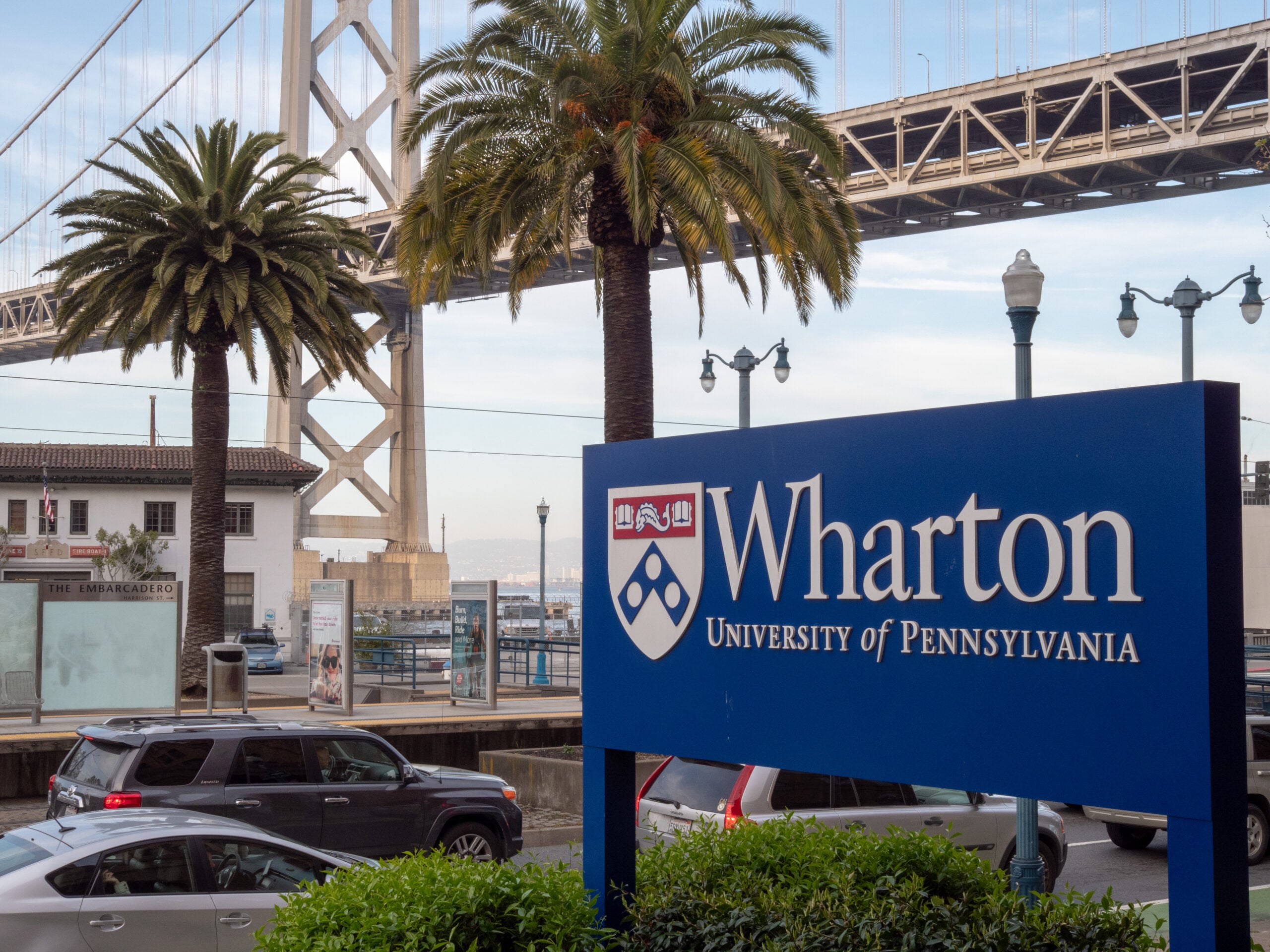
Penn’s business school attracts every future Wall Street aspirant who learned about compound interest before algebra. The Wharton School alone could fill its classes with valedictorians, which creates an admissions environment where perfect grades become the minimum entry requirement rather than a distinguishing feature.
Johns Hopkins University
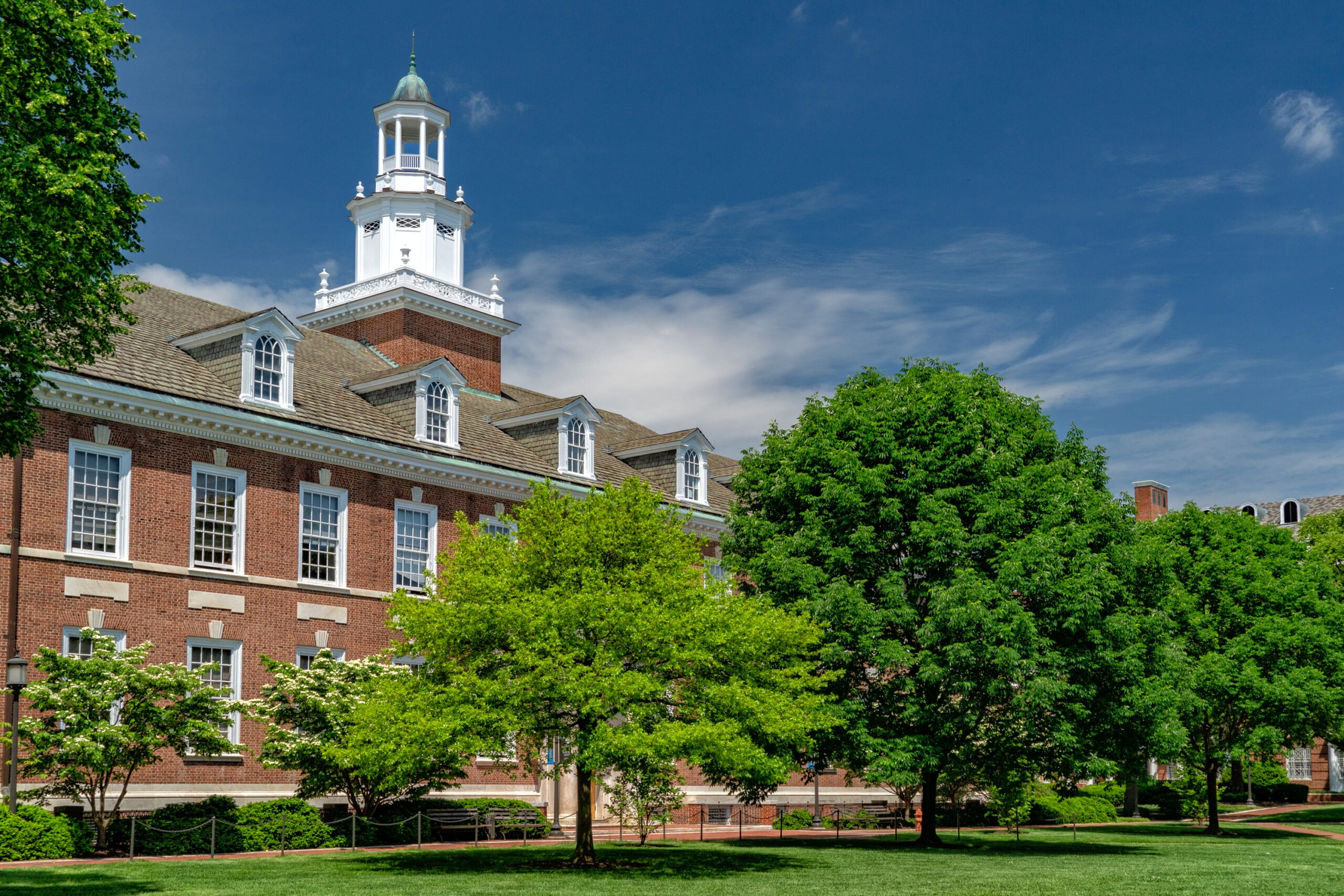
Johns Hopkins rejects future doctors with the efficiency of a medical procedure. Pre-med students apply in droves, armed with hospital volunteer hours and shadowing experiences, only to discover that everyone else had the same guidance counselor.
The school’s acceptance rate reflects not just academic selectivity, but the concentrated ambition of students who’ve planned their medical careers since middle school.
Where Legends Are Made

These schools don’t just shape students — they shape the entire landscape of American ambition. The legendary difficulty of their admissions creates ripple effects that reach down to elementary schools, where parents begin strategizing before their children can properly hold pencils.
And perhaps that’s the real legend: not just that these institutions are nearly impossible to enter, but that the impossibility itself has become a defining feature of what we consider excellence. The rejection letters from these schools carry almost as much cultural weight as the acceptance letters, because surviving the attempt says something about the type of person willing to reach for what they probably can’t have.
More from Go2Tutors!

- The Romanov Crown Jewels and Their Tragic Fate
- 13 Historical Mysteries That Science Still Can’t Solve
- Famous Hoaxes That Fooled the World for Years
- 15 Child Stars with Tragic Adult Lives
- 16 Famous Jewelry Pieces in History
Like Go2Tutors’s content? Follow us on MSN.