17 Times Past Generations Misjudged What Life Would Look Like Today
The human imagination has always raced ahead of reality, painting visions of flying cars and robot servants that were supposed to be commonplace by now. Throughout history, scientists, writers, and futurists have made bold predictions about what our present would look like—some hilariously off-base, others eerily prescient, but most landing somewhere in between.
Here is a list of 17 remarkable instances where past generations completely missed the mark about what life would be like today.
Flying Cars Everywhere
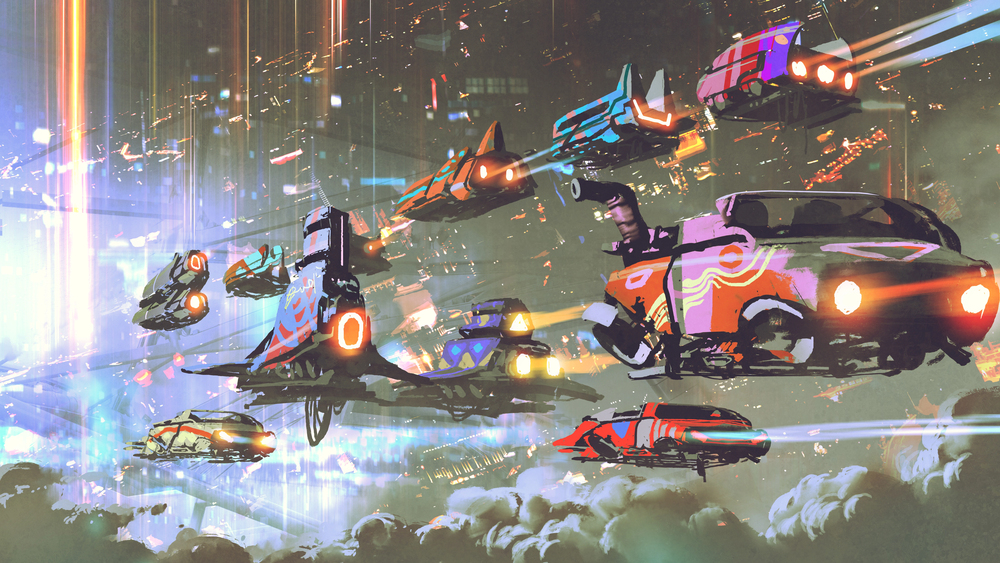
The dream of personal flying vehicles dates back to the 1920s, with predictions claiming everyone would commute through the skies by the early 2000s. Popular Science magazine regularly featured cover stories promising flying cars ‘within a few years.’
Instead, we got ridesharing apps and electric vehicles. The technological and regulatory hurdles proved far more complex than anticipated, not to mention the air traffic nightmare that would result from millions of inexperienced pilots zooming above our cities.
Paperless Offices

In the 1980s, technology experts confidently predicted that by the 2020s, paper would be obsolete in offices across America. Digital technology would eliminate the need for physical documents entirely.
The reality? The average office worker still goes through thousands of sheets of paper annually.
While digital documentation has certainly increased, our attachment to physical paper persists, much like how physical books have survived alongside e-readers.
Like Go2Tutors’s content? Follow us on MSN.
Moon Colonies
Space enthusiasts in the 1960s were certain that by 2000, we’d have permanent settlements on the moon. NASA officials spoke of lunar bases housing thousands of people, complete with mining operations and scientific laboratories.
Instead, we’ve had no human presence on the moon since Apollo 17 in 1972. The enormous costs, technical challenges, and shifting political priorities put lunar colonization on indefinite hold, though recent renewed interest may eventually prove these predictions merely premature rather than wrong.
Nuclear-Powered Cars
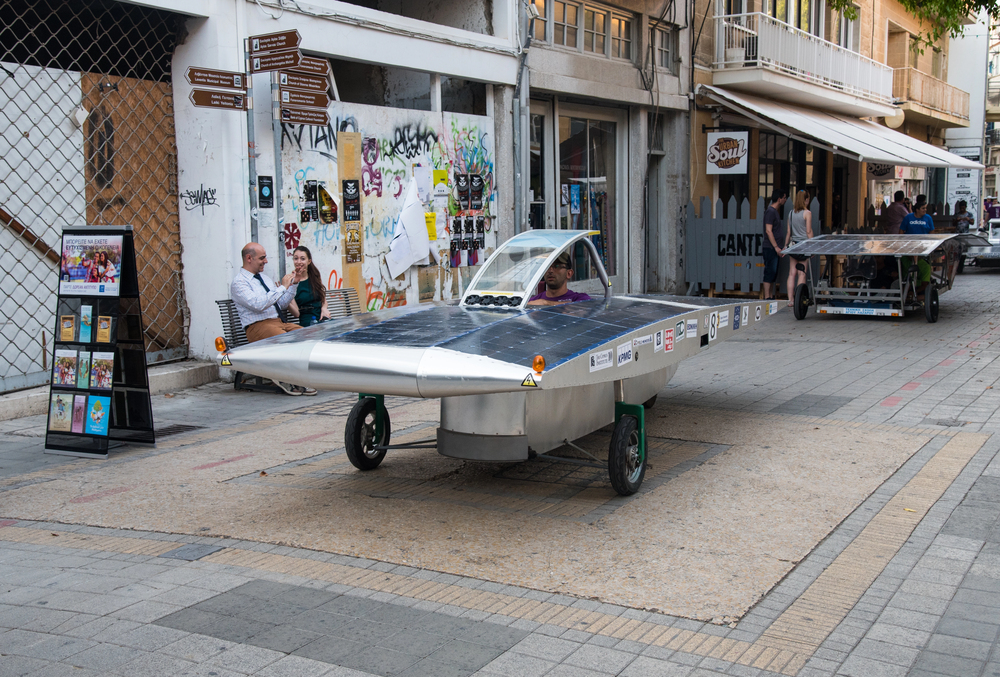
In the atomic optimism of the 1950s, engineers predicted nuclear-powered cars would dominate highways by the 1990s. Ford even unveiled a concept car called the Nucleon that would supposedly run for 5,000 miles on a small nuclear reactor.
The obvious safety concerns, radiation risks, and the development of more practical alternatives meant this prediction never materialized. The closest we’ve come is the rise of electric vehicles, which rely on very different technology.
Four-Hour Workdays

Economists in the 1930s predicted that technological advancements would lead to dramatically shortened workweeks by the 2000s. They believed automation would create such efficiency that most Americans would work just 15-20 hours weekly while maintaining high living standards.
Instead, the average workweek remains around 40 hours, with many professionals working considerably more. Productivity gains were channeled into economic growth and new consumer goods rather than leisure time.
Like Go2Tutors’s content? Follow us on MSN.
Robot Servants

From The Jetsons to serious futurists of the 1960s, household robots were envisioned as commonplace by now. These mechanical helpers would cook, clean, and manage household chores.
While we do have robot vacuums and voice assistants, they’re a far cry from the humanoid butlers once imagined. Creating robots with the dexterity, adaptability, and intelligence needed for general household tasks has proven extraordinarily difficult, though advancements in AI may eventually bridge this gap.
Weather Control

Mid-20th century meteorologists predicted humans would fully control the weather by the 2020s. Cloud seeding would end droughts, hurricane prevention systems would protect coastal areas, and perfect farming conditions could be maintained.
In reality, our relationship with weather remains mostly reactive rather than controlling. We’ve improved at forecasting but haven’t mastered manipulation.
The atmosphere’s complexity has humbled our ambitions to play weather gods.
Video Phone Booths
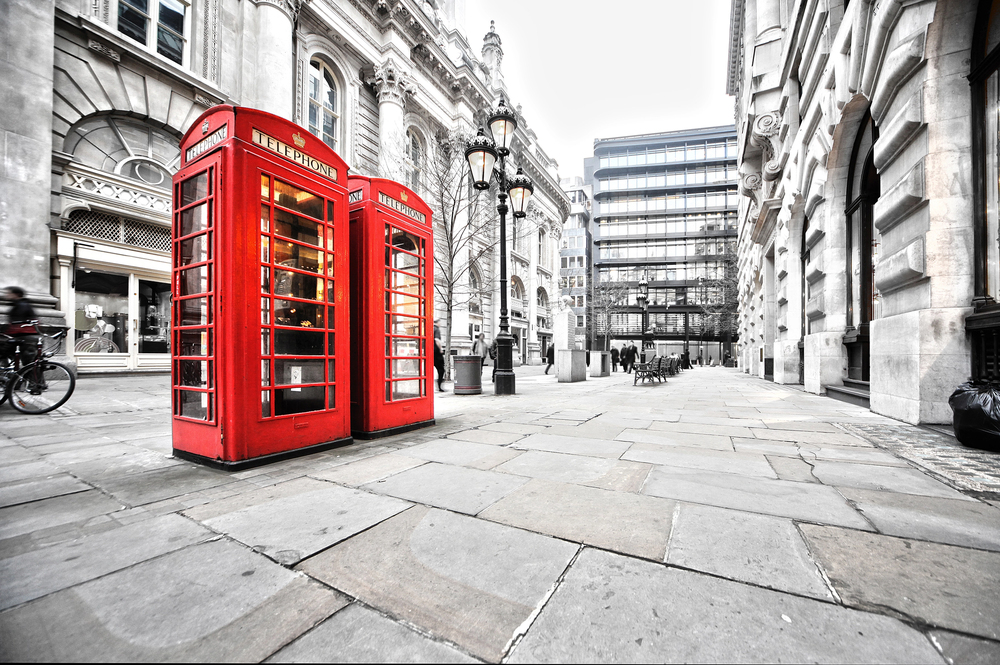
For decades, futurists envisioned public video phone booths replacing telephone booths on street corners. Instead, phone booths of any kind have nearly vanished from American streets, replaced by the smartphones in our pockets.
The prediction got video calling right but completely missed how personal and portable such technology would become. No one anticipated carrying a video communication device at all times that connects to anyone worldwide.
Like Go2Tutors’s content? Follow us on MSN.
Underwater Cities
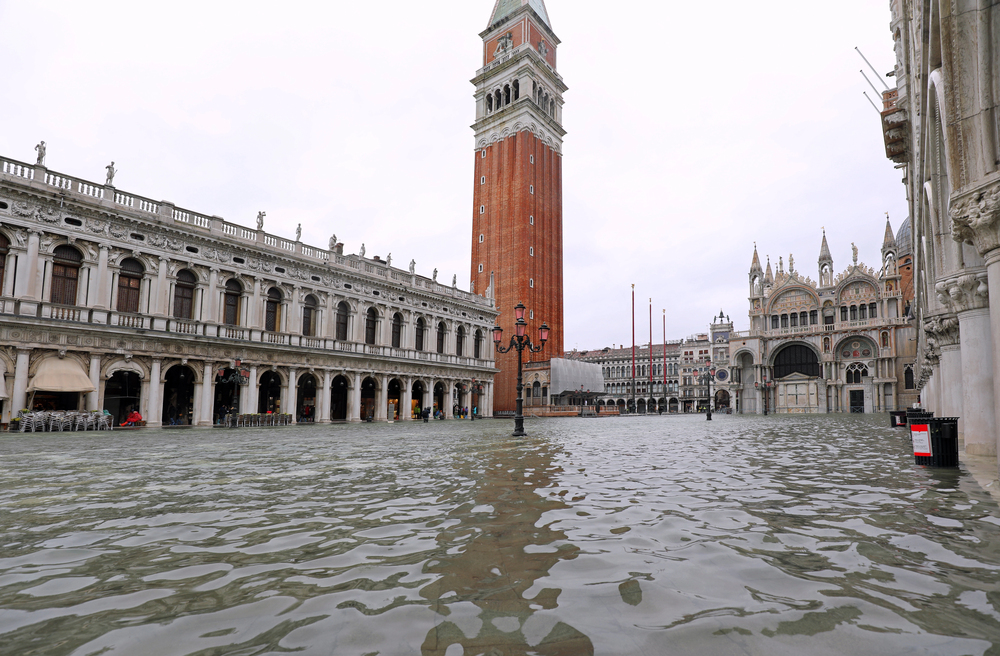
Jacques Cousteau and other ocean enthusiasts of the 1960s predicted thriving underwater colonies by 2020. These submerged communities would house thousands of ‘aquanauts’ who would harvest ocean resources and conduct research.
Though we have offshore oil platforms and small research stations, permanent underwater habitation remains impractical. The tremendous pressure, isolation, and engineering challenges have kept this dream firmly in the realm of science fiction.
Meals in Pill Form

From the 1930s through the 1960s, nutritionists predicted that by the 2000s, traditional meals would be replaced by nutrient-packed pills or wafers. A single capsule would supposedly deliver all necessary daily nutrition.
This prediction completely underestimated the cultural and sensory importance of food. While meal replacement drinks exist, they remain niche products.
Our connection to the experience of eating—taste, texture, aroma, and social aspects—proved far stronger than efficiency concerns.
Pneumatic Tube Transportation

Urban planners of the early 20th century envisioned cities connected by vast networks of pneumatic tubes that would whisk people and packages across town in seconds. This prediction fizzled as subway systems and automobiles dominated urban transportation instead.
The infrastructure costs and engineering limitations made pneumatic systems impractical for human transport, though Amazon and other companies do use similar systems in their warehouse operations.
Like Go2Tutors’s content? Follow us on MSN.
Extinct Animals Everywhere

In a rare case of overly pessimistic prediction, many conservationists in the 1970s forecasted that numerous iconic species—including tigers, pandas, and whales—would be completely extinct by now. While many species remain endangered, concentrated conservation efforts have prevented these worst-case scenarios.
This demonstrates how human awareness and action can change predicted outcomes, though biodiversity loss remains a serious concern.
Universal Telepathy

Some psychic researchers and futurists in the 1970s predicted that by the 2020s, humans would develop telepathic abilities through technology or evolution. Brain-to-brain communication would supposedly replace phones and computers.
While brain-computer interfaces are making progress for medical applications, universal telepathy remains firmly in the realm of science fiction. Our thoughts remain private—though social media has created a culture of unprecedented sharing that might have seemed like telepathy to past generations.
Domed Cities

Urban developers in the 1960s and 70s predicted that by the early 21st century, major cities would be covered by massive climate-controlled domes. These structures would allegedly create perfect year-round weather and eliminate pollution concerns.
Cost, engineering challenges, and the sheer impracticality of such massive structures meant these cities never materialized. Instead, we’ve focused on making individual buildings more energy-efficient rather than doming entire metropolises.
Like Go2Tutors’s content? Follow us on MSN.
Personal Jetpacks
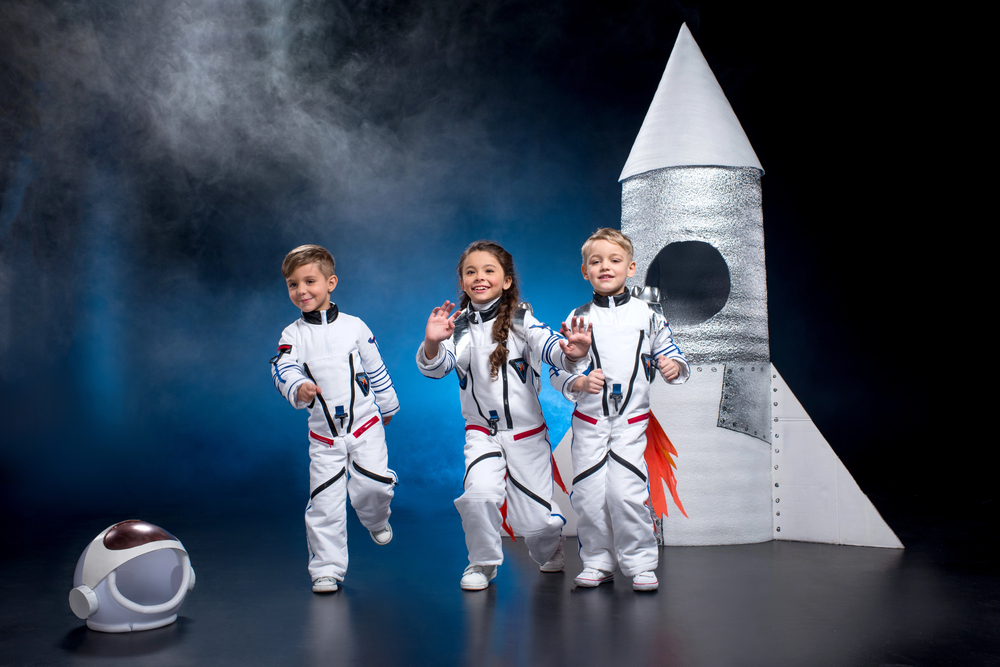
The 1950s vision of the future almost always included personal jetpacks for everyday commuting. The 1964 World’s Fair featured jetpack demonstrations that convinced many this technology would be commonplace within decades.
Though functioning jetpacks exist, they remain expensive, impractical, and dangerous novelties rather than viable transportation. Their limited flight time, high fuel consumption, and safety concerns have kept them from becoming the commuter tool once envisioned.
Undersea Highways
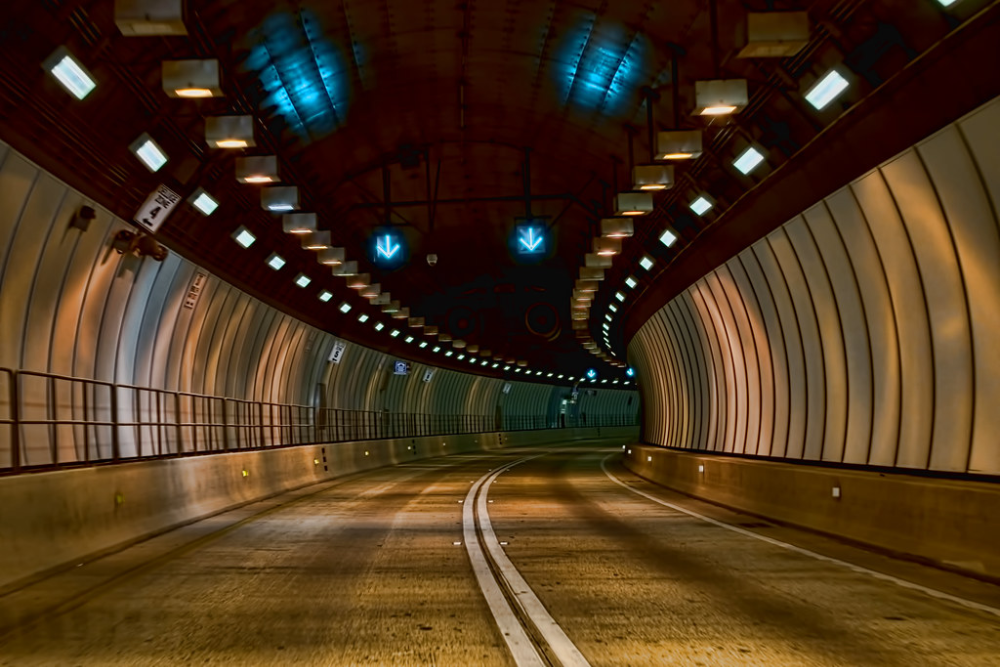
Transportation planners in the 1960s predicted vast networks of transparent underwater highways connecting coastal cities by the early 21st century. These submerged roadways would supposedly offer scenic ocean views while relieving surface congestion.
The staggering engineering challenges, maintenance difficulties, and astronomical costs kept this idea from materializing. While underwater tunnels exist, they’re opaque, relatively rare, and not the aquatic thoroughfares once imagined.
Universal Leisure Society

Perhaps the most optimistic prediction, social scientists of the mid-20th century foresaw a ‘leisure crisis’ by the 2000s, where the greatest social problem would be how Americans would use their abundant free time. Automation would supposedly eliminate most work, creating a society focused on recreation, arts, and personal development.
Instead, many Americans report feeling busier than ever, with technology often blurring work-life boundaries rather than creating clear separation.
Like Go2Tutors’s content? Follow us on MSN.
The Future That Wasn’t
Looking back at these mistaken predictions reminds us of the persistent optimism and occasional pessimism that colors our view of tomorrow. Many predictions failed because they extrapolated single technologies without considering economic realities, human psychology, or competing innovations.
Others simply underestimated the complexity of the problems they aimed to solve. What seems inevitable often proves impossible, while the truly transformative developments—like the internet or smartphones—often arrive with little advance fanfare.
The next time we encounter confident predictions about flying taxis or brain implants becoming commonplace in twenty years, perhaps we should recall how many previous ‘certainties’ about our present never came to pass. The future has a way of surprising even the most visionary among us.
More from Go2Tutors!

- The Romanov Crown Jewels and Their Tragic Fate
- 13 Historical Mysteries That Science Still Can’t Solve
- Famous Hoaxes That Fooled the World for Years
- 15 Child Stars with Tragic Adult Lives
- 16 Famous Jewelry Pieces in History
Like Go2Tutors’s content? Follow us on MSN.