Formal Dining Rules Confusing Modern Restaurant Guests
Walking into an upscale restaurant can feel like stepping into a parallel universe where unspoken rules govern everything from which fork to use first to how you’re supposed to hold your napkin. The gap between traditional dining etiquette and what most people actually know has never been wider, leaving diners second-guessing every move while trying to enjoy a simple meal.
Bread Plate Confusion
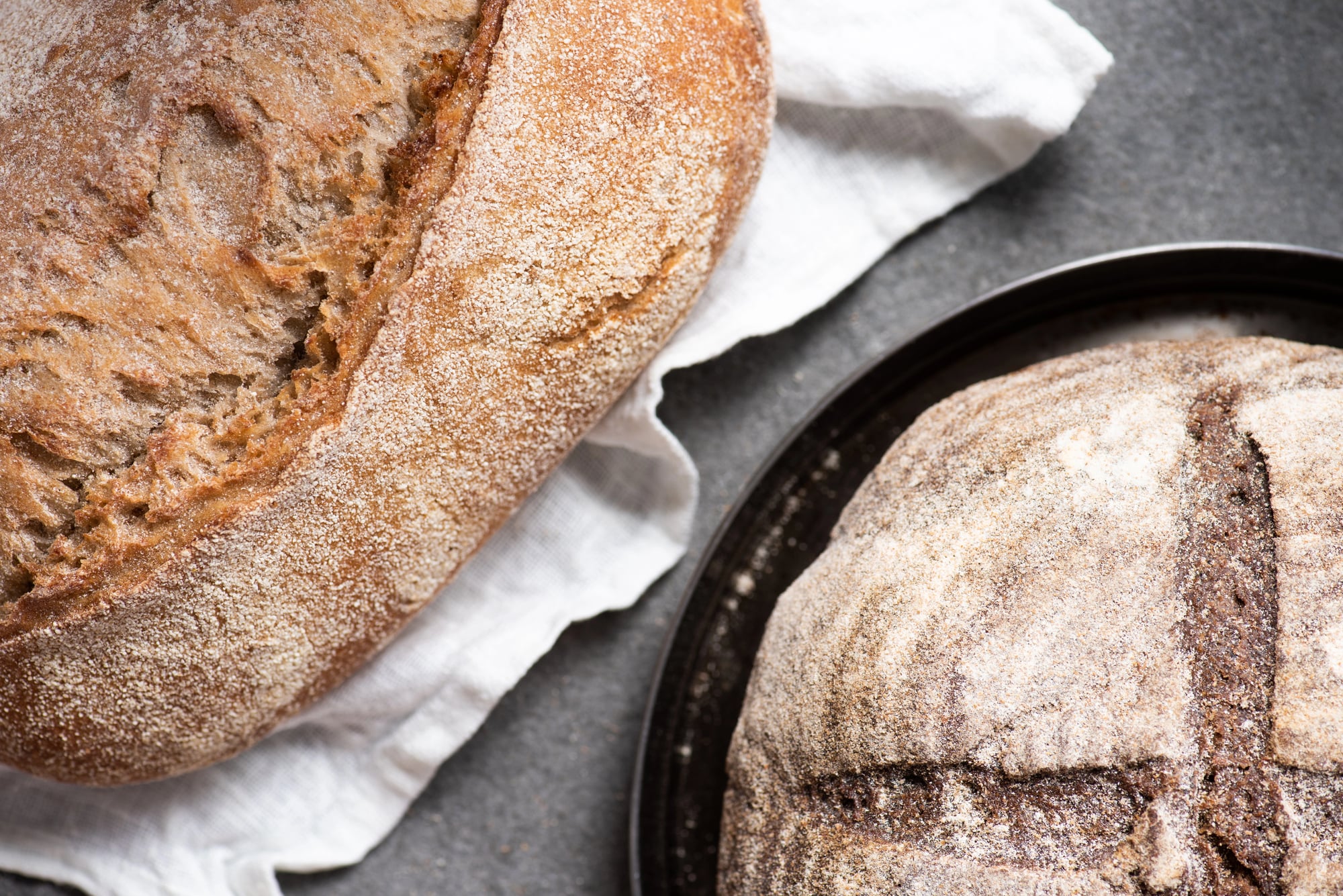
The bread plate sits to your left. That’s it.
But somehow this basic rule trips up more diners than almost any other aspect of formal dining. Servers watch as entire tables play an unconscious game of musical bread plates, each person following whoever seems most confident until everyone ends up eating from the wrong plate.
Multiple Fork Anxiety
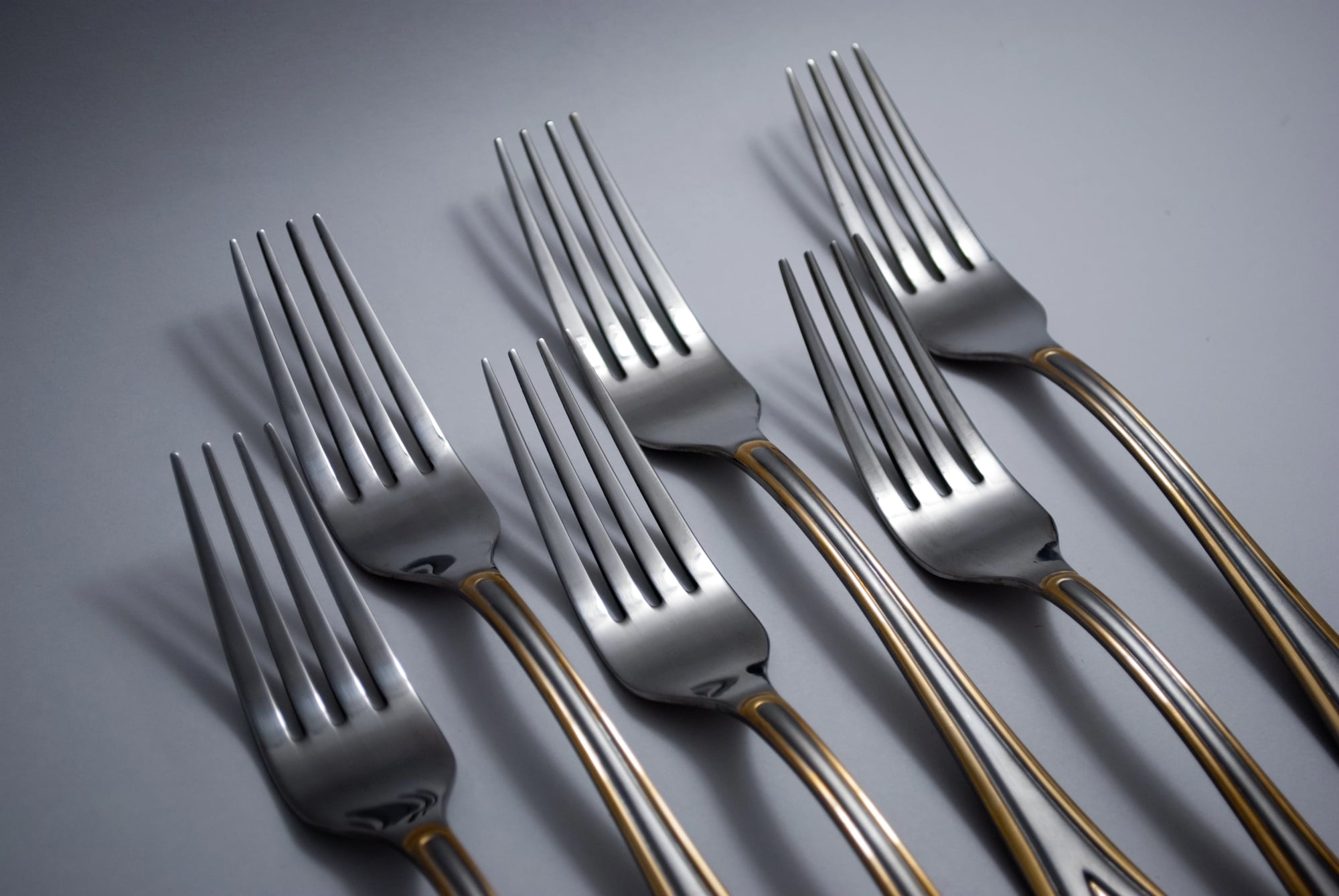
Restaurants love laying out three or four forks like some kind of silverware obstacle course, but they forget to mention that you’re supposed to work from the outside in. (Most people just grab whichever fork looks least intimidating and hope for the best.)
The salad fork isn’t just decorative — it actually serves a purpose, though that purpose remains mysteriously unclear to anyone who didn’t grow up practicing proper place settings. And yet there’s something almost ritualistic about the progression, each course demanding its own specific utensil, as if the meal itself were a kind of choreographed performance where missing a step throws off the entire rhythm.
So diners sit there, paralyzed by choice, while their soup gets cold. But here’s what’s particularly maddening: the waitstaff will reset your place setting between courses anyway, which makes the whole elaborate fork hierarchy feel like an elaborate test that nobody explained the rules to in advance.
Wine Glass Territory
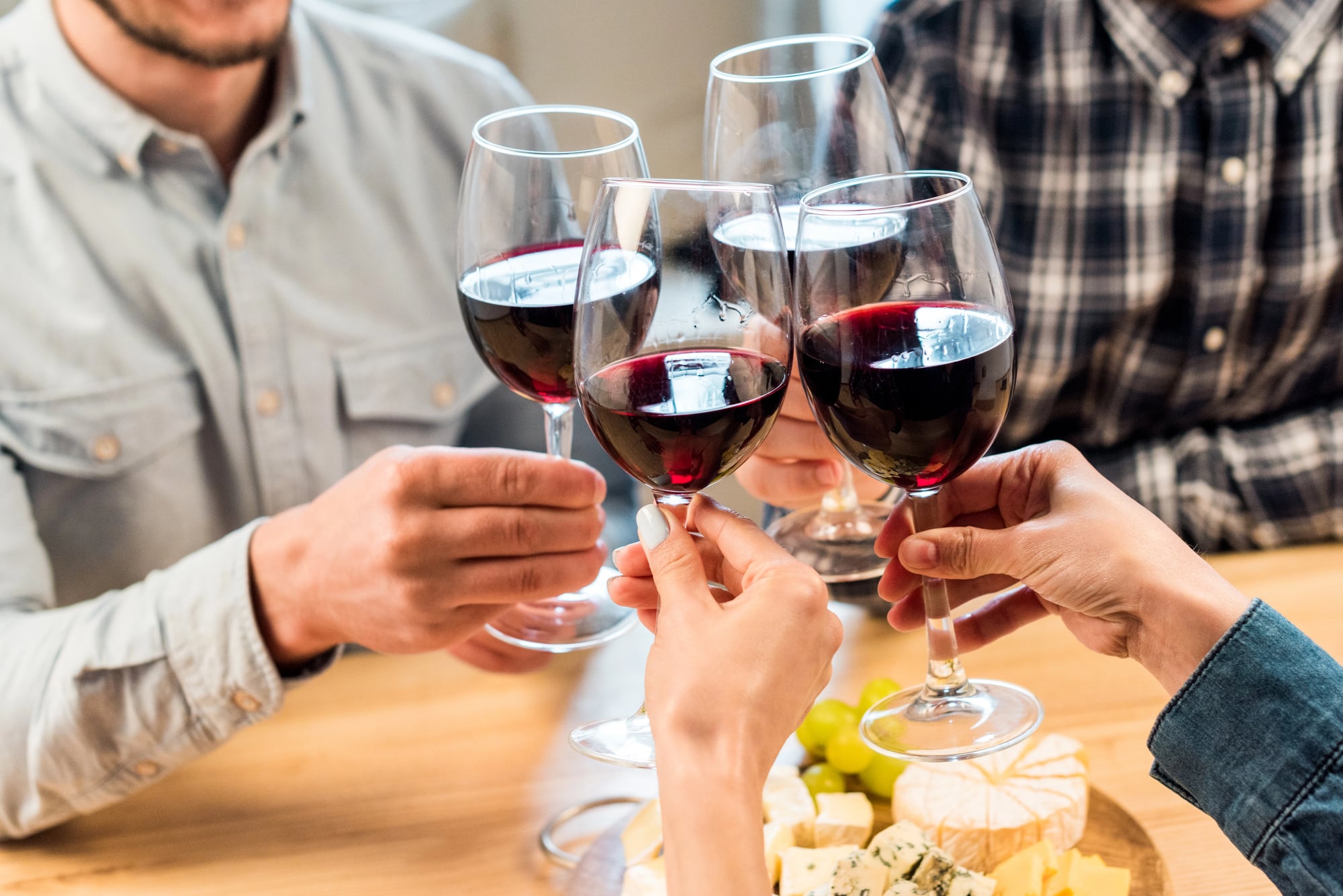
Wine service turns reasonable adults into anxious students worried about failing an exam they never signed up for. The sommelier approaches with that little silver cup dangling from their neck, ready to pour a ceremonial taste that feels loaded with expectation and judgment.
You’re supposed to swirl the wine — but not too much — then sniff it like you’re detecting notes of blackcurrant and wet limestone instead of just checking whether it tastes like wine. The ritual has all the trappings of expertise without any of the actual knowledge transfer that would help regular diners feel confident participating.
There’s something almost theatrical about nodding approvingly at a wine you would have been perfectly happy drinking without the performance, but the ceremony demands its due.
Napkin Protocol Chaos
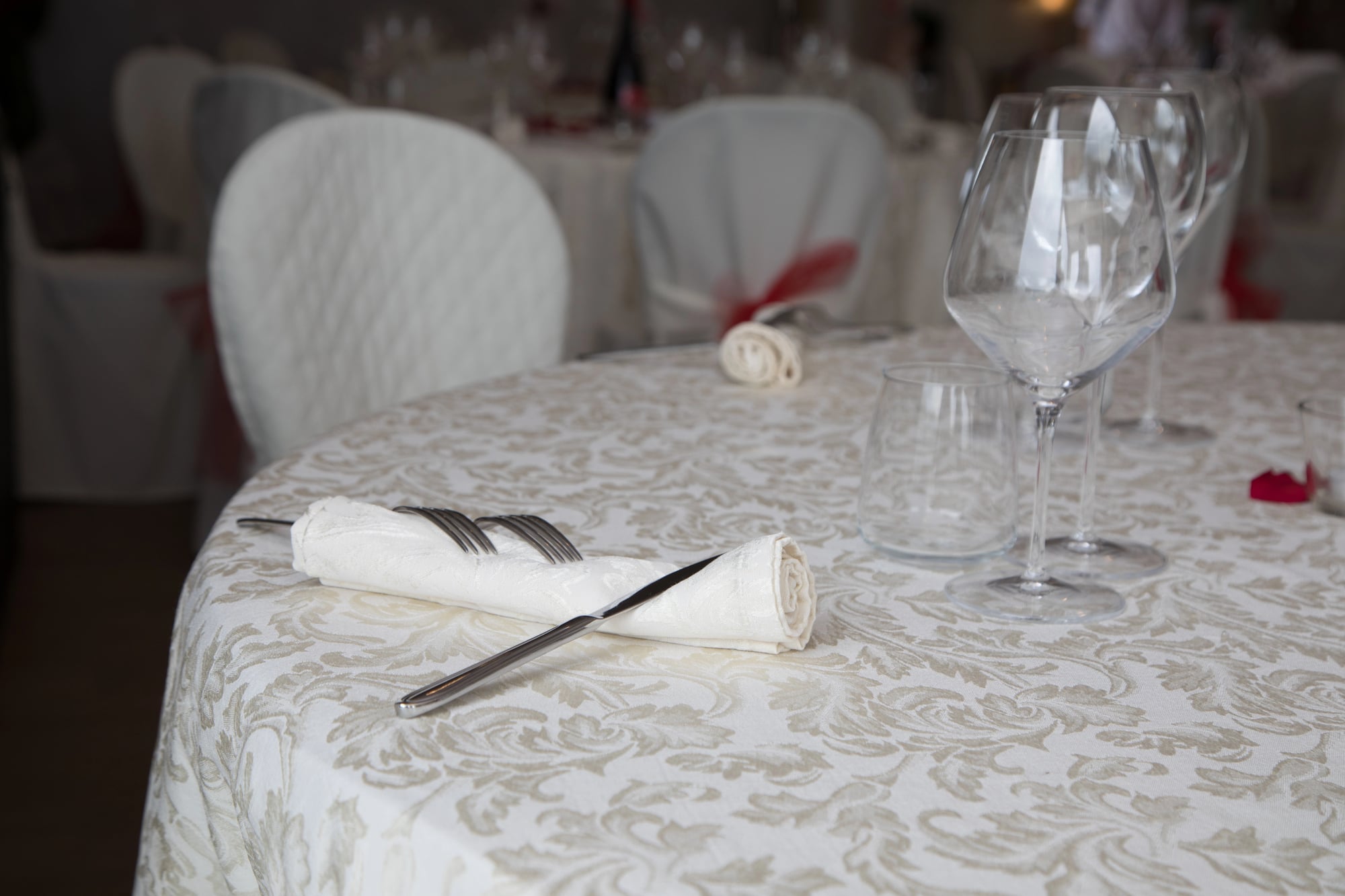
Napkins belong in your lap the moment you sit down. Not tucked into your shirt collar like a lobster bib, not spread across your chest, just folded once and resting on your thighs.
Yet restaurants treat this like classified information, leaving diners to figure out napkin timing through observation and guesswork while secretly wondering if everyone else learned these rules in some etiquette class they missed.
Soup Spoon Direction Rules
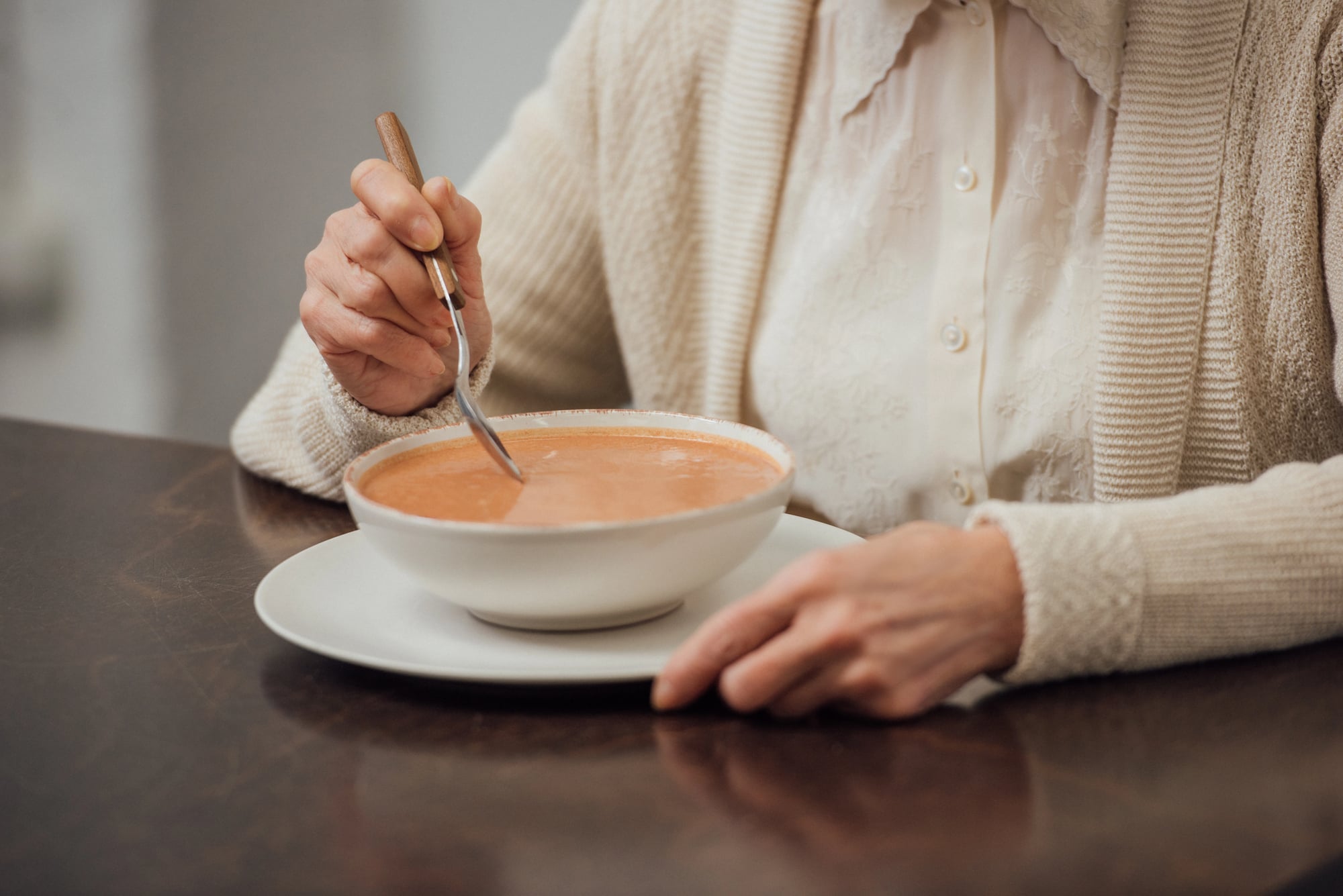
The soup spoon moves away from you, not toward you. This backwards approach to eating liquid foods defies every natural instinct about bringing food to your mouth efficiently.
Restaurants assume you know to tip the bowl away from yourself when you’re getting to the bottom, creating an elaborate ritual around consuming what is essentially flavored water with ingredients floating in it.
Signal Confusion with Silverware
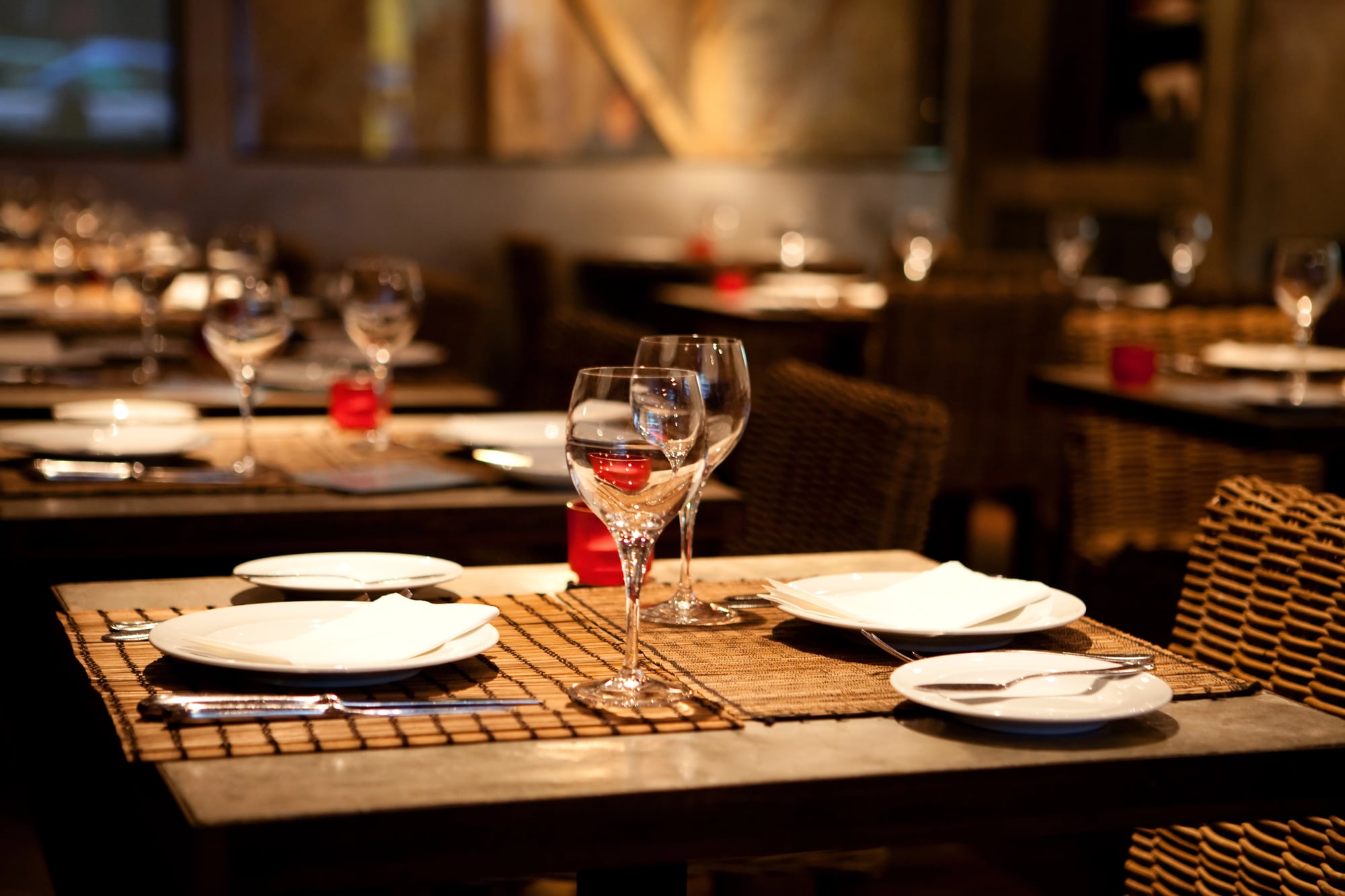
Your silverware placement apparently broadcasts secret messages to the waitstaff about whether you’re finished eating or just taking a break. Fork and knife placed at four o’clock means you’re done.
Silverware resting separately on the plate means you’re still working on it. These signals work beautifully — when both the diner and server know the code.
Otherwise, plates get whisked away mid-meal or linger on the table long after you’ve given up hope of anyone noticing you’re ready for the next course.
Passing Direction Dilemmas
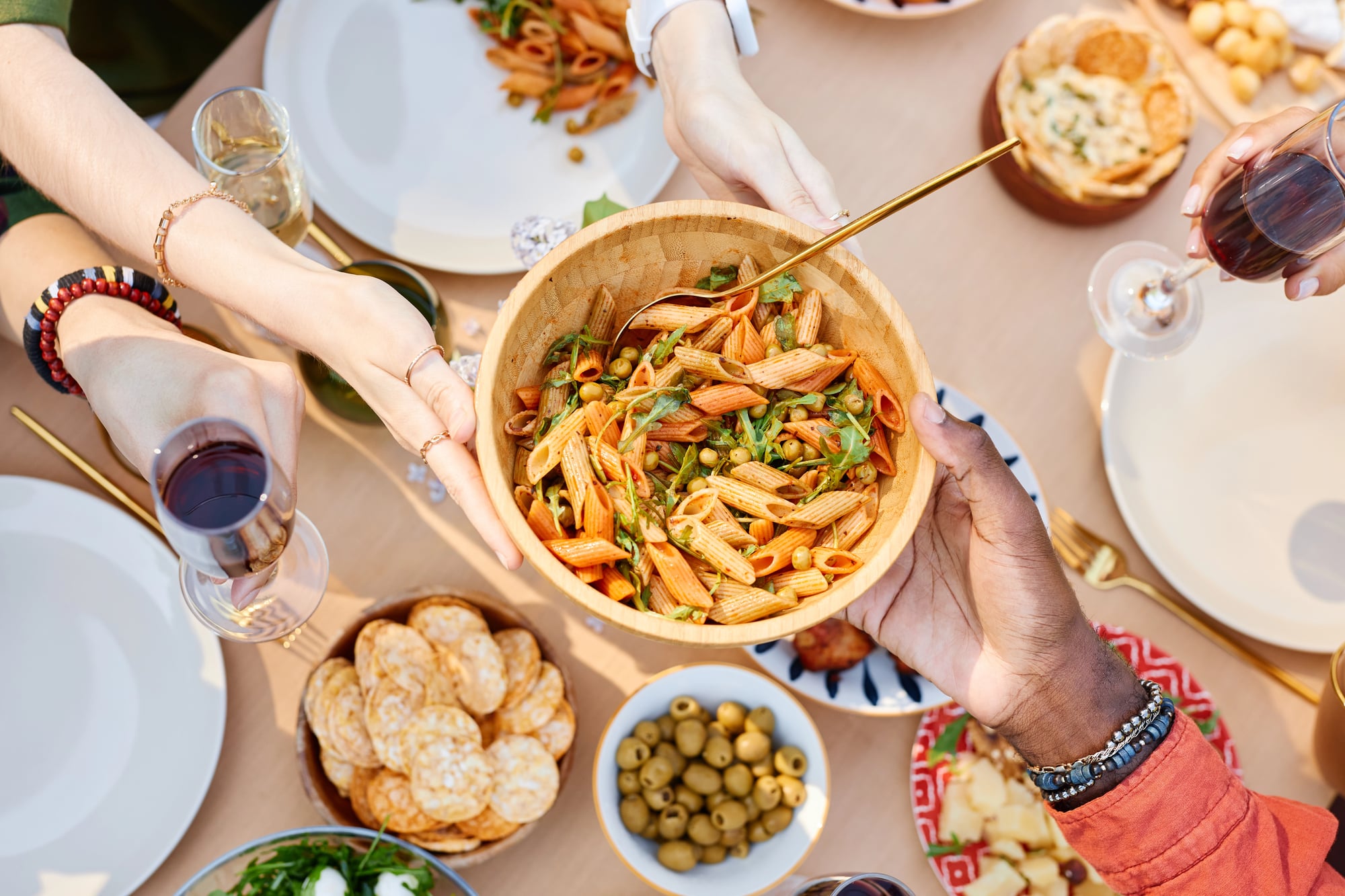
Everything gets passed to the right at a formal table. Salt and pepper travel together, even if someone only asked for salt.
Bread baskets make their way clockwise around the table like some kind of carbohydrate relay race. (The logic behind right-hand passing remains one of dining’s great mysteries, but violating the rule apparently marks you as someone who doesn’t belong in polite society.)
These conventions create a strange kind of choreography where the simple act of sharing food becomes an elaborate dance that everyone’s supposed to know the steps to, except nobody actually taught the steps to most of the dancers. And the salt-and-pepper partnership seems particularly arbitrary — as if these two seasonings formed some kind of inseparable alliance that demands they never be separated, even briefly.
Ordering Etiquette Mysteries
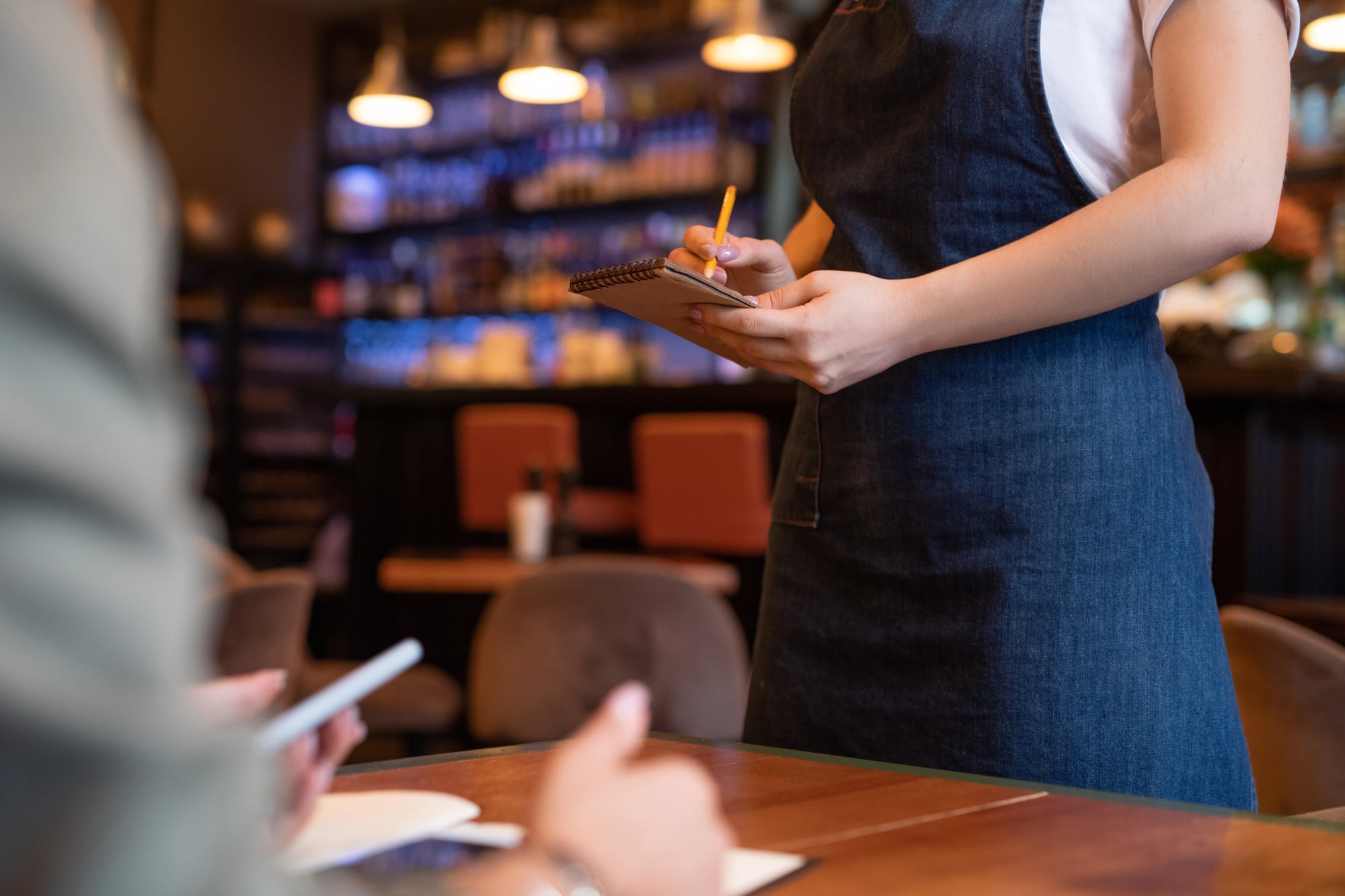
The host orders wine for the table, even if the host knows nothing about wine and three other people at the table could make better selections. Women’s orders get taken before men’s, though servers often forget this rule and end up awkwardly backtracking when they realize they’ve started with the wrong person.
There’s an elaborate dance around who orders first, who defers to whom, and whether it’s acceptable to ask questions about ingredients or preparation methods. The whole process treats ordering food like a diplomatic negotiation where saying the wrong thing might cause some kind of international incident, when really everyone just wants to know whether the fish comes with vegetables.
Conversation Volume Standards

Your voice should carry to your immediate dining companions without reaching the next table over. This delicate balance assumes that restaurant acoustics were designed by people who understand sound engineering, rather than designers who prioritized visual appeal over practical considerations like actually being able to hear the person sitting across from you.
The unspoken rule about appropriate dinner conversation topics excludes politics, money, and personal health issues, leaving a surprisingly narrow range of safe subjects for people who may have specifically chosen dinner as a time to catch up on important life developments.
Payment Protocol Puzzles
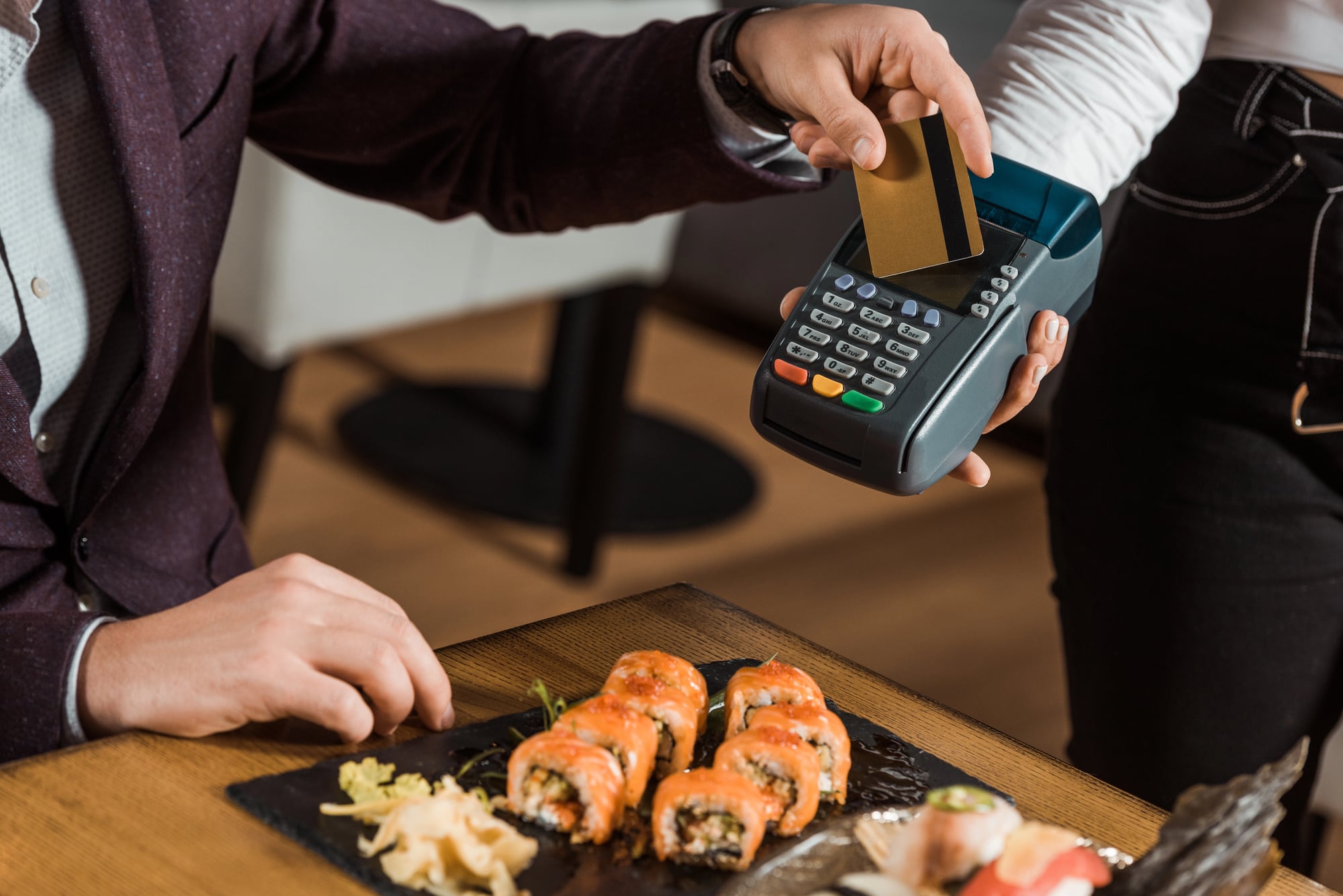
The person who extended the invitation pays the bill. Simple enough in theory, but modern dining involves group decisions, split invitations, and informal gatherings where nobody clearly issued an invitation.
Credit cards get juggled, mental math gets performed, and everyone tries to project casual confidence while privately calculating their share of the wine they didn’t drink and the appetizer they barely touched. Tipping calculations become public math exercises where getting the percentage wrong marks you as either cheap or foolishly extravagant, depending on which direction you err.
Phone and Photography Rules
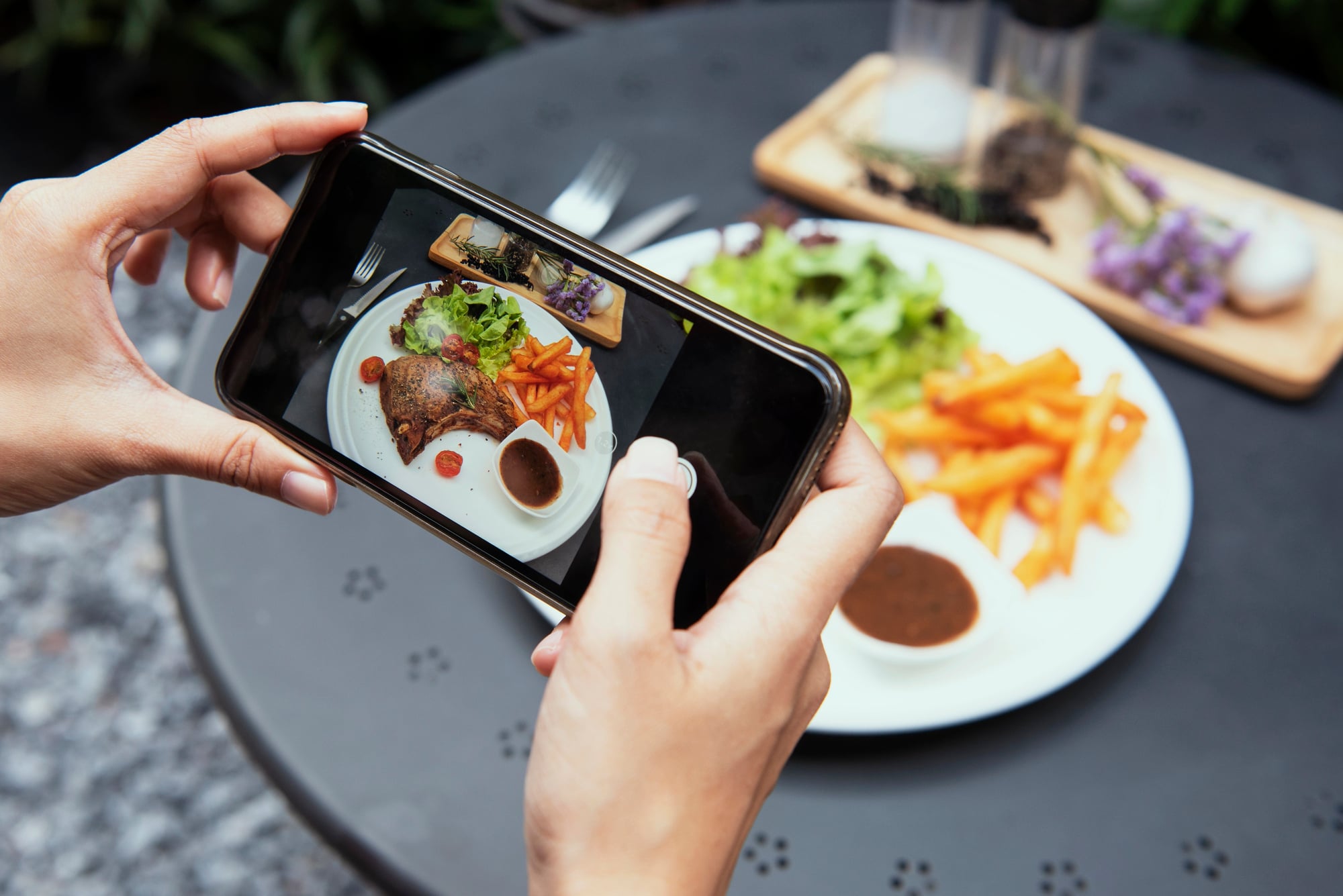
Phones disappear during formal dining, though this rule developed before Instagram turned every meal into a potential photo opportunity. The collision between traditional etiquette and modern social media habits creates an awkward tension where diners want to capture their expensive meal but worry about looking unsophisticated.
Taking photos of your food apparently signals that you’re more interested in documenting the experience than actually having it, though plenty of diners would argue that sharing a great meal digitally has become its own form of appreciation and recommendation.
Dessert and Coffee Customs
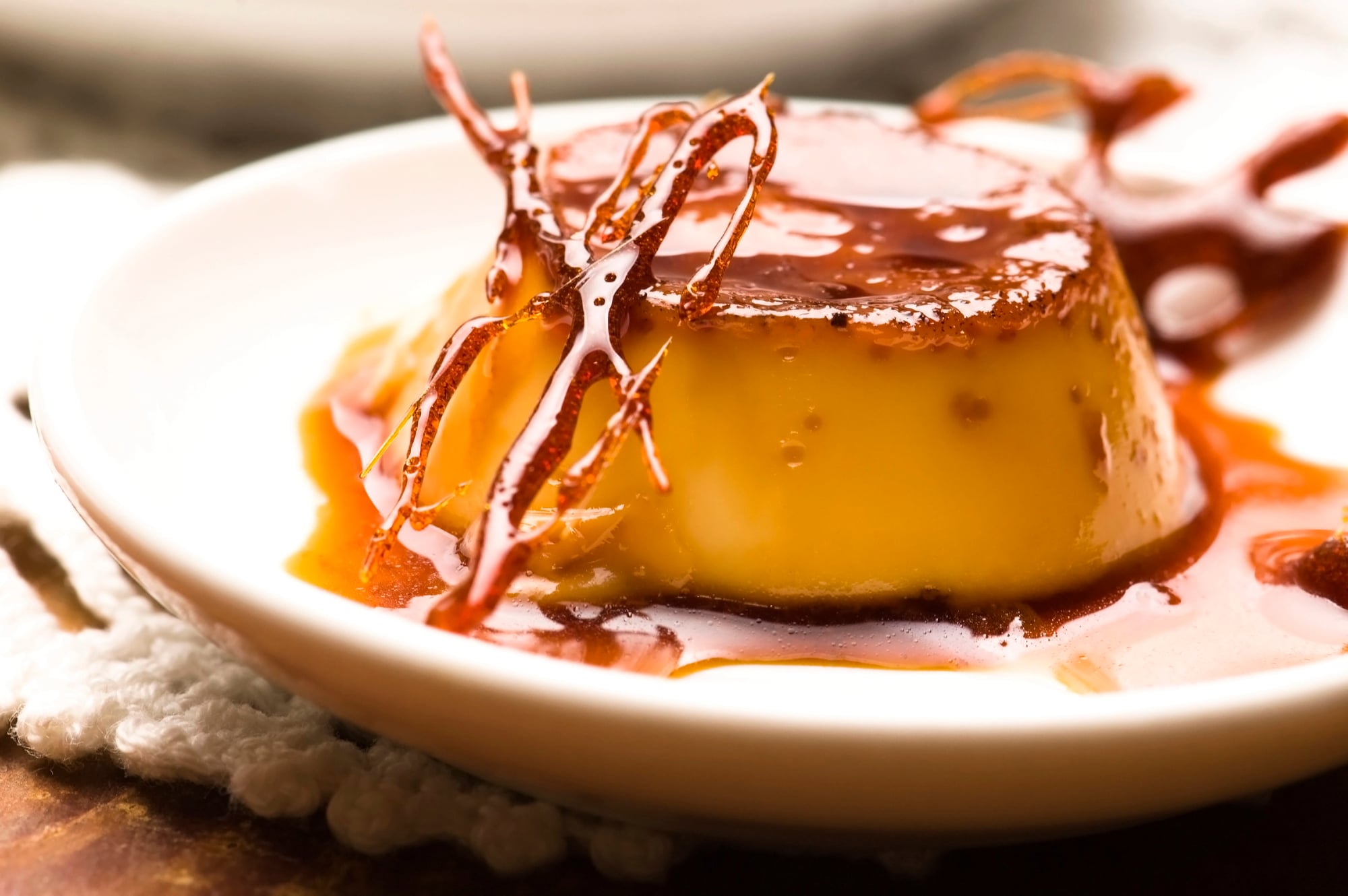
Dessert gets ordered for the table, not individually, because sharing sweets is supposed to create communal bonding that individual portions somehow fail to achieve. Coffee comes after dessert, never with it, following a timing protocol that assumes everyone’s digestive system operates on the same European schedule.
The elaborate ritual around dessert wine, port, and after-dinner drinks extends the meal into a prolonged social experience that can feel either wonderfully civilized or interminably drawn-out, depending on how much you were enjoying the company to begin with.
Finding Balance in Modern Dining

Restaurants could solve most of these confusion problems by acknowledging that their customers didn’t all graduate from finishing school. A brief mention of how the place setting works, or a gentle explanation of how they prefer to handle wine service, would eliminate the anxiety that turns dinner into a performance instead of a meal.
The best dining experiences happen when the staff guides guests through unfamiliar territory with grace rather than judgment, recognizing that most people just want to enjoy good food without worrying about whether they’re holding their fork correctly.
More from Go2Tutors!

- The Romanov Crown Jewels and Their Tragic Fate
- 13 Historical Mysteries That Science Still Can’t Solve
- Famous Hoaxes That Fooled the World for Years
- 15 Child Stars with Tragic Adult Lives
- 16 Famous Jewelry Pieces in History
Like Go2Tutors’s content? Follow us on MSN.