Cities Where People Live on Floating Reeds
Most people build their homes on solid ground, but some communities have created entire villages on floating islands made from plants. These aren’t small rafts or temporary structures.
They’re full settlements with houses, schools, and even soccer fields, all built on layers of dried reeds that bob gently on the water. The people who live this way have been doing it for centuries, and they’ve perfected the art of life on the waves.
Let’s explore these incredible floating communities and see how people make a home where there’s no land beneath their feet.
The Uros Islands on Lake Titicaca
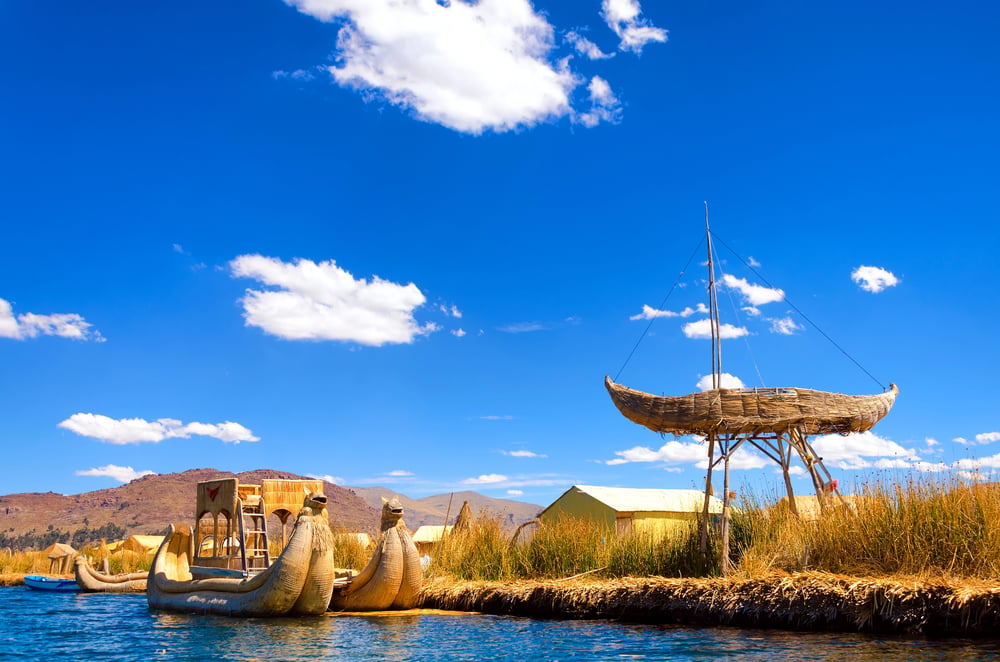
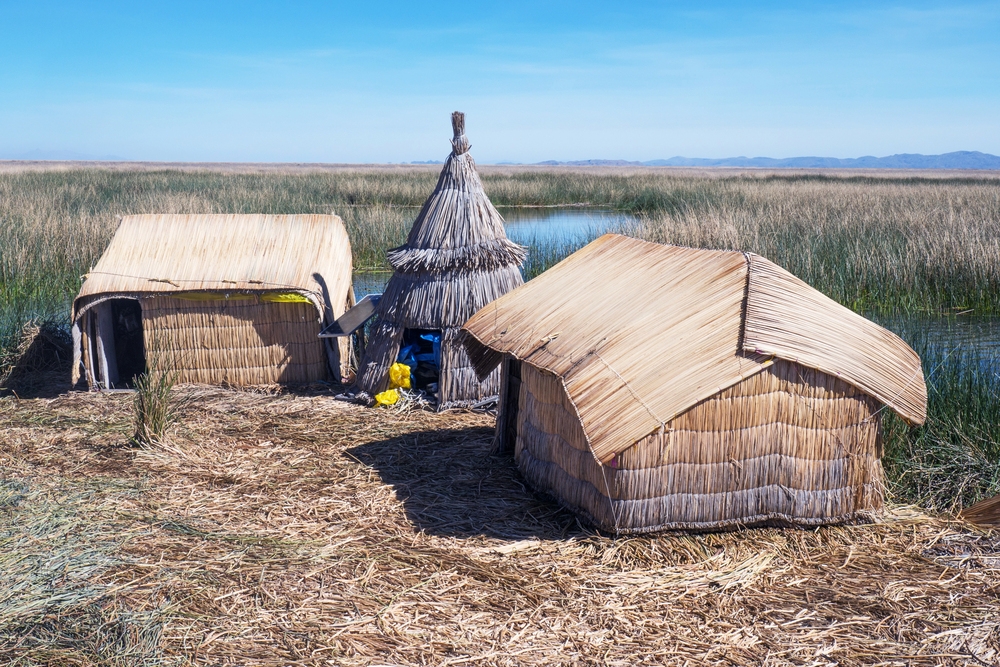
The Uros people of Peru and Bolivia live on about 120 floating islands in Lake Titicaca, which sits over 12,000 feet above sea level. These islands are built entirely from totora reeds that grow thick along the lake’s edges.
Families harvest the reeds, bundle them together in massive layers that can be several feet thick, and anchor them to the lake bottom with ropes and stakes. The reeds at the bottom rot away over time, so residents constantly add fresh layers to the top, kind of like maintaining a living floor.
Each island is home to just a few families, and some islands even have watchtowers and small shops for the tourists who visit by boat.
Reed replacement every few weeks
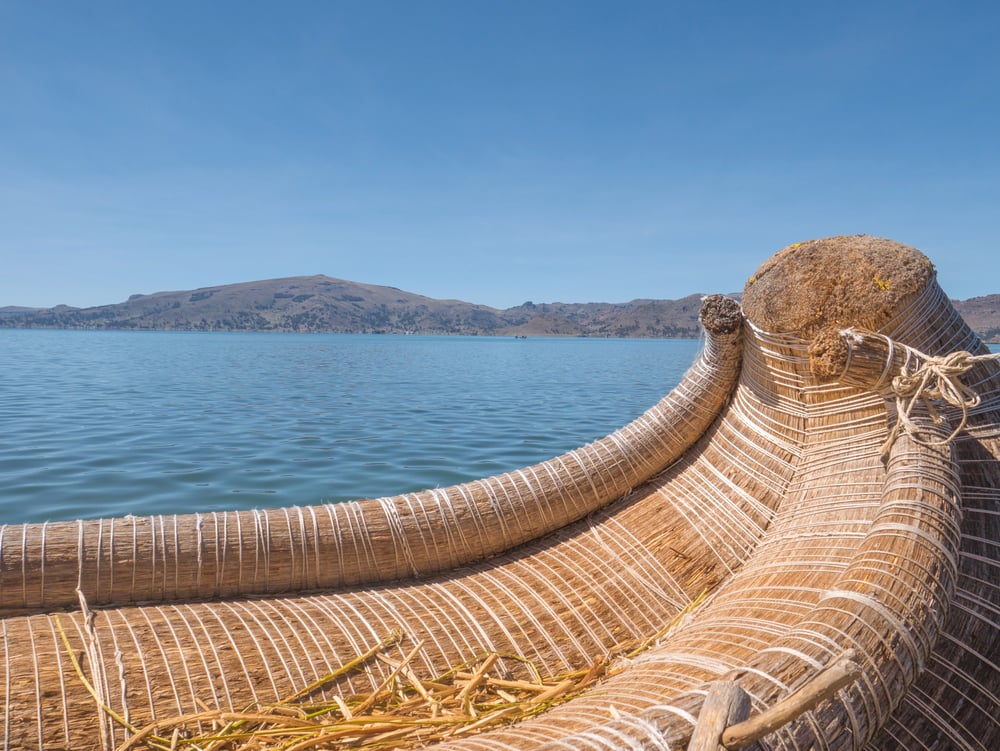
The totora reeds that make up these floating islands don’t last forever. The bottom layers absorb water and start breaking down after just a few months.
Families spend hours each week cutting fresh reeds from the lake and weaving them into new layers that get added to the top of their islands. It’s constant work, but it’s also what keeps the islands from sinking.
During the dry season, when the reeds are at their strongest, communities organize big harvesting trips to gather enough material to last for months. Kids grow up learning how to harvest and weave reeds the same way other children learn to mow lawns or do household chores.
Walking feels like a waterbed
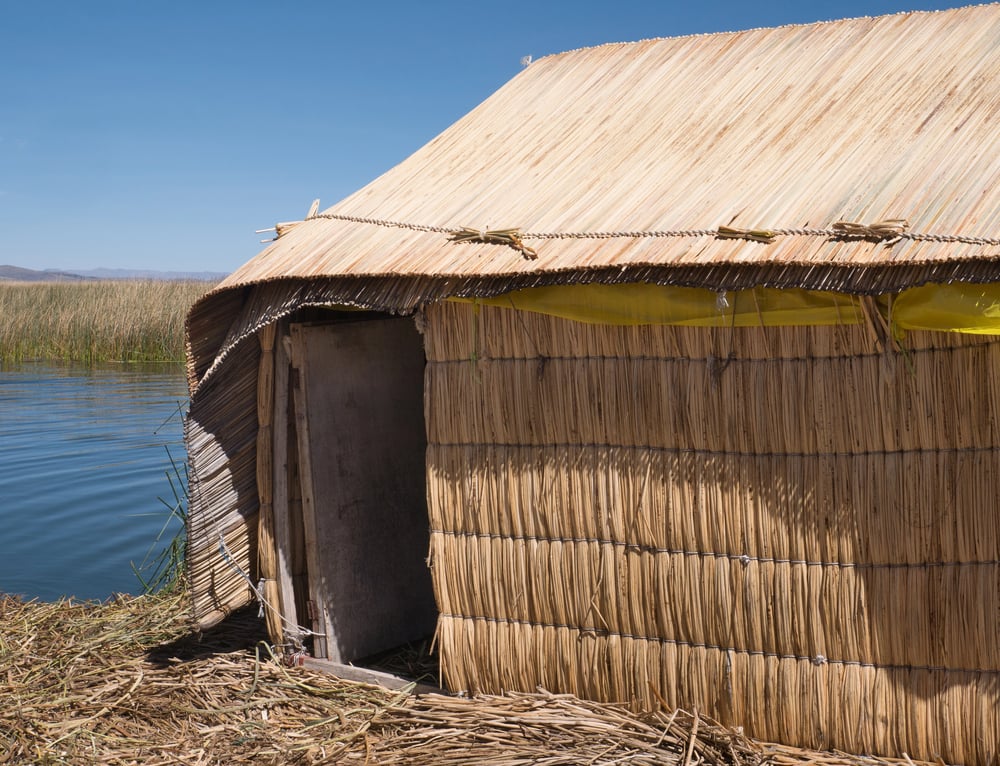
Stepping onto a reed island for the first time feels strange because the ground moves under your feet. The surface has a spongy, bouncy quality, similar to walking on a thick gym mat or a waterbed.
New visitors often stumble around until they get used to the sensation. The islands are stable enough to support houses and people, but you always feel the gentle rocking of the water underneath.
When boats pass by and create waves, the entire island rises and falls like a slow-motion elevator. People who grow up on these islands barely notice the movement, but outsiders often feel a bit seasick for the first few hours.
Fires on a floating home
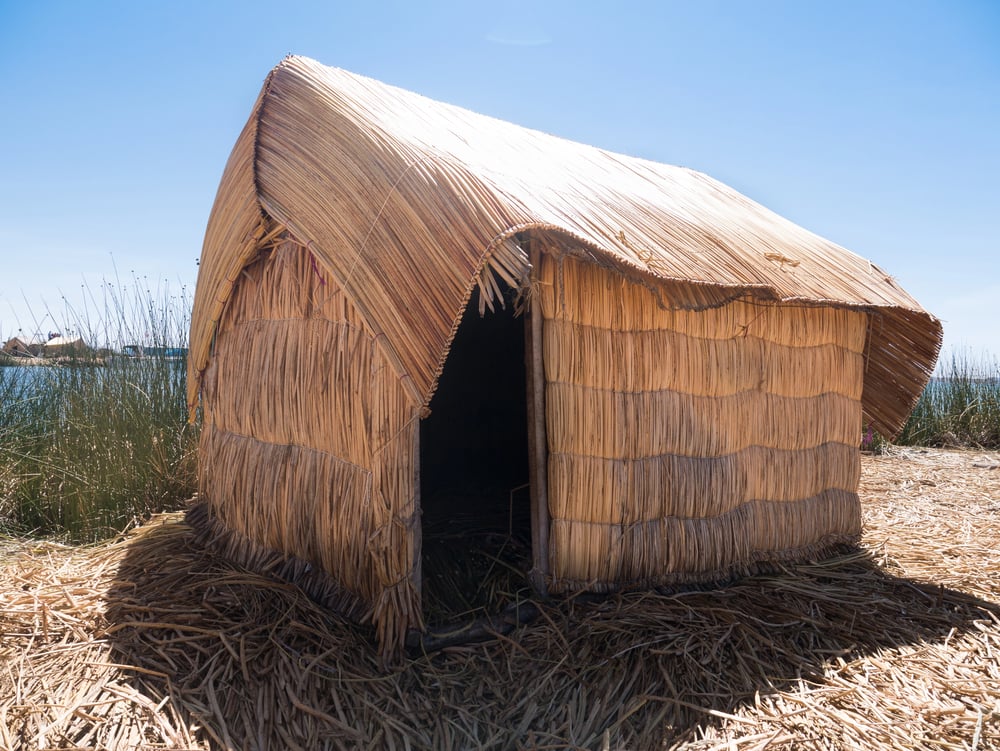
Cooking on an island made of dried plant material sounds like a recipe for disaster, but the Uros people have figured out how to manage fire safely. They create special cooking areas using stones and sand as a barrier between the flames and the reeds.
Some families build clay or brick stoves that distribute heat without igniting the island underneath. Cooking fires are kept small and carefully monitored because one mistake could burn down an entire home.
Modern additions like solar panels and small propane stoves have made life safer, but traditional reed stoves are still used for certain meals and ceremonies.
Schools float too
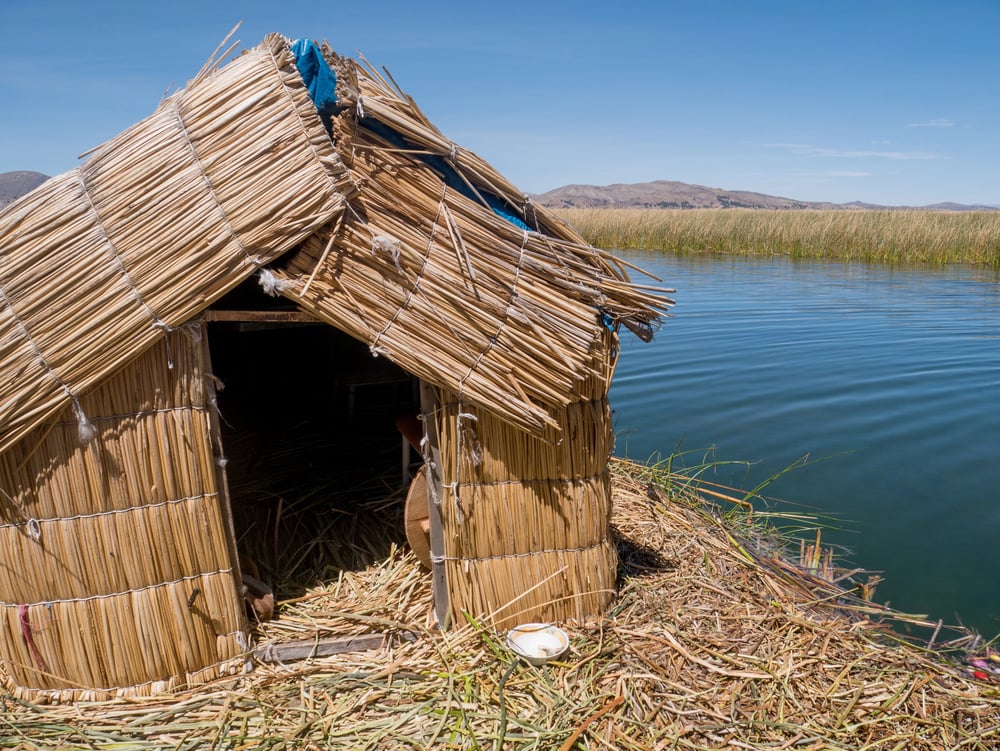
Children on the Uros Islands attend schools that are built on the same floating reed platforms as their homes. The larger islands have schoolhouses where kids from several families gather for lessons.
Teachers either live on the islands or commute by boat from the mainland. Students learn the regular subjects like math and reading, but they also get lessons in reed harvesting and island maintenance because those skills are essential for survival.
Some islands have built soccer fields on extra-wide platforms where kids play during recess, though chasing the orb into the lake is a constant problem. High school students usually have to travel by boat to larger towns on the mainland because the floating schools only go up to elementary grades.
Reed boats for transportation
The Uros people don’t just build islands from totora reeds. They also construct boats from the same material.
These reed boats have curved prows shaped like dragon or puma heads, and they’re surprisingly sturdy despite being made from dried plants. The boats can carry several people and last for about six months to a year before the reeds get too waterlogged and need replacing.
Families use these boats to travel between islands, go fishing, and ferry tourists around for extra income. Building a reed boat takes several days and requires dozens of bundles of reeds that get lashed together in a specific pattern passed down through generations.
Tourism helps pay the bills
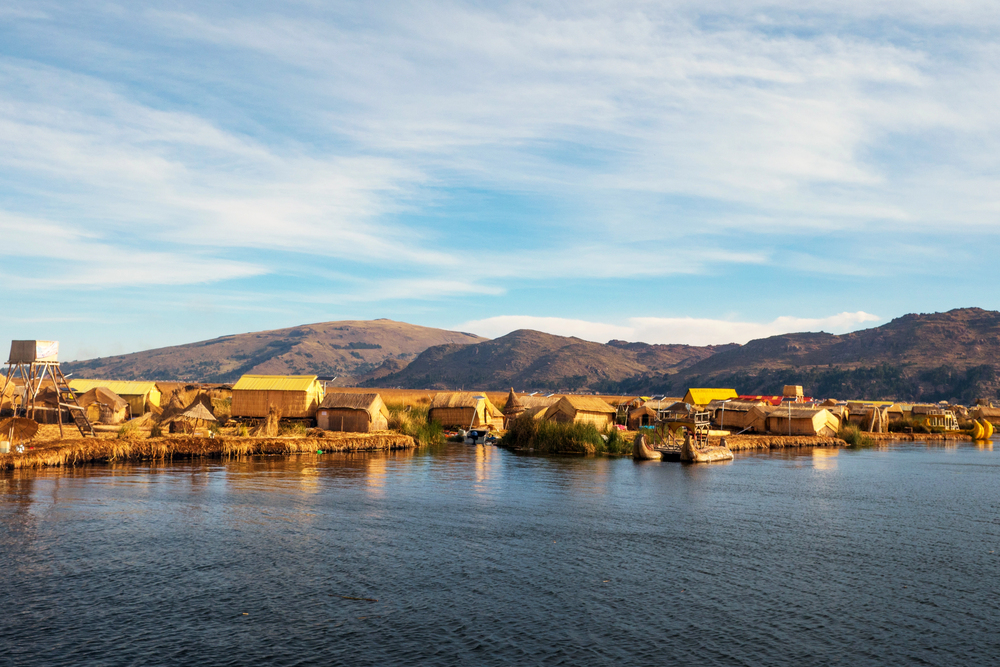
The Uros Islands have become a major tourist attraction in Peru, and many families earn income by welcoming visitors to their homes. Tourists pay fees to visit the islands, buy handcrafted items made from reeds, and sometimes stay overnight in guest quarters.
This tourism money has brought modern conveniences like solar panels and better medical supplies to the islands. Some residents worry that too much tourism is changing their traditional way of life, while others appreciate the income that lets them send their kids to better schools.
It’s a balance between preserving culture and adapting to the modern world.
No plumbing on the reeds
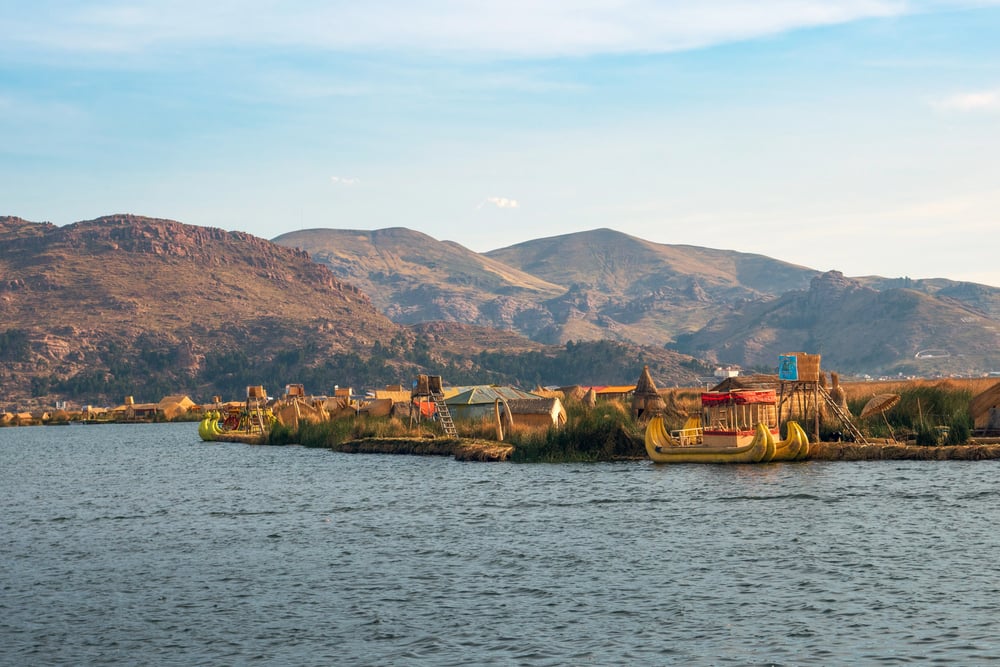
One of the biggest challenges of living on floating reeds is dealing with waste. There’s no way to install underground pipes or septic systems when your floor is made of plants and your foundation is water.
Most families use simple outhouses built on the edges of their islands, where waste falls directly into the lake. More recently, some communities have installed composting toilets or built bathroom facilities on nearby land.
Fresh water comes from the lake itself or from rainwater collection systems, though many families now bring bottled water from the mainland because Lake Titicaca has pollution problems in some areas.
Entire islands can be moved
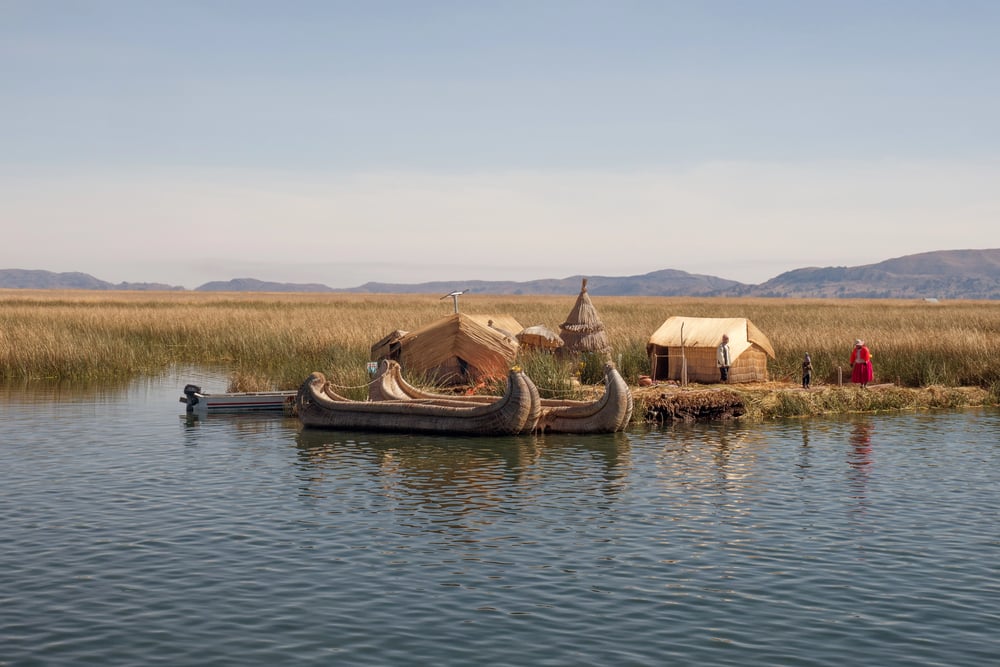
One advantage of living on a floating island is that you can literally move your home if you need to. The Uros people can untie their islands from their anchors and use reed boats to tow them to different locations on the lake.
This used to be important for safety when conflicts arose with neighboring groups. Today, islands are sometimes moved to better fishing spots or areas with less wave action from passing boats.
Moving an island takes a lot of effort and coordination between families, so it doesn’t happen often. But knowing you can relocate your entire neighborhood if necessary gives residents a unique kind of flexibility.
Peru isn’t the only place
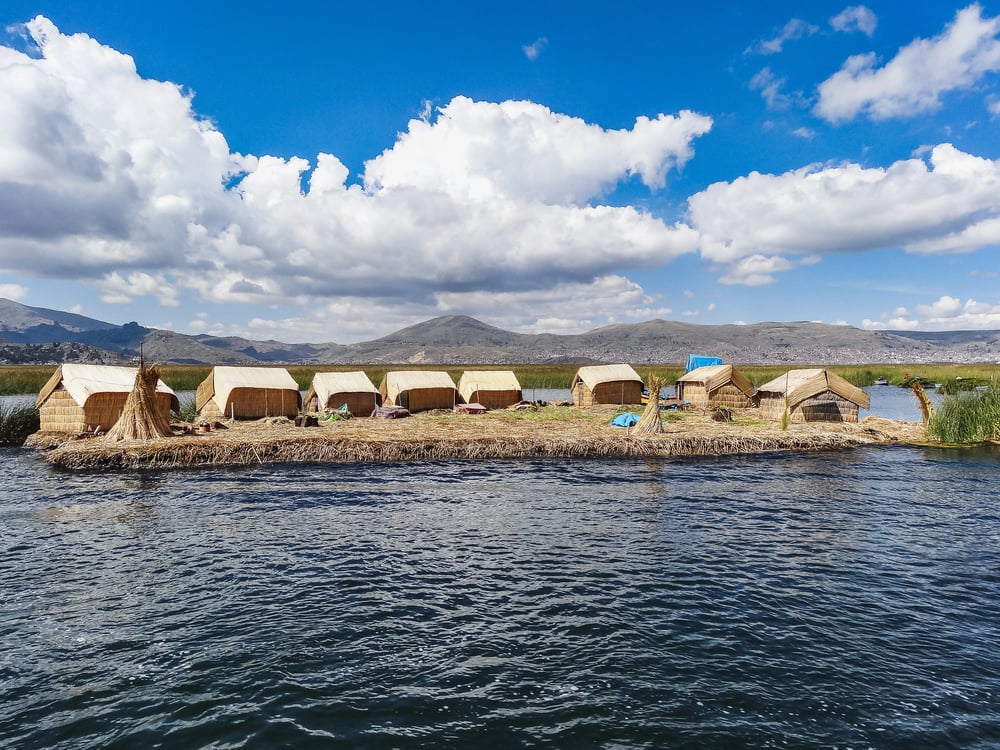
While the Uros Islands are the most famous floating reed communities, similar settlements exist in other parts of the world. The Ma’dan people, often called the Marsh Arabs, built floating villages in the wetlands of Iraq for thousands of years.
These communities used reeds that grew in the Tigris and Euphrates river marshes to create artificial islands similar to those on Lake Titicaca. Political conflicts and environmental damage destroyed many of these settlements, but some have been rebuilt in recent years.
The Ma’dan people are working to restore their traditional way of life after decades of upheaval.
Cambodia’s floating villages
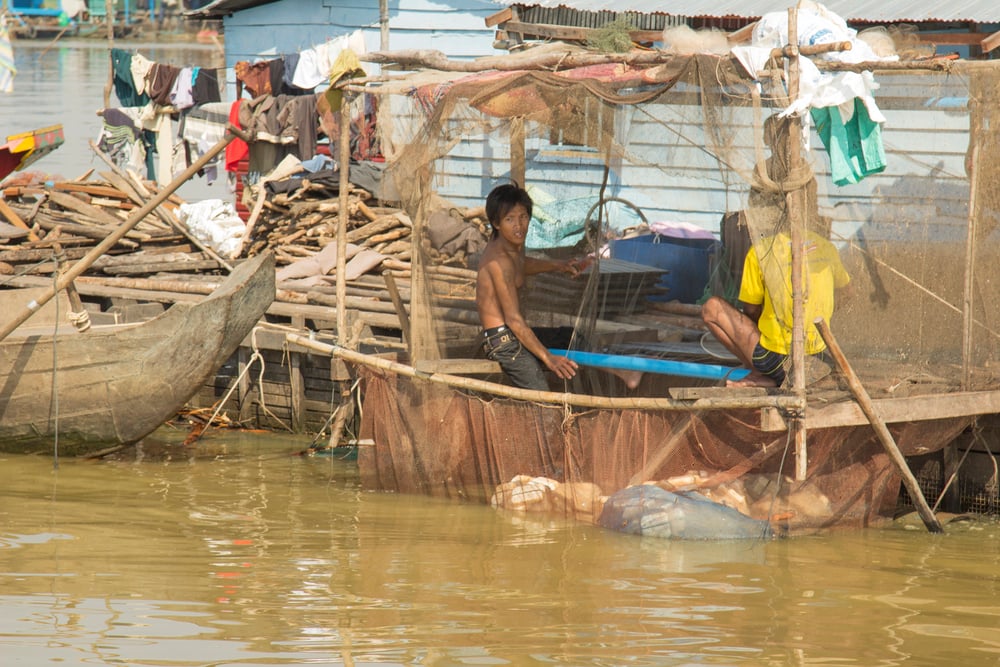
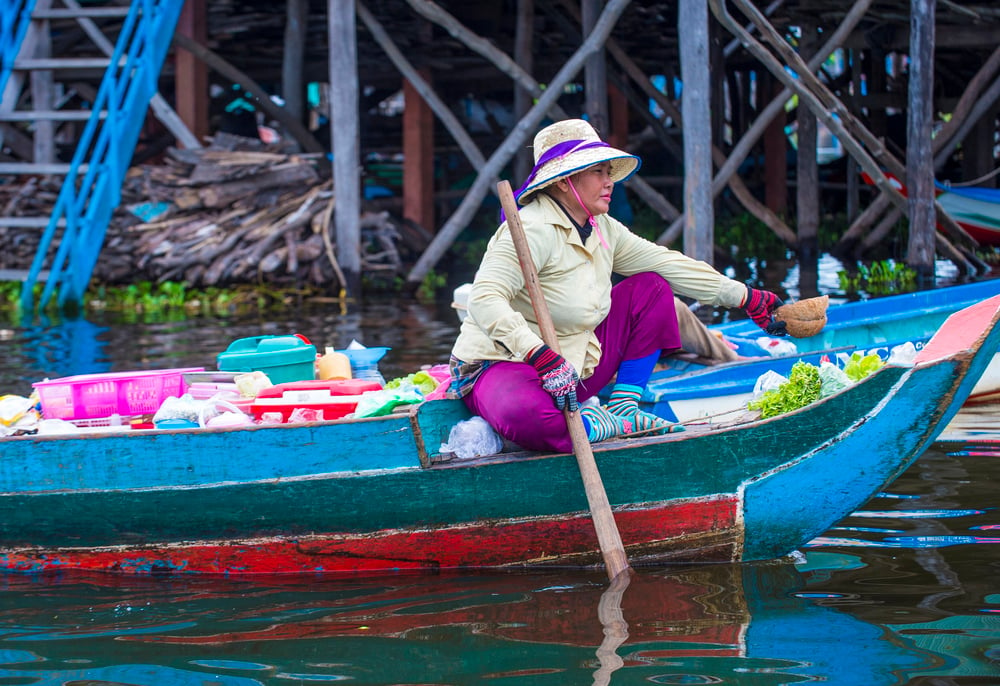
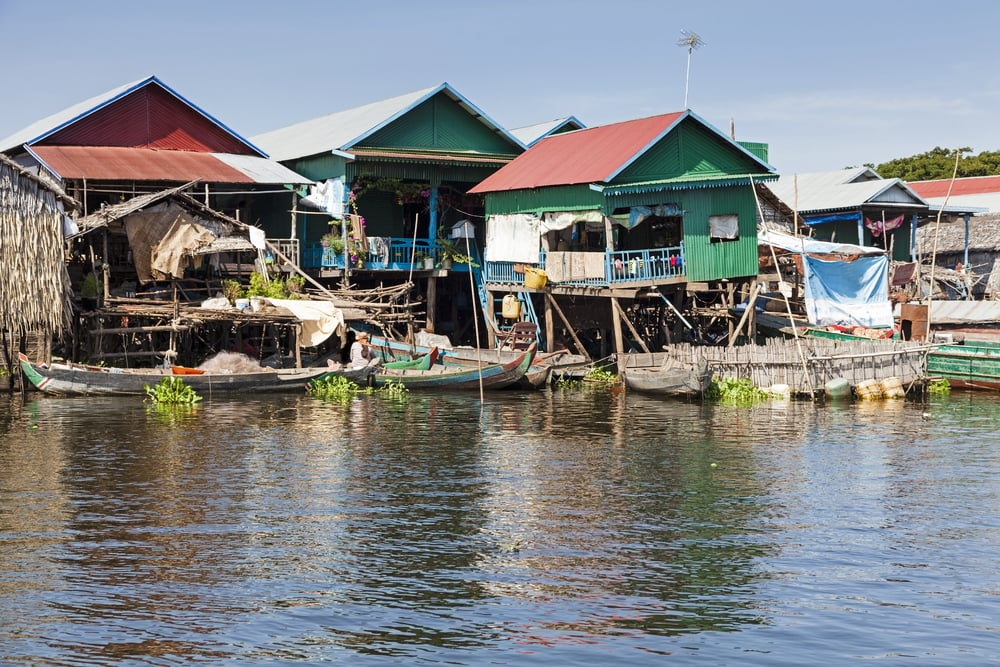
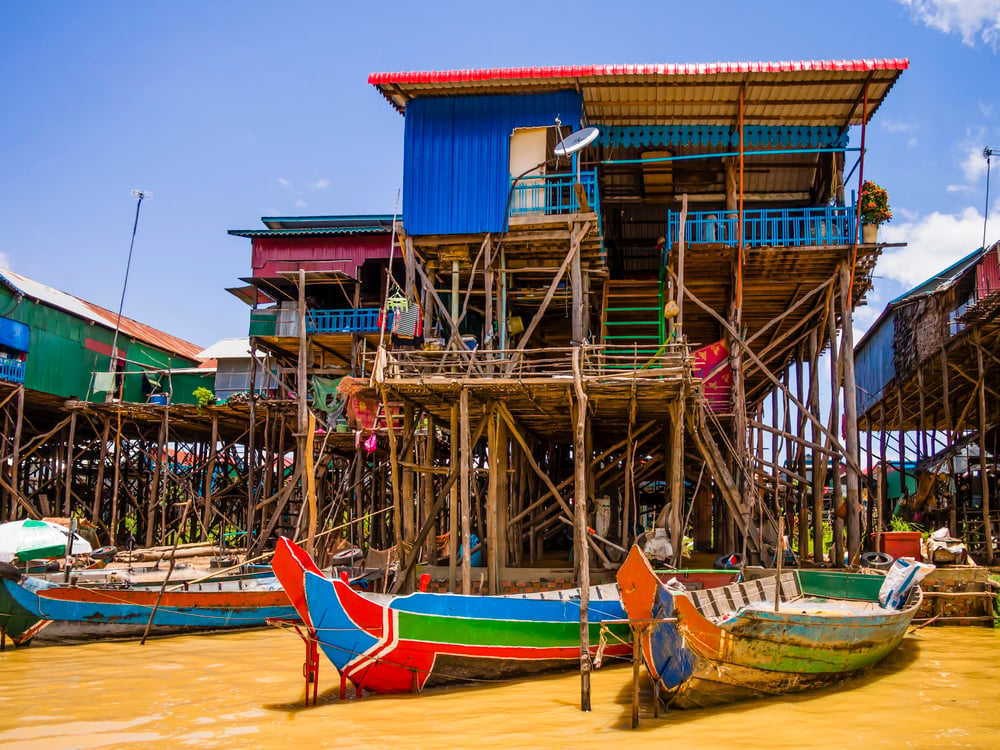
Tonle Sap Lake in Cambodia has floating villages where homes are built on bamboo rafts instead of reeds, but the concept is similar. Entire communities, including Vietnamese and Cham ethnic groups, live on the water year-round.
These villages have houses, shops, schools, churches, and even basketball courts, all floating on wooden platforms. The villages move with the seasonal changes in water levels, which can vary by as much as 30 feet between the dry and rainy seasons.
Families earn their living through fishing and farming fish in cages beneath their homes.
Weather creates real danger
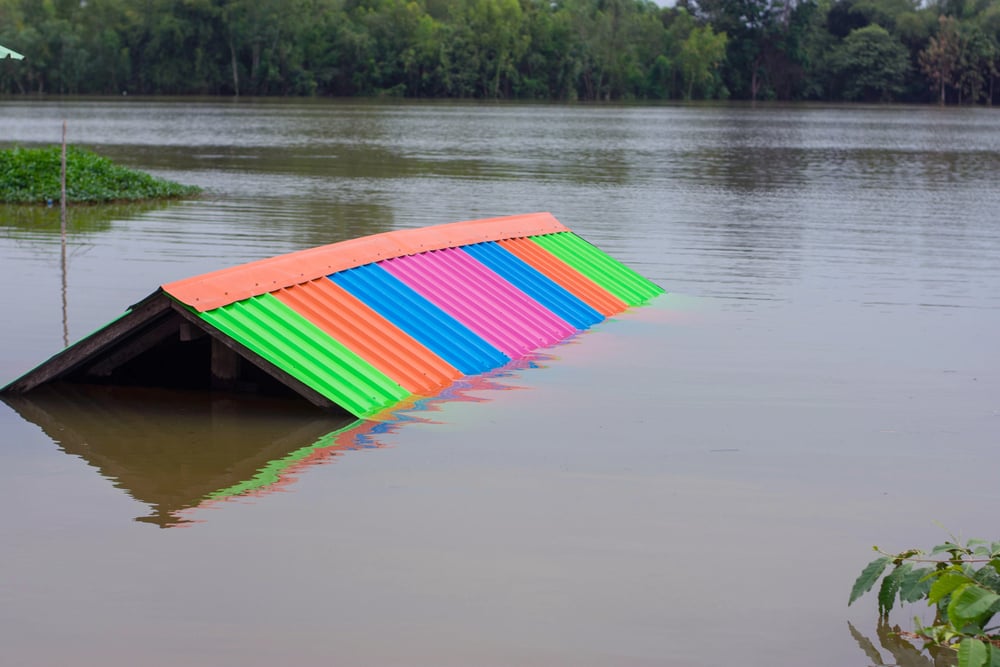
Living on floating reeds means being completely exposed to whatever weather the lake throws at you. Strong winds can create waves that batter the islands and make them difficult to stand on.
Lightning storms are particularly scary because there’s nowhere to hide and the reeds can conduct electricity if they’re wet. The Uros people have learned to read the sky and water for signs of incoming storms, and families often lash their islands together for stability during rough weather.
Some residents have moved to the mainland permanently because they got tired of dealing with the constant threat from nature.
Animals live on the islands too
Families on the Uros Islands keep chickens, ducks, and guinea pigs in their floating homes. These animals are kept in small pens built on top of extra-thick layers of reeds.
Guinea pigs are especially important in Andean culture and are raised for special meals and ceremonies. Cats sometimes live on the islands to control mice, though they need to be careful not to fall in the water.
Dogs occasionally visit when tourists bring them along, but keeping a large pet on a floating island isn’t practical. The animals adapt to the rocking motion just like the people do.
Medical emergencies mean boat trips
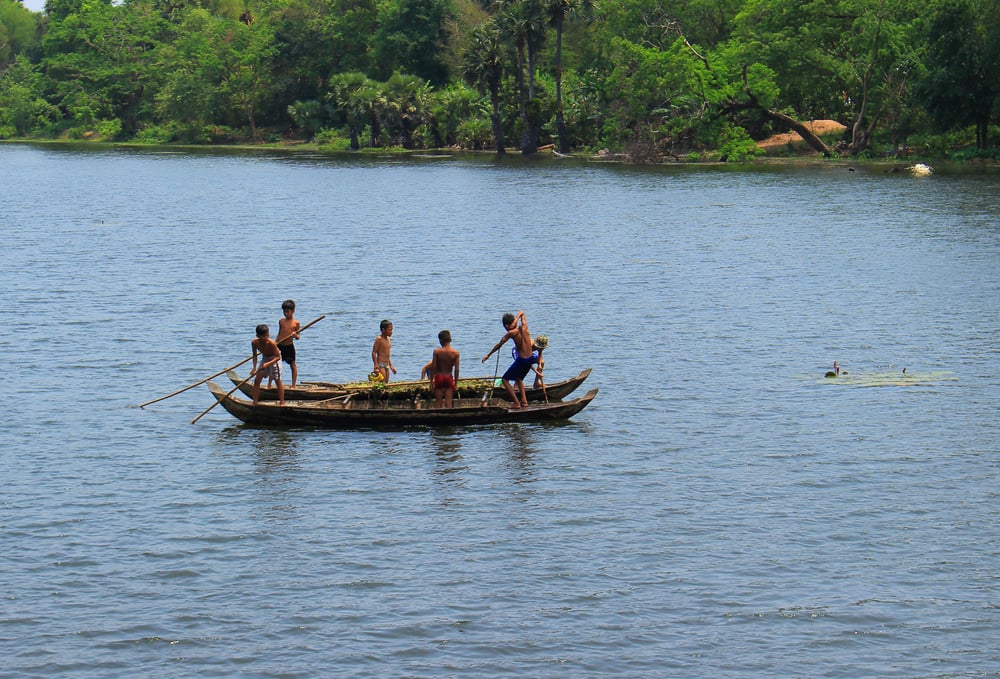
When someone on the Uros Islands gets seriously sick or injured, getting medical help requires a boat trip to the mainland. The closest hospitals are in Puno, Peru, which can take 30 minutes to an hour depending on where your island is located and what kind of boat you’re using.
Some islands have basic medical supplies and trained community health workers who can handle minor problems. Emergency situations in bad weather become even more dangerous because rough water makes boat travel risky.
The isolation is one of the biggest downsides to living on floating reeds, especially for elderly residents or pregnant women who need regular medical care.
Electricity from the sun
Floating under a wide sky, some homes once ran without any electric current at all. Now sunlight feeds small panels held high on timber stands tilted just right across the reed beds.
These days, people plug in devices where silence used to rule after dark. Light comes easier too – bright LEDs glow where candles flickered before.
A signal reaches here now, linking conversations beyond the water edges. With power humming quietly nearby, daily routines feel different, less cut off.
A few islands run their schools or clinics using group-funded solar setups. Floating living works fine here since panels weigh little plus need no digging below ground.
Younger generations head to land
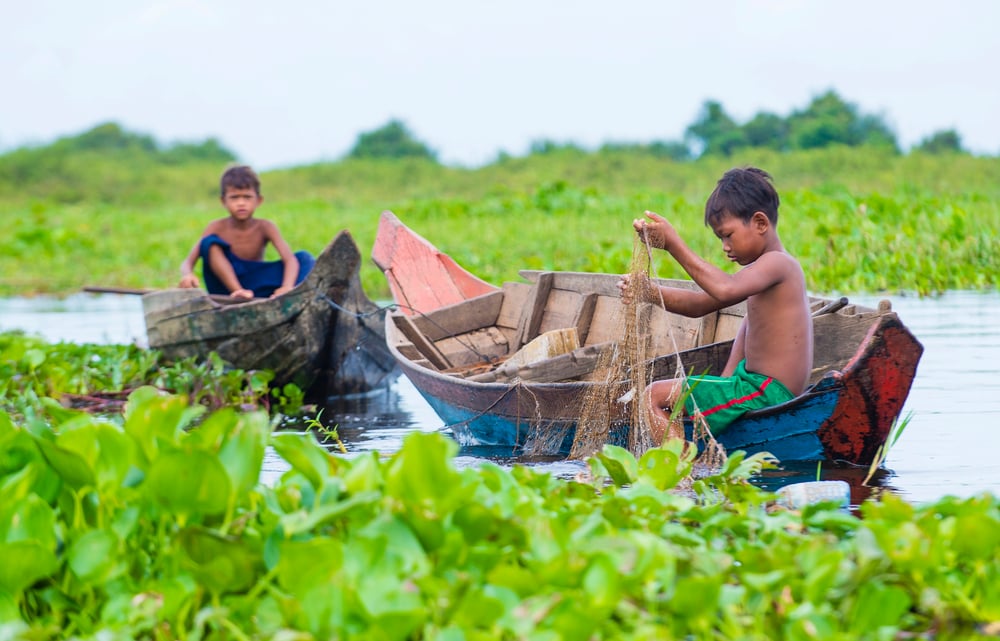
Starting out life among the woven reed homes, some youth later settle in city neighborhoods to study or find steady work. Though tied by family roots, the pull of paved streets and schools draws them away slowly.
Living atop buoyant mats takes daily effort, which makes electricity and stores feel like gifts. Grown-ups usually want better paths for their children, even when that path leads off the water.
A quiet struggle hums through the villages – hold tight to old rhythms or shift toward new patterns. Floating villages cling to tradition, balanced between island roots and city pulls.
Whether they survive hinges on youth who might just decide home is worth staying for.
Keeping traditions afloat
Floating homes made of reeds house the Uros and others, pressed daily by life beyond their shores. Money flows in through visitors, yet routines shift – ways once known start fading under outside influence.
Heat rises unevenly across seasons, while waste drifts into waters that sustain lives. Still, roots run deep; old ways hold weight when new currents pull hard at tradition.
Harvesting tall grasses and shaping land upon waves may fade later – but eyes stay fixed on water today.
More from Go2Tutors!

- The Romanov Crown Jewels and Their Tragic Fate
- 13 Historical Mysteries That Science Still Can’t Solve
- Famous Hoaxes That Fooled the World for Years
- 15 Child Stars with Tragic Adult Lives
- 16 Famous Jewelry Pieces in History
Like Go2Tutors’s content? Follow us on MSN.