Vintage Watches That Influenced Modern Fashion
There’s something magnetic about a vintage watch that goes beyond telling time. Maybe it’s the weight of history on your wrist, or the way certain designs seem to transcend their original purpose and become something larger.
These timepieces didn’t just mark moments—they marked entire shifts in how we think about style, craftsmanship, and what it means to wear something with intention. The watches that truly influenced modern fashion weren’t necessarily the most expensive or the most technically advanced.
They were the ones that captured something essential about their moment in time and then refused to let go. They became templates, references, and sometimes obsessions for designers who understood that the best ideas are worth revisiting.
Rolex Submariner
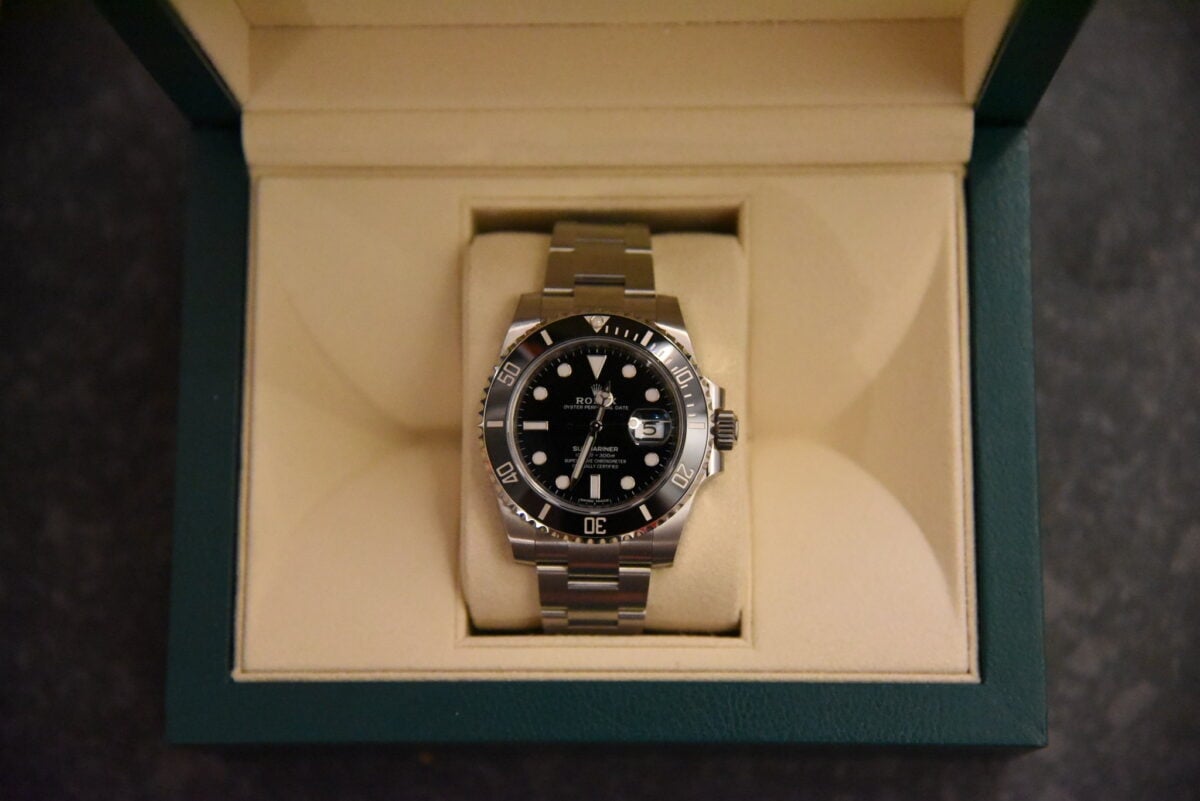
The Submariner wasn’t trying to be fashionable. Built in 1953 for divers who needed a watch that could survive underwater expeditions, it was a pure function wrapped in steel.
But something funny happened on the way to the ocean floor. The clean lines, the rotating bezel, that particular shade of black—it all added up to something that looked intentional in a way that dress watches sometimes don’t.
Sean Connery strapped one on as James Bond, and suddenly every man wanted to look like he might have somewhere important to dive.
Cartier Tank
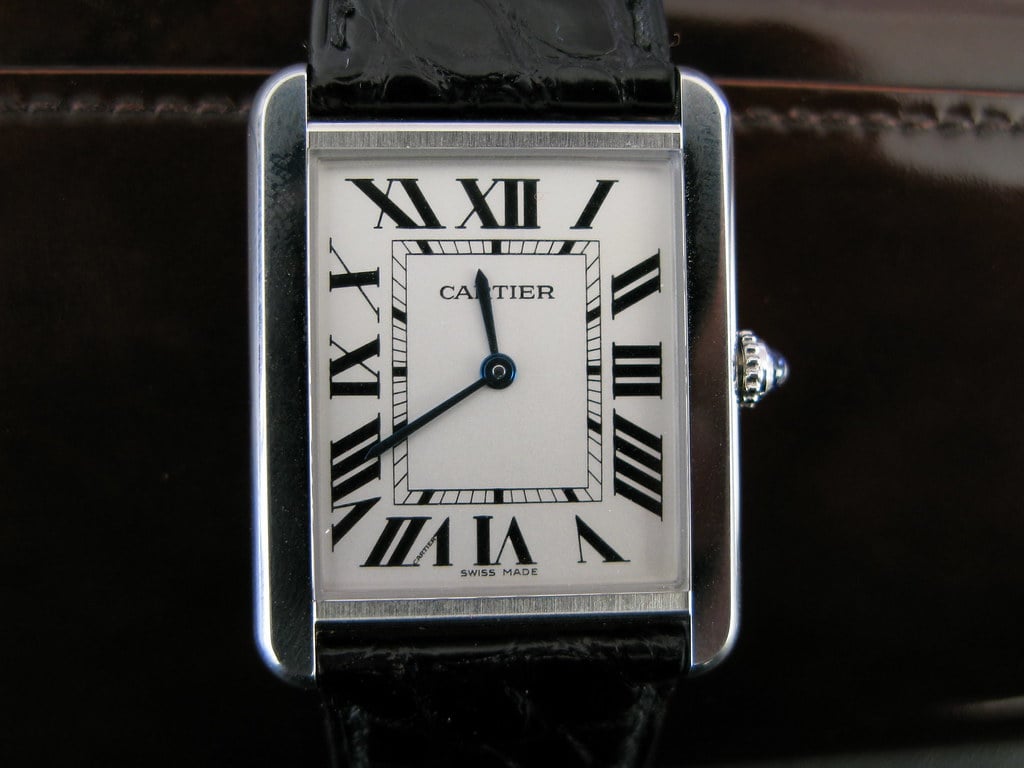
Picture a watch designed like a WWI tank tread, if tank treads were elegant and French. Louis Cartier created the Tank in 1917, and its rectangular case became the blueprint for every dress watch that wanted to look serious without trying too hard.
The Tank taught fashion designers that geometry could be luxurious (and luxury could be geometric), which explains why you still see its influence in everything from jewelry to handbags. Clean angles, minimal fuss, maximum impact.
The math works.
Omega Speedmaster
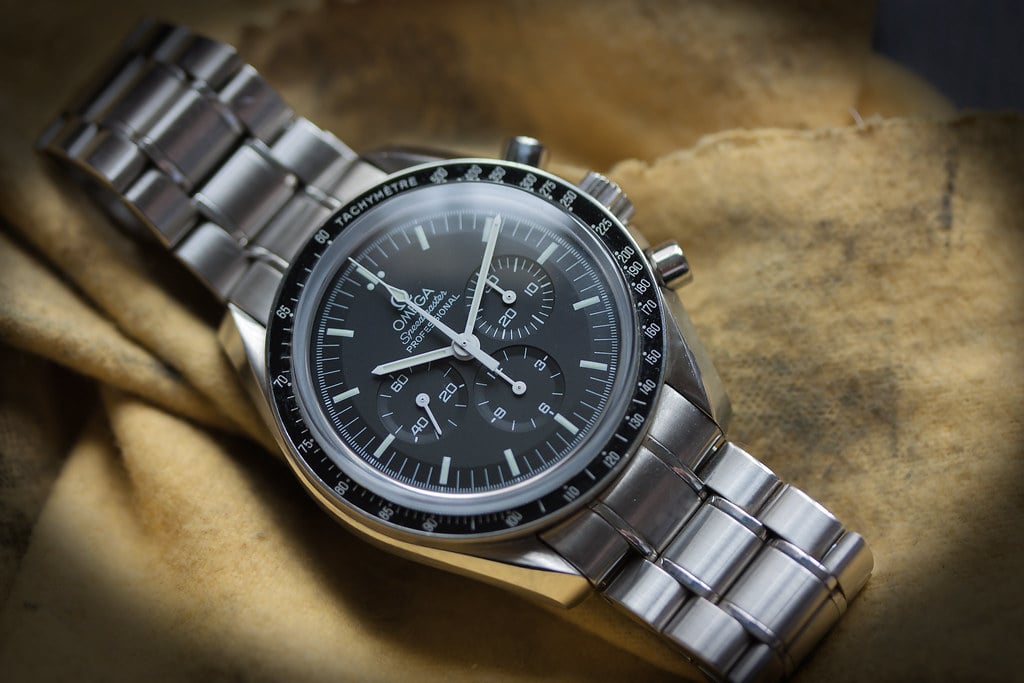
When NASA needed a watch for space missions, they tested everything they could find. The Speedmaster survived temperature extremes, vibrations, and pressure changes that would destroy most timepieces—then went to the moon and back.
But here’s what’s interesting: the watch that could handle lunar missions also happened to look perfect with a leather jacket and jeans. That chunky case, those contrasting subdials, the way it sat on your wrist like it meant business—it became the template for every sports watch that wanted to signal both capability and style.
Modern chronographs are still chasing that balance between tool and accessory that the Speedmaster struck by accident.
Patek Philippe Calatrava
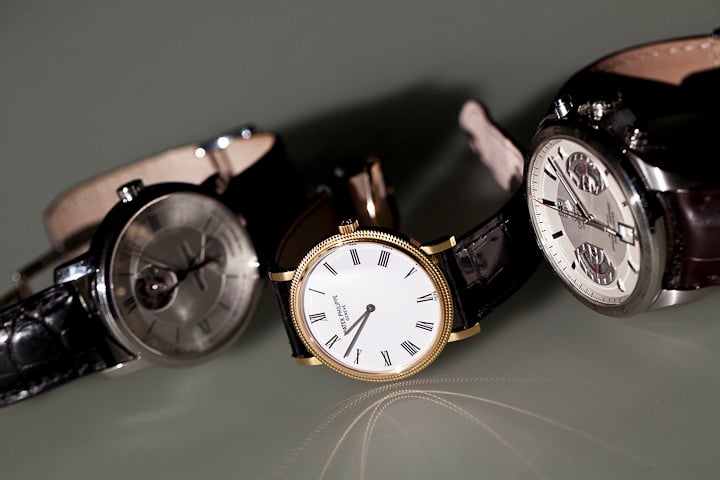
Some watches whisper. The Calatrava, introduced in 1932, perfected the art of the elegant murmur—so quietly confident it barely needed to announce itself at all.
Its round case and clean dial became the definition of understated luxury, the kind of design that influenced not just other watchmakers but entire philosophies about how sophisticated things should look. You see its DNA in minimalist furniture, in architectural details, in fashion houses that understand the difference between simple and easy.
(Simple is much harder.) Calatrava taught designers that restraint could be more powerful than decoration, which is a lesson the fashion world keeps learning and forgetting and learning again.
Audemars Piguet Royal Oak
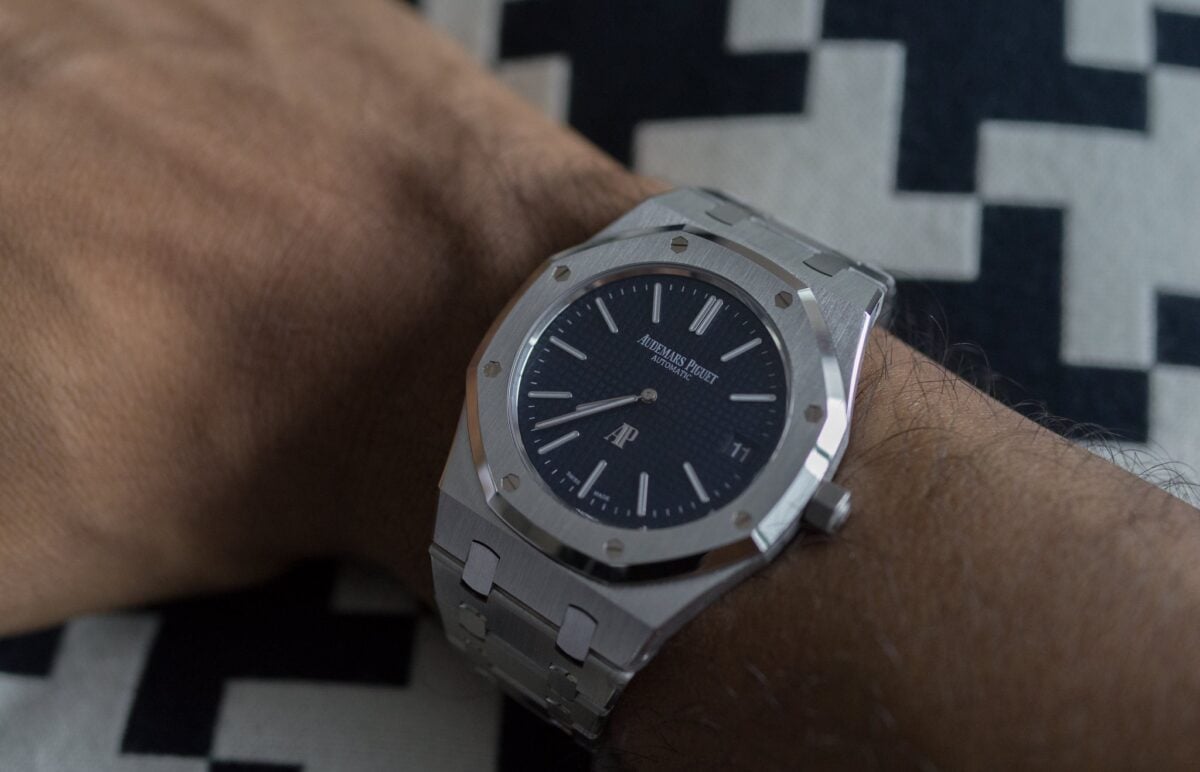
The Royal Oak shouldn’t have worked. A luxury sports watch with an octagonal bezel and exposed screws, launched in 1972 when the watch industry was in crisis? It sounded like commercial doom.
Instead, it created an entirely new category. The Royal Oak proved that luxury didn’t have to mean delicate, that sports watches could be sophisticated, and that unconventional design choices could become iconic if executed with enough conviction.
Every luxury sports watch made since 1972 exists in its shadow.
TAG Heuer Monaco
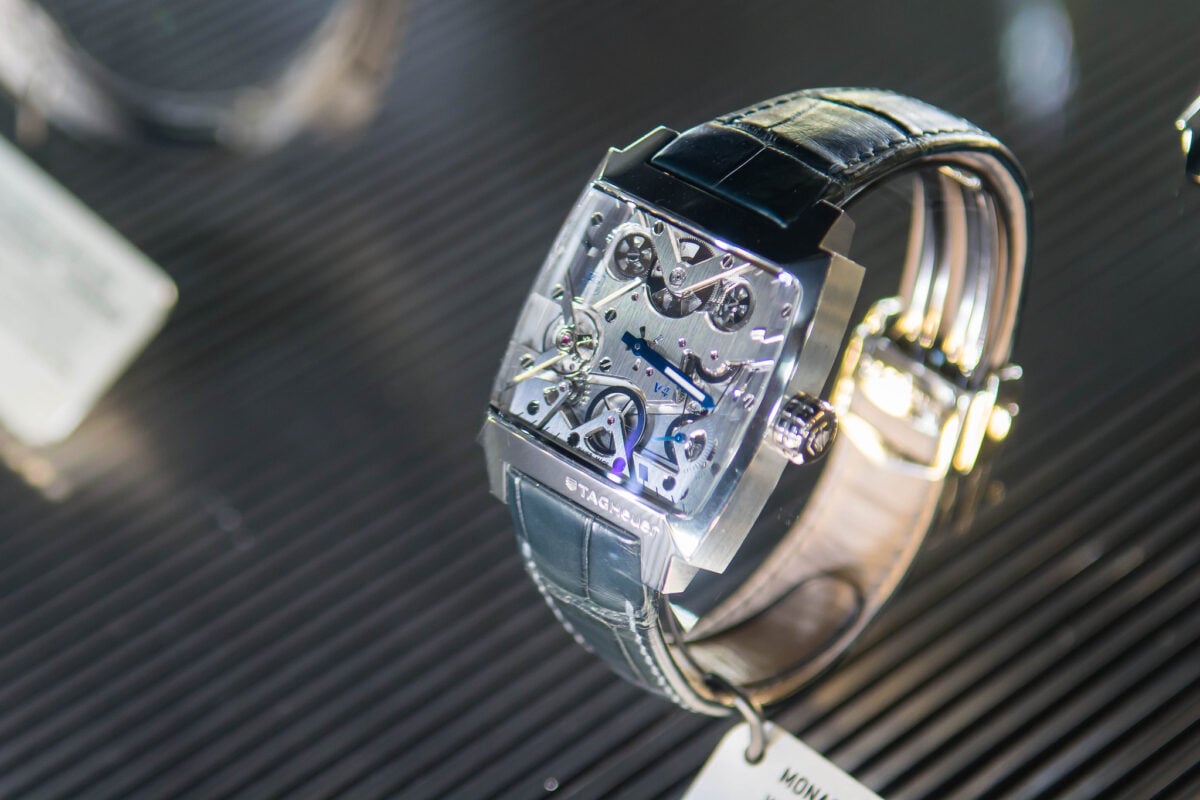
Square watches were considered awkward until Steve McQueen wore a Monaco in “Le Mans.” Then suddenly that boxy case and bright blue dial looked like the coolest thing on four wheels.
Monaco demonstrated that the right person wearing the right watch in the right context could shift entire aesthetic categories. It became the foundation for every sports watch that dared to be different, proving that sometimes breaking the rules creates better rules.
Jaeger-LeCoultre Reverso
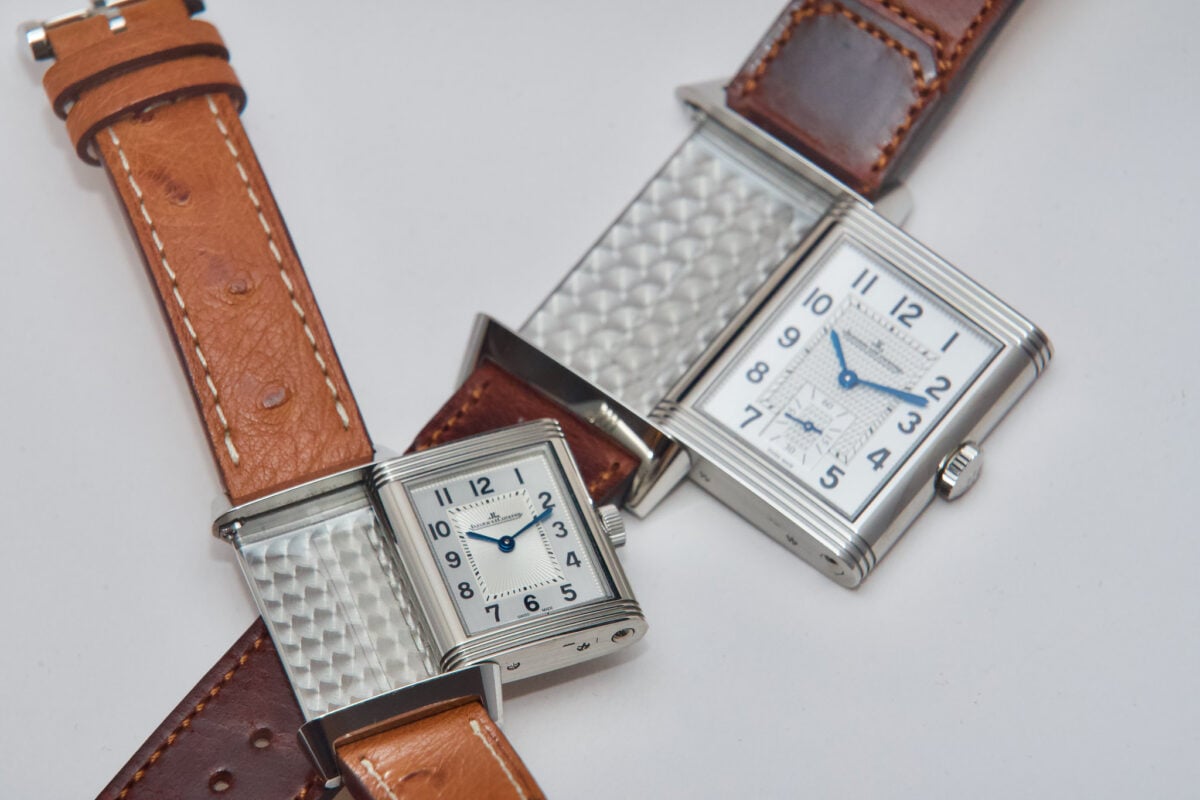
Born from a polo player’s complaint about broken watch crystals, the Reverso solved the problem by making the entire case flip over. One side showed the time, the other could be engraved or left plain—a piece of functional jewelry that actually functioned.
The Reverso’s Art Deco lines and mechanical ingenuity influenced decades of watch design, but more importantly, it introduced the idea that luxury accessories could be interactive. You didn’t just wear a Reverso; you engaged with it. Modern smartwatches owe more to this 1931 design than they probably realize.
Breitling Navitimer
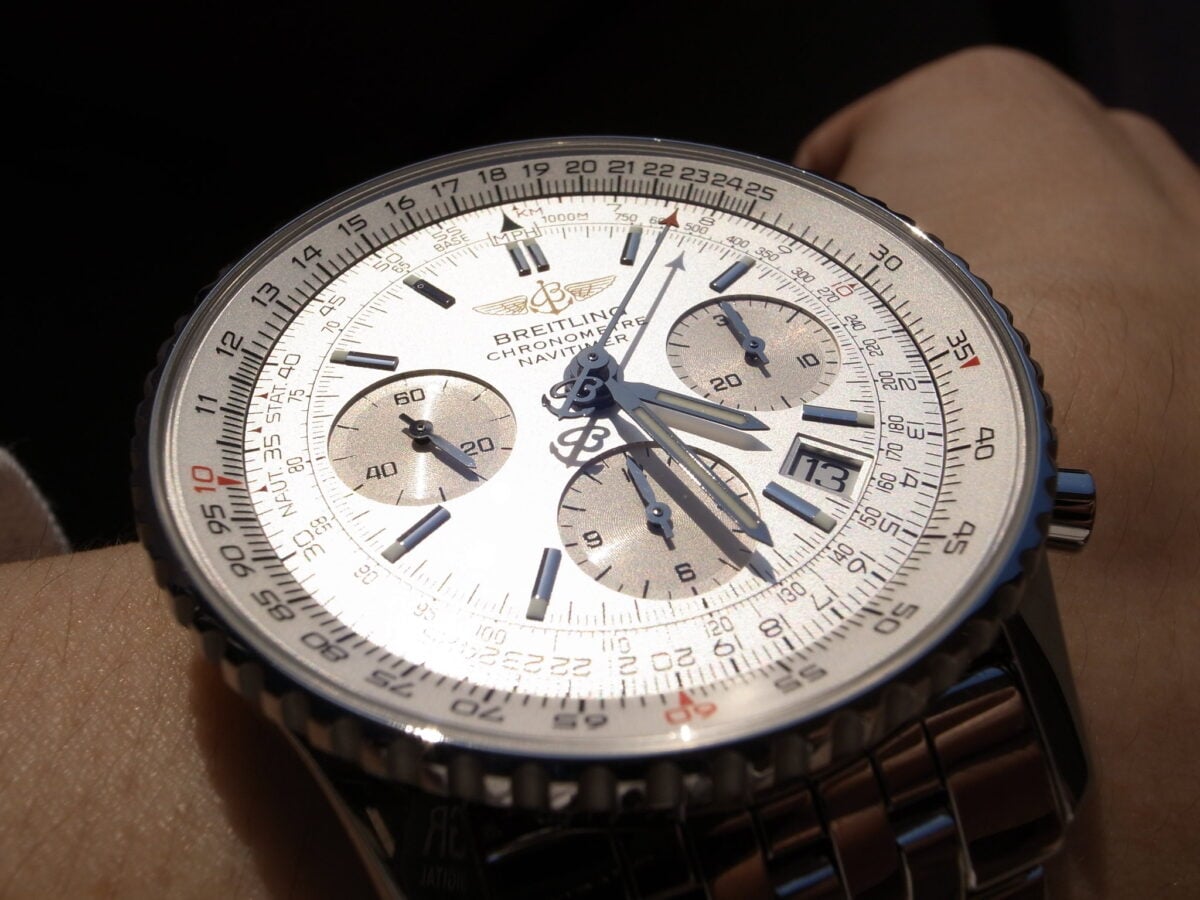
Pilots needed a watch that could perform navigation calculations, so Breitling gave them the Navitimer in 1952. The circular slide rule surrounding the dial looked complex because it was complex—this was a computer you could wear.
But complexity, when organized properly, can be beautiful. The Navitimer’s busy dial and multiple scales became the blueprint for technical watches that wanted to display their capabilities proudly.
Modern smartwatches with their multiple functions and digital interfaces are essentially doing what the Navitimer did with analog components.
Seiko Diver’s Watch
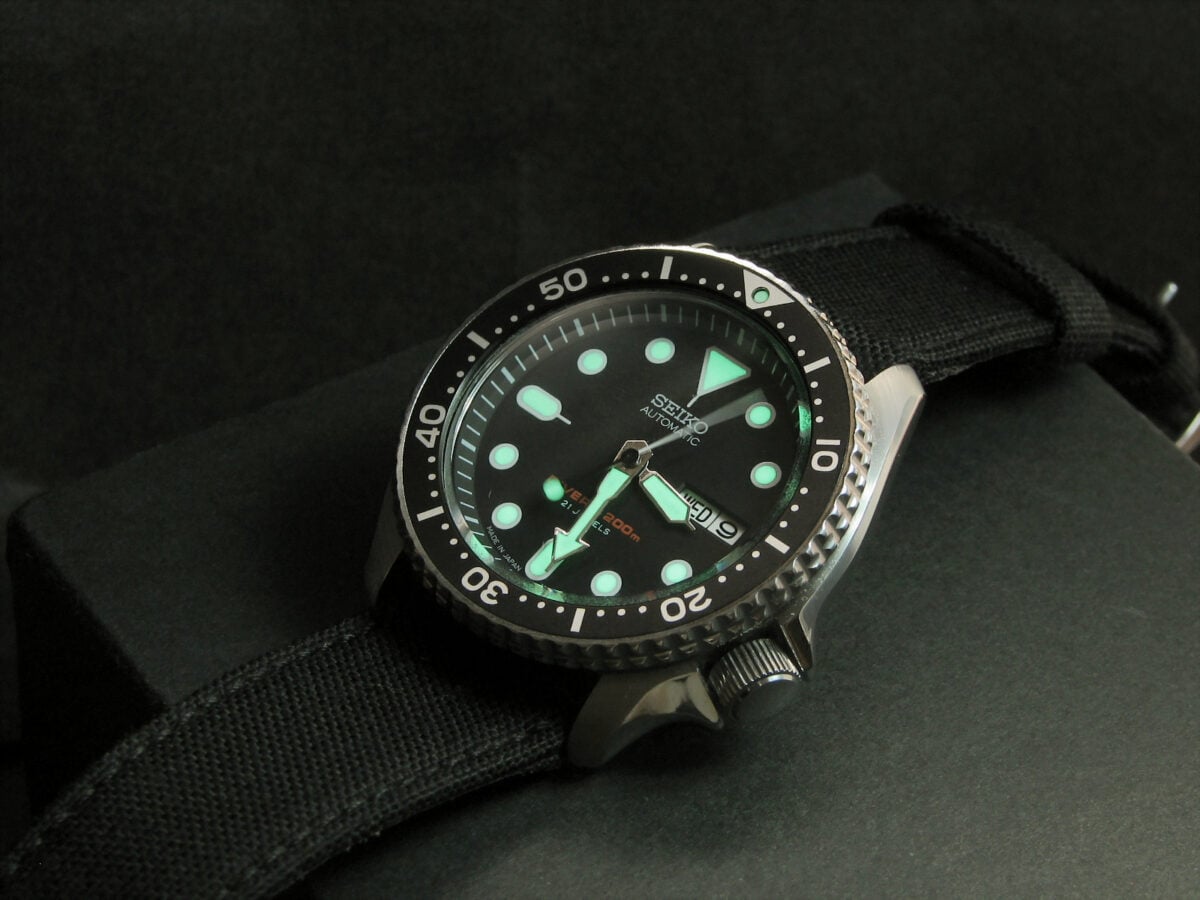
Seiko approached dive watch design like engineers rather than marketers, which turned out to be exactly the right approach. Their dive watches were built to specifications that often exceeded those of Swiss competitors, but at prices that made luxury accessible.
The clean, functional aesthetic of Seiko divers—particularly models from the 1960s and 70s—proved that good design didn’t require European pedigree. They influenced an entire generation of watch designers who learned that utility could be beautiful and that innovation didn’t always come from the expected places.
Panerai Luminor
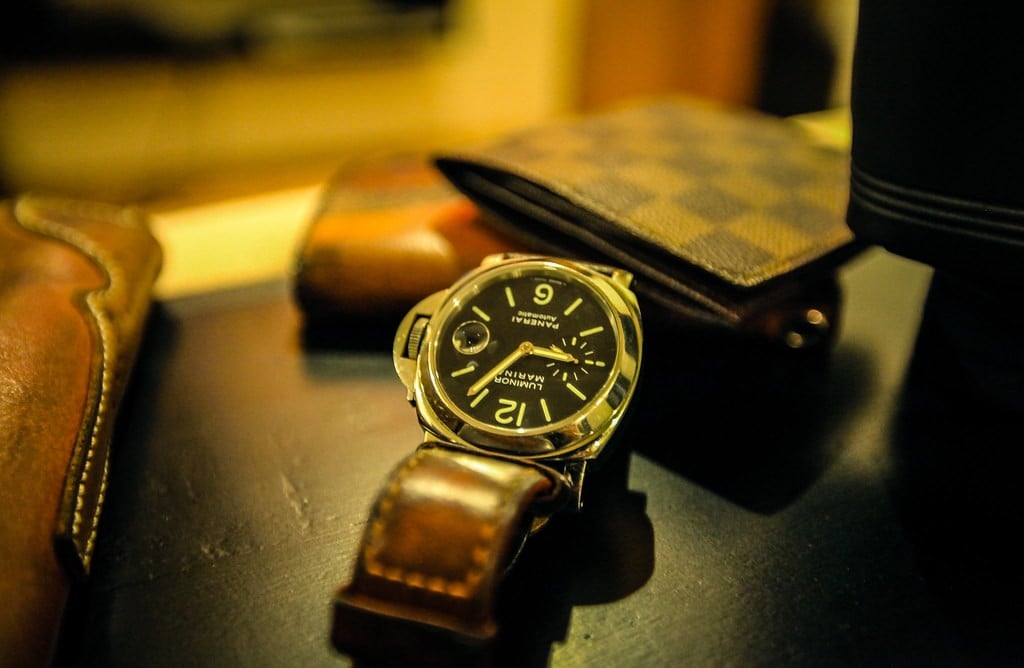
Panerai spent decades making watches for Italian navy divers, creating designs so specialized that civilians never saw them. When the brand finally went public in the 1990s, those oversized cases and distinctive crown guards looked like nothing else in the luxury market.
The Luminor’s bold proportions and military heritage helped establish the modern preference for larger watches. It showed that vintage military designs could translate into contemporary luxury, spawning countless imitators and establishing “tool watch” as a legitimate luxury category.
Vacheron Constantin Patrimony
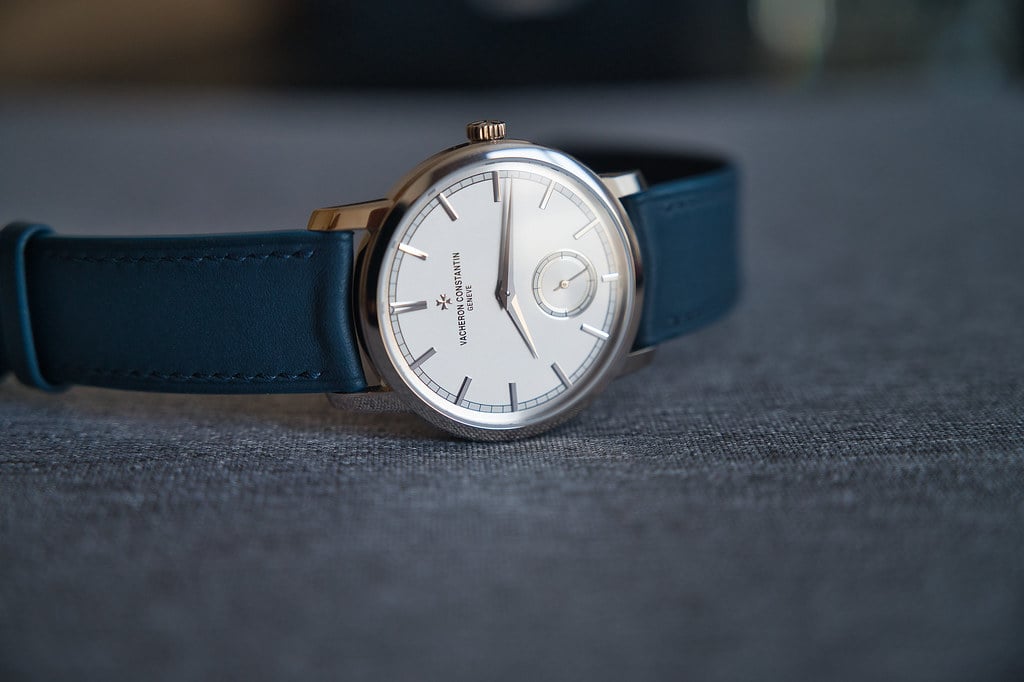
Patrimony takes minimalism to its logical conclusion—a thin case, clean dial, and nothing that isn’t absolutely essential. Launched in the 1950s, it became the reference point for dress watches that prioritized elegance over ostentation.
Its influence extends far beyond watchmaking. The Patrimony’s restrained aesthetic helped define what luxury minimalism could look like, inspiring designers across industries who understood that taking things away often adds more than putting things in.
Zenith El Primero
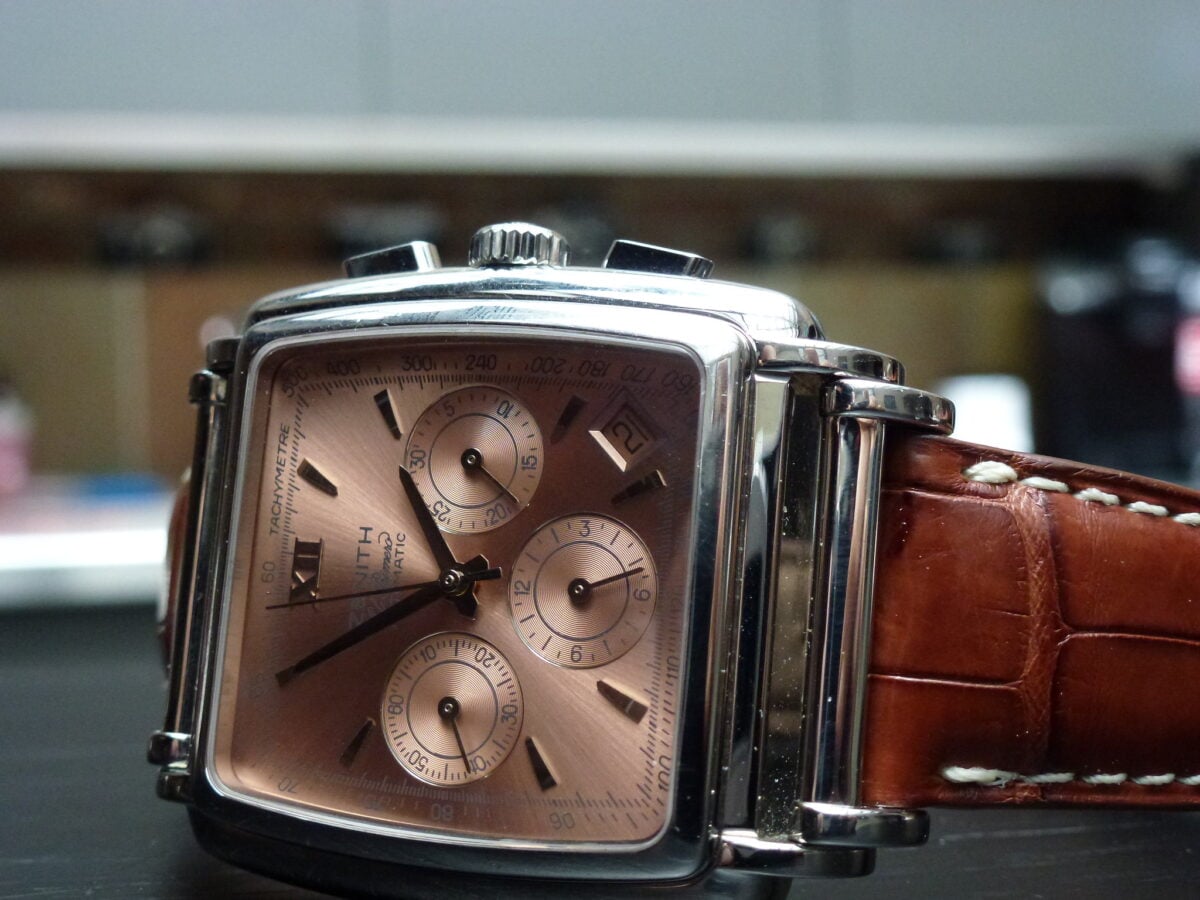
When quartz technology threatened to make mechanical chronographs obsolete, Zenith created the El Primero—a high-frequency automatic chronograph movement that was more accurate than most electronic alternatives.
The watches powered by this movement featured distinctive tri-color subdials and racing-inspired designs that influenced sports watch aesthetics for decades. The El Primero proved that mechanical watches could compete with electronic ones on technical grounds while offering something no digital display could match: character.
IWC Pilot’s Watch
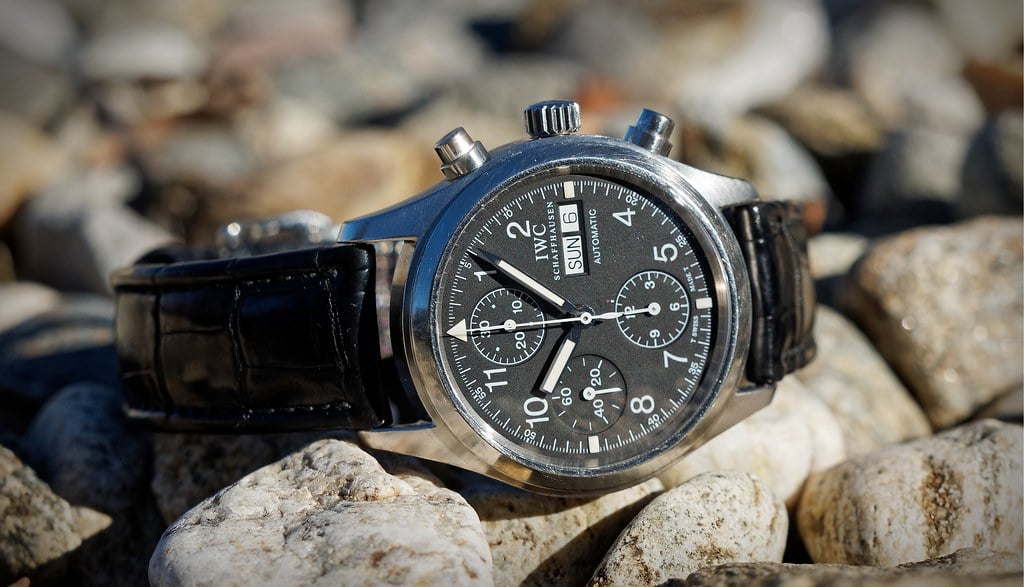
IWC’s pilot watches, particularly the Big Pilot series, took aviation instrument design and refined it for civilian wrists. The result was watches that looked purposeful without being purely utilitarian—functional design elevated to luxury status.
These watches established the template for modern aviation-inspired timepieces and demonstrated how military specifications could translate into civilian luxury. The clean, readable dials and robust cases became standard references for designers creating watches that needed to balance tool watch credibility with everyday wearability.
Time’s Echo
The vintage watches that shaped modern fashion weren’t trying to be influential—they were trying to be useful. They solved specific problems for specific people, and somehow in that focus on function, they discovered forms that felt timeless.
The best design often works that way: aim for purpose, accidentally achieve beauty. What makes these watches endure isn’t nostalgia or marketing, but the recognition that certain proportions, certain approaches to solving problems, certain ways of organizing information on a dial just work better than others.
They become reference points because they got something essentially right the first time, creating templates that still feel relevant decades later.
More from Go2Tutors!

- The Romanov Crown Jewels and Their Tragic Fate
- 13 Historical Mysteries That Science Still Can’t Solve
- Famous Hoaxes That Fooled the World for Years
- 15 Child Stars with Tragic Adult Lives
- 16 Famous Jewelry Pieces in History
Like Go2Tutors’s content? Follow us on MSN.