Surprising Aviation Facts About Aerial Parade Shows
Every summer, millions of people tilt their heads skyward to watch precise formations of military aircraft streak across the sky, leaving trails of smoke and the thunder of jet engines in their wake. These aerial displays look effortless from the ground—sleek jets dancing in perfect synchronization, pilots waving from open cockpits, aircraft appearing to defy the basic laws of physics with impossible-looking maneuvers.
What you’re witnessing, though, is the result of countless hours of preparation, split-second timing, and aviation techniques that would surprise even seasoned airplane enthusiasts.
Formation Flying Requires Mathematical Precision
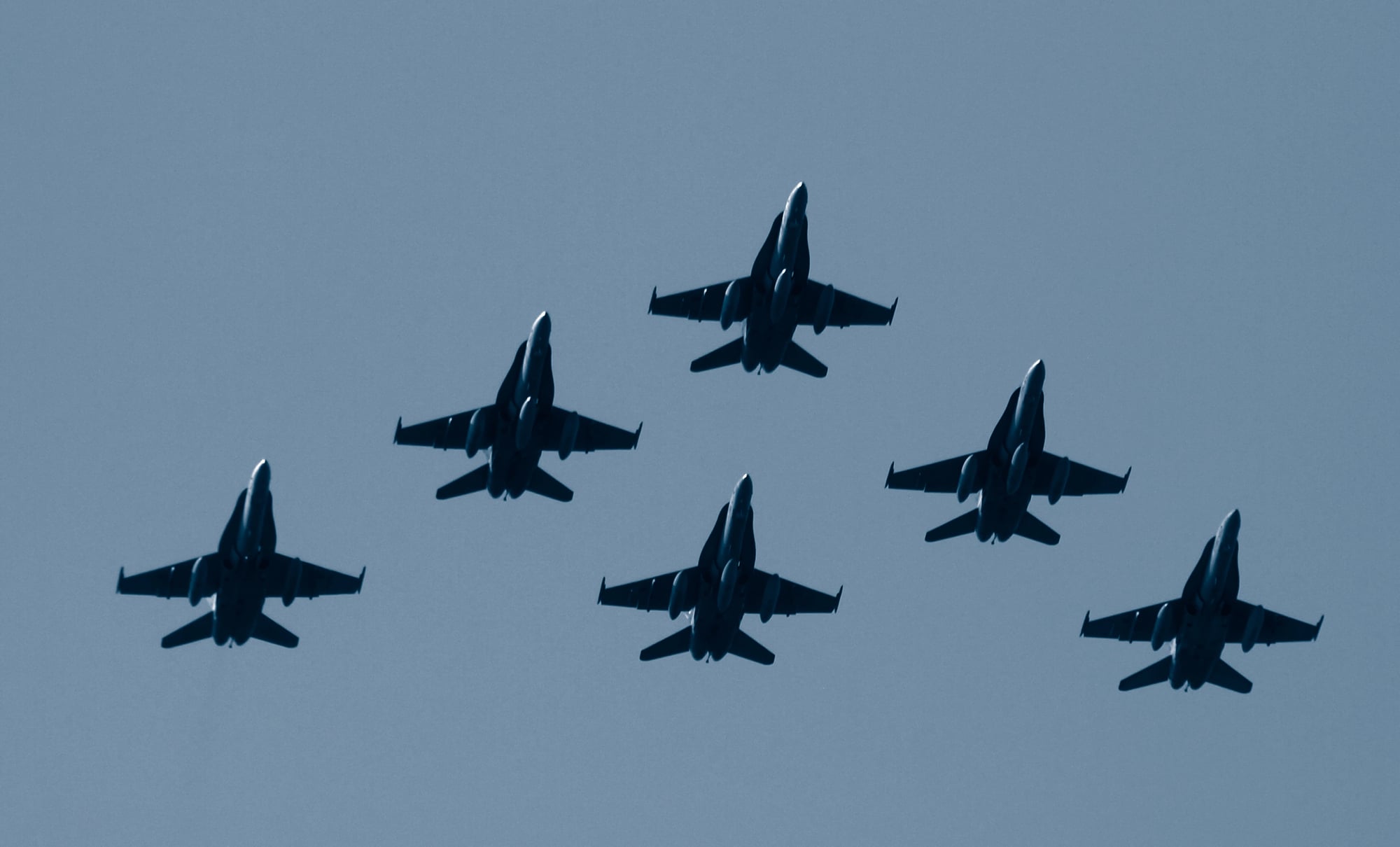
Formation flying isn’t about eyeballing distances and hoping for the best. Pilots use mathematical calculations that would make a geometry teacher proud.
Each aircraft maintains exact spacing measured in feet and fractions of seconds.
The standard diamond formation places wingtip to wingtip spacing at precisely three feet. Three feet.
That’s closer than most people park their cars in a driveway, except these vehicles are traveling at 400 miles per hour.
Smoke Systems Use Diesel Fuel and Food Coloring
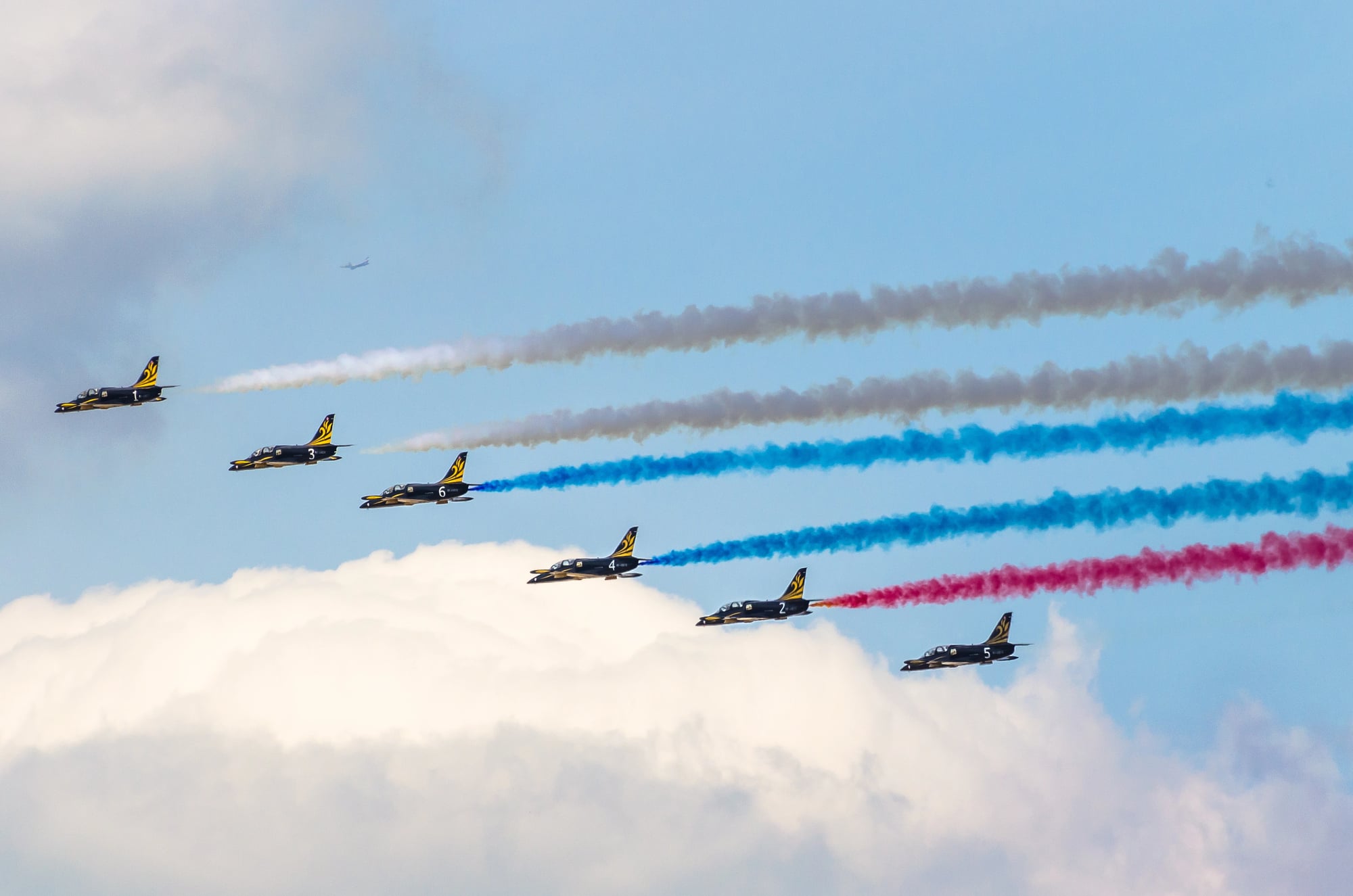
The colorful smoke trails that paint the sky aren’t created by some exotic aviation chemical that costs thousands of dollars per gallon—though you might expect that from military operations where a single bolt can cost more than your monthly rent (because it’s been tested to withstand conditions that would destroy regular hardware). Most demonstration teams pump diesel fuel mixed with food-grade coloring through heated systems mounted in the aircraft’s belly or wings, and the whole setup works on the same basic principle as a backyard barbecue smoker, just with significantly higher stakes.
And the pilots can turn these systems on and off mid-flight with simple cockpit switches, which means every colored line you see in the sky represents a deliberate choice rather than a continuous stream—something that becomes obvious once you start watching for the gaps, though most spectators never notice because their attention stays focused on the aircraft themselves rather than the precise geometry of the trails they leave behind.
Pilots Practice with Exact Replica Courses
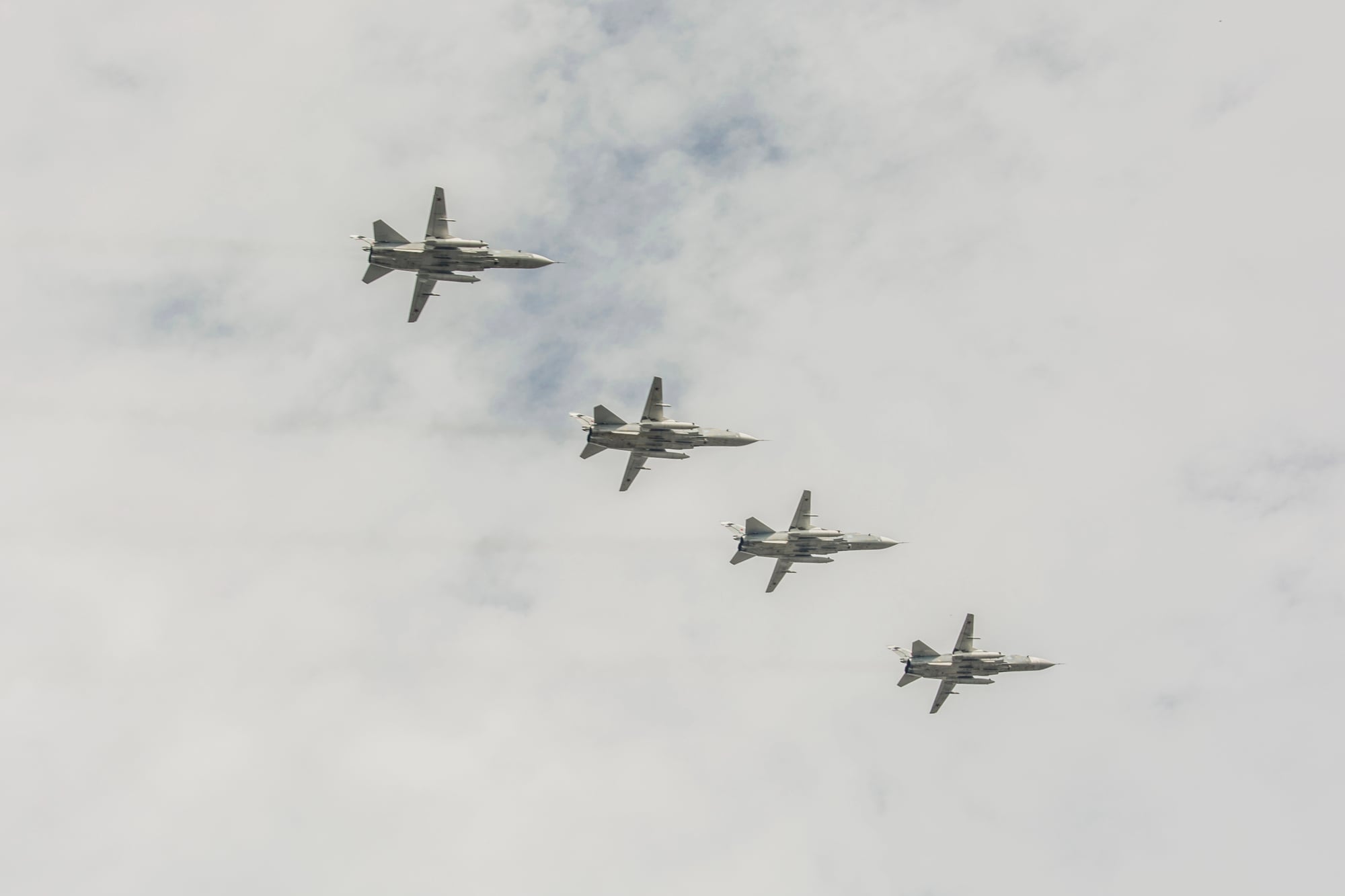
Air show pilots don’t just show up and wing it. They spend months flying identical practice routines over designated training areas that mirror the exact dimensions of the performance space.
These rehearsal flights happen at the same altitudes, same speeds, and same turning points they’ll use during the actual show. The routine becomes muscle memory—which matters when you’re pulling 6 Gs and rational thought becomes somewhat optional.
Radio Communication Happens in Code
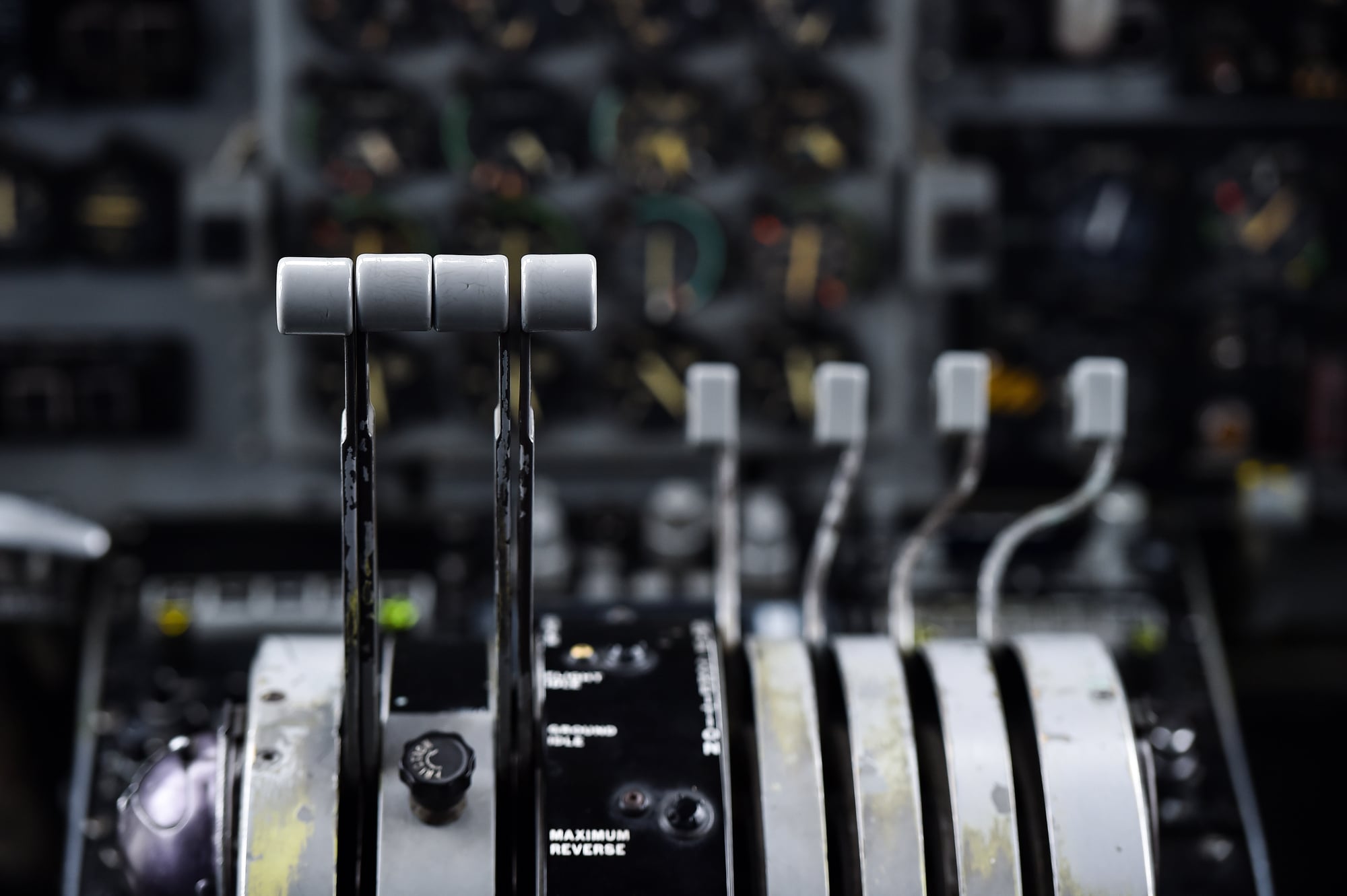
The chatter between formation pilots during aerial displays sounds like a series of rapid-fire numbers and single words, and there’s a reason for that efficiency: when aircraft are separated by mere feet and traveling at speeds where a single second of hesitation can turn a graceful maneuver into front-page news, every syllable matters more than most people realize in their daily conversations. So pilots develop shorthand codes that compress complex directional changes, altitude adjustments, and timing sequences into brief, unmistakable phrases that cut through radio static and engine noise—communications that sound almost musical in their rhythm once you understand that “ready, ready, now” might be the only warning before six aircraft execute a synchronized barrel roll that requires each pilot to trust completely that the others will be exactly where they promised to be.
But the real artistry lies in how these communications flow seamlessly beneath the roar of engines, invisible to spectators who see only the dance of aircraft against the sky without hearing the precise verbal choreography that makes it possible.
Weather Windows Are Measured in Minutes
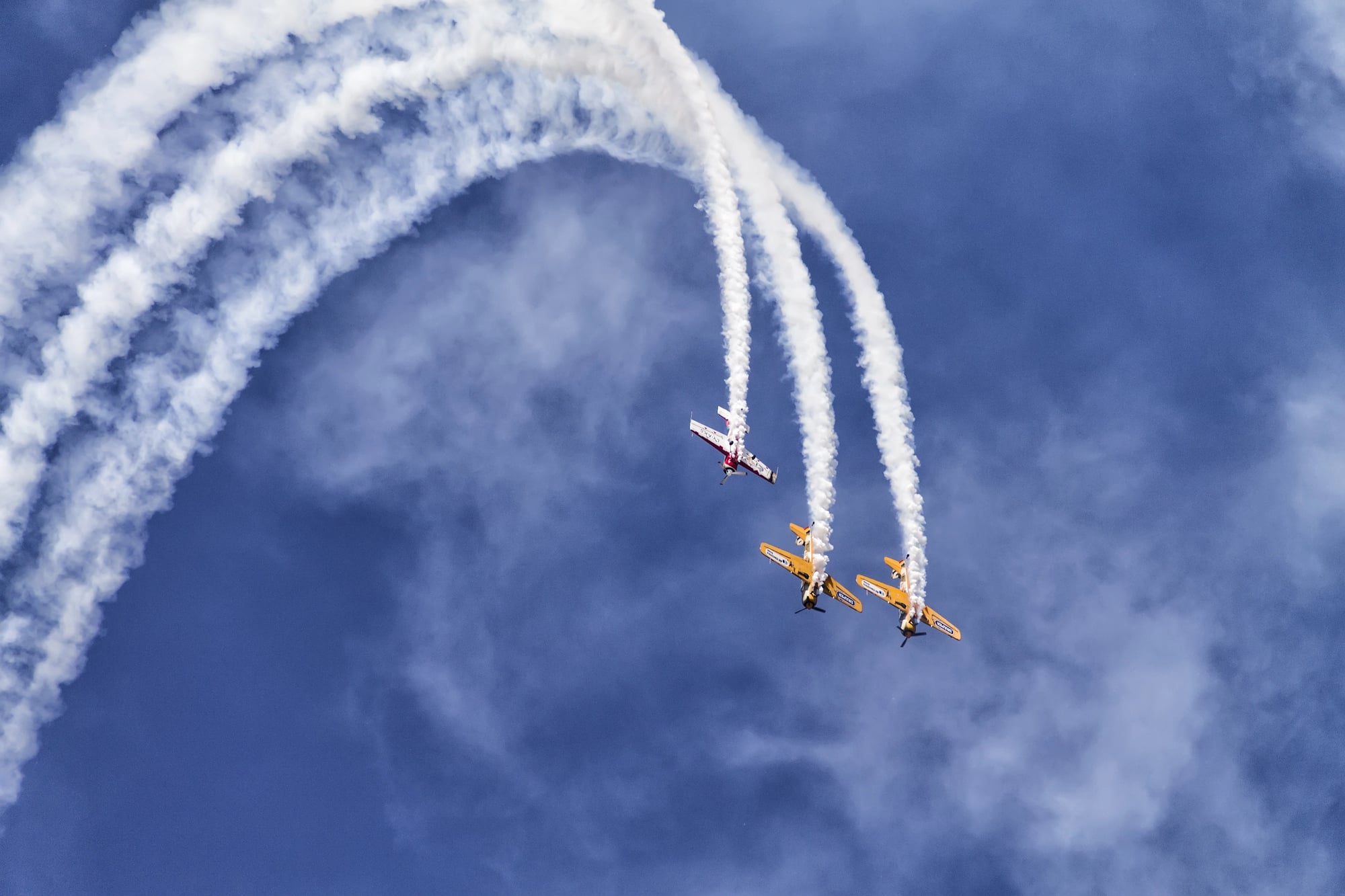
Air show organizers don’t cancel performances because of a light breeze. Wind speeds, visibility requirements, and cloud ceiling restrictions are measured with scientific precision.
Most aerobatic routines require a minimum cloud ceiling of 1,500 feet and crosswind components below 15 knots. When conditions sit right at these limits, the decision to fly or cancel often comes down to a ten-minute weather window.
Aircraft Modifications Cost More Than Houses

Those demonstration aircraft aren’t stock military planes with a fresh paint job—though that’s what they look like to most spectators sitting in folding chairs with their necks craned skyward, trying to capture the perfect photo with phones that can’t quite handle the speed and distance involved. The modifications required for aerobatic performance can run into the millions per aircraft: reinforced airframes to handle stress loads that normal operations would never encounter, specialized smoke systems, custom avionics for formation flying, and engines that have been rebuilt to tolerances tighter than what comes from the factory, because when you’re flying three feet from another aircraft while pulling forces that would render most people unconscious, “good enough” becomes a phrase that has no business existing in the maintenance hangar.
And that’s just the mechanical work—the paint schemes alone can cost more than most people spend on cars, since every surface needs to be balanced for weight distribution and treated for aerodynamic efficiency even as it’s designed to look spectacular from half a mile away.
The Perfect Formation Exists Only in Milliseconds
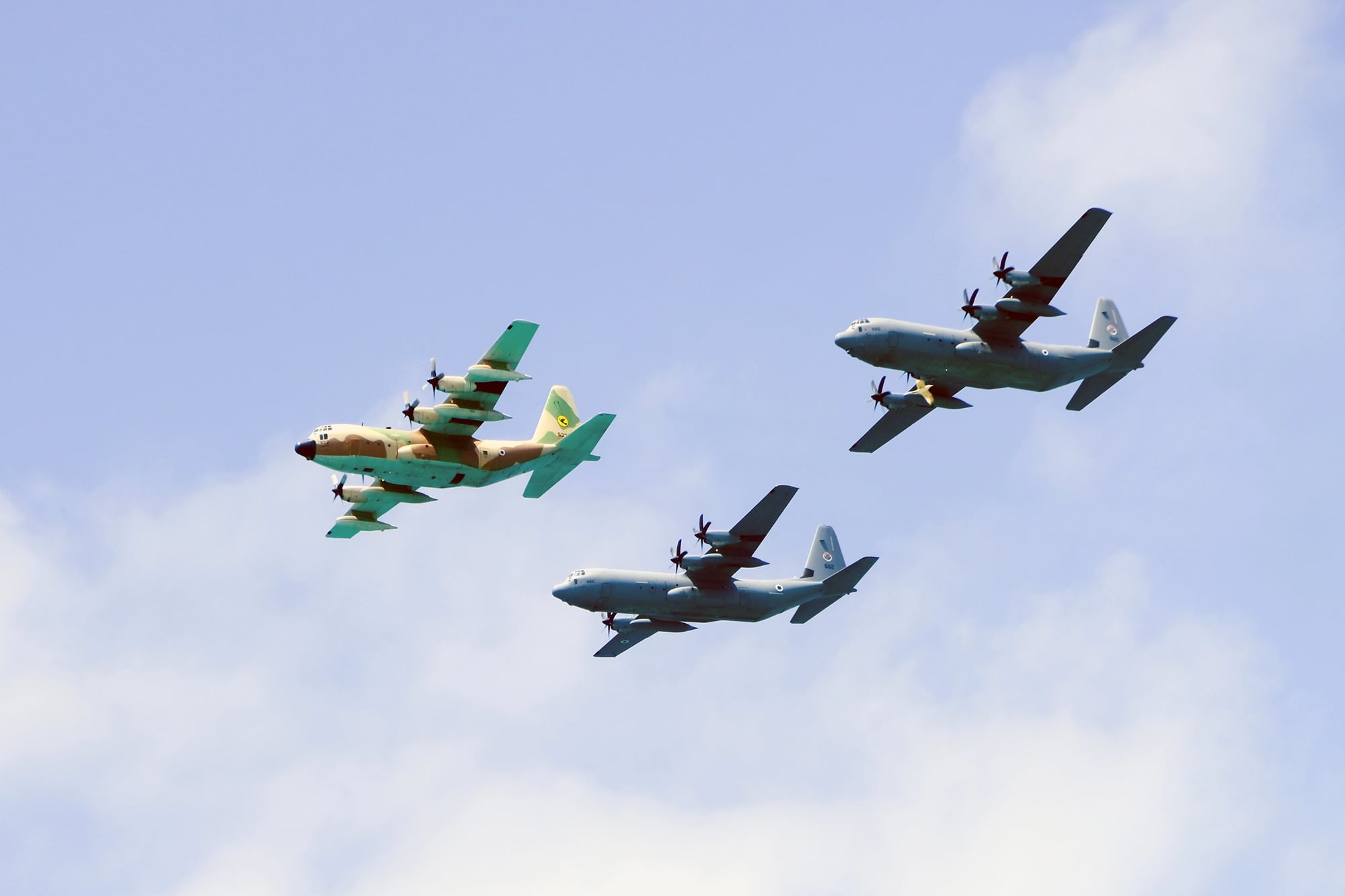
Watch an air show formation closely and you’ll notice something unsettling: the “perfect” diamond or line formation appears and disappears faster than most people can register what they’re seeing. Physics doesn’t allow multiple aircraft to maintain exact positioning while executing turns or altitude changes.
The magic happens in those brief moments when all aircraft align precisely, usually at the peak or completion of a maneuver. Everything else is controlled chaos disguised as precision.
Ejection Seats Are Usually Disabled
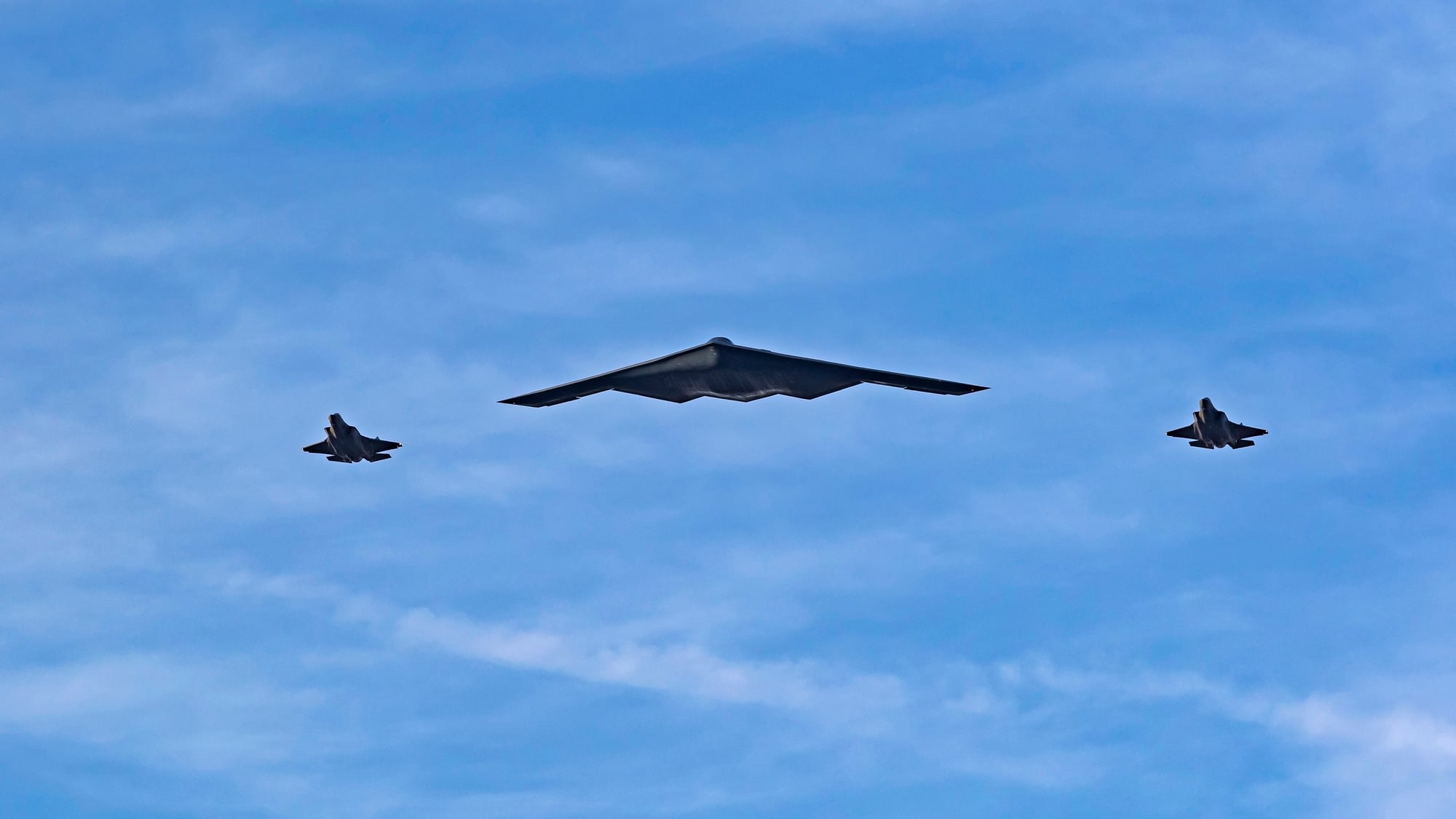
Most demonstration flights disable or remove ejection seat systems before performance flights. The reasoning makes perfect sense once you think about it: aerobatic maneuvers create G-forces and unusual attitudes that can accidentally trigger ejection sequences.
Pilots accept this trade-off because low-altitude aerobatics leave little time for ejection anyway. Better to focus entirely on flying the aircraft than worry about accidentally launching yourself into the sky.
Ground Crews Practice Emergency Procedures for Scenarios That Seem Impossible
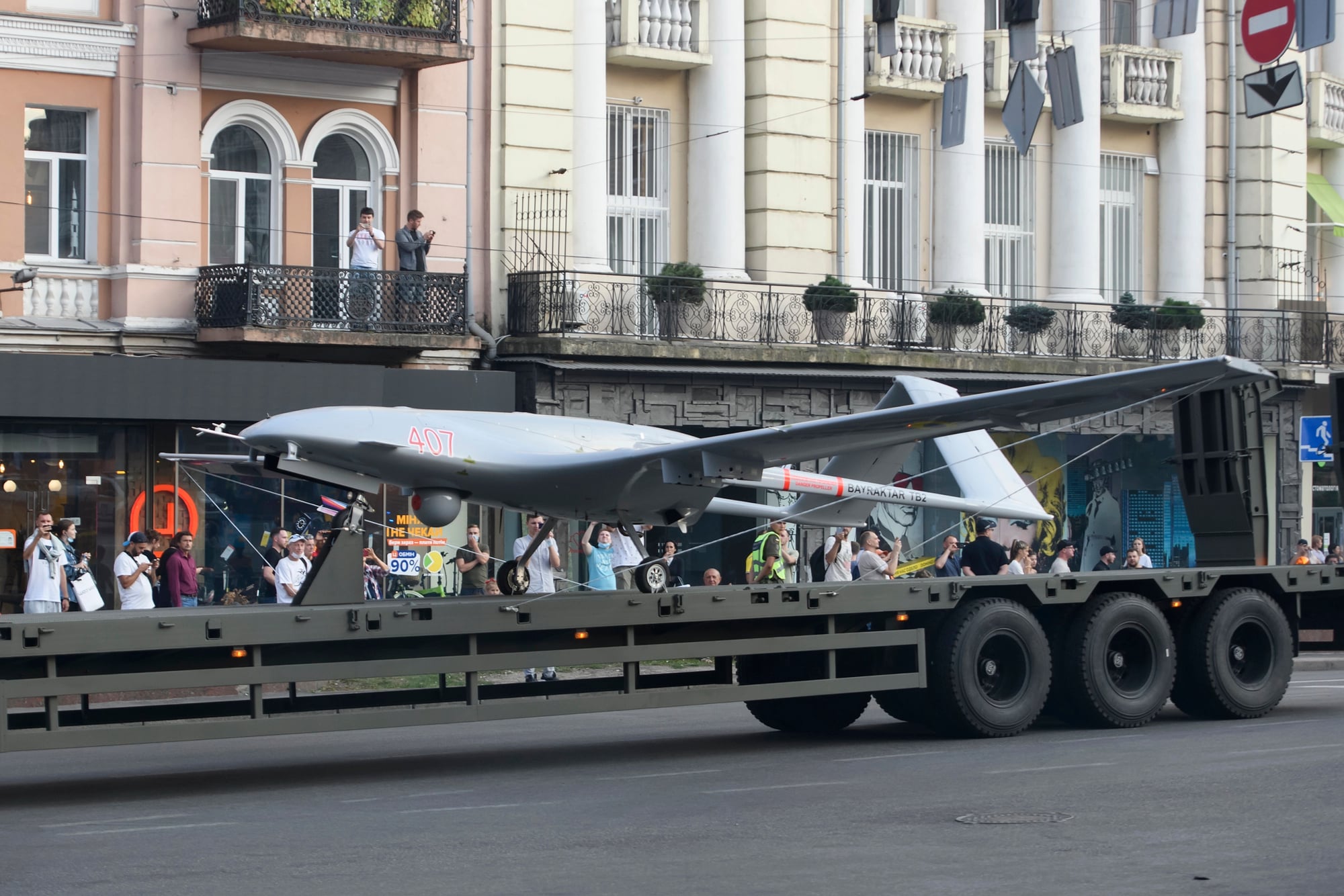
The teams of mechanics and safety personnel positioned around air show sites don’t just handle routine maintenance—they drill for emergency scenarios that sound like something out of an action movie, except these situations represent real possibilities when aircraft operate at the edge of their performance envelopes in front of crowds that number in the tens of thousands. So ground crews practice everything from engine failures during vertical climbs to hydraulic malfunctions that occur mid-formation, and they time their responses with stopwatches because the difference between a 30-second emergency reaction and a 45-second one can determine whether a mechanical problem becomes a minor incident or a major tragedy, though spectators rarely think about the coordination happening behind the scenes (the radio chatter, the emergency vehicle positioning, the medical teams on standby) that makes the whole spectacle possible.
And the most experienced crews will tell you that the scenarios they train for aren’t worst-case imagination exercises—they’re based on actual incidents that have happened at air shows around the world, which means every drill represents someone else’s close call turned into institutional knowledge.
Altitude Limits Exist for Safety and Sound
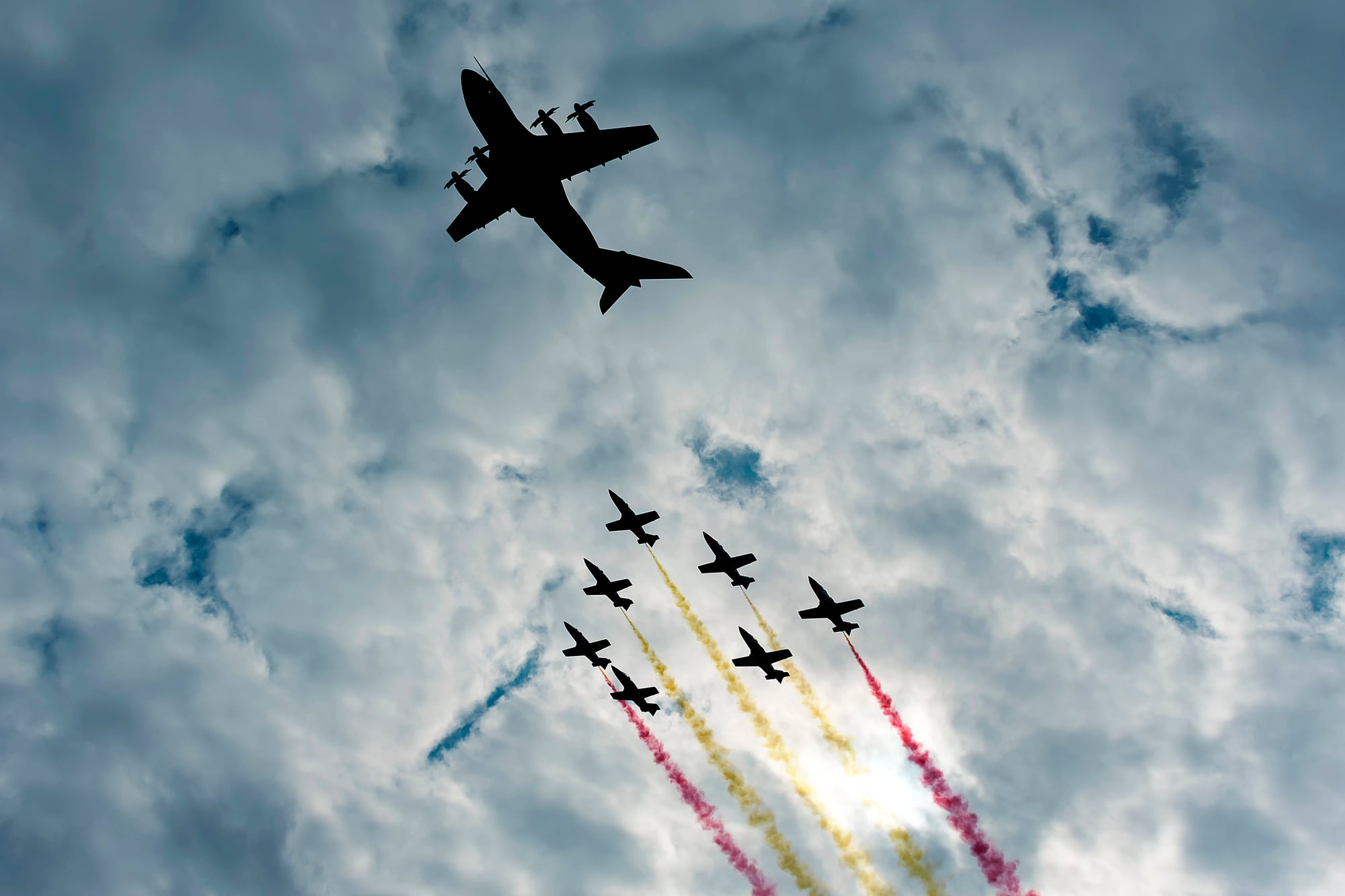
Air shows operate under strict altitude minimums that vary by aircraft type and maneuver. Single-engine aerobatic aircraft often can’t fly below 500 feet during performance, while larger formation flights might have 1,000-foot restrictions.
These rules exist as much for noise control as safety. Jet engines at full power below certain altitudes create sound levels that can cause hearing damage to ground spectators.
Timing Is Synchronized to Air Traffic Control
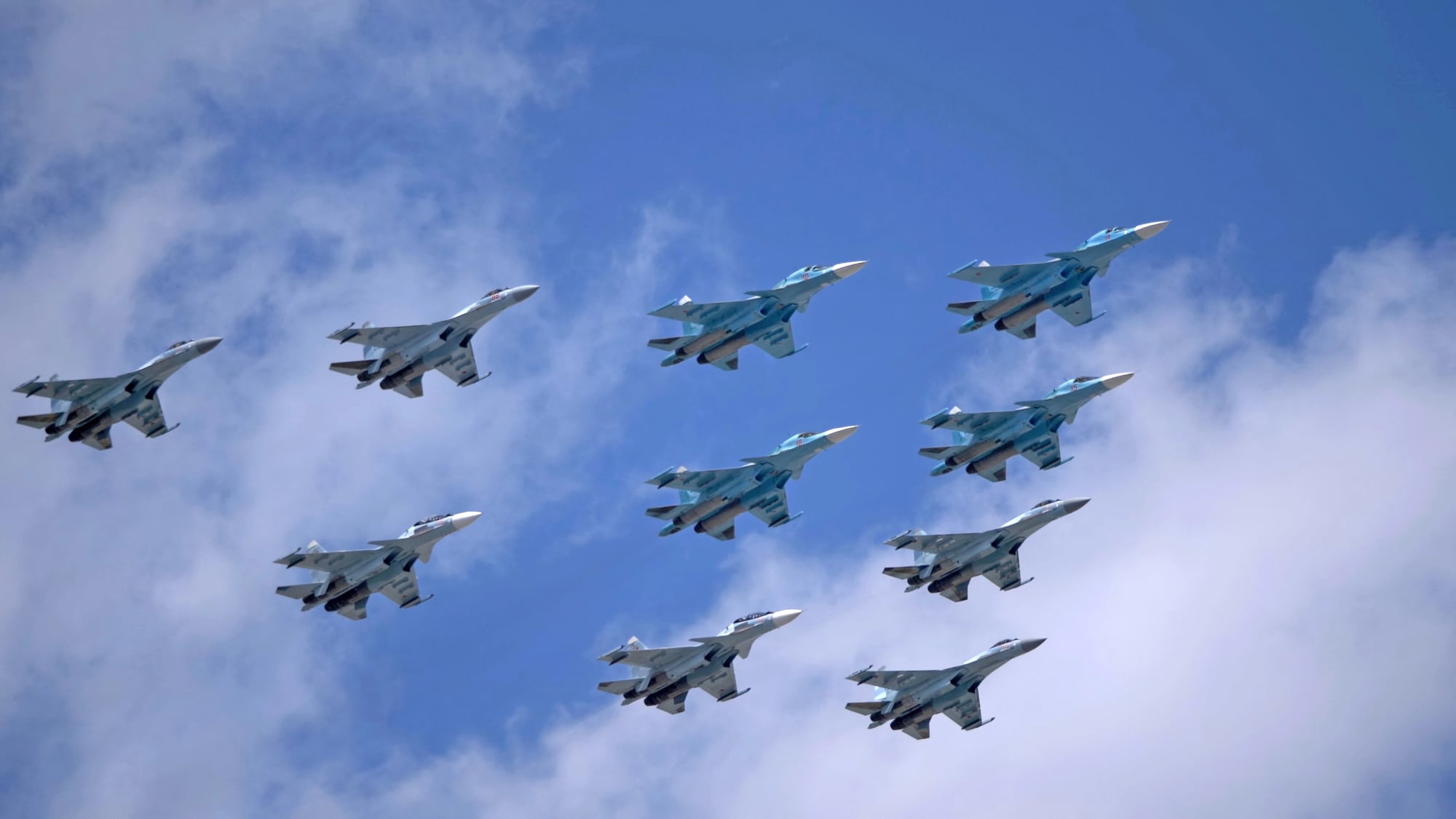
Air shows don’t happen in isolated airspace. Demonstration flights must coordinate with regular air traffic control systems, which means commercial airlines might be rerouted around aerobatic performances.
The timing windows are planned months in advance, but pilots still receive real-time updates about nearby aircraft. Nothing quite matches the radio professionalism of a pilot announcing they’re about to begin inverted flight while an airline captain requests permission to climb to 35,000 feet five miles away.
Some Maneuvers Are Optical Illusions
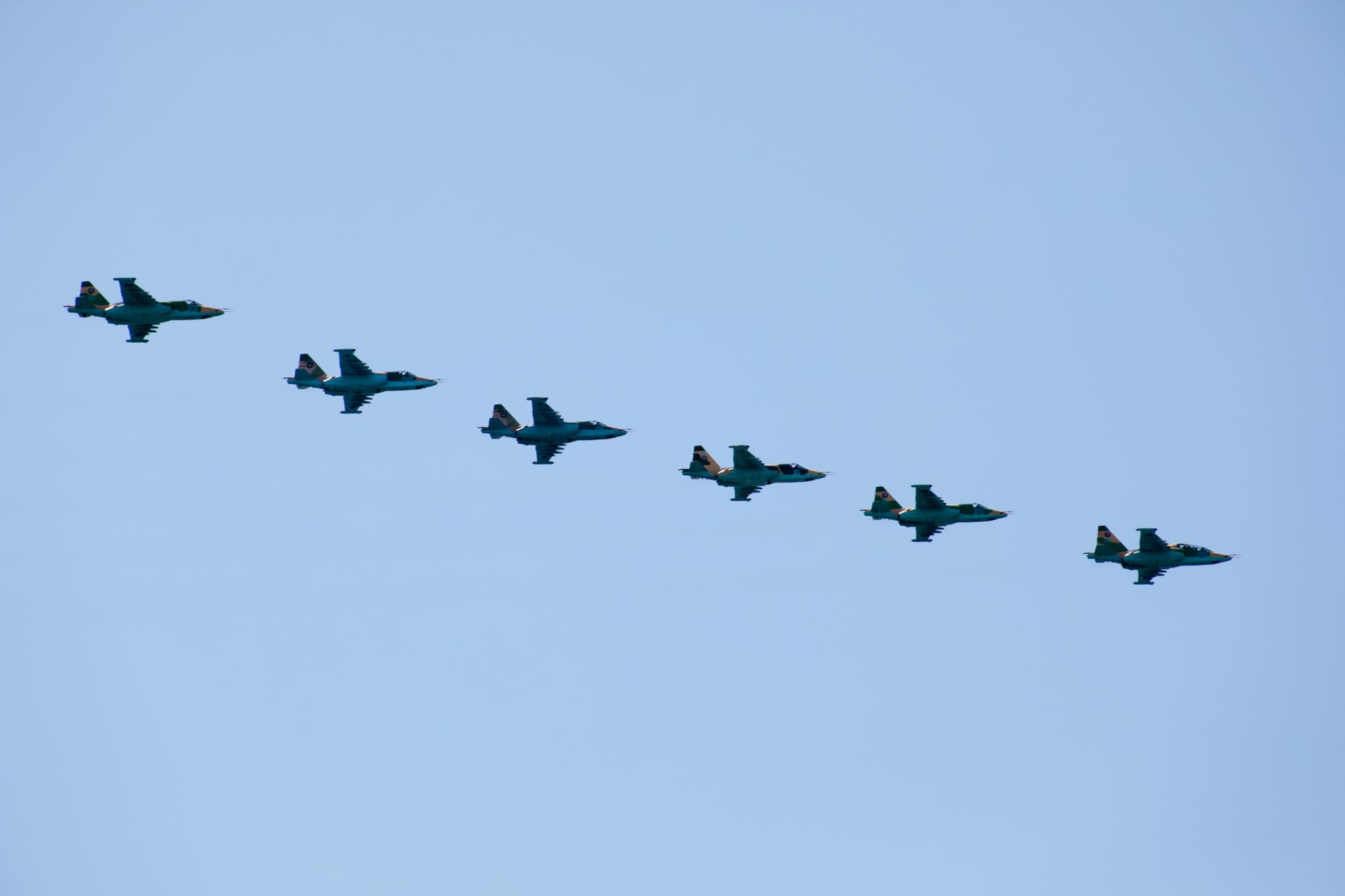
Several crowd-favorite maneuvers rely more on visual perspective than actual proximity between aircraft—and there’s something both disappointing and reassuring about learning this, like discovering that your favorite magic trick has a perfectly logical explanation that somehow makes the performance more impressive rather than less so. The “knife-edge pass,” where two aircraft appear to fly directly toward each other before veering away at the last possible second, often involves altitude separations of 100 feet or more, though from the ground the aircraft look like they’re occupying the same space until physics intervenes; similarly, the “bomb burst” maneuver where multiple aircraft explode outward from a central point creates the illusion of a near-collision that never actually occurred, since each pilot follows a predetermined flight path that only intersects with the others when viewed from a specific ground angle.
But these aren’t shortcuts or cheats—they’re examples of how experienced aviators understand that the most spectacular aerial displays work with human perception rather than against it, creating moments of apparent impossibility that feel more dramatic than actual danger ever could.
Fuel Consumption Rates Defy Logic
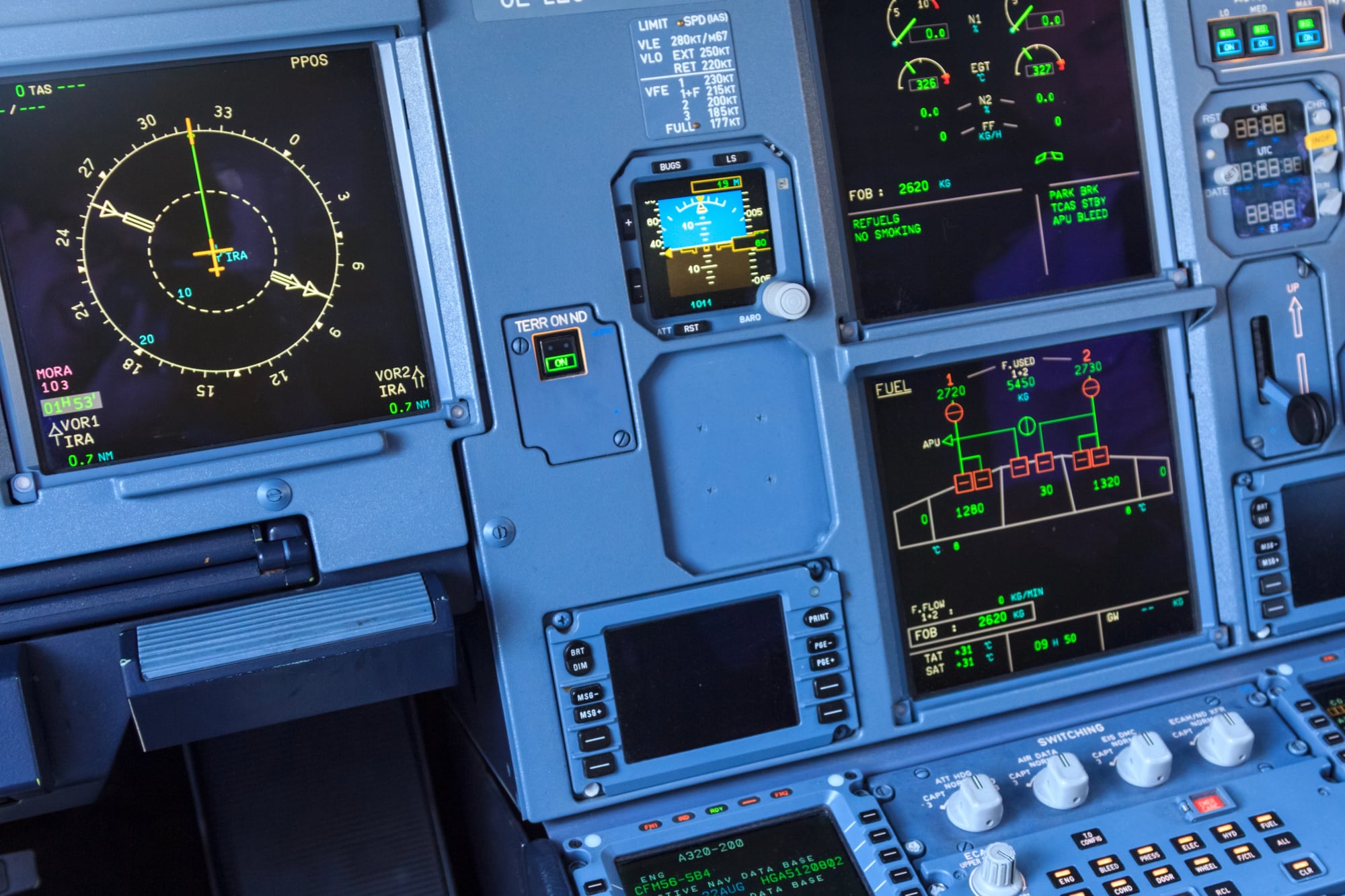
Aerobatic flight burns fuel at rates that would bankrupt most small airlines. A single 15-minute demonstration flight can consume more fuel than the same aircraft would use for two hours of normal cruising.
This happens because aerobatic maneuvers require constant power changes, afterburner use, and flight attitudes that destroy fuel efficiency. Some jets burn 300 gallons per hour during air show routines compared to 80 gallons per hour in normal flight.
The Sky Becomes a Stage Where Precision Meets Poetry
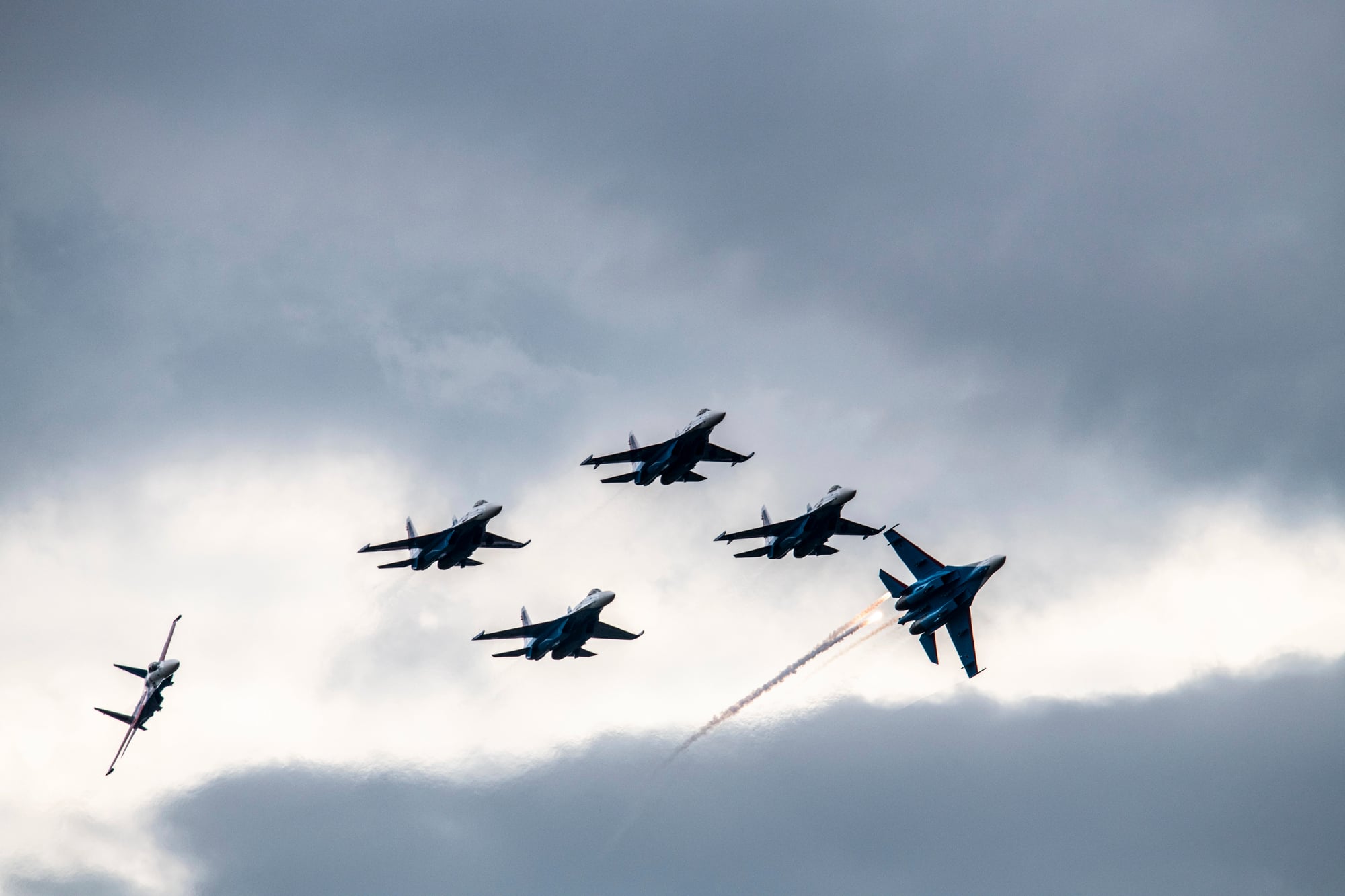
After learning about the mathematics, the radio codes, the fuel consumption rates, and the millisecond timing windows that make aerial displays possible, it becomes clear that air shows represent something more complex than military aircraft performing for entertainment. They’re demonstrations of human capability operating at the outer limits of what’s technically feasible, where the margin for error approaches zero and the consequences of miscalculation remain absolute.
Every formation that holds its shape through a vertical climb, every smoke trail that traces a perfect arc across summer sky, every synchronized roll that appears effortless from the ground—all of it represents the collaboration between human skill and mechanical precision pushed to levels that most other activities never approach, much less sustain for public display.
More from Go2Tutors!

- The Romanov Crown Jewels and Their Tragic Fate
- 13 Historical Mysteries That Science Still Can’t Solve
- Famous Hoaxes That Fooled the World for Years
- 15 Child Stars with Tragic Adult Lives
- 16 Famous Jewelry Pieces in History
Like Go2Tutors’s content? Follow us on MSN.



