Largest Volcanic Eruptions Recorded in Recent History
When the earth decides to remind humanity just how small and powerless we really are, it doesn’t send a memo. It sends molten rock shooting miles into the atmosphere, ash clouds that circle the globe, and temperatures that plummet worldwide. The largest volcanic eruptions in recorded history have reshaped coastlines, altered global climate, and left their mark on human civilization in ways we’re still discovering today.
These aren’t just geological events—they’re moments when the planet flexes its muscles and everything else, including us, has to adapt or perish.
Mount Tambora, Indonesia (1815)
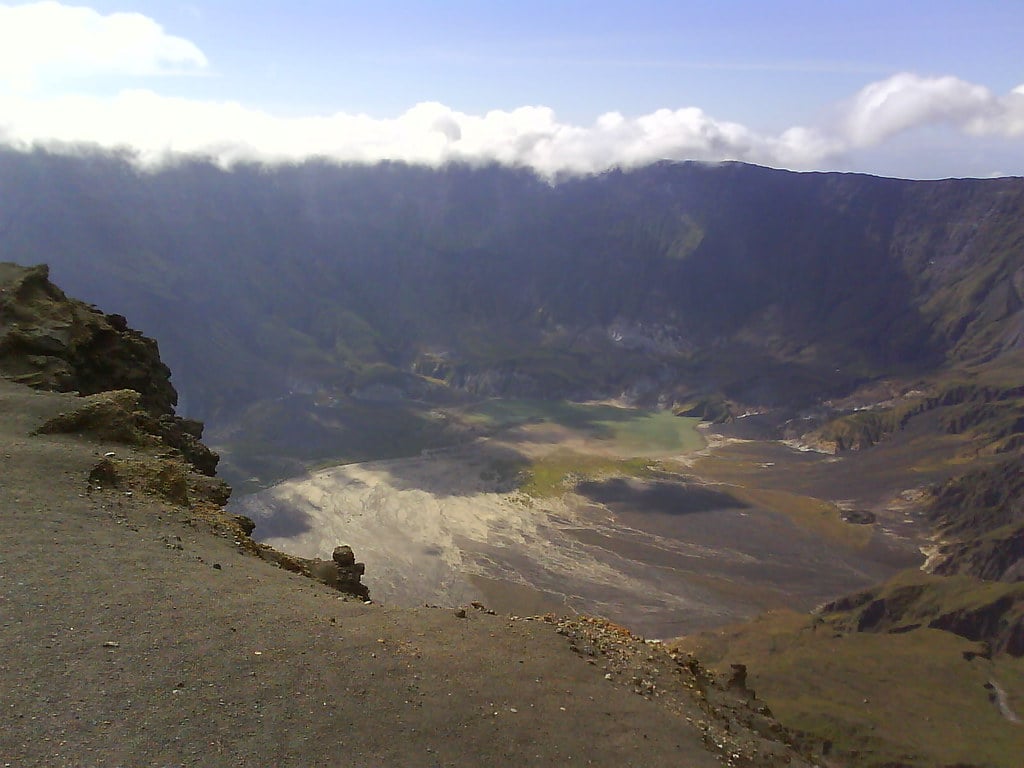
Tambora doesn’t mess around. The 1815 eruption killed roughly 71,000 people and created “the year without a summer” across the Northern Hemisphere.
Crops failed worldwide. People starved.
The explosion was heard 1,200 miles away. Think about that distance for a moment—it’s like standing in New York and clearly hearing a sound from Miami.
Krakatoa, Indonesia (1883)
The psychological weight of a sound that travels four times around the earth is hard to grasp, but that’s exactly what happened when Krakatoa detonated in 1883. The explosion (and here’s where the mind starts to bend under the enormity of it all) was so loud that it ruptured the eardrums of sailors 40 miles away, and the pressure wave—this invisible fist of compressed air—circled the globe seven times before finally dissipating into something resembling ordinary atmospheric movement.
So complete was the destruction that two-thirds of the island simply vanished. Gone. The tsunamis that followed reached heights of 130 feet, and ash fell as far as 3,000 miles from the source, which means people in places who had never heard of this Indonesian island suddenly found themselves sweeping volcanic debris from their doorsteps.
Galunggung, Indonesia (1822)
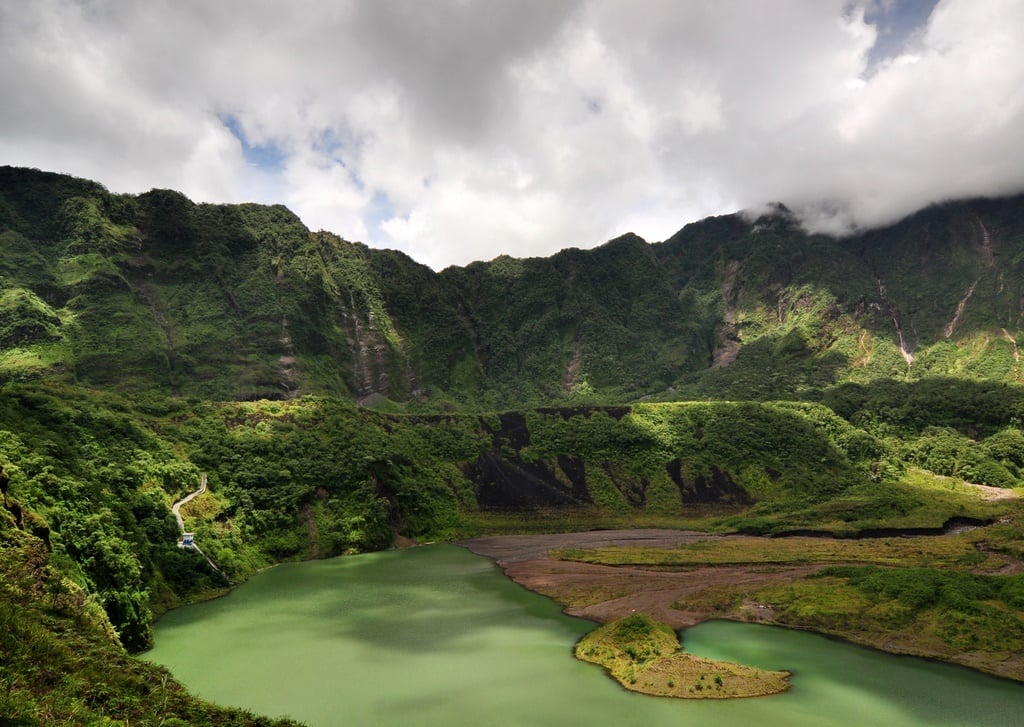
Galunggung proves that Indonesia takes volcanic eruptions seriously. This 1822 blast killed over 4,000 people and ejected enough material to bury entire villages under 20 feet of volcanic debris.
The eruption column reached nearly 50,000 feet into the atmosphere—roughly nine miles high. For perspective, commercial airlines typically fly at about 6-7 miles high.
This thing punched through five times that altitude and kept going.
Mayon Volcano, Philippines (1814)
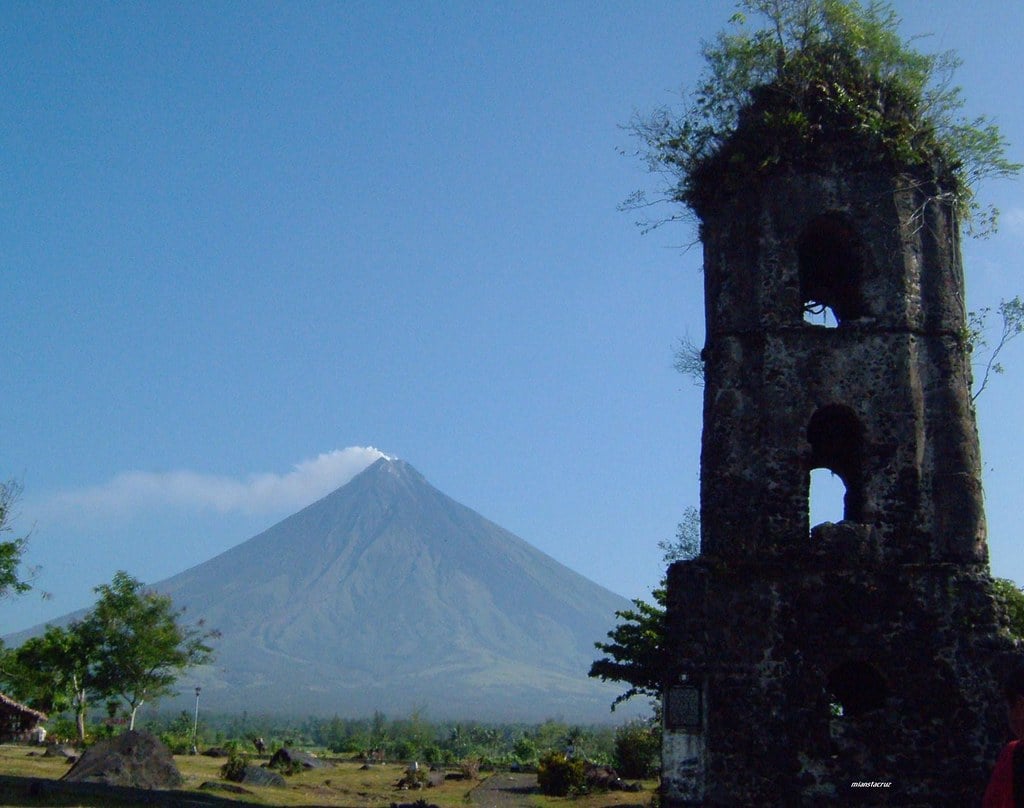
There’s something almost theatrical about the way Mayon Volcano destroyed five towns in February 1814, as if the mountain had been quietly rehearsing this performance for decades before finally taking the stage. The eruption lasted only a few days, but those days unfolded with the kind of relentless intensity that makes you understand why ancient people invented gods to explain such events—because what else do you call a force that can bury entire communities under cascading rivers of superheated rock and ash, then stand there afterward, its perfect cone shape barely altered, as if nothing had happened at all.
The pyroclastic flows moved faster than anyone could run, which is a detail that sits heavily in the mind. People saw it coming.
They just couldn’t outrun it. Over 2,200 people died, and the survivors found themselves in a landscape so thoroughly transformed that familiar landmarks had simply ceased to exist.
Laki, Iceland (1783-1784)
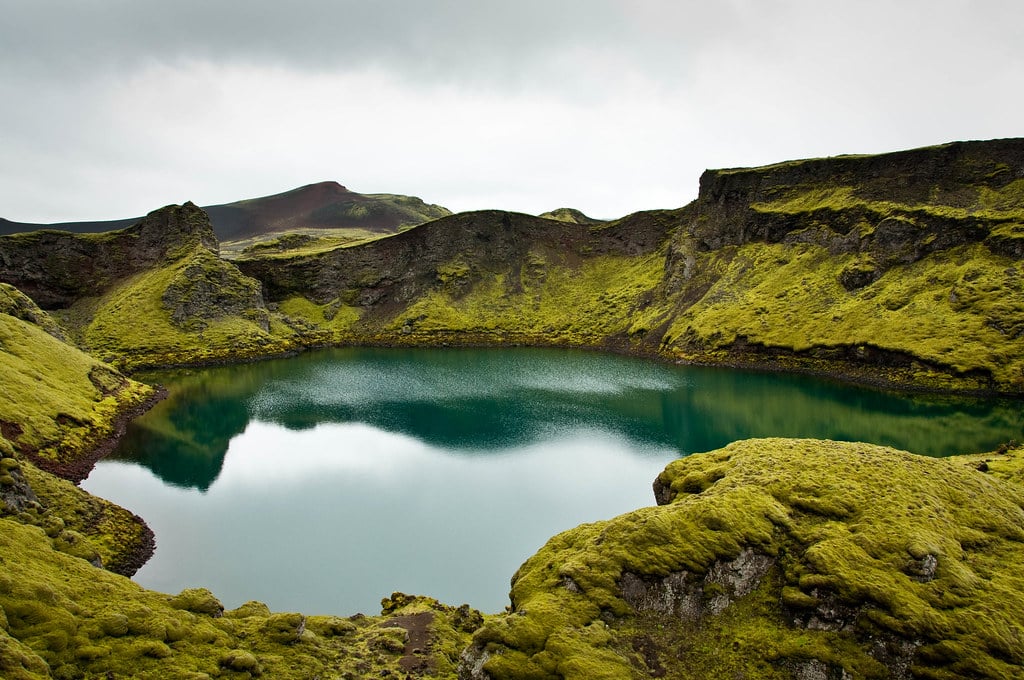
The Laki eruption doesn’t get the attention it deserves, which is unfortunate because few volcanic events have demonstrated the interconnectedness of global systems quite so dramatically. This wasn’t a single explosive moment but an eight-month-long fissure eruption that poisoned Iceland’s air and water, killed most of the island’s livestock, and then—because the atmosphere doesn’t respect national boundaries—proceeded to disrupt weather patterns across Europe and beyond.
In Iceland, the death toll reached 20% of the population. But the real story lies in how the volcanic gases and particles affected global climate, contributing to extreme weather that may have helped trigger social unrest leading to the French Revolution.
Volcanoes, it turns out, don’t just reshape landscapes.
Mount Unzen, Japan (1792)
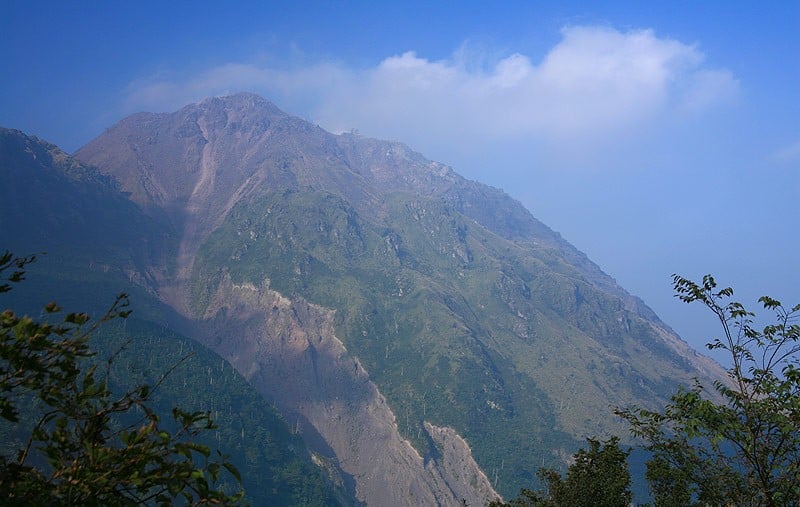
Mount Unzen killed 15,000 people in 1792, making it Japan’s deadliest volcanic disaster. The mountain had been rumbling for months before the main event, which should have been warning enough.
But the real killer wasn’t the eruption itself—it was the landslide that followed. An entire section of the mountain collapsed into the sea, creating tsunamis that reached 30 to 60 feet high across Ariake Bay.
The waves traveled across Ariake Bay and demolished everything in their path.
Cotopaxi, Ecuador (1744 and 1877)
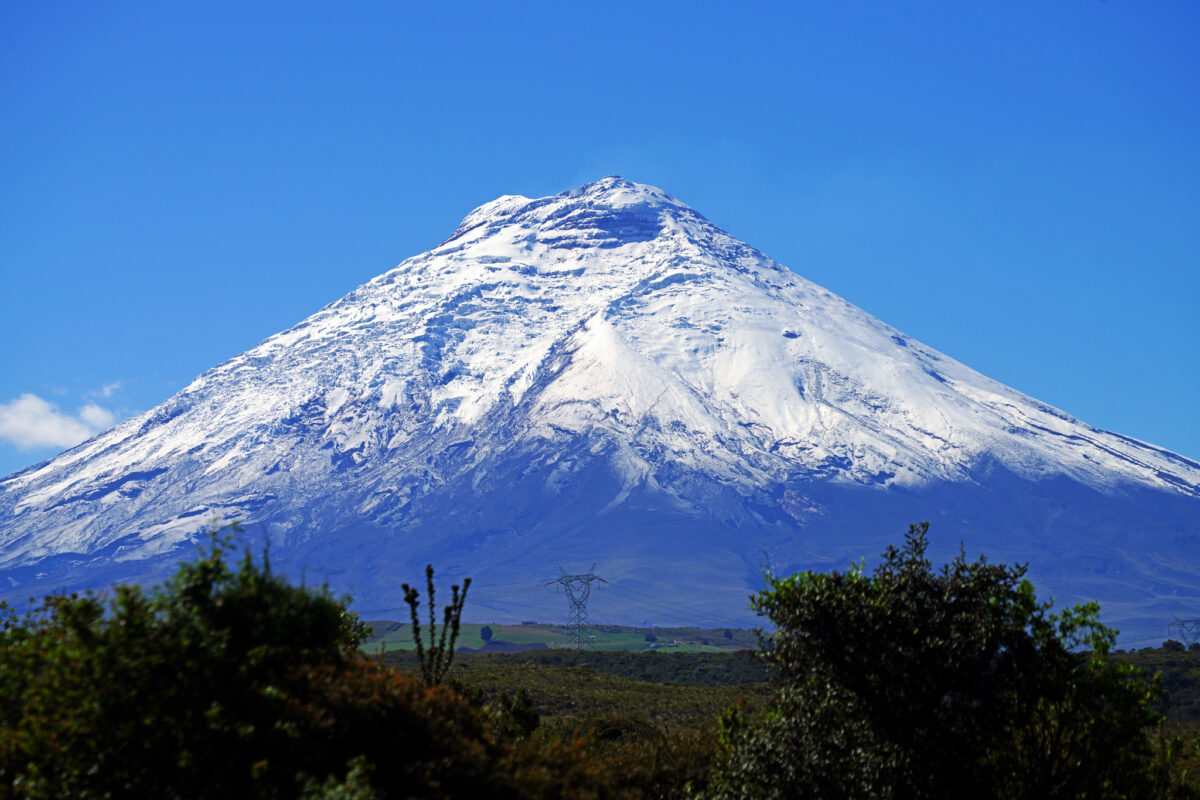
The thing about Cotopaxi is that it sits there looking deceptively peaceful, its snow-covered peak rising nearly 20,000 feet above sea level, and then it decides to melt all that ice and snow in a matter of hours, sending massive lahars (volcanic mudflows, if you need the technical term) racing down the mountainside at speeds that make highway traffic look leisurely. The 1744 eruption destroyed the city of Latacunga completely—not damaged it, destroyed it—and when Cotopaxi erupted again in 1877, it destroyed Latacunga again, because apparently some lessons require repetition.
And here’s what makes this particularly unsettling: Cotopaxi is still active. The people who rebuilt Latacunga after 1877 knew this perfectly well.
They rebuilt it anyway, in roughly the same spot, because sometimes human optimism and geographical necessity create strange partnerships.
Mount Pelee, Martinique (1902)
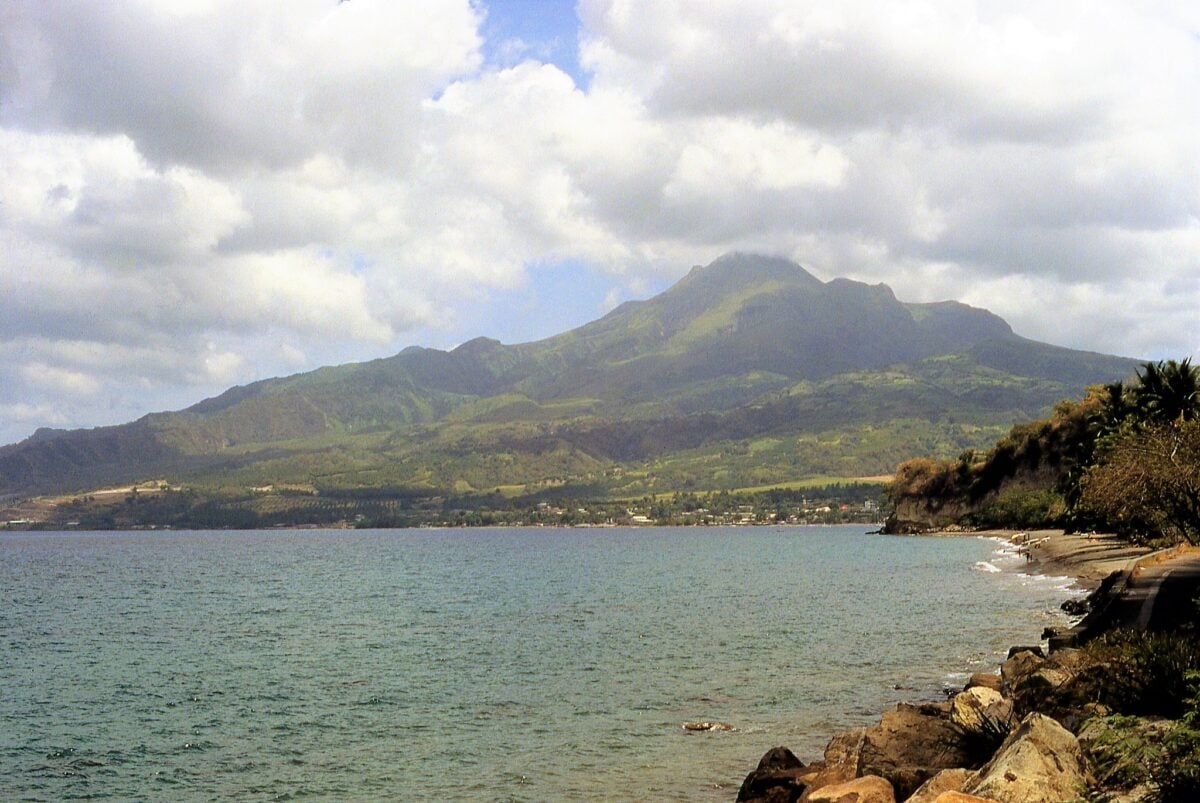
Mount Pelee holds the distinction of producing the deadliest pyroclastic flow in recorded history. The 1902 eruption wiped out the city of Saint-Pierre in minutes, killing nearly 30,000 people.
The flow moved at 100 miles per hour and reached temperatures of 1,800 degrees Fahrenheit. Only two people in the entire city survived—one of them a prisoner in an underground cell.
Sometimes the worst place to be turns out to be the safest.
Nevado del Ruiz, Colombia (1985)
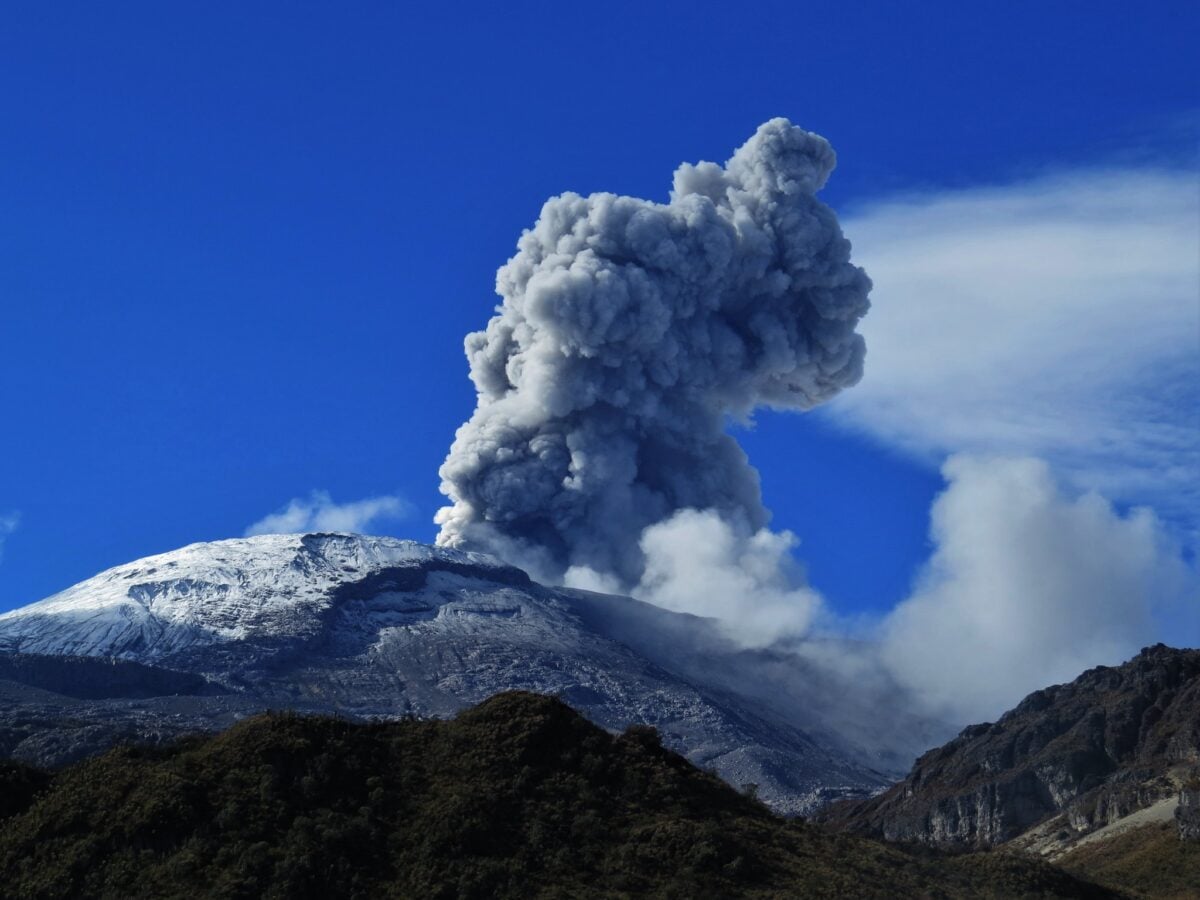
What happened at Nevado del Ruiz in 1985 reads like a case study in how volcanic eruptions can turn ordinary geography into a death trap, and how human settlement patterns that make perfect sense during peaceful times can become catastrophically dangerous when the mountains decide to wake up. The eruption itself was relatively modest by volcanic standards, but it melted the snow and ice on the mountain’s peak, creating lahars that traveled 60 miles down river valleys at 40 miles per hour—fast enough to overtake anyone trying to flee on foot, but slow enough that proper warning systems could have saved thousands of lives.
The town of Armero, population 29,000, was built on deposits from previous lahars. The residents were living, quite literally, on evidence of what could happen to them.
But geological memory is short when measured against human lifespans. Over 23,000 people died when the mudflows reached Armero.
Most were asleep.
Santa Maria, Guatemala (1902)
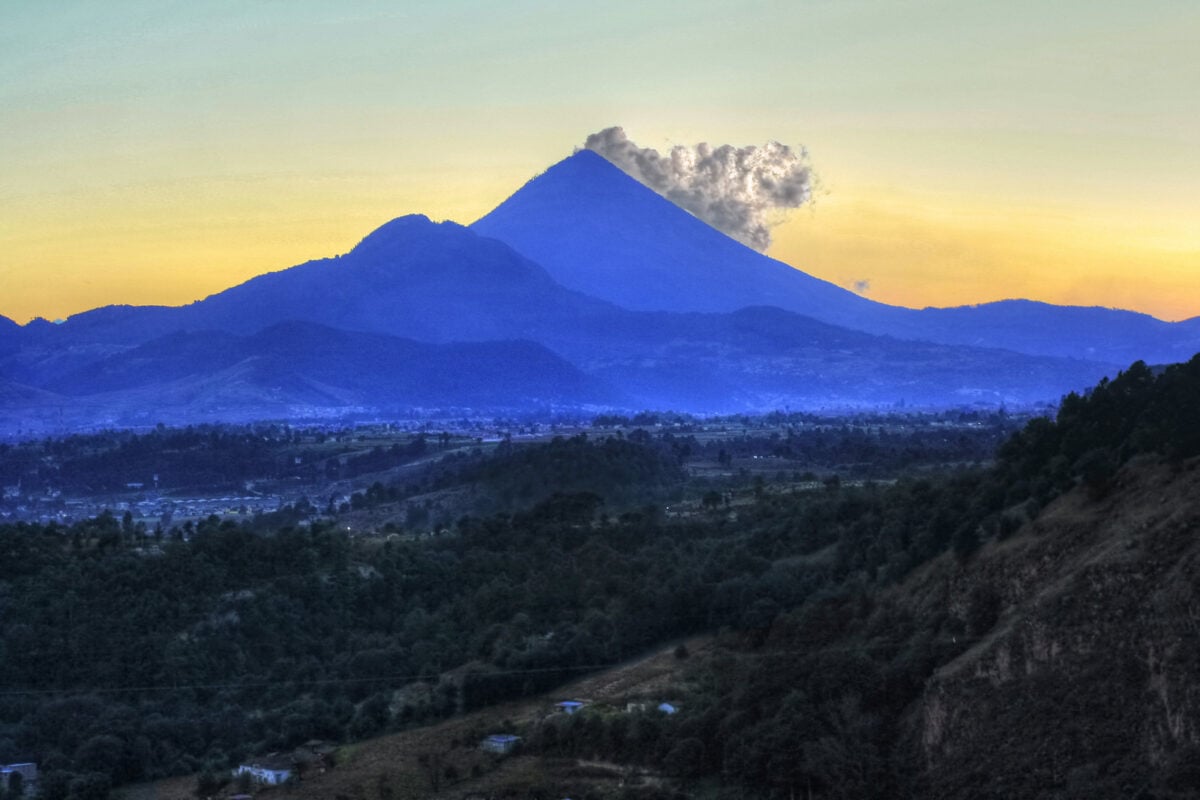
Santa Maria’s 1902 eruption was one of the largest of the 20th century, and Guatemala felt every bit of its power. The explosion created a crater over a mile wide and ejected roughly 20 cubic kilometers of material into the atmosphere.
The eruption was heard 1,000 miles away in Costa Rica. Ash fell as far as San Francisco.
The death toll reached 6,000, but given the scale of destruction, it could have been much worse if not for the relatively sparse population in the immediate area.
Hibok-Hibok, Philippines (1951)
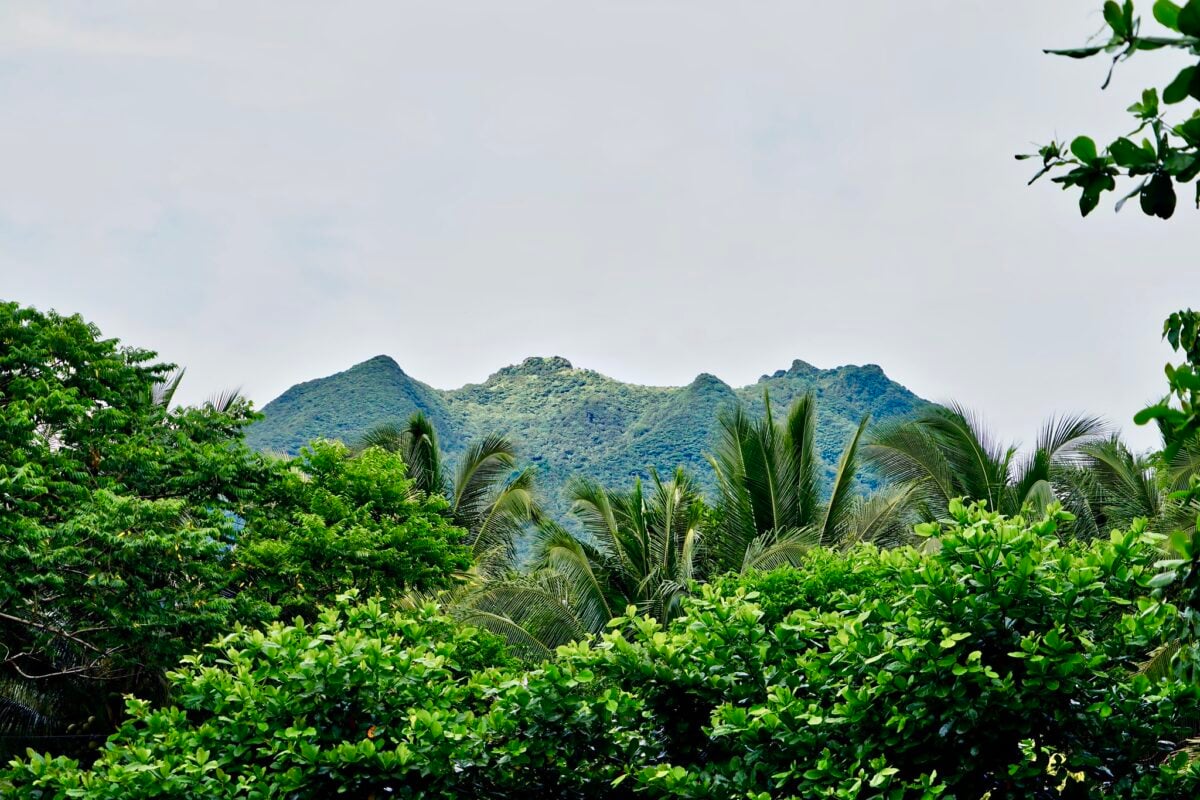
Hibok-Hibok killed 500 people in 1951 through a series of pyroclastic flows that caught many residents off guard. The mountain had been showing signs of unrest, but the final eruption sequence unfolded faster than evacuation efforts could manage.
This eruption highlighted the deadly efficiency of pyroclastic flows—superheated gas and rock fragments that move like avalanches but burn everything they touch. No amount of physical fitness or quick thinking helps when you’re facing something that moves at 60 miles per hour and reaches temperatures that vaporize organic matter on contact.
Kelud, Indonesia (1919)
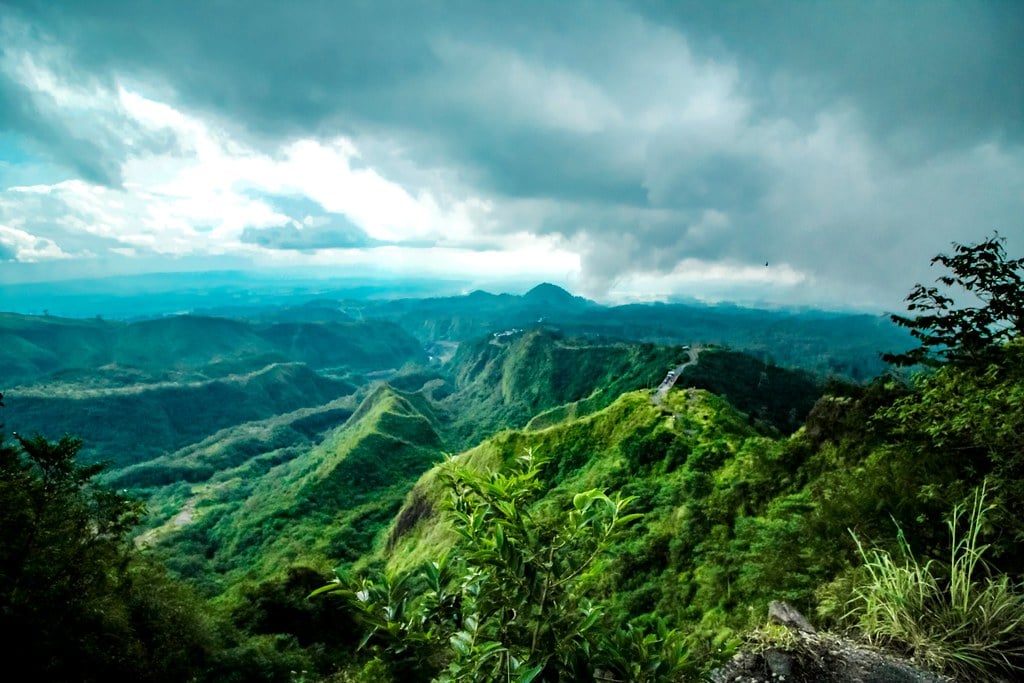
Kelud’s 1919 eruption demonstrates how volcanic lakes can transform from scenic features into weapons of mass destruction. The mountain’s crater lake contained 40 million cubic meters of water, which sounds like a lot because it is—roughly 16,000 Olympic swimming pools worth.
When the eruption began, all that water mixed with volcanic material to create massive lahars that swept down the mountainside and killed over 5,000 people. The Indonesian government later built tunnels to drain the crater lake, which shows remarkable foresight for 1920s engineering projects.
Agung, Indonesia (1963)
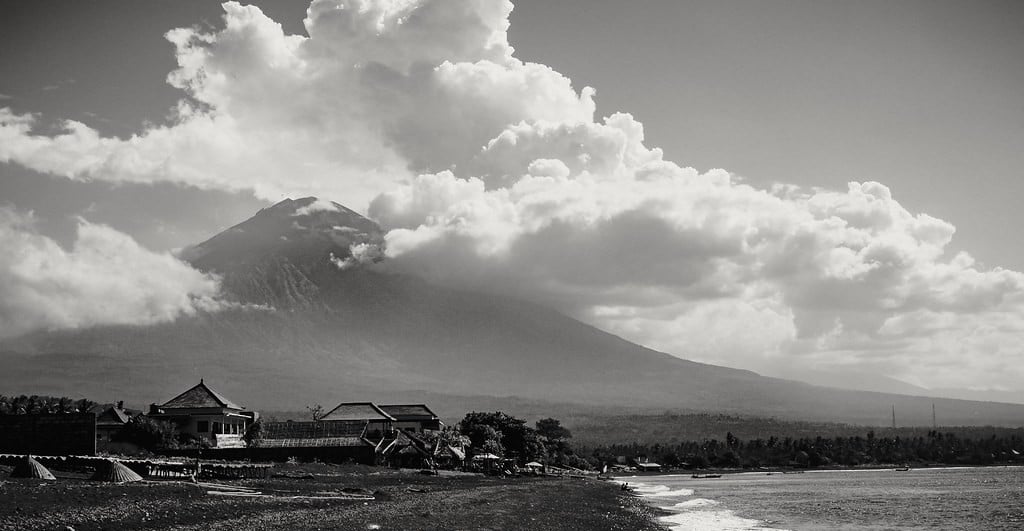
Agung’s 1963 eruption killed 1,100 people and displaced over 85,000 others from their homes. The eruption column reached 16 miles high and ejected enough sulfur dioxide into the atmosphere to measurably cool global temperatures for several years.
The pyroclastic flows traveled up to 7 miles from the crater, moving fast enough to overtake fleeing villagers but leaving behind a landscape so thoroughly sterilized that it took decades for vegetation to return to some areas.
The Earth Keeps Its Own Schedule
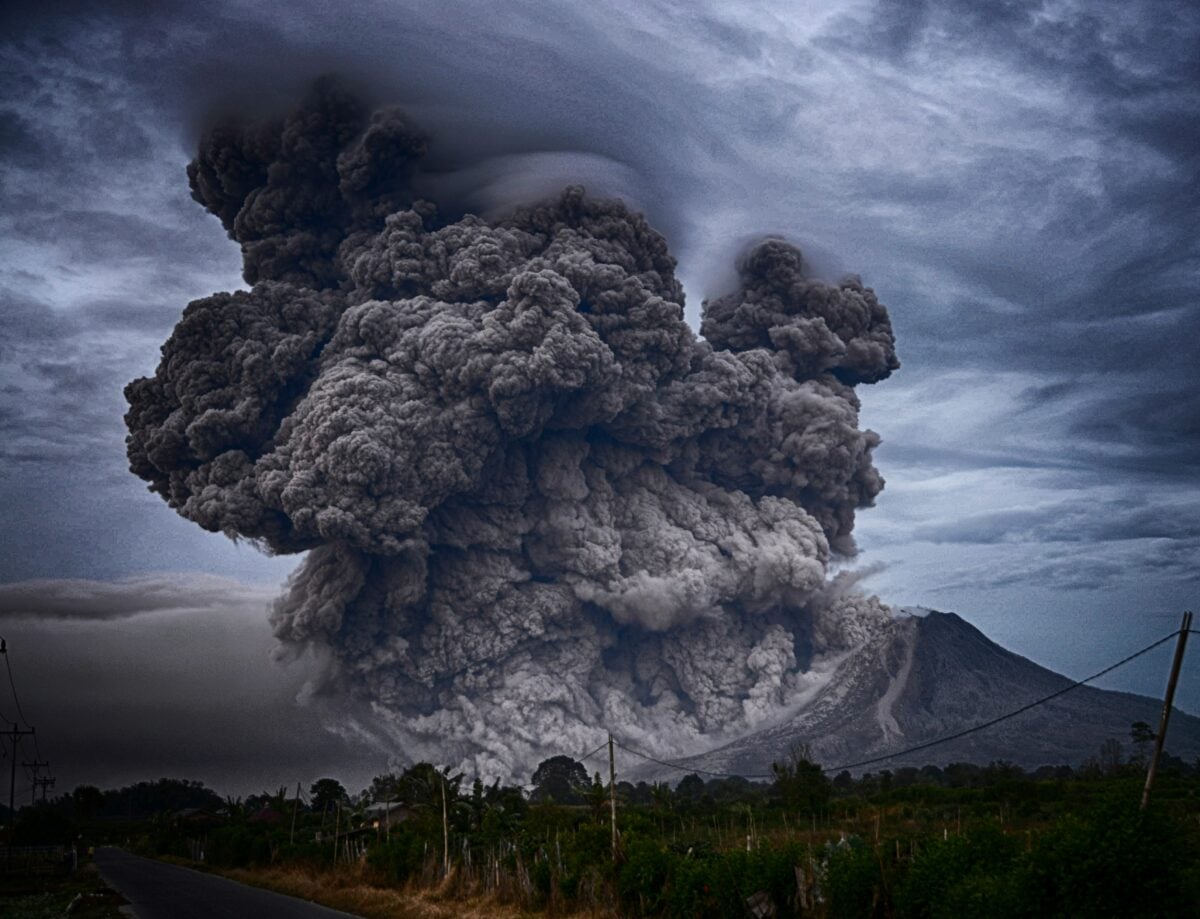
These eruptions remind us that geological time operates on a completely different scale than human time, and the planet’s most dramatic events rarely coordinate with our calendars or convenience. The volcanoes that reshaped recent history are still there, many of them still active, quietly building pressure for performances we can’t predict or prevent.
What we can do is remember that the ground beneath our feet is temporary, that the mountains around us are not permanent fixtures but active participants in ongoing geological processes that dwarf human civilization in both scope and timeline. The largest eruptions in recorded history are probably not the largest eruptions the earth has produced—they’re just the ones we happened to be around to witness and document.
More from Go2Tutors!

- The Romanov Crown Jewels and Their Tragic Fate
- 13 Historical Mysteries That Science Still Can’t Solve
- Famous Hoaxes That Fooled the World for Years
- 15 Child Stars with Tragic Adult Lives
- 16 Famous Jewelry Pieces in History
Like Go2Tutors’s content? Follow us on MSN.