Famous Books That Were Written In Prison
Prison walls have contained some of history’s most creative minds.
And while incarceration is meant to be punishment, it’s also given writers something pretty valuable: time.
Lots and lots of time.
When you strip away everything else, sometimes all that’s left is a person and their thoughts, and occasionally those thoughts become books that outlive empires.
It’s kind of wild when you think about it—some of the most influential texts in human history were written by people who had literally nothing but time and a pen.
Here’s a look at some books that were born behind bars.
Don Quixote by Miguel de Cervantes
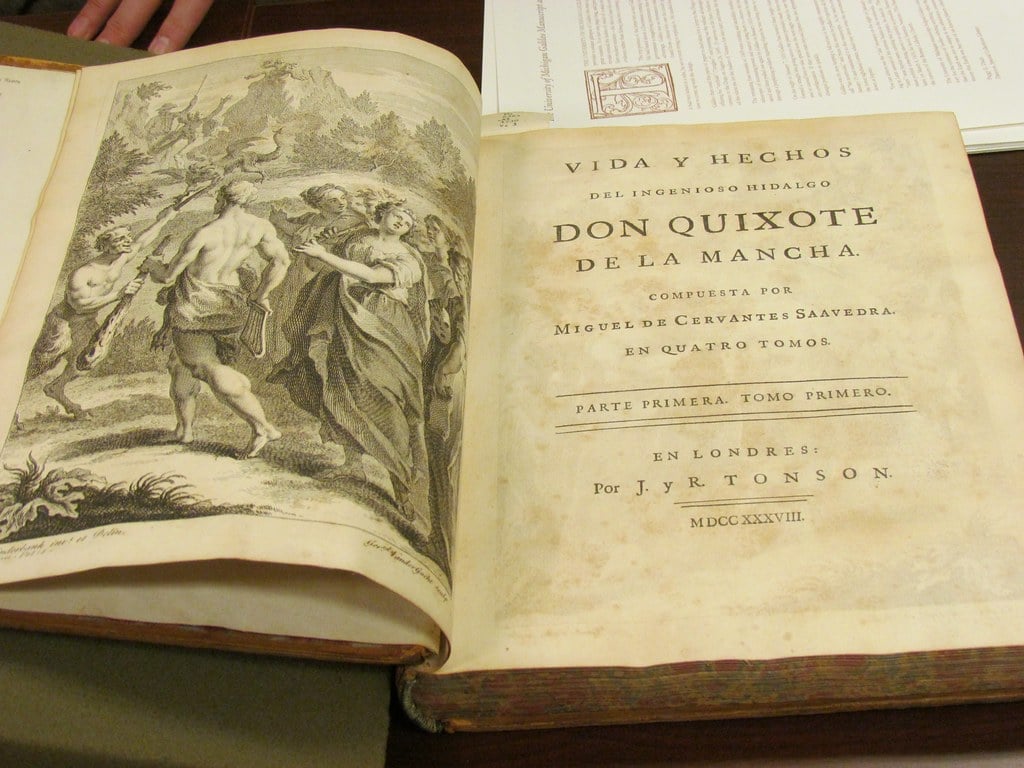
Cervantes spent time in prison in La Mancha (the exact details are fuzzy, but most scholars agree he was locked up for debt-related issues), and that’s supposedly where he started sketching out the story of a delusional knight tilting at windmills.
The first part came out in 1605, and it’s basically the book that invented the modern novel.
Pretty good return on a prison sentence.
The whole premise—a guy so obsessed with chivalric romances that he loses his grip on reality—might have been inspired by Cervantes having way too much time to think about literature while staring at stone walls.
It’s satire, it’s tragedy, it’s comedy.
And it all arguably started in a cell.
The Pilgrim’s Progress by John Bunyan

John Bunyan was a Puritan preacher in 17th century England, which was a risky job if you weren’t part of the official Church of England.
He got arrested for preaching without a license and spent 12 years in Bedford county jail.
Instead of just sitting there, he wrote one of the most widely read Christian allegories ever.
The Pilgrim’s Progress is about a guy named Christian trying to get to the Celestial City while avoiding places like the Slough of Despond and Vanity Fair (which is where that phrase comes from, by the way).
It’s been translated into over 200 languages.
Bunyan wrote it between 1660-1672, and it’s still in print today, which honestly is kind of remarkable for a book that’s essentially a very long religious metaphor.
De Profundis by Oscar Wilde
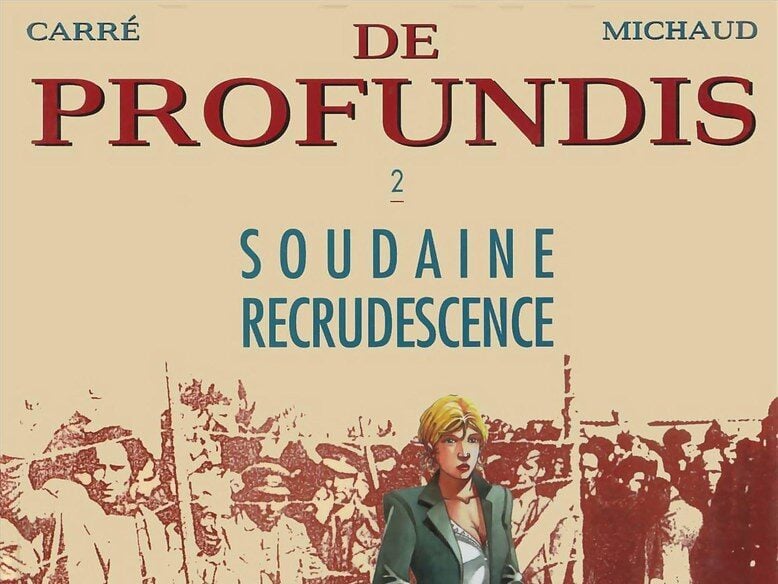
Oscar Wilde went from being the toast of London society to prisoner C.3.3. at Reading Gaol in 1895, convicted of “gross indecency” (being gay, basically).
He spent two years doing hard labor, and during that time he wrote a 50,000-word letter to his former lover, Lord Alfred Douglas.
It wasn’t published as De Profundis until after his death.
The letter is part love letter, part accusation, part philosophical meditation on suffering.
Wilde had lost everything—his reputation, his freedom, his health.
And he poured all of that into these pages. It’s painful to read sometimes (which is kind of the point).
He died broke and broken three years after his release.
Mein Kampf by Adolf Hitler
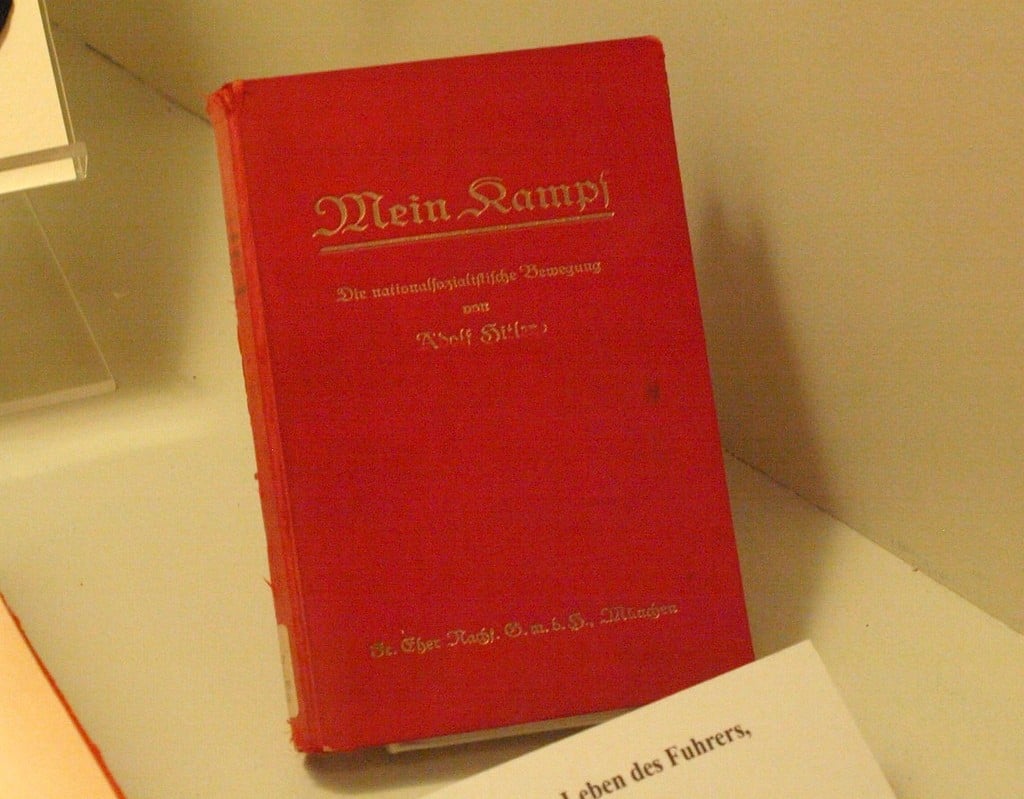
Yeah, so, not all prison books are forced for good.
Hitler wrote this after his failed Beer Hall Putsch in 1923 landed him in Landsberg Prison.
He dictated most of it to Rudolf Hess and other followers who were locked up with him.
The title means “My Struggle,” and it’s exactly what it sounds like—his autobiography mixed with his political ideology.
The book laid out his views on German nationalism, antisemitism, and his plans for Germany’s future.
Most people didn’t take it seriously when it was published in 1925 (it was considered poorly written and kind of unhinged).
But it became required reading in Nazi Germany, and, well.
We know how that turned out. It’s a reminder that prison writing isn’t automatically noble or redemptive.
Letters and Papers from Prison by Dietrich Bonhoeffer

Bonhoeffer was a German Lutheran pastor and theologian who actively opposed the Nazi regime.
He was arrested in 1943 and spent two years in various prisons before being executed in 1945, just weeks before the war ended.
During his imprisonment, he wrote letters to his family and friends that were later compiled into this book.
His writings grapple with what it means to be a Christian in a world that seems abandoned by God.
He coined the phrase “religionless Christianity” while sitting in a cell.
The letters are intimate and profound—he’s writing about theology, but also about missing his fiancée, about the sounds of bombs falling, about whether he’ll survive.
He didn’t, but his ideas did.
The Consolation of Philosophy by Boethius

This one goes way back.
Boethius was a Roman senator and philosopher in the 6th century who got caught up in political intrigue and was thrown in prison around 523 AD.
While waiting for his execution, he wrote this dialogue between himself and Lady Philosophy, who appears to him in his cell and helps him understand the nature of fortune, fate, and God.
It became one of the most influential books of the Middle Ages (everyone from Chaucer to Thomas Aquinas read it), and it’s basically Western philosophy’s greatest hits wrapped in a prison memoir.
Boethius was eventually executed, but the book survived him by about 1,500 years and counting.
The Ballad of Reading Gaol by Oscar Wilde

Wilde gets two entries because he wrote two very different things in prison.
While De Profundis was prose, this is a poem he wrote after his release about his experience in prison and specifically about a man he knew there who was executed for murdering his wife.
The most famous line is “Yet each man kills the thing he loves,” and the whole thing is about guilt, punishment, and the cruelty of the prison system.
It’s less personal than De Profundis but maybe more universal.
Wilde published it under the pseudonym C.3.3.—his prisoner number. He couldn’t quite let go of that identity.
Prison Notebooks by Antonio Gramsci
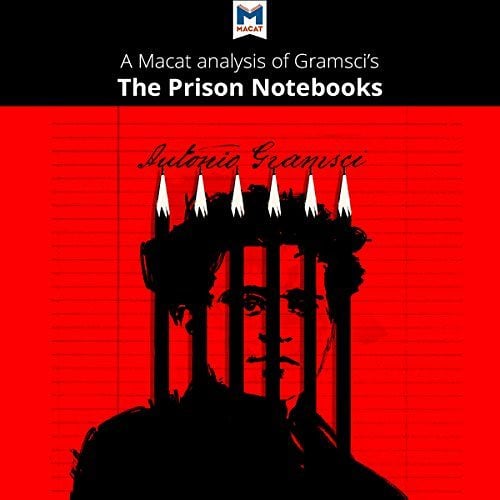
Gramsci was an Italian Marxist who Mussolini’s government arrested in 1926.
They threw him in prison specifically to shut him up (the prosecutor literally said they needed to “stop this brain from functioning for twenty years”).
But Gramsci kept thinking and writing anyway, filling 33 notebooks with his ideas about culture, power, and hegemony.
The notebooks are fragmentary and sometimes hard to follow—he was sick, he was isolated, he didn’t have access to many books.
But his concept of cultural hegemony (the idea that ruling classes maintain power not just through force but by making their worldview seem like common sense) became hugely influential.
He died shortly after his release in 1937, his health destroyed by prison conditions.
In the Belly of the Beast by Jack Henry Abbott

This is a stranger case.
Abbott was in and out of prison his whole life, serving time for various crimes including murder.
While in prison in the 1970s, he started corresponding with Norman Mailer, and those letters became this book, published in 1981.
It’s a brutal, vivid account of life in maximum security prisons and violence and survival.
The book got great reviews and Abbott was released soon after publication.
Then, six weeks later, he stabbed a waiter to death outside a restaurant and went back to prison for good.
The book is powerful but it’s impossible to separate it from what happened after, and that’s complicated everything about how we read it.
Soul on Ice by Eldridge Cleaver
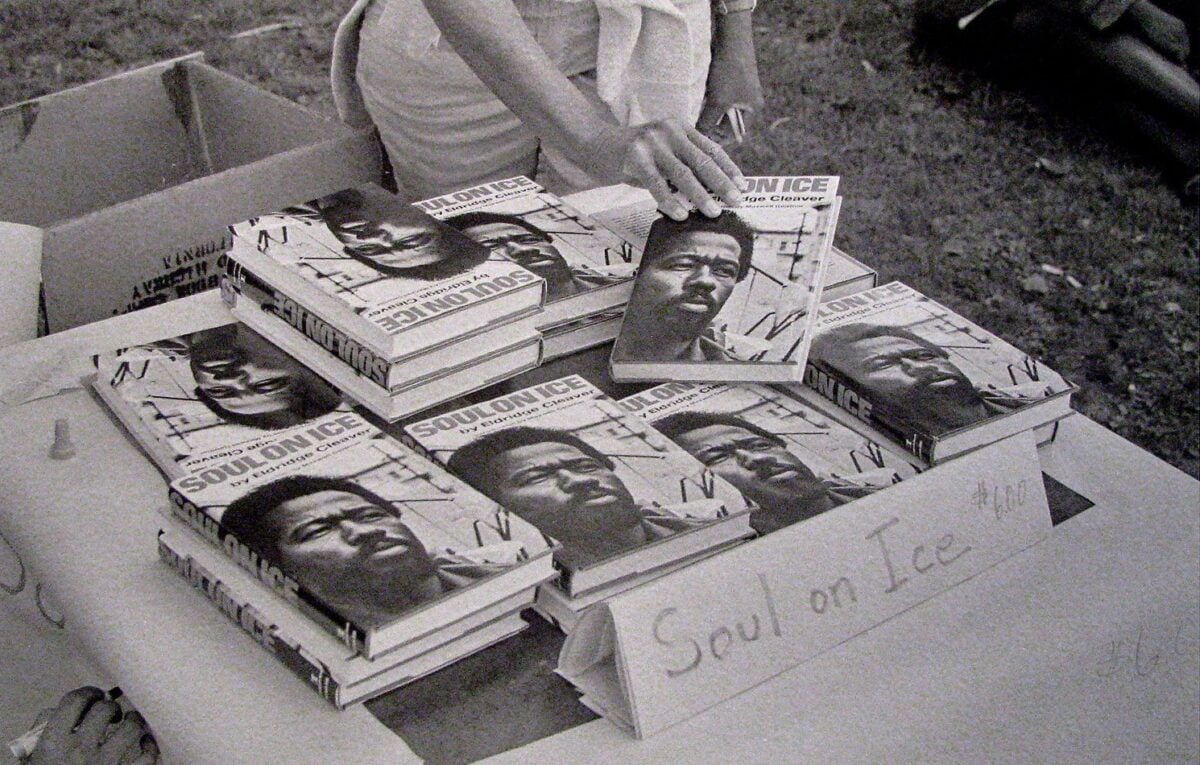
Cleaver was a member of the Black Panthers who wrote most of this while serving time in Folsom and San Quentin prisons in California during the 1960s.
The essays are about race, masculinity, identity, and America—raw and angry and sometimes uncomfortable to read.
It became a bestseller when it was published in 1968 and was considered essential reading for understanding Black radicalism and the civil rights movement.
Some of Cleaver’s views (especially about women) haven’t aged well, but the book captures a particular moment in American history from inside a prison cell.
Which is where a lot of Black men were at the time.
History of the World by Sir Walter Raleigh
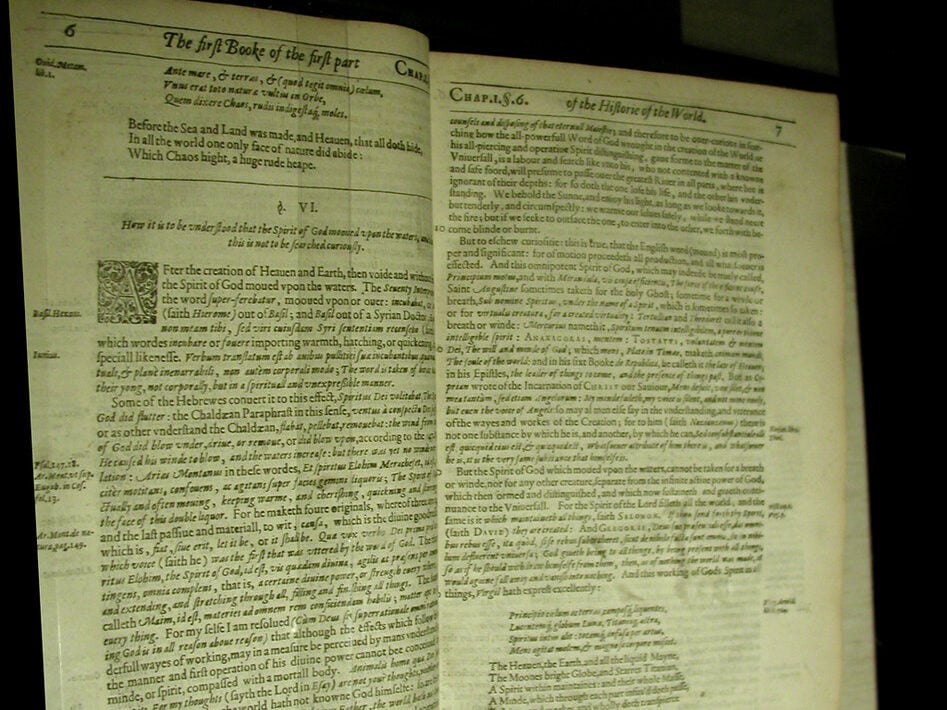
Raleigh—explorer, poet, courtier—ended up in the Tower of London after falling out of favor with King James I.
He was there from 1603 to 1616 (with a brief release for an expedition that went badly), and during that time he worked on this massive, ambitious history of the world from creation to about 130 BC.
He never finished it, probably because he got executed in 1618.
But what he did complete runs to over 700 pages and covers Greece, Rome, Egypt, you name it.
It’s dense and it’s kind of all over the place, but it was popular for a century after his death.
Writing world history while locked in the Tower of London is peak Renaissance energy.
Letters from a Birmingham Jail by Martin Luther King Jr.

Technically this is a long essay, not a book, but it’s too important not to include.
King wrote it in 1963 after being arrested during protests in Birmingham, Alabama.
He was responding to white clergy who’d called the protests “unwise and untimely,” and his response is one of the most eloquent defenses of civil disobedience ever written.
“Injustice anywhere is a threat to justice everywhere.”
He wrote that on scraps of paper, in the margins of newspapers, because he didn’t have proper writing materials.
And it became the moral backbone of the civil rights movement. Sometimes the most powerful words come from the most confined spaces.
The Autobiography of Malcolm X (with Alex Haley)
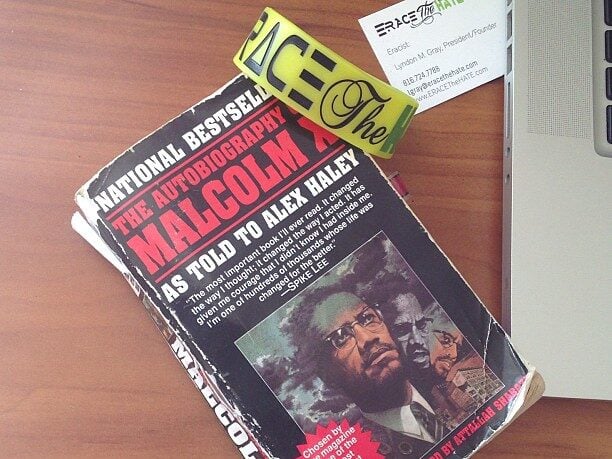
Malcolm X didn’t write his autobiography while in prison, but his transformation happened there.
He was incarcerated from 1946-1952 for burglary, and during those years he educated himself, converted to Islam, and became the man who would later tell his story to Alex Haley.
The book talks extensively about his prison years and how they shaped everything that came after.
He described copying an entire dictionary by hand to improve his vocabulary.
He read everything he could get his hands on—philosophy, history, religion.
Prison was where he went from being a street criminal named Malcolm Little to Malcolm X.
The autobiography was published in 1965, shortly after his assassination.
When Scribbling Becomes Legacy

Not every prisoner becomes a writer, and not every prison book changes the world.
But there’s something about being locked up that clarifies certain things (or maybe just gives you enough uninterrupted time to work through ideas that the rest of us are too distracted to pursue).
These books are evidence that you can lock up a body but not necessarily a mind, and that sometimes the most confined circumstances produce the most expansive thinking.
Which doesn’t make prison good—it just makes human creativity pretty resilient.
More from Go2Tutors!

- The Romanov Crown Jewels and Their Tragic Fate
- 13 Historical Mysteries That Science Still Can’t Solve
- Famous Hoaxes That Fooled the World for Years
- 15 Child Stars with Tragic Adult Lives
- 16 Famous Jewelry Pieces in History
Like Go2Tutors’s content? Follow us on MSN.