Famous Ships with Remarkable Stories
Ships have always captured our imagination in ways that other machines simply don’t. Maybe it’s because they venture into the vast unknown, carrying entire worlds within their hulls, or perhaps it’s the way they become characters in their own stories rather than just vessels.
Whatever the reason, some ships transcend their original purpose to become legends that outlive the people who sailed them. Their stories remind us that history often unfolds not in grand halls or battlefields, but on the rolling decks of vessels pushing through endless water toward uncertain horizons.
Titanic
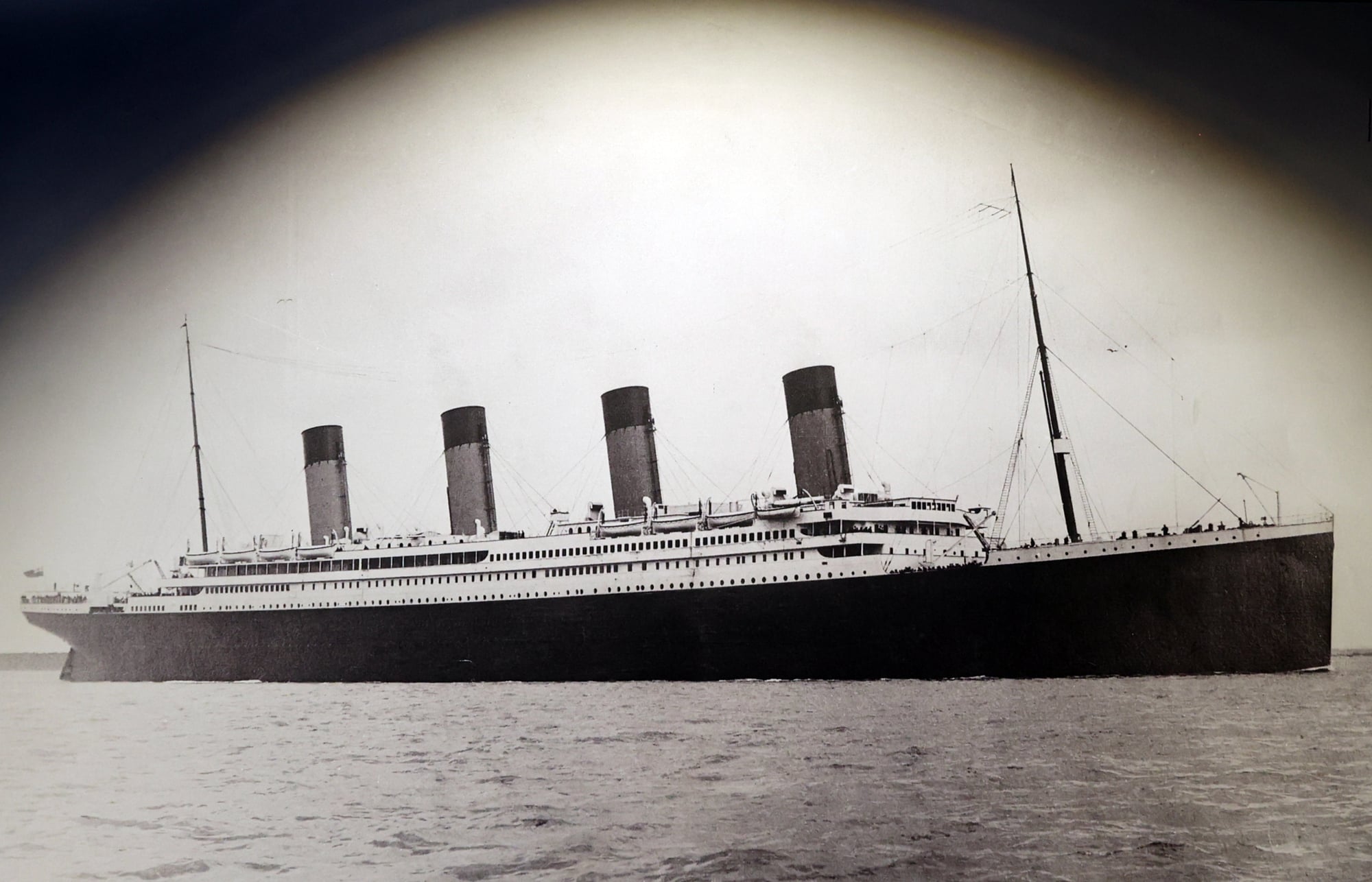
The ship was unsinkable until it wasn’t. RMS Titanic struck an iceberg on April 14, 1912, and sank in less than three hours.
Over 1,500 people died because there weren’t enough lifeboats. The “unsinkable” label turned out to be remarkably premature.
Mary Celeste
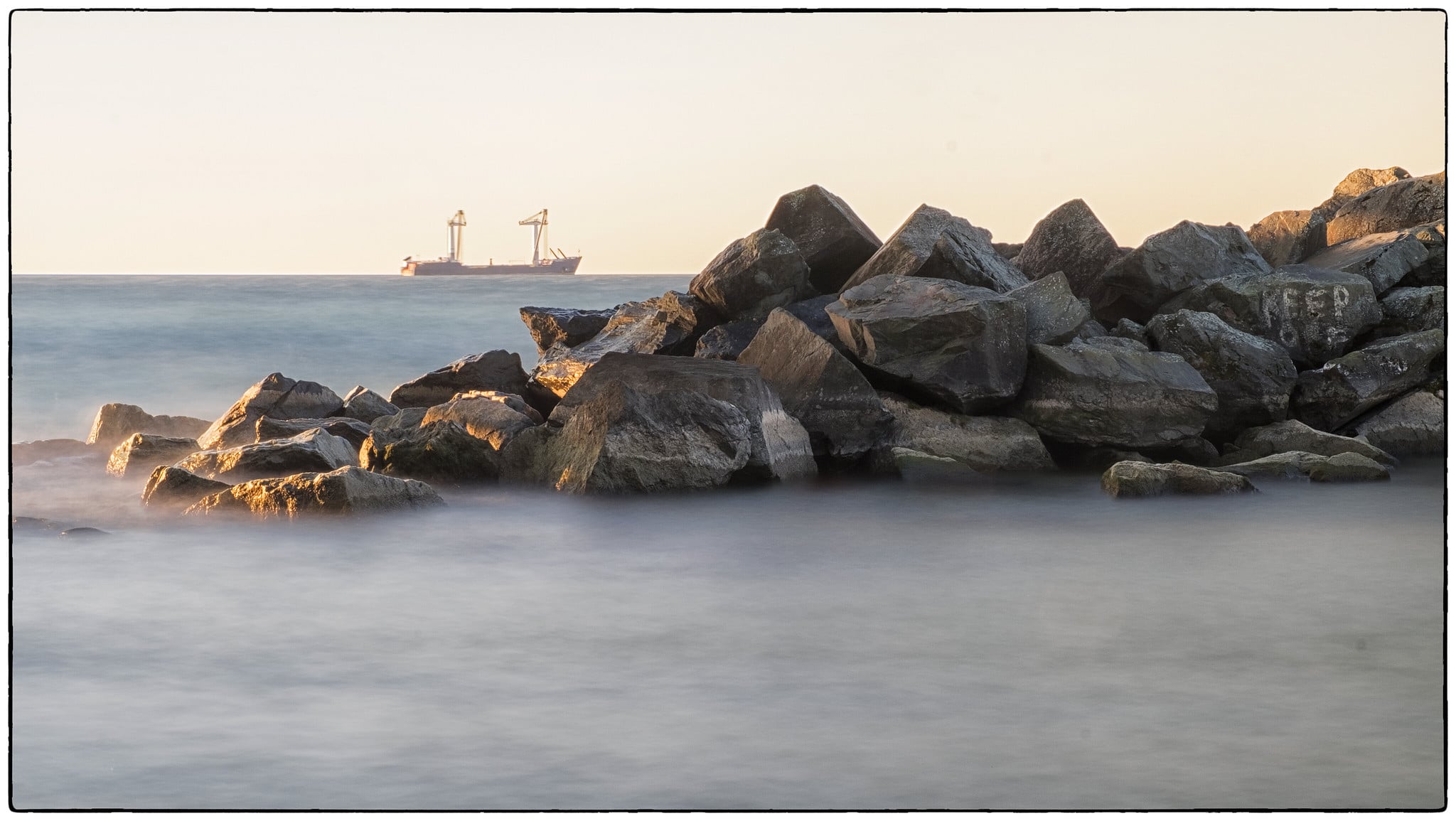
The mystery that surrounded the Mary Celeste when she was discovered drifting empty in 1872 (with her cargo intact, lifeboats missing, and no sign of violence or struggle anywhere aboard) wasn’t just puzzling — it was the kind of puzzle that gets under your skin and stays there, because every rational explanation you can think of leads to three more questions that don’t have answers.
So you find yourself wondering: if ten people abandon a seaworthy ship in the middle of the Atlantic, leaving behind their personal belongings, half-eaten meals, and even the captain’s pipe still warm on his desk, what exactly did they see that made staying aboard seem like the worse option?
And the more you think about it, the more you realize that sometimes the most unsettling mysteries aren’t the ones involving supernatural explanations — they’re the ones where something perfectly logical happened, but the logic was so foreign to normal human experience that we can’t even begin to reconstruct it.
The ship was found floating between Spain and Portugal, completely seaworthy but abandoned. Even so, she sailed on in maritime folklore long after her actual voyaging days ended.
USS Arizona
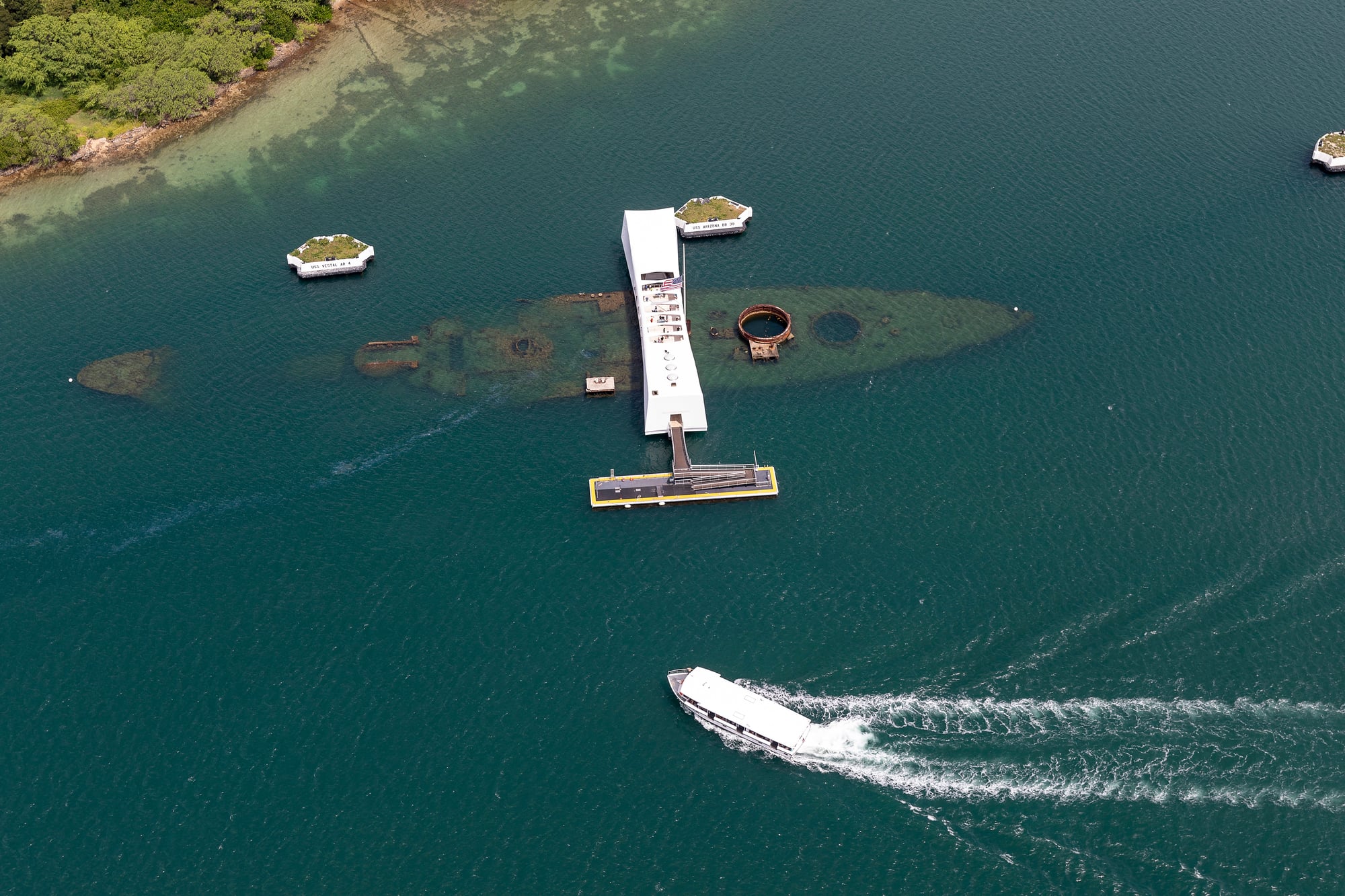
Think of the USS Arizona as a monument that nobody planned to build. She sits at the bottom of Pearl Harbor exactly where she sank on December 7, 1941, still holding 1,177 sailors and Marines who went down with her that morning.
The ship has become something more patient and permanent than any bronze statue — a place where oil still rises to the surface like clockwork, as if she’s keeping time with something the rest of us can’t hear.
Visitors stand on the memorial above her and look down through the clear water at the outline of her hull, and there’s always that moment when the ship stops being a historical artifact and becomes a grave that happens to be shaped like a battleship.
Vasa
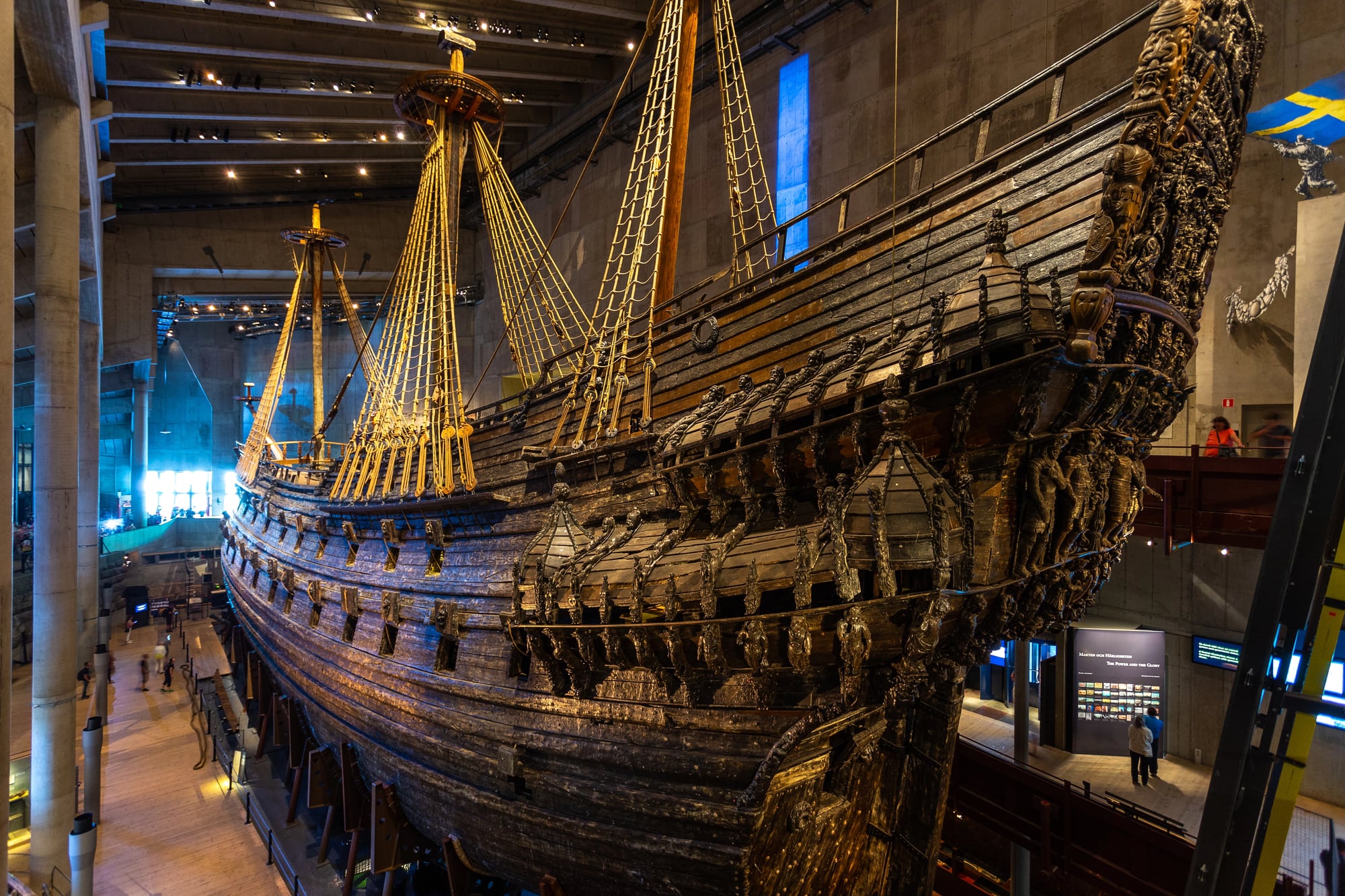
Swedish pride sank the Vasa before she could clear Stockholm harbor. The warship was top-heavy with decorative cannons and elaborate carvings.
She capsized in 1628, just minutes into her maiden voyage. Sweden spent a fortune building her and got exactly 1,300 meters of sailing in return.
The ship spent 333 years underwater before being raised in 1961. Now she sits in a museum, perfectly preserved and permanently embarrassing.
Flying Dutchman
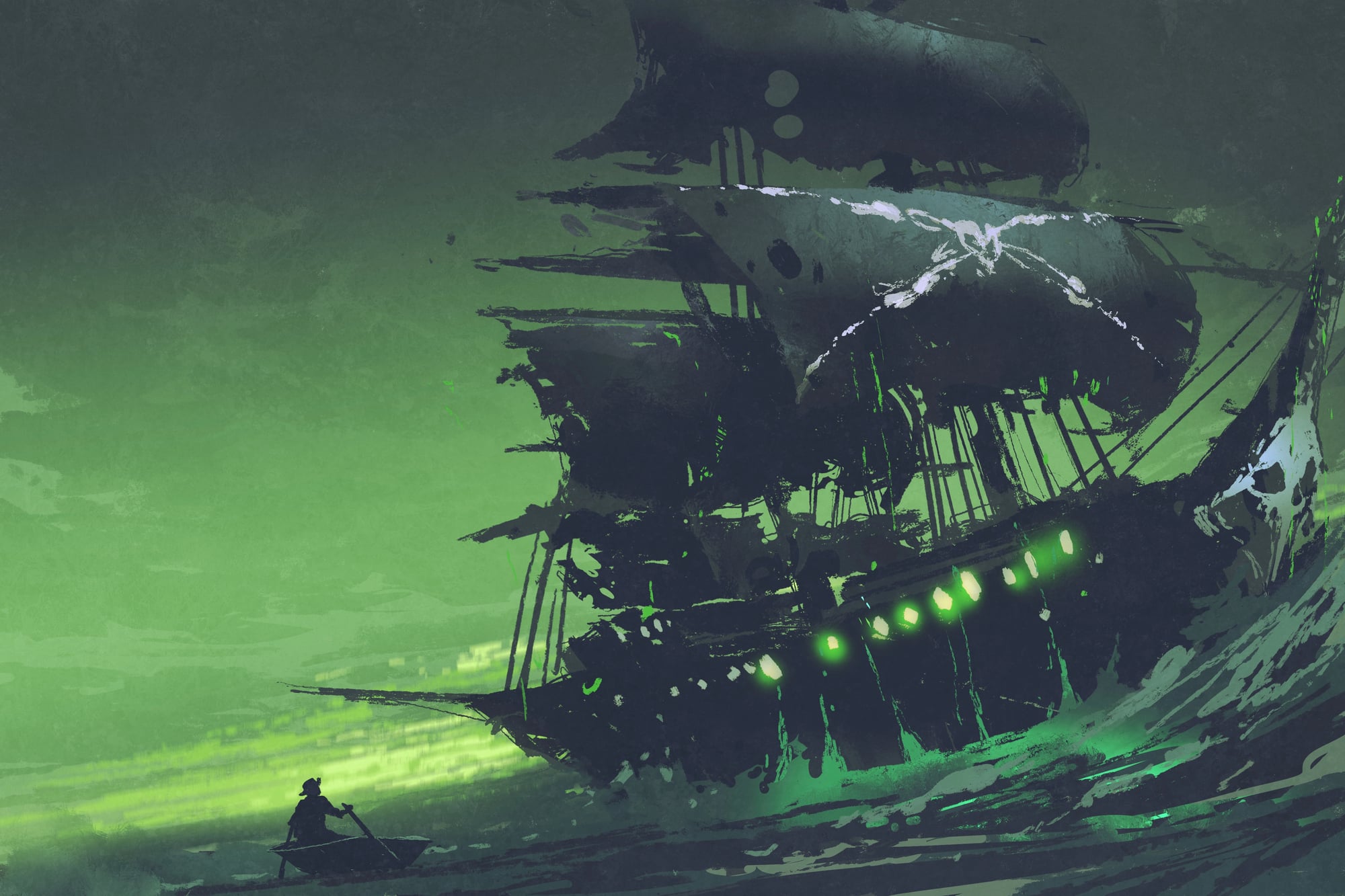
The legend of the Flying Dutchman doesn’t care whether you believe in ghost ships or not — it has been sighted by enough sober sailors over the centuries that it operates on its own maritime frequency, somewhere between folklore and documented phenomenon (though the documentation tends to get fuzzy when you start asking for logbook entries and sworn affidavits).
Captain Hendrick van der Decken supposedly cursed his ship to sail forever after refusing to seek shelter during a violent storm off the Cape of Good Hope, and what’s interesting isn’t whether the story is true, but how many experienced mariners have reported seeing a ship that matches the Dutchman’s description in those same treacherous waters.
But then again, the ocean at night has always been excellent at showing people exactly what their minds are prepared to see. The ship appears as a glowing vessel on the horizon, always sailing toward shore but never reaching it.
Sailors still report sightings near the Cape of Good Hope, though modern GPS makes it harder to get permanently lost. The Dutchman, apparently, predates satellite navigation.
HMS Bounty
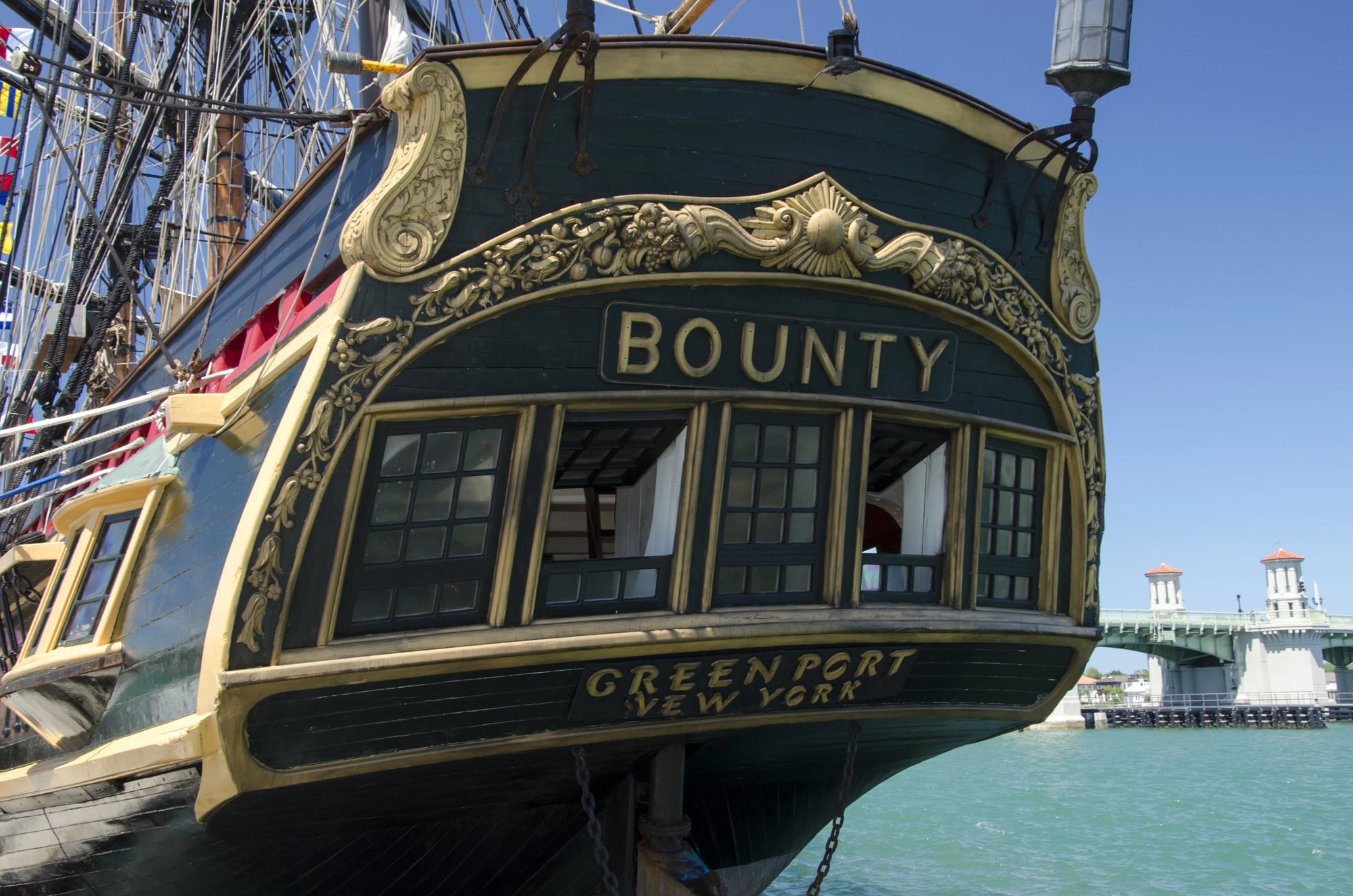
Mutinies happen when authority becomes unbearable, and Captain William Bligh had apparently crossed that line by the time his crew set him adrift in April 1789. The HMS Bounty was supposed to be carrying breadfruit from Tahiti to the West Indies, but the crew decided they preferred Tahitian life to Bligh’s leadership style.
Fletcher Christian led the mutiny, then sailed the Bounty to Pitcairn Island, where they burned her to avoid detection. Bligh, meanwhile, navigated 3,600 nautical miles in an open boat and lived to tell about it.
The mutineers settled on Pitcairn Island, where their descendants still live. Bligh got another command, which says something about either his competence or the Royal Navy’s forgiveness.
RMS Lusitania
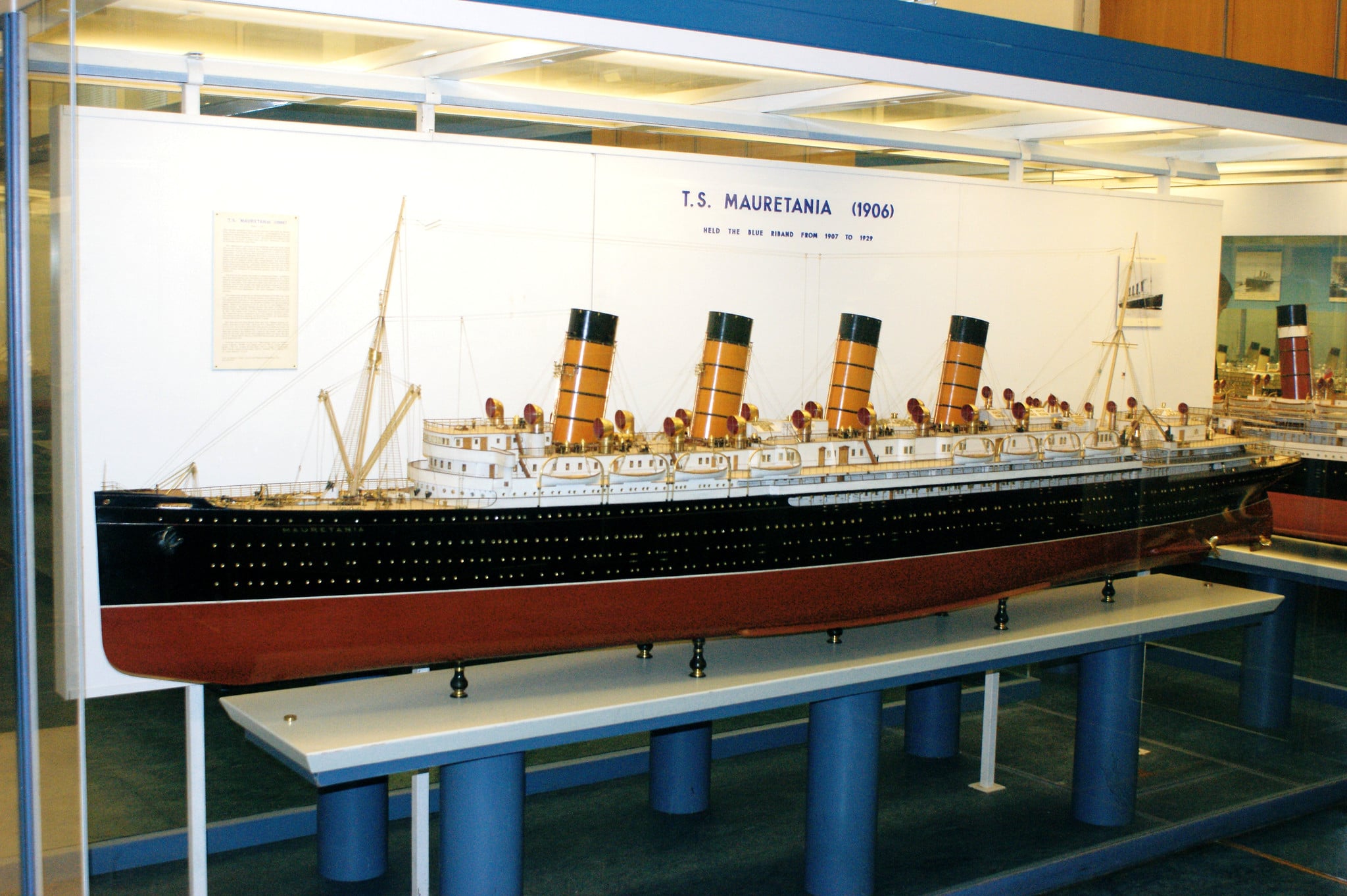
The Lusitania was carrying passengers when a German U-boat torpedoed her off the Irish coast in 1915. She sank in eighteen minutes, killing 1,198 people including 128 Americans.
Germany had published warnings in American newspapers telling civilians not to sail on British ships, but people sailed anyway.
The attack helped push America toward entering World War I, which means the Lusitania changed history by sinking rather than by staying afloat.
Edmund Fitzgerald
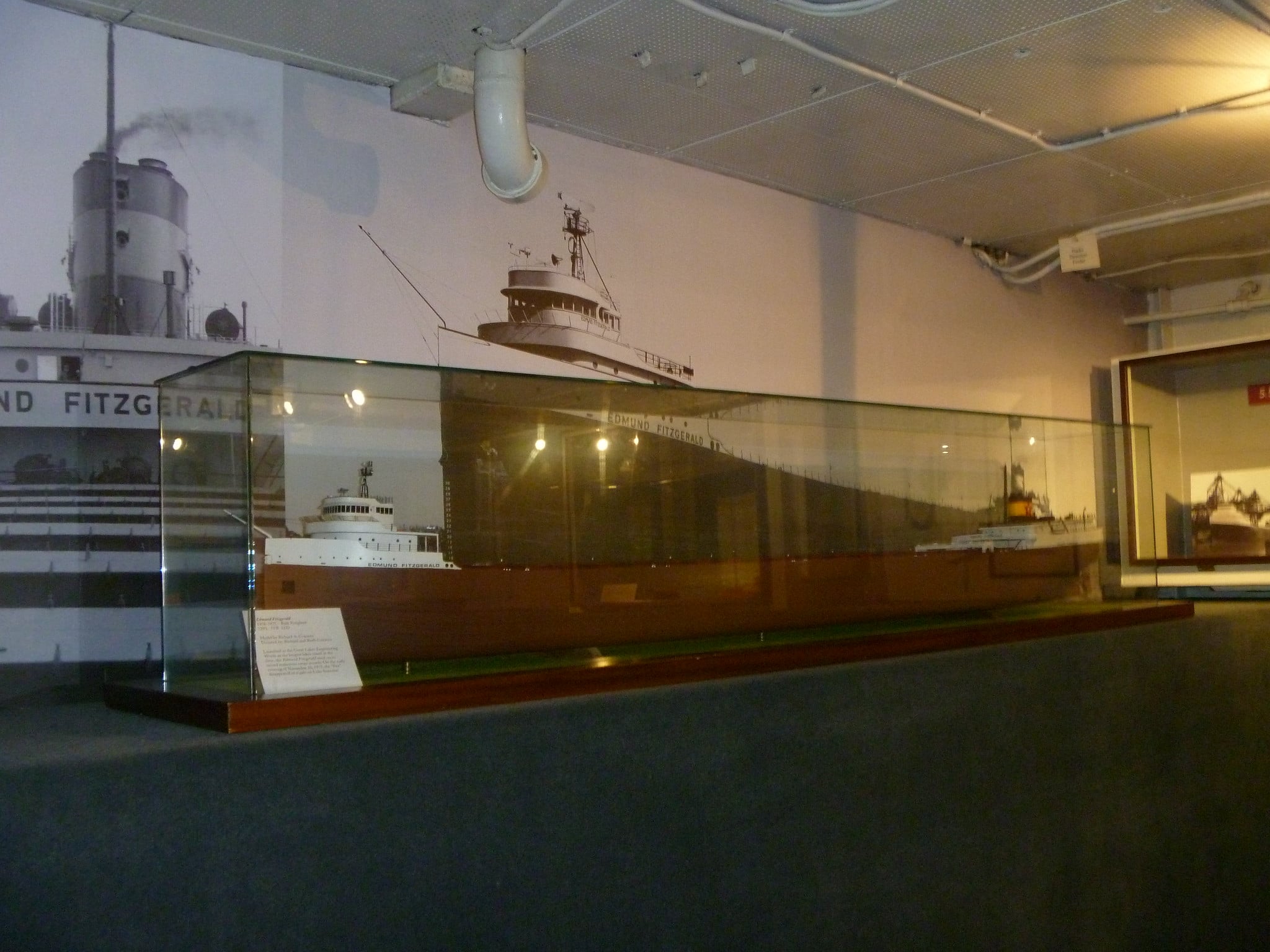
The Edmund Fitzgerald was just doing her job — hauling iron ore across Lake Superior in November 1975 — when she encountered a storm that turned out to be stronger than a 729-foot freighter could handle, and the thing about Great Lakes storms is that they don’t have the courtesy to build gradually the way ocean storms do (they just appear, like someone switching off the lights in a room you thought you knew).
The ship radioed “We are holding our own” at 7:10 PM, then vanished from radar screens without sending a distress call, taking all 29 crew members down with her into water so cold that survival time is measured in minutes rather than hours.
And the mystery that still bothers maritime investigators isn’t just what sank her — ships sink, that’s part of the job description — it’s how completely she disappeared, as if Lake Superior had simply decided to collect what it was owed and closed the books on the Edmund Fitzgerald for good.
Gordon Lightfoot’s song about the wreck made her more famous in death than she ever was hauling cargo.
HMS Victory
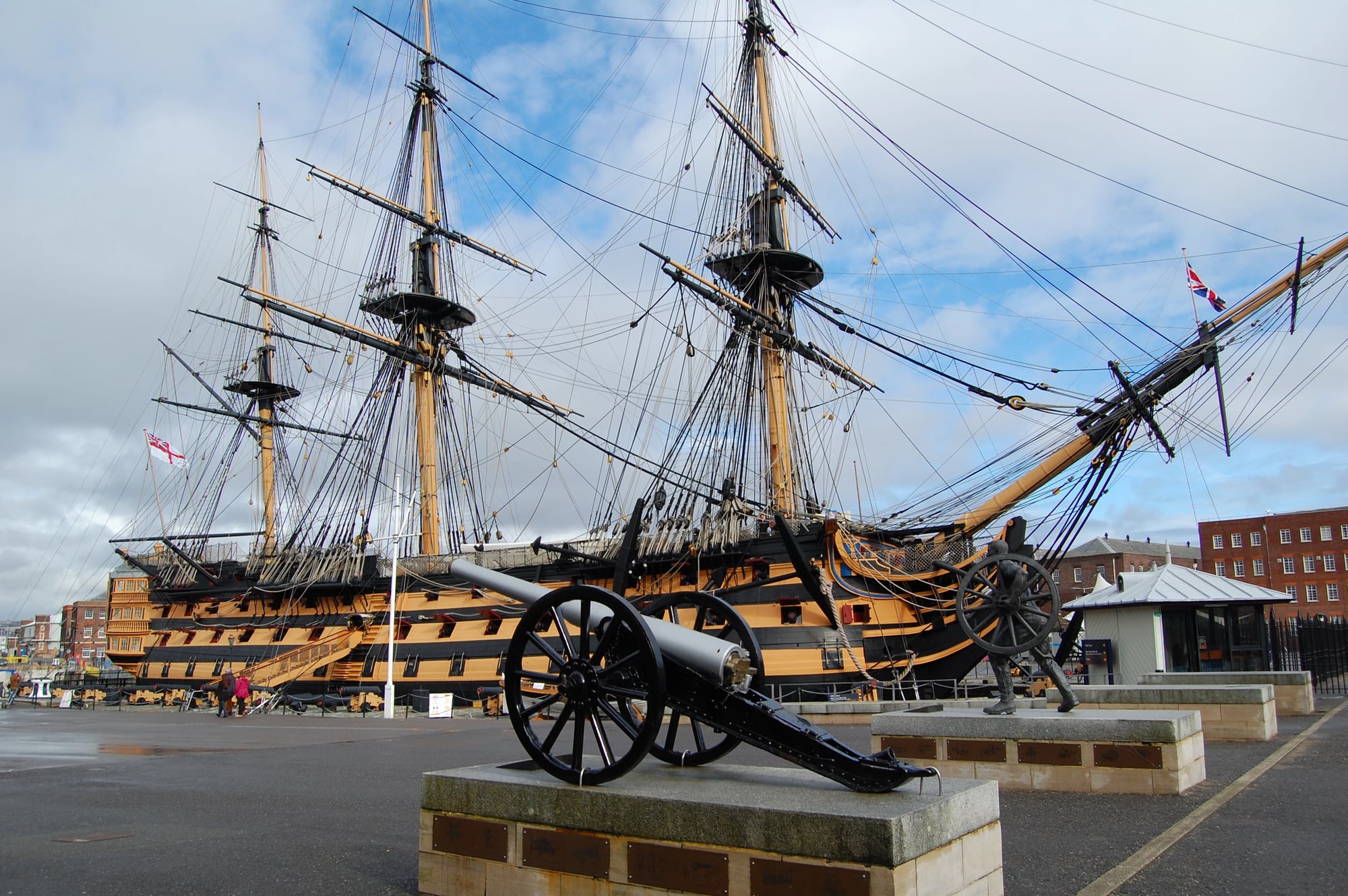
Lord Nelson’s flagship at the Battle of Trafalgar in 1805 is still commissioned in the Royal Navy, which makes her the oldest naval vessel still in active service. She’s been sitting in dry dock at Portsmouth since 1922, but the Royal Navy maintains the fiction that she’s seaworthy.
Nelson died on her deck after defeating the combined French and Spanish fleets, and his last words were reportedly “Thank God I have done my duty.”
Victory now serves as a floating museum, though she technically outranks every other ship in the British fleet. Naval protocol can be wonderfully stubborn.
Endurance
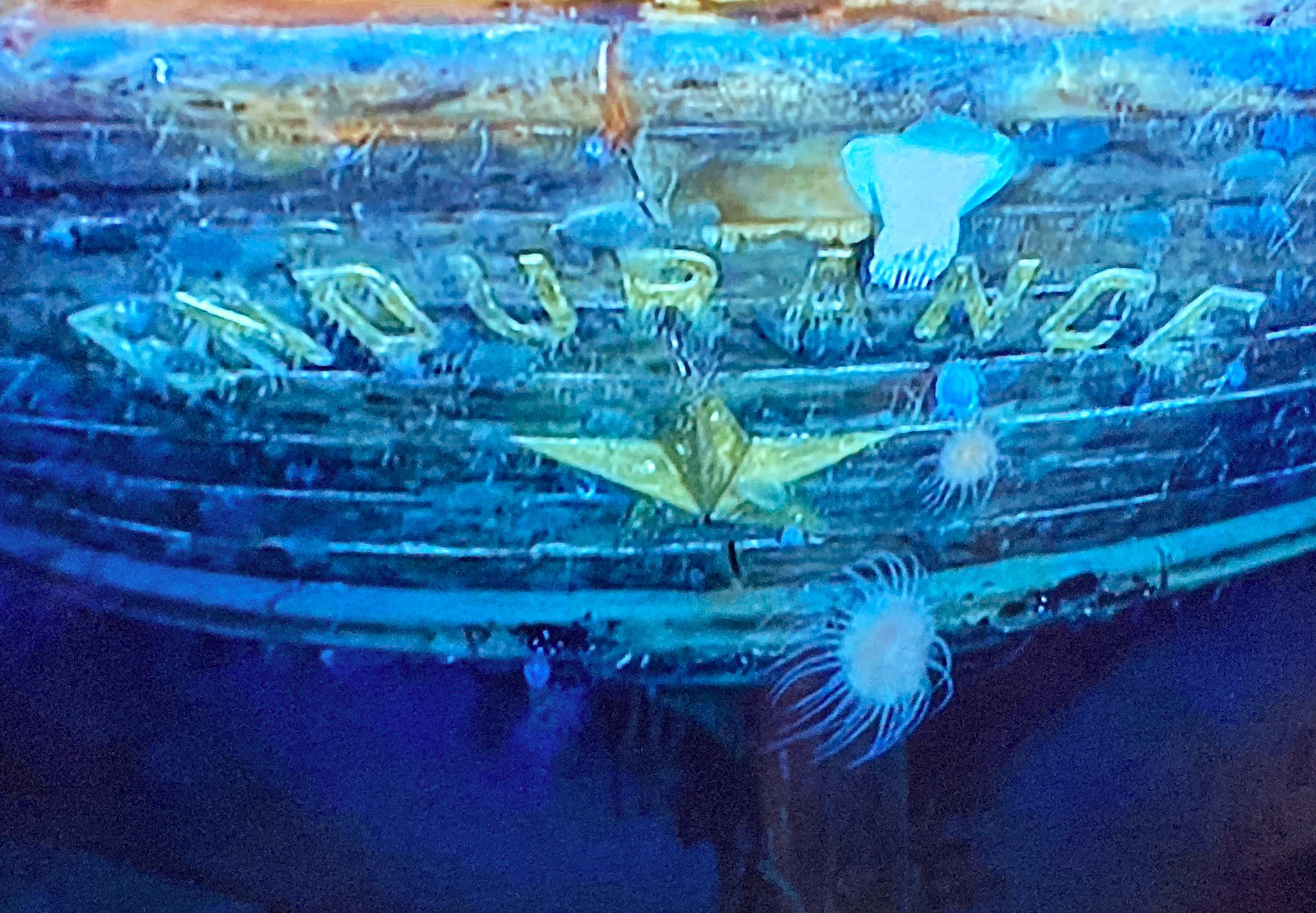
The Endurance got trapped in Antarctic pack ice in 1915, and what happened next tells you everything you need to know about Ernest Shackleton’s leadership style: instead of losing his crew to despair or starvation, he kept them alive and mostly sane for 22 months while their ship was slowly crushed by ice that moved like a living thing, grinding and groaning and reshaping itself around their hull until the Endurance finally surrendered and sank into the Weddell Sea (though she didn’t go quietly — the crew described the sound of her wooden hull splintering as something between a scream and a sigh).
But Shackleton had already moved his men onto the ice floes, and from there onto lifeboats, and eventually to Elephant Island, where he left most of them while sailing 800 miles through the worst seas on earth to reach South Georgia Island and organize a rescue.
So the Endurance became famous not for reaching her destination, but for failing to reach it in the most spectacular way possible.
The ship was discovered in 2022, perfectly preserved in the Antarctic waters, still sitting upright on the ocean floor.
Mayflower
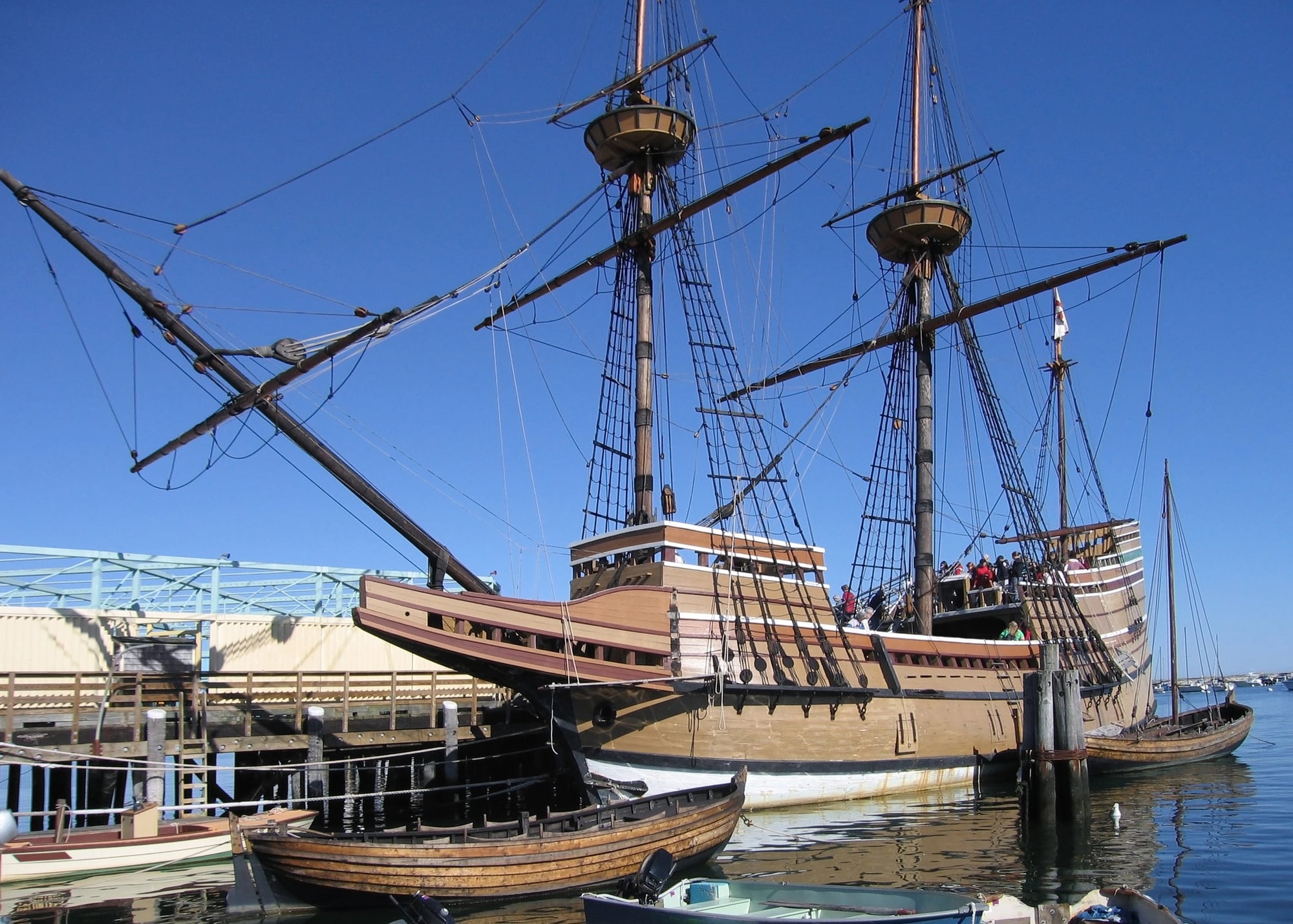
The ship that carried the Pilgrims to Plymouth Rock in 1620 was never supposed to become a symbol of anything. She was just a cargo vessel, probably used for hauling wine, that got pressed into passenger service for one transatlantic crossing.
The 102 passengers spent 66 days crowded below decks, and by the time they reached Cape Cod, half of them were sick with scurvy and dysentery.
After delivering the Pilgrims, the Mayflower returned to England and went back to hauling cargo. She was probably broken up for scrap timber, which means America’s most famous immigrant ship ended up as someone’s barn.
Queen Mary
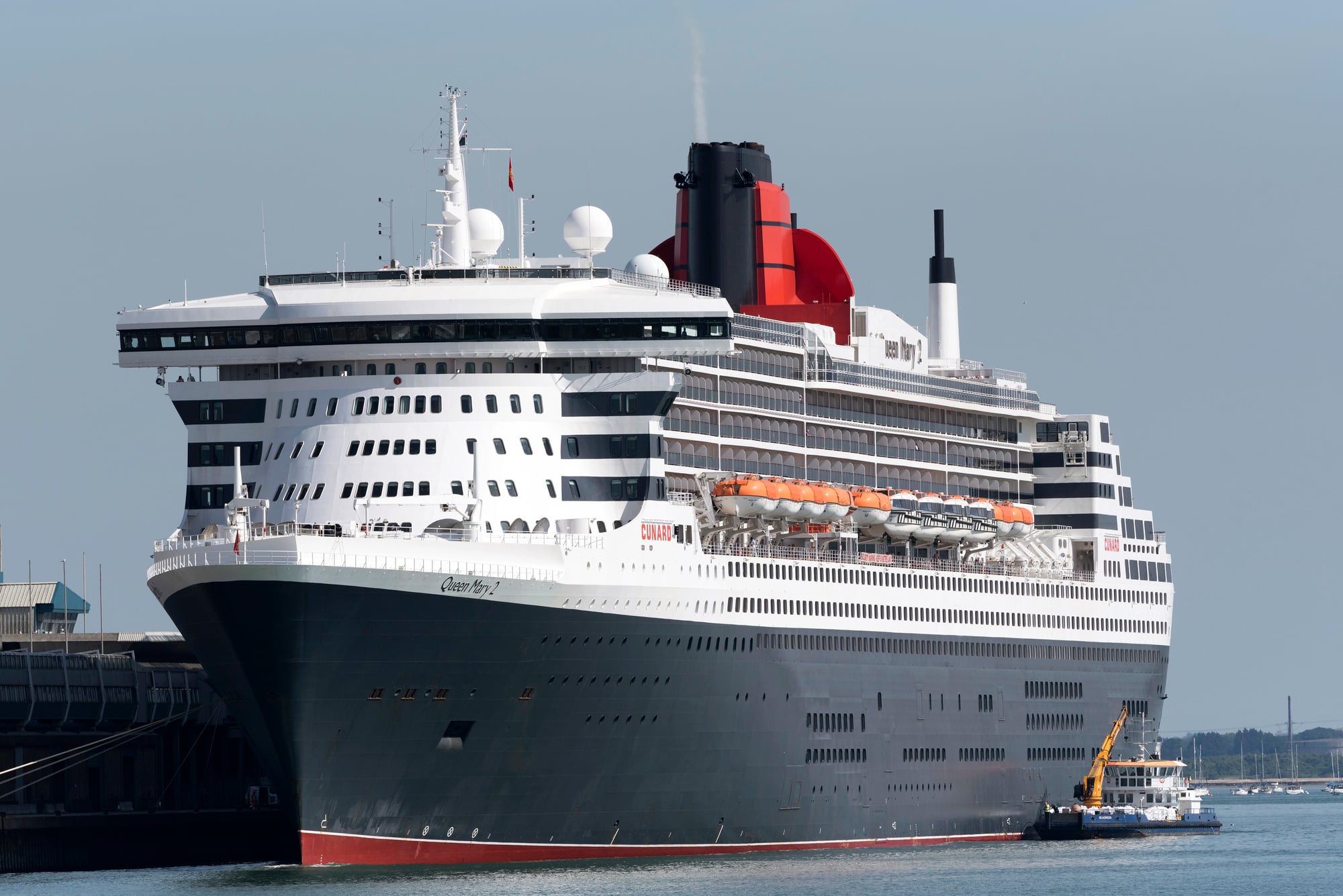
The RMS Queen Mary ruled the North Atlantic during the golden age of ocean travel, but World War II transformed her from a luxury liner into a troopship painted battleship gray and stripped of everything that wasn’t essential for moving soldiers.
She could carry 16,000 troops at speeds that made her nearly impossible for German U-boats to catch, and she spent the war years racing back and forth across the Atlantic, unescorted and unafraid.
After the war ended, she returned to civilian service, but air travel was already making ocean liners obsolete, and by 1967 she was retired to Long Beach, California, where she serves as a hotel and museum.
The ship is supposedly haunted, though the ghosts are reportedly well-behaved and mostly stick to the first-class areas.
USS Constitution
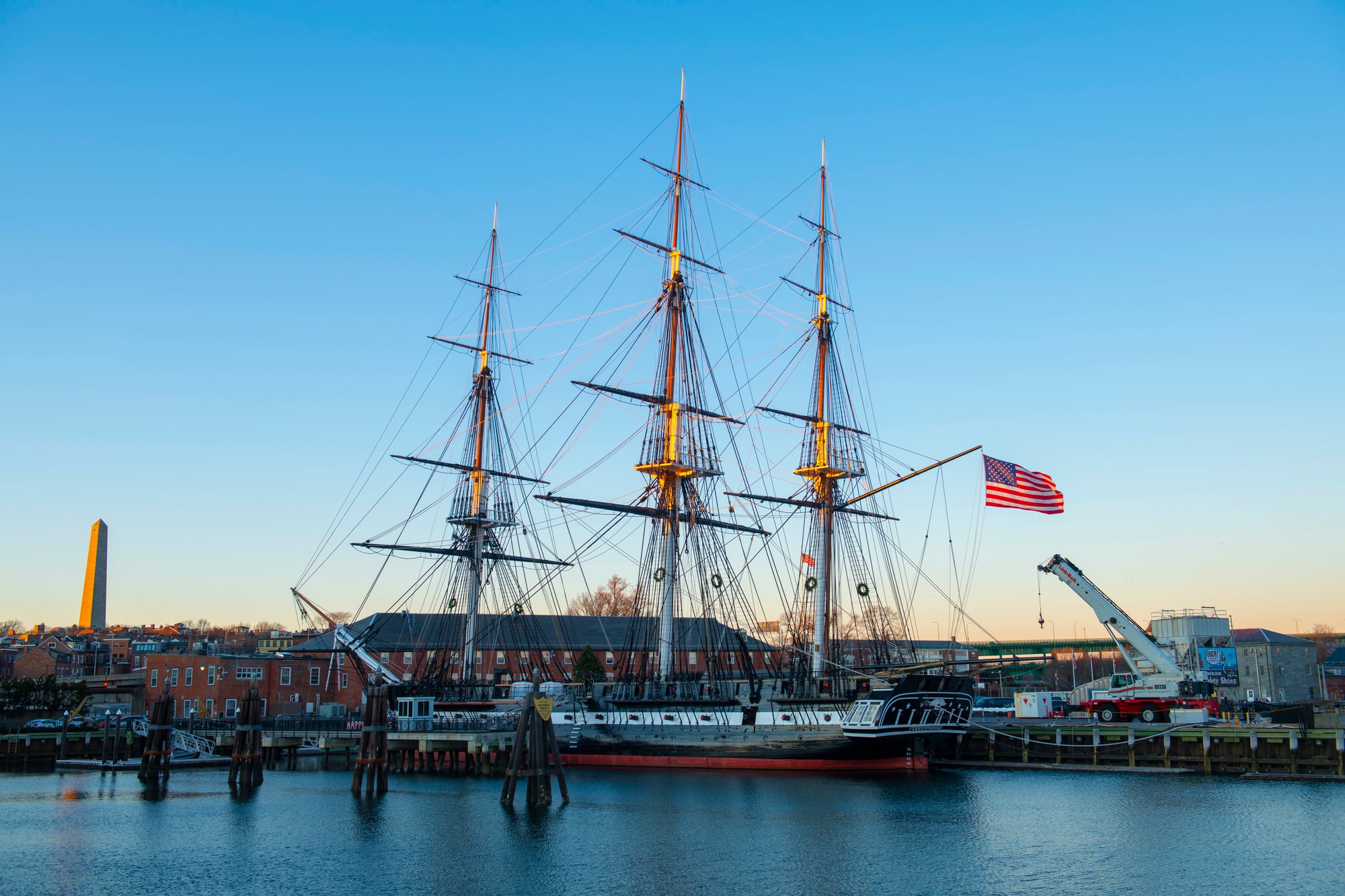
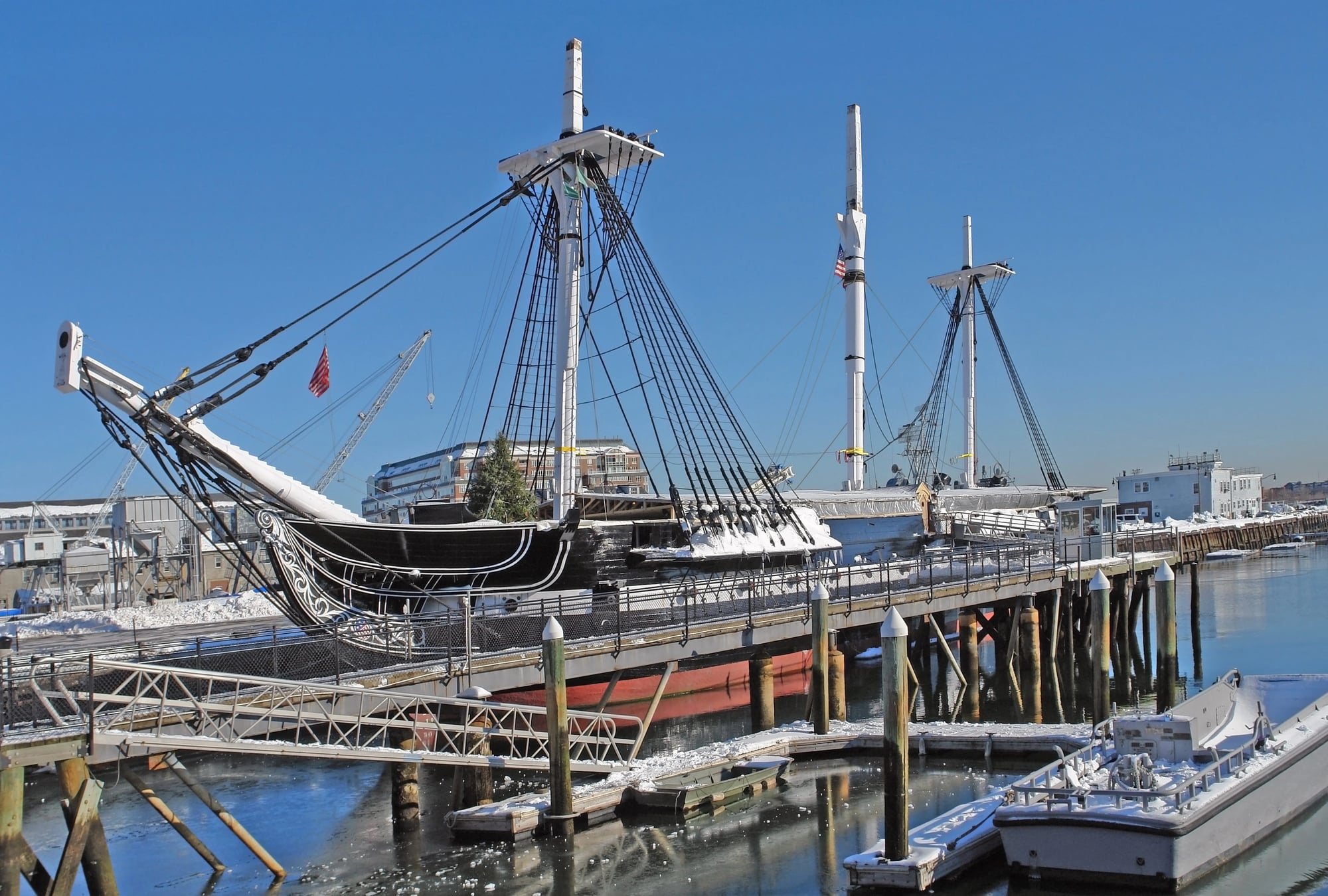
“Old Ironsides” earned her nickname during the War of 1812 when British cannonballs seemed to bounce off her hull. The secret wasn’t iron plating — it was live oak timber so dense that enemy fire couldn’t penetrate it.
She never lost a battle during her active service, and she’s still commissioned in the U.S. Navy, making her the oldest commissioned naval vessel afloat in the world.
Every few years, the Constitution sails around Boston Harbor under her own power, which is more than most ships from 1797 can manage. Age, apparently, is just a number.
When Wood and Steel Become Legend
These ships remind us that some stories are too stubborn to sink, even when the vessels themselves rest on the ocean floor. They sailed into history not because they were perfect, but because they were present when moments demanded witnesses.
Whether they carried explorers toward new worlds, fought battles that changed the course of nations, or simply vanished into mysteries that still puzzle us today, they prove that sometimes the most important cargo a ship can carry is the story it leaves behind.
More from Go2Tutors!

- The Romanov Crown Jewels and Their Tragic Fate
- 13 Historical Mysteries That Science Still Can’t Solve
- Famous Hoaxes That Fooled the World for Years
- 15 Child Stars with Tragic Adult Lives
- 16 Famous Jewelry Pieces in History
Like Go2Tutors’s content? Follow us on MSN.