Famous Asteroids, Comets, and Meteors That Made History
Space rocks have been crashing into Earth and streaking across our skies since the planet formed. Some of these cosmic visitors left craters that changed the landscape forever.
Others put on light shows that people remembered for generations. A few even wiped out entire species and reshaped life on Earth.
These aren’t just chunks of ice and stone drifting through space—they’re pieces of solar system history that occasionally remind us how small we really are.
Let’s look at the asteroids, comets, and meteors that left their mark on our planet and in our history books.
Chicxulub Impactor
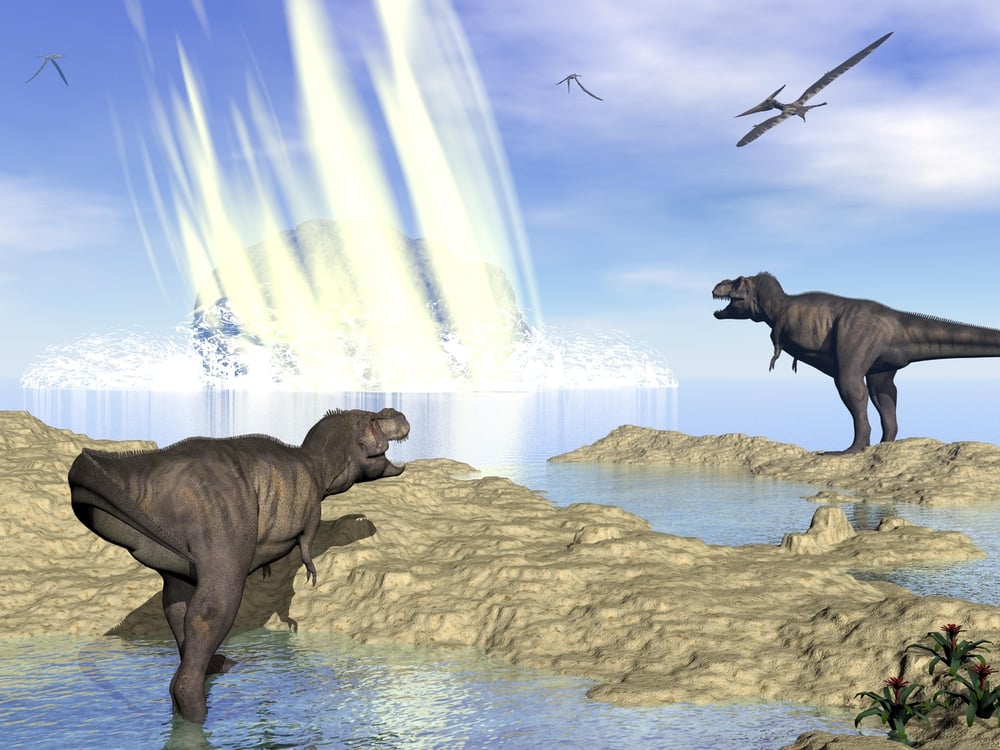
This asteroid didn’t just make history—it ended an entire era. Around 66 million years ago, a rock about six miles wide slammed into what is now the Yucatan Peninsula in Mexico.
The impact released more energy than a billion nuclear bombs going off at once. Dust and debris shot into the atmosphere and blocked out the sun for years.
Temperatures dropped, plants died, and the food chain collapsed from the bottom up. The dinosaurs that had ruled Earth for over 160 million years couldn’t adapt fast enough.
This single impact is why we have mammals running around today instead of T-rexes.
Halley’s Comet
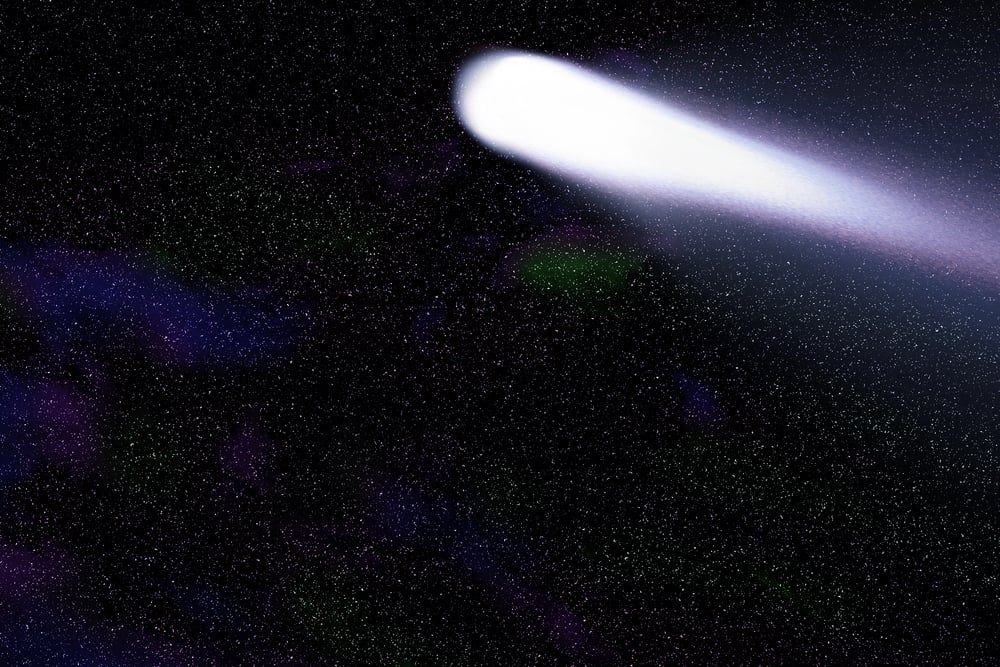
People have been watching this comet swing past Earth for at least 2,200 years. Ancient Chinese astronomers recorded it in 240 BC, and it shows up in historical records from cultures all over the world.
The comet appears every 75 to 76 years, which means some lucky people get to see it twice in their lifetime. Mark Twain was born during its 1835 appearance and died when it returned in 1910—he even predicted he’d go out with it.
The comet became so famous that scientists named it after Edmond Halley, who figured out it was the same comet returning over and over. Its last visit was in 1986, and it won’t be back until 2061.
Tunguska Event

On June 30, 1908, something exploded over Siberia with the force of about 185 Hiroshima bombs. The blast flattened 80 million trees across 830 square miles of forest.
Witnesses reported seeing a fireball streak across the sky before the explosion. Shock waves knocked people off their feet over 40 miles away.
Scientists think a meteor about 200 feet across blew apart in the atmosphere before it could hit the ground. No crater was ever found because the object disintegrated completely.
If this had happened over a city instead of remote wilderness, the death toll would have been catastrophic.
Hale-Bopp
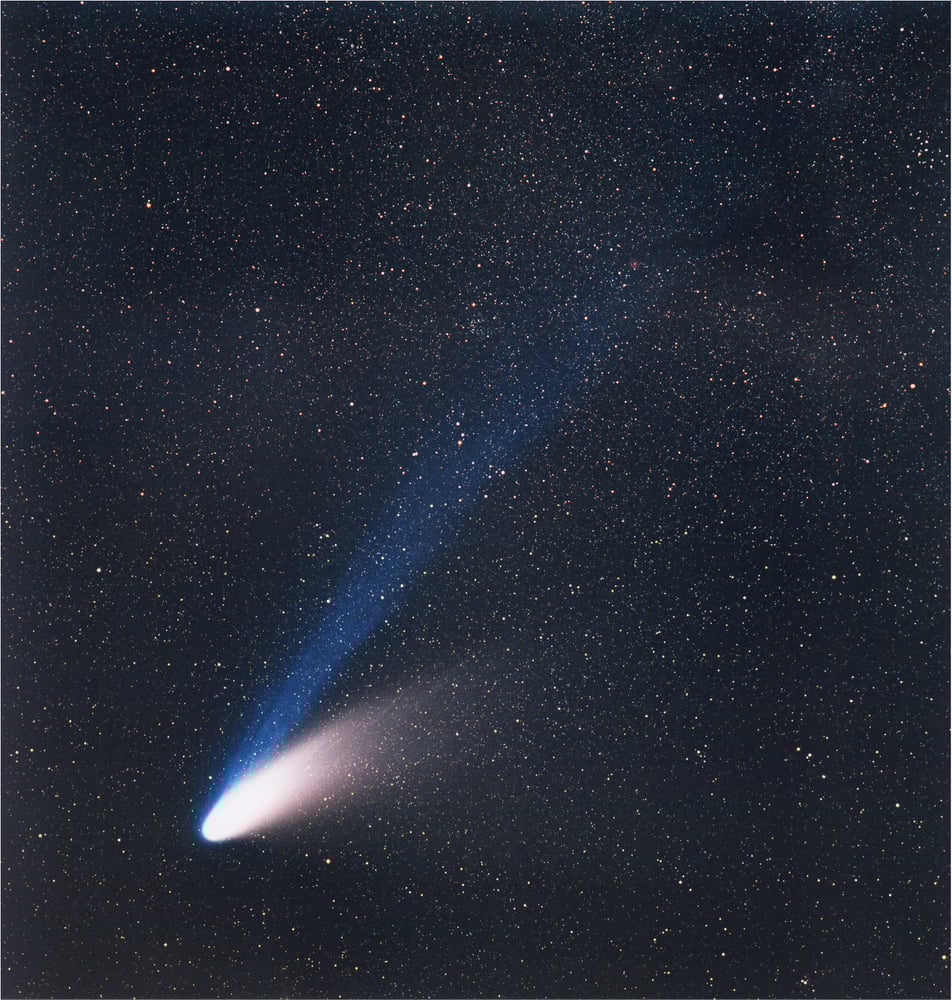
This comet became the most-watched comet of the 20th century when it appeared in 1997. Unlike most comets that you need a telescope to see clearly, Hale-Bopp was visible to the unaided eye for a record-breaking 18 months.
People all over the world stepped outside at night to watch it hanging in the sky. The comet was so bright because of its massive size—its nucleus was between 25 and 50 miles across, making it one of the largest comets ever observed.
Two amateur astronomers discovered it independently on the same night in 1995. The comet won’t return to our neighborhood for another 2,400 years.
Barringer Meteor Crater
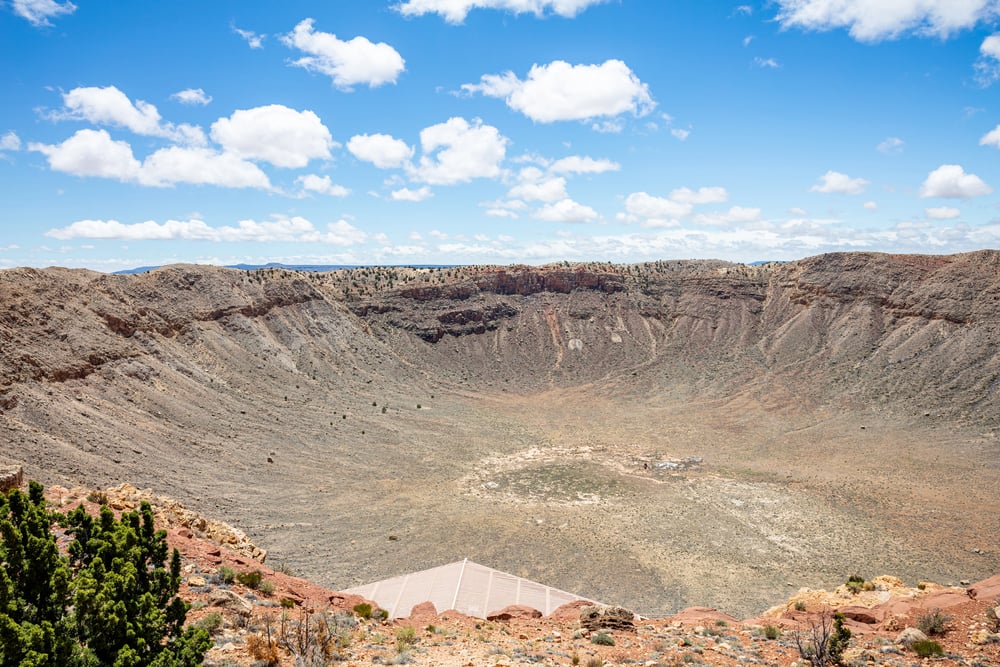
About 50,000 years ago, an iron meteorite roughly 150 feet wide hit the Arizona desert at over 26,000 miles per hour. The impact created a pit nearly a mile wide and 570 feet deep.
For decades, scientists thought it was a volcanic crater until a mining engineer named Daniel Barringer proved it came from space. He spent 27 years and his fortune trying to find the valuable iron meteorite he believed was buried under the crater.
Turns out most of it vaporized on impact. The crater is so well preserved that NASA used it to train Apollo astronauts before their moon missions.
Chelyabinsk Meteor
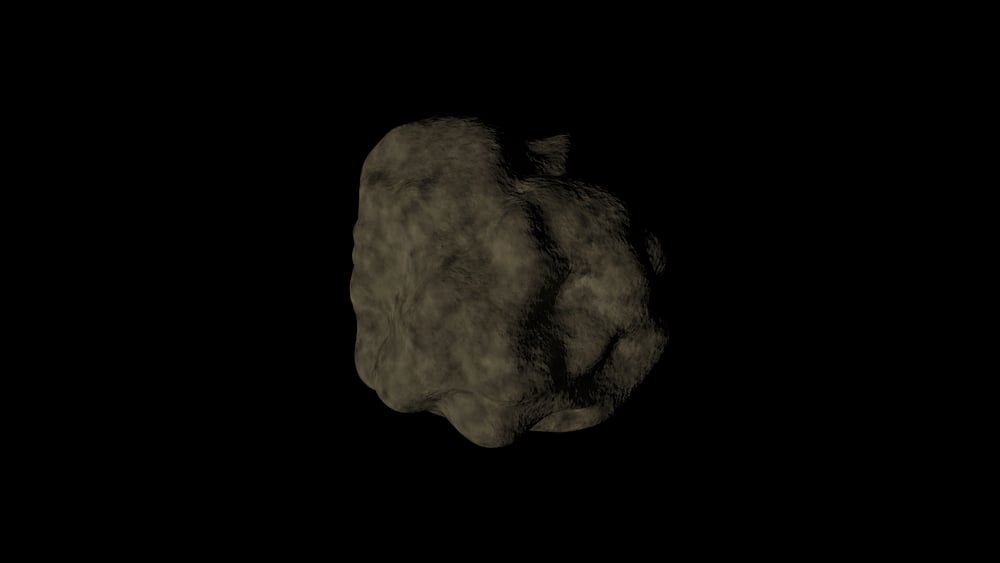
On February 15, 2013, a meteor about 65 feet wide exploded over the Russian city of Chelyabinsk. The fireball was brighter than the sun and could be seen from over 60 miles away.
The shock wave shattered windows across the city and injured more than 1,500 people, mostly from flying glass. Dashboard cameras in Russian cars captured the whole thing from multiple angles, giving scientists unprecedented footage of a major meteor event.
The meteor released about 30 times the energy of the atomic bomb dropped on Hiroshima. Nobody saw it coming because it approached from the direction of the sun, where telescopes couldn’t detect it.
Comet Shoemaker-Levy 9

In July 1994, astronomers got to watch something that had never been seen before—a comet crashing into another planet. Shoemaker-Levy 9 had been captured by Jupiter’s gravity and torn into more than 20 pieces.
These fragments slammed into Jupiter one after another over six days. The impacts created fireballs thousands of miles high and left dark scars on Jupiter’s surface bigger than Earth.
Telescopes around the world and the Hubble Space Telescope watched the cosmic collision happen in real time. This event showed scientists what could happen if a large comet ever hit our planet.
The Great Comet of 1811
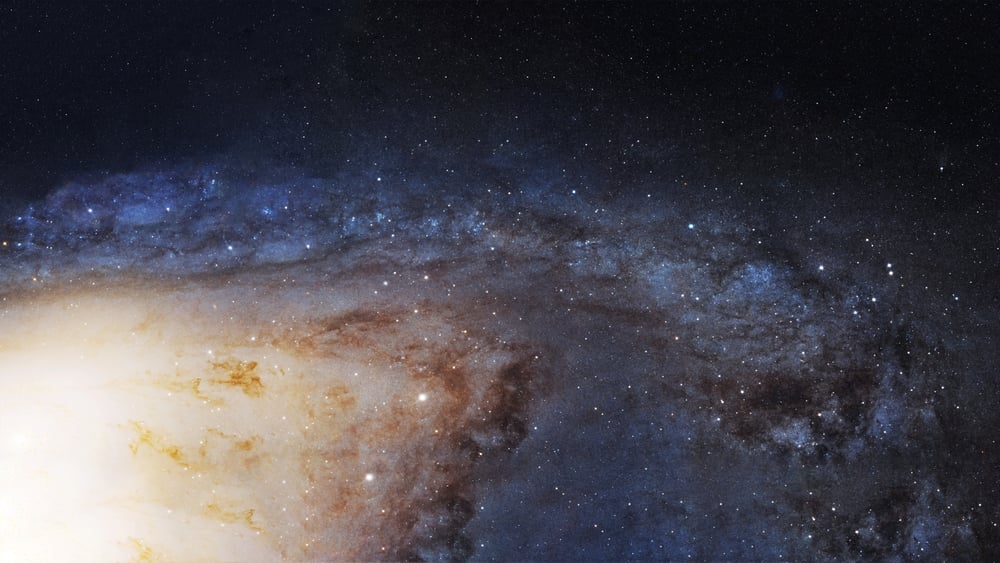
This comet hung in the sky for nine months and became one of the brightest objects people had ever seen at night. It appeared during Napoleon’s invasion of Russia, and some people thought it was a sign of coming disaster.
The comet’s tail stretched across a huge portion of the sky and could be seen even during the day at its brightest. Wine makers in Europe had an exceptional harvest that year, and they credited the comet for the quality of the grapes.
Bottles of ‘comet wine’ from 1811 became legendary and are still considered some of the finest ever produced.
Comet Hyakutake
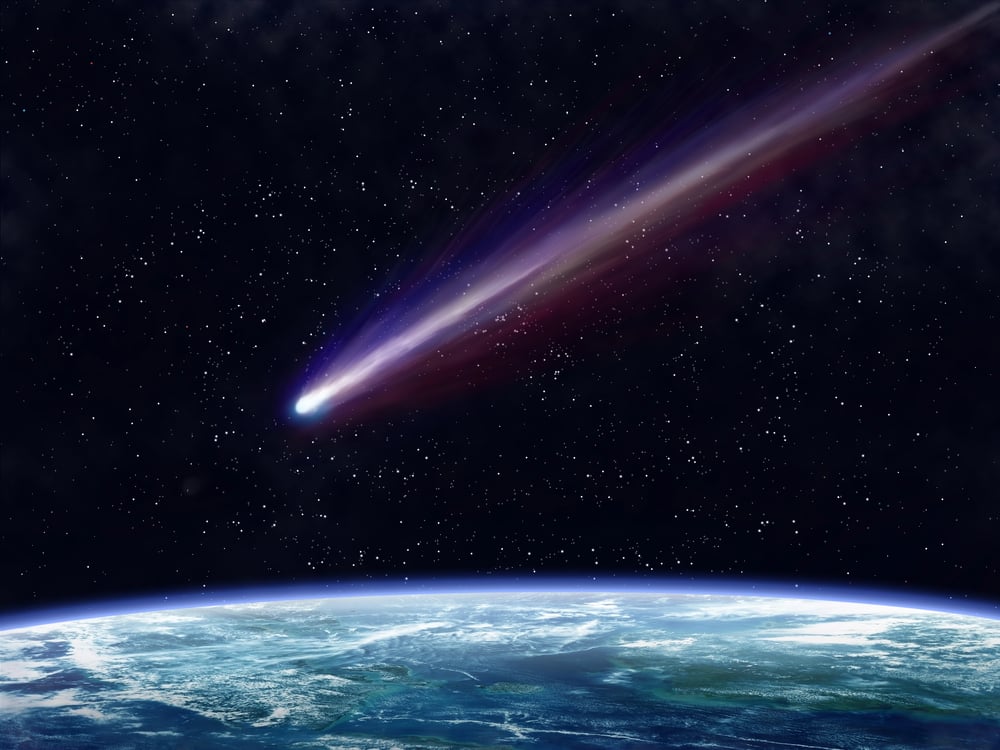
In 1996, just a year before Hale-Bopp stole the show, Comet Hyakutake gave skywatchers a preview of what a great comet looks like. A Japanese amateur astronomer named Yuji Hyakutake spotted it with a pair of binoculars.
The comet passed closer to Earth than any other in 200 years—only about 9.3 million miles away. Its tail stretched across more than 80 degrees of the sky, about half the distance from horizon to horizon.
Scientists discovered that comets give off X-rays, something nobody expected until they pointed X-ray telescopes at Hyakutake.
The Leonid Meteor Storm of 1833

On the night of November 12, 1833, people across North America woke up to see the sky filled with shooting stars. Meteors fell at a rate of up to 100,000 per hour, so many that some people thought the world was ending.
One witness described them as ‘thick as snowflakes in a snowstorm.’ The spectacular display happened when Earth passed through a dense stream of debris left behind by Comet Tempel-Tuttle.
This event helped scientists understand that meteor showers were a natural phenomenon caused by comets, not random occurrences. The Leonids still put on shows every November, though nothing like the 1833 storm.
Apophis

This asteroid earned its name from an ancient Egyptian god of chaos, and it lives up to the title. Discovered in 2004, Apophis is about 1,100 feet across and will pass incredibly close to Earth on April 13, 2029.
It will come within 19,000 miles of our planet—closer than some satellites. For a while, scientists calculated a small chance it could hit Earth during a later pass in 2036, which got a lot of attention in the media.
Further observations ruled out an impact for at least another century. When it flies by in 2029, Apophis will be visible to the unaided eye across parts of Europe, Africa, and Asia.
The Allende Meteorite

On February 8, 1969, a fireball lit up the sky over northern Mexico before breaking apart and raining stones across the Chihuahua desert. People collected more than two tons of fragments, making it one of the largest meteorite falls ever witnessed.
Scientists got incredibly excited because Allende is a carbonaceous chondrite, one of the oldest types of meteorites in existence. The rocks contained tiny grains that formed before our solar system even existed.
Researchers also found amino acids and other organic compounds, giving clues about the chemistry that led to life. Pieces of Allende are still being studied more than 50 years later.
Comet Kohoutek
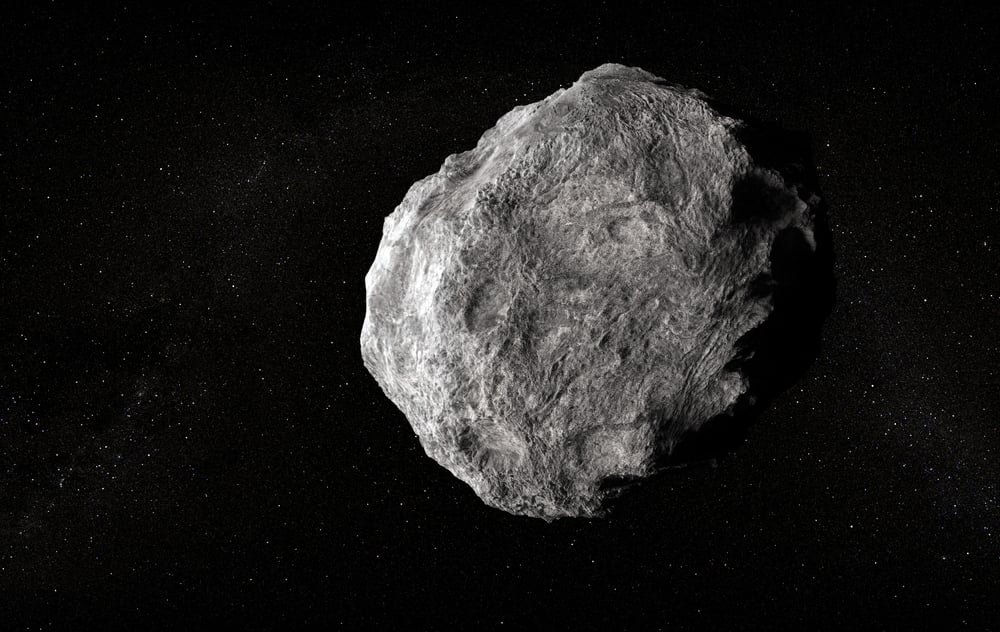
This comet became famous in 1973 when astronomers predicted it would be the ‘comet of the century.’ Media coverage went wild with expectations of an incredible light show.
Unfortunately, Kohoutek turned out to be a huge disappointment when it passed by Earth and was barely visible without a telescope. The hype was so big that the letdown spawned jokes and made people skeptical of comet predictions for years afterward.
Scientists learned an important lesson about the difficulty of predicting how bright a comet will become. Despite the public relations disaster, the comet actually provided valuable scientific data about the composition of comets.
The Sikhote-Alin Meteorite

On February 12, 1947, a massive iron meteorite streaked across the Russian sky in broad daylight. Witnesses described it as a fireball brighter than the sun, trailing smoke and making a sound like thunder.
The meteor broke apart before impact and created at least 106 craters across the Sikhote-Alin Mountains. The largest crater measured 85 feet across and 20 feet deep.
Thousands of iron fragments weighing a total of about 23 tons were collected from the site. Artists working in the area at the time even painted what they saw, giving scientists rare eyewitness artwork of a meteorite fall.
Comet McNaught
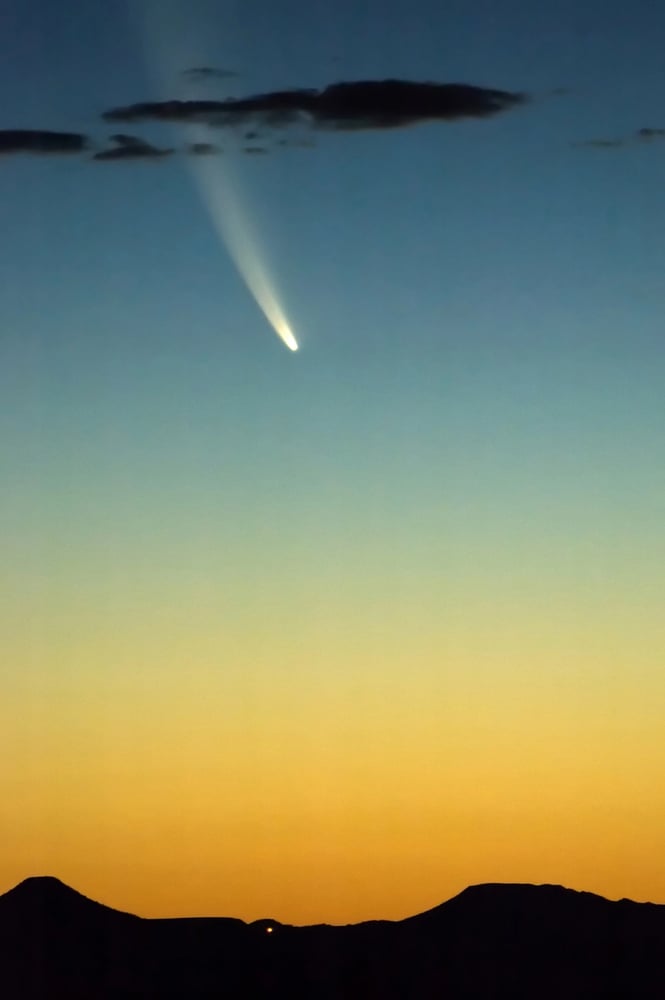
In January 2007, Comet McNaught became the brightest comet visible from Earth in over 40 years. People in the Southern Hemisphere got the best views of its enormous tail, which stretched across much of the night sky.
The comet was so bright that people could see it during the day if they knew where to look. Photographs showed the tail had multiple streamers and a complex structure that scientists hadn’t seen in other comets.
It was named after Australian astronomer Robert McNaught, who discovered it the previous year. The comet put on such a spectacular show that some observers called it the ‘Great Comet of 2007.’
The Murchison Meteorite
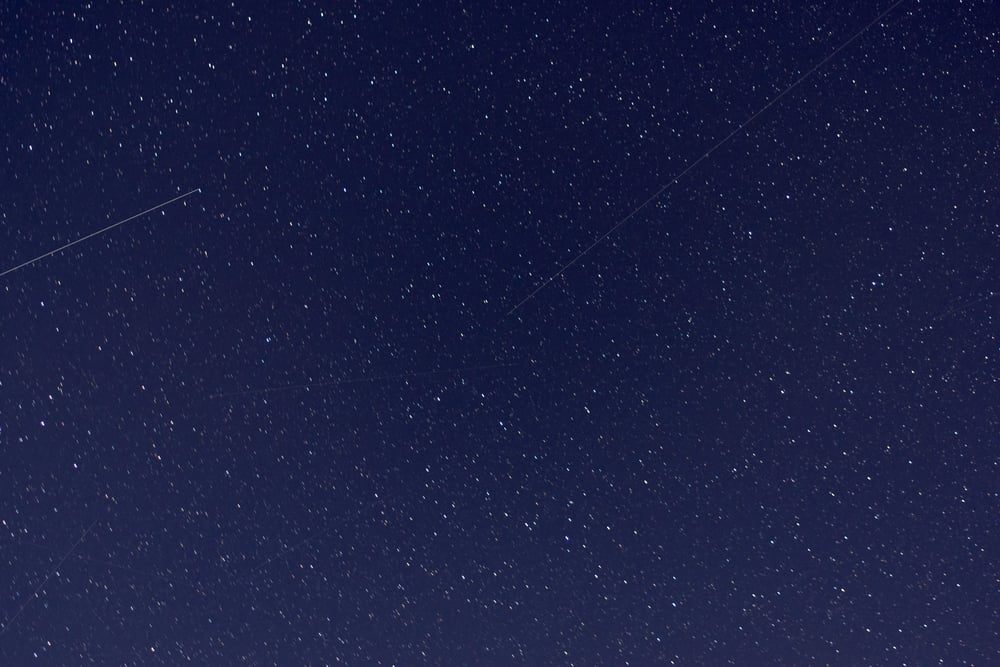
When this meteorite fell over Australia in 1969, it brought chemistry from the dawn of the solar system to Earth. The rock weighed over 220 pounds and scattered fragments across the town of Murchison in Victoria.
Scientists found more than 70 different amino acids in the meteorite—only 20 of those appear in life on Earth. The meteorite also contained tiny diamonds older than the sun and grains of stardust from stars that died before our solar system formed.
Researchers discovered sugars and other organic molecules that showed the building blocks of life were common in the early solar system. This single meteorite changed our understanding of how the ingredients for life spread through space.
Comet West
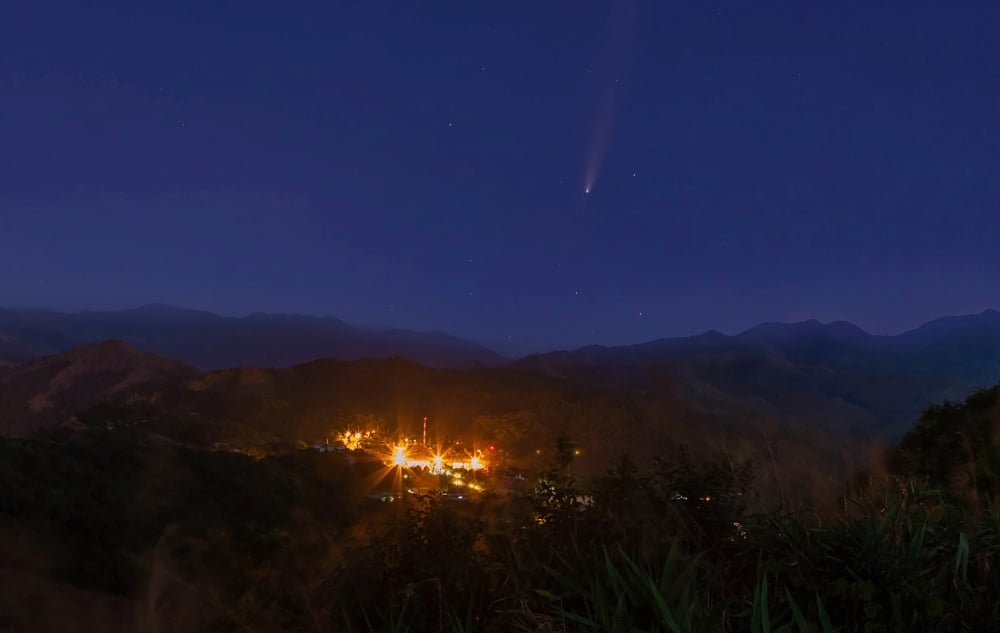
Back in March of 1976, Comet West lit up the heavens like few others had before – yet nearly everyone overlooked it. Because Kohoutek had fizzled just three years prior, scientists played things quiet, wary of repeating past hype.
So despite its brilliance, most never laid eyes on a sight equal to legendary comets. Instead of one smooth trail, its tail broke into several glowing ribbons.
These streaks fanned out wide, covering vast stretches overhead. Without any aid, you could spot it clear as day.
Through binoculars? Even more breathtaking – it shimmered, sharp and alive. Some of the most famous comet photos were made by those behind the camera.
When news spread of its beauty, the comet was already gone.
Rocks That Changed Everything
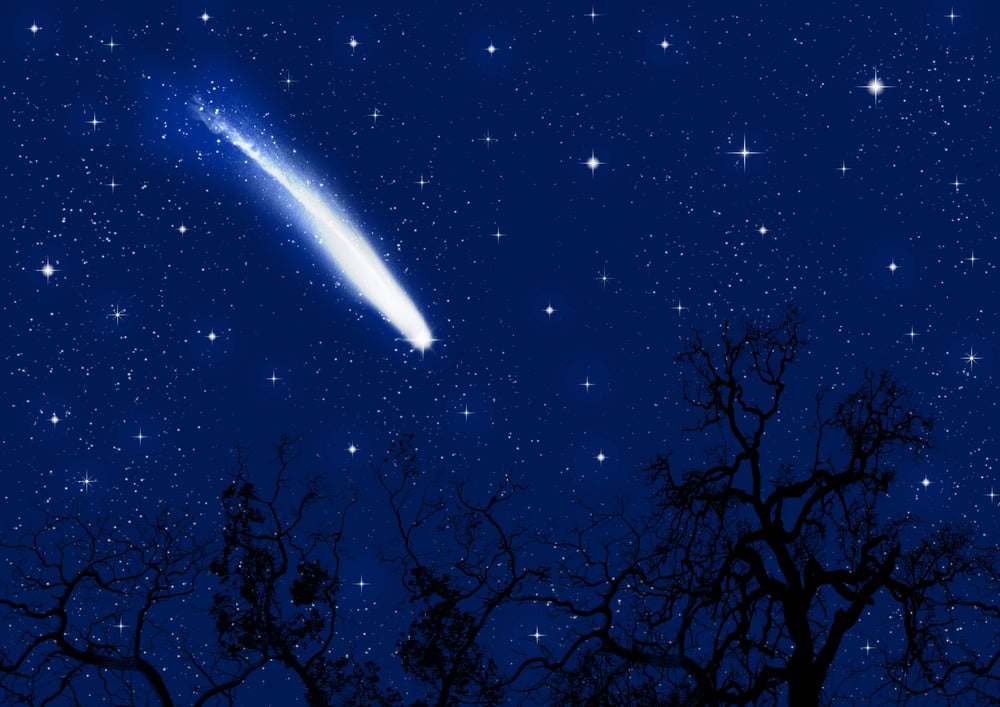
Out there, travelers from deep space show how fragile our world really is – hit sooner or later, no doubt. Slipping past air resistance, they deliver ancient fragments older than oceans.
Water arrived by chance, maybe even the building blocks of living things, tucked inside their rocky shells. Then again, some slammed hard enough to wipe whole eras clean.
Life changed each time, shaped just as much by destruction as by arrival. Right now, researchers follow countless space rocks close to Earth, figuring out how to push aside any threat moving toward us.
Tomorrow might bring a huge comet streaking across the sky, though it could just as easily take decades before such a sight returns.
More from Go2Tutors!

- The Romanov Crown Jewels and Their Tragic Fate
- 13 Historical Mysteries That Science Still Can’t Solve
- Famous Hoaxes That Fooled the World for Years
- 15 Child Stars with Tragic Adult Lives
- 16 Famous Jewelry Pieces in History
Like Go2Tutors’s content? Follow us on MSN.