Bizarre Things Found During The Excavation Of Pompeii
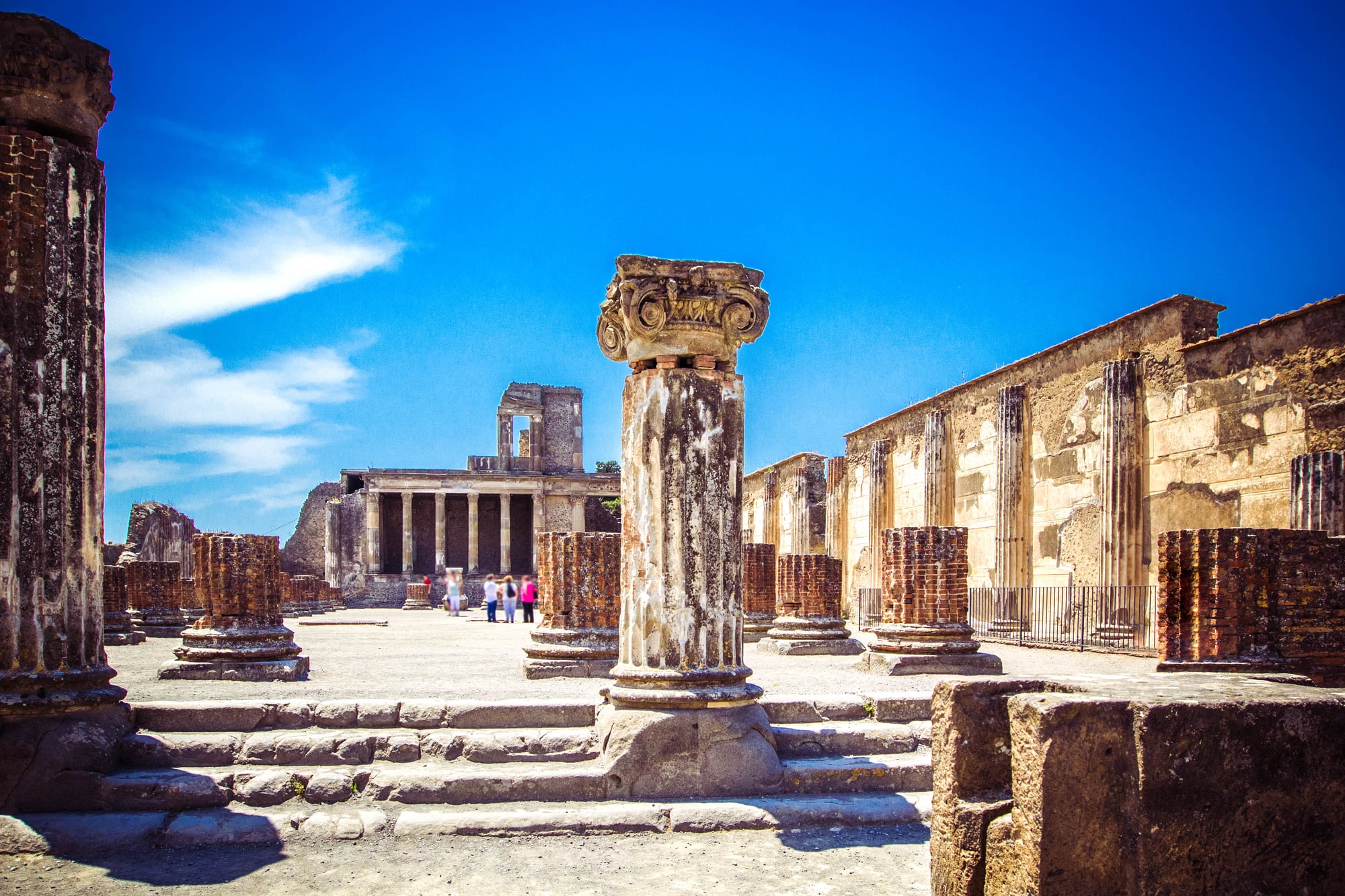
The ancient city of Pompeii continues to surprise archaeologists nearly three centuries after its initial discovery. Frozen in time by Mount Vesuvius in 79 AD, this Roman settlement offers an unfiltered glimpse into daily life that feels almost uncomfortably intimate.
Every excavation season brings fresh mysteries to light, and some discoveries defy explanation entirely. From the mundane to the mystifying, Pompeii’s artifacts tell stories that ancient historians never bothered to record — the strange, embarrassing, and wonderfully human details that make the past feel startlingly present.
A Loaf Of Bread Still In The Oven
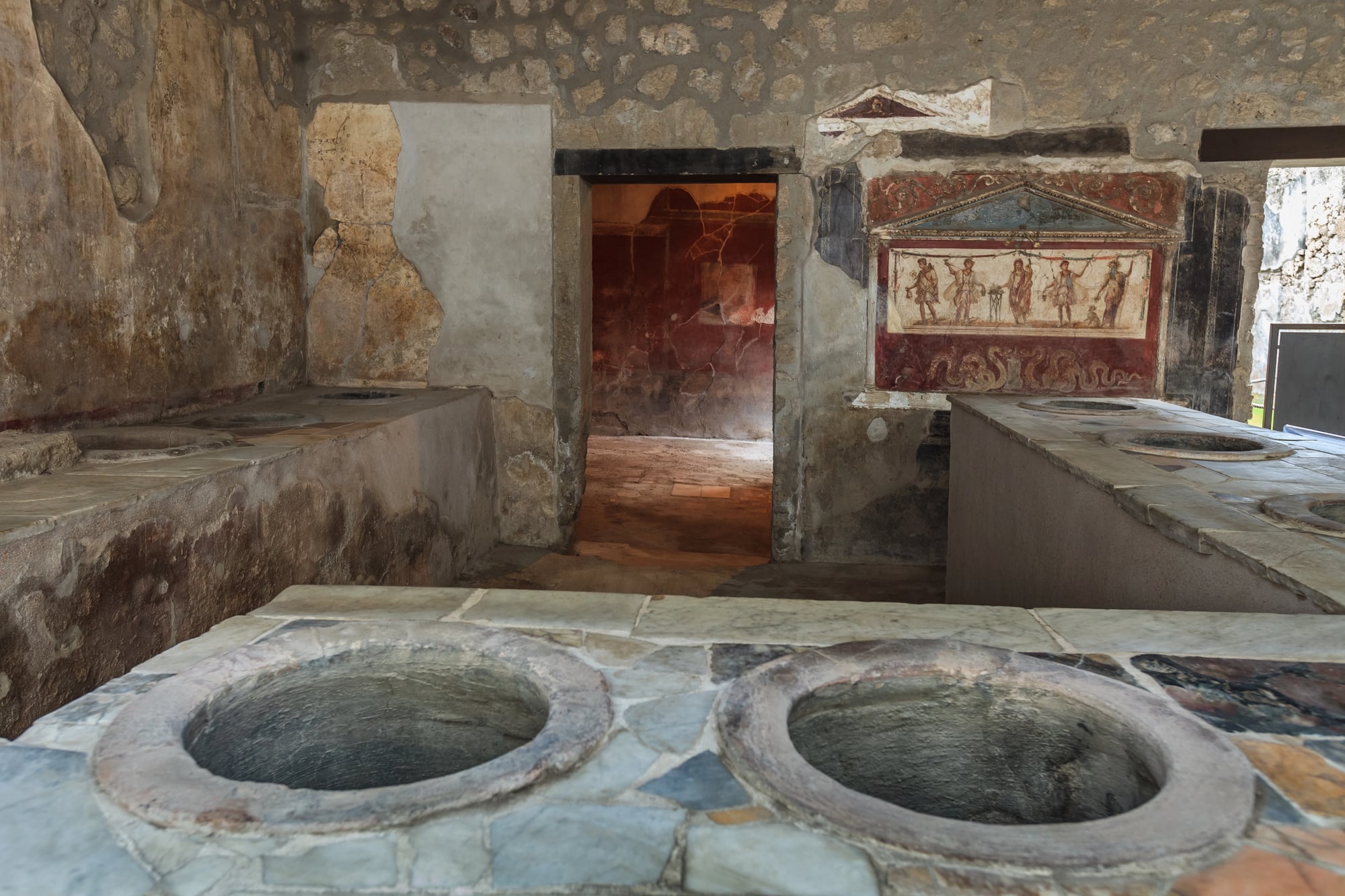
The eruption hit fast. Bakers never finished their morning routines.
Archaeologists found a carbonized loaf still sitting in a bakery oven, stamped with the baker’s seal. The bread looked ready to eat until you realized it had been sitting there for nearly two thousand years.
Most people never got breakfast that day.
Graffiti Complaining About Politics
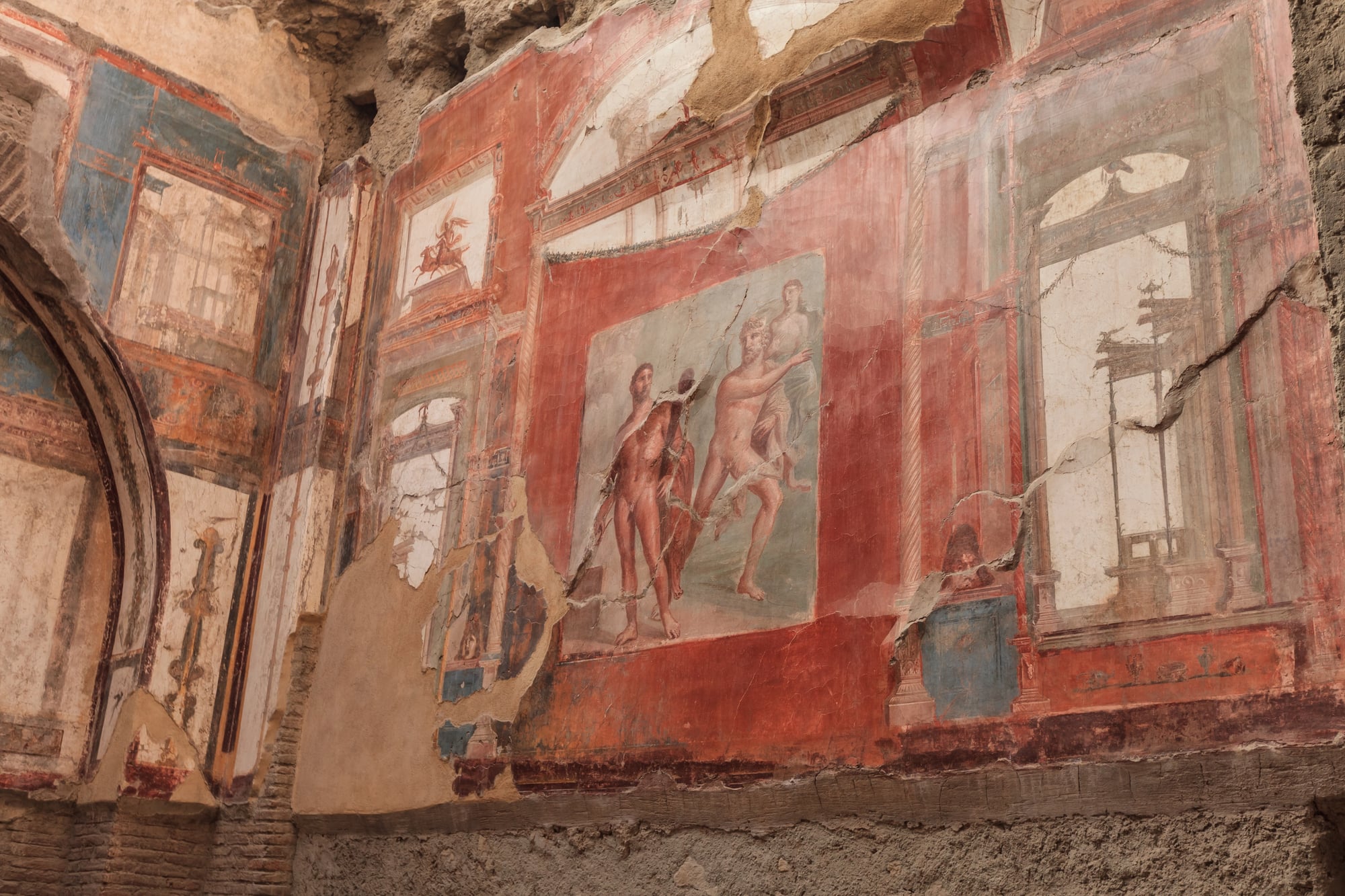
Ancient Romans had opinions about their leaders, and they weren’t shy about sharing them. Pompeii’s walls are covered with political commentary that would make modern social media look tame.
One inscription roughly translates to “I wonder, O wall, that you have not fallen in ruins from supporting the stupidities of so many scribblers.” Even the graffiti complained about other graffiti.
Another citizen carved complaints about tax collectors directly into a public building. Some things never change, but at least they had to walk to a wall to broadcast their frustrations.
Surgical Instruments That Look Medieval
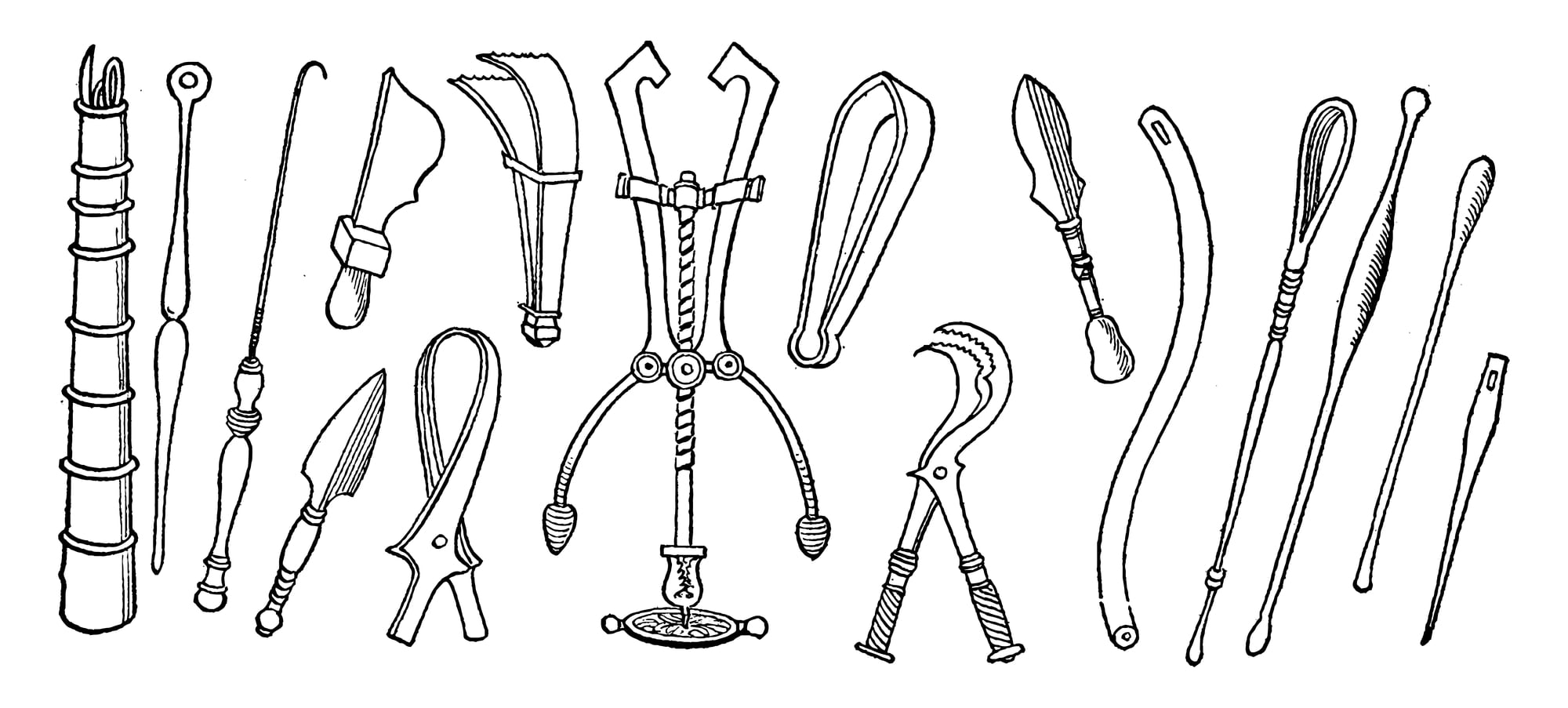
Inside what appears to have been a doctor’s house, excavators found a complete set of surgical tools — and they’re unsettling to look at. There are bone saws, forceps, and scalpels that wouldn’t look out of place in a horror film, yet they represent some of the most advanced medical technology of their time.
The instruments are so well-preserved that modern surgeons can identify their specific uses. Which raises uncomfortable questions about what it felt like to need surgery in the first century, when anesthesia meant biting down on a leather strap.
The Romans were performing cataract surgery and amputations with these tools. They knew more about medicine than anyone gave them credit for, even if their patients might not have appreciated the experience.
Fast Food Joints With Menu Prices Still Visible
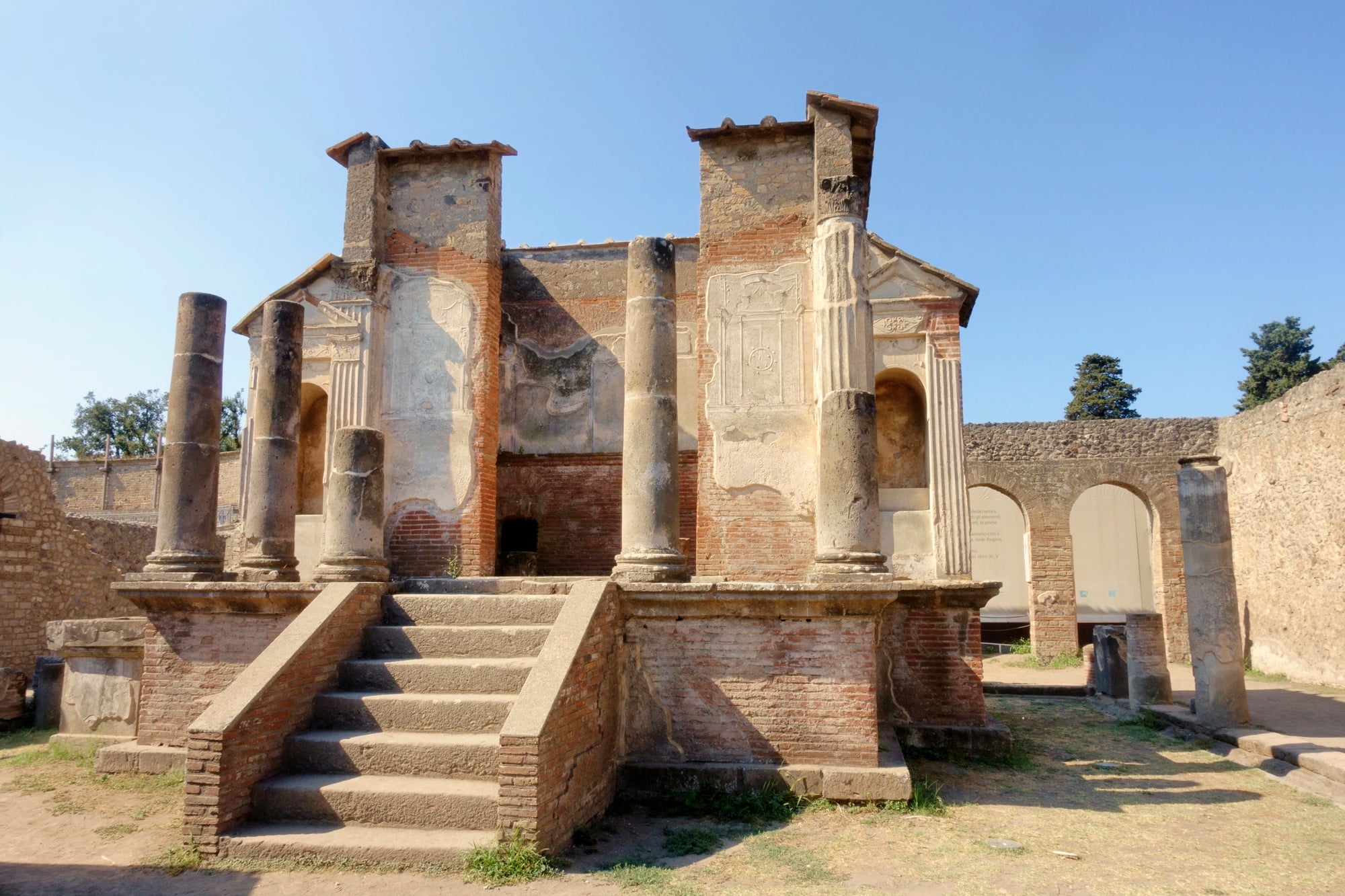
Pompeii had fast food before fast food existed. Thermopolia — ancient snack bars — lined the streets with stone counters and built-in pots for keeping food warm.
The remarkable thing isn’t just that they existed, but that the menu prices survived.
You could get a cup of wine for one coin, a loaf of bread for two coins, and a hot meal for four coins. Do the currency conversion, and these prices fall somewhere between expensive and outrageous by modern standards.
Apparently, convenience has always come at a premium. The wealthy ate at home; everyone else grabbed lunch from a counter on the street corner, just like today.
A Gladiator’s Helmet Covered In Decorative Scenes
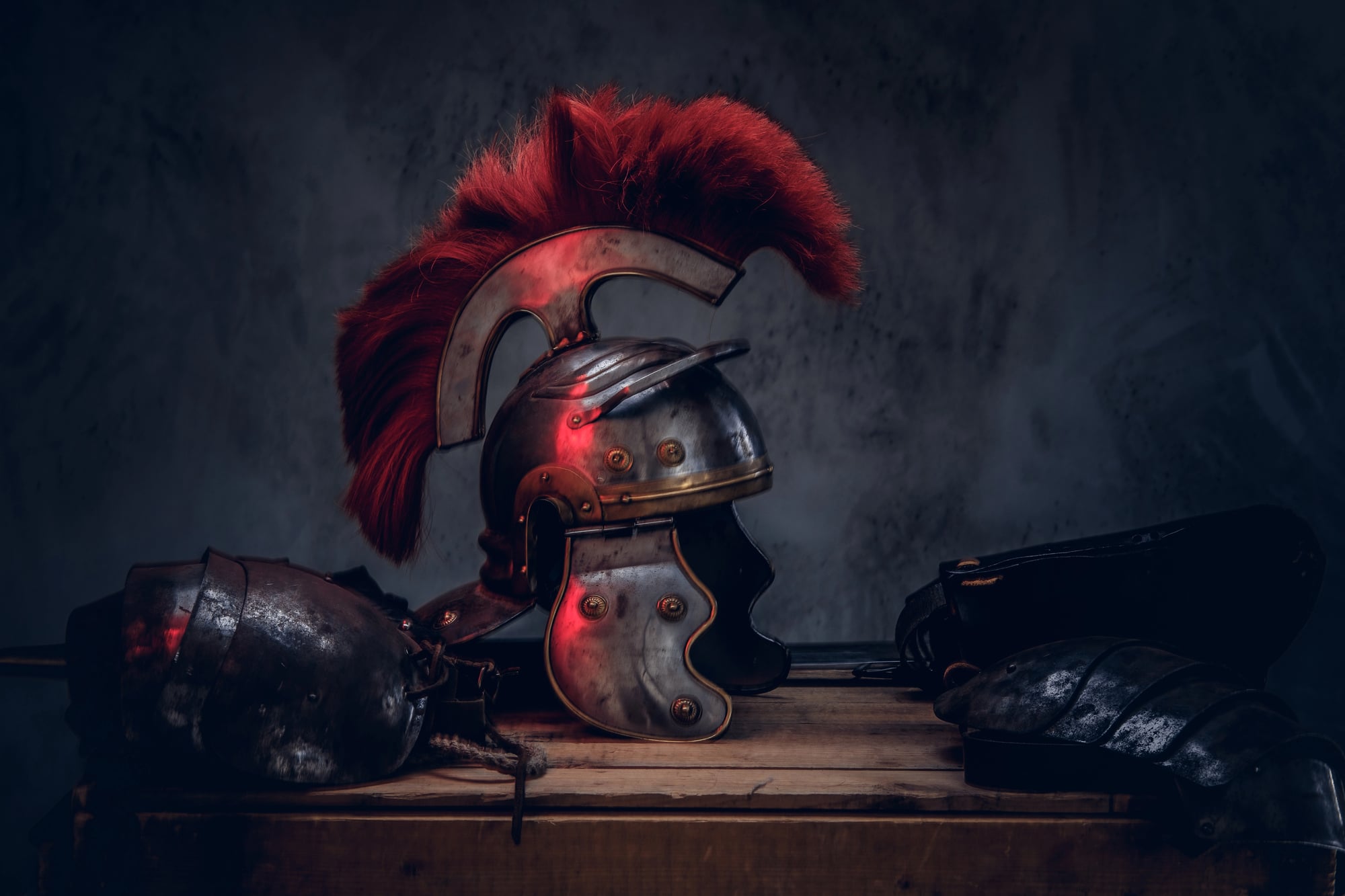
The gladiator barracks yielded treasures that complicate the typical image of brutal arena combat. One helmet, ornately decorated with mythological scenes, looks more like ceremonial armor than practical fighting gear.
The craftsmanship is extraordinary — detailed reliefs showing gods and heroes, inlaid with precious metals. This wasn’t throwaway equipment for disposable fighters.
Some gladiators were celebrities, and their gear reflected that status. The helmet tells a story about Roman entertainment that’s more complex than the simple blood sport narrative.
These men were performers as much as fighters, and their equipment was designed to dazzle as much as protect.
Perfectly Preserved Dice That Were Obviously Loaded
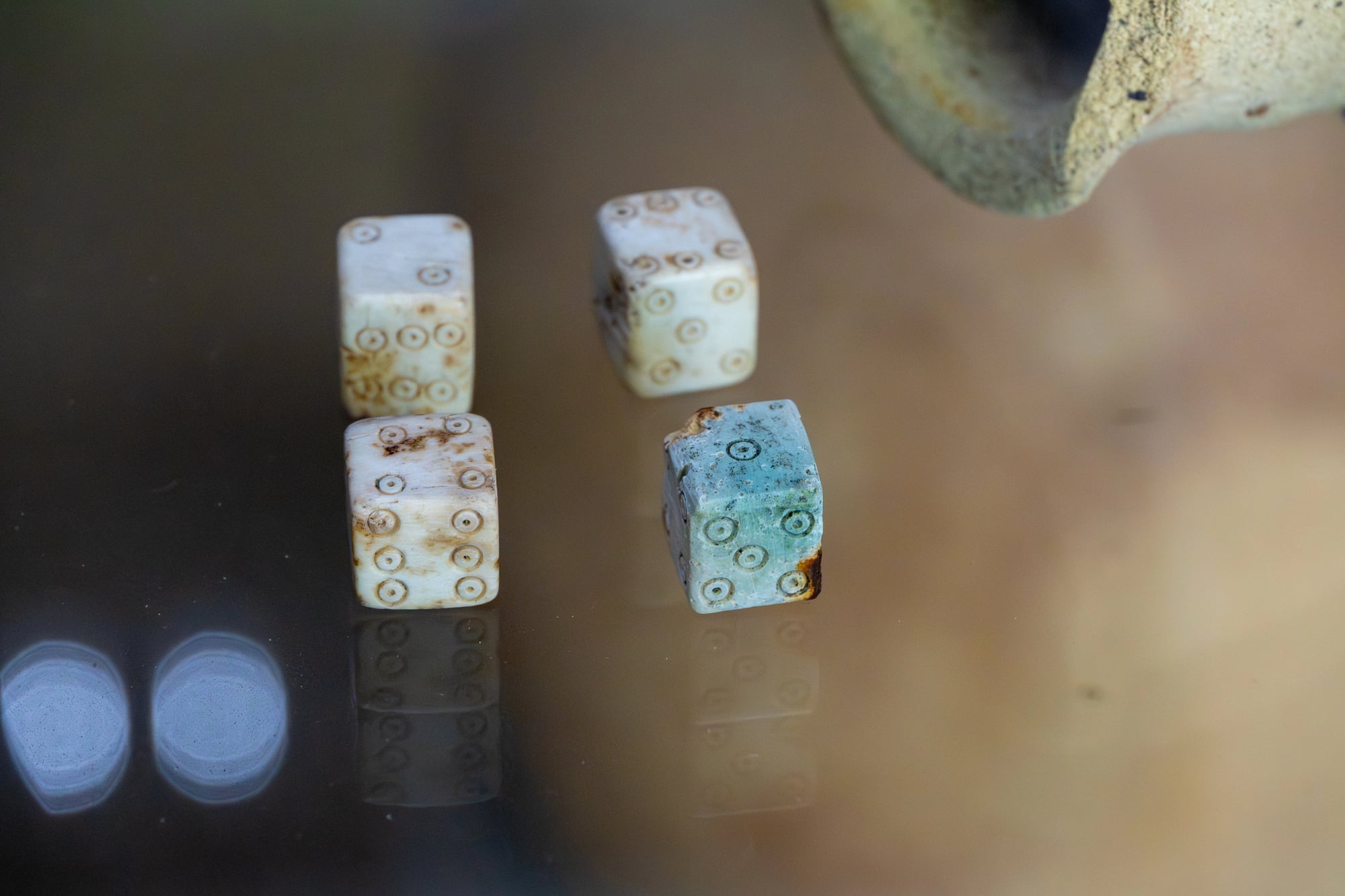
Romans loved gambling, and they weren’t above cheating. Several sets of dice found throughout the city are weighted — small lead inserts that made certain numbers come up more often.
The workmanship on these crooked dice is impressive. Someone took real care to make them look legitimate while ensuring they’d produce predictable results.
Romans had professional gamblers, underground betting rings, and apparently, sophisticated methods of fraud. The more things change, the more they stay exactly the same.
Love Letters Between Married Couples
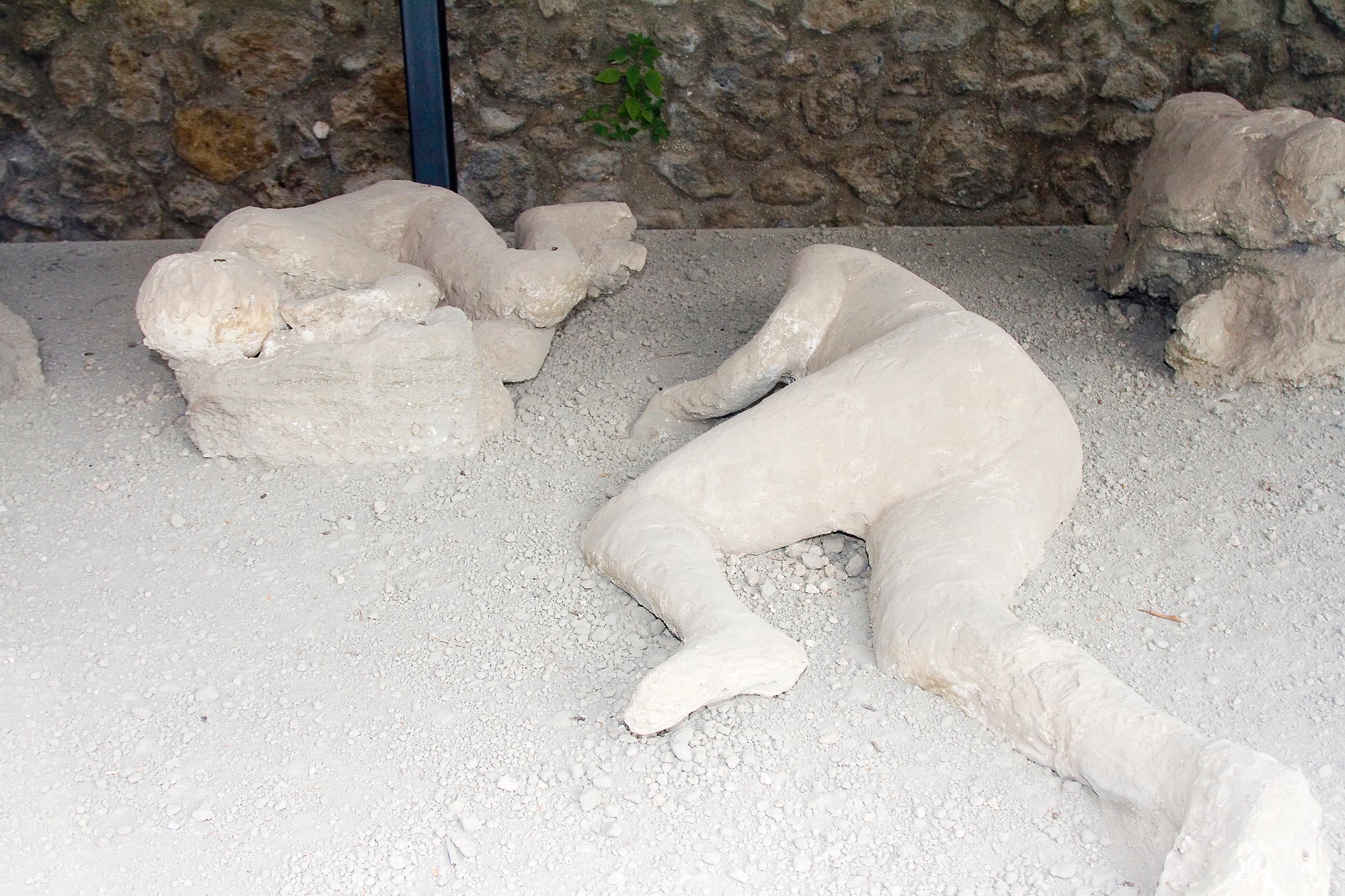
Not every discovery involves drama or violence. Some of the most moving finds are simple love notes between spouses — messages that were never meant to survive for two thousand years, let alone be read by strangers.
One letter, found in a villa, contains a husband’s promise to return home by a specific date, along with gentle teasing about his wife’s cooking. Another includes a shopping list followed by an affectionate postscript.
These weren’t grand romantic gestures; they were the small, daily expressions of affection that keep marriages running. They humanize the ancient world in ways that official histories never could.
Reading them feels like eavesdropping on conversations that were meant to stay private forever.
A Collection Of Ancient Dice Games Nobody Knows How To Play
Roman entertainment went well beyond dice and gambling. Archaeologists have found elaborate game boards with complex rules that died along with the civilization that created them.
One board game involves multiple sets of pieces, several dice, and a scoring system that modern experts can only guess at. The Romans clearly had sophisticated entertainment, but the instructions didn’t survive.
Imagine trying to figure out chess if you’d never seen it played and had no rulebook. That’s the puzzle these ancient games present.
Romans spent their evenings engaged in strategic contests that are now completely lost to time.
Cosmetic Jars Still Containing Ancient Makeup

Roman women cared about their appearance, and their cosmetic collections prove it. Excavators have found makeup containers still holding traces of foundation, rouge, and eye shadow — formulations that included lead, mercury, and other substances that would horrify modern chemists.
The dedication to beauty was impressive and dangerous. Women applied white lead foundation to achieve pale complexions, used mercury for rouge, and lined their eyes with antimony.
They knew these substances were toxic — Roman physicians wrote warnings about cosmetic poisoning — but fashion apparently outweighed safety concerns. The pursuit of beauty has always involved risk, though ancient Roman women took that principle to extremes that would make modern influencers reconsider their choices.
Brothel Price Lists Carved In Stone
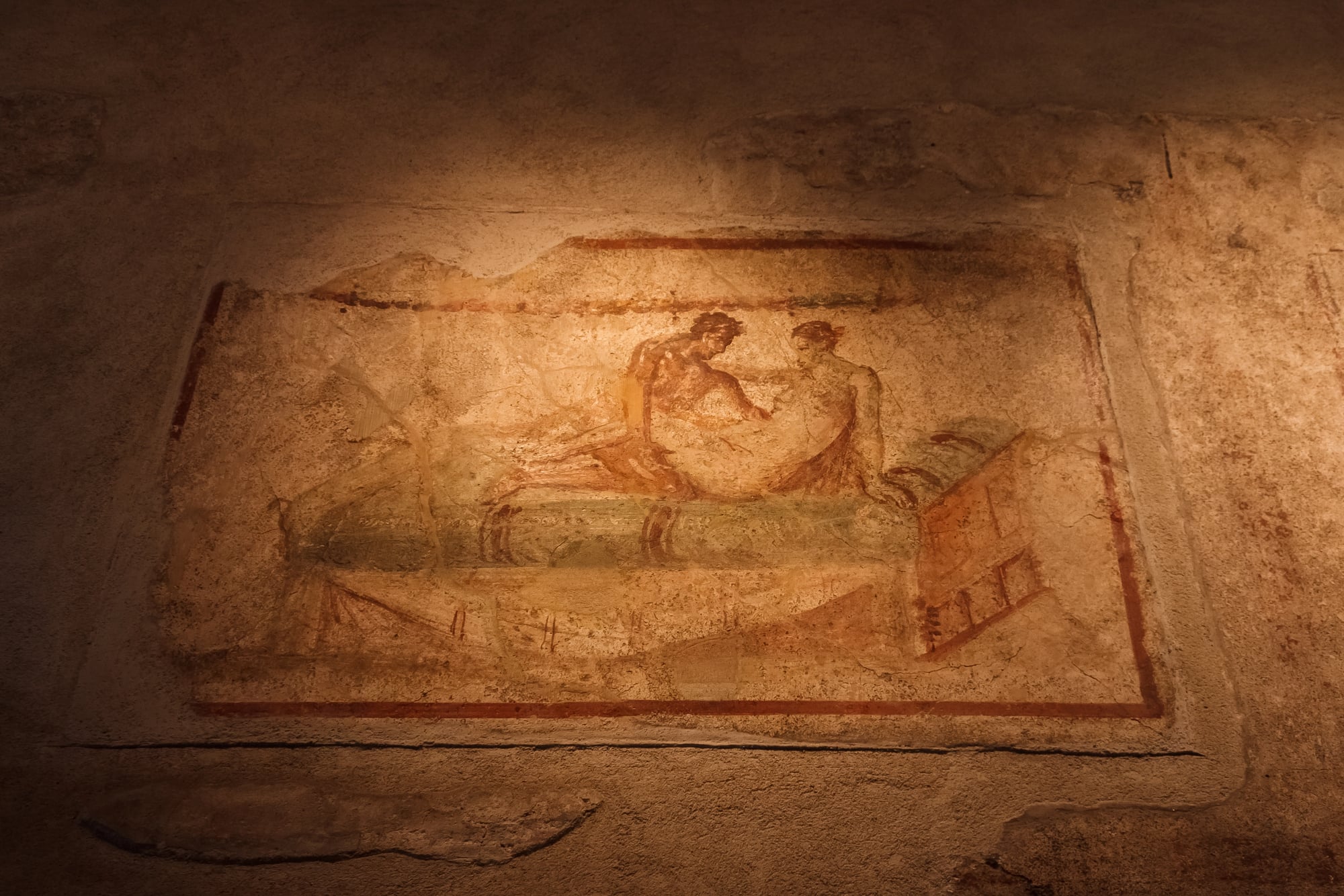
Pompeii’s red-light district was extensive and well-organized. The Lupanar — the city’s main establishment — contains price lists carved directly into the walls, along with explicit frescoes advertising various services.
The pricing structure reveals a complex economy around entertainment that operated openly and legally. Different services commanded different rates, and the stone carvings suggest this was a regulated industry with standardized pricing.
Roman society approached certain aspects of life with a practical directness that would shock modern sensibilities, but their record-keeping was thorough. Business was business, even in the oldest profession.
Library Scrolls That Turned To Carbon

When Vesuvius erupted, the heat didn’t just preserve organic matter — it transformed it. Papyrus scrolls in private libraries became carbonized cylinders that look like chunks of charcoal but contain readable text.
Modern technology can now scan these scrolls without unrolling them, revealing lost works by ancient authors. Some contain philosophical treatises that exist nowhere else; others hold poetry, personal letters, and business records.
It’s like discovering a time capsule that nobody meant to leave behind. The Romans had extensive private libraries, and their sudden preservation has given modern scholars access to texts that would otherwise be completely lost.
Musical Instruments Still In Tune

Roman houses contained musical instruments that survived the eruption in playable condition. Flutes, lyres, and even a few examples of more complex instruments have been found with their tuning mechanisms intact.
Musicians have tested some of these instruments and found they still produce clear notes. The Romans used sophisticated tuning systems, and their instruments were built to professional standards.
Music was central to Roman social life — dinner parties featured live entertainment, religious ceremonies required musical accompaniment, and even gladiator games included orchestral elements. The survival of these instruments provides a direct connection to Roman soundscapes that written descriptions could never convey.
Children’s Toys That Look Surprisingly Modern
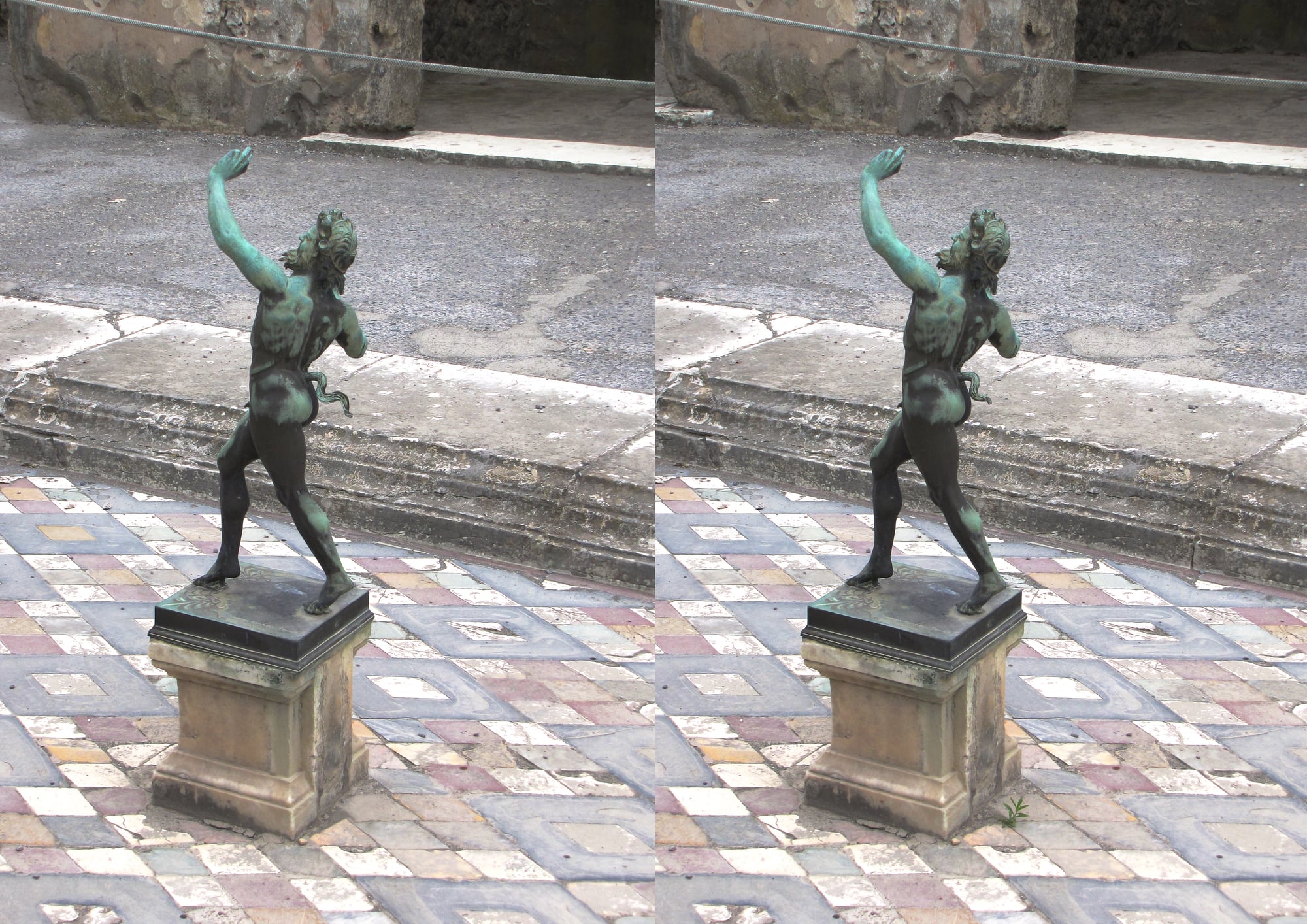
Roman children played with dolls, miniature soldiers, and board games that wouldn’t look out of place in a modern toy store. The craftsmanship on some of these toys rivals contemporary manufacturing.
One doll, found in a child’s bedroom, has articulated joints and removable clothing. Miniature chariots complete with horses show attention to detail that suggests toys were serious business.
Roman parents invested in their children’s entertainment, and toy makers responded with sophisticated products. Childhood in ancient Rome included play that prepared kids for adult roles while providing genuine entertainment.
The toys reveal a society that valued children’s development and happiness in ways that feel surprisingly contemporary.
Time Stands Still, Questions Remain
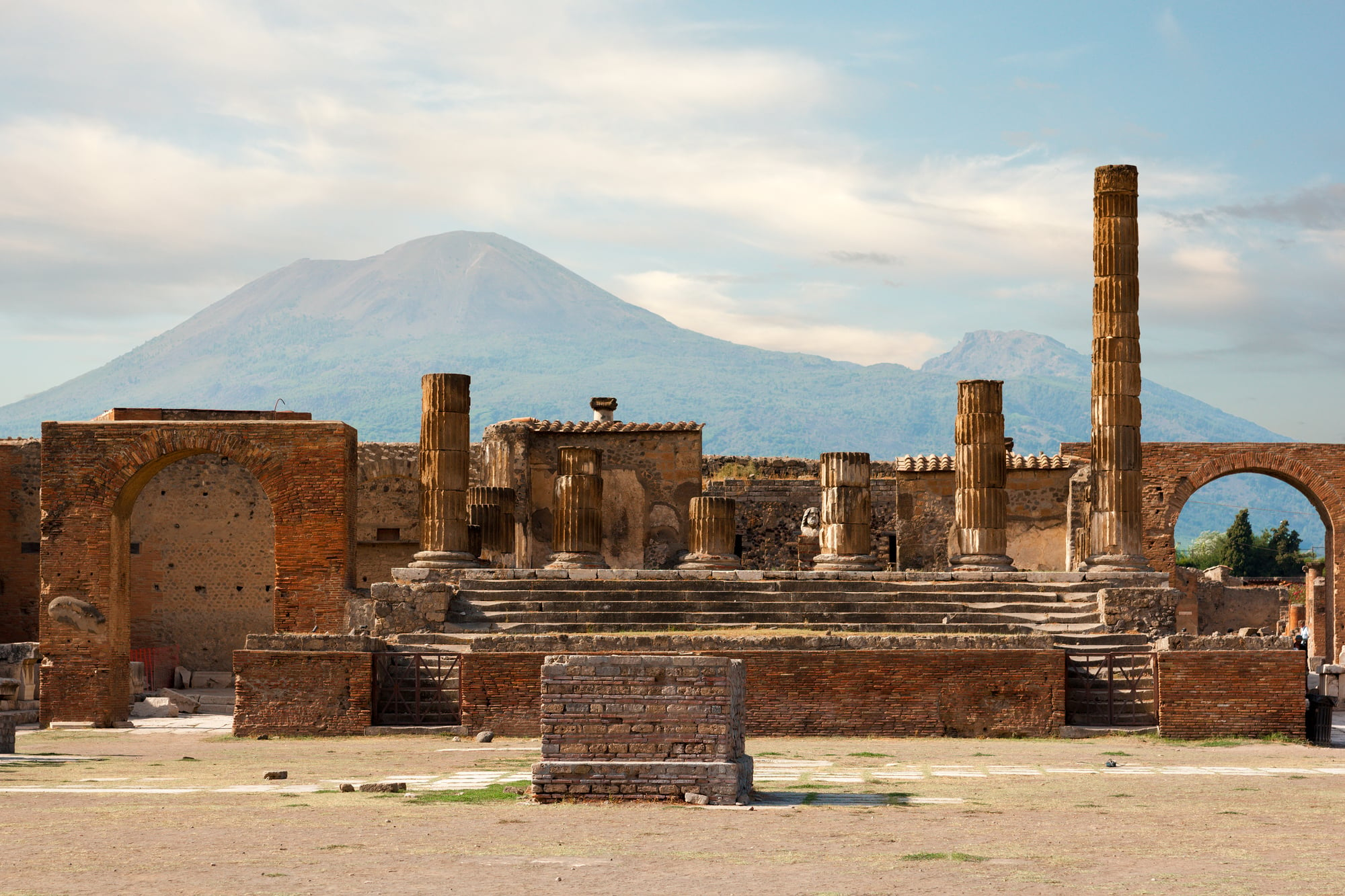
Each artifact from Pompeii raises as many questions as it answers. The city’s preservation was both a tragedy and a gift — a snapshot of ancient life that continues to challenge assumptions about the past.
These discoveries remind us that Romans dealt with the same fundamental human experiences we face today: love, ambition, entertainment, and the small daily choices that define a life. The volcanic ash that ended their world preserved their stories for ours, creating a dialogue across centuries that feels more like a conversation with neighbors than a lesson in ancient history.
More from Go2Tutors!

- The Romanov Crown Jewels and Their Tragic Fate
- 13 Historical Mysteries That Science Still Can’t Solve
- Famous Hoaxes That Fooled the World for Years
- 15 Child Stars with Tragic Adult Lives
- 16 Famous Jewelry Pieces in History
Like Go2Tutors’s content? Follow us on MSN.