22 Things About Snow Days That Made Them Feel Like Winning the Lottery
A snow day was not just a day off school. It was a day off school that nobody had planned for, that couldn’t be rescheduled, that arrived on the world’s terms rather than the institution’s.
The homework still existed. The test you’d been dreading still existed.
But the day itself had been pulled from the regular sequence of things and replaced with something unscheduled, unofficial, and bright white. The lottery comparison holds: you didn’t earn it and you couldn’t predict it.
You just woke up and found out you’d won. The snow day’s closest adult equivalent — a cancelled meeting, an unexpected Friday off, a power cut that closes the office — never quite achieves the same effect.
Adult freedom is complicated by productivity guilt and the knowledge that everything will need catching up. Childhood snow day freedom was clean.
There was nothing to catch up. The day had been taken from the calendar entirely.
Waking Up to the Light Being Wrong

The first sign was the quality of light through the curtains. Snow reflects even early morning light back upward, producing a brightness before seven in the morning that had no meteorological precedent in the standard winter routine.
A child attuned to the rhythms of getting ready for school registered this light anomaly in the half-second between sleeping and being awake. They understood it before opening eyes, before checking a phone, before any adult confirmed what the light was already saying.
Pressing Your Face to the Window to Confirm
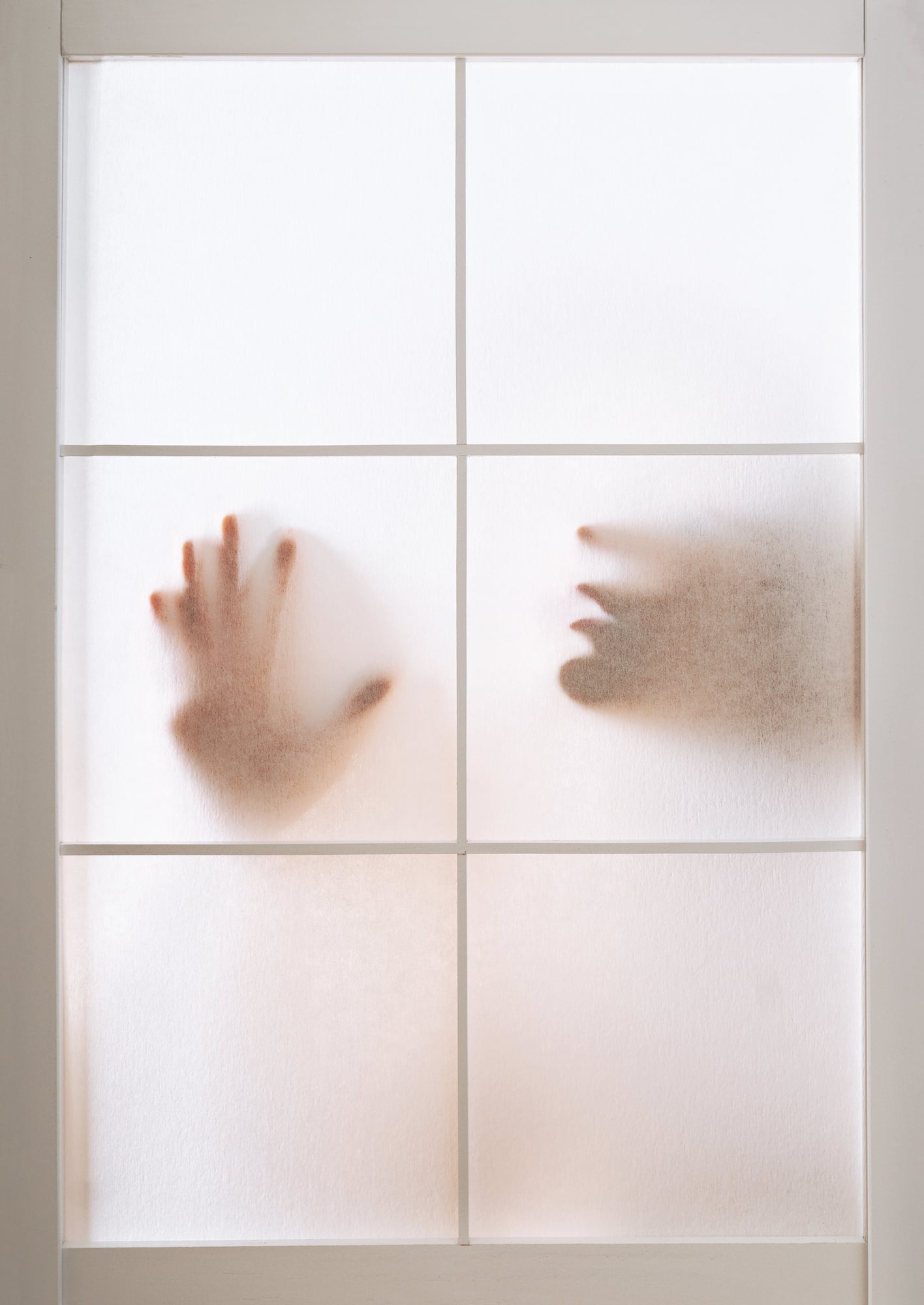
The face-to-the-window moment was verification. However confident the light had been, the view mattered.
The garden, the street, the rooftops — coated, flat, continuous white across every horizontal surface. The car that had been a car was now a shape.
The garden path was a straight white gap between white borders. The confirmation arrived as a physical event rather than a thought.
Something in the chest changed. Everything that had been waiting for school to be cancelled rearranged itself into a different configuration.
The Radio Announcement Reading Out School Names
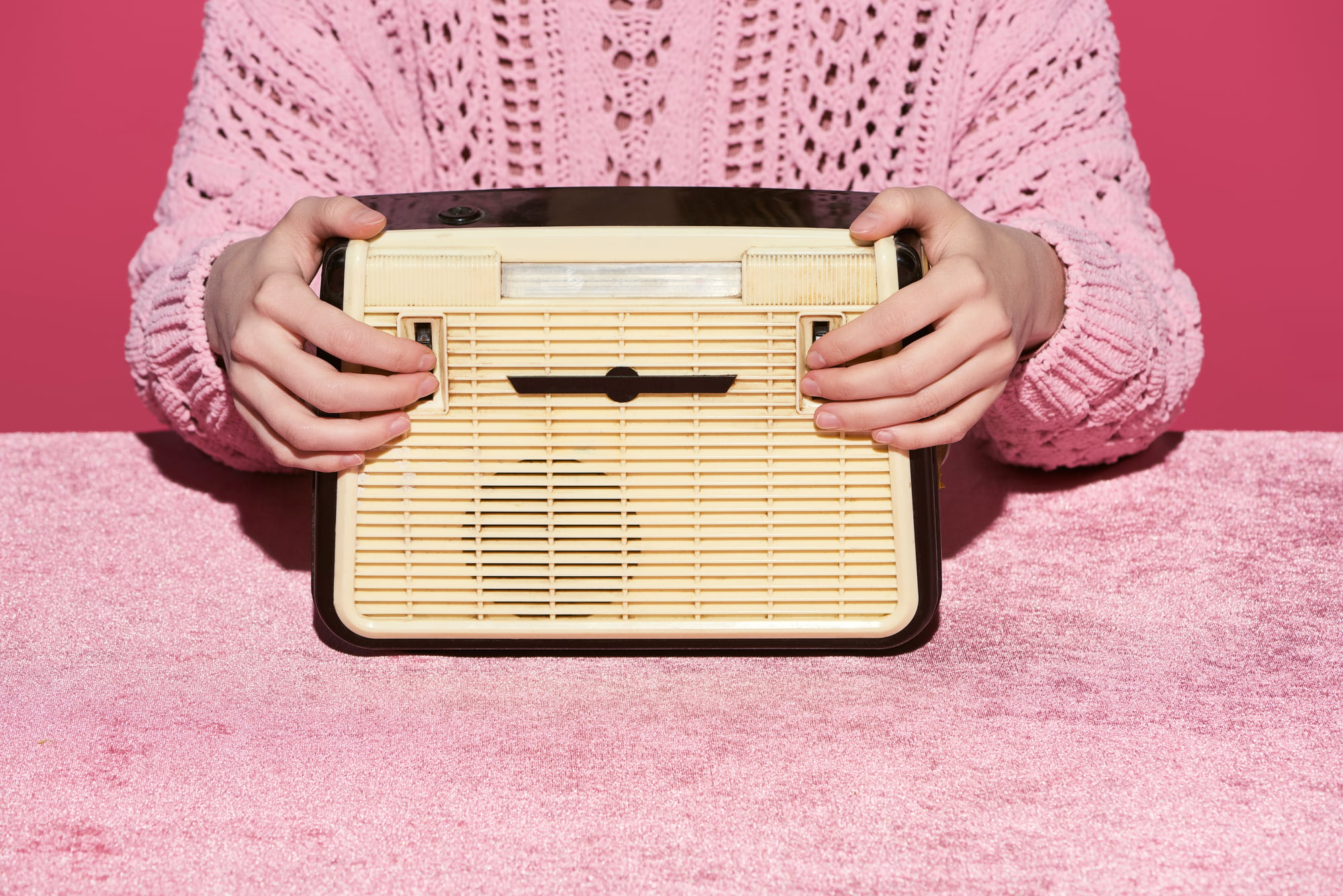
In the years before smartphones and school text alerts, the snow day confirmation arrived through the radio — a broadcaster reading a list of schools closed due to adverse weather, going through them alphabetically or by local authority, while the listener tried to appear calm and managed it poorly. The wait for your school’s name to be read was one of the more concentrated experiences of anticipation in childhood.
When the name was read, the reaction was full and immediate. When it wasn’t read, after the list had apparently concluded, there was a brief period of negotiation with hope before accepting the verdict.
The Parent Who Also Seemed Pleased

Some parents received the news of a school closure with exactly the resigned pragmatism that a person responsible for childcare logistics was entitled to feel. Others — perhaps more honest, perhaps less organised — received it with a suppressed pleasure that wasn’t entirely hidden.
The parent who was also pleased about the snow day occupied a special category: they were on your side, officially, and the day had a different quality as a result. The ones who made hot chocolate at nine in the morning unprompted were in this group.
Getting Dressed in Layers That Made Normal Movement Difficult

Snow day clothing in the 1980s and 1990s involved a layering system of wool jumpers, waterproof trousers over jeans, two pairs of socks, wellington boots or the only winter boots that fit, a coat that was not entirely up to the weather, and gloves that were not the ones designed for the purpose but were the ones that could be found. The final configuration restricted arm and leg movement by approximately thirty percent and produced a child who moved at a slightly reduced pace and found bending over to pick things up from the ground unusually challenging.
None of this registered as a problem.
The Garden First Thing, Undisturbed
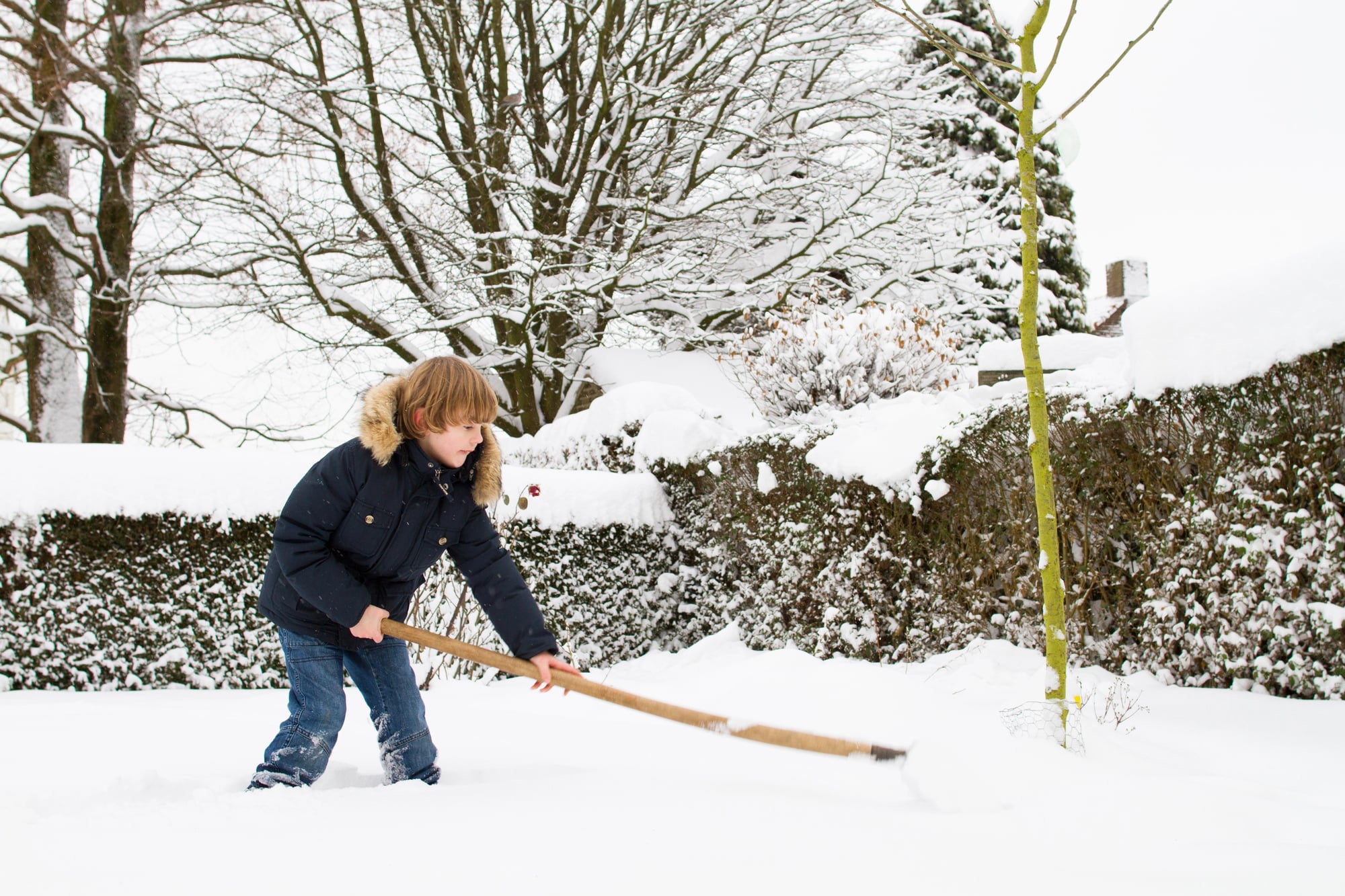
The first child into the garden on a snow day interrupted something. The snow, in the early morning, was unbroken across every surface — even along fence posts, even across the narrow tops of plant stakes, even in the curves of the wheelbarrow in the corner.
Being the first person to step across it produced footprints that were yours alone, a record of where you’d gone and in what order. The urge to move through the undisturbed snow as quickly as possible competed with the urge to stand still in it for a moment before it became something less perfect.
Building a Snowman With Whatever Was Available
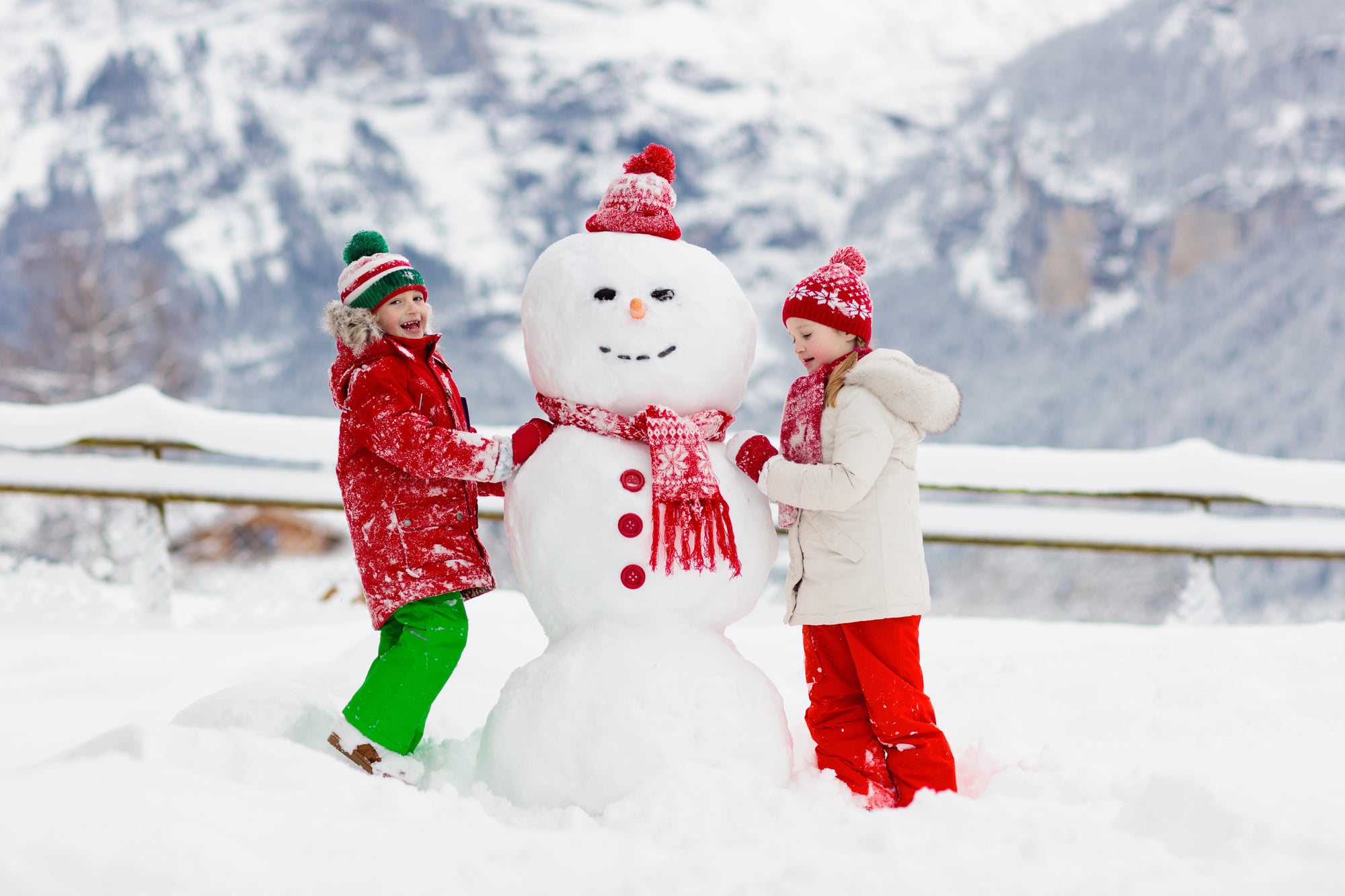
The snowman that emerged from a snow day was made from whatever the garden and the kitchen contained: a carrot for a nose if there was one, coal or stones for eyes, a scarf from a hook near the front door, possibly a hat that nobody particularly wanted to commit to the process permanently. The structural quality of the snowman depended on the type of snow — powdery snow that wouldn’t pack was the enemy of ambition, and most snow days provided at least one child their first experience of a theoretical project failing to translate into physical reality.
The successful snowman was photographed by a parent. The photograph still exists somewhere.
Throwing Snow at Someone Who Hadn’t Noticed You Yet
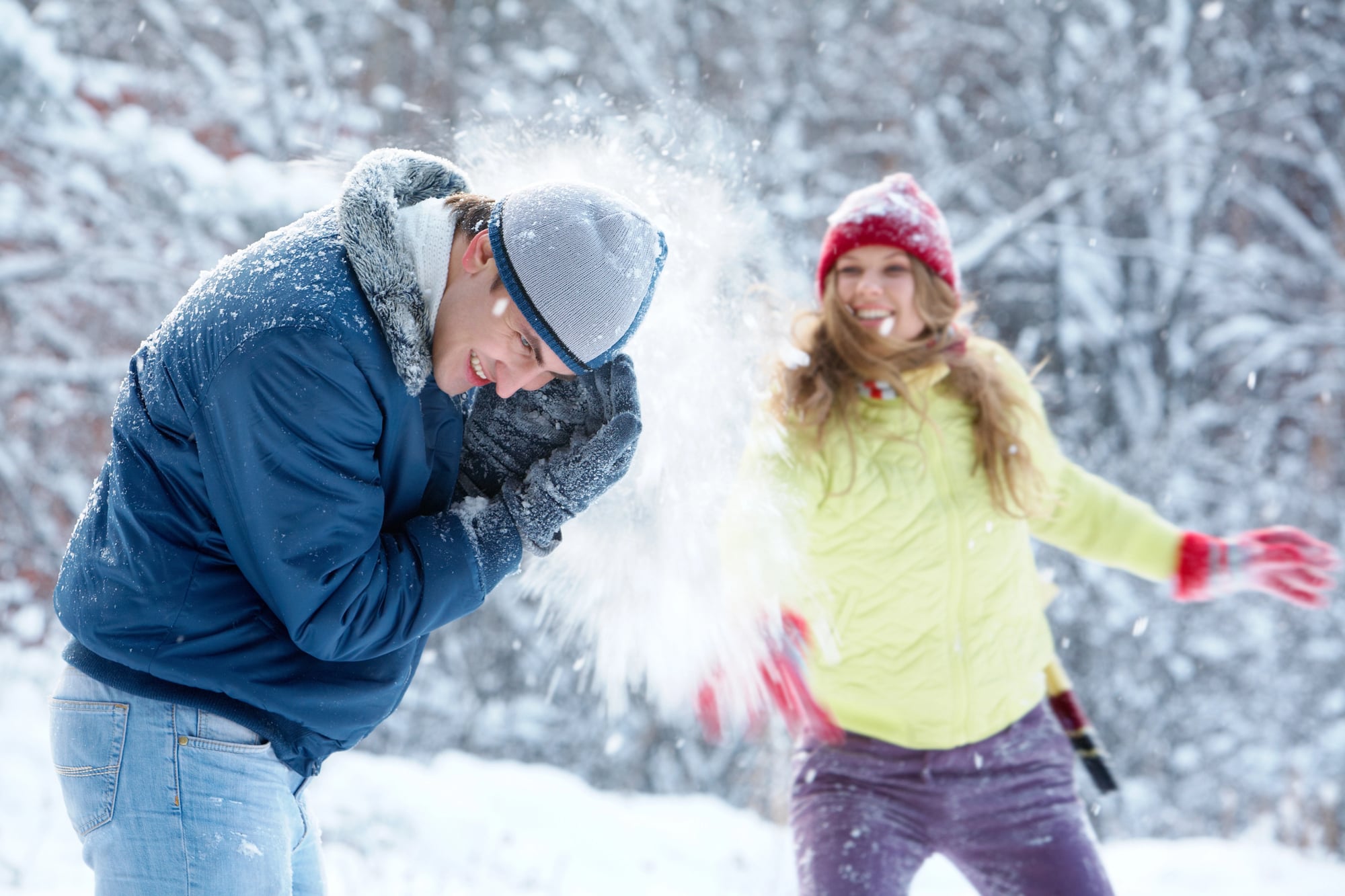
The snowball lobbed at a sibling who had their back turned required a level of investment — stopping, packing the snow, choosing trajectory — that was justified only by the reaction, which was proportionate to the surprise. The return snowball arrived faster and with less ceremony.
Within ninety seconds of the first throw, an arrangement had formed that was somewhere between a game and a negotiation. It had unspoken rules about frequency and targeting that both parties understood and neither had discussed.
The Cold Getting Through the Gloves Within Twenty Minutes
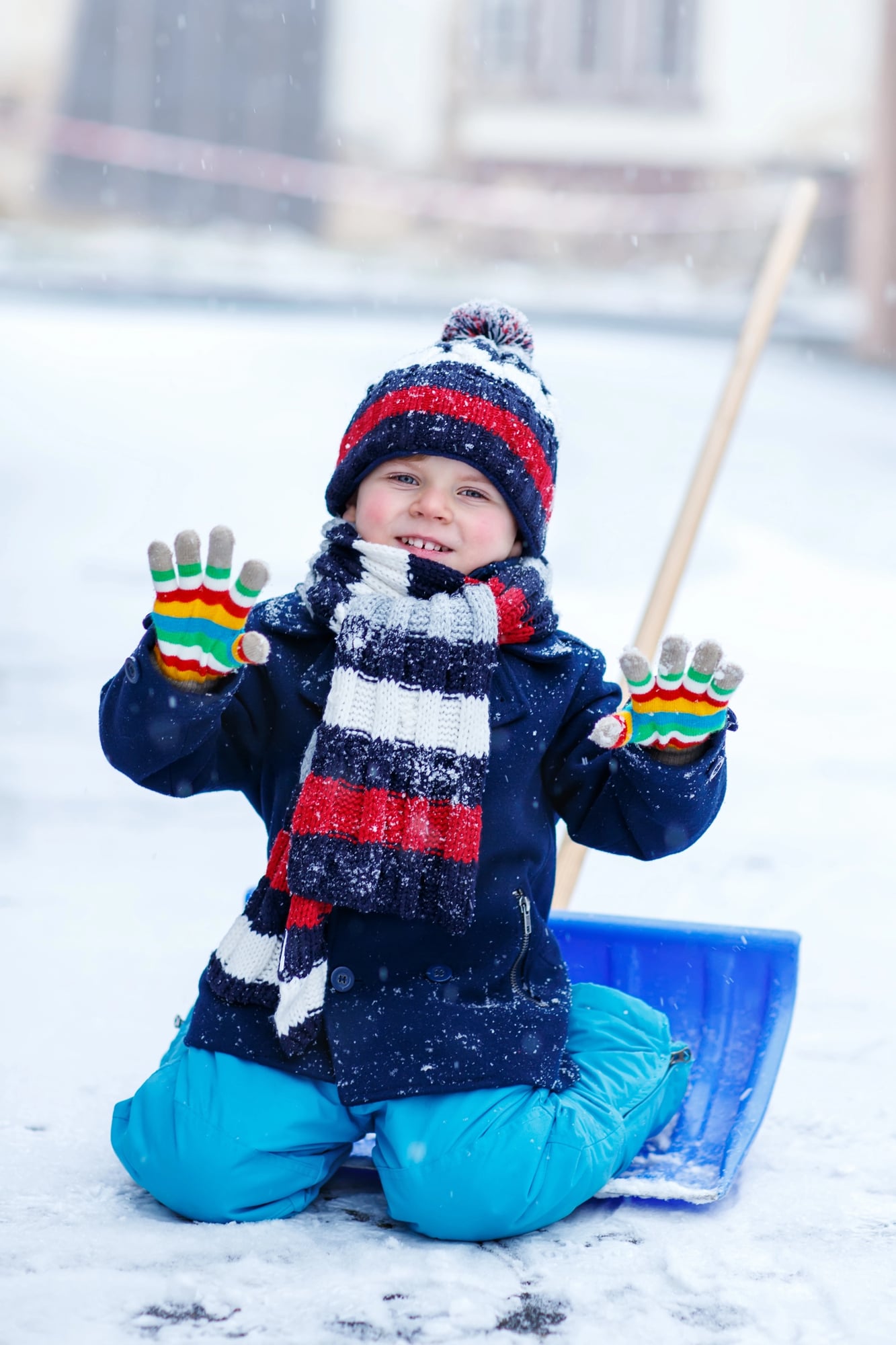
Gloves in childhood were inadequate. They were either too thin, or the wrong type, or soaked through by the time the snowman’s head had been placed, or had some structural gap near the wrist that let cold air in regardless of adjustment.
The hands got cold. The cold moved from uncomfortable to noticeable to a specific kind of ache that required going inside.
The negotiation with yourself about when that threshold had been crossed was a running background process throughout the morning. Going in early felt like a defeat.
Going in with numb hands and no longer being able to feel the snow felt like a dignified decision.
Hot Chocolate When You Came Inside

The hot chocolate that arrived after the first long session outside had a specific quality that no other hot chocolate quite managed: it was received by a body that was genuinely cold, by hands that were imperfectly warm at best, in a kitchen that felt warmer than the kitchen usually did by contrast with where you’d just been. It burned your tongue slightly because you started drinking before it had cooled enough, and you didn’t learn from this across multiple repetitions.
The warmth moved from the hands around the mug outward.
The Snow Day That Fell on a Day With a Test You Weren’t Ready For
A snow day that arrived on a day that contained a Maths test you hadn’t revised for, or a presentation you hadn’t prepared, or a piece of homework due first thing — this was the snow day with moral uplift, the one where the universe had intervened on your behalf. The test was still coming: it had been rescheduled, not abolished.
But it had been given back to you as revision time, and you were going to use it wisely. The first hour of the snow day you absolutely were.
The second hour you were still planning to. By the third hour the snow outside was making a reasonable argument for its own priority.
Watching the Weather From the Window to See If More Was Coming

The snow day produced a relationship with the sky that had no school-day parallel. Whether more was coming mattered in a specific way: more snow meant the likelihood of another day off, which was a recursive logic that rewarded attention to cloud formations and falling flakes.
Children who had never previously taken an interest in meteorology developed one immediately and maintained it for the duration of the snow event. The sky delivered or didn’t deliver.
The updates were watched closely.
The Afternoon When the Snow Started to Go Slushy
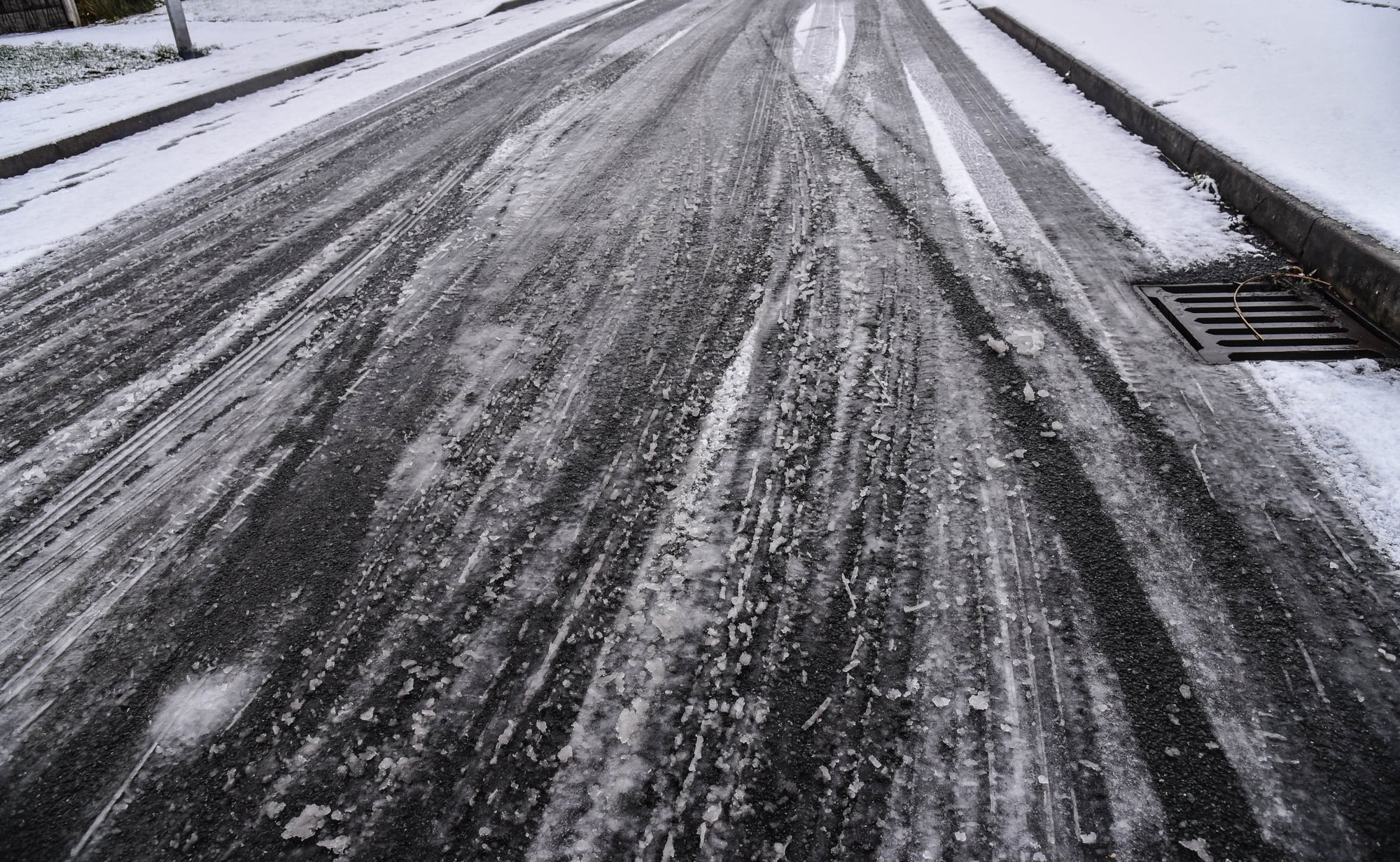
Snow has a lifespan, and children who spent entire snow days outdoors watched it age in real time. The perfect white of morning became tracked and grey by mid-afternoon.
The snowman’s nose dropped. The footprint network in the garden filled in at the edges and lost its crispness.
The slush on the pavement looked like the end of something. The afternoon snow day was a diminished thing compared to the morning one.
Heading back inside by three o’clock was the admission that the best of it was past.
Discovering Sledging If You Were Lucky Enough to Have a Hill
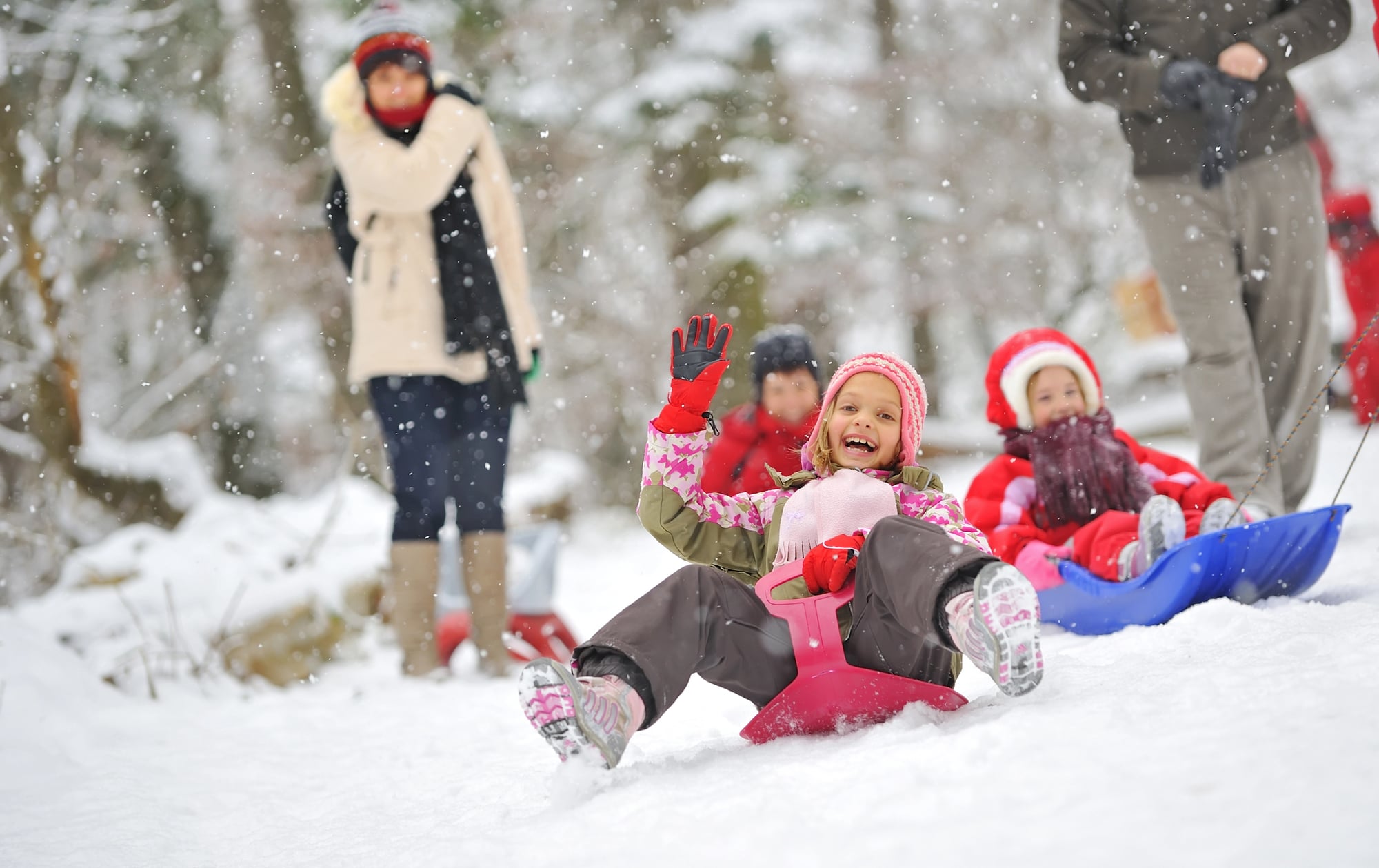
A snow day in proximity to a slope — a park hill, a road that curved downward, a playing field with any gradient at all — produced a logistics operation. The sledge had to be located, or a tray from the kitchen had to be secured, or a bin liner had to be found.
Then the hill had to be reached. The first run down the hill was all the justification the entire operation had ever required.
The going back up was the price. Nobody stopped after the first run.
The standard stopping point was when someone hurt themselves and the fun was briefly evaluated against the available evidence.
Making a Snowman With Your Sibling That Looked Nothing Like a Person
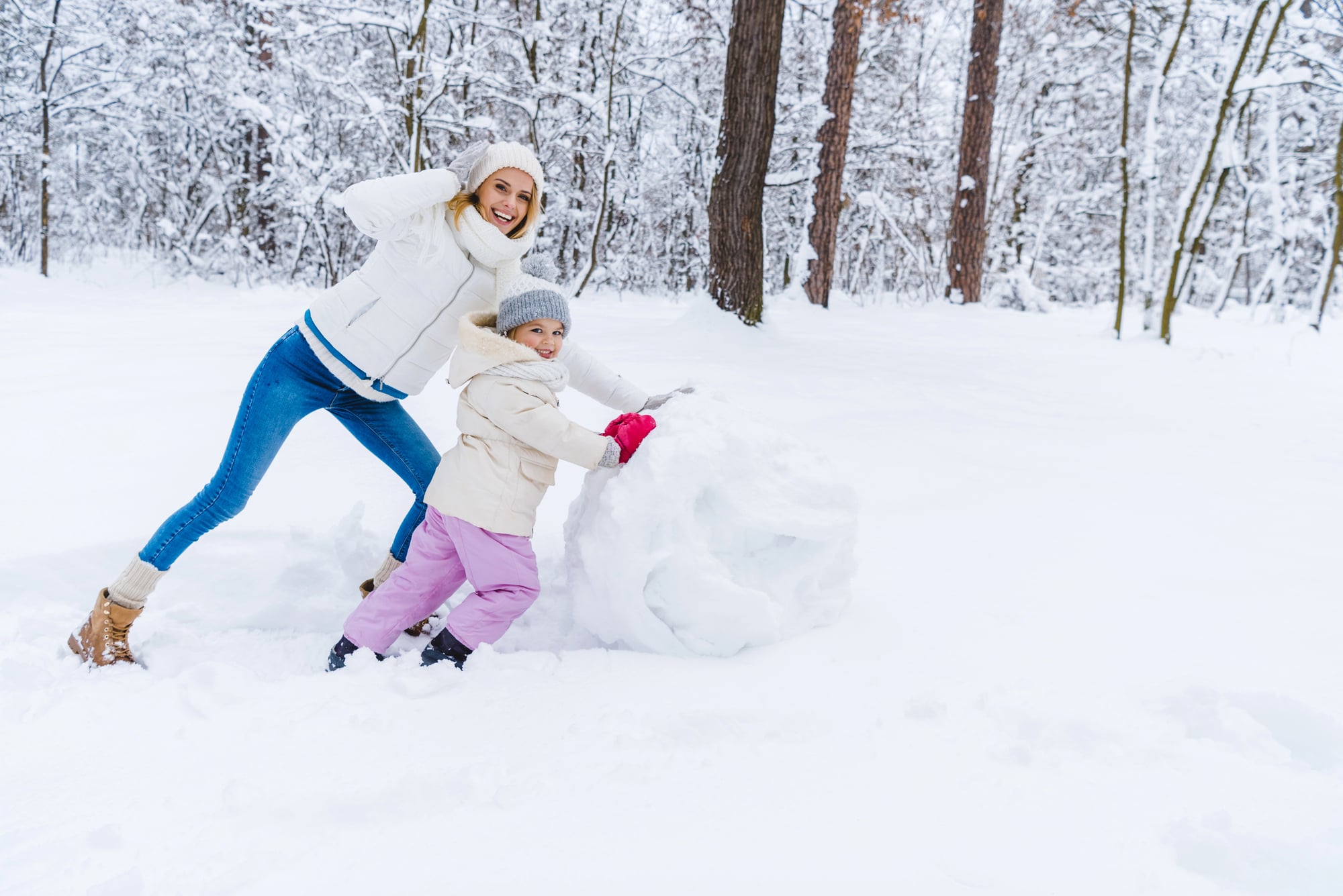
The competitive element in sibling snowman construction — whose side of the snowman was rounder, who had packed the torso more efficiently, whose choice of stone eye placement was more aesthetically convincing — never became explicit because to do so would have been to acknowledge that you were doing the same thing rather than cooperating. The snowman was therefore a joint project in theory and a negotiated compromise in practice.
Its appearance reflected this perfectly.
The Neighbourhood Kid Who Always Had Better Equipment
Every neighbourhood snow day produced at least one child who arrived from their house with a purpose-designed sledge, proper snow gloves with rubber grip, and appropriate layering, while everyone else was in a bin liner and their grandmother’s mittens. The equipment gap was visible and unmistakable.
The properly equipped child was gracious about their advantage in some years and less gracious in others. They always went faster down the hill, which was the decisive metric.
Eating Snow When No Adult Was Looking
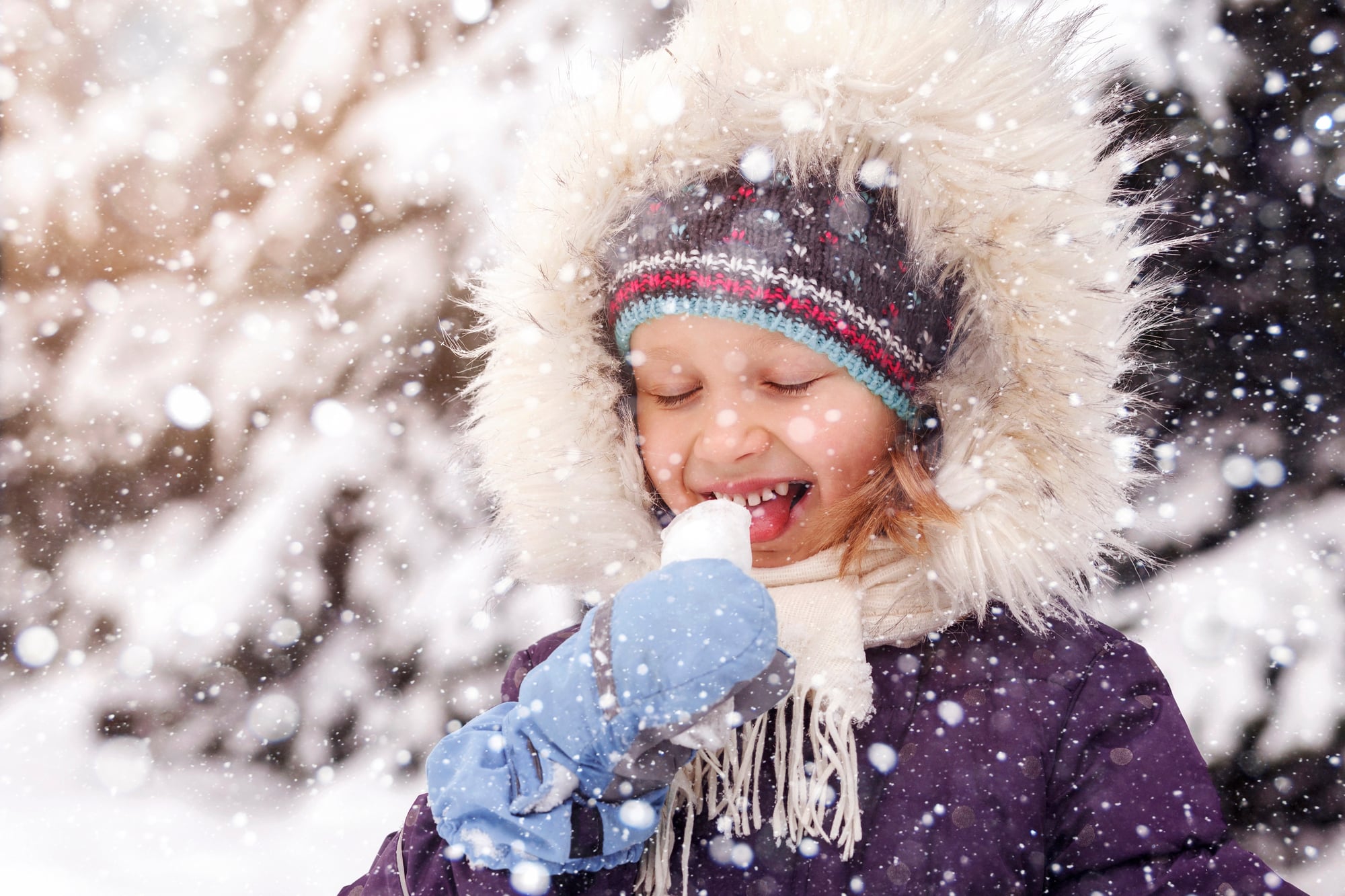
The rule against eating snow was explained variously as a hygiene concern, a temperature concern, or simply a parental preference. The rule was followed in the immediate vicinity of any adult and nowhere else.
Fresh snow from the top of a wall or a fence post, where it hadn’t been disturbed by anything, tasted of cold water and nothing else. That was a slight disappointment given the effort of waiting for an unobserved moment.
The eating of snow was repeated on subsequent snow days despite the flavour outcome. That suggests the anticipation was the point.
Throwing Snowballs at a Target That Couldn’t Throw Back
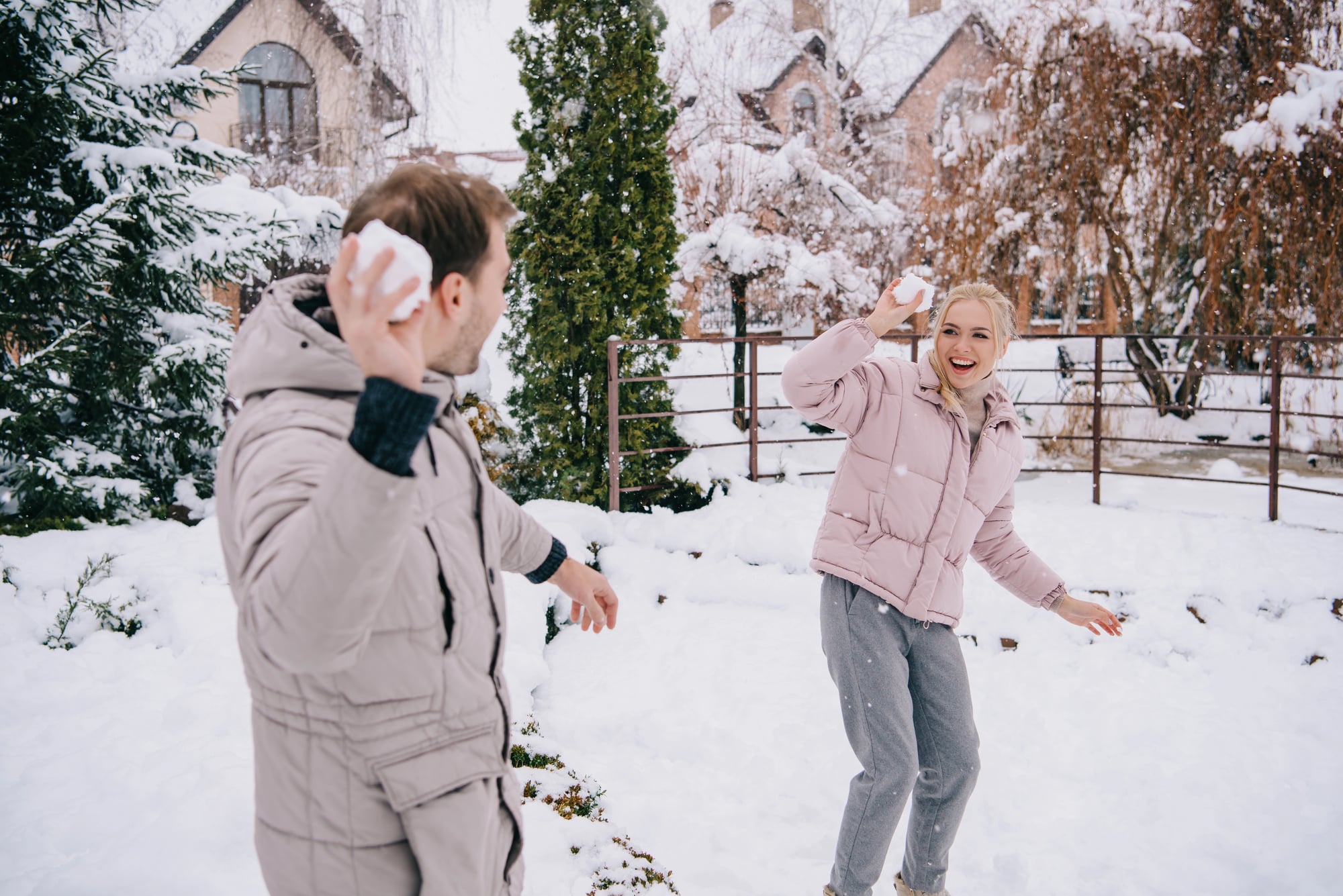
Gates, fence posts, tree trunks — the inanimate snowball target had the advantage of not returning fire, which allowed for the development of accuracy without the social stakes of a snowball fight. A child alone in the garden with a good supply of packable snow could spend twenty minutes hitting the same post from incrementally greater distances.
It was the kind of private skill-building exercise that was never described to anyone because it had no audience and no outcome other than improved snowball accuracy.
The Next Morning’s Frozen Crust
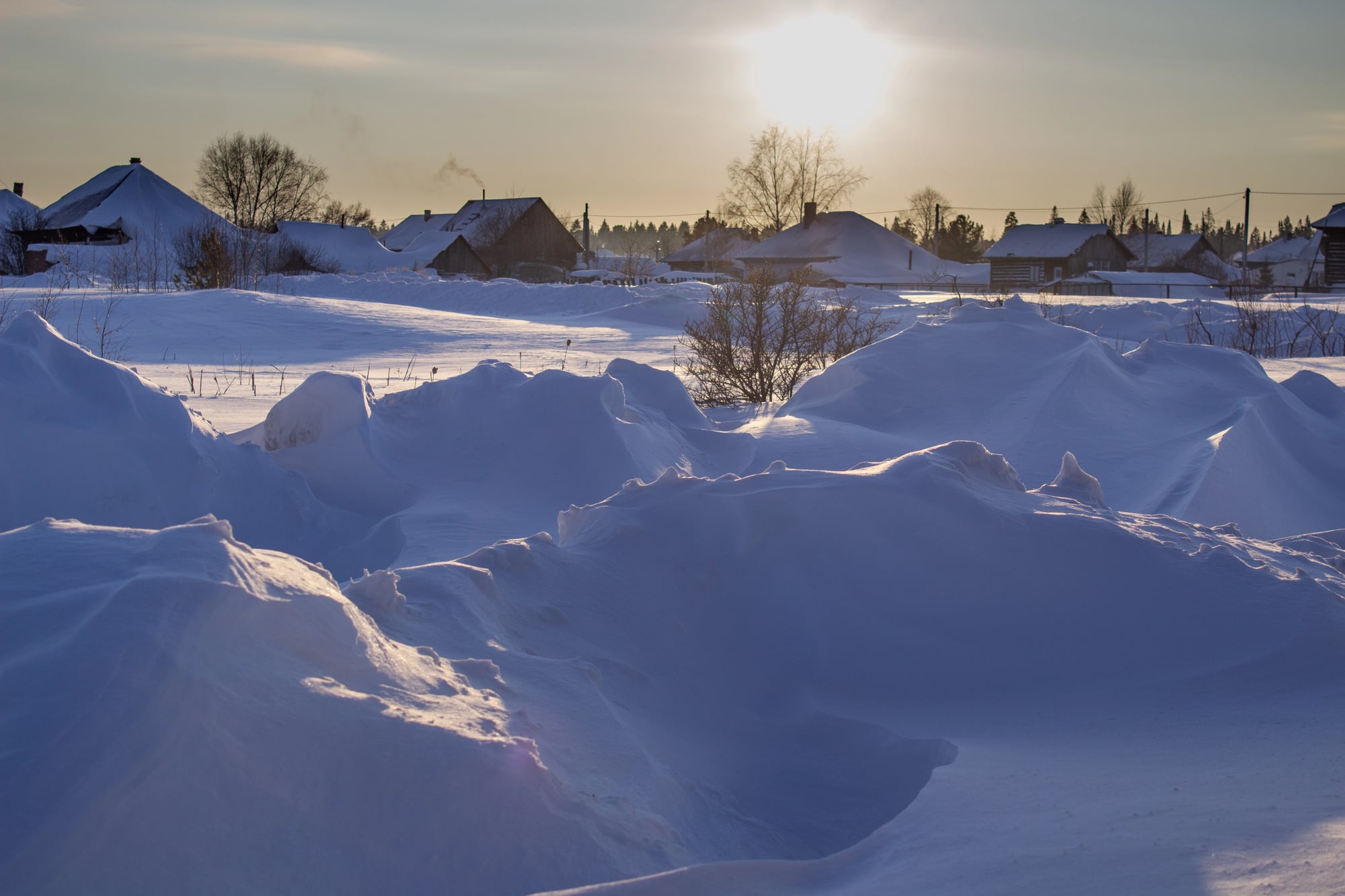
If the snow survived into the following morning with temperatures below freezing, it developed a crust — a thin hard layer of refrozen surface that held the foot briefly before giving way underneath. Walking on frozen-crusted snow made a sound unlike anything else in the auditory inventory: a crunch-crack-crunch that was deeply satisfying per footstep and clearly audible from fifteen feet away.
The crust was too thin for a snowball but could be collected and examined as a flat piece of frozen snow — effectively ice but with different properties. It occupied a category that children found worth investigating.
Realising the Roads Were Clear by the Time You Were Bored of the Snow
The snow day had a pacing problem that only became apparent in retrospect. The morning was the best part: undisturbed snow, genuine cold, the novelty fully intact.
By the afternoon, the roads were passable, the snowman was listing, and the fun had been substantially completed. The snow day that lasted two full days sometimes revealed the problem more clearly than a one-day event.
By day two, the snow was dirty, the garden was comprehensively explored, and the thing you’d been glad to escape was beginning to seem more interesting than it had the previous morning.
The Return to School Two Days Later When Everyone Compared Notes
Coming back to school after a snow day produced a specific social inventory-taking: who had sledged where, who had achieved the best snowman, who had managed to do any revision for the test that had been rescheduled, who had watched everything available on television, who had been made to do something improving by a parent who treated the day as an unexpected opportunity rather than a gift. The snow day as a shared event distributed across an entire school created a brief common reference point that was compared and contrasted with genuine enthusiasm.
For most of the week, the snow itself was the conversation.
The Version of Yourself That Existed Only on Snow Days
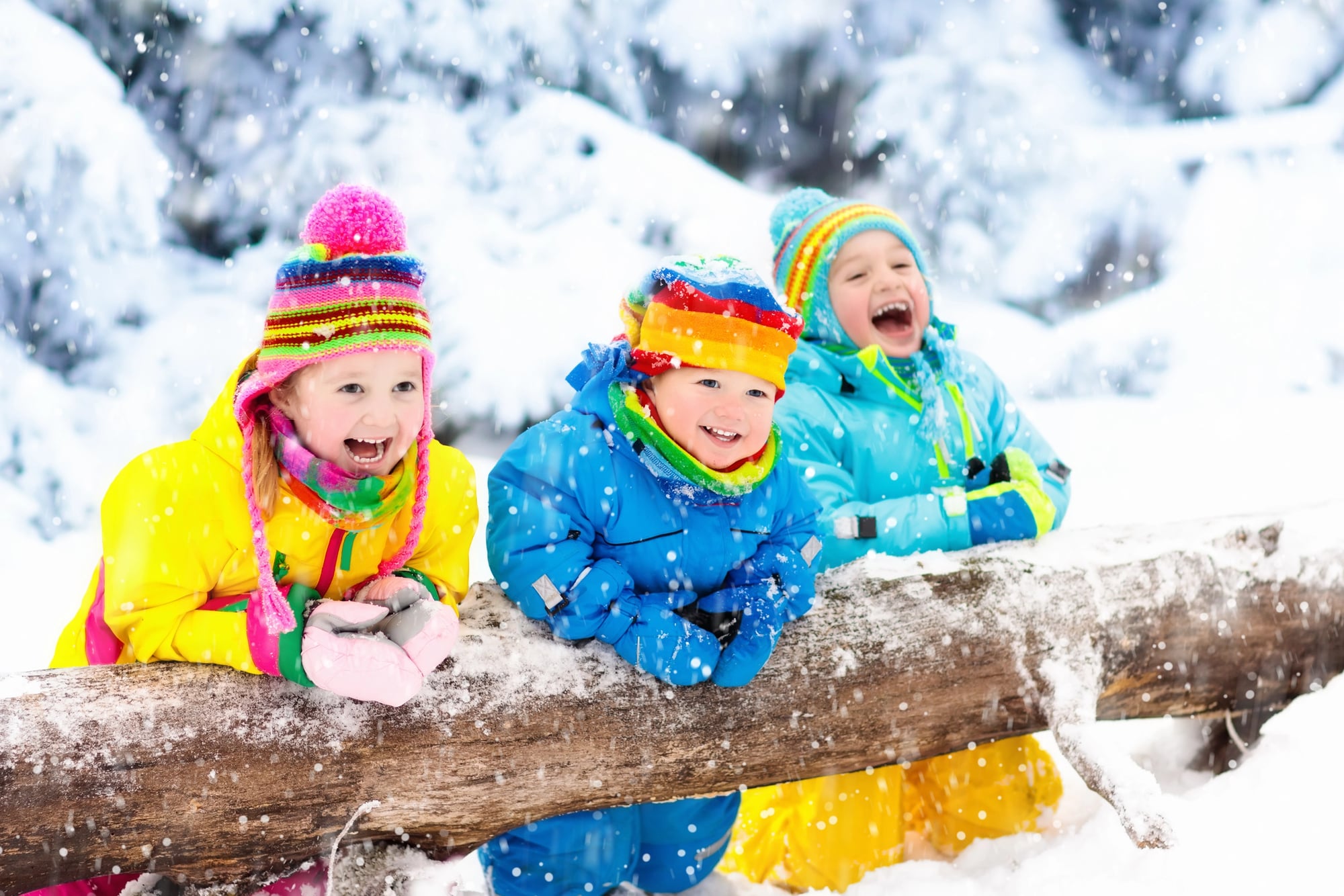
A snow day produced a version of you that was slightly different from any other version. You were outside before eight-thirty, which was early.
You were outdoors in serious cold, which was not a school-day behaviour. You were doing something entirely without instruction or evaluation.
You ate your lunch at an hour determined by hunger rather than a timetable. You went to bed that night with the specific pleasant tiredness that outdoor cold air produces — a physical, earned heaviness that the classroom didn’t quite generate.
That version of you existed for a single day and then the normal one came back. But it was real, and it was good, and the snow always brought it out again.
What the Snow Day Was Really About
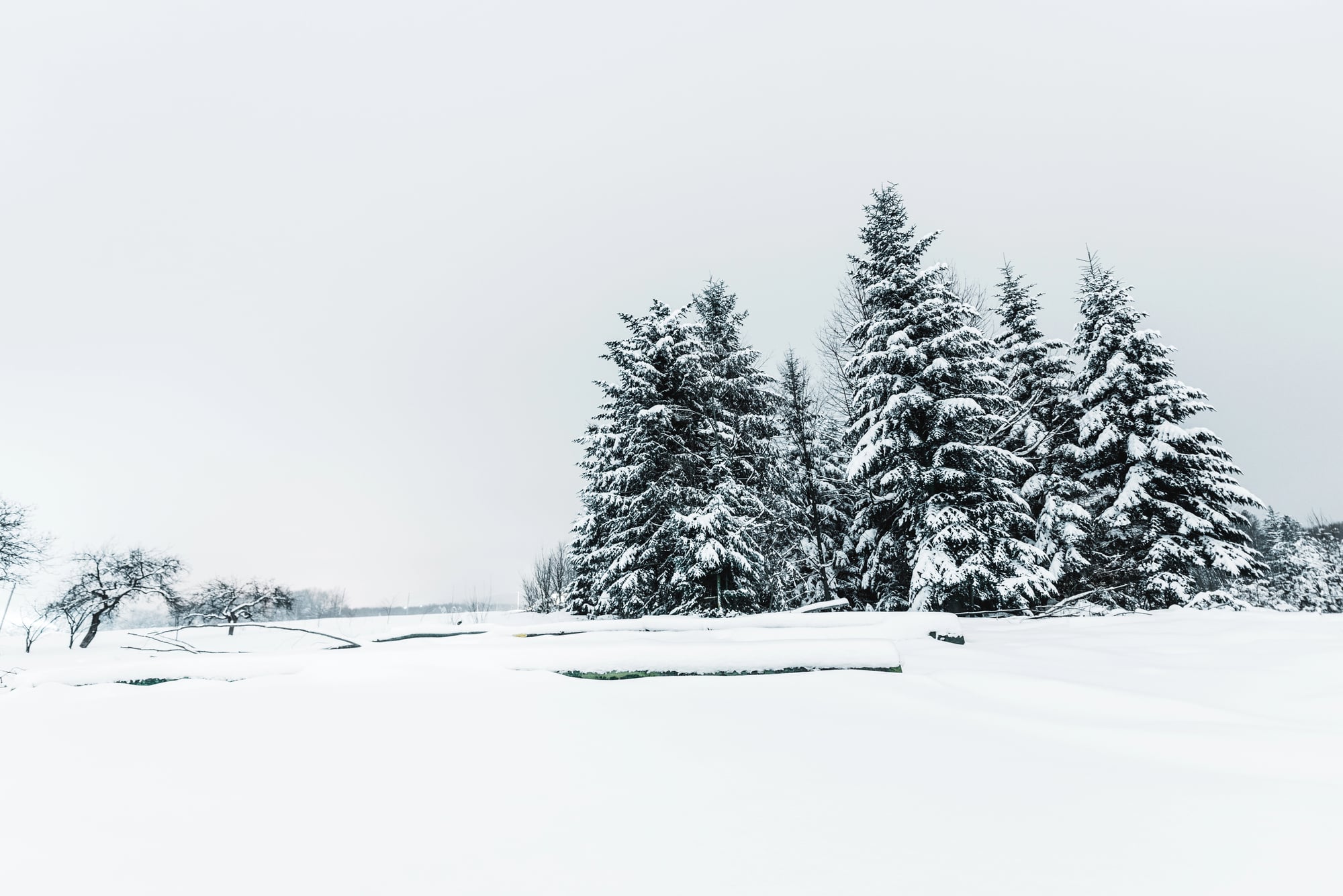
The snow day was not, at its core, about snow. Snow was the mechanism — the delivery system for something that couldn’t be scheduled or allocated or rationed.
What arrived with the snow was unstructured time, given without notice, impossible to prepare for. The things you did with it were completely ordinary: you went outside, you came in, you ate, you watched television, you went outside again.
Nothing that happened was remarkable in isolation. The remarkableness was the permission: a day-shaped container of time that belonged to no one’s curriculum, no one’s timetable, no one’s assessment framework.
Adults who look back at snow days with disproportionate fondness are not remembering the snow. They’re remembering what it felt like to have an unplanned day handed to them by the weather, free of charge, with no requirement to use it well.
That feeling is available in adult life, technically. But it requires more effort to create, more deliberate clearing of the calendar, more active decision to let a day be unscheduled.
The snow did all of that automatically. You just had to wake up and find the light wrong.
More from Go2Tutors!

- The Romanov Crown Jewels and Their Tragic Fate
- 13 Historical Mysteries That Science Still Can’t Solve
- Famous Hoaxes That Fooled the World for Years
- 15 Child Stars with Tragic Adult Lives
- 16 Famous Jewelry Pieces in History
Like Go2Tutors’s content? Follow us on MSN.