Brands Everyone Trusted in the ’90s That Completely Fell Apart
Remember when brand loyalty actually meant something? The ’90s were a time when companies earned trust through consistency and quality, not flashy marketing campaigns or social media buzz.
People stuck with brands for decades, passing down preferences from parents to kids like family heirlooms. But trust, as it turns out, can be surprisingly fragile.
Some of the most beloved household names from that era didn’t just stumble — they completely imploded, leaving behind nothing but nostalgic memories and cautionary tales about corporate mismanagement.
Blockbuster

Blockbuster owned Friday nights. The ritual was sacred: drive to the store, wander the aisles, debate movie choices, grab some overpriced candy, and head home with entertainment for the weekend.
Then Netflix started mailing DVDs, and Blockbuster’s executives made the kind of decision that business schools now study as a masterclass in strategic blindness. They had every advantage imaginable — brand recognition, physical locations, customer relationships built over years.
They threw it all away by clinging to late fees and refusing to see that convenience would always beat tradition.
Circuit City
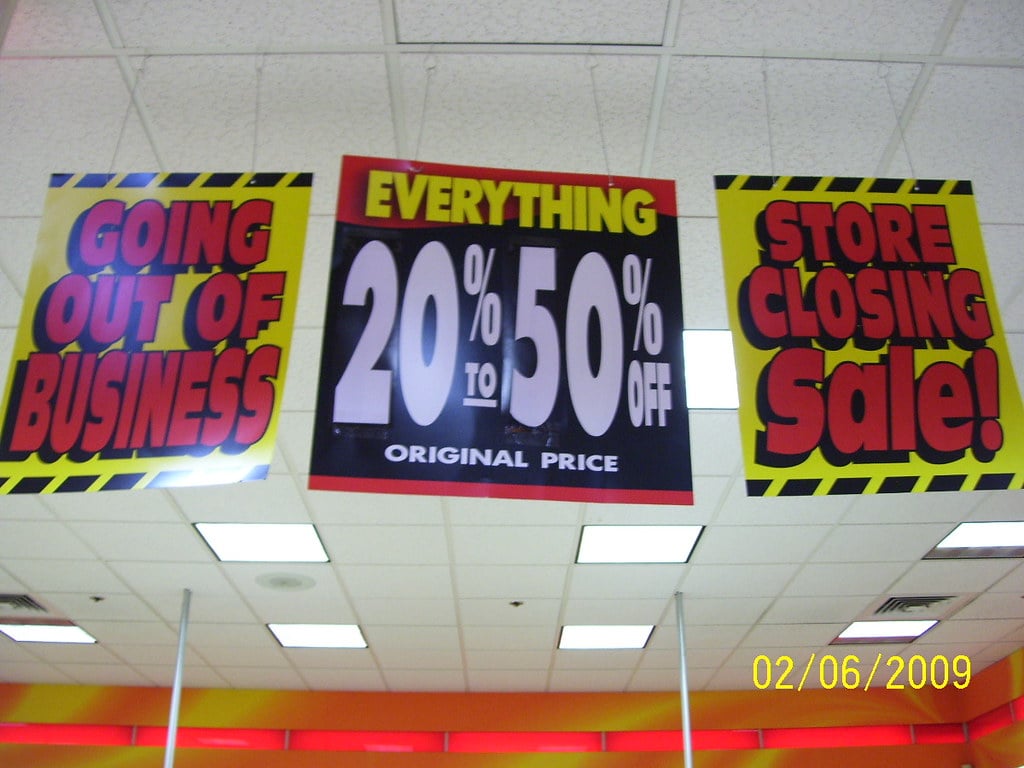
Circuit City’s downfall reads like a corporate thriller where every decision (and there were so many decisions, each one somehow worse than the last) seemed designed to alienate the very people who had made the company successful in the first place. The electronics retailer that once competed head-to-head with Best Buy decided in 2007 to fire their most experienced, highest-paid salespeople — the ones who actually knew the difference between a graphics card and a sound card — and replace them with cheaper, less knowledgeable staff.
And yet customers kept showing up, at least for a while, because old habits die hard and people remembered when Circuit City actually meant something. But trust, once broken, doesn’t repair itself just because you put up more sale signs.
The company filed for bankruptcy in 2008, and suddenly those red-shirted employees who used to walk you through every feature of your new stereo system were gone. Along with them went the brand that had taught a generation what “good customer service in electronics retail” was supposed to look like.
Tower Records
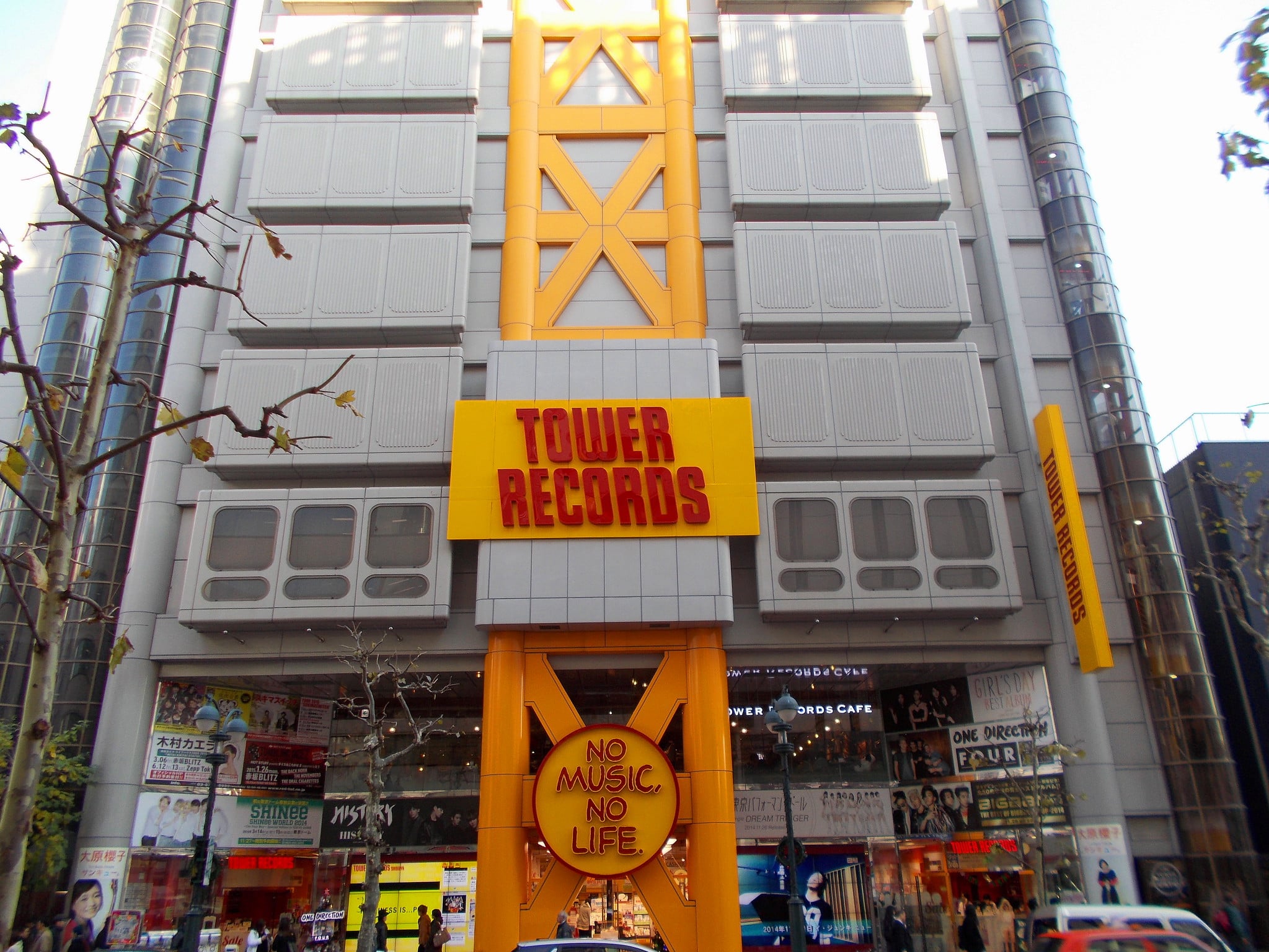
Music lived at Tower Records. Walking through those aisles felt like exploring a library where every book was a potential soundtrack to your life.
The staff knew music the way mechanics know engines — not just the popular stuff, but the deep cuts and imports that made you feel like you’d discovered something special. Digital music didn’t kill Tower Records overnight.
The company killed itself through expansion debt and an inability to adapt to changing consumer habits. When people started downloading music instead of buying CDs, Tower Records kept opening expensive new stores and stocking the same physical inventory that fewer people wanted.
CompUSA

CompUSA was the place computer enthusiasts went when they needed something specific. The staff understood technology because they lived it, and the selection ran deeper than the big box stores that were starting to muscle into electronics retail.
Shopping there felt like being part of a community that actually cared about what was inside the computer case. Poor management decisions and an inability to compete with online retailers killed what customer loyalty couldn’t save.
CompUSA closed most of its stores in 2007, ending an era when buying a computer meant talking to someone who could explain why one processor was better than another. The brand name survived in a limited form, but the company that earned customer trust through expertise was gone.
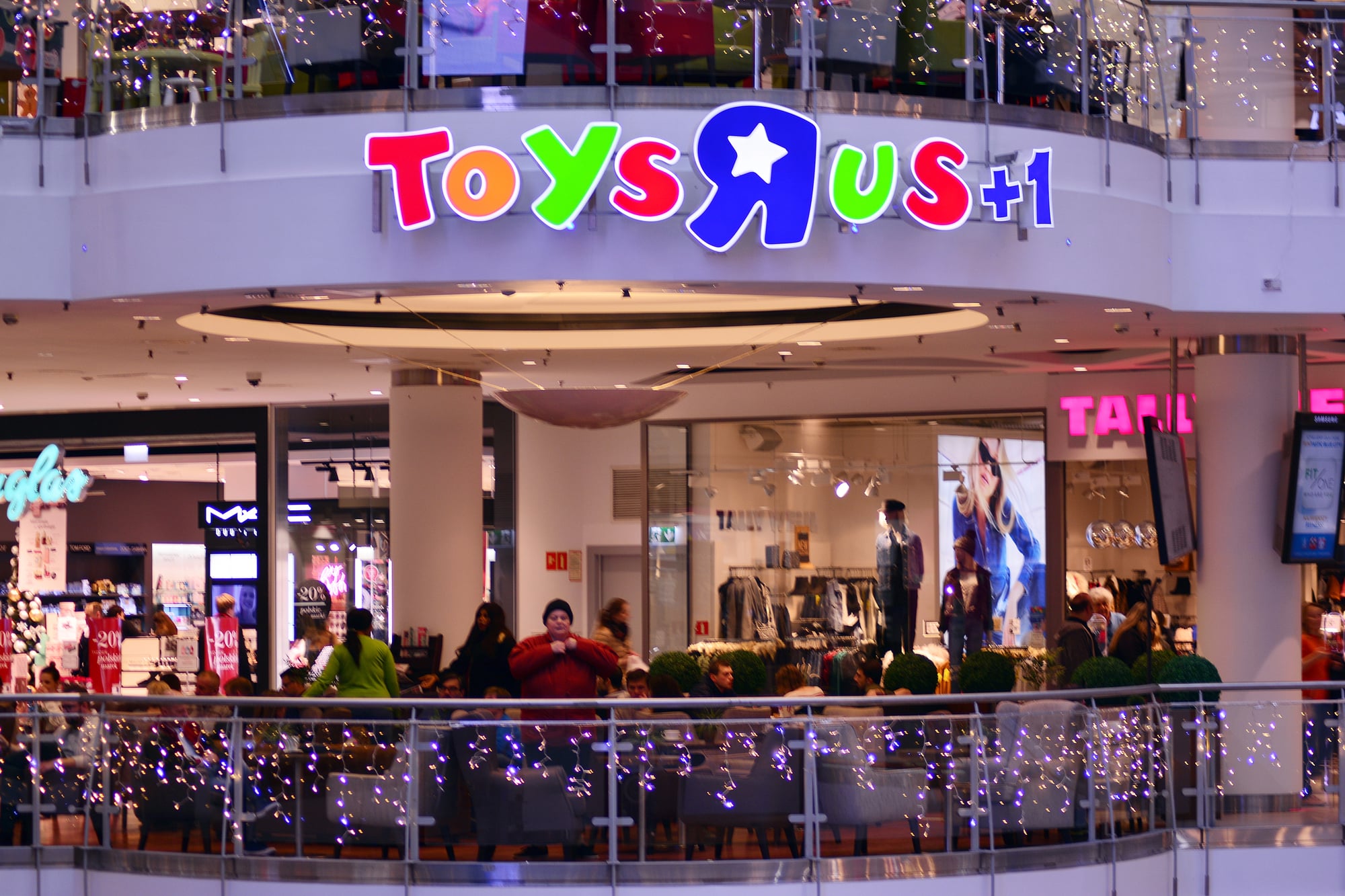
Toys”R”Us
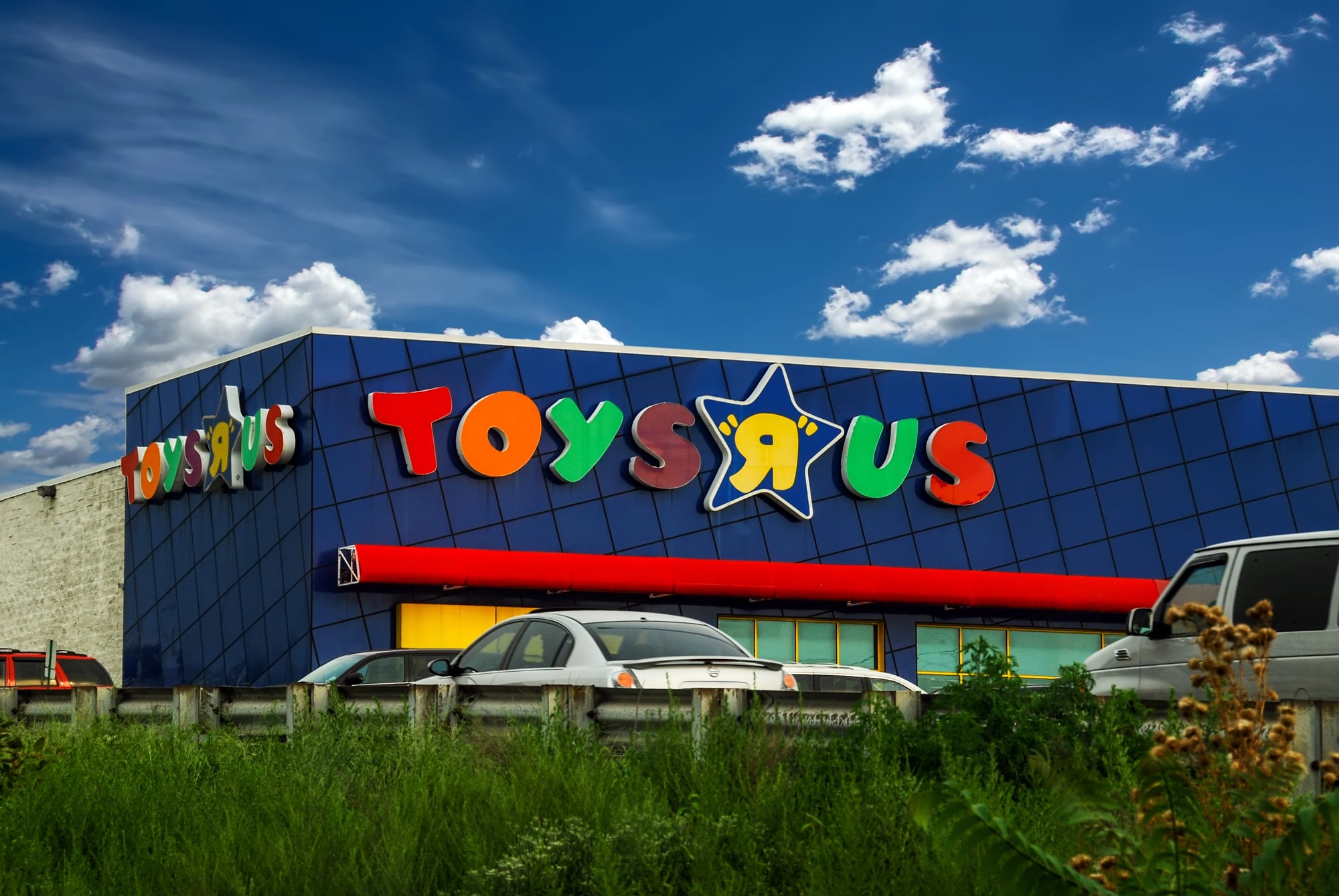
The jingle alone could make any ’90s kid’s eyes light up: “I don’t want to grow up, I’m a Toys”R”Us kid.” Geoffrey the Giraffe was more recognizable than half the cartoon characters on Saturday morning TV, and Christmas shopping without a trip to Toys”R”Us was unthinkable for most families.
But the toy store that defined childhood for generations got crushed under debt from a leveraged buyout and couldn’t adapt to online competition. What made this collapse particularly heartbreaking wasn’t just the nostalgia factor.
It was watching a brand that understood the magic of being a kid get destroyed by financial engineering that had nothing to do with toys or wonder or any of the things that made the company special in the first place. Amazon didn’t kill Toys”R”Us.
Private equity did. The difference matters because it shows how even the most beloved brands can disappear not because customers stopped caring, but because the people running them stopped understanding what made them worth caring about.
RadioShack

RadioShack used to be the place you went when you needed a specific cable, a replacement battery, or some obscure electronic component for a project. The stores were small and cramped, but they carried everything, and the staff could usually point you toward exactly what you needed.
Then the company decided it wanted to be a cell phone store instead of an electronics store. The transformation felt forced and desperate, like watching someone abandon their personality to chase trends that didn’t suit them.
RadioShack filed for bankruptcy in 2015, and while some stores still operate under the name, the company that once asked “You’ve got questions? We’ve got answers?” had long since stopped providing either.
Borders
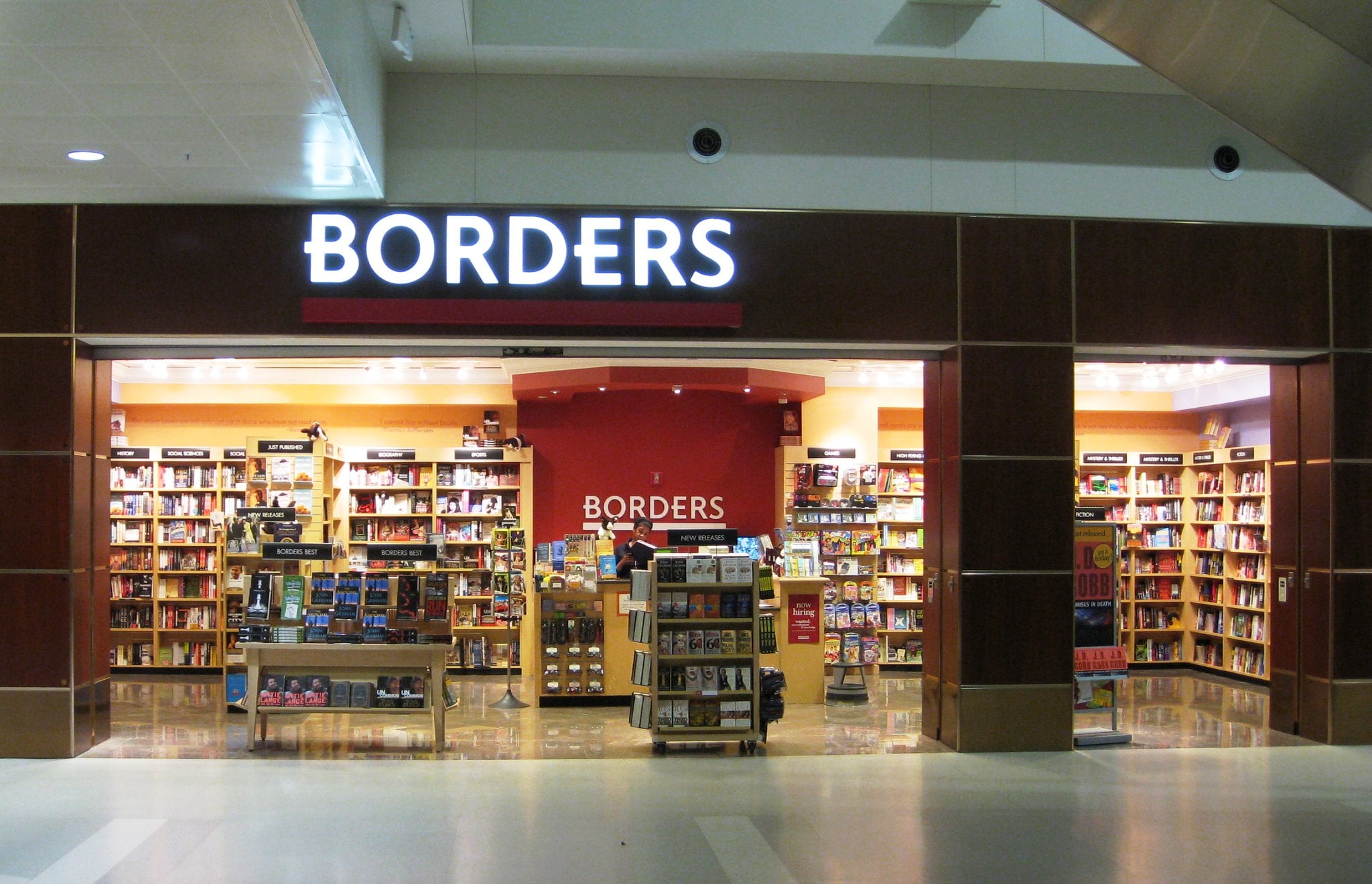
Borders understood that bookstores could be gathering places where people discovered new authors, attended readings, and spent hours browsing sections they’d never explored before. The café areas buzzed with conversation, though this was back when people still looked up from books occasionally, before smartphones turned every quiet moment into screen time.
The staff recommendations actually meant something because they came from people who read voraciously and thought carefully about what different readers might enjoy. But the company made catastrophic decisions about digital books and online retail.
It essentially handed its internet operations to Amazon while pretending that e-commerce was a passing trend rather than the future of book selling. So when customers started buying books online, they were already trained to go to Amazon instead of Borders.com.
And when e-readers arrived, Borders was caught completely unprepared while competitors had been building digital strategies for years. The chain filed for bankruptcy in 2011, and suddenly those weekend browsing sessions and author events were just memories.
Trans World Airlines (TWA)

TWA represented the golden age of air travel when flying somewhere felt like an event worth dressing up for. The airline’s terminals were architectural marvels, the service was genuinely attentive, and the brand carried a sense of adventure that made travel feel glamorous rather than tedious.
Deregulation and mismanagement killed what good intentions couldn’t save. TWA struggled with debt, labor disputes, and an inability to compete with newer, more efficient airlines.
American Airlines bought the company in 2001, ending decades of service from an airline that had helped define what commercial aviation could be at its best.
Kodak
Kodak didn’t just make film and cameras — they created the visual memory of entire generations. “Kodak moments” became shorthand for life’s meaningful occasions, and the company’s yellow boxes were as familiar as any household product.
People trusted Kodak to preserve their most important memories, from baby pictures to wedding photos. The company invented digital photography technology in the 1970s but was too invested in film profits to cannibalize their own business model.
While competitors embraced digital cameras, Kodak clung to film sales and watched their market disappear. They filed for bankruptcy in 2012, proof that even technological innovation can’t save a company that refuses to embrace its own inventions.
KB Toys
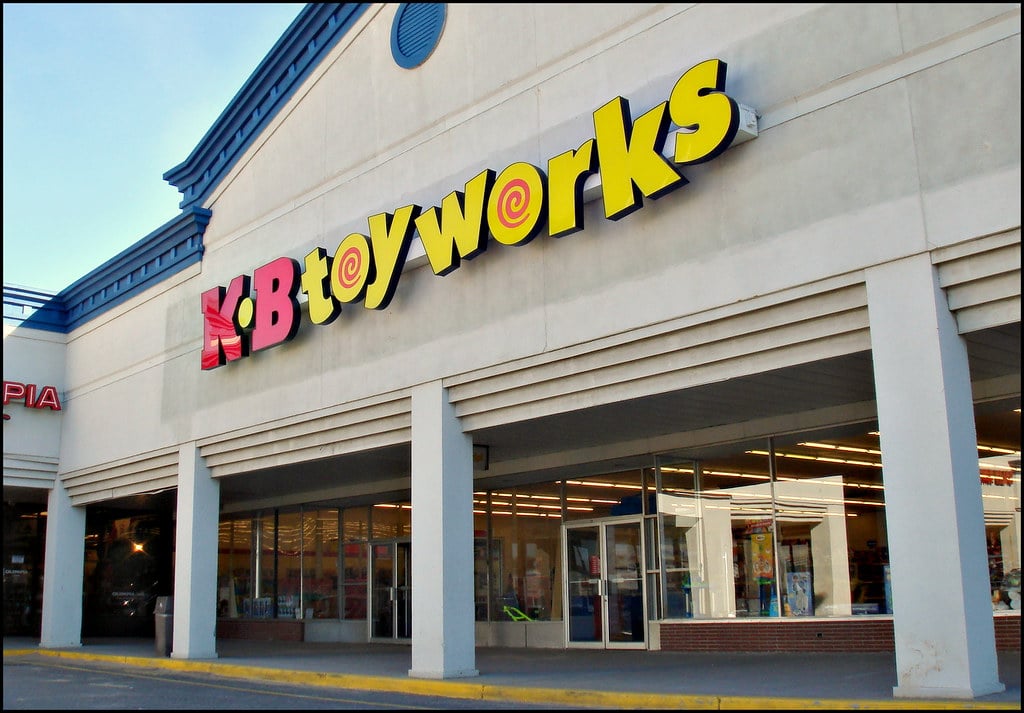
KB Toys filled the gaps that bigger toy stores left behind. Located in malls across America, these smaller stores offered convenience and selection without the overwhelming scale of warehouse-style retailers.
Parents appreciated being able to grab a quick gift during regular shopping trips, and kids loved discovering toys they hadn’t seen elsewhere. Competition from larger retailers and changing shopping habits killed what customer convenience couldn’t protect.
KB Toys filed for bankruptcy twice, finally closing for good in 2009. The brand’s disappearance marked the end of an era when toy shopping could be spontaneous rather than requiring a dedicated trip to a big box store or an online order.
Woolworth’s

Woolworth’s five-and-dime stores were fixtures in downtowns and shopping centers for over a century. These variety stores sold everything from candy to household goods to clothing, serving as community gathering places where people could find almost anything they needed under one roof.
Changing shopping patterns and competition from discount chains killed what nostalgia couldn’t sustain. The last Woolworth’s stores closed in 1997, ending an era when variety stores anchored shopping districts and provided affordable goods to working-class families.
The brand’s disappearance symbolized the decline of downtown retail and the rise of suburban big box stores.
Pan Am
Pan Am was synonymous with international travel and American prestige abroad. The airline’s blue globe logo appeared in movies and represented the sophistication of jet-age travel when flying to Europe or Asia was still exotic enough to impress the neighbors.
Deregulation, terrorism, and poor financial management destroyed what brand recognition couldn’t save. The 1988 Lockerbie bombing devastated both public confidence and the company’s finances.
Increased competition eroded the premium pricing that had sustained Pan Am’s business model. The airline ceased operations in 1991, taking with it decades of aviation history and cultural significance.
Gimbels

Gimbels department stores competed directly with Macy’s for over a century, offering fashion, housewares, and everything else that defined middle-class aspirations. The stores were landmarks in major cities, and the brand represented quality merchandise and reliable service for generations of shoppers.
Competition from discount retailers and changing consumer preferences killed what tradition couldn’t preserve. The last Gimbels stores closed in 1987, ending a retail legacy that had survived the Great Depression but couldn’t adapt to the mall-based shopping culture of the 1980s.
Montgomery Ward
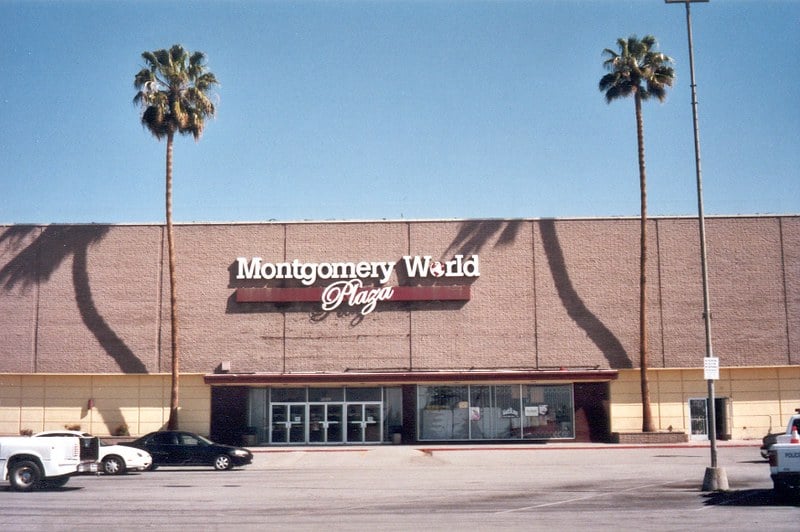
Montgomery Ward pioneered mail-order retail and helped rural Americans access the same goods available in cities. The company’s catalogs were treasured resources that families pored over, especially around Christmas.
The brand represented reliability and fair dealing for over a century. Competition from Sears and later from discount retailers gradually eroded Montgomery Ward’s market position.
The company filed for bankruptcy and closed its remaining stores in 2001, ending an era when catalog shopping was revolutionary rather than quaint. It was also the end of a time when Montgomery Ward was a household name that meant quality and dependability.
The Cautionary Thread
These brand collapses share a common thread that goes beyond simple business failure. Each company had earned genuine customer loyalty through years of reliable service, quality products, or meaningful experiences.
People didn’t just shop at these places — they trusted them to deliver something important, whether that was entertainment, technology, memories, or simply the comfort of consistency. What makes these stories particularly sobering isn’t just that beloved brands disappeared.
It’s how quickly trust can evaporate when companies lose sight of what made them valuable in the first place. The ’90s taught us that brand loyalty was a two-way street, and the companies that forgot that lesson became cautionary tales for the ones smart enough to remember it.
More from Go2Tutors!

- The Romanov Crown Jewels and Their Tragic Fate
- 13 Historical Mysteries That Science Still Can’t Solve
- Famous Hoaxes That Fooled the World for Years
- 15 Child Stars with Tragic Adult Lives
- 16 Famous Jewelry Pieces in History
Like Go2Tutors’s content? Follow us on MSN.