TV Shows That Were Canceled After One Episode and Why Networks Panicked
Television history is littered with spectacular failures, but few things sting quite like a show getting the ax after just one episode. These aren’t cases where ratings slowly declined over a season or creative differences gradually built up behind the scenes.
These are shows that aired once, sent executives scrambling for damage control, and disappeared forever. Sometimes it was controversy that sparked outrage, other times it was content so bizarre that networks couldn’t risk their reputation.
Occasionally, it was simply a perfect storm of bad timing and worse judgment calls that left viewers confused and advertisers fleeing.
You’re In The Picture
Jackie Gleason hosted this bizarre game show that aired on January 20, 1961. Celebrities stuck their heads through cardboard cutouts and tried to guess what picture they were part of.
The show bombed so spectacularly that CBS canceled it immediately. Gleason himself apologized to viewers the following week, turning what should have been episode two into a 30-minute mea culpa.
Turn-On
The network thought they had the next “Laugh-In” on their hands, but what they got was a psychedelic fever dream that made absolutely no sense. ABC premiered this variety show on February 5, 1969, and it was so aggressively weird (and apparently unfunny) that some affiliate stations stopped broadcasting it mid-episode.
The show featured rapid-fire jokes, computer-generated graphics, and content that was considered too risqué for prime time. By the next morning, the network had pulled the plug entirely.
Manimal
This concept sounds like something dreamed up during a particularly creative brainstorming session that went too far: a man who could transform into any animal to fight crime. NBC aired the pilot on September 30, 1983, and while it technically got eight episodes, the network knew after one that they had a problem.
The special effects budget was astronomical, the premise was ridiculous even by 1980s standards, and audiences couldn’t decide if they were watching an action show or unintentional comedy. Most people remember it lasting longer than it did because of how frequently it’s mocked, but the network started quietly planning its cancellation almost immediately.
South Of Sunset
So here’s the thing about casting musicians as television actors: it works sometimes (Will Smith, Justin Timberlake), and other times you get this show. Glenn Frey from the Eagles played a private detective in this CBS drama that premiered on October 27, 1993, and the network must have realized within the first commercial break that they’d made a mistake.
But the real issue wasn’t just Frey’s acting (though that was part of it) — the show felt like someone had taken every private eye cliche from the past three decades and mashed them together without understanding what made any of them work in the first place. And yet CBS had already filmed six more episodes, which they quietly burned off during summer reruns when nobody was watching, hoping the whole thing would be forgotten.
Emily’s Reasons Why Not

Heather Graham starred in this ABC sitcom about a self-help book editor navigating dating and career challenges in Los Angeles. The show premiered on January 9, 2006, with all the promotional muscle ABC could muster — they’d given Graham a development deal specifically to create a vehicle for her.
What they got was a show that felt like someone had watched too much series and decided to recreate it without understanding the writing, chemistry, or timing that made that show work. The premise wasn’t terrible, and Graham wasn’t unwatchable, but something about the execution felt hollow and manufactured.
ABC pulled it after one episode, leaving five more filmed episodes that never saw the light of day on network television.
Lawman
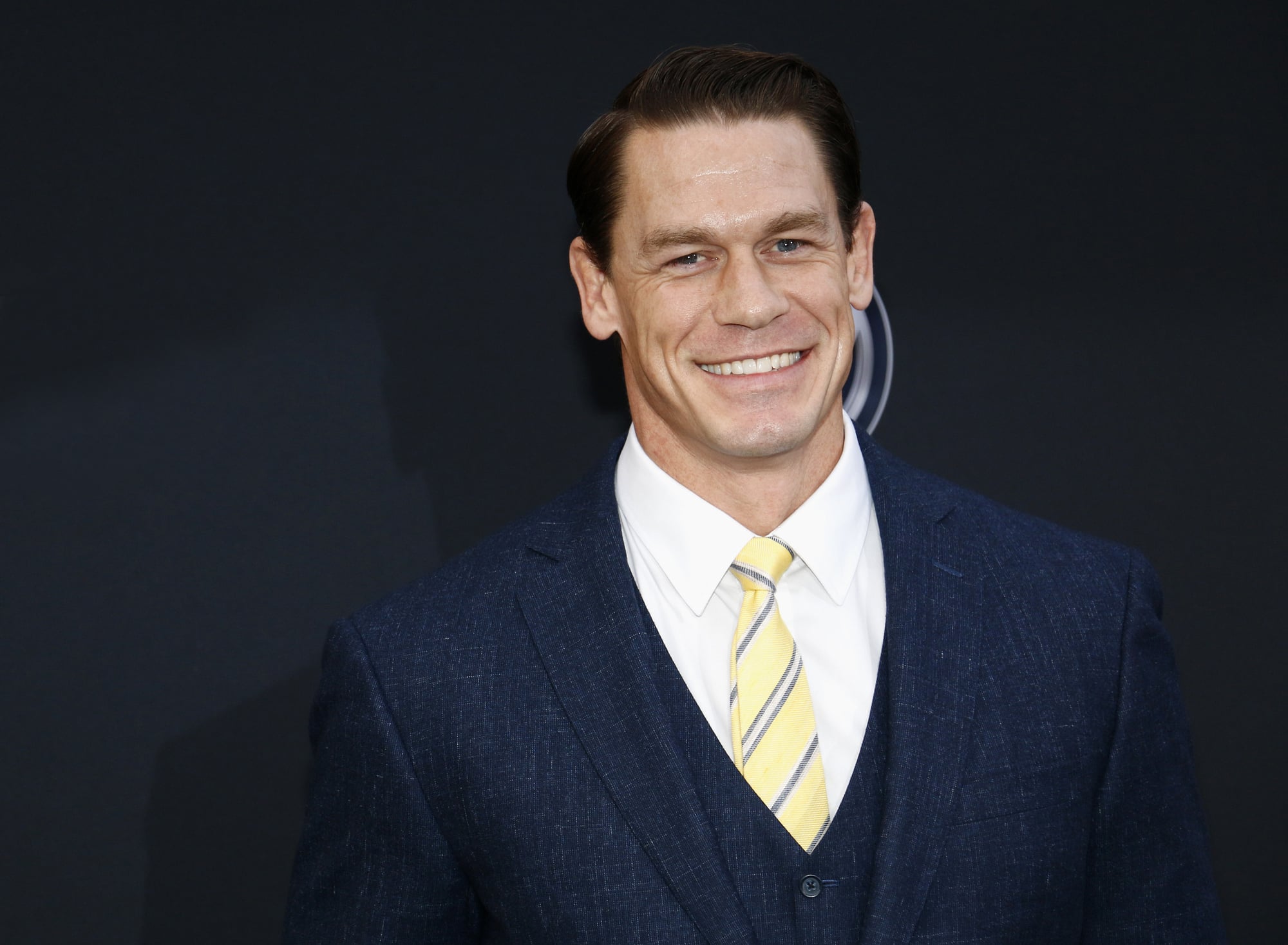
Not to be confused with the 1950s Western of the same name, this was a modern-day police drama starring John Cena that ABC hoped would capitalize on his wrestling fame. The network aired it on December 29, 2021, during that dead zone between Christmas and New Year’s when television goes to die.
Cena played a sheriff who moves from Los Angeles to a small town, bringing big-city policing methods to rural America — a premise that might have worked in a different era but felt tone-deaf given the national conversations about law enforcement happening at the time. ABC canceled it immediately, though in this case, the timing might have been as much about the cultural moment as the show’s quality.
Television executives are creatures of pattern and precedent, which makes shows like these particularly dangerous to their psyche. There’s something about a one-episode cancellation that suggests not just poor judgment in greenlighting the show, but fundamental misunderstanding of what audiences want or will tolerate.
It’s the difference between a restaurant that slowly loses customers over months and one that has the health department shut it down on opening night. Both are failures, but only one makes you question whether the people in charge have any idea what they’re doing.
Quarterlife
This ABC drama premiered on February 26, 2008, after already existing as a web series. The network thought they could take something that worked online and translate it to television, but what worked in eight-minute web episodes felt stretched thin and aimless over an hour of prime time.
The show followed a group of twentysomething friends trying to figure out their lives — a premise that requires either exceptional writing or incredibly charismatic actors to avoid feeling like watching other people’s mundane problems. ABC had neither, and the network canceled it after one episode, though they did air the remaining episodes online where the show had originally found whatever small audience it had.
The Will
CBS thought they had a clever reality show concept: a wealthy man’s family members compete in challenges to inherit his fortune. The show premiered on January 8, 2005, and the network probably realized before the first commercial break that they’d accidentally created something that felt more like watching a family destroy itself than entertainment.
Reality television thrives on manufactured drama, but this crossed into territory that made viewers uncomfortable in ways the network hadn’t anticipated. The premise was sound in theory — people will do almost anything for money, and family dynamics create natural tension — but watching it play out felt voyeuristic in the worst possible way (CBS learned that some concepts work better as elevator pitches than actual television).
And then there was the problem of the will itself: the legal and ethical implications of the whole setup created complications that the producers hadn’t fully thought through, turning what should have been straightforward reality TV into a potential legal nightmare.
The Chevy Chase Show
Late-night television seems like it should be easier than it is — get a host, book some guests, tell some jokes, send people home happy. Chevy Chase’s attempt at hosting a talk show for Fox proved that formula requires more finesse than it appears.
The show premiered on September 7, 1993, and within one episode it became clear that Chase’s particular brand of comedy didn’t translate to the late-night format. He seemed uncomfortable with guests, the timing felt off, and the whole production had an awkward energy that made viewers feel like they were watching someone fail in real time.
Fox canceled it after one episode, though they did air a few more shows before pulling the plug completely.
Anchorwoman
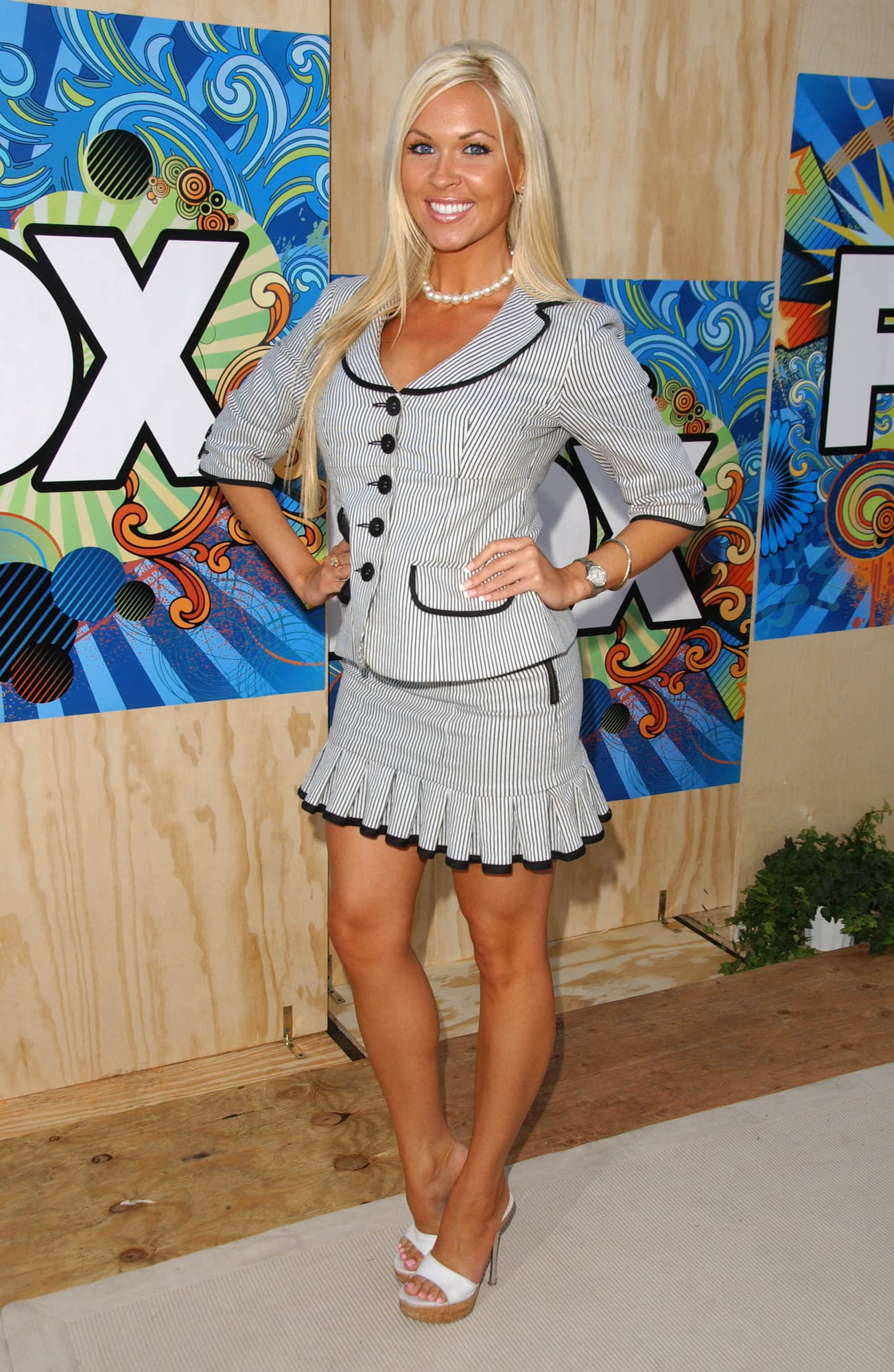
Lauren Jones was a model and WWE wrestler when The CW decided to make her a news anchor at a real television station in Tyler, Texas, for this reality show that premiered on August 22, 2007. The concept was problematic from the start: take someone with no journalism experience, put them in a real newsroom, and see what happens.
What happened was predictable — the local news staff resented the stunt, journalism organizations criticized the network for trivializing news, and viewers couldn’t decide if they were supposed to take any of it seriously. The CW canceled it after one episode, realizing they’d created something that satisfied no one: it wasn’t good television, it wasn’t good journalism, and it made everyone involved look foolish.
Network executives understand that television is a business built on educated guesses. They know that most shows will fail, and they’ve made peace with that reality.
But one-episode cancellations represent a special category of failure — they suggest that the network’s judgment was so far off that they couldn’t even give the show a chance to find its footing. These shows become cautionary tales passed around development meetings, reminders of what happens when high-concept ideas meet the harsh reality of actual audiences sitting in their living rooms, remote controls in hand, ready to change the channel the moment something doesn’t work.
Heil Honey I’m Home

This British sitcom from 1990 featured Adolf Hitler as a sitcom character living next door to a Jewish couple. The premise was so offensive and bizarre that it’s hard to believe anyone thought it was a good idea, even for a few minutes.
The show aired one episode on Galaxy TV, and the network immediately realized they’d made a catastrophic error in judgment. This wasn’t comedy pushing boundaries — it was comedy that had wandered so far past acceptable boundaries that it couldn’t find its way back.
The network pulled it immediately and pretended it had never happened.
When People Go Crazy

This wasn’t a show so much as a compilation of real footage showing people having psychological breaks, accidents, and other traumatic moments. Fox aired it once in the late 1980s as part of their early strategy of pushing the boundaries of what network television would show, but even for Fox, this crossed lines that shouldn’t have been crossed.
The network realized immediately that they’d moved from edgy programming into exploitation territory, and they canceled it after one airing. The concept was cruel rather than entertaining, and viewers responded accordingly.
Watching Ellie

Julia Louis-Dreyfus starred in this NBC sitcom that premiered on February 26, 2002, with a gimmick: each episode took place in real time over 22 minutes. The show followed Ellie, a lounge singer navigating her personal life, and the real-time format was supposed to create urgency and intimacy.
Instead, it created a show that felt constrained and artificial. Louis-Dreyfus was talented enough to make almost anything work, but the format fought against comedy rather than enhancing it.
NBC didn’t technically cancel it after one episode — they aired a full season — but the network knew after the pilot aired that they had a problem, and they spent the rest of the season trying to fix unfixable structural issues.
When The Levees Broke In Paradise

This reality show was supposed to follow families rebuilding their lives after Hurricane Katrina, but it premiered at a time when the wounds were still fresh and the network realized they’d turned real tragedy into entertainment. The show aired once and was immediately pulled when viewers and critics pointed out that watching people struggle with genuine trauma wasn’t the same as watching manufactured reality TV drama.
The network understood too late that some subjects require more sensitivity than the reality TV format allows.
The Scavenger Hunt
Game shows have simple formulas that usually work, but this CBS show from 2013 managed to take treasure hunting and make it boring. Teams searched for items hidden around cities while cameras followed them, but the execution was so flat that viewers couldn’t understand what they were supposed to be excited about.
The show lacked the energy of good reality competition and the strategy of good game shows, leaving audiences with something that felt like watching other people run errands. CBS pulled it after one episode, realizing they’d created television that was somehow less interesting than the everyday activities it was trying to dramatize.
The Moment Of Truth
While this show technically lasted longer than one episode, NBC’s version was canceled after one airing in 2008 when the network realized they’d created something too brutal for network television. Contestants answered increasingly personal questions while hooked to lie detectors, with family and friends watching as their secrets were revealed.
The format worked as a concept, but watching real people destroy their relationships for prize money made viewers uncomfortable in ways the network hadn’t anticipated. NBC pulled it immediately, understanding that some entertainment crosses the line into cruelty.
When Shows Become Cautionary Tales

The graveyard of one-episode cancellations serves as a reminder that television success requires more than just an interesting concept or recognizable faces. These shows failed because they misunderstood their audiences, their cultural moment, or the basic requirements of watchable television.
They represent the moments when networks learned expensive lessons about the difference between ideas that sound good in development meetings and shows that actually work when broadcast into people’s homes. Each cancellation became a story passed around the industry about what happens when ambition exceeds judgment, when concepts push boundaries that shouldn’t be pushed, or when everyone involved forgets that television is ultimately about giving audiences something they want to watch rather than something they feel obligated to endure.
More from Go2Tutors!

- The Romanov Crown Jewels and Their Tragic Fate
- 13 Historical Mysteries That Science Still Can’t Solve
- Famous Hoaxes That Fooled the World for Years
- 15 Child Stars with Tragic Adult Lives
- 16 Famous Jewelry Pieces in History
Like Go2Tutors’s content? Follow us on MSN.