14 Weirdest Jellyfish Species Ever Discovered
The ocean’s depths harbor some seriously bizarre jellyfish that look more like alien creatures than anything from this planet. These gelatinous oddities have evolved incredible abilities and appearances that would make science fiction writers jealous, proving that nature’s imagination far exceeds our own.
Here’s a list of the 14 weirdest jellyfish species ever discovered.
Immortal Jellyfish (Turritopsis dohrnii)

This tiny jellyfish has basically cracked the code on cheating death by reversing its aging process whenever it gets stressed, injured, or old. When things get tough, it transforms back into a juvenile polyp and starts life all over again – potentially making it biologically immortal.
Scientists are studying this little guy intensively since understanding its regenerative abilities could revolutionize aging research.
Upside-Down Jellyfish (Cassiopea)
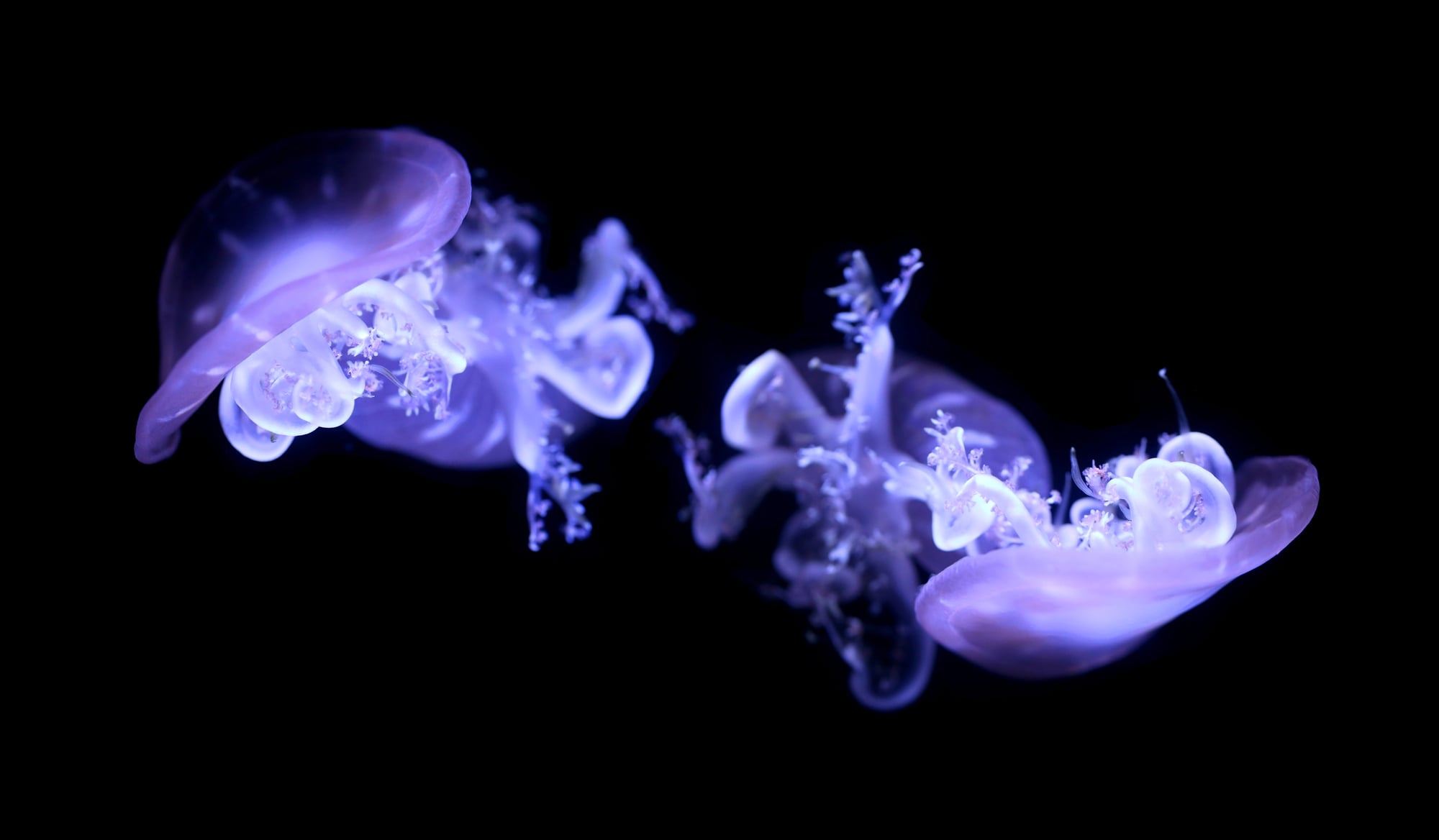
These lazy jellyfish spend their entire adult lives chilling upside-down on shallow seafloors, looking more like colorful pancakes than traditional jellies. They’ve got symbiotic algae living in their tissues that photosynthesize and provide food – basically turning them into solar-powered animals.
The jellyfish pulse gently to circulate water and nutrients while their algae partners do all the heavy lifting.
Fried Egg Jellyfish (Phacellophora camtschatica)
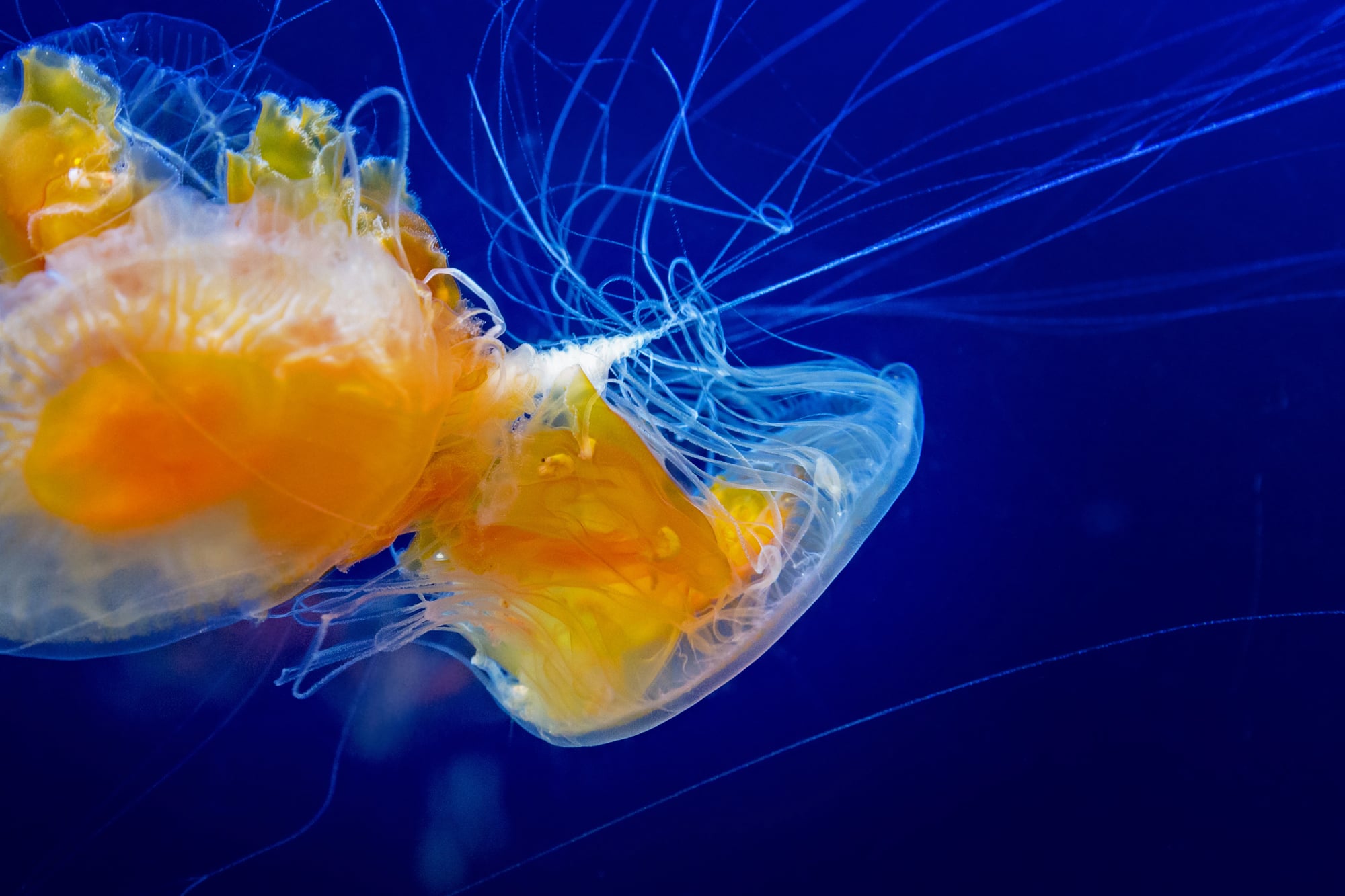
This massive jellyfish looks exactly like a giant fried egg floating through the ocean, complete with a yellow center and translucent white edges. The thing can grow over three feet across with tentacles stretching up to twenty feet long – making it one of the largest jellyfish species on the planet.
Despite its intimidating size, the fried egg jelly has a relatively mild sting that won’t seriously harm humans.
Crystal Jellyfish (Aequorea victoria)
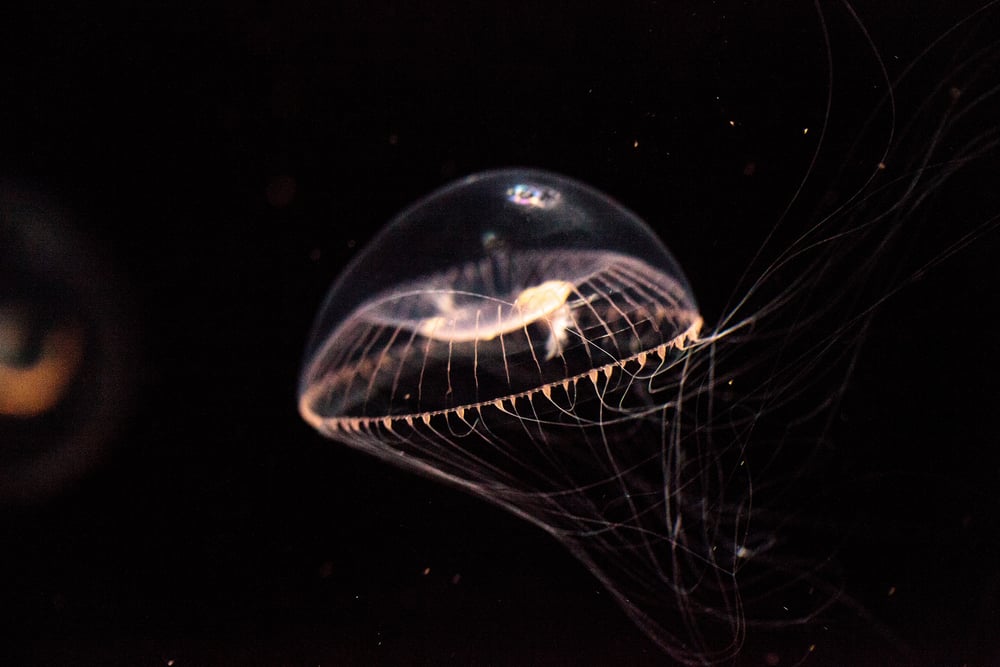
The crystal jelly’s claim to fame isn’t just its ethereal translucent appearance – it’s the source of green fluorescent protein that revolutionized biological research. Scientists extracted GFP from these jellyfish to create glowing markers that help track cellular processes in labs worldwide.
This humble Pacific Northwest native accidentally became one of the most important research tools in modern biology.
Flower Hat Jelly (Olindias formosa)
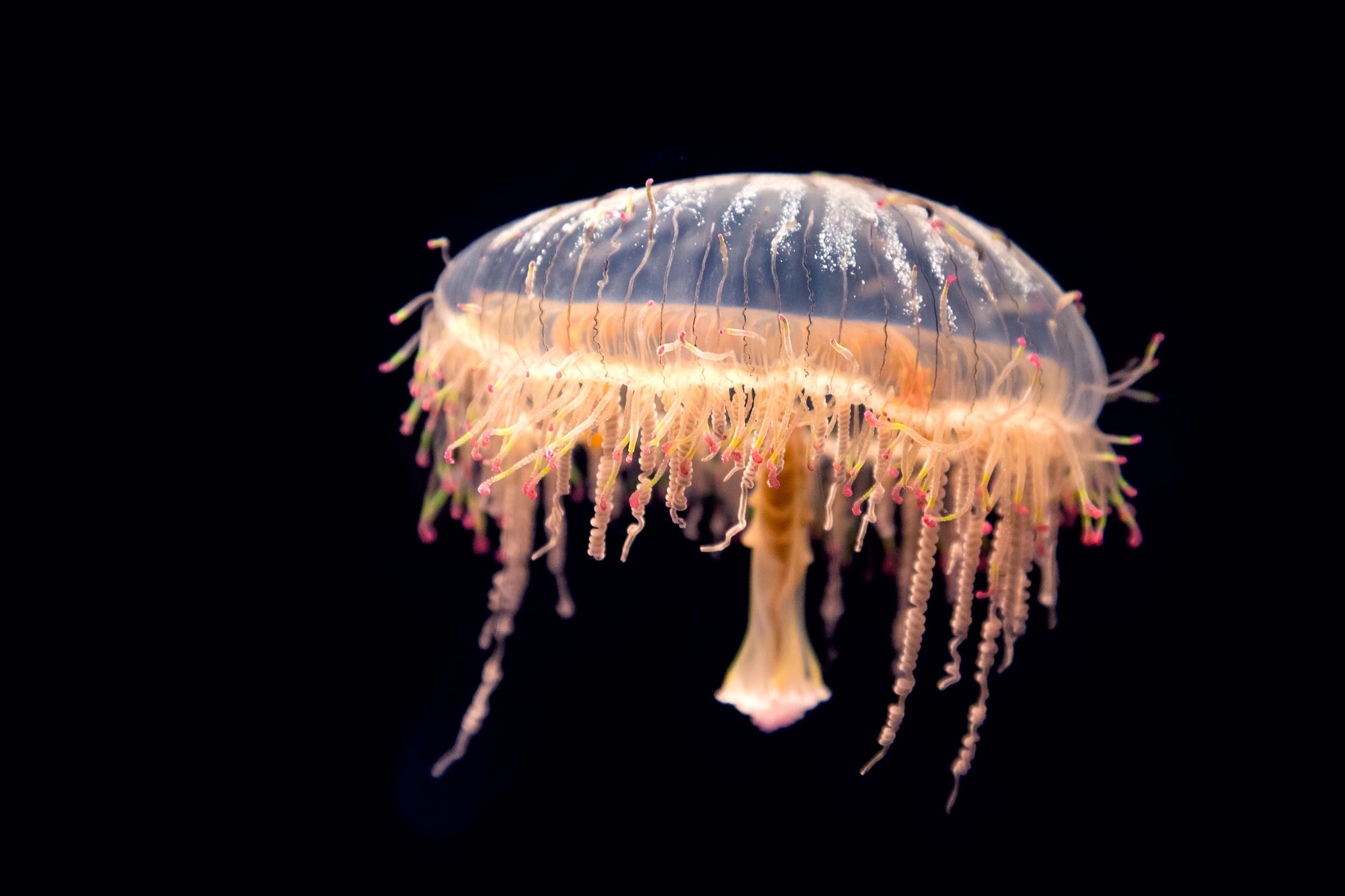
Looking like something from a psychedelic dream, this stunning jellyfish sports vibrant purple stripes and neon tentacles that glow with bioluminescent fury. The flower hat jelly’s tentacles can stretch and contract dramatically while pulsing with electric colors that warn predators to stay away.
Despite being absolutely gorgeous, this beauty packs a nasty sting that can cause serious pain and welts.
Blue Blubber Jellyfish (Catostylus mosaicus)
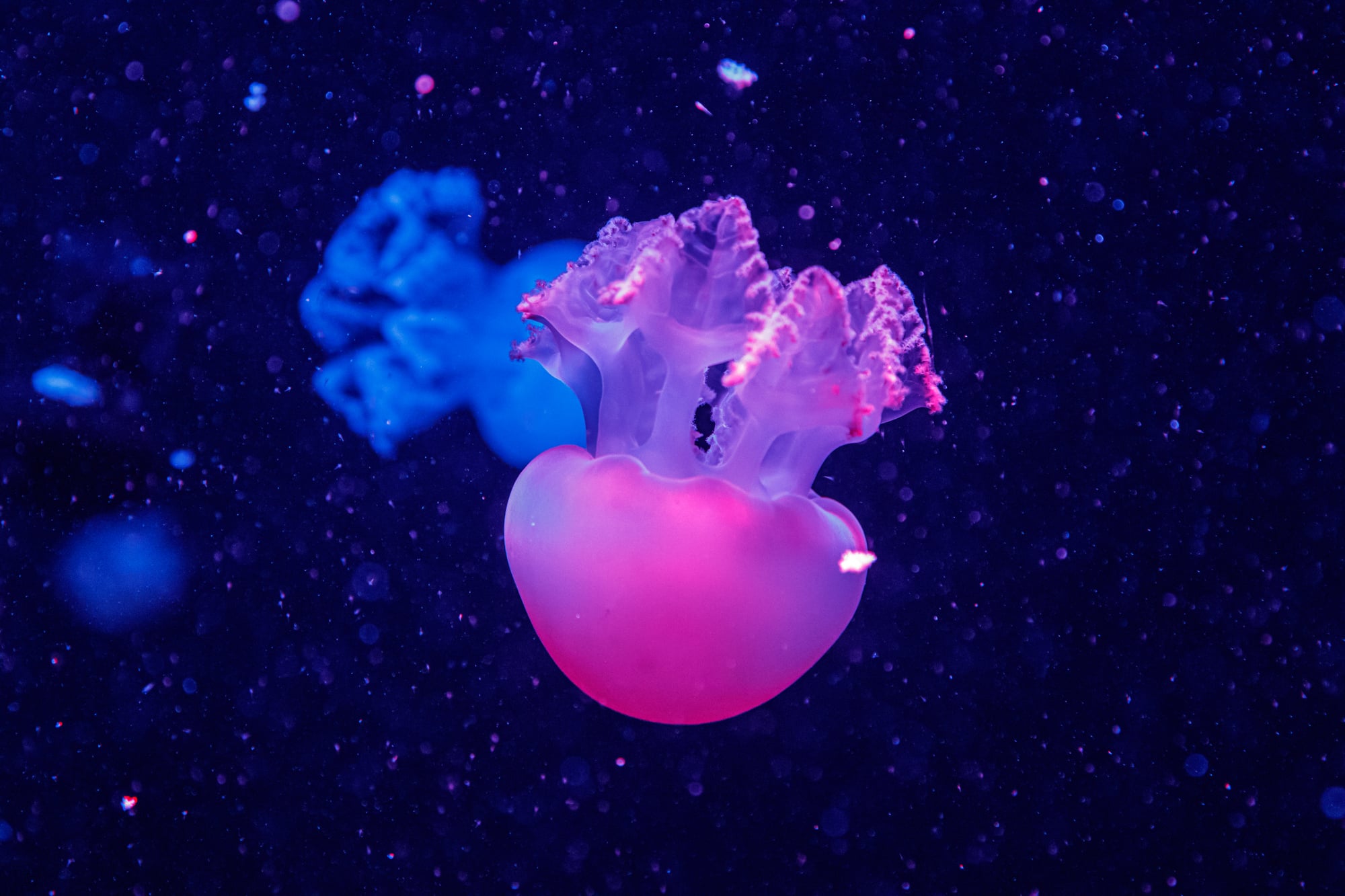
These chunky Australian natives come in wild color variations ranging from blue and purple to brown and white – looking like living mood rings drifting through the water. Blue blubbers lack traditional tentacles, instead sporting eight thick oral arms that they use to capture plankton and small fish.
They’re surprisingly hardy creatures that can tolerate a wide range of water conditions.
Barrel Jellyfish (Rhizostoma pulmo)
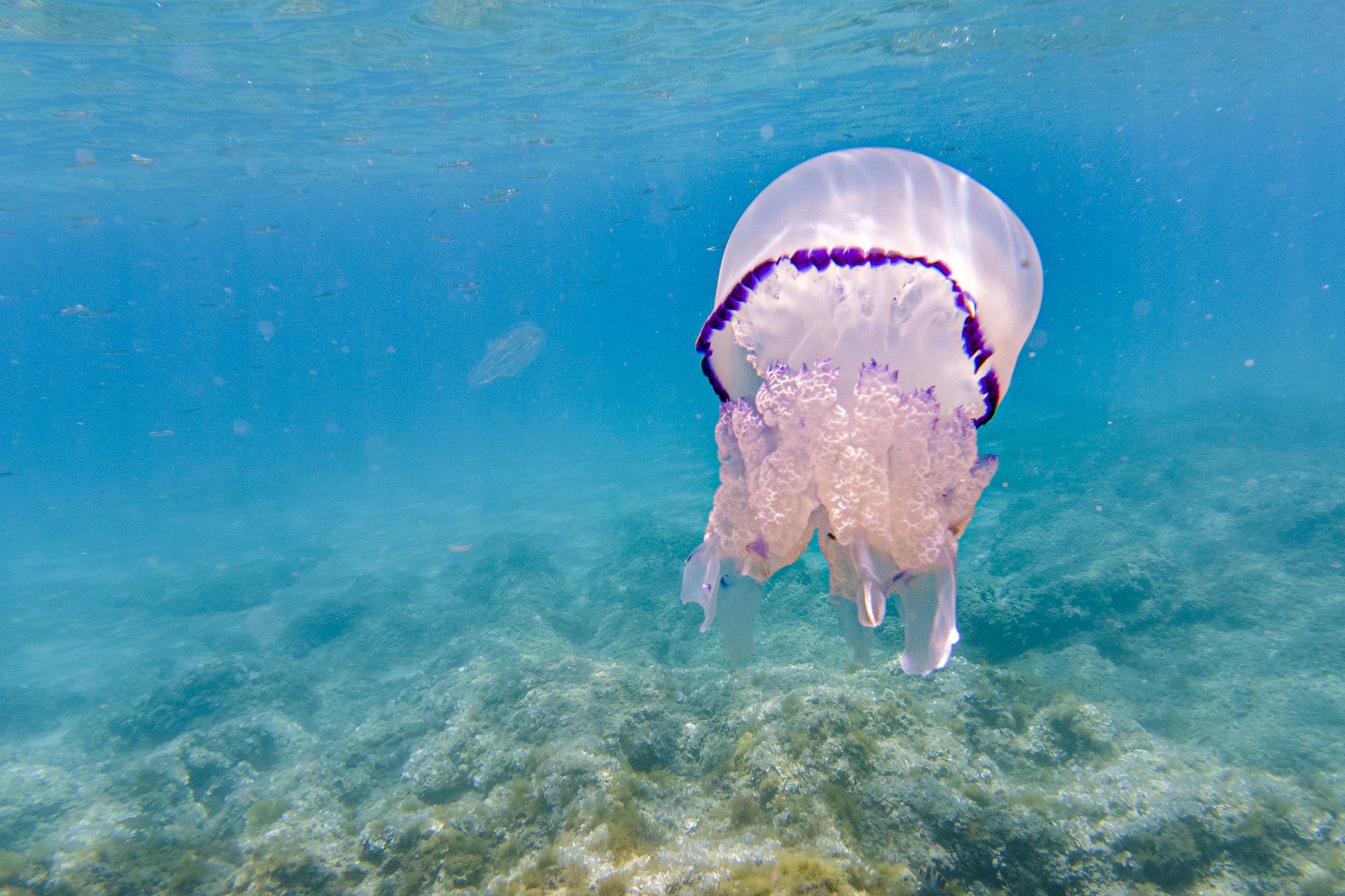
Britain’s largest jellyfish looks like a massive dustbin lid floating through coastal waters, sometimes growing large enough that kids could use one as a makeshift raft. These gentle giants feed by filtering plankton through their thick oral arms rather than actively hunting prey with stinging tentacles.
Despite their imposing size, barrel jellies have such a mild sting that they’re practically harmless to humans.
Lion’s Mane Jellyfish (Cyanea capillata)
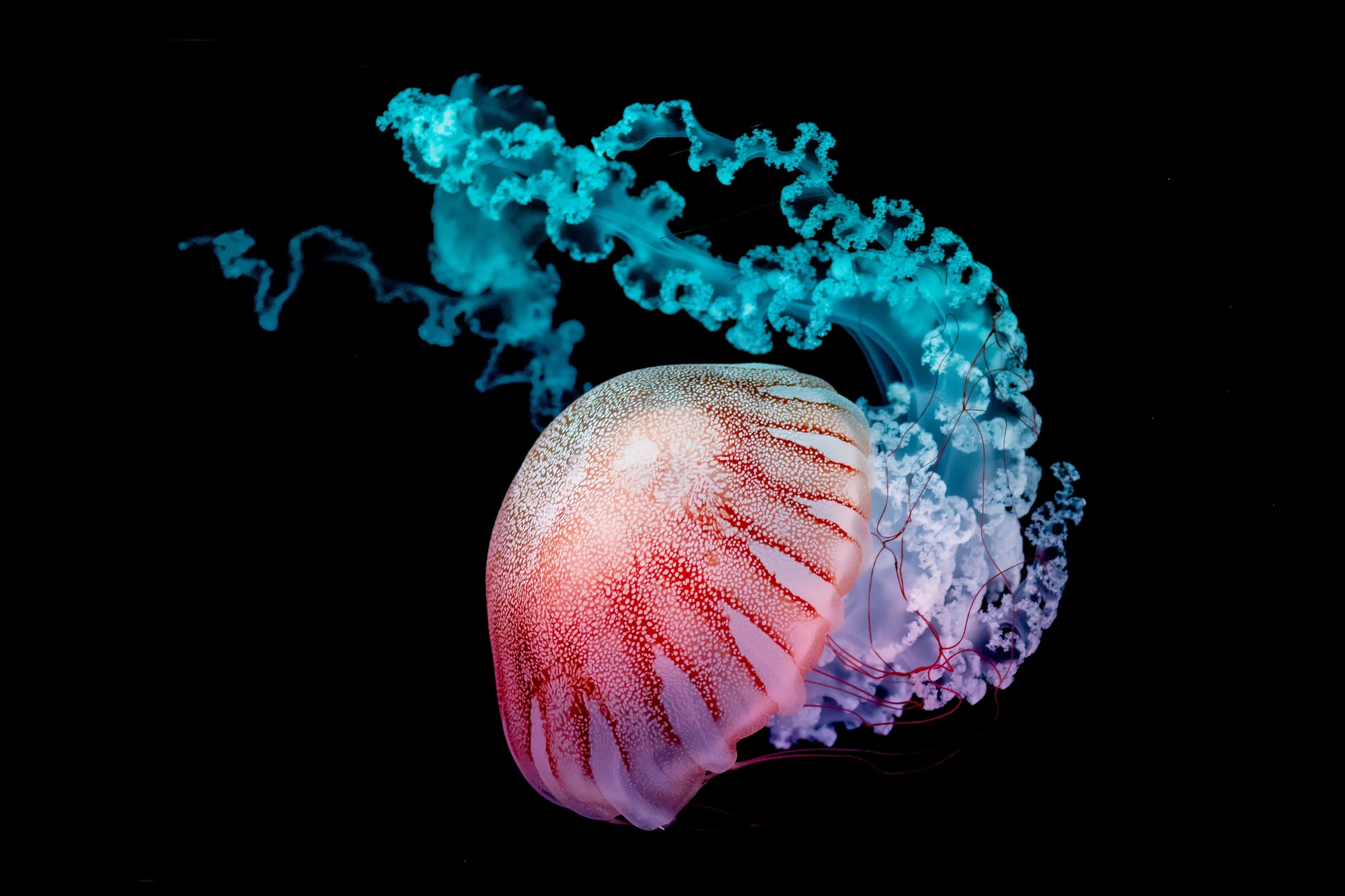
The lion’s mane holds the record as possibly the longest animal on Earth – with tentacles that can stretch over one hundred feet, making them longer than blue whales. These Arctic giants sport flowing manes of red and orange tentacles that trail behind them like underwater hair extensions.
Their massive size and powerful sting make them apex predators in northern waters.
Moon Jellyfish (Aurelia aurita)
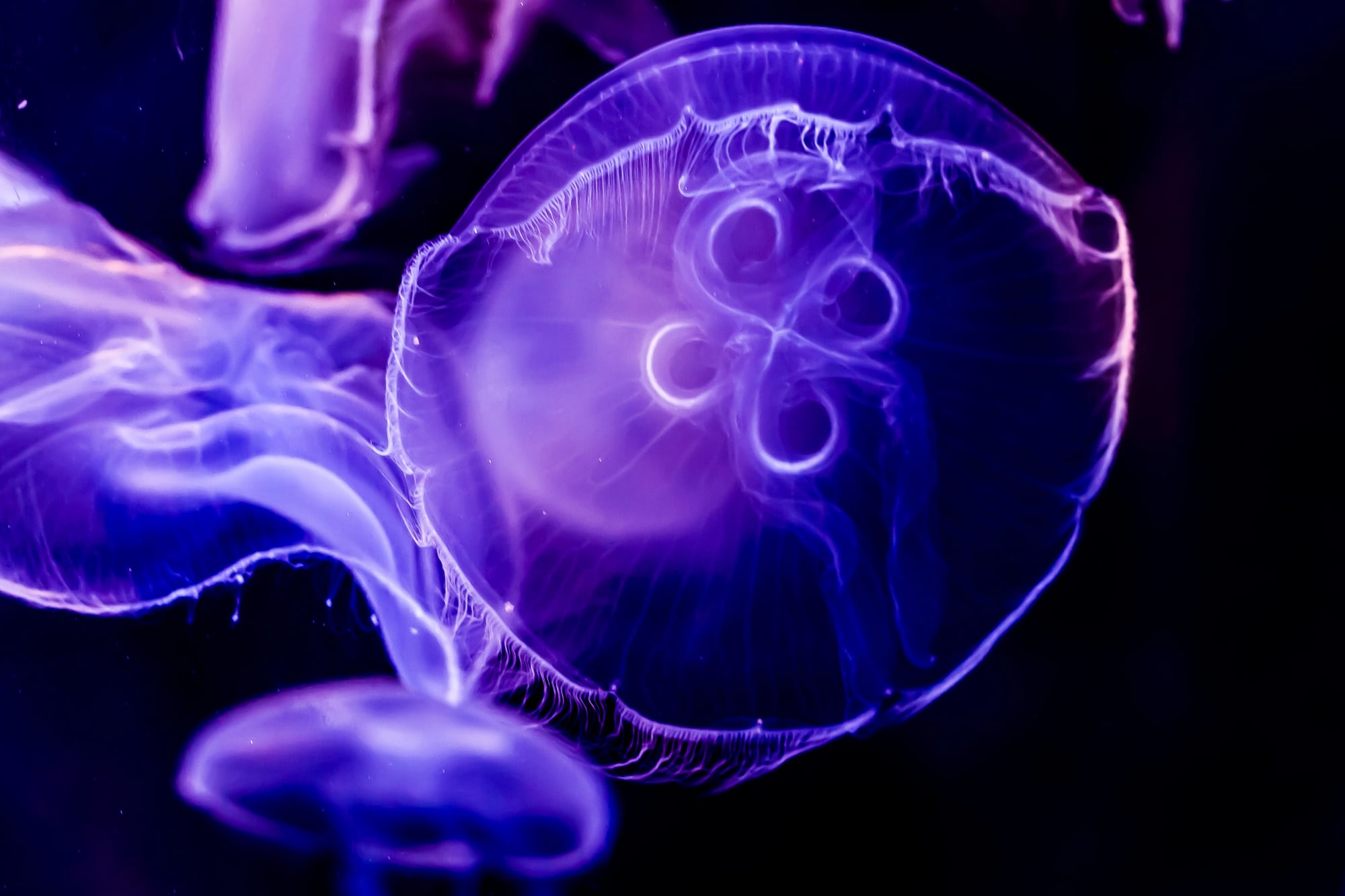
Moon jellies are probably the most recognizable jellyfish species, with their distinctive four-leaf clover reproductive organs visible through translucent bells. These cosmopolitan creatures have conquered oceans worldwide and can survive in almost any marine environment from tropical seas to Arctic waters.
They’re like the cockroaches of the jellyfish world – incredibly adaptable and nearly impossible to eliminate.
By-the-Wind Sailor (Velella velella)
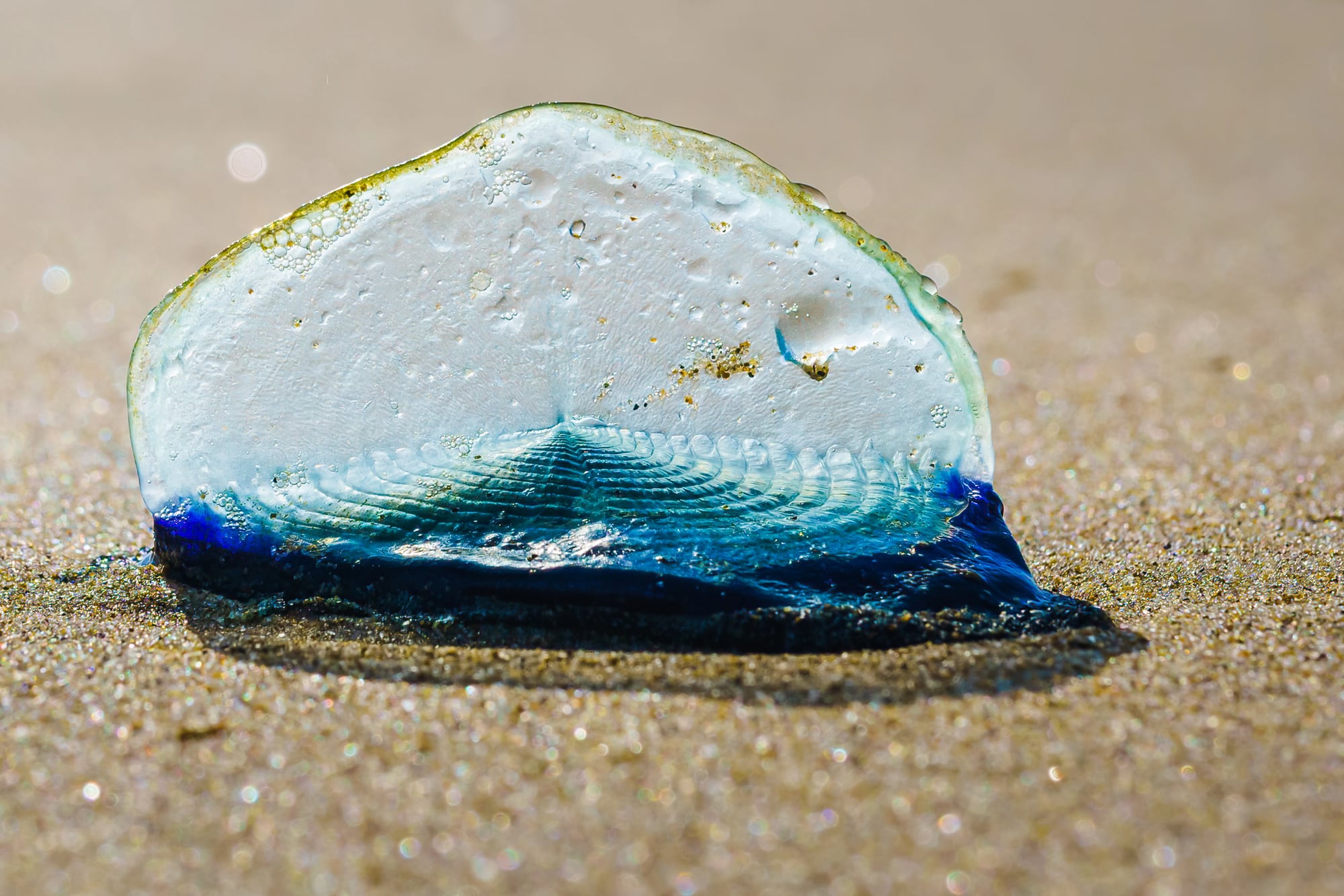
These bizarre creatures aren’t technically jellyfish but close relatives that look like tiny sailboats complete with transparent sails sticking up from their bodies. Wind-powered sailors drift across ocean surfaces in massive fleets, occasionally washing ashore in huge numbers when storms blow them toward land.
They feed on plankton and small fish while riding wind currents like living vessels.
Atolla Jellyfish (Atolla wyvillei)
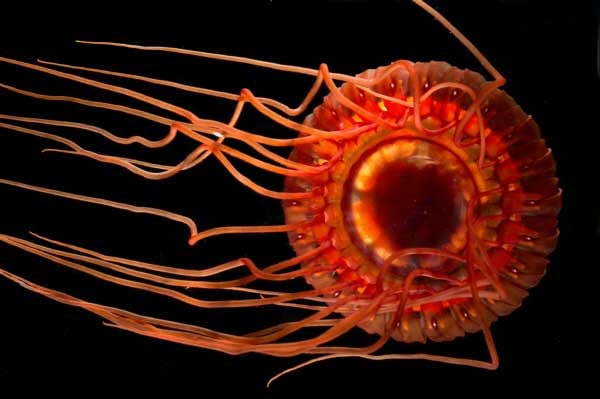
Deep-sea Atolla jellies have developed one of the coolest defense mechanisms in the animal kingdom – when attacked, they create a spinning ring of bioluminescent light called a “burglar alarm.” This spectacular light show is designed to attract larger predators that might eat whatever’s currently trying to munch on the jellyfish.
The strategy basically turns the jellyfish into a living distress signal that calls for backup.
Cauliflower Jellyfish (Cephea cephea)
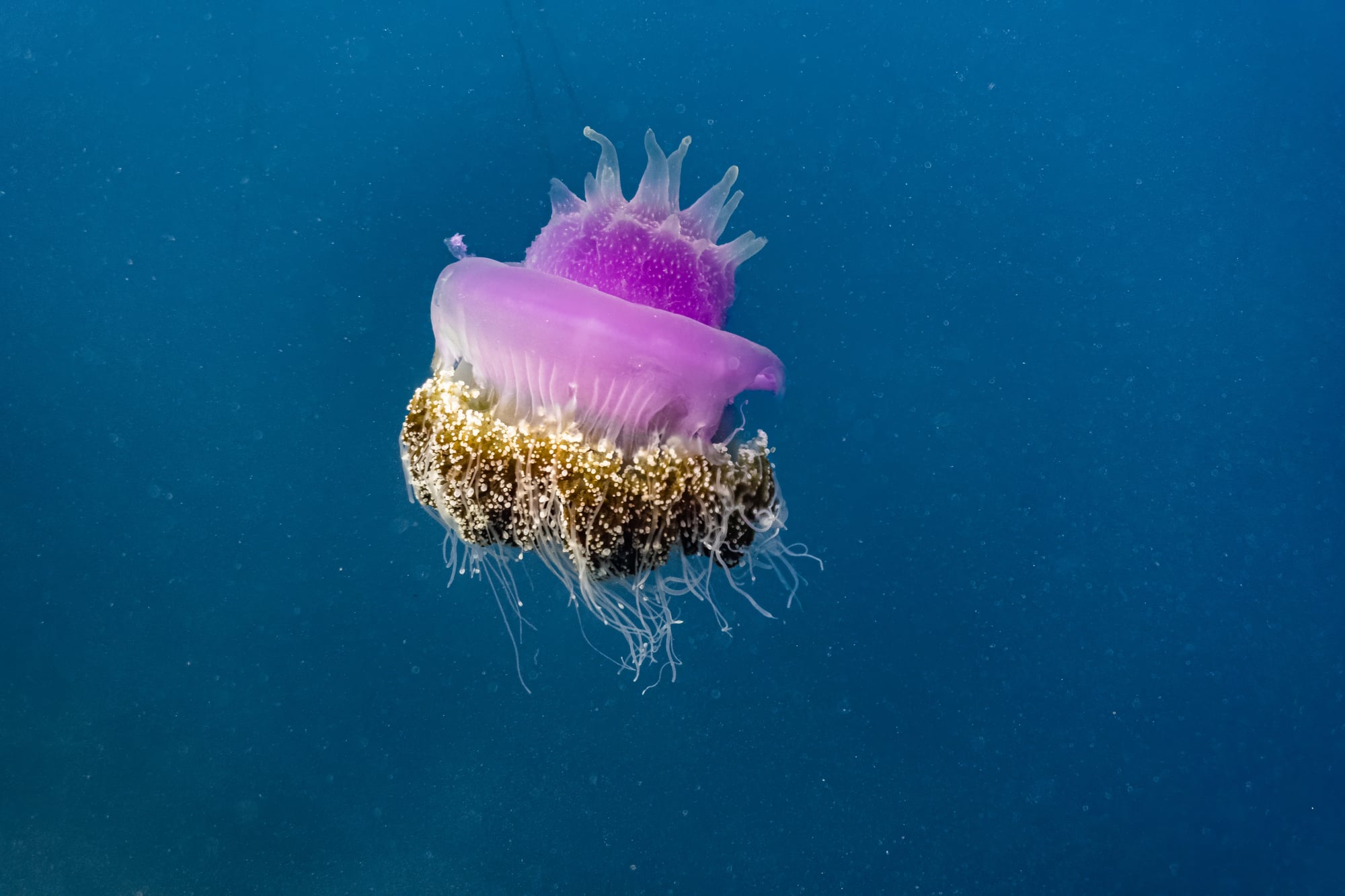
This weird jellyfish looks exactly like its name suggests – a floating head of cauliflower with a bumpy, brain-like surface covered in small projections. The cauliflower jelly’s bizarre appearance comes from its highly modified bell structure that’s adapted for filter feeding in shallow tropical waters.
Despite looking like an underwater vegetable, it’s actually a sophisticated predator that captures small organisms in its textured bell.
White-Spotted Jellyfish (Phyllorhiza punctata)

Originally from Australia, these invasive jellies have hitchhiked around the world in ship ballast water and now plague ecosystems from the Gulf of Mexico to the Mediterranean. White-spotted jellies are incredibly efficient filter feeders that can devastate local plankton populations and disrupt entire food chains.
Their success as invaders comes from their ability to reproduce rapidly and tolerate various environmental conditions.
Crossota Jellyfish (Crossota species)
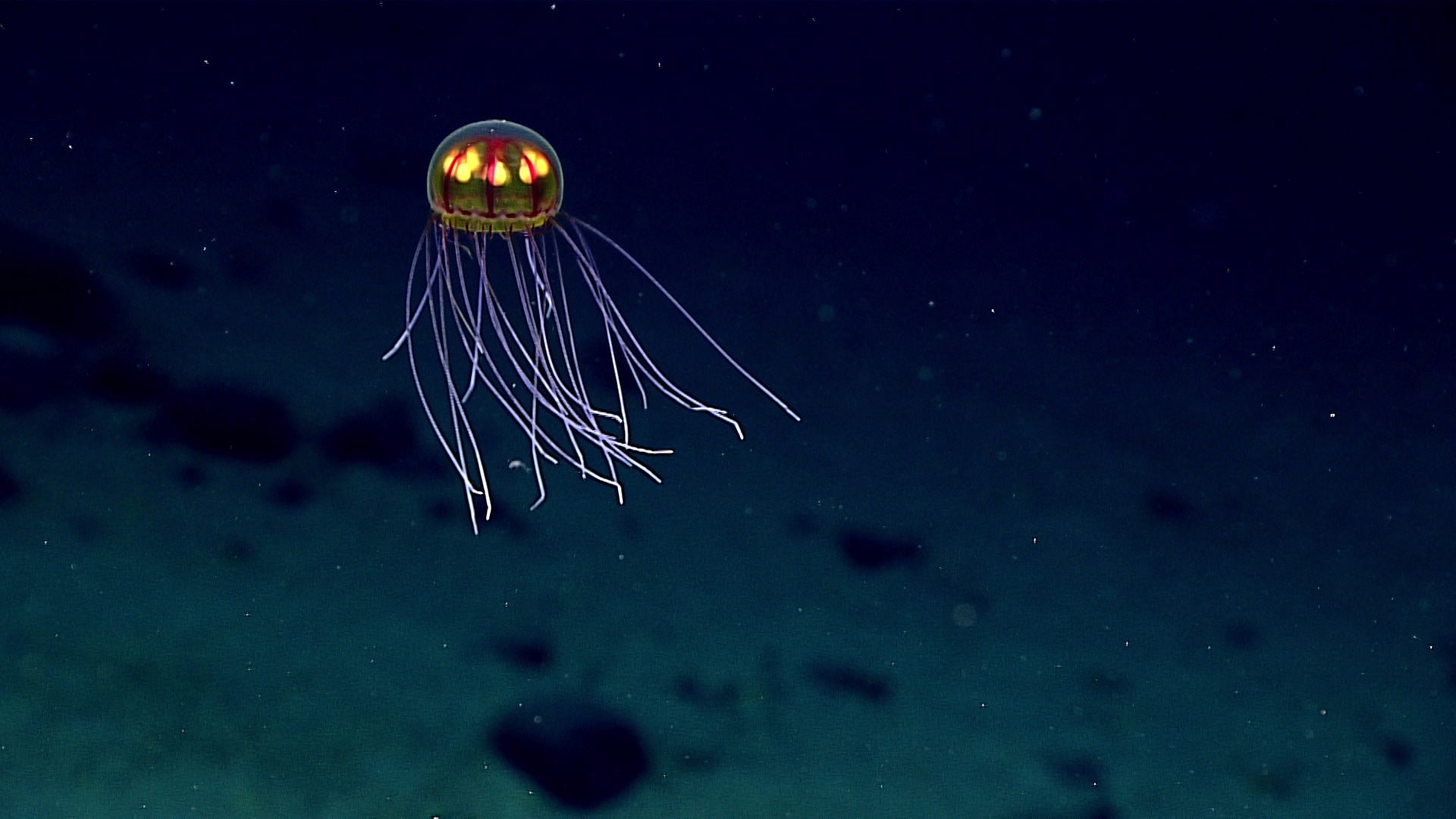
These alien-looking deep-sea jellies live near hydrothermal vents and look more like spaceships than marine animals, with their bell-shaped bodies and trailing appendages. Crossota species have adapted to extreme conditions around volcanic vents where temperatures fluctuate wildly and toxic chemicals would kill most other organisms.
Some species even walk along the seafloor using their tentacles like legs rather than swimming through the water column.
Nature’s Liquid Aliens
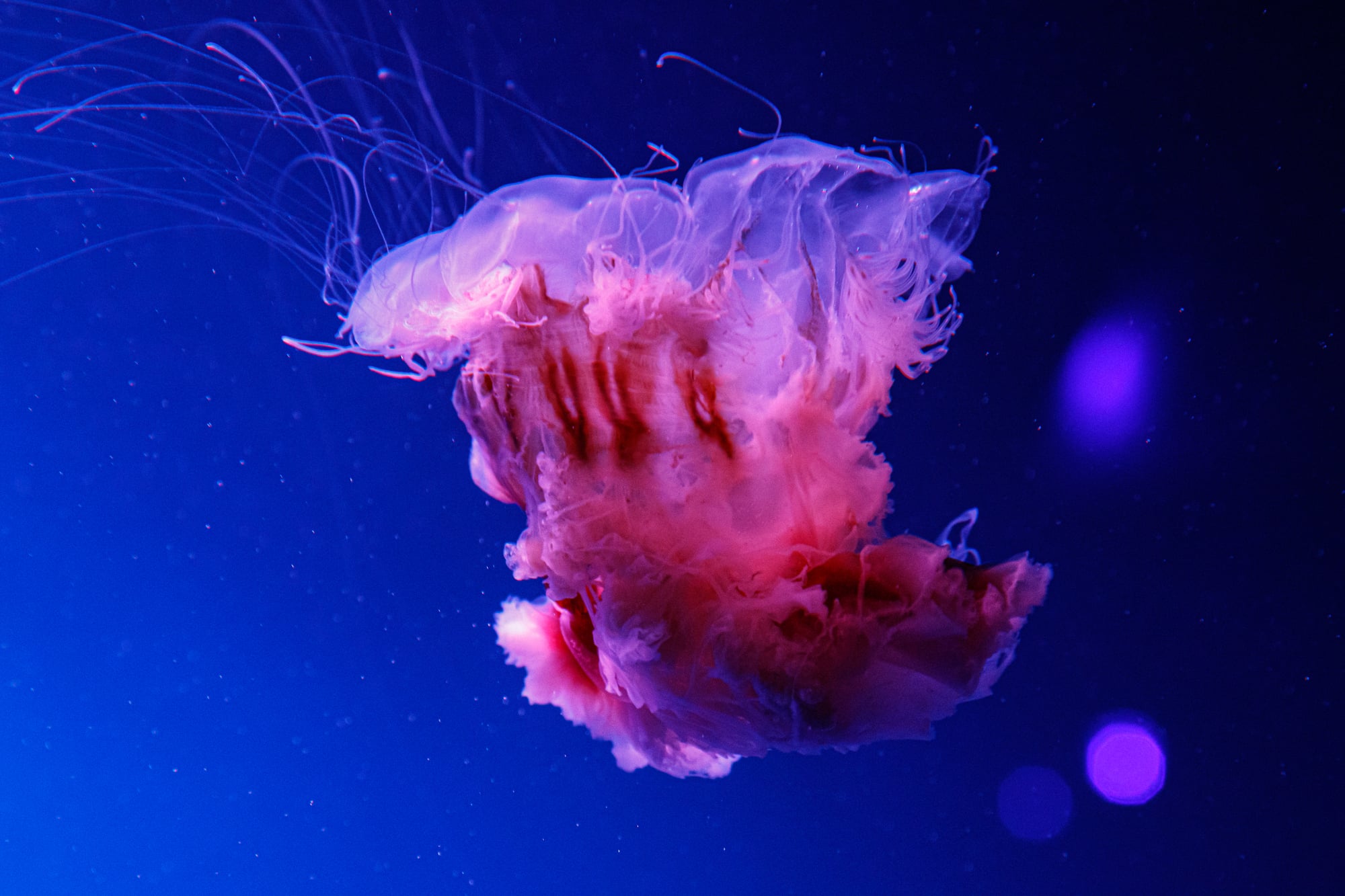
These bizarre jellyfish prove that Earth’s oceans harbor creatures so strange they seem like they belong on distant planets rather than sharing our world. From immortal regenerators to solar-powered drifters, these gelatinous aliens have evolved solutions to survival challenges that continue to baffle scientists.
The fact that we’re still discovering new jellyfish species suggests countless more weirdos are lurking in unexplored ocean depths, waiting to blow our minds with their otherworldly adaptations. What’s most amazing is how these seemingly simple creatures have developed such sophisticated survival strategies while maintaining their basic jellyfish blueprint for hundreds of millions of years.
More from Go2Tutors!

- 16 Restaurant Chains That Went Too Fast
- 12 Things Sold in the 80s That Are Now Illegal
- 15 Strange Things People Have Tried to Ban (And Failed)
- 16 Collectibles People Tossed Out Too Soon
- 17 Myths from Your Childhood That Were Actually Based on Real Things
Like Go2Tutors’s content? Follow us on MSN.