Famous Feuds Between Neighbors That Ended Up Making National Headlines
Most people assume neighbor disputes stay contained to hushed conversations over backyard fences or stern letters from homeowner associations. The occasional noise complaint gets filed, maybe someone calls the city about an overgrown hedge, and life moves on.
But some neighbor feuds refuse to stay quiet. They escalate beyond all reason, drawing in law enforcement, media crews, and sometimes entire communities into conflicts that started over something as simple as a property line or a parking spot.
These disputes reveal something unsettling about human nature — how quickly civility dissolves when people feel their territory is threatened. What begins as a minor irritation transforms into an all-consuming battle that destroys relationships, drains bank accounts, and occasionally lands people in jail.
The feuds that make national headlines aren’t just about the original disagreement. They’re about pride, control, and the dangerous mathematics of escalation.
The Hatfields And McCoys

The most famous neighbor feud in American history started over a pig. A single pig.
In 1865, Randolph McCoy accused Floyd Hatfield of stealing one of his hogs, and what followed was a blood feud that lasted nearly three decades and claimed at least a dozen lives. The families lived on opposite sides of the Tug Fork River along the Kentucky-West Virginia border.
Geography made them neighbors, but their differences ran deeper than state lines. The Hatfields were more prosperous, better connected politically, and had sided with the Confederacy.
The McCoys struggled financially and had Union sympathies. When Devil Anse Hatfield’s family was accused of theft, the insult cut along every fault line that already existed between them.
What made this feud legendary wasn’t just the body count. It was the way violence became a family inheritance, passed down to children who barely remembered what started it all.
By the 1880s, sons were killing sons over grievances their grandfathers had created. The feud finally ended not through forgiveness or understanding, but through exhaustion and the intervention of state governments who grew tired of the bad publicity.
Laurel Canyon Tree Wars
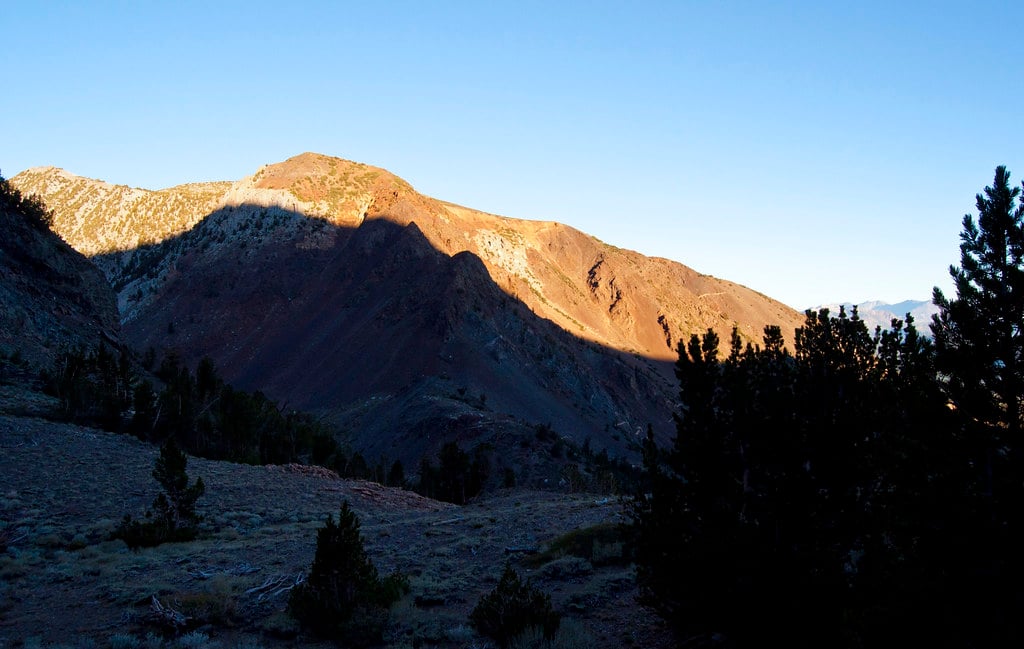
Living in the Hollywood Hills means accepting certain realities about space, privacy, and the lengths people will go to protect their views. In 2001, Betty Clendenin found out just how far when her neighbors, music producer Jon Peters and his then-girlfriend Christine Forsyth, decided her 70-year-old Canary Island pine trees were blocking their million-dollar view of downtown Los Angeles.
The conflict began politely enough — a request to trim the trees, an offer to pay for the work. But Clendenin refused (the trees provided privacy for her home and had been there longer than Peters had been alive), so Peters took matters into his own hands.
He hired a crew to secretly poison the trees with herbicide while Clendenin was out of town. When Clendenin returned to find her trees dying, she did what any rational person living in Los Angeles would do: she hired a lawyer and called the media.
The case dragged through courts for years, with Peters eventually paying $1.6 million in damages. The dead trees became symbols of everything wrong with Hollywood entitlement, and Peters — who had produced films like “A Star Is Born” — found himself cast as the villain in a real-life drama about neighborly greed.
Fence Post Fury In Virginia Beach
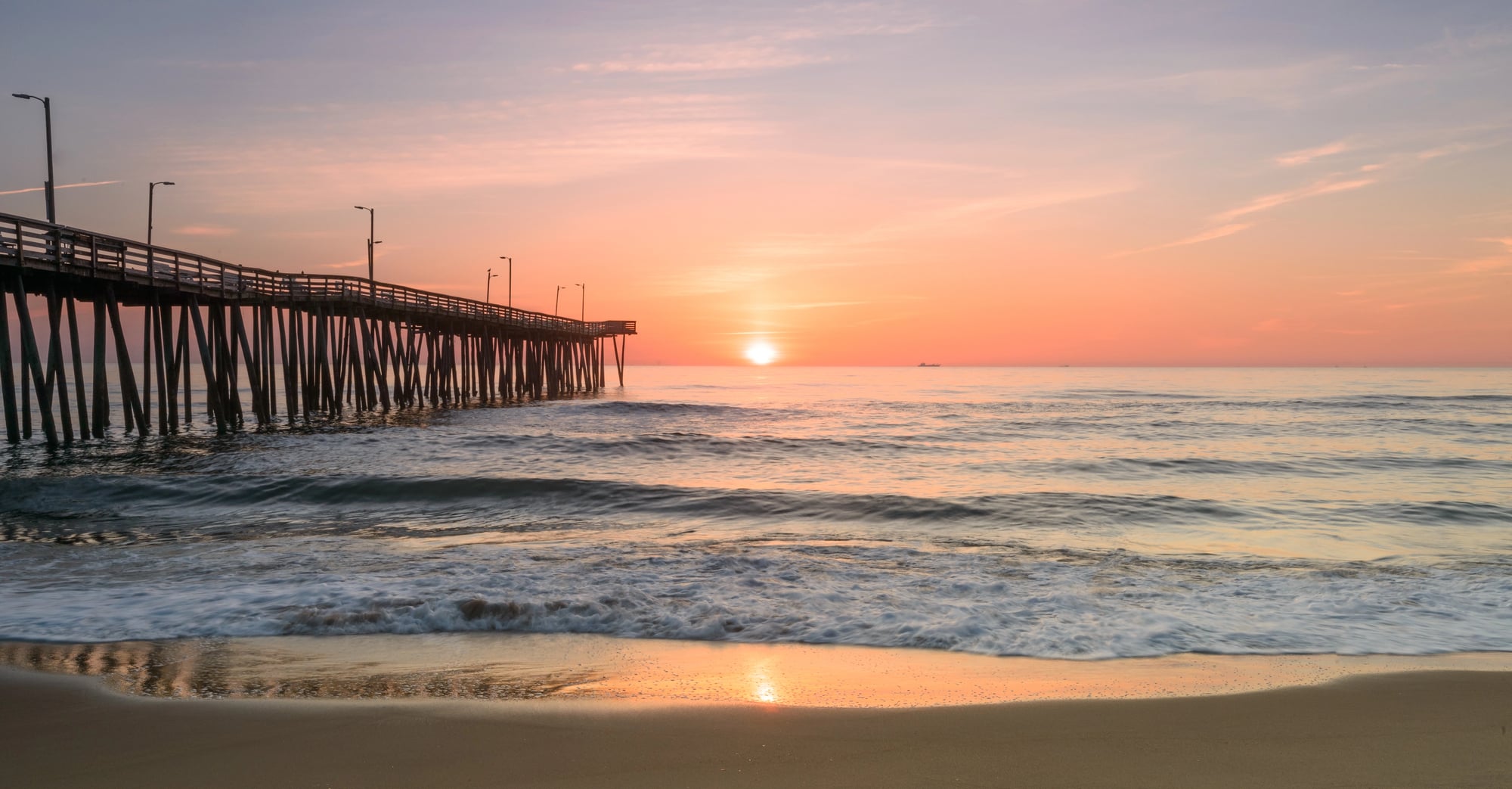
Sometimes the most bitter feuds grow from the smallest seeds, and in Virginia Beach in 2012, that seed was a fence post placed six inches over a property line. Richard Loudermilk had lived peacefully next to his neighbors, the Phillipses, for years until a new survey revealed the boundary dispute.
Six inches. Half a foot of grass that technically belonged to one family but had been maintained by another.
What happened next defied all logic and proportion (but somehow felt inevitable once it started). The Phillipses demanded Loudermilk move his fence, Loudermilk refused, and both families began documenting every perceived slight with the dedication of war correspondents.
Security cameras were installed. Police were called dozens of times.
Property was allegedly damaged, pets were accused of trespassing, and family members stopped speaking to mutual friends who refused to take sides. The feud escalated when Loudermilk installed a large spotlight aimed directly at the Phillips’ bedroom window.
They retaliated by playing loud music at all hours. Eventually, both families spent more money on legal fees than their houses were worth, and the story became a cautionary tale covered by local news stations as an example of how property disputes can consume people’s lives.
The fence, meanwhile, remained exactly where it had always been.
Shrubbery Showdown In Kansas

Martha Stewart built an empire teaching Americans about the art of gracious living, but in 2004, she learned that good taste and neighborly relations don’t always align. While serving her prison sentence for insider trading, Stewart’s East Hampton estate became the center of a landscaping dispute that perfectly captured the absurdity of Hamptons social warfare.
The conflict involved Stewart’s caretakers and her neighbor, real estate developer Harry Macklowe, who objected to a row of privet hedges that Stewart had planted along their shared property line. Macklowe claimed the hedges exceeded the height allowed by local ordinances and blocked his ocean view.
Stewart’s team argued the hedges were within legal limits and had been properly maintained for years. What made this feud particularly delicious for tabloid readers was the contrast: America’s lifestyle guru was in federal prison while her neighbors fought over hedge height in one of the country’s most exclusive zip codes.
The dispute involved multiple court filings, town planning board meetings, and enough legal fees to fund a small nonprofit. Eventually, the hedges were trimmed to regulation height, but the bad blood between the neighbors never quite resolved.
The Astroturf Incident

Picture this: you wake up one morning to discover that your neighbor has replaced his entire front yard with bright green artificial turf, complete with perfectly painted white yard lines like a football field. This was the reality facing residents of Rancho Santa Fe, California, in 2009, when tech entrepreneur Randy Baynham decided natural grass was too much trouble.
The homeowner’s association went into immediate crisis mode (artificial turf violated approximately seventeen different community standards), but Baynham had done his legal homework. His installation technically complied with local water conservation requirements, and California law supported drought-resistant landscaping.
The HOA couldn’t force him to remove it, but they could make his life miserable in other ways. What followed was a years-long battle involving city council meetings, media coverage, and neighbors who stopped speaking to each other over lawn choices.
Some residents supported Baynham’s practical approach to water conservation. Others saw his artificial turf as an assault on property values and community aesthetics.
The feud split the neighborhood into factions and became a symbol of larger conflicts between environmental responsibility and suburban conformity. The turf stayed, but Baynham eventually moved away, exhausted by the constant controversy.
Audio Assault In Florida

Between 2010 and 2013, residents of a quiet suburban neighborhood in Stuart, Florida, endured what investigators later described as “acoustic terrorism.” The perpetrator was Craig Fontaine, a 66-year-old retiree who had declared war on his neighbors through precisely calculated noise pollution designed to drive them from their homes.
Fontaine’s campaign began with seemingly innocent activities — leaf blowing at 6 AM, power washing his driveway multiple times per week, running generators for no apparent reason. But his methods grew more sophisticated over time.
He installed multiple outdoor speakers and played recordings of barking dogs, construction noise, and air raid sirens at strategic intervals throughout the day and night. The psychological impact was devastating.
Neighbors reported insomnia, anxiety attacks, and the constant feeling of being under siege in their own homes. Several families moved away rather than continue fighting, which only emboldened Fontaine to intensify his efforts against the remaining residents.
Police struggled to intervene because Fontaine was careful to keep his noise levels just below the legal thresholds for citation, and he always had plausible explanations for his activities. The story gained national attention when local news stations documented the ongoing harassment, and Fontaine eventually faced multiple lawsuits and criminal charges for his three-year campaign of acoustic warfare.
Christmas Controversy In Colorado
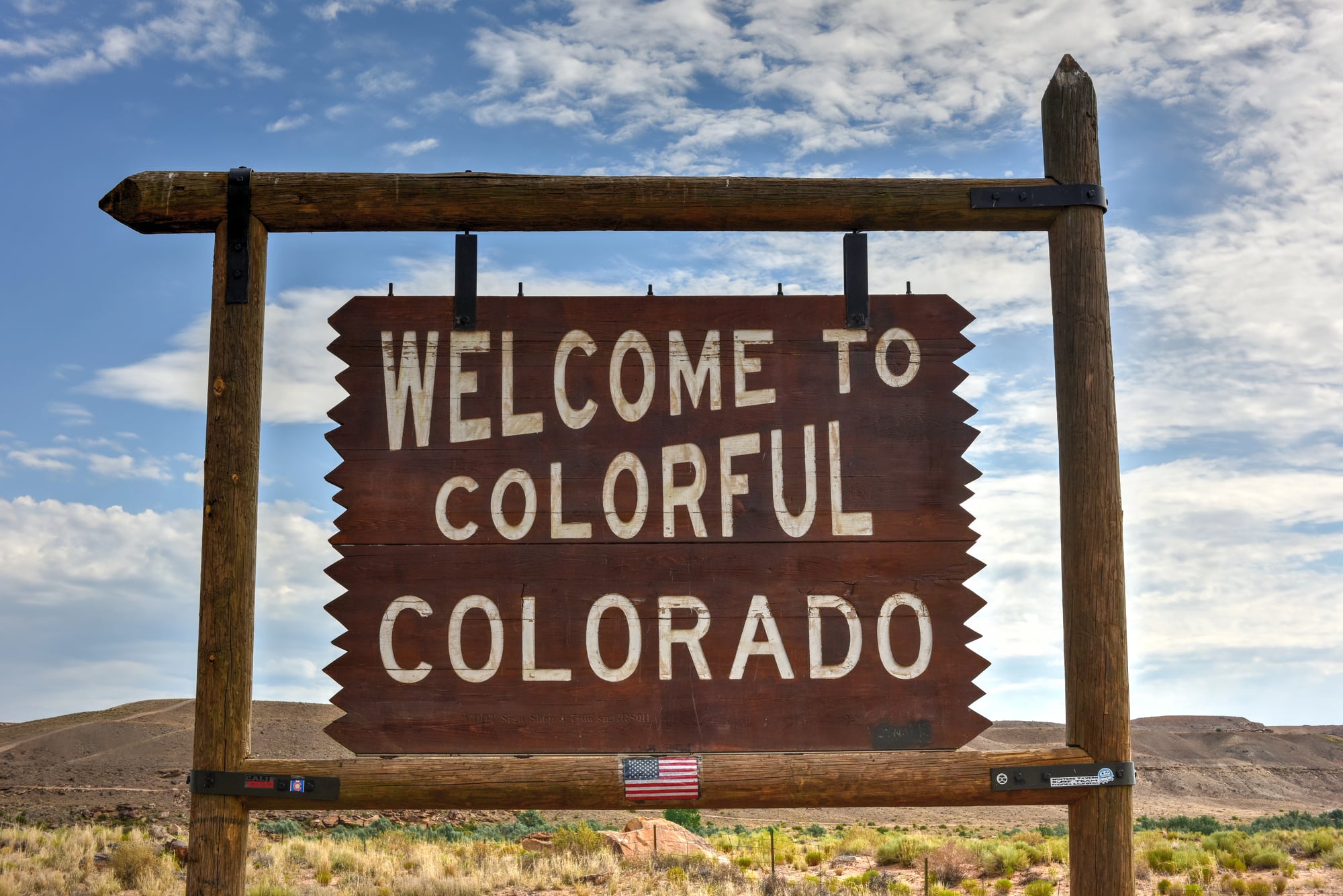
Nothing says “peace on earth” quite like a legal battle over holiday decorations, but that’s exactly what happened in Westminster, Colorado, when Jeremy Morris decided to express his Christmas spirit with a display visible from space. In 2011, Morris covered every surface of his house and yard with blinking lights, inflatable decorations, and a sound system that played Christmas carols on a loop from Thanksgiving through New Year’s Day.
The display attracted thousands of visitors, creating traffic jams and parking nightmares in a neighborhood designed for quiet suburban living. Morris’s direct neighbors couldn’t sleep through the constant music and flashing lights, couldn’t park in front of their own homes due to holiday tourists, and couldn’t use their yards because strangers were constantly trespassing to get better photos of the spectacle next door.
The city intervened with noise ordinances and parking restrictions, but Morris fought every citation. He argued that his decorations were protected religious expression and accused his neighbors of being Christmas-hating Scrooges.
Local news covered the story as heartwarming holiday spirit versus Grinch-like complaints, missing the larger point about community consideration. The feud continued for three years, with Morris adding more decorations each season to spite his critics, until he finally moved to a more isolated property where his Christmas enthusiasm could shine without blinding the neighbors.
Pool Peeping Problems

Privacy fences exist for good reasons, which made the 2014 situation in Mesa, Arizona, particularly disturbing when homeowner Dennis Kavanagh decided that his neighbor’s pool activities were his business. Kavanagh installed a camera system that he claimed was for security purposes, but the cameras were aimed directly into his neighbor’s backyard pool area where the family’s teenage daughters frequently swam and sunbathed.
The neighbors, the Patterson family, initially tried to resolve the situation privately by asking Kavanagh to reposition his cameras or install privacy screens. When he refused, they erected a taller fence, planted screening trees, and thought the problem was solved.
But Kavanagh simply mounted his cameras higher and added more of them, creating what investigators later described as a “surveillance web” focused entirely on the Patterson’s private outdoor space. The case became a legal nightmare involving privacy laws, property rights, and criminal harassment charges.
Kavanagh maintained that he had the right to install security cameras on his own property and that the Pattersons were being paranoid. But police investigation revealed hours of recorded footage focused specifically on the pool area, with no legitimate security purpose.
The story gained national coverage as an example of how surveillance technology could be weaponized in neighbor disputes, and Kavanagh eventually faced criminal charges and a restraining order that forced him to remove his camera system.
Barnyard Warfare

Zoning laws exist to prevent conflicts, but in rural areas where agricultural and residential properties intersect, those conflicts can get messy. In 2013, Kathy and Craig Stanton moved from suburban Minneapolis to what they thought was a peaceful five-acre property in Wright County, Minnesota, only to discover that their neighbor, farmer Jim Anderson, had very different ideas about land use.
Anderson owned 40 acres adjacent to the Stantons’ property and had been raising livestock there for twenty years before they arrived. But shortly after the Stantons moved in and began complaining about odors from his pig operation, Anderson decided to expand.
He added more pigs, then chickens, then a manure composting operation positioned as close to the property line as legally possible. The smell became unbearable during summer months, making it impossible for the Stantons to use their yard or open their windows.
They accused Anderson of deliberately targeting them with livestock placement designed to drive them away. Anderson argued that he was simply running a legitimate farming operation and that city people had no business moving to agricultural areas if they couldn’t handle rural life.
The dispute involved county commissioners, state agricultural officials, and eventually federal environmental regulators who investigated whether Anderson’s operation violated clean water standards. The feud continued for years, with both families spending enormous amounts on legal fees while the local community split into factions supporting either property rights or agricultural tradition.
Social Media Stalking

The internet age brought new weapons to neighborhood warfare, as Karen Williams discovered in 2015 when her dispute with neighbors in Plano, Texas, moved from the physical world to social media platforms where harassment could continue 24 hours a day. The conflict began over something as mundane as garbage pickup schedules, but escalated when Williams’ neighbor, Sandra Chen, began documenting Williams’ every move online.
Chen created fake social media accounts to post photos of Williams’ house, car, and family members, along with commentary about their daily activities and personal habits. She shared these posts in neighborhood Facebook groups, NextDoor forums, and even created a dedicated Instagram account called “CrazyNeighborWatch” that attracted followers from around the country who enjoyed the ongoing drama.
The psychological impact was crushing. Williams couldn’t leave her house without wondering if someone was photographing her.
Her teenage children were afraid to bring friends home because they might end up featured in Chen’s online content. Williams’ attempts to respond or defend herself online only provided more material for Chen’s posts, creating a cycle of digital harassment that traditional restraining orders couldn’t address.
The case eventually required specialized cyber-stalking laws and became an early example of how social media could transform neighborhood disputes into public spectacles that attracted anonymous participants from around the world.
Garden Gnome Genocide
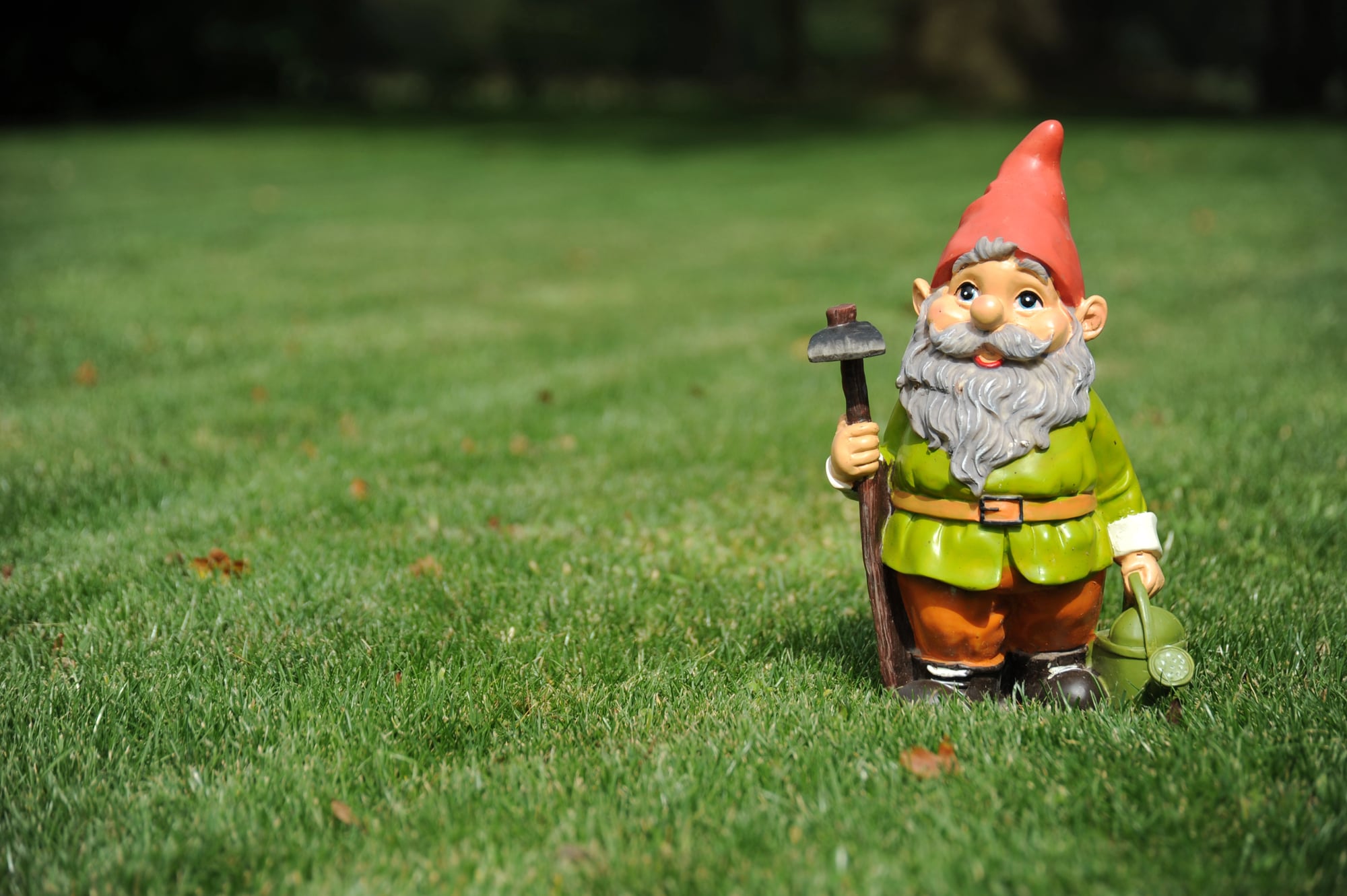
Homeowner associations wield tremendous power over aesthetic choices, but few disputes illustrate this reality as absurdly as the 2016 battle over garden decorations in a Phoenix, Arizona, planned community. Resident Maria Rodriguez had collected garden gnomes for thirty years and displayed them throughout her front and back yards as a personal expression of whimsy and creativity.
When Rodriguez moved to the upscale Sunset Ridge community, she understood there would be landscaping restrictions, but nothing in the HOA documents specifically prohibited garden ornaments. Her gnome collection — ranging from traditional fishing gnomes to modern gnomes with solar-powered lights — became an immediate point of contention with neighbors who felt the decorations lowered property values and violated the community’s sophisticated aesthetic standards.
The HOA board demanded Rodriguez remove her gnomes, threatening daily fines and eventual foreclosure if she refused to comply. Rodriguez hired lawyers and argued that her decorations were protected personal expression and that the HOA was exceeding its authority.
The dispute attracted media coverage when Rodriguez organized a “Save the Gnomes” campaign that drew supporters from around the country who saw her fight as a symbol of individual rights versus conformity pressure. Local news stations covered gnome protests and counter-protests, making the story a national symbol of HOA overreach.
Rodriguez eventually won her case, but the legal battle cost her tens of thousands of dollars and permanently damaged relationships with neighbors who had supported the gnome ban.
Drone Surveillance Drama

Technology revolutionized neighborhood spying in ways that would have amazed earlier generations of feuding neighbors, as William Merideth discovered in 2015 when his Hillview, Kentucky, property became the target of drone surveillance that pushed him over the edge. The drone belonged to his neighbor, David Boggs, who claimed he was simply testing his new camera equipment by flying over the neighborhood.
But Merideth noticed that the drone consistently hovered over his backyard when his daughters were swimming or sunbathing, and he became convinced that Boggs was using the device for voyeuristic purposes. When attempts to discuss the issue reasonably failed, Merideth decided to take direct action: he shot the drone out of the sky with a shotgun.
What followed was a legal circus involving property rights, privacy laws, FAA regulations, and weapons charges that attracted national media attention. Boggs claimed his $1,800 drone was destroyed while conducting legal activities in public airspace.
Merideth argued that the drone was trespassing and that he had the right to protect his family’s privacy on his own property. The case became a symbol of competing rights in the technology age — the right to use new gadgets versus the right to privacy at home.
Legal experts debated whether shooting down a drone constituted property destruction, self-defense, or reckless endangerment, while the FAA struggled to apply aviation law to backyard disputes involving devices that hadn’t existed when the regulations were written.
Mail Theft Mayhem

Nothing undermines trust in a neighborhood quite like mail theft, especially when the thief lives next door and the motivation isn’t financial gain but pure spite. In 2017, residents of a subdivision in Naperville, Illinois, endured months of mysterious package disappearances before discovering that their neighbor, retired accountant Patricia Hendricks, had been systematically stealing their mail as revenge for perceived slights and neighborhood disputes.
Hendricks had been feuding with various neighbors over issues ranging from property line disagreements to noise complaints about children playing outside. Instead of pursuing these conflicts through normal channels, she began intercepting mail deliveries as a way to inconvenience the people she felt were ruining her retirement years.
Police investigation revealed that she had stolen hundreds of pieces of mail over an eight-month period, including bills, packages, and personal correspondence. The psychological impact extended far beyond the financial inconvenience of missing packages and late bill payments.
Neighbors realized they had been living next to someone who was actively sabotaging their daily lives while maintaining a facade of normalcy. The case highlighted how neighbor disputes could escalate into criminal behavior that violated basic assumptions about community trust and security.
Hendricks eventually faced federal charges for mail theft, and the neighborhood struggled to rebuild the sense of safety and mutual respect that her actions had destroyed.
When Boundaries Blur

Neighbor feuds reveal something uncomfortable about human nature that most people prefer not to examine too closely. They show how quickly the veneer of civilization disappears when people feel their territory is threatened, their authority questioned, or their vision of how the world should work challenged by someone living just a few feet away.
These conflicts rarely end with apologies or newfound understanding. More often, they conclude through exhaustion, financial ruin, or legal intervention that forces a resolution nobody really wanted.
The original disputes — whether about fence lines, tree height, or garden decorations — become secondary to the deeper battle over control, respect, and the right to live according to one’s own standards without interference from others. The neighbors who make national headlines aren’t necessarily
More from Go2Tutors!

- The Romanov Crown Jewels and Their Tragic Fate
- 13 Historical Mysteries That Science Still Can’t Solve
- Famous Hoaxes That Fooled the World for Years
- 15 Child Stars with Tragic Adult Lives
- 16 Famous Jewelry Pieces in History
Like Go2Tutors’s content? Follow us on MSN.