Unusual Burial Customs Across Different Societies
Although everyone experiences death, there are significant cultural and historical differences in how we respond to it. While many societies throughout history have developed far more unique practices, modern Western society tends to stick with traditional burials or cremations.
Fascinating beliefs about death, the afterlife, and paying respect to the deceased are revealed by these customs, which range from transforming bodies into vibrant beads to leaving them for birds on mountaintops. The following list of 12 odd burial practices demonstrates the astounding variety of funeral customs found in various societies.
Sky Burial
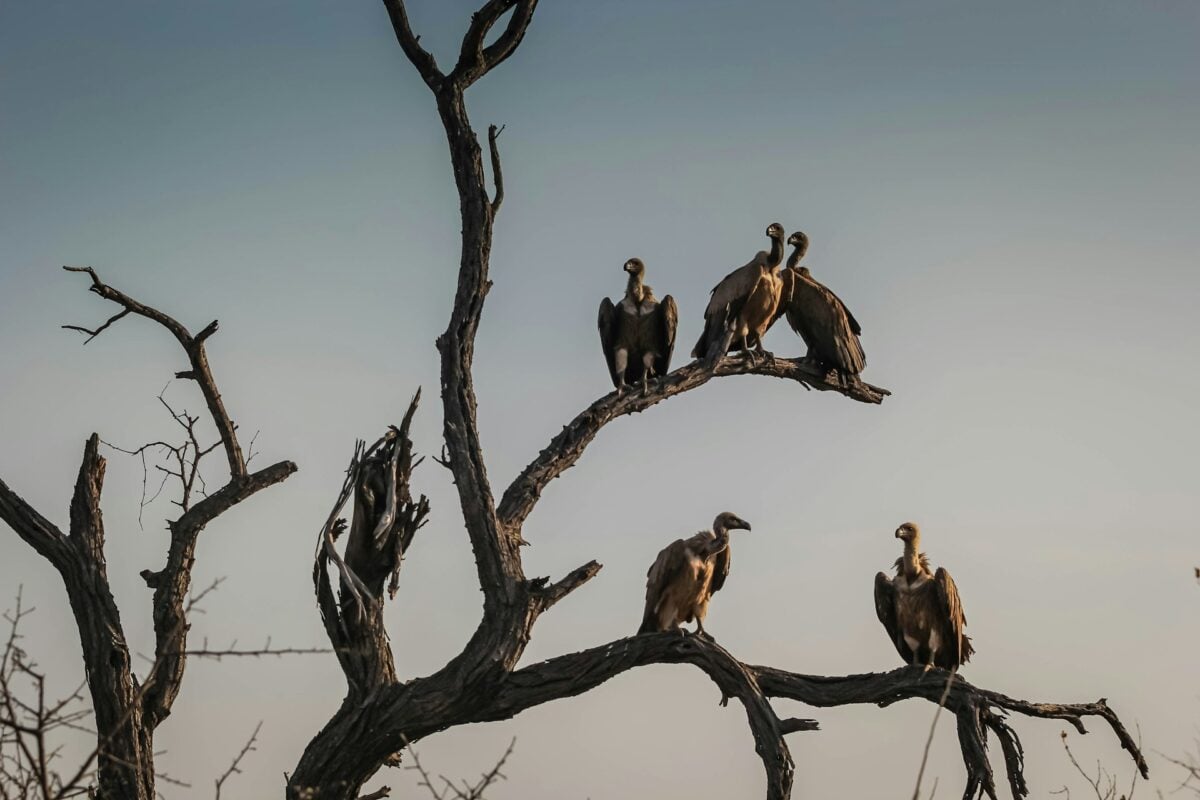
The Tibetan Buddhist practice of sky burial offers the deceased to birds of prey as a final act of generosity. After death, the body is taken to a mountaintop and cut into pieces, making it easier for vultures and other birds to consume the remains.
Buddhists in this tradition believe the body is just an empty vessel once the soul departs, so feeding it to animals completes the cycle of life while helping the spirit move toward rebirth.
Chinchorro Mummification

Long before the Egyptians perfected their techniques, the Chinchorro people of coastal Chile and Peru were creating elaborate mummies dating back to around 5000 BCE, making them the earliest known artificial mummies in the world. They’d remove organs, reinforce bones with sticks, stuff the skin with plant matter, and carefully reassemble the body.
The most striking versions were painted entirely black or bright red, with clay masks sculpted onto the skull to create lifelike faces that families could keep with them for years before final burial.
Like Go2Tutors’s content? Follow us on MSN.
Hanging Coffins
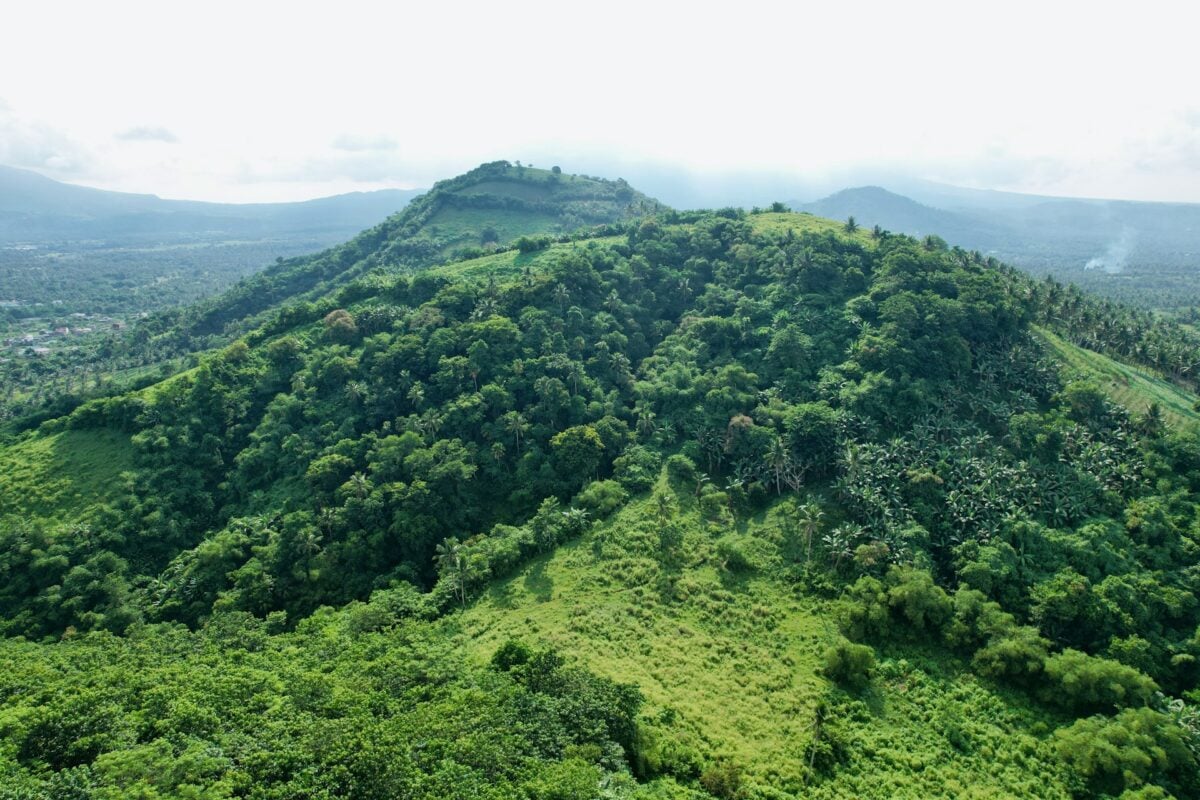
The Bo people of China and groups in the Sagada region of the Philippines placed their dead in coffins suspended from cliff faces, sometimes hundreds of feet above the ground. These communities believed this practice brought the deceased closer to heaven and provided good fortune to living relatives.
Getting these coffins up sheer rock faces required incredible effort, but families considered it worth the trouble for their loved ones’ journey to the afterlife
Cremation Beads

Since the 1990s, South Koreans have transformed cremation into an art form through companies like Bonhyang that compress ashes into shiny, colorful beads resembling gemstones. These modern beads come in shades of pink, turquoise, black, and other colors, and families display them in glass vases or decorative dishes at home.
It’s a space-saving solution in a densely populated country that also creates a beautiful centerpiece keeping loved ones present in daily life.
New Orleans Jazz Funerals

The streets of New Orleans come alive even in death with jazz funerals that blend African and European traditions. A brass band leads mourners from the funeral home to the cemetery while playing somber dirges, but once the body’s buried, the music shifts to upbeat jazz and everyone breaks into celebratory dancing.
It’s a way of honoring grief while also throwing one last party for the departed.
Like Go2Tutors’s content? Follow us on MSN.
Burial Trees and Scaffolds
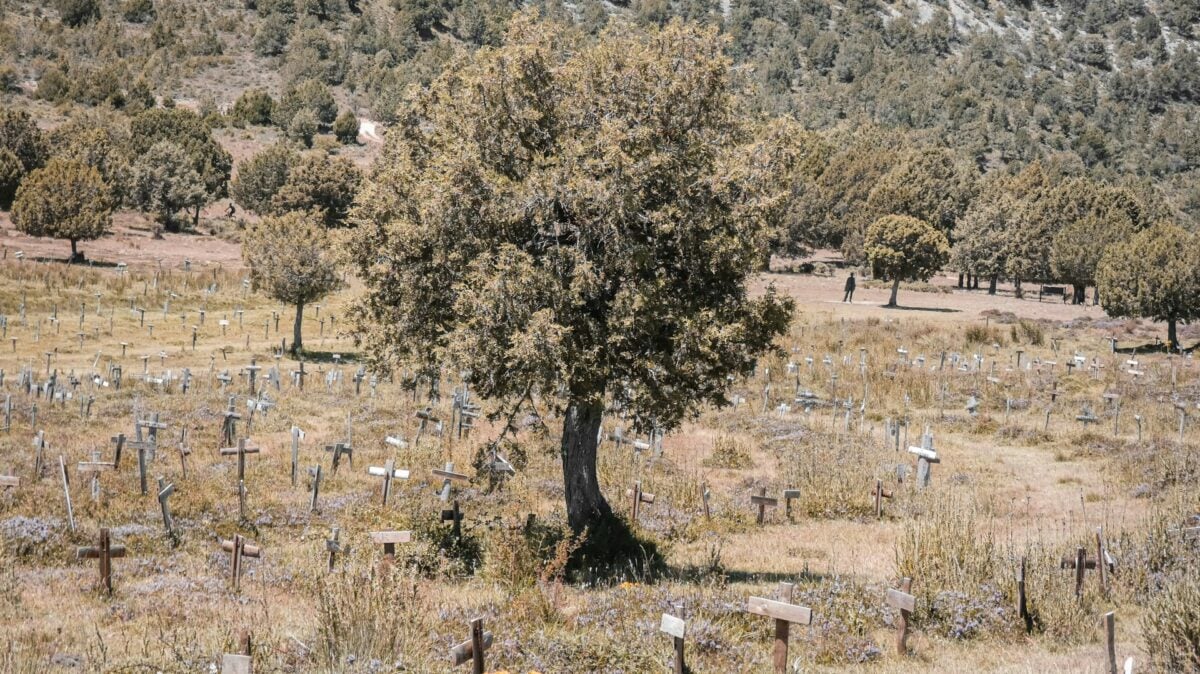
Plains tribes including the Sioux, Crow, Blackfoot, and Ojibwe placed their dead on platforms built high in trees or atop wooden scaffolds reaching 15 feet or more off the ground. The body would be wrapped in robes with personal belongings and left elevated where wolves couldn’t reach it and relatives could visit without walking over the grave.
After decomposition, bones might be collected and buried elsewhere, but the initial tree burial showed respect while protecting the body.
Water Burials

Nordic cultures developed powerful symbolism around water burials, though the reality differed from legend. While sagas describe Vikings setting flaming ships adrift at sea, archaeological evidence shows most boat burials actually took place on land with the vessel serving as a grave marker.
Still, the symbolic importance of ships for the journey to the afterlife remained central, and water burials in various forms appear in cultures worldwide, from ancient times to modern Hong Kong where thousands scatter ashes in the South China Sea.
Endocannibalism
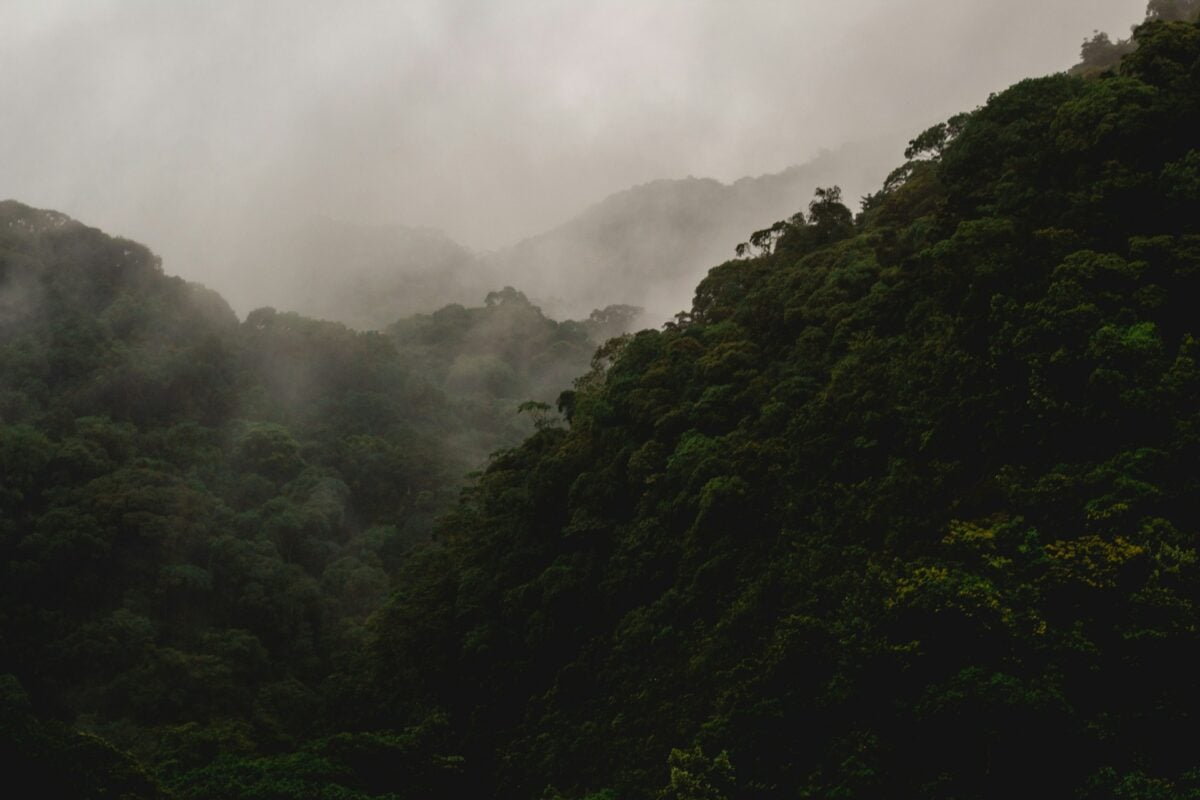
The Wari’ people of Brazil and some other Amazonian groups practiced mortuary endocannibalism where family members consumed parts of the deceased as an act of love and grief. They believed it was far better for loved ones to incorporate the body than to let it rot in the ground or be eaten by insects.
The practice helped recycle the person’s spirit and abilities within the family while expressing deep compassion during mourning.
Like Go2Tutors’s content? Follow us on MSN.
Vertical Tree Burial
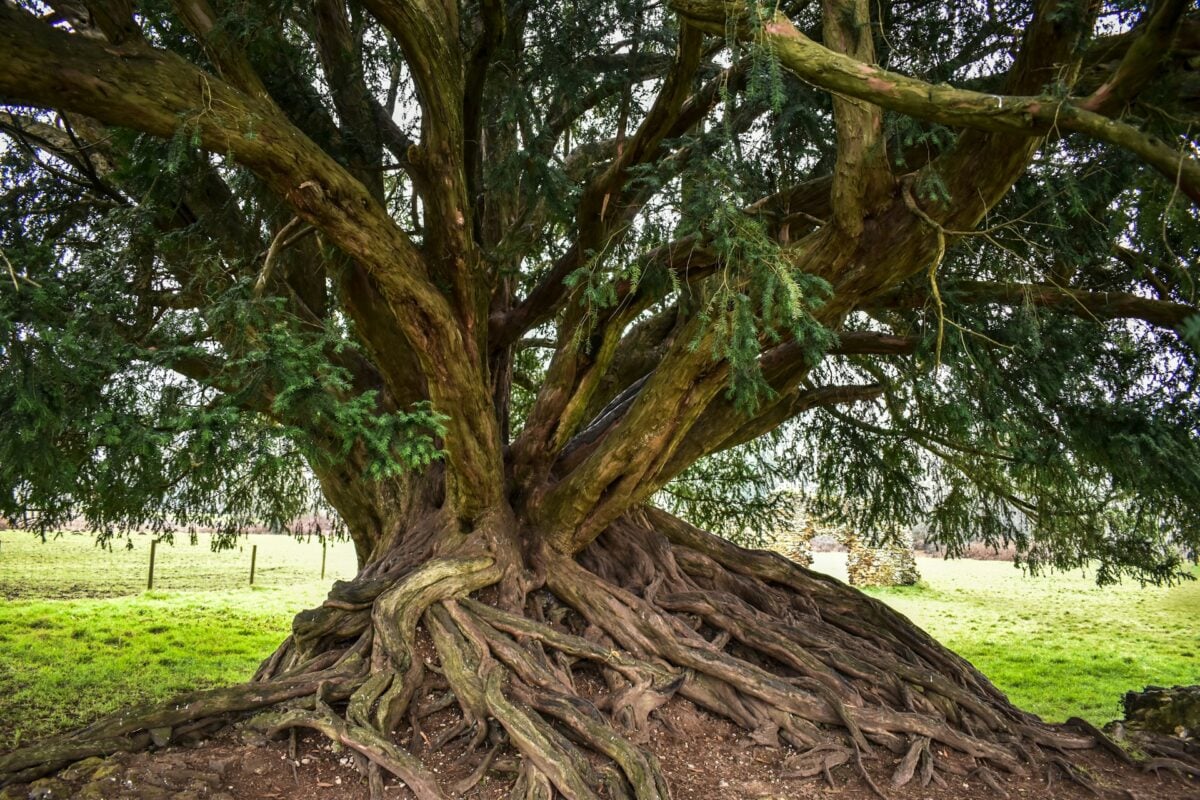
In the Cavite region of the Philippines, a rare practice involved hollowing out large trees and entombing the dead standing upright inside them. The deceased often chose their burial tree before death, selecting a living monument that would continue growing around their remains.
Though not widespread, this practice created a literal merging between the person and nature, with the tree serving as an ongoing memorial.
Aboriginal Platform Burial

Some Aboriginal groups in Australia’s Northern Territory, including the Yolngu and Tiwi peoples, developed elaborate rituals that began with placing the body on a raised platform covered in leaves to decompose naturally. A ceremony first drove the spirit from the deceased’s home, and mourners painted themselves with ochre while feasting and dancing.
After months of decomposition, bones might be collected and placed in caves or other sacred locations, though practices varied significantly between different Aboriginal communities.
Totem Pole Burial

Haida shamans received special treatment after death because of their powerful spiritual role. The body would be broken down and compressed into wooden boxes about the size of suitcases, then placed atop carved mortuary totem poles outside their former homes.
This elevated position helped the shaman’s spirit journey to the afterlife while keeping their protective influence close to the living community.
Like Go2Tutors’s content? Follow us on MSN.
Rope-Bound Mummies

Pre-Hispanic Andean peoples, including cultures around Peru, bound their dead in fetal positions with ropes and wrapped them in multiple layers of fine textiles. This positioning symbolized returning to the world in the same state you entered it, preparing for rebirth in the afterlife.
The dry mountain and desert climates naturally mummified many of these bundles, preserving them for centuries while grave goods like pottery and food accompanied them on their journey.
When the Past Meets Present

These funeral traditions serve as a reminder that there is no one “right” way to deal with death. Certain beliefs about what happens after death, how to treat the deceased with respect, and what they need for their next journey are reflected in each practice.
Even though a lot of these customs have changed or diminished over time, they have influenced how contemporary societies view death and grieving. Like many societies throughout human history, we are still looking for meaningful ways to honor our deceased, as evidenced by the growing interest in green burials, cremation alternatives, and personalized memorials.
More from Go2Tutors!

- 16 Historical Figures Who Were Nothing Like You Think
- 12 Things Sold in the 80s That Are Now Illegal
- 15 VHS Tapes That Could Be Worth Thousands
- 17 Historical “What Ifs” That Would Have Changed Everything
- 18 TV Shows That Vanished Without a Finale
Like Go2Tutors’s content? Follow us on MSN.