25 Arcade Games from the ’80s That Swallowed More Quarters Than Any Slot Machine
The ’80s arcade was a beautiful trap. Walking into one meant stepping into a neon-lit cathedral where the congregation worshipped at cabinets that demanded constant tribute.
The sound was unmistakable — that metallic clink of quarters dropping into slots, multiplied by dozens of machines humming their electronic hymns. Every game promised just one more try, one more level, one more chance to beat your high score or finally see what happened on the next stage.
Some games were particularly ruthless in their quarter consumption, designed with such perfect balance between challenge and possibility that players fed them coins like hungry pets. These 25 games didn’t just entertain — they created a generation of kids who knew exactly how many quarters weighed down their pockets and calculated their remaining play time with mathematical precision.
Pac-Man
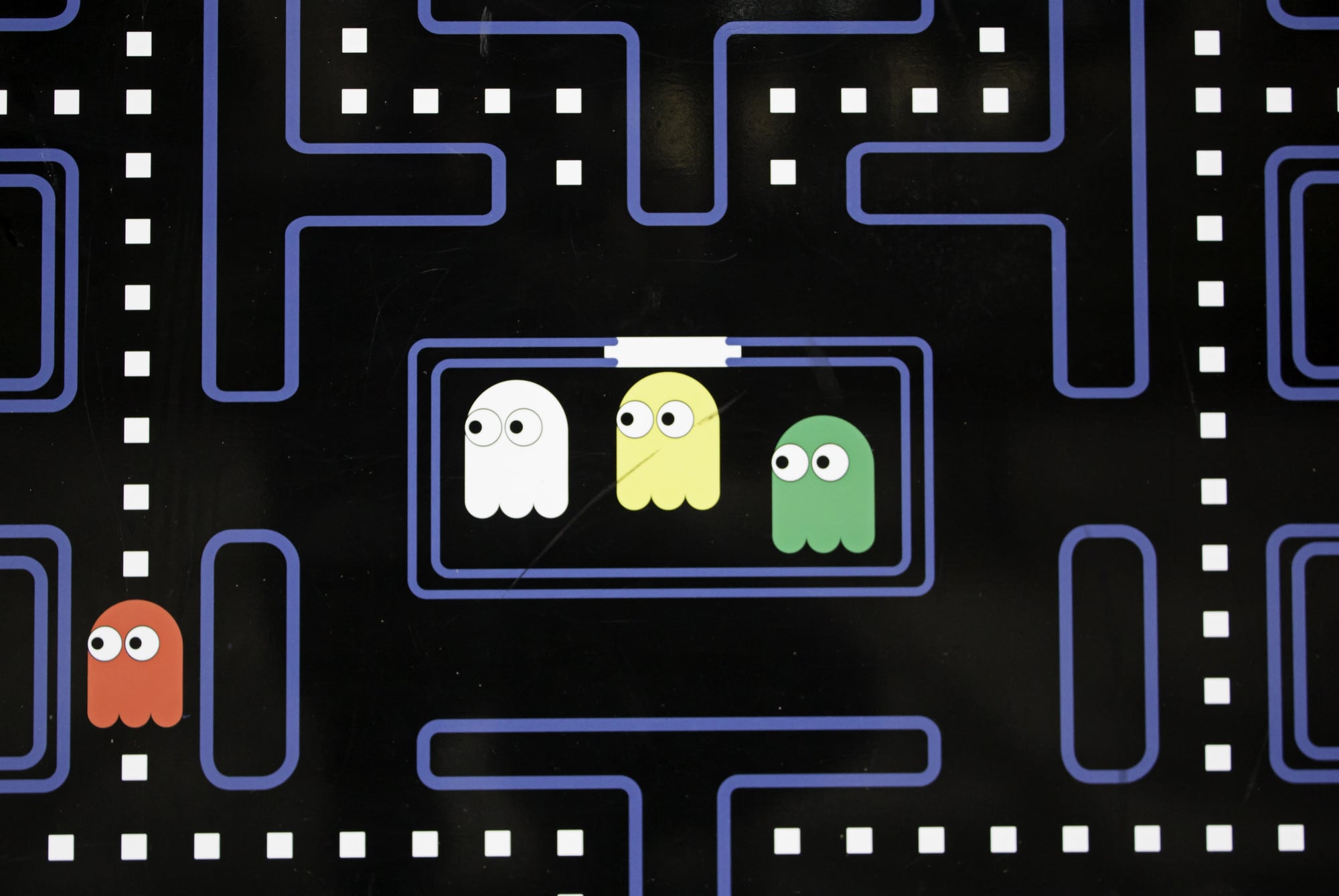
Pac-Man ate more than just dots and ghosts. The little yellow circle consumed allowances, lunch money, and weekend budgets with ruthless efficiency.
Death came fast and often — usually from Blinky catching you in a corner or making a split-second wrong turn at a T-junction. The genius was in the simplicity.
Anyone could play, but mastering the ghost patterns and knowing when to grab the power pellets required serious study. Most players never made it past the third or fourth board, which meant quarters disappeared every two to three minutes.
Galaga
The sequel nobody asked for became the game nobody could stop playing. Galaga improved on Galaxian in every way that mattered, but improvement meant the difficulty curve got steeper and the enemy patterns got trickier.
Losing your ship to the tractor beam attack hurt twice — first because you died, second because you knew you had to rescue that captured ship or spend the rest of the game feeling incomplete. Getting both ships back and playing with double firepower was intoxicating enough to justify endless quarters.
Donkey Kong
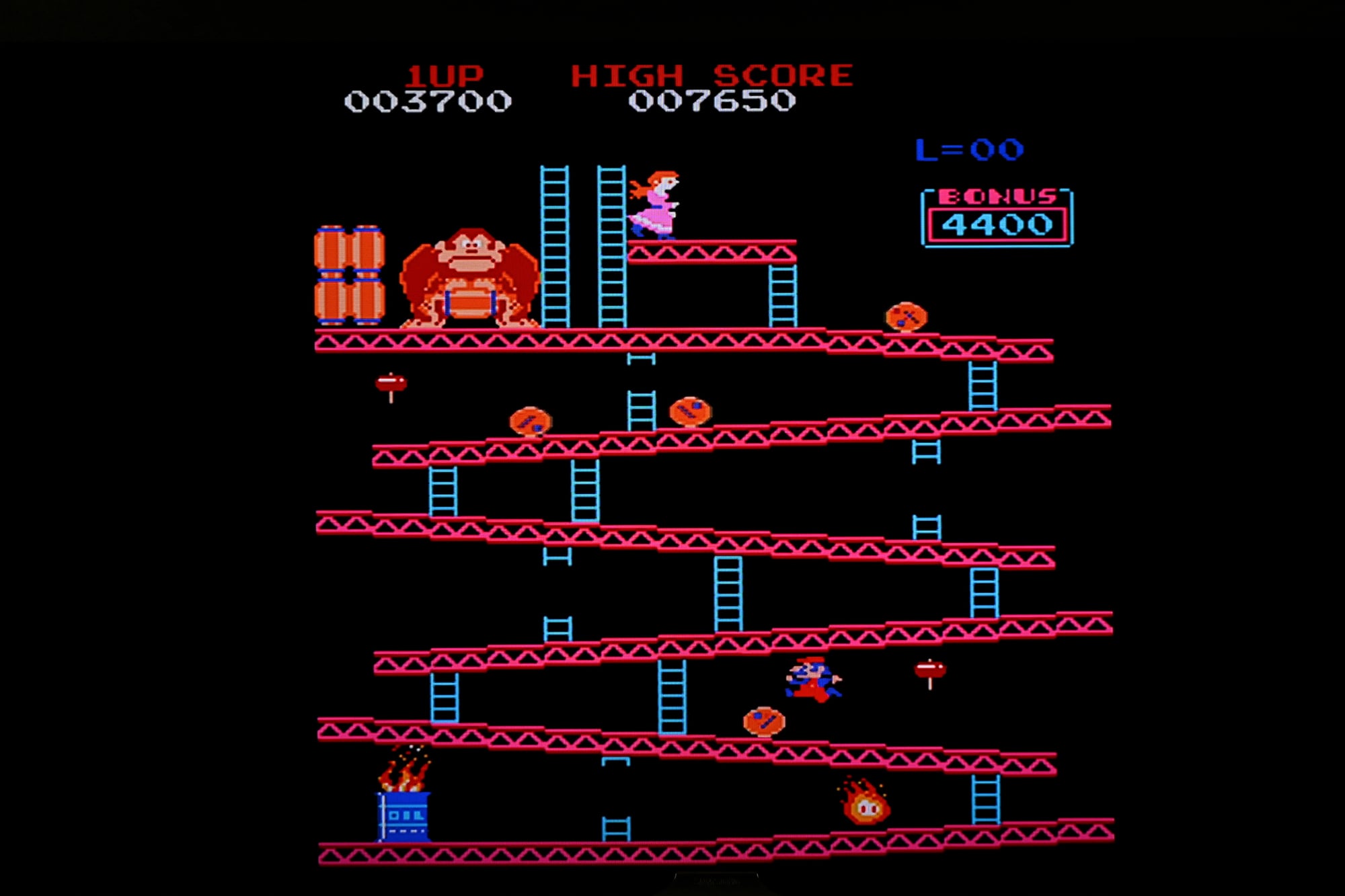
Watching Mario climb those girders was like watching someone else live your best life, if your best life involved being constantly terrorized by a giant ape throwing barrels. The game taught patience in the cruelest way possible — showing you exactly how to win while making the execution just difficult enough that knowing what to do and actually doing it were two entirely different things.
Donkey Kong didn’t just challenge your reflexes; it challenged your ability to maintain composure while a cartoon gorilla systematically destroyed your afternoon plans (and your pocket change). Those barrels rolled with such predictable unpredictability that each screen felt like a puzzle with a timer attached, and dying on the elevator screen — after successfully navigating all those barrels and fireballs — stung in a way that made feeding the machine another quarter feel less like a choice and more like a moral obligation.
The elevator screen alone probably funded several arcade owners’ vacation homes.
Ms. Pac-Man
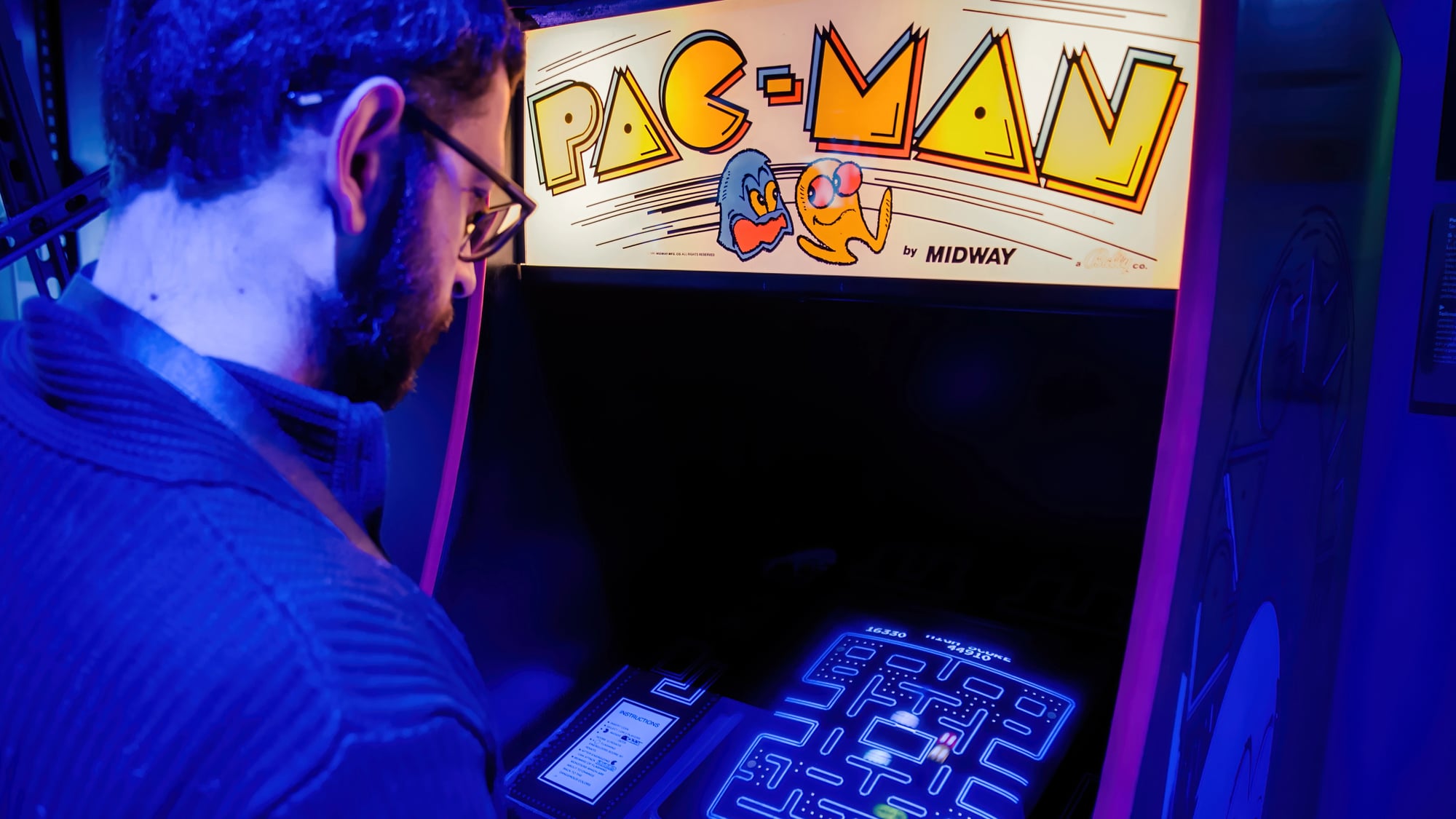
Ms. Pac-Man corrected everything that made Pac-Man predictable, then charged you for the privilege of learning new patterns. The randomized ghost movement meant memorizing routes became useless — you actually had to react and adapt.
The intermission scenes between levels were genius psychological manipulation. Those little animated stories made you care about the characters, which made losing feel personal.
Plus the mazes changed, so muscle memory worked against you.
Centipede
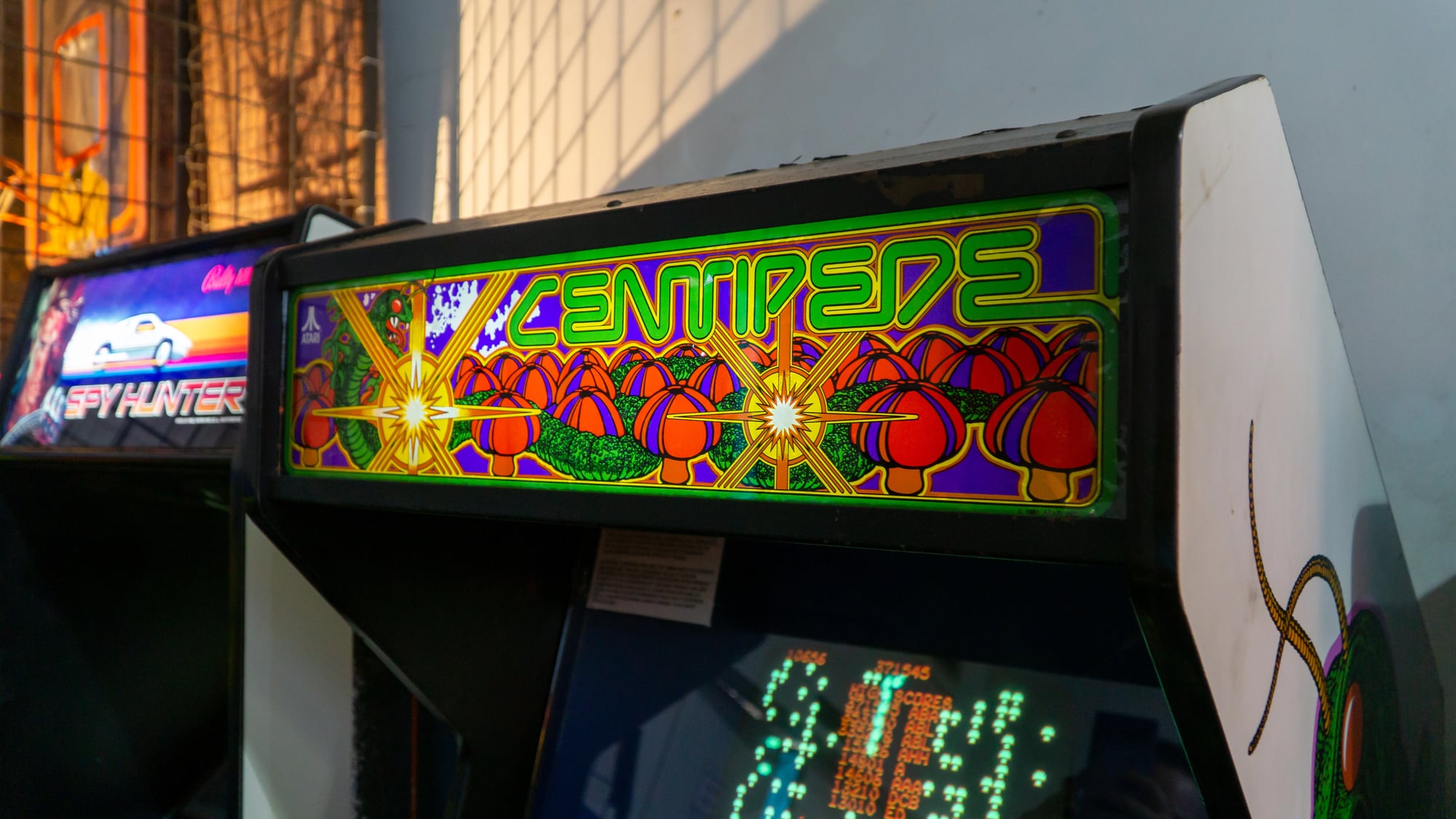
Centipede demanded the reflexes of a surgeon and the strategic thinking of a chess master, then laughed while providing neither the time for careful planning nor the predictability that made planning possible. The trackball controller was both blessing and curse — smooth enough to make precise shooting feel effortless, sensitive enough that panic could send your cursor spinning wildly across the screen when you needed accuracy most.
Spiders dropped from nowhere, fleas cluttered the bottom of the screen with mushrooms that became obstacles for future rounds, and scorpions poisoned everything they touched, turning the straightforward centipede into a chaotic nightmare that dove straight for your shooter. And just when you cleared one centipede, another appeared at the top, moving faster than the last.
The mushroom accumulation was diabolical game design. Every mistake became a permanent handicap.
Defender
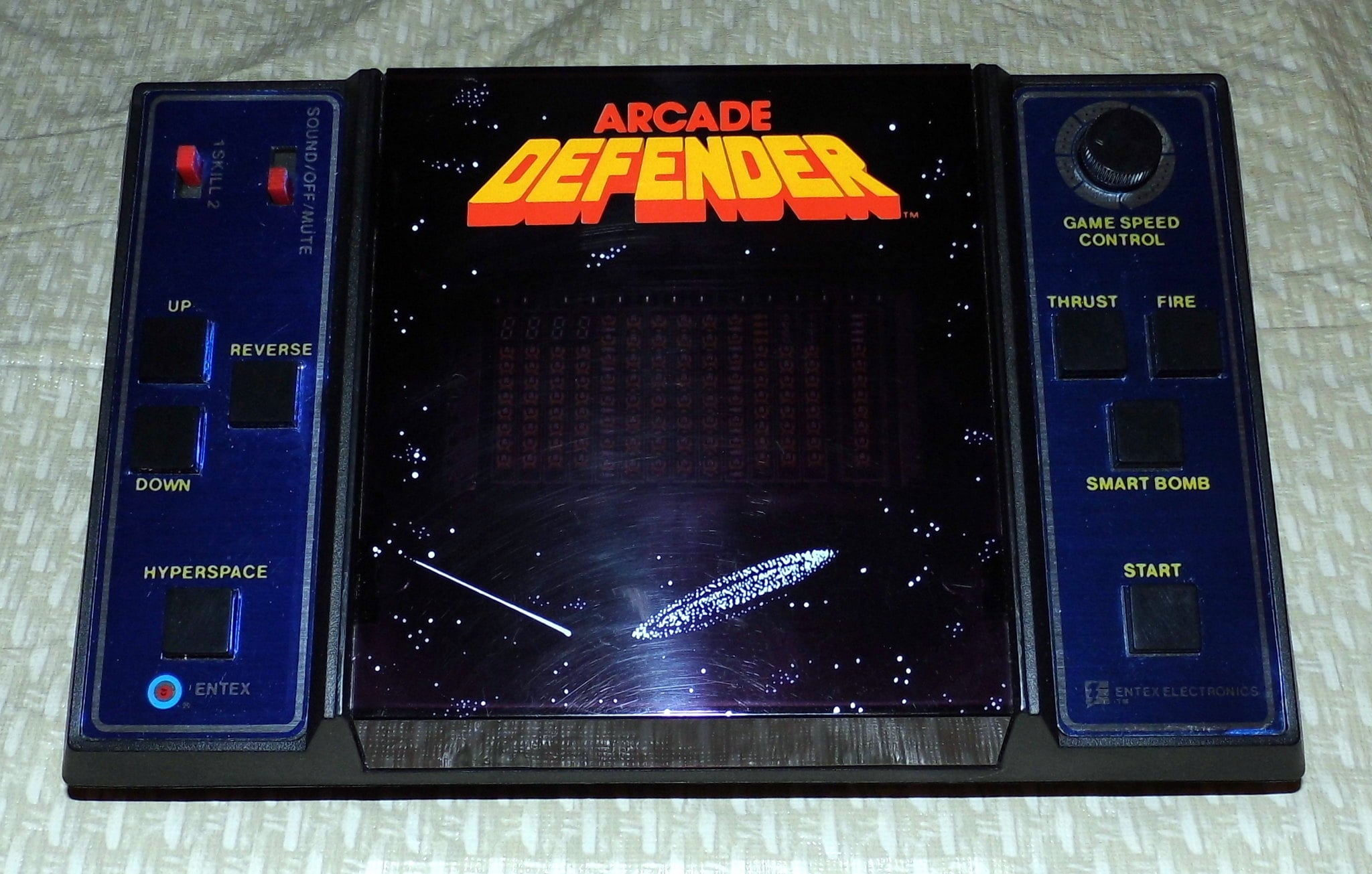
Defender was the game that separated casual players from the obsessed. The control scheme alone required a PhD in button coordination — thrust, reverse, fire, smart bomb, and hyperspace all had to become second nature before the game became playable.
The scanner at the top showed you the entire playfield, but watching it meant taking your eyes off the immediate threats. Ignoring it meant missing the humans getting abducted.
Either choice usually led to death and another quarter.
Frogger
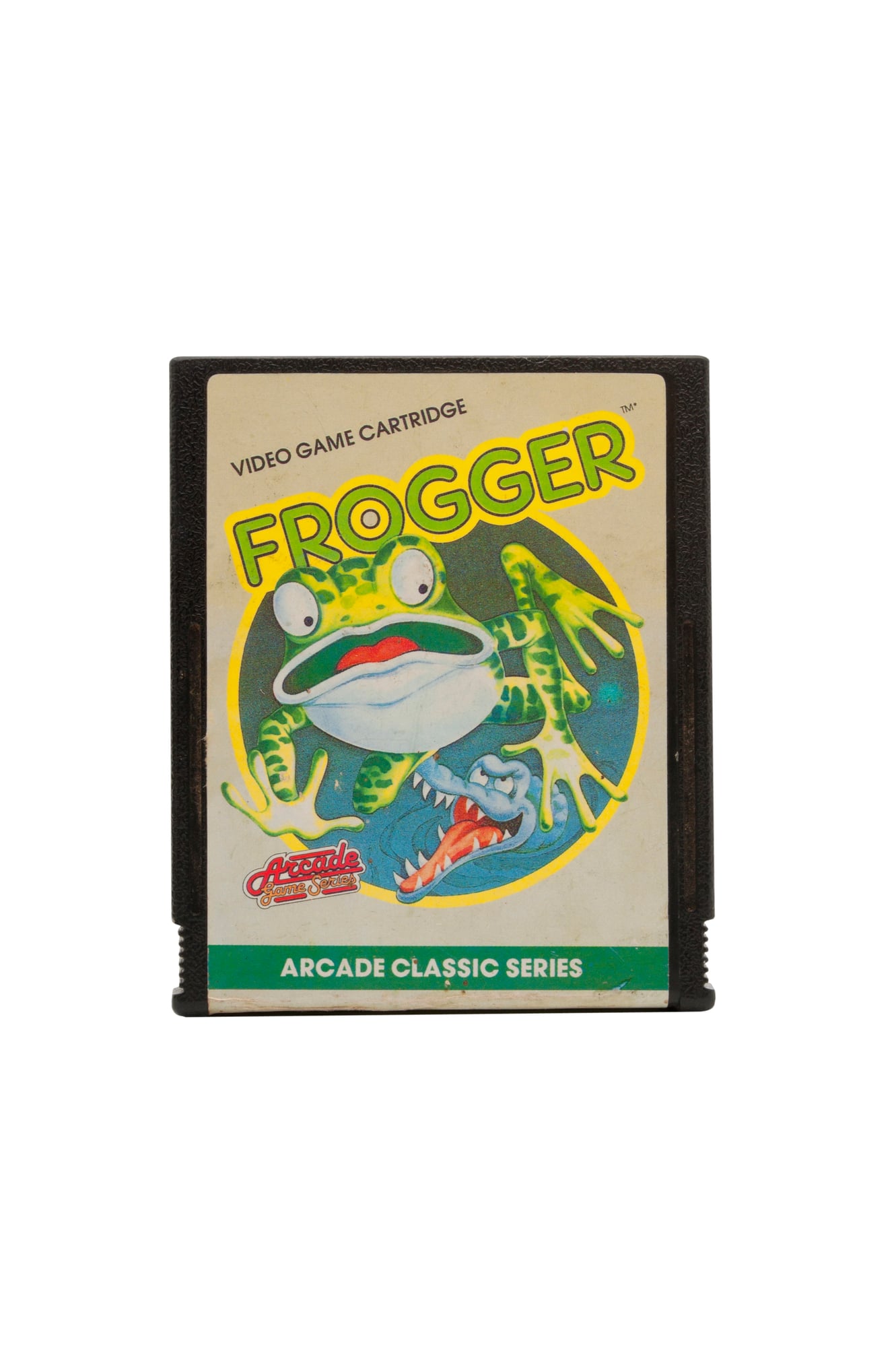
Crossing the street shouldn’t cost five dollars in quarters, but Frogger made every intersection feel like a death trap. The rhythm was everything — cars moved in patterns, but the patterns shifted just enough to catch you off guard.
The logs on the river were worse than the traffic. At least cars killed you quickly.
Falling in the water after successfully crossing four lanes of traffic felt like a personal betrayal.
Asteroids
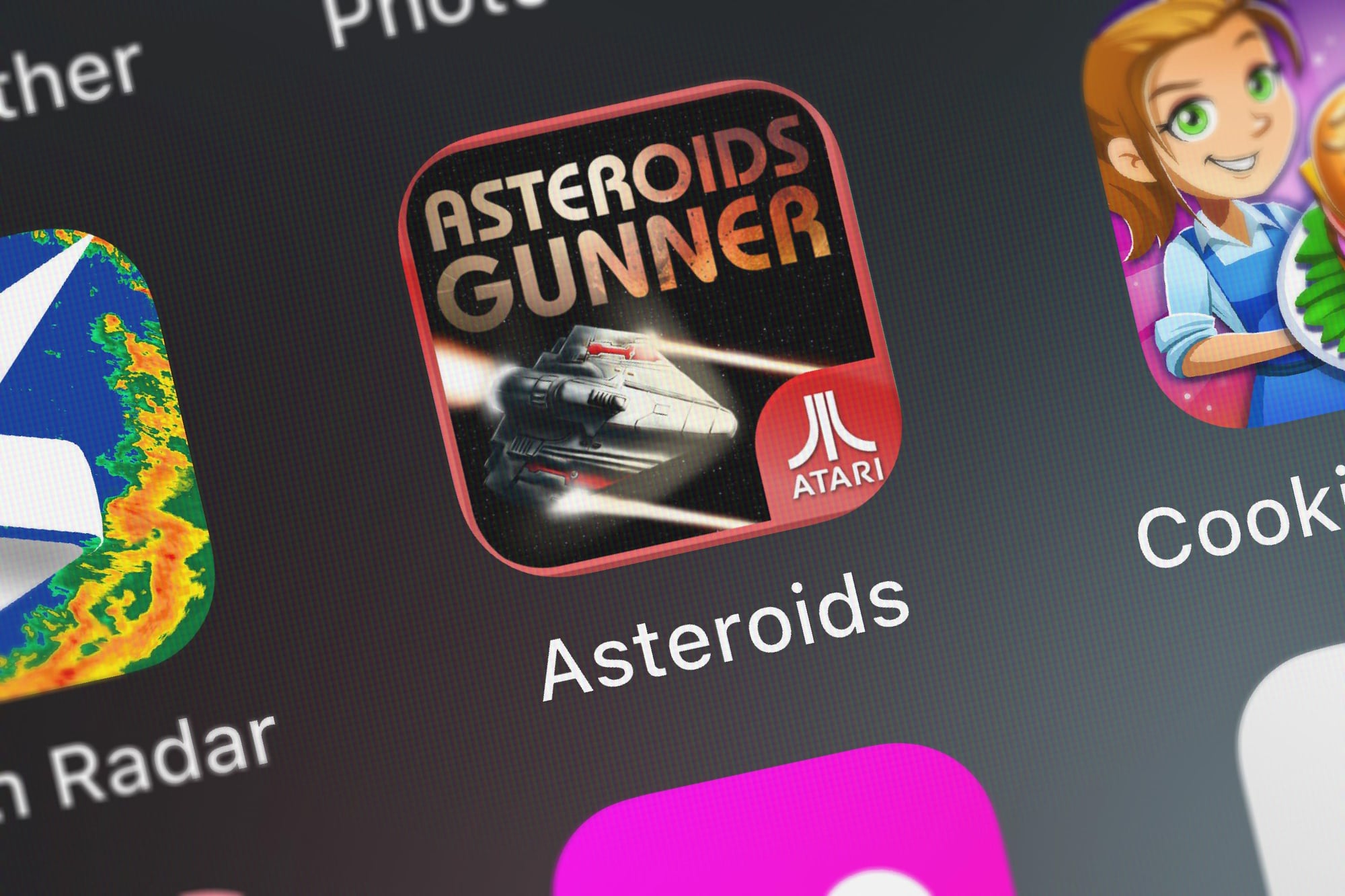
Asteroids understood that the most dangerous enemy is often yourself — specifically, your inability to stop shooting long enough to realize you’ve just created twelve smaller problems out of three large ones. The physics were simple enough: point, thrust, shoot, repeat.
But space doesn’t forgive mistakes, and momentum in a vacuum means every decision echoes for longer than you’d like (the ship kept drifting in whatever direction you’d sent it, often straight into the path of an asteroid you’d forgotten about while dealing with three others). The hyperspace button was pure desperation — a random relocation that might save you or might drop you directly onto the thing you were trying to escape.
And the UFOs appeared just when you thought you had everything under control, their homing missiles tracking your ship with the persistence of a collection agency.
So you shot everything and hoped physics worked in your favor. Usually it didn’t.
Tempest
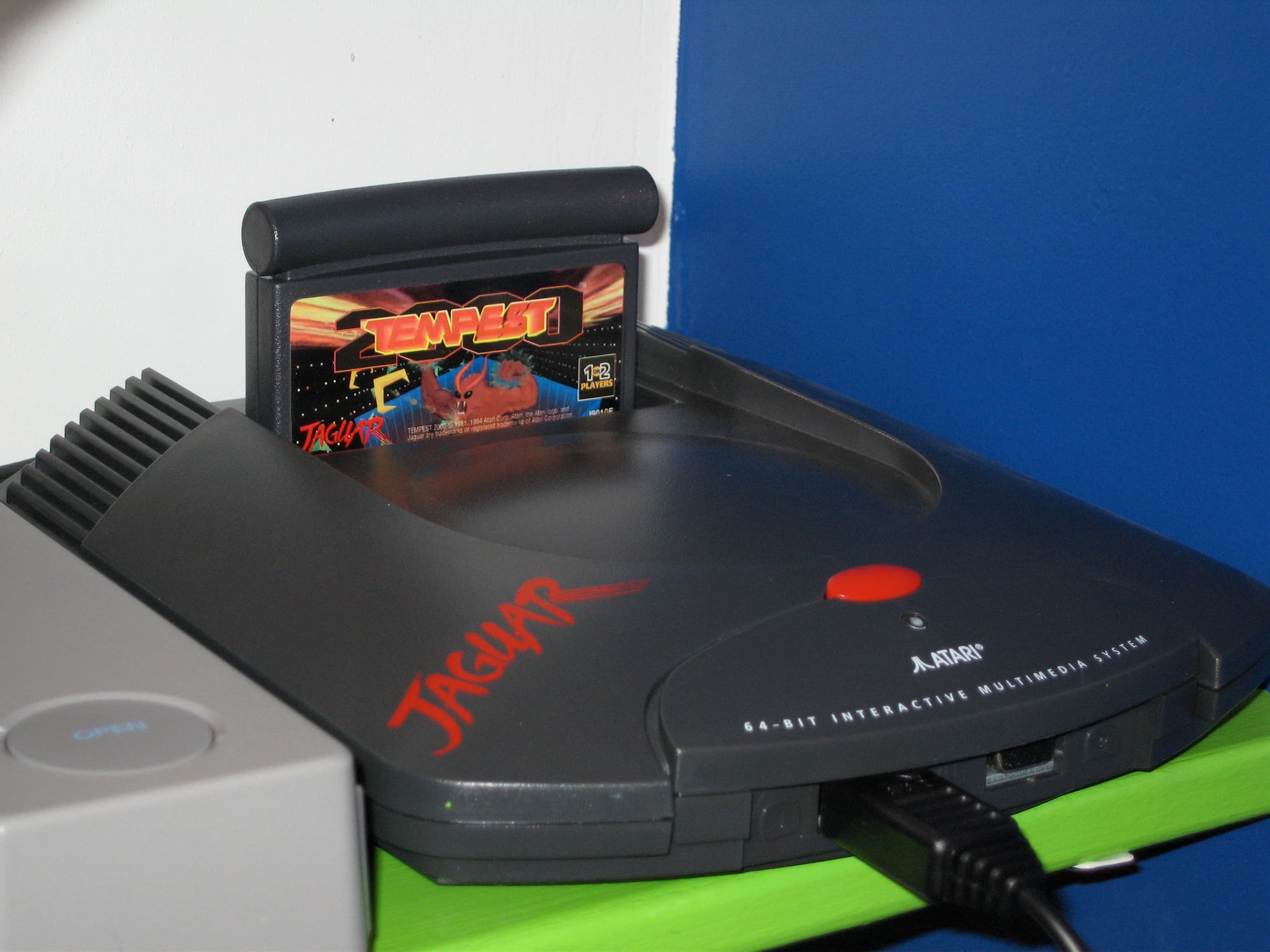
Tempest was geometry made hostile. The vector graphics created a stark, mathematical world where abstract shapes tried to crawl up tunnels toward your claw.
The spinner control was perfectly calibrated — sensitive enough for precise movement, fast enough that panic spinning was always an option. Different tunnel shapes meant different strategies, but the Flippers made strategy irrelevant.
Once they appeared, survival became a matter of pure reaction time and luck.
Street Fighter II
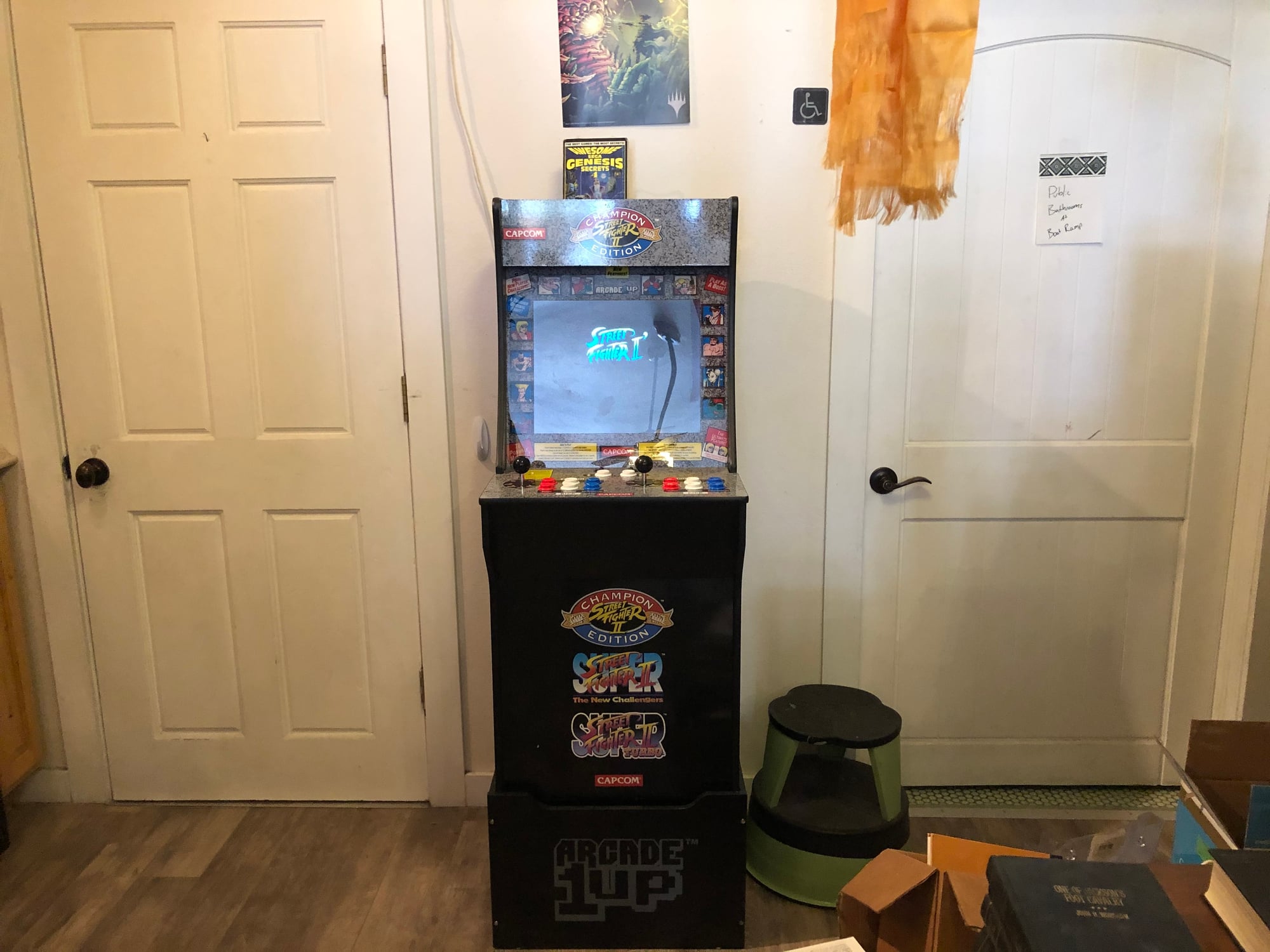
Street Fighter II didn’t just eat quarters — it turned every arcade into a tournament where losing meant more than just game over; it meant public humiliation while a line of challengers watched your defeat. The special moves required precise joystick rotations and button combinations that most players never quite mastered, which meant getting destroyed by someone who could actually pull off a Dragon Punch consistently.
You’d watch Ryu players throw fireball after fireball while fumbling for the right sequence, knowing that learning those moves required practice time that cost money you probably didn’t have. But losing to a Ken player who kept doing the same jumping heavy kick combination felt like a solvable problem — just one more quarter, one more attempt to figure out the timing.
The worst part was knowing exactly what your opponent was doing while being completely unable to stop it.
Joust
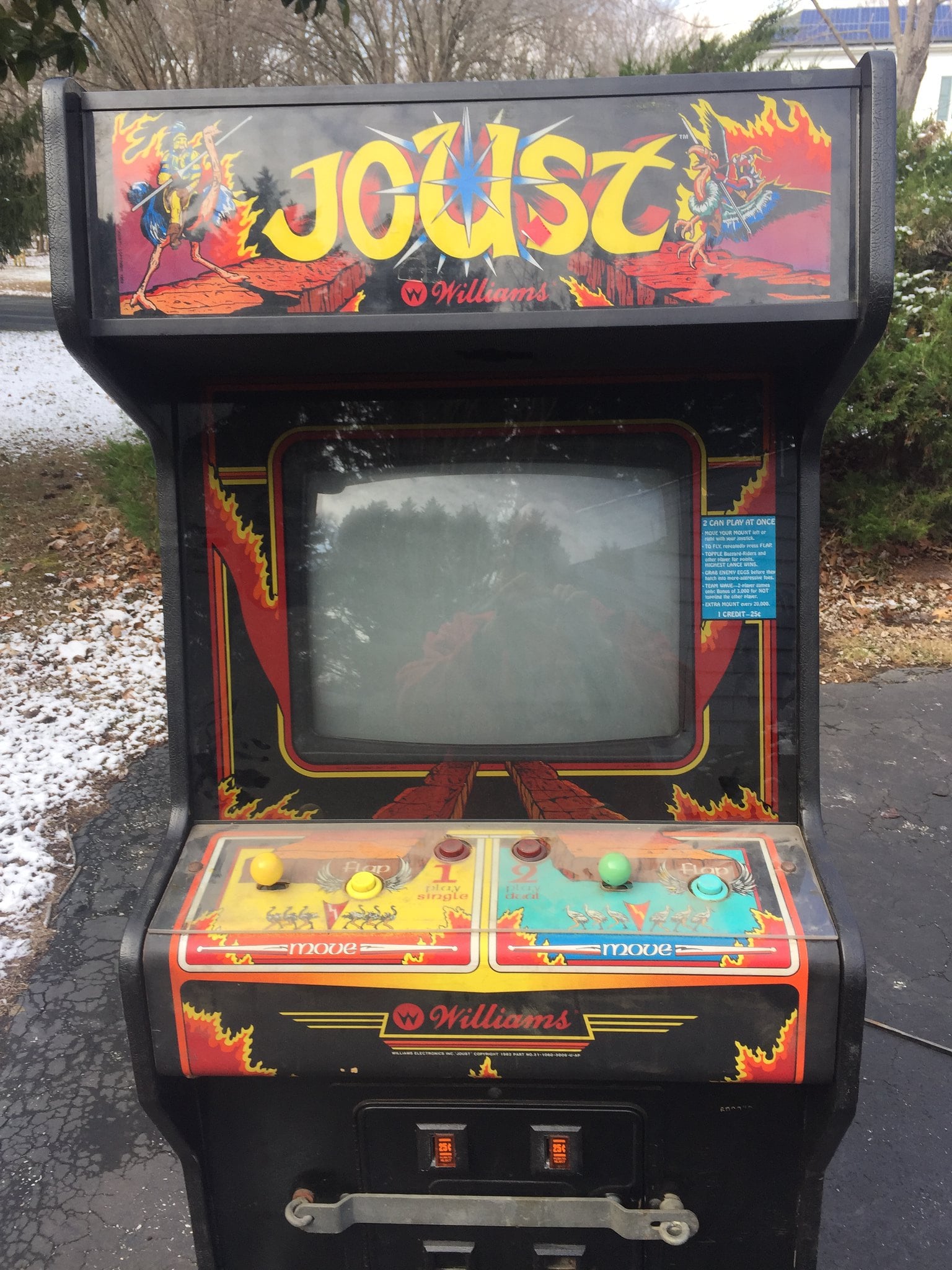
Riding an ostrich into battle against knights on flying buzzards was the kind of premise that could only work in an arcade, where logic took a backseat to physics that made just enough sense to feel fair. The flapping mechanism was pure — button mashing to gain altitude, coasting to attack, timing everything so your lance was higher than your opponent’s when you collided.
But the pterodactyl showed up periodically to remind everyone that no lead was safe, and the lava at the bottom of the screen meant every mistake was final (unless you got lucky and your knight hatched from an egg, giving you a brief moment to mount up again before something else knocked you off). The two-player cooperation could turn into competition instantly when both players went for the same enemy, and whoever’s lance was an inch higher got the points.
Mount control was everything. Losing your bird meant becoming an easy target with legs.
Robotron 2084
Robotron demanded ambidextrous excellence that most humans simply don’t possess. Eight-directional movement with one joystick while aiming in completely different directions with another created a cognitive load that separated the dedicated from the casual within seconds.
The game moved fast enough that strategic thinking became impossible. Pure reaction and pattern recognition kept you alive, but never for very long.
Saving humans was optional, but the points were too good to ignore.
Q*bert

Q*bert was a lesson in perspective disguised as a simple hopping game — those isometric cubes looked straightforward until you tried to navigate them under pressure, at which point spatial reasoning became as crucial as quick reflexes. The pyramid layout meant that every move toward your goal potentially moved you closer to the edge, and Coily the snake followed your exact path with relentless determination, turning every route into a potential trap.
Slick and Sam changed the cubes back to their original colors just to spite your progress, while Ugg and Wrongway moved horizontally in ways that defied the game’s own logic (making them impossible to predict if you were thinking in terms of the vertical hopping that governed everything else). And those green orbs bounced down the pyramid randomly, which meant safe spaces could become dangerous without warning.
The swearing speech balloon when Q*bert fell off was a nice touch. Everyone could relate.
Dragon’s Lair
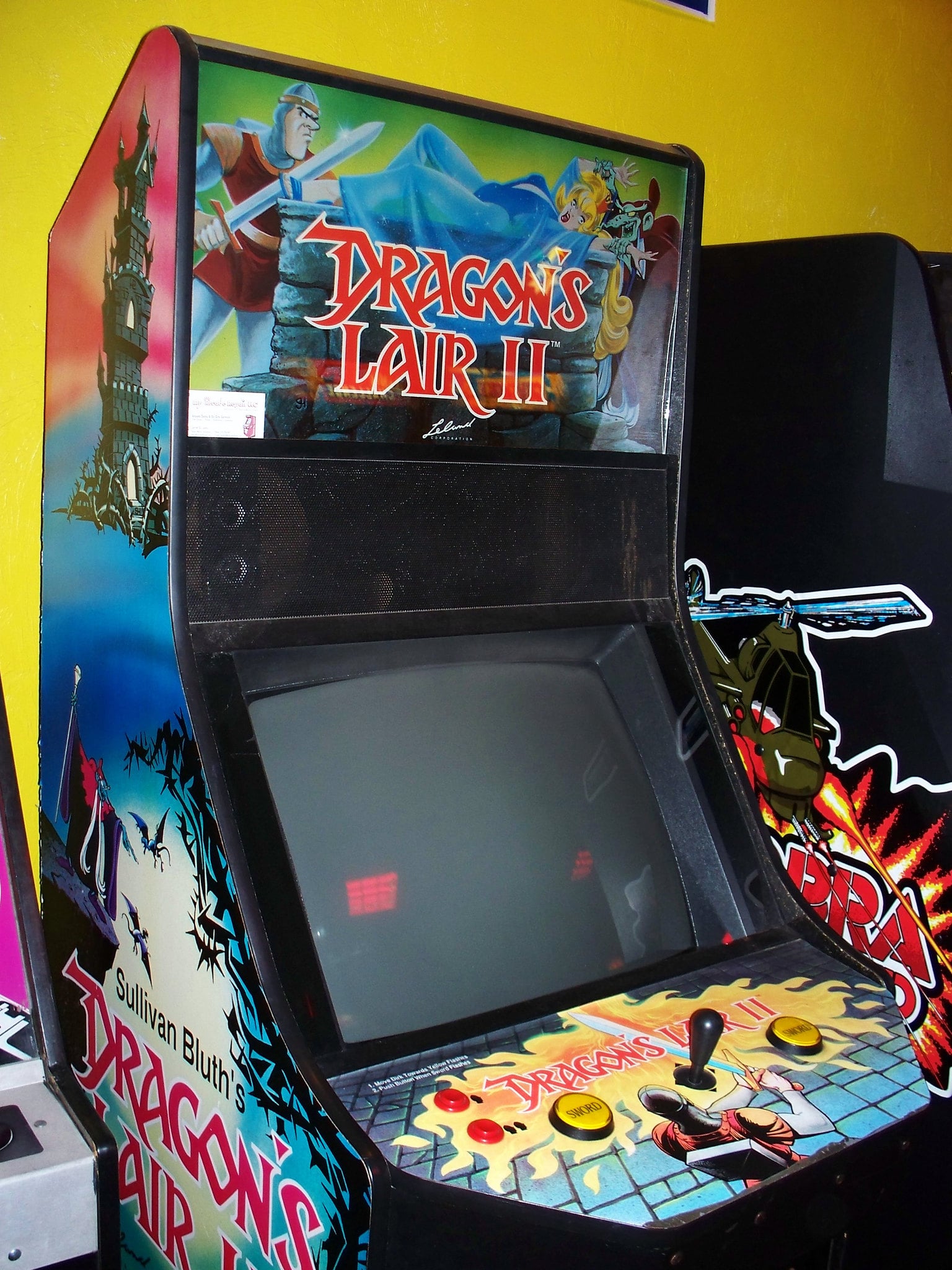
Dragon’s Lair charged double the normal price for the privilege of watching yourself fail repeatedly at what was essentially an animated movie with very specific interaction requirements. The graphics were gorgeous — Disney-quality animation that made every other arcade game look primitive by comparison — but the gameplay was entirely memorization-based, and memorization required dying enough times to learn every correct joystick movement and button press.
Dirk the Daring moved with fluid grace when you made the right choice, but wrong choices led to elaborate death animations that were entertaining the first few times and expensive every time after that. The laser disc technology meant loading times between scenes, which gave you just enough time to realize how much money you’d spent watching the same death sequence.
Beautiful games cost beautiful money. Most players never got past the drawbridge.
Pole Position
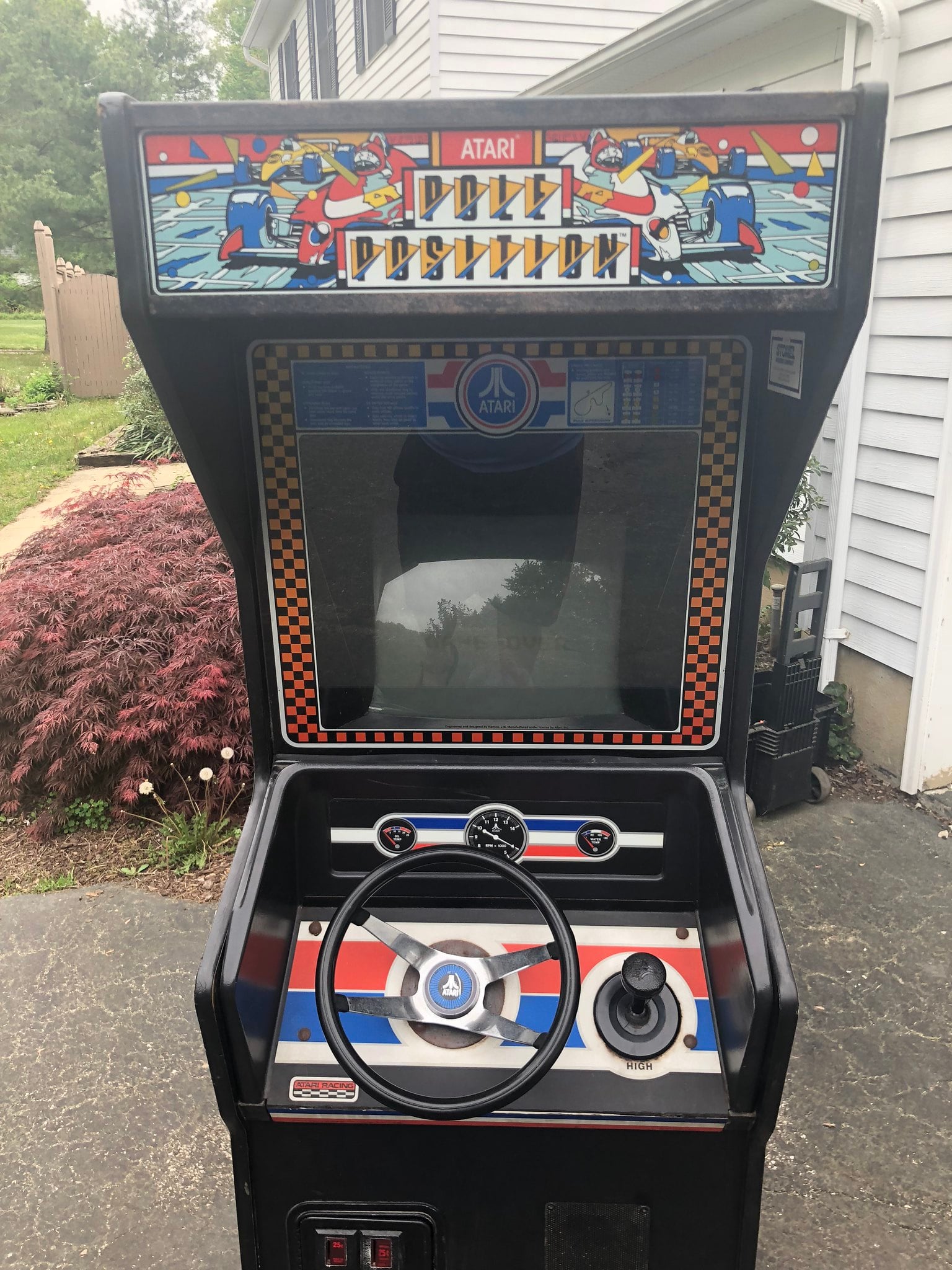
Pole Position was the first racing game that made you feel like you were actually driving, right up until you crashed into a billboard advertising Pepsi and realized you’d just spent another quarter on a 30-second run. The steering wheel and gear shifter created genuine immersion, but the other cars moved in patterns that required memorization rather than racing instincts (they changed lanes and accelerated in ways that made sense for a video game but would get you arrested on an actual racetrack).
Qualifying for pole position required a perfect lap, and perfect laps required knowing exactly when to brake for every turn, which meant practice runs that ended with times too slow to matter. The engine sound escalated perfectly with your speed, making every straightaway feel like progress even when you were about to slam into a curve you’d forgotten about.
And the billboard crashes were oddly satisfying, which made losing easier to accept than it should have been.
Missile Command
Defending cities from nuclear annihilation shouldn’t feel routine, but Missile Command made apocalypse management into a quarter-eating rhythm game. The trackball controlled crosshairs that moved across the sky, and success meant anticipating where incoming missiles would be rather than where they were — a prediction game played at increasing speed with consequences that wiped entire populations off the map.
Smart bombs split into multiple warheads, planes dropped additional missiles, and satellites changed trajectory. The endgame was always the same: watching your remaining cities get destroyed one by one until the screen displayed “THE END” like some grim pronouncement on human civilization.
Then you fed it another quarter and tried to postpone the inevitable a little longer.
Dig Dug
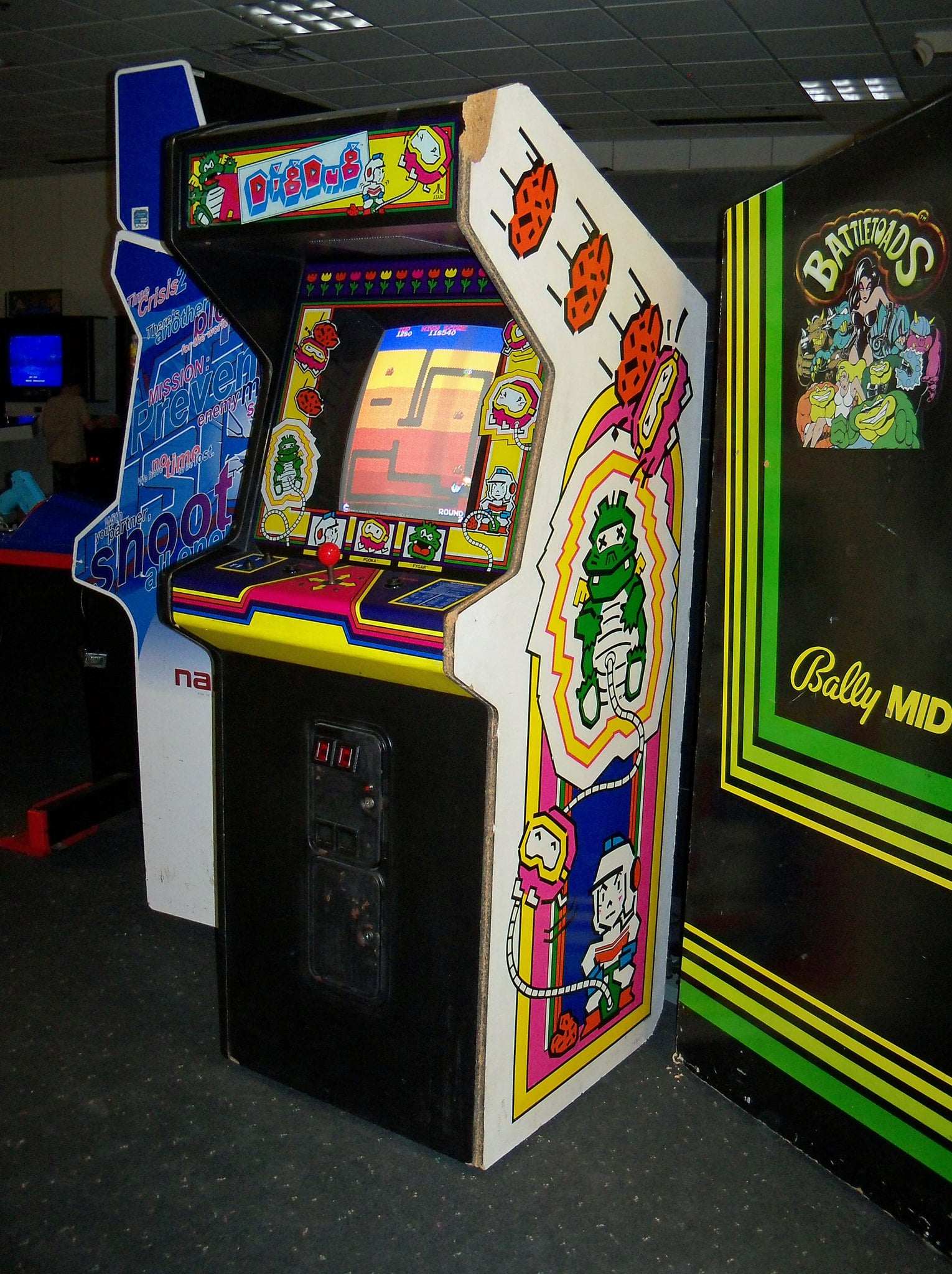
Digging tunnels to trap underground creatures was oddly satisfying work, until Pooka and Fygar started moving through solid earth and chasing you through your own carefully planned routes. The pump weapon was unique — inflating enemies until they popped rather than shooting them directly — but pumping took time, and time was the one resource Dig Dug never provided enough of.
Dropping rocks on multiple enemies was worth serious points, but engineering those situations meant extensive tunnel planning. The deeper you went, the faster everything moved and the smarter the enemies became.
Tron
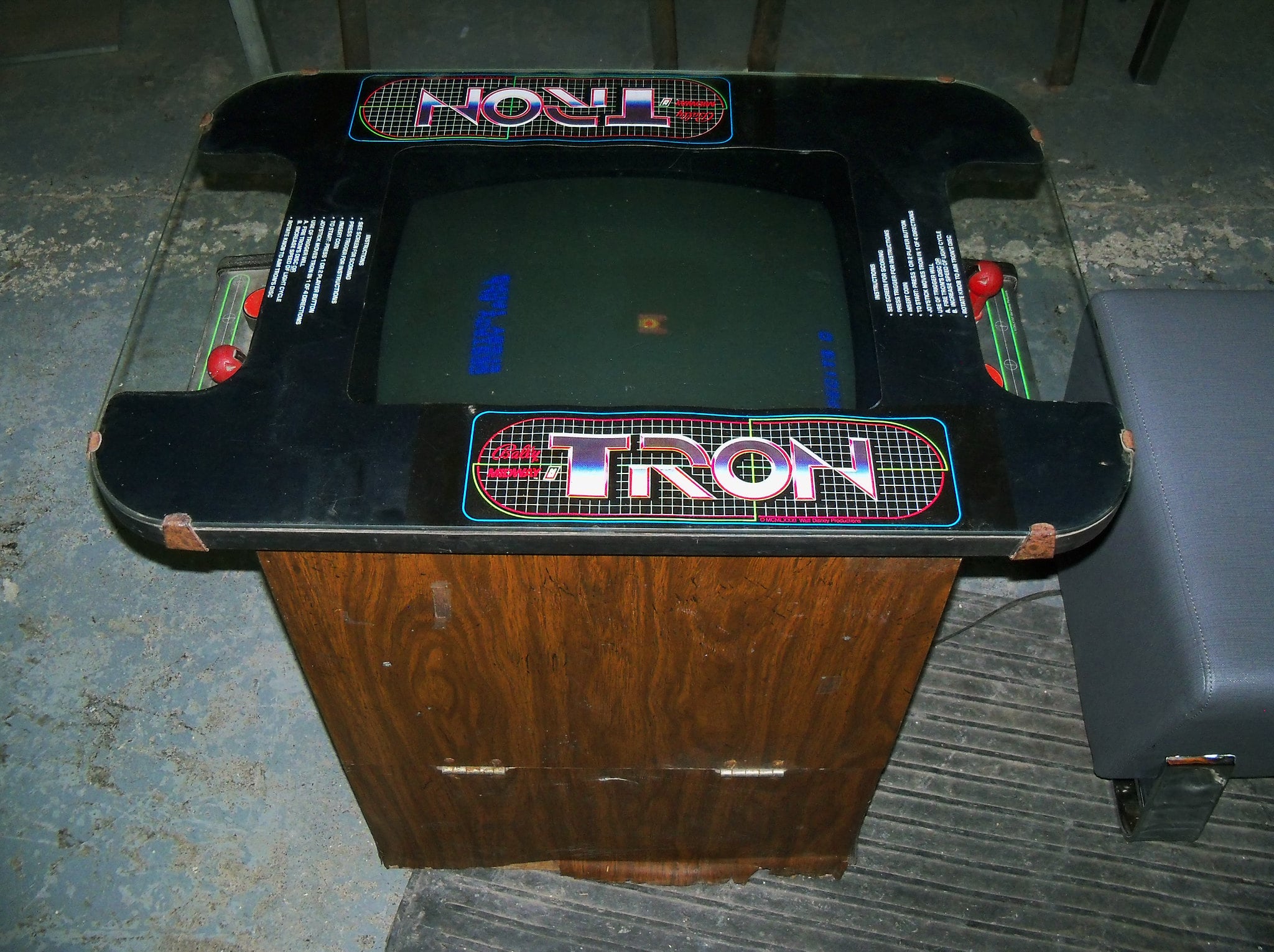
Tron succeeded in making you feel like you’d been digitized and transported into a computer, which was thrilling right up until the computer decided to delete you for the fifteenth time in twenty minutes. The game cycled between four different challenges — light cycles, tanks, the I/O tower, and the MCP cone — each requiring completely different skills and strategies that you never quite had enough time to master before the difficulty ramped up again.
The light cycle battles were pure strategy (cutting off opponents with light walls while avoiding getting trapped yourself), but the tank game required precision aiming and the MCP cone demanded pattern recognition under pressure. Visual design was flawless — that blue-and-orange computer aesthetic perfectly captured the movie’s digital world — but looking good didn’t make the challenges any easier.
Each mini-game was excellent. Playing all four in sequence without losing was expensive.
Donkey Kong Jr.
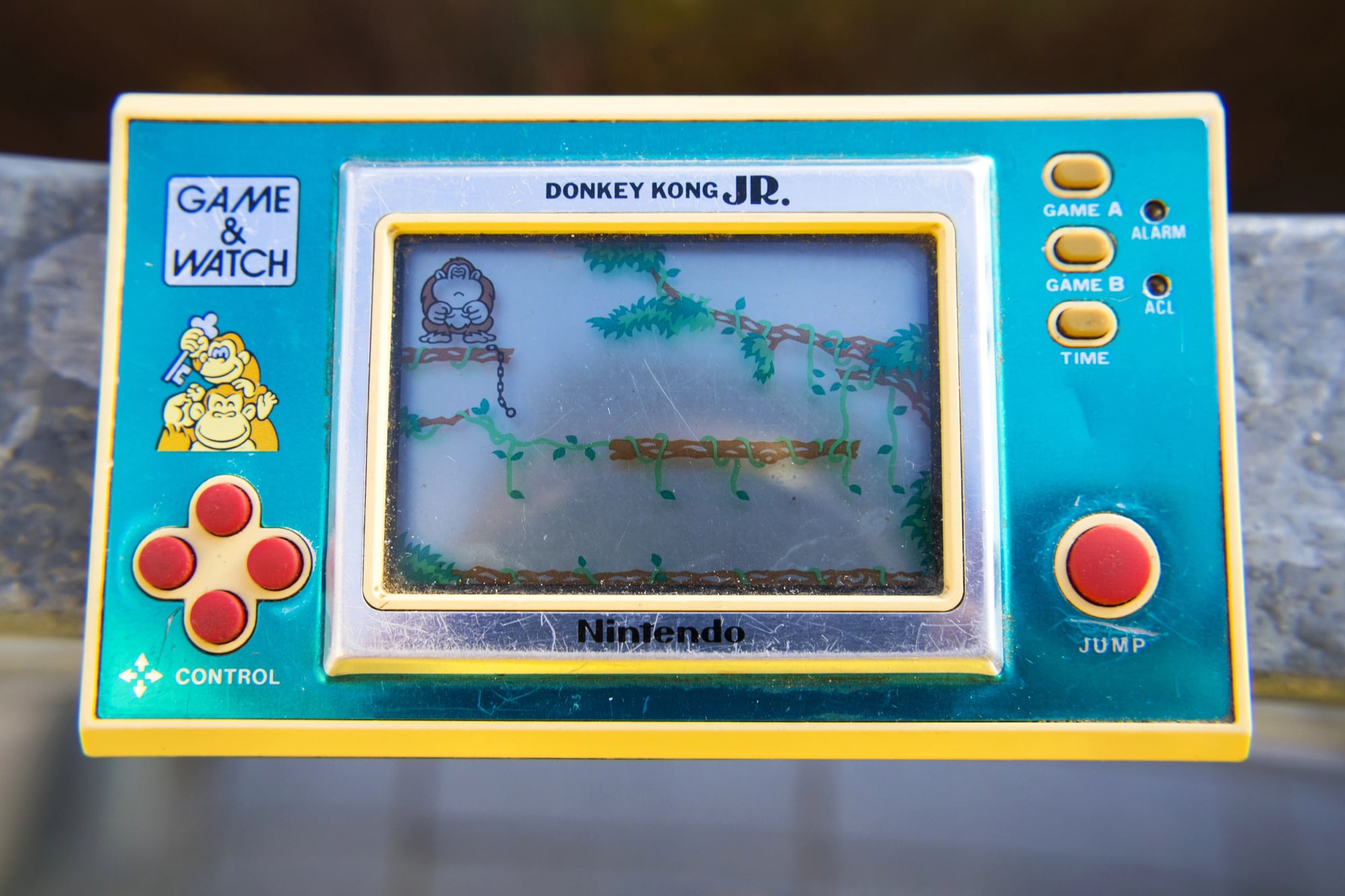
Watching Donkey Kong’s son rescue his father was touching family drama that cost a fortune to experience. Jr. moved differently than Mario — climbing vines and chains required alternating between both hands for speed or using one hand for careful positioning.
The crocodiles and birds moved in patterns that could be learned, but learning meant dying repeatedly while figuring out their timing. The key-dropping sequence near the end was pure sadism.
Getting all the way to Mario just to miss the final key grab and watch Jr. fall was heartbreak that demanded immediate quarter-fed revenge.
Spy Hunter
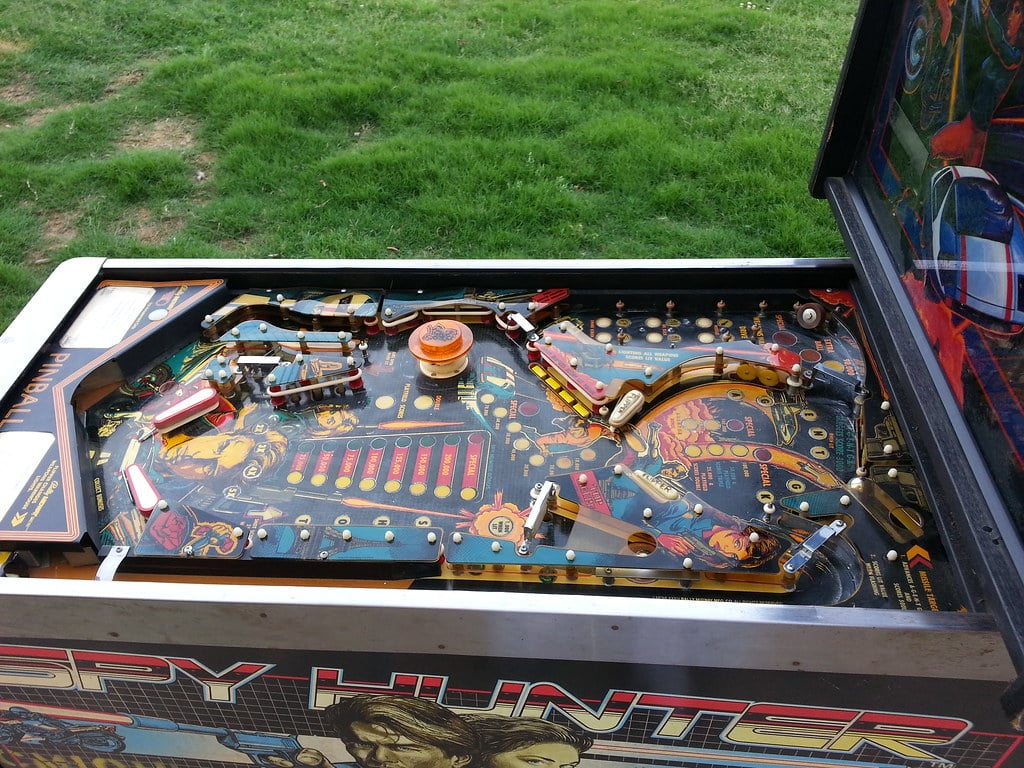
Driving a weaponized sports car down an endless highway while Peter Gunn played in the background was peak ’80s wish fulfillment — assuming your wish involved getting destroyed by enemy agents every few minutes and feeding quarters into a machine to continue the fantasy. The steering wheel and gear shifter made every chase feel cinematic, especially when your car sprouted machine guns or oil slicks to deal with pursuing motorcycles and armored trucks.
But the enemy vehicles got more sophisticated as the game progressed, and avoiding civilian cars while targeting hostiles required split-second decision making that usually ended with your car exploding in a very un-James Bond fashion. The weapons truck appeared periodically to upgrade your ride, but reaching it meant surviving long enough to catch it, which was easier planned than executed.
The music made every failure feel like a scene from an action movie. Expensive action movies.
Time Pilot
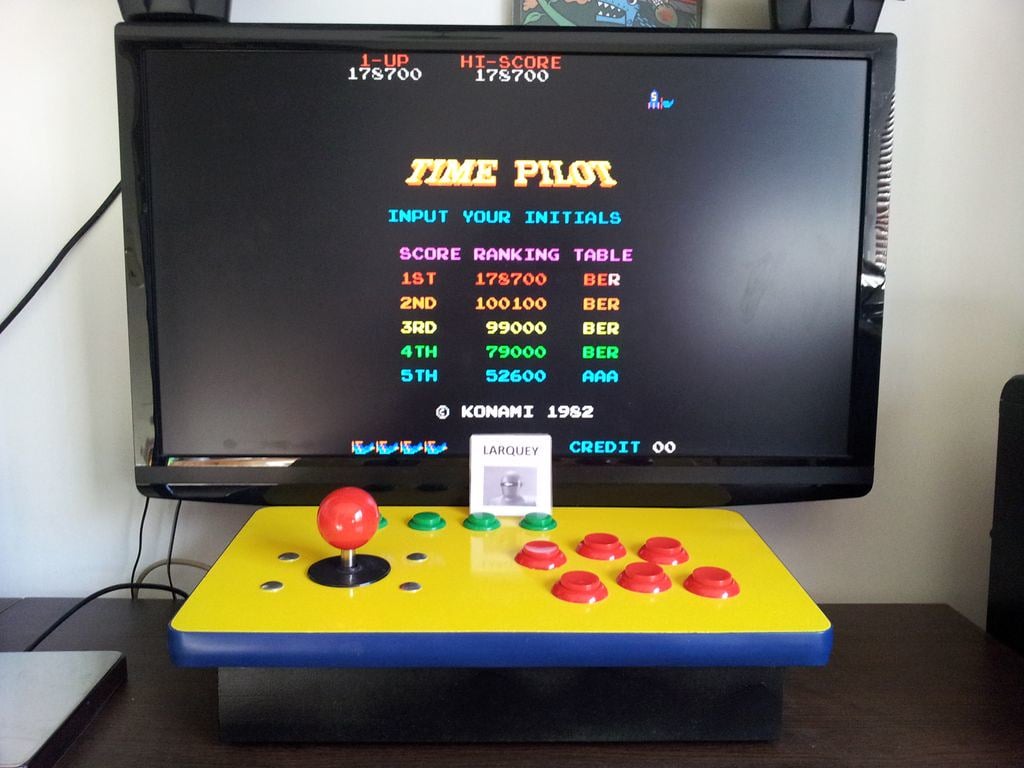
Flying a biplane through different time periods should have felt epic, but mostly it felt like an expensive history lesson in how to get shot down by superior aircraft. The game started simple — World War I biplanes could be outmaneuvered with basic flying skills — but advancing through time meant facing jets, helicopters, and eventually UFOs that moved faster and shot more accurately than anything you were equipped to handle.
The parachuting pilots added a rescue element that was worth extra points, but saving them required flying close to the ground where enemy fire was concentrated. Time advancement happened automatically, which meant every era ended whether you felt ready for jets or not.
Phoenix
Phoenix was three games disguised as one, and each stage required completely different skills that you never quite mastered before the game demanded you use them under pressure. The bird-like aliens in the first wave moved in predictable formations, but their barrier shields regenerated if you didn’t destroy them completely.
The second wave introduced larger ships with rotating shields that required precise timing to penetrate. Then came the mothership — a massive spacecraft that you had to infiltrate by shooting through its hull to reach the alien commander inside.
The mothership stage was brilliant torture. Getting inside was hard enough, but actually hitting the commander required accuracy while everything around you exploded.
Marble Madness
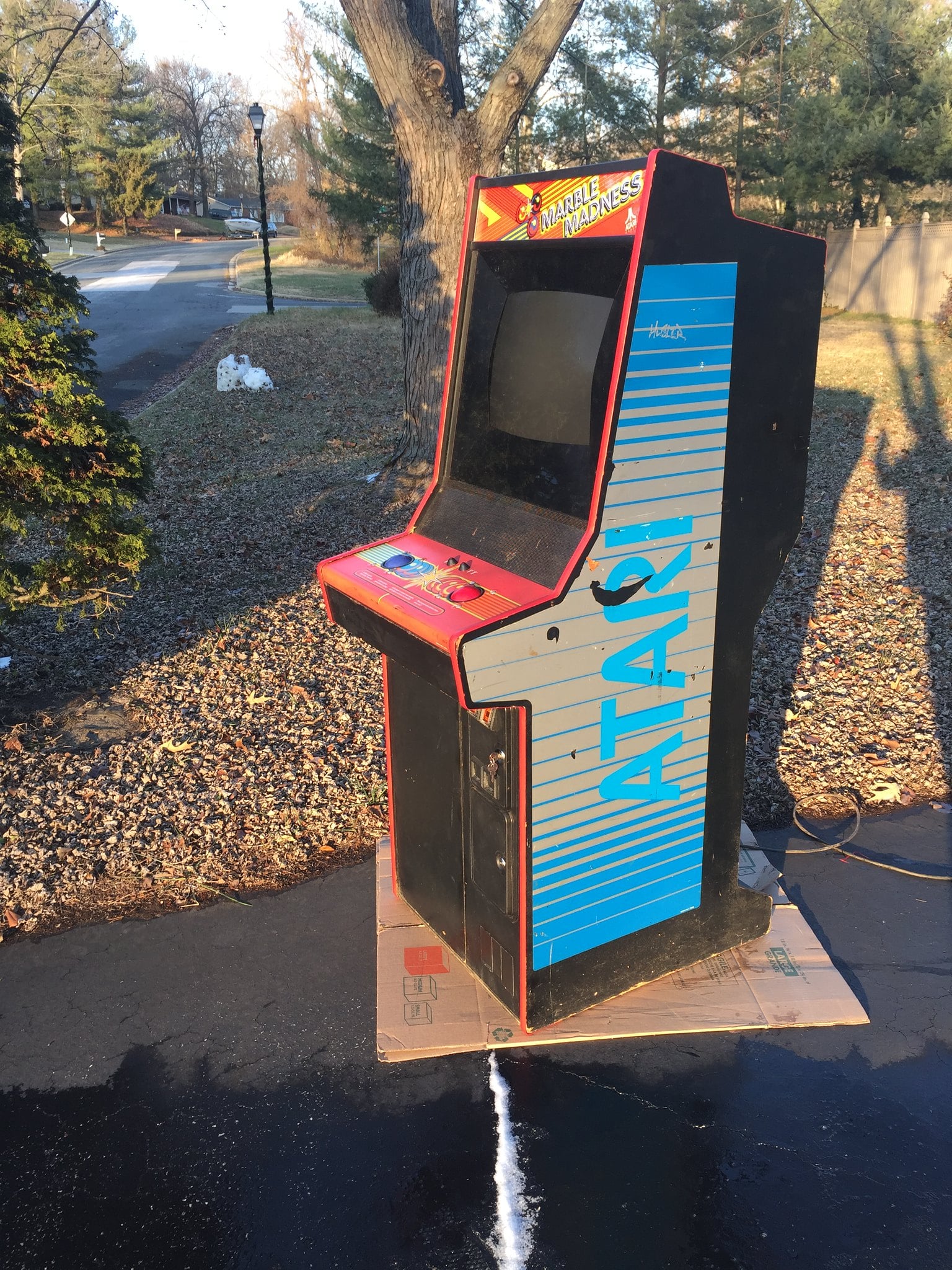
Rolling a marble through isometric obstacle courses was the kind of simple concept that became impossibly complex when executed at arcade speed. The trackball controller was perfectly suited for marble physics — gentle rolls, sharp turns, and momentum that felt genuine — but the courses were designed with sadistic precision to exploit every weakness in human spatial reasoning.
Acid pools dissolved your marble, enemies knocked you off course, and ramps launched you toward targets that were rarely where they appeared to be. The time limit meant careful navigation was impossible, but rushing led to rolling right off the edge of the course.
Zaxxon
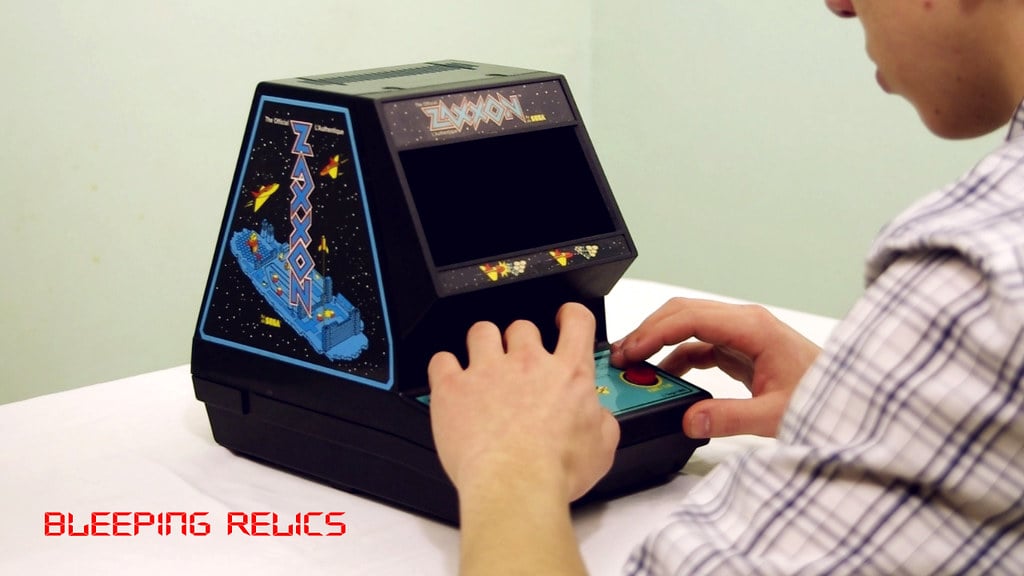
Zaxxon’s isometric perspective was visually stunning and practically devastating — judging altitude while flying through a three-dimensional fortress required spatial skills that most players never developed before running out of money. The shadow beneath your ship was supposed to help with depth perception, but shadows are subtle and enemy fire is immediate.
Flying too high meant hitting the fortress ceiling; flying too low meant crashing into walls or ground installations. The fuel gauge added resource management to an already complex navigation challenge.
The robot boss at the end was impressive, but most players never survived the fortress long enough to meet him.
BurgerTime
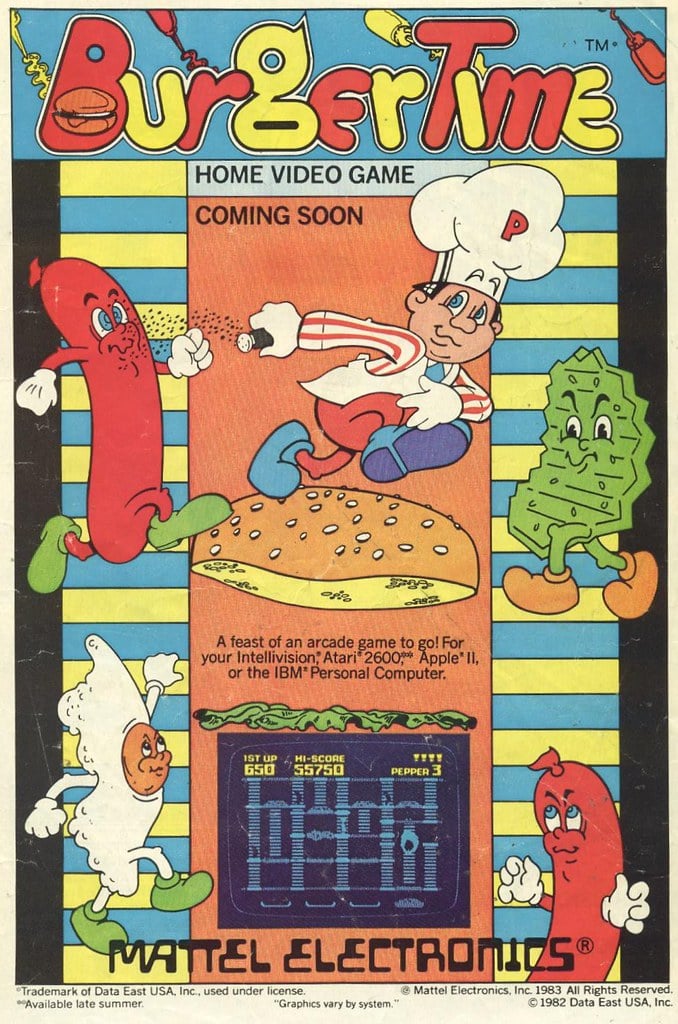
Building hamburgers while being chased by anthropomorphic food ingredients was the kind of workplace nightmare that could only exist in an arcade. Chef Peter Pepper had to walk across burger components to drop them down to assembly platforms, but Hot Dogs, Pickles, and Fried Eggs pursued him constantly across the maze-like kitchen.
Pepper spray stunned enemies temporarily, but supplies were limited and running out meant having no defense except careful maze navigation. Dropping burger ingredients on top of pursuing enemies was satisfying, but engineering those situations required timing and positioning that usually got you cornered.
The Quarter Legacy
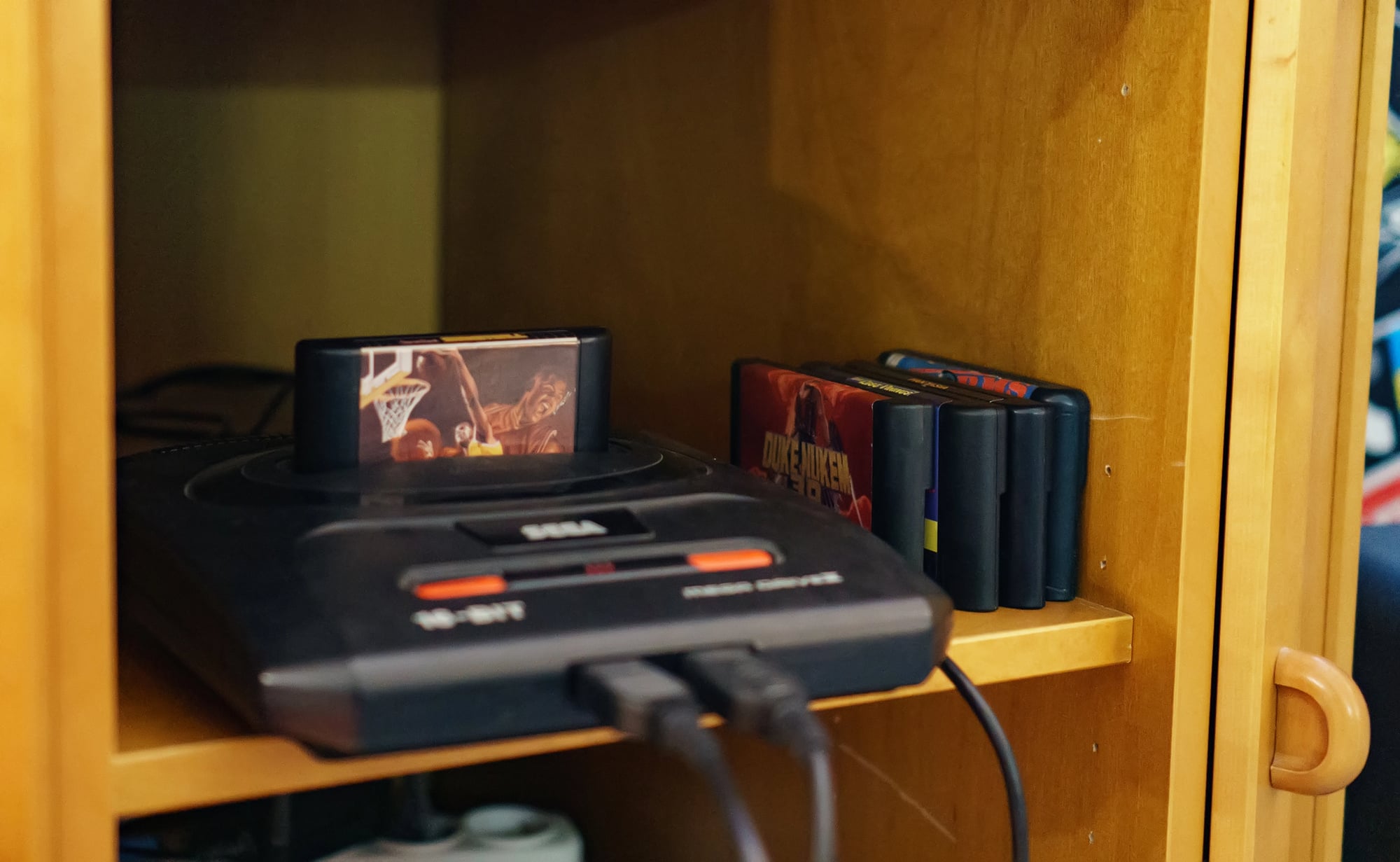
Those machines taught an entire generation about risk management, pattern recognition, and the cruel mathematics of intermittent reinforcement. Every quarter was a small bet that this time would be different — that you’d finally beat your high score, reach the next level, or see what happened after the stage that always killed you.
The games were perfectly calib
More from Go2Tutors!

- The Romanov Crown Jewels and Their Tragic Fate
- 13 Historical Mysteries That Science Still Can’t Solve
- Famous Hoaxes That Fooled the World for Years
- 15 Child Stars with Tragic Adult Lives
- 16 Famous Jewelry Pieces in History
Like Go2Tutors’s content? Follow us on MSN.