Places Where the Most Languages Are Spoken
Think your neighborhood is diverse because you hear Spanish, Mandarin, and English at the local coffee shop. That’s cute, but some places on Earth make your multilingual barista look like a linguistic amateur. We’re talking about spots where dozens, hundreds, or even thousands of different languages float through the air on any given day.
These linguistic hotspots exist for different reasons—some are melting pots where cultures collide and blend, while others are ancient lands where isolated communities developed their own unique ways of speaking over thousands of years. From bustling cities where international business never sleeps to remote jungle regions where each village speaks its own dialect, language diversity tells the story of human migration, trade, and survival.
The world has roughly 7,000 languages, but they’re not spread evenly across the globe. Here is a list of places where you’ll find the richest tapestries of human speech.
Papua New Guinea
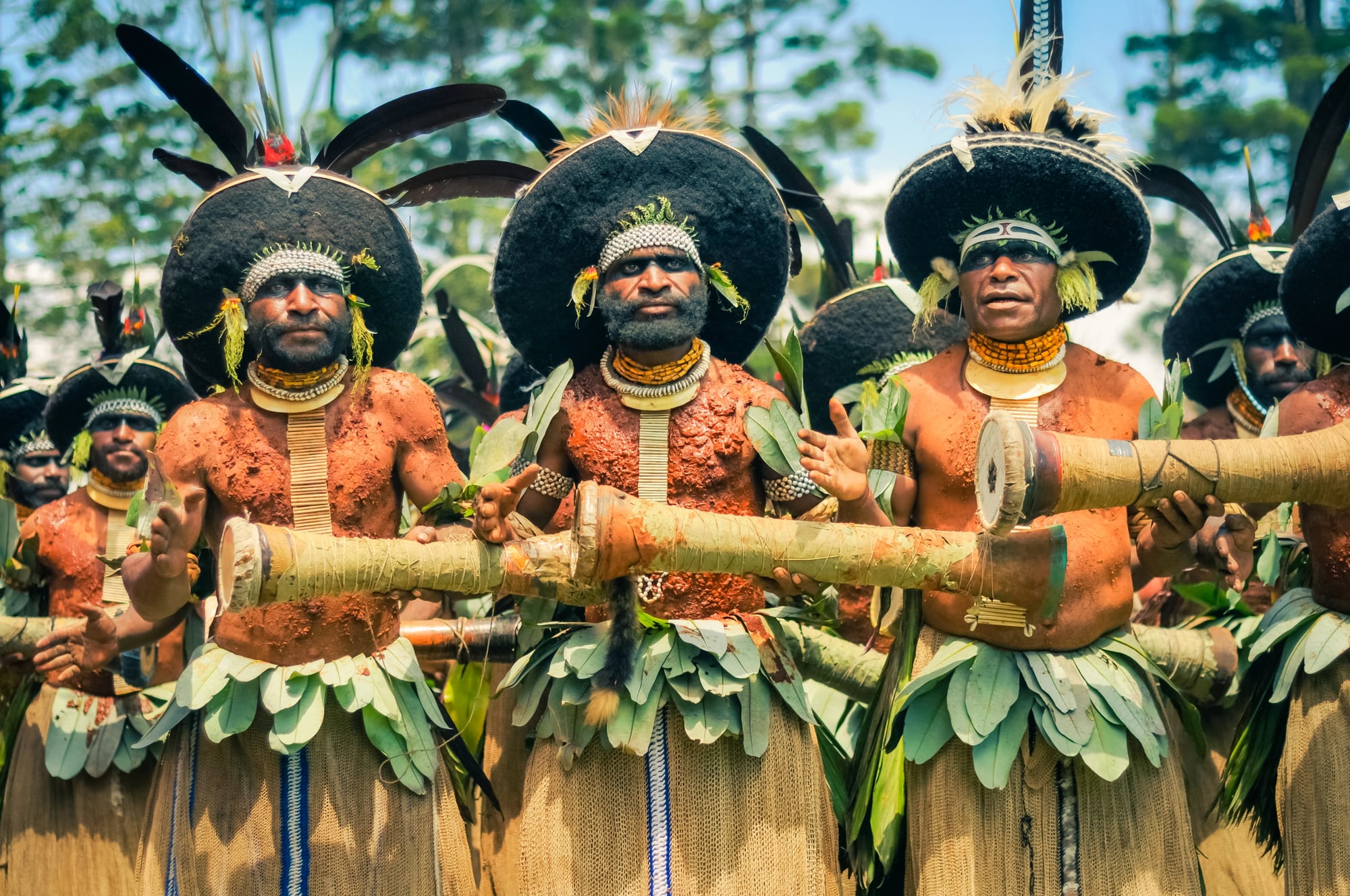
Papua New Guinea takes the crown as the most linguistically diverse country on Earth, with around 840 languages crammed into a landmass roughly the size of California. That means you could drive for just a few hours and encounter completely different languages that share no common roots.
The country’s rugged mountains and dense jungles created perfect conditions for isolated communities to develop their own unique ways of communicating over thousands of years.
New York City
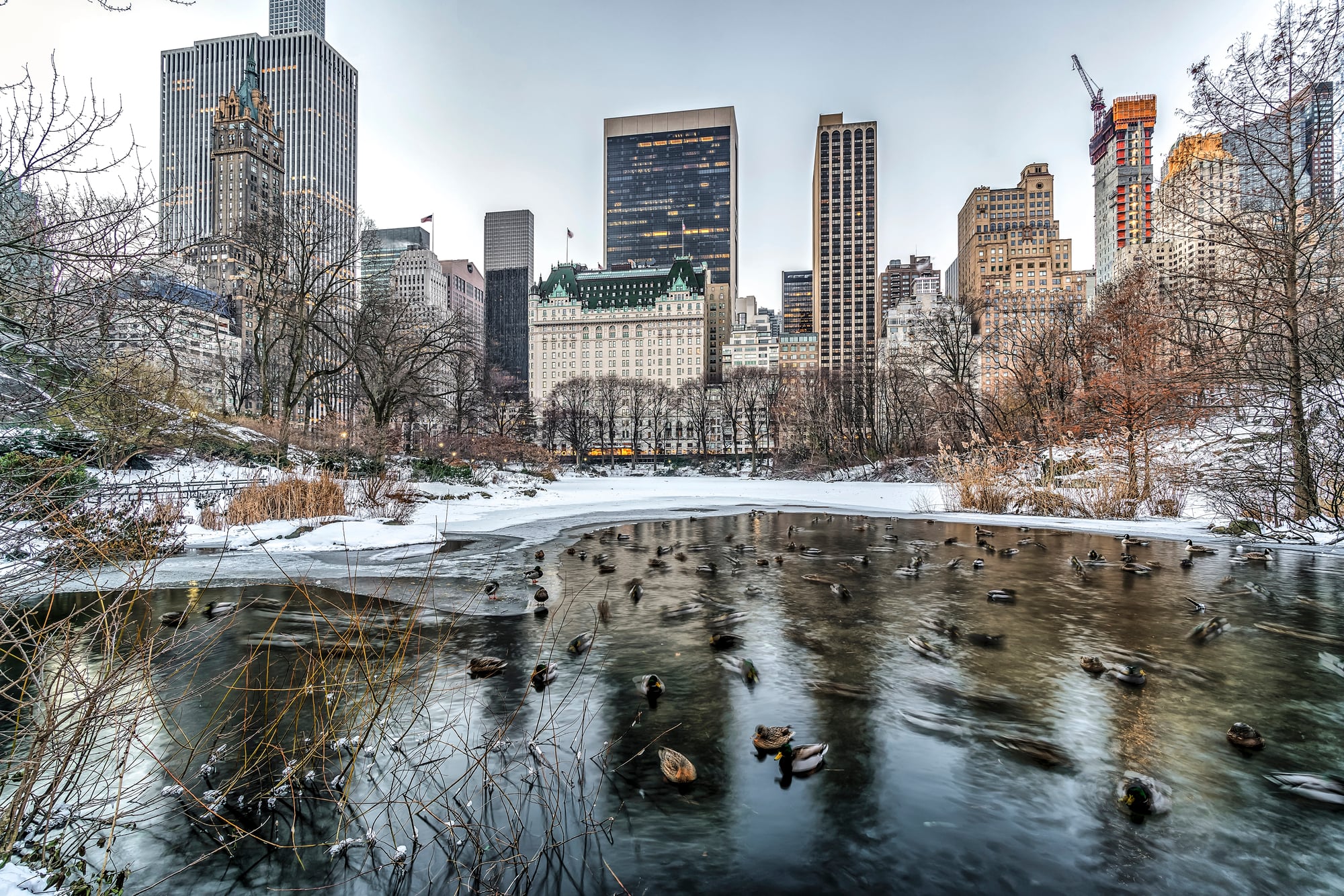
The Big Apple is home to more than 200 languages throughout its five boroughs. From Mandarin conversations in Flushing to Bengali discussions in Jackson Heights, the city’s five boroughs create a living language laboratory.
You can literally ride the subway and hear a different language at every stop, making it one of the most linguistically diverse cities in the world.
Indonesia
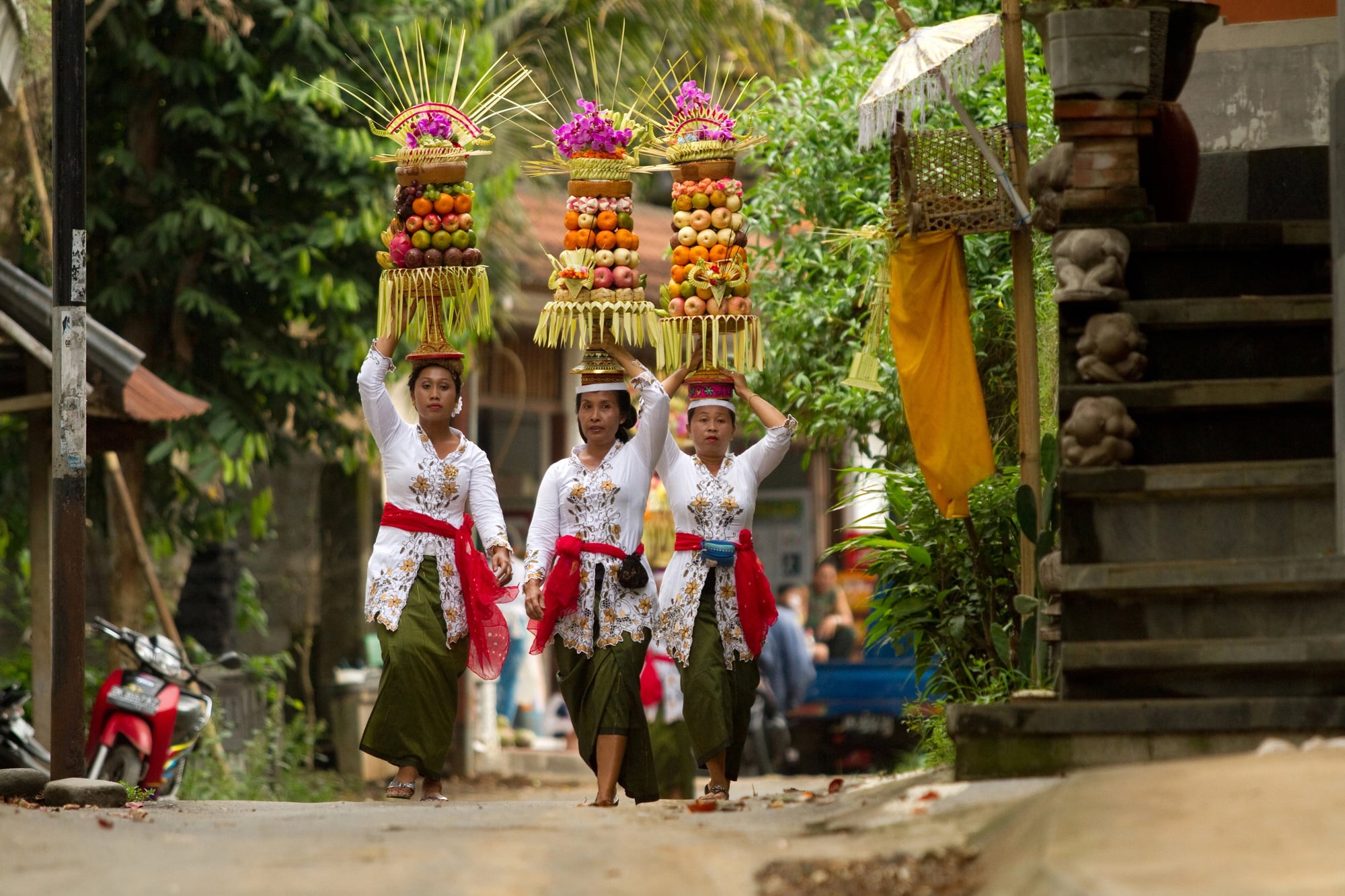
Indonesia’s 17,000 islands host around 707 languages, making it the second most linguistically diverse nation after Papua New Guinea. The country stretches over 3,000 miles from east to west, about the same distance as from New York to London.
Each island group developed its own linguistic flavors over centuries, though Bahasa Indonesia serves as the unifying national language that keeps this massive archipelago connected.
Los Angeles
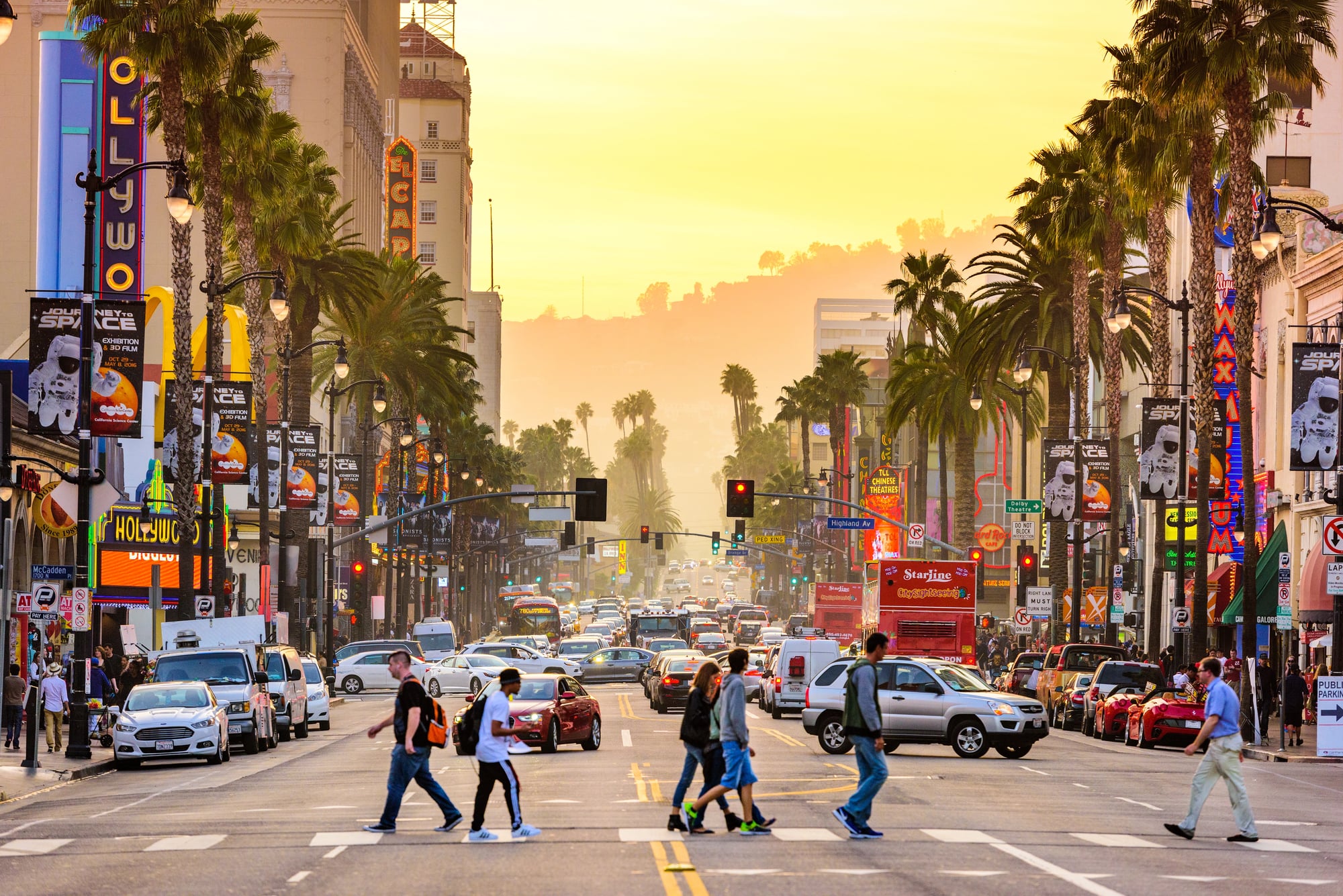
LA isn’t just the entertainment capital—it’s also a linguistic playground with around 185 languages spoken throughout the metro area, including both daily spoken languages and heritage languages maintained by immigrant communities.
Korean signs dominate Koreatown, while Spanish flows through East LA like a cultural river. The city’s film industry attracts talent from every corner of the globe, creating neighborhoods where you might hear Tagalog, Armenian, Persian, and Russian all within a single city block.
India
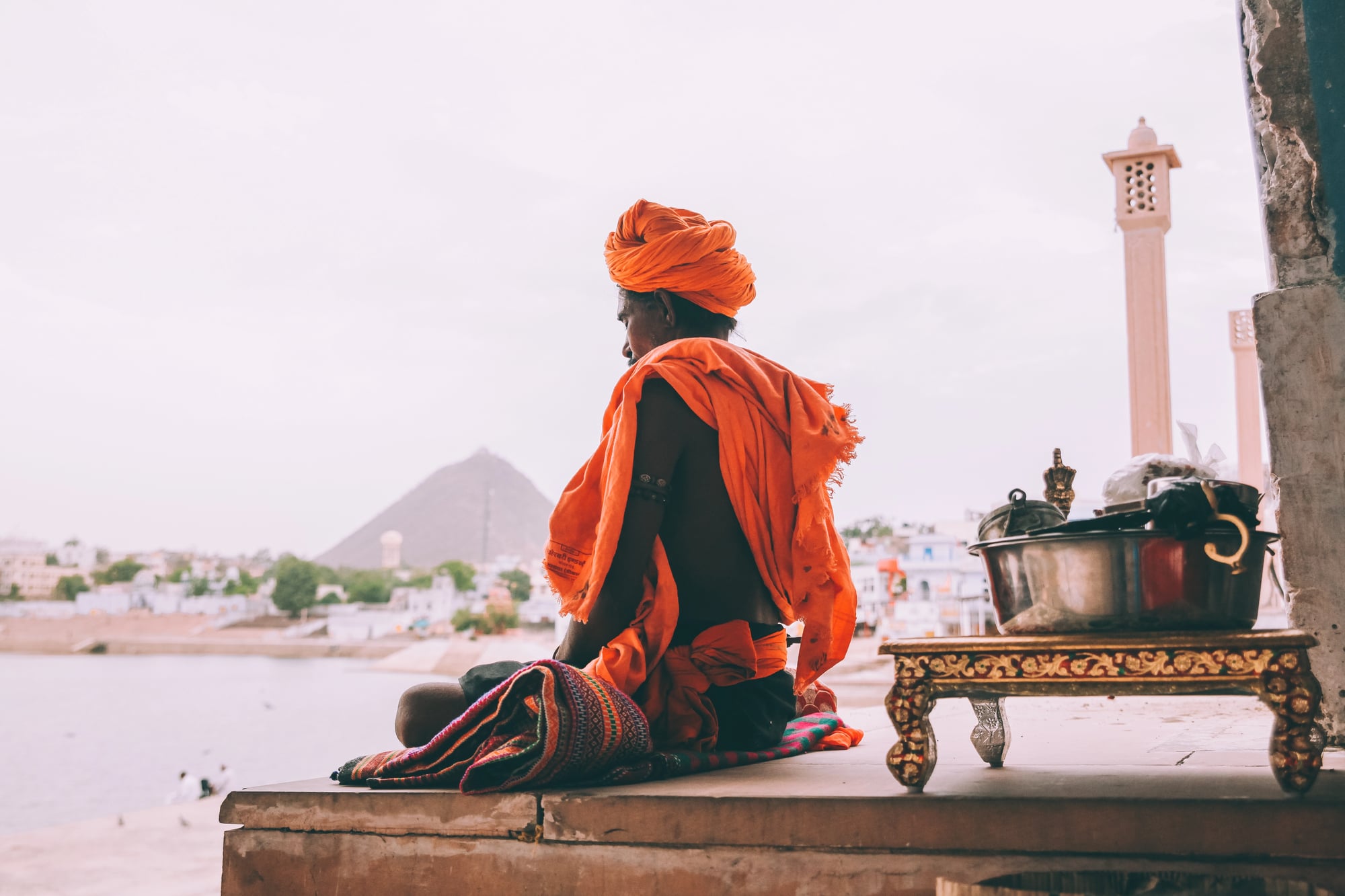
India hosts around 450 living languages across its diverse landscape, from the Himalayan peaks to the tropical south. The country’s census officially recognizes 121 languages, with 22 receiving special constitutional status.
Hindi and English get the most attention as official languages, but each state practically functions as its own linguistic country. Tamil in the south sounds nothing like Bengali in the east, and both are completely different from Punjabi in the north—it’s like Europe compressed into a single nation.
London
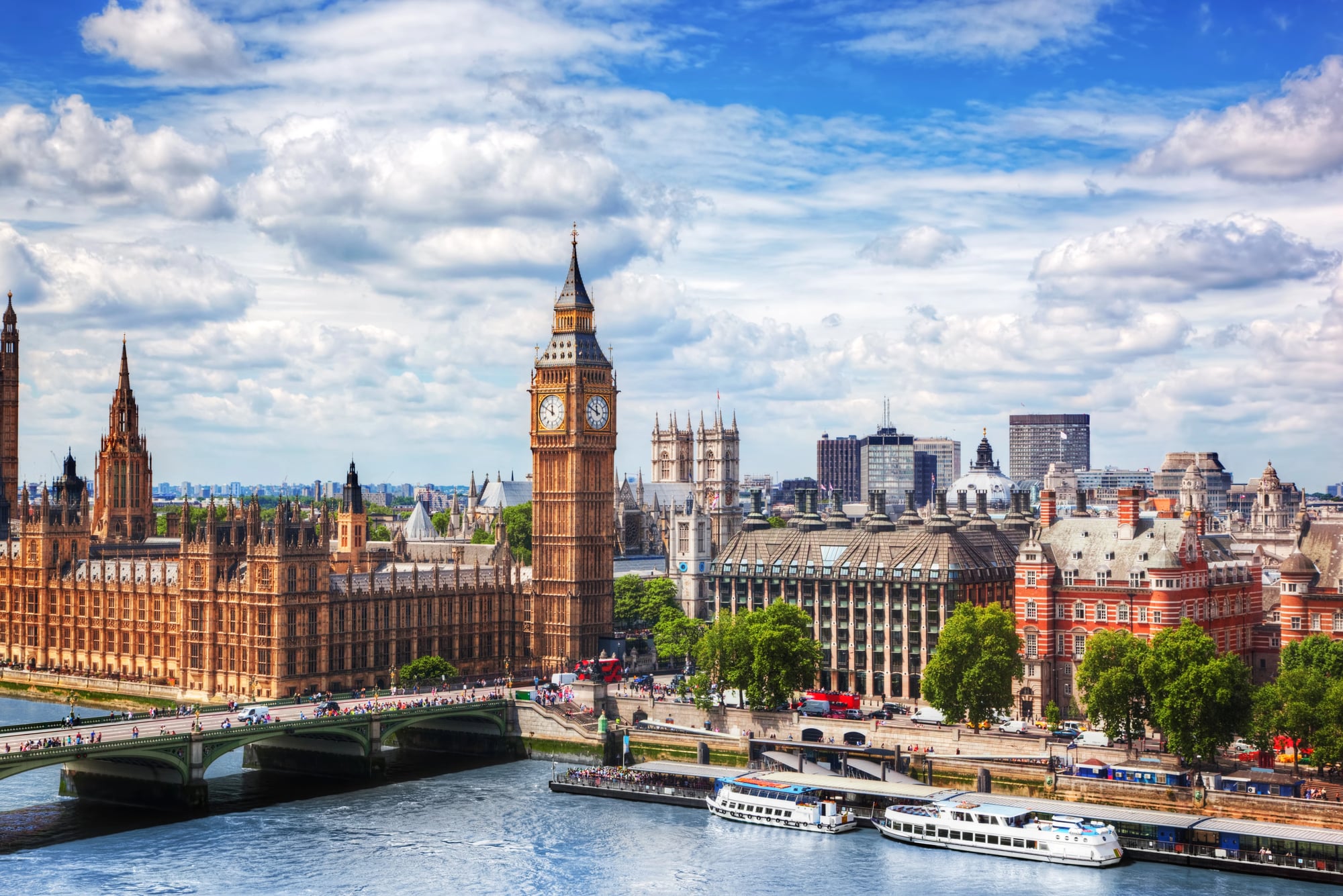
London’s status as a global financial hub attracts speakers of more than 300 languages to its historic streets, with government statistics showing this diversity particularly in the city’s schools.
Arabic flows through Edgware Road while Polish dominates certain parts of East London, creating distinct linguistic neighborhoods throughout the capital. The city’s linguistic diversity reflects centuries of immigration and its current role as a gateway between Europe, Africa, Asia, and the Americas.
Mexico
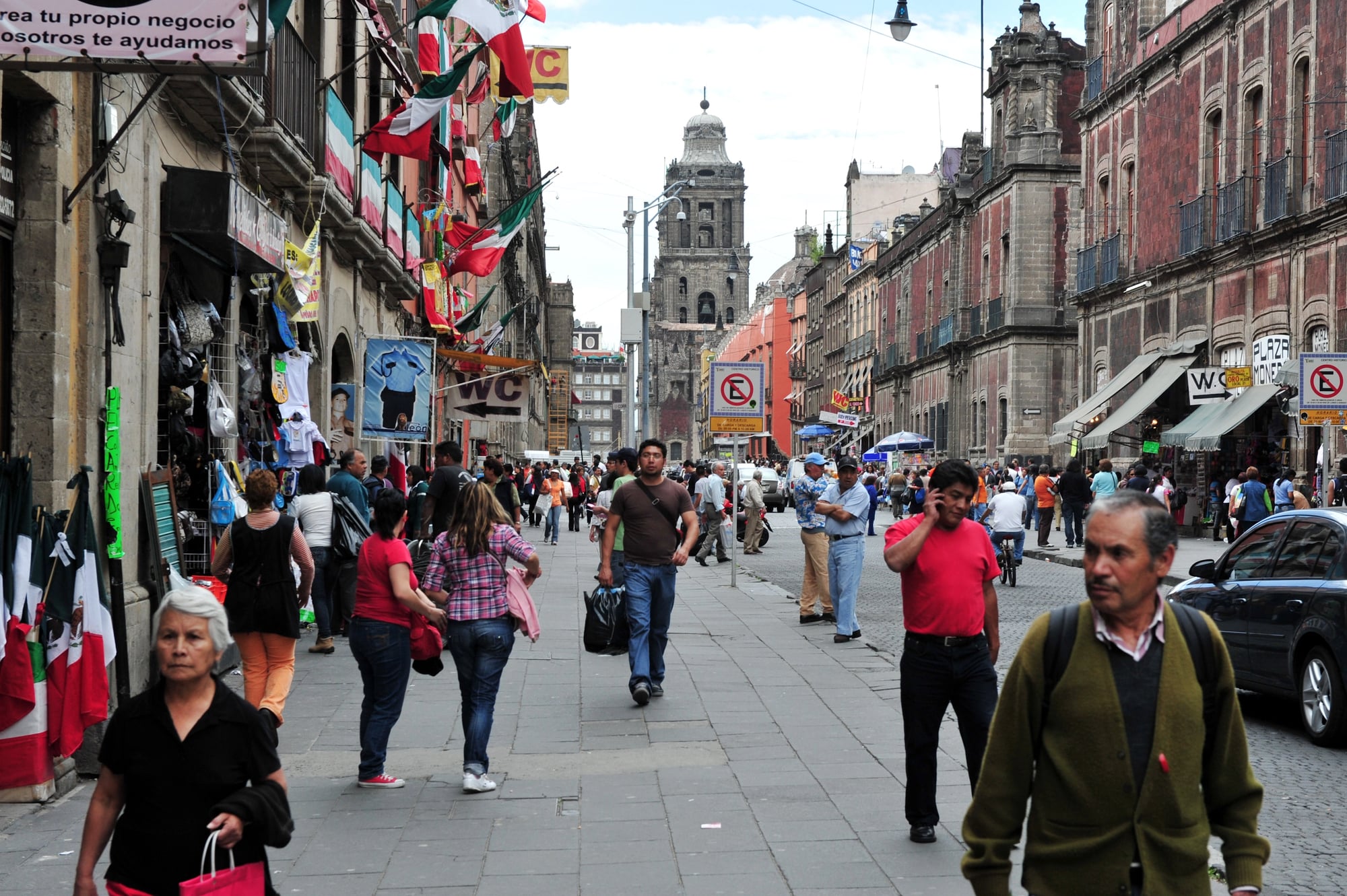
Mexico surprises many people with its linguistic richness—the country officially recognizes 68 national languages with 364 distinct variants. Indigenous languages like Nahuatl, Maya, and Zapotec have survived for thousands of years alongside the Spanish brought by conquistadors.
Some Mexican villages exist where Spanish is actually the second language, and elders conduct their daily lives entirely in tongues that predate European contact.
Toronto
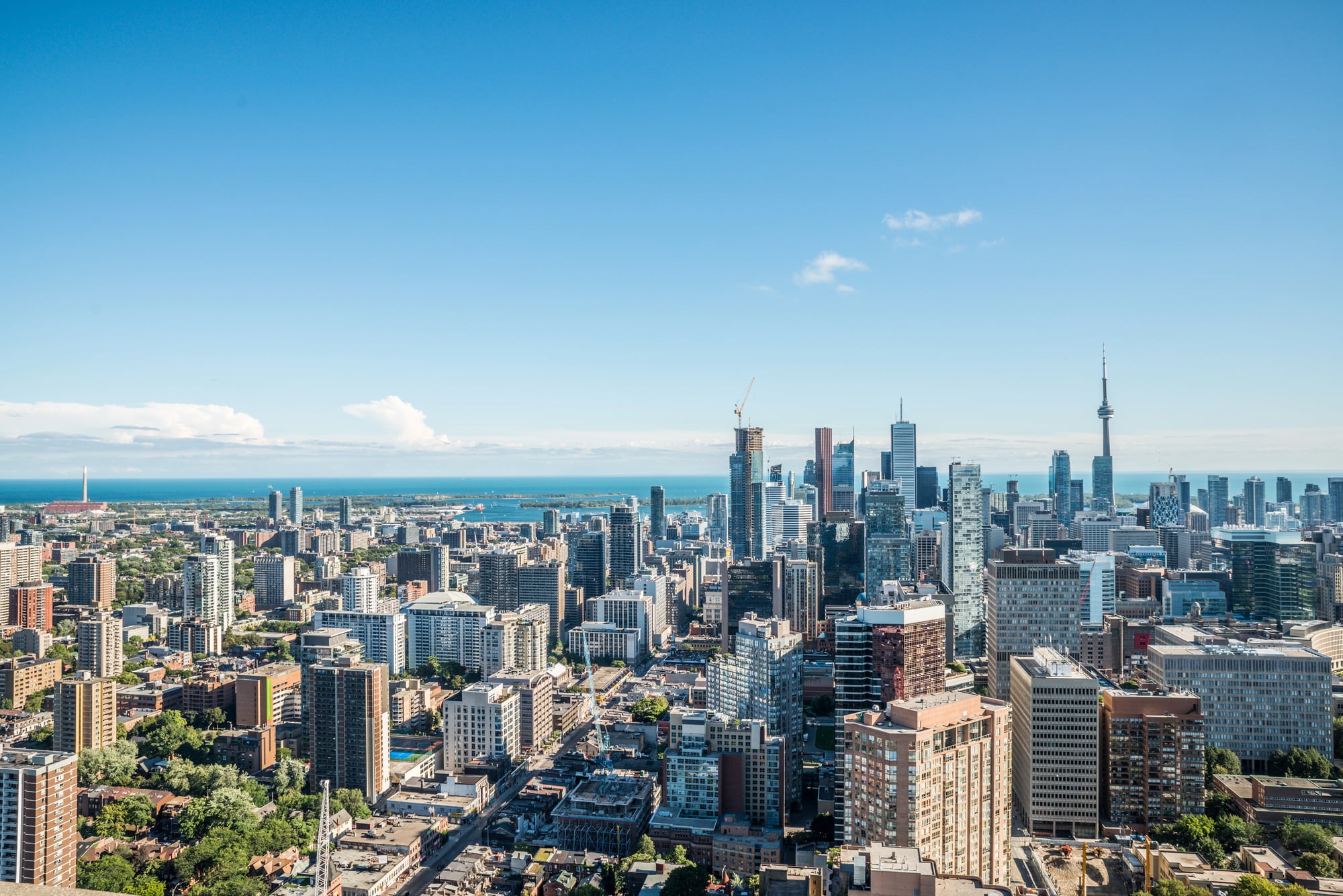
Toronto earned its reputation as one of the world’s most multicultural cities by welcoming speakers of more than 160 languages, including both daily spoken languages and heritage languages maintained in households.
The city’s CN Tower overlooks neighborhoods where Italian mingles with Tamil, Mandarin flows alongside Portuguese, and Arabic conversations happen next to Korean discussions. Canada’s immigration policies turned Toronto into a linguistic United Nations where half the population was born outside the country.
Australia
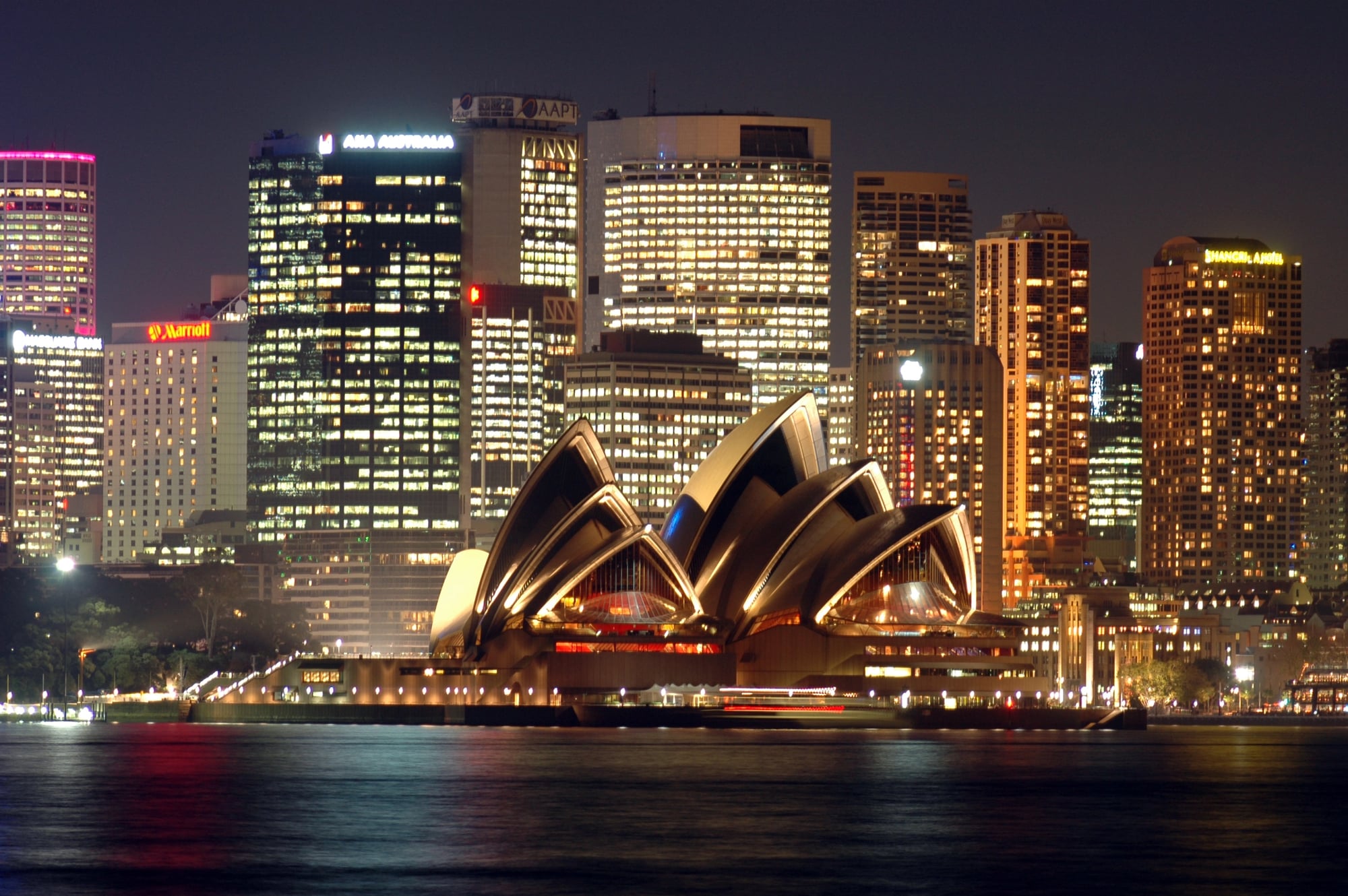
Australia’s vast outback once echoed with around 250 Aboriginal languages, though colonization reduced that number dramatically to about 120-150 surviving languages today.
These ancient tongues carry 60,000 years of human history and contain unique ways of understanding the landscape and time. Cities like Sydney and Melbourne add to the linguistic mix with waves of immigration from Asia, Europe, and the Pacific Islands.
Brazil
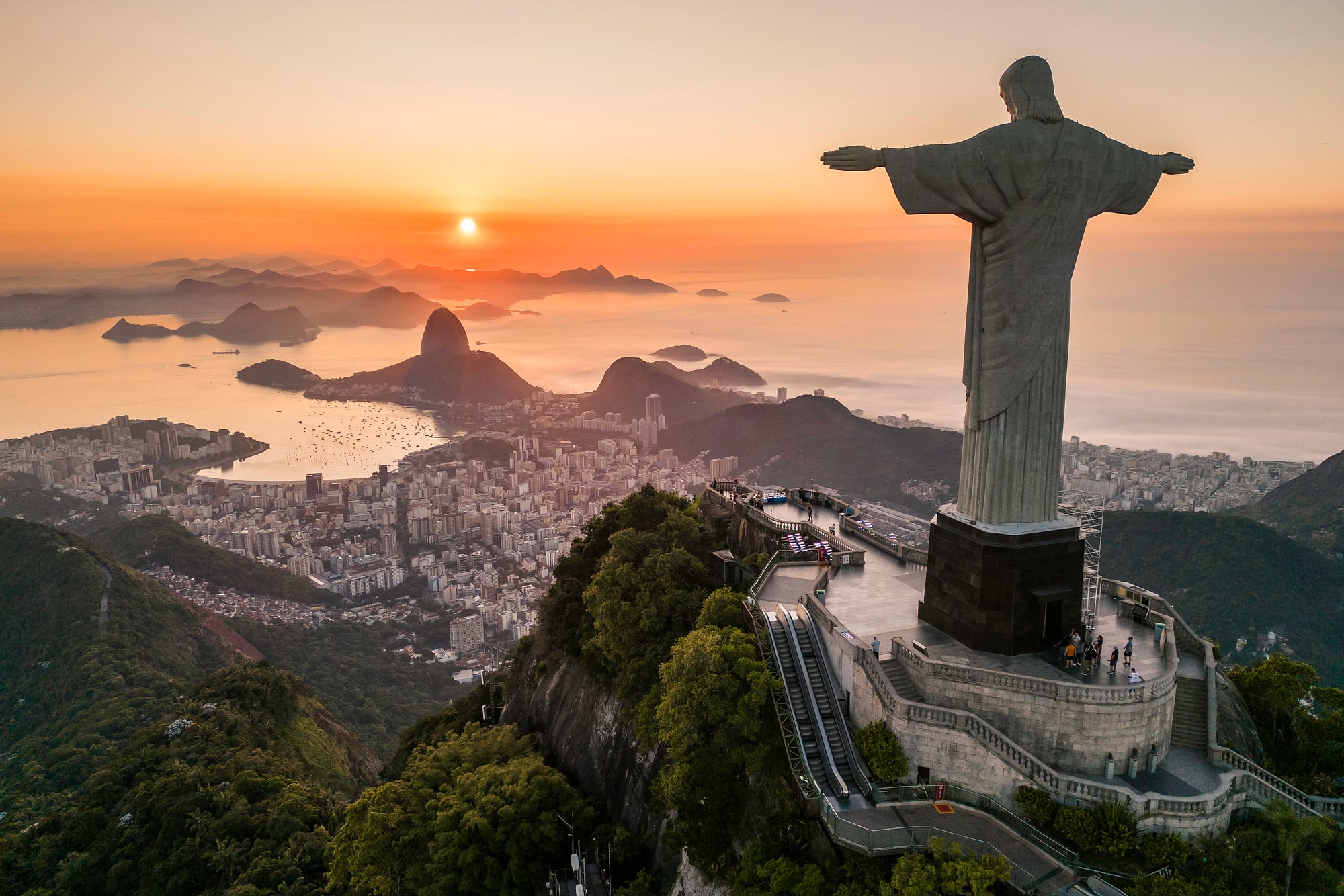
Brazil’s Portuguese-speaking majority overshadows the country’s incredible linguistic diversity—around 217 living languages survive today, with about 180 of them being indigenous languages still spoken in the Amazon and other remote regions.
These languages represent dozens of different language families, some as unrelated to each other as English is to Mandarin. São Paulo alone hosts millions of speakers of Japanese, Arabic, Italian, and German alongside Portuguese and indigenous tongues.
Vancouver
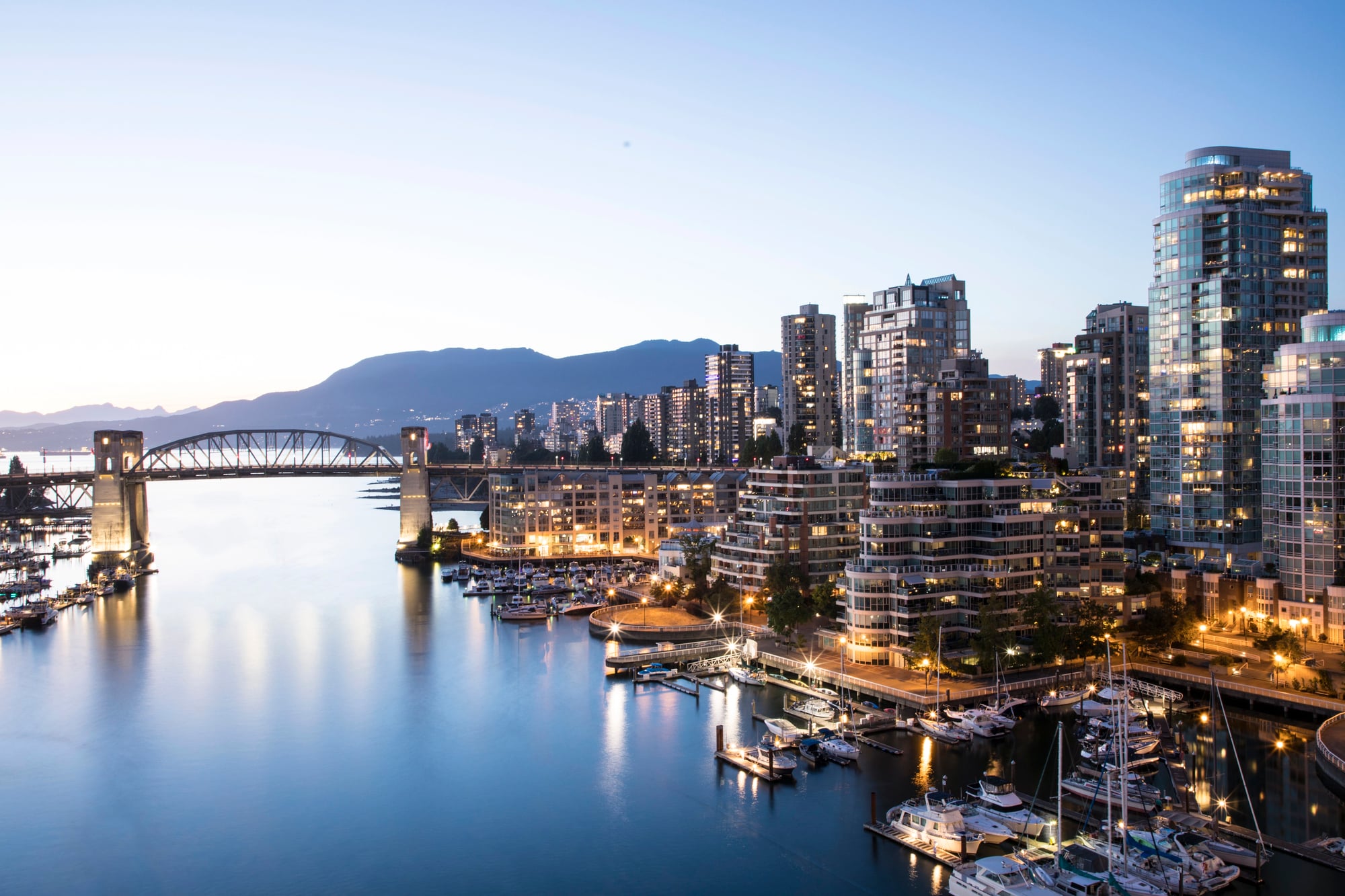
Vancouver’s Pacific Rim location makes it a linguistic gateway between North America and Asia, with around 135 languages spoken in households throughout the metropolitan area.
Mandarin and Cantonese dominate certain neighborhoods so thoroughly that you might forget you’re in Canada, while Punjabi communities maintain vibrant cultural and linguistic traditions. The city’s mild climate and economic opportunities attract immigrants from every continent, creating a linguistic diversity that rivals much larger cities.
Philippines
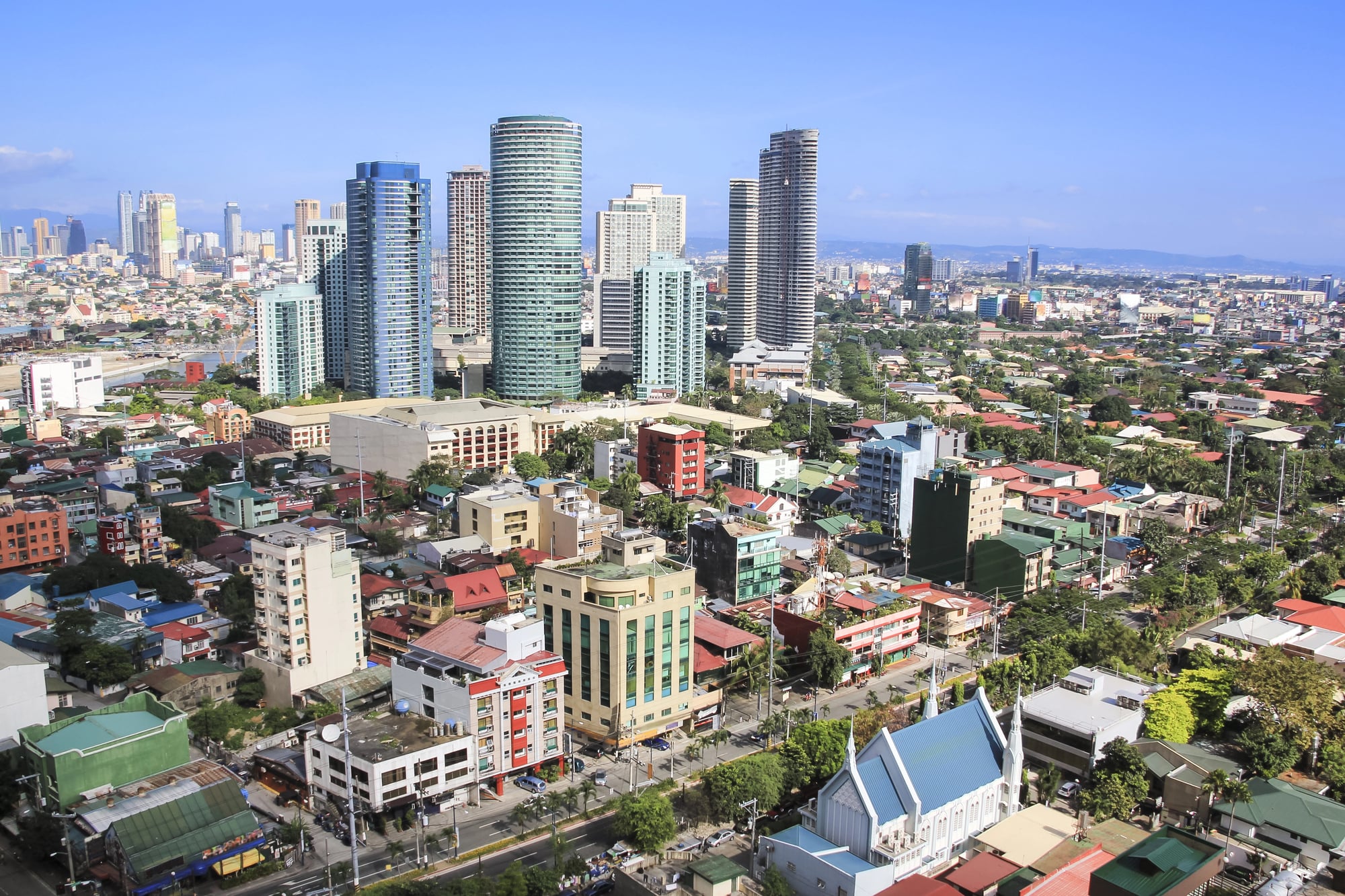
The Philippines archipelago hosts around 175 living languages across its 7,000 islands, though Filipino and English serve as national languages.
Tagalog speakers in Manila can’t understand Cebuano speakers from the south without translation, and both groups might struggle with the various Ilocano dialects from the north. Each major island group developed its own linguistic identity over thousands of years of relative isolation, creating a linguistic puzzle that reflects the country’s complex geography.
The Linguistic Tapestry Continues

These linguistic hotspots remind us that human communication extends far beyond the handful of languages that dominate international business and media. Every language represents a unique way of understanding the world, from how different cultures perceive time and space to the specific words they create for their local environment.
As globalization connects the world more tightly, these pockets of linguistic diversity become even more precious—they’re living libraries that preserve thousands of years of human wisdom and creativity. The next time you travel to one of these places, take a moment to appreciate the incredible variety of human expression happening all around you.
More from Go2Tutors!

- The Romanov Crown Jewels and Their Tragic Fate
- 13 Historical Mysteries That Science Still Can’t Solve
- Famous Hoaxes That Fooled the World for Years
- 15 Child Stars with Tragic Adult Lives
- 16 Famous Jewelry Pieces in History
Like Go2Tutors’s content? Follow us on MSN.



