28 After-School TV Shows from the ’90s That Shaped an Entire Generation
The walk home from school in the ’90s carried a specific kind of anticipation. Backpacks heavy with homework that could wait, house keys dangling from necklaces, and the promise of two precious hours before parents returned from work.
These weren’t just empty hours to fill — they were sacred time, governed by the television schedule and defended fiercely against interruption. The shows that filled those afternoon slots didn’t just entertain; they became the shared language of an entire generation, creating inside jokes that persist decades later and life lessons that stuck better than anything learned in actual classrooms.
DuckTales
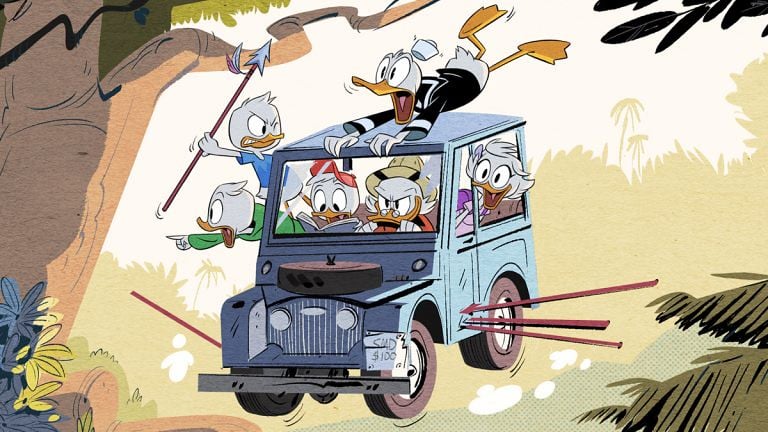
Money swimming and treasure hunting never looked so appealing. Scrooge McDuck made being wealthy seem like a grand adventure rather than just having more stuff, which probably explains why so many ’90s kids grew up thinking they’d stumble across ancient artifacts in their backyards.
The show understood something that most children’s programming missed: kids don’t want to be talked down to. They want mystery, danger, and the kind of globe-trotting adventures that made geography suddenly interesting.
Gargoyles
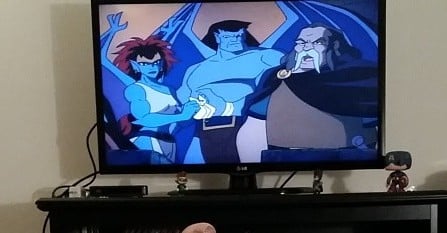
Disney took a massive swing with this one — and by some miracle (or perhaps because network executives weren’t paying close attention), they managed to create something genuinely sophisticated. Stone creatures protecting New York City, corporate intrigue, and storylines that stretched across multiple episodes at a time when most cartoons reset completely every 22 minutes.
The animation alone set it apart; these weren’t the rounded, soft characters that populated most afternoon blocks. Everything felt angular, shadowed, and just dark enough to make you feel slightly grown-up for watching it. And yet beneath all that gothic atmosphere was something remarkably earnest: a meditation on what it means to protect something larger than yourself, wrapped in a package that never once felt like it was trying to teach you anything. The lessons arrived quietly, embedded in stories that respected their audience enough to let them draw their own conclusions — which, as it turns out, was exactly how to make those lessons stick.
Animaniacs
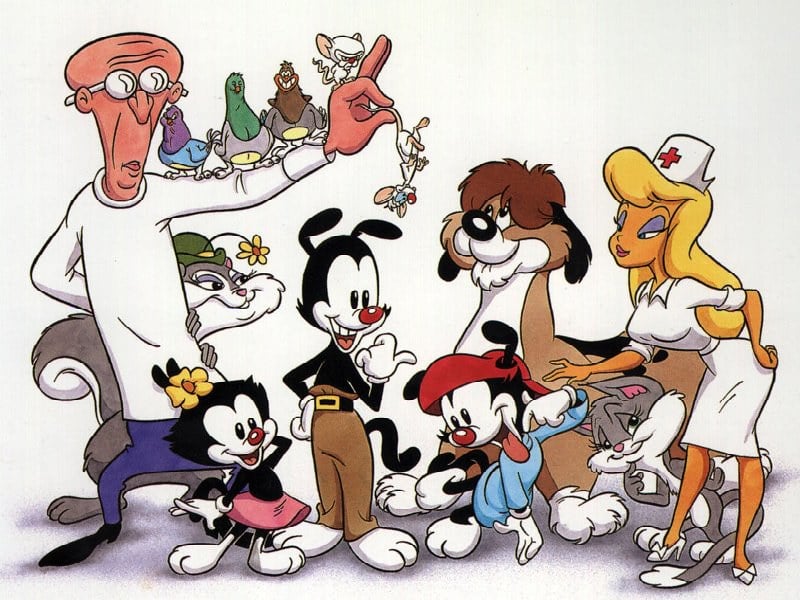
The Warner siblings were chaos agents disguised as cartoon characters. Every episode felt like watching someone get away with something they shouldn’t, which made perfect sense since the show’s writers were essentially smuggling adult humor past network censors.
The real genius wasn’t just the pop culture references or the celebrity parodies. It was how the show operated on multiple levels simultaneously, delivering slapstick for kids and satirical commentary for anyone old enough to catch the references.
X-Men
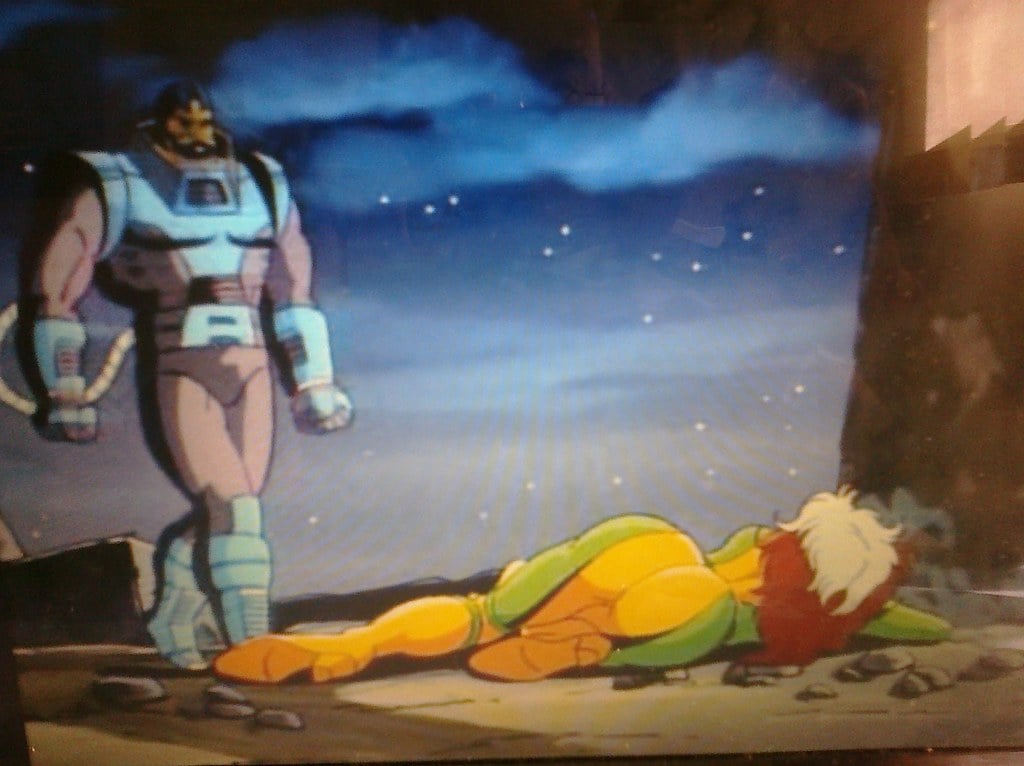
Saturday morning cartoons got most of the attention, but the weekday X-Men episodes were where the real storytelling happened. Complex character arcs, moral ambiguity, and themes that dealt directly with prejudice and social justice — all wrapped up in superhero adventures that never felt like they were pulling their punches.
The show trusted its audience to follow storylines that spanned seasons, to care about character development, and to understand that not every conflict could be resolved with a fight scene. Which explains why it held up better than most of its contemporaries and why certain episodes still hit just as hard decades later.
Wolverine became the template for every brooding antihero that followed, but the real breakthrough was watching characters struggle with problems that superpowers couldn’t solve. Prejudice, identity, belonging — these weren’t issues that disappeared after 30 minutes of screen time, and the show had the courage to acknowledge that complexity. So when Storm delivered one of her speeches about tolerance, it landed because it felt earned rather than mandatory.
Teenage Mutant Ninja Turtles
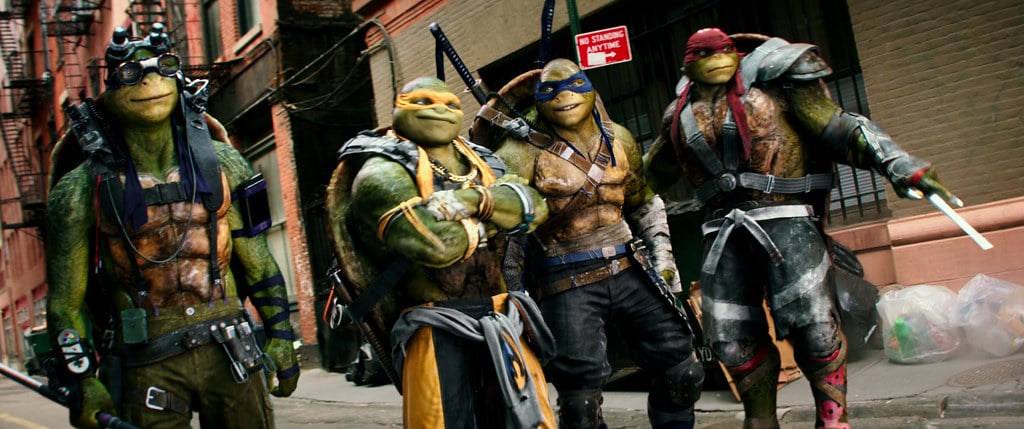
Pizza-obsessed reptiles trained in martial arts shouldn’t have worked as well as it did. But somehow, four distinct personalities emerged from what could have been a one-note concept, and each turtle carved out their own fan base based on genuine character differences rather than just color-coded costumes.
The show balanced humor and action in a way that felt effortless, creating a world where ninjas and skateboards coexisted naturally. It also established the template for team dynamics that countless shows would copy: the leader, the rebel, the brain, and the wild card.
Leonardo’s dedication, Donatello’s innovation, Raphael’s attitude, and Michelangelo’s enthusiasm — these weren’t just personality types, they were entire approaches to life that kids could identify with and aspire toward.
Power Rangers
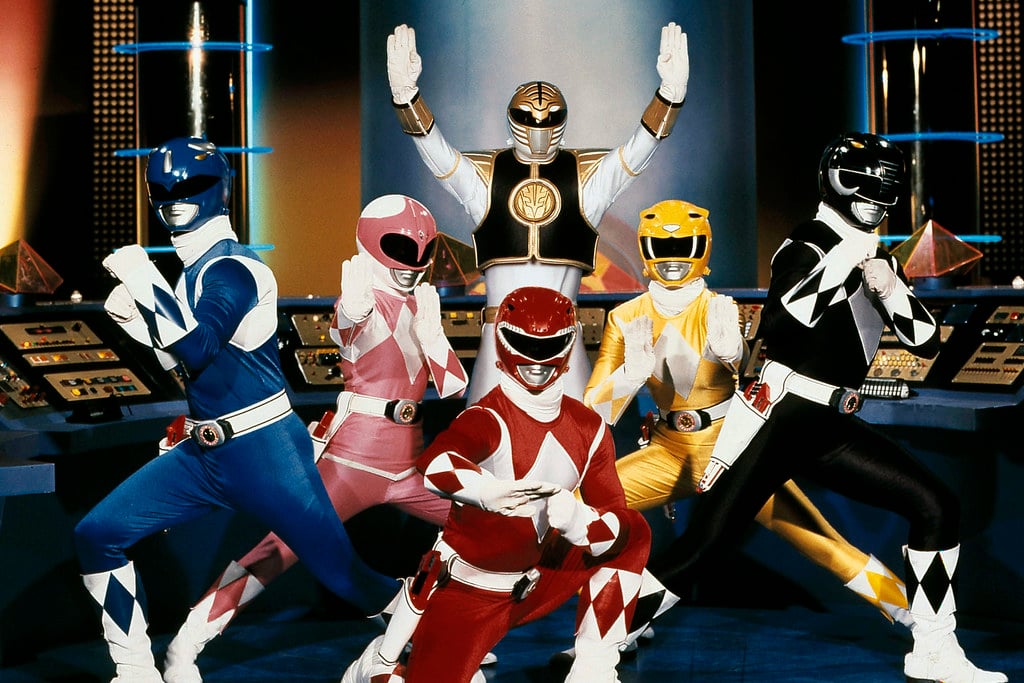
The formula was transparently ridiculous: teenagers with attitude, recycled Japanese footage, and monsters that grew giant-sized for no discernible reason other than toy sales. None of that mattered once the transformation sequence kicked in and ordinary high school students became color-coordinated superhero teams.
The show’s real achievement was making teamwork feel genuinely exciting rather than like a lesson in cooperation. Each Ranger had their specific role, their unique weapon, and their moment to shine — but victory always required the group working together.
TaleSpin
Disney took Baloo from The Jungle Book, gave him a cargo plane, and somehow created one of the most underrated adventure series of the decade. The show felt like it belonged to a different era entirely — part adventure serial, part workplace comedy, with just enough heart to keep the characters from becoming cartoons of cartoons.
What made it special wasn’t the anthropomorphic animals or the fantasy setting; it was the way it treated ordinary problems with genuine care while wrapping them in extraordinary circumstances. Baloo’s struggles to keep his business afloat, his friendship with Kit, and his complicated relationship with Rebecca created a surprisingly grounded emotional core for a show about bears flying planes. The adventures were thrilling, but the relationships were what made you care about the outcomes — and that combination proved more durable than anyone expected at the time.
Chip ‘n Dale: Rescue Rangers
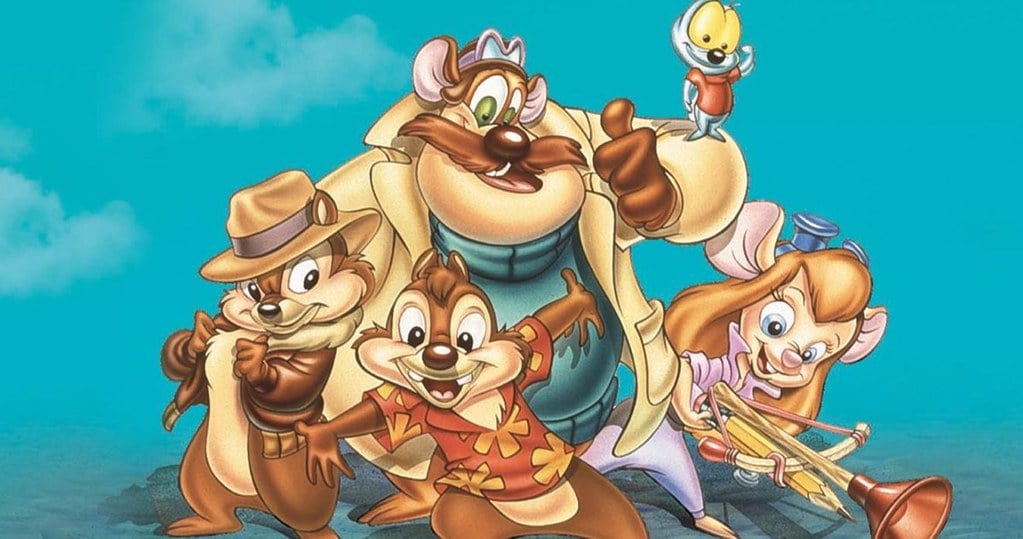
Detective work performed by chipmunks and flies shouldn’t have generated the level of genuine suspense that this show managed. But the mysteries were real mysteries, with clues to follow and cases that required actual detective work rather than just stumbling into solutions.
The team dynamic worked because each character brought something essential to the group. Chip’s leadership, Dale’s enthusiasm, Gadget’s inventions, and Monterey Jack’s strength — plus Zipper’s loyalty — created a unit that felt genuinely functional rather than just assembled for variety.
Inspector Gadget
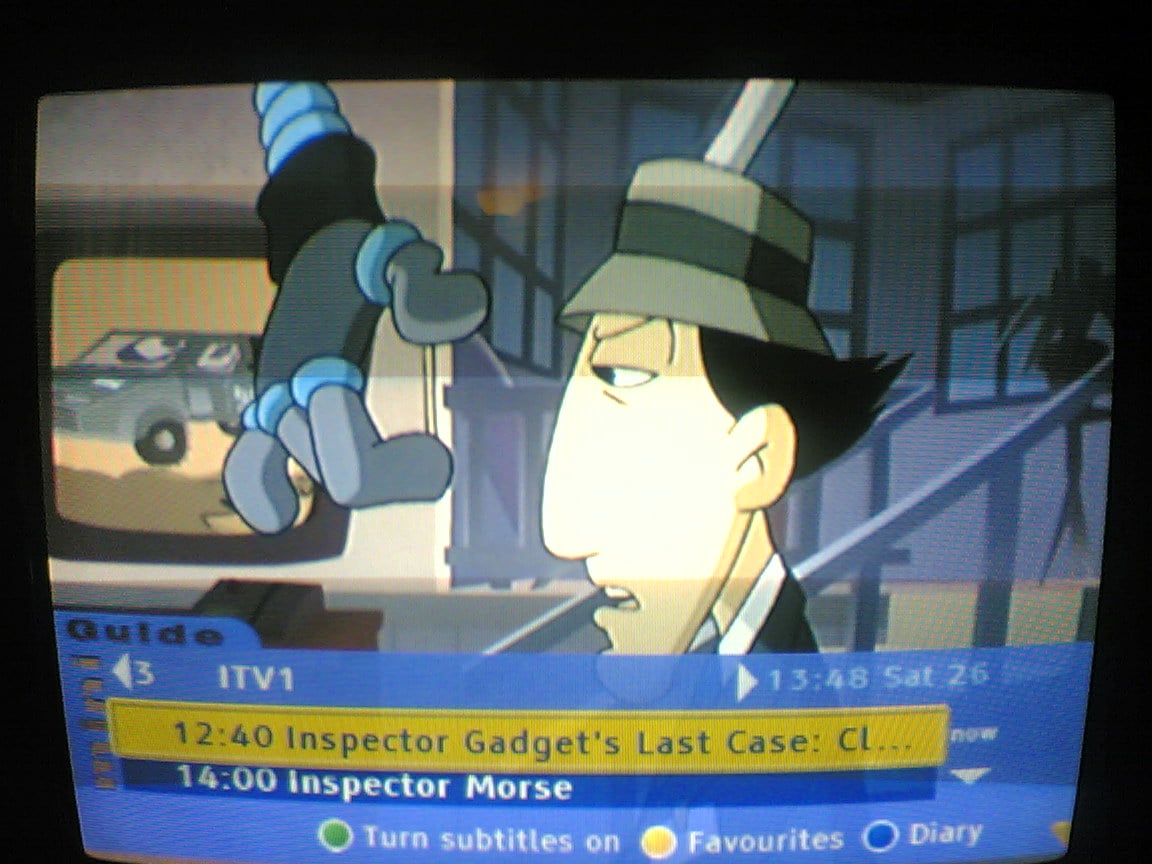
Bumbling detective work has never been more endearing. Gadget himself was completely incompetent, which made every successful case resolution feel like a minor miracle orchestrated entirely by his niece Penny and her dog Brain working behind the scenes.
The real appeal wasn’t watching the title character solve crimes — it was watching competent supporting characters navigate around his well-meaning interference while somehow keeping him alive and successful. That dynamic created a different kind of tension than most action cartoons attempted.
Where in the World Is Carmen Sandiego?
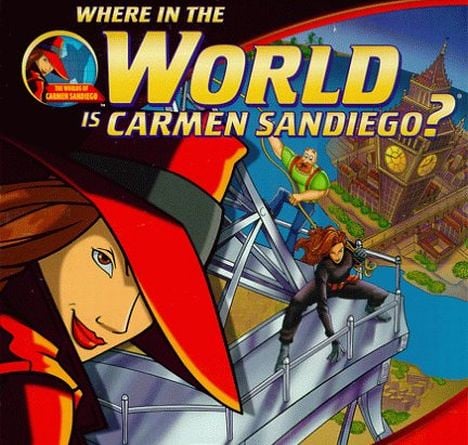
Geography disguised as entertainment, and the disguise was so effective that learning about world capitals and cultural landmarks felt like participating in international espionage. Carmen herself was the perfect antagonist: sophisticated, globe-trotting, and just criminal enough to be exciting without being genuinely threatening.
The show made education feel like play, which sounds simple but proved remarkably difficult for most educational programming to achieve. The game show format created real stakes, and the clues were challenging enough that solving them felt like genuine accomplishment. And yet beneath all the fun was something more substantial: a program that expanded its audience’s understanding of the world without ever feeling like homework or cultural obligation. It simply made other places seem interesting enough to care about, which turned out to be one of the most valuable lessons any afternoon program could provide.
Bobby’s World
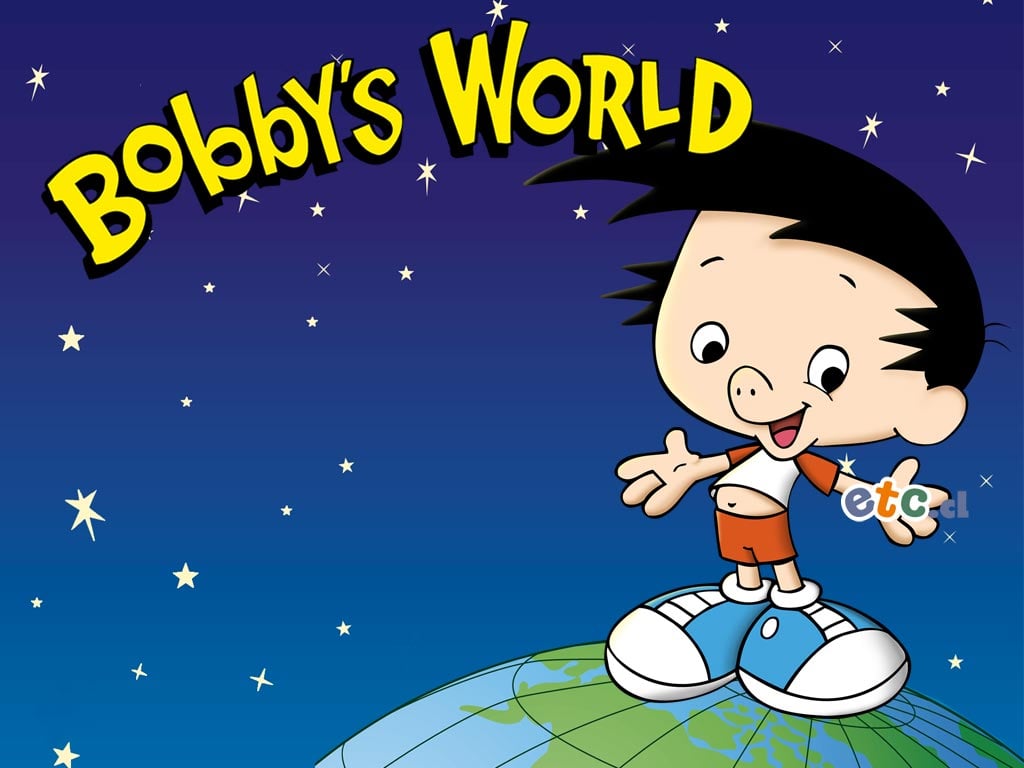
Howie Mandel’s childhood memories filtered through animation created something unexpectedly genuine. Bobby’s imagination transformed ordinary suburban experiences into elaborate fantasies, but the show never mocked either the reality or the fantasy.
The family dynamics felt authentic in ways that most sitcom families missed. Bobby’s parents had their own problems and personalities beyond just being “the adults,” which gave the show emotional weight that balanced the surreal humor.
Darkwing Duck
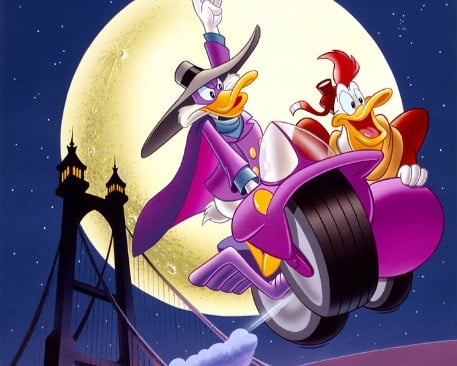
The superhero parody that took itself just seriously enough to work as both comedy and adventure. Darkwing’s ego was his greatest weakness and his defining characteristic, creating a hero who was simultaneously effective and insufferable.
The show understood that parody works best when it comes from a place of affection rather than mockery. The superhero tropes were exaggerated, but they were never dismissed, which allowed the adventures to maintain genuine excitement alongside the humor.
Captain Planet and the Planeteers
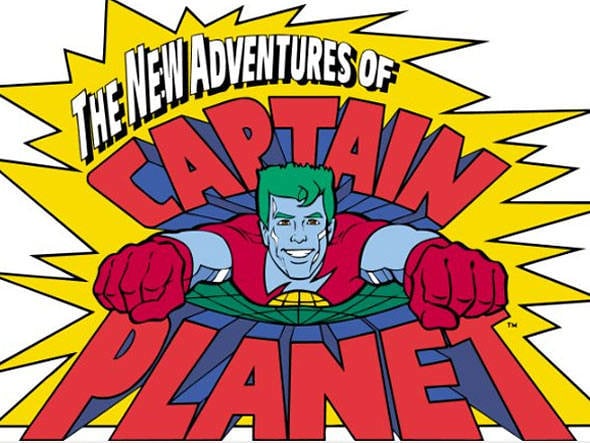
Environmental messaging wrapped in superhero adventure, and somehow the message never overwhelmed the entertainment value. The Planeteers each represented different elements and different parts of the world, creating a team that felt genuinely international rather than just demographically calculated.
Captain Planet himself was deliberately corny, but the show’s commitment to that corniness made it work. The environmental threats were real and specific, the solutions required actual effort and cooperation, and the underlying message — that individuals working together can address global problems — felt hopeful rather than preachy. The show arrived at exactly the right moment, when environmental awareness was becoming mainstream but hadn’t yet become politicized to the point where caring about pollution felt like taking sides. So the lessons landed cleanly, without the defensive resistance that environmental messaging often triggered in later decades.
Doug
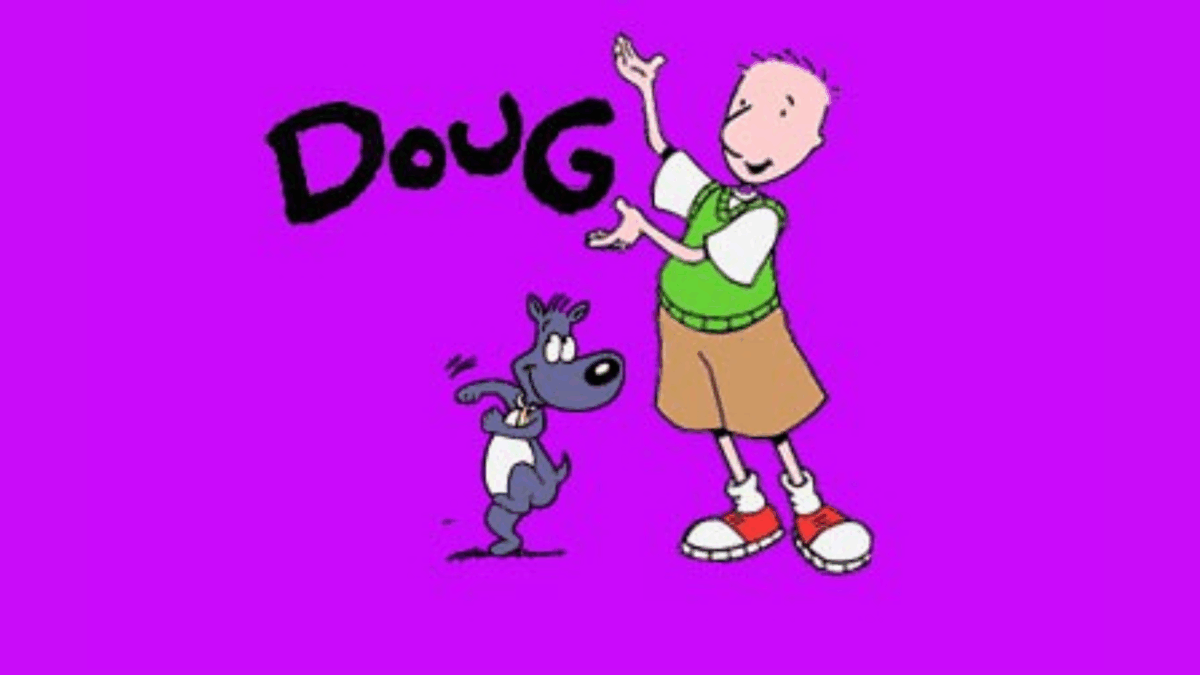
Anxiety and awkwardness had never been portrayed so accurately in children’s television. Doug’s internal monologues captured the overwrought drama of adolescent social situations with perfect pitch, making every viewer feel less alone in their own overthinking.
The show’s real strength was its refusal to provide easy solutions to emotional problems. Doug’s crushes remained complicated, his friendships required ongoing effort, and his insecurities didn’t disappear after learning a simple lesson.
Saved by the Bell
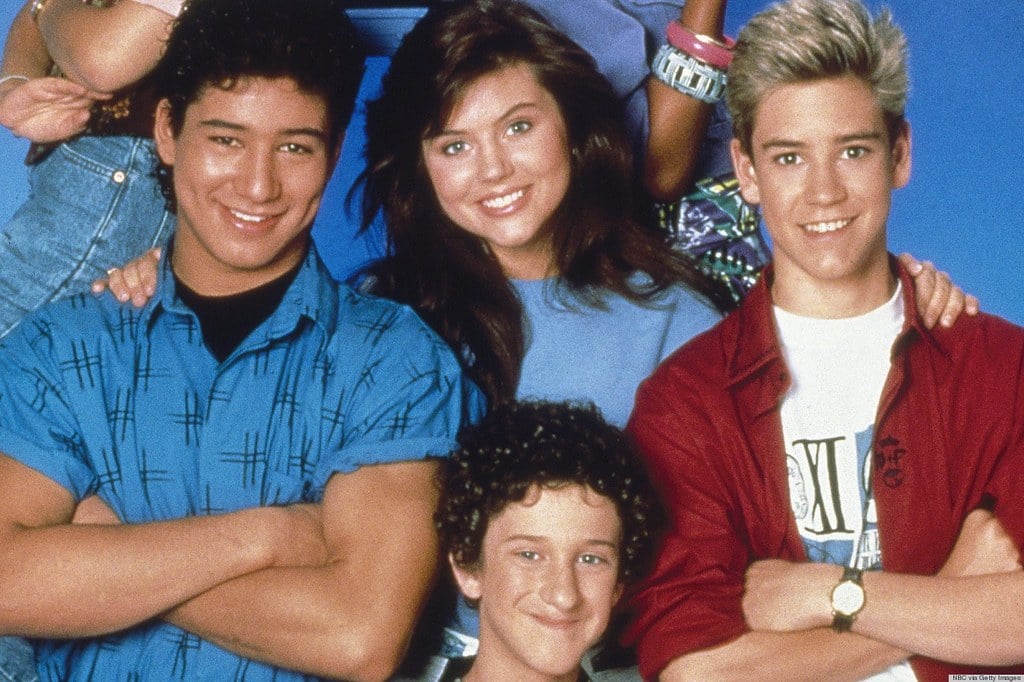
High school as it existed in the collective imagination rather than reality: problems that resolved cleanly, friendships that survived every conflict, and authority figures who were just strict enough to create obstacles without being genuinely threatening. The fantasy was so perfectly calibrated that it became more real than actual high school for many viewers.
Zack Morris was a sociopath with perfect timing and inexplicable charm. His schemes should have resulted in suspension and social exile, but instead they reinforced his popularity and somehow taught valuable lessons about friendship and responsibility.
The Fresh Prince of Bel-Air
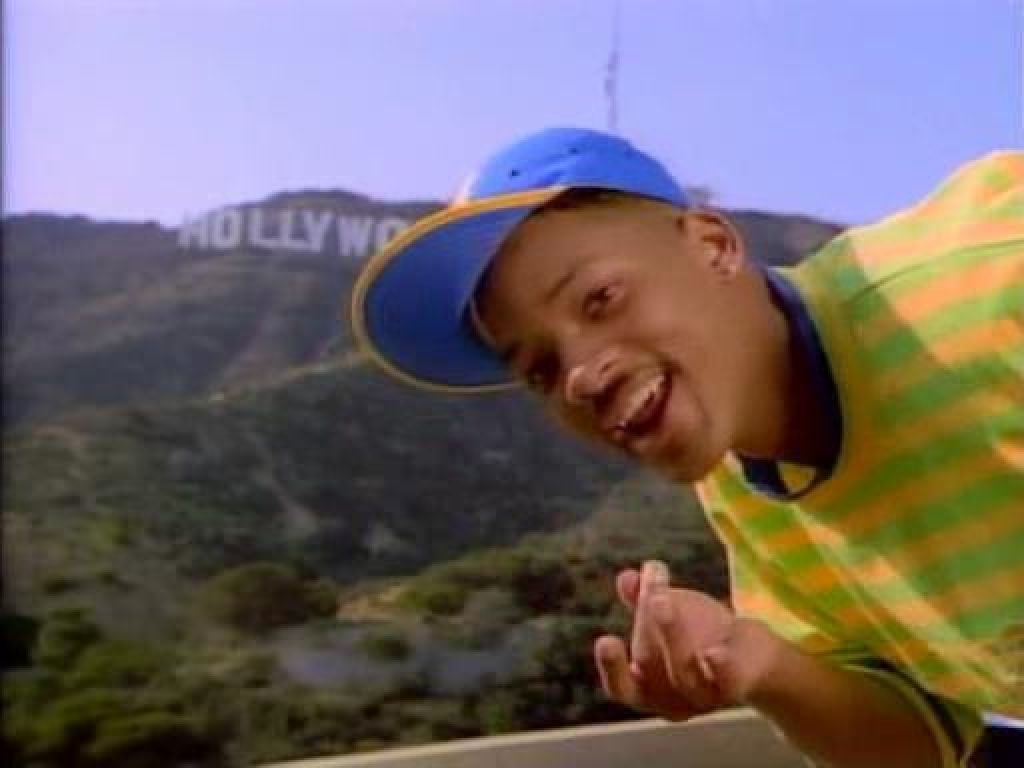
Will Smith’s charisma carried what could have been a predictable fish-out-of-water sitcom into something more substantial. The class differences between Will and his wealthy relatives created genuine comedy without mocking either lifestyle, and the family dynamics felt authentic despite the exaggerated circumstances.
The show tackled serious issues — racism, violence, family responsibility — with a light enough touch that the messages never overwhelmed the humor. And when it decided to get serious, the tonal shifts felt earned rather than forced. Carlton’s preppy enthusiasm was initially just comic relief, but the character developed genuine depth as the series progressed. Uncle Phil’s authority was established through respect rather than fear, creating a father figure who could deliver life lessons that actually landed. The show understood that comedy and sincerity weren’t opposites — they could reinforce each other when handled with enough care and genuine affection for the characters.
Full House
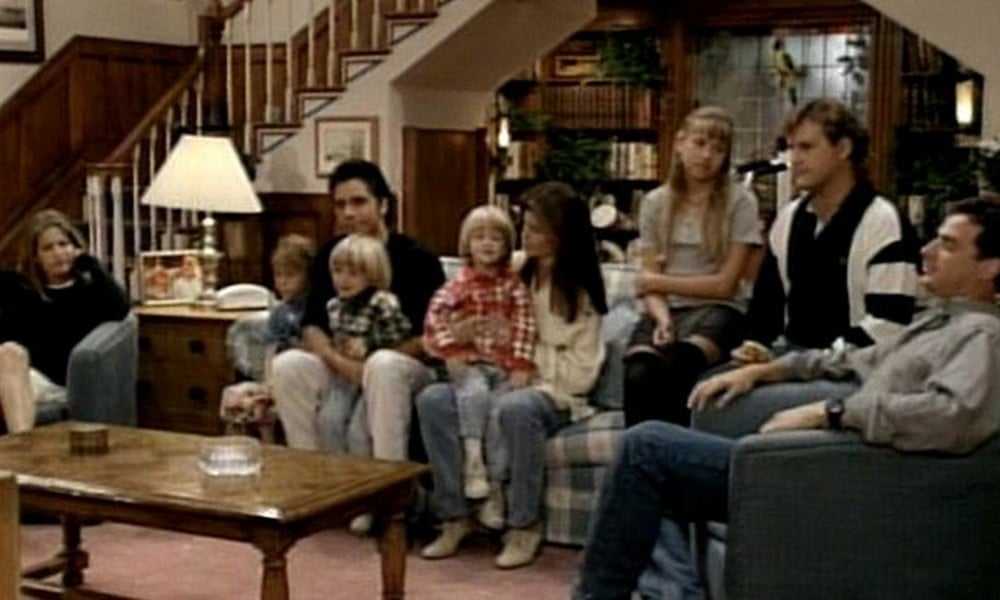
Family dysfunction masked as wholesome entertainment, and the mask was so convincing that the dysfunction became part of the appeal. Three grown men raising three girls in San Francisco should have been a recipe for chaos, but somehow the arrangement felt not just functional but ideal.
The show’s commitment to teaching lessons was absolute and shameless. Every episode built toward a moment of emotional revelation, usually accompanied by hugs and orchestrated by Danny’s relentless positivity or Jesse’s reluctant wisdom.
Family Matters
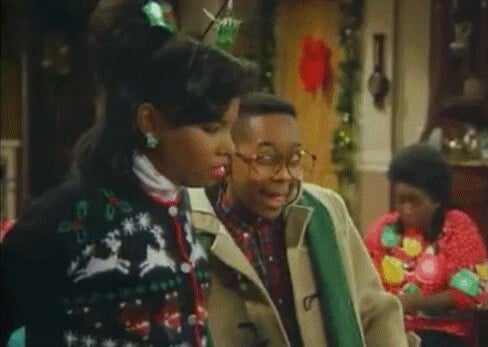
Steve Urkel was supposed to be a one-episode guest character, but his impact was so immediate and overwhelming that he essentially took over the entire show. The transformation from family sitcom to Urkel vehicle happened gradually enough that it felt natural, even though it represented a complete shift in the show’s identity.
The physical comedy was genuinely impressive — Jaleel White’s commitment to the character’s clumsiness created moments of spectacular destruction that felt both inevitable and surprising. But beneath the suspenders and nasal voice was something more touching: a character whose persistence and optimism gradually won over people who initially found him unbearable.
Boy Meets World
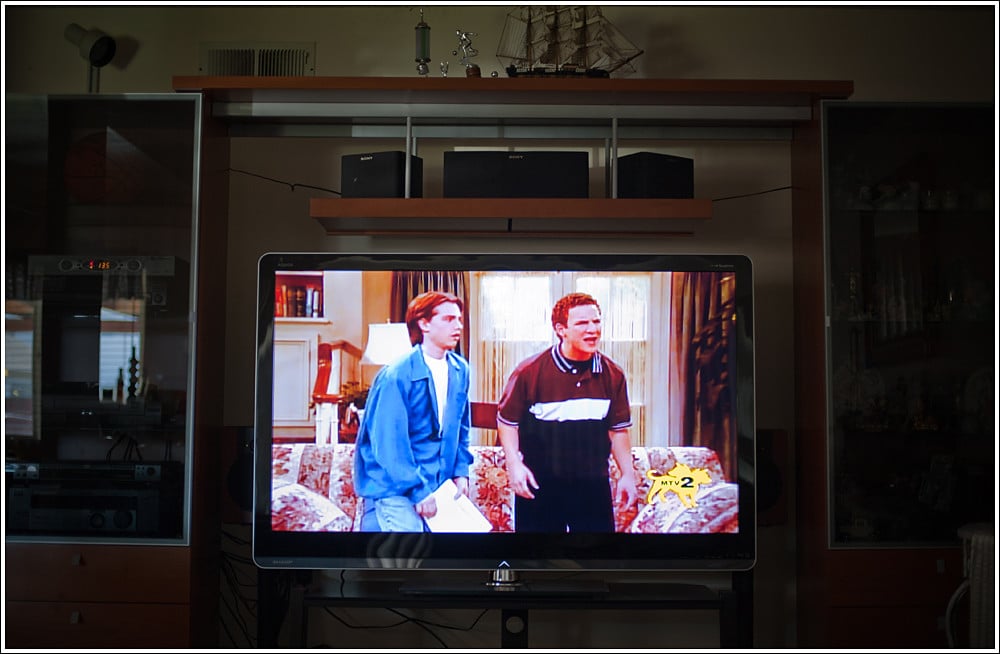
Growing up in real time, with problems that escalated alongside the characters’ ages. Cory’s concerns evolved from elementary school crushes to high school identity crises to college relationship drama, creating a show that aged with its audience rather than remaining frozen in childhood.
Mr. Feeny was the teacher every student wanted: demanding but fair, wise but not condescending, and mysteriously available for guidance regardless of the time or location. His relationship with Cory provided the show’s emotional anchor, creating a mentorship that felt both realistic and aspirational.
The friendship between Cory and Shawn tackled class differences and family dysfunction with surprising honesty for a family-hour network sitcom. Shawn’s troubled home life wasn’t played for laughs or easily resolved, and the way it affected his friendship with Cory created genuine emotional stakes. Topanga evolved from eccentric hippie child to Cory’s intellectual equal, and their relationship developed with the kind of patience that made their eventual romance feel both inevitable and earned. The show understood that growing up meant gaining complexity rather than just getting older, and it had the courage to let its characters become more complicated as they matured.
Hey Arnold!
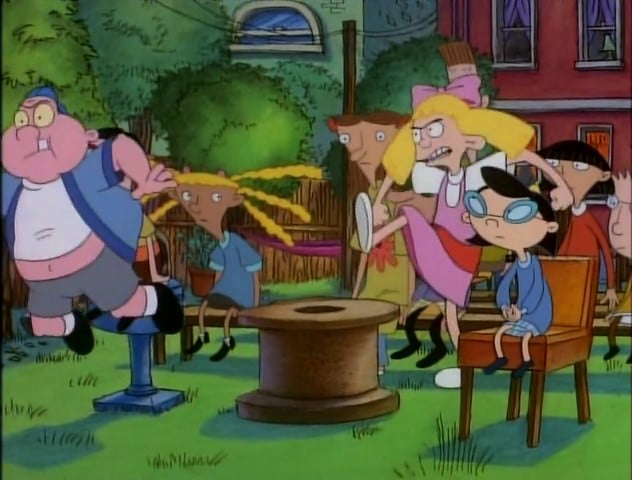
Urban childhood rendered with unusual authenticity for children’s television. Arnold’s city felt like a real place with real problems — economic disparity, family dysfunction, cultural tension — but filtered through a perspective that found wonder in ordinary experiences.
The show’s greatest achievement was creating a cast of characters who felt like actual children rather than miniature adults. Each had their own family situation, their own struggles, and their own way of navigating the complicated social dynamics of elementary school.
Rugrats
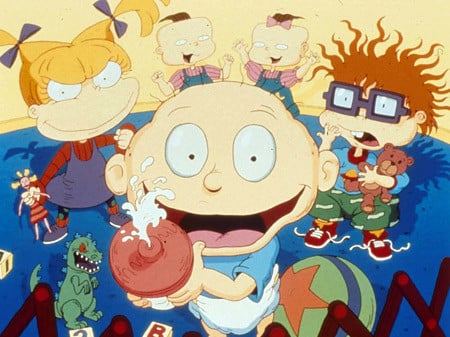
Toddler perspective taken seriously, with adventures that felt genuinely high-stakes despite taking place entirely within the confines of suburban homes and backyards. The babies’ interpretation of adult conversations and situations created a unique form of comedy that worked for viewers of all ages.
The show respected its characters enough to give them distinct personalities and genuine relationships. Tommy’s leadership, Chuckie’s anxiety, and Angelica’s manipulation created dynamics that drove real stories rather than just setups for physical comedy.
Rocko’s Modern Life
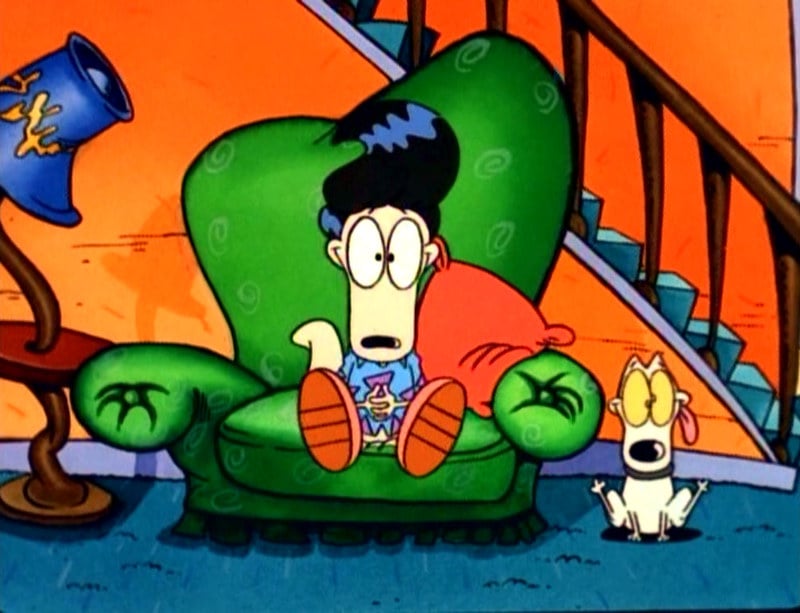
Adult anxiety disguised as children’s programming, with humor dark enough that many of the jokes didn’t land until years later when viewers encountered similar situations in their own lives. Rocko’s struggles with modern technology, corporate bureaucracy, and social expectations felt genuinely surreal and completely familiar simultaneously.
The show operated in a state of barely controlled chaos, with characters whose reactions to everyday situations veered between resignation and hysteria. The animation style matched the emotional tone perfectly — everything looked slightly unhinged, which made the absurd situations feel like natural extensions of ordinary life. Rocko himself was the perfect protagonist for this kind of social satire: naive enough to be surprised by routine disappointments, but persistent enough to keep trying despite repeated evidence that the systems around him were fundamentally broken. The show captured something essential about modern life that most programming avoided: the sense that everything had become unnecessarily complicated, but complaining about it wouldn’t change anything.
The Tick
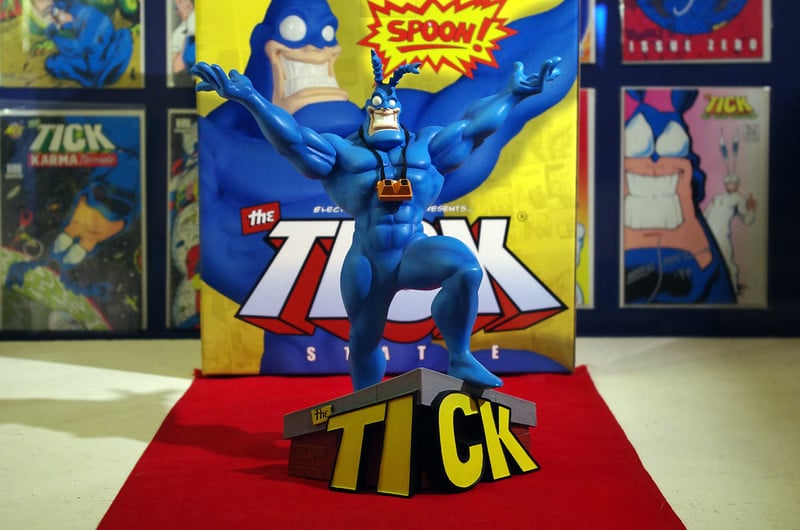
Superhero parody that loved superheroes too much to truly mock them. The Tick’s earnest dedication to justice and his complete misunderstanding of how the world actually worked created comedy that felt affectionate rather than cynical.
The show’s commitment to its own absurdity was absolute. Every character took their role seriously, regardless of how ridiculous that role might be, which created a world that felt internally consistent despite being completely detached from reality.
Batman: The Animated Series
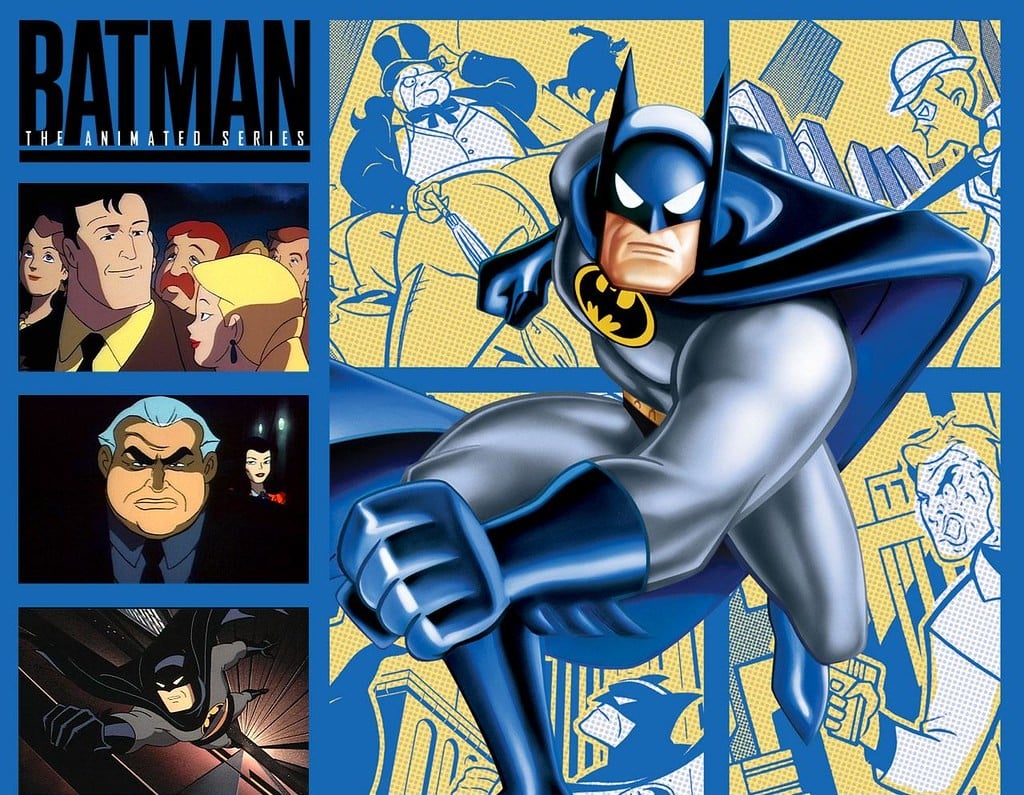
Dark Knight storytelling that refused to condescend to its audience. The art deco animation style created a timeless version of Gotham City that felt both familiar and completely unique, while the writing tackled themes of mental illness, corruption, and moral ambiguity with uncommon sophistication.
The show’s greatest creation was its version of the Joker — unpredictable and genuinely menacing without being gratuitously violent. Mark Hamill’s voice performance established the definitive interpretation of the character, one that influenced every subsequent adaptation.
Muppet Babies
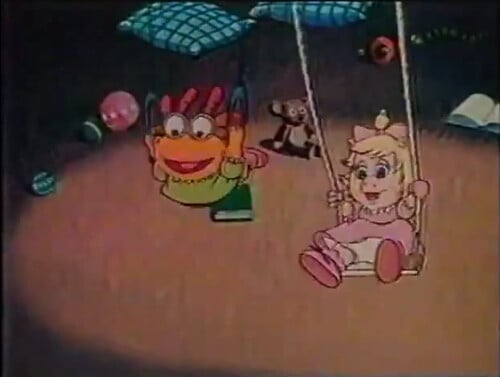
Imagination given form through animation, with fantasy sequences that transformed ordinary nursery situations into elaborate adventures spanning different genres and time periods. The show’s greatest trick was making the boundary between reality and imagination feel completely permeable.
The Muppet personalities translated perfectly to childhood versions — Kermit’s optimism, Piggy’s drama, Gonzo’s creativity, and Fozzie’s eagerness remained recognizable while feeling appropriate for their younger ages. The show celebrated creativity and problem-solving while maintaining the gentle humor that made the Muppets appealing across generations. The fantasy sequences were ambitious enough to satisfy viewers’ appetite for adventure, but they always returned to the nursery with lessons about friendship and cooperation that felt natural rather than forced.
Goof Troop
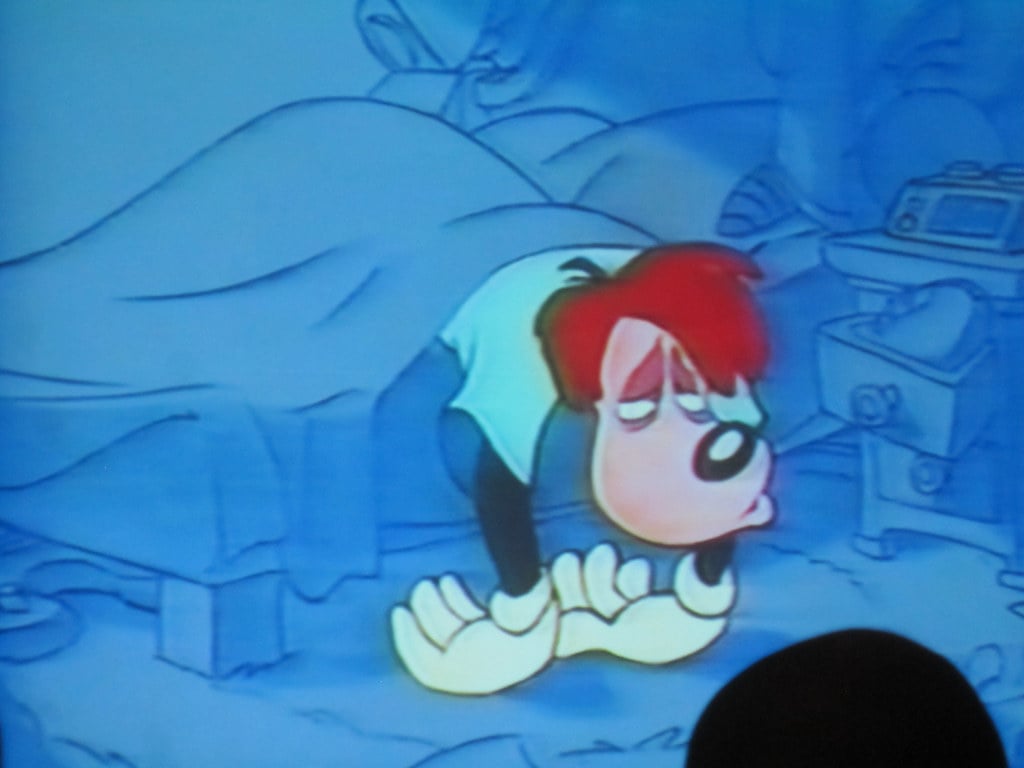
Father-son relationships explored through the adventures of an anthropomorphic dog and his preadolescent son. Goofy’s well-meaning incompetence created constant comic situations, but his genuine love for Max provided the emotional foundation that made the comedy feel warm rather than cruel.
Max’s embarrassment at his father’s behavior felt completely authentic to anyone who had ever been a teenager, while Goofy’s determination to connect with his son despite their differences created touching moments that balanced the slapstick humor.
Gummi Bears
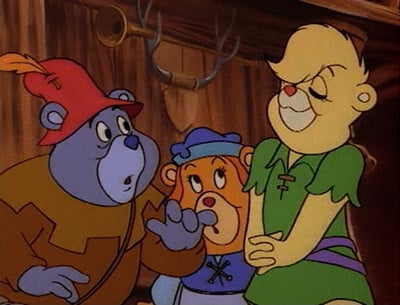
Medieval fantasy with surprisingly sophisticated world-building for a show about anthropomorphic bears. The Gummi Bears’ advanced technology and magical abilities created interesting contrasts with the human medieval setting, while their hidden society added elements of mystery and discovery.
The show’s commitment to its fantasy elements was complete — magic had rules and consequences, the medieval setting felt researched rather than generic, and the ongoing conflict between the bears and their enemies developed genuine complexity over time. Duke Igthorn wasn’t a villain who reset every episode. His schemes built on previous failures, his ogres became reluctantly familiar, and the bears’ efforts to keep their society hidden carried real tension because discovery would have actually meant something.
And then there was the theme song, possibly the most committed piece of music ever attached to an afternoon cartoon. Bouncing here and there and everywhere wasn’t just a lyric — it was a promise the show kept, week after week, for years. Plenty of kids who can’t remember a single plot point can still sing every word.
Tiny Toon Adventures
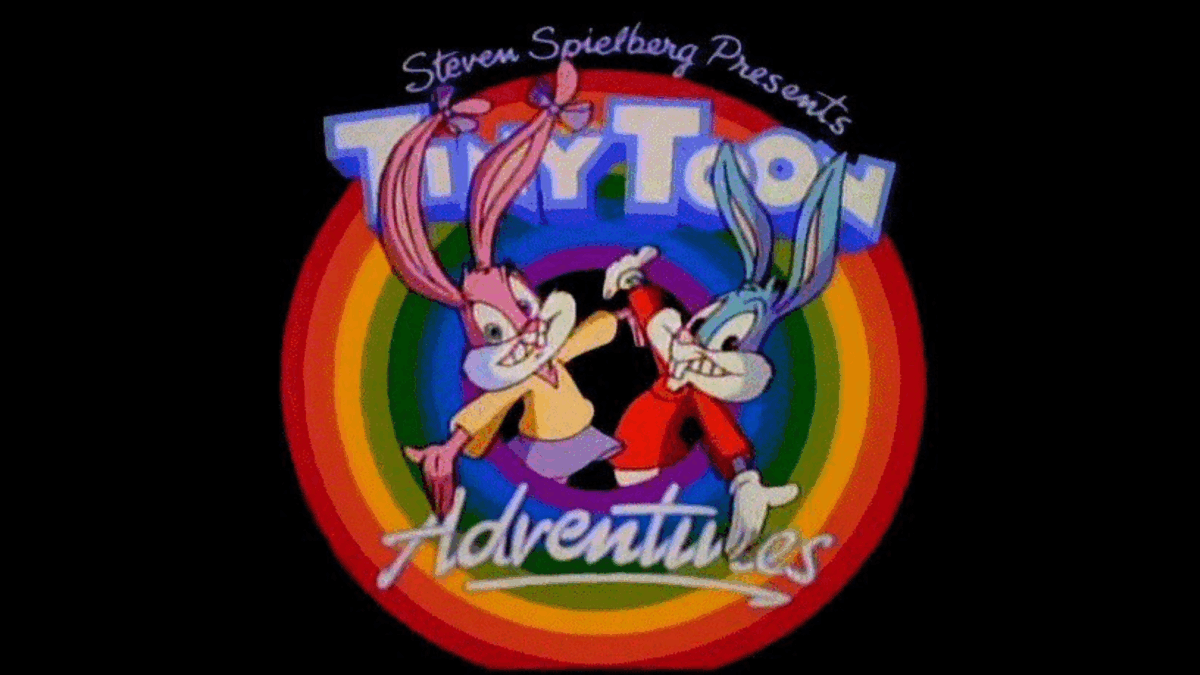
Steven Spielberg’s name in the credits signaled that this wasn’t going to be an ordinary cartoon, and the show delivered on that promise from the first episode. The premise was clever in a way that flattered its audience: a new generation of young toons attending Acme Looniversity, learning the craft of comedy from the classic Looney Tunes characters themselves.
Buster and Babs Bunny (no relation, as they reminded you every episode) inherited the anarchic spirit of their mentors while developing personalities entirely their own. The animation budget was visibly enormous for afternoon television, and the writing matched it — fast, dense, and packed with jokes that rewarded repeat viewing.
Plucky Duck’s scheming, Hamton’s nervous loyalty, and Elmyra’s terrifying affection for animals created a supporting cast where every character could carry an episode alone. The show also served as proof of concept for everything that followed.
Without Tiny Toons demonstrating that smart, self-aware comedy could thrive in the after-school slot, Animaniacs never gets made. It was the bridge between the golden age of theatrical cartoons and the creator-driven renaissance of the ’90s, and it carried that weight while making it look like pure play.
When the Streetlights Came On

Eventually, every one of those afternoons ended the same way: a parent’s car in the driveway, the streetlights flickering on, the television clicking off mid-credits. The shows themselves went away too, one by one, canceled or concluded or quietly shuffled off the schedule to make room for whatever came next.
But here’s what those programming executives never fully understood: they weren’t just filling time slots. They were furnishing the inner lives of millions of kids who were home alone, or avoiding homework, or just looking for proof that the world was bigger and stranger and funnier than their neighborhood suggested. The lessons stuck precisely because nobody announced them as lessons. Teamwork came from the Rangers, empathy from Doug, curiosity from Carmen Sandiego, and the suspicion that adults didn’t have everything figured out came from pretty much all of them.
Streaming has made every one of these shows available on demand, which sounds like a gift but misses the point entirely. The magic was never just the shows. It was the schedule — the fact that 4:30 meant something, that you had to be there, that an entire generation was watching the same thing at the same time in a million different living rooms. That kind of shared afternoon doesn’t exist anymore. The kids who lived it were the last to know it, and the first to miss it.
More from Go2Tutors!

- The Romanov Crown Jewels and Their Tragic Fate
- 13 Historical Mysteries That Science Still Can’t Solve
- Famous Hoaxes That Fooled the World for Years
- 15 Child Stars with Tragic Adult Lives
- 16 Famous Jewelry Pieces in History
Like Go2Tutors’s content? Follow us on MSN.