Collectibles That Grew Popular Through Media
Sometimes a show ends and you just want to hold onto it somehow. That feeling—wanting to keep a piece of something you loved—drives a lot of collecting.
But the interesting thing is how certain items became valuable or desirable not because they were rare to begin with, but because a movie, TV show, or game made millions of people care about them at once.
Trading Cards That Became Investment Pieces

Pokémon cards sat in bargain bins at convenience stores in the late ’90s. Kids traded them at lunch tables without much thought about condition or rarity.
Then the anime hit American television, and suddenly those cardboard rectangles meant something different. Parents started driving across town to find booster packs.
The holographic Charizard became legendary not just in the game, but in real life.
The same thing happened decades earlier with baseball cards, though the path was different. The cards existed first, but television broadcasts of games turned players into household names.
A Mickey Mantle card meant more when you’d watched him hit home runs on your family’s TV set. The media created the emotional connection that made the cardboard valuable.
Action Figures That Defined Childhoods

Star Wars changed how kids played. Before those movies, action figures existed, but they were usually larger and less detailed.
George Lucas wanted something different, something affordable that could represent every character from his universe. Kenner produced the small figures, and they became more than playthings.
They became a way to own a piece of that galaxy far, far away.
The figures themselves were simple—basic articulation, simple paint jobs. But they represented something bigger.
Kids who couldn’t see the movies again until they came back to theaters could recreate scenes at home. The media created a hunger for physical connection to fictional worlds.
Vinyl Collectibles That Crossed into Art

Funko Pops look ridiculous if you think about it. Oversized heads, tiny bodies, dead eyes.
But they work because they distill characters down to something instantly recognizable. Batman, Eleven from Stranger Things, a random character from an anime you’ve never heard of—they all get the same treatment.
The company built an empire on licensing. Every show, every movie, every game that captures attention gets turned into these figures.
They’re affordable enough to start collecting but numerous enough that you’ll never own them all. The media provides the constant stream of new characters that feeds the collecting impulse.
Replica Props That Bring Fiction Home

Lightsabers hang on walls in adult apartments. The One Ring rests in display cases.
Props from movies and shows became collectibles because they’re tangible pieces of stories that only existed on screen. Master Replicas and similar companies built entire businesses around this desire.
The quality varies wildly. Some replicas cost thousands and match screen accuracy down to individual weathering marks.
Others are glorified toys. But they all serve the same purpose—they make fiction feel real.
You can hold the weapon your hero wielded, even if that hero never existed outside a soundstage.
Video Game Memorabilia That Proves You Were There

Limited edition consoles, game cartridges in special packaging, strategy guides that became obsolete as soon as the internet existed—video game collecting encompasses all of it. Some people focus on completing full libraries.
Others hunt for promotional items that were never sold in stores.
The attachment comes from experience. That old Nintendo cartridge isn’t just plastic and circuits.
It’s hours of frustrated attempts to beat that one level, summer days inside when you should’ve been outside, the muscle memory of button combinations you can still execute years later. The game itself was media, but the physical object became a souvenir.
Film Cells and Animation Cels
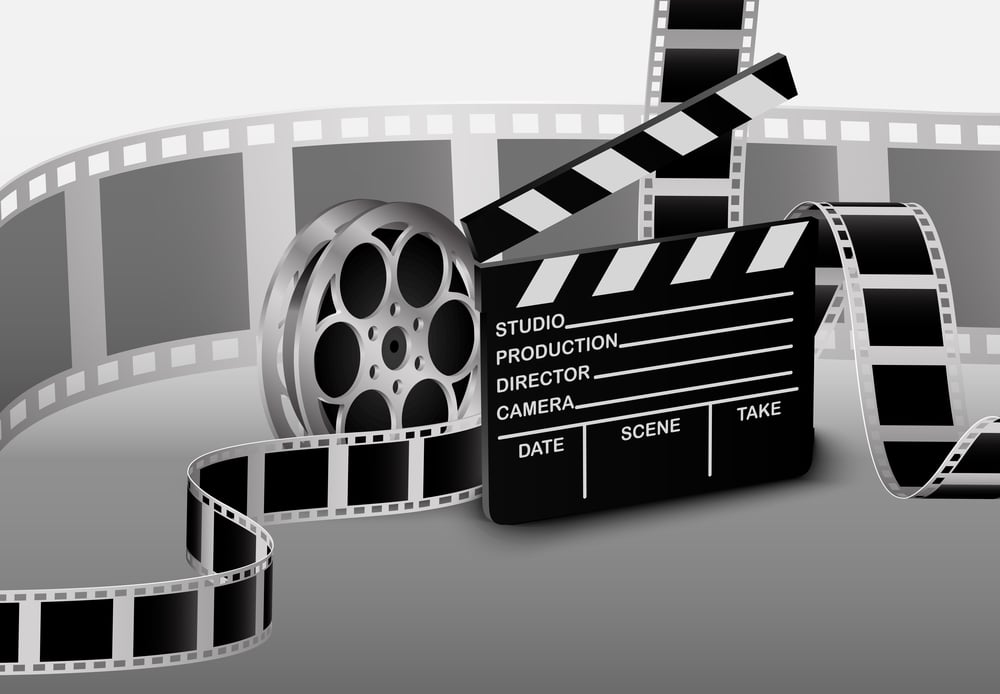
Actual pieces of the movies you love—that’s the appeal of film cells. Companies would cut up reels of film and mount individual frames in collectible displays.
You’d get a random frame from Pulp Fiction or The Matrix, often nothing significant, but it was real. It existed in that moment when light passed through it in a theater.
Animation cells tell a different story. Before digital animation took over, artists painted on clear sheets that were photographed frame by frame.
Original cels from Disney classics or anime series became serious collectibles. Each one was hand-painted, used once, and represented a specific moment in animation history.
Comic Books That Became Worth Houses

The comic book speculation boom of the ’90s convinced people that every first issue would eventually pay for college. Most didn’t.
But some comics from earlier decades—first appearances of iconic characters, significant storyline moments—became genuinely valuable.
The value came from media adaptation. A Spider-Man comic from the ’60s was worth something before the movies, sure.
But when those films became global phenomena, suddenly everyone wanted a piece of Peter Parker’s origin story. Each new superhero movie creates a wave of interest in the source material.
Lunchboxes and Thermoses From Before Plastic Took Over

Metal lunchboxes decorated with TV shows and cartoons are weirdly sought after now. They’re bulky, they dent, and nobody actually uses them to carry lunch anymore.
But they represent a specific era when kids brought these to school and every popular show got turned into lunchbox art.
The designs often featured art that was created specifically for the lunchbox, not just screenshots from the show. Artists painted dynamic scenes of Star Trek crews or superhero teams.
The lunchboxes became miniature canvases celebrating the media kids consumed.
Board Games Based on Screen Properties
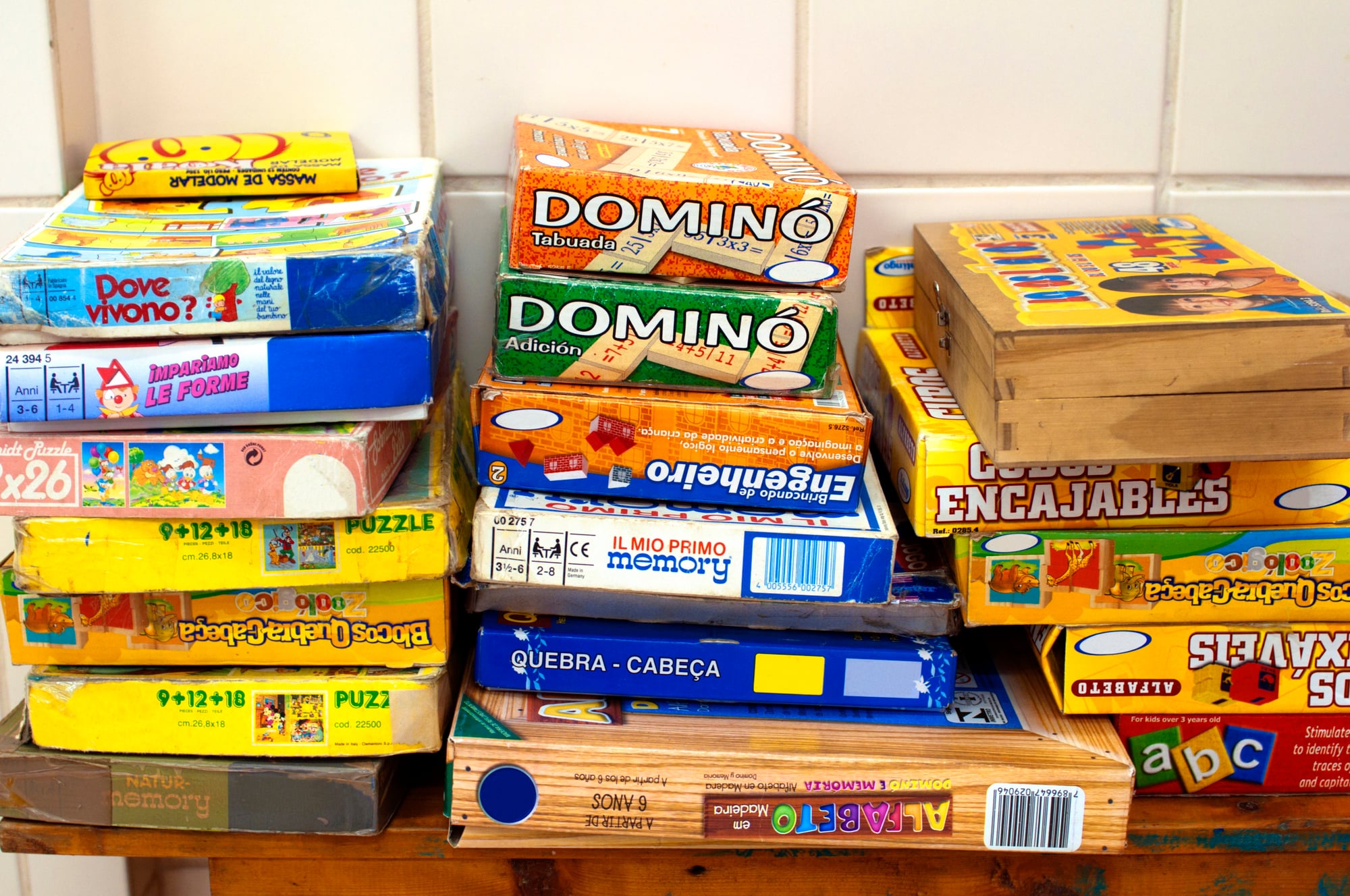
Before video game adaptations, there were board games. Terrible board games, mostly.
Roll and move mechanics slapped onto whatever movie was popular that year. But they represented early attempts to extend media properties into physical spaces.
Some became collectible because they’re genuinely good games. Others are valuable because they’re so bad they’re fascinating.
A Jaws board game from 1975 has different appeal than a Battlestar Galactica game from the late ’70s, but both exist because studios wanted kids to engage with properties beyond just watching them.
Magazine Collections That Documented Pop Culture

Before the internet archived everything, magazines were how you learned about upcoming movies, music, and shows. People collected specific publications—Rolling Stone, Fangoria, Starlog—because they documented moments in media history that wouldn’t be preserved anywhere else.
Early interviews, behind-the-scenes photos, reviews from when something first came out—all of this lived in periodicals that eventually ended up in boxes in attics. Now collectors seek out specific issues for specific articles, trying to piece together how something was received in its own time.
Fast Food Toys That Outlasted the Meals
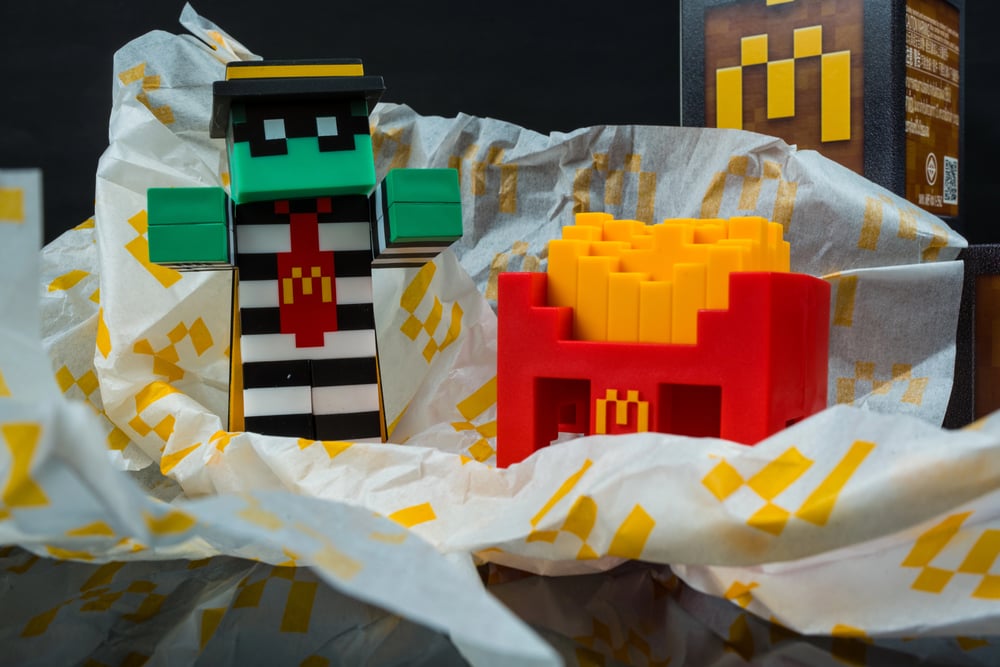
Happy Meal toys and their equivalents created collectors by accident. Restaurants partnered with movie studios and toy companies to offer miniature versions of characters.
Most got thrown away or lost. But some people kept complete sets, and those sets became collectible once nostalgia kicked in.
The toys were designed to be disposable—cheap plastic, simple designs. But that disposability made them historically interesting.
They capture what studios thought would appeal to kids at a specific moment. A set of Batman Returns toys from McDonald’s tells you something about how that movie was marketed in 1992.
Concert Merchandise That Proves You Were There
Old concert tees have become sought after – not the fresh stuff from websites, but vintage tour shirts from way back. Sometimes, damage boosts worth because it shows somebody really rocked it at a gig, stuck with it daily, held on while styles shifted over time.
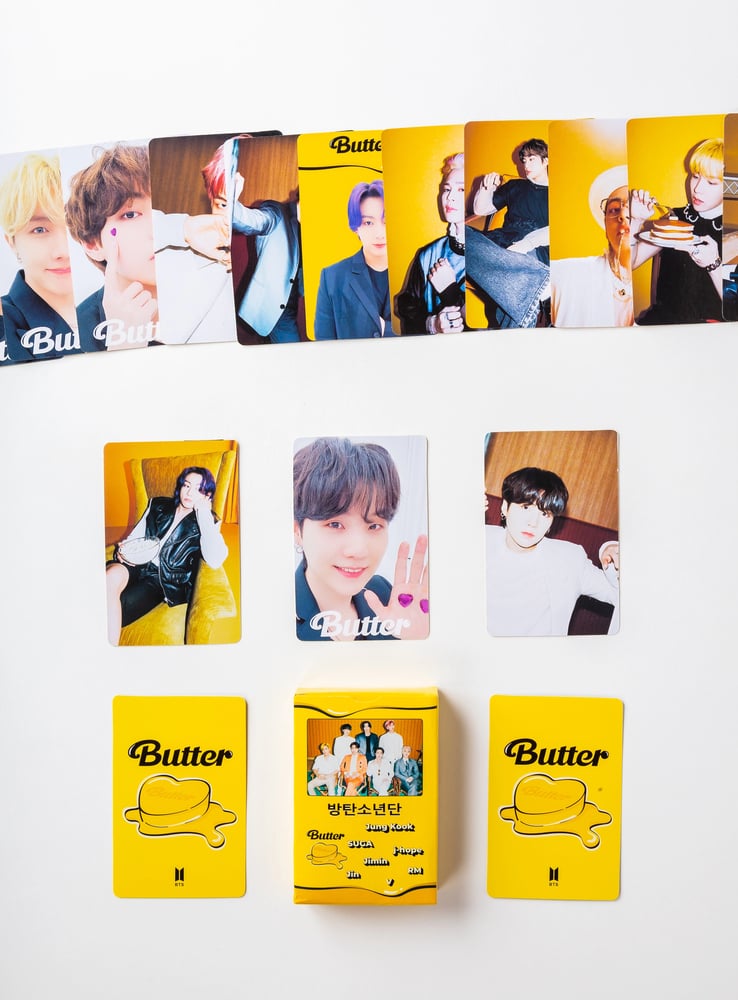
Fans got hooked through music outlets, showing loyalty in visible ways. T-shirts, prints, or old-school records turned into personal badges.
A 1991 Nirvana tee carries a distinct weight compared to a recent copy, despite looking the same.
Limited Edition Books and Graphic Novels

First-edition fantasy or sci-fi books with author signatures are worth way more these days. Book companies caught on – now they make rare versions using unique prints, alternate artwork, or small batches.
Your average graphic novel might set you back about twenty bucks. But if it’s got a signature, a number, plus a one-of-a-kind cover?
That’ll run closer to two hundred.
The books aren’t sturdier or anything. Same plot inside.
Yet fans go after the one that shows they’re truly into it – the kind most people missed. A scribble from the writer or special artwork on front turns a regular book into something saved, not just read.
When Collecting Becomes Remembering

The stuff we collect? It’s not about the objects.
That toy figure isn’t worth as much as molded plastic or movable parts. Its real worth comes from meaning – like a moment in time, the first spark when you see it, evidence you once felt excited.
The media links total strangers through common stories. Yet collecting makes those intangible moments real in your hands.
That could explain why folks fill shelves with action toys, stack decks of worn cards, line walls with faded prints. It’s not about stuffing closets.
It’s about saving feelings – ones sparked by glowing screens, crackling audio, or dog-eared pages that pulled you out of everyday life.
More from Go2Tutors!

- The Romanov Crown Jewels and Their Tragic Fate
- 13 Historical Mysteries That Science Still Can’t Solve
- Famous Hoaxes That Fooled the World for Years
- 15 Child Stars with Tragic Adult Lives
- 16 Famous Jewelry Pieces in History
Like Go2Tutors’s content? Follow us on MSN.