Old Action Figures in Original Boxes Worth More Than a Paycheck
There’s a cardboard box somewhere — maybe your parents’ attic, maybe a storage unit you haven’t opened since the Clinton administration — and inside it, wrapped in tissue paper or stuffed between old yearbooks, there might be something worth more than what you made last month. Action figures from the 1970s, ’80s, and early ’90s have quietly become one of the most volatile collectible markets in the country.
Not fine art. Not vintage wine. Toys. And the ones still sealed in their original packaging? Those are the ones turning heads at auction houses that usually deal in far more dignified merchandise.
Star Wars: A New Hope Original 12-Back
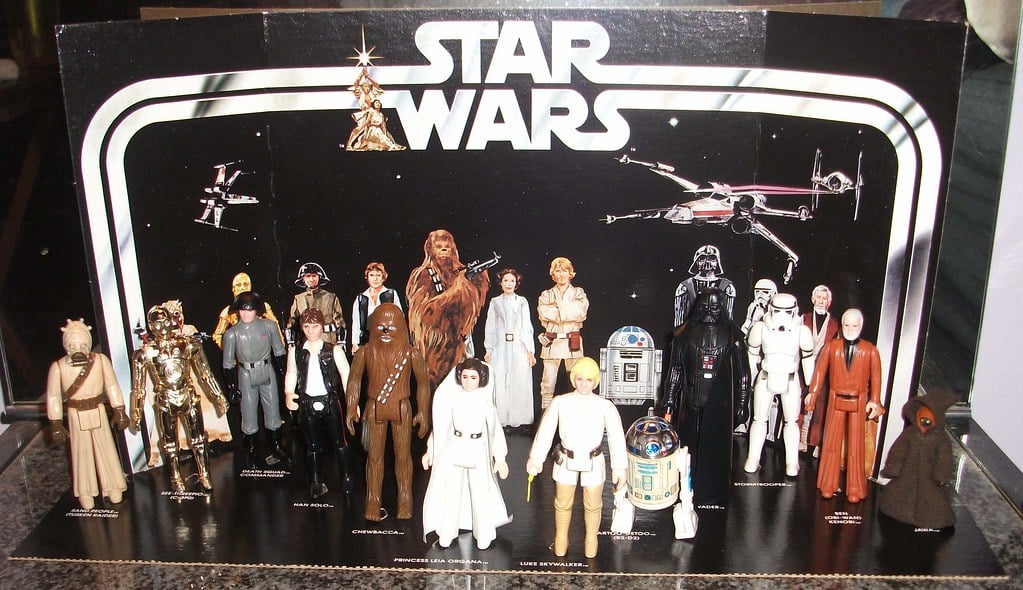
The original 1977 Kenner Star Wars figures on their first-run “12-back” cards — named for the twelve figures pictured on the back of the packaging — are among the most sought-after action figures ever produced. A carded Luke Skywalker in near-mint condition sold at auction for over $25,000, which is an amount that would have seemed delusional to the parent who originally paid $1.99 for it.
The grading company AFA (Action Figure Authority) introduced professional grading for carded figures in the 2000s, and that single development transformed the market from a hobbyist’s pastime into something that resembles a futures exchange.
G.I. Joe: A Real American Hero
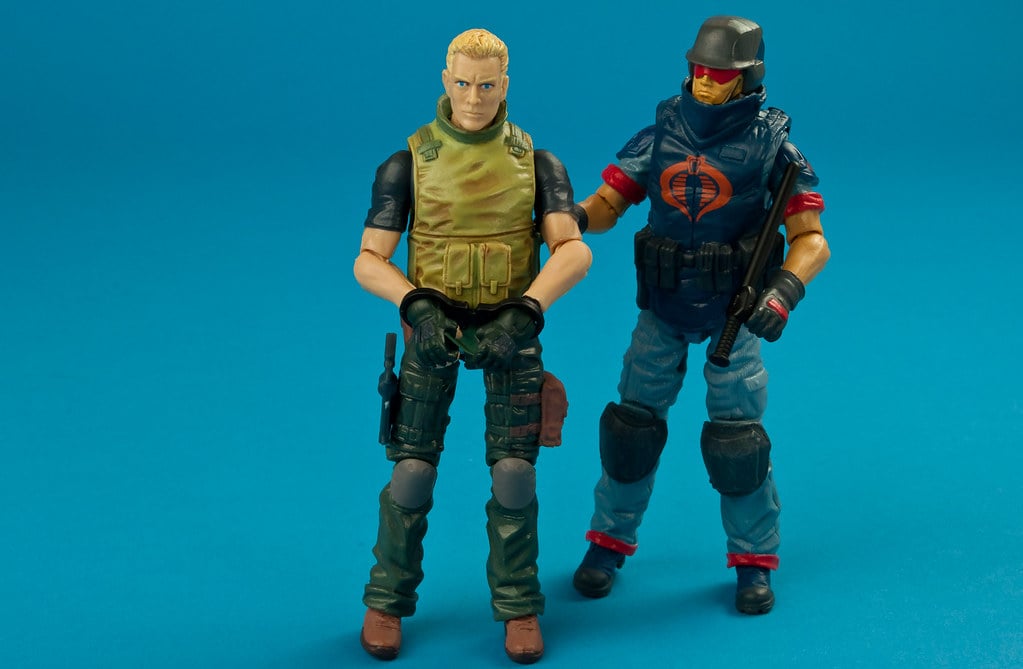
Hasbro’s 1982 relaunch of G.I. Joe as a 3.75-inch military figure line is widely considered one of the smartest toy marketing decisions in history — and the earliest figures on their original cards are worth reflecting on financially. A 1982 Snake Eyes in graded, near-mint condition fetches anywhere from $2,000 to well above $10,000, depending on the variant and the card’s condition.
The figure itself, a black-clad commando with no face and almost no paint applications (which was initially a cost-cutting decision by Hasbro), became one of the most iconic characters in the entire line, which is the kind of accidental genius that only looks obvious in hindsight.
He-Man and the Masters of the Universe
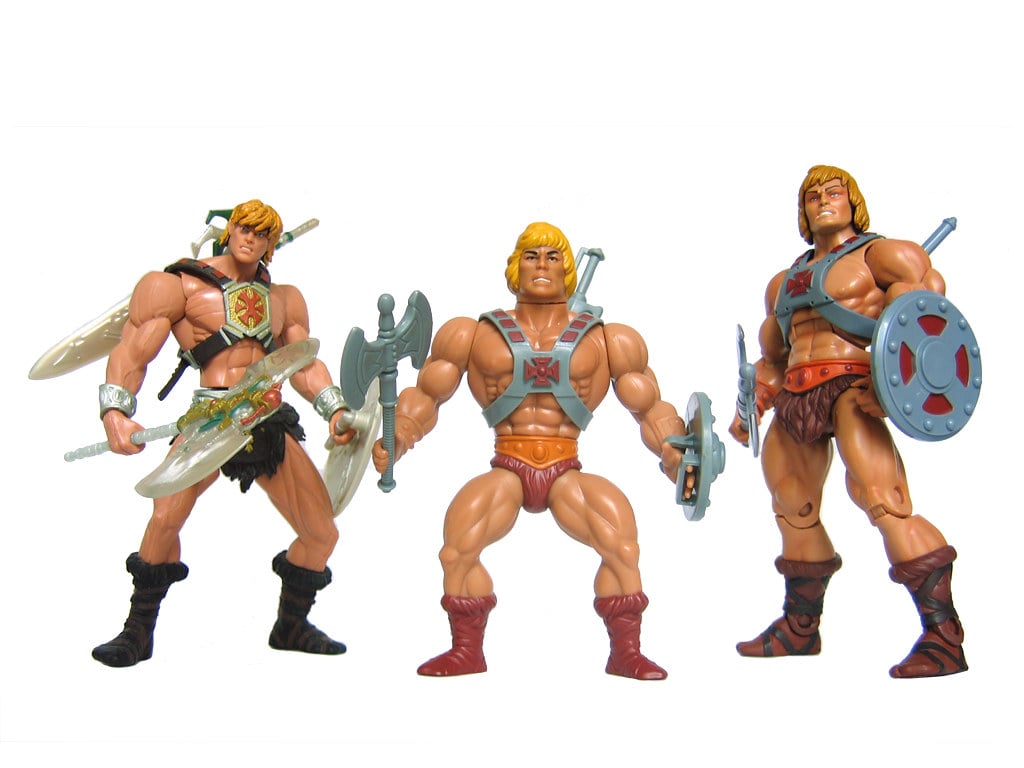
He-Man is not subtle. The character exists at a frequency somewhere between mythology and fever dream, which is exactly why Mattel’s 1982 Masters of the Universe line captured an entire generation’s imagination in a grip it hasn’t fully released.
First-series figures in original packaging — He-Man, Skeletor, Beast Man, Mer-Man — regularly command prices between $500 and $3,000 depending on condition, with sealed examples graded AFA 85 or above pushing significantly higher. Mattel originally sold the line through a direct-to-retail model without tying it to an existing property, and the fact that it became a phenomenon anyway says something about how little children care about origin stories when the toys are weird enough.
Kenner’s Super Powers Collection
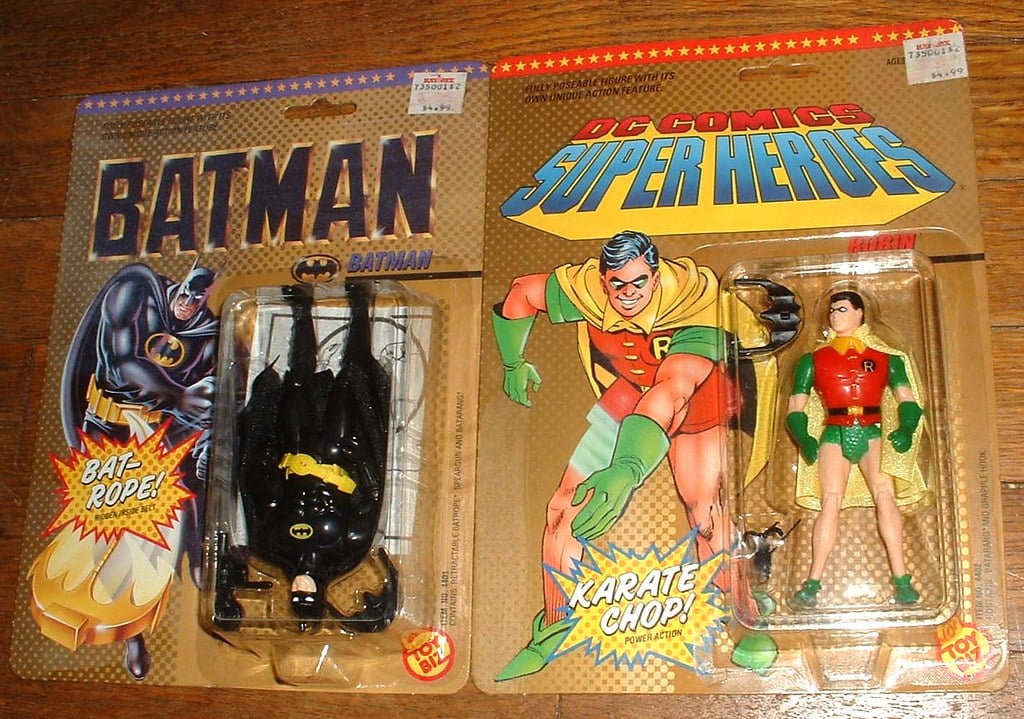
DC Comics fans had a rough stretch in the toy aisle for a while, but Kenner’s Super Powers Collection, released between 1984 and 1986, gave them something genuinely worth holding onto. The line featured figures of Superman, Batman, Wonder Woman, and a roster of villains that included Darkseid — a character most parents buying the toys had never heard of and probably couldn’t have picked out of a lineup.
Carded figures from the first two waves in top-grade condition sell in the $300 to $2,500 range, and the packaging itself, with its bold Jack Kirby-inspired cosmic design, is visually striking enough that some collectors display the cards purely as graphic design artifacts.
Mego’s World’s Greatest Super Heroes
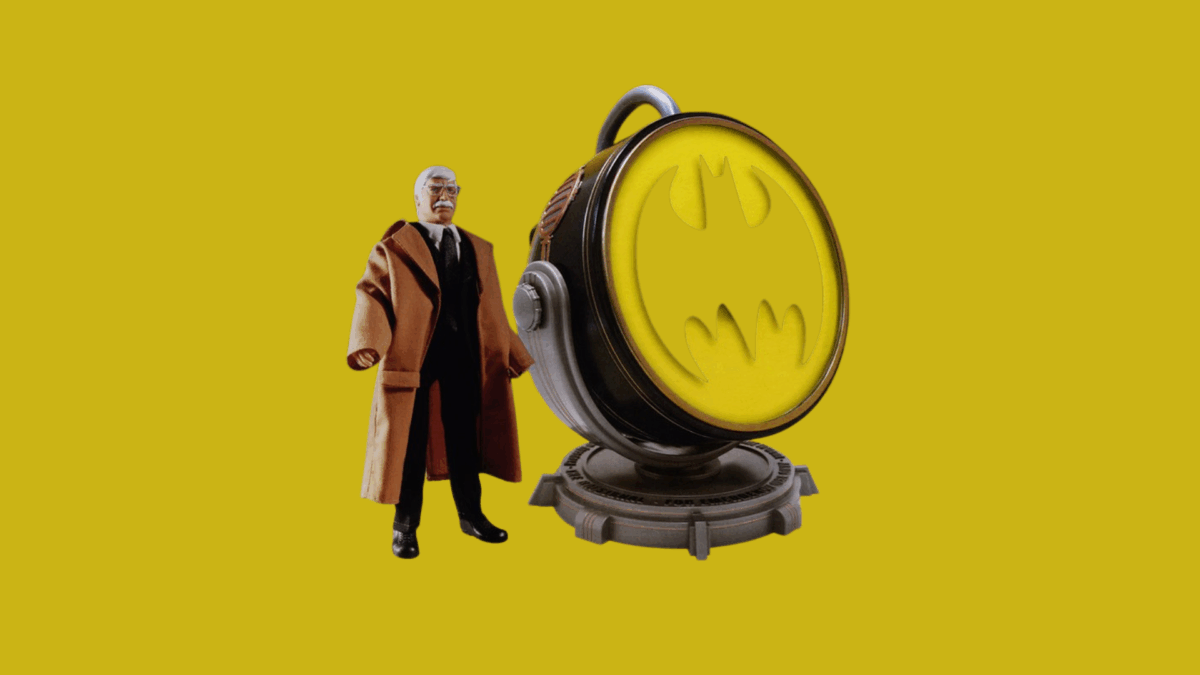
Mego got there first. Before Kenner reinvented the action figure market with Star Wars, Mego’s 8-inch World’s Greatest Super Heroes line from the early 1970s was the standard — and the company’s decision to pass on the Star Wars license is still held up as one of the most expensive miscalculations in toy industry history. Boxed Mego figures in original packaging, particularly characters like Aquaman, Green Arrow, or the rarer Elastic Superman, sell in the range of $1,000 to over $15,000 depending on character and condition, because scarcity arrived early: Mego went bankrupt in 1982, cutting the supply line permanently.
And yet the brand name alone still carries a weight that later, shinier toy lines never quite managed to earn.
The Original Transformers
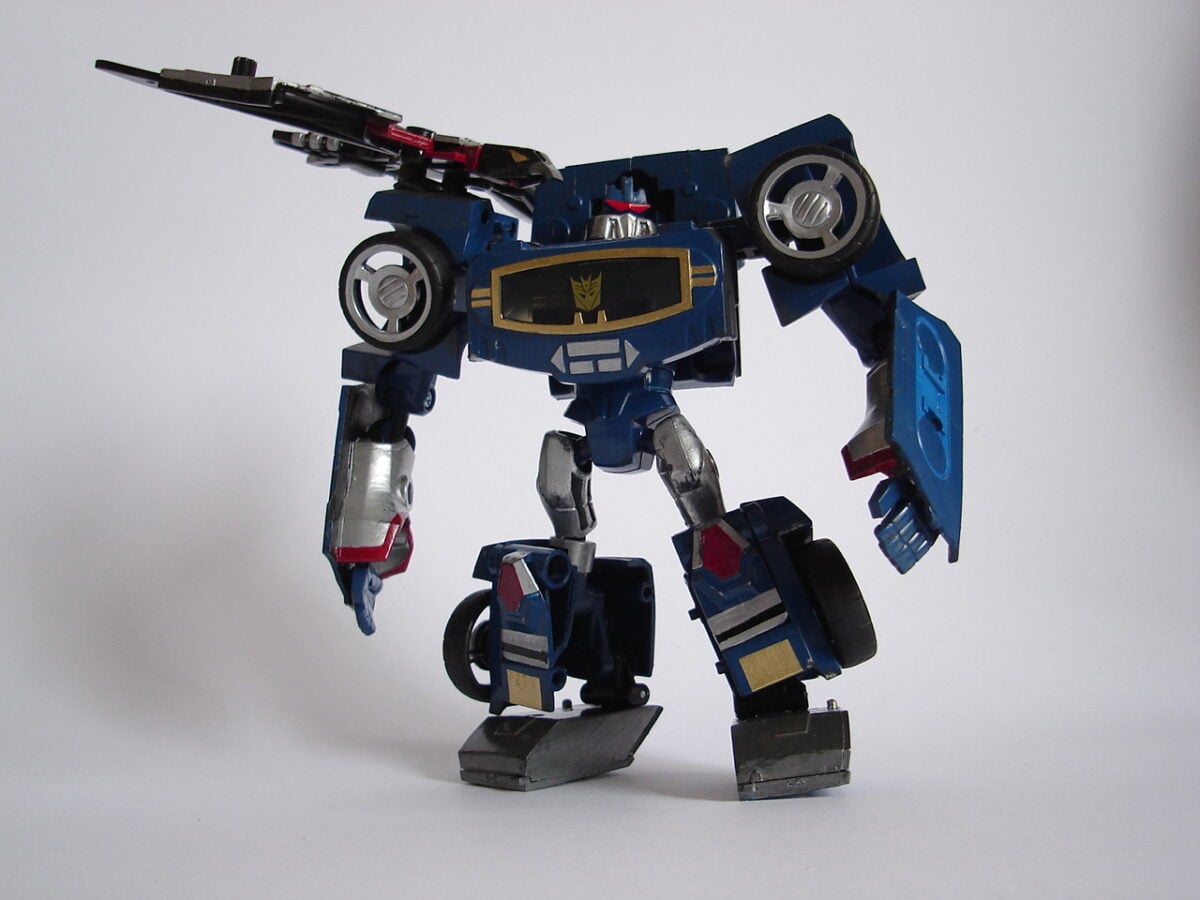
A Generation 1 Transformer still sealed in its original box is the kind of object that makes grown adults go very quiet. The 1984 and 1985 Hasbro Transformers line — Optimus Prime, Megatron, Soundwave, Starscream — represent some of the highest-dollar action figure sales outside of Star Wars, with boxed examples of Optimus Prime in near-mint condition reaching $6,000 to over $20,000 at major auctions.
The toys were originally manufactured by Takara in Japan under the Diaclone and Microman lines before Hasbro licensed and rebranded them, meaning some of the earliest American releases actually contain Japanese-made figures inside packaging that most buyers never thought to preserve.
Kenner’s Aliens and Predator Figures
This one surprises people. Kenner’s Aliens line, launched in 1992 following the success of the first two films, was sold primarily to children despite being based on one of the most genuinely terrifying science fiction franchises ever committed to film. Carded figures from the first wave — the Gorilla Alien, the Queen Facehugger, the Bull Alien — now sell in graded condition for $150 to $800 per card, with rarer variants climbing past that, and the entire line has developed a cult following that treats the packaging artwork as something close to sacred.
The figures exist in this strange, suspended irony: marketed to children, beloved by adults, and now priced well beyond either audience’s original expectations.
The Vintage Teenage Mutant Ninja Turtles Line
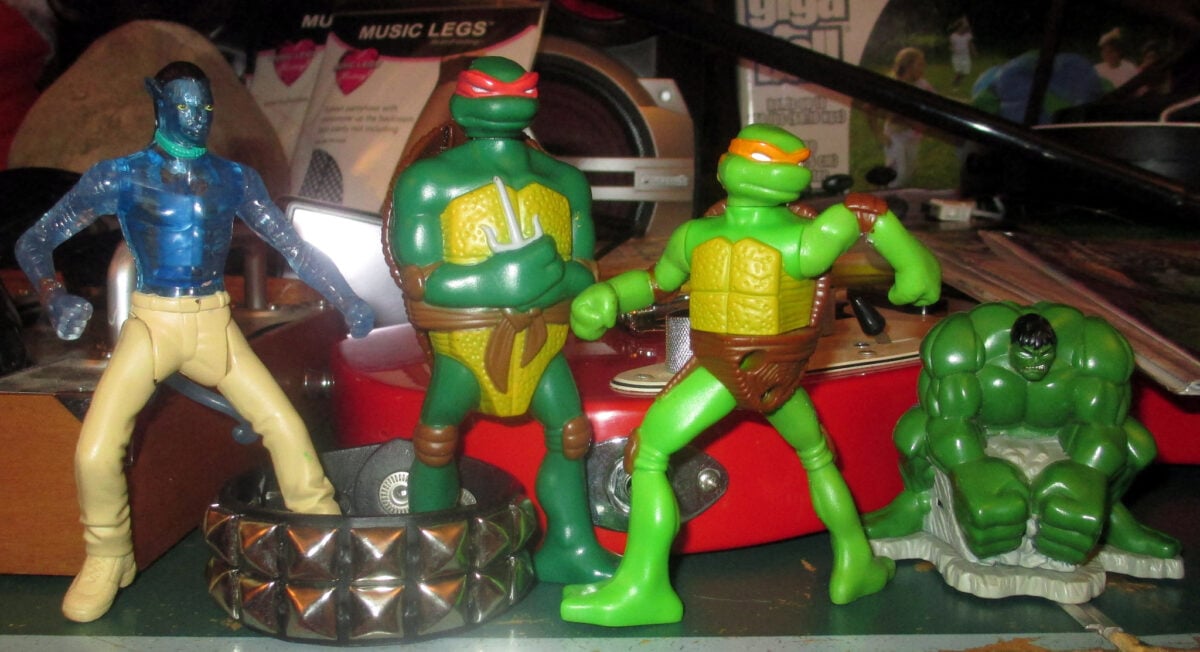
Playmates Toys’ original 1988 Teenage Mutant Ninja Turtles figures were produced in enormous quantities, which kept most of them off the high-value radar for a long time — but “most” is doing a lot of work in that sentence. The earliest first-edition carded figures with the “Collect All Four” backing cards, graded in the AFA 85+ range, now sell for $500 to over $2,000 per figure, and the packaging condition matters enormously because the cards were glossy, prone to denting, and children were notoriously indifferent to their long-term investment implications. Harder-to-find variants from later in the run — figures with alternate accessories or cross-sell promotional artwork — regularly outperform the core four.
Hasbro’s Original My Little Pony
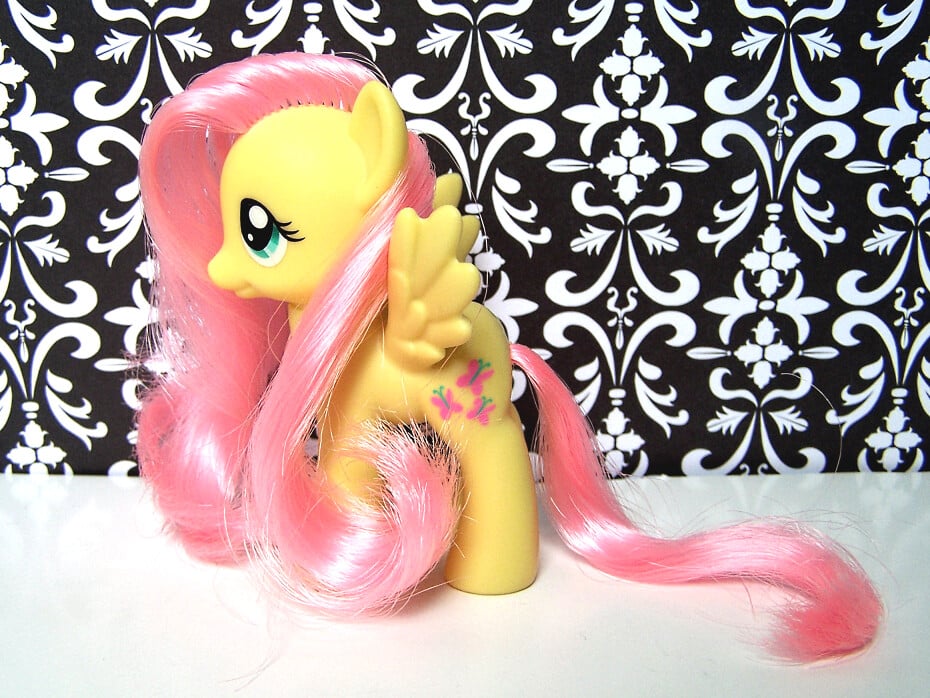
My Little Pony belongs in this conversation, and arguing otherwise reveals a bias toward figures with weapons and helmets that the resale market does not share. The original 1982 and 1983 Hasbro My Little Pony figures in their original packaging — particularly the “Earth Ponies” from the first series with their packaging intact — sell in the $200 to $1,500 range, with rarer variants like the Unicorns and Pegasi from early waves pushing higher when the box condition is good.
The market for vintage MLP has accelerated sharply over the past decade alongside the franchise’s cultural resurgence, which brought in a new generation of collectors who grew up with the later animated series and then worked backward to the originals.
Star Trek Mego Figures
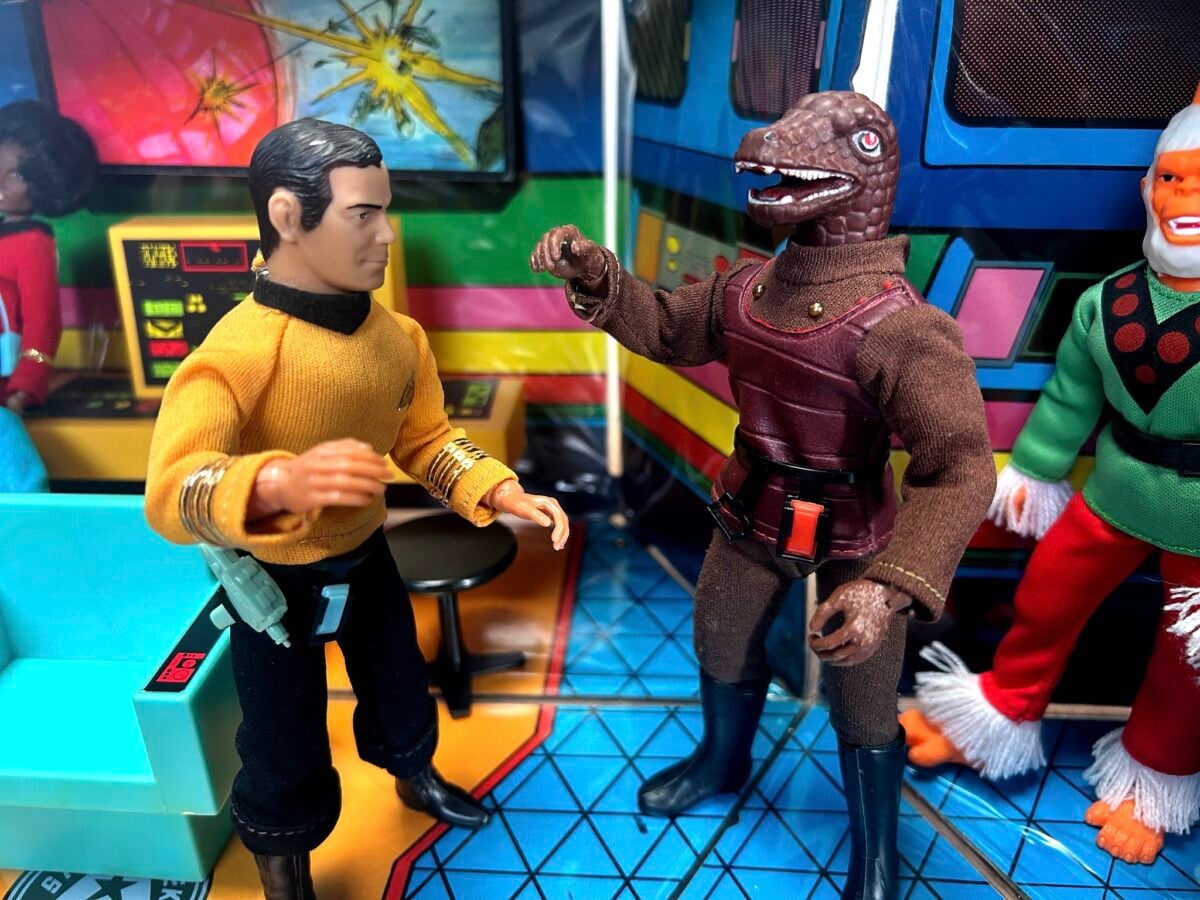
The 1974 Mego Star Trek figures occupy a very specific place in the collectibles market: rare enough to command serious prices, but not so rarefied that ordinary collectors have abandoned hope entirely. Boxed examples of the original Kirk, Spock, McCoy, and Uhura figures in acceptable condition sell in the $300 to $2,500 range, and the Klingon — always the Klingon — tends to run higher due to comparatively lower production numbers.
The boxes themselves, with their vivid illustration of the Enterprise against a starfield, are artifacts of a moment when science fiction was still considered a niche interest and Mego was betting it could sell a franchise that had already been cancelled to a demographic that barely watched network television.
Kenner’s Jurassic Park Line
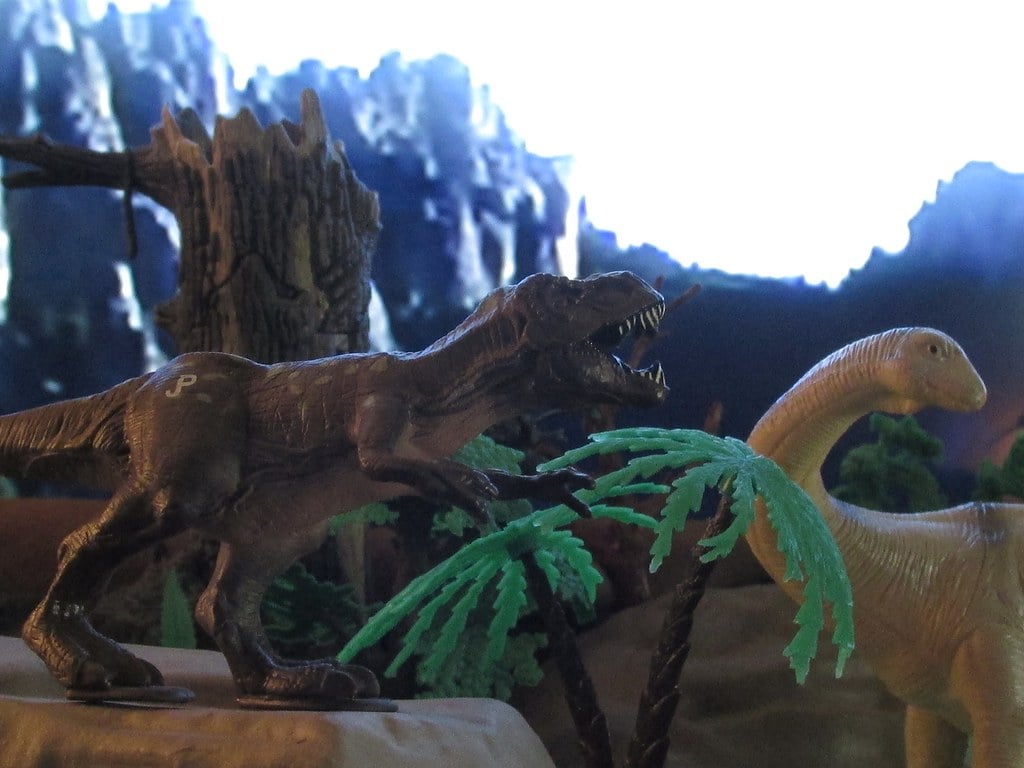
Kenner’s 1993 Jurassic Park toy line arrived at the precise moment the film was rewriting the rules of summer blockbusters, and the toys sold accordingly — in volumes that initially suggested they’d never be worth anything. That logic missed something: kids played with these figures relentlessly, which means truly carded, near-mint survivors are rarer than the production numbers imply.
First-wave carded figures featuring the electronic-action dinosaur figures sell in the $150 to $600 range in graded condition, and the Electronic Command Compound playset in sealed original packaging has crossed $1,000 at auction — a price that would have seemed absurd to anyone standing in a Toys “R” Us checkout line in the summer of ’93.
Kenner’s Real Ghostbusters
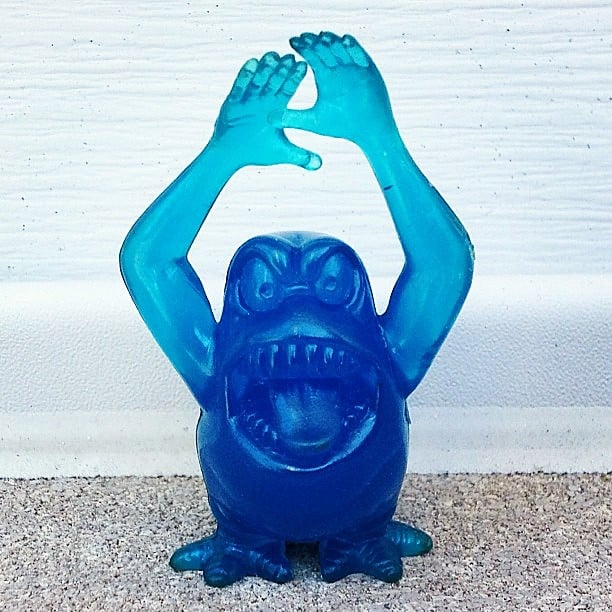
The Real Ghostbusters toy line launched in 1986 alongside the animated series of the same name — and the “Real” in the title existed entirely because Filmation had already trademarked “The Ghostbusters” for an unrelated property, which is a piece of corporate history that feels too bizarre to be true but absolutely is. First-series carded figures in graded condition, particularly the core four characters alongside the Slimer figure, sell in the $200 to $1,500 range, and the line’s enormous accessory-and-variant depth means serious collectors can chase it for years without running out of targets.
The packaging featured bright, almost acidic color choices that hold up as graphic design even now — in a way that makes the original boxes feel less like packaging and more like pop art that happened to contain a toy.
Mattel’s Big Jim
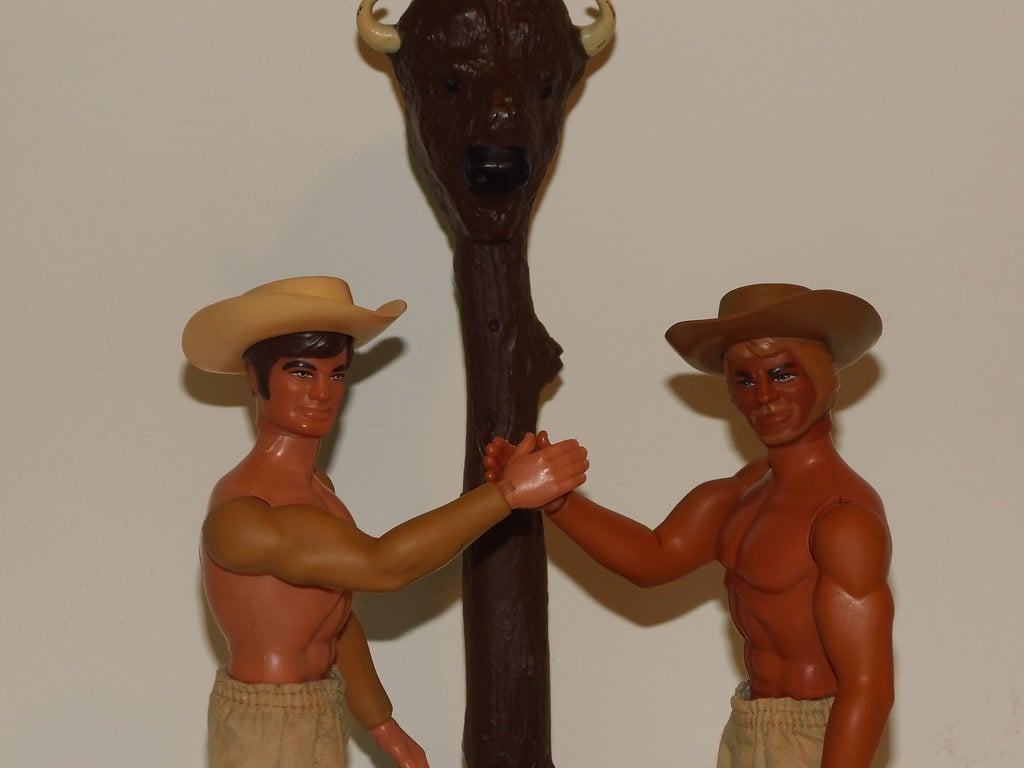
Big Jim doesn’t get name-dropped the way Star Wars figures do, and that oversight has a cost: collectors who know find him at estate sales for nothing and flip him for real money. Mattel’s Big Jim line, launched in 1972 as a more adventurous alternative to Barbie’s male counterparts, featured figures with a spring-loaded “muscle action” arm mechanism and a run of themed playsets that stretched well into the late 1970s.
Boxed Big Jim figures from the earliest waves, particularly the P.A.C.K. (Professional Agents/Counter Killers) villain figures released in the mid-1970s, sell in the $150 to $800 range in original packaging — modest by Star Wars standards, outsized for something most people forgot existed.
Remco’s Warrior Beasts
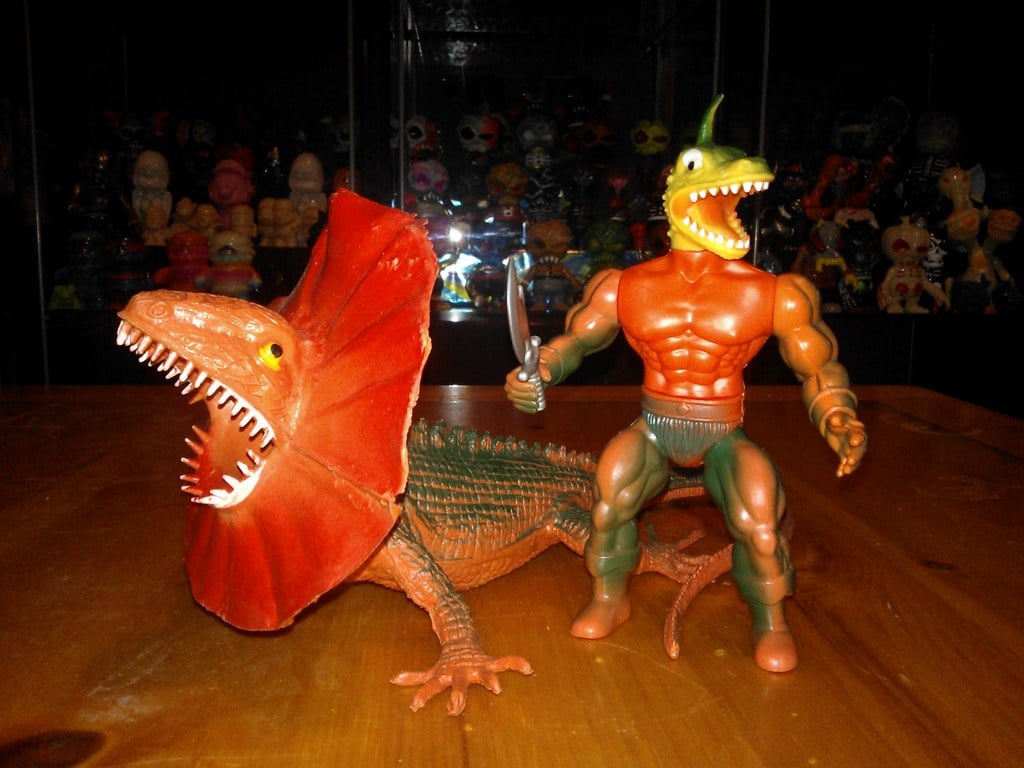
Warrior Beasts are the dark horses. Remco’s 1983 fantasy figure line — produced as a budget competitor to Masters of the Universe — featured monsters with names like Craven, Stegos, and Gecko, sold at a price point designed to appeal to parents trying to save a few dollars. The cheap positioning meant they were treated casually, which is why truly carded, intact examples are genuinely hard to locate today, and why graded carded figures from this line regularly sell in the $200 to $700 range despite the brand’s near-total obscurity outside hardcore collector circles.
It’s the kind of figure that proves the market runs on scarcity as much as nostalgia, because nobody is buying a Warrior Beasts toy out of childhood emotional attachment — they’re buying it because they can’t find another one.
Palitoy’s Star Wars Figures
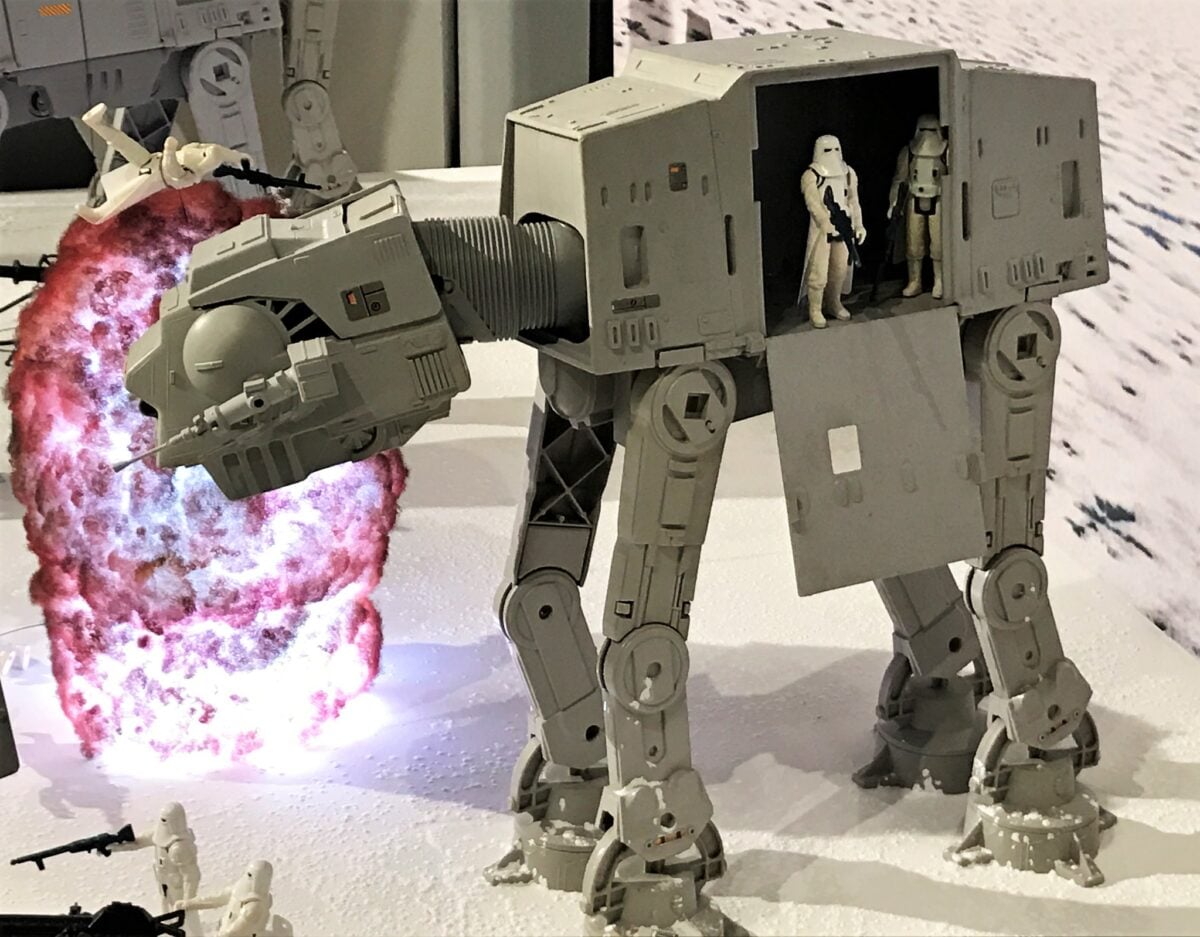
Palitoy was the British licensee for Kenner’s Star Wars figures, and the subtle differences between American Kenner packaging and British Palitoy packaging are enough to sustain an entire subset of the collector market. Palitoy figures on their distinct bubble cards, with their UK pricing and slightly different artwork configurations, sell at significant premiums over their American equivalents because the production quantities were lower and the survival rate is even lower — British children were no more careful with their toys than American ones.
A graded Palitoy carded Boba Fett or Han Solo in Hoth Outfit crosses $2,000 to $8,000 depending on grade, and the niche community that tracks Palitoy variants specifically runs deep enough that there are collectors who have never once purchased an American-market Star Wars figure.
When a Dusty Box Outperforms a Portfolio
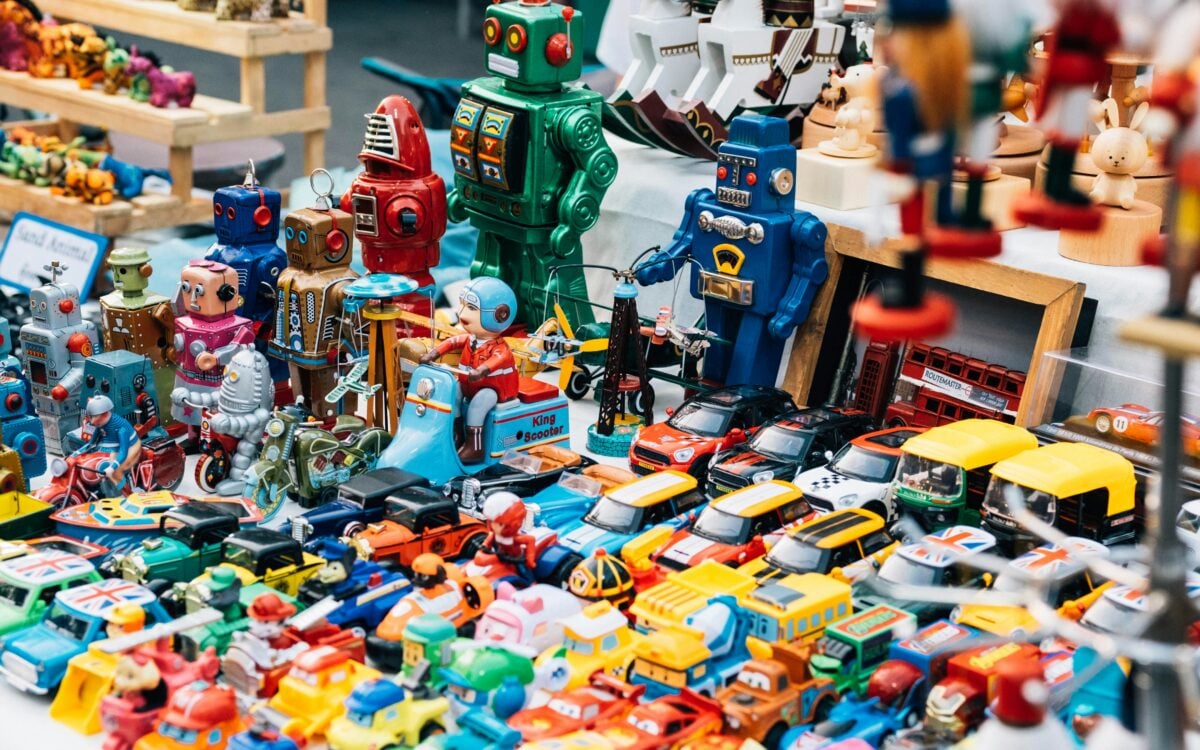
The collecting market for vintage action figures doesn’t behave like a rational investment vehicle, and the people who treat it as one with spreadsheets and acquisition strategies mostly miss the point — but they also mostly do fine financially, which is an uncomfortable thing to admit. What’s actually happening is simpler and stranger than market logic: objects that survived childhood intact are rare because survival was never the plan.
The box was supposed to be opened, the figure was supposed to be played with, and the whole thing was supposed to end up in a garage sale for a quarter. The ones that didn’t go through that process — the ones kept in closets by the unusually disciplined child, or the parent who bought a spare and forgot about it — those are the anomalies the market is willing to pay for.
And the paycheck comparison in the headline isn’t hyperbole. It’s just Tuesday, if you’re the one holding the right box.
More from Go2Tutors!

- The Romanov Crown Jewels and Their Tragic Fate
- 13 Historical Mysteries That Science Still Can’t Solve
- Famous Hoaxes That Fooled the World for Years
- 15 Child Stars with Tragic Adult Lives
- 16 Famous Jewelry Pieces in History
Like Go2Tutors’s content? Follow us on MSN.