31 Diplomatic Insults Between Countries That Nearly Sparked Wars
Diplomacy is, at its core, a system for managing the pride of nations. It has an elaborate code of precedence, protocol, and careful language precisely because the alternative — allowing governments to speak to each other the way their populations sometimes feel — tends to end badly.
Ambassadors are recalled, flags are lowered to half-mast, and someone demands an apology in increasingly formal language until either the tension resolves or it doesn’t. The history of international relations is full of cases where the tension didn’t resolve — where a letter, a leaked telegram, a severed ear, or a perceived slight about seating arrangements triggered the kind of national humiliation that governments have consistently found more difficult to absorb than military defeat.
Soldiers die in wars. Governments die from the appearance of weakness.
These are some of the moments where the appearance proved harder to manage than the reality.
The Ems Dispatch (1870)
In July 1870, the Prussian king Wilhelm I met the French ambassador at a spa town called Bad Ems, politely declined a French diplomatic demand, and sent his chancellor Otto von Bismarck a telegram describing the conversation. Bismarck read the telegram, pulled out a pen, edited the document to make both parties appear to have insulted each other, and released the altered version to newspapers that same evening.
The French government read Bismarck’s edited version and interpreted it as an outrage. The German public read it as a French provocation.
France declared war nineteen days later. Bismarck had started the Franco-Prussian War with a pair of editorial scissors and a flair for knowing exactly what each side needed to feel aggrieved about.
The War of Jenkins’ Ear (1739)
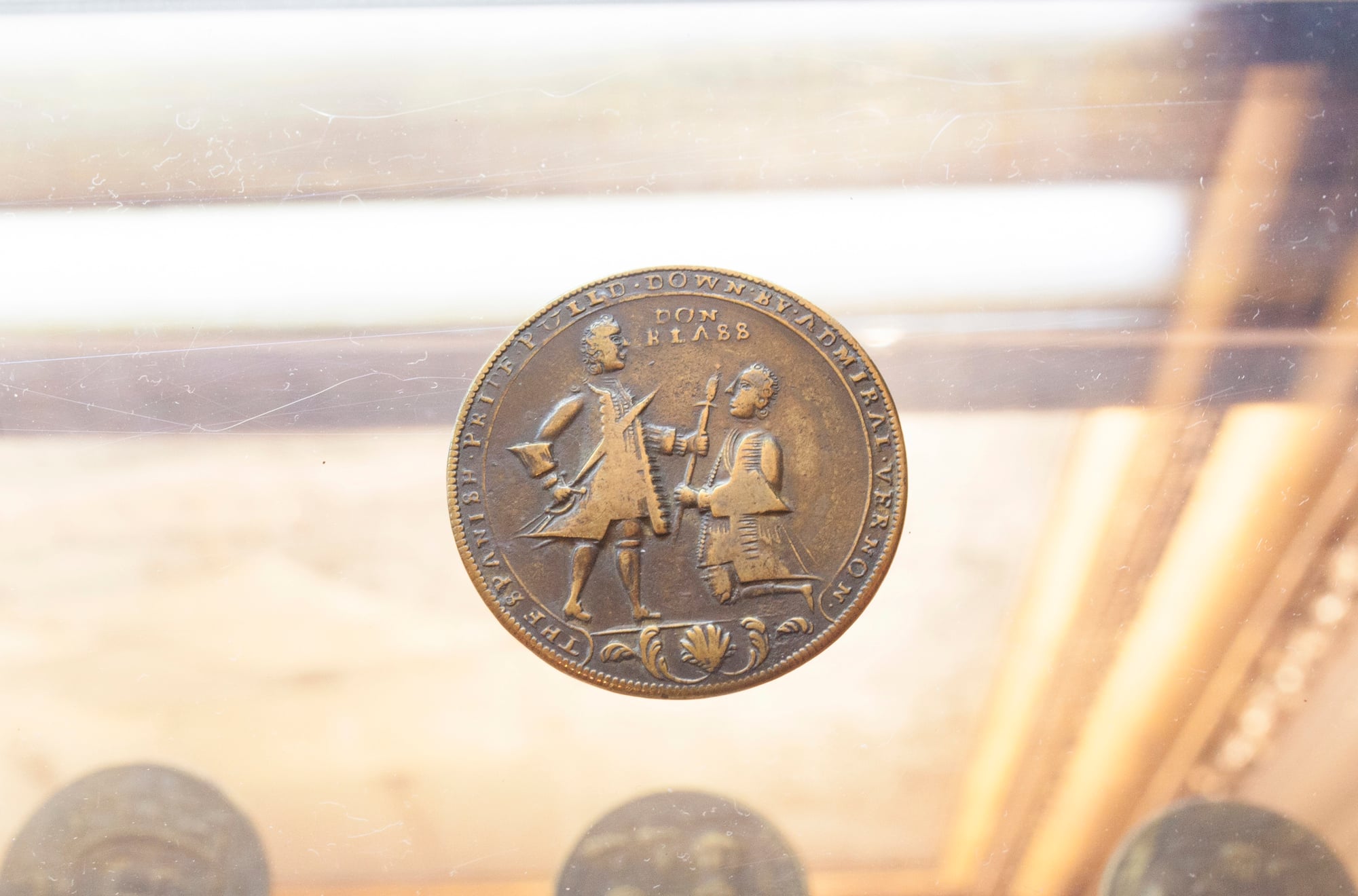
In 1731, a Spanish coast guard patrol boarded British merchant captain Robert Jenkins’s ship in the West Indies, cut off his ear, and sent him on his way. Jenkins preserved the ear in a jar, carried it around with him for seven years, and eventually presented it to the British Parliament in 1738 while urging war with Spain.
Parliament obliged in 1739. The war was named after the ear.
Britain and Spain fought for nearly a decade in the Caribbean and Central America, and the conflict eventually merged into the War of the Austrian Succession. No one who died in the War of Jenkins’ Ear was consulted on whether they considered the ear worth it.
The XYZ Affair (1797–1798)
When President John Adams sent a diplomatic commission to France in 1797 to negotiate the normalisation of relations, French Foreign Minister Talleyrand refused to see them and instead sent three anonymous agents — recorded in American documents as X, Y, and Z — who demanded bribes, a French government loan, and a formal apology for remarks Adams had made about France before any talks could begin. The American diplomats refused.
“No! No! Not a sixpence!” became a rallying cry that Adams turned into “Millions for defence, but not one cent for tribute.” The two countries spent the next two years fighting an undeclared naval war called the Quasi-War before Talleyrand, having reconsidered the strategic situation, agreed to negotiate properly.
The Fashoda Incident (1898)
In 1898, a French military expedition under Major Jean-Baptiste Marchand reached the remote Nile outpost of Fashoda in Sudan, planted a French flag, and declared the territory French. A British force under General Kitchener arrived shortly afterward with a considerably larger army and politely suggested the French leave.
The two colonial powers came closer to war than at almost any other point in their post-Napoleonic relationship. France ultimately backed down — British naval strength in the area made the strategic calculation clear — but the humiliation of being forced to withdraw from a position already occupied was something the French foreign policy establishment found difficult to process.
The incident permanently altered the balance of the Anglo-French imperial rivalry.
The Trent Affair (1861)

Shortly after the American Civil War began, a US Navy warship stopped the British mail steamer RMS Trent in international waters and forcibly removed two Confederate diplomatic envoys, James Mason and John Slidell, who were travelling to seek European recognition of the Confederacy. Britain reacted with fury, treating the action as an outrage against the British flag and a violation of maritime law.
The British government began military preparations and issued an ultimatum demanding the envoys’ release and a formal apology. Abraham Lincoln, unwilling to fight Britain while already fighting the Confederacy, released the envoys quietly in January 1862 — declining to issue a formal apology but framing the release in language that allowed both sides to claim a measure of dignity.
The Zimmermann Telegram (1917)

In January 1917, German Foreign Secretary Arthur Zimmermann sent a secret telegram to the German ambassador in Mexico, proposing that if the United States entered the war, Germany would support Mexico in recovering Texas, New Mexico, and Arizona. British intelligence intercepted and decoded the message and passed it to the Americans.
The telegram was not an insult in the conventional diplomatic sense, but its revelation made American neutrality politically indefensible. Public outrage combined with the resumption of unrestricted submarine warfare to push the United States into the First World War in April 1917.
Zimmermann, astonishingly, confirmed the telegram’s authenticity publicly, making denial impossible.
The Chesapeake–Leopard Affair (1807)

In June 1807, HMS Leopard, a British warship, intercepted the American naval frigate USS Chesapeake shortly after it left port in Hampton Roads, Virginia, and demanded the right to search for British deserters. When the American commander refused, the British opened fire, killed several American sailors, and forcibly boarded the vessel to remove four men.
The attack on an American warship in American waters generated public fury that came close to war on two separate occasions over the following years, eventually contributing to the origins of the War of 1812. The incident confirmed in American popular opinion that Britain considered the United States a lesser power whose vessels could be treated as British property.
The Austro-Hungarian Ultimatum to Serbia (1914)
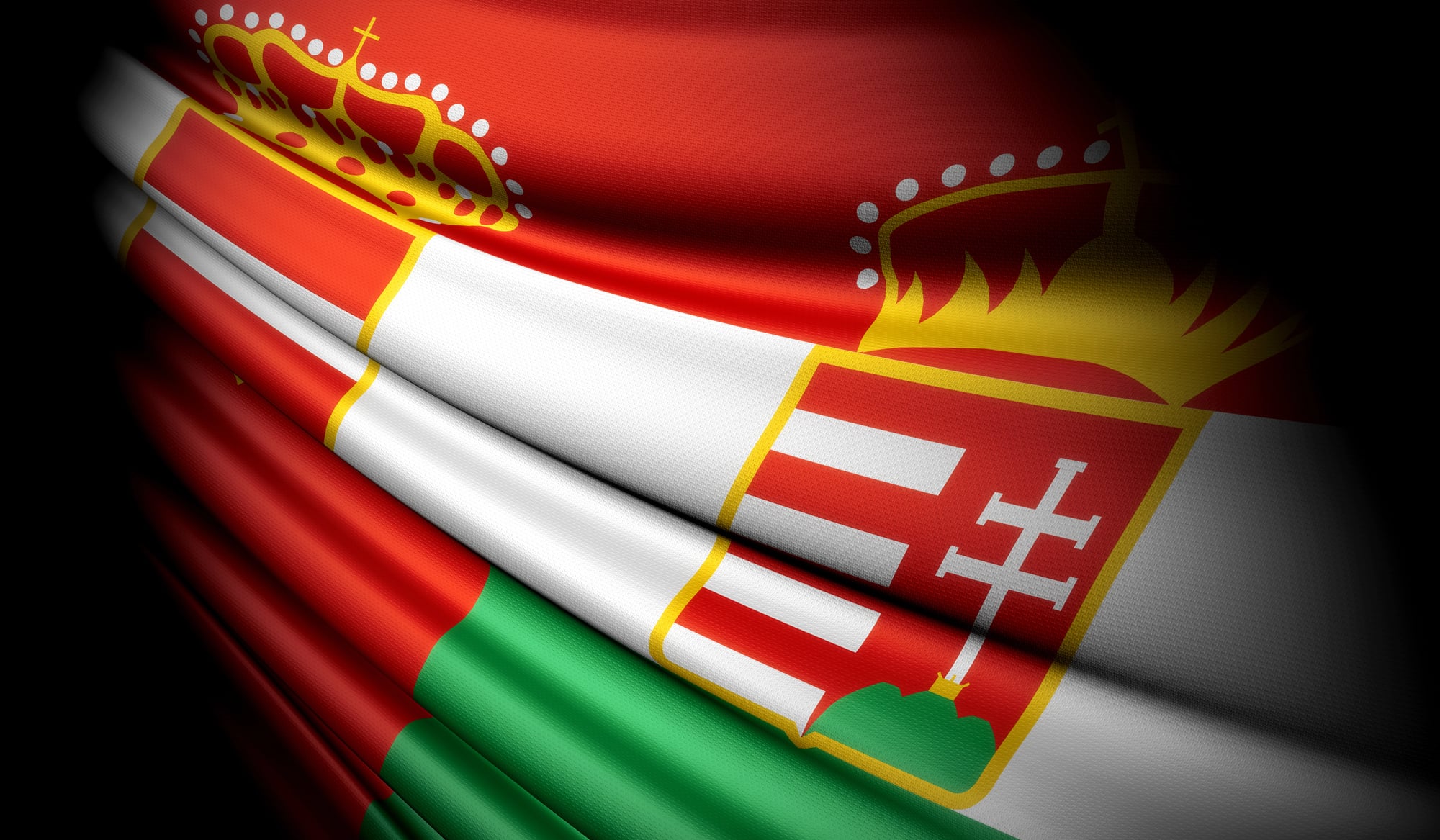
The ultimatum Austria-Hungary delivered to Serbia on 23 July 1914 — following the assassination of Archduke Franz Ferdinand — was deliberately designed to be impossible to accept in full. It included demands for Austro-Hungarian officials to participate directly in the investigation of Serbian citizens on Serbian soil, a provision that would have required Serbia to accept a fundamental limitation of its own sovereignty.
Serbia accepted nearly every term but declined the most intrusive clause. Austria-Hungary, which had already decided to go to war, declared the response insufficient.
Germany, Russia, France, and Britain were at war within two weeks. The ultimatum was less a diplomatic communication than a constructed pretext.
The Reply of the Zaporozhian Cossacks (1676)

When Ottoman Sultan Mehmed IV sent an ultimatum to the Zaporozhian Cossacks demanding their submission — written in the elaborate florid language of Ottoman imperial dignity — the Cossacks composed a reply of legendary obscenity. The letter, preserved in multiple versions and immortalised in a famous painting by Ilya Repin, addressed the sultan with a cascade of insults questioning his parentage, his relationship with farm animals, and his fitness to command anything at all, before declining to submit.
The authenticity of the written letter as preserved has been questioned by some historians, but the Cossack refusal and the war that followed are well documented.
The Seating Insult at the Congress of Vienna (1814–1815)
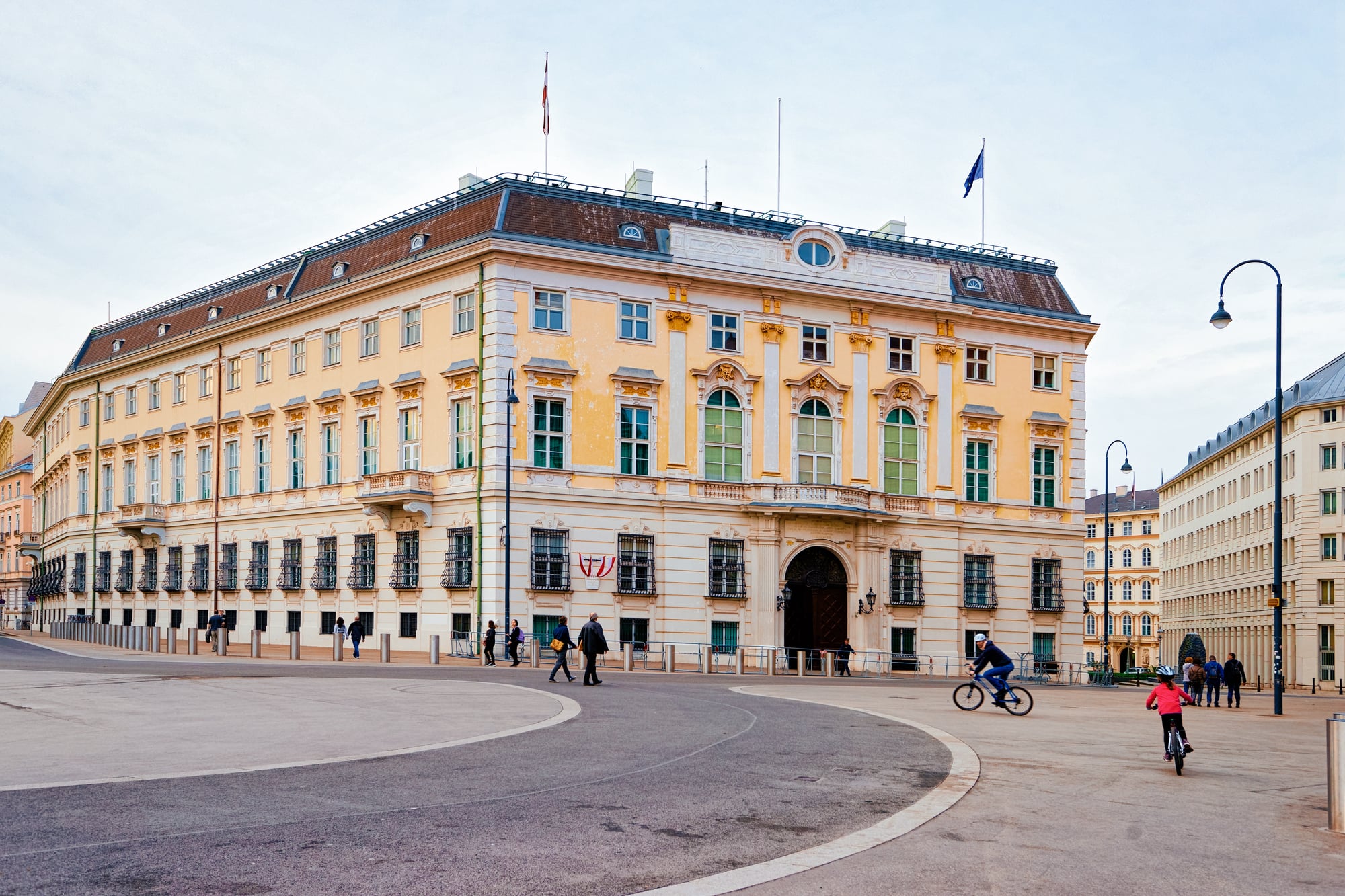
The Congress of Vienna, convened to redraw the map of Europe after Napoleon’s defeat, was as much a theatre of diplomatic precedence as a peace conference. Minor states that were seated in inconvenient or symbolically inferior positions, or whose ambassadors were not greeted with the correct protocol, experienced it as a commentary on their status.
The precise hierarchies of seating, door-holding, and forms of address consumed weeks of negotiation before any territorial questions were discussed. Several small German states almost walked out before the territorial agreements were reached, making the administrative infrastructure of modern Europe nearly hostage to the correct arrangement of chairs.
The Insult to the British Flag — The Arrow Affair (1856)
In 1856, Chinese officials in Canton boarded a trading vessel called the Arrow and arrested its Chinese crew on suspicion of piracy and connection to smugglers. The ship was registered in Hong Kong and flying the British flag.
British officials declared this a violation of their flag’s honour and demanded an apology and the release of the crew. The Chinese authorities refused to accept that the flag conferred British protection.
The British consul escalated the matter to the point that British warships bombarded Canton. The resulting Second Opium War reflected how the entire system of European privilege in China had been constructed around the claim that insults to a flag were insults to the nation it represented.
The Agadir Crisis (1911)
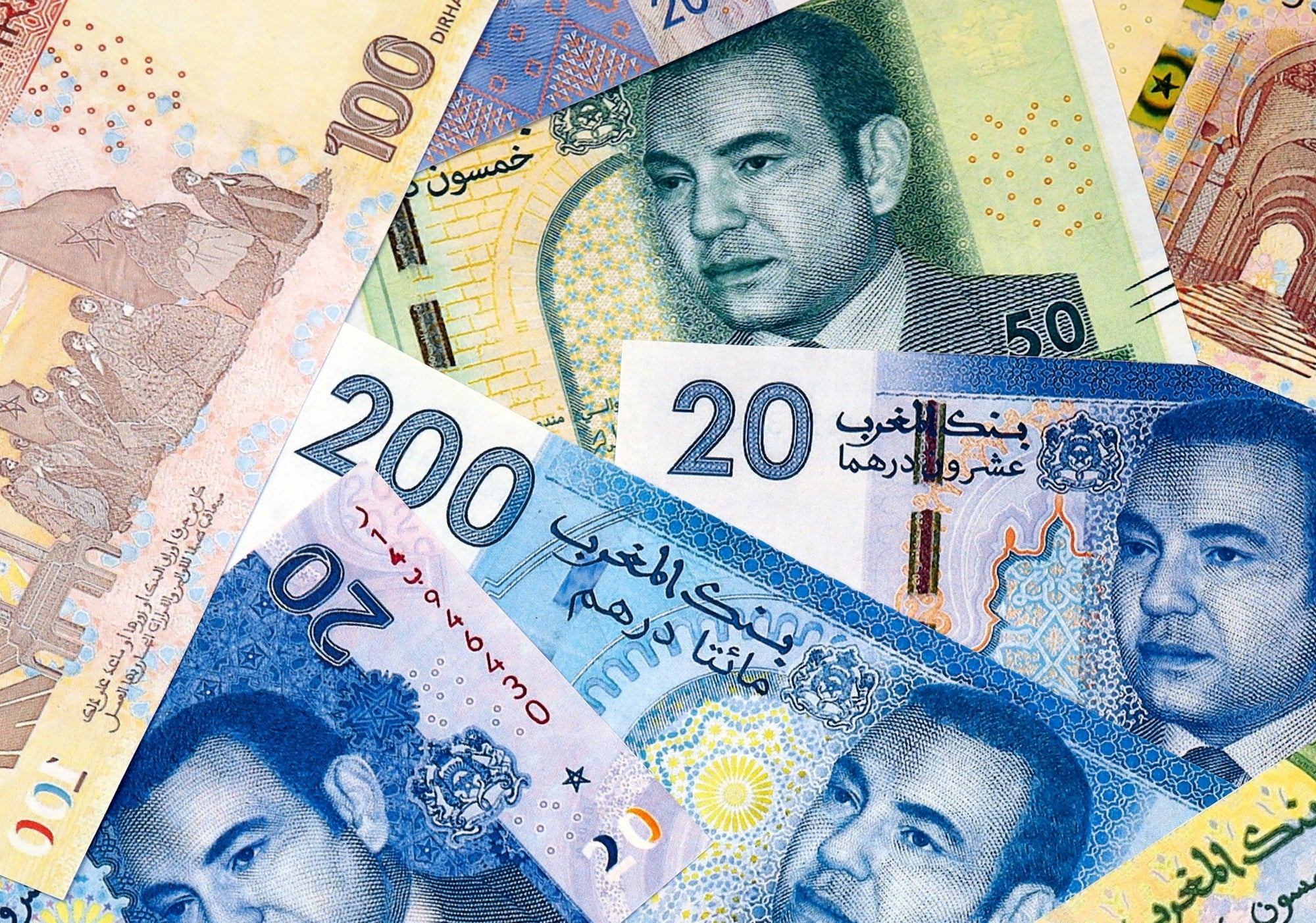
Germany sent a gunboat, SMS Panther, to the Moroccan port of Agadir in 1911, ostensibly to protect German commercial interests but actually to challenge France’s expanding control of Morocco. The British government, alarmed that Germany appeared to be establishing a naval presence on the Atlantic coast of Africa, responded with a speech by Chancellor of the Exchequer David Lloyd George that was almost a declaration of solidarity with France — a warning to Germany that Britain would not stay neutral in a European conflict.
Germany and France eventually resolved the Morocco question diplomatically, but the crisis confirmed existing alliances and contributed to the atmosphere of mutual suspicion that made the First World War possible.
The Emden Affair —Germany and China
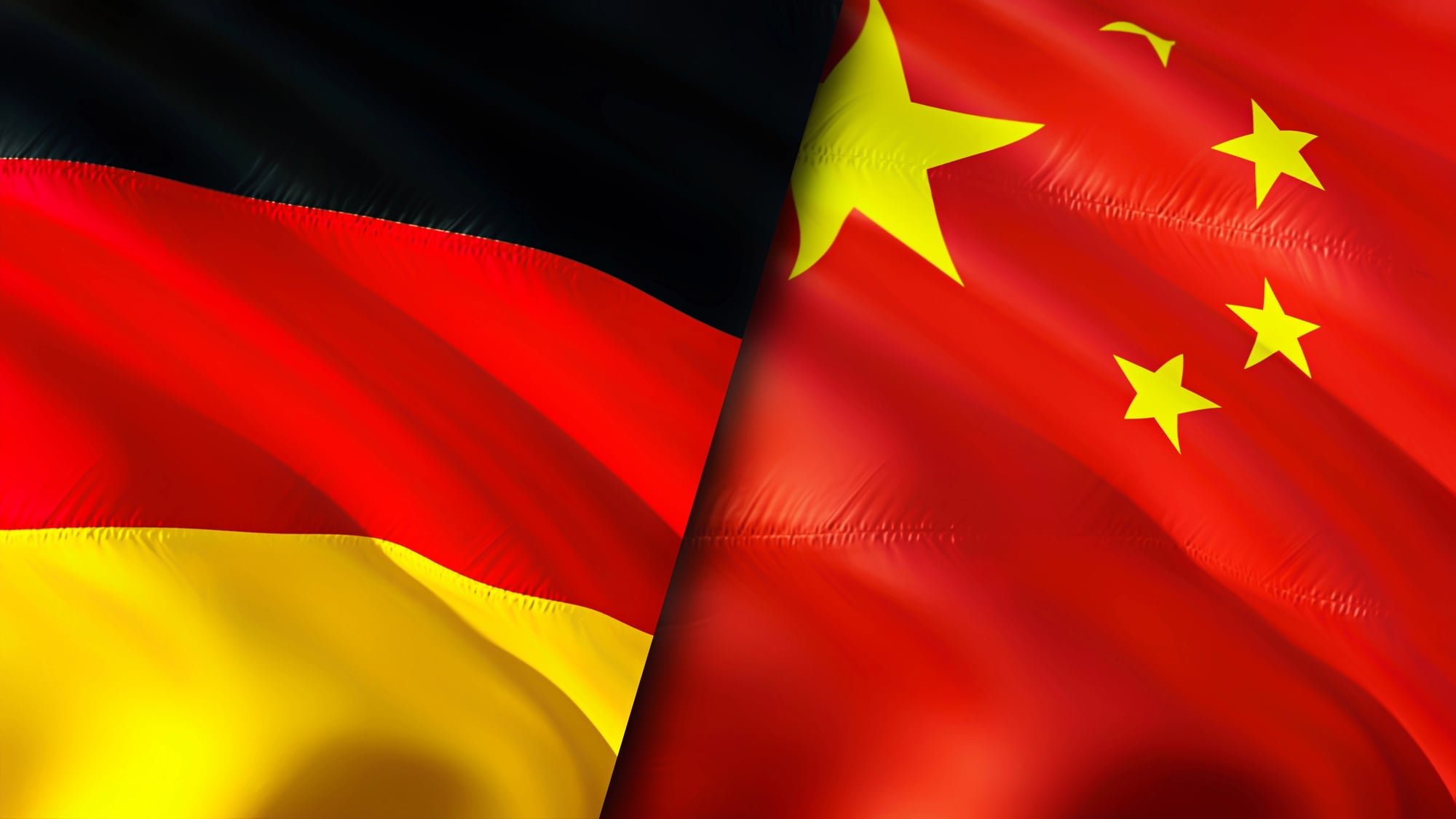
In 1897, two German Catholic missionaries were killed in the Chinese province of Shandong. The German government used the incident as a pretext to demand a naval base, territorial concessions, and railway rights.
Kaiser Wilhelm II sent warships to enforce the demand. China, lacking the military capacity to resist, conceded Jiaozhou Bay and the territory around Qingdao in a ninety-nine year lease.
The episode was not a diplomatic insult in the conventional sense but rather an extorted one — a demonstration of what the phrase “diplomatic pressure” meant in the context of nineteenth century imperialism when backed by naval guns.
The Cuban Missile Crisis Ultimatum (1962)
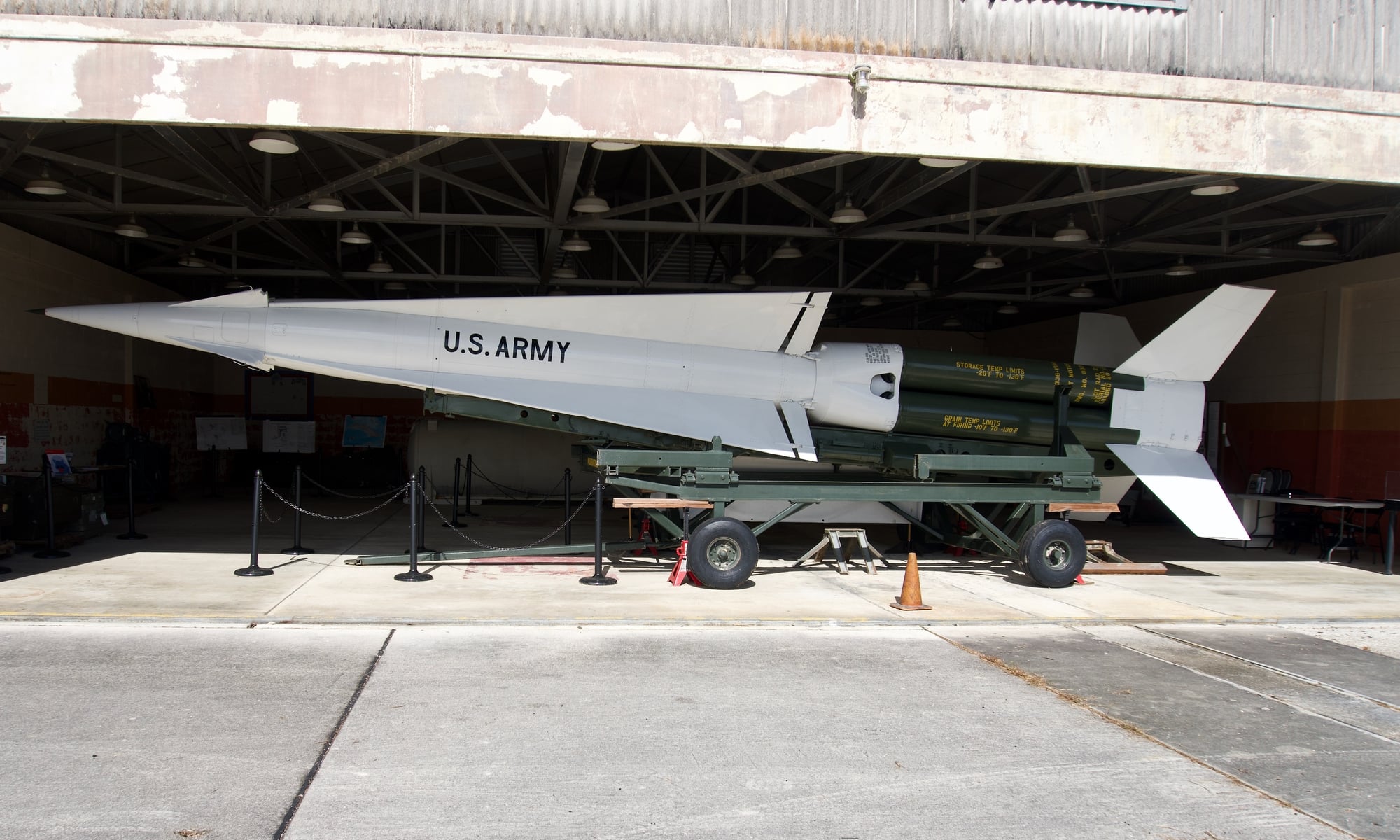
President Kennedy’s address to the American public on 22 October 1962 announced the presence of Soviet nuclear missiles in Cuba and demanded their removal — a demand delivered publicly and simultaneously to the Soviet government. The public framing meant the Soviet leadership would have to accept a humiliation visible to the entire world or risk nuclear war.
Thirteen days of negotiations followed, during which the probability of actual nuclear exchange was calculated by participants as uncomfortably high. The resolution — Soviet missiles withdrawn in exchange for a US pledge not to invade Cuba and a quiet removal of American missiles from Turkey — managed to allow both governments to describe the outcome as acceptable.
The communications during those thirteen days were among the most carefully calibrated diplomatic exchanges in history precisely because the stakes of misunderstanding were existential.
The Dogger Bank Incident (1904)
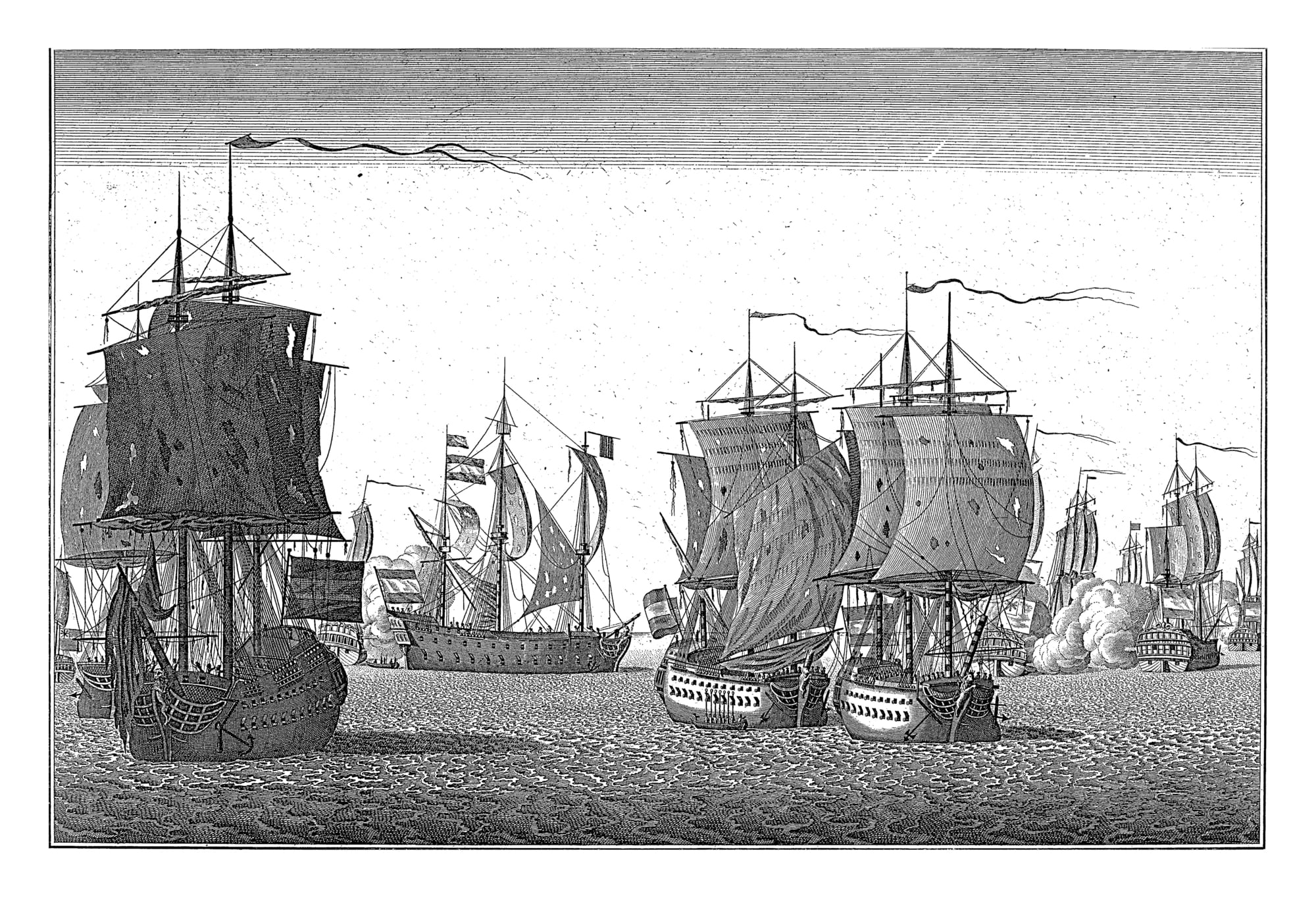
The Russian Baltic Fleet, sailing around the world to fight the Japanese in the Pacific, opened fire on British fishing boats near the Dogger Bank in the North Sea in October 1904, apparently mistaking them for Japanese torpedo boats. Several British fishermen were killed.
The Russian fleet sailed on without stopping to assist. Britain came extremely close to declaring war — the Royal Navy shadowed the Russian fleet through the English Channel as a demonstration of readiness — and was only prevented from acting by diplomatic assurances from France and a Russian agreement to face an international inquiry.
The Pacifico Affair (1850)

Don David Pacifico was a Portuguese Jewish merchant living in Athens who happened to have been born in Gibraltar, making him a British subject. When an Athenian mob burned his house in 1847, he claimed compensation from the Greek government and was refused.
British Foreign Secretary Lord Palmerston sent the Royal Navy to blockade Greek ports until Athens paid. The action was internationally condemned as wildly disproportionate, but Palmerston defended it in a famous four-and-a-half-hour speech to Parliament arguing that every British subject was entitled to protection anywhere in the world, as Roman citizens had been protected throughout the empire.
Greece paid.
Theodore Roosevelt and Germany (1902)
During the Venezuela Crisis of 1902–1903, Germany and Britain blockaded Venezuelan ports to collect debts owed to their citizens. Roosevelt became concerned that Germany intended to establish a permanent naval presence in the Western Hemisphere, violating the Monroe Doctrine.
According to accounts that Roosevelt himself later gave (though not substantiated by contemporary documents), he summoned the German ambassador and privately informed him that Admiral Dewey would be ordered to the area with the American fleet unless Germany withdrew within ten days. Germany withdrew.
Whether the ultimatum was delivered in the terms Roosevelt described remains disputed, but the strategic pressure was real.
The Algeciras Conference (1906)

The Algeciras Conference of 1906, convened to settle the First Moroccan Crisis after Germany objected to French expansion, produced a settlement so diplomatically one-sided — with France and Britain comprehensively outmanoeuvring Germany — that the German delegation left the conference having achieved almost nothing they had come for. Kaiser Wilhelm II had personally stoked the crisis, and the public failure of the German position at Algeciras was treated within the German government as a national humiliation that demanded eventual recovery.
The conference that was meant to relieve tension instead hardened it.
The Yalta Seating Arrangements and Stalin’s Walkouts

The summit conferences of the Second World War — at Tehran, Yalta, and Potsdam — were as much theatre as diplomacy, with seating positions, the size of delegations, and the order of speaking all carrying enormous symbolic weight. Stalin’s management of arrivals and departures, his preferences for keeping Churchill and Roosevelt waiting, and the careful choreography of apparent spontaneity were understood by all parties as assertions of power.
The failure to resolve questions of Polish sovereignty at Yalta, in particular, left the British delegation feeling that diplomatic face-saving had been prioritised over substantive outcomes — a tension that haunted the early Cold War.
France’s Withdrawal from NATO Command (1966)

Charles de Gaulle’s announcement in 1966 that France was withdrawing from NATO’s integrated military command — requiring American and other NATO forces to leave French soil within a year — was experienced by Washington as a diplomatic insult calibrated to the millimetre. US Secretary of State Dean Rusk reportedly asked de Gaulle whether the order to remove American forces from France extended to the American soldiers buried in French military cemeteries.
De Gaulle declined to answer. France remained in the NATO alliance but outside its military command structure until 2009.
The and the US Ultimatum (1956)

The United States’ insistence that Britain, France, and Israel halt their military operation against Egypt in 1956 — delivered with the implicit threat of financial pressure on the pound sterling and denial of IMF support — was experienced by the British government as a fundamental betrayal by its closest ally. Prime Minister Eden had not consulted Washington before the operation and found that the Americans considered the affair more damaging to Western interests than Egypt’s nationalisation of the Suez Canal.
The forced withdrawal ended Eden’s political career and permanently altered Britain’s sense of its relationship with the United States. The humiliation was real enough that British foreign policy changed its orientation fundamentally as a result.
The Battle of Navarino — Greece and the Ottomans (1827)

During the Greek War of Independence, the combined British, French, and Russian fleet annihilated the Ottoman-Egyptian fleet at Navarino in October 1827 — an engagement that occurred partly by accident after a shot was fired and escalated rapidly. The Ottoman government declared the battle a violation of international law and a personal affront to the Sultan, expelling British and Russian ambassadors and revoking trade agreements.
The language of the Ottoman government’s formal protests was remarkable for its directness about the personal honour of the Sultan having been injured. The broader consequence was Russian intervention in 1828 that further eroded Ottoman territory.
The Open Door Note — China and the Great Powers (1899–1900)

US Secretary of State John Hay’s Open Door Notes to the major powers in 1899 and 1900 proposed that all nations have equal trading rights in China, none of them should carve out exclusive spheres of influence, and China’s territorial integrity should be respected. Each major power responded evasively without explicitly agreeing, and Hay simply announced publicly that they had all accepted.
This put the signatories in the position of publicly accepting a principle most of them privately considered inconvenient. The diplomatic manoeuvre was specifically designed to be impossible to reject without appearing to support Chinese dismemberment.
The Pig War (1859)
The Pig War between the United States and Britain nearly escalated to full military conflict over a single pig. American settlers and British subjects both claimed San Juan Island in the contested waters between Vancouver Island and the US mainland.
In June 1859, an American farmer shot a British pig that was eating his potatoes. The British threatened to arrest him.
American troops were deployed. British warships were ordered to the area.
Both sides reinforced their positions until senior commanders on both sides, unwilling to start an international incident over a pig, refused to fire the first shot. The island was eventually awarded to the United States by international arbitration in 1872.
The Five-Power Treaty Insults — Japan (1922)
The Washington Naval Treaty of 1922 established capital ship ratios of 5:5:3 for the United States, Britain, and Japan respectively, formalising Japan’s position as a lesser naval power than the Anglo-American pair. Japanese nationalists described the ratio as a national humiliation — the “5-5-3 humiliation” — that placed Japan explicitly in a secondary category.
The resentment contributed to the political climate in which Japanese naval expansion became a nationalist cause and withdrawal from the treaty system a political goal. The arithmetic of naval ratios did measurable political damage that outlasted the treaty itself.
Hungary and the UN (1956)

When the Soviet Union invaded Hungary in November 1956 to suppress the revolution there, the United Nations General Assembly passed resolutions condemning the invasion and demanding Soviet withdrawal. The Soviet Union vetoed Security Council action and ignored the General Assembly resolutions entirely.
The public condemnation — delivered through the formal diplomatic structure of the UN — was accepted by the Soviet leadership as an irritant but produced no change in behaviour. It did establish a precedent for the kind of diplomatic theatre that would characterise Cold War UN proceedings for the following three decades.
The Black Warrior (1854)

In 1854, Cuban authorities in Havana seized the American merchant ship Black Warrior on a technicality related to its cargo manifest. The American government under President Pierce was under domestic pressure from Southern expansionists who wanted to annex Cuba from Spain.
Pierce and Secretary of State William Marcy drafted an ultimatum to Spain that was so aggressive in its demands that it was rejected immediately. The incident, combined with the Ostend Manifesto later the same year — in which American diplomats argued that the United States had the right to seize Cuba if Spain refused to sell it — created a sustained diplomatic crisis with Spain that stopped short of war only because Pierce’s domestic political opposition was too weak to sustain one.
The Reinsurance Treaty Leak — Germany and Russia (1890)
Bismarck’s secret Reinsurance Treaty with Russia — which kept Russia and Germany from fighting each other even if their respective allies went to war — was allowed to lapse in 1890 after Bismarck’s dismissal. When the existence of the treaty and its lapse became known, Russia recognised that Germany had effectively chosen Austria-Hungary over Russian interests.
The revelation drove Russia towards France, creating the Franco-Russian Alliance that formed the core of the eventual Allied coalition in the First World War. The diplomatic insult was not in the treaty’s lapse itself but in the awareness that Germany had been playing both sides simultaneously, and had simply stopped.
The US Sanctions — Japan (1941)
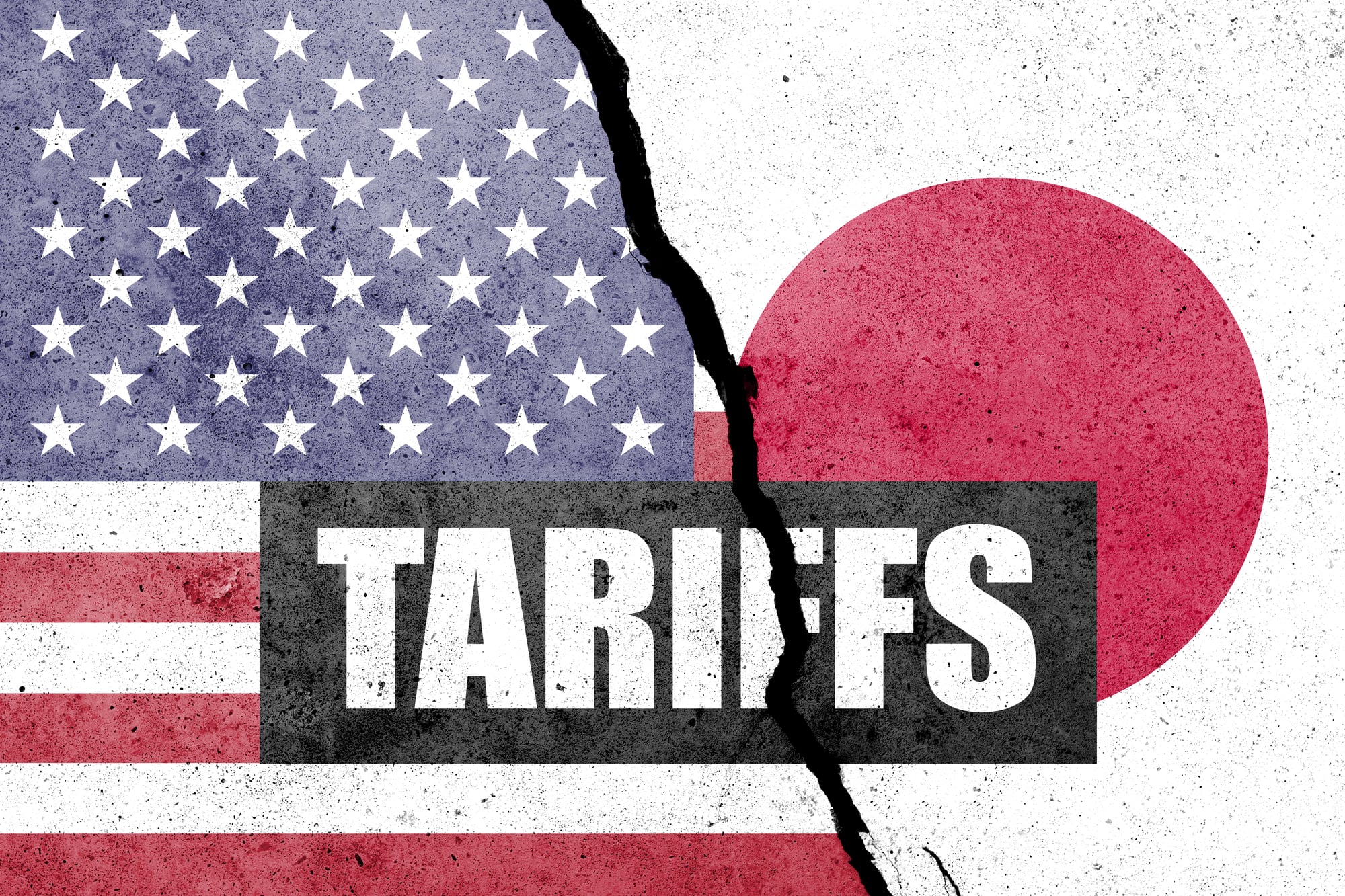
The US oil and steel embargoes imposed on Japan through 1940 and 1941, in response to Japanese expansion in China and Southeast Asia, were experienced by the Japanese military leadership as an existential threat and a deliberate humiliation of Japan’s imperial ambitions. The Hull Note — the final American diplomatic communication before Pearl Harbor, delivered on 26 November 1941 — demanded Japan withdraw from all of China and effectively abandon its position as an Asian great power.
The Japanese military leadership considered it an ultimatum that left war as the only alternative to national humiliation. They chose war.
The Moroccan Crisis and the Empty Gesture (1905)

In March 1905, Kaiser Wilhelm II landed at Tangier in Morocco and delivered a speech asserting Germany’s interest in Moroccan independence — a direct challenge to France’s claim to a protectorate over the country. The gesture was theatrical: the Kaiser had reportedly not wanted to make the landing and had to be persuaded by his advisers that the humiliation of France required a dramatic public statement.
The French government was forced to agree to an international conference — the very act of being required to justify its position at all was experienced as a diplomatic defeat. The episode reinforced to both sides that direct confrontation was becoming increasingly likely.
Fashoda’s Long Shadow — The Entente Cordiale

Long after the Fashoda Incident was officially resolved in 1898, the French diplomatic and military establishment nursed the memory of having been forced to withdraw by British pressure. French school textbooks taught the episode as a national humiliation for a generation.
The accumulated resentment contributed to a strategic calculation that France could not afford another such confrontation — and that securing a firm British alliance was preferable to another decade of colonial rivalry that Britain’s naval supremacy would always resolve in Britain’s favour. The formal resolution of the insult, in other words, produced the Entente Cordiale of 1904 — one of the most consequential diplomatic realignments of the twentieth century, partly driven by the desire never to be humiliated in that particular way again.
The Language of Power
What runs through every entry on this list is the relationship between pride, perceived hierarchy, and the willingness to go to war rather than appear weak. Bismarck understood this with surgical precision: he didn’t need France to feel genuinely wronged, he just needed French public opinion to feel that something insulting had occurred.
Jenkins’s ear worked because it was visceral and personal. The Zimmermann Telegram worked because it combined insult with threat in a way that made neutrality feel like complicity.
Modern diplomats have substantially the same tools — public statements, recalled ambassadors, formal protests, and the carefully calibrated language of “grave concern” — but the underlying dynamic has not changed. The appearance of equality between states, and the protocol that maintains it, exists precisely because the alternative is the kind of unmanaged affront that tends to end with warships at sea and governments explaining to their populations why the situation required it.
More from Go2Tutors!

- The Romanov Crown Jewels and Their Tragic Fate
- 13 Historical Mysteries That Science Still Can’t Solve
- Famous Hoaxes That Fooled the World for Years
- 15 Child Stars with Tragic Adult Lives
- 16 Famous Jewelry Pieces in History
Like Go2Tutors’s content? Follow us on MSN.