Common Myths About the History of the Olympics
The Olympics are full of excitement, national pride, and unforgettable moments. But when it comes to the history behind the Games, not everything people believe is true.
Over time, stories have been stretched, facts have been bent, and myths have taken on a life of their own. These tales often sound cool or dramatic, which is probably why they’ve stuck around so long.
Let’s clear up some of those stories that people still pass around, even though they’re not quite right.
The ancient Olympics were open to everyone
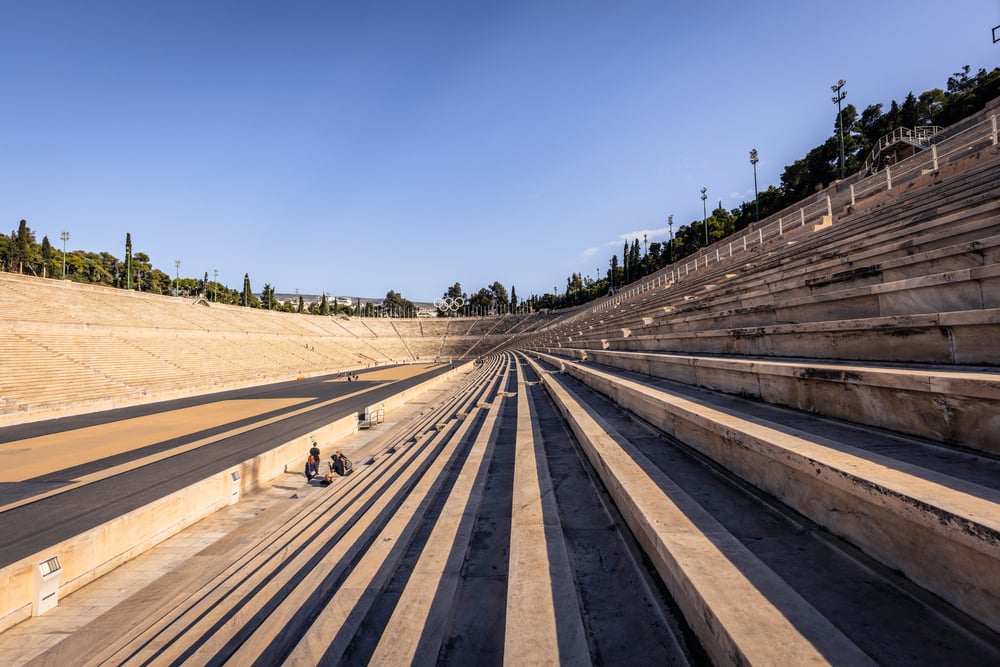
Not true. The original Olympic Games in ancient Greece were only for free Greek men.
Women, slaves, and foreigners weren’t allowed to compete. In fact, women couldn’t even attend as spectators for a long time. The idea of it being an open competition for all is a modern twist that doesn’t match the past.
The Olympics have always been about peace

The ancient Olympics did include a “sacred truce,” but it didn’t always stop wars. The truce mainly allowed athletes and spectators to travel safely to the Games.
Wars still happened, and the truce wasn’t always respected. The idea that the Olympics completely stopped all fighting is more hopeful than historical.
Like Go2Tutors’s content? Follow us on MSN.
The five Olympic rings represent the five continents

This one gets repeated often, but it’s not accurate. The designer, Pierre de Coubertin, never said the rings stood for specific continents.
He said the rings and their colors were meant to represent all the nations coming together. At the time, every national flag included at least one of the colors from the rings. That was the real point.
The modern Games have happened every four years without fail
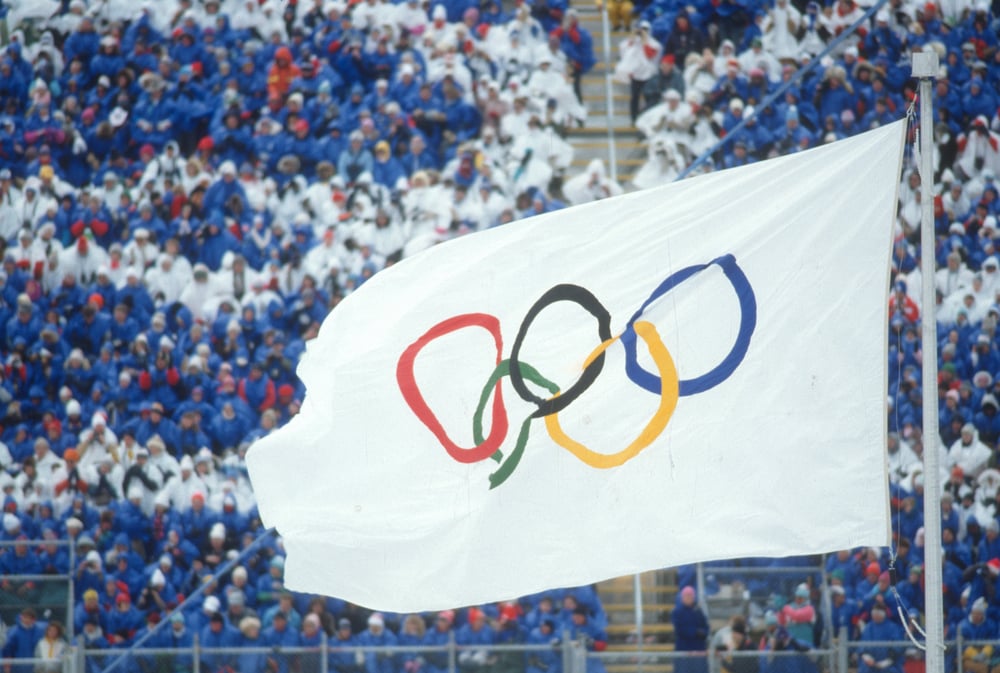
There have been gaps. The Olympics were canceled three times due to world wars.
No Games were held in 1916, 1940, or 1944. More recently, the 2020 Tokyo Olympics were postponed to 2021 because of the global pandemic. So while the goal is every four years, history hasn’t always followed the schedule.
The marathon distance is based on the original Greek run

The story of Pheidippides running from Marathon to Athens is popular, but the modern marathon distance didn’t come from that exact run. The original run was about 25 miles.
The current 26.2-mile distance was set during the 1908 London Games to fit the course from Windsor Castle to the royal viewing box in the stadium. That extra bit had nothing to do with ancient Greece.
Like Go2Tutors’s content? Follow us on MSN.
Ancient Olympic athletes competed only for the glory

Glory was important, but prizes mattered too. Winners in ancient Greece received olive wreaths, but they often got money, gifts, or free meals for life from their city-states.
They became local heroes with real rewards. Competing only for honor sounds nice, but the truth had more perks involved.
The torch relay has ancient roots

The torch itself has roots in ancient Greece, but the relay is a modern invention. It was first introduced in the 1936 Berlin Olympics.
The idea was created by organizers in Nazi Germany as part of their messaging. So while the flame is inspired by the past, the relay is a recent addition.
Women were banned from all ancient Greek sports

While women couldn’t take part in the Olympics, they had their own separate games. The Heraean Games, held in honor of the goddess Hera, allowed women to compete in footraces.
These events weren’t as well-known, but they did happen. The idea that women were completely shut out isn’t entirely true.
Like Go2Tutors’s content? Follow us on MSN.
The modern Olympics have always been free of politics
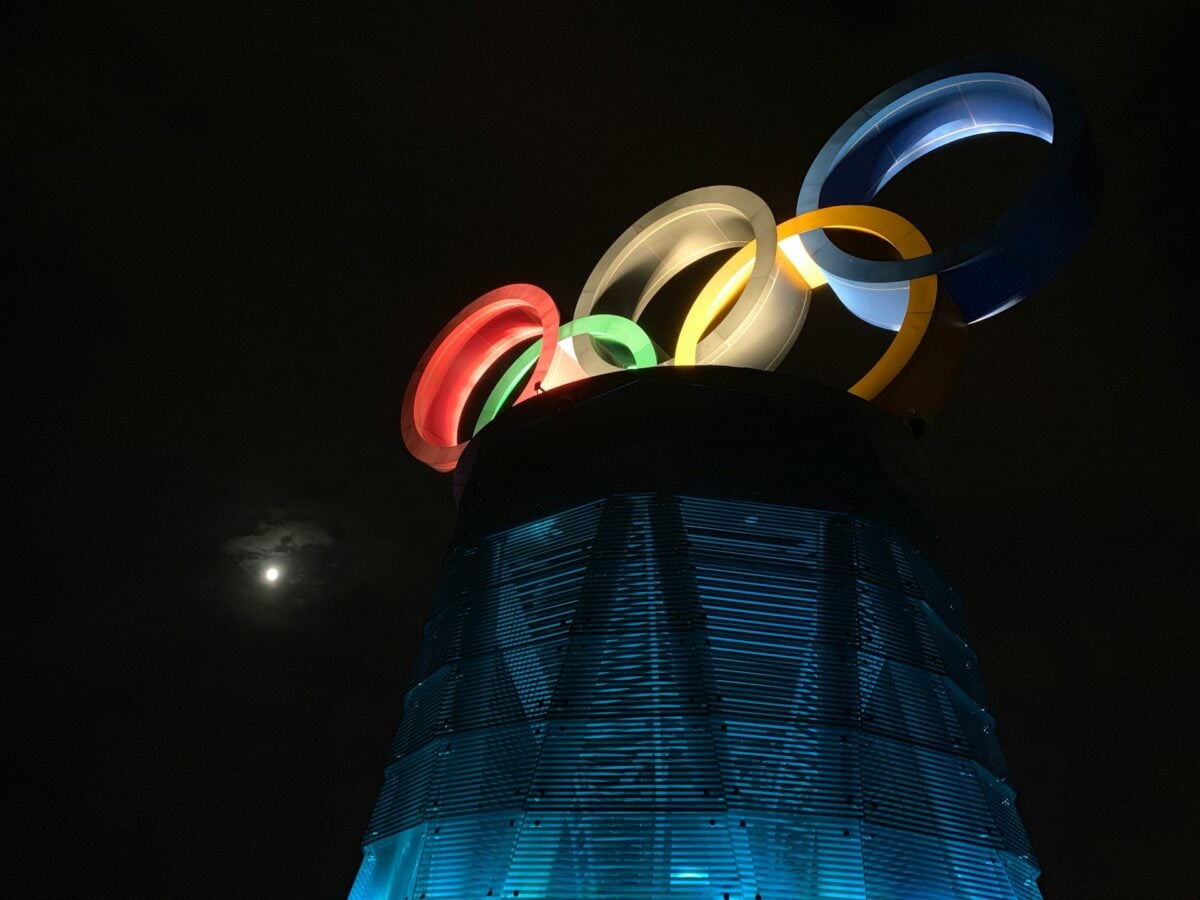
Politics have shown up in many Olympics. From boycotts to protests to symbolic gestures, the Games have often reflected what’s happening in the world.
Events like the 1968 Black Power salute or the 1980 and 1984 boycotts are just a few examples. The idea of the Olympics being totally separate from politics has never been realistic.
Ancient Olympic events were just like today’s sports

Some events may sound familiar, but they were often very different. For example, the ancient version of boxing had no rounds, no weight classes, and very few rules.
Pankration, a mix of wrestling and boxing, was especially brutal. These sports looked nothing like the organized, rule-heavy events seen today.
The Olympics have always been the top international event

While the modern Olympics are now huge, they weren’t always seen as the biggest global sports stage. In the early 20th century, events like world’s fairs or other championships often got more attention.
It took decades for the Olympics to grow into the global event they are today. Their status wasn’t automatic or guaranteed.
Like Go2Tutors’s content? Follow us on MSN.
All Olympic sports are ancient traditions

Many Olympic sports are completely modern. Snowboarding, BMX, skateboarding, and breakdancing have been added in recent years.
These have no ancient roots and reflect current trends and interests. The Olympics often change with the times to keep people interested.
Every Olympic medal is made of solid gold, silver, or bronze

Only the bronze medals are solid metal. Silver medals are real silver, but gold medals are mostly silver with a thin layer of gold on the outside.
The last time Olympic medals were made of pure gold was in 1912. Since then, the look stayed the same, but the materials changed.
The ancient Games had strict fairness and rules

Cheating was a problem even back then. Athletes sometimes tried to bribe judges or sabotage opponents.
The Greeks even had a row of statues called the Zanes, paid for by fines from cheaters. These stood as warnings near the entrance of the stadium. Even in ancient times, not everyone played fair.
Like Go2Tutors’s content? Follow us on MSN.
All countries have always been able to join
In the early modern Olympics, participation was limited. Some countries weren’t recognized or didn’t have the resources to send athletes.
Others were left out due to political tensions. The idea of complete global inclusion took time to become a reality.
Every Olympic athlete is a professional

That hasn’t always been the case. For many years, the Olympics were open only to amateurs.
Professional athletes were banned from competing. This rule has changed over time, and now many top athletes make a living from their sport.
But it wasn’t always this way.
From ancient tracks to modern stadiums

The Olympics have changed a lot, from who can compete to what events are held. But myths about the Games still hang around, shaped by stories that people want to believe.
Looking back shows how far the Olympics have come, even if the facts aren’t always as exciting as the fiction.
More from Go2Tutors!

- 16 Historical Figures Who Were Nothing Like You Think
- 12 Things Sold in the 80s That Are Now Illegal
- 15 VHS Tapes That Could Be Worth Thousands
- 17 Historical “What Ifs” That Would Have Changed Everything
- 18 TV Shows That Vanished Without a Finale
Like Go2Tutors’s content? Follow us on MSN.



