Old Cameras Found at Thrift Stores That Sell Faster Than Modern Ones
The global film camera market reached $291 million in 2025 and is projected to grow to $434 million by 2032. This explosion in collector demand has transformed dusty camera bargains into fast-selling commodities.
Every Goodwill shelf and estate sale now gets picked over by people hunting for the specific models that command premium prices. A mechanical camera that would have been worthless fifteen years ago might sell within hours of listing online, provided it carries the right name and is in working condition.
The film photography renaissance has made knowing what to spot the difference between finding a treasure and missing thousands of dollars. The cameras listed here represent the models that move fastest and command the highest prices when found in the wild.
Working conditions and original optics matter enormously—these are cameras that collectors actively hunt for, not sidewalk decorations.
Leica M3 (1954–1966)
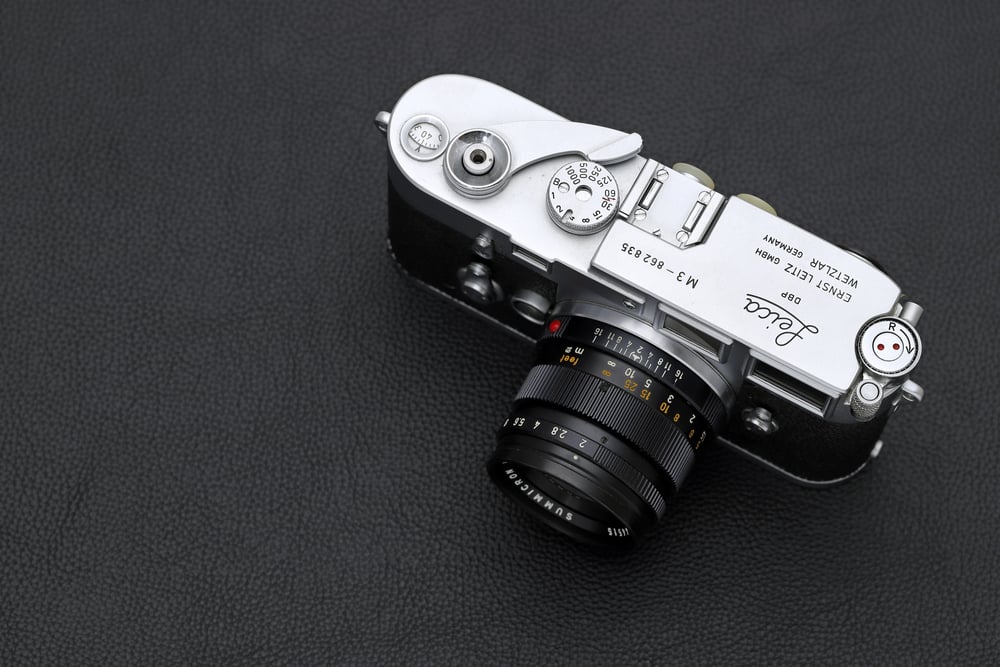
The M3 is the camera that defined the rangefinder format. Working examples in original condition with proper lenses sell for $1,500 to $3,000, but mint examples with original boxes and papers have fetched close to $9,000.
Double-stroke advance models from earlier production are slightly more collectible. The combination of mechanical perfection and cultural prestige means this camera never sits on shelves long.
Leica M6 (1984–1998)
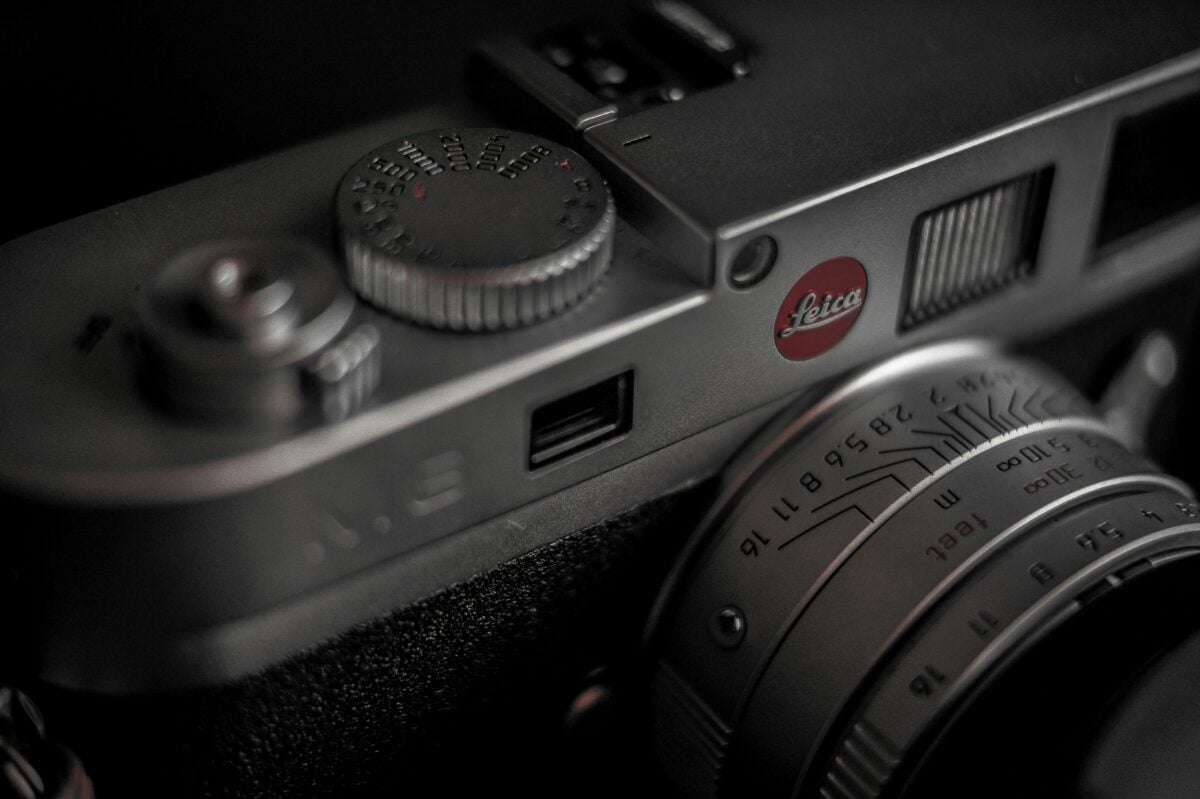
The most sought-after 35mm film camera on the planet, the M6 in excellent condition regularly sells for $3,200, while mint specimens with original packaging have sold close to $9,000. Black chrome versions command a premium over silver models.
The film photography revival has pushed M6 prices up roughly 41% over their historical average in 2025. These cameras typically sell within days of posting.
Leica MP (2003–Present)
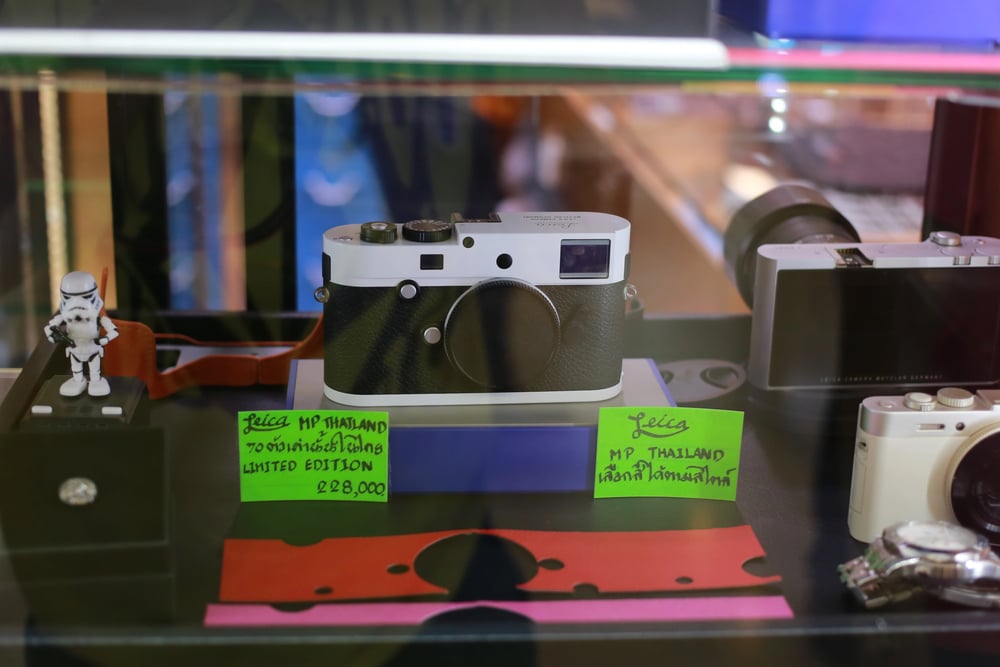
Released in 2003 as a mechanical 35mm film camera, the Leica MP usually fetches around $5,000 in used condition, with new-in-box versions reaching $9,000. It embodies everything serious photographers value in an analog camera: hand-crafted precision, mechanical reliability, and no batteries required.
Collectors treat these as investment pieces as much as working tools.
Hasselblad 500C/500CM (1957–1994)
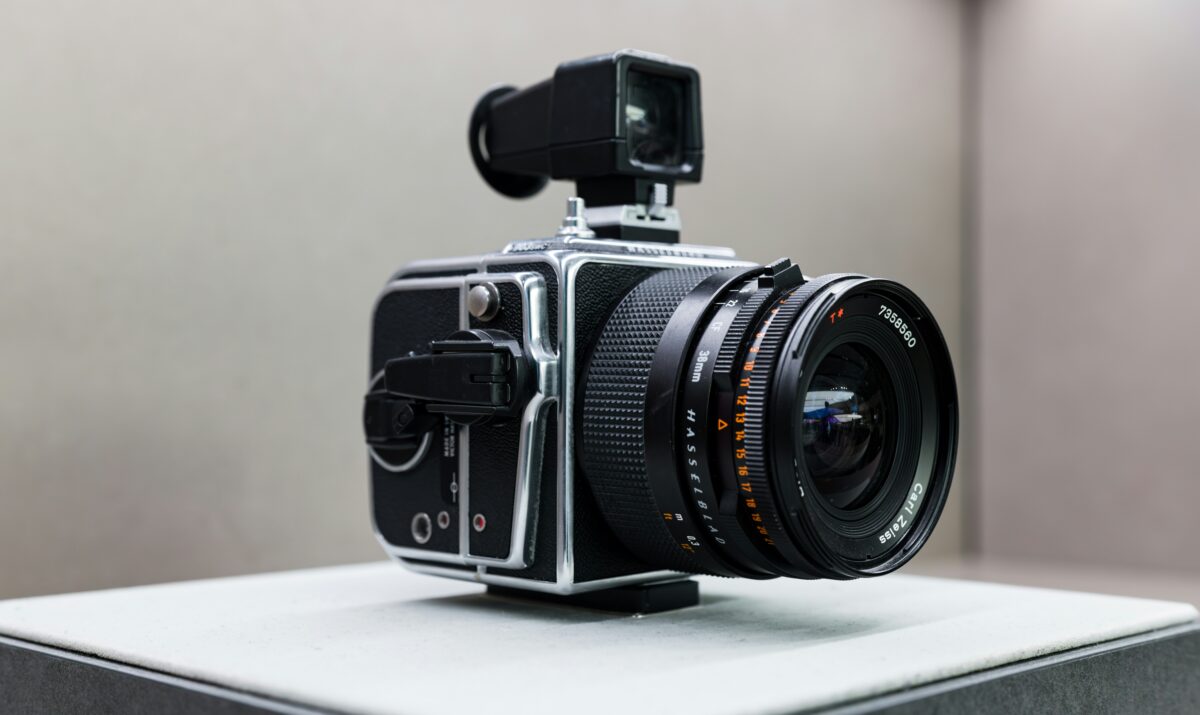
The legendary medium-format camera used by professional photographers and NASA astronauts commands serious money. Working examples with lenses typically sell for $800 to $2,500, but pristine sets with multiple lenses and accessories can reach $6,000 to $7,000.
The 500CM variant is slightly more desirable. These cameras sell quickly because medium-format photography is experiencing its own renaissance.
Hasselblad 500C Used in NASA’s Apollo Missions
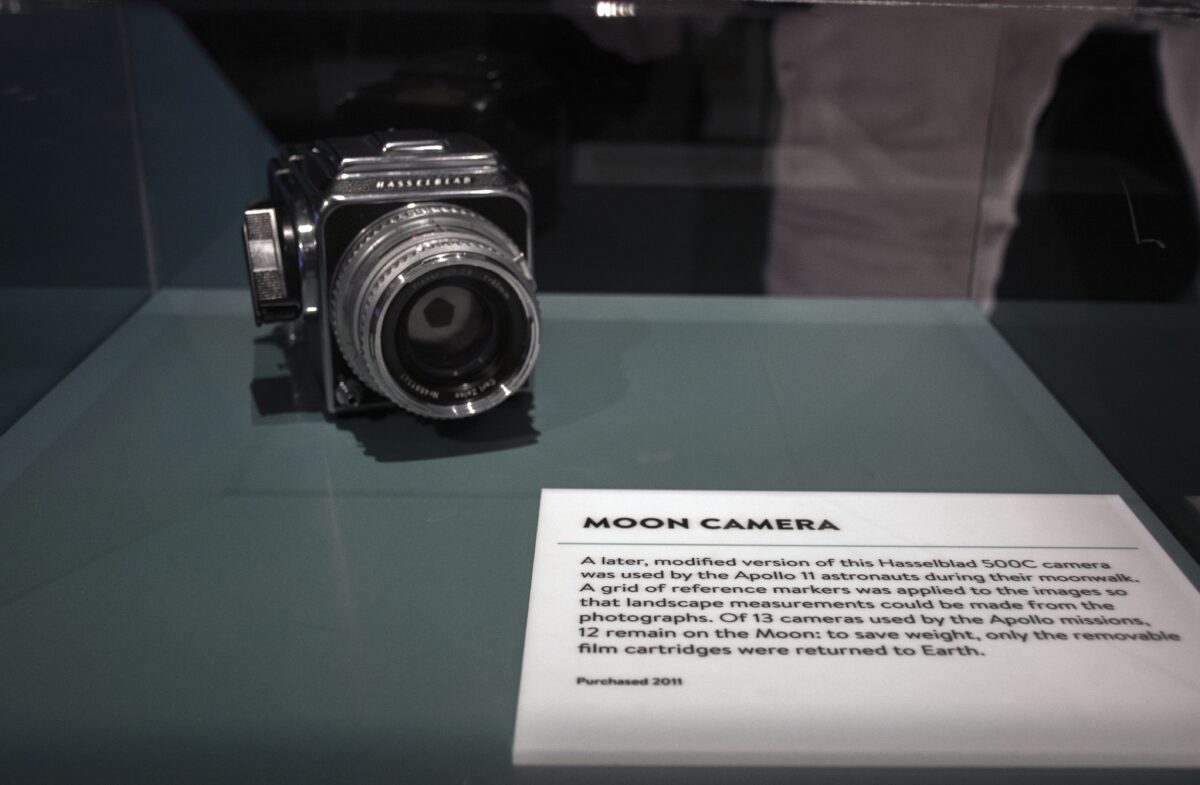
A Hasselblad 500C used during the Apollo 15 moon mission sold for approximately $910,000 at auction. Even standard non-flight models hold extraordinary value.
The association with space exploration creates a cultural cache that drives collector demand far beyond typical camera enthusiasm. Any Apollo-era Hasselblad is essentially a piece of space history that captures immediate interest from serious collectors.
Mamiya 7II (1999)
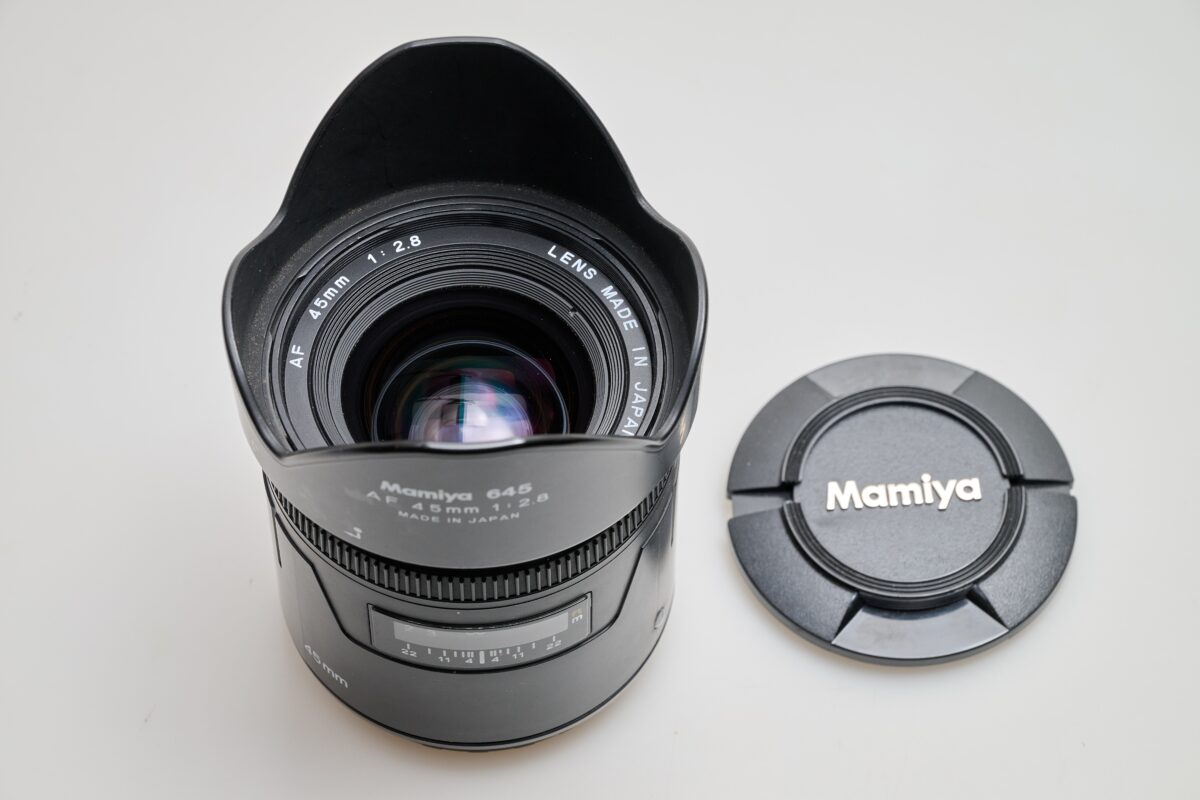
This rare gem among medium-format cameras is known for superb lens quality and lightweight design. A well-preserved Mamiya 7II with its original box can fetch up to $10,000.
The combination of advanced metering for a film camera and exceptional optics makes it highly sought after by both collectors and working photographers. These cameras rarely appear on the secondhand market, and demand consistently exceeds supply.
Rolleiflex Twin-Lens Reflex (1929–1980s)
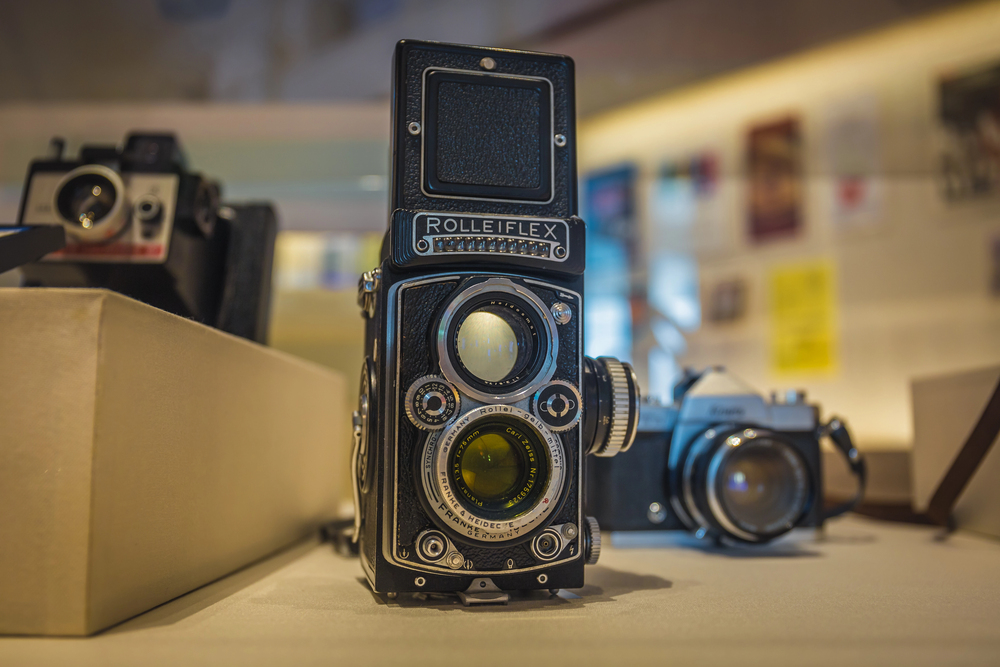
The classic medium-format camera with its distinctive twin lenses is experiencing a serious resurgence. Working models with clean optics sell for $400 to $1,200, but rare early examples and pristine condition specimens have reached $3,000 and higher.
The Rolleiflex T, TLR, and pre-war models are particularly sought after. These cameras have a devoted collector base that actively bids against each other for quality examples.
Contax RTS III (1993)

This professional-grade 35mm SLR with advanced metering is increasingly sought after. Working examples sell for $600 to $1,500, with pristine examples reaching higher.
The titanium shutter and weather-sealed construction appeal to photographers using film in professional contexts. Scarcity and specialized appeal drive consistent buyer interest.
Nikon F (1959 Original Model)
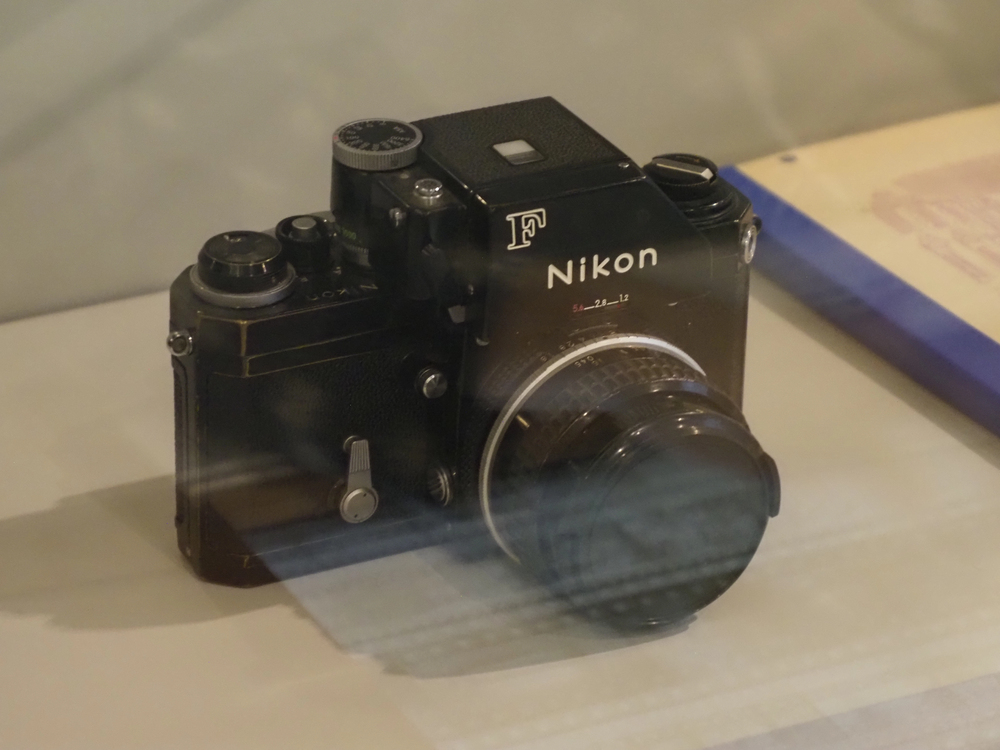
The professional workhorse that established Nikon’s reputation commands serious collector prices. Original F models with working mechanisms sell for $400 to $1,200, but pristine examples with original lenses fetch $2,000 to $3,500.
The professional photography heritage and robust mechanical design create lasting value. These cameras continue selling briskly to both collectors and working photographers.
Nikon SP Rangefinder (1957–1958)
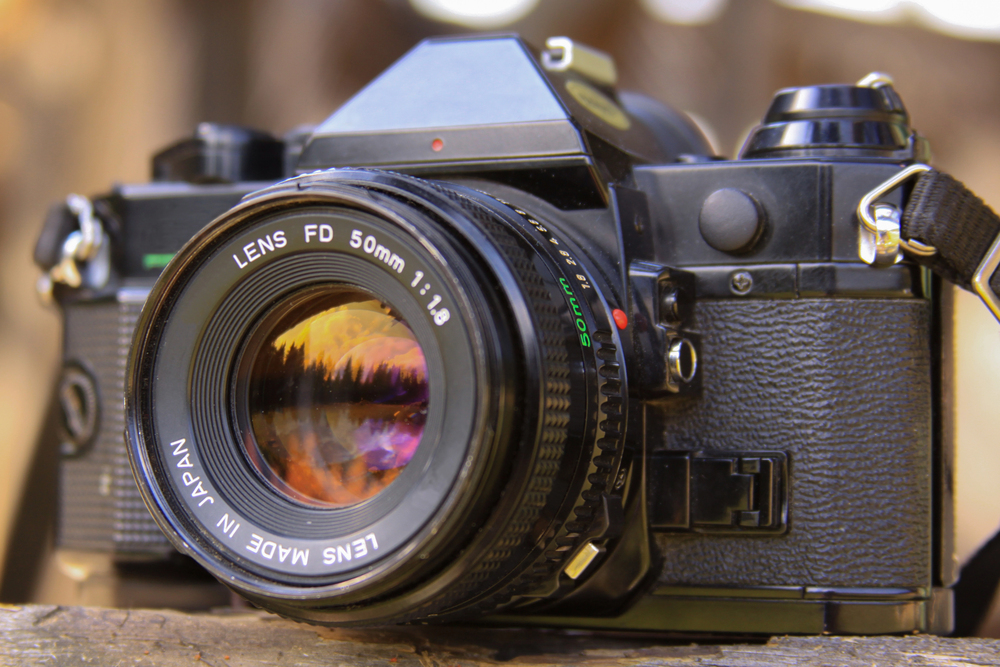
This professional rangefinder camera is increasingly valuable as collectors discover its optical superiority and mechanical excellence. Working examples with proper lenses sell for $1,500 to $4,000.
The SP’s mechanical sophistication and relative scarcity compared to the F model make it a premium collector item. Demand regularly exceeds available stock.
Canon Rangefinder IVSb (1950s)
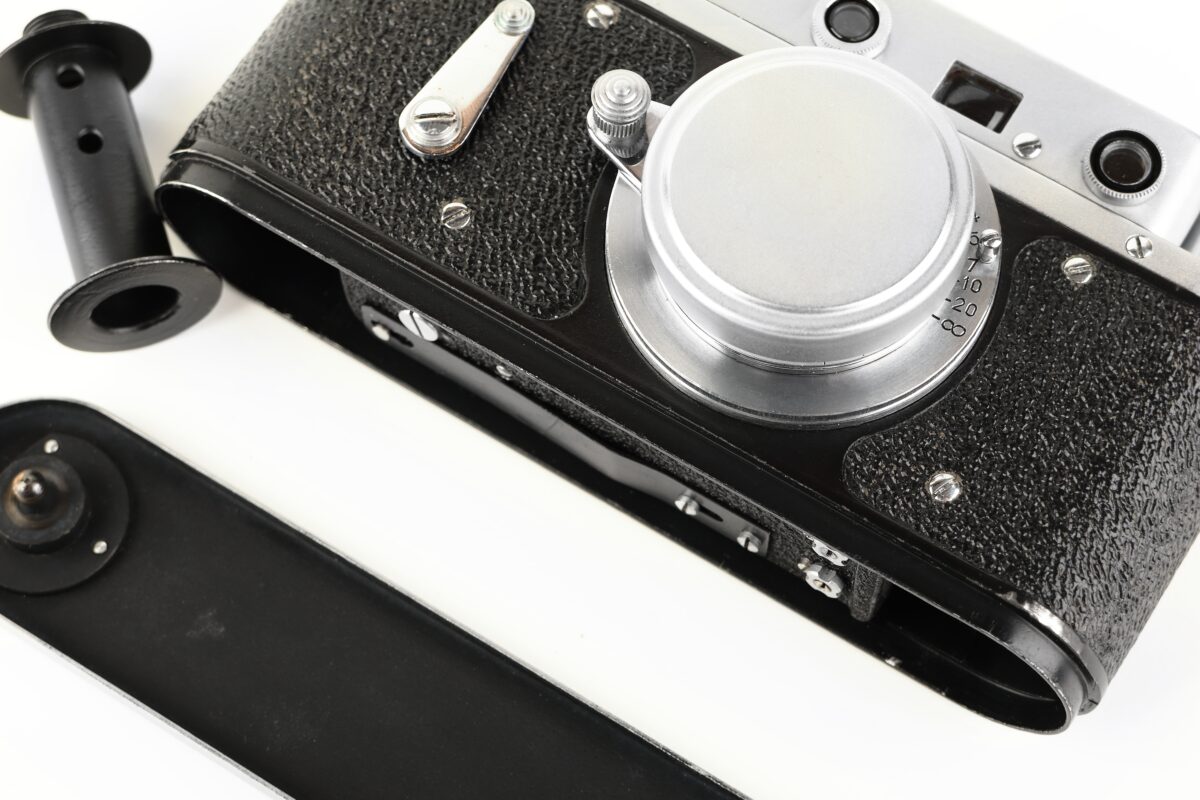
Vintage Canon rangefinders from the 1950s are experiencing surprising collector demand. Working examples sell for $300 to $800, with pristine models in original condition reaching $1,500.
The cameras represent pre-digital Japan’s manufacturing excellence and appeal to collectors of both photography equipment and Japanese design history.
Pentax K1000 (1976–1997)
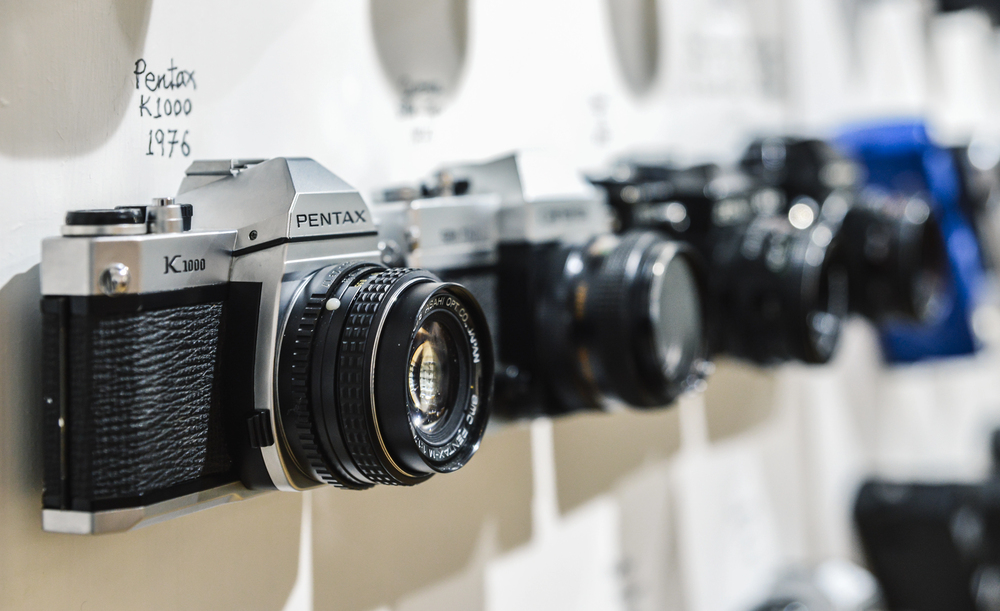
Though more recent than other collectibles, the K1000 has become unexpectedly valuable. Mint examples with original boxes fetch $400 to $800.
The camera’s iconic status as a photography school standard and its simple mechanical reliability drive consistent collector interest. Educators and historians actively seek out original examples for their collections.
Kiev cameras (Soviet Union, 1950s–1980s)
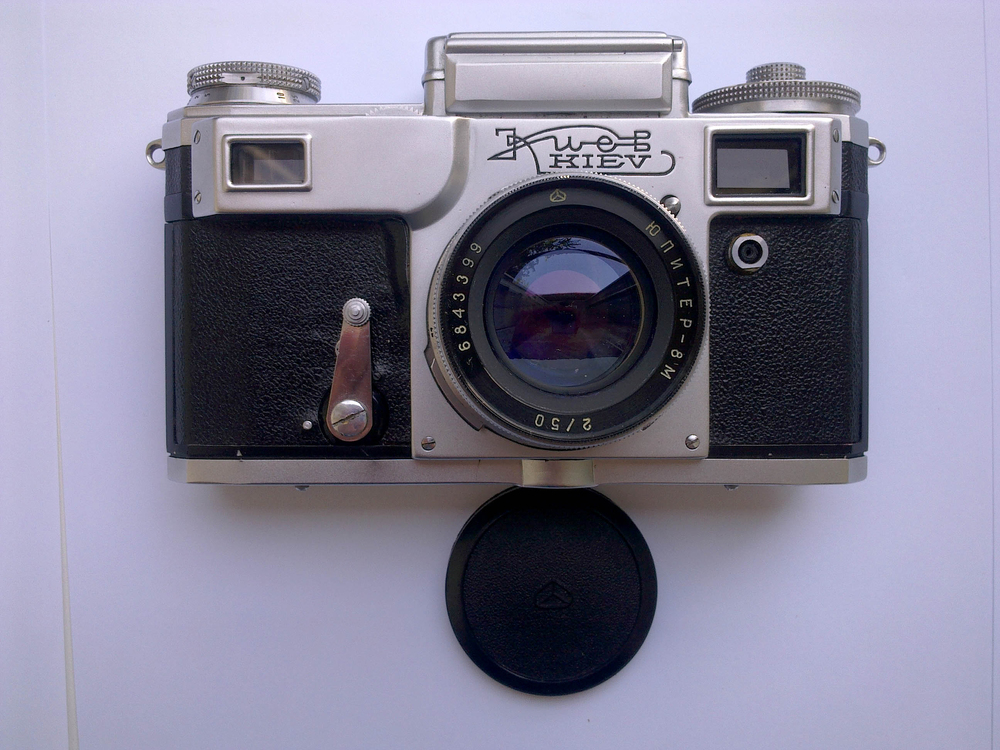
These medium-format Soviet cameras, particularly Kiev 4 and Kiev 88 models, are experiencing a renaissance among lo-fi and vintage photography enthusiasts. Working examples sell for $200 to $600, with pristine models reaching $1,200.
The cameras represent Cold War-era mechanical engineering and appeal to collectors interested in international camera history.
Bronica SQ (Medium-Format, 1979–1981)
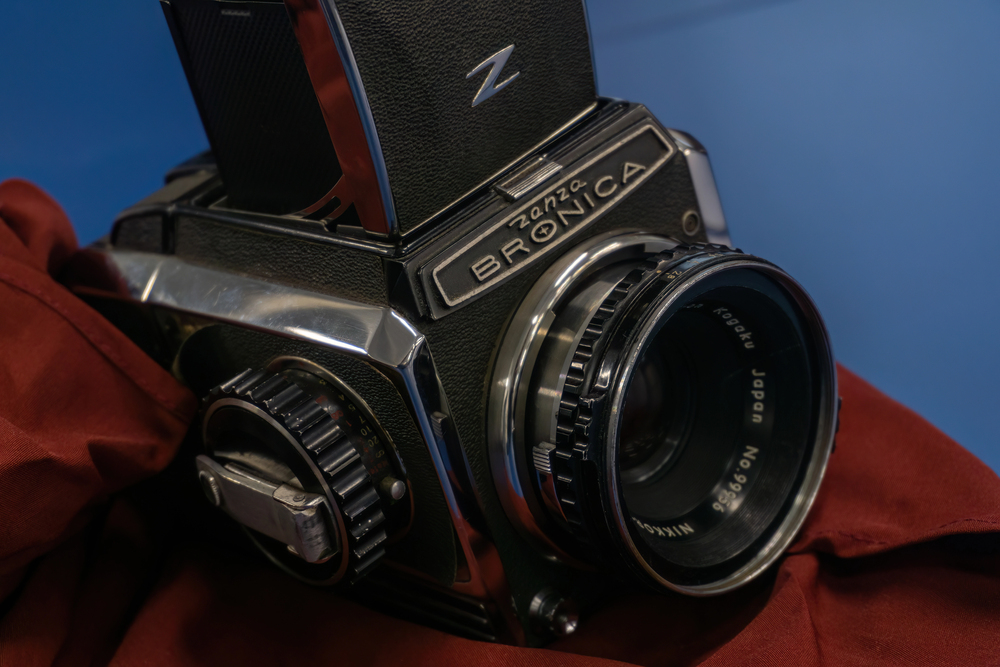
This square-format camera is increasingly valued by photographers preferring 6×6 negatives. Working examples with lenses typically sell for $600 to $1,500.
The Bronica appeal crosses both photography professionals and collectors. Demand has grown steadily as digital photography proves inadequate for certain creative purposes.
Yashica Mat-124G (Twin-Lens Reflex, 1968–1970s)
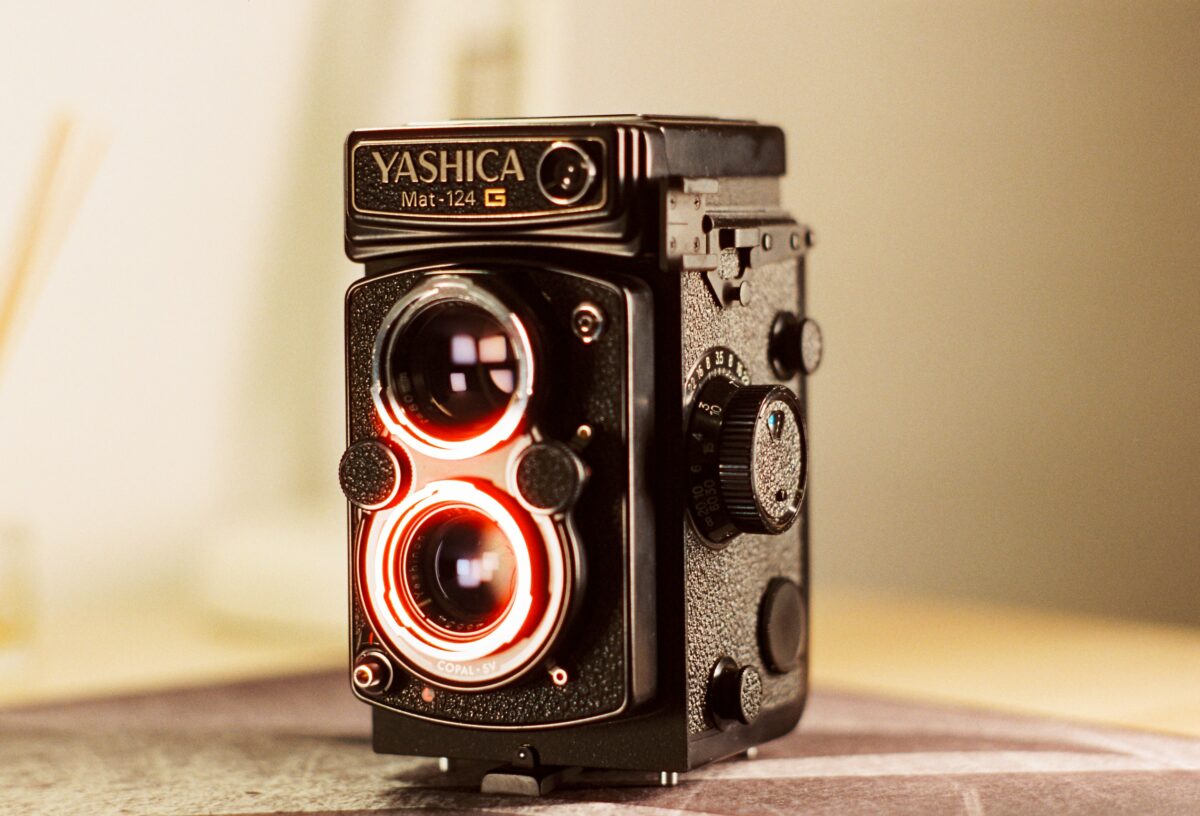
An affordable medium-format option with exceptional optics, the Yashica Mat series commands $300 to $800 depending on condition and lens quality. Pristine examples with original cases can reach $1,200.
The cameras are actively used by working photographers, which drives prices upward compared to purely collectible pieces. These cameras sell quickly when priced competitively.
Mamiya C330 (Medium-Format, 1960–1990)
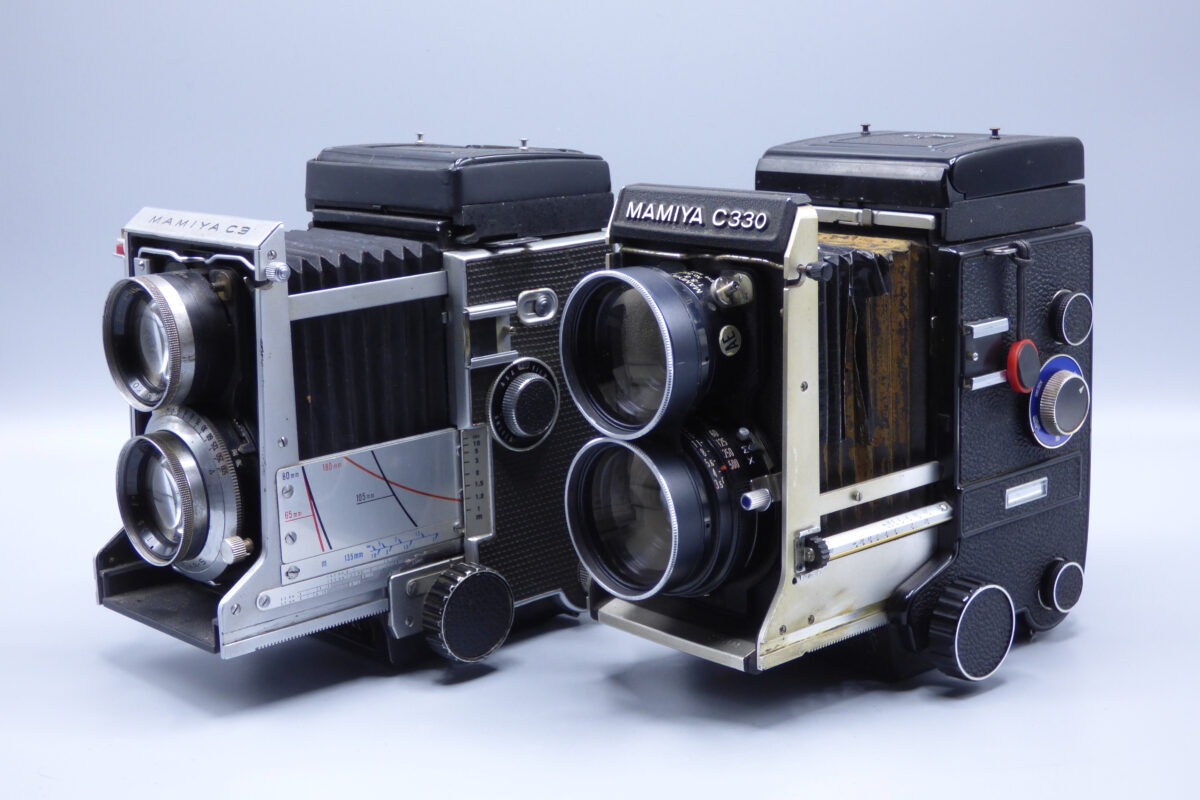
This interchangeable-lens medium-format camera is experiencing strong collector demand. Working examples with lenses typically sell for $400 to $1,000, with pristine sets reaching $2,000.
The modularity and lens quality appeal to both shooters and collectors. The value has appreciated notably over the past five years.
Deardorff 8×10 (Large-Format, 1923–1988)
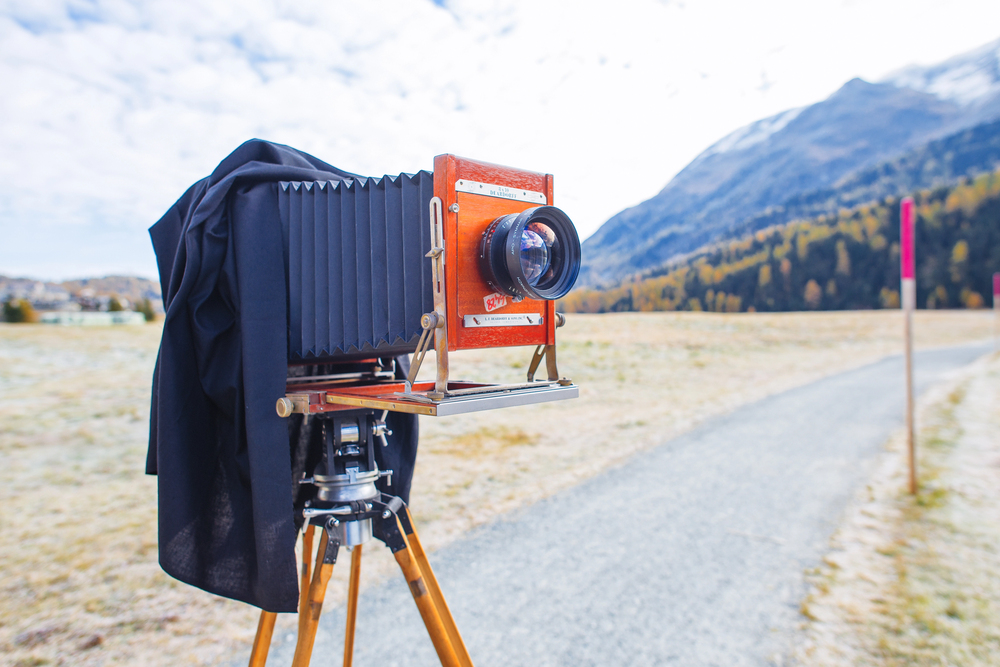
The legendary wooden and metal large-format camera is highly valuable to fine art photographers and collectors. Well-maintained examples with proper lenses sell for $1,500 to $4,000, with exceptional models reaching $7,000 and higher.
The combination of mechanical perfection and artistic credibility creates sustained demand. These cameras move quickly when listed accurately.
Graflex Crown Graphic (4×5 Large-Format, 1950s–1970s)
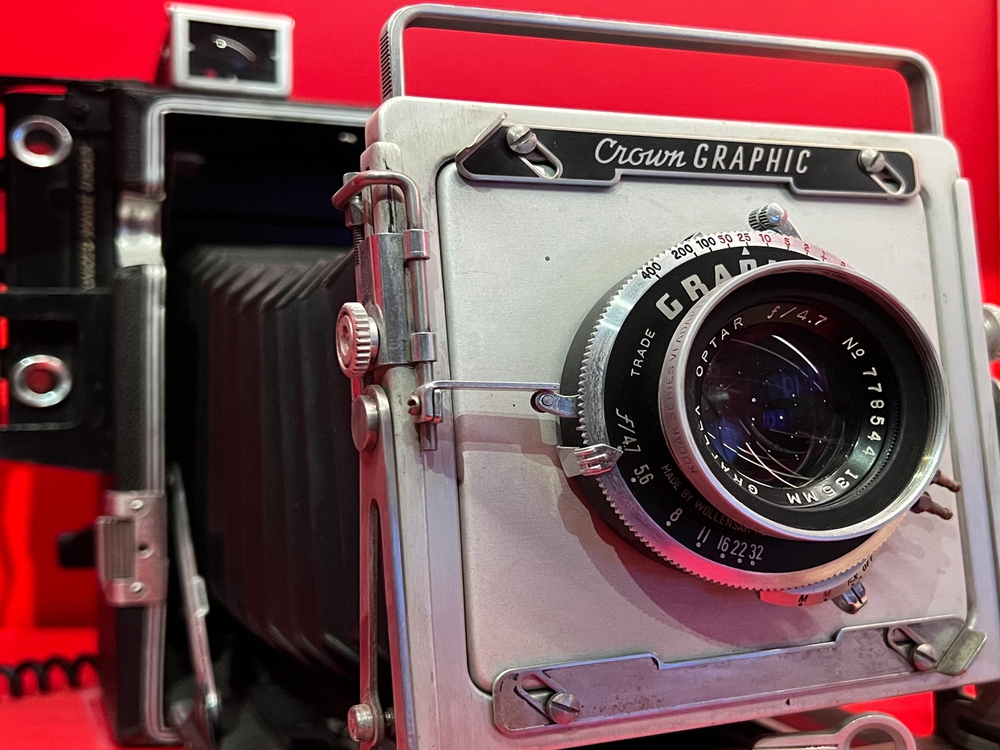
Press photographers and large-format enthusiasts actively seek these press cameras. Working examples with proper lenses sell for $400 to $1,200.
The cameras’ history with photojournalism and their robust mechanical construction attract both working photographers and equipment historians. These cameras consistently sell within weeks of listing.
Fujica GW690 (1983–1987)
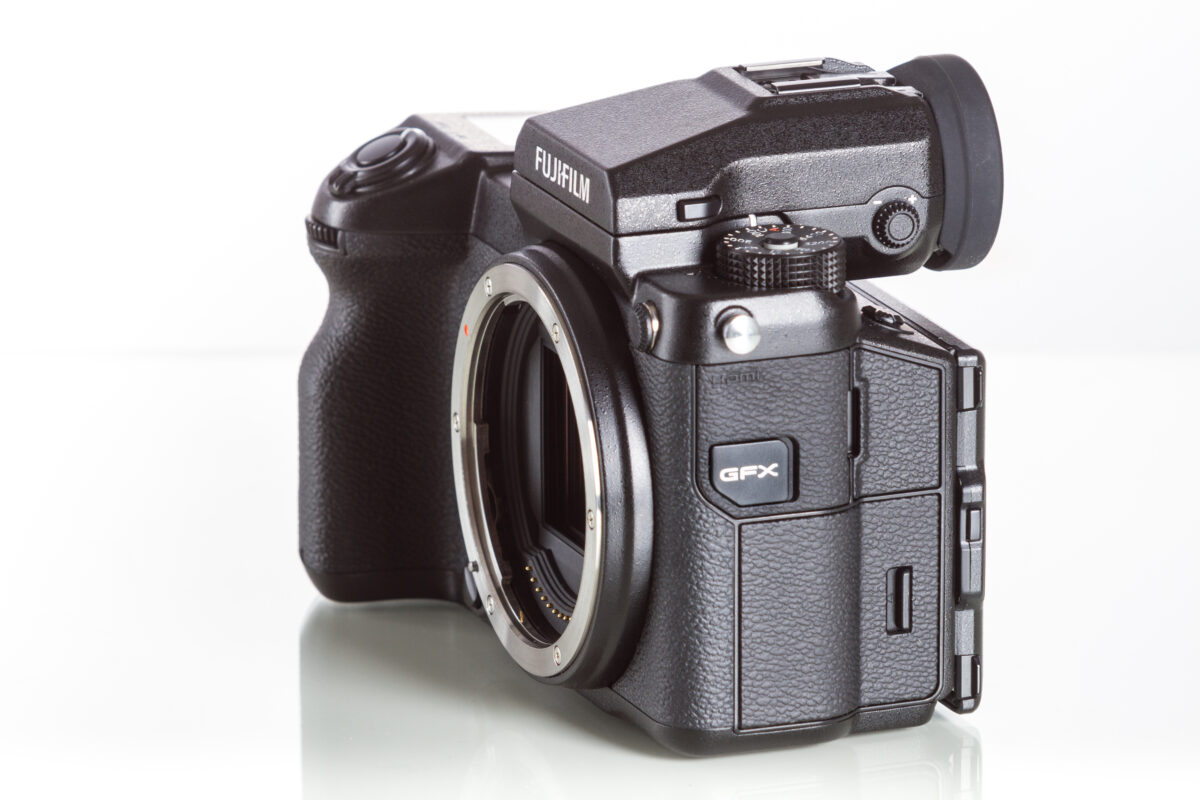
This compact medium-format camera with exceptional 90mm lens is increasingly sought after. Working examples sell for $800 to $1,800, with pristine examples reaching higher.
The combination of portability and image quality makes it ideal for working photographers, which sustains collector demand. These cameras rarely appear on the secondhand market at any price.
Olympus Pen EE (Half-Frame, 1960s)
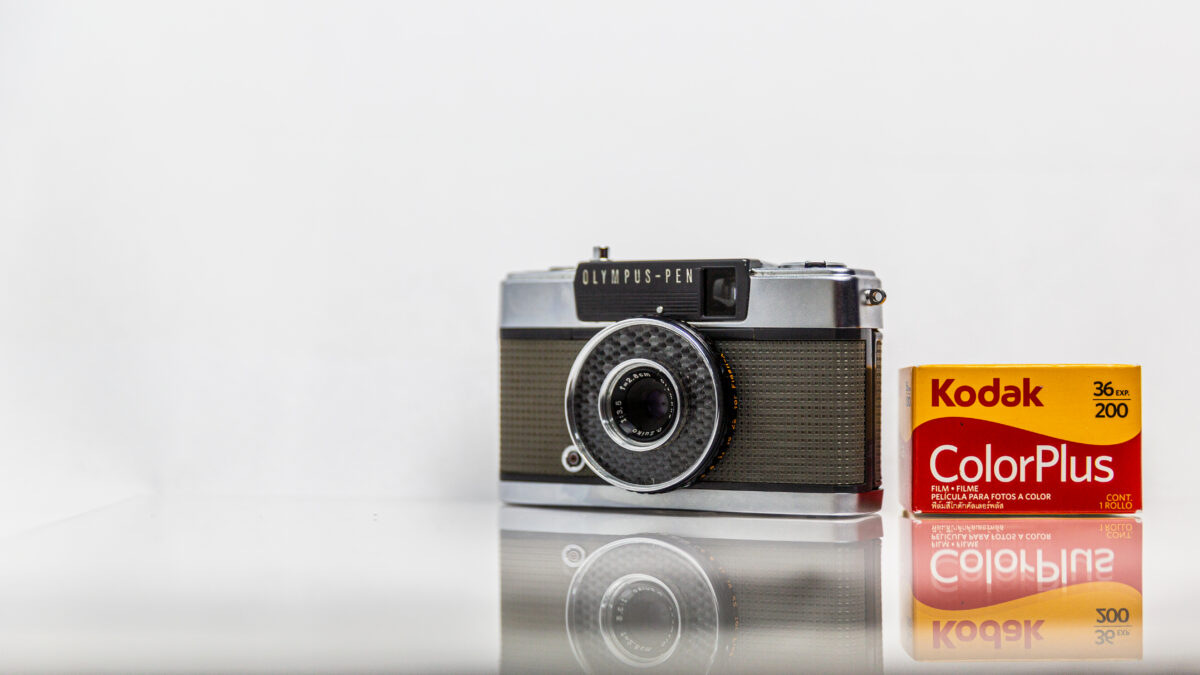
The unique half-frame format appeals to collectors and creative photographers. Working examples in decent condition sell for $50 to $300, but pristine examples with original cases fetch $400 to $800.
The novelty of the format and the cameras’ compact design create sustained niche interest. These cameras appeal to collectors who treasure unusual engineering solutions.
The Collector Market Outpaces Supply
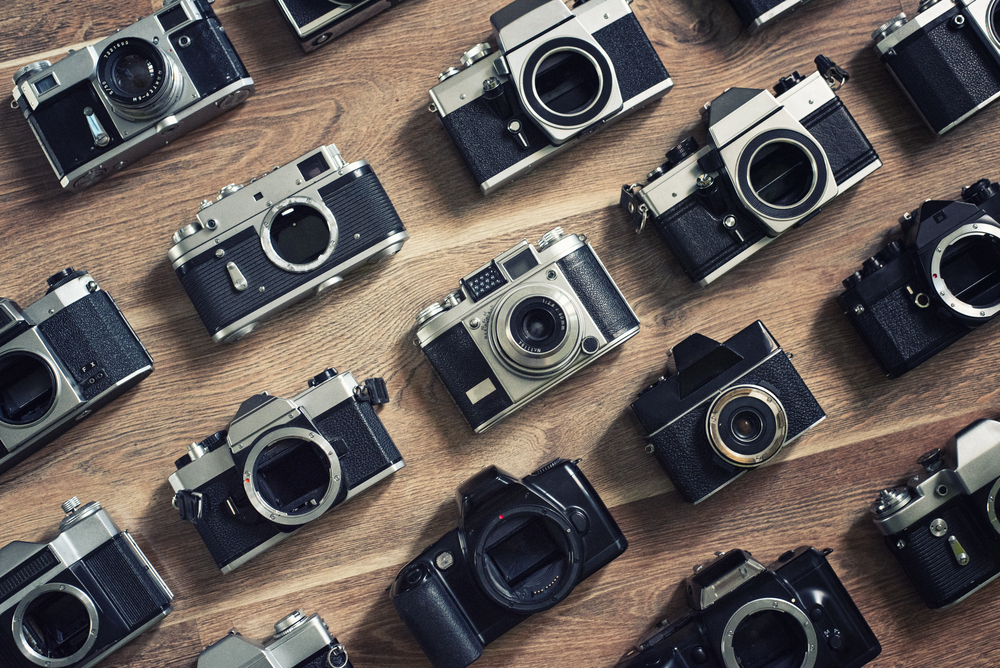
The film photography revival has fundamentally changed camera valuations. Cameras that were considered obsolete technology in 2010 now command prices competitive with entry-level digital equipment.
Mechanical reliability, optical excellence, and emotional connection to analog processes drive demand far beyond what most people expect. Finding any of the cameras listed here in working condition is genuinely valuable.
Supply remains artificially constrained because older cameras simply vanish into collections—they are not destroyed, recycled, or passed on, they are permanently retained by enthusiasts who recognize their importance and are unwilling to sell at any reasonable price. The speed of sale reflects genuine market demand.
A Leica M6 in good condition listed at fair market price will typically sell within 24 to 48 hours. Rare models and pristine examples generate competing bids that drive prices upward in real time.
This is not a speculative market driven by nostalgia or trend—it is a functioning collector market driven by working photographers and equipment historians who use these cameras actively and recognize their superior mechanical design compared to modern alternatives. For anyone discovering old cameras in storage or at thrift stores, taking time to research the specific model and condition can reveal unexpected financial opportunities.
More from Go2Tutors!

- 16 Historical Figures Who Were Nothing Like You Think
- 12 Things Sold in the 80s That Are Now Illegal
- 15 VHS Tapes That Could Be Worth Thousands
- 17 Historical “What Ifs” That Would Have Changed Everything
- 18 TV Shows That Vanished Without a Finale
Like Go2Tutors’s content? Follow us on MSN.