Historic Hotels That Housed World Figures and the Stories Left Behind
Some buildings do more than offer a place to sleep. They become witnesses to history, standing tall as presidents make decisions, artists find inspiration, and leaders shape the world.
Hotels around the globe have served as temporary homes to people who changed everything, and their walls still echo with the moments that mattered. These aren’t just places with fancy lobbies and room service. They’re where history actually happened.
The Waldorf Astoria

Every U.S. president since Herbert Hoover has stayed at this New York landmark, turning it into an unofficial second White House. The hotel opened its famous Waldorf Towers in 1931, and the 42nd floor became home to Herbert Hoover after his presidency ended.
He lived there for more than 30 years, using the suite as his office and residence. The hotel’s private railway platform, Track 61, allowed Franklin D. Roosevelt to arrive in complete privacy, rolling his train car directly beneath the building to avoid being photographed in his wheelchair.
Raffles Hotel

Singapore’s most famous hotel opened in 1887 and quickly became the place where colonial society gathered and mingled. Writer Rudyard Kipling stayed here in 1889 and later wrote about feeding his passion for exploration within its halls.
The Long Bar became legendary when bartender Ngiam Tong Boon invented the Singapore Sling cocktail around 1915, creating a drink that’s still served there today. Somerset Maugham, another literary giant, spent time writing in the hotel and called it a place that stood for all the fables of the exotic East.
Hotel del Coronado
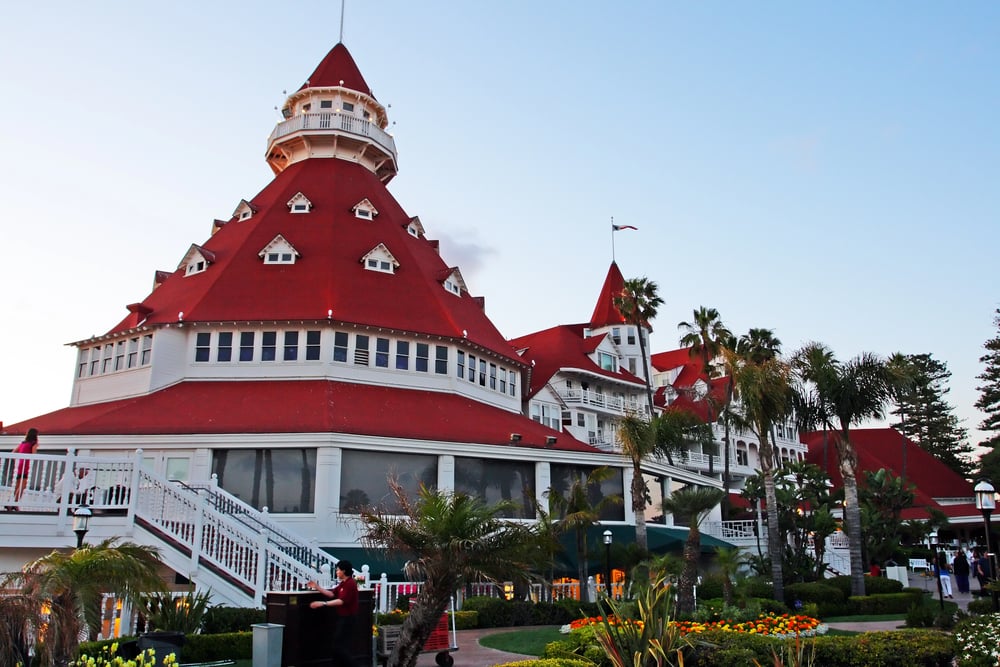
This sprawling red-roofed resort on a California island hosted 14 U.S. presidents and became a playground for the famous. L. Frank Baum stayed here in 1904, and many believe the hotel’s ornate crown-shaped chandeliers and turrets inspired elements of his Emerald City in “The Wizard of Oz.”
Marilyn Monroe filmed “Some Like It Hot” here in 1958, and the hotel’s Victorian architecture provided the perfect backdrop. Thomas Edison himself supervised the installation of the hotel’s electrical system in 1888, making it one of the first buildings lit entirely by incandescent lights.
The Savoy

London’s Savoy Hotel opened in 1889 and immediately set standards that other hotels could only dream about. Claude Monet stayed here multiple times between 1899 and 1901, painting his famous Thames series from a fifth-floor balcony overlooking the river.
Winston Churchill held regular meetings in the hotel’s private rooms during World War II, considering it secure enough for sensitive discussions. The American Bar became a gathering spot for everyone from Frank Sinatra to Marilyn Monroe, and the hotel employed the first woman to manage a luxury hotel bar when Ada Coleman took over in 1903.
The Plaza
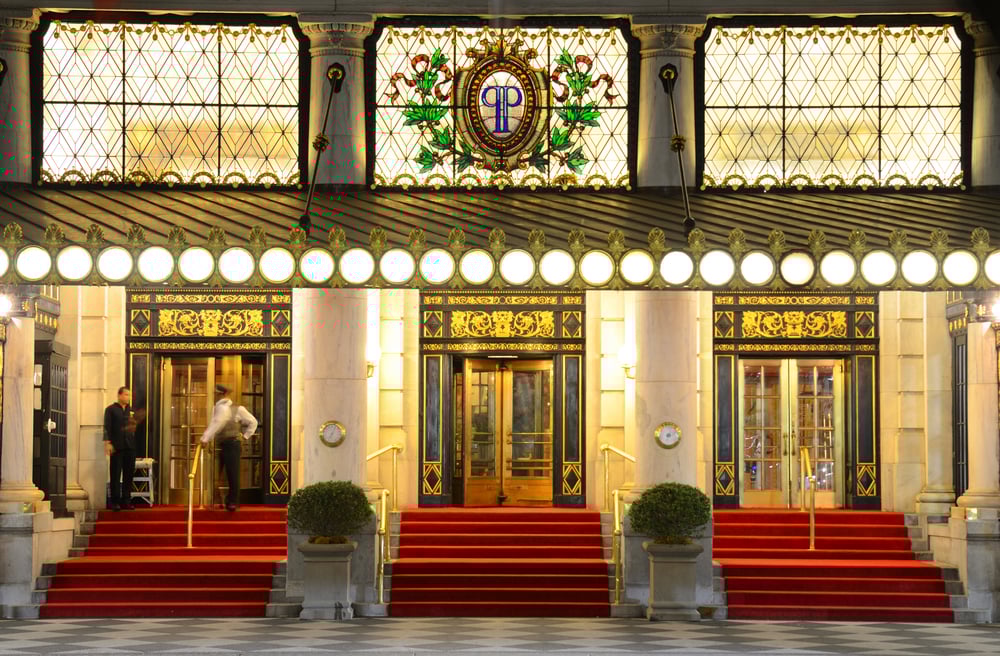
This New York icon opened in 1907 and became home to anyone who mattered in American culture. The Beatles stayed here during their first U.S. visit in 1964, causing such chaos that thousands of fans surrounded the building.
F. Scott Fitzgerald lived in the hotel with his wife Zelda, and he featured it in “The Great Gatsby” as the place where the story’s climactic confrontation happens. Truman Capote threw his legendary Black and White Gala here in 1966, an event that became the party of the century with 540 guests who represented the absolute peak of society and celebrity.
Pera Palace

Istanbul’s Pera Palace opened in 1892 to accommodate passengers arriving on the Orient Express, and it quickly became a crossroads of espionage and intrigue. Agatha Christie stayed in Room 411 and wrote part of “Murder on the Orient Express” there, with the room now preserved as a museum.
Mata Hari, the famous dancer turned suspected spy, frequented the hotel during World War I. Ernest Hemingway reported from the hotel during the Greco-Turkish War in 1922, and Greta Garbo hid from fans in its private corners during her visits.
The Breakers

Henry Flagler built this Palm Beach palace in 1896, and it became the winter retreat for America’s wealthiest families. John D. Rockefeller spent winters here, conducting business from the comfort of oceanfront luxury.
The hotel survived two fires, with the current Italian Renaissance structure opening in 1926 after the second one. Andrew Carnegie celebrated holidays here with his family, and the hotel’s guest registers read like a who’s who of Gilded Age America.
Claridge’s

This London hotel became the home-in-exile for European royalty during World War II, with so many displaced monarchs staying that people called it an “annex to Buckingham Palace.” In 1945, the hotel’s Suite 212 was temporarily declared Yugoslav territory so Crown Prince Alexander could be born on Yugoslav soil while his family sheltered in England.
Queen Victoria visited for tea, establishing a royal connection that continues today. Winston Churchill used the hotel for clandestine meetings, and Coco Chanel made it her London base, conducting business from her suite.
Hotel Sacher

Vienna’s Hotel Sacher opened in 1876 and became central to the city’s cultural life, with its location near the opera house making it a natural gathering spot. The hotel’s founder created the original Sachertorte, a chocolate cake that sparked a legal battle over the authentic recipe that lasted decades.
Composer Richard Strauss lived in the hotel for years, and politicians met in its café to discuss the future of Austria-Hungary. The hotel survived both world wars, though it suffered damage and occupation, always managing to restore itself to its former glory.
The Ritz Paris
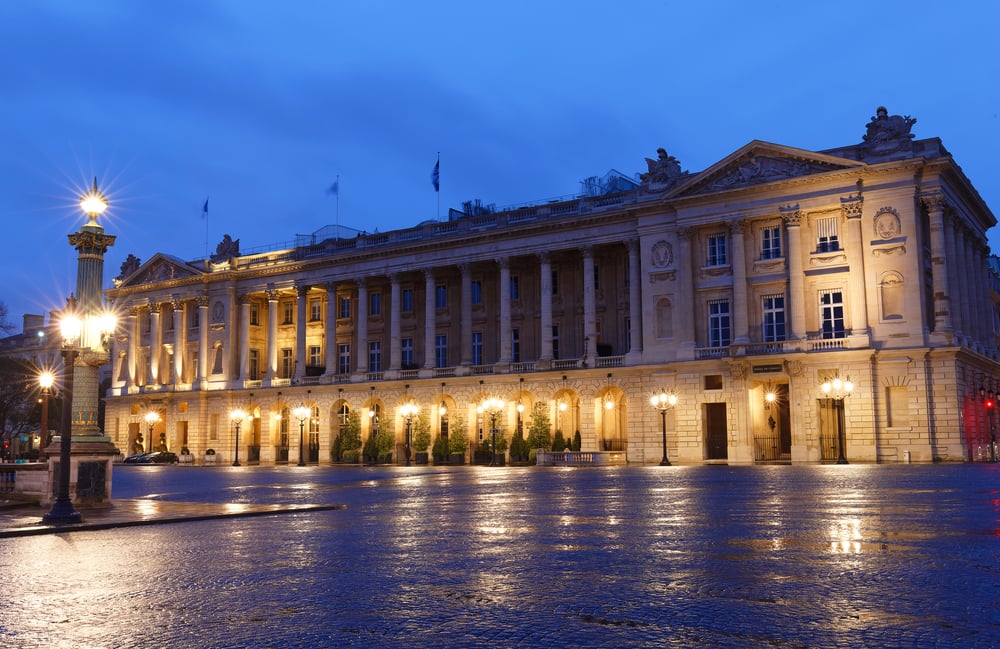
Cesar Ritz opened this hotel in 1898, and it immediately redefined luxury hospitality with revolutionary ideas like private bathrooms in every room. Ernest Hemingway personally “liberated” the hotel’s bar from German occupation in 1944, ordering champagne for his companions and declaring the Ritz free.
Coco Chanel lived in a suite for 34 years, from 1937 until her death in 1971, conducting her fashion empire from the hotel. F. Scott Fitzgerald and his wife Zelda ran up enormous bills here during the 1920s, living the extravagant lifestyle that would later inspire his writing.
Brown’s Hotel

London’s oldest hotel opened in 1837 and became a home away from home for visiting Americans and European nobility. Alexander Graham Bell made the first telephone call in Britain from the hotel in 1876, placing it to his assistant in another room as a demonstration.
Theodore Roosevelt chose Brown’s for his honeymoon in 1886, and Franklin and Eleanor Roosevelt stayed here during their 1918 visit to London. Rudyard Kipling wrote parts of “The Jungle Book” while staying at Brown’s, finding inspiration in its quiet luxury.
Chateau Marmont

This Hollywood hideaway opened in 1929 and quickly became the place where stars could relax away from prying eyes. F. Scott Fitzgerald suffered a heart attack while living in the hotel in 1940, collapsing in the apartment of his companion Sheilah Graham.
James Dean jumped through a window into the hotel’s lobby to audition for “Rebel Without a Cause,” making an entrance that matched his wild reputation. Led Zeppelin rode motorcycles through the hallways in the 1960s, and the hotel’s policy of discretion made it a sanctuary for anyone famous who wanted privacy.
The Imperial

This Tokyo landmark opened in 1890 and became the center of diplomatic life in Japan’s capital. Frank Lloyd Wright designed a new building for the hotel that opened in 1923, surviving the Great Kanto Earthquake on its opening day while buildings around it crumbled.
General Douglas MacArthur made the hotel his headquarters during the U.S. occupation of Japan after World War II, effectively running the country from its suites. Martin Luther King Jr. stayed here during his 1964 visit to Japan, and the hotel hosted countless state dinners and diplomatic negotiations that shaped modern Japan.
Hotel Grande Bretagne

A door once swung open in 1874, revealing Athens’ most imposing hotel, soon humming with whispers of power as kings and leaders shaped nations inside. Christmas 1944 found Winston Churchill beneath its roof, while tension crackled through streets on the brink of civil war following Nazi retreat.
From above, the rooftop saw everything – soldiers peering over edges, rebels watching their moment during wartime shifts. When occupiers took hold, boots marched down hallways now silent, leaving marks behind; bullet scars lingered on plaster long after guns fell quiet.
The Peabody
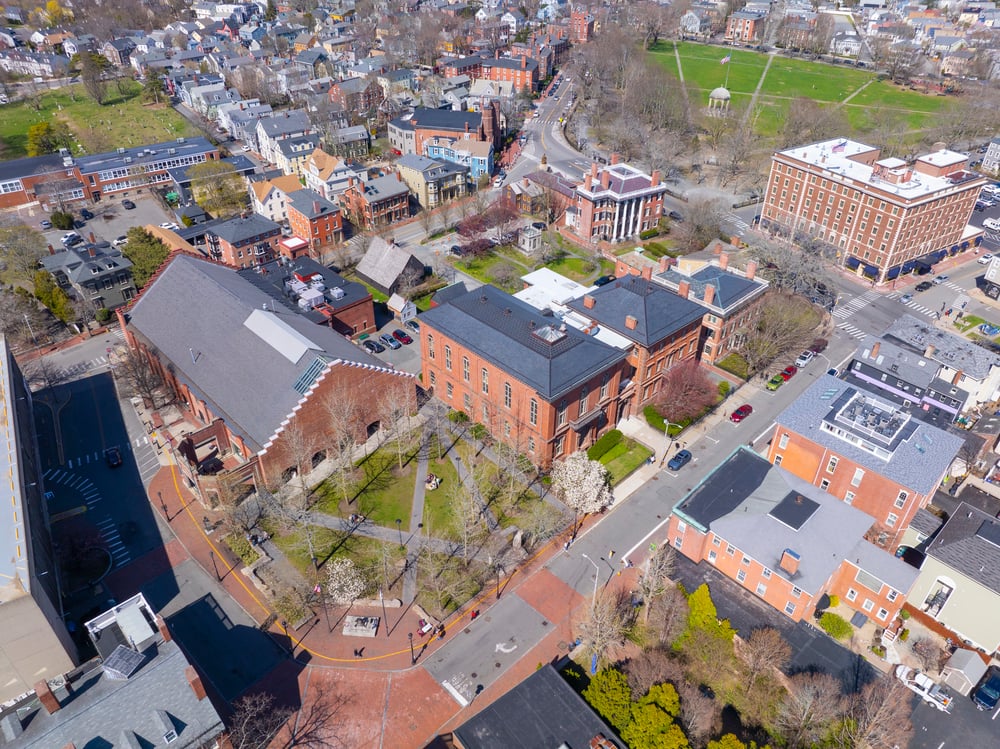
A duck parade began back in 1933, now marching through each day at noon and five. Opened way back in 1869, this Memphis landmark hosts a ritual few places can match.
Before fame found him, Elvis spent his last high school dance right inside these walls in ’53. While war raged, Northern troops ran their operations from the building’s core.
The Algonquin
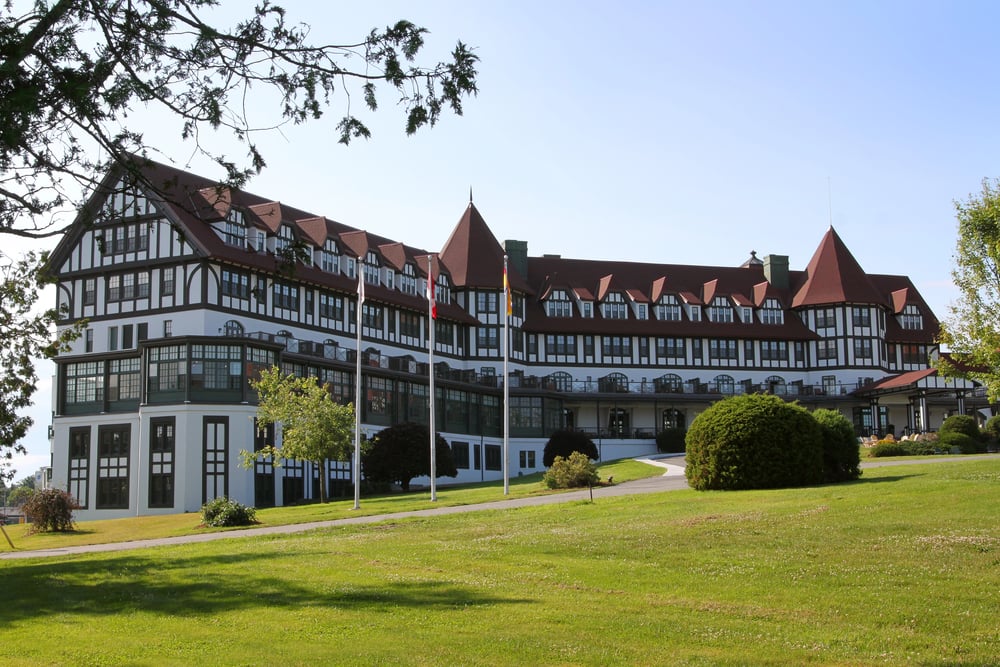
Open since 1902, this famed New York spot lit up during the 1920s with a regular lunch crowd of sharp-tongued writers. Writers like Dorothy Parker, Robert Benchley, and Alexander Woollcott treated it like their second living room.
Witty banter flowed freely, fueling a new edge in American comedy. Though their impact rippled through plays, books, and newsrooms nationwide, they always circled back to these walls.
The Grand Hotel
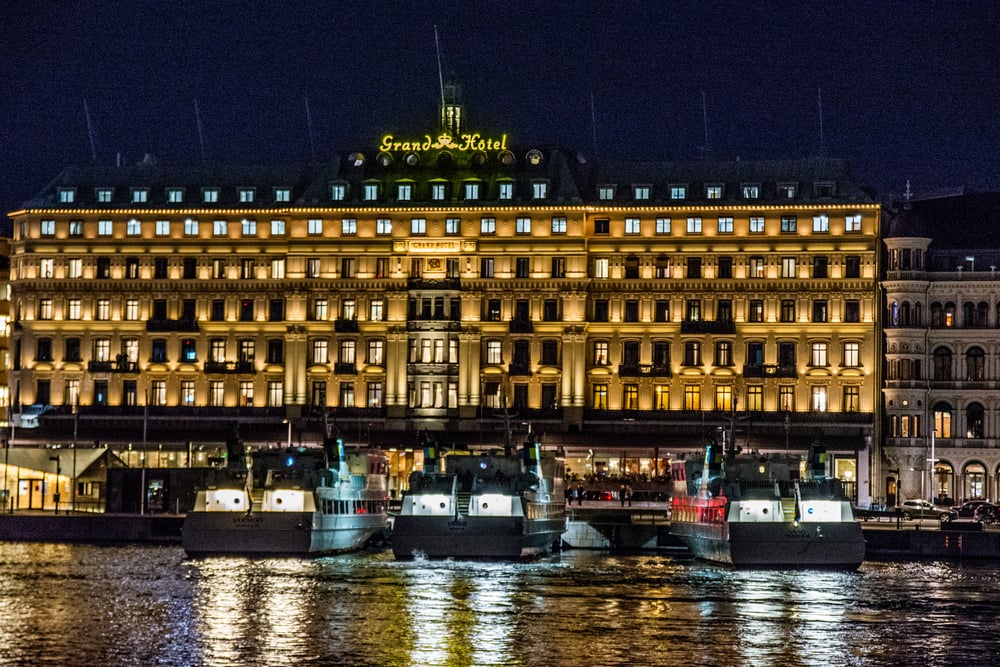
Opened in 1874, Stockholm’s Grand Hotel sits across from the Royal Palace, quickly turning into lodging for Nobel laureates during ceremony season. Before he passed, Alfred Nobel often visited, while the Winter Garden hosted prize dinners year after year.
During her years in Sweden, Greta Garbo made appearances here regularly. In both global conflicts, foreign envoys met within its walls, treating it like shared territory.
Shepheard’s Hotel
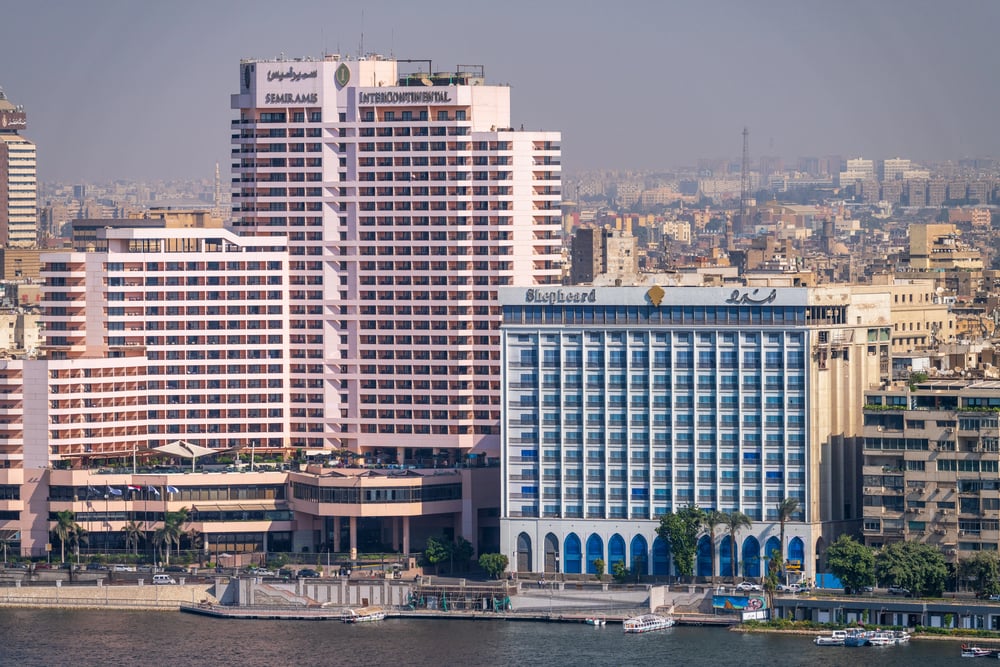
Opened in 1841, Shepheard’s Hotel in Cairo rose fast as the top stay across the region – kings, spies, all passed through. Staying there? Figures like Winston Churchill and Theodore Roosevelt did, using it while moving through Egypt or handling state matters.
Then came January 1952: flames swallowed the building when furious people stormed it amid anger at British control. Gone was the old landmark, yet its fall marked something else – a nation stepping forward on its own terms.
Hotel Metropole
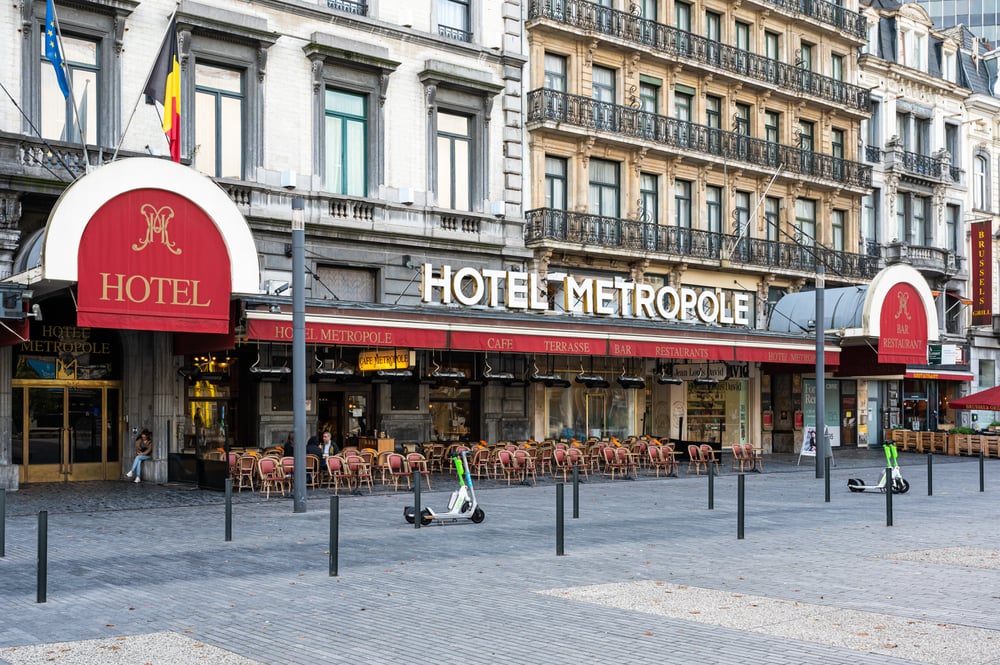
Opened in 1895, Brussels’ Hotel Metropole quickly stood at the heart of Europe’s cultural and political shifts. Right by the city’s power hubs, its presence demanded attention from the start.
Queen Victoria rested within its walls while architects elsewhere began copying its flowing Art Nouveau lines. War reached it twice – German troops claimed the building during both global conflicts – but life inside resumed after each storm passed.
Where the Past Still Lingers

Still standing after conflicts, uprisings, yet shifting eras, these lodgings held tight to their memories. Where leaders once rested, authors shaped words, visitors now find open doors – while cities around them reshaped themselves entirely.
Move across marble floors and you’re moving among moments people didn’t only create but truly felt. Each one here shows how walls can grow beyond brick, becoming quiet keepers where yesterday walks beside today.
More from Go2Tutors!

- The Romanov Crown Jewels and Their Tragic Fate
- 13 Historical Mysteries That Science Still Can’t Solve
- Famous Hoaxes That Fooled the World for Years
- 15 Child Stars with Tragic Adult Lives
- 16 Famous Jewelry Pieces in History
Like Go2Tutors’s content? Follow us on MSN.