Historic Speeches Cut Down Before They Reached Print
Many famous speeches were truncated, edited, or had sections removed before publication. The public record therefore contains abbreviated versions that misrepresent what was actually said.
Generations of readers and students have studied shortened versions without knowledge of what was deleted or why editorial choices were made. The original delivered speeches differed substantially from the printed texts that entered the historical record.
What we remember and quote are often pale shadows of what was actually spoken, with context, qualification, and entire passages removed to fit publication requirements, editorial preferences, or political convenience.
Lincoln’s Gettysburg Address Delivery
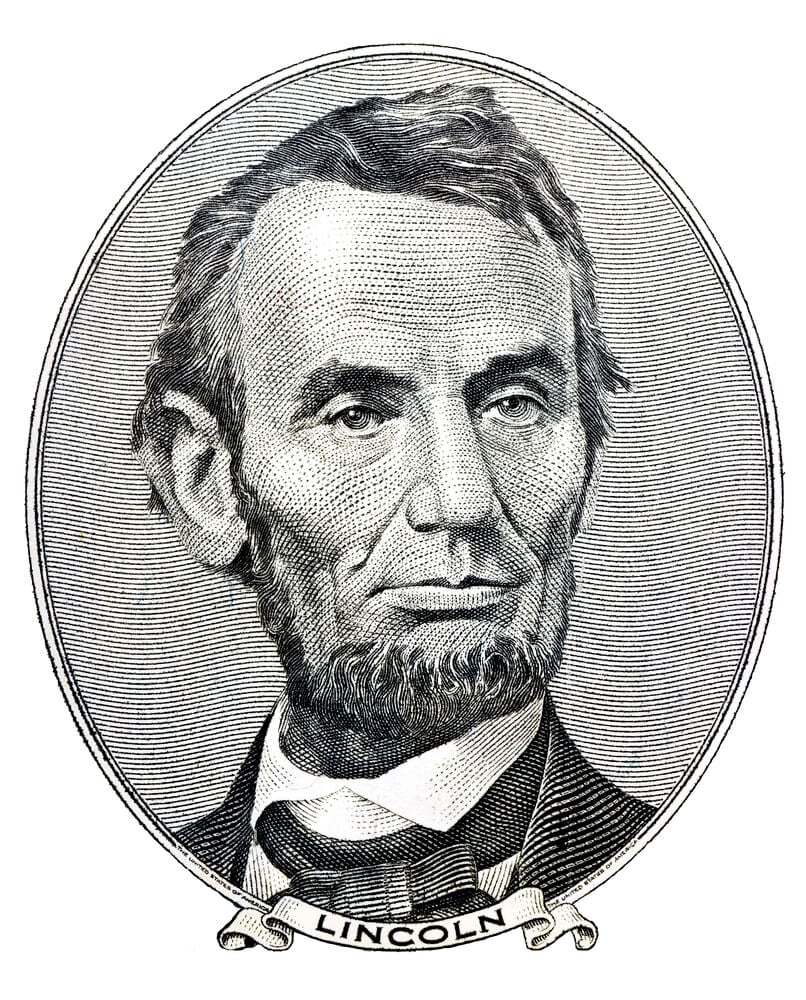
Lincoln’s two-minute speech exists in at least five different handwritten versions, each with minor variations in wording and phrasing. Newspaper accounts from the day reported the speech differently, with some publications inserting religious language Lincoln did not use and others condensing it further for space.
The canonical version taught to schoolchildren was created posthumously and does not represent the exact text Lincoln delivered or even how different newspapers initially transcribed it.
Franklin D. Roosevelt’s First Inaugural Address
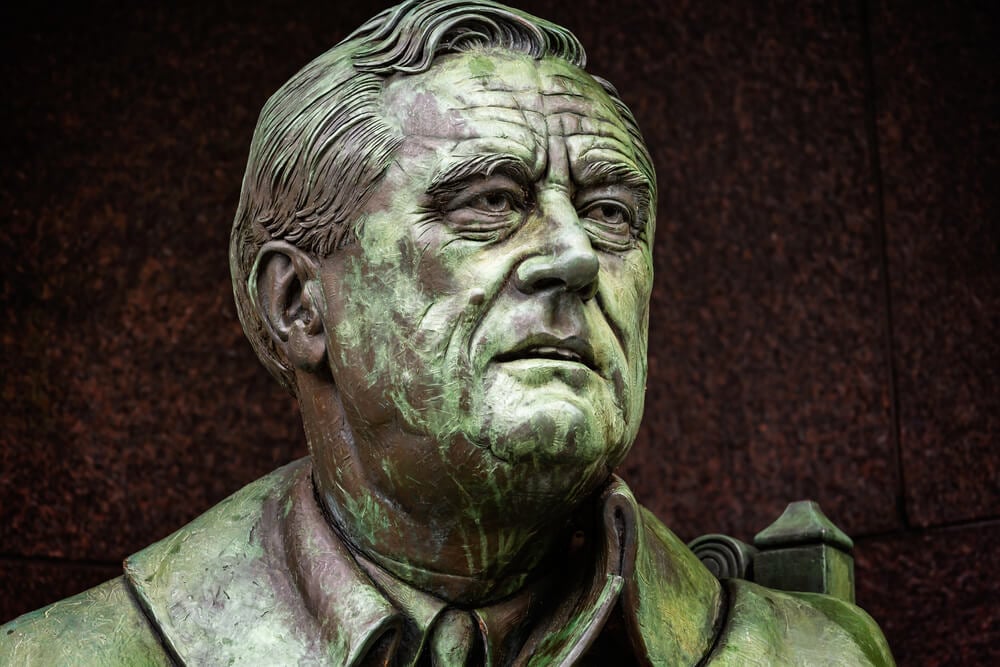
The full speech delivered by FDR to the nation in 1933 contained passages later removed from canonical versions published in anthologies and textbooks. Historians have debated for decades which versions most accurately represent what was actually spoken, with different archives containing different transcripts.
Some editions omitted segments related to economic policy that challenged banking interests of the era.
John F. Kennedy’s Berlin Wall Speech
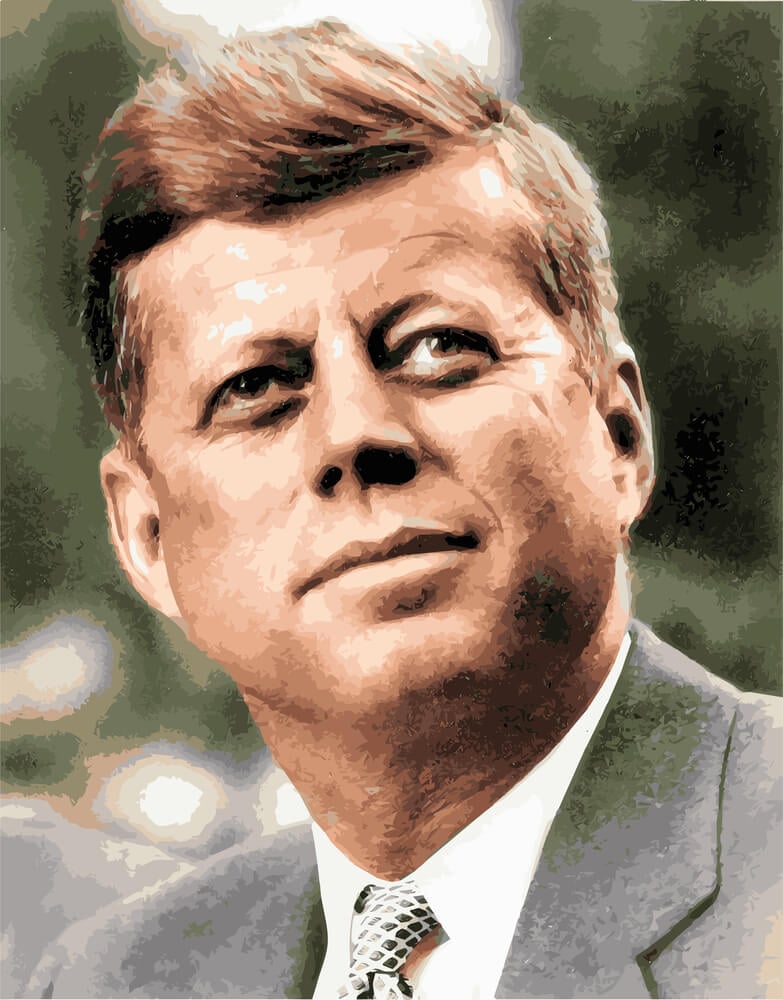
Kennedy’s “Ich bin ein Berliner” address in 1963 was substantially longer than the famous line captured in published versions. The sentences preceding and following the celebrated phrase provided political context and historical analysis that shaped its meaning and were frequently edited out of popular reprints.
Most readers encountered only the memorable moment, not the lengthy strategic justification surrounding it.
Martin Luther King Jr.’s “I Have a Dream” Speech
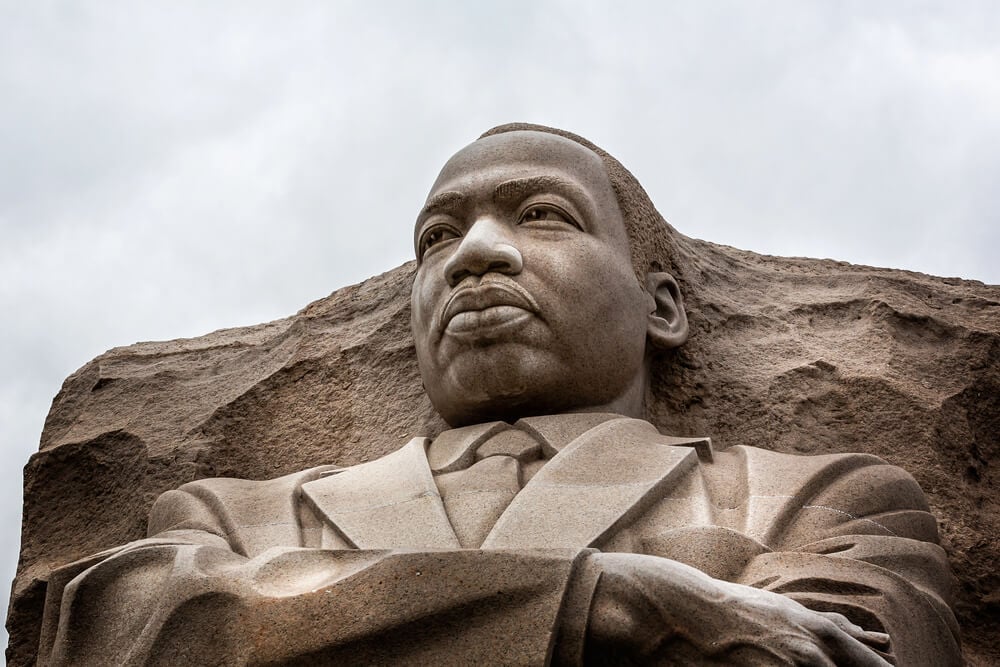
The 1,600-word speech King delivered at the Lincoln Memorial in 1963 has been repeatedly truncated and edited in major publications for space and editorial reasons. Passages about Jim Crow laws, “vicious racists,” and “unspeakable horrors of police brutality” have been cut from newspaper reprints and educational materials.
As recently as 2024, major media outlets continued publishing abridged versions despite King’s family repeatedly warning against distorting his words and removing the confrontational sections.
Ronald Reagan’s “Tear Down This Wall” Speech
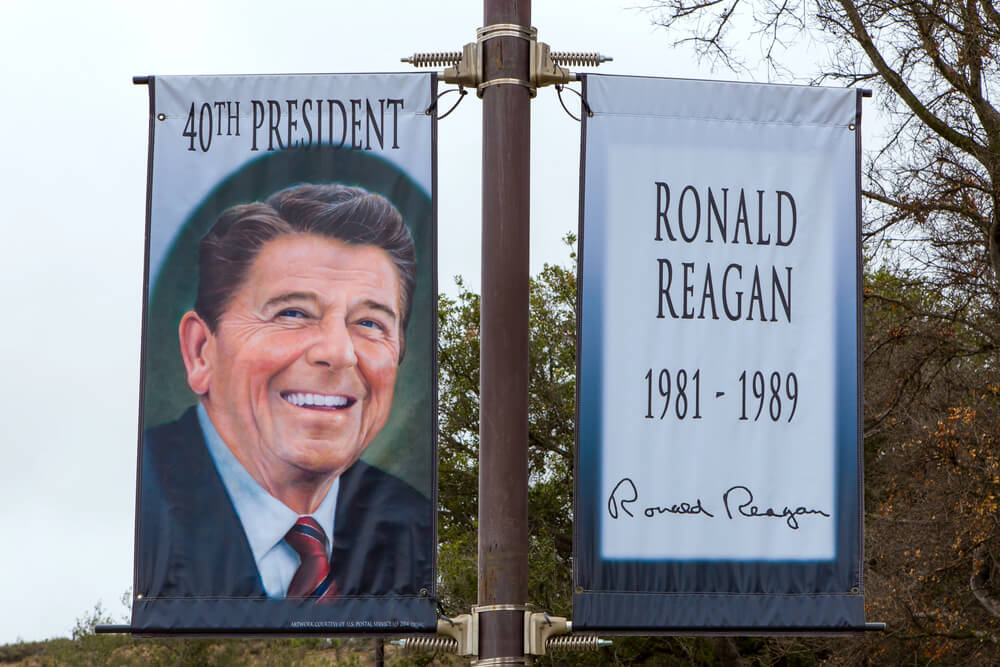
The full 1987 speech at the Brandenburg Gate contained extensive passages preceding and following the famous line that provided geopolitical context and Cold War analysis. Editorial versions focusing on the memorable phrase removed the surrounding rhetoric that Reagan used to build toward that moment.
The isolated quote became iconic while the full argumentation supporting it remained unknown to most readers.
John F. Kennedy’s Civil Rights Address (1963)
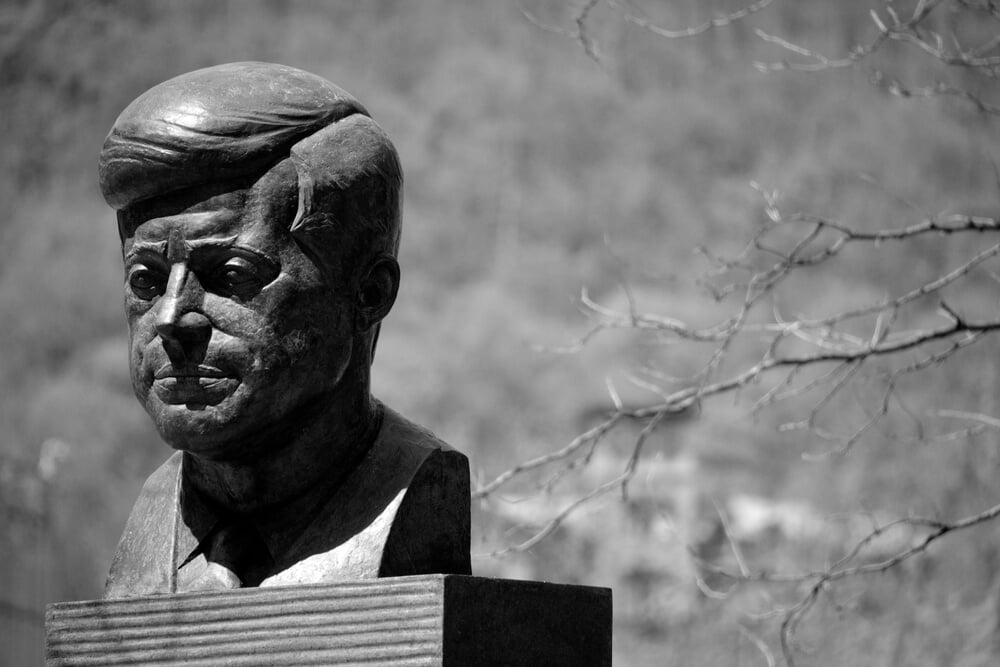
The speech Kennedy delivered to the nation addressing racial injustice was edited differently in various publications, with some versions omitting passages discussing federal intervention. Different newspapers emphasized different sections based on regional editorial biases, creating fragmentary understanding across the country.
The incomplete versions in print did not convey the full scope of Kennedy’s civil rights position.
Lyndon B. Johnson’s “Great Society” Speech
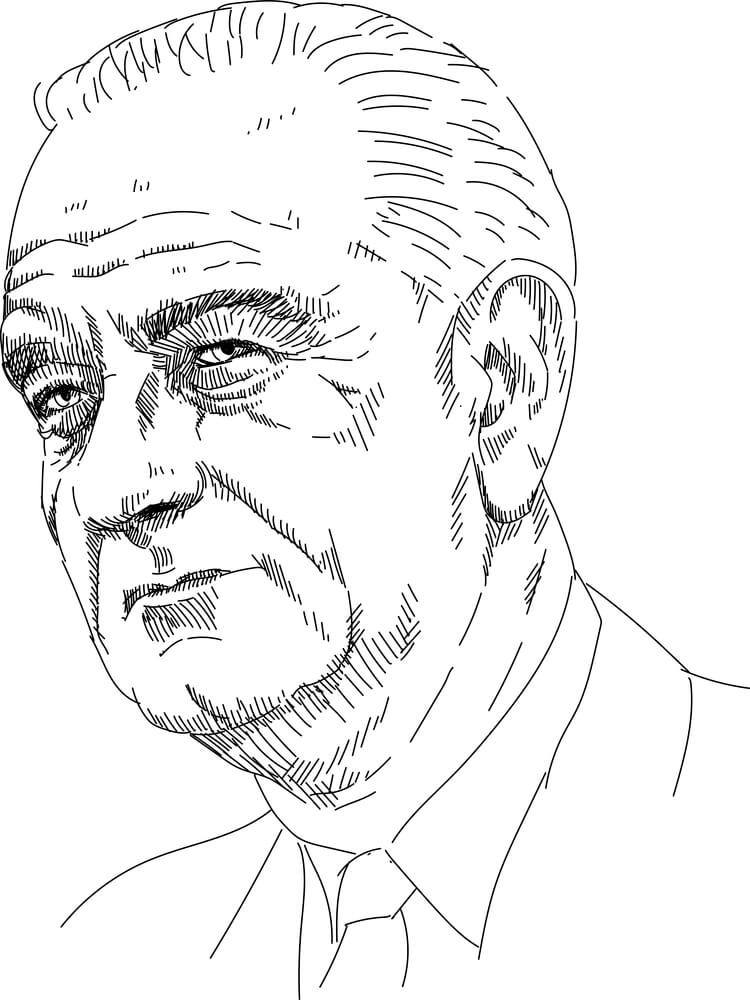
The complete 1964 address included extensive passages regarding poverty eradication and social welfare programs that were abbreviated in many published versions and anthologies. The sections describing specific poverty statistics and proposed programs were frequently condensed or removed entirely to shorten the text for publication.
Many readers encountered only the aspirational rhetoric without the substantive policy details Johnson outlined.
Richard Nixon’s Resignation Address
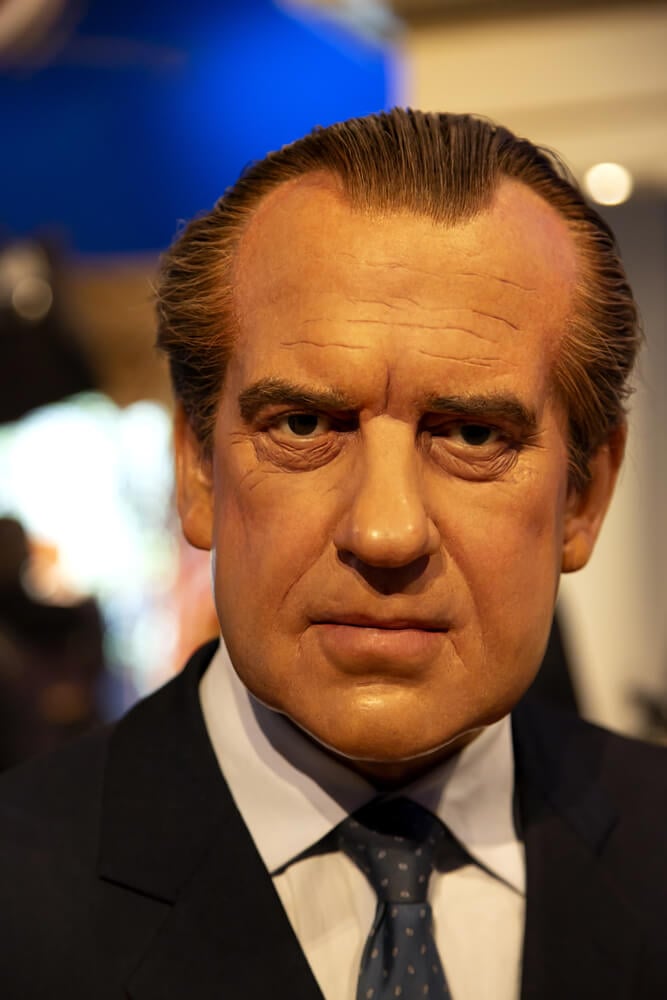
The official transcript exists, but contemporary media reports quoted selectively from Nixon’s August 1974 resignation speech, creating fragmentary public understanding of what was said. Television networks edited the address for time constraints and highlighted politically charged portions while omitting other sections.
The version most Americans remember differs significantly from the complete delivered text.
Gerald Ford’s Pardon Announcement
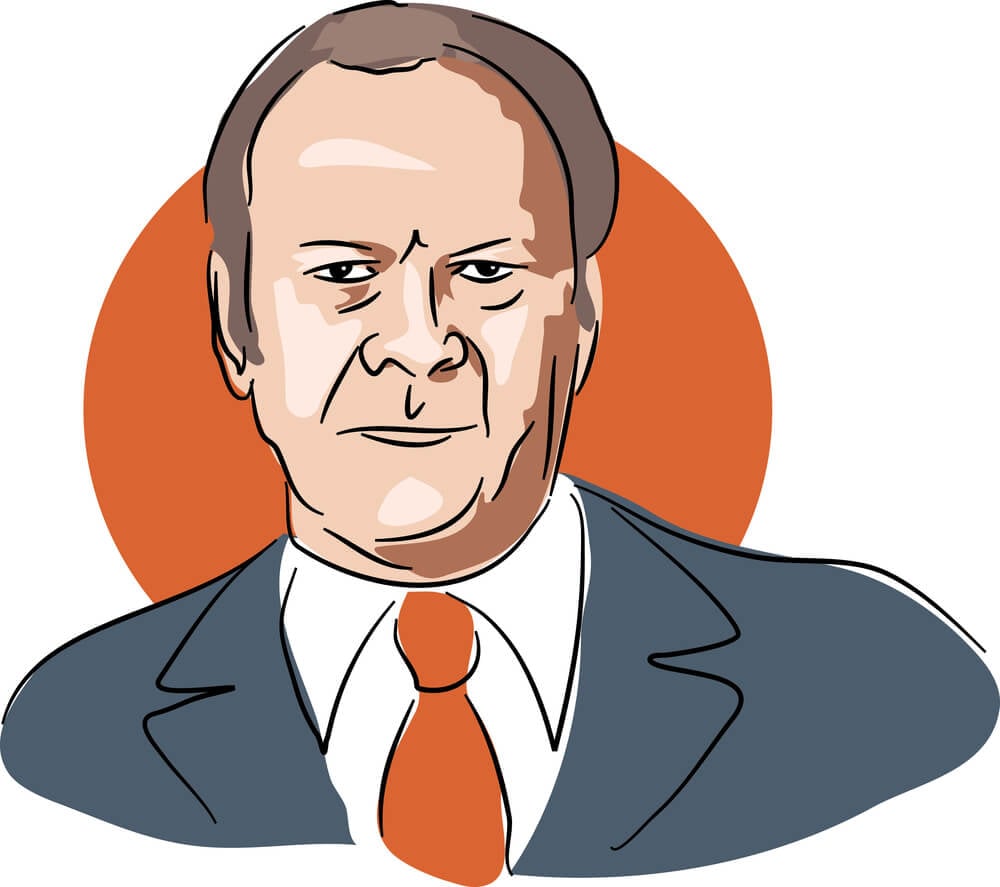
Ford’s detailed explanation for pardoning Nixon in 1974 was substantially longer and more legally complex than the excerpts that dominated media coverage and public memory. The portions of his address discussing legal precedent and national healing were shortened or removed in newspaper reprints.
The condensed version left many Americans uncertain about Ford’s actual reasoning.
Jimmy Carter’s “Malaise” Speech (Energy Crisis Address)
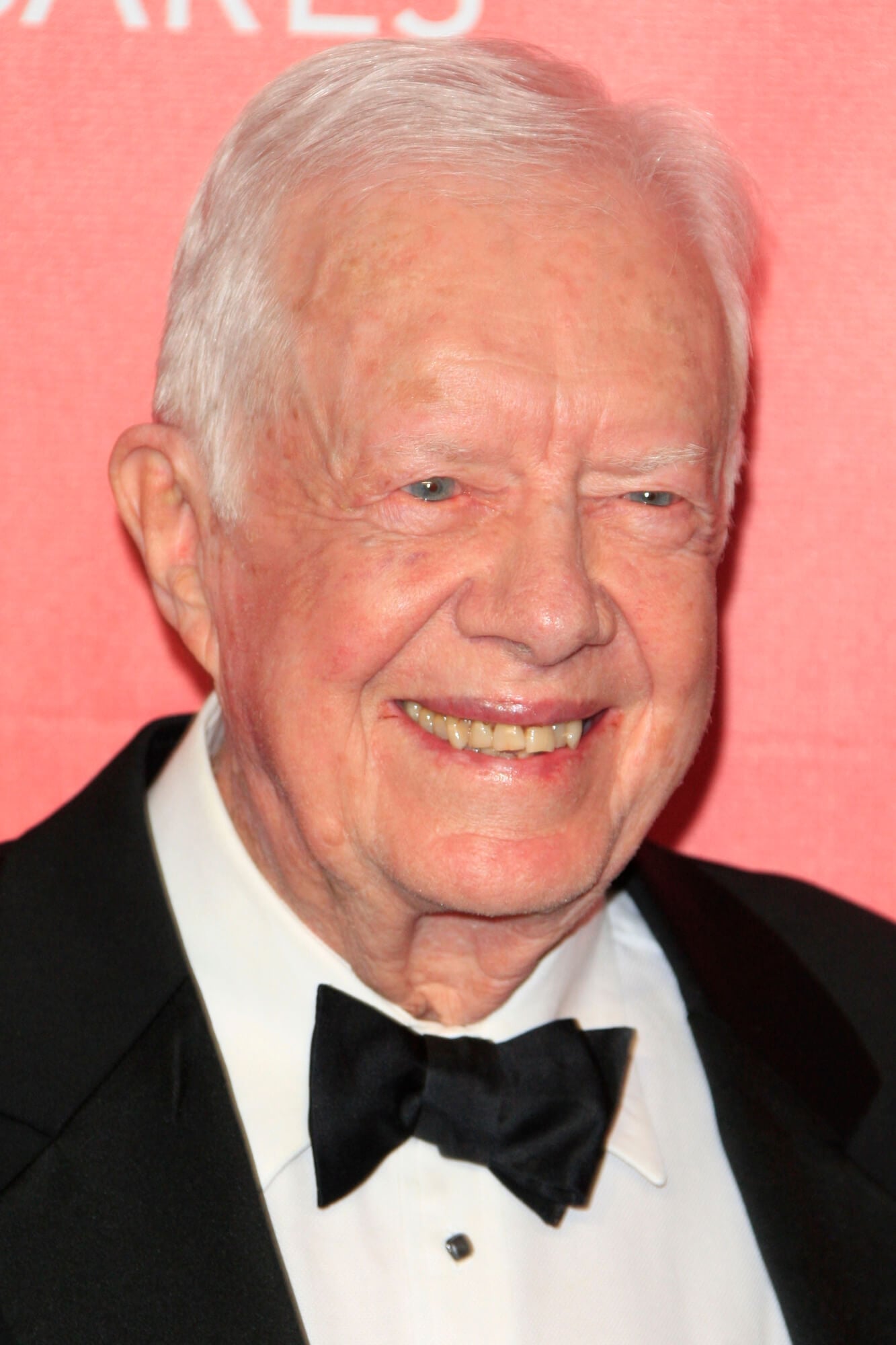
The 1979 address on national malaise was edited and re-edited, with the most famous passages isolated from surrounding context that fundamentally altered their meaning. Carter’s reflections on American character and consumerism were often quoted without the economic policy proposals that preceded them.
Different media outlets emphasized different sections, resulting in contradictory public understanding of his message.
Ronald Reagan’s Anti-Communism Speeches
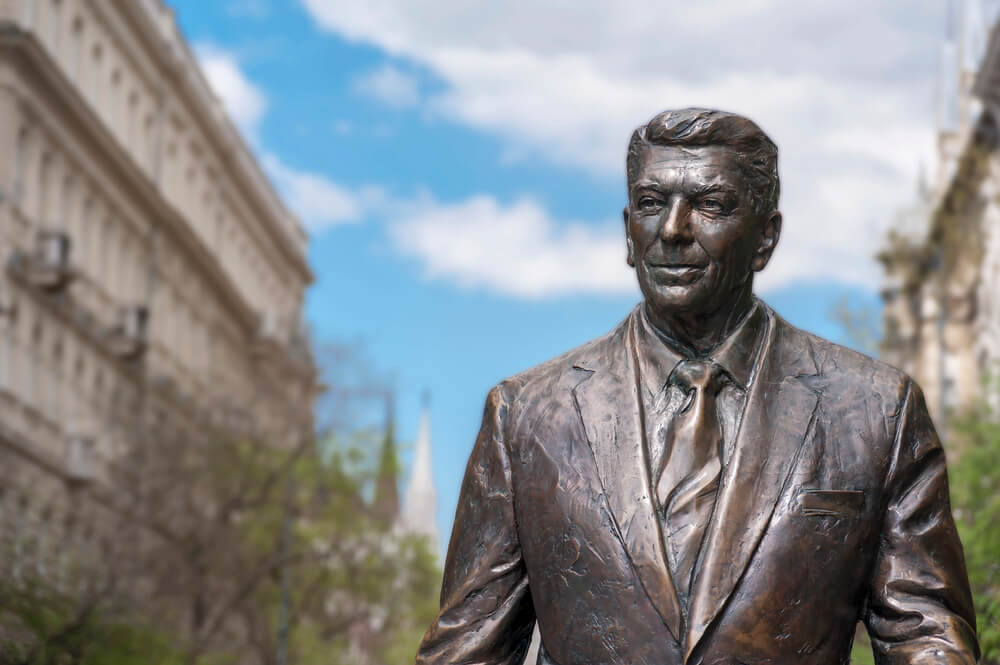
Multiple Reagan addresses on Cold War strategy were edited for different audiences and publications, with different versions circulating in different regions and media outlets. Conservative media outlets emphasized certain passages about military strength while liberal outlets highlighted different sections.
The fragmented publication history created parallel versions of the same speech depending on the source.
George H.W. Bush’s “Read My Lips” Convention Speech
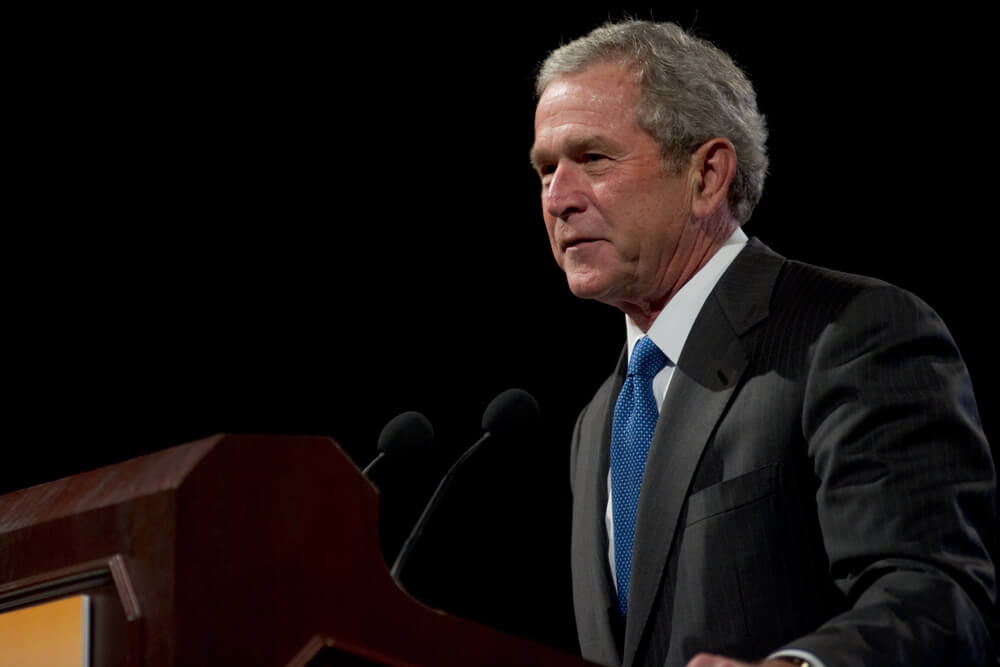
The full 1988 Republican convention speech contained passages supporting the famous “no new taxes” pledge that were cut from many published versions and news accounts. The surrounding rhetoric about fiscal responsibility and government reform was frequently condensed to accommodate print space.
Many readers encountered only the pledge without the broader economic philosophy framing it.
Bill Clinton’s State of the Union Addresses
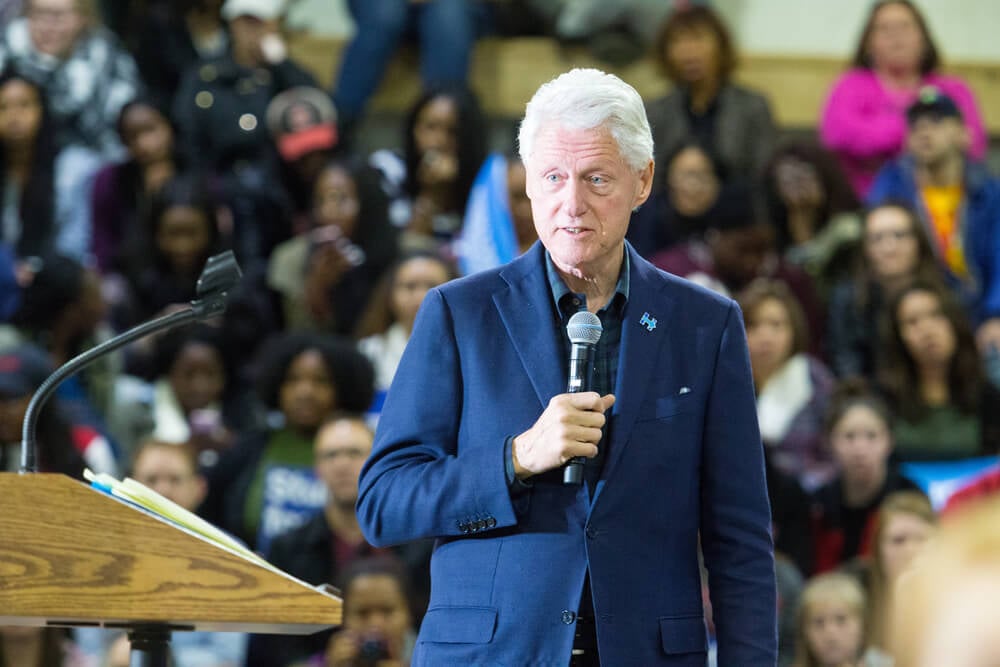
Multiple versions of Clinton’s annual addresses exist, with different media publications emphasizing different sections and creating fragmentary public understanding. Some editions highlighted domestic policy while others focused on foreign policy passages, depending on the outlet’s editorial priorities.
The comprehensive text as delivered differed significantly from the sum of various published excerpts.
George W. Bush’s Post-9/11 Address
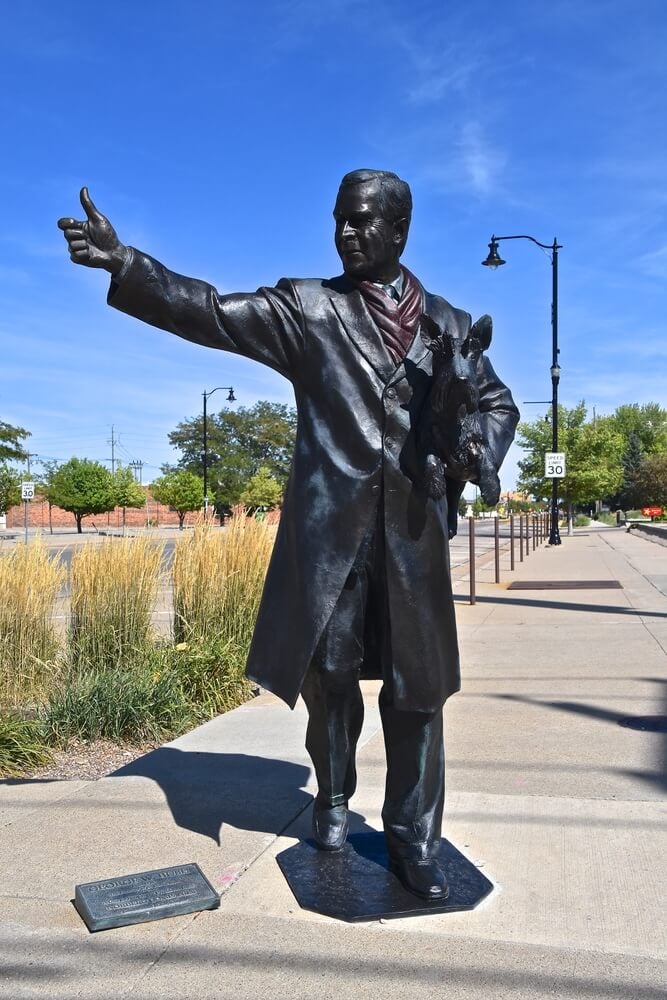
The September 2001 address to the nation was edited for different media outlets and publications, with various passages emphasized or de-emphasized depending on the version. Some outlets highlighted Bush’s pledge of national unity while others stressed military response language.
The varying published versions created different impressions of Bush’s intended message.
Barack Obama’s 2008 Convention Speech
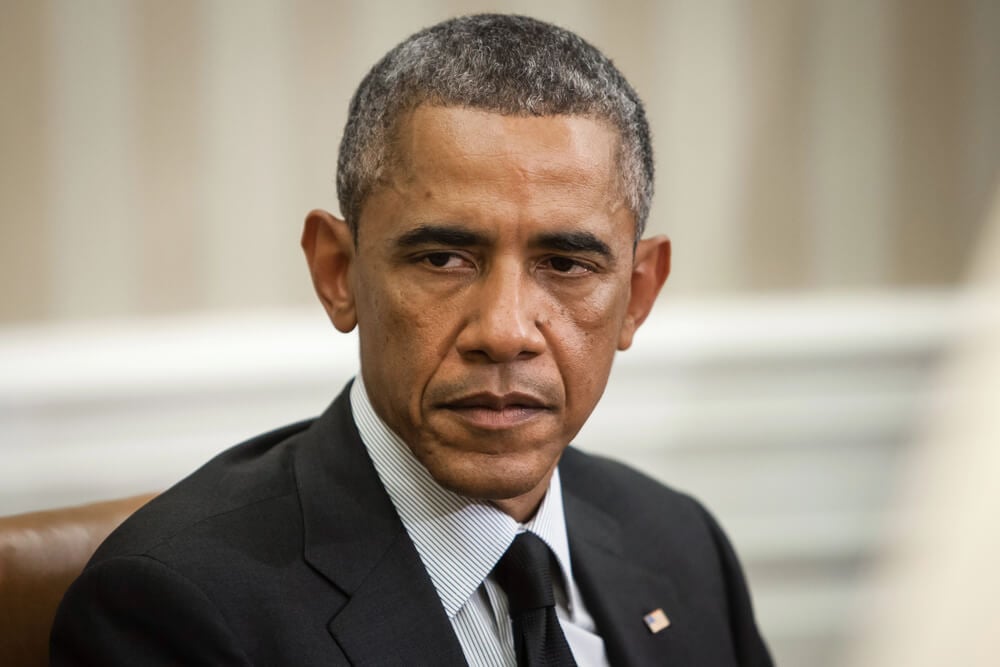
The complete address Obama delivered to accept the Democratic nomination was selectively quoted, with different versions emphasizing different passages depending on publication source and media outlet. Conservative outlets highlighted certain passages about government while progressive outlets quoted different sections about social justice.
The fragmented coverage meant no unified public understanding of the full speech.
Donald Trump’s Inaugural Address
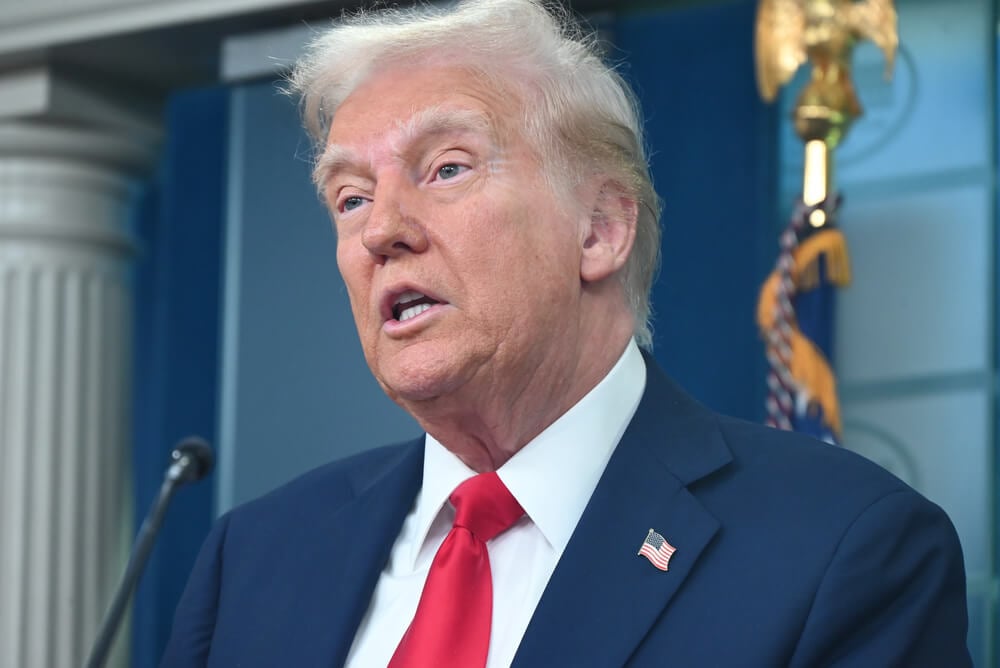
Different publications published different transcripts of Trump’s 2017 inaugural speech, with various quoted passages representing selective editing of the full text. Some outlets edited for brevity while others selected specific phrases based on editorial viewpoint.
The variations in publication created multiple versions of what was “actually said” depending on which account readers consulted.
The Erosion of Complete Speech in Public Record

The systematic editing of famous speeches reveals a pattern where editorial convenience consistently overrides historical accuracy and complete public documentation. Newspapers, textbooks, and media outlets have routinely shortened speeches for space, selected passages based on bias, or emphasized certain sections while burying others.
The result is that what we collectively remember as history represents editorial choices made decades ago, not necessarily what was actually said. As speeches circulate through multiple publications and reprints, each iteration involves new editorial decisions about what to keep and what to cut.
Within a generation, the abbreviated versions become accepted as the canonical text, with original delivered versions relegated to archives that few access. The public understanding of history depends on editorial decisions made by long-forgotten newspaper editors and textbook publishers, choices that were never explained or justified to the readers who absorbed the truncated versions as complete truth.
More from Go2Tutors!

- The Romanov Crown Jewels and Their Tragic Fate
- 13 Historical Mysteries That Science Still Can’t Solve
- Famous Hoaxes That Fooled the World for Years
- 15 Child Stars with Tragic Adult Lives
- 16 Famous Jewelry Pieces in History
Like Go2Tutors’s content? Follow us on MSN.