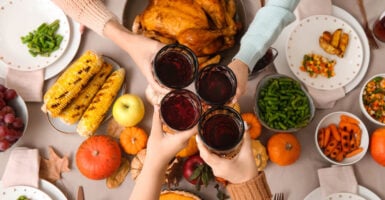
27 Thanksgiving Side Dishes Grandma Always Made
Every family has a side dish that never gets questioned and a few that nobody admits to eating. Grandma’s table usually held more sides than the guests could finish, and most of them were made the same way every year. The recipes came from church cookbooks, soup cans, and memory.
These twenty-seven dishes cover the usual suspects and a few old-fashioned holdouts, along with a surprising amount of history.
Green Bean Casserole
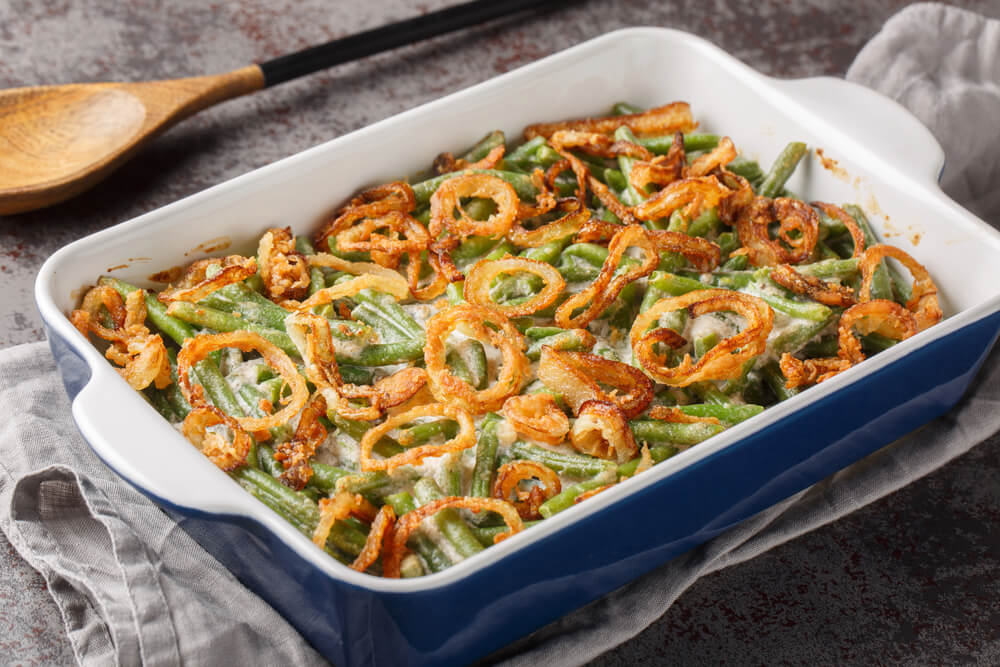
Dorcas Reilly created this casserole in 1955 while working in the home economics department at Campbell’s in Camden, New Jersey. It was first called Green Bean Bake and needed only six ingredients, including green beans, cream of mushroom soup, and crispy fried onions. Campbell’s estimates that about 40 percent of the cream of mushroom soup sold in the United States goes into it.
Canned Cranberry Sauce
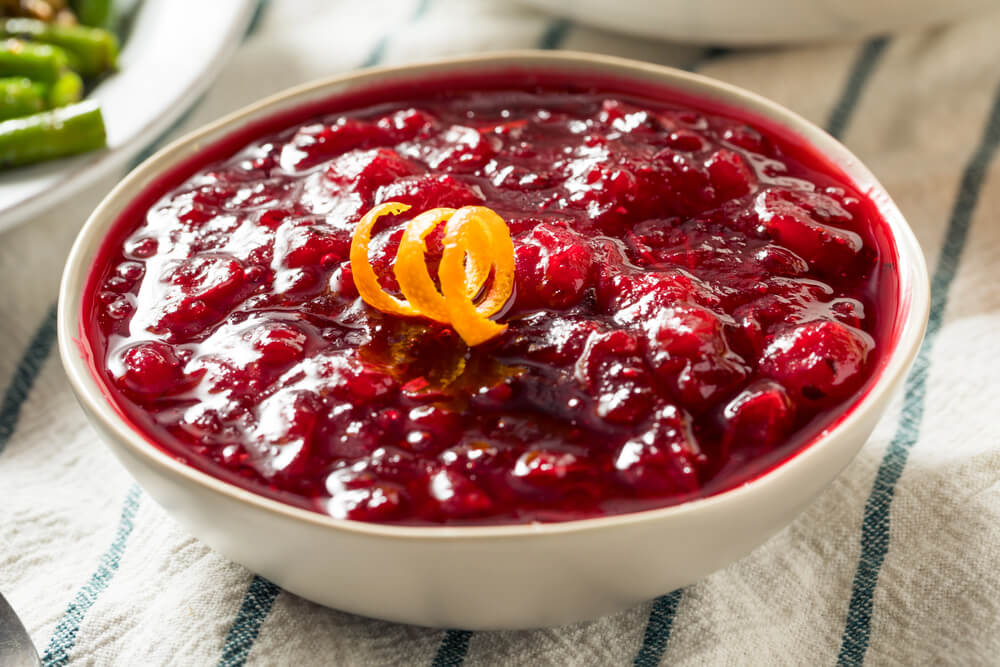
Marcus Urann, a lawyer turned cranberry grower and the founder of what became Ocean Spray, first sold commercial cranberry sauce in 1912, and the canned version reached stores in 1941. The ridged cylinder that slides out of the can has become a Thanksgiving fixture. Americans eat about 5,062,500 gallons of jellied cranberry sauce every holiday season.
Cranberry Orange Relish
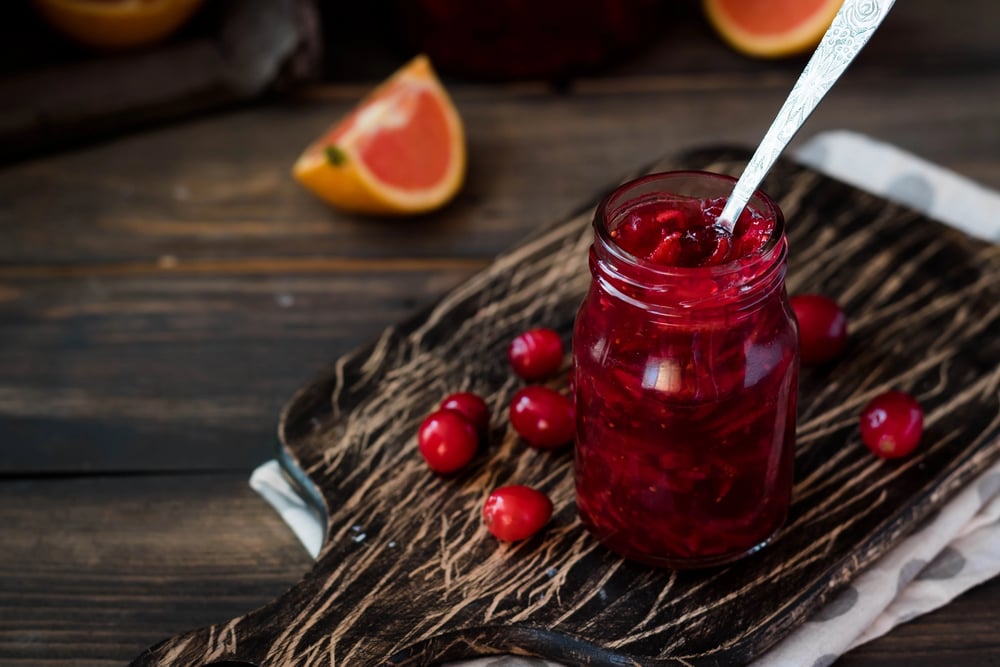
Raw berries blended with orange gave this relish a sharp, fresh bite that cut through a heavy meal. Unlike the canned version, it was made from uncooked ingredients. The sharp flavor made it a favorite among those who wanted a break from the sweetness.
Candied Yams
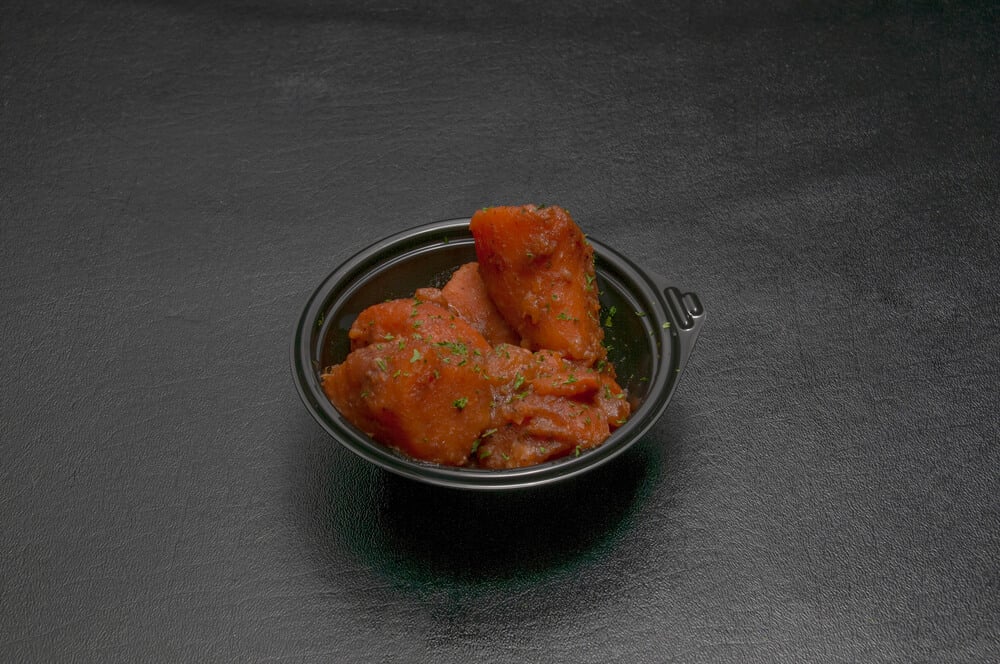
By 1895, recipes for sweetened sweet potatoes were showing up as a side dish for dinner. Many people call them candied yams, though true yams belong to a different plant altogether, and “yams” is simply an American nickname for the softer varieties of sweet potato. The dish became a fixture of holiday tables under that mistaken name.
Sweet Potato Casserole with Pecans
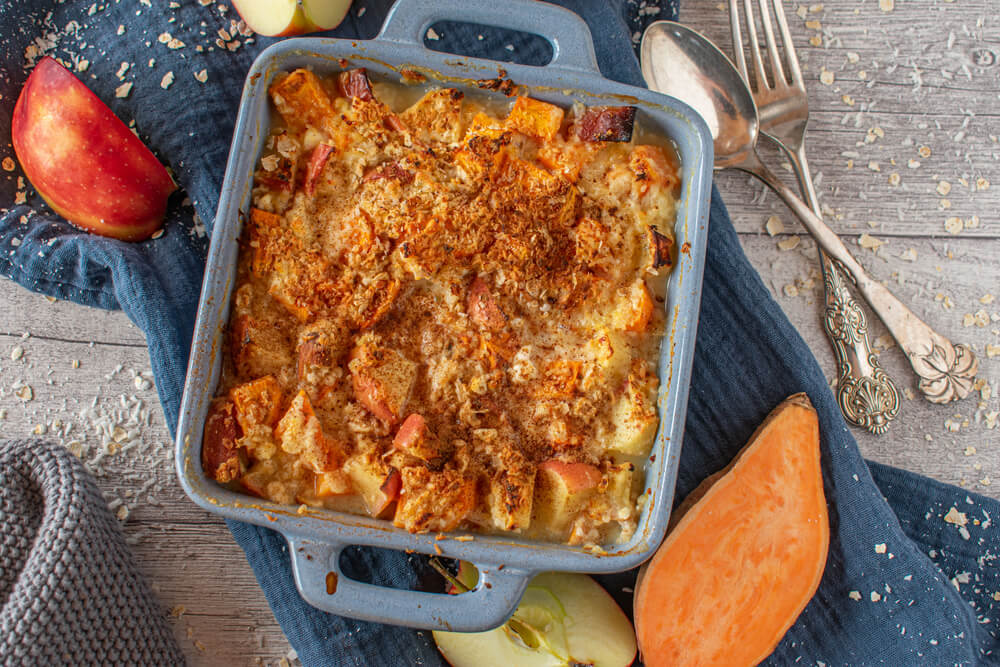
Sweet potatoes were cultivated in Peru thousands of years ago, long before this dish existed. Grandma’s version added butter, sugar, and a crunchy pecan topping. It sat on the border between side dish and dessert, and nobody ever complained.
Cornbread Dressing
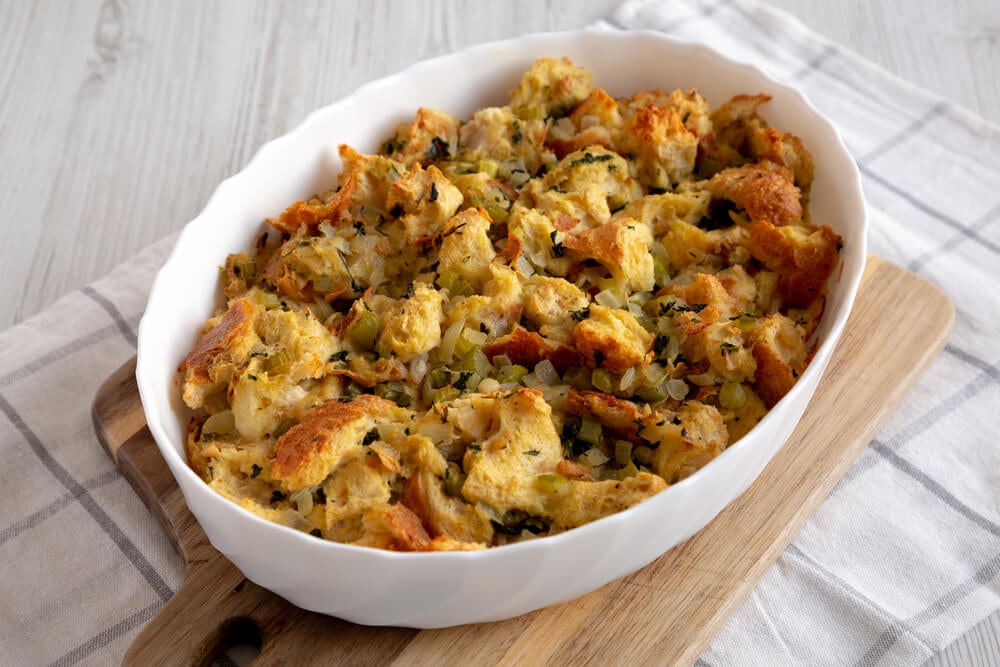
Cornbread replaced wheat bread in this Southern take on stuffing. Cooks seasoned it with sage and onion and moistened it with broth. Dressing and stuffing are essentially the same dish, with the name depending on region and whether the bird held it.
Oyster Stuffing
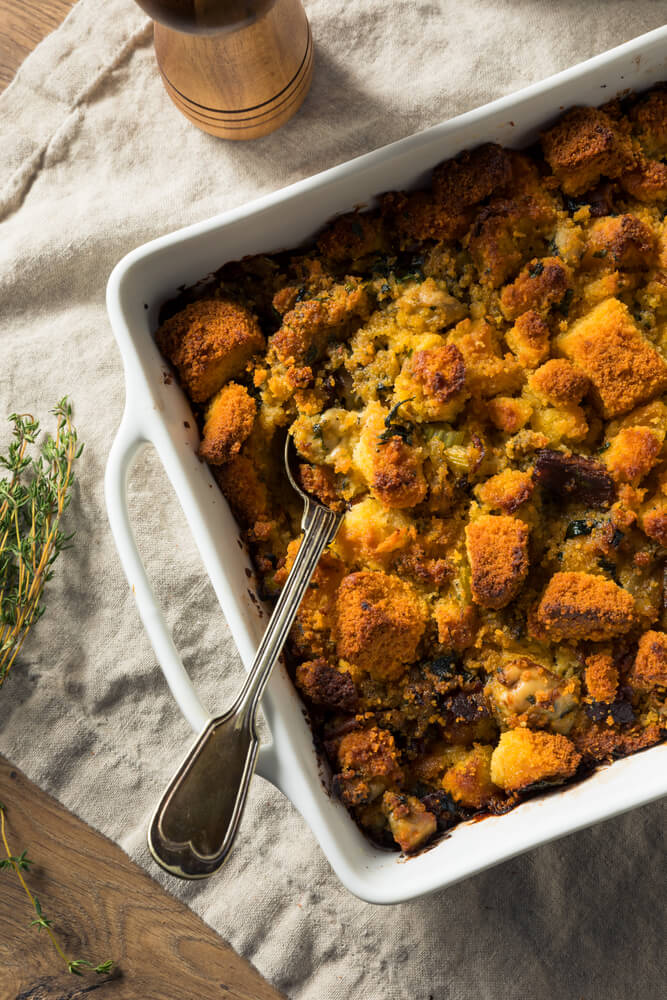
Some families added oysters to their stuffing, a tradition that lingers from an era when oysters were cheap and plentiful. The briny addition gave the stuffing a distinctive savory flavor. It split the table, with devoted fans on one side and skeptics on the other.
Mashed Potatoes and Gravy
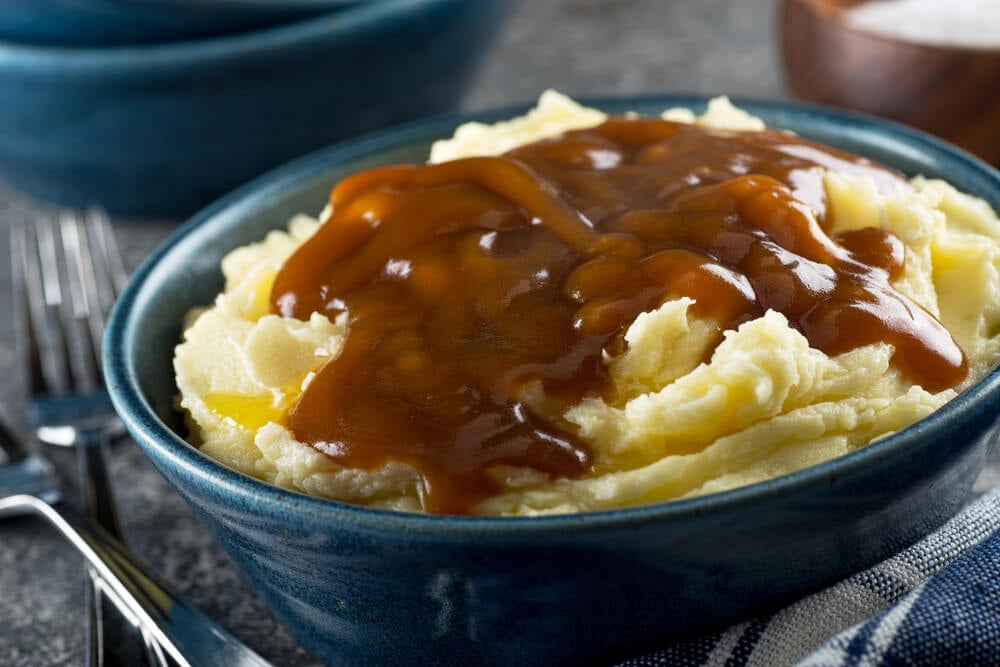
Potatoes are native to the Andes, though few guests ever stopped to think about that while reaching for the bowl. Grandma mashed them with butter and milk, then made gravy from the turkey drippings. The pairing was so dependable that the dish rarely needed a recipe card.
Brown-and-Serve Rolls
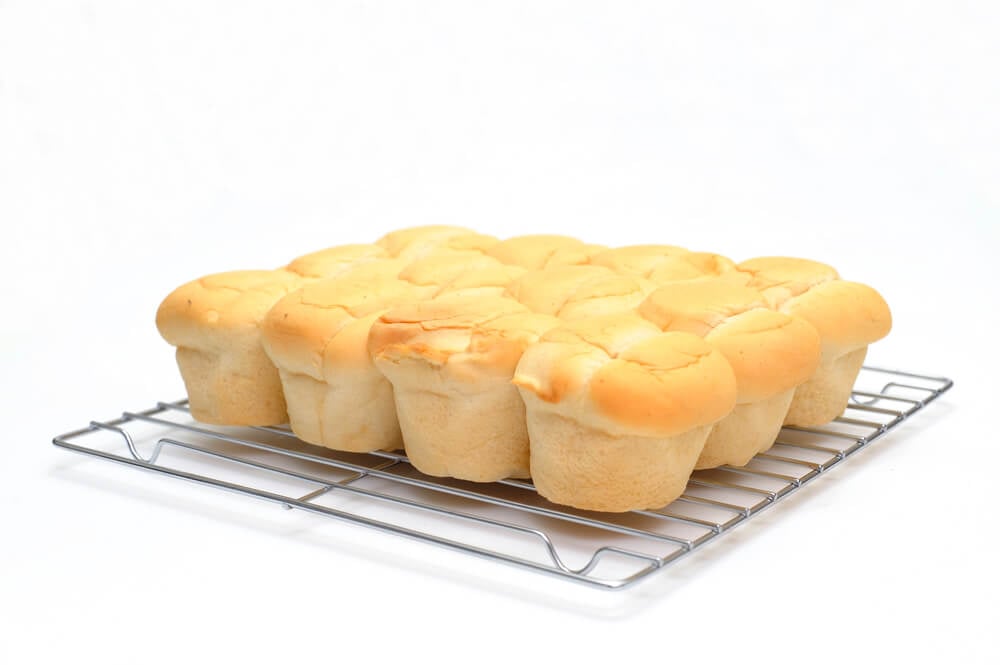
A baker named Gregor, who was also a volunteer fireman, accidentally invented these when he left a batch of rolls half-baked in the oven while responding to a fire alarm. When he returned and reheated the rolls, he realized he had found a new product. Gregor began selling half-baked rolls that customers could finish at home before dinner.
Parker House Rolls
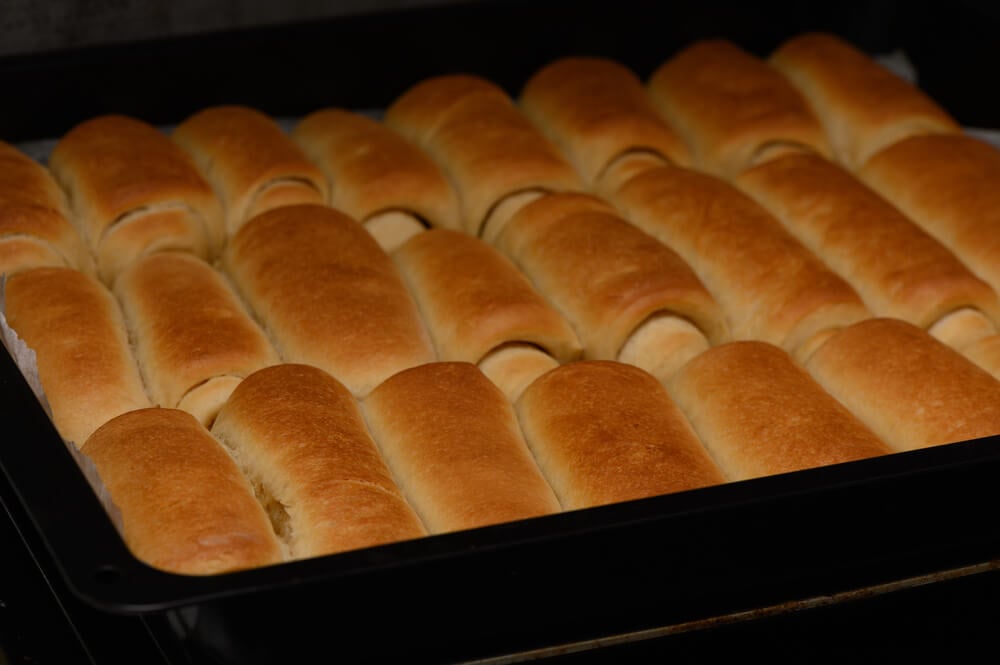
These folded, buttery rolls take their name from the Parker House hotel in Boston, where they were first made. The fold gives each roll a distinctive pocket that holds butter. Grandma often brushed them with melted butter just before serving.
Cranberry Gelatin Salad
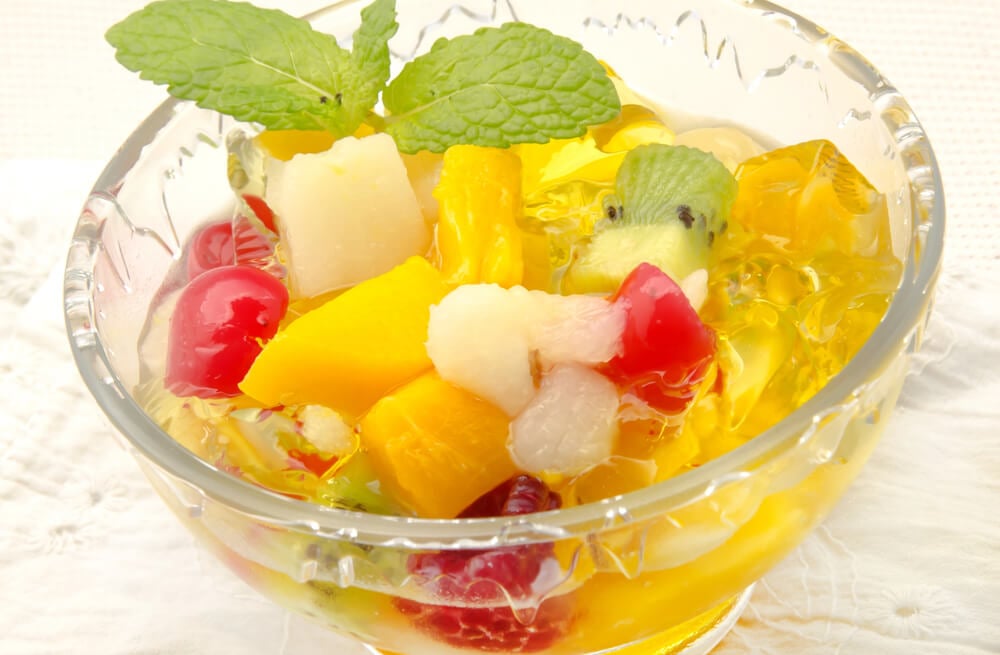
Jell-O dates to 1897, and by Grandma’s era it was a fixture of the holiday spread. Cooks molded cranberries into a ruby gelatin that could be sliced and served on a lettuce leaf. It occupied a strange place between salad and dessert.
Ambrosia
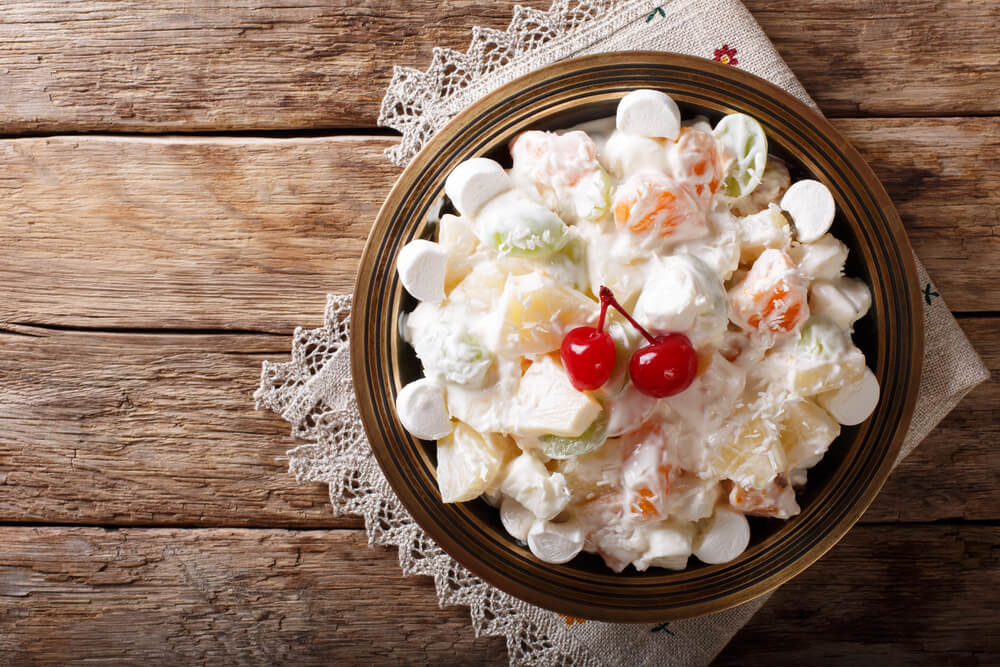
Ambrosia, named for the mythical food of the Greek gods, combined orange segments, coconut, pineapple, and miniature marshmallows. It was a Southern favorite that managed to feel festive and light at the same time. The sweetness made it a hit with children.
Creamed Onions
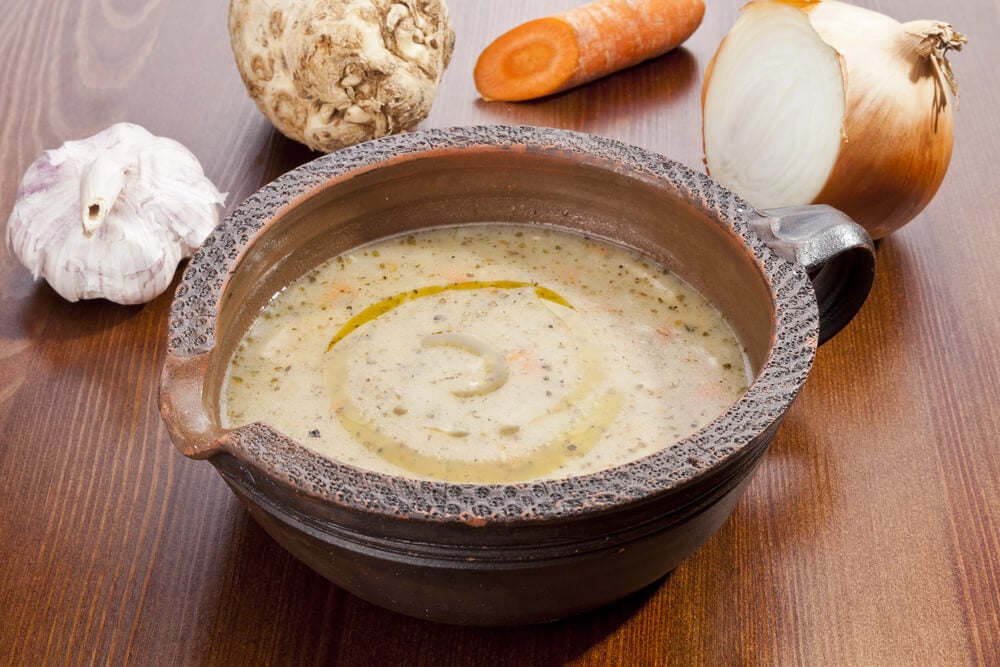
Small pearl onions were peeled and simmered in a white sauce, a dish that required more kitchen work than its modest appearance suggested. Peeling dozens of tiny onions was a chore that usually fell to whoever was nearby. The reward was a velvety, mild side dish that tasted like the holiday.
Deviled Eggs
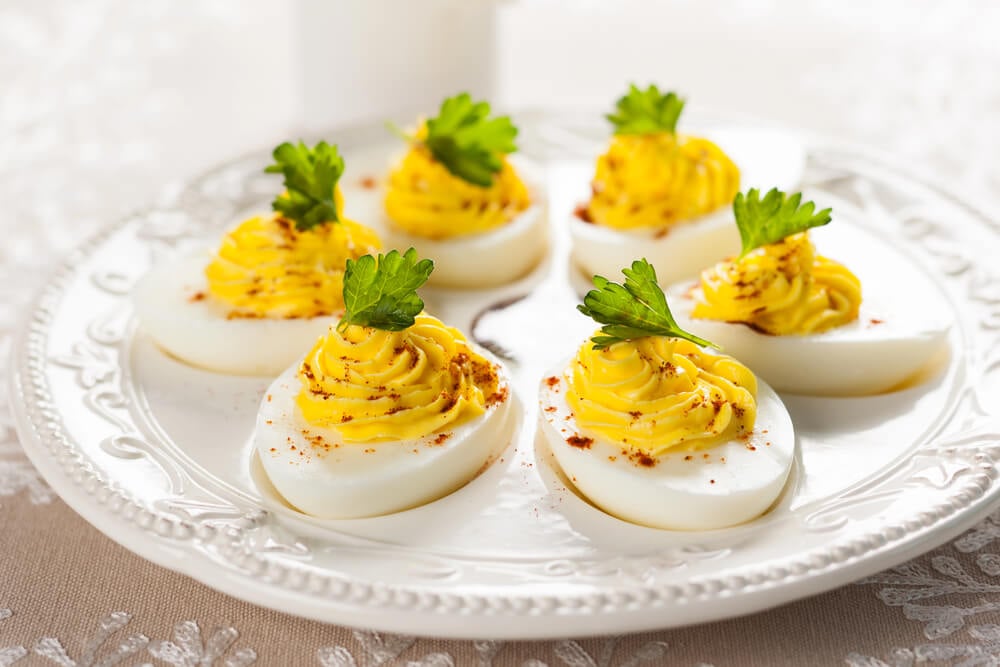
The word “deviled,” used to describe spicy or highly seasoned food, dates to the 1700s. Grandma hard-boiled the eggs, mashed the yolks with mayonnaise and mustard, and piped them back into the whites. They usually disappeared first.
Relish Tray
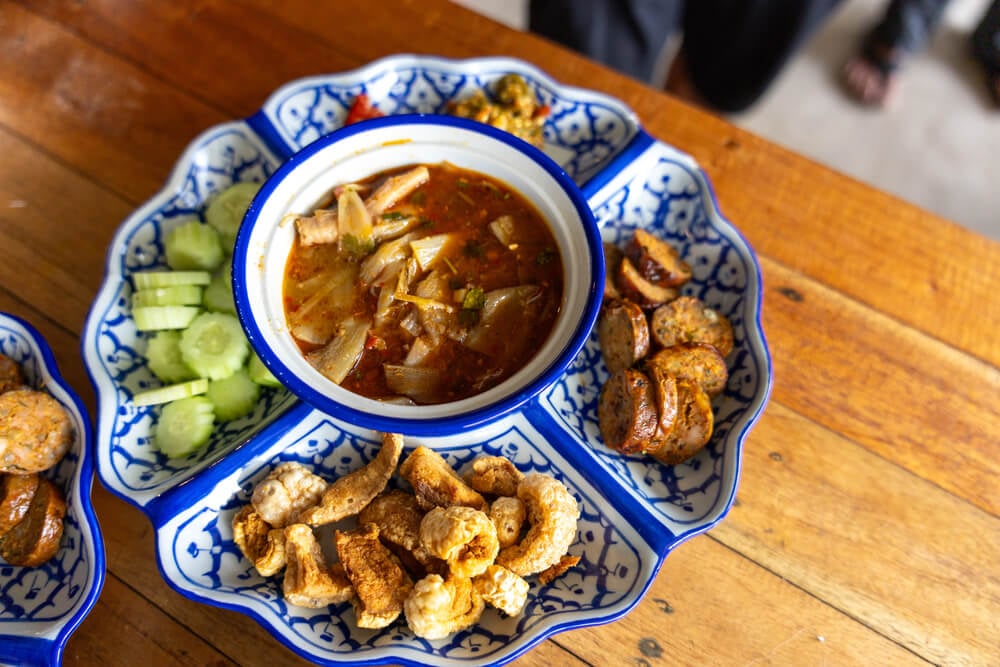
Celery, olives, and pickles sat in a divided dish that people picked at throughout the afternoon. In the Victorian era, celery was so prized that it stood on the table in special glass vases. The tray was a quiet holdover from that tradition.
Corn Pudding
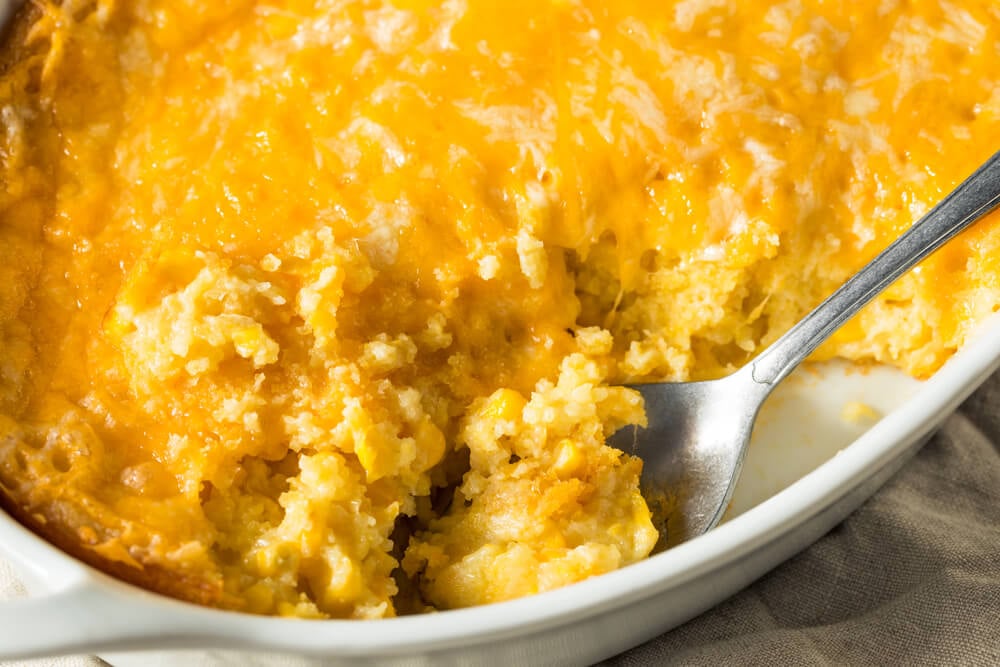
Corn was domesticated in Mexico thousands of years ago, and this baked custard of corn, eggs, and milk was one of its most comforting forms. It was creamy, lightly sweet, and easy to make ahead. The dish was a staple of many Southern and Midwestern kitchens.
Succotash
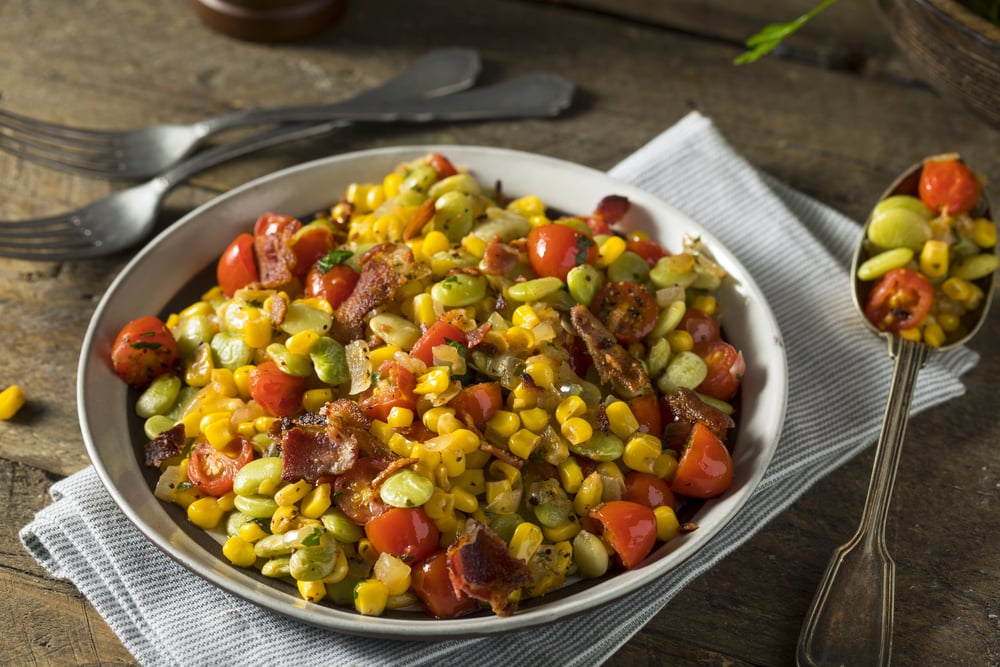
The word comes from the Narragansett word “msickquatash,” and the dish combines corn and beans. It was one of the Native American foods adopted by colonists. Grandma’s version often included lima beans and a spoonful of butter.
Macaroni and Cheese
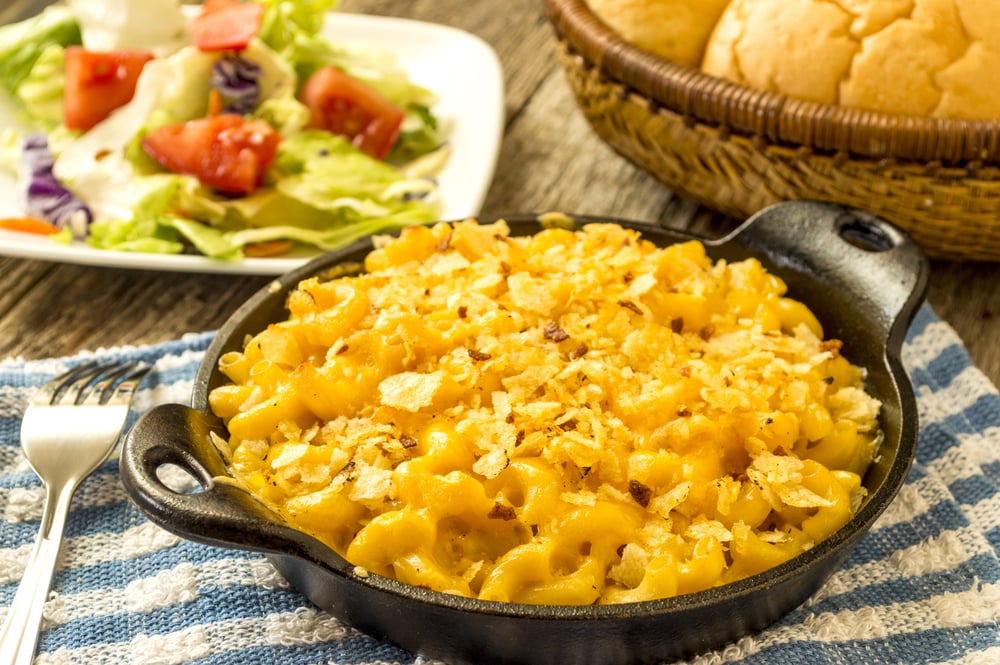
Kraft introduced its boxed macaroni and cheese dinner in 1937, but Grandma’s holiday version was baked from scratch in a casserole dish. The top developed a golden crust that the family fought over. It showed up on the table whether or not anyone could explain why.
Collard Greens
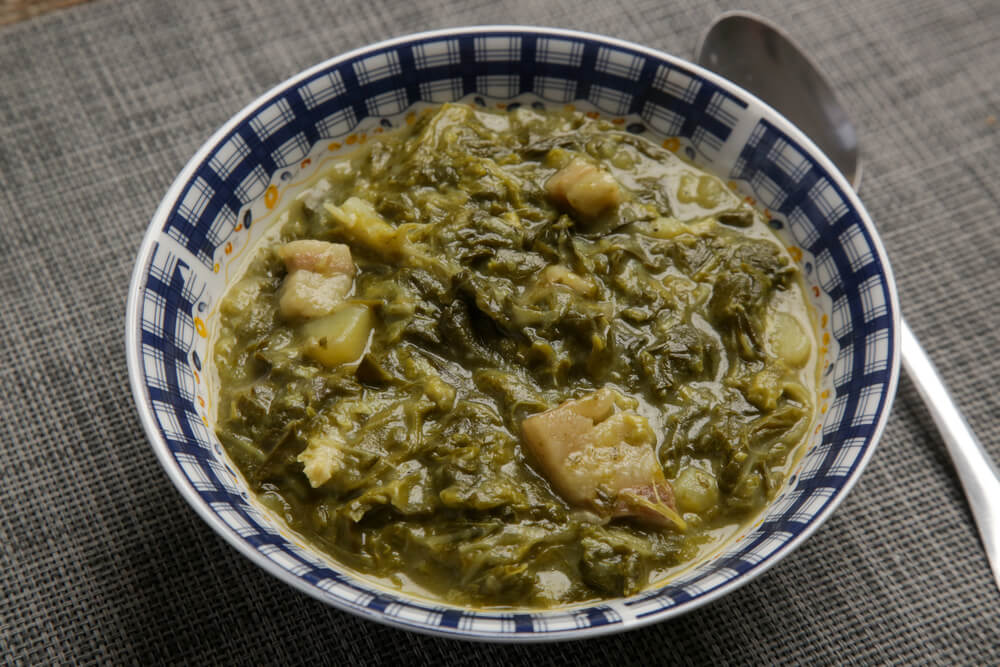
Collard greens were simmered for hours with smoked pork until tender, and the savory broth left in the pot was known as pot likker. The dish carries West African roots into Southern cooking. At Thanksgiving it brought a welcome bitter note to a table of rich food.
Glazed Carrots
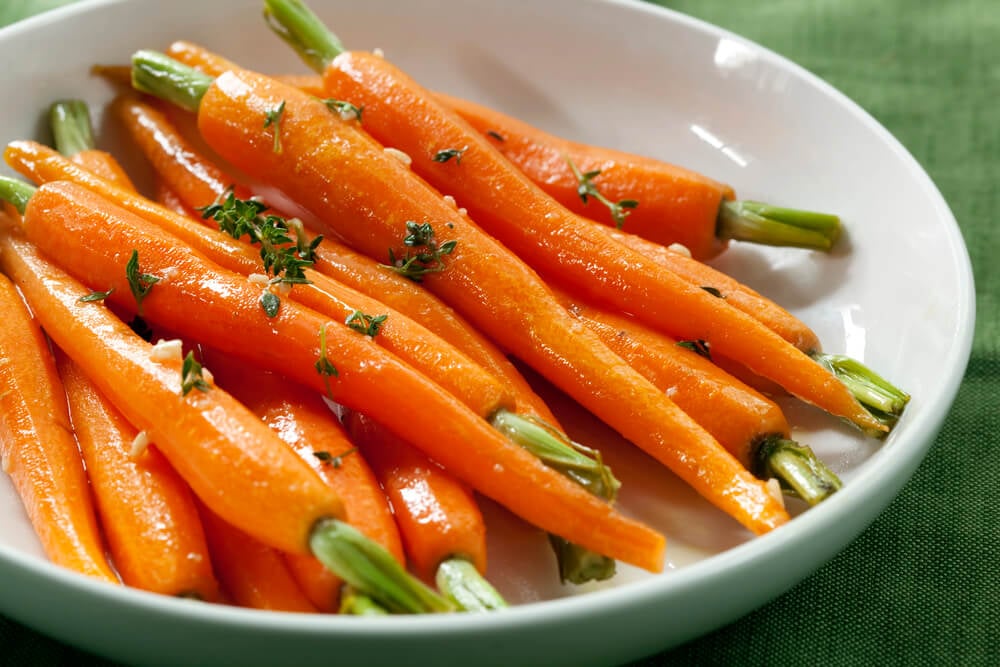
Carrots were cooked with butter and brown sugar until they glistened. The glaze turned a plain root vegetable into something that felt festive. It was one of the few side dishes that could pass as healthy.
Brussels Sprouts
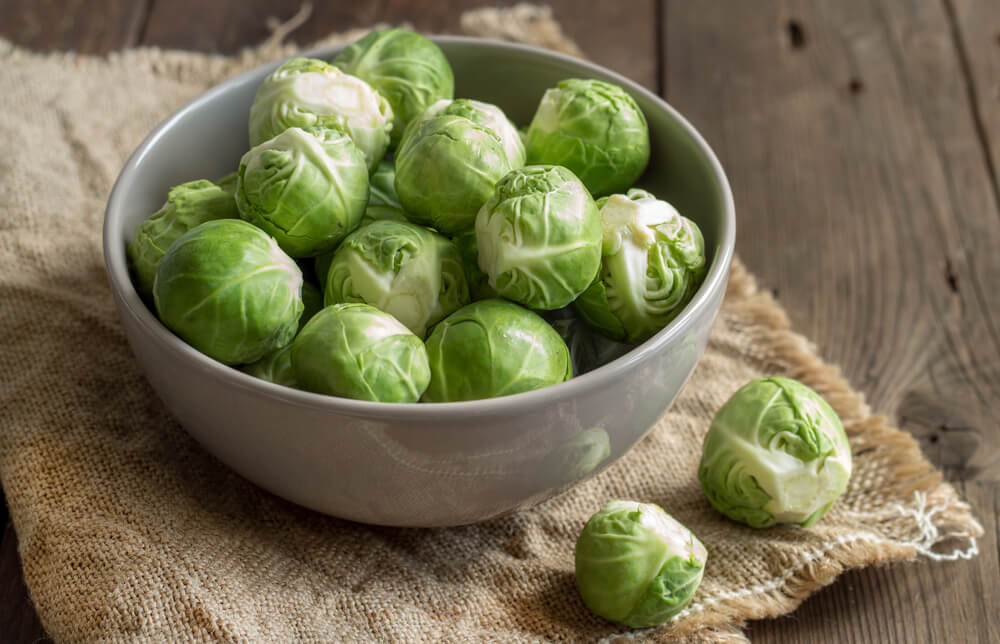
The vegetable takes its name from Brussels, Belgium. Grandma boiled them until soft, which gave the dish its reputation among children. Roasting later redeemed them for a new generation.
Creamed Spinach
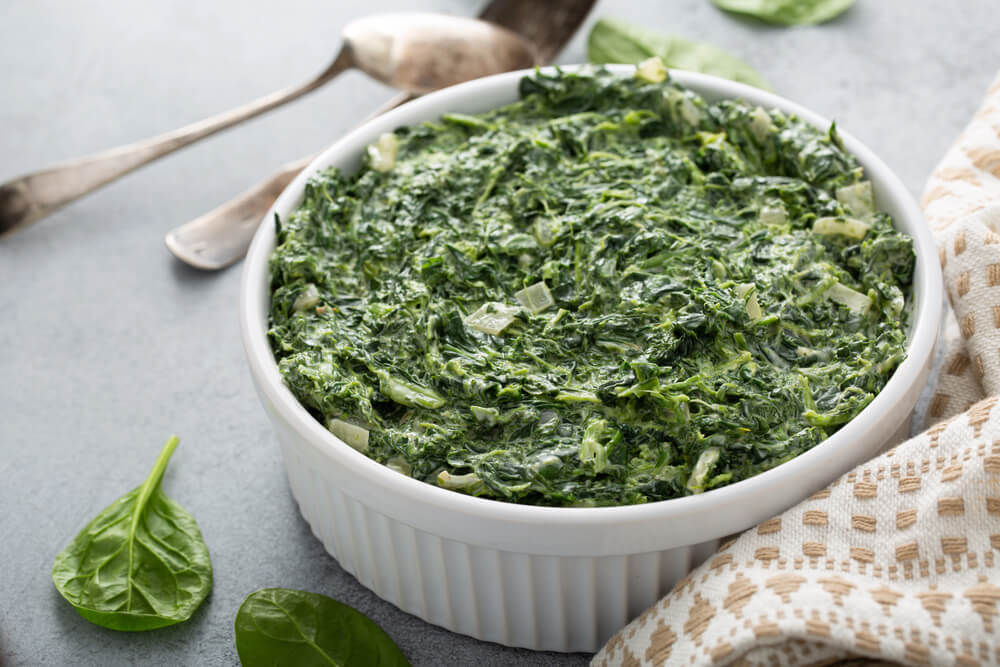
Spinach in a rich white sauce was a way to get greens onto the table in a form that people would actually eat. Popeye’s rise in the 1930s made spinach a household name, and cream made it easier to love. It filled a small bowl and was gone quickly.
Pickled Beets
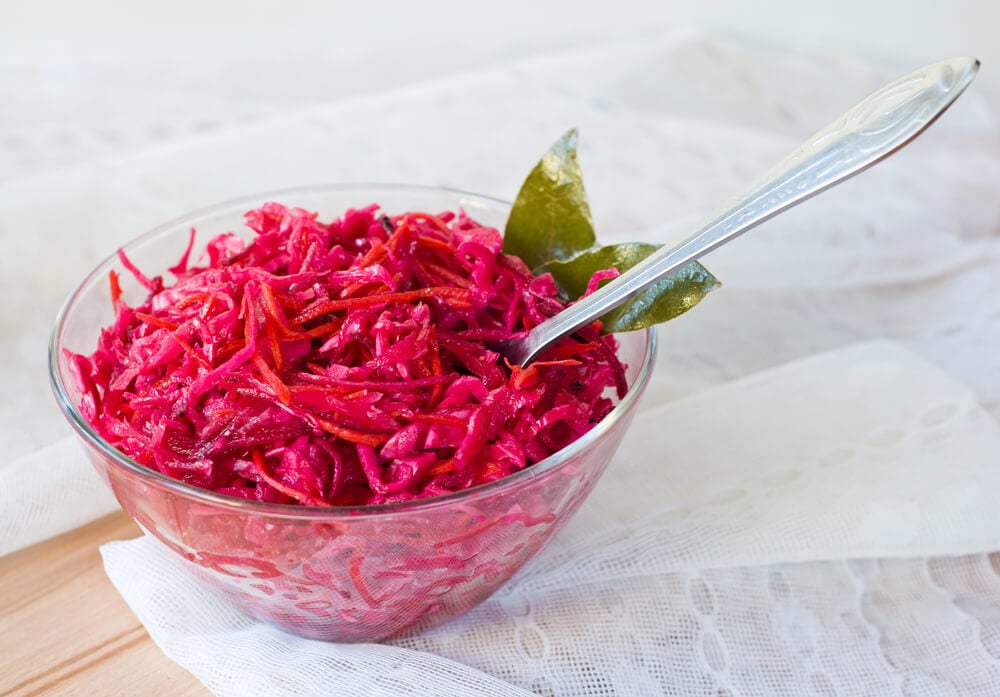
Beets pickled in a sweet-and-sour brine added a bright color to the table. The vinegar cut through the weight of the other dishes. Their juice stained every neighboring food a pale pink.
Broccoli Rice Casserole
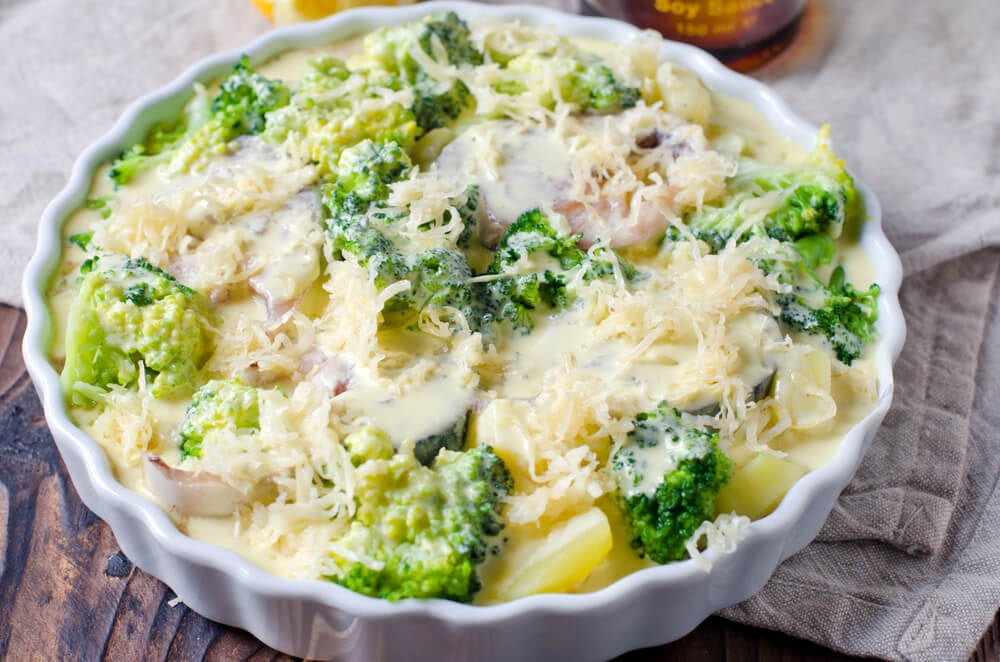
Broccoli, rice, and cheese baked together made a casserole that was creamy and filling. It was the kind of dish that could be assembled the day before and baked on Thanksgiving morning. Many families treated it as the vegetable course, cheese included.
Squash Casserole
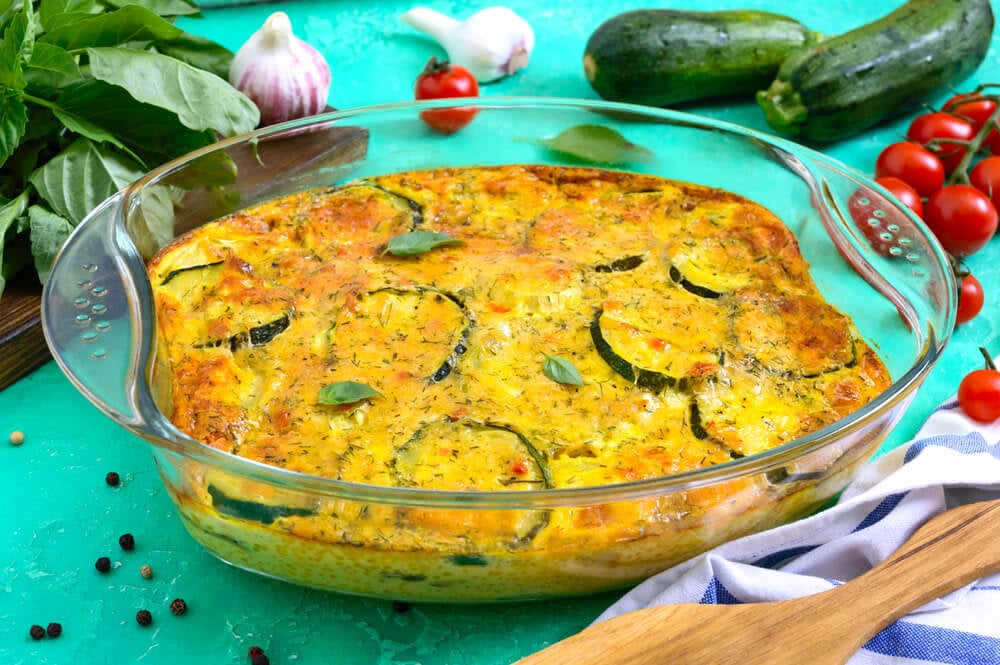
Yellow squash baked with cheese and a buttery cracker topping was a Southern staple. The topping gave the soft squash a crunchy top that people looked forward to. It filled a hot dish and often came to the table bubbling.
Mashed Turnips
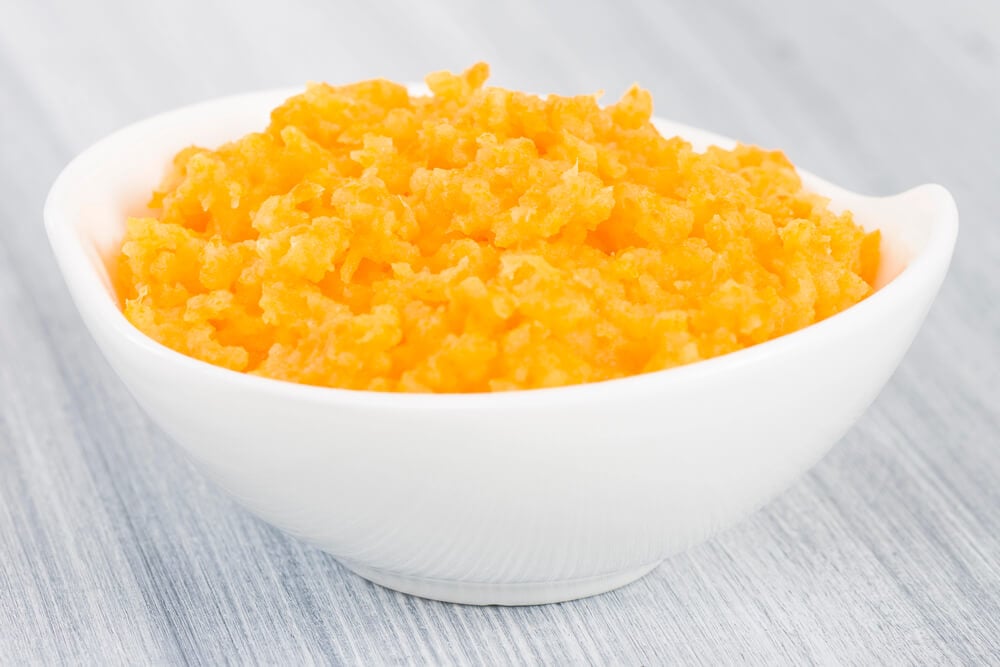
Turnips are among the oldest cultivated vegetables, and mashing them was an old-fashioned way to give them a place beside the potatoes. Their sharp, slightly peppery flavor stood out on the plate. They were a divisive addition that lovers of the dish defended fiercely.
Waldorf Salad
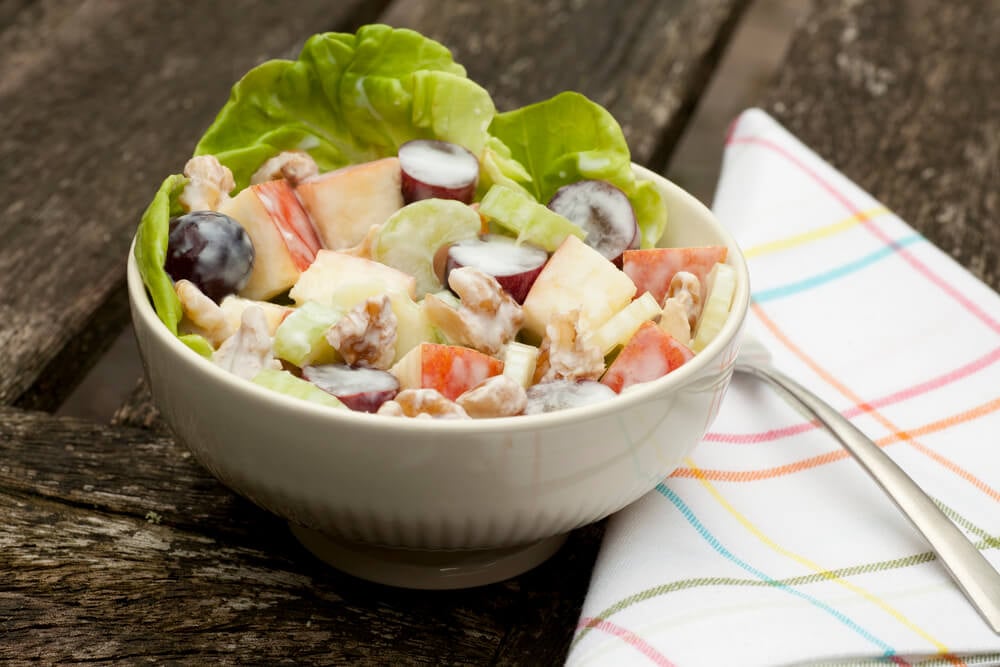
Apples, celery, and mayonnaise were the original ingredients of this salad, created at New York’s Waldorf Hotel in the 1890s, and walnuts were often added later. It brought a cool, crunchy contrast to a hot meal. Grandma sometimes added grapes or raisins.
The Table as an Archive
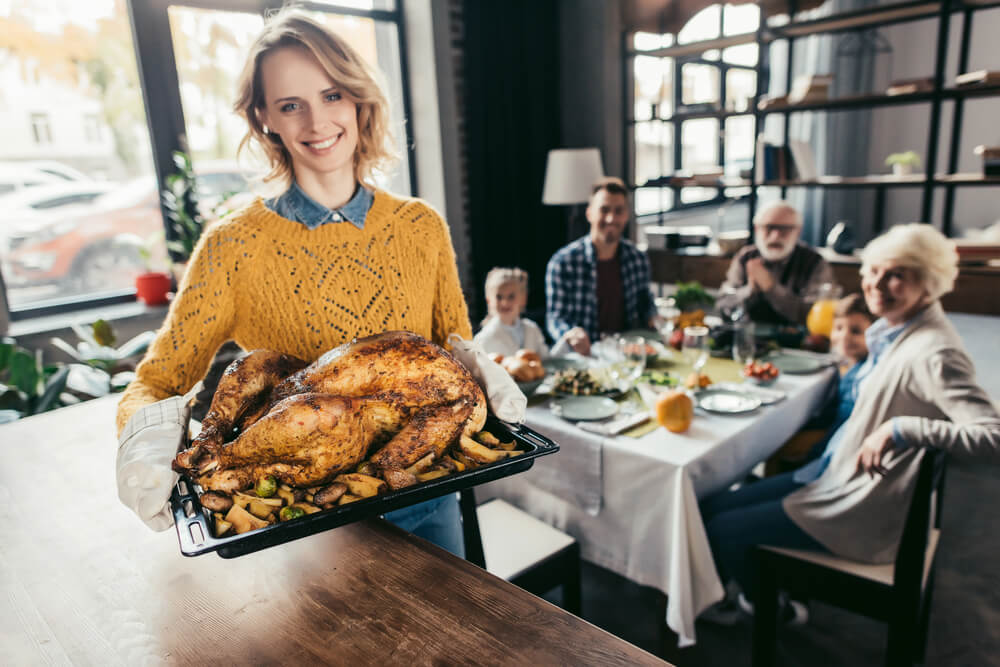
A Thanksgiving table is a record of the twentieth century. Soup cans, boxed mixes, and gelatin sat beside corn, beans, and potatoes whose roots go back thousands of years. Each dish carried a piece of the family’s story, whether through a church cookbook or a recipe handed across a kitchen counter.
Many of these sides have faded from younger tables, and a few have been reinvented with fresh ingredients. But the instinct behind them is lasting: bring something that someone loved. That may be why the same dishes keep appearing, year after year, even when the names on the guest list change.
More from Go2Tutors!

- The Romanov Crown Jewels and Their Tragic Fate
- 13 Historical Mysteries That Science Still Can’t Solve
- Famous Hoaxes That Fooled the World for Years
- 15 Child Stars with Tragic Adult Lives
- 16 Famous Jewelry Pieces in History
Like Go2Tutors’s content? Follow us on MSN.