31 Historical Events Left Out of Most Textbooks
A standard history curriculum has limited room, and what gets cut is rarely random. Certain episodes are inconvenient, embarrassing, or simply too complicated to summarize in a paragraph, so they quietly drop out of the syllabus.
The following events shaped the world their students went on to live in, even if the students never read about them in class.
The Tulsa Race Massacre
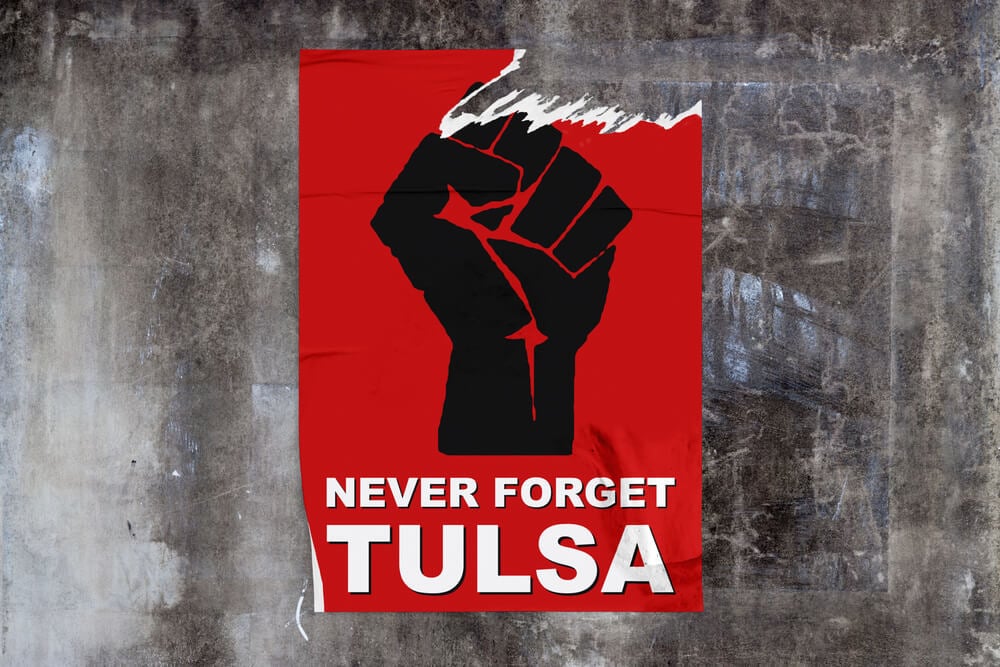
In 1921, a white mob destroyed the prosperous Greenwood district of Tulsa, Oklahoma, killing an estimated one hundred to three hundred Black residents and leaving thousands homeless. City officials suppressed public discussion of the massacre for decades, and it did not appear in Oklahoma’s own school curriculum until a state commission mandated it in the twenty-first century.
The Congo Free State Atrocities
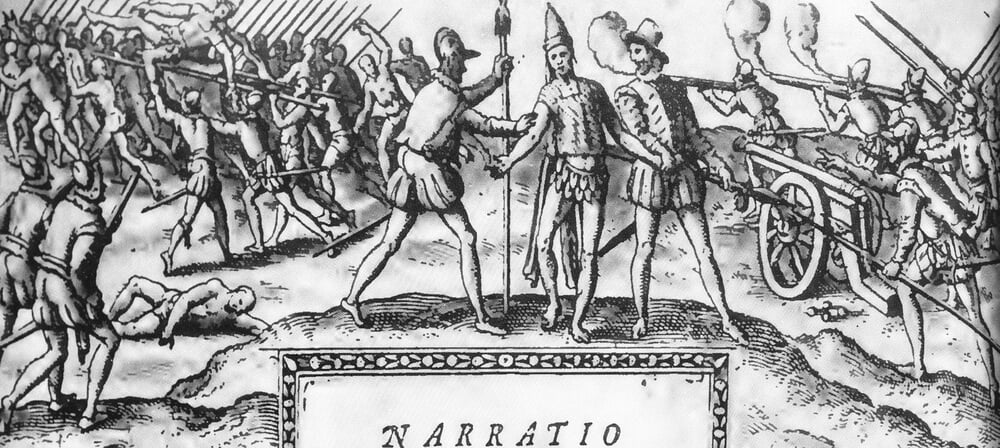
Belgium’s King Leopold II ran the Congo as his personal property from 1885 to 1908, extracting rubber through forced labor enforced with mutilation and killing that reduced the region’s population by millions. The scale of the violence was documented by missionaries and journalists at the time but rarely appears in general world history courses today.
The Bengal Famine of 1943
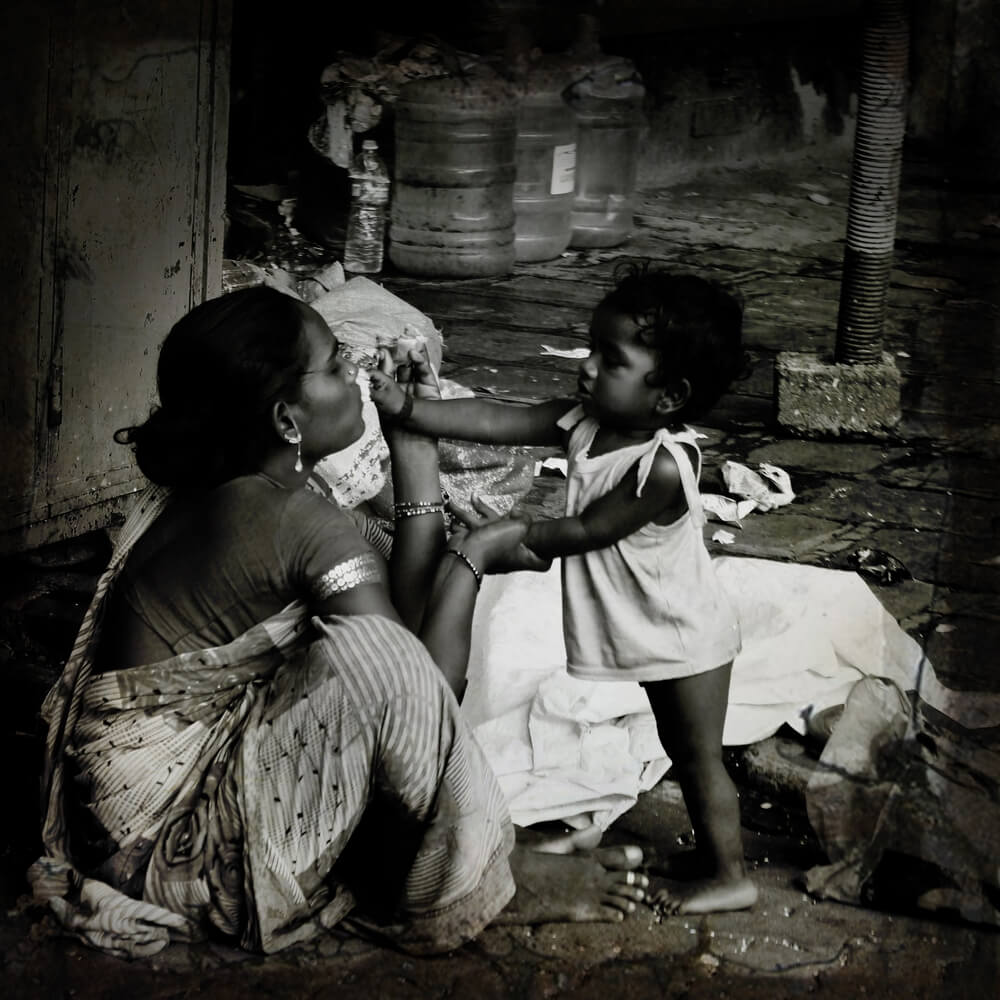
Roughly three million people died in Bengal during a 1943 famine that historians now attribute in large part to British wartime policy decisions, including grain exports that continued as the region starved. Winston Churchill’s government has drawn sustained scholarly criticism over its handling of the crisis, a chapter rarely covered alongside his wartime leadership.
The Wilmington Coup of 1898
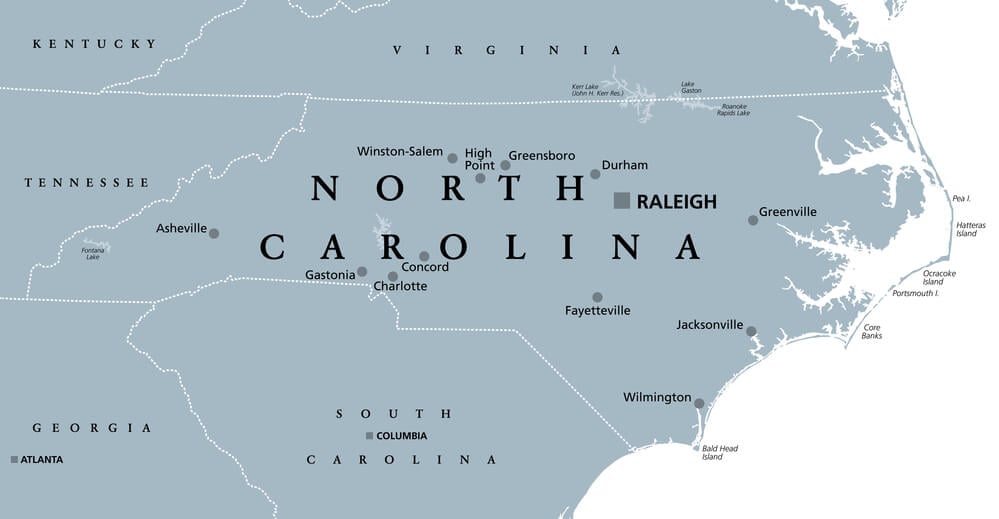
A mob of armed white supremacists overthrew the legitimately elected biracial government of Wilmington, North Carolina, in 1898, killing an unknown number of Black residents and driving thousands from the city. It remains the only successful coup d’état in United States history and is largely absent from national coverage of the period.
The Bear River Massacre
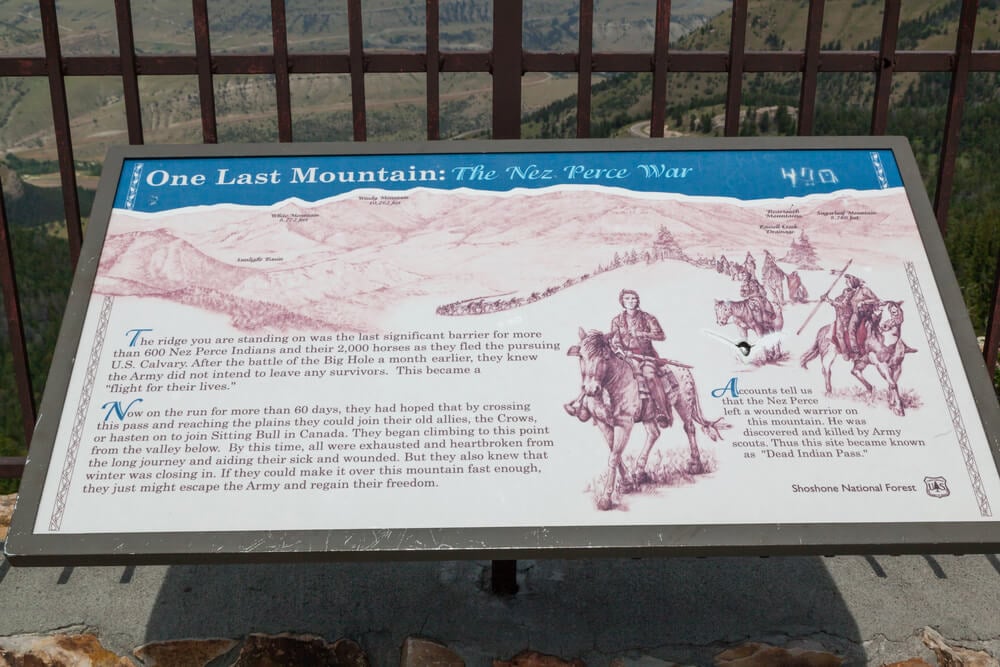
In 1863, US Army troops killed an estimated 250 to 500 Shoshone men, women, and children at their winter camp along the Bear River in present-day Idaho, making it one of the deadliest attacks on Native Americans in the country’s history. It is regularly overshadowed in general curricula by later, smaller confrontations that received more contemporary press coverage.
The Philippine-American War
After the United States acquired the Philippines from Spain in 1898, Filipino forces fought a war for independence against their new colonial ruler that lasted years and killed several hundred thousand Filipinos, many through disease and famine tied to a brutal counterinsurgency campaign. American textbooks frequently compress the entire episode into a single sentence about acquiring overseas territory.
Twentieth-Century American Eugenics Programs

More than thirty US states operated forced sterilization programs targeting people deemed unfit to reproduce, sterilizing tens of thousands of people, disproportionately those who were poor, disabled, or from minority communities, well into the 1970s. The Supreme Court upheld the practice in a 1927 ruling that has never been formally overturned.
The Haitian Independence Debt
After winning its independence in 1804, Haiti was forced by France, backed by the threat of renewed military force, to pay reparations to former slaveholders for the loss of their human property, a debt that took well over a century to pay off and crippled the young nation’s finances. The arrangement rarely appears in accounts of the era’s revolutions.
The Great Kanto Earthquake Massacres
After a massive earthquake struck the Tokyo region in 1923, rumors spread blaming ethnic Koreans for looting and arson, and vigilante groups, sometimes with police involvement, killed an estimated several thousand Korean residents in the chaos that followed. Japanese textbooks have historically given the killings limited attention relative to the earthquake itself.
The Nanjing Massacre
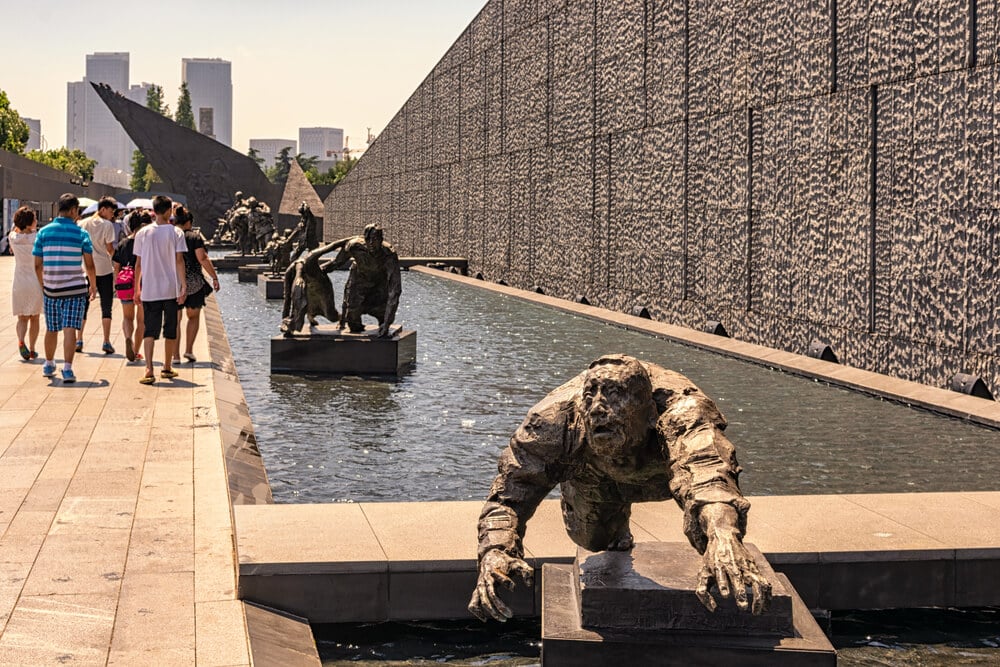
Japanese forces killed an estimated tens of thousands to several hundred thousand Chinese civilians and disarmed soldiers after capturing Nanjing in December 1937, in an episode of mass killing and widespread violence against civilians that remains a point of diplomatic tension in East Asia. Its treatment varies enormously between Japanese, Chinese, and Western textbooks.
The Armenian Genocide
Ottoman authorities killed an estimated one to one and a half million Armenians through mass killing, forced marches, and starvation beginning in 1915. The Turkish government has long disputed the term genocide for the events, and the diplomatic sensitivity of the label has kept the episode out of many general world history courses.
The Sand Creek Massacre
In 1864, a Colorado militia attacked a peaceful encampment of Cheyenne and Arapaho people who had been promised safety, killing an estimated 150 to 230 people, most of them women, children, and the elderly. A subsequent congressional investigation condemned the attack, but it remains one of the least taught episodes of the era’s frontier violence.
The Rosewood Massacre

A white mob destroyed the majority-Black town of Rosewood, Florida, in 1923 after an unverified accusation against a Black man, killing an unknown number of residents and erasing the town from the map entirely. The state of Florida did not formally acknowledge the event or compensate survivors’ descendants until the 1990s.
The Katyn Massacre
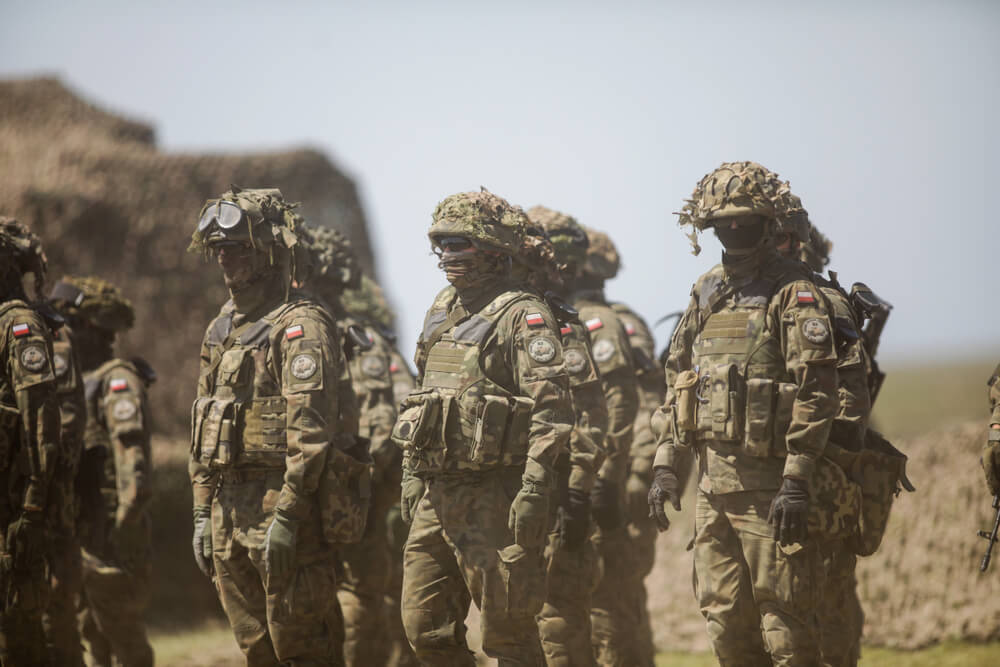
Soviet secret police executed roughly 22,000 Polish military officers and intellectuals in 1940, then blamed the killings on Nazi Germany for decades. The Soviet Union did not admit responsibility until 1990, and the episode remains under-covered outside of Polish and specialist historical education.
The East St. Louis Riots of 1917
White mobs attacked Black residents of East St. Louis, Illinois, over several days in 1917 amid labor tensions tied to wartime industrial hiring, killing dozens of people and burning entire neighborhoods. Congressional hearings followed at the time, but the episode has largely faded from national memory of the World War I era.
The Herero and Nama Genocide
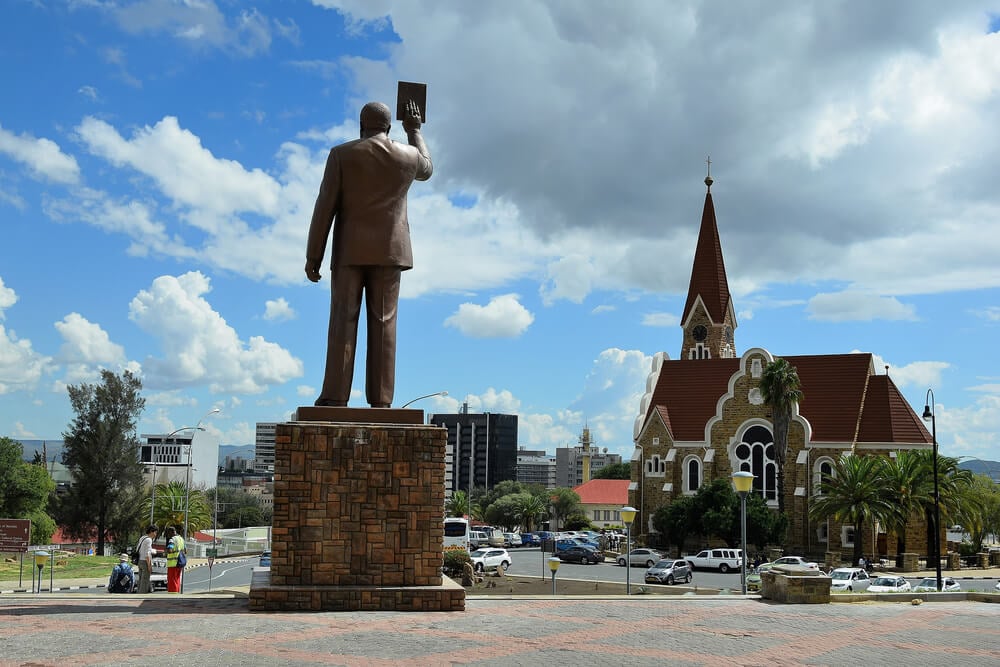
German colonial forces killed tens of thousands of Herero and Nama people in present-day Namibia between 1904 and 1908, driving survivors into the desert to die of thirst in a campaign historians now widely describe as genocide. Germany did not formally recognize it as such until 2021.
The Elaine Massacre
White mobs and federal troops killed an estimated one hundred to several hundred Black sharecroppers in Elaine, Arkansas, in 1919 after Black farmers organized to negotiate fairer cotton prices. The episode led to a landmark Supreme Court case on fair trials, yet the massacre itself remains obscure in general coverage of the period.
The Berlin Conference of 1884-1885

European powers met in Berlin to divide the African continent into colonial territories among themselves, with no African representatives present, establishing borders that ignored existing ethnic and political boundaries. The conference’s lasting effect on modern African conflict and governance is rarely connected to it in general world history instruction.
The 1954 Guatemalan Coup
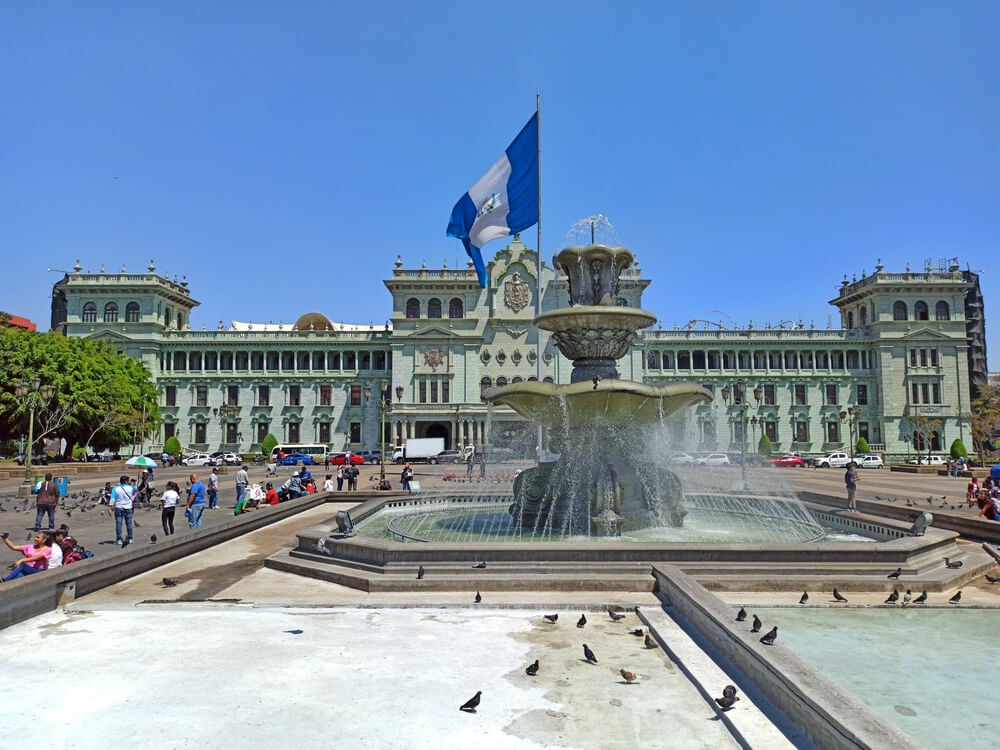
The CIA orchestrated the overthrow of Guatemala’s democratically elected president in 1954 after his land reform policies threatened American corporate interests, installing a military government and setting off decades of civil conflict. US involvement was formally acknowledged only long after the fact, and the episode is rarely paired with broader Cold War coverage.
The 1973 Chilean Coup
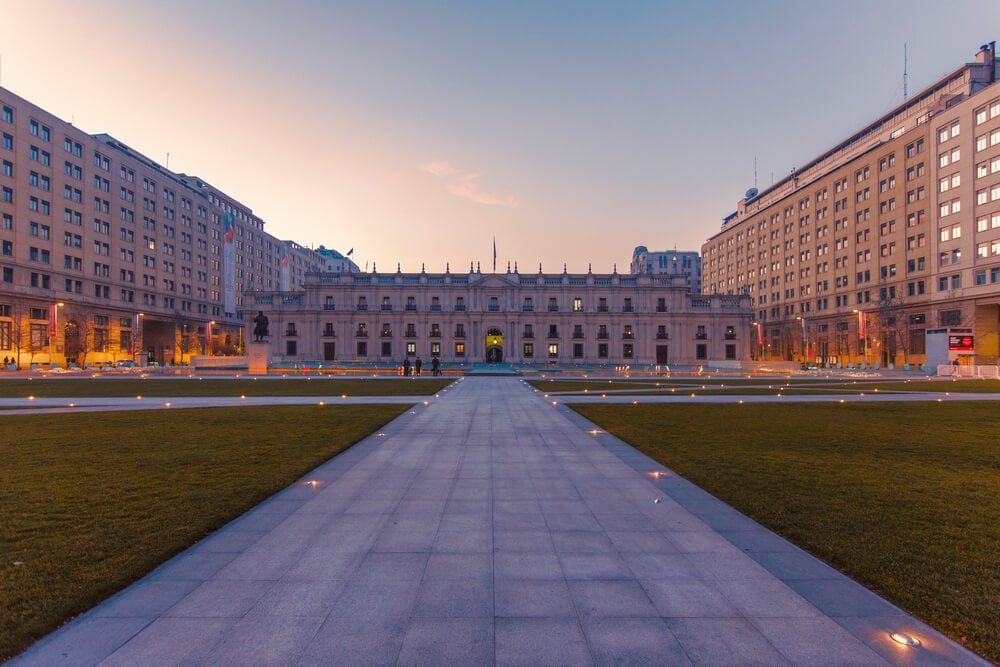
The United States supported the military overthrow of Chile’s elected president Salvador Allende in 1973, bringing General Augusto Pinochet to power for a rule marked by mass detention and killing of political opponents. Declassified documents later confirmed the extent of American involvement, though the episode remains a minor footnote in most Cold War units.
COINTELPRO

The FBI ran a covert program from 1956 to 1971 that surveilled, infiltrated, and disrupted domestic political organizations, including civil rights groups and antiwar activists, sometimes through outright illegal tactics. Congressional hearings in the 1970s exposed the program’s scope, but it is rarely taught alongside the movements it targeted.
MKUltra
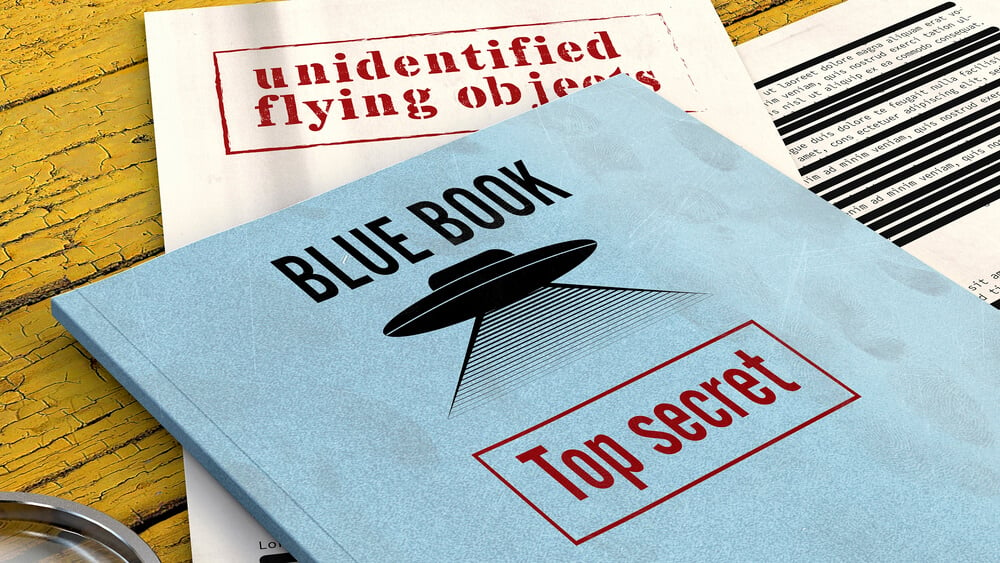
The CIA ran a decades-long program beginning in the early 1950s that tested mind-altering drugs and psychological manipulation on subjects, often without their knowledge or consent. Much of the program’s documentation was destroyed before a congressional investigation could review it, and what survives paints a limited but disturbing picture rarely covered in standard curricula.
The Ludlow Massacre
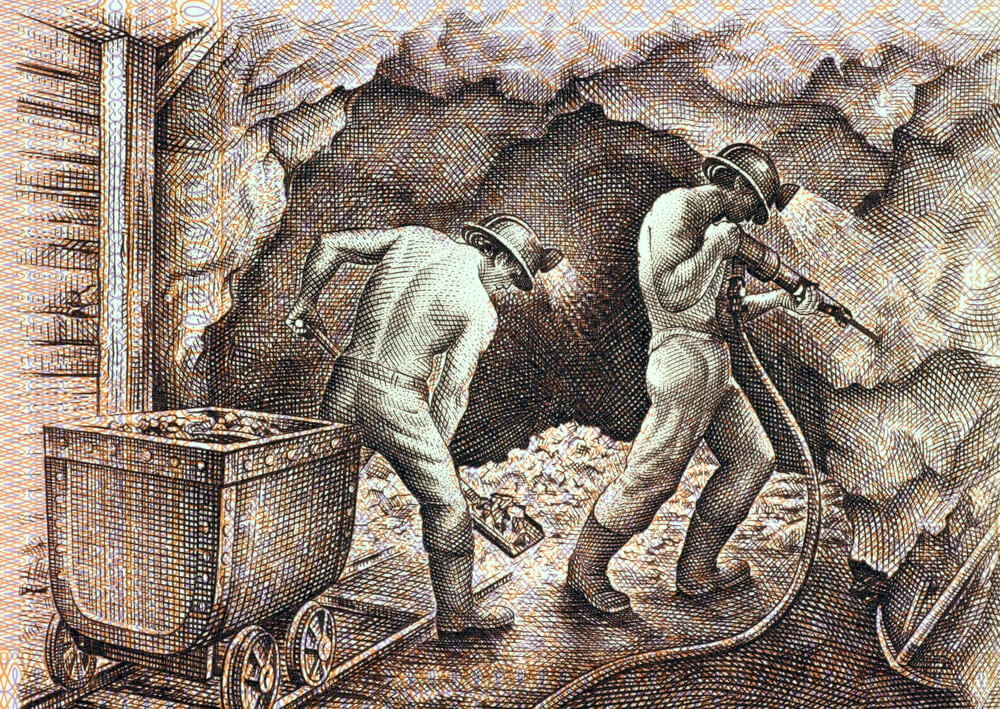
Colorado National Guard troops and private guards attacked a tent colony of striking coal miners and their families in 1914, killing at least nineteen people including women and children in what became known as the Ludlow Massacre. The event galvanized the American labor movement but rarely receives more than a passing mention in general history courses.
The Bonus Army Eviction
Thousands of unemployed World War I veterans and their families camped in Washington in 1932 demanding early payment of a promised bonus, and the US Army, under orders that included future generals Douglas MacArthur and Dwight Eisenhower, forcibly dispersed the encampment with tear gas and burned it down. The episode is often skipped over in Depression-era coverage focused on economic policy.
The Opium Wars
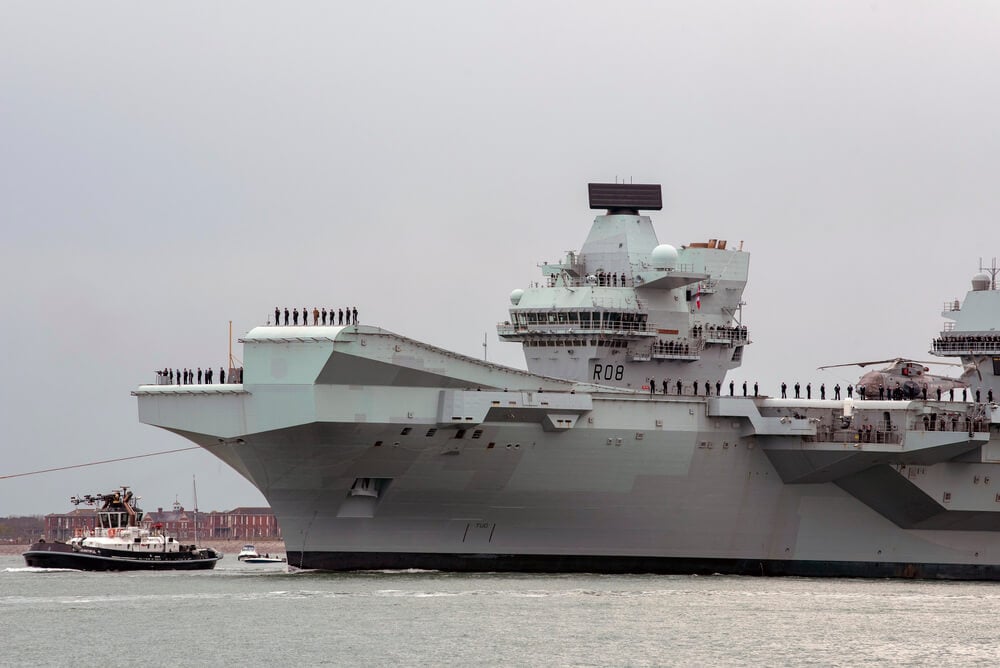
Britain fought two wars against Qing China in the mid-1800s to protect its profitable opium trade after Chinese authorities tried to suppress the drug, forcing China into unequal treaties that ceded Hong Kong and opened its ports. The wars are foundational to modern Chinese national memory but receive comparatively little attention in Western classrooms.
The Kishinev Pogrom
A mob attacked the Jewish population of Kishinev in the Russian Empire in 1903, killing dozens and injuring hundreds over two days of violence that international newspapers covered extensively at the time. The pogrom helped drive a wave of Jewish emigration but has largely receded from general historical memory outside specialist study.
The Great Purge
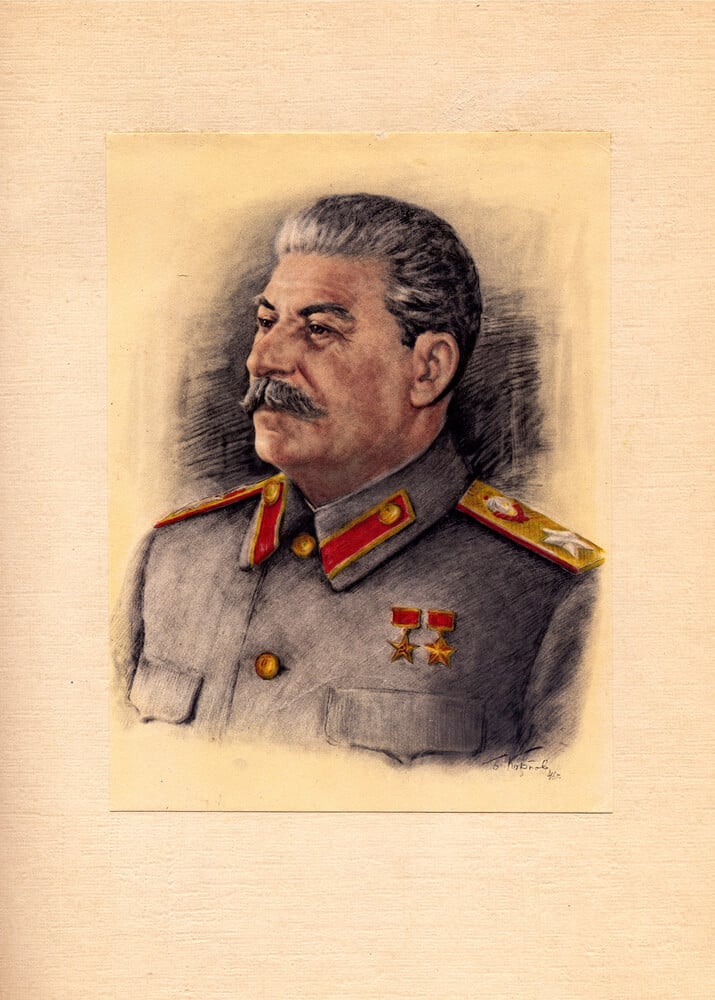
Soviet leader Joseph Stalin oversaw a campaign of mass arrests and executions from 1936 to 1938 that killed hundreds of thousands of people, including much of the Communist Party’s own senior leadership, on fabricated charges of conspiracy. The scale and internal logic of the purge remain under-taught relative to its role in shaping the Soviet state.
Operation Wetback
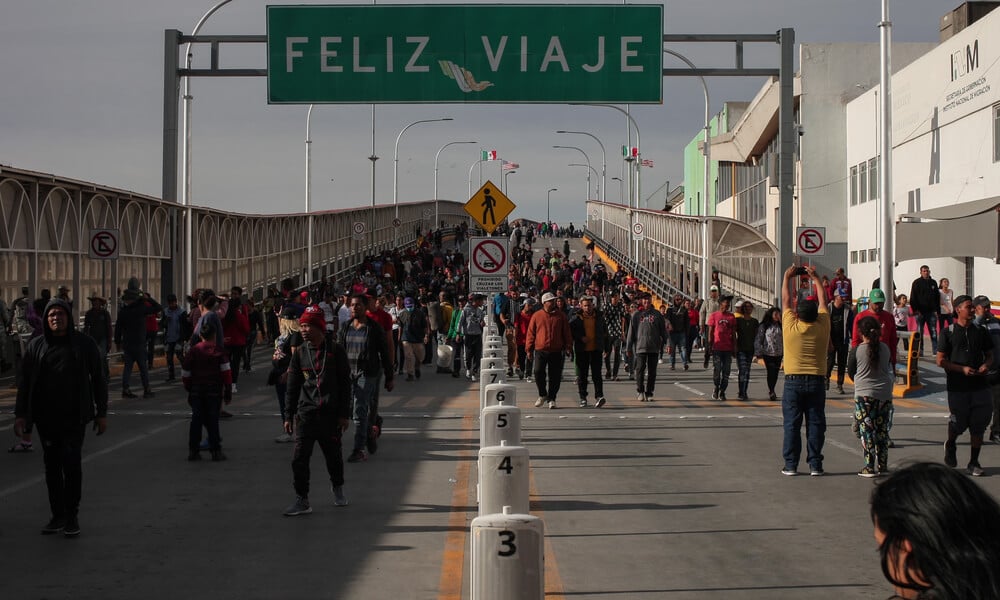
The United States launched a mass immigration enforcement campaign in 1954 that the government claimed deported roughly one million people of Mexican descent, including many US citizens, though historians estimate the actual number was significantly lower—likely around 300,000. The campaign relied on sweeping raids and minimal due process.
The episode is rarely mentioned in coverage of mid-century American immigration policy.
The Batavia Mutiny

Survivors of the wrecked Dutch East India Company ship Batavia turned on each other on a remote island in 1629, with a faction led by a merchant murdering roughly one hundred fellow survivors, including women and children, before rescue arrived. The episode is a staple of maritime history specialists but almost never appears in general world history coverage.
The Wounded Knee Massacre Aftermath
Following the 1890 killing of over 250 Lakota men, women, and children by US troops at Wounded Knee, twenty soldiers involved received the Medal of Honor, an outcome that remained largely unquestioned in official history for over a century. Efforts to review or rescind those medals only gained wider attention in recent years.
The Long Walk of the Navajo
The US government forced the Navajo people on a series of marches totaling roughly 300 miles to a remote internment camp in 1864, during which hundreds died of exposure, starvation, and disease, followed by four years of confinement under harsh conditions. The episode is regularly compressed into a brief mention within broader coverage of westward expansion.
The Curriculum Is a Series of Choices
None of these events were secret in the way a classified document is secret. They were reported, investigated, sometimes even prosecuted, and then absorbed into archives that a general education simply never opened.
A textbook has limited pages, and every choice to include one event is a quiet choice to exclude another. What connects this list is not obscurity so much as inconvenience.
Each episode complicates a tidier national story, whether that story belongs to the United States, Britain, Belgium, Japan, or the Soviet Union. History did not lose these events. Curricula did.
More from Go2Tutors!

- The Romanov Crown Jewels and Their Tragic Fate
- 13 Historical Mysteries That Science Still Can’t Solve
- Famous Hoaxes That Fooled the World for Years
- 15 Child Stars with Tragic Adult Lives
- 16 Famous Jewelry Pieces in History
Like Go2Tutors’s content? Follow us on MSN.



