24 Forbidden Islands Few People Have Visited
Islands have a way of keeping secrets. Water makes them easy to guard, hard to reach and simple to forget, which is why governments, scientists and entire communities have used them to hide things or to protect them.
Some of these islands are closed to shield wildlife or ancient ways of life. Others hold the leftovers of weapons programs, epidemics and abandoned hospitals, and a few are just so remote that almost nobody has ever set foot on them.
North Sentinel Island
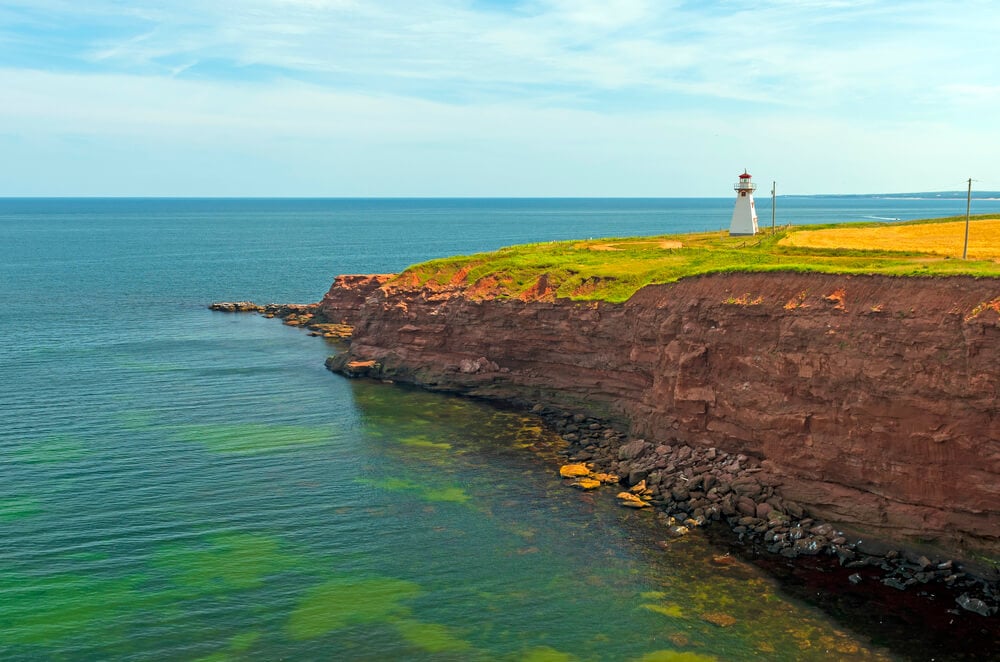
North Sentinel, in India’s Andaman Islands, is home to the Sentinelese, one of the last peoples on Earth with almost no contact with the outside world. They have repeatedly driven off visitors with arrows and spears.
India bans anyone from approaching within several nautical miles, both to protect the islanders from diseases they have no immunity to and to respect their clear wish to be left alone. In 2018, an American missionary, John Allen Chau, was killed after illegally landing there.
Indian authorities did not attempt to recover his body.
Surtsey Off Iceland
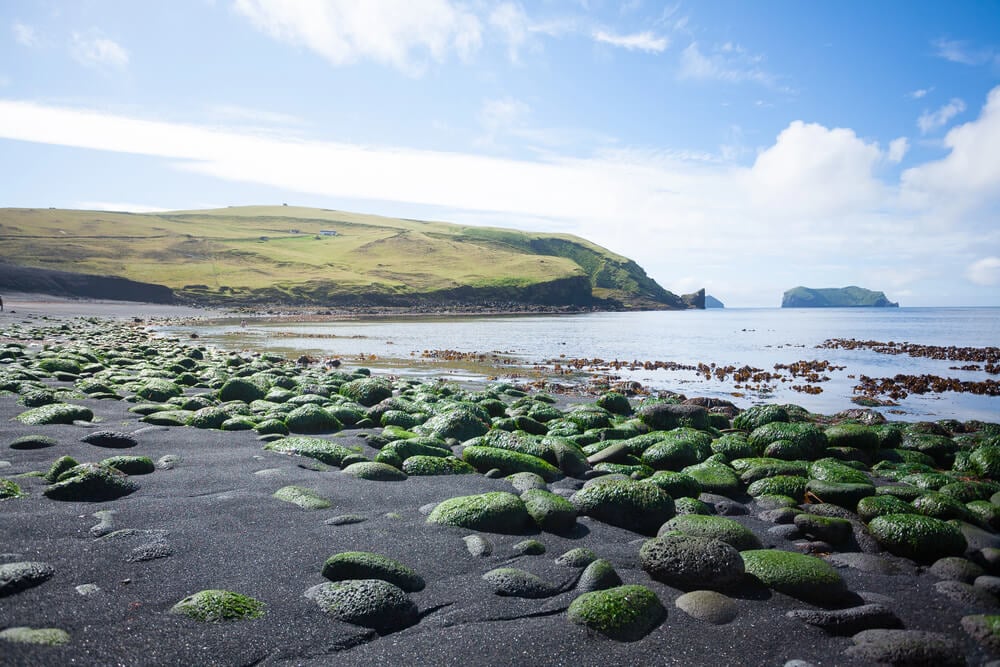
Surtsey rose from the sea off southern Iceland during a volcanic eruption that began in 1963 and continued until 1967. From the beginning, scientists recognized a rare chance to watch life colonize brand-new land, and access was restricted to a small number of researchers.
Visitors must follow strict rules to avoid introducing seeds or insects. Researchers once found a tomato plant sprouting on the island, traced to human waste left by a visitor, and quickly removed it.
Surtsey became a UNESCO World Heritage Site in 2008.
Snake Island Off Brazil
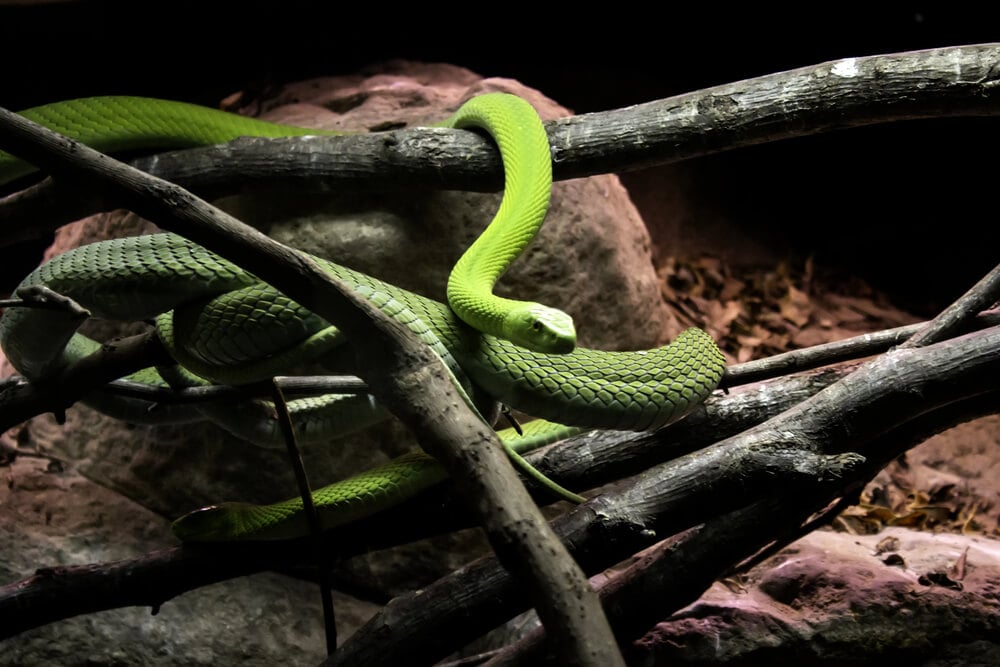
Ilha da Queimada Grande, about 33 kilometers off the coast of Sao Paulo, Brazil, is the only home of the golden lancehead, a highly venomous pit viper. With no ground predators, the snakes became extremely numerous.
The Brazilian Navy restricts visits to the island, allowing only occasional scientific trips and maintenance of its automated lighthouse. Local legends describe lighthouse keepers killed by snakes, though such stories are hard to verify.
The species is critically endangered, which makes the island’s protection as much about the snakes as about visitors.
Poveglia in the Venice Lagoon
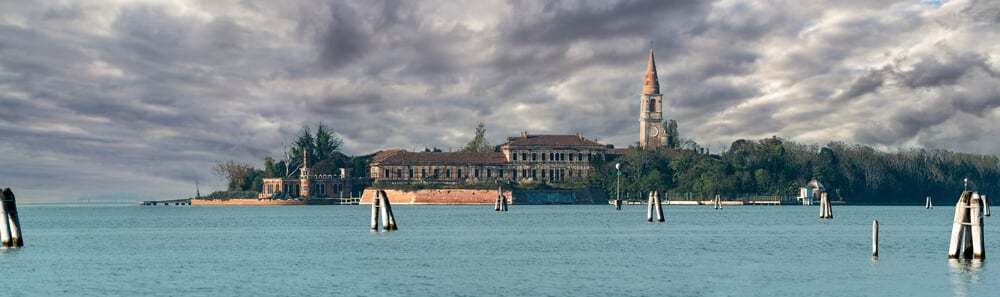
Poveglia, a small island in the Venice lagoon, served over the centuries as a quarantine station for plague victims and later housed a hospital that closed in 1968. Rumors of mass graves and ghosts made it a favorite of paranormal television shows.
For decades, the island sat abandoned and officially closed, its crumbling buildings off-limits. In 2014, the Italian government tried to lease it to developers, but a citizens’ group called Poveglia per Tutti fought the sale.
In 2025, the group received a concession to manage the island’s northern section as a public park, while the old buildings remain decaying.
Niihau in Hawaii
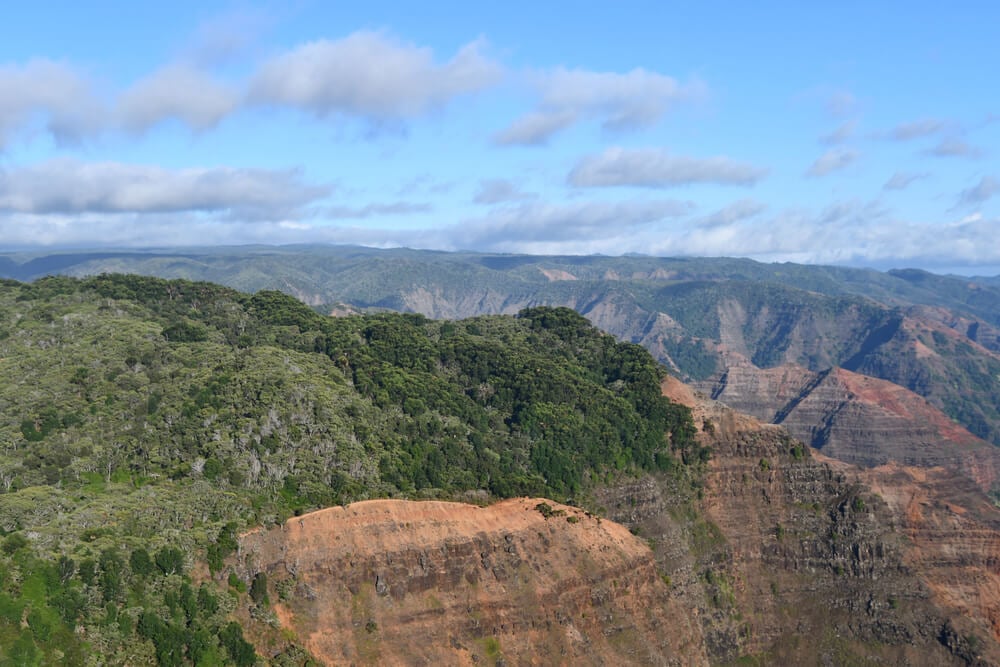
Niihau, the westernmost of Hawaii’s main inhabited islands, was bought in 1864 by Elizabeth Sinclair from King Kamehameha V. Her descendants, the Robinson family, still own it and have kept it largely closed to outsiders, earning it the nickname the Forbidden Island.
A small community lives there and speaks Hawaiian as its primary language, one of the few places where that is true. Limited helicopter tours and hunting trips visit uninhabited parts of the island.
Residents and their guests are among the only people who see the rest.
Heard Island in the Southern Ocean
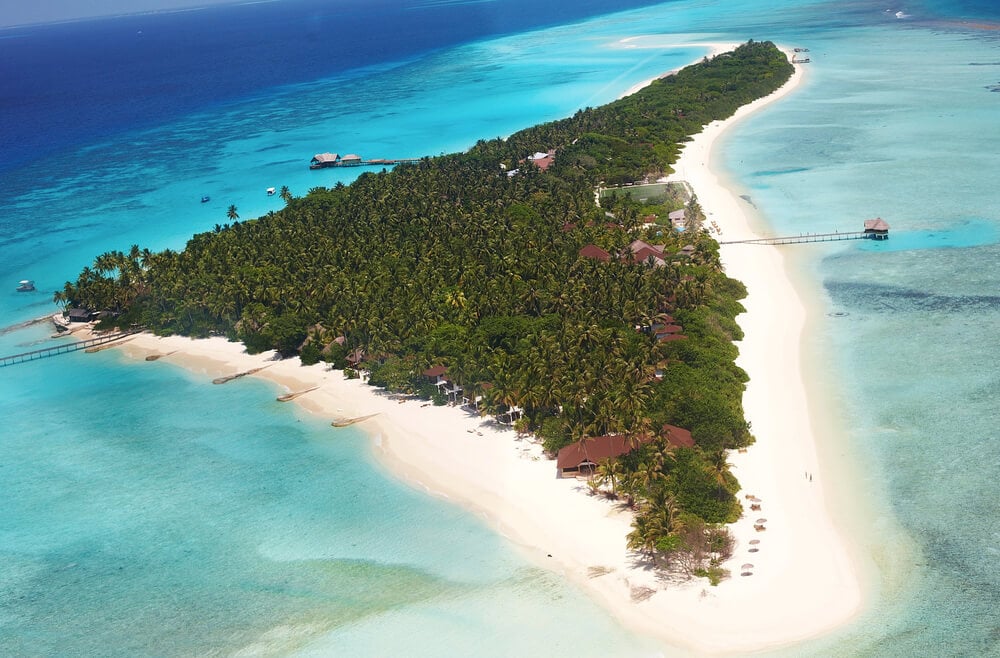
Heard Island, an Australian territory in the Southern Ocean about 4,000 kilometers southwest of Perth, is dominated by Big Ben, an active volcanic massif covered in glaciers. Its peak, Mawson Peak, is one of the few active volcanoes in Australian territory.
The island and nearby McDonald Islands became a UNESCO World Heritage Site in 1997. Landing requires a permit, and visits are rare because of distance, wild seas and harsh weather.
Huge colonies of penguins and seals live there, mostly undisturbed by people. Expeditions have sometimes waited weeks offshore for a calm enough sea to get ashore at all.
Gruinard Island in Scotland
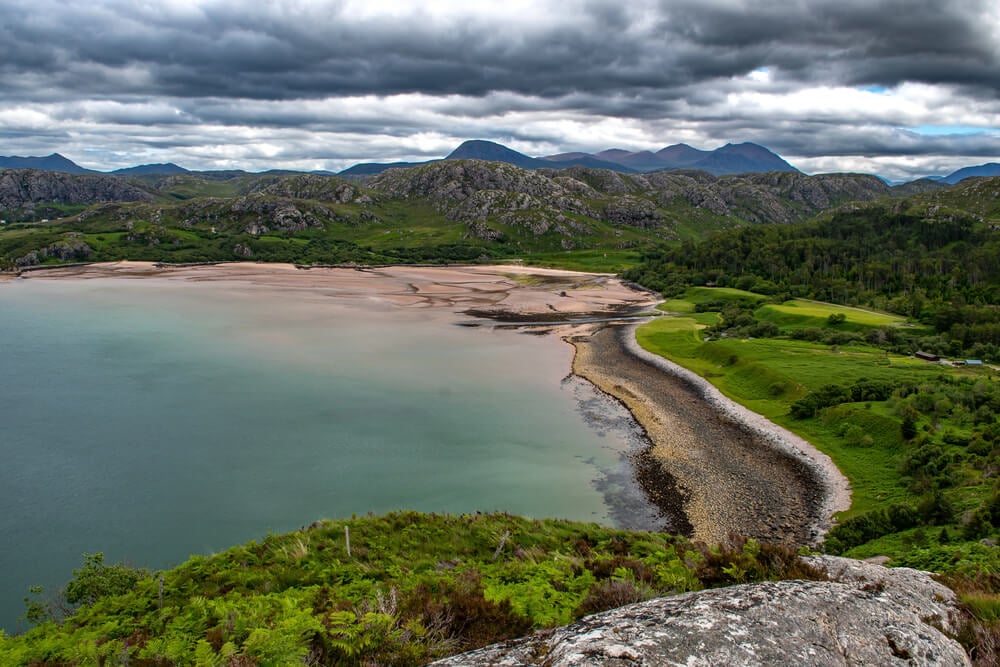
In 1942, British scientists tested anthrax as a biological weapon on Gruinard Island off the northwest coast of Scotland, releasing spores over flocks of sheep. The sheep died within days, and the island was so heavily contaminated that it remained quarantined for decades.
In the 1980s, workers decontaminated the soil with formaldehyde and seawater. The island was declared safe in 1990, after a flock of sheep grazed there without falling ill.
Few people visit even now, though the warning signs have come down. The island was later returned to the heirs of its original owners.
Vozrozhdeniya in the Aral Sea
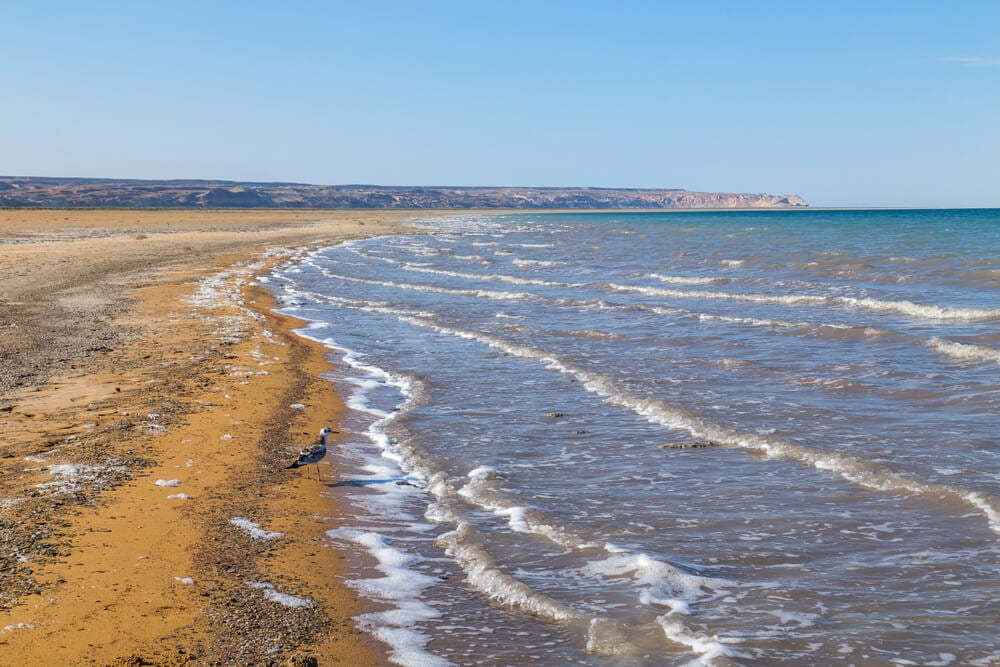
Vozrozhdeniya Island in the Aral Sea housed a secret Soviet biological weapons testing site where pathogens including anthrax and plague were studied. When the Soviet Union collapsed, the site was abandoned in 1992, with buried containers of anthrax spores left behind.
As the Aral Sea shrank dramatically because of irrigation projects, the island joined the mainland. In 2002, the United States helped fund a cleanup of the buried anthrax.
Though the island no longer technically exists as an island, it remains one of the most notorious biological weapons sites in history.
Bouvet Island in the South Atlantic
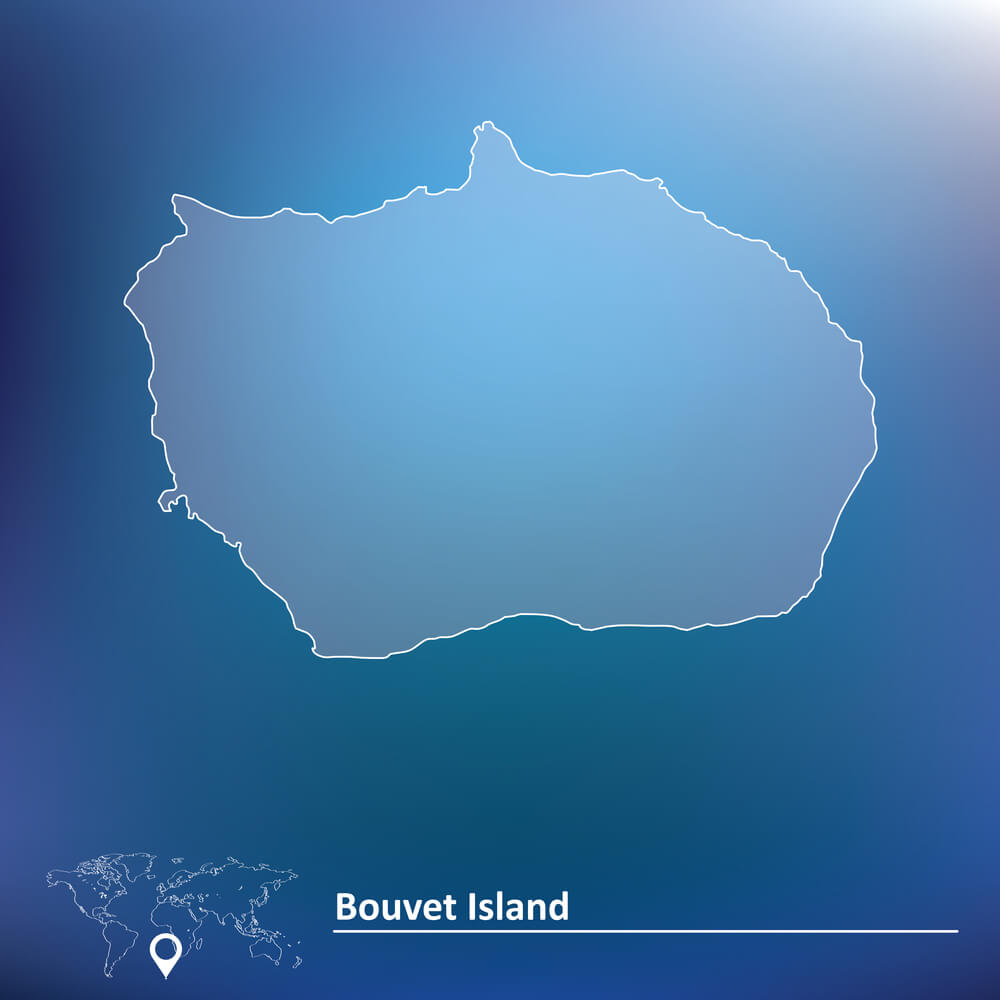
Bouvet Island, a Norwegian territory in the South Atlantic, is often described as the most remote island on Earth, with the nearest land, Antarctica, about 1,700 kilometers away. Most of its surface is covered by glacier, and steep cliffs make landing extremely difficult.
Norway declared it a nature reserve, and visits require permission. In 1964, a British expedition found an abandoned lifeboat on the island with no clue to where it had come from or what happened to its occupants.
The mystery has never been solved.
Clipperton Island in the Pacific
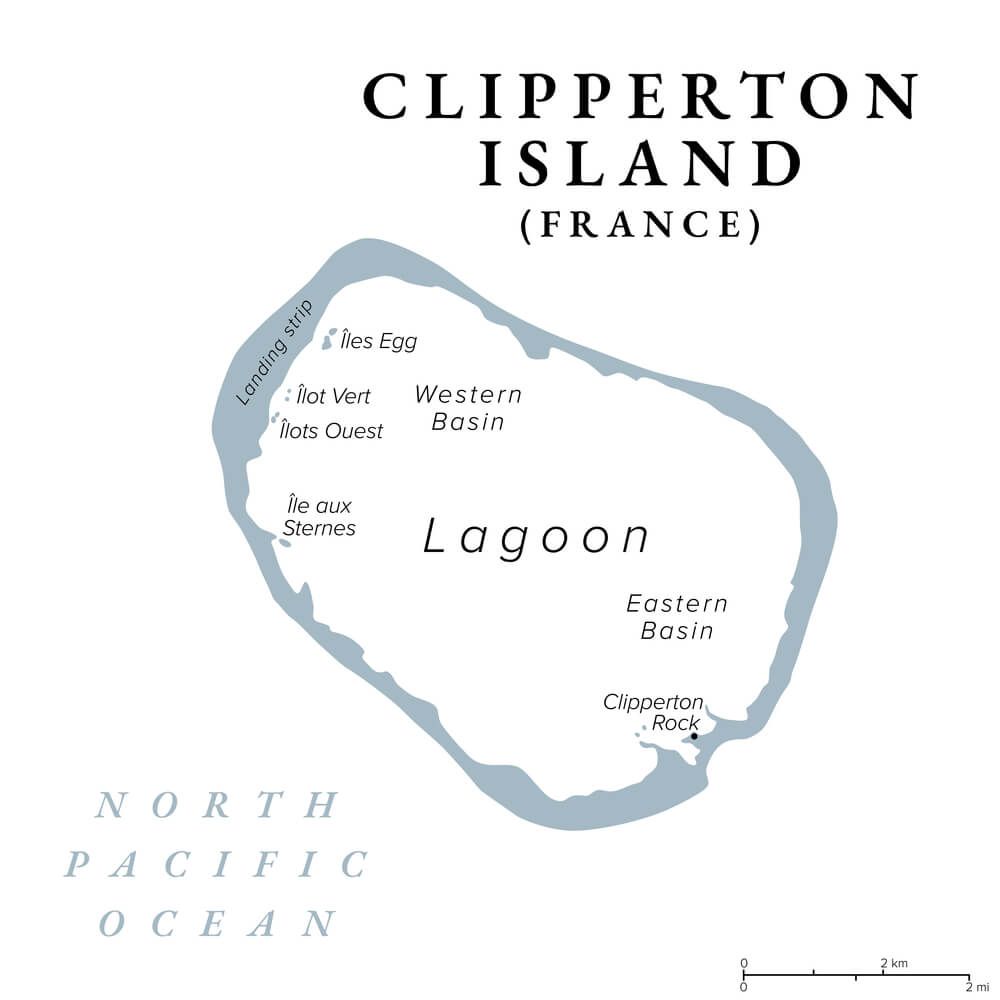
Clipperton, a remote French atoll in the eastern Pacific, is uninhabited and rarely visited. Mexico once held it, and in the early twentieth century a small Mexican garrison lived there with their families.
When supply ships stopped coming during the Mexican Revolution, most of the residents died from scurvy and other hardships. By 1917, only a few women and children remained, along with a lighthouse keeper who terrorized them until he was killed.
The survivors were rescued by an American ship. Today, scientists and occasional expeditions are the only visitors.
Diego Garcia in the Indian Ocean
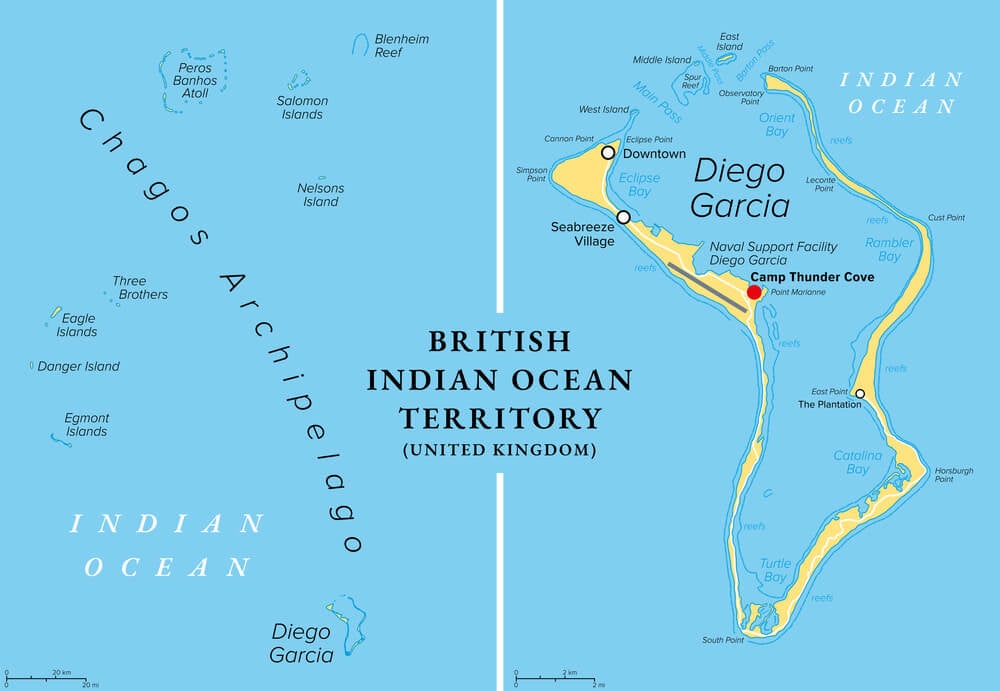
Diego Garcia, the largest island in the Chagos Archipelago, hosts a major U.S. military base under British control. In the 1960s and 1970s, Britain expelled the island’s Chagossian residents to make way for the base, a decision that has drawn international condemnation ever since.
Civilians are not allowed to visit without military authorization. In 2025, Britain agreed to transfer sovereignty of the Chagos Islands to Mauritius while keeping the base under a long-term lease.
The displaced Chagossians and their descendants continue to campaign for the right to return.
North Brother Island in New York
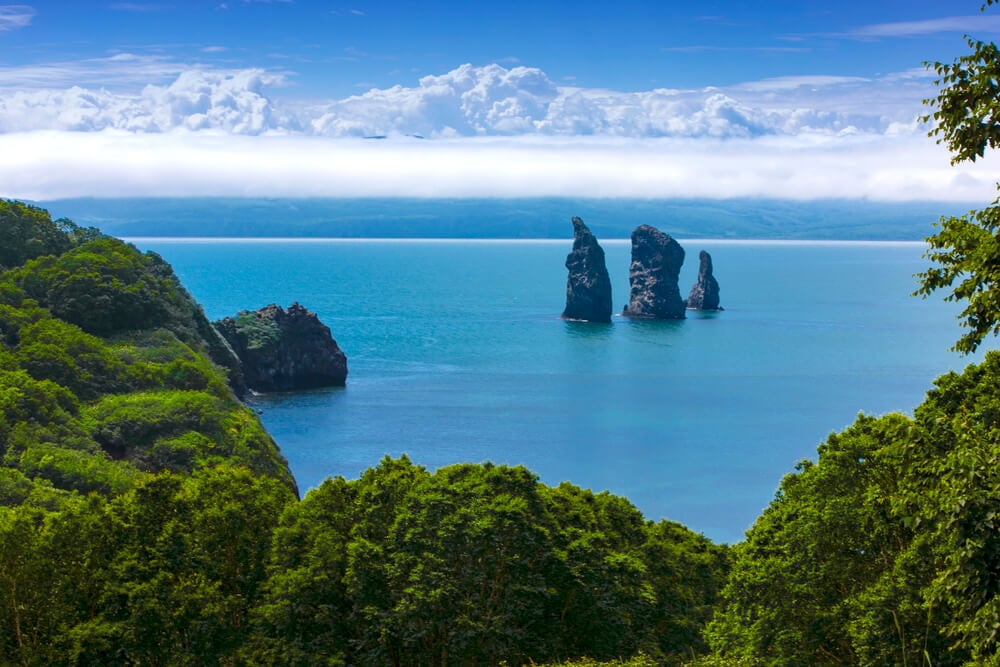
North Brother Island, in New York City’s East River, once held Riverside Hospital, which treated contagious diseases. Its most famous patient was Mary Mallon, known as Typhoid Mary, who was confined there for decades and died in 1938.
In 1904, the burning steamboat General Slocum ran aground near the island, a disaster that killed more than 1,000 people. After the hospital closed, the island was abandoned and became a bird sanctuary.
It remains closed to the public, its ruined buildings slowly swallowed by trees and vines.
Plum Island in New York
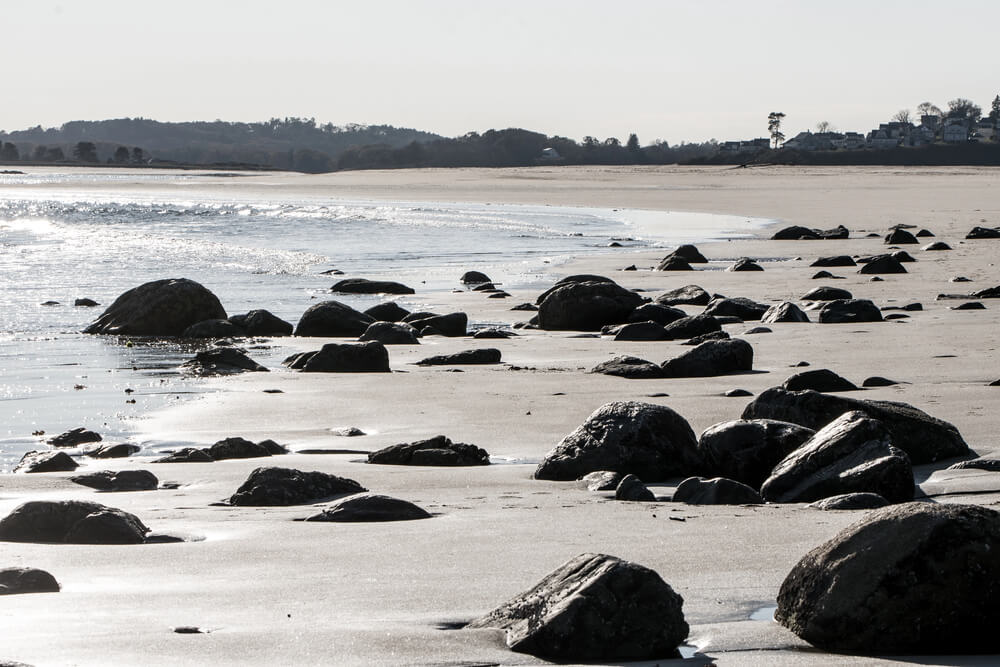
Plum Island, an 840-acre island off the eastern tip of Long Island, has housed a federal laboratory studying highly contagious animal diseases since 1954. Its work focused on threats like foot-and-mouth disease, and access has always been strictly controlled.
The lab is being replaced by a new facility in Manhattan, Kansas, and the government plans to finish closing the Plum Island center by 2028. Conservation groups have campaigned to turn most of the island into a nature preserve.
The island also holds a historic lighthouse and the ruins of Fort Terry.
Okinoshima in Japan
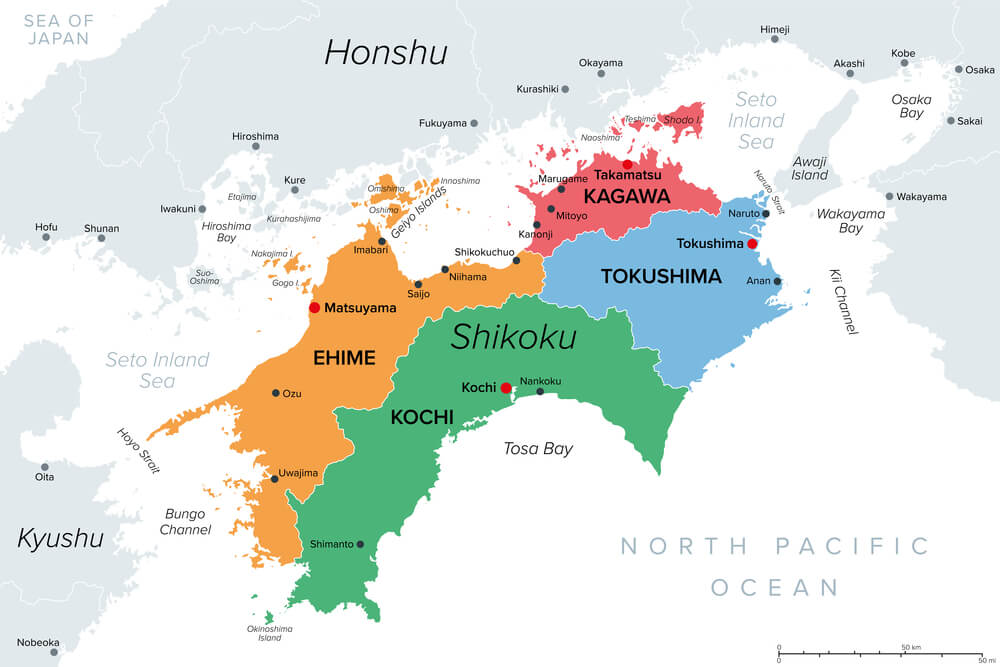
Okinoshima, a small island in the Genkai Sea between Japan and Korea, is considered so sacred in Shinto tradition that the entire island is treated as a shrine. For centuries, women were forbidden to land, and men who visited had to undergo ritual purification in the sea before stepping ashore.
Archaeologists found tens of thousands of ancient offerings there, including mirrors, swords and jewelry. After the island became a UNESCO World Heritage Site in 2017, authorities stopped allowing general visitors entirely.
Only priests now regularly visit.
Navassa Island in the Caribbean
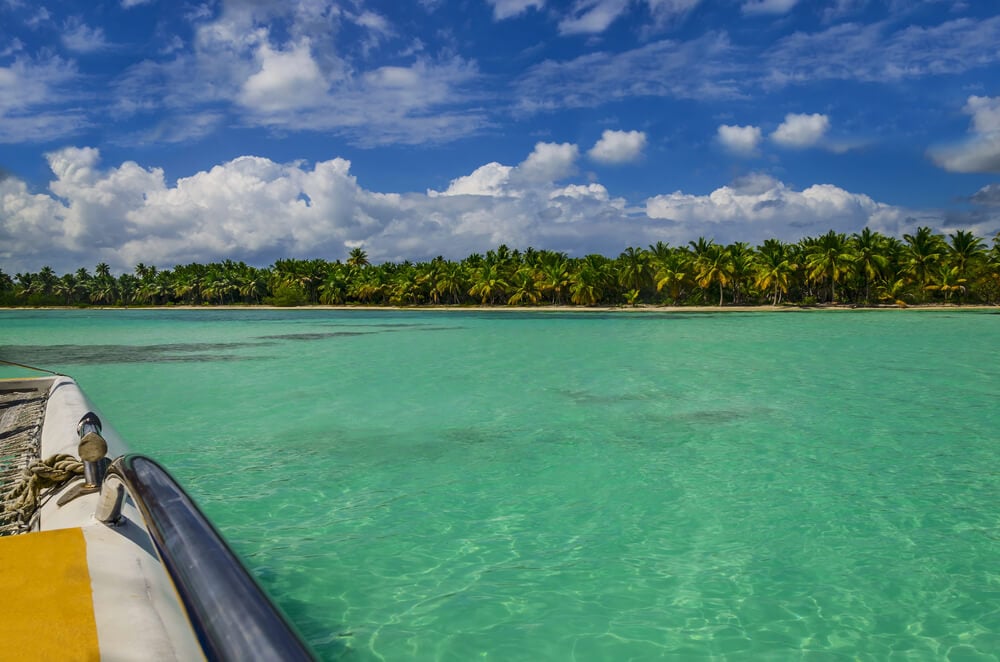
Navassa Island, a small uninhabited island between Jamaica and Haiti, was claimed by the United States in 1857 under the Guano Islands Act, which allowed Americans to claim islands rich in bird droppings used as fertilizer. Haiti also claims it, making it a long-running territorial dispute.
Workers once mined guano there under brutal conditions, and in 1889 they rebelled against their supervisors. Today, Navassa is a national wildlife refuge closed to the public.
Scientists occasionally visit to study its unique reptiles and plants. An automated lighthouse once stood watch there, but even that has long been abandoned.
Kahoolawe in Hawaii
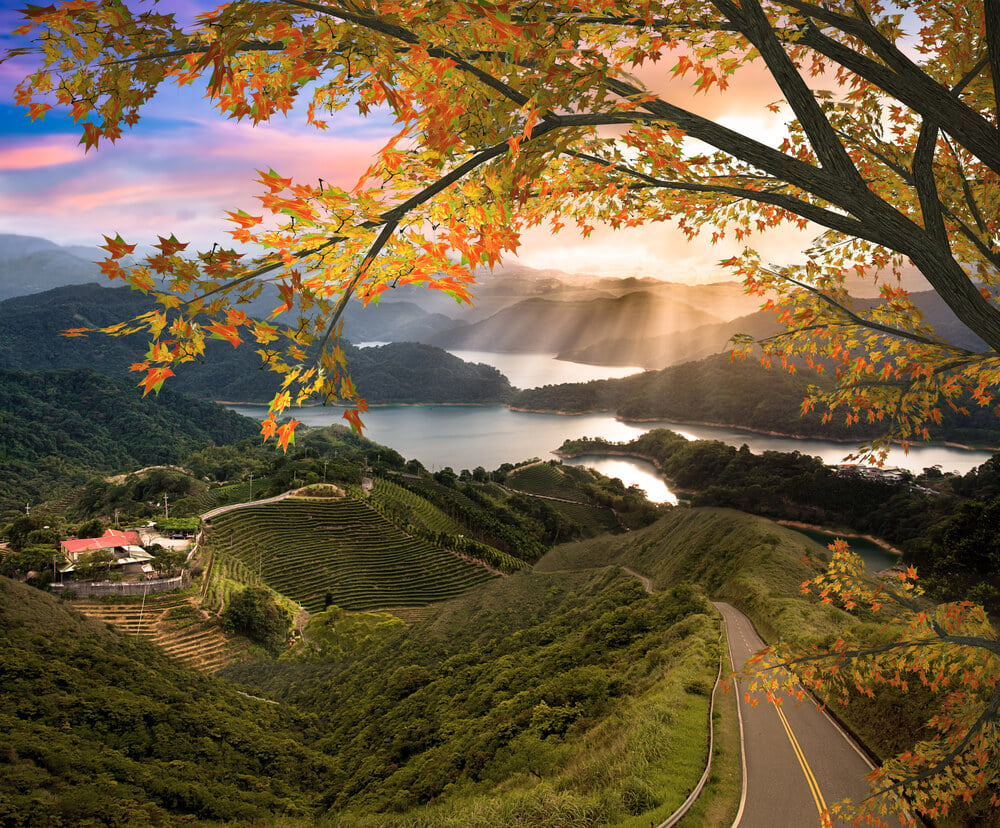
Kahoolawe, the smallest of Hawaii’s eight main islands, was used by the U.S. military as a bombing range from World War II until 1990. Native Hawaiian activists protested for years, occupying the island and calling for its return.
The Navy transferred it to the state of Hawaii in 1994, and cleanup of unexploded ordnance followed. Access is still limited to restoration work and cultural practices, largely through the group Protect Kahoolawe Ohana.
The island is now managed as a reserve dedicated to Native Hawaiian culture.
Johnston Atoll in the Pacific
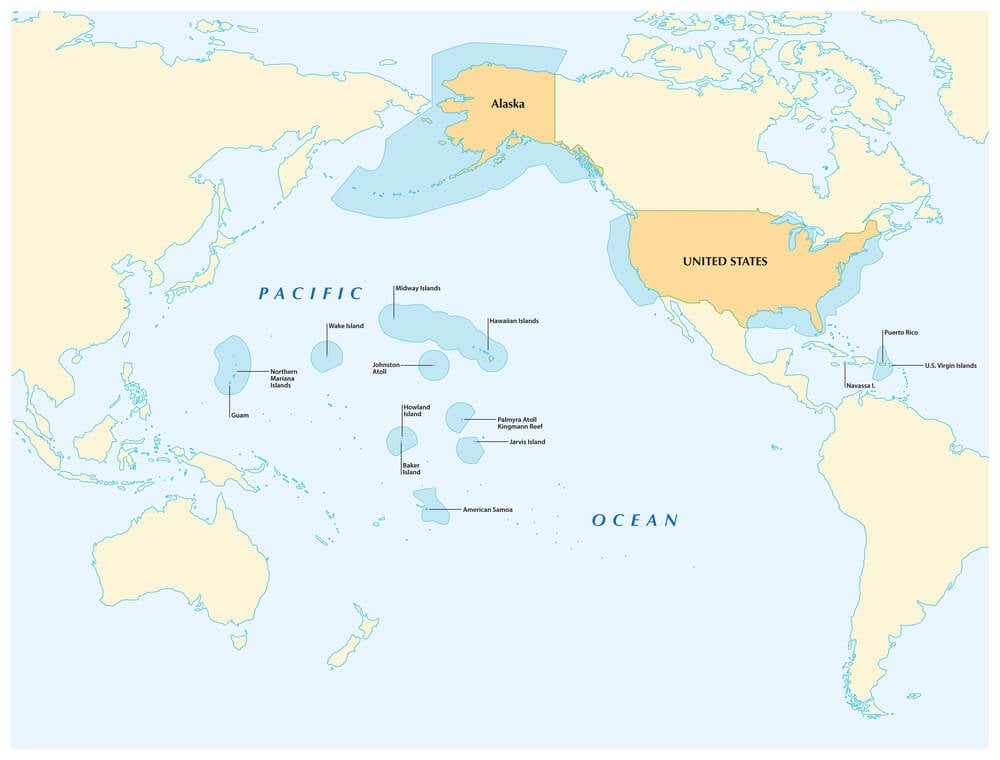
Johnston Atoll, about 1,300 kilometers southwest of Hawaii, served as a nuclear testing site in the late 1950s and early 1960s. Later, it housed a facility for destroying chemical weapons, which operated until 2000.
After the military left, the atoll became a national wildlife refuge closed to the public. Seabirds have largely reclaimed the islands, though contamination concerns remain.
Volunteers have worked there in recent years to remove invasive yellow crazy ants that threatened the bird populations. The effort required teams to live on the atoll for months at a time, in near total isolation.
Henderson Island in the Pacific
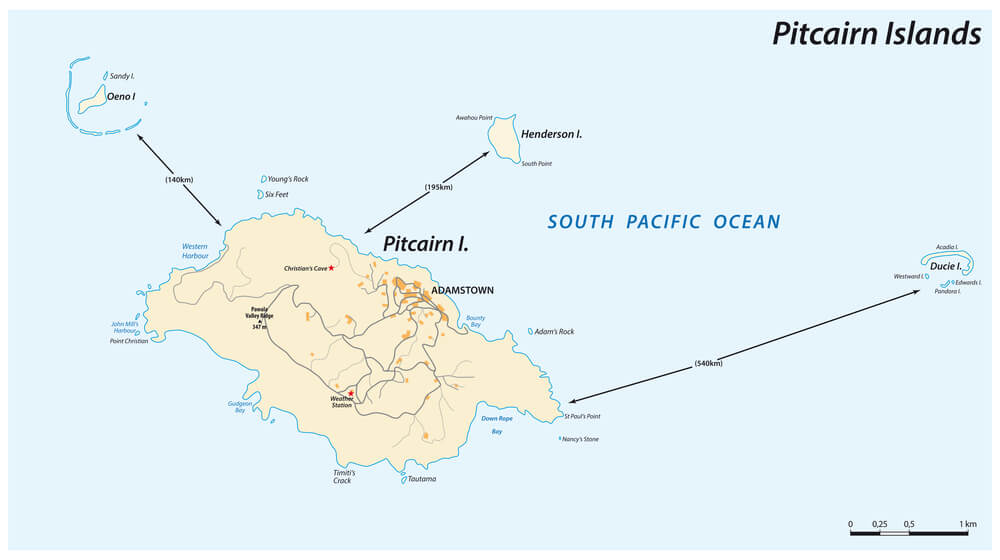
Henderson Island, part of the Pitcairn Islands group, is uninhabited and became a UNESCO World Heritage Site in 1988 for its nearly untouched ecosystem. Unique species of birds and plants live nowhere else.
Visits are rare because of its remoteness and difficult landings. A 2017 study found that the island’s beaches held tens of millions of pieces of plastic debris washed in by ocean currents.
The discovery made Henderson a symbol of how pollution reaches even the most remote places on Earth. Researchers estimated that thousands of new items washed up every day.
Inaccessible Island in the South Atlantic
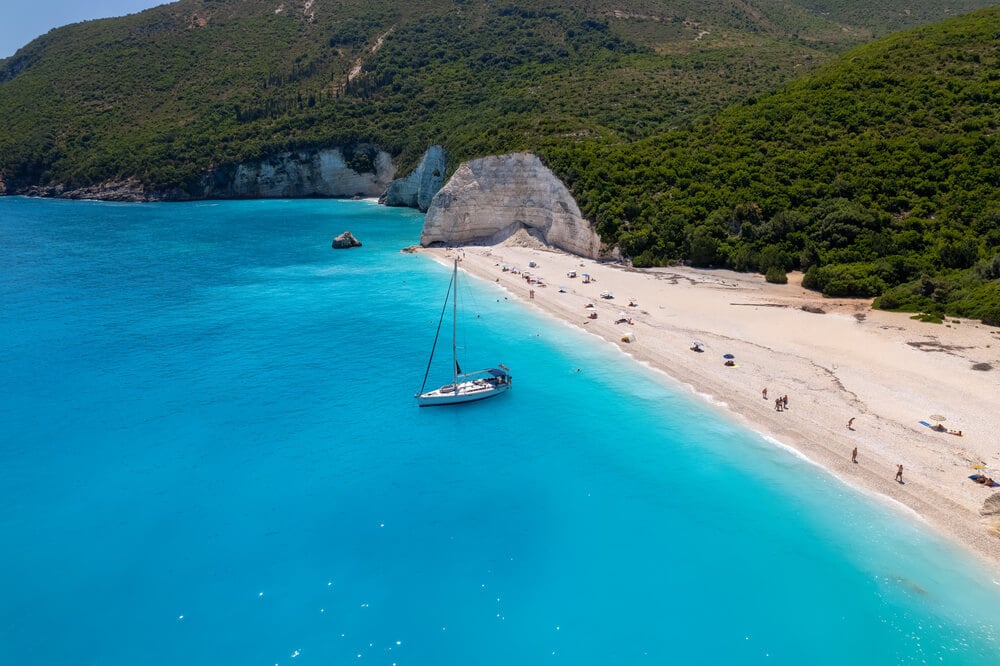
Inaccessible Island, part of the Tristan da Cunha group, lives up to its name, ringed by steep cliffs that make landing difficult. It is home to the Inaccessible Island rail, the smallest flightless bird in the world, which exists nowhere else.
The island is a nature reserve, and visits require permission from the Tristan da Cunha government. Only small numbers of researchers and conservation workers go ashore.
Together with Gough Island, it is part of a UNESCO World Heritage Site. Conservationists have worked hard to keep rats and mice from reaching it, since predators could wipe out the rail.
Montecristo in the Tuscan Archipelago
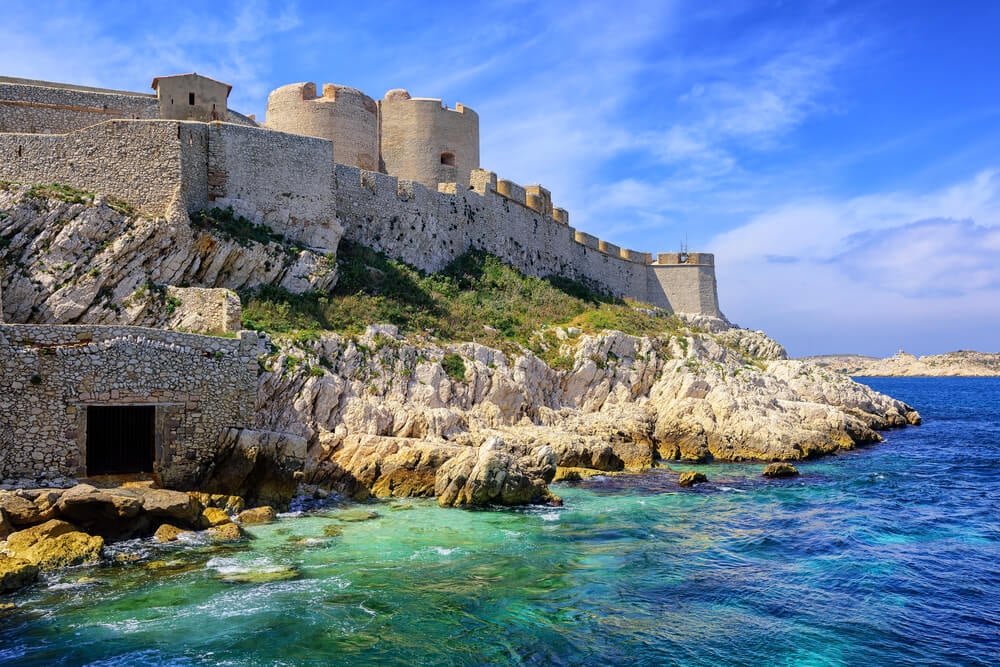
Montecristo, a rugged island in the Tuscan Archipelago, gave its name to Alexandre Dumas’ novel The Count of Monte Cristo. Today it is a strictly protected nature reserve, home to wild goats and rare plants.
Only a limited number of visitors are admitted each year, a quota that has ranged from about 1,000 to roughly 2,000 depending on the rules in force. Visits are short and guided, and swimming, fishing and overnight stays are forbidden.
Some applicants wait years for permission. The island once held a medieval monastery, abandoned after pirate raids.
Rockall in the North Atlantic
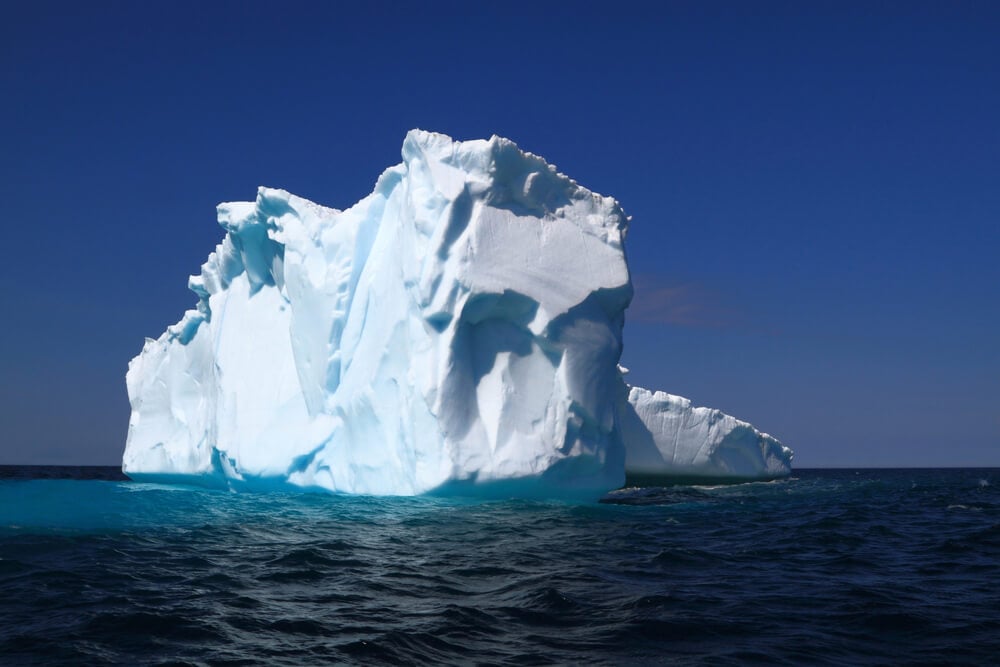
Rockall is a tiny granite rock in the North Atlantic, about 25 meters across and roughly 20 meters high, far west of Scotland. Britain formally annexed it in 1955, and the claim has been disputed by Ireland, Iceland and Denmark because of fishing and seabed rights.
Landing is extremely difficult because of waves and sheer sides. In 1985, adventurer Tom McClean lived on the rock for about 40 days to support Britain’s claim.
Few people have ever stood on its summit. The shipping forecast broadcast by the BBC still names Rockall as one of its sea areas.
The Snares in New Zealand
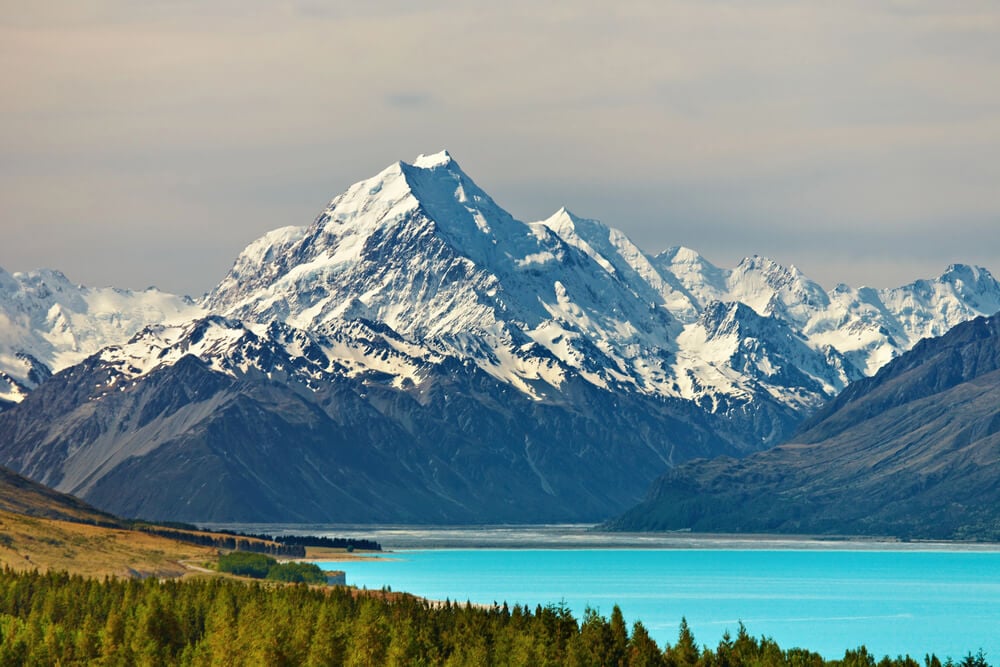
The Snares, a group of small islands south of New Zealand, are among the least disturbed islands in the world, free of introduced predators like rats. Landing is prohibited except for scientific and conservation work under strict permits.
Millions of sooty shearwaters nest there, along with the Snares penguin, found nowhere else. Tourist boats may cruise nearby but cannot land.
The islands are part of the New Zealand Subantarctic Islands UNESCO World Heritage Site. Scientists credit the absence of rats for the extraordinary density of nesting birds.
Even researchers must follow strict quarantine rules, cleaning boots and gear to avoid carrying seeds or pests ashore.
Wrangel Island in the Russian Arctic
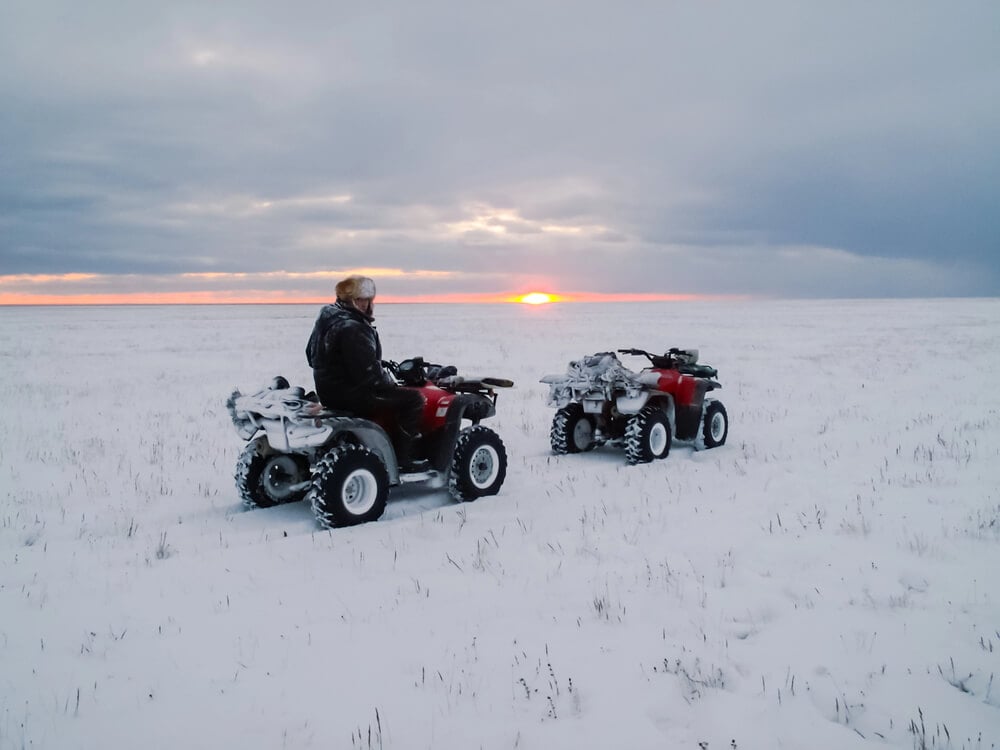
Wrangel Island, in the Arctic Ocean off northeastern Russia, is a nature reserve with one of the largest concentrations of polar bear dens in the world. It is also famous as one of the last refuges of the woolly mammoth, which survived there until about 4,000 years ago, long after it vanished elsewhere.
Access requires a permit, and visits are limited to scientists and small numbers of expedition cruise passengers. The island became a UNESCO World Heritage Site in 2004.
Its remoteness has kept it largely untouched.
Jan Mayen in the Arctic Ocean
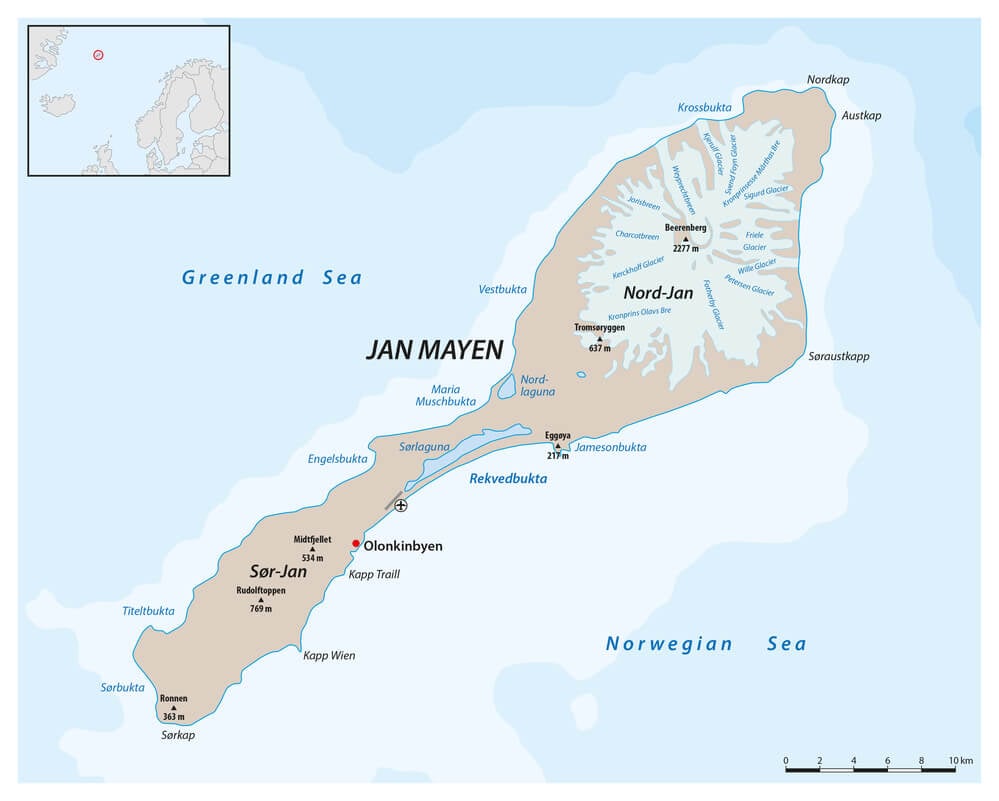
Jan Mayen, a Norwegian island in the Arctic Ocean between Iceland and Greenland, is dominated by Beerenberg, the world’s northernmost active volcano rising from the sea. Its only residents are a small rotating staff of military and weather station personnel.
Visitors need special permission, and there are no hotels, airports open to the public or regular transport. Occasional expedition ships stop briefly.
The island’s isolation makes it one of the least visited places in Europe. Climbers who want to scale Beerenberg must apply well in advance and arrange their own transport across rough northern seas.
Shorelines That Still Say No
These islands remain off-limits for wildly different reasons, from protecting endangered birds and uncontacted peoples to containing the legacy of weapons and disease. The water around them serves as a natural fence that governments have found easy to enforce.
Distance does the rest, turning a short boat trip into an expedition. Their closure has kept some of them wild and others safely quarantined.
Each one shows how a stretch of sea can preserve what a fence on land could not. In a world where almost every coastline can be reached for a price, these islands are reminders that some places are better left alone.
A few may stay that way for good.
More from Go2Tutors!

- The Romanov Crown Jewels and Their Tragic Fate
- 13 Historical Mysteries That Science Still Can’t Solve
- Famous Hoaxes That Fooled the World for Years
- 15 Child Stars with Tragic Adult Lives
- 16 Famous Jewelry Pieces in History
Like Go2Tutors’s content? Follow us on MSN.