25 Antique Kitchen Tools Dealers Pick Up First
Estate sale dealers move fast through a kitchen, and they are not stopping for chipped dinnerware or mismatched flatware. They are heading straight for a specific handful of tools, the ones built before planned obsolescence was a business strategy, when a cherry pitter or a coffee grinder was expected to outlast the person who bought it.
These are the pieces that get picked up before the sale even opens to the public.
Cast Iron Skillets with Heat Rings
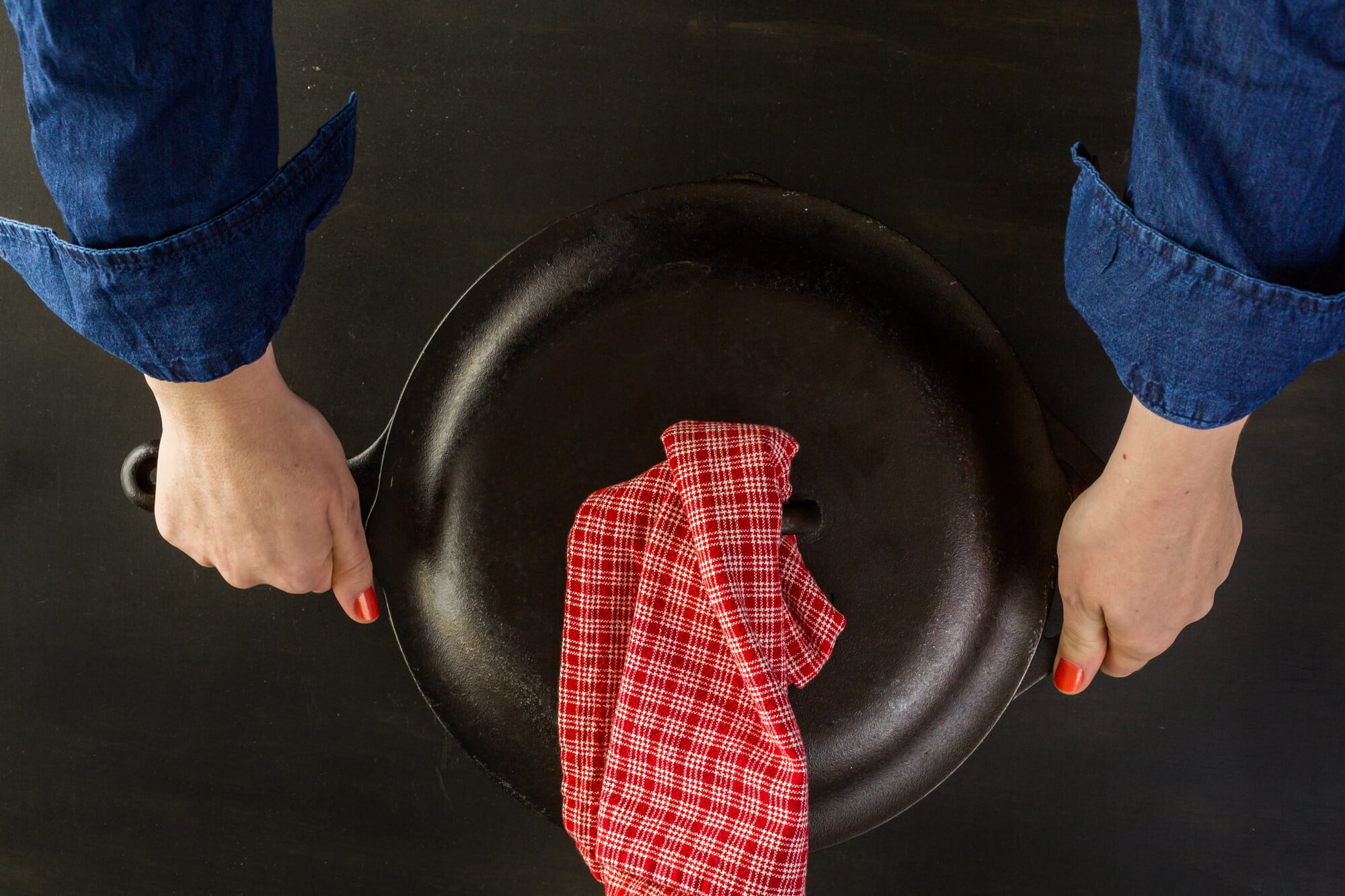
Pre-1960s cast iron cookware, particularly pieces from manufacturers like Griswold and Wagner, is identifiable by a raised ring on the bottom that later mass-market cookware dropped to cut manufacturing costs. Original factory-ground smooth cooking surfaces feel noticeably different from the pebbled texture of modern reproduction cast iron.
Well-marked pieces in good condition, free of cracks or heavy pitting, regularly sell for well over a hundred dollars, with rare pattern numbers reaching much higher.
Hand-Crank Coffee Grinders
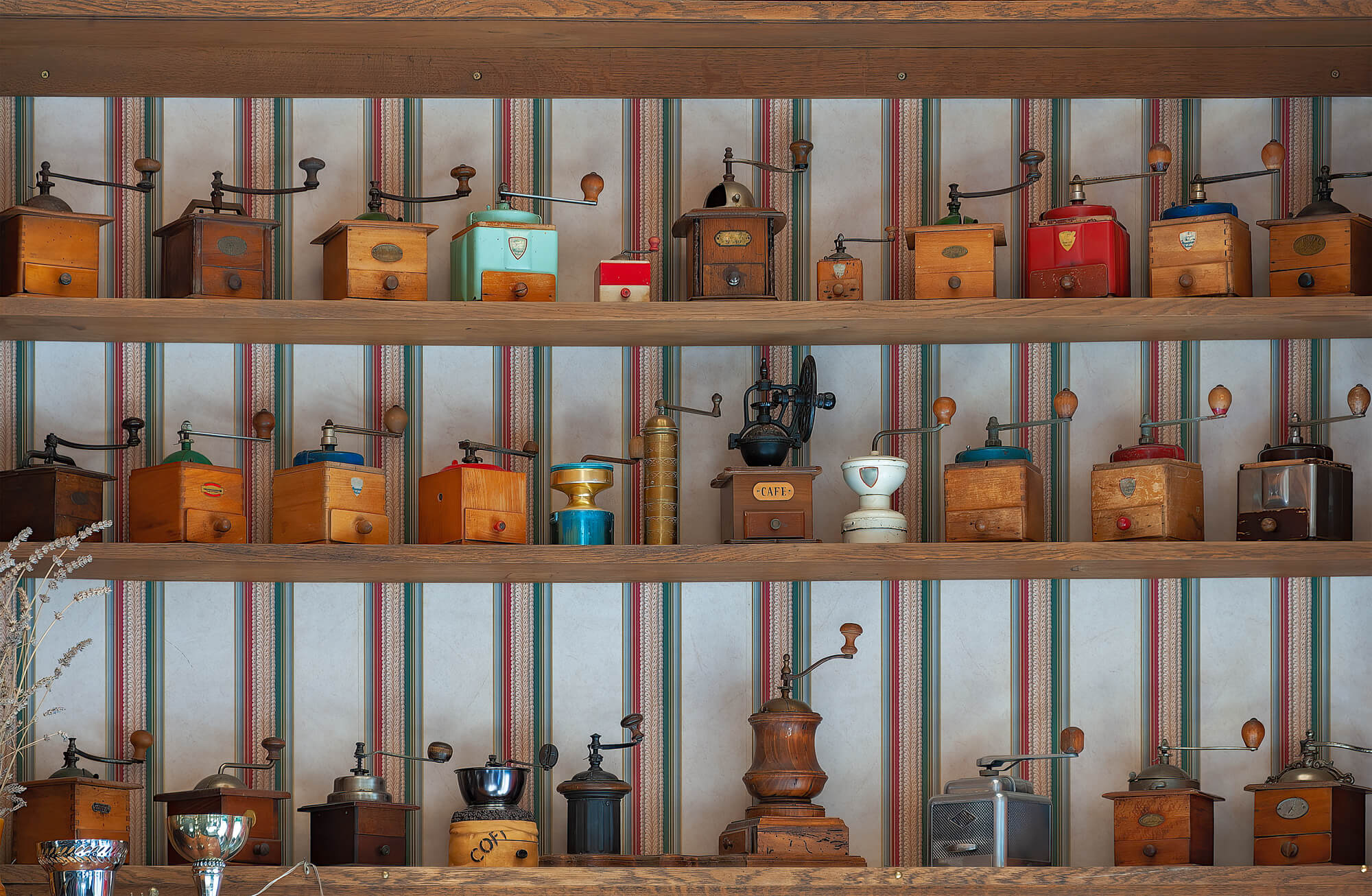
Wall-mounted and countertop coffee mills from the late nineteenth and early twentieth centuries were built with cast iron bodies and hardwood drawers designed for decades of daily use. Dealers check the maker’s mark on the front plate first, since certain manufacturers command significantly more interest than generic unmarked examples.
Working grinders with intact hardware typically sell in the range of fifty to several hundred dollars depending on maker and condition.
Butter Churns
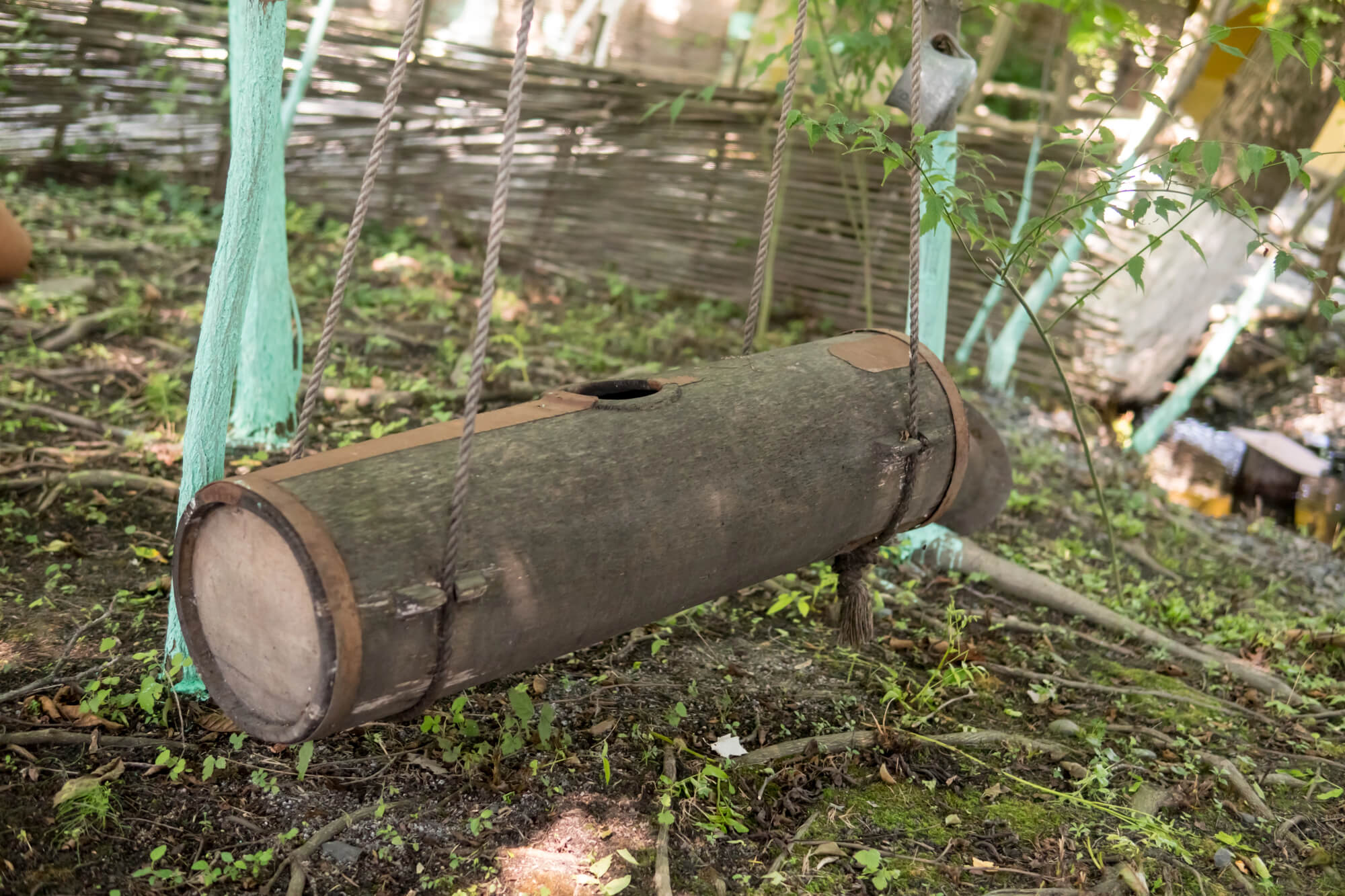
Wooden dasher churns and glass jar churns with hand-cranked paddles were once standard equipment in nearly every rural household, which paradoxically makes fully intact examples harder to find today than their original ubiquity would suggest. Buyers check specifically for cracked wood staves and rusted mechanical components, both common failure points after a century of use.
Complete, functional churns in good condition typically bring several hundred dollars.
Apple Peelers and Corers
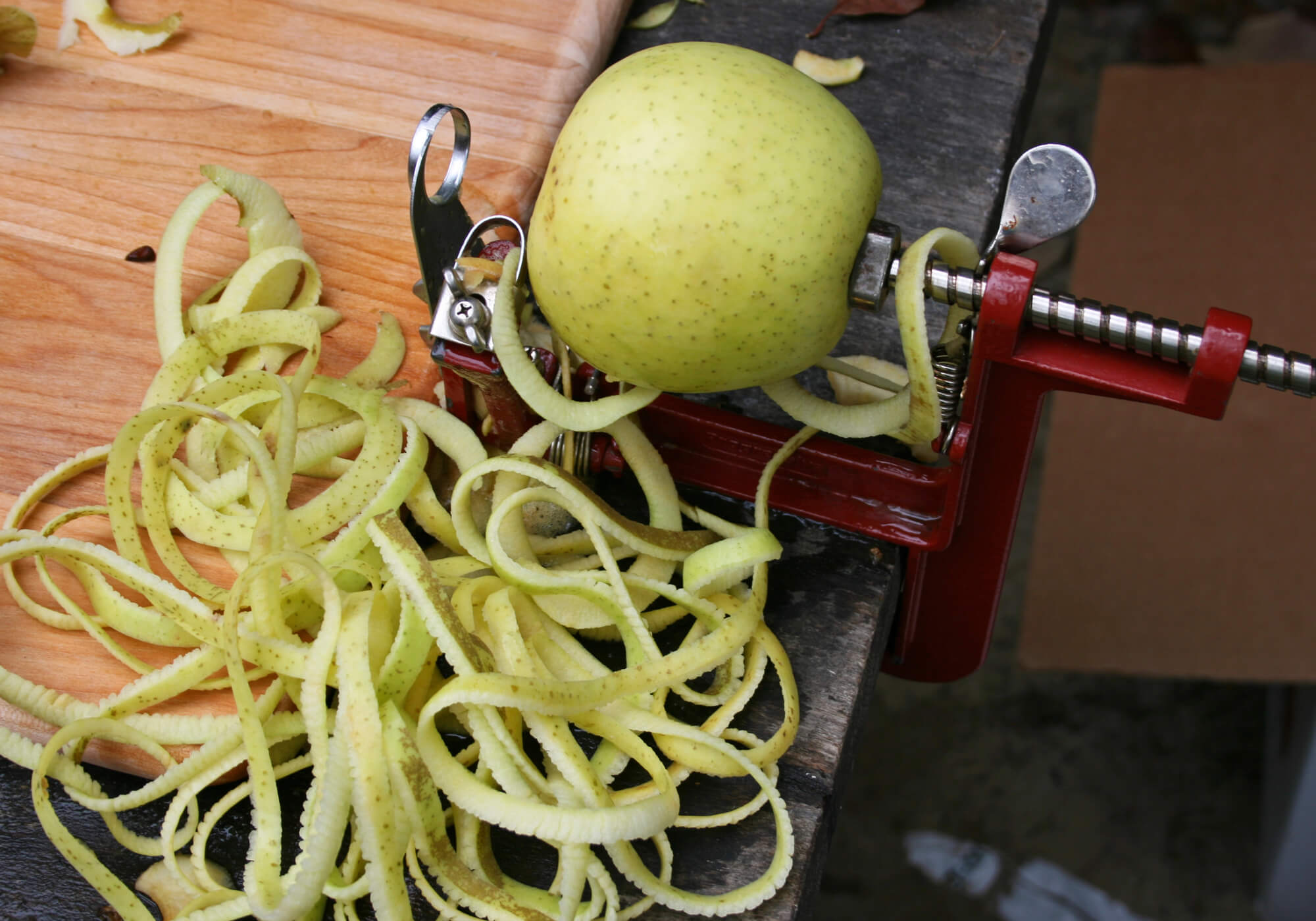
These clamp-mounted cast iron devices used a hand crank and a system of gears to peel, core and slice apples in a single motion, a mechanical efficiency that made them a kitchen fixture before electric appliances existed. Complete units with all original gears and blades intact are worth considerably more than examples missing parts, since replacement components are rarely available.
Working examples with strong original paint typically sell in the range of fifty to a few hundred dollars.
Ice Boxes

Predating electric refrigeration, these insulated wooden cabinets used a block of ice in an upper compartment to keep food cool below, requiring regular ice delivery and drainage maintenance that today’s buyers find almost impossible to imagine as a daily routine. Original hardware, hinges and the zinc or tin lining inside significantly affect value, since many surviving units have been altered for modern use as furniture.
Well-preserved examples with intact original fittings can bring several hundred to over a thousand dollars.
Meat Grinders

Cast iron, hand-crank meat grinders clamped to a countertop edge were standard equipment for households that processed their own meat rather than buying it pre-ground. Complete units with the original set of interchangeable grinding plates hold significantly more value than a grinder body alone.
Clean, complete examples typically sell in the range of thirty to a hundred dollars, with rare large-capacity models bringing more.
Cherry Pitters
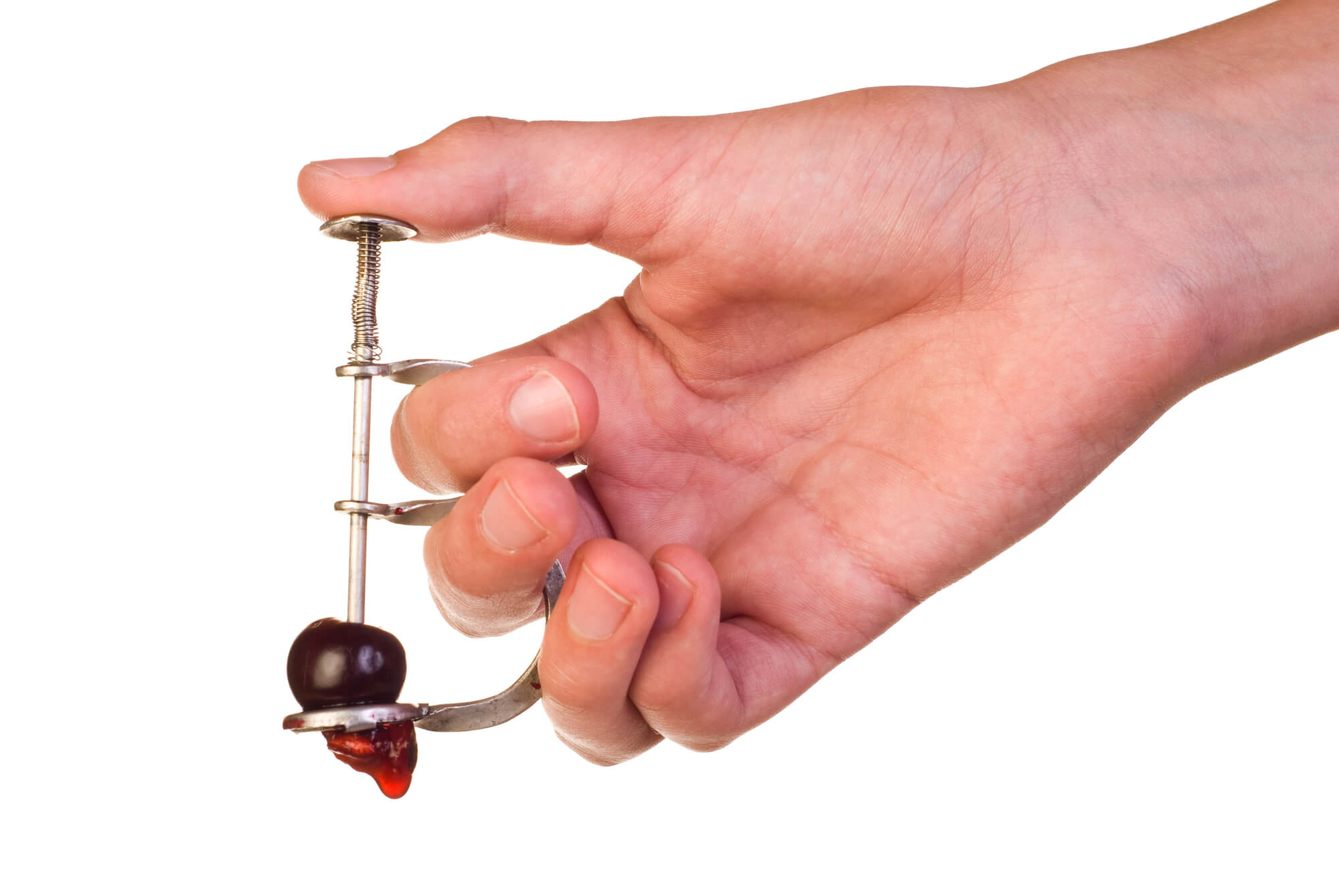
These small mechanical devices used a lever and plunger mechanism to remove pits from cherries one at a time, a task that would otherwise consume hours during canning season. Because they were manufactured in large numbers and are relatively small, they are easy to overlook in a sale, which occasionally lets a genuinely scarce pattern slip through undervalued.
Common examples sell modestly, while rare cast iron patterns with decorative elements can bring considerably more.
Wooden Rolling Pins with Turned Handles
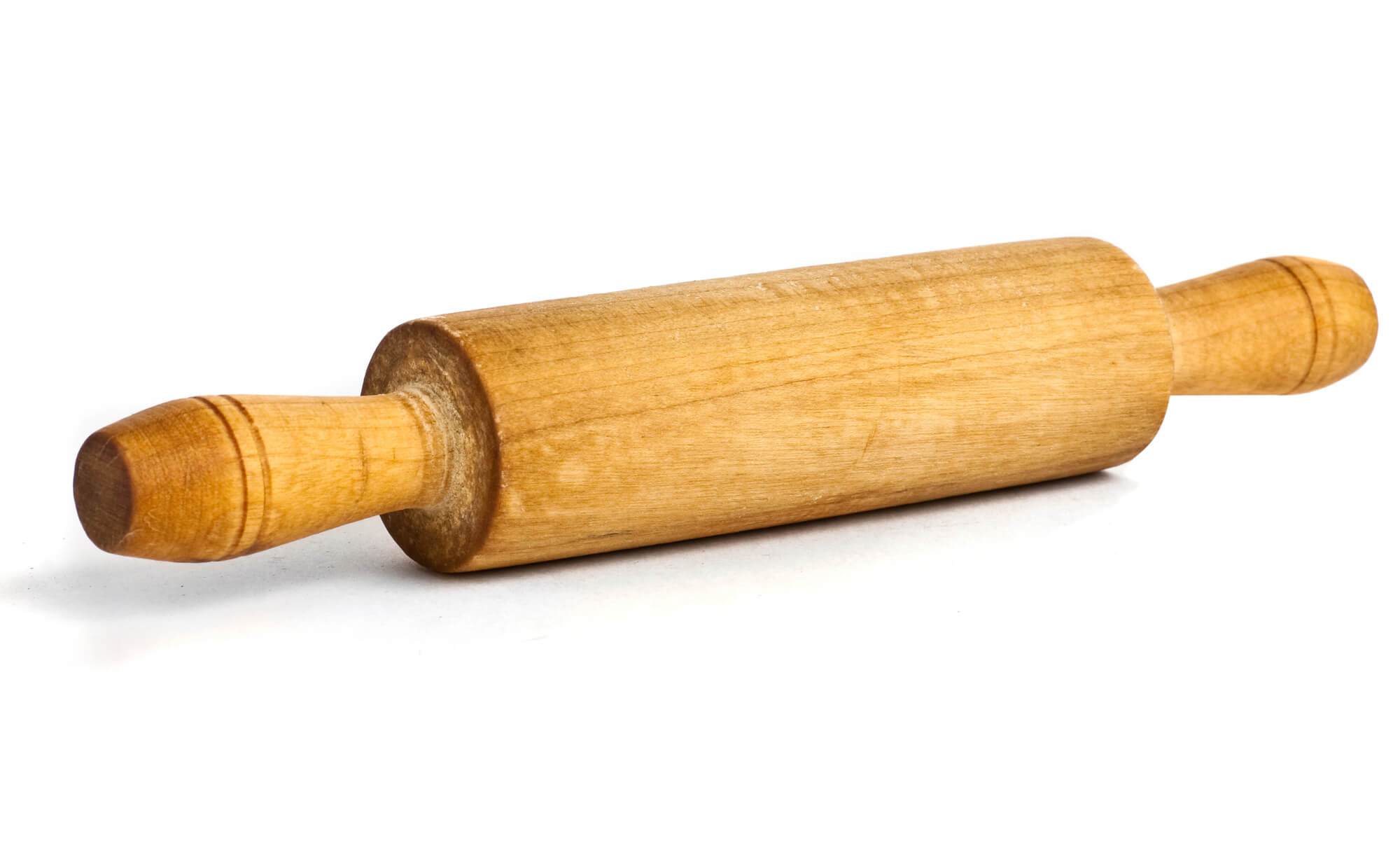
Hand-turned rolling pins from the nineteenth century show distinctive tool marks from the lathe that machine-produced modern versions lack entirely. Single-piece construction from a single log, rather than a separate barrel and dowel handles assembled afterward, generally indicates an earlier and more desirable example.
Clean examples with visible turning marks and no cracks typically sell for modest but steady prices among specialist collectors.
Egg Beaters with Patent Dates
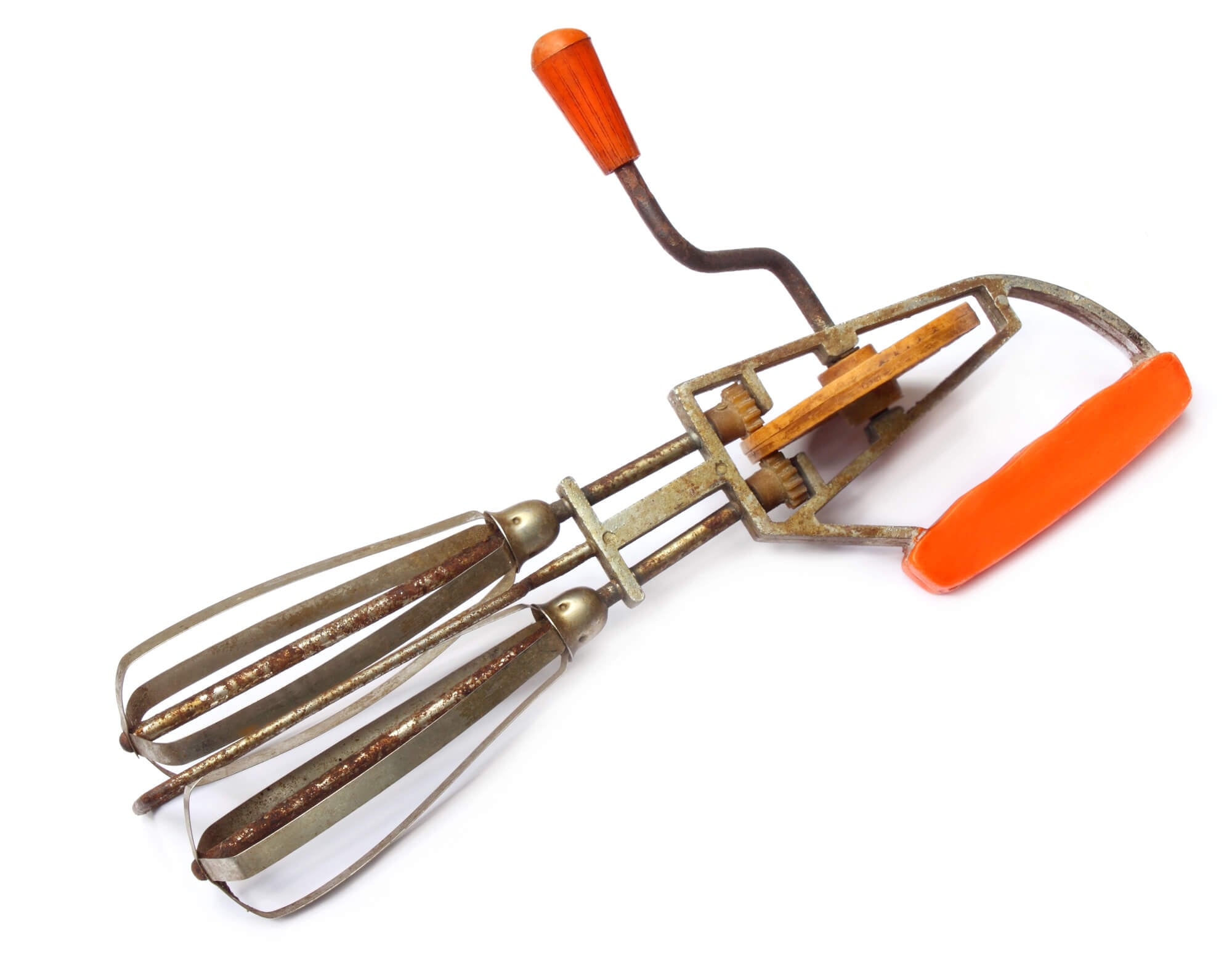
Dozens of competing mechanical egg beater designs were patented throughout the late nineteenth century, and the specific patent date stamped on the gear housing is the fastest way for a dealer to identify a genuinely early example versus a later, more common reproduction. Unusual gear configurations or novelty designs command significantly more than the common Dover-style beaters found in nearly every antique shop.
Working examples with legible patent dates typically sell for a modest premium over unmarked pieces.
Copper Pots and Molds
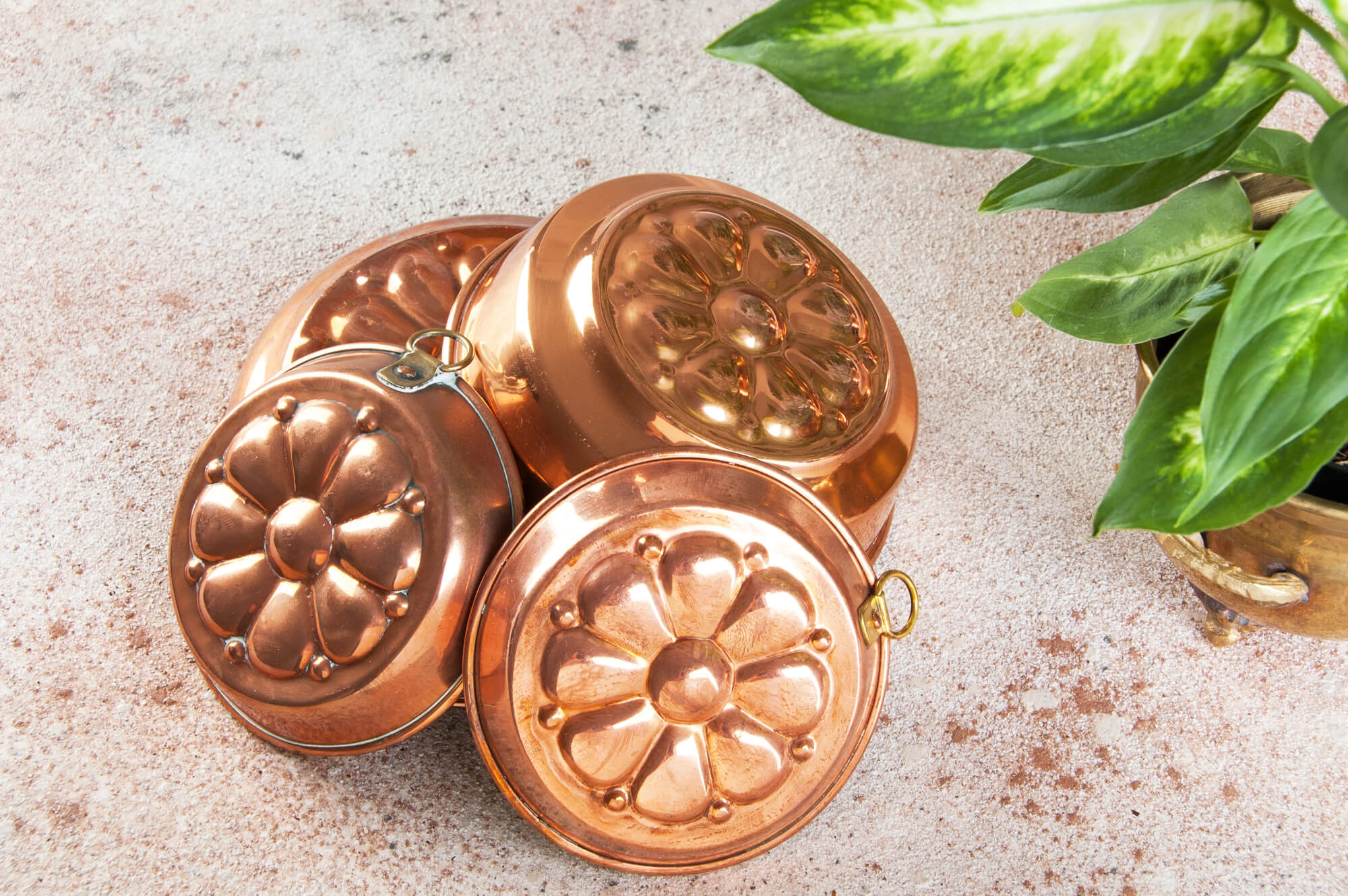
Solid copper cookware and decorative food molds from the nineteenth and early twentieth centuries were built with a thickness that modern copper-clad cookware rarely matches, giving genuine antique pieces a distinctly heavier feel. A tin lining that has worn through is common and does not disqualify a piece from sale, though it does affect price compared to a professionally re-tinned example.
Well-preserved pieces, particularly decorative molds, can bring anywhere from fifty to several hundred dollars.
Enamelware Coffee Pots and Basins
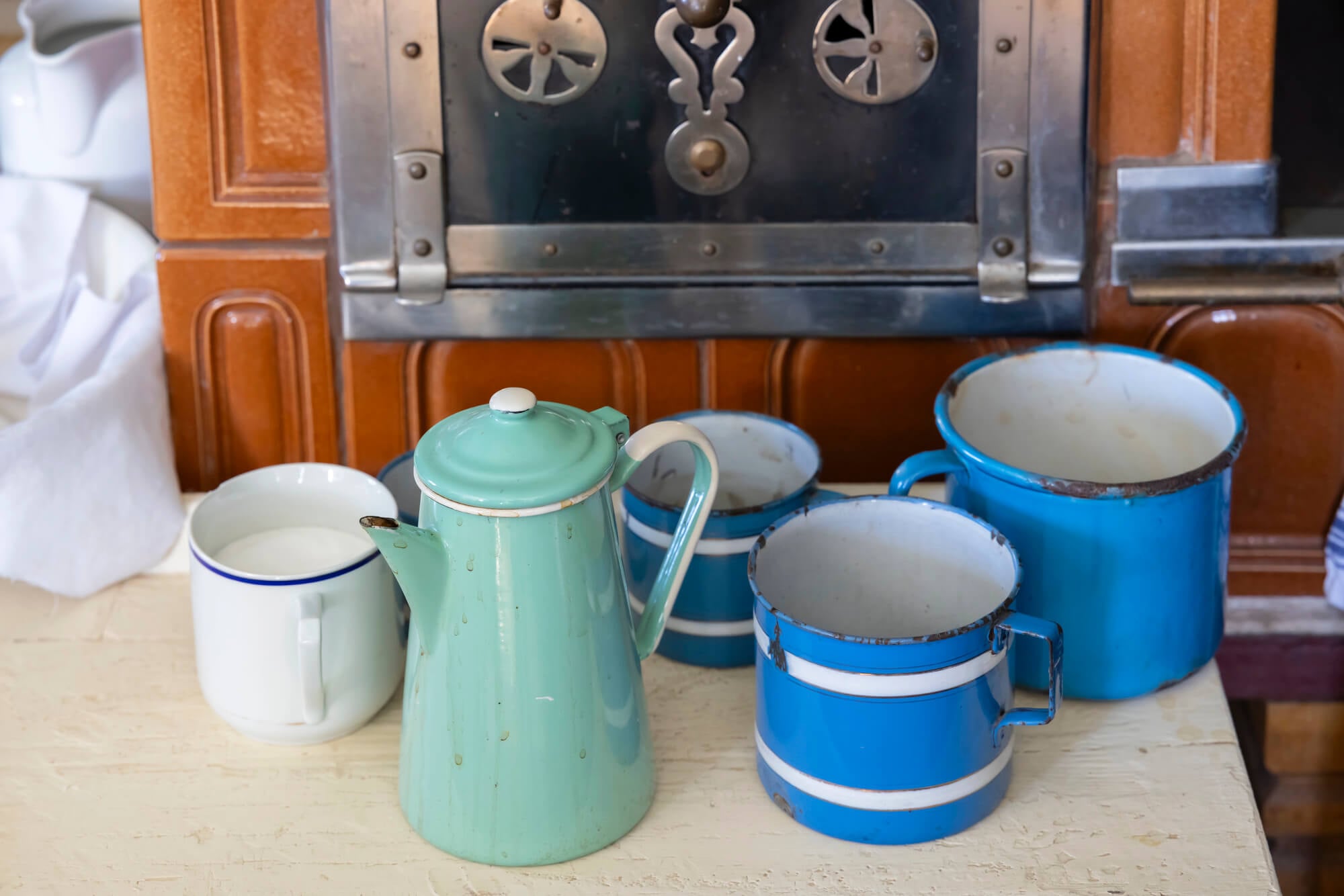
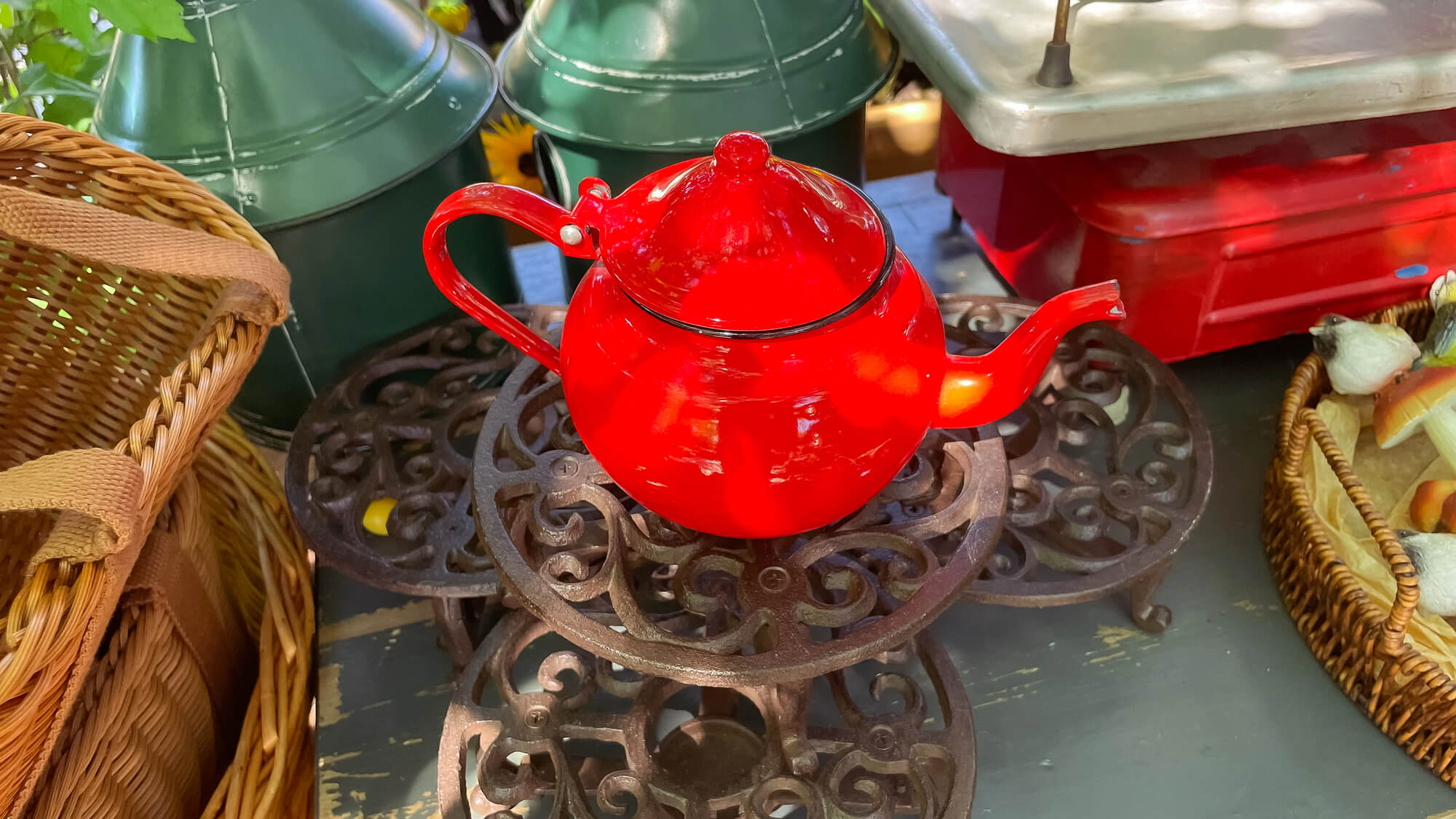
Speckled enamel-coated steel cookware in blue, gray or white was standard camp and kitchen equipment for generations, and while common examples remain inexpensive, rare colors and unusual shapes draw serious collector interest. Chips in the enamel coating are common and generally acceptable to buyers as long as they do not expose extensive rust underneath.
Common pieces sell modestly, while rare colorways can bring considerably more from specialist collectors.
Wooden Spoons and Butter Paddles
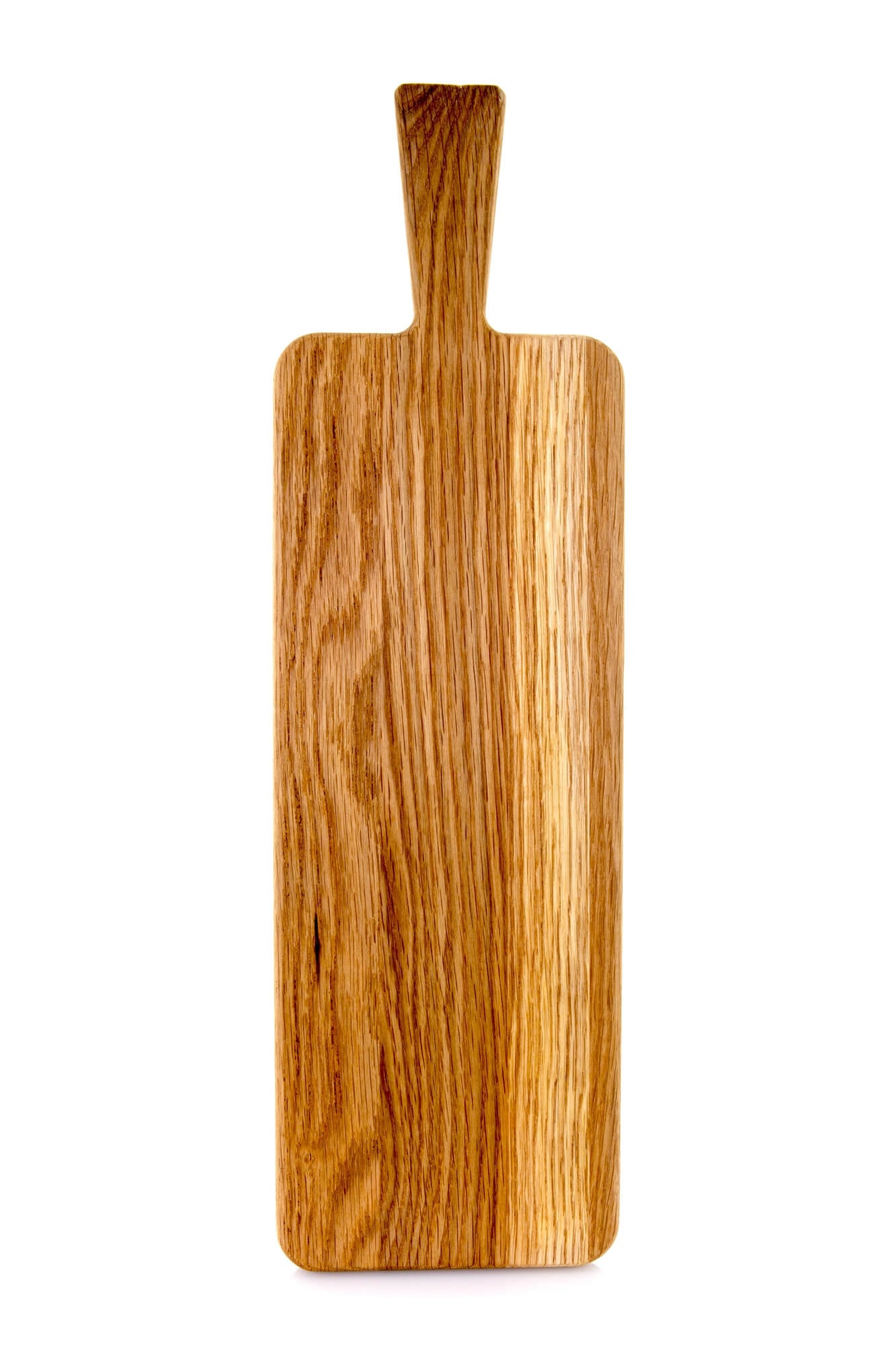
Hand-carved wooden kitchen tools from before mass production show tool marks and asymmetries that immediately distinguish them from later machine-turned versions. Buyers specifically favor pieces carved from a single piece of wood with visible wear patterns consistent with genuine decades of use.
Simple pieces sell modestly, though signed or regionally distinctive examples can bring more from folk-art collectors.
Tin Kitchen Reflector Ovens
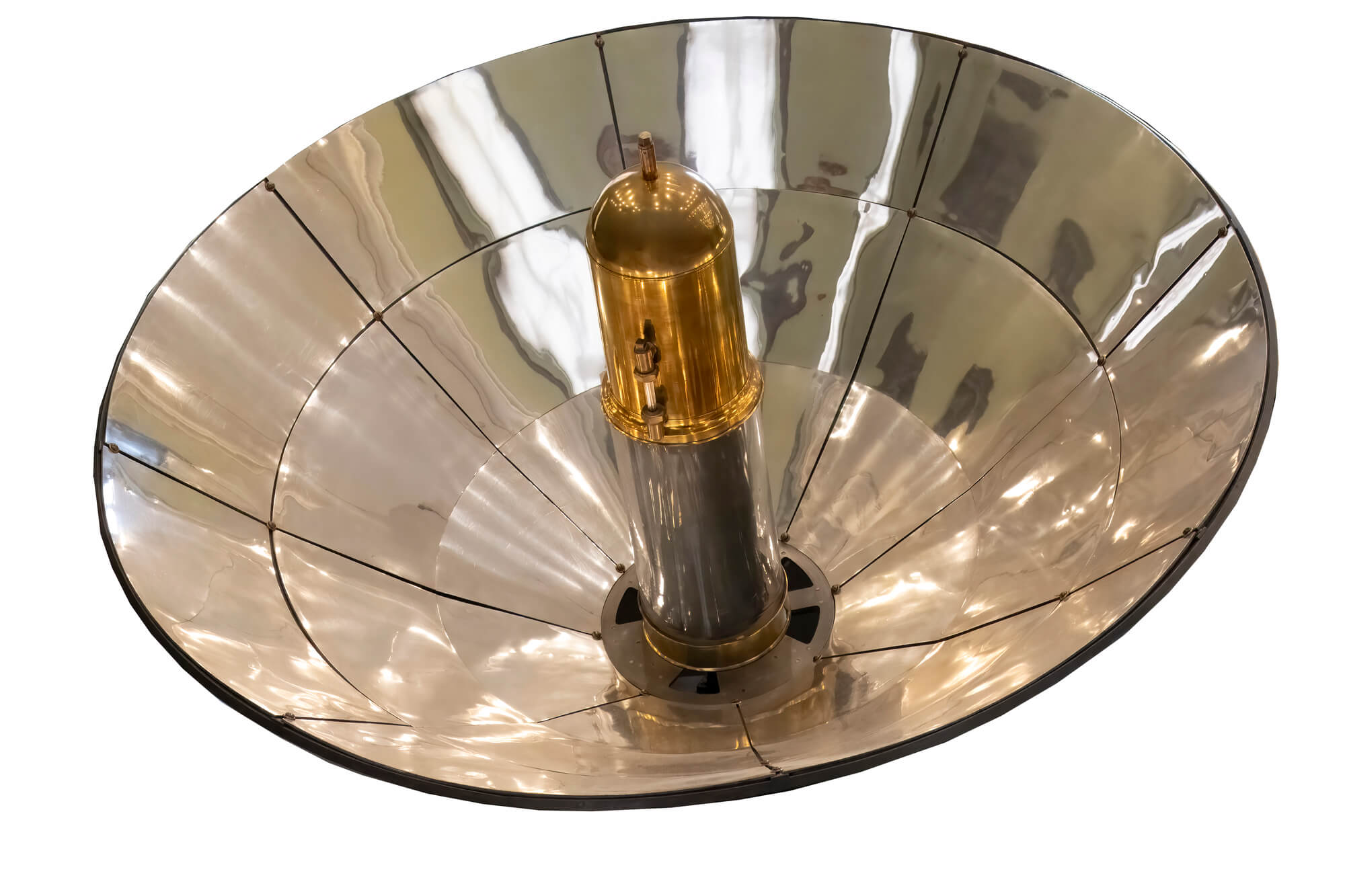
Used for roasting meat in front of an open hearth before enclosed stoves became standard, these curved tin reflectors are a distinctly early piece of kitchen technology that predates most other items on this list by decades. Surviving examples are genuinely scarce given the fragility of thin tin construction over more than a century.
Well-preserved examples can bring several hundred dollars from collectors specializing in hearth cooking equipment.
Dough Boxes and Bread Boards
Large wooden boxes with hinged or removable lids were used for kneading and proofing bread dough in quantities meant to feed an entire household or farm crew. Their substantial size and construction quality make them functional furniture pieces as much as kitchen tools, which broadens their buyer pool beyond strictly kitchen-focused collectors.
Well-preserved examples with original hardware typically bring several hundred dollars.
Ice Cream Makers with Wooden Buckets
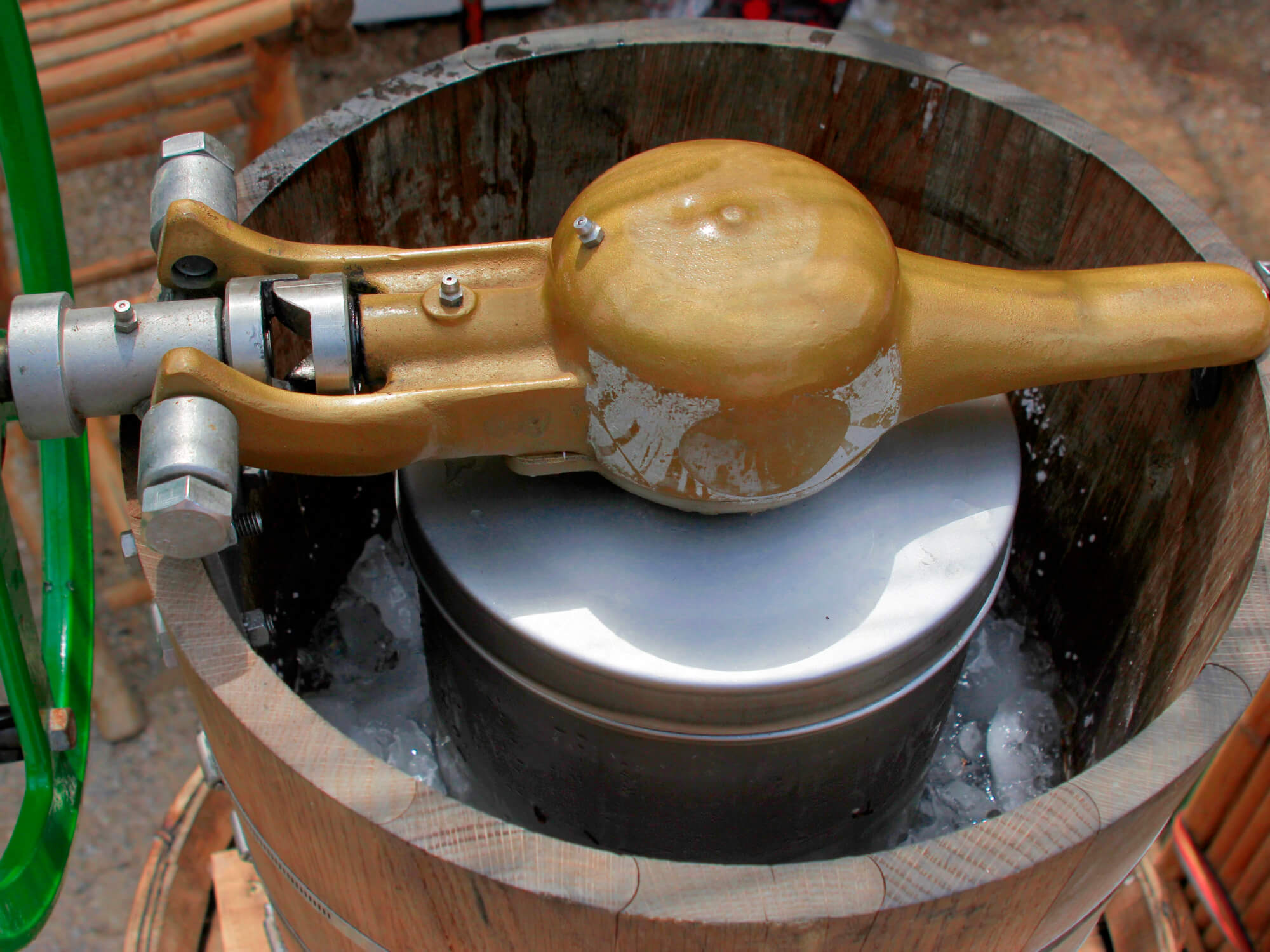
Hand-crank ice cream freezers with a wooden outer bucket and internal metal canister were a seasonal fixture in many households, and complete units with all original parts are considerably scarcer than the wooden buckets alone, which frequently survive without their mechanical components. Working cranking mechanisms in good condition add significant value over decorative-only examples.
Complete, functional units typically sell in the range of fifty to a few hundred dollars.
Trivets with Cast Iron Patterns
Decorative cast iron trivets, often featuring intricate scrollwork or figural designs, were both functional and decorative pieces meant to protect a table or counter from a hot pot. Unusual or figural patterns significantly outsell the common geometric designs found in most antique shops.
Common patterns sell for modest sums, while rare figural examples can bring considerably more from specialist collectors.
Salt Boxes
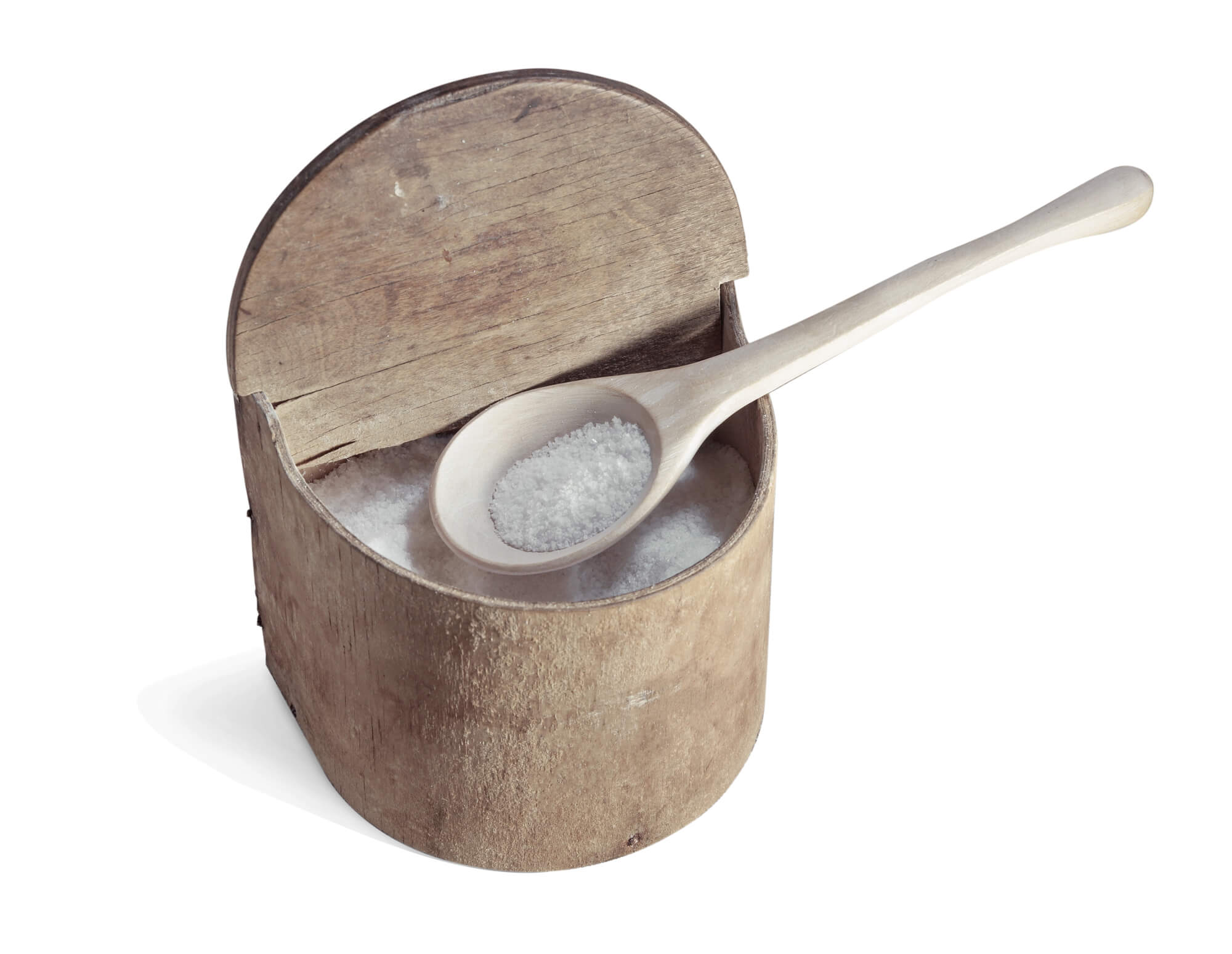
Wall-mounted wooden boxes with hinged lids kept salt accessible and dry near the stove before commercial salt packaging made the practice unnecessary. Original paint or grain-painted finishes significantly increase value over stripped or refinished examples.
Well-preserved pieces with original surface typically bring more than their simple construction might otherwise suggest.
Tin Cookie Cutters
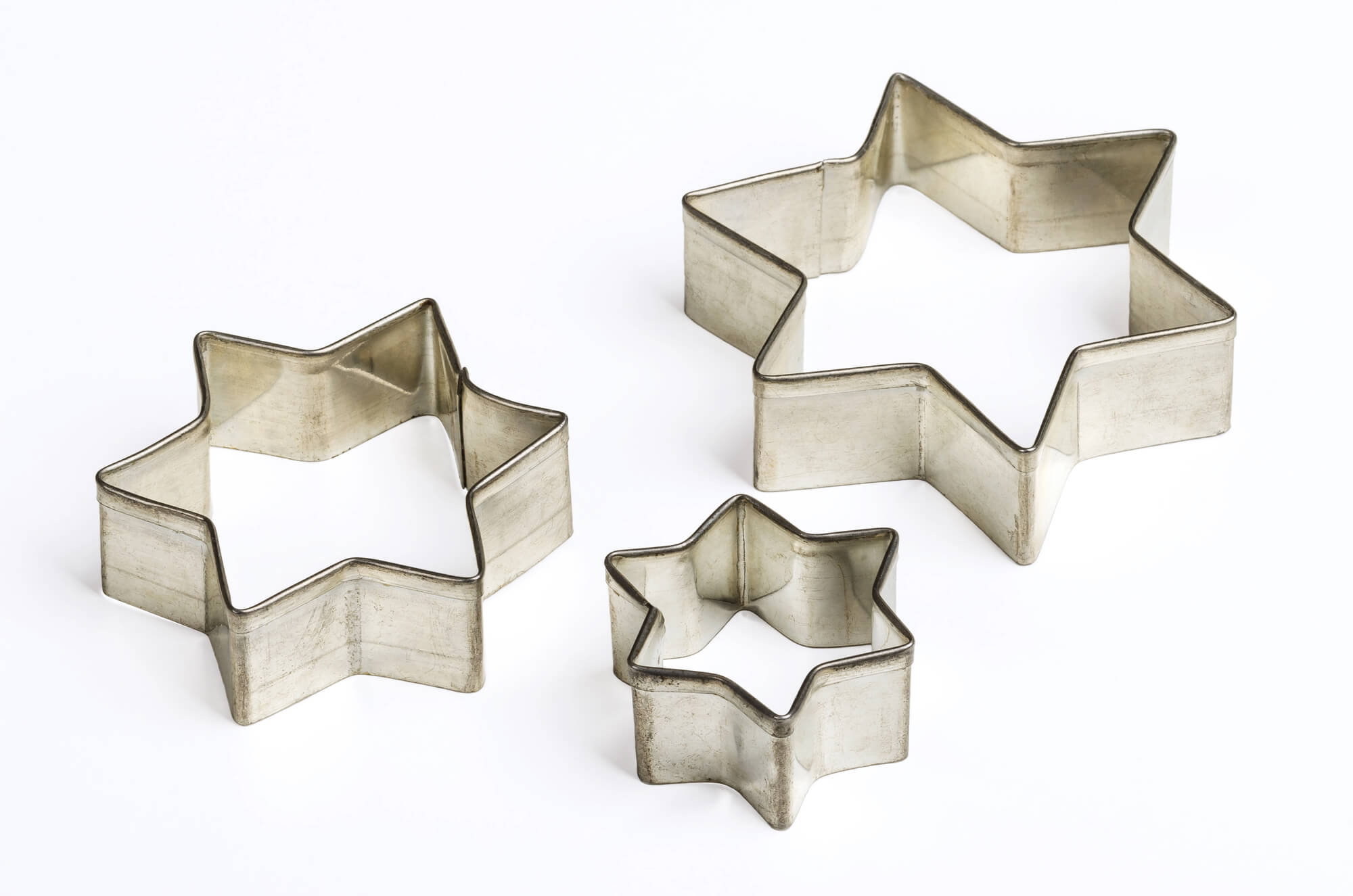
Handmade tin cookie cutters from the nineteenth century show hand-soldered seams and slightly irregular shapes that distinguish them clearly from later machine-stamped versions. Unusual figural shapes, particularly regional or holiday-specific designs, command noticeably more than common round or simple geometric cutters.
Individual pieces sell modestly, but complete matched sets can bring a meaningful premium.
Pie Safes with Punched Tin Panels
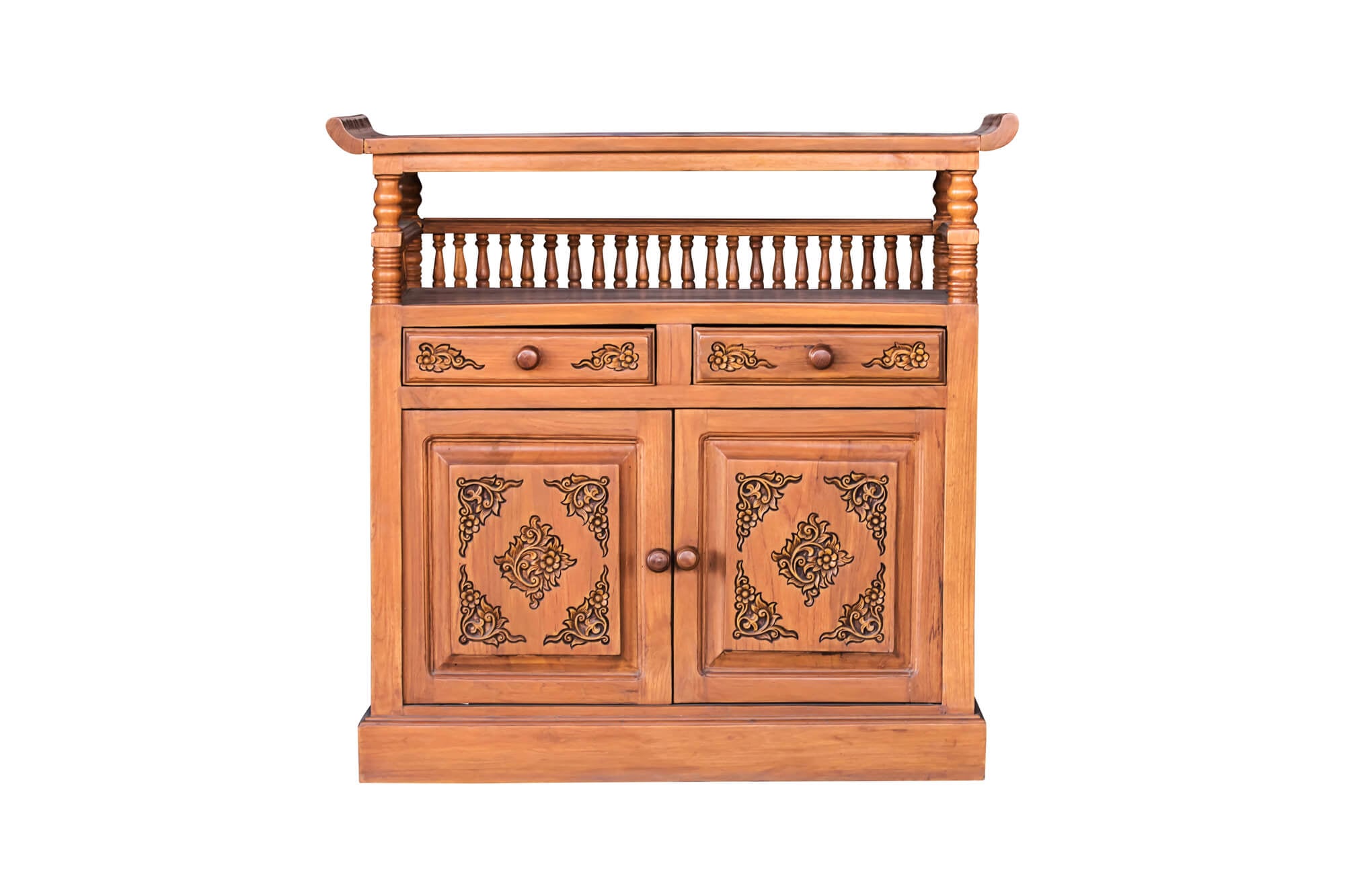
These freestanding wooden cabinets used perforated tin panels rather than solid doors to allow air circulation while keeping insects away from stored food, a design solution that predates window screens becoming standard. The specific punched pattern in the tin panels, often unique to a regional maker, is a detail serious collectors examine closely.
Well-preserved examples with intact original tin panels can bring well over a thousand dollars.
Wash Boilers
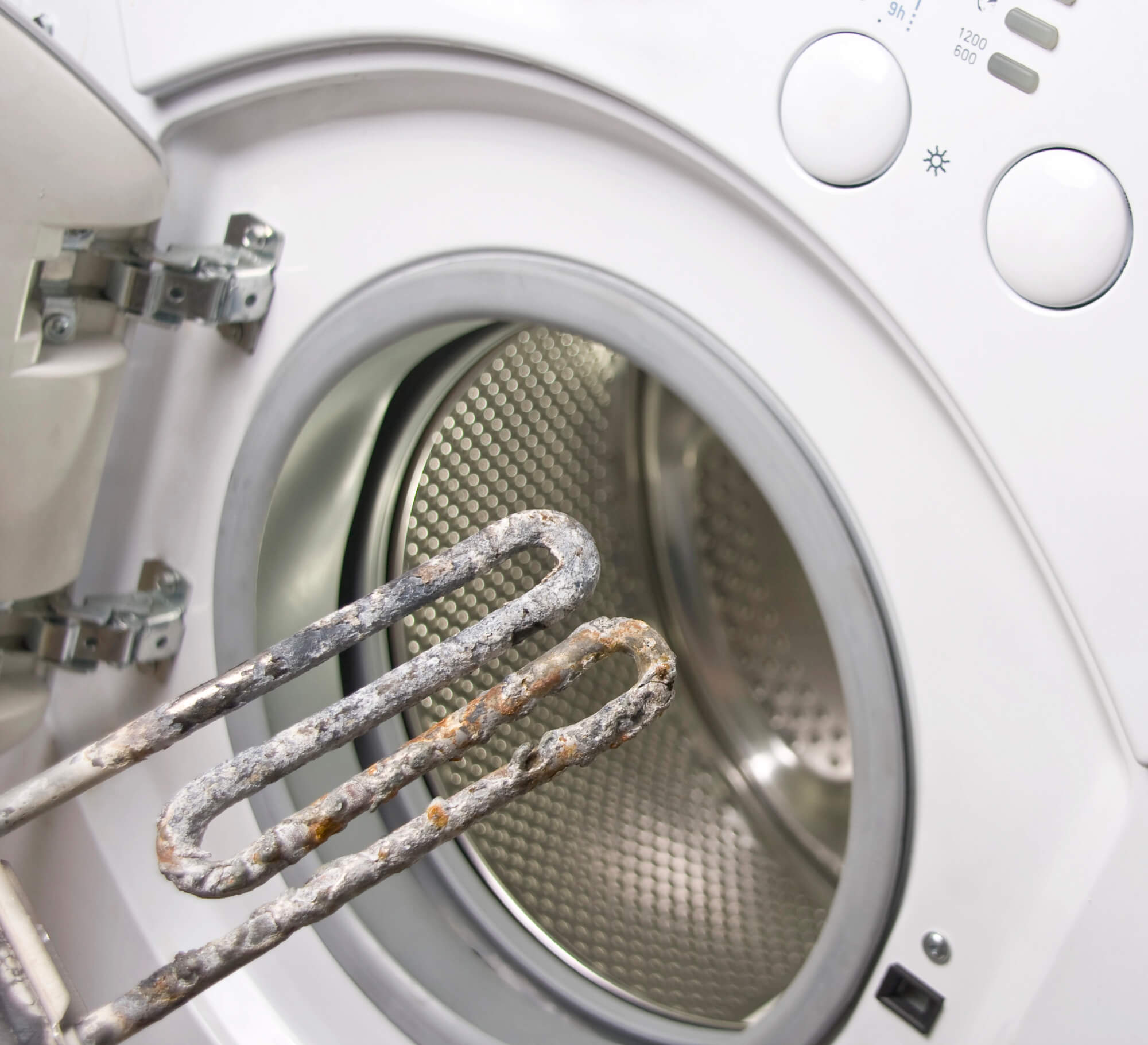
Large galvanized or copper tubs with a corrugated bottom were used for boiling laundry rather than food, but they were kept in or near the kitchen and are frequently found alongside genuine kitchen tools in estate sales. Copper examples significantly outvalue the more common galvanized steel versions.
Copper wash boilers in good condition can bring a solid premium over their steel counterparts.
Flour Sifters with Original Screens
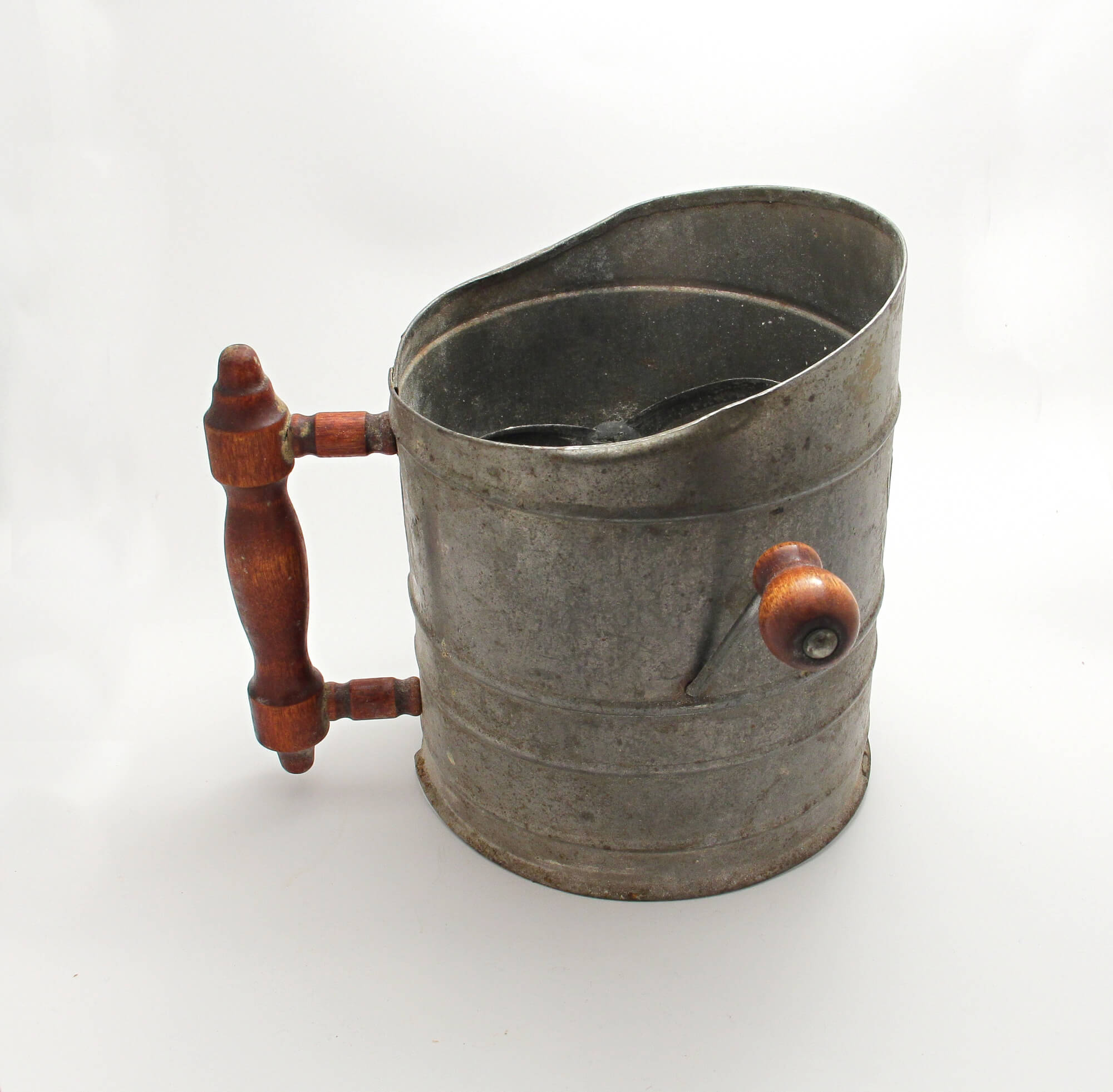
Hand-crank flour sifters with intact mesh screens are surprisingly scarce, since the thin wire screen was the component most likely to tear or rust through after decades of use. Unusual mechanisms, such as double-crank or rotary-drum designs, draw more interest than the common single-crank versions.
Working examples with intact screens typically sell for a modest but steady sum.
Ice Tongs and Ice Picks with Maker Stamps
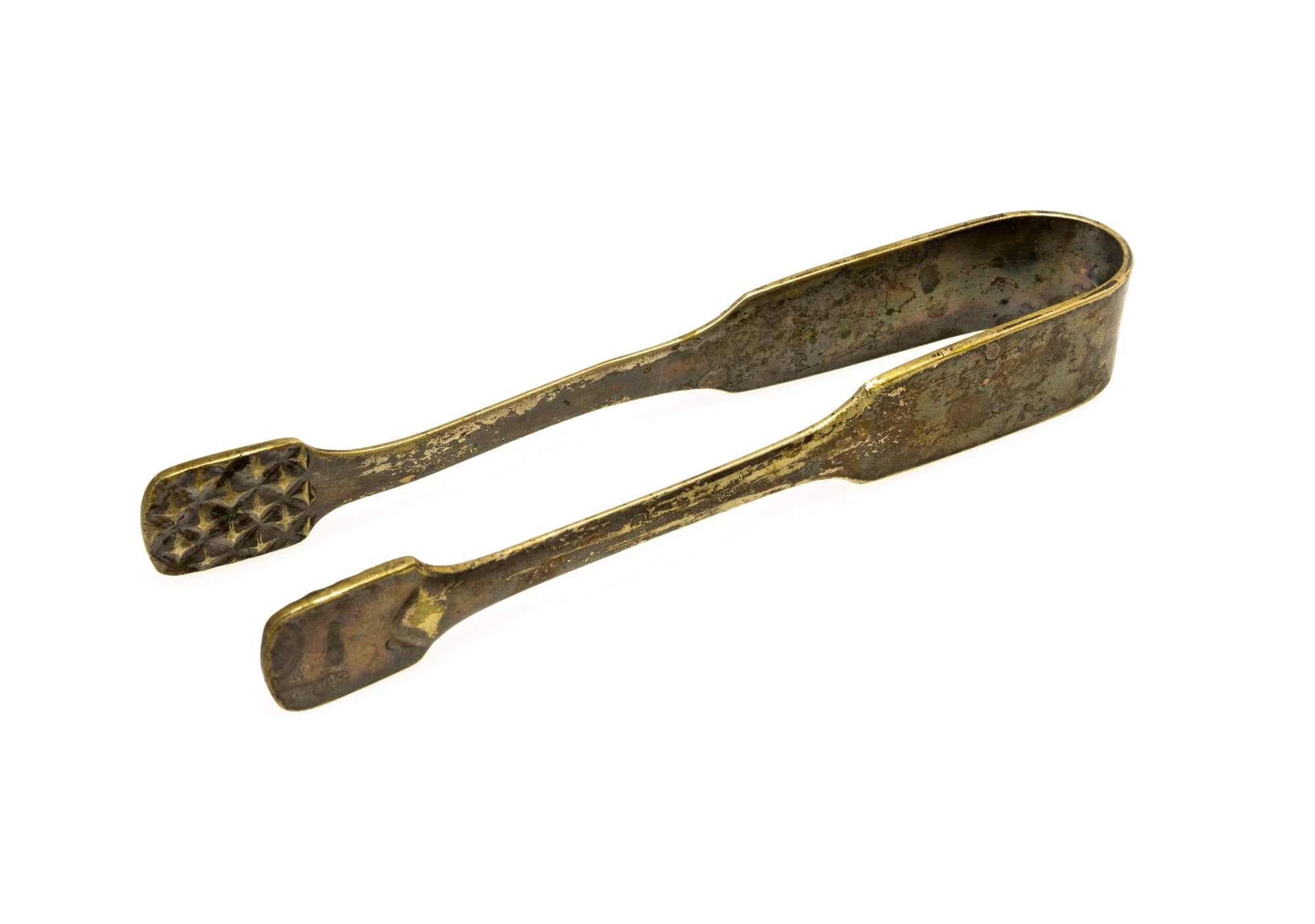
Tools used for handling ice blocks before mechanical refrigeration are a small but dedicated collecting category, with maker-stamped examples from known ice companies commanding real premiums over unmarked generic tools. Regional ice company branding is particularly desirable to collectors who focus on a specific area’s commercial history.
Marked examples typically sell for more than plain, unmarked tools of similar age.
Coffee Roasting Pans
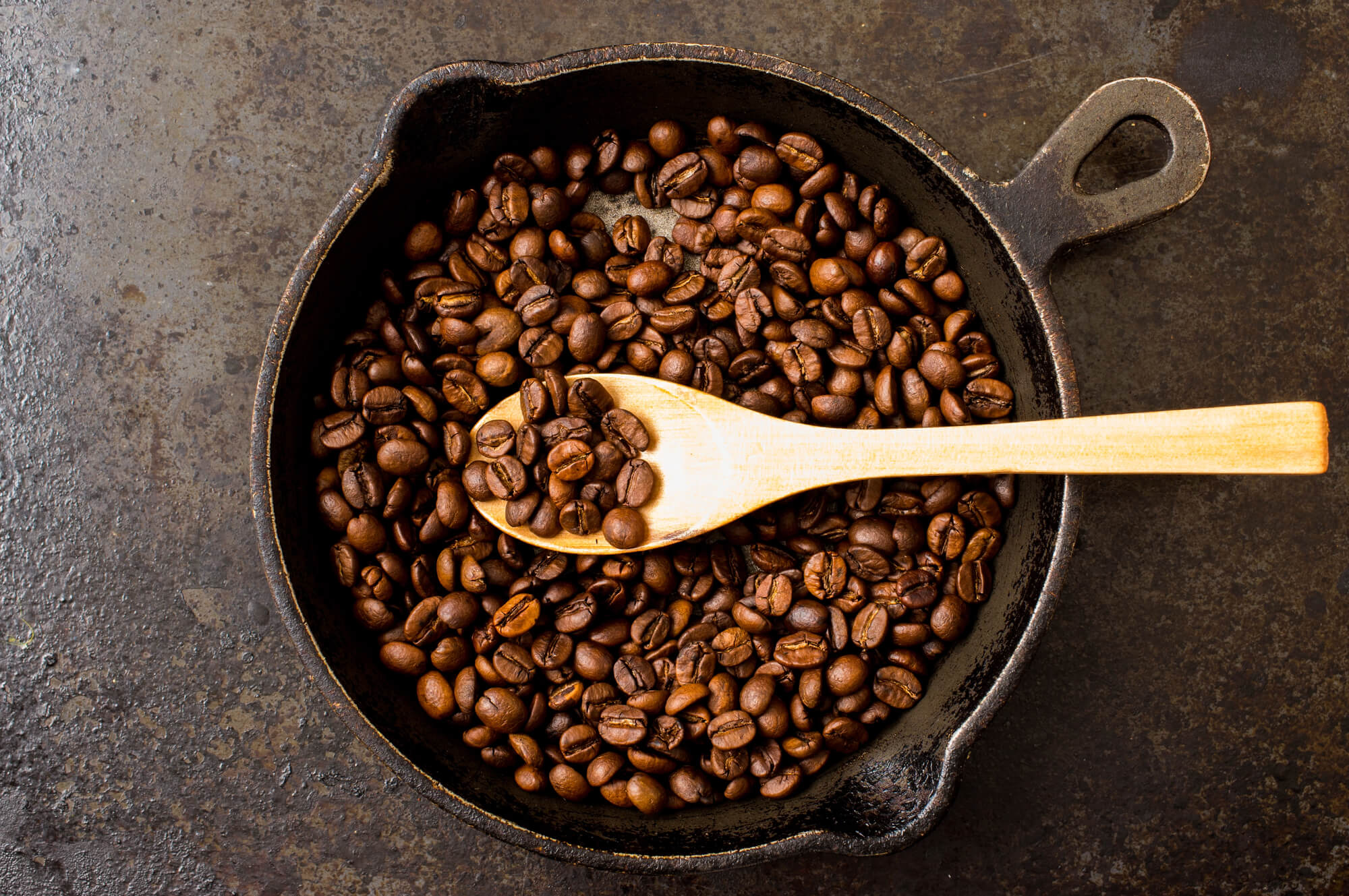
Stovetop coffee roasting pans with a hand-crank stirring mechanism predate the era of pre-roasted commercial coffee and reflect a household routine that has almost entirely disappeared. Complete units with a functioning crank mechanism are considerably scarcer than the pan alone.
Working examples typically bring a solid premium among collectors focused specifically on coffee history.
Wooden Cheese Boxes and Presses
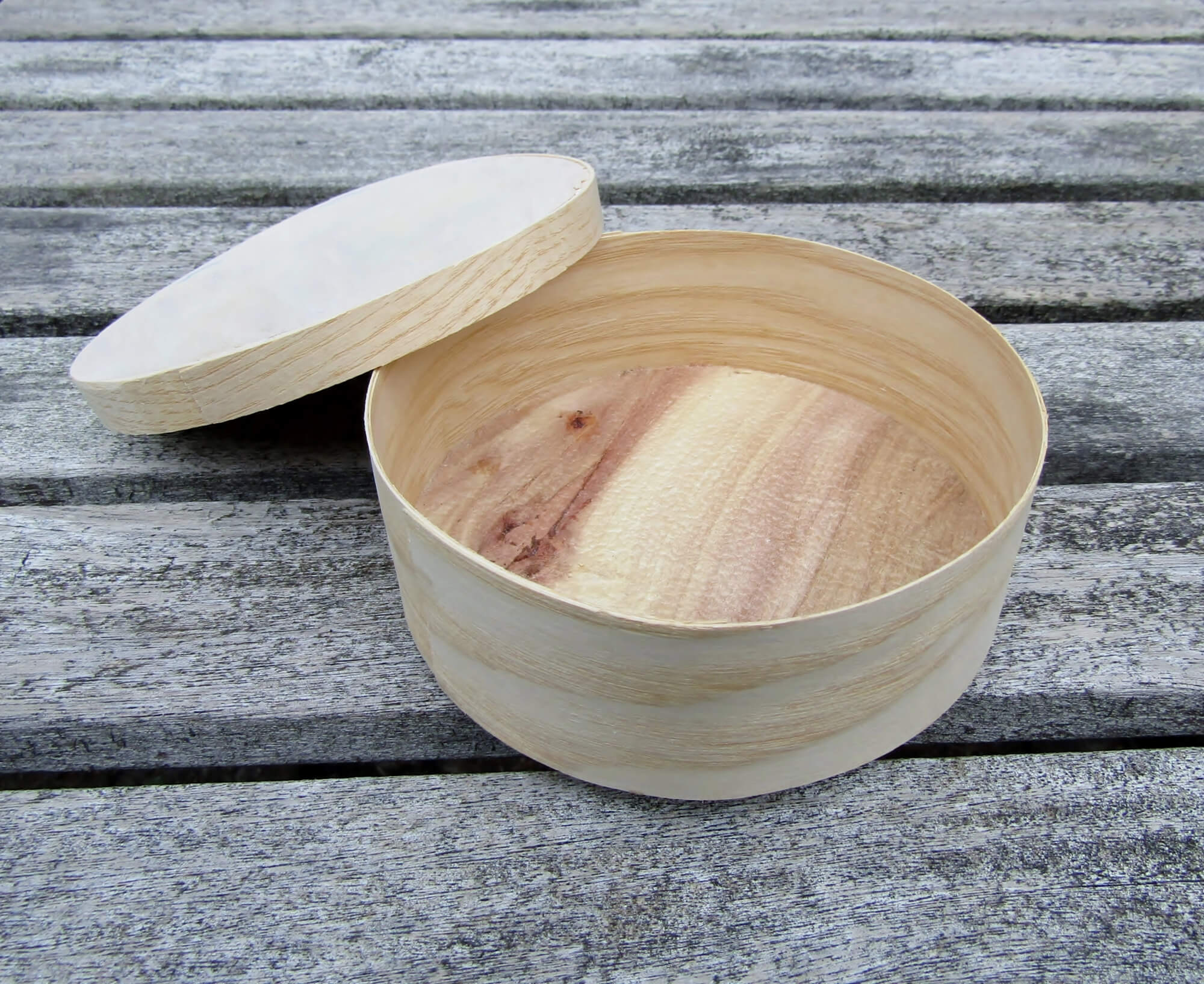
Large wooden boxes and mechanical presses used for home cheesemaking reflect a level of household food production almost entirely absent from modern kitchens. Complete presses with intact mechanical hardware are considerably scarcer and more valuable than the wooden boxes alone.
Well-preserved complete units can bring several hundred dollars from specialist collectors.
Kitchen Scales with Original Weights
Balance and spring-scale kitchen equipment from the nineteenth and early twentieth centuries often survives without its complete original set of weights, which significantly affects value compared to a matched, complete example. Manufacturer markings and calibration accuracy both factor into serious collector interest.
Complete, accurate examples with original weights typically bring a solid premium over incomplete ones.
What the First Pass Reveals

A dealer moving through a kitchen at the start of an estate sale is not guessing. They are reading a room the way a mechanic reads an engine, looking for the specific signs of age, construction and maker that separate a genuine antique from a nostalgic reproduction sold decades later to look old.
Every tool on this list survived not because it was valuable at the time, but because it worked well enough that nobody saw a reason to replace it.
That is the quiet logic behind almost everything dealers reach for first: usefulness, sustained over generations, eventually becomes its own kind of rarity. The kitchen tools that get picked up before the sale opens are simply the ones that never stopped earning their place on the shelf.
More from Go2Tutors!

- The Romanov Crown Jewels and Their Tragic Fate
- 13 Historical Mysteries That Science Still Can’t Solve
- Famous Hoaxes That Fooled the World for Years
- 15 Child Stars with Tragic Adult Lives
- 16 Famous Jewelry Pieces in History
Like Go2Tutors’s content? Follow us on MSN.



