26 Historic Figures Remembered Under the Wrong Name
The name that survives in popular memory is often a nickname, a stage identity, or a translator’s shortcut rather than the name a person actually answered to. Some of history’s most famous figures spent their entire lives being called something their families never gave them.
Pocahontas
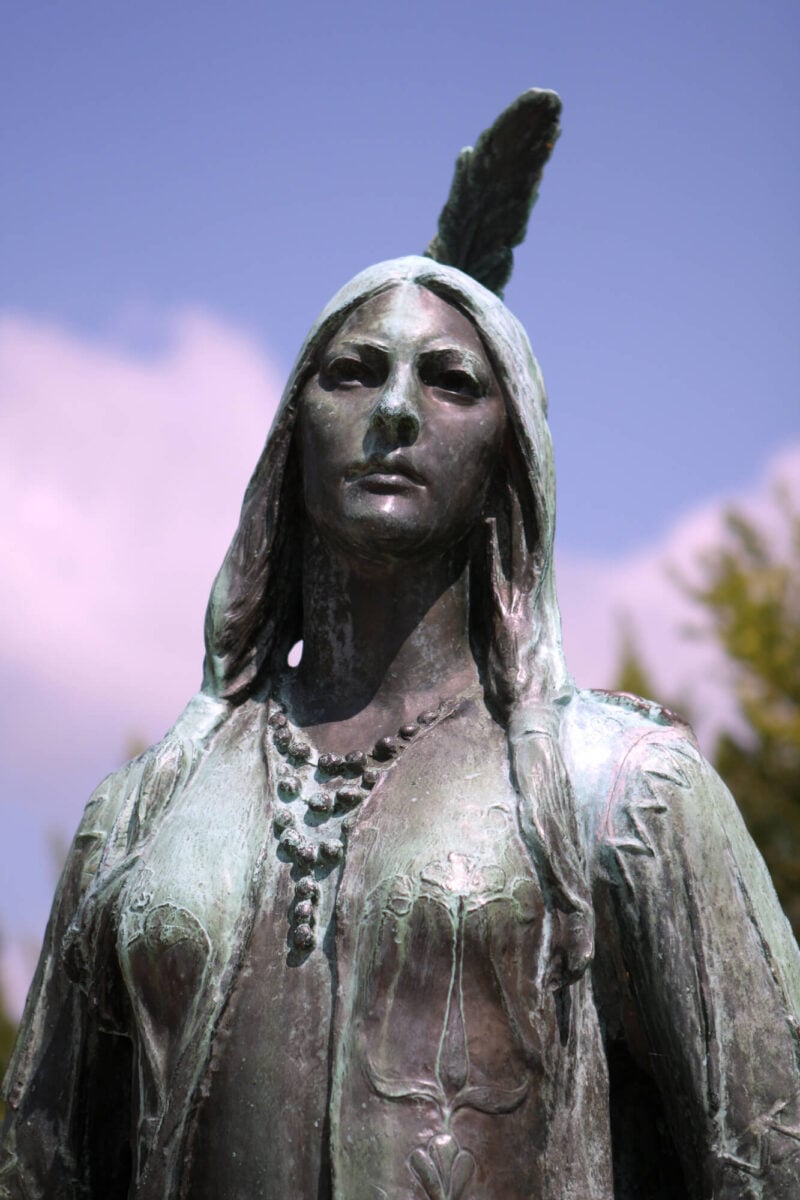
The Powhatan woman remembered by generations of American schoolchildren as Pocahontas was actually named Matoaka, with Pocahontas functioning more as a childhood nickname meaning something like “playful one.” English colonists popularized the nickname, and it stuck permanently in historical records and later popular culture.
She was also given the Christian name Rebecca after her baptism and marriage to colonist John Rolfe. Her original name, Matoaka, appears rarely outside specialized historical writing.
Billy the Kid
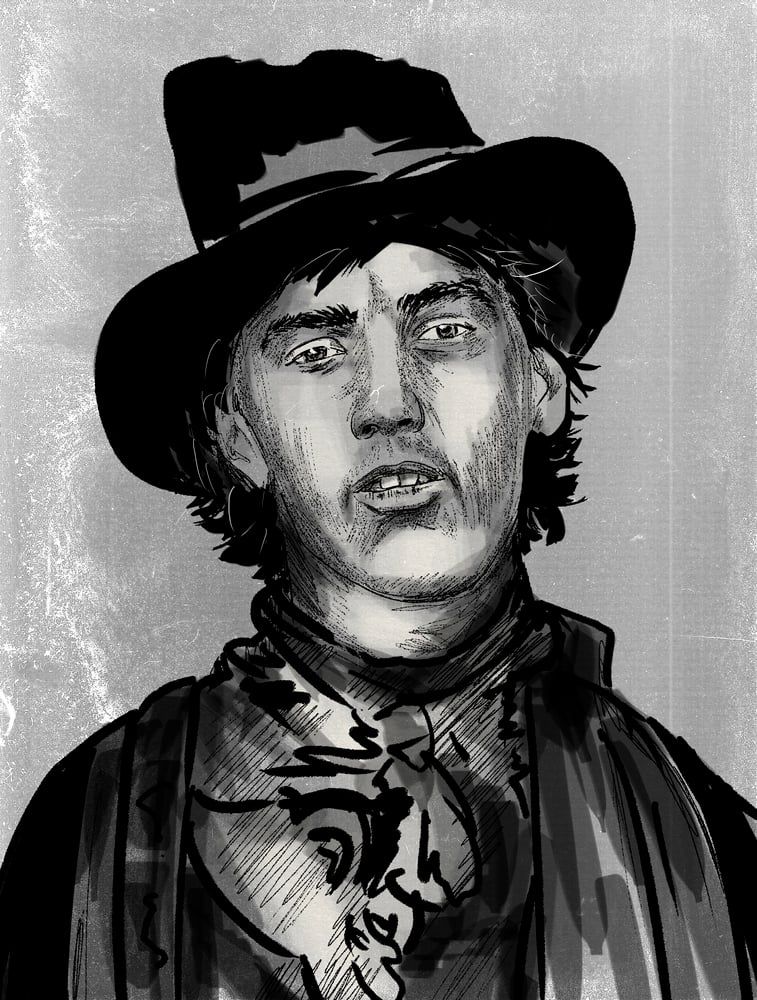
The American outlaw known worldwide as Billy the Kid was born Henry McCarty, and later used the alias William H. Bonney during the peak of his criminal career. Historians still debate exactly when and why he adopted the Bonney alias, though it appears in most of the legal and newspaper records generated during his final years.
The nickname “the Kid” was a contemporary press invention that outlasted both of his other names combined. Few people who recognize the legend could identify his birth name today.
The Molotov Cocktail’s Namesake
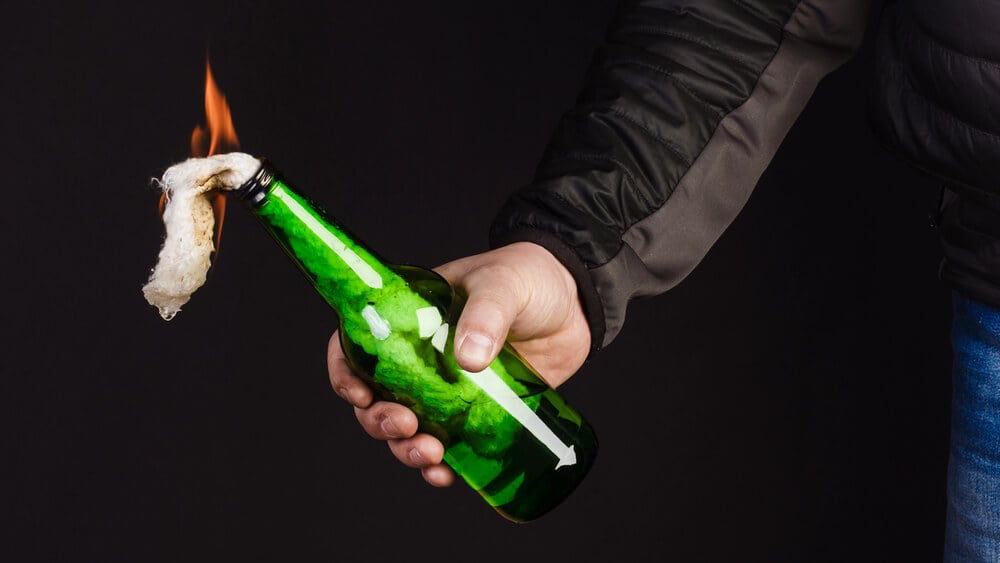
The improvised incendiary weapon known worldwide as a Molotov cocktail is named after Soviet foreign minister Vyacheslav Molotov, who had nothing to do with inventing it. Finnish soldiers coined the term mockingly during the 1939-1940 Winter War, referencing Molotov’s public claims that Soviet bombing raids over Finland were humanitarian food drops rather than attacks.
The name was a deliberate insult rather than an attribution of invention. It has remained attached to the weapon in nearly every language since.
Typhoid Mary

Mary Mallon, an Irish-born cook working in New York in the early 1900s, became infamous under the nickname Typhoid Mary after she was identified as an asymptomatic carrier who had infected dozens of people. Newspapers popularized the nickname so thoroughly that her actual name became almost incidental to her public identity.
She spent years in involuntary quarantine, first released and later confined again after continuing to work as a cook under a different identity. Public health researchers still reference her case using the nickname rather than her given name.
Deep Throat

For over 30 years, the identity of the confidential government source who helped break the Watergate scandal was known publicly only by the pseudonym Deep Throat, assigned by journalists to protect his identity. In 2005, former FBI associate director Mark Felt revealed himself as the source, ending decades of speculation about his real identity.
The pseudonym had become so deeply embedded in American political history that many people continued using it even after his real name was confirmed. Felt’s actual role at the FBI gave the leaks far greater credibility than the nickname alone ever conveyed.
Anna Anderson’s Anastasia Claim
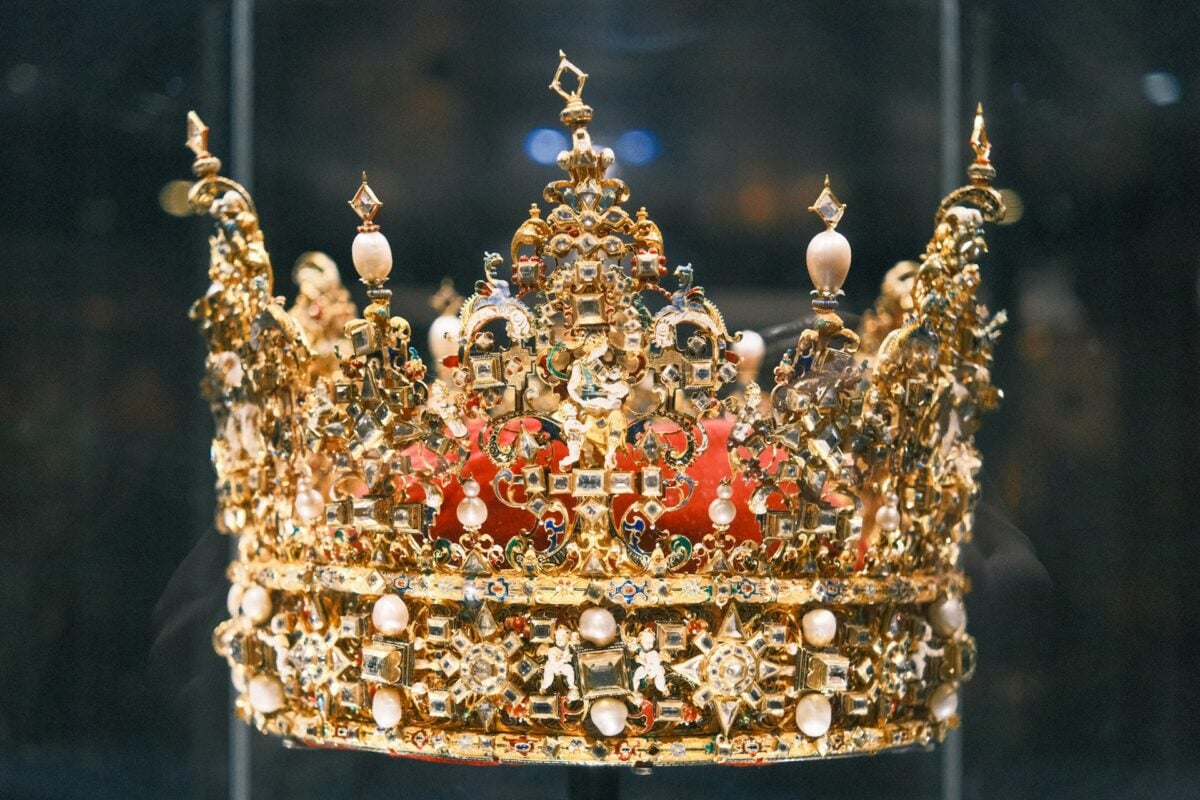
For decades, a woman known publicly as Anna Anderson claimed to be Grand Duchess Anastasia Romanov, the youngest daughter of Russia’s last tsar, who was believed to have survived her family’s 1918 execution. She maintained this identity through court battles and international attention until her death in 1984.
DNA testing conducted after her death identified her as Franziska Schanzkowska, a Polish factory worker with a documented history of mental illness. The revelation closed one of the twentieth century’s most persistent cases of mistaken royal identity.
Voltaire
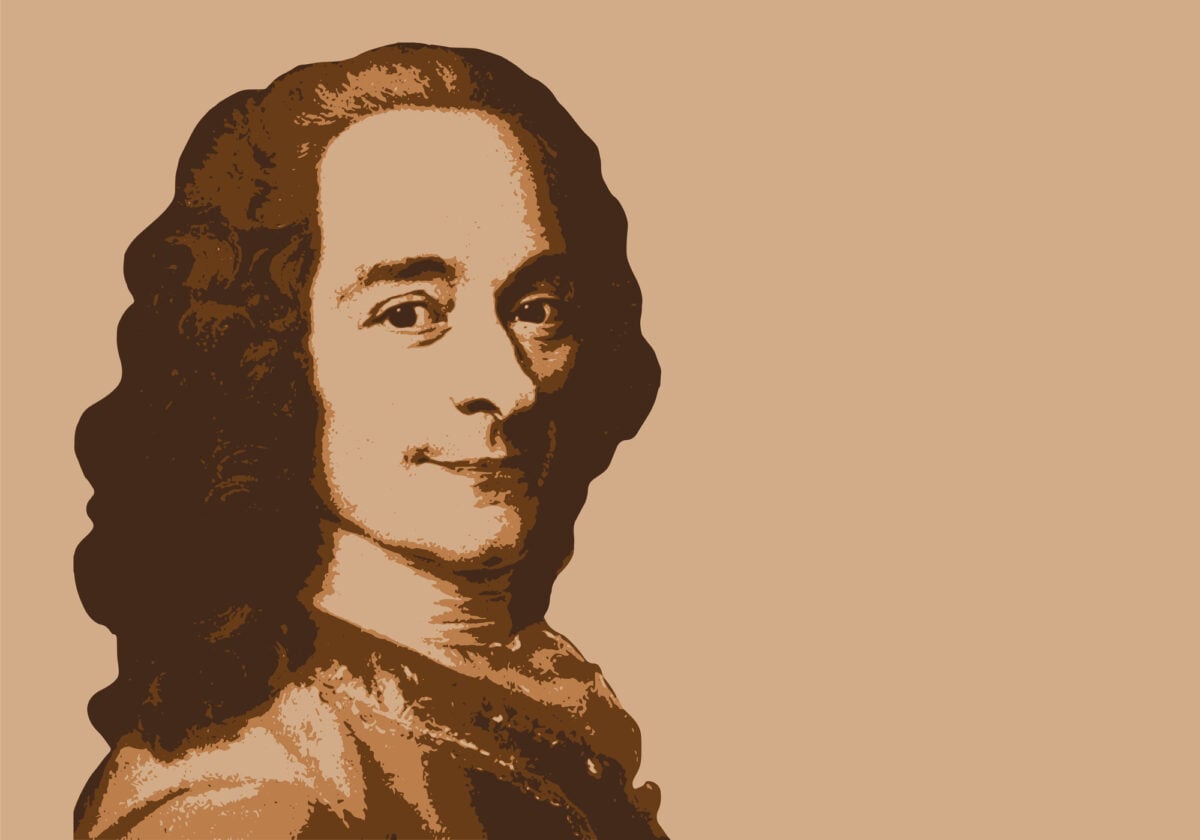
The Enlightenment philosopher known to history simply as Voltaire was born François-Marie Arouet in Paris in 1694. He began using the pen name Voltaire around 1718, and its exact origin remains debated among scholars, though it may derive from a rearrangement of letters in his surname. The pseudonym allowed him some protection while writing material that frequently offended the French authorities.
His birth name is now known mainly to specialists in French literary history.
Molière
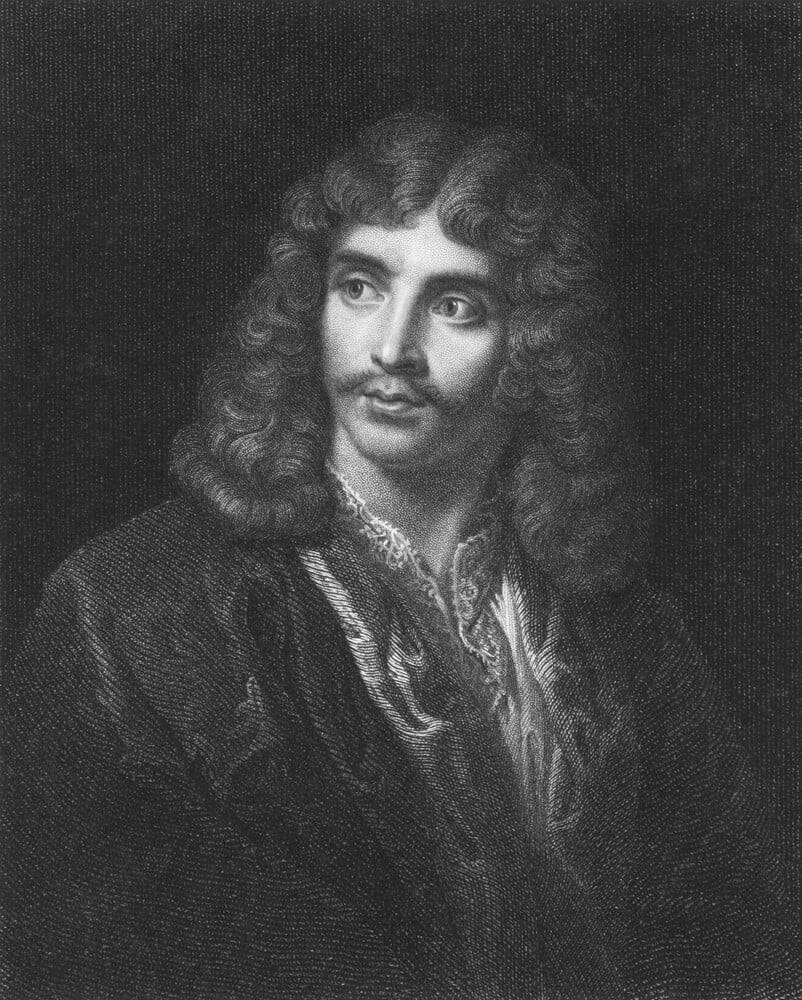
France’s most celebrated playwright performed and wrote under the name Molière, though he was born Jean-Baptiste Poquelin in 1622. He adopted the stage name upon becoming a professional actor, likely to spare his family, who ran a respectable furnishing business, from the social stigma then attached to the theater profession.
The name Molière appears on virtually every edition of his work published since. His birth name survives mainly in biographical and genealogical records.
Lenin
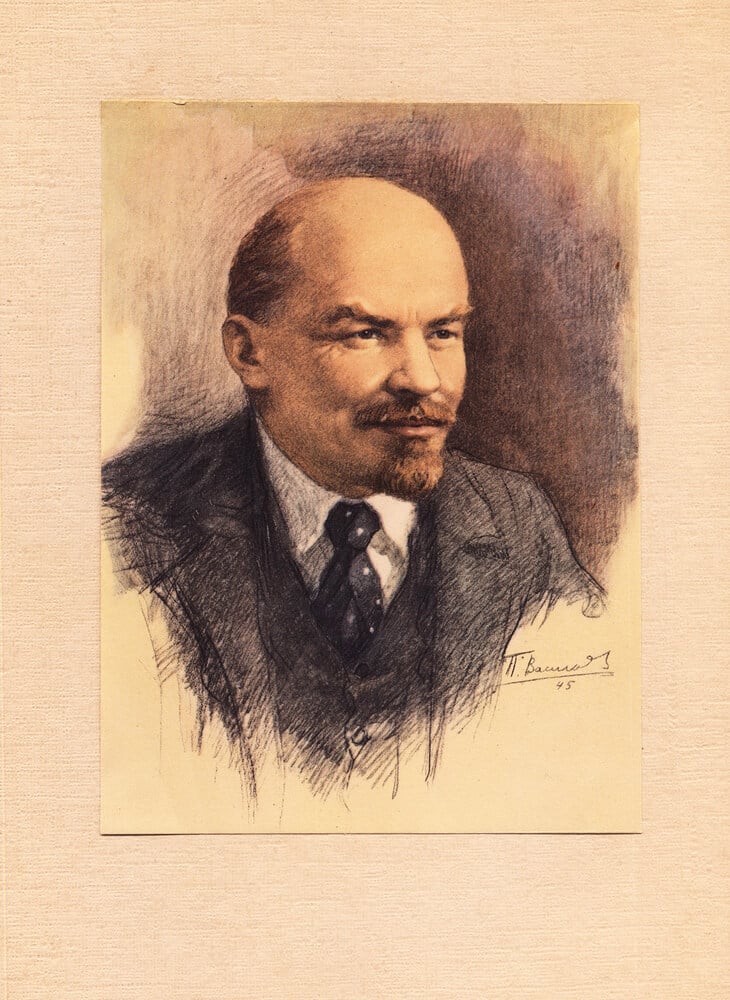
The leader of the Bolshevik Revolution and founder of the Soviet state was born Vladimir Ilyich Ulyanov. He adopted the revolutionary alias Lenin around 1901, one of several pseudonyms he used to evade Tsarist surveillance while organizing underground political activity.
The alias became permanently attached to his public identity after the 1917 revolution. His original surname, Ulyanov, is preserved mainly in Russian historical scholarship and place names from the Soviet era.
Stalin
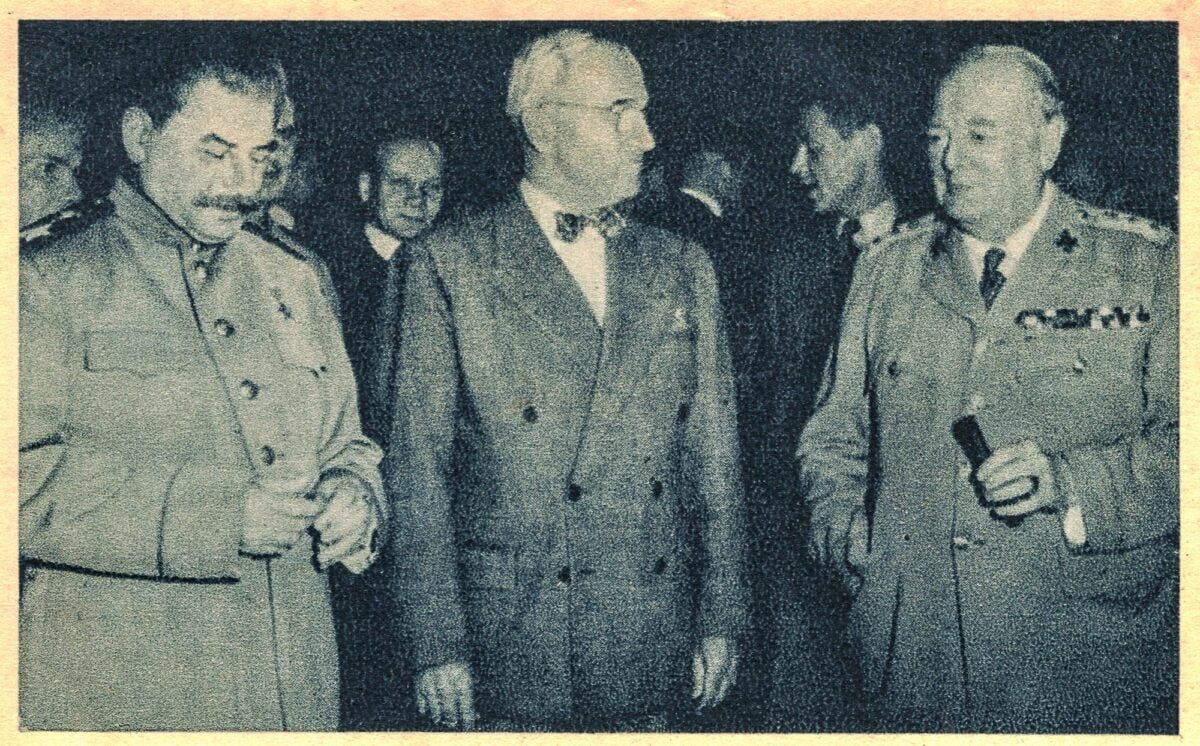
The Soviet leader remembered as Stalin was born Ioseb Besarionis dze Jughashvili in Georgia. He adopted the name Stalin, derived from the Russian word for steel, around 1912 while building his career within the Bolshevik movement. The chosen name projected a hardened, industrial-age persona that suited his political image far better than his Georgian birth name.
His original surname appears occasionally in specialized biographical work but almost never in general references.
Trotsky
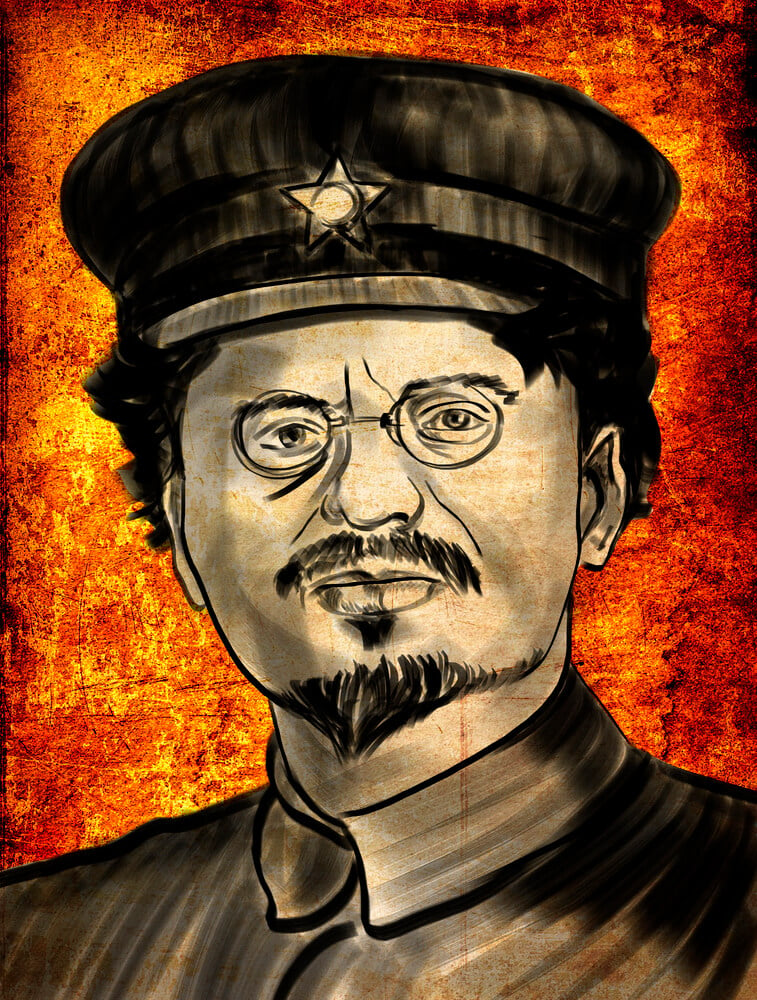
The Soviet revolutionary and military leader known as Leon Trotsky was born Lev Davidovich Bronstein. He adopted the surname Trotsky, reportedly borrowed from a former prison guard’s name on a forged passport, while escaping Siberian exile in the early 1900s. The alias stuck for the remainder of his political career and afterward, including through his eventual exile and assassination.
His birth name is now known primarily through biographical scholarship rather than common reference.
Mark Twain
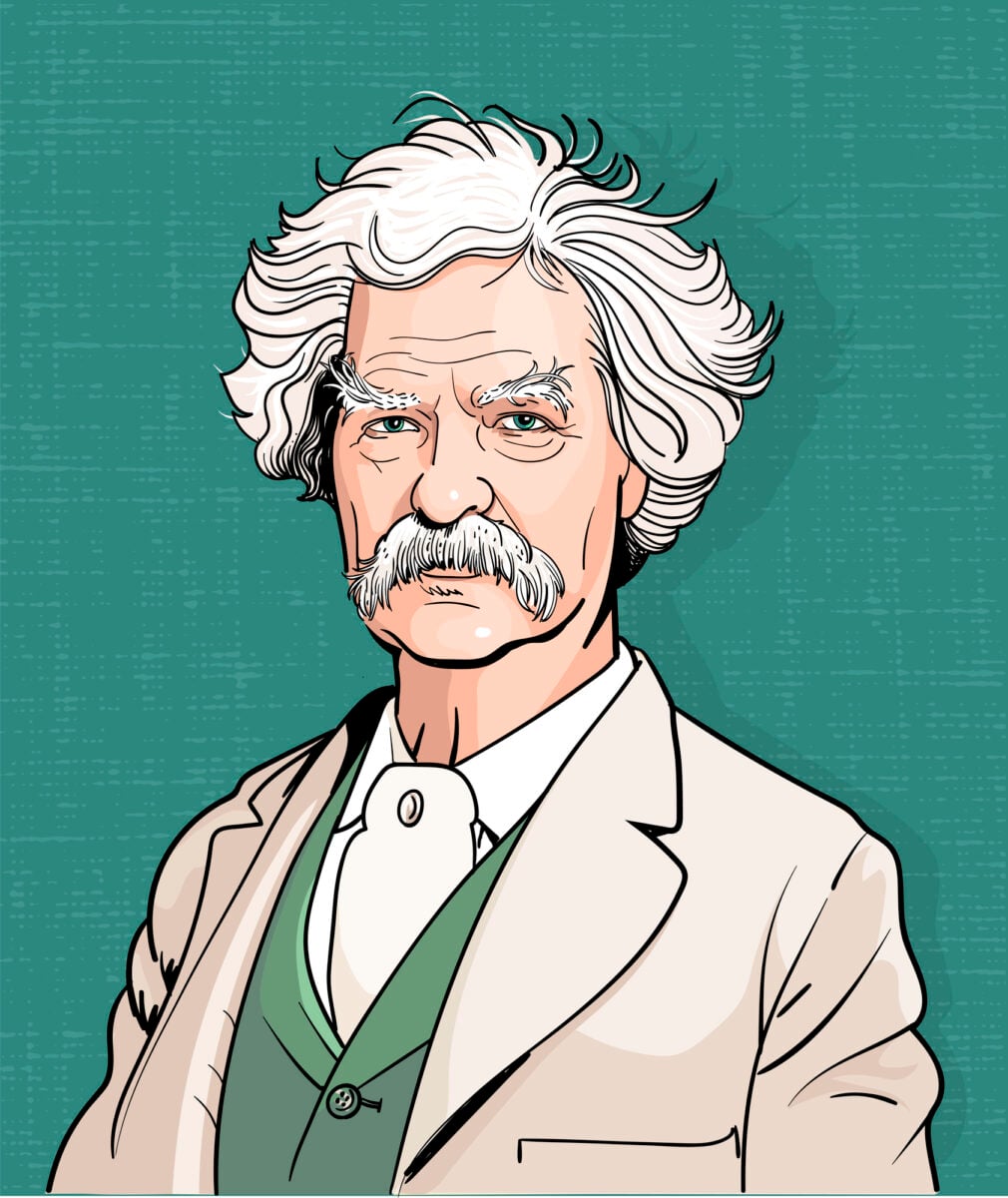
American author Mark Twain was born Samuel Langhorne Clemens in Missouri in 1835. He adopted the pen name around 1863 while working as a journalist, drawing on a riverboat term referring to safe water depth from his earlier years as a Mississippi steamboat pilot. The pseudonym became so closely tied to his public identity that many readers today are unaware his birth name was different.
His tombstone in New York records his given name, Samuel Clemens, rather than his famous pen name.
George Orwell
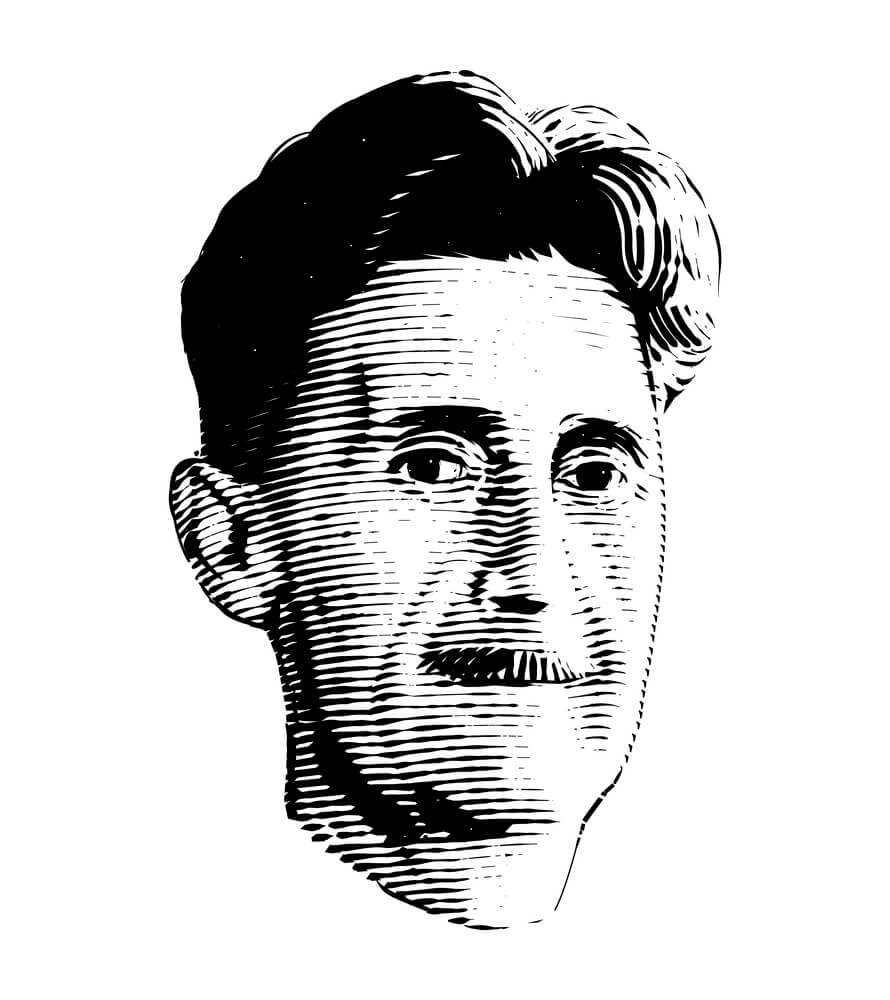
The British author of “1984” and “Animal Farm” was born Eric Arthur Blair. He adopted the pen name George Orwell in the early 1930s, drawing partly on the River Orwell in England, in order to separate his journalism and fiction from his family identity. The pseudonym became so dominant that “Orwellian” entered the English language as an adjective long before most readers learned his birth name.
His personal correspondence and private life were largely conducted under his birth name throughout his life.
Malcolm X
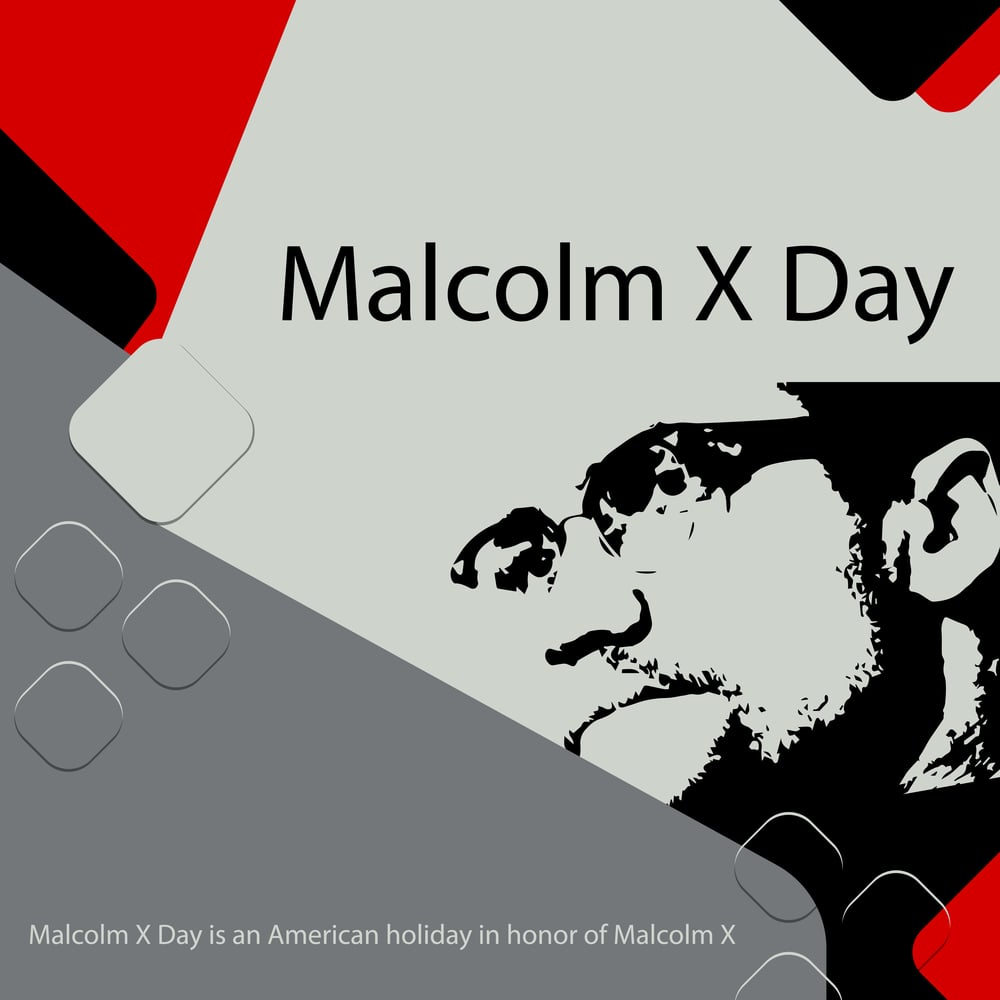
The civil rights leader known as Malcolm X was born Malcolm Little. He dropped his surname after joining the Nation of Islam, viewing “Little” as a name imposed by the legacy of slavery rather than one connected to his actual ancestry.
Later in life, following a pilgrimage to Mecca, he adopted the name El-Hajj Malik El-Shabazz, a third identity that receives far less public recognition than the “X” that remains attached to his legacy. All three names reflect distinct stages of his political and religious development.
El Cid
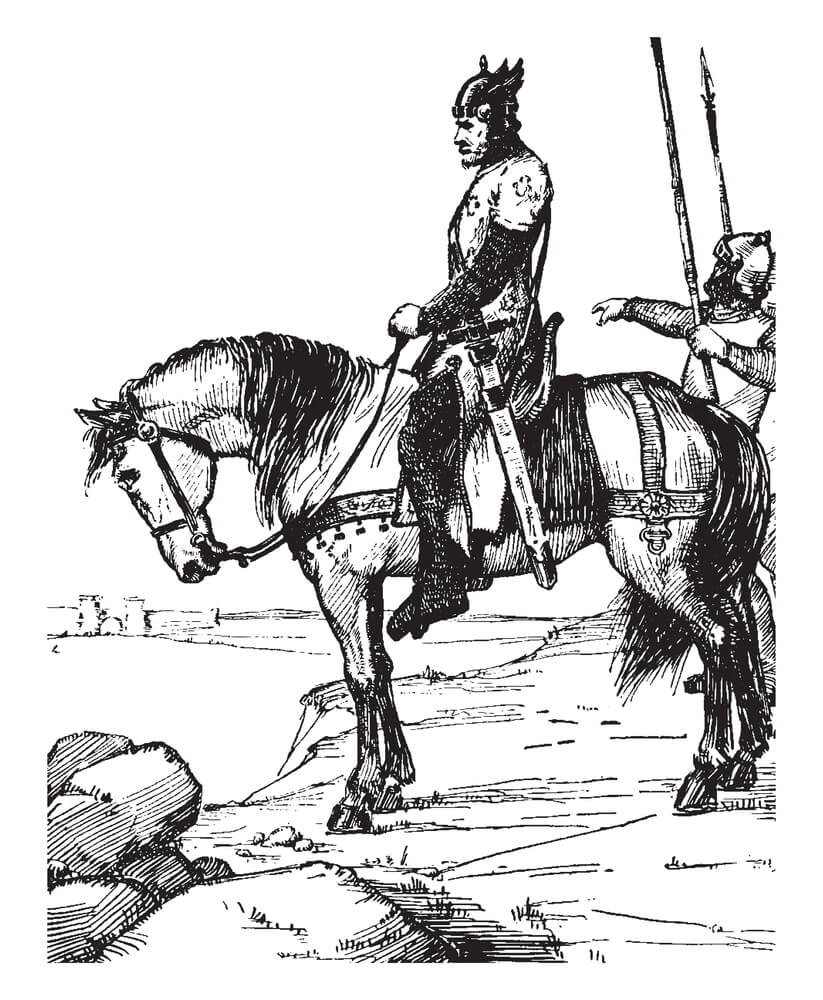
The medieval Castilian military leader remembered as El Cid was born Rodrigo Díaz de Vivar. The title “El Cid,” derived from an Arabic honorific meaning roughly “the lord,” was applied to him by his Moorish adversaries and allies rather than being a name he was born with. His legendary status in Spanish literature and history has made the honorific far more recognizable than his actual birth name.
Historical records from his lifetime typically use his given name rather than the epic-era title.
Genghis Khan
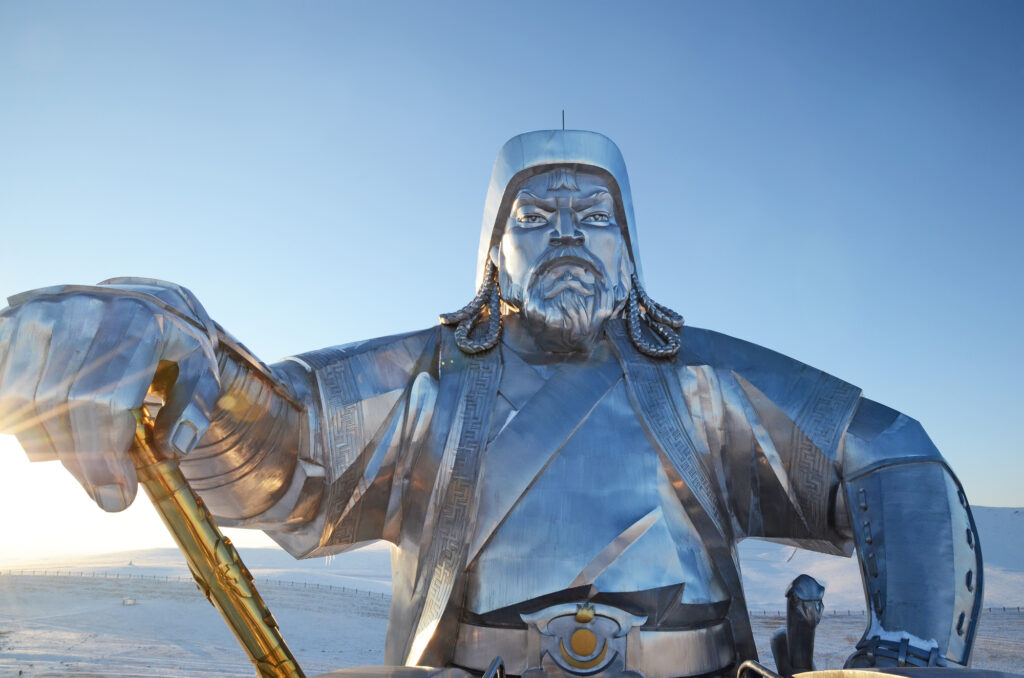
The founder of the Mongol Empire was born Temüjin around 1162. He took the title Genghis Khan, generally interpreted as meaning something close to “universal ruler,” only after unifying the Mongol tribes around 1206. The title became so dominant in historical memory that his birth name is largely unknown outside of specialized Mongolian and Central Asian history.
Contemporary Mongolian sources sometimes still reference both names depending on the period of his life being discussed.
Catherine the Great
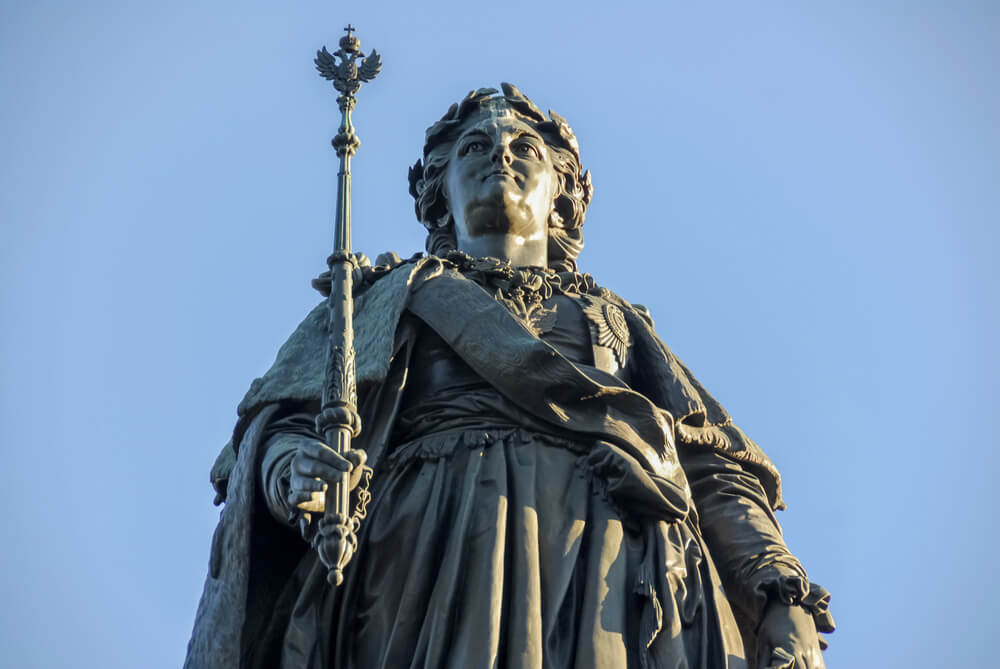
The Russian empress remembered as Catherine the Great was born Sophie Friederike Auguste von Anhalt-Zerbst in Prussia. She adopted the name Catherine, along with the Orthodox faith, upon marrying into the Russian royal family and converting in preparation for her eventual rise to the throne.
Her German birth name is rarely used outside of biographical scholarship on her early life. The transformation from Sophie to Catherine mirrored her broader reinvention as a Russian rather than a German royal figure.
Marilyn Monroe
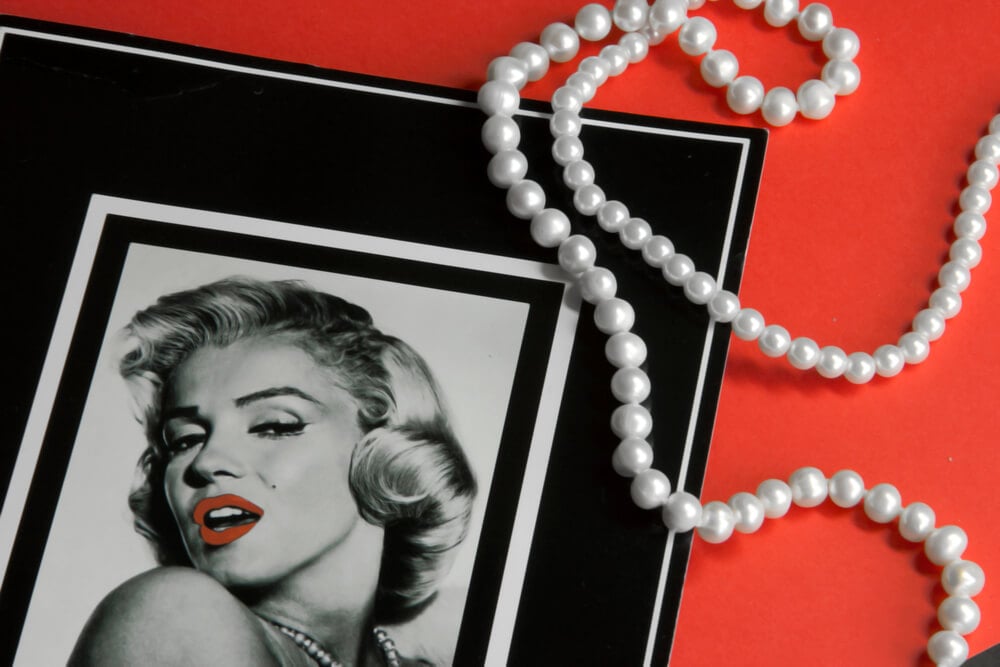
The Hollywood icon known as Marilyn Monroe was born Norma Jeane Mortenson, later baptized under the surname Baker. The film studio Twentieth Century Fox assigned her the stage name Marilyn Monroe in 1946 as part of grooming her for a screen career.
She legally changed her name to Marilyn Monroe years later, formally adopting the identity the public already knew. Her birth name is preserved on some official documents but almost never used in popular reference to her life.
John Wayne
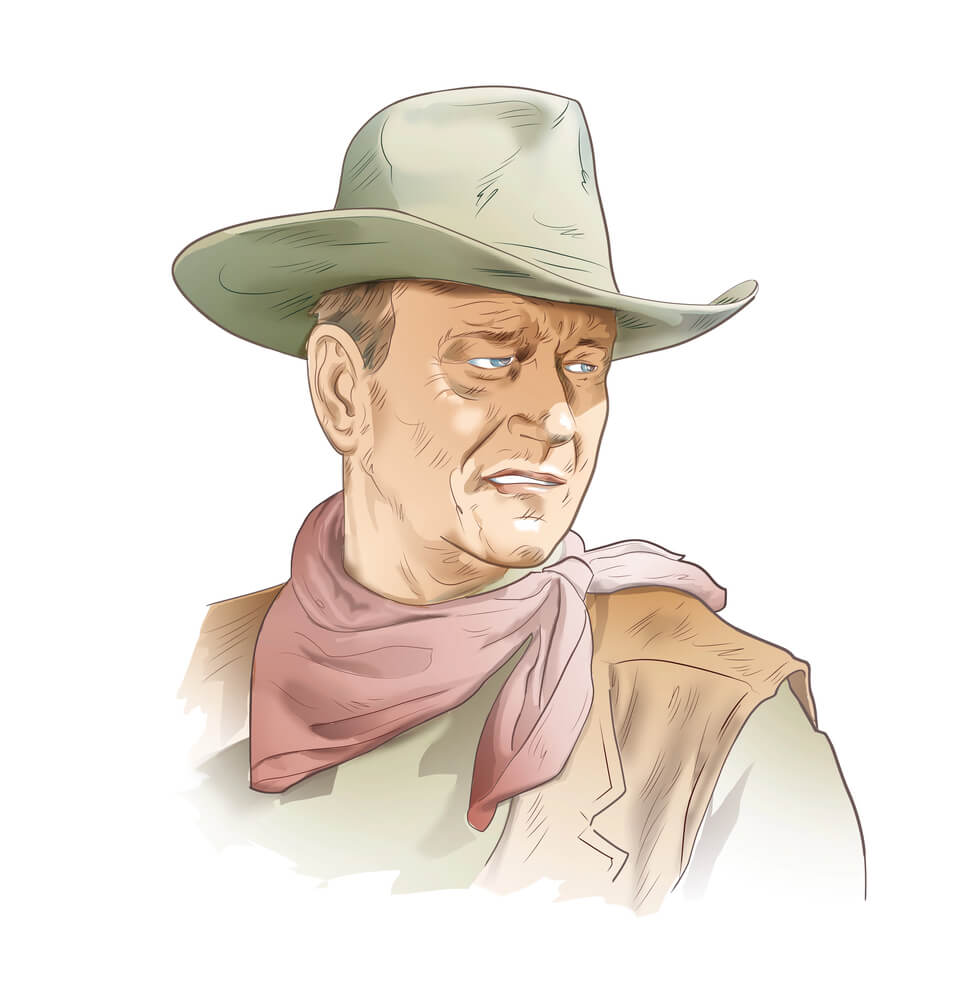
The actor synonymous with American Western films was born Marion Robert Morrison. Fox Film Corporation assigned him the stage name John Wayne in 1930, reportedly without consulting him beforehand about the change. The persona became so completely identified with rugged American masculinity that his birth name is largely unfamiliar to modern audiences.
He was informally nicknamed “Duke” throughout his life, a third layer of identity separate from both his birth and stage names.
Judy Garland
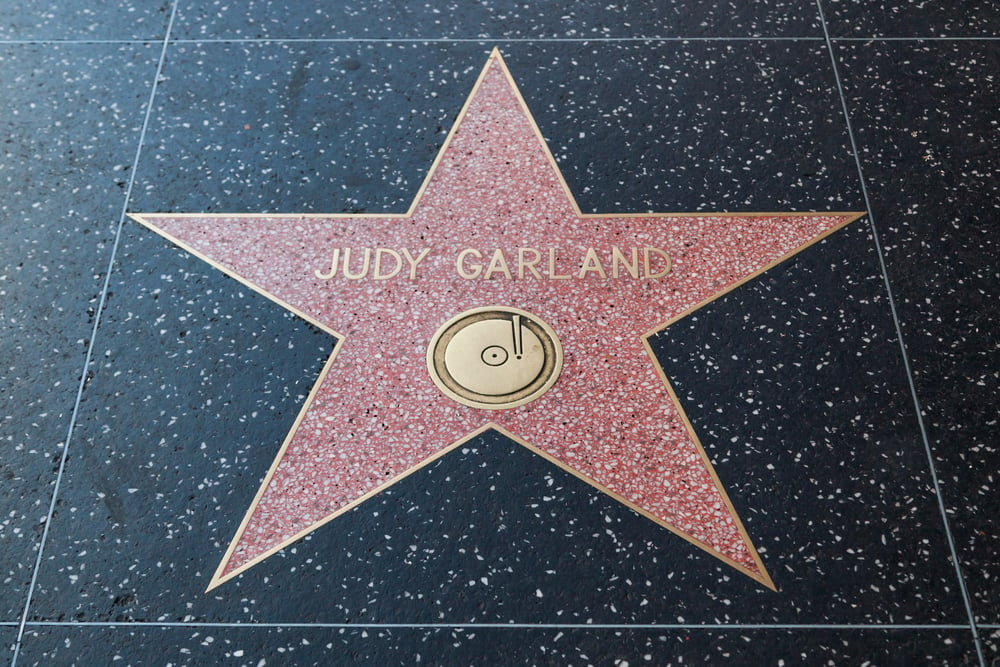
— Photo by tamifreed
The actress and singer best remembered for her role in “The Wizard of Oz” was born Frances Ethel Gumm. Her family performed as a vaudeville act under the name “The Gumm Sisters” before she adopted the stage name Judy Garland around 1934. The new name was chosen partly to project a more polished, marketable image for her growing film career.
Her birth name survives mainly in early biographical materials about her childhood performing career.
Cary Grant
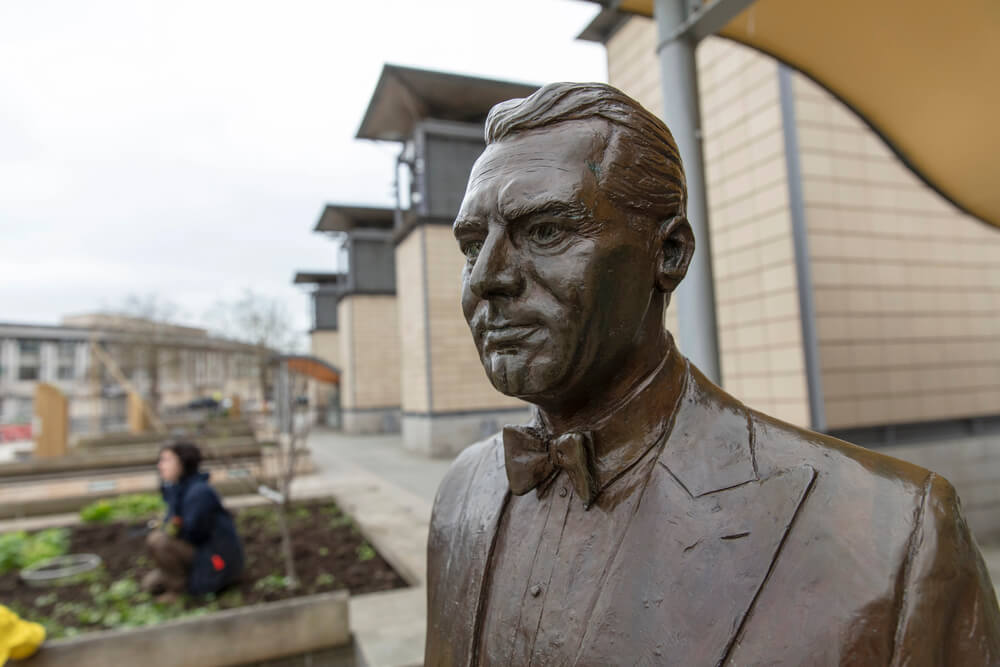
The actor known for decades as the model of Hollywood sophistication was born Archibald Alexander Leach in Bristol, England. He adopted the name Cary Grant in 1931 after signing with Paramount Pictures, which wanted a name that better suited leading-man roles. The transformation from a working-class English accent to a polished transatlantic screen persona was deliberate and extensive.
He reportedly remarked later in life that he eventually became the character he had invented.
Doris Day
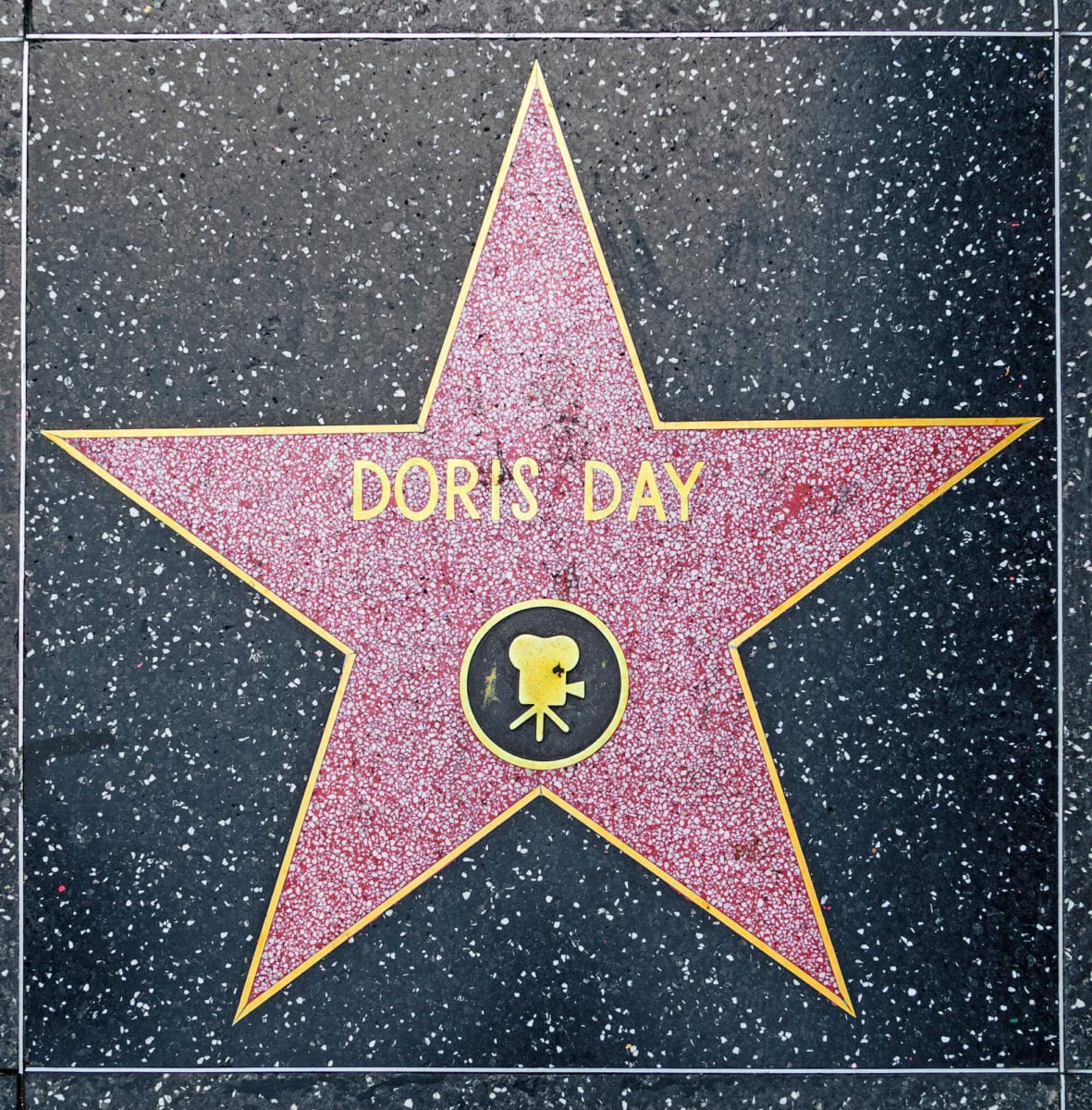
The actress and singer known as Doris Day was born Doris Mary Ann Kappelhoff. She adopted the stage name Day in the early 1940s while performing as a big band vocalist, taking it from a song title she frequently performed. The name change reflected common industry practice of the period, shortening or Anglicizing surnames considered too difficult for marquee use.
Her birth surname is rarely referenced outside detailed biographical accounts of her early career.
Michael Caine
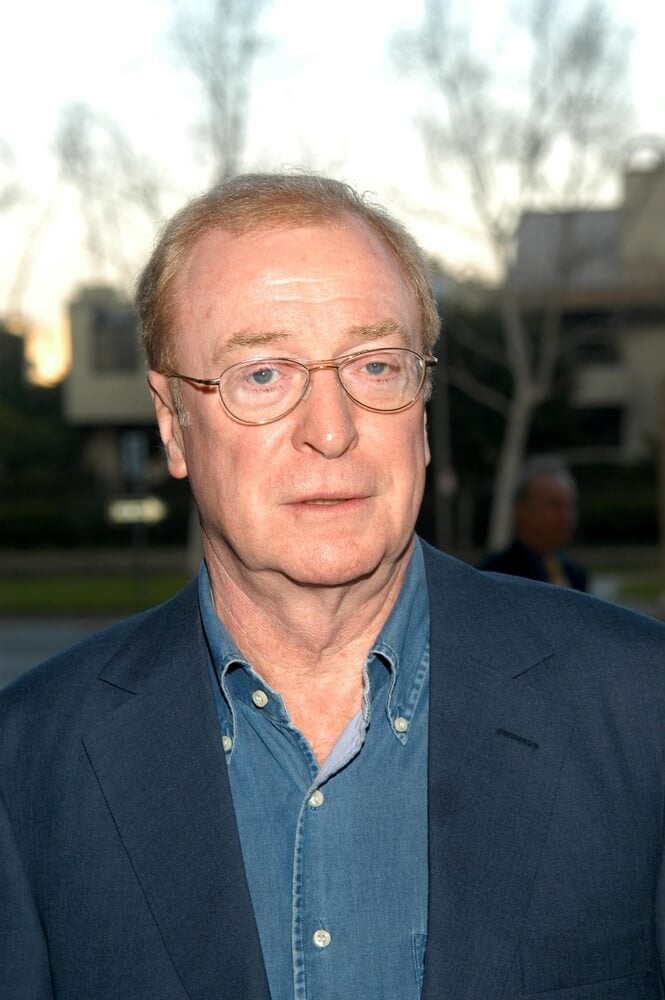
The British actor known as Michael Caine was born Maurice Joseph Micklewhite. He adopted his stage name in the early 1960s, reportedly choosing “Caine” after seeing a marquee for the film “The Caine Mutiny” while on a phone call about his career. The new name proved far more suited to a leading man than his birth name.
He has spoken publicly about the last-minute nature of the decision throughout his career.
Freddie Mercury
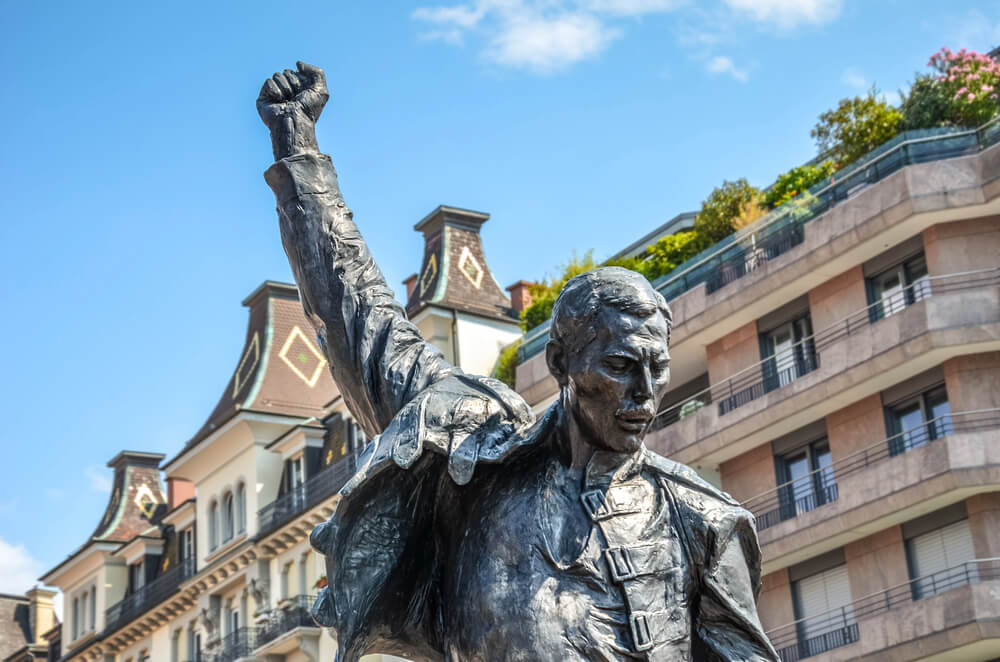
The lead singer of the rock band Queen was born Farrokh Bulsara in Zanzibar. He adopted the name Freddie Mercury in the early 1970s while forming the band, moving away from a name closely tied to his Parsi-Indian family heritage.
The stage name became one of the most recognizable in rock music history. His birth name is now widely known largely due to posthumous biographical films and documentaries about his life.
Elton John
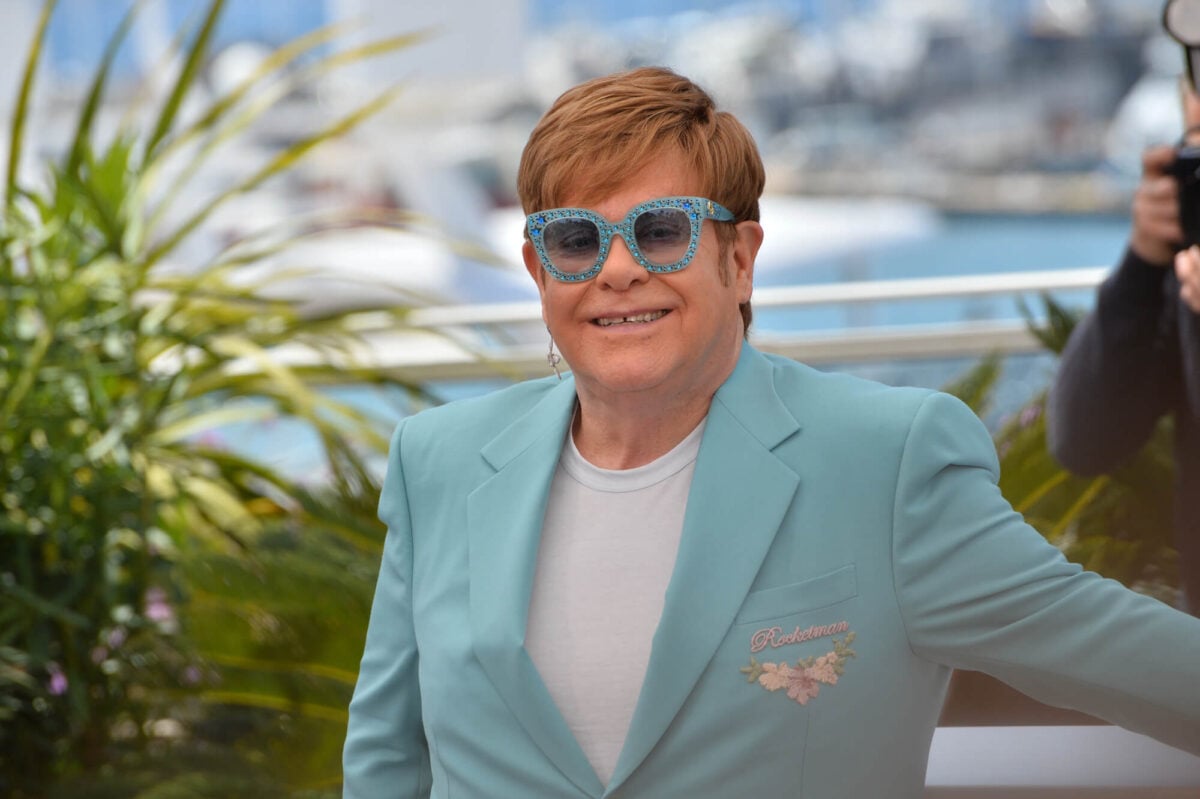
The British musician known as Elton John was born Reginald Kenneth Dwight. He adopted his stage name in 1967, reportedly combining the first names of two fellow musicians he had performed alongside. He later legally changed his name entirely, formally becoming Elton Hercules John.
His birth name survives mainly in early biographical accounts of his career before international fame.
Pele
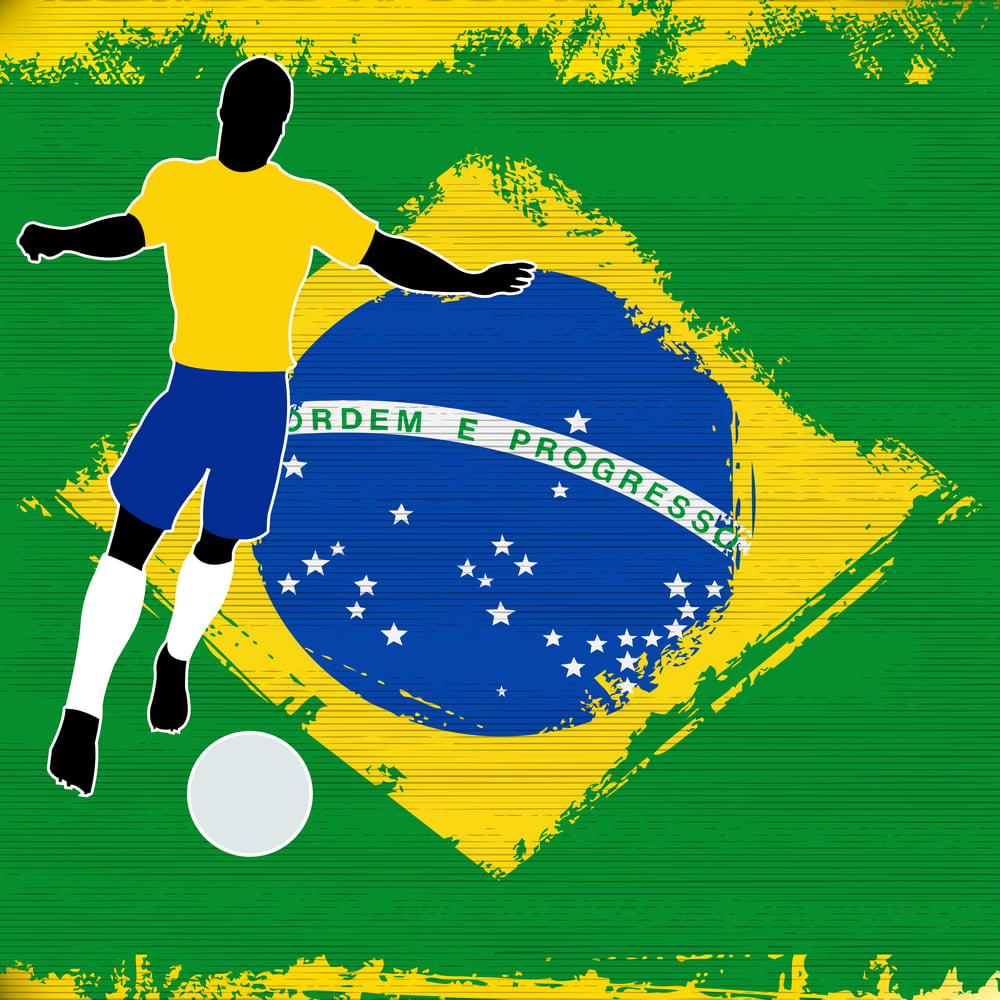
The Brazilian athlete widely considered one of the greatest players in the sport’s history was born Edson Arantes do Nascimento. The nickname Pele emerged during his childhood, with its exact origin disputed, though it appears to trace to a mispronunciation among schoolmates.
He reportedly disliked the nickname as a child before it became permanently attached to his identity worldwide. His birth name remains largely unknown outside Brazil and dedicated fans of the sport’s history.
Names as Costumes
Every name on this list functioned, at some point, as a kind of armor. A pen name let an Enlightenment writer criticize a monarchy without immediate reprisal.
A stage name let a shy child from Bristol become a symbol of effortless charm. A political alias let a Soviet exile move through a hostile empire without being recognized.
The adopted name was rarely an accident; it was a tool built for a specific purpose, and it simply outlived the purpose it was built for. What remains striking is how completely the substitute erased the original.
In most of these cases, the birth name is not forgotten because it was unimportant, but because the invented identity did its job so well that no one felt a need to remember what came before it.
More from Go2Tutors!

- The Romanov Crown Jewels and Their Tragic Fate
- 13 Historical Mysteries That Science Still Can’t Solve
- Famous Hoaxes That Fooled the World for Years
- 15 Child Stars with Tragic Adult Lives
- 16 Famous Jewelry Pieces in History
Like Go2Tutors’s content? Follow us on MSN.