28 Old Cameras Sitting on Shelves That Collectors Pay Real Money For
Film photography’s revival has put a real floor under a category of object most people assumed was worthless the moment digital cameras took over. A working shutter, a clean lens, and an honest description now matter more than nostalgia alone, and prices swing enormously based on exactly those details.
Every figure below depends heavily on condition, originality, and whether the camera actually still works, so treat these as a starting point rather than a guarantee.
Leica M3
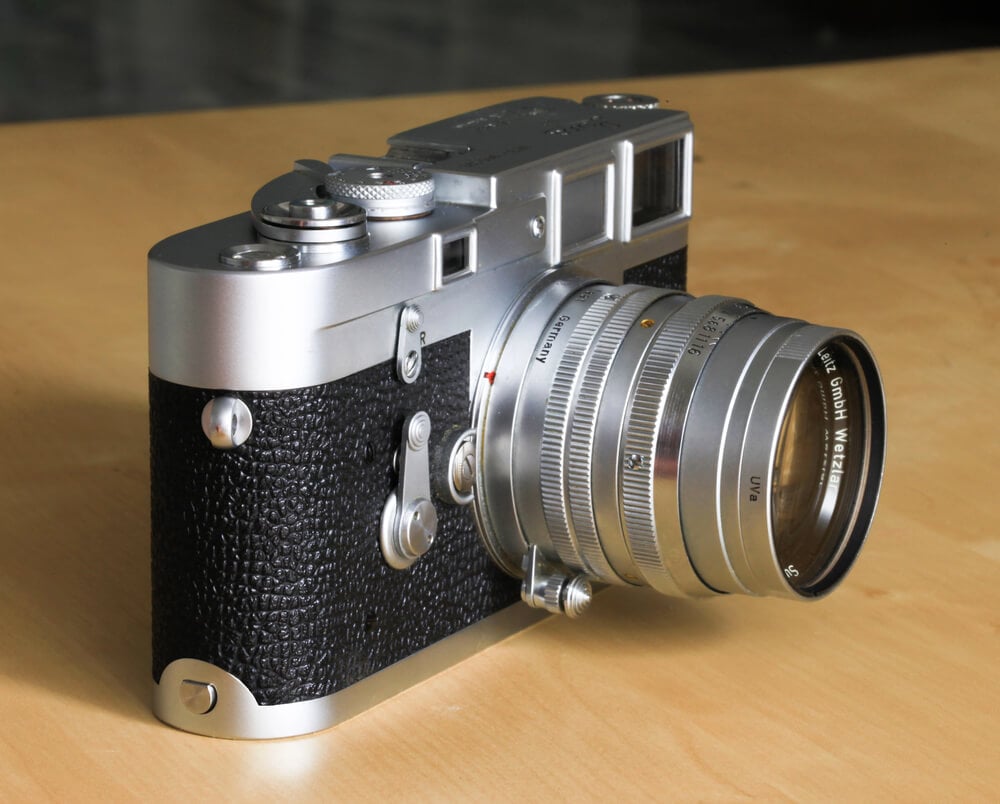
Released in 1954, this rangefinder is widely considered the camera that defined the modern 35mm format and remains the benchmark against which collectors measure everything else. A clean, working body alone typically sells for around $1,350 today, with a matching collectible lens pushing a full kit into the thousands.
Leica MP (Black Paint)
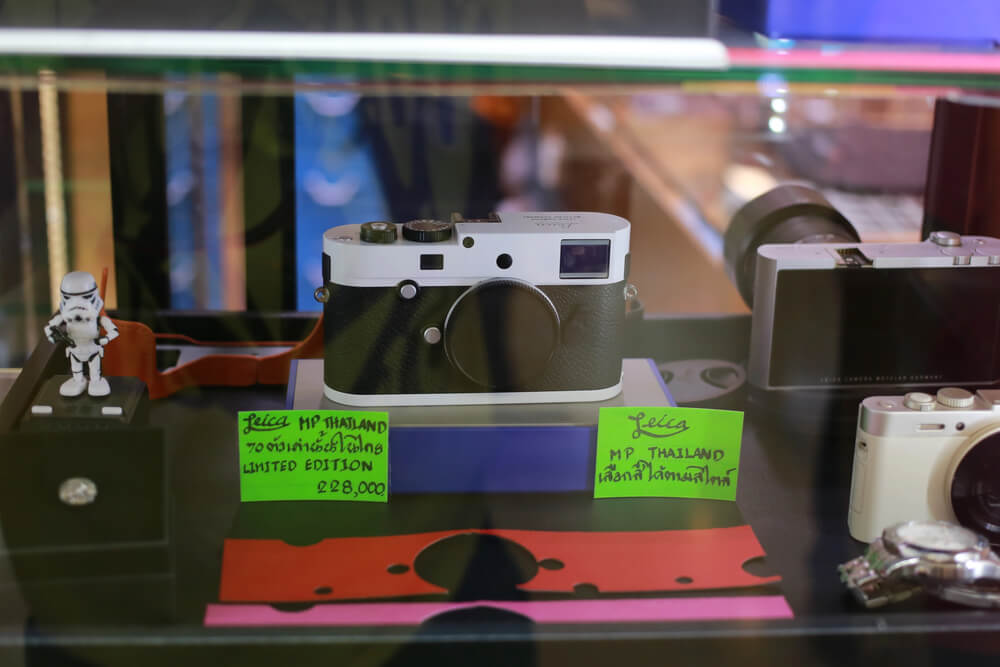
Leica’s black-paint MP models are among the rarest production variants the company ever made, with only a handful of numbered examples known to exist. A black paint MP numbered 55 sold at a Leitz Photographica auction in 2021 for $1.34 million, far exceeding its pre-sale estimate.
Leica 0-Series Prototype
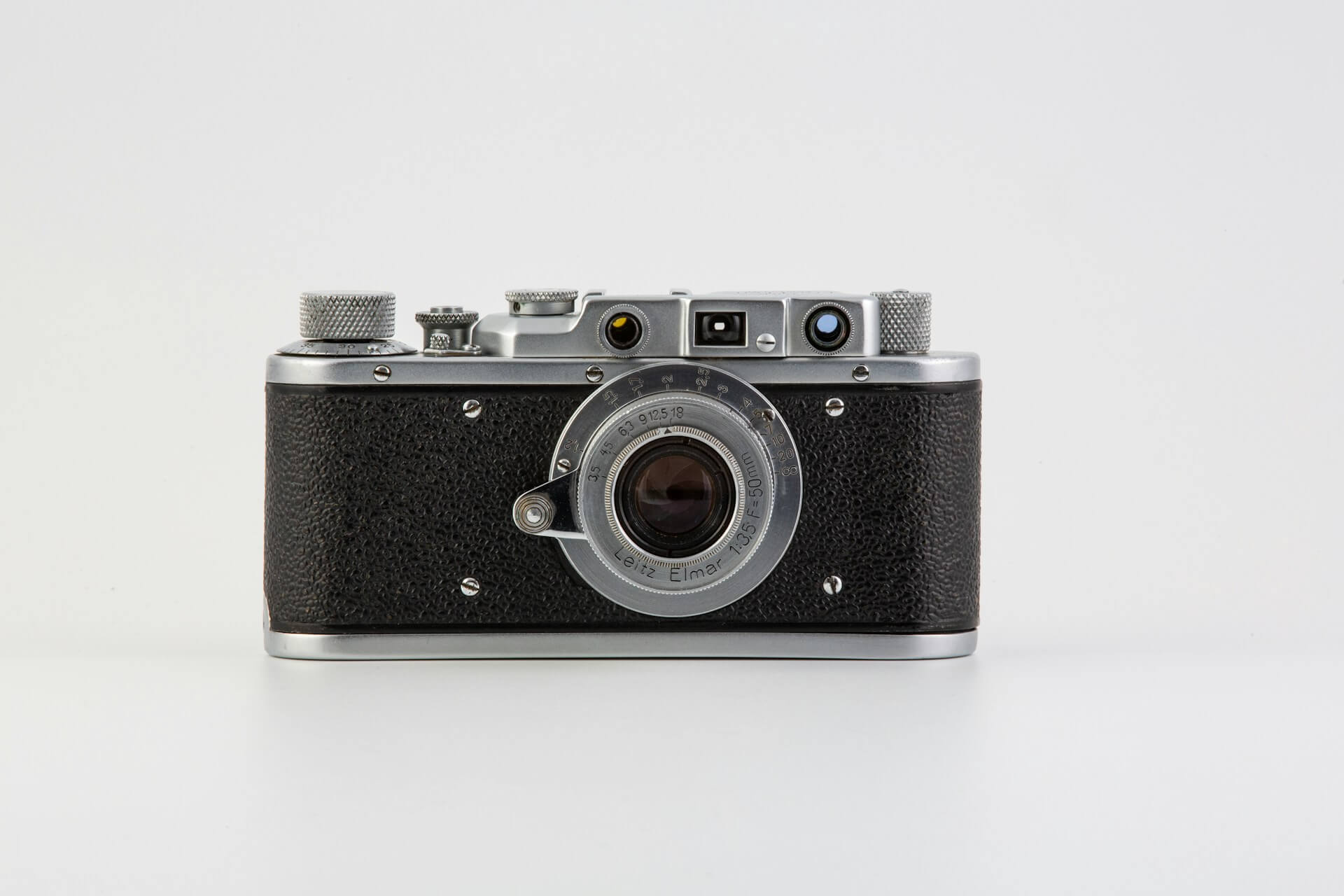
Fewer than twenty examples of this pre-production prototype, developed by Leica inventor Oskar Barnack, are known to survive today. Barnack’s own 0-Series camera, numbered 105, sold at auction in June 2022 for $15.1 million, making it the most expensive camera ever sold.
Rolleiflex 2.8F
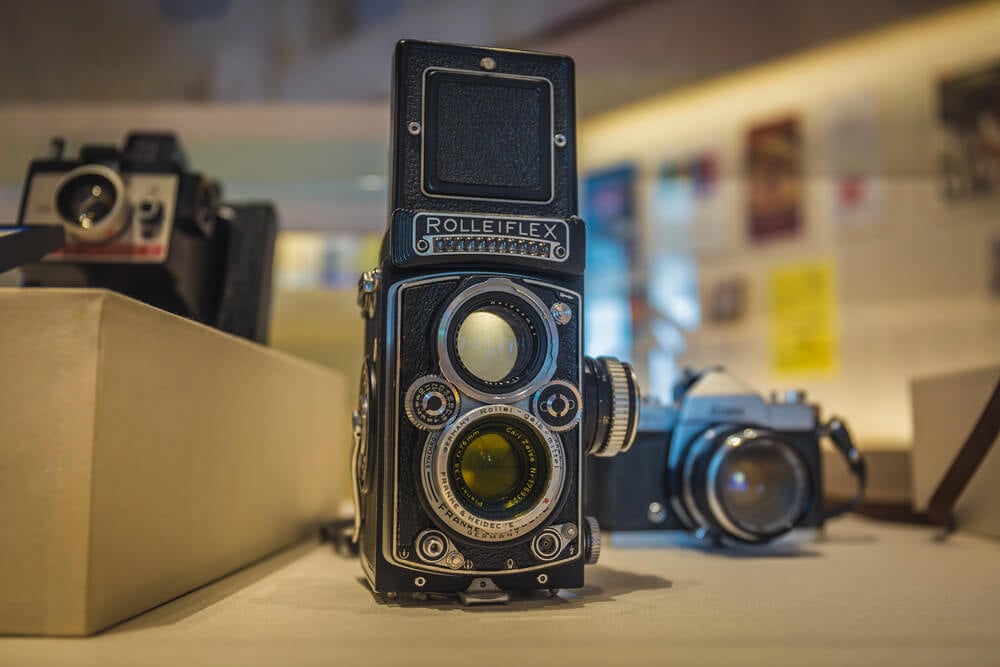
This twin-lens reflex camera produced sharp medium-format negatives and became a favorite of major street and portrait photographers throughout the twentieth century. Depending on condition, a 2.8F today typically sells anywhere from around $300 to well over $2,600.
Canon AE-1
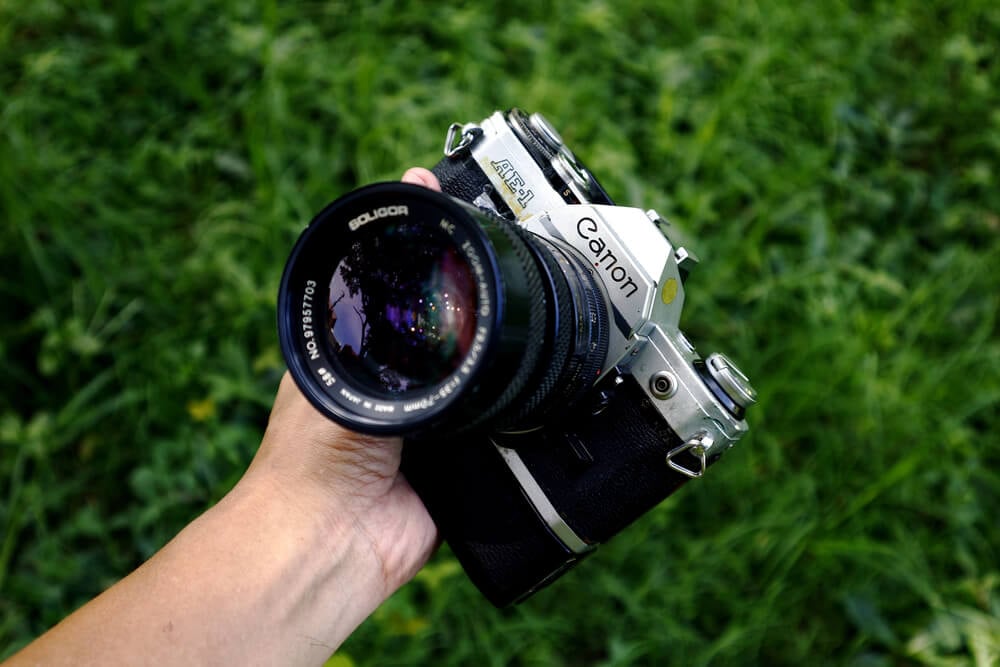
Released in the late 1970s, this SLR was the first camera in its class to use a built-in microprocessor for automatic exposure, and it sold in massive numbers to amateur photographers. A clean, working example today typically sells for around $120, with unused or boxed examples commanding considerably more.
Nikon F
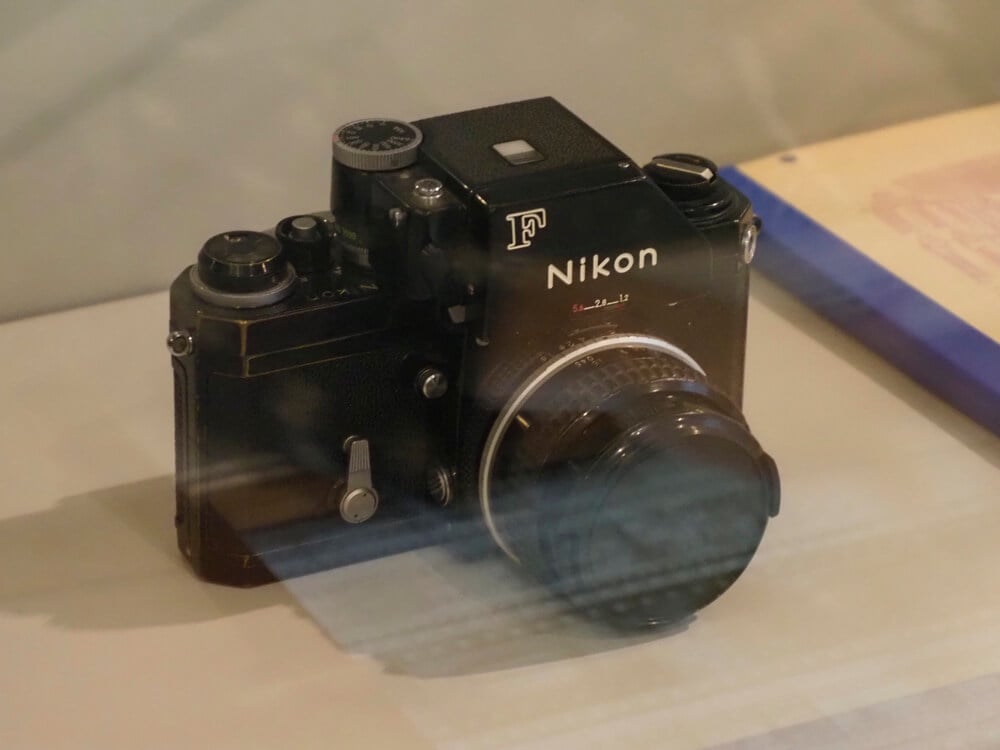
Introduced in 1959, this camera quickly became the standard tool of professional photojournalists thanks to its modular design, which let users swap prisms, backs, and other components. Vintage bodies in working condition with original accessories can fetch up to several hundred dollars.
Hasselblad 500 Series
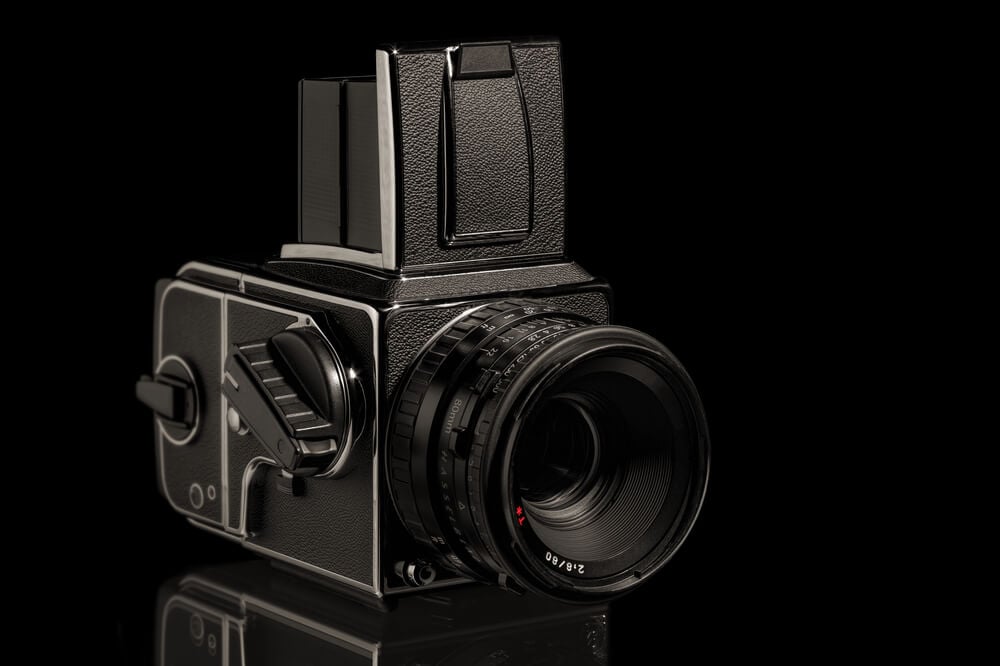
This medium-format system camera became closely associated with high-end studio and even NASA space photography due to its exceptional optics and modular design. Working examples with a lens and back regularly trade for $1,000 to $9,000 depending on specific model and condition.
Pentax K1000
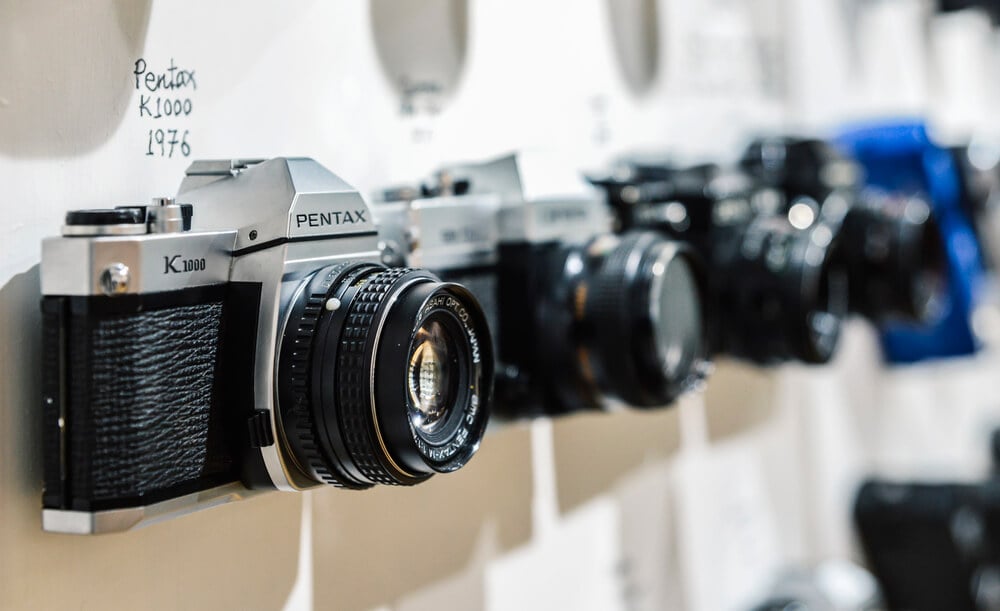
Asahi Optical manufactured this fully manual SLR from 1976 to 1997, selling more than three million units and making it one of the most widely used student and hobbyist cameras in photography history. A working example today typically sells for around $100 to $140.
Nikon FM2
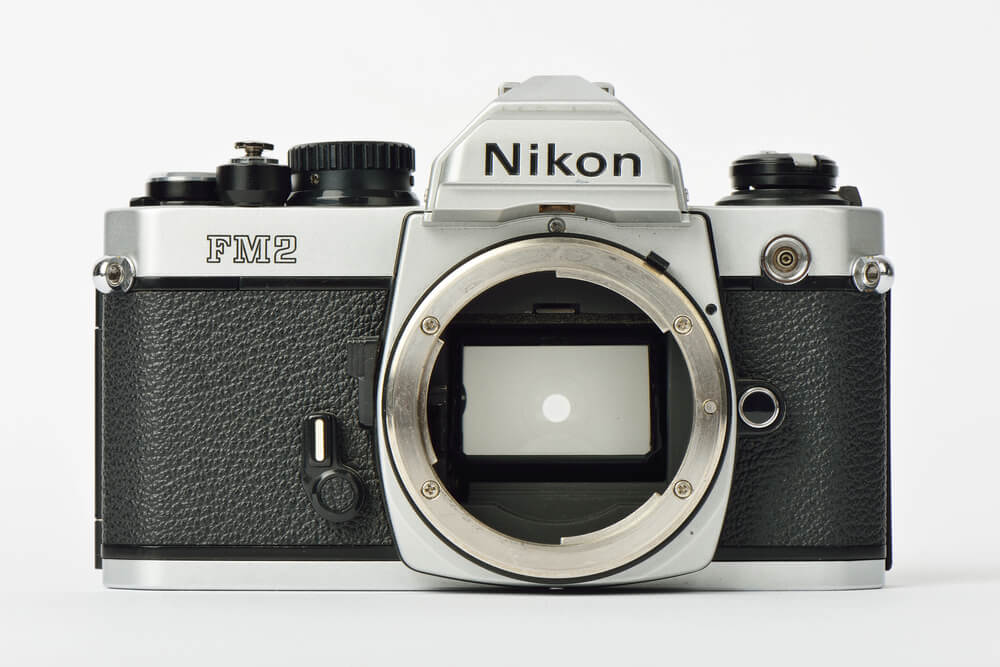
This all-mechanical professional SLR became known for its exceptionally fast flash sync speed and reputation for reliability in demanding shooting conditions. A clean, working body today typically sells for around $400.
Olympus OM-1
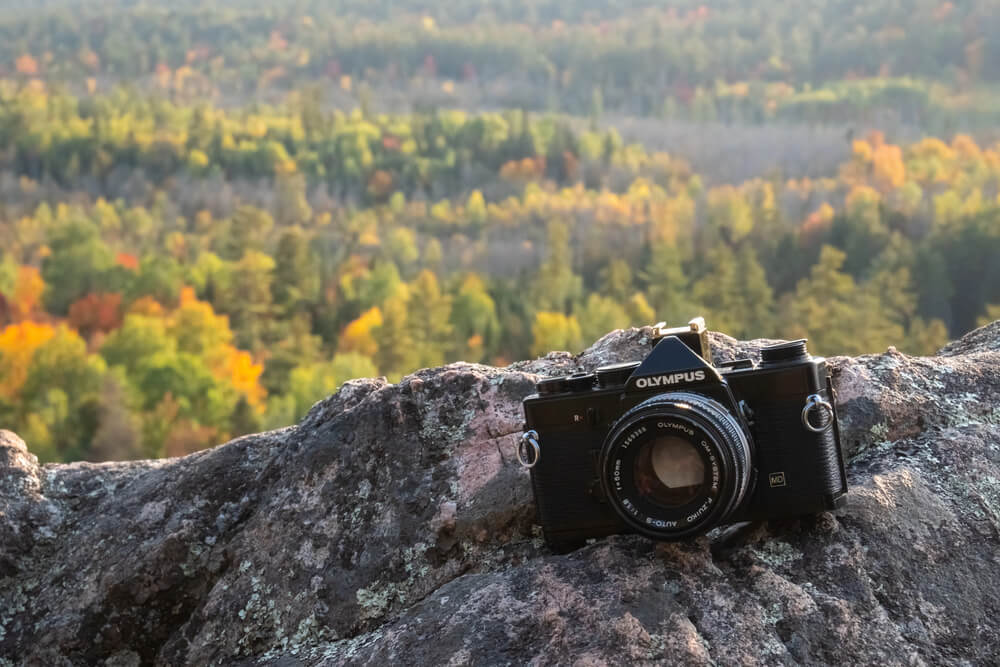
Introduced in 1972, this SLR helped pioneer a new trend toward smaller, more compact camera bodies that influenced competing designs from Pentax and other manufacturers for years afterward. Working examples today typically cluster in the $100 to $140 range alongside other classic SLRs of its era.
Canon Canonet QL17
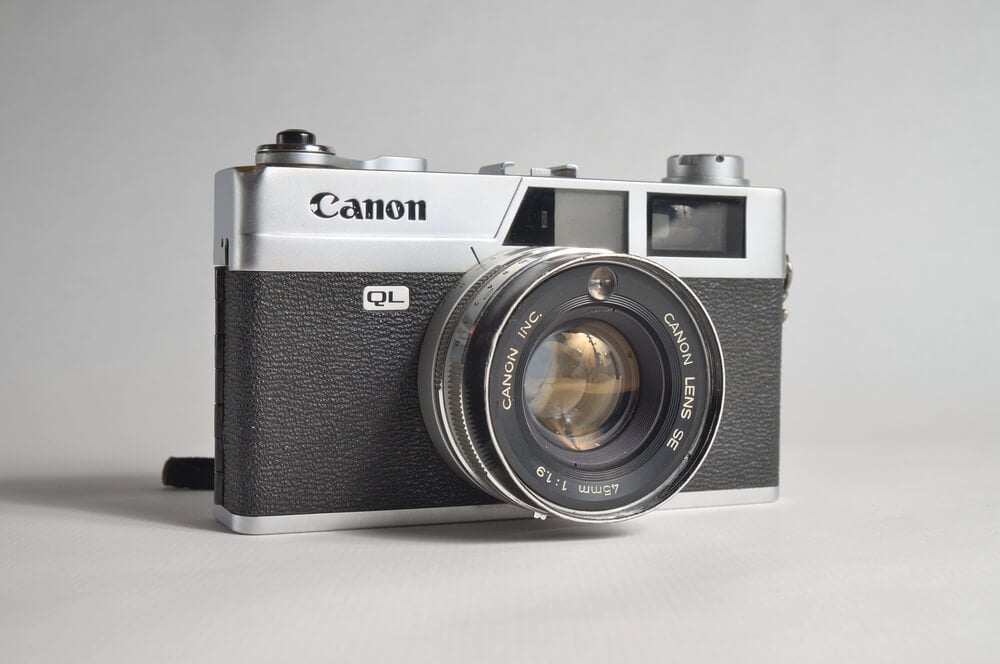
This compact rangefinder was prized for its unusually fast lens and simple, reliable operation, making it a popular everyday carry camera in its era. A working example today typically sells for around $155.
Minolta X-700
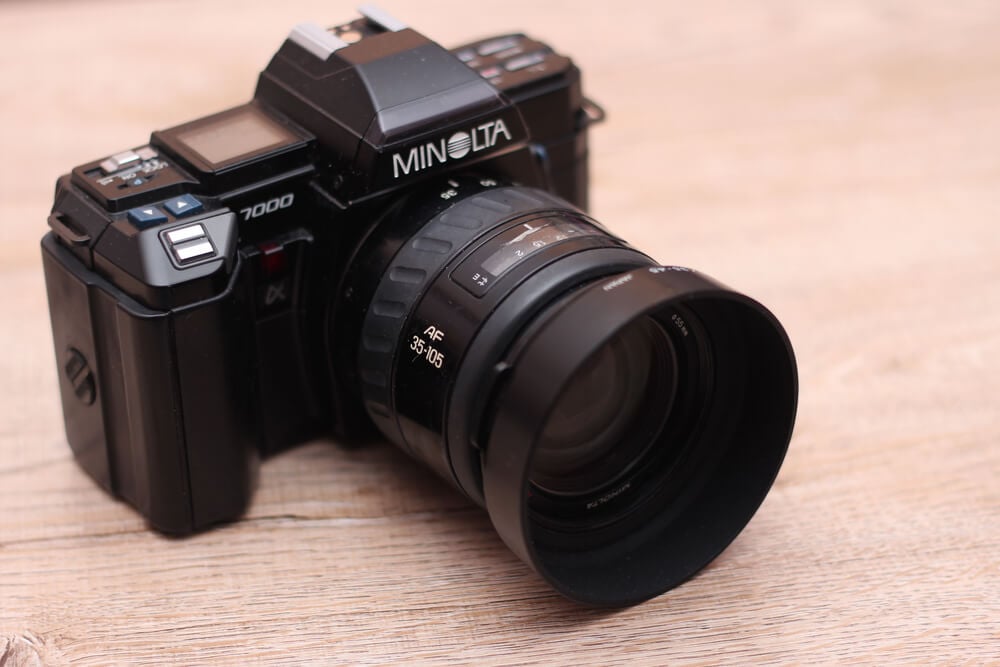
This SLR combined full manual control with an advanced program auto-exposure mode, making it a versatile choice for both serious hobbyists and casual shooters. Working examples today typically sell in the $100 to $140 range.
Polaroid SX-70
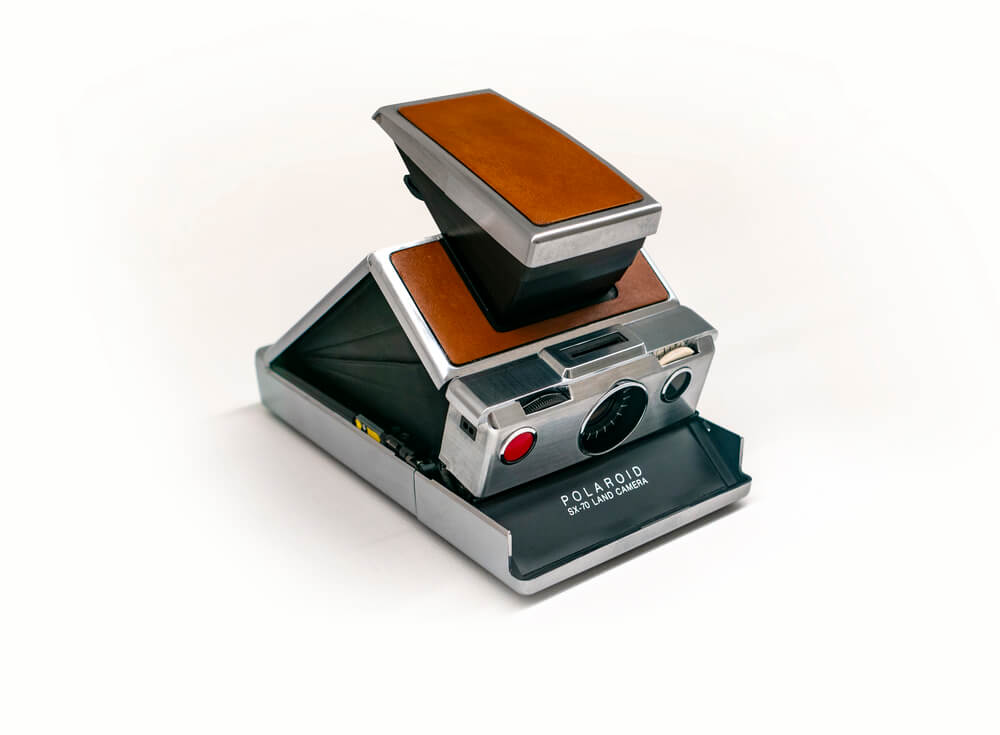
Introduced in 1972, this folding instant camera used a then-groundbreaking self-developing film system that ejected finished prints directly from the camera. A working example today typically sells for around $90, with nostalgia and continued film availability both supporting demand.
Yashica Electro 35
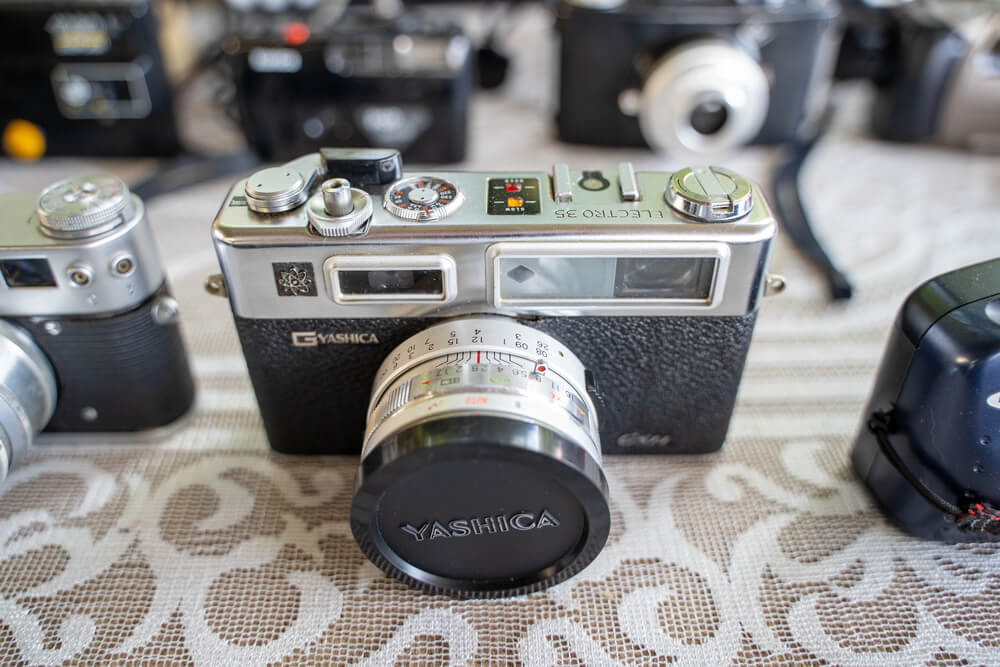
This rangefinder camera was notable for its electronically controlled, stepless shutter, an unusual feature for its era that gave it a reputation for reliable low-light performance. Working examples remain a steady, moderately priced entry point for collectors interested in vintage rangefinders.
Argus C3
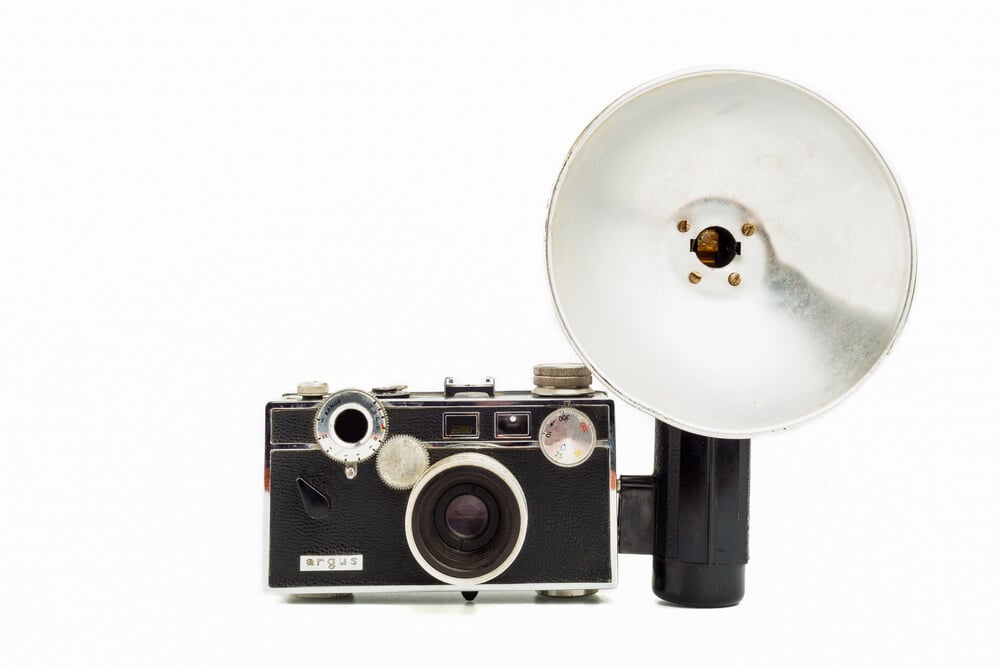
Nicknamed “the brick” for its blocky bakelite housing, this camera was first sold in 1939 and remained in production for decades, becoming one of the most widely used cameras in the United States. A working example today typically sells for around $28 to $40, with rare variants bringing more.
Kodak Brownie
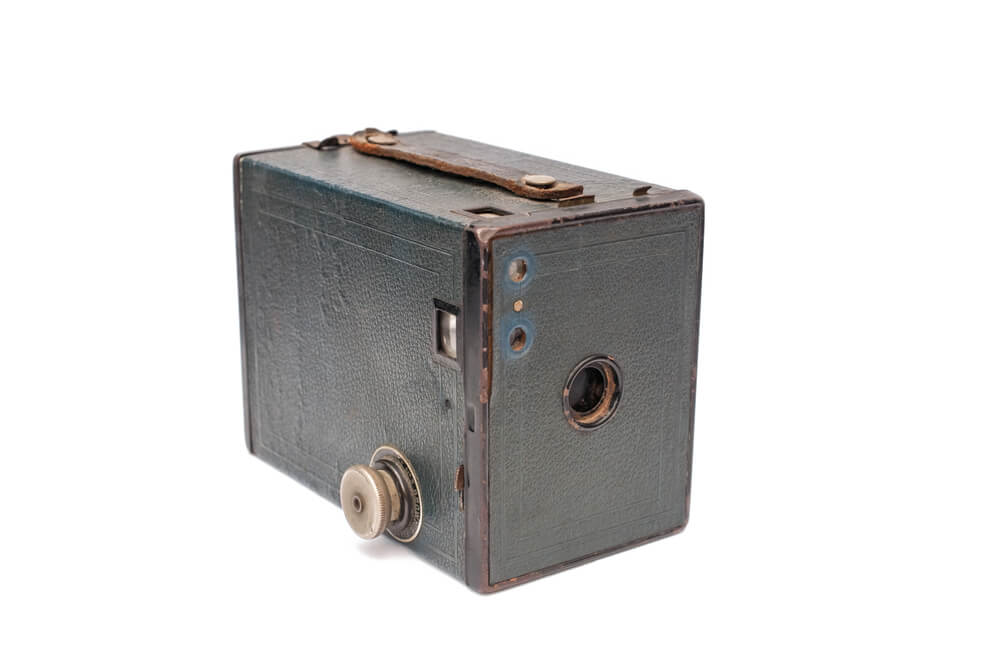
Kodak’s Brownie line introduced simple, affordable photography to a mass consumer audience beginning in the early twentieth century, and different models remained in production for decades afterward. Most common Brownie models sell for around $20 today, since their historical significance outweighs any technical rarity.
Graflex Speed Graphic
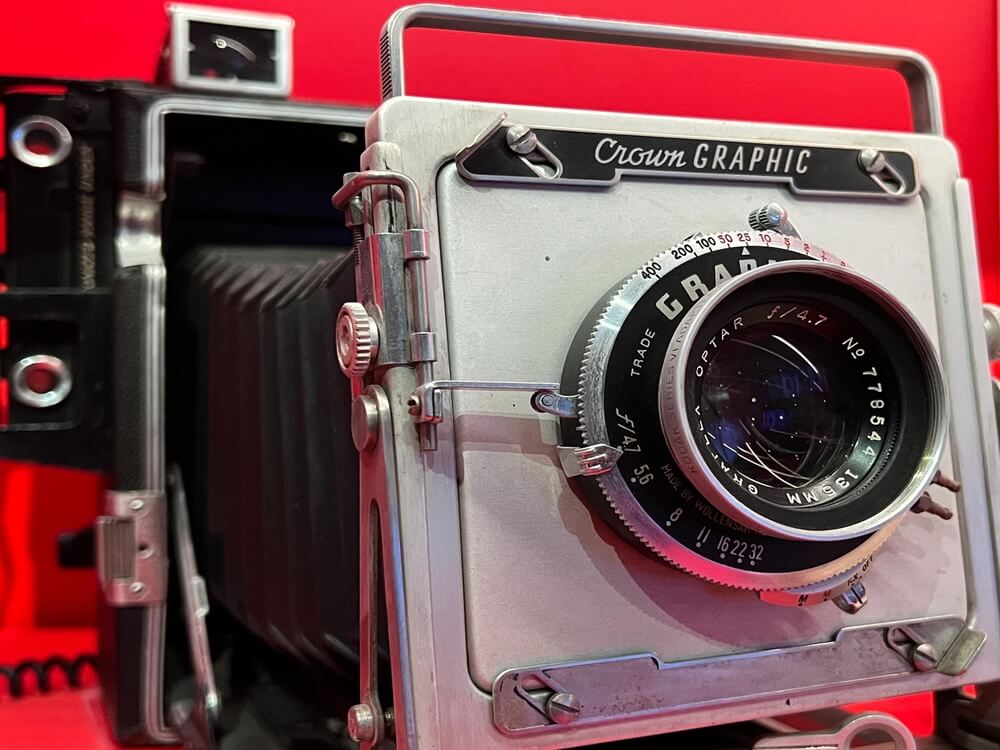
This large-format press camera was the standard tool of newspaper photographers from the 1910s through the 1940s, immediately recognizable from countless vintage newsroom photographs. A working example today often sells for $500 or more, reflecting both its size and its historical prestige.
Rolleiflex Automat
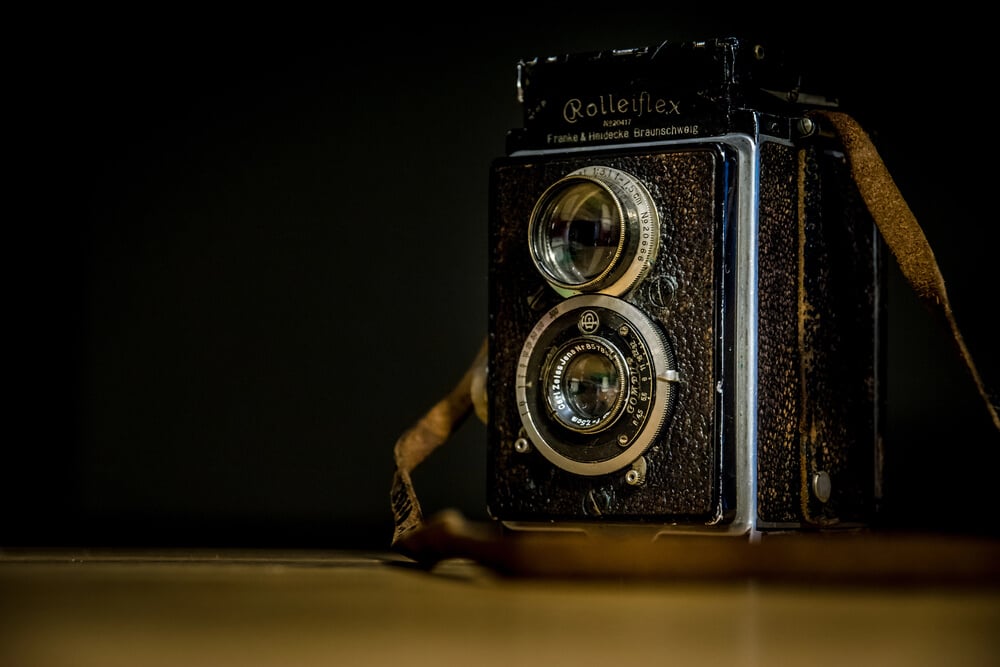
An earlier generation of Rollei’s twin-lens reflex line, this model helped establish the format’s reputation for exceptional image quality decades before the later 2.8F became the line’s best-known version. Prices vary widely based on specific variant and lens condition, generally falling below the flagship 2.8F models.
Leica IIIf
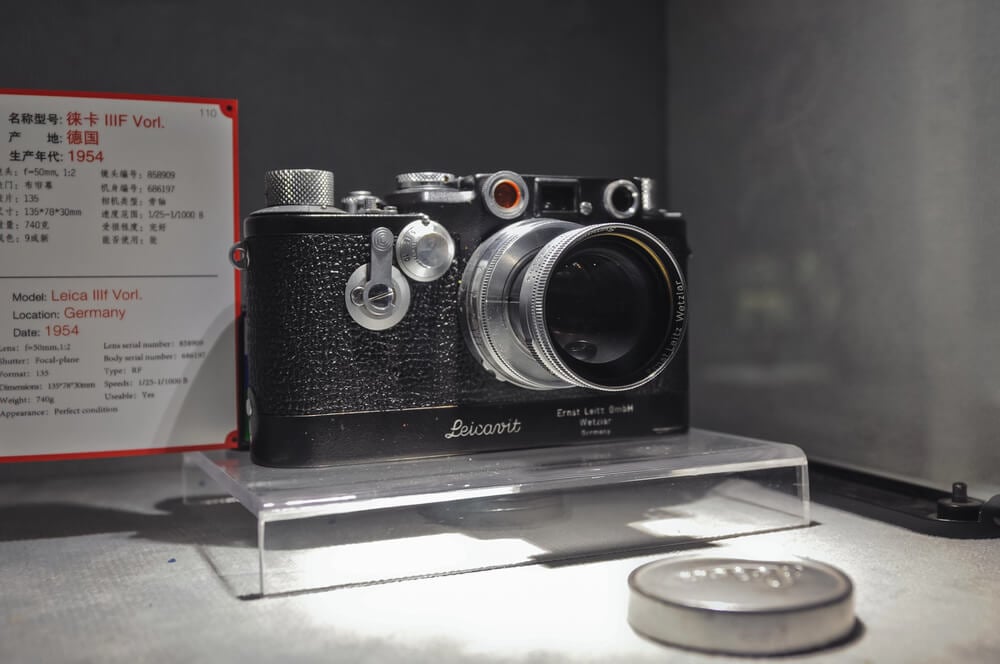
This screw-mount rangefinder represented one of the last major refinements to Leica’s earlier pre-M-series body design before the M3 replaced the entire line. Working examples remain popular with collectors specifically interested in Leica’s screw-mount lens ecosystem, which is generally less expensive than M-mount equivalents.
Nikon SP
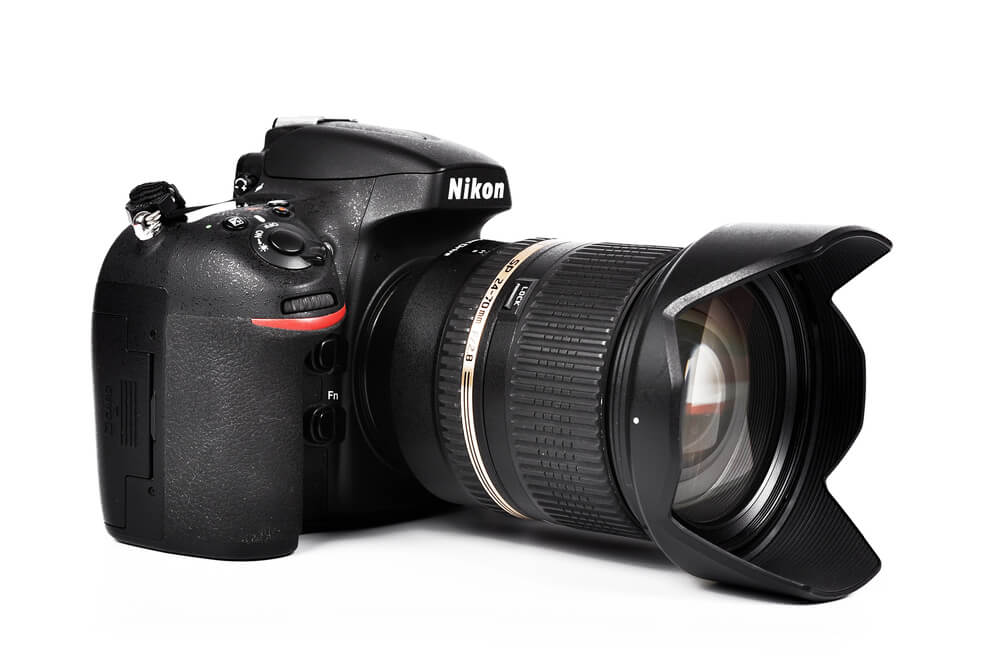
This professional-grade rangefinder was Nikon’s direct competitor to Leica’s M-series cameras and is now considered one of the more valuable vintage Nikon rangefinders on the collector market. Clean, working examples with original lenses command significantly more than Nikon’s later, more common SLR models.
Kodak Retina
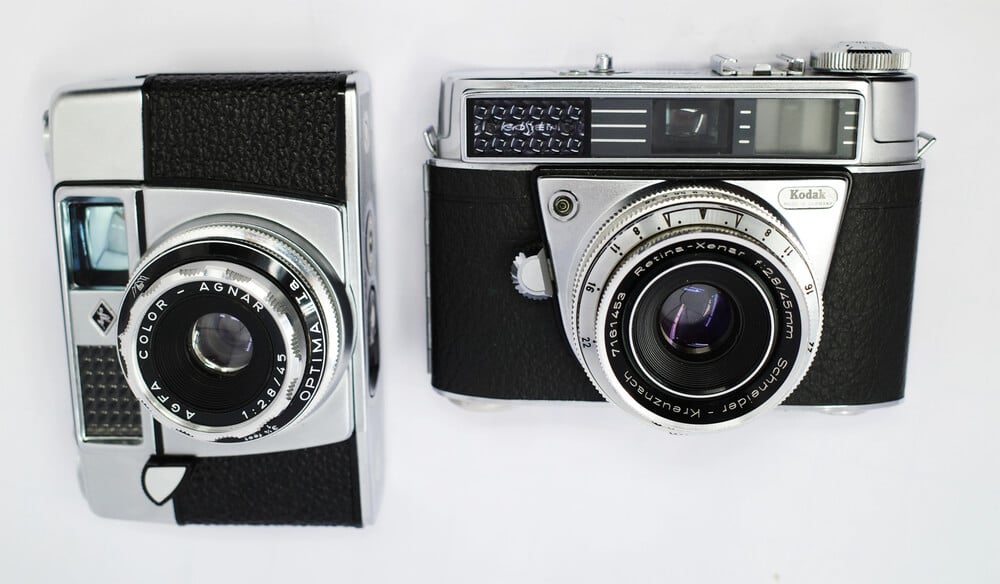
Manufactured by Kodak’s German subsidiary, this line of compact folding cameras combined precision German engineering with the Kodak brand name, an unusual combination in camera history. Condition and specific model variant drive value considerably, with folding mechanisms in working order commanding the strongest prices.
Contax G2
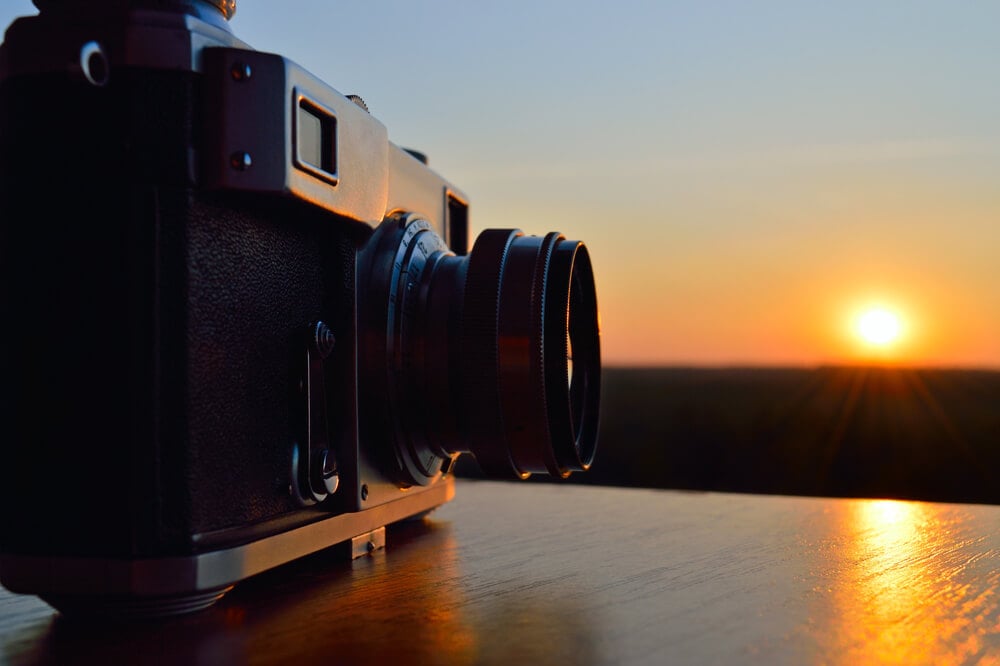
This autofocus rangefinder, produced through a partnership between Zeiss optics and a Japanese manufacturing partner, developed a strong following among photographers wanting rangefinder handling with modern automatic features. It remains one of the pricier autofocus film cameras on the current secondhand market.
Mamiya RB67
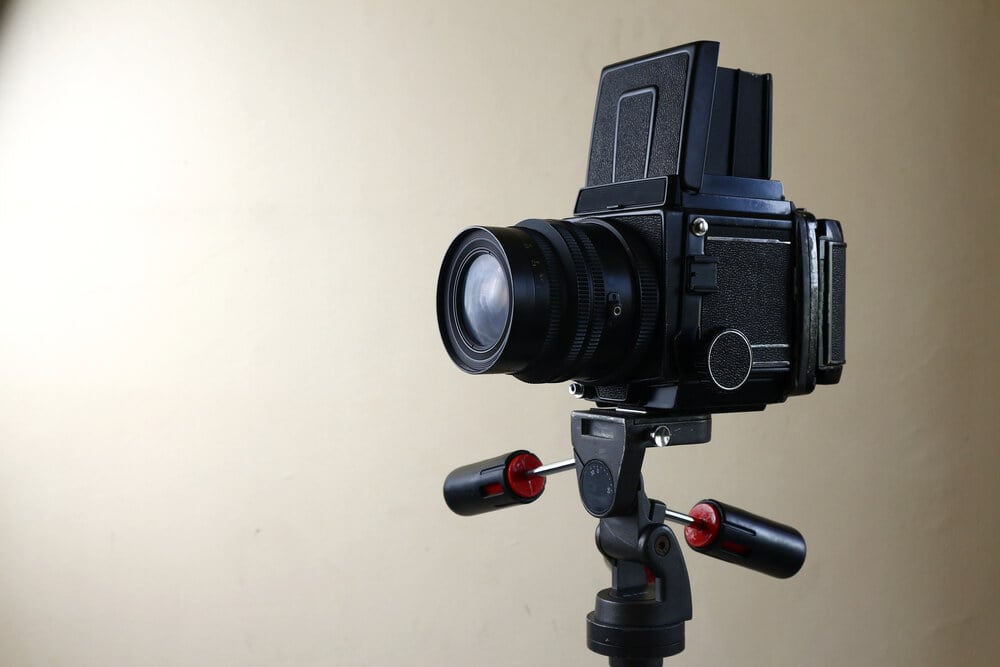
This medium-format SLR was designed primarily for studio work, featuring an unusually large rotating film back that let photographers switch between horizontal and vertical compositions without turning the entire camera. Working kits with a lens and back remain a relatively affordable entry point into medium-format collecting compared with Hasselblad equivalents.
Voigtländer Bessa
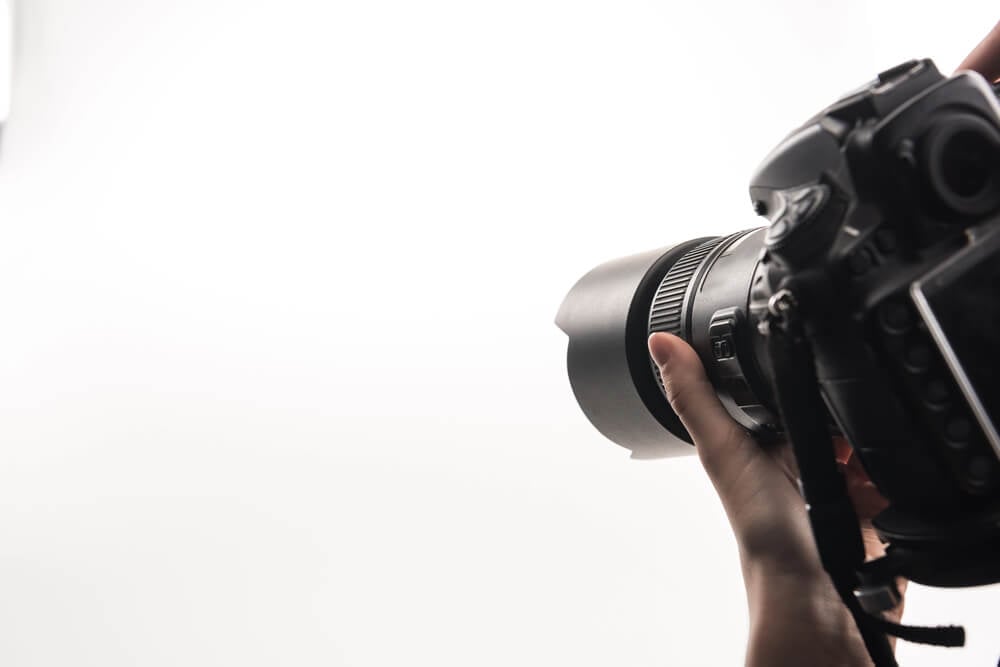
This modern-manufacture rangefinder line was built specifically to accept Leica screw-mount lenses at a fraction of the cost of an original Leica body. It remains popular among photographers who want the rangefinder shooting experience without the premium Leica price tag.
Zeiss Ikon Contax
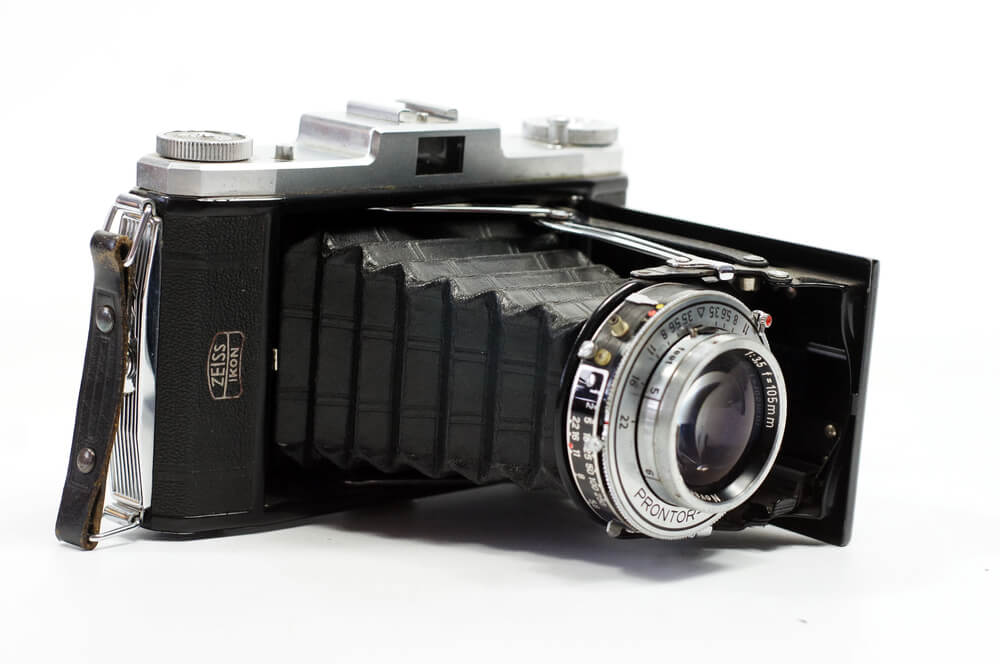
This German rangefinder line, produced before and after World War II under a complicated corporate history split between East and West Germany, is considered a serious rival to vintage Leica bodies among specialist collectors. Values vary enormously depending on the specific era and factory of manufacture.
Rollei 35
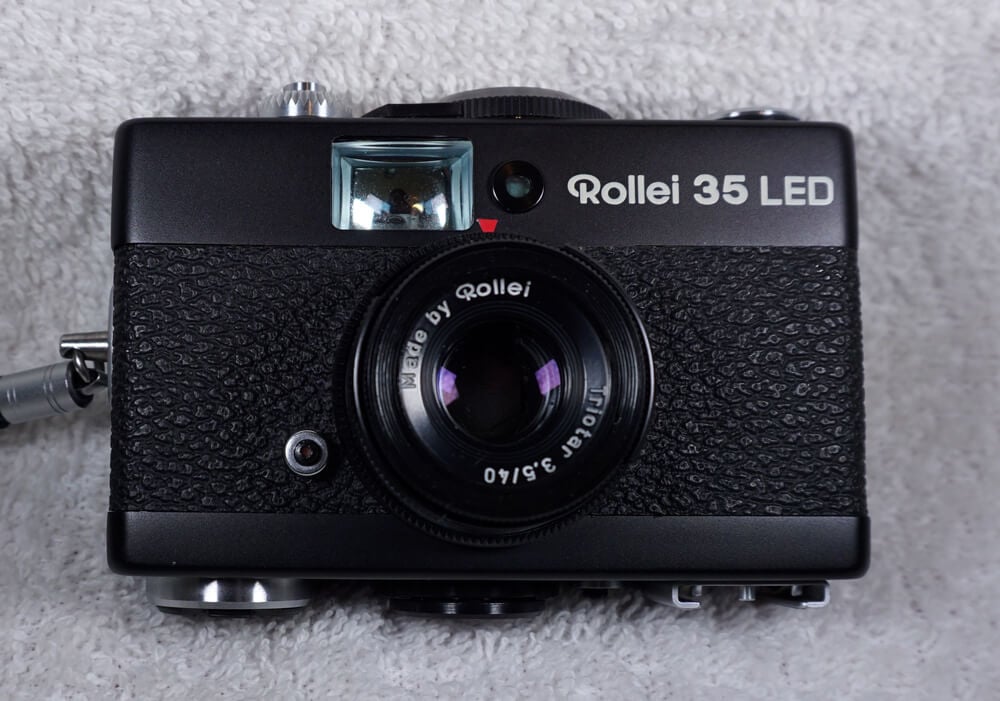
This compact camera packed a full-frame 35mm negative into an unusually small folding body, a genuine engineering achievement for its era. Working examples remain popular with collectors specifically drawn to its pocketable size relative to its full-frame image quality.
Canon F-1
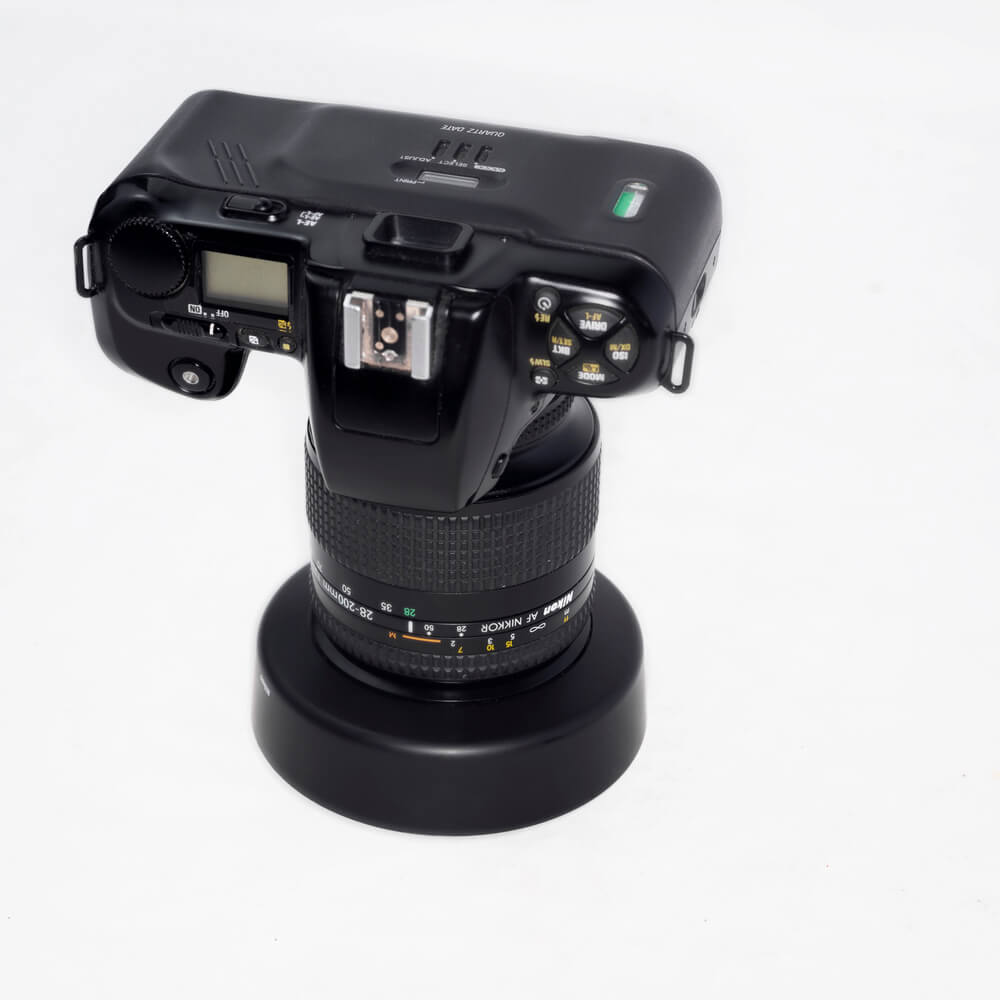
Introduced as Canon’s flagship professional SLR system, this camera was built to compete directly with the Nikon F for professional photojournalism work. Complete working kits with original lenses and accessories command notably more than the body alone.
Nikon L35AF
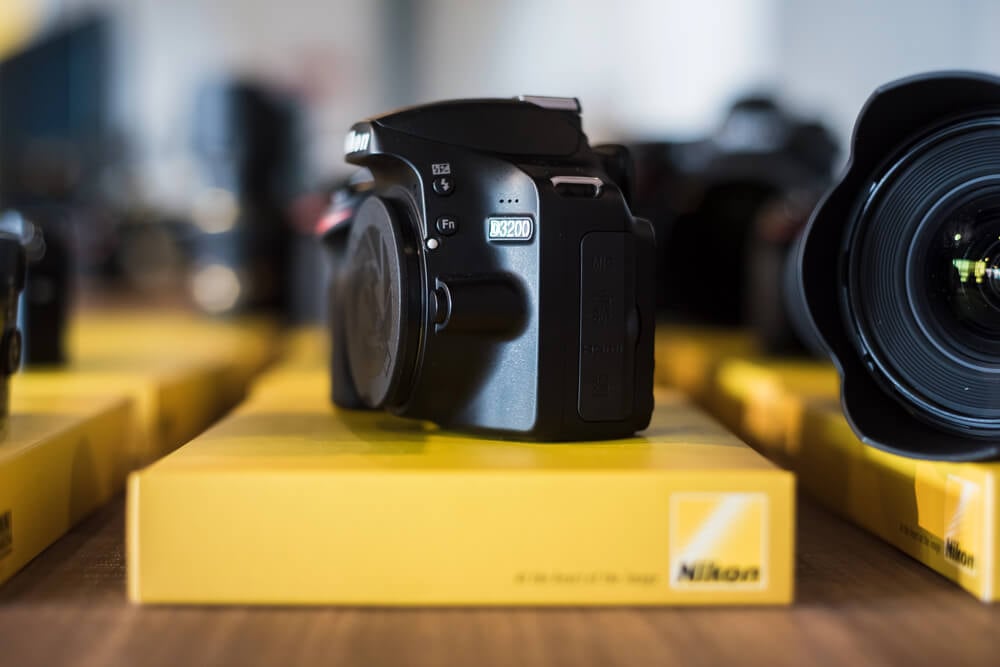
This compact, fully automatic point-and-shoot became an unexpectedly popular entry point for collectors seeking an easy, budget-friendly alternative to increasingly overpriced compact cameras like the Contax T2. Its simple double-A battery operation and reliable 35mm f/2.8 lens have kept demand steady among casual film shooters.
What Actually Drives the Price

Across nearly every camera on this list, the same few factors separate a $20 sale from a four-figure one: whether the shutter actually fires accurately, whether the lens glass is clear and unfogged, and whether the camera includes its original components rather than mismatched replacement parts. A rare model in broken condition is often worth less than a common model that still works perfectly.
None of this means every camera in an attic is a hidden fortune. Most late-1990s plastic point-and-shoots remain genuinely close to worthless, and the six-figure and seven-figure sales belong to a tiny handful of documented rarities rather than anything likely to turn up at a garage sale.
But the broader film revival has put a real floor under the category, which is exactly why it’s worth checking a shelf before assuming an old camera is only good for decoration.
More from Go2Tutors!

- The Romanov Crown Jewels and Their Tragic Fate
- 13 Historical Mysteries That Science Still Can’t Solve
- Famous Hoaxes That Fooled the World for Years
- 15 Child Stars with Tragic Adult Lives
- 16 Famous Jewelry Pieces in History
Like Go2Tutors’s content? Follow us on MSN.



