31 Recipes From a Century Ago People Still Make
Long before food blogs and cooking shows, home cooks were passing down dishes by handwritten card and word of mouth. Many of those recipes never left the rotation — they just got better tools to make them with.
Here are 31 dishes that were already old-fashioned favorites a hundred years ago and are still landing on plates today.
Oysters Rockefeller
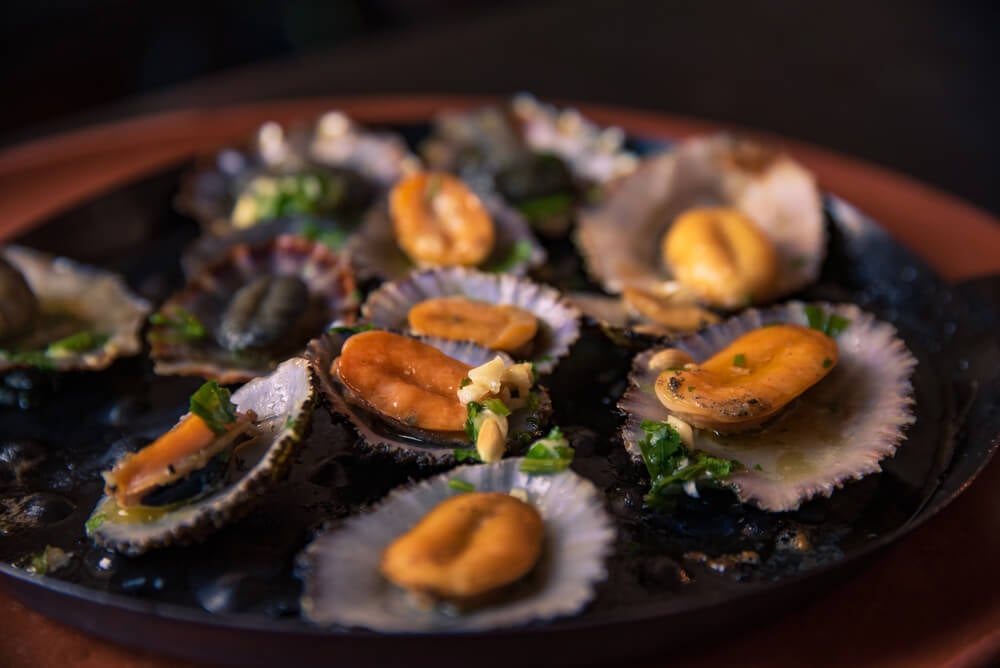
Created in 1899 at Antoine’s Restaurant in New Orleans, this baked dish of oysters topped with a rich green sauce of herbs and butter was so decadent that chef Jules Alciatore reportedly named it after John D. Rockefeller, the richest man in America at the time. The exact recipe remains a closely guarded restaurant secret to this day.
It still appears on special-occasion menus more than a century later, usually served on a bed of rock salt to keep the shells upright.
Baked Alaska
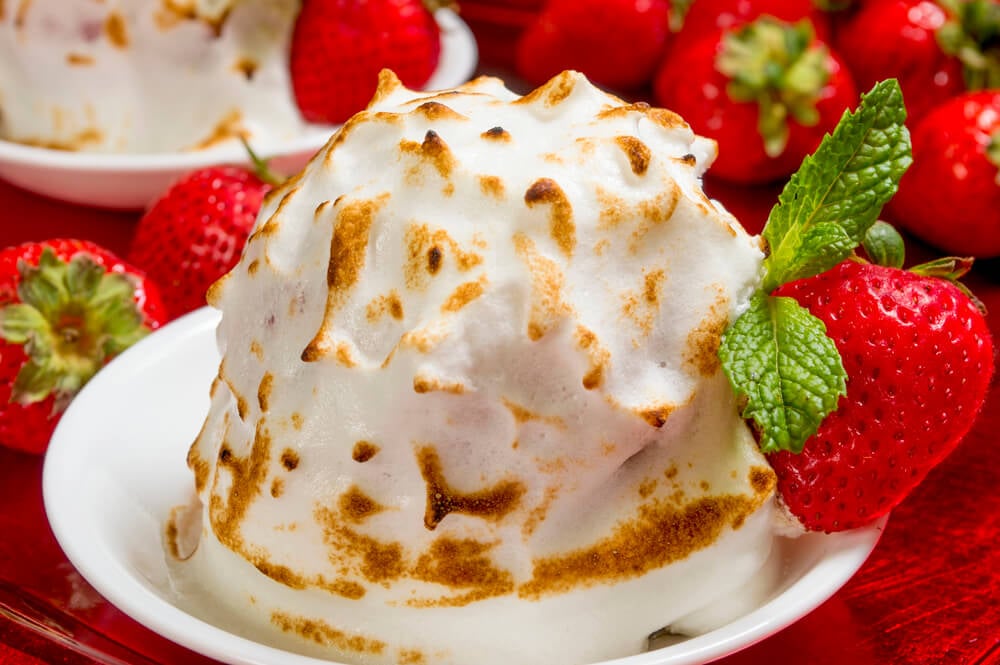
This showstopper of ice cream and cake enclosed in toasted meringue dates to 1876, when Delmonico’s in New York introduced it to celebrate the purchase of Alaska from Russia. The trick — insulating frozen ice cream inside hot meringue long enough to brown it without melting — relies on air pockets in the beaten egg whites acting as insulation.
Home cooks still torch or broil versions of it for birthdays.
Peach Melba
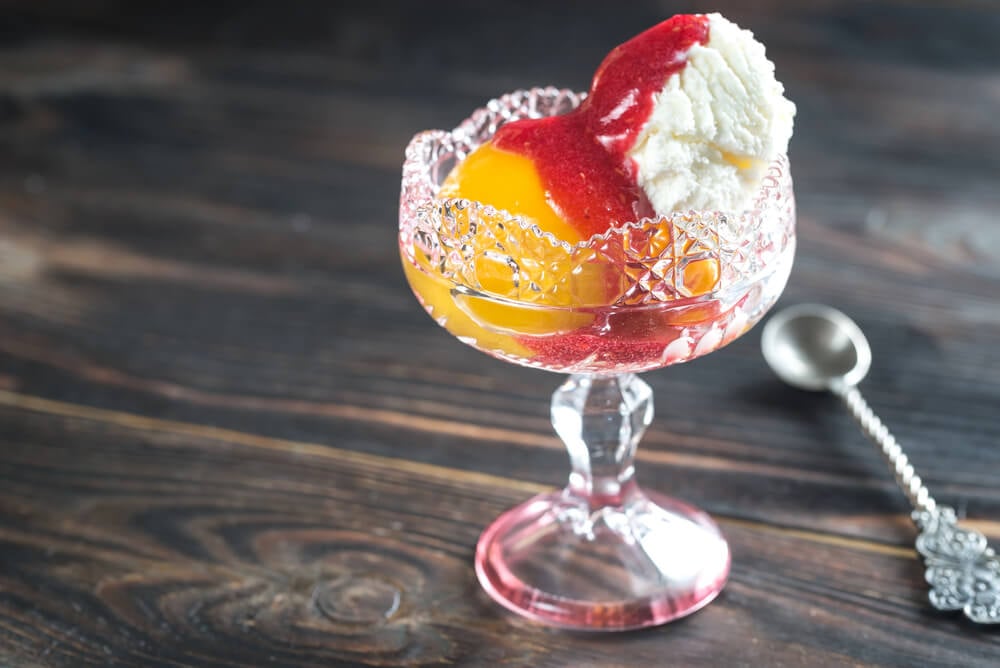
French chef Auguste Escoffier invented this combination of poached peaches, vanilla ice cream, and raspberry sauce in the early 1890s to honor Australian opera singer Nellie Melba. It was originally served in an ice sculpture shaped like a swan, a detail modern versions understandably skip.
The peach-and-raspberry pairing remains a summer dessert staple.
Vichyssoise
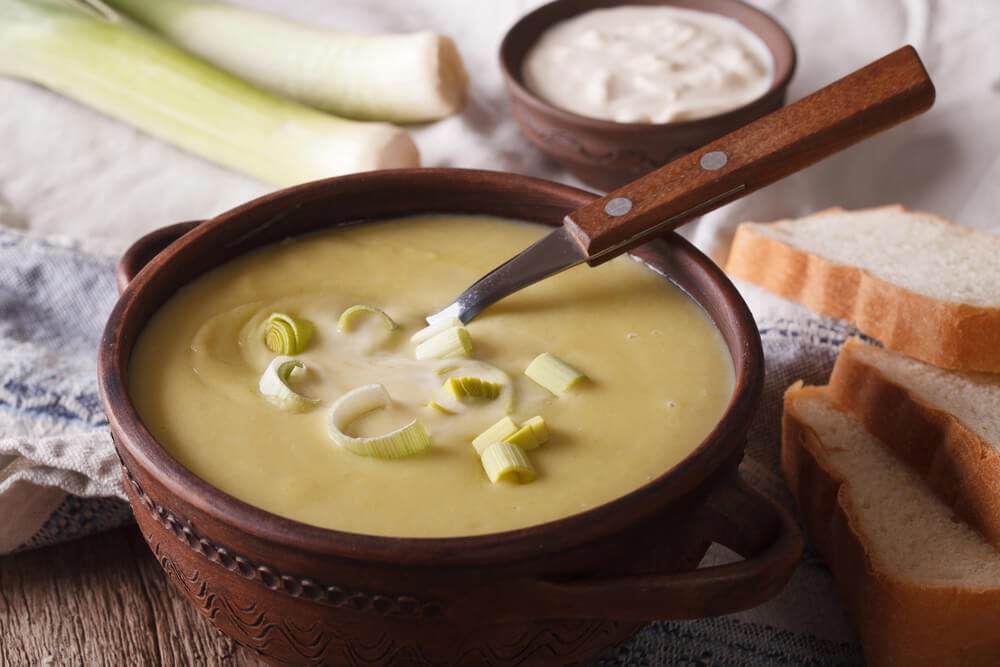
Chef Louis Diat created this chilled potato and leek soup in 1917 while working at the Ritz-Carlton in New York, basing it on a hot soup his mother made in his childhood home near Vichy, France. Served cold with a swirl of cream and chives, it was considered a novelty at the time since most soups were served hot.
It remains a fixture of summer dinner parties.
Waldorf Salad
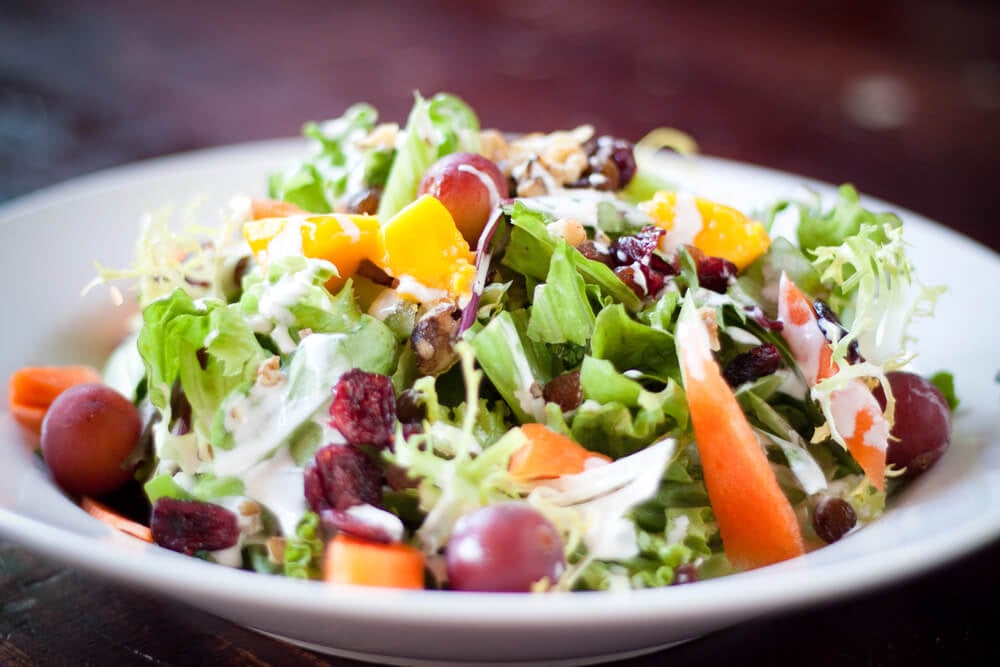
Maître d’hôtel Oscar Tschirky created this mix of apples, celery, and mayonnaise at the Waldorf-Astoria Hotel in 1896, and the original version famously contained no nuts at all. Walnuts were added later by other cooks and eventually became standard.
It remains a holiday potluck regular nearly 130 years on.
Welsh Rarebit
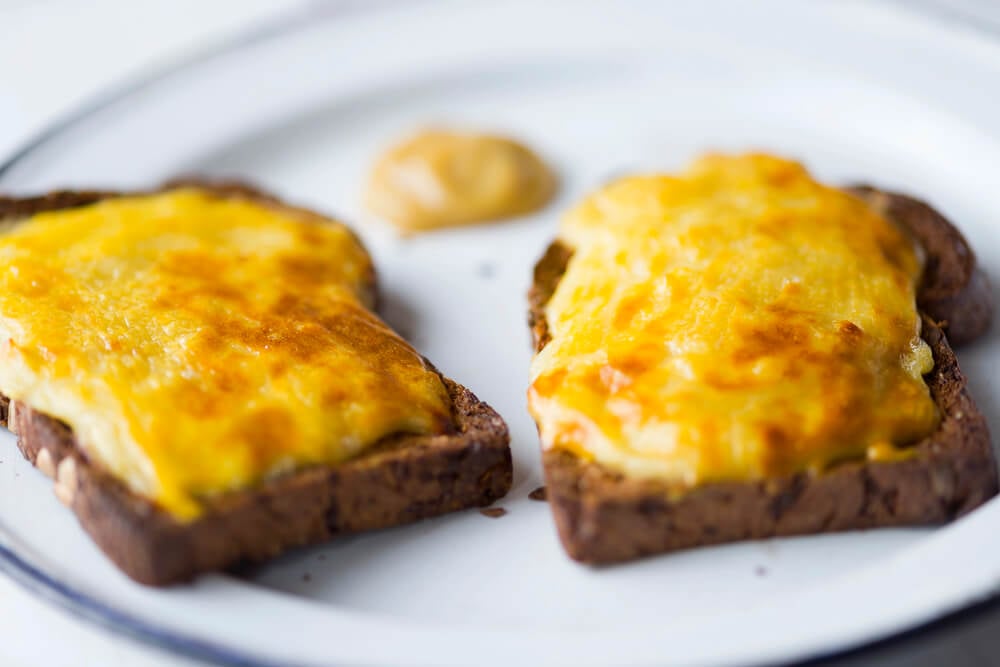
This savory sauce of melted cheese, ale, and mustard poured over toast has roots in 18th-century Britain but became a popular late-night restaurant order in American cities during the 1910s and 1920s. Despite the name, it contains no rabbit; the dish was originally a joke about a cheap substitute for meat.
Diners and pubs still serve it as a rich, quick supper.
Eggs Benedict
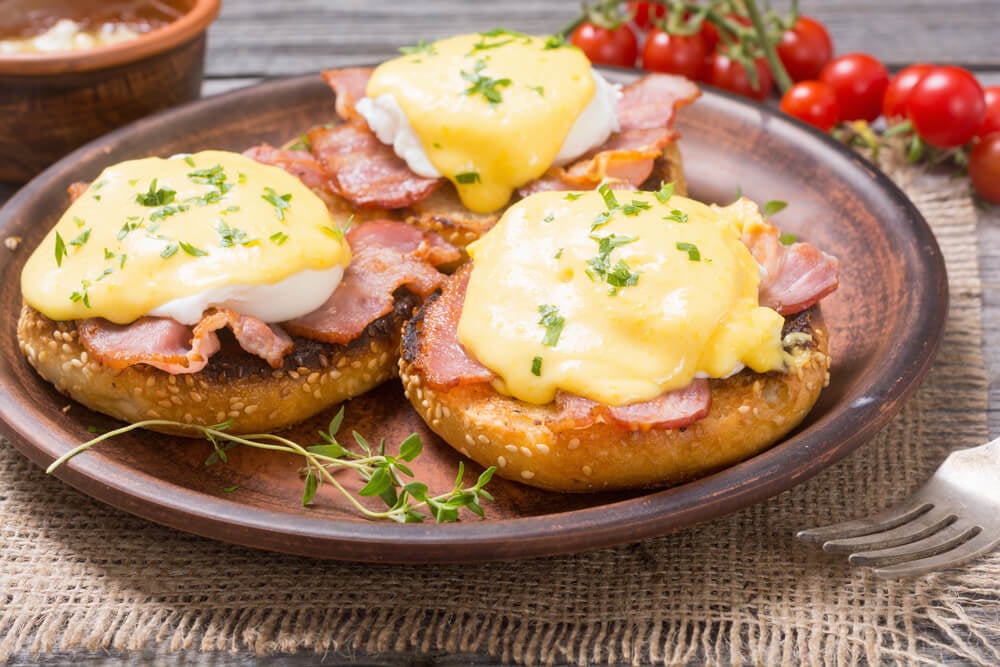
Multiple origin stories place this dish’s invention in New York in the 1890s, with Delmonico’s and the Waldorf Hotel each claiming credit for the poached eggs, ham, and hollandaise sauce served over an English muffin. Whichever story is true, the dish became a brunch fixture by the 1920s.
It remains one of the most ordered brunch items in the country.
Chicken à la King
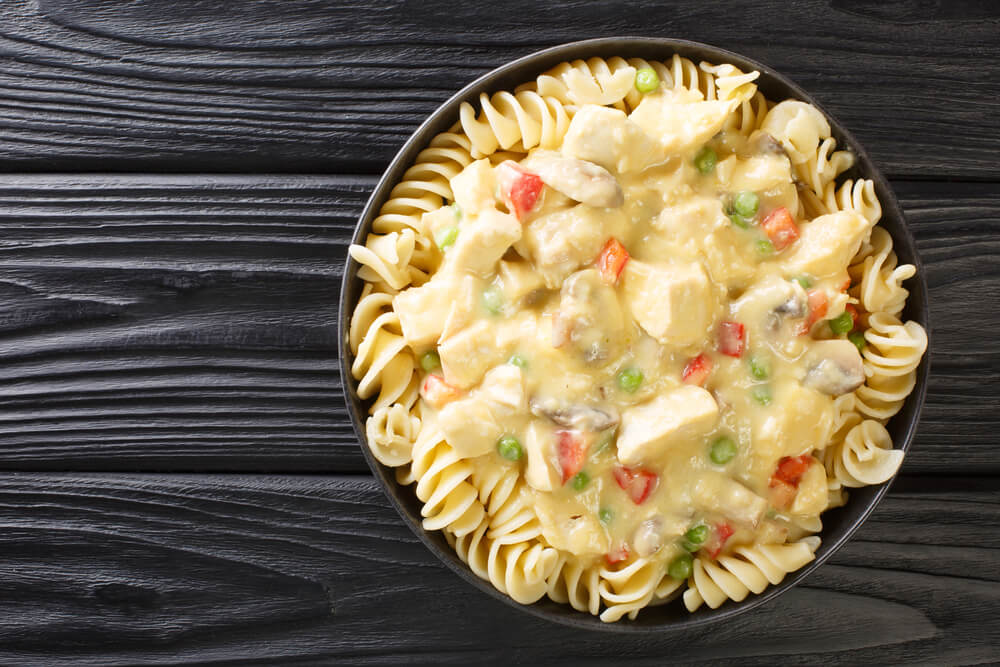
This creamy dish of chicken in a sauce of mushrooms, peppers, and sherry over toast or rice became a hotel-dining staple in the early 1900s, with several New York restaurants claiming to have invented it. It was considered an elegant, modern dish at the time, a step up from plain roast chicken.
Diners and church potlucks still serve versions of it today.
Consommé Madrilène
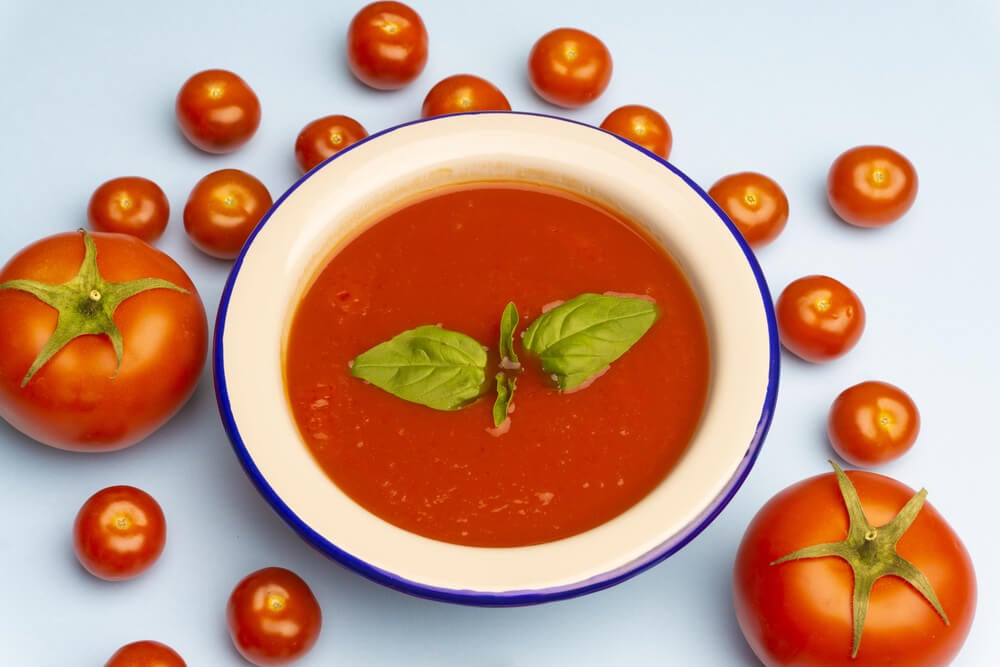
This clarified tomato-flavored broth, served either hot or chilled and jellied, was a standard opening course at formal American dinners in the 1910s and 1920s. Making a truly clear consommé required straining stock through an egg-white raft, a technique still taught in culinary schools.
Chilled jellied consommé still appears on old-school steakhouse menus.
Lobster Thermidor
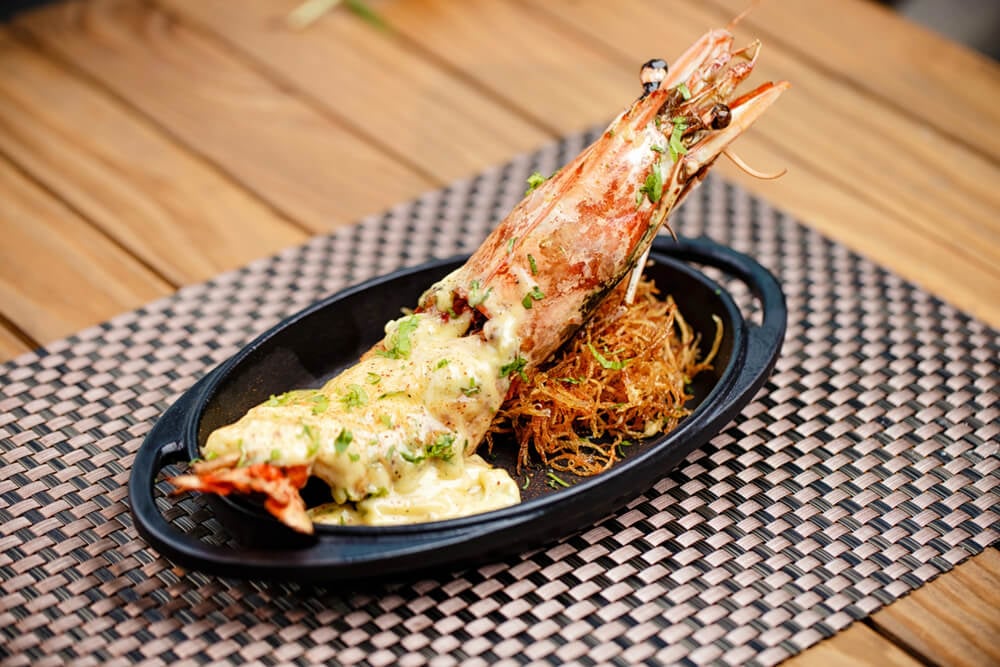
Named after a play that debuted in Paris in 1891, this dish of lobster meat in a creamy brandy sauce, stuffed back into the shell and broiled, quickly crossed the Atlantic and became a fixture of fine American dining rooms. Its theatrical presentation made it a favorite for celebratory dinners.
It’s still a special-occasion order at seafood restaurants.
Deviled Eggs
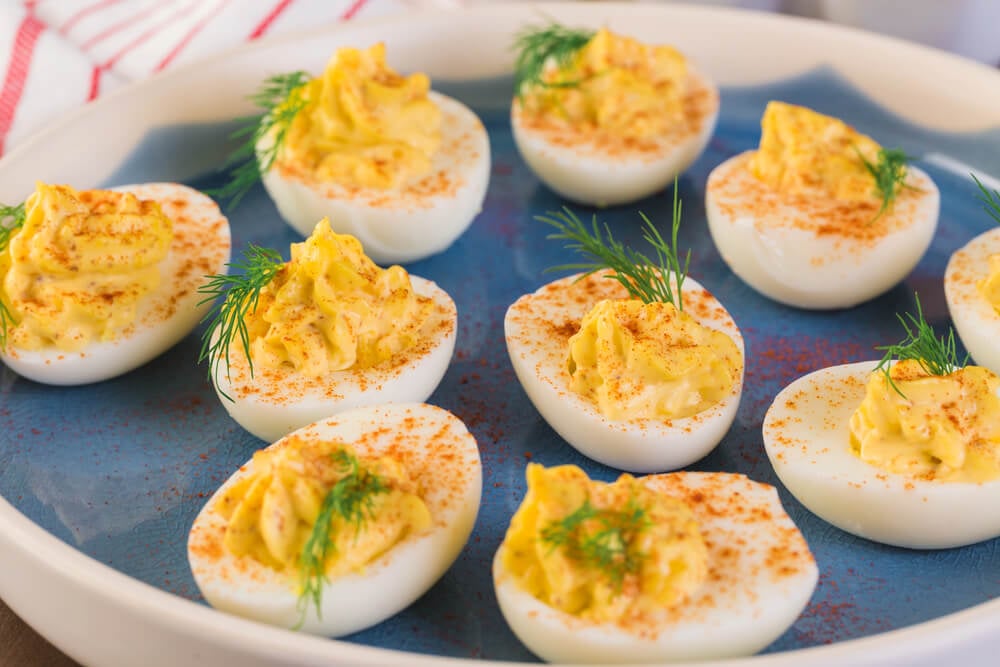
Stuffed and seasoned eggs date back centuries, but the version Americans know — yolks mashed with mustard and mayonnaise and piped back into the whites — became a fixture of church suppers and picnics by the early 1900s. Specialized deviled-egg trays for carrying them to gatherings were already being sold by the 1920s.
They remain a potluck standard.
Tomato Aspic
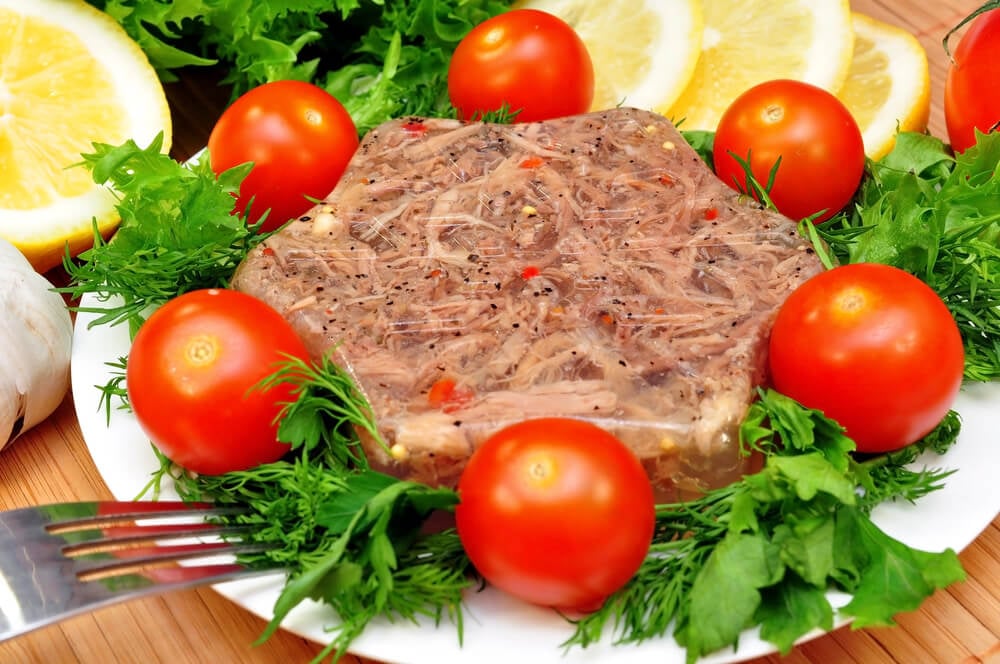
This molded gelatin salad made from tomato juice, seasonings, and sometimes vegetables suspended inside it was a fashionable dinner-party dish in the 1910s and 1920s, when gelatin molds were considered the height of modern entertaining. Some Southern households still serve it as a side at holiday meals.
It’s one of the few molded gelatin dishes to have survived the style’s broader decline.
Angel Food Cake
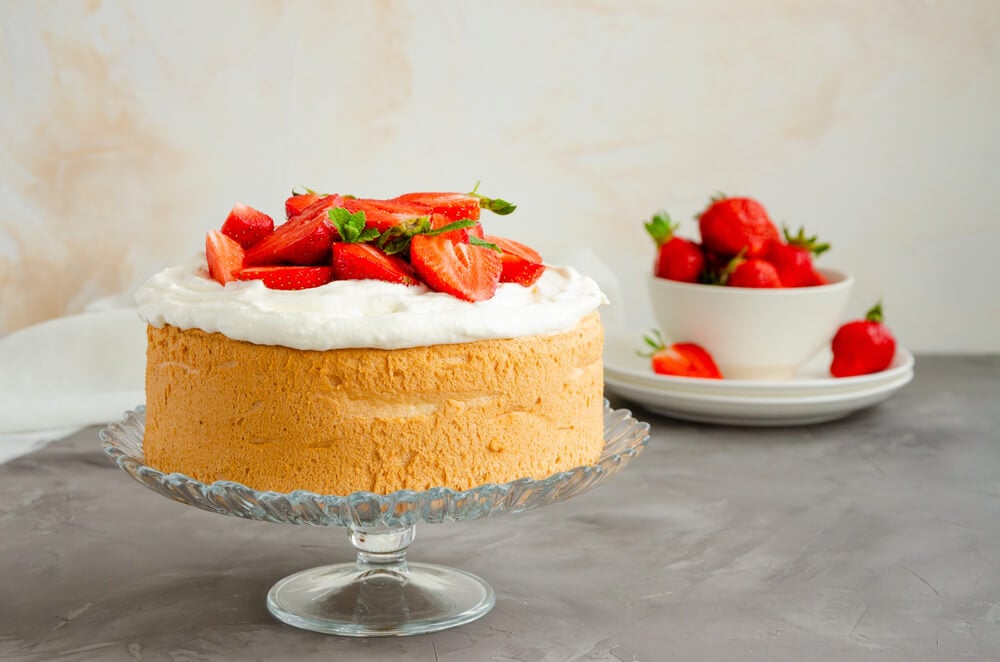
This airy cake made entirely from whipped egg whites, sugar, and flour with no fat became widely popular once tube pans designed specifically for it were mass-produced in the early 1900s. Its pale color and delicate texture made it a prized contrast to the era’s heavier layer cakes.
It’s still a go-to for strawberry shortcake and light summer desserts.
Devil’s Food Cake
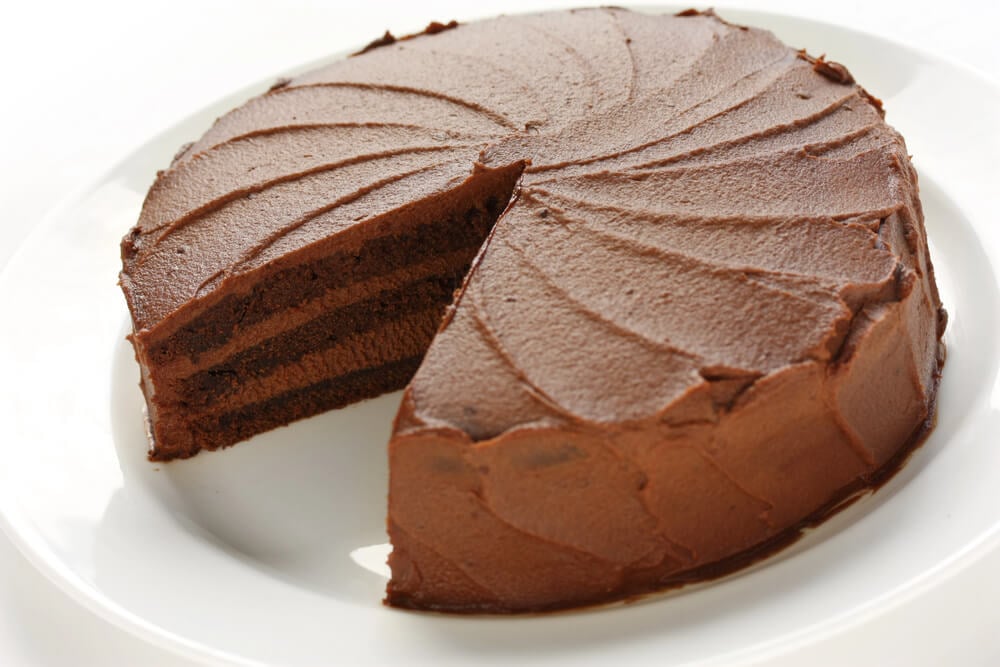
The rich, dark counterpart to angel food cake, this cocoa-based cake became popular in American cookbooks around 1905, its name playing directly off its airy rival. Recipes from the era often called for boiled frosting rather than the buttercream used today.
It remains one of the most requested birthday cake flavors.
Boston Cream Pie
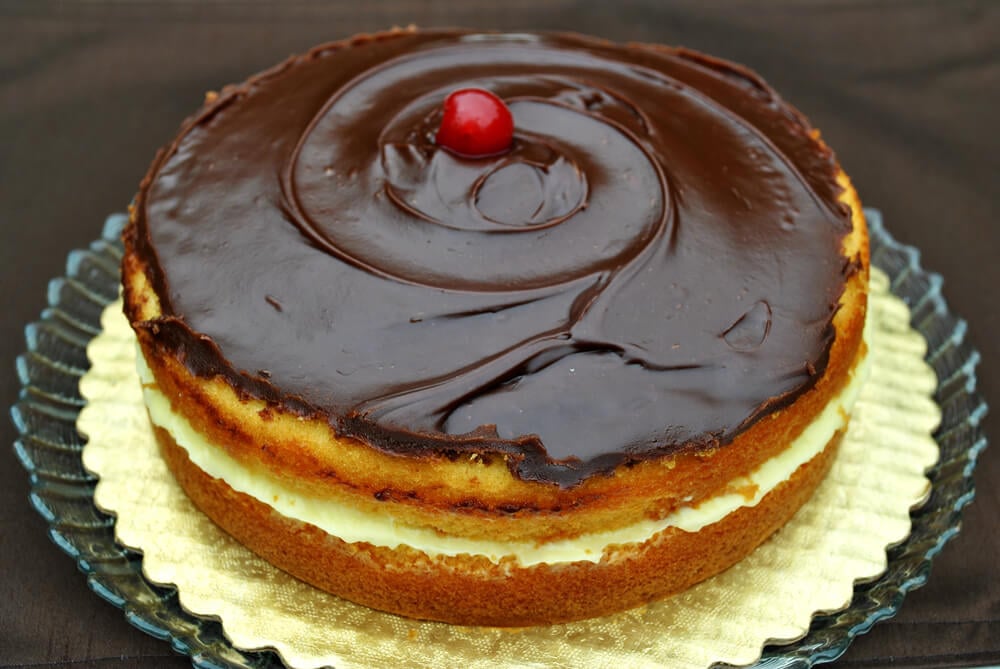
Despite the name, this is a cake — sponge layers filled with pastry cream and topped with chocolate glaze — that was already a New England institution by the late 1800s and remained a staple dessert menu item through the early 20th century. It became Massachusetts’s official state dessert in 1996 in recognition of its long history.
Bakeries across the country still make it largely unchanged.
Ambrosia Salad
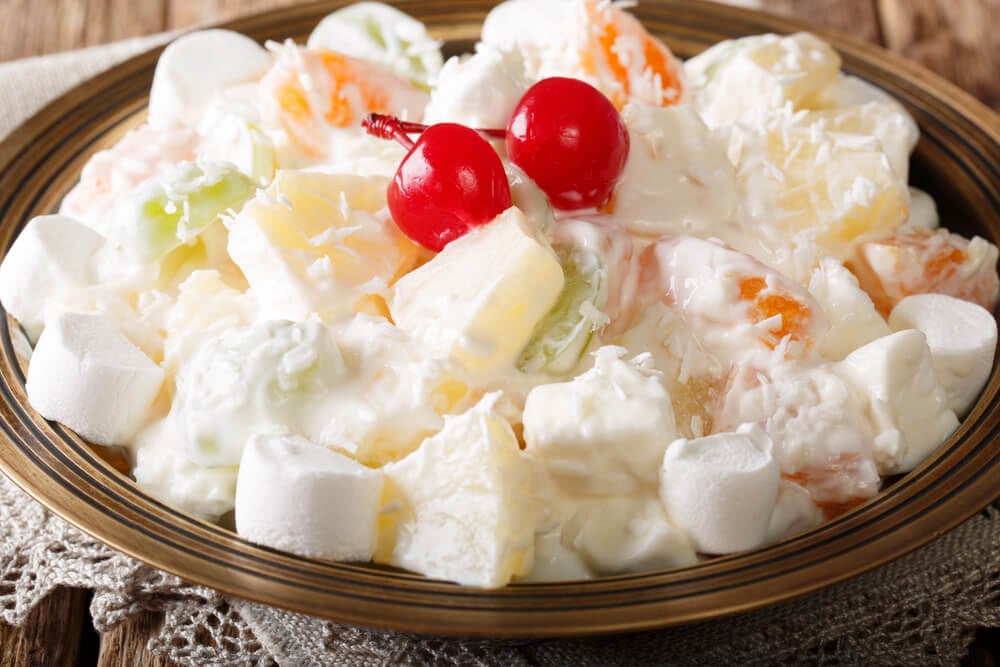
This mix of citrus, coconut, and marshmallow became a fixture of Southern tables in the early 1900s once canned pineapple and shredded coconut became widely available in grocery stores. Recipes varied by household, but the citrus-and-coconut combination stayed constant.
It remains a holiday-table regular in much of the South.
Salisbury Steak
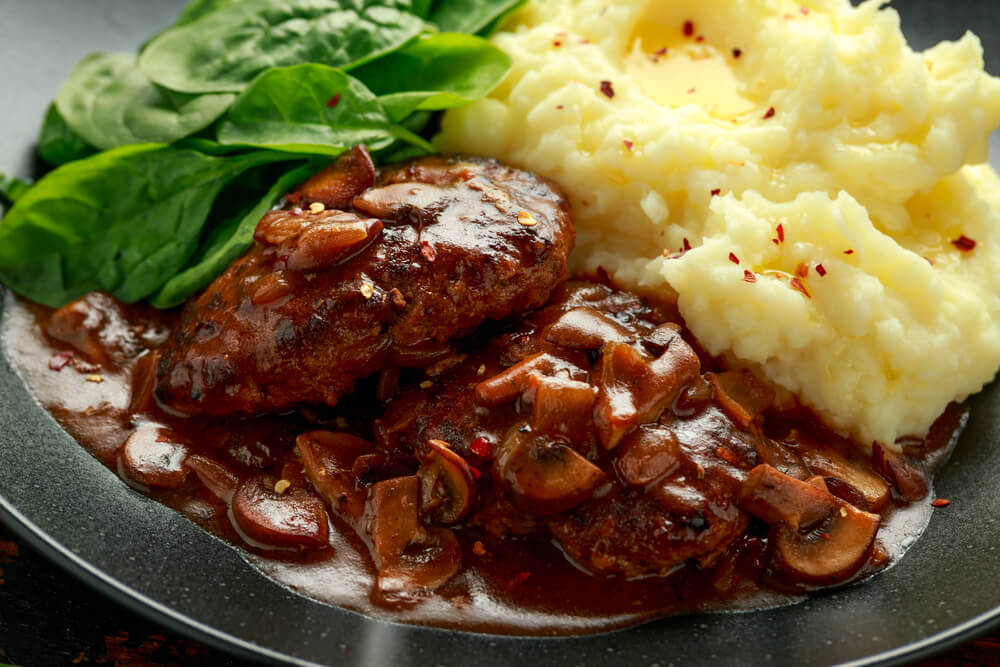
Named after Dr. James Salisbury, a 19th-century physician who promoted ground beef patties as a health food, this dish of seasoned beef patties in brown gravy became a diner and home-cooking staple by the 1910s. It later became a frozen-dinner icon in the mid-20th century.
Home cooks still make it as a comfort-food dinner.
Beef Stroganoff
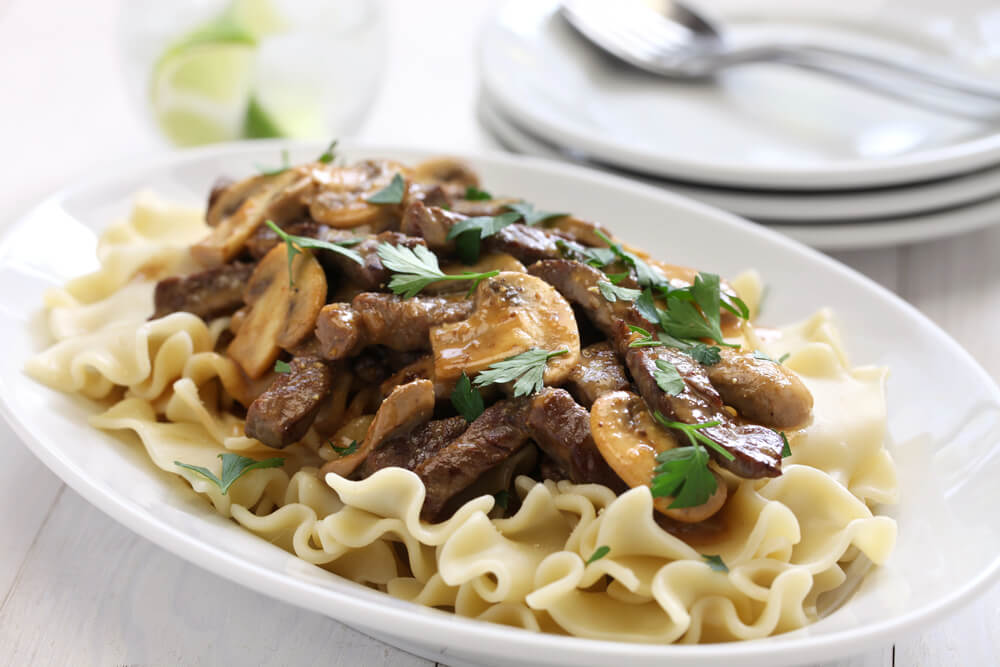
Brought to the United States by Russian émigrés in the early 20th century, this dish of sautéed beef strips in a sour cream sauce became a popular dinner-party entrée by the 1930s after appearing in American cookbooks. Its creamy sauce made it feel far more sophisticated than an ordinary beef dinner.
It remains a familiar noodle-topped weeknight meal.
Chicken Pot Pie
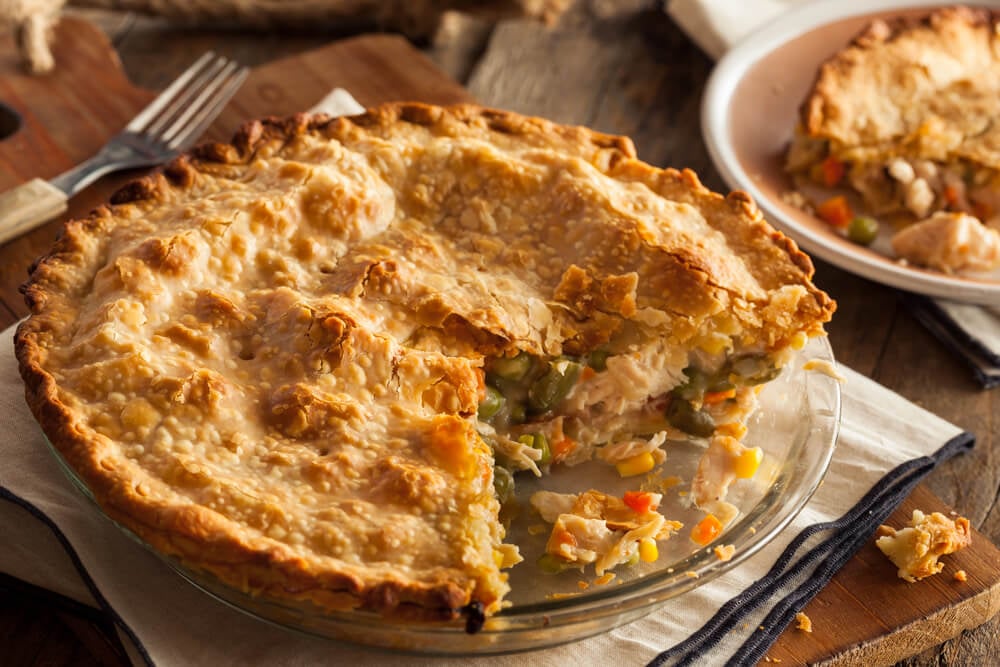
Savory meat pies have existed for centuries, but the American chicken pot pie — a top-crusted, single-serving dish filled with chicken and vegetables in gravy — became a standardized home recipe in the early 1900s as cast-iron and ceramic individual pie dishes became common kitchen items. It remains one of the most enduring cold-weather comfort dishes.
Shepherd’s Pie
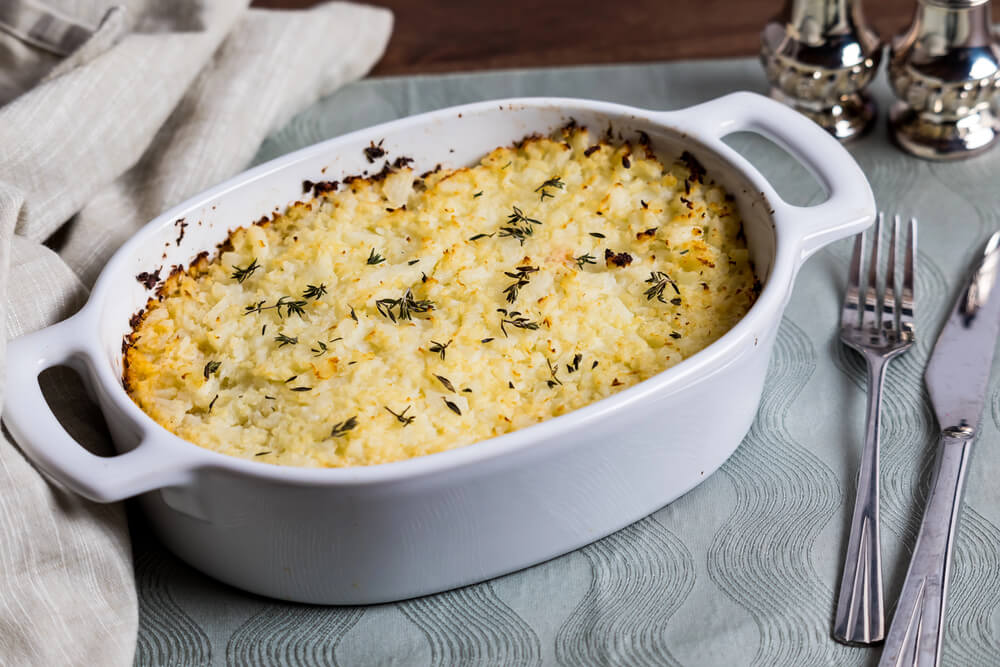
This layered dish of seasoned meat topped with mashed potatoes became a practical way to use leftovers in American and British kitchens by the early 20th century, with the “shepherd’s” name specifically referring to versions made with lamb rather than beef. Its economical use of leftovers made it a household staple during lean years.
It’s still a cold-weather dinner regular.
Corned Beef and Cabbage
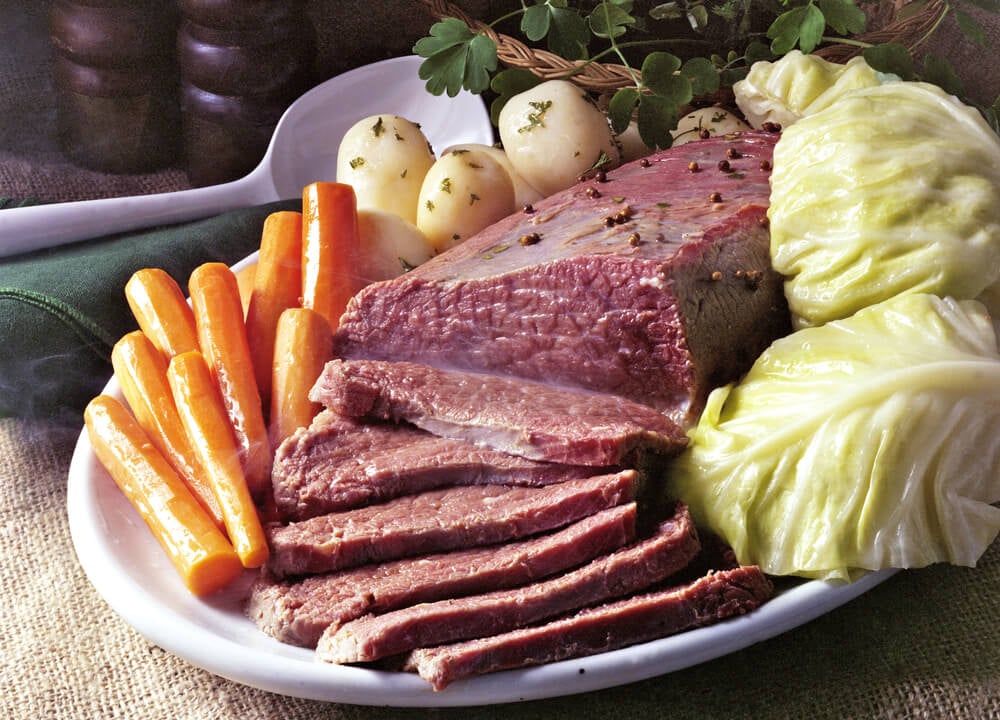
Irish immigrant communities in American cities popularized this dish by substituting corned beef, which was cheaper and more available than the bacon used in Ireland, sometime in the late 1800s and early 1900s. It became especially associated with Saint Patrick’s Day celebrations in the United States rather than in Ireland itself.
It remains the centerpiece of that holiday’s table in many households.
Macaroni and Cheese
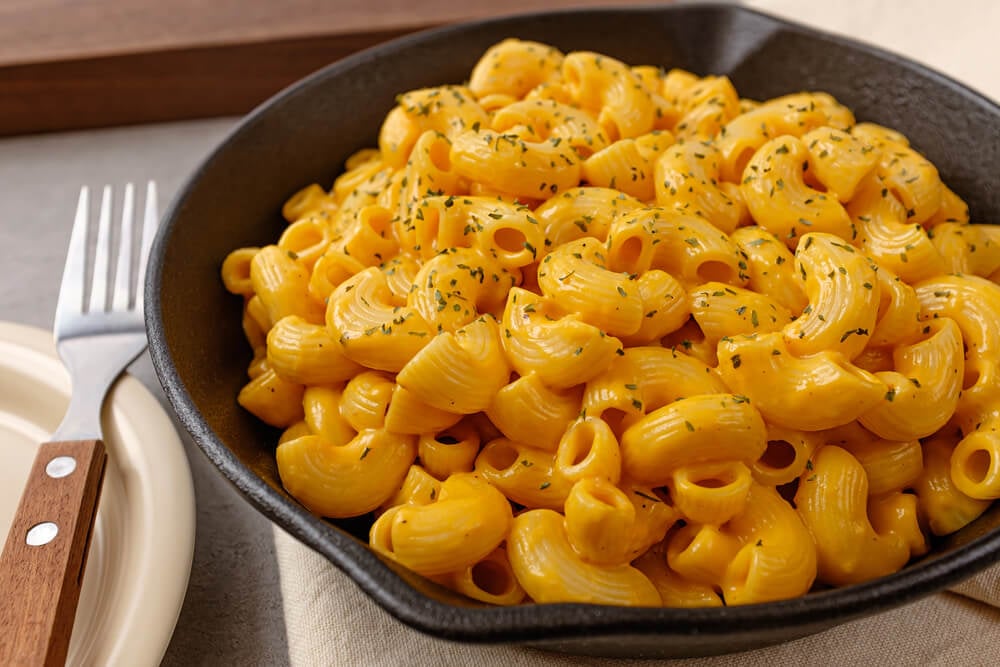
Baked pasta and cheese dishes appeared in American cookbooks as early as Thomas Jefferson’s household in the early 1800s, but the dish became a true household staple once boxed and canned versions arrived in the 1930s. The homemade baked version, with a breadcrumb topping, never went away alongside them.
It remains one of the most-made comfort dishes in the country.
Rice Pudding
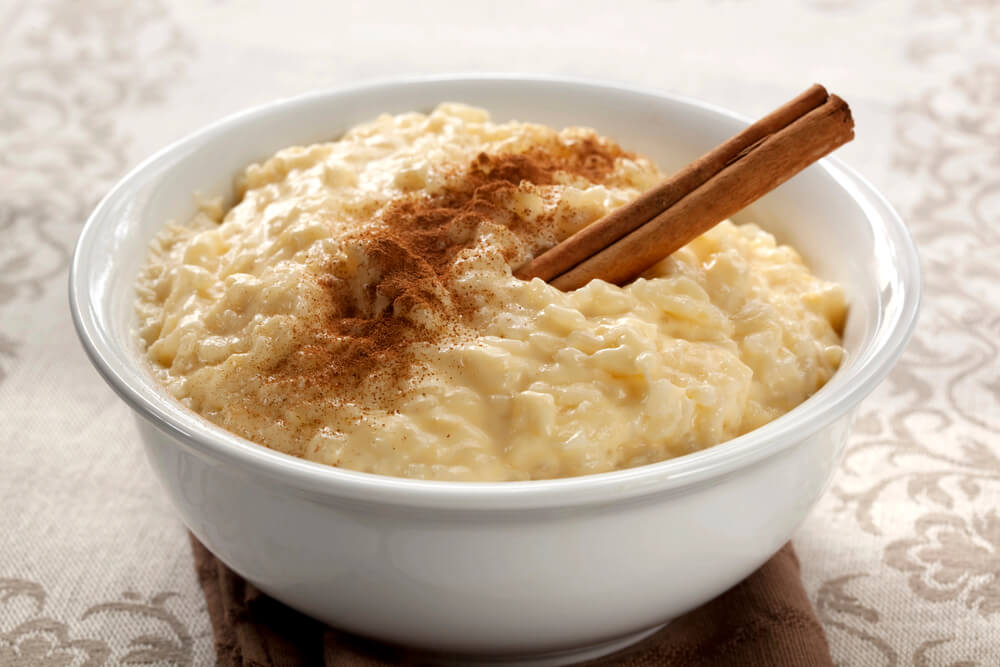
This simple dessert of rice cooked slowly in milk and sugar, often with cinnamon or raisins, was a practical way to use leftover cooked rice in American kitchens by the early 1900s. Its low cost made it a common dessert during both world wars.
It remains a diner dessert-case staple.
Bread Pudding
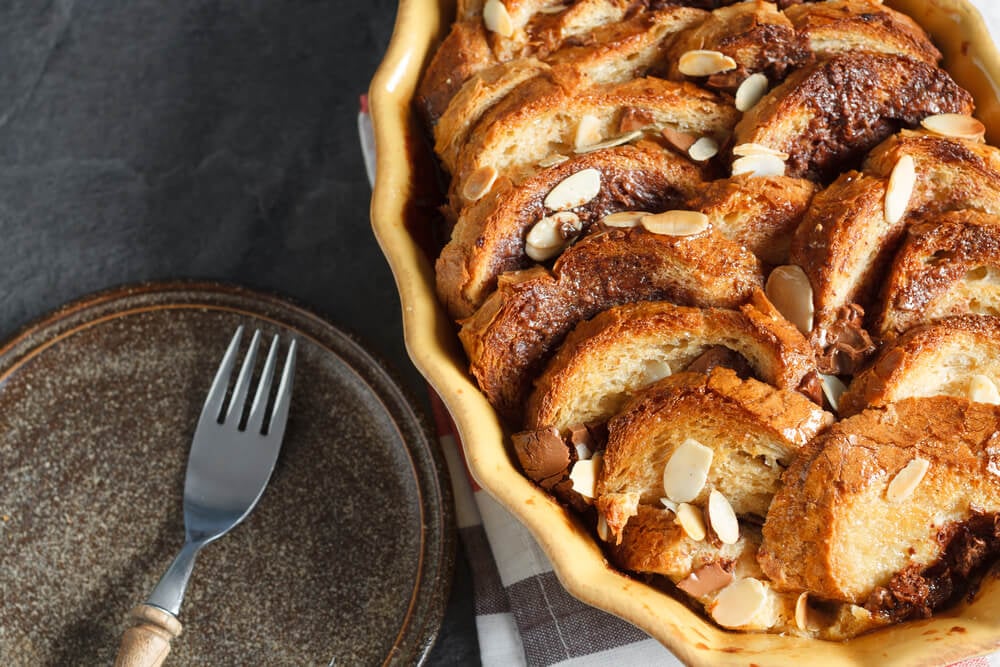
Another leftovers-based dessert, this dish of stale bread soaked in custard and baked became a household standard by the early 1900s as a way to avoid wasting bread in an era before mass refrigeration made bread last longer. Sauce variations, from whiskey to caramel, developed regionally.
It remains popular on restaurant dessert menus today.
Apple Brown Betty
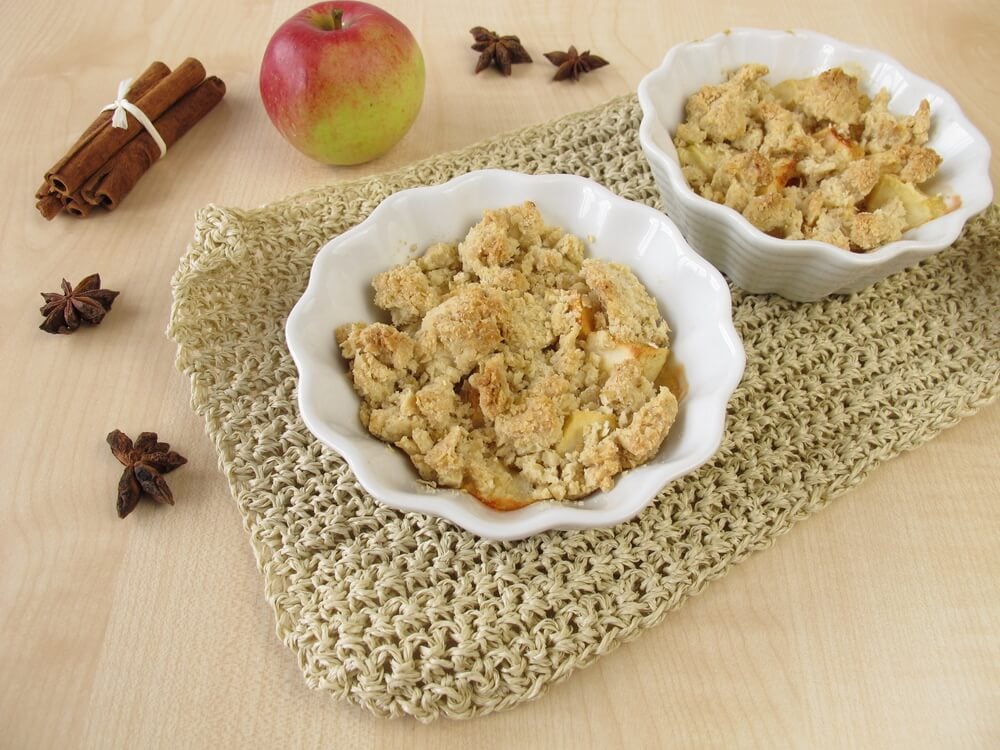
This baked dessert layering spiced apples with buttered breadcrumbs was common in American cookbooks by the early 1900s, prized for using up bread ends alongside seasonal apples. It predates apple crisp, which developed as a lighter variation using oats instead of breadcrumbs.
It’s still made in home kitchens each fall.
Pineapple Upside-Down Cake
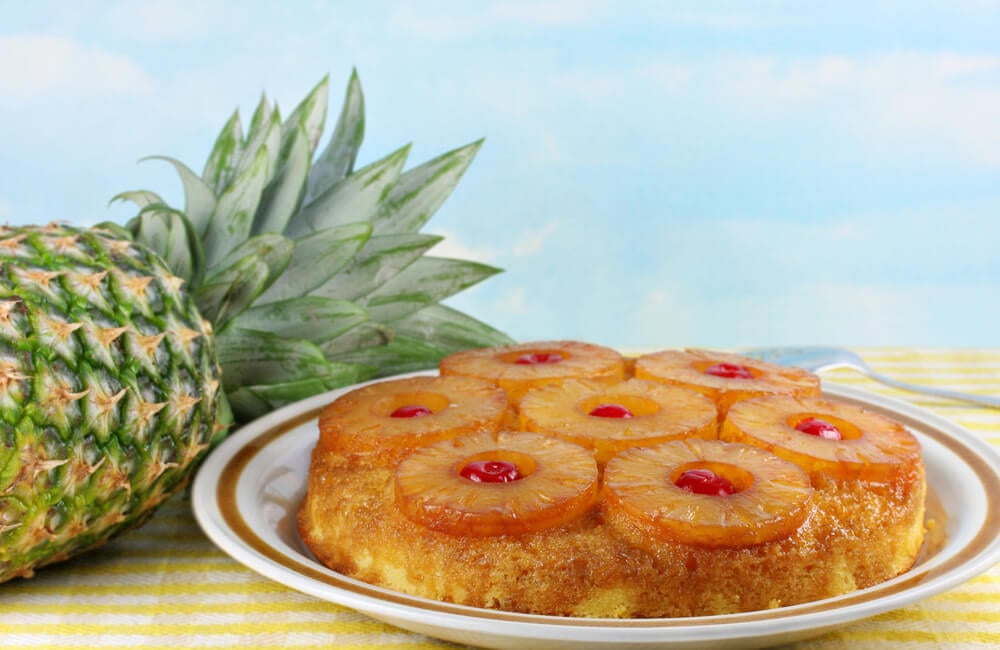
This cake, baked with pineapple rings and cherries caramelized in butter and sugar at the bottom of the pan and then flipped, surged in popularity after canned pineapple became widely available and the Dole company ran a recipe contest for it in 1925. Thousands of entries poured in, and the dish became a permanent fixture of American baking.
It remains a retro dessert-table favorite.
Icebox Cake
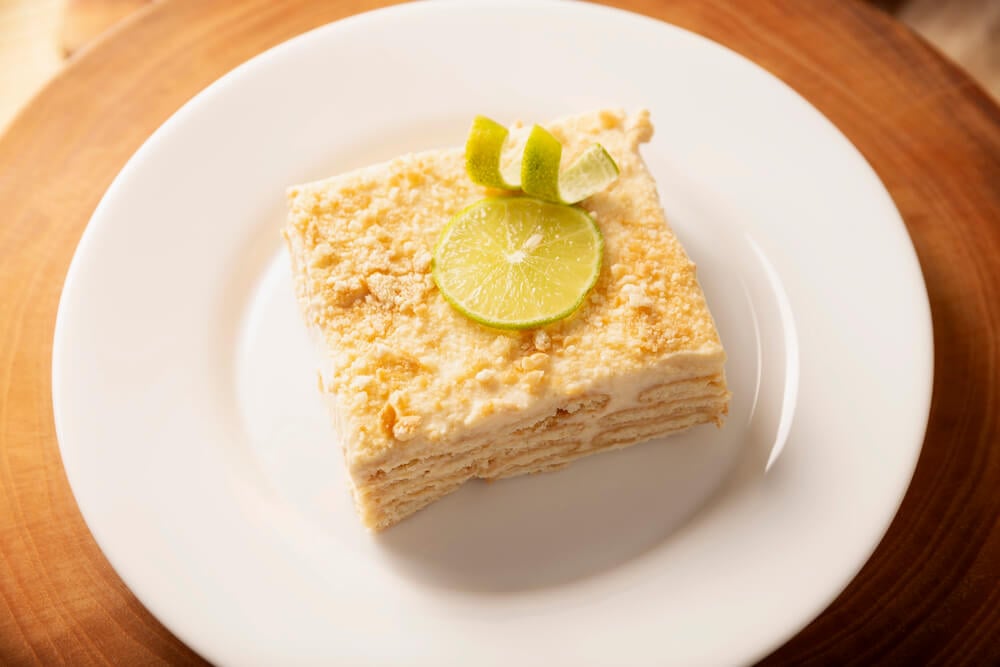
Built from layers of cookies or wafers and whipped cream, chilled instead of baked, this dessert became popular in the 1920s once home iceboxes made keeping food cold overnight practical. The technique required no oven at all, which made it popular during summer months.
Refrigerator versions are still made today, largely unchanged.
Deviled Ham Spread
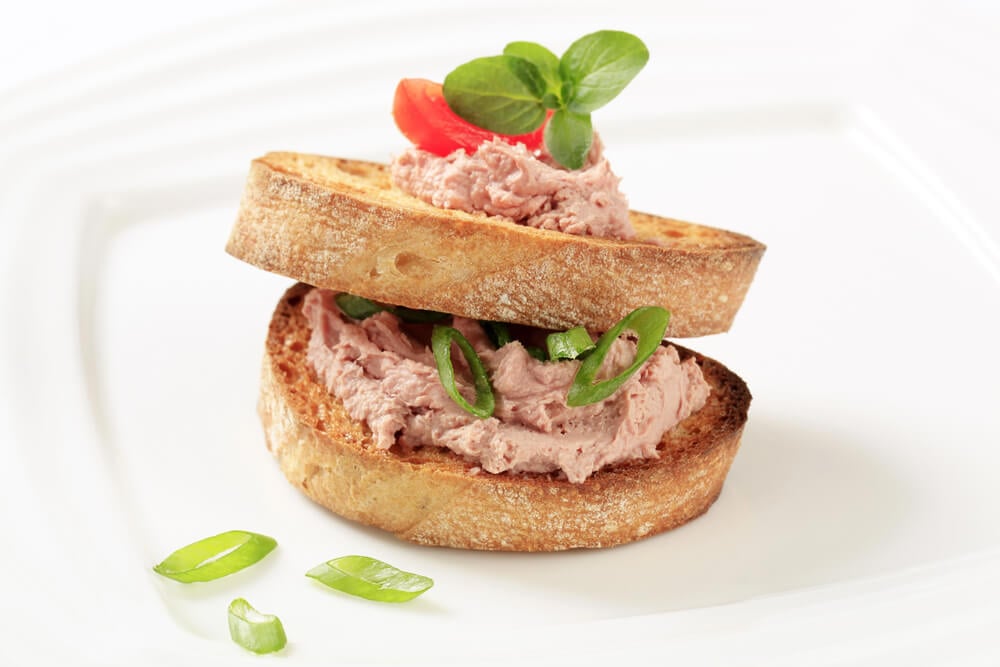
Canned deviled ham, a spiced and finely ground ham spread, was introduced commercially in the late 1800s and became a common sandwich and cracker spread in American kitchens by the early 20th century. Its small tin with a devil mascot on the label made it instantly recognizable on grocery shelves.
Some households still keep a can in the pantry for quick sandwiches.
Split Pea Soup
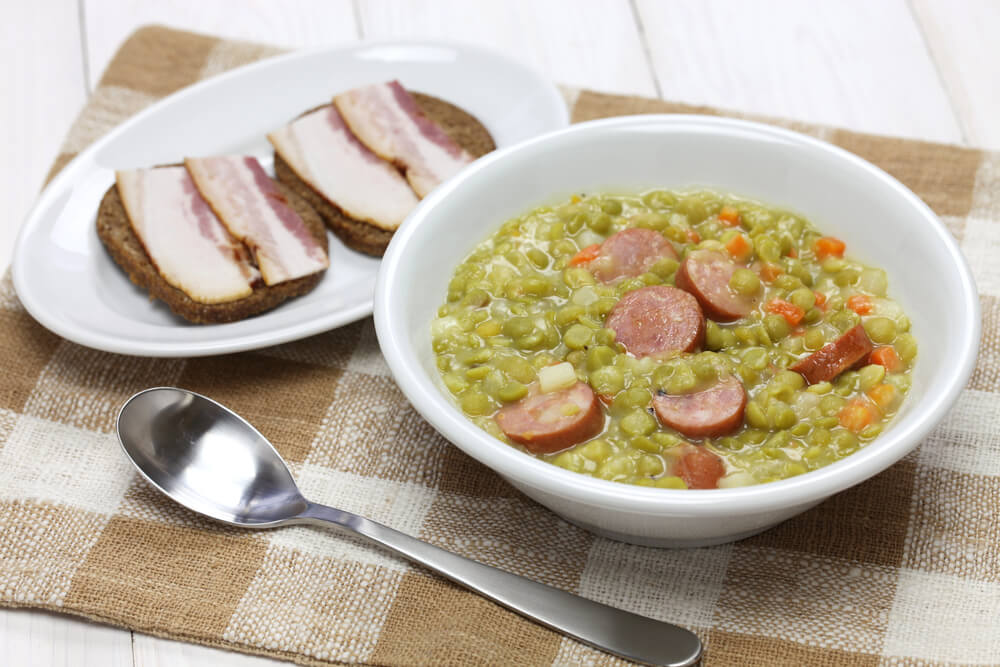
This thick, hearty soup made from dried peas and a ham bone was a practical, low-cost meal in American kitchens through the early 1900s, prized for using every bit of a holiday ham. Its long simmer time made it well suited to the wood- and coal-fired stoves common at the time.
It remains a classic cold-weather soup.
Hot Brown Sandwich
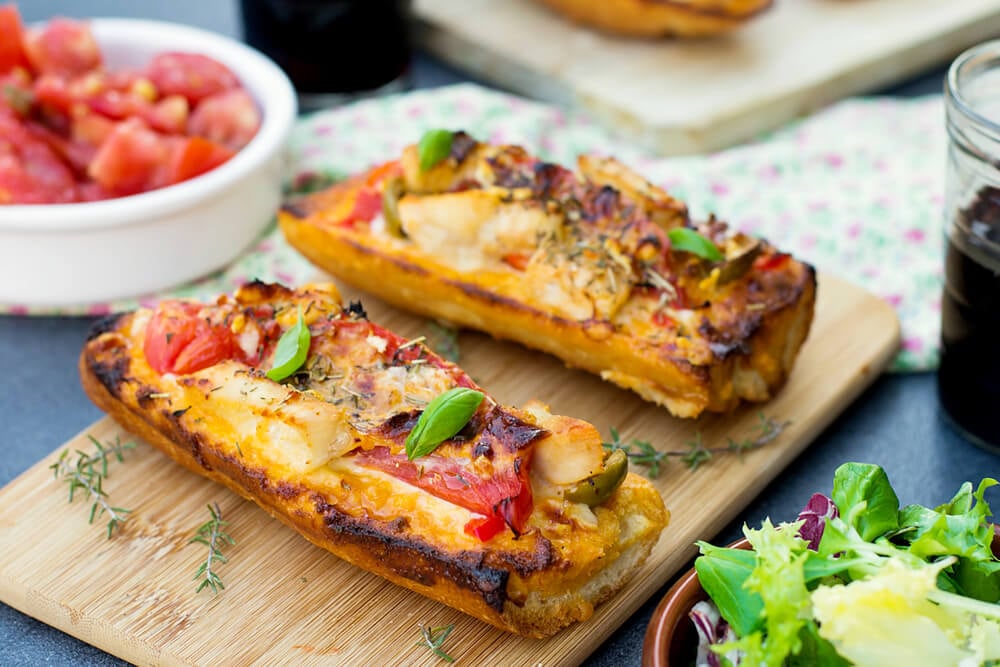
Chef Fred Schmidt created this open-faced sandwich of turkey, bacon, and Mornay sauce at the Brown Hotel in Louisville, Kentucky, in 1926 to satisfy late-night dancers looking for something more substantial than ham and eggs. It was an immediate hit with hotel guests.
It remains the signature dish of the hotel that invented it, nearly a century later.
Reuben Sandwich
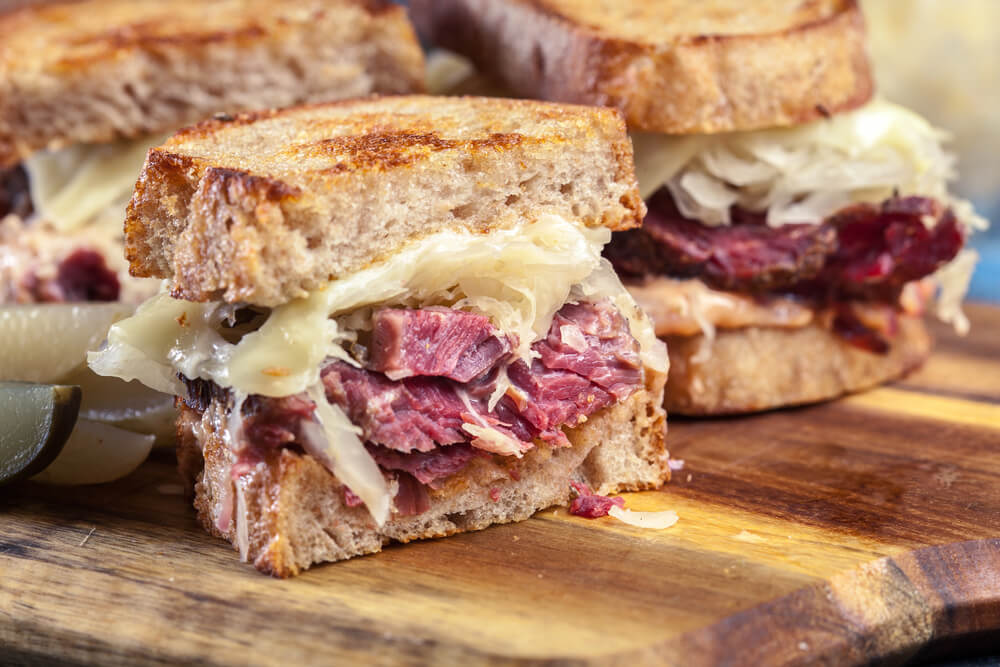
Several competing origin stories from the 1920s credit either a Nebraska grocer named Reuben Kulakofsky or a New York delicatessen owner with inventing this grilled sandwich of corned beef, sauerkraut, Swiss cheese, and Russian dressing. Regardless of which story is accurate, the sandwich had become a deli standard by the following decade.
It remains one of the most ordered sandwiches at delicatessens nationwide.
Where the Recipe Cards Still Win
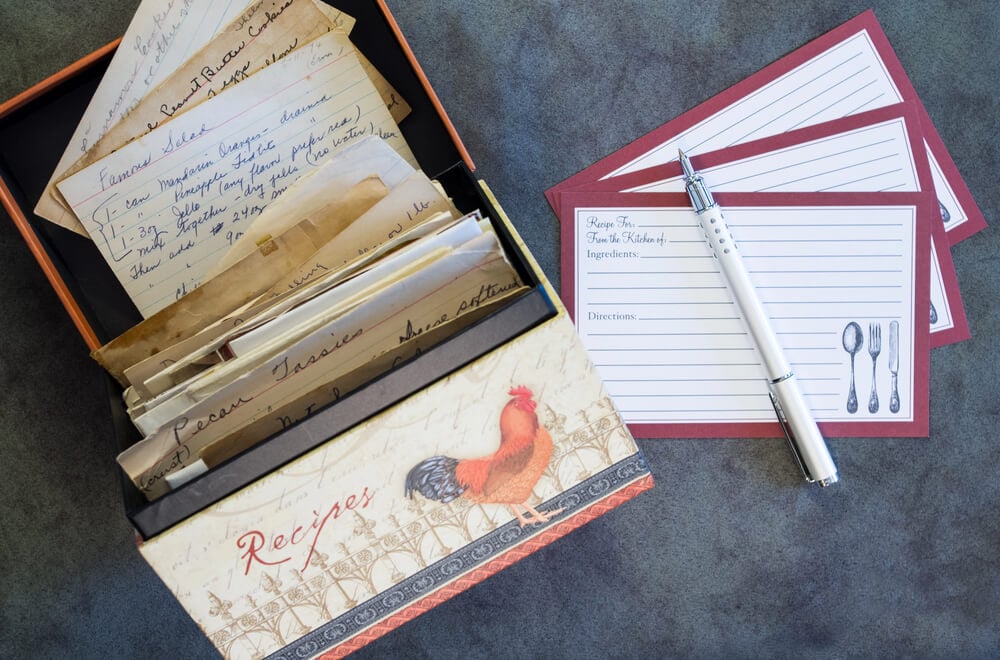
What ties these dishes together isn’t nostalgia for its own sake. Each one solved a real problem — stretching a ham bone, using stale bread, showing off at a dinner party — and the solution turned out to be good enough that nobody ever improved on it.
A recipe surviving a hundred years of changing tastes, appliances, and grocery stores is its own kind of quality control. Modern cooking has plenty of shortcuts these dishes never had, yet the originals persist largely unchanged.
That’s not an accident of habit; it’s evidence that some combinations of flavor and technique simply reached a ceiling early and stayed there.
More from Go2Tutors!

- The Romanov Crown Jewels and Their Tragic Fate
- 13 Historical Mysteries That Science Still Can’t Solve
- Famous Hoaxes That Fooled the World for Years
- 15 Child Stars with Tragic Adult Lives
- 16 Famous Jewelry Pieces in History
Like Go2Tutors’s content? Follow us on MSN.