27 Famous Structures Rebuilt After Major Destruction
Cities lose landmarks to bombs, flames and shaking ground, and the loss usually feels final. Yet some societies answer by hauling stone back into place, sometimes within a decade and sometimes after generations of argument.
The structures below were destroyed and then physically restored or reconstructed. Some returned almost identical to their old selves.
Others came back with concrete cores, new materials or a few visible scars. Every one of them is standing again.
Frauenkirche in Dresden
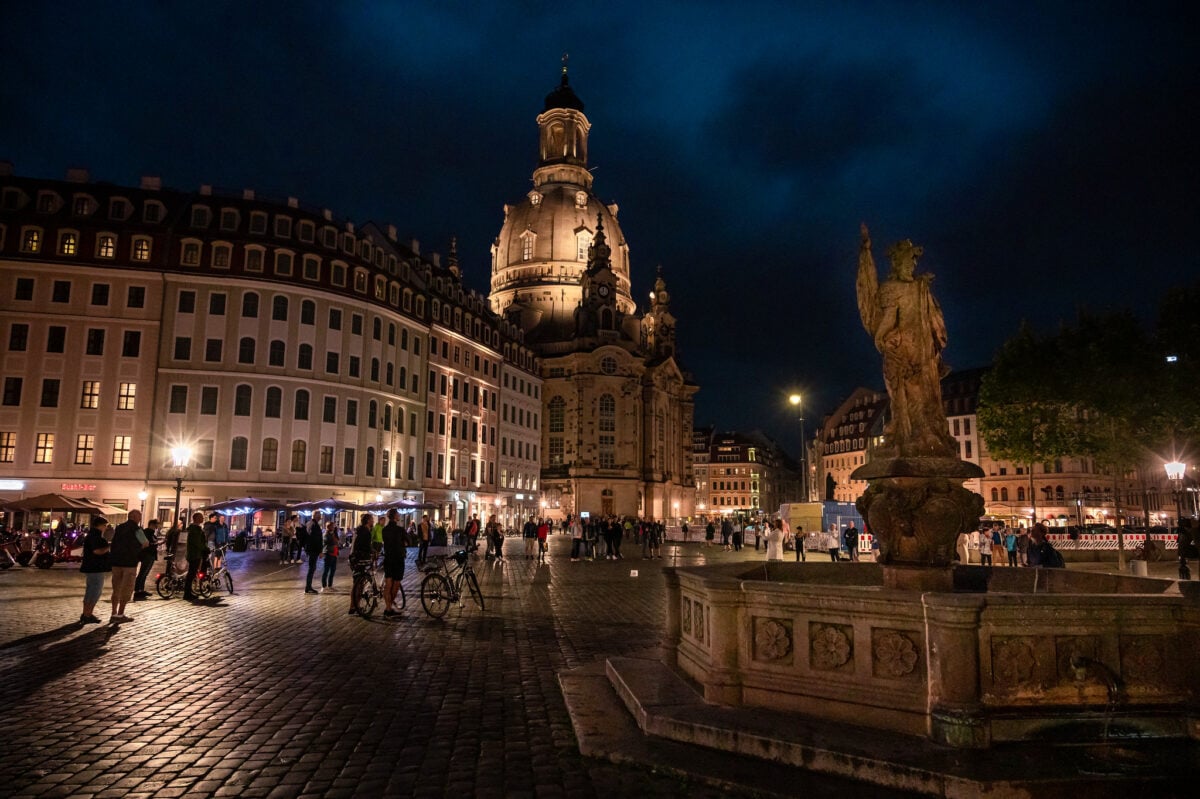
Dresden’s Baroque church survived the firebombing of February 1945 for two days before its dome collapsed into a mountain of rubble. East German authorities left the heap in place as a war memorial for decades.
Reconstruction began in the 1990s, and the church was consecrated again in 2005. Builders cataloged thousands of surviving blocks and set them back into the walls, where the darker, sooty stones stand out against new pale sandstone.
The gold cross on the dome was made by a British goldsmith whose father had flown as a bomber pilot in the raid.
Warsaw Old Town
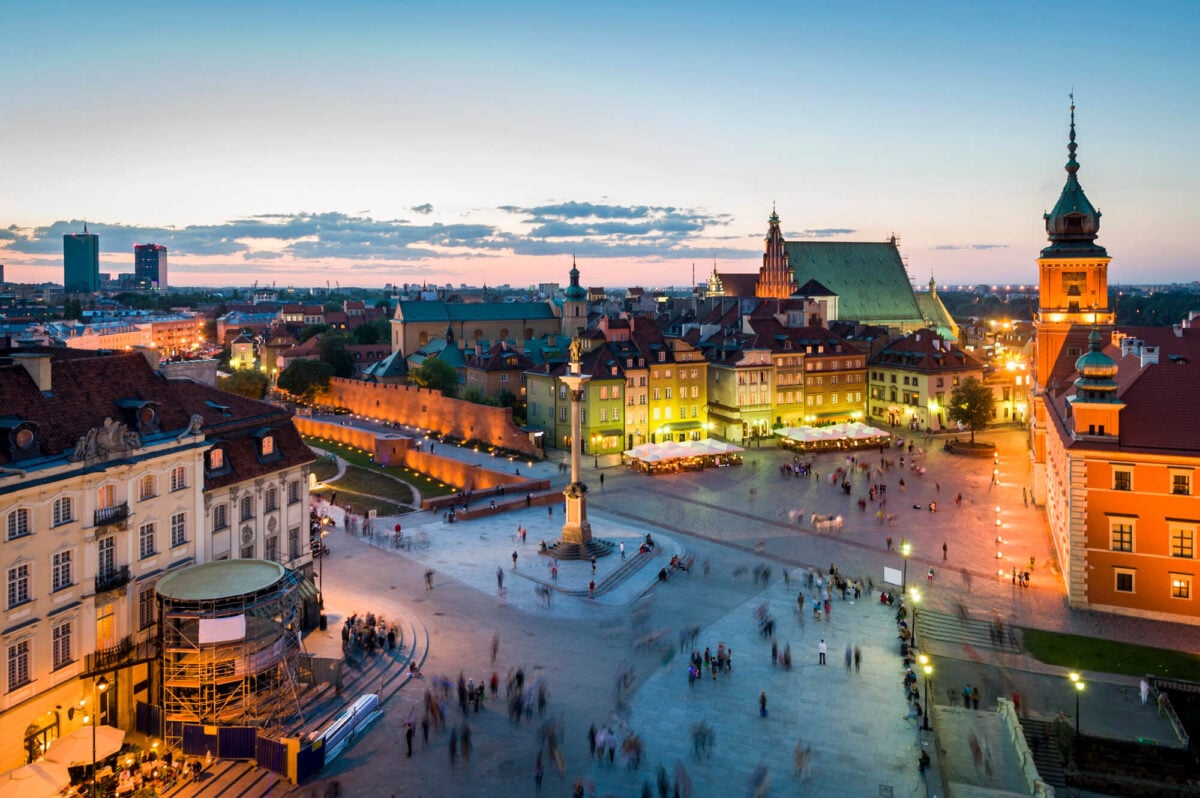
German forces demolished most of Warsaw’s Old Town after the 1944 uprising, burning and dynamiting it building by building. After the war, Polish architects and craftspeople rebuilt the district, using historic records and eighteenth-century city views painted by Bernardo Bellotto, who worked under the name Canaletto, as guides.
Salvaged fragments of old walls and carvings went back into the new facades wherever they could be found. The work took many years and turned a field of rubble into a lively quarter of colorful townhouses.
UNESCO listed the historic center in 1980, a rare case of a reconstruction earning World Heritage status.
Royal Castle in Warsaw
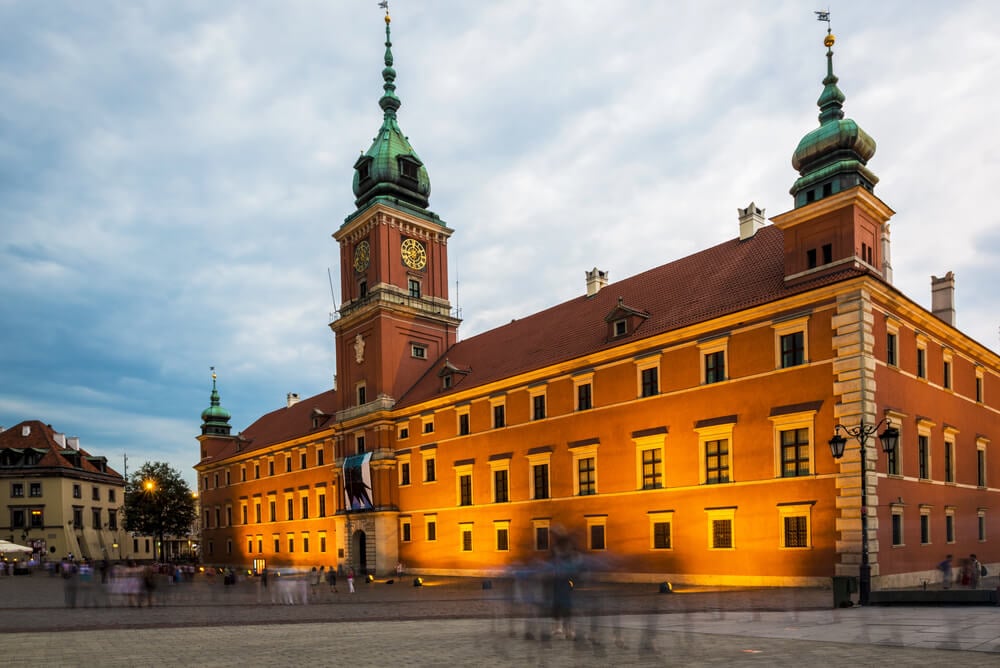
Warsaw’s Royal Castle was bombed in 1939 and then blown up by German troops in 1944, leaving only rubble and a few surviving elements. Museum staff had rescued ceiling fragments, fireplaces and artwork before the destruction, and many of those pieces later went back into the building.
Rebuilding ran from 1971 to 1984 and relied heavily on donations from Poles at home and abroad. The result is a working palace of state rooms and museum galleries, raised on the footprint of the old royal residence.
Stari Most in Mostar
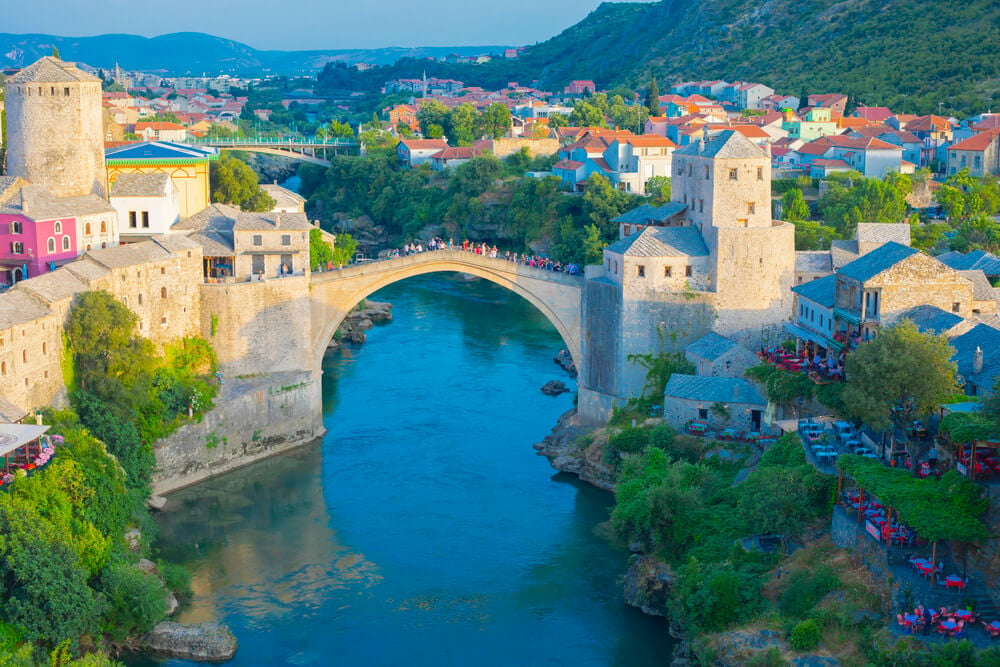
Mostar’s Ottoman bridge, designed by the architect Mimar Hayruddin and completed in the 1560s, crossed the Neretva River in a single steep arch for more than four centuries. Artillery fire brought it down in November 1993, during the war in Bosnia.
An international effort rebuilt it, with divers recovering original stones from the riverbed and new blocks cut from a local quarry where needed. It reopened in July 2004, and young men again leap from its crest into the cold river below, continuing a tradition that goes back centuries.
Notre-Dame de Paris
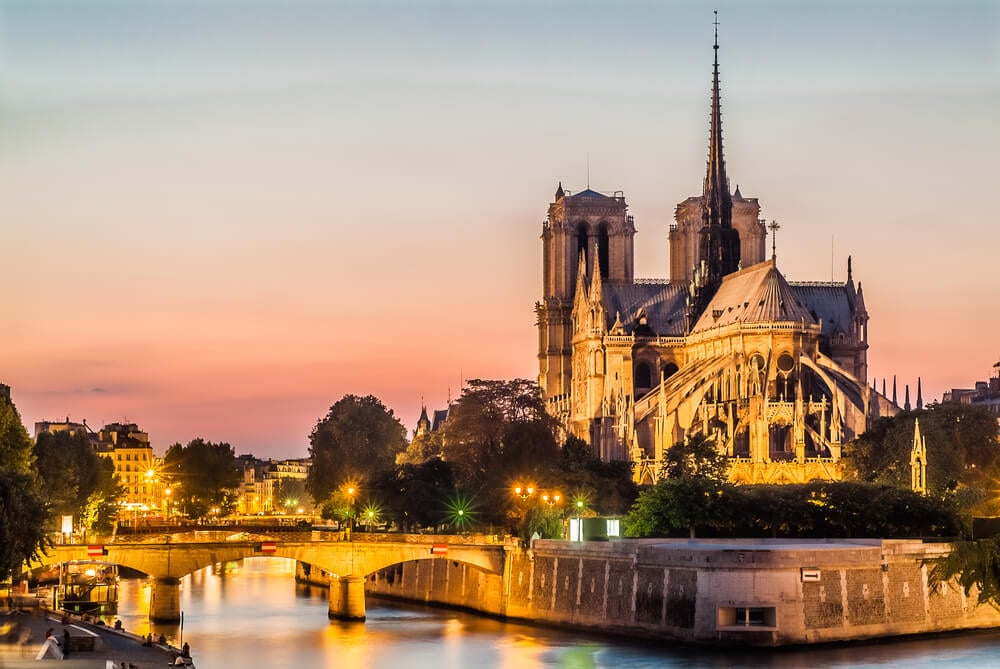
On April 15, 2019, fire consumed the roof of Notre-Dame and brought down its spire, while the stone vaults largely held and protected the interior below. The medieval roof frame, nicknamed the forest because of its enormous number of oak beams, was lost entirely.
Restorers chose to rebuild it in oak the traditional way, with timbers hewn from French trees. The cathedral reopened to worshippers and visitors in December 2024, just over five years after the blaze, and a new spire again rises above the crossing.
Kinkaku-ji in Kyoto
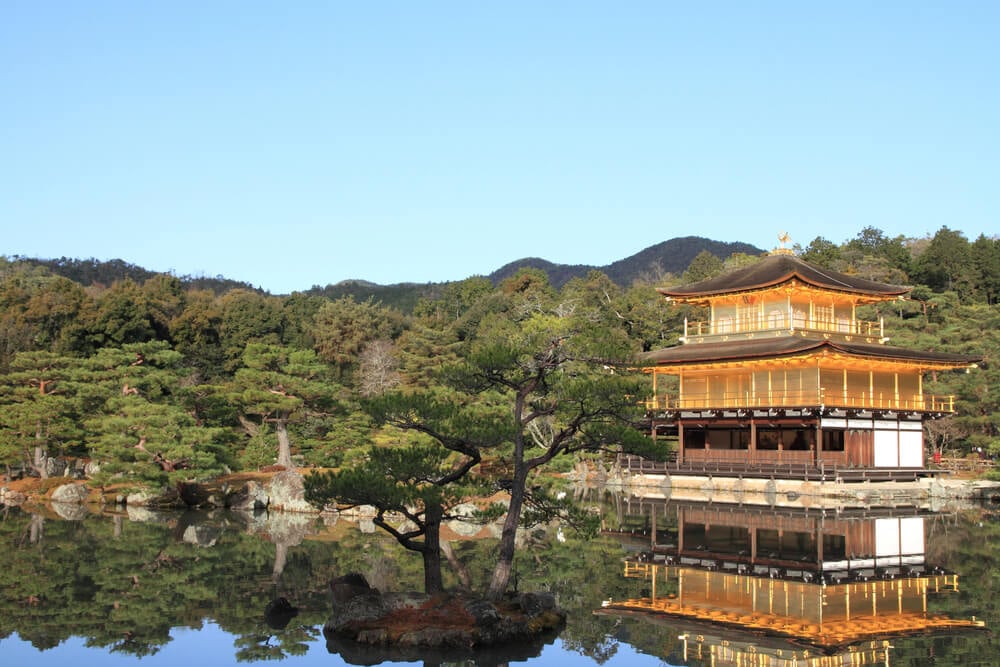
Kyoto’s Golden Pavilion burned to the ground in July 1950 when a young monk living at the temple set it alight. The pavilion dated to the late fourteenth century, and the fire destroyed it along with a wooden statue of the shogun who built it.
Reconstruction followed from detailed records and measurements, with the work finished in 1955. The upper floors are again covered in gold leaf that glitters over a reflecting pond.
The arson inspired Yukio Mishima’s 1956 novel The Temple of the Golden Pavilion, which has probably done more to spread the story than any temple guidebook.
Nagoya Castle
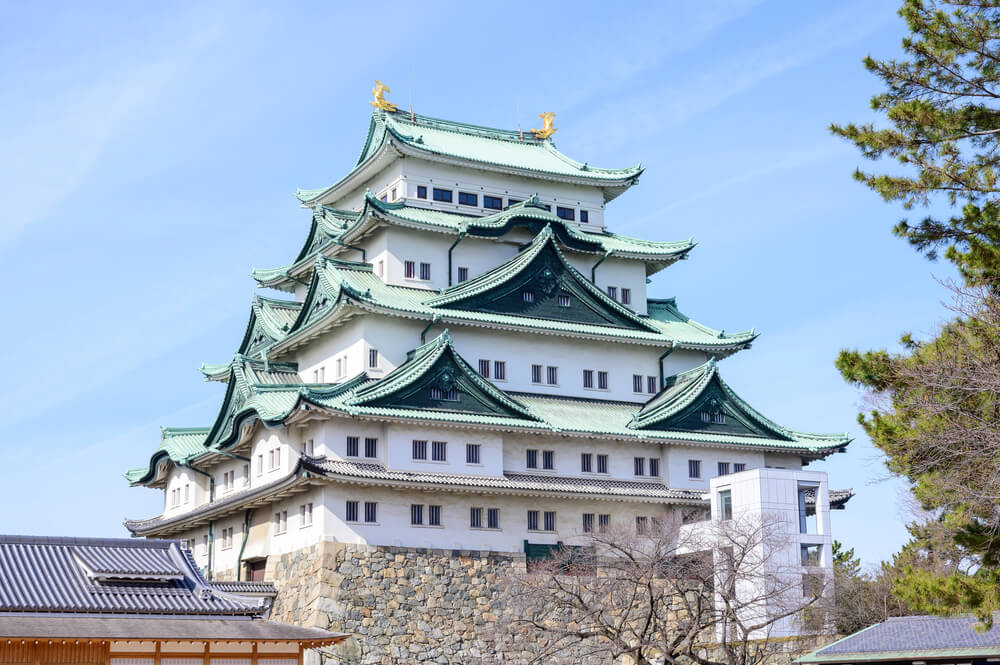
An American air raid in May 1945 set fire to Nagoya Castle, destroying its main keep and Honmaru Palace. Many of the palace’s painted sliding doors had been removed for safekeeping and survived.
A concrete reconstruction of the keep was completed in 1959, topped with the golden dolphin sculptures the castle is famous for. The Honmaru Palace was later rebuilt in wood and opened in 2018, where many of the rescued paintings can be seen.
The castle was built in the early seventeenth century for a branch of the Tokugawa family, and its keep dominated the surrounding city.
Hiroshima Castle
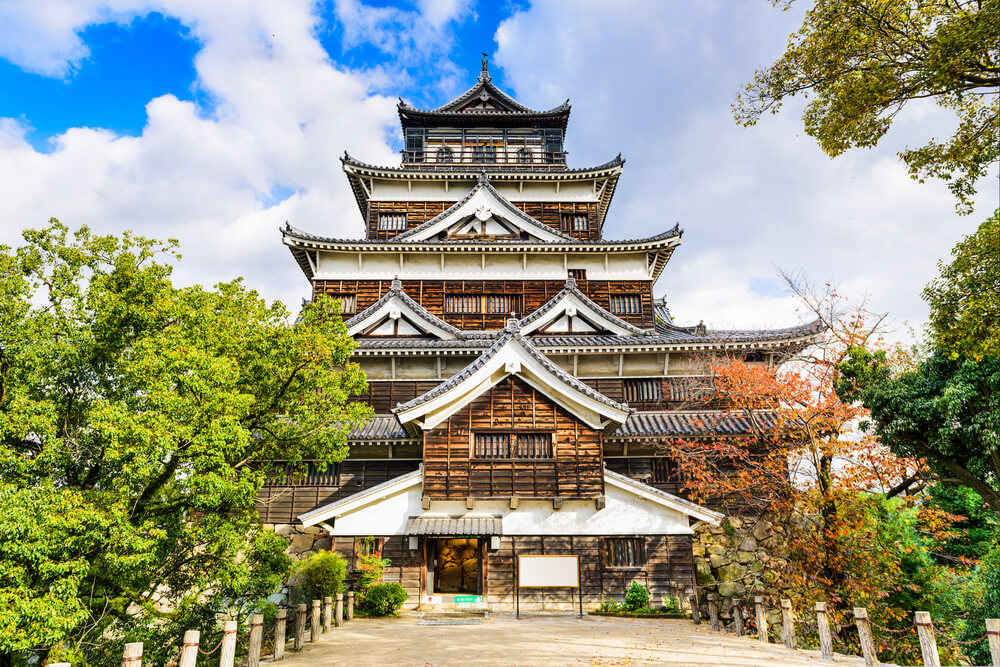
Hiroshima Castle was built in the late sixteenth century, and its keep collapsed in the blast of the atomic bomb on August 6, 1945. The concrete reconstruction opened in 1958, rebuilt to resemble the original and later used as a museum of the castle’s history.
Visitors climbed it for decades, and the keep closed to the public in 2026 after a run of 68 years. The surrounding moat and stone foundations give the rebuilt tower a setting that links the city’s feudal past to its modern rebirth.
Shuri Castle in Okinawa
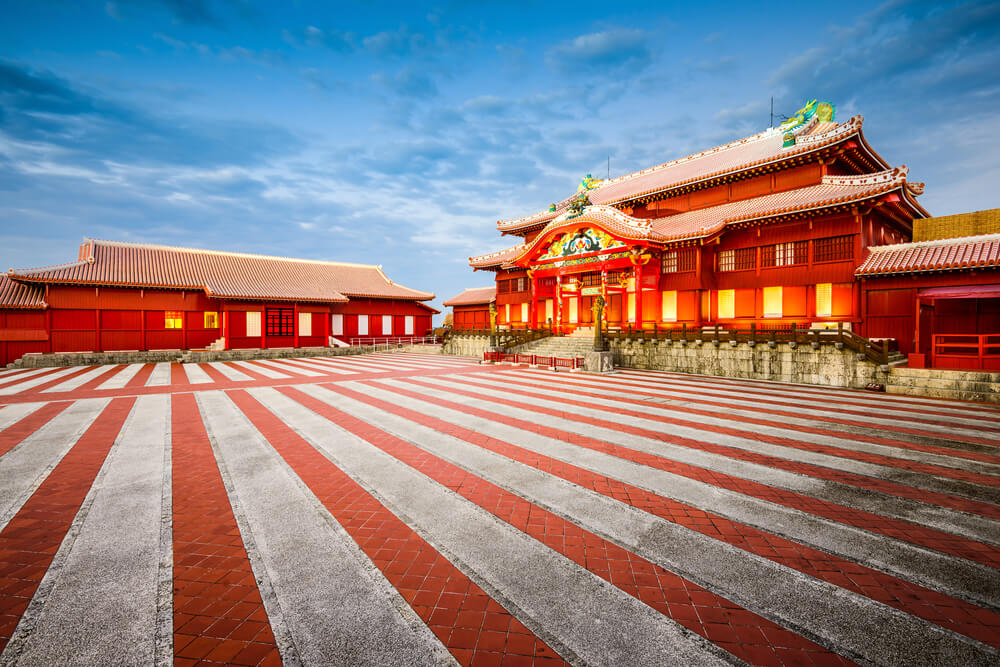
Shuri Castle was the royal seat of the Ryukyu Kingdom, and in 1945 the Japanese army’s headquarters lay in tunnels beneath it. That drew a heavy bombardment during the Battle of Okinawa, which reduced the castle to ruins.
Reconstruction of the main hall and surrounding buildings was finished in 1992, twenty years after Okinawa returned to Japanese administration. A fire in October 2019 destroyed the main hall a second time, and work to rebuild it began soon afterward, again using traditional vermilion lacquer and carved dragons.
La Fenice in Venice
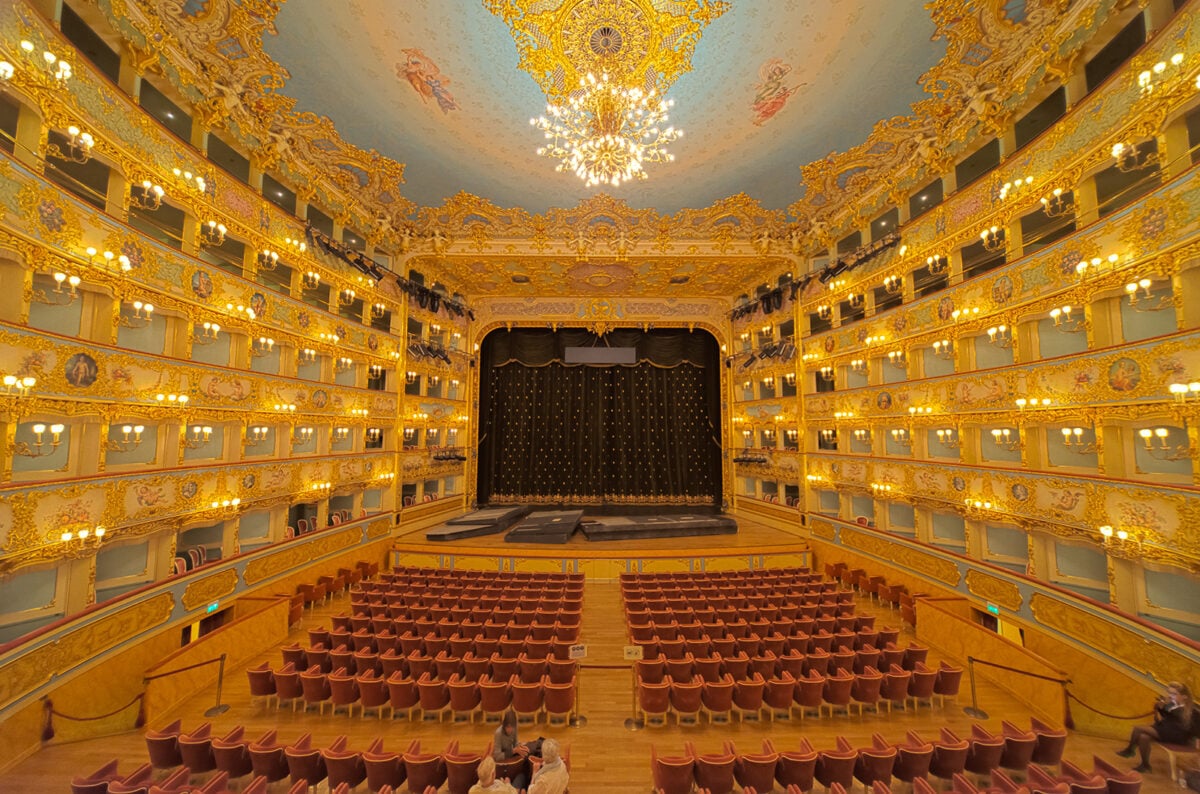
Venice’s most famous opera house burned down in January 1996, and two electricians were later convicted of arson. The theater had also burned in 1836, and the city rebuilt it within about a year.
After the 1996 blaze, restorers followed a famous slogan, as it was, where it was, and recreated the gilded interior. La Fenice reopened in December 2003.
Its name means the phoenix, which turned out to be an uncomfortably accurate choice for a building that has now risen from its ashes more than once and still fills its seats.
Shakespeare’s Globe in London
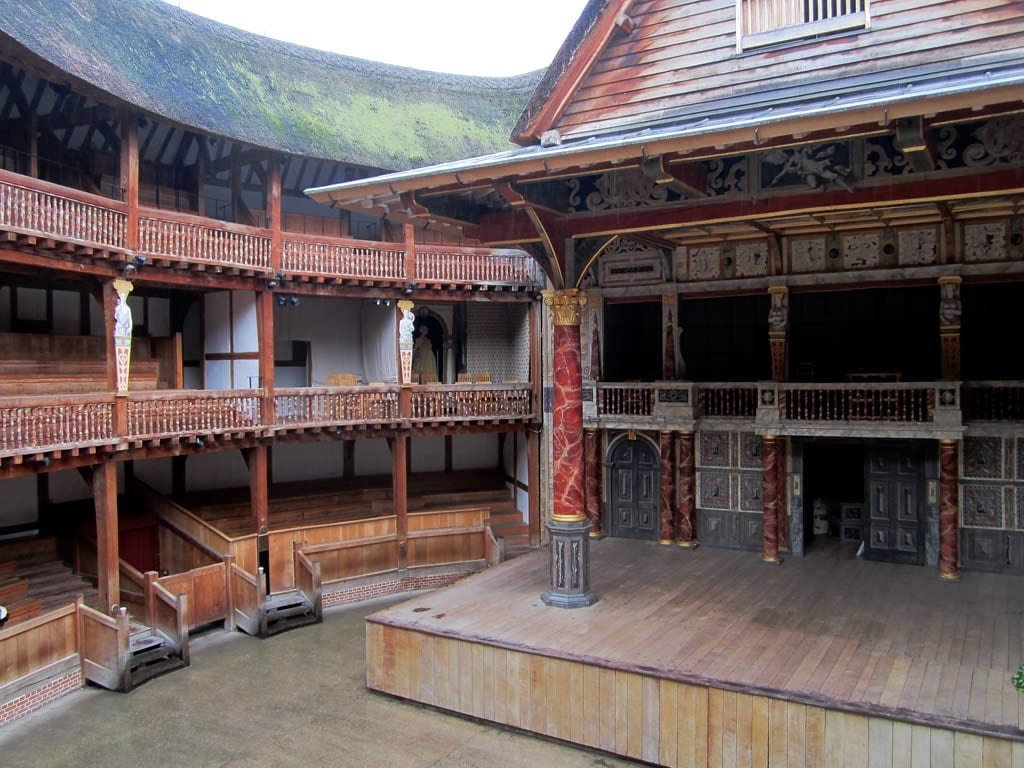
On June 29, 1613, a cannon fired during a performance of Henry VIII ignited the thatched roof of the Globe, and the playhouse burned to the ground within about an hour. The company rebuilt it the following year with a tile roof.
Theaters were closed by Parliament in 1642, and the second Globe was pulled down in 1644. A modern reconstruction opened near the original site in 1997 with a new thatched roof, a rarity in London since thatch was banned after the Great Fire.
Saint Paul’s Cathedral in London
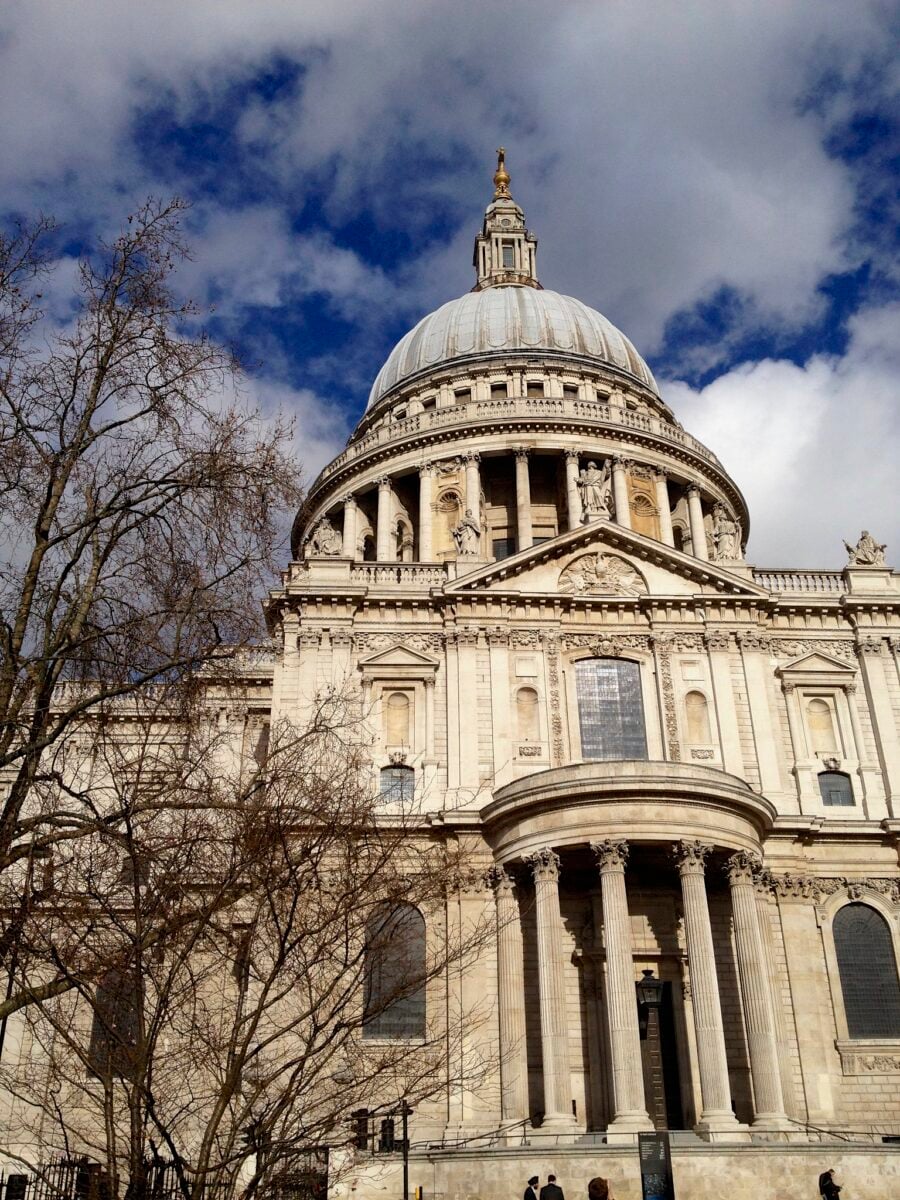
London’s Great Fire destroyed the old Gothic Saint Paul’s in September 1666, and Christopher Wren drew up the replacement that now crowns Ludgate Hill. Construction ran into the early eighteenth century, and the cathedral was declared complete in 1711 by Parliament.
According to the traditional story, Wren asked a workman to fetch a stone from the rubble to mark the center of the new building, and it turned out to bear the Latin word Resurgam, meaning to rise again. That stone is now carved above a doorway beneath a phoenix.
Cloth Hall in Ypres
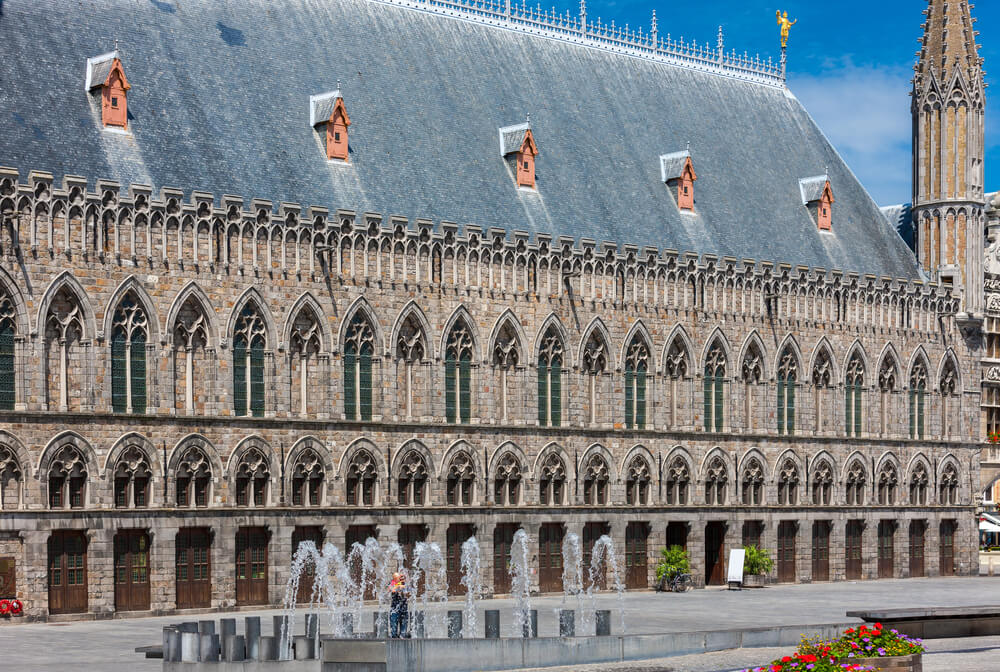
Ypres in Belgium sat on the front line for much of World War I, and German shelling reduced its medieval Cloth Hall to a heap of broken masonry. Reconstruction began in the late 1920s and ran for decades, with the belfry tower finished last, in 1967.
The builders worked from surviving plans and photographs, and the Gothic hall was restored to its earlier appearance. It now houses a museum about the war that destroyed it, and its belfry rises over a square that was largely rebuilt as well.
Leuven University Library
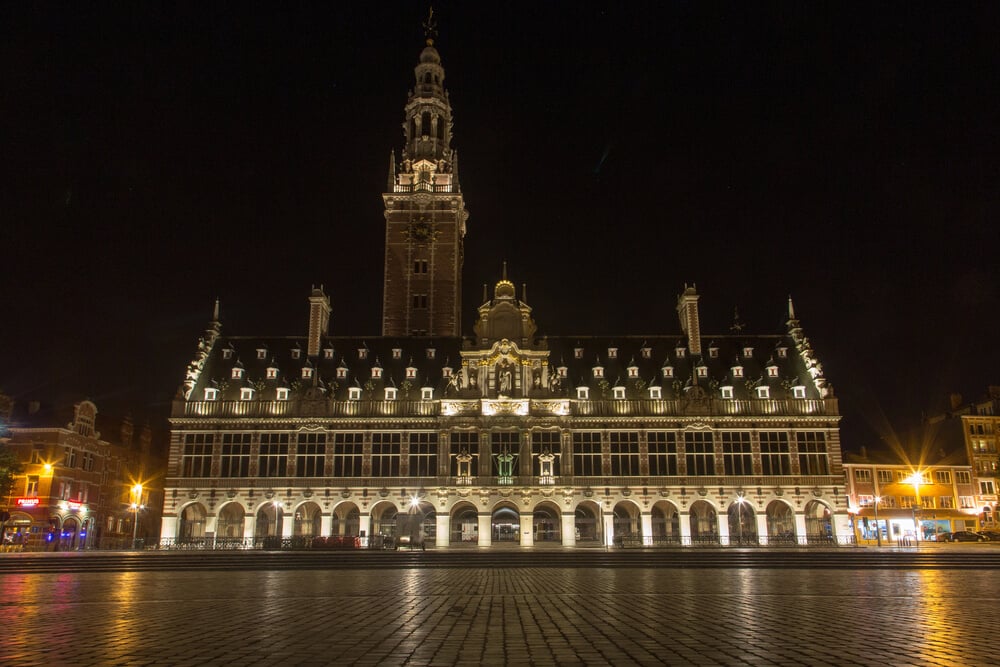
German troops burned the University of Leuven library in August 1914, destroying hundreds of thousands of volumes, including manuscripts that could not be replaced, and the loss shocked scholars around the world. American donors funded a new building, designed by the American architect Whitney Warren, which opened in 1928.
The new building rose on the same site as the old library and carried the university’s recovery into the years between the wars. In 1940 the library was destroyed again, this time by fire during the German invasion, and it was rebuilt a second time, finishing in 1950.
Reims Cathedral
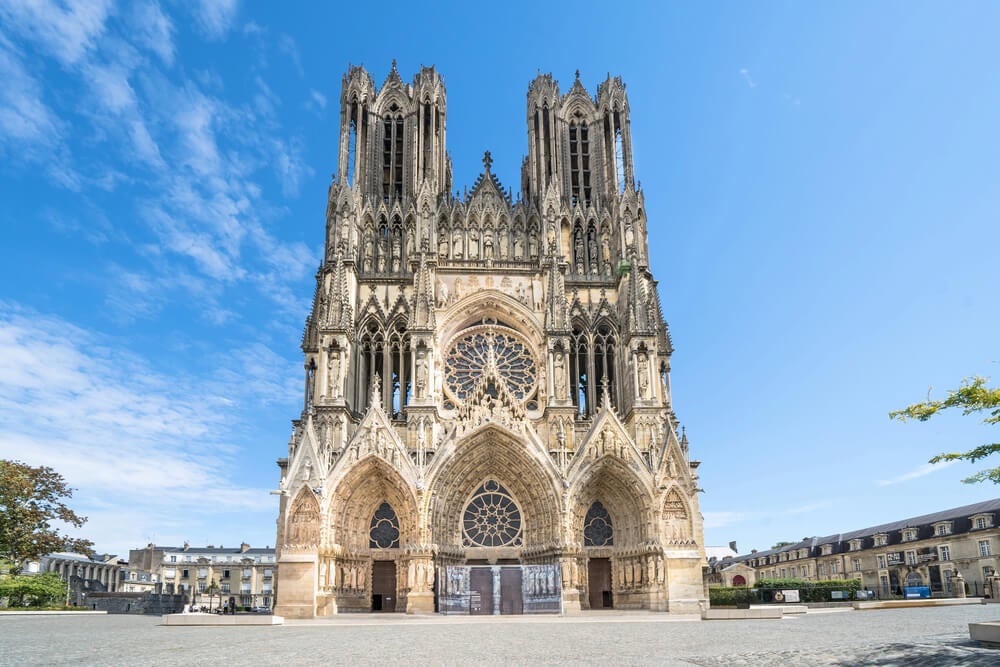
German shells struck Reims Cathedral in September 1914, igniting scaffolding and the wooden roof frame, and molten lead from the roof poured out of the gargoyles. Statues, windows and stonework suffered heavy damage over four years of bombardment.
Restoration relied on large donations from American philanthropists, including John D. Rockefeller Jr., and the cathedral where French kings were crowned was reopened in 1938. The new roof framework was built in reinforced concrete instead of oak, a decision that makes a repeat of the disaster much less likely.
Yellow Crane Tower in Wuhan
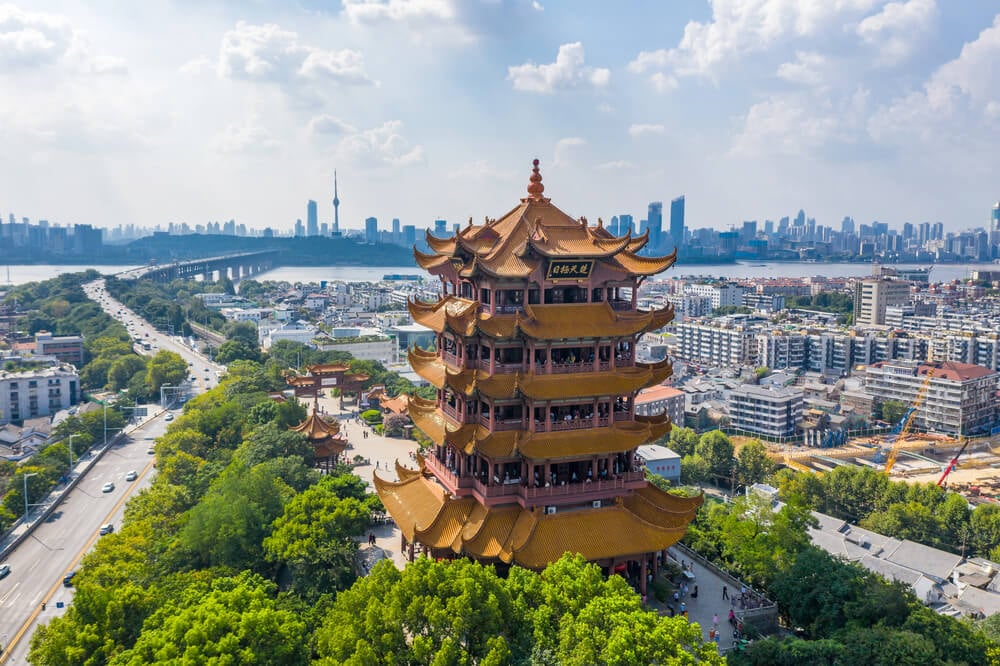
Poets of the Tang dynasty made the Yellow Crane Tower famous, and the lookout over the Yangtze River has been destroyed and rebuilt many times. The last historic tower burned in 1884, and for a century only tales and paintings remained.
The present tower, completed in 1985, stands on a site a short distance from the old one, since a bridge approach had taken over the original spot. It is taller and more elaborate than its predecessors, and a modern elevator carries visitors up some of the floors.
Berlin Palace
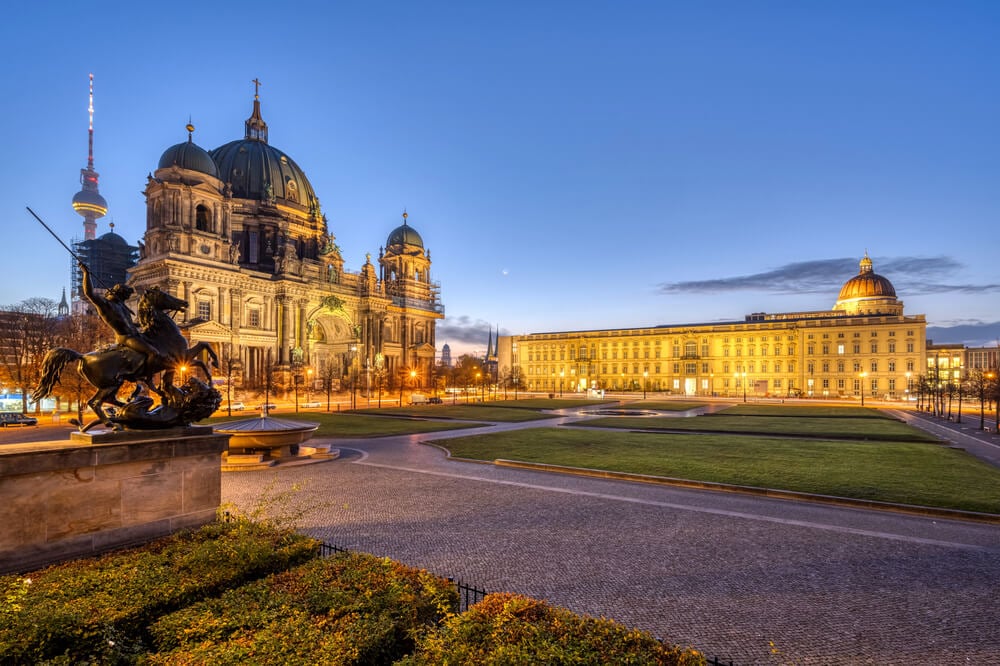
Berlin’s Hohenzollern palace, in the center of the city, was gutted by air raids and fire in 1945, and the East German government demolished its remains in 1950. A modern Palace of the Republic later stood on the site, and it was removed in turn.
Three of the baroque exterior facades and the inner courtyard were rebuilt between 2013 and 2020 around a modern structure, using private donations for the sculpted decoration. The reconstruction now houses the Humboldt Forum, a museum and cultural center, and still sparks debate over what history should be restored.
Saint Michael’s Church in Hamburg
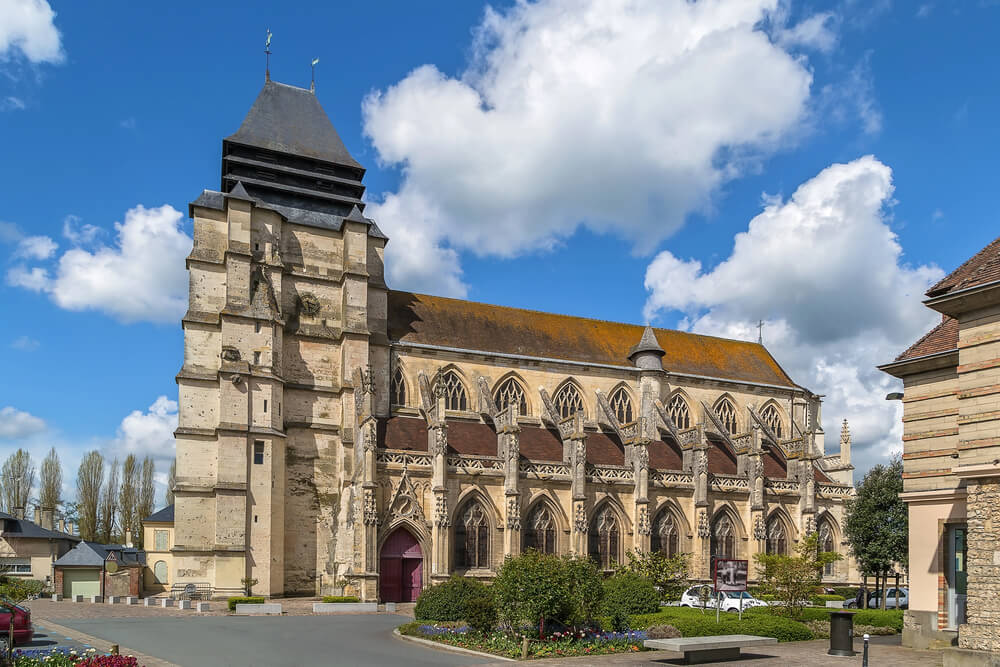
Lightning struck the tower of Hamburg’s great Baroque church in 1750, and the fire destroyed it, after which the congregation rebuilt it by 1762. A second disaster came in 1906, when a blaze that began during repair work gutted the church again.
Hamburg once more rebuilt it, completing the work in 1912 in the same design as before. The church, known locally as the Michel, remains the best-loved landmark on the city skyline, and its tower is a familiar sight for sailors arriving on the Elbe.
Dharahara Tower in Kathmandu
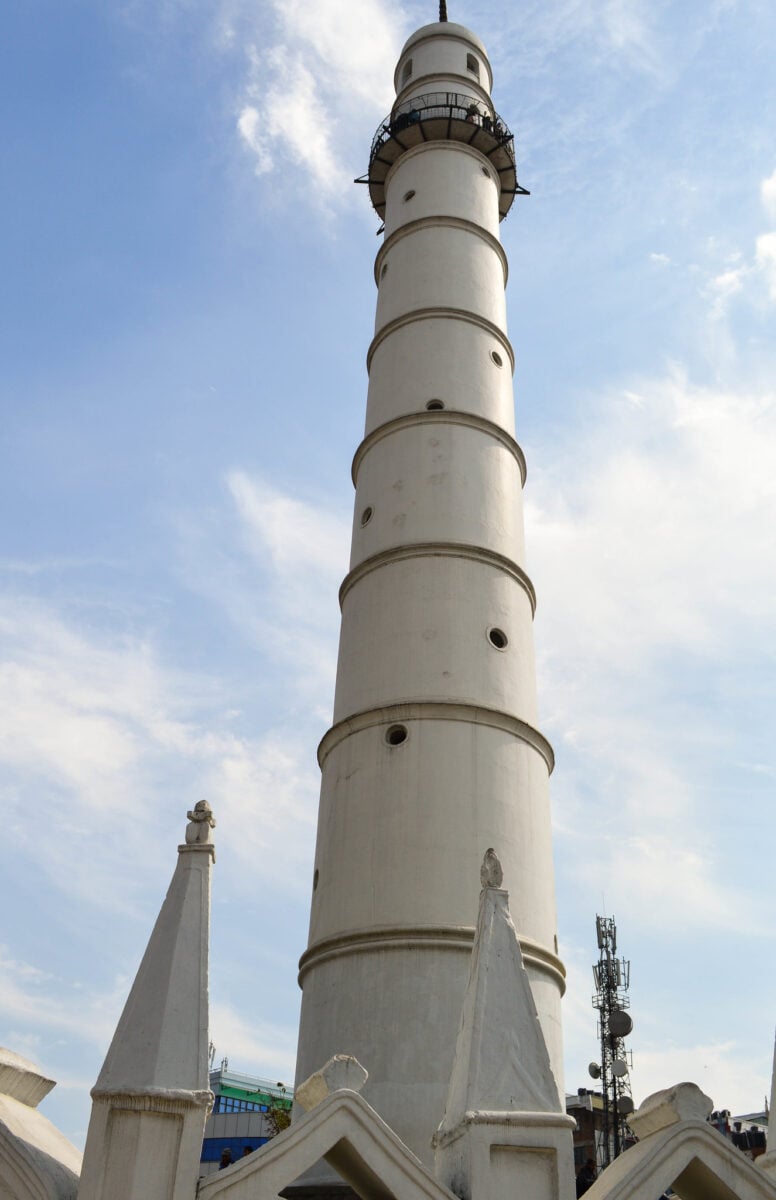
Prime Minister Bhimsen Thapa had the nine-story Dharahara tower built in 1832, and it was already rebuilt once after the 1934 earthquake. The 2015 Nepal earthquake brought it down again, leaving only a stump and killing people who had gathered to climb it.
The government reconstructed the tower with stronger materials, and the new Dharahara reopened to the public in April 2021. It keeps a similar shape to the historic version, with a viewing platform near the top that offers a wide panorama over the Kathmandu Valley.
Timbuktu’s Saints’ Mausoleums
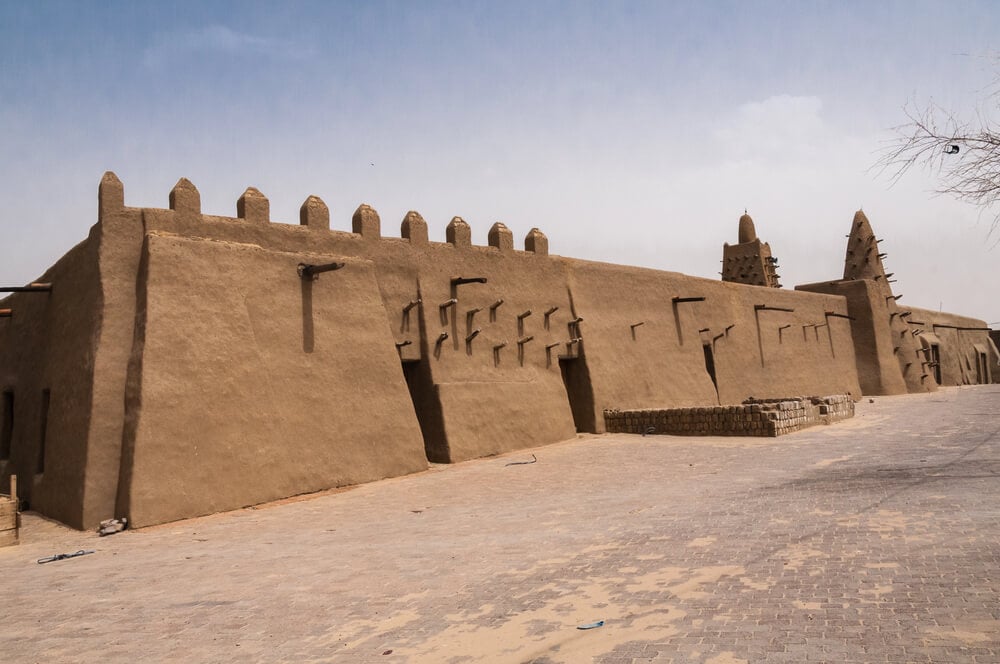
In 2012, Islamist militants who held northern Mali smashed and burned many of the mausoleums of local Muslim saints in Timbuktu, calling them idolatrous. Local masons, working with UNESCO, rebuilt them in 2015 and 2016 using the traditional materials of mud, wood and straw.
The shrines are tied to saints who were revered for centuries, and residents regard them as protectors of the city. The masons followed old methods since the mausoleums belong to the community’s religious life.
In 2016 the International Criminal Court convicted a militant leader for the destruction, in the first such case it heard involving cultural heritage.
Liceu Opera House in Barcelona
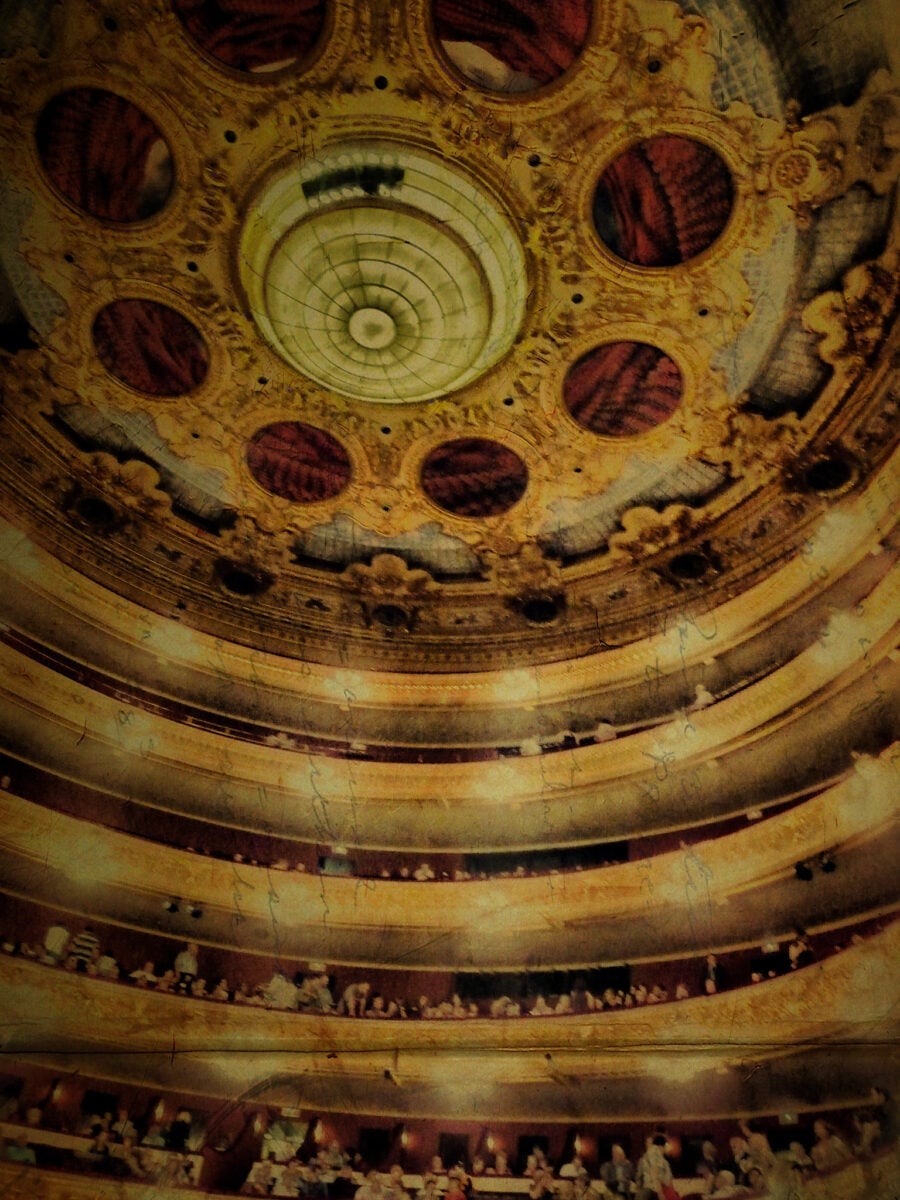
Barcelona’s Gran Teatre del Liceu opened in the 1840s and burned in 1861, after which it was rebuilt and reopened. It suffered a worse blaze in January 1994, which destroyed the auditorium and stage.
A restoration followed, and the house reopened in October 1999, with the great horseshoe-shaped hall rebuilt in the old style, and the audience hall remains one of the grandest in southern Europe. The rebuilding also added modern stage machinery and expanded the theater’s backstage space.
Few opera houses have been rebuilt after a catastrophic fire as many times as this one.
Windsor Castle
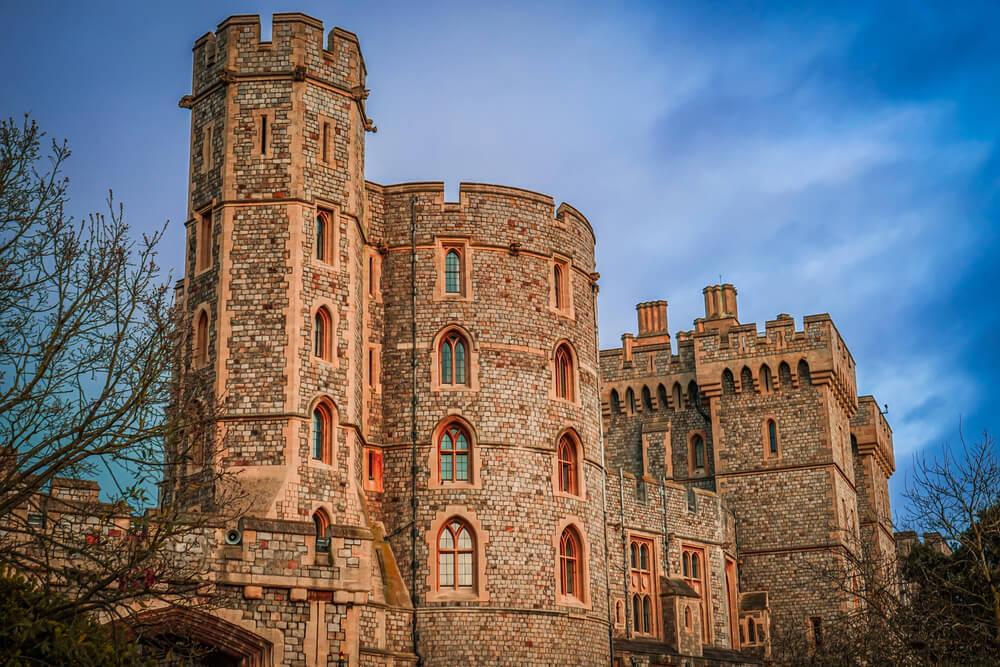
A spotlight that touched a curtain in the Queen’s Private Chapel set off the Windsor Castle fire on November 20, 1992, and the blaze burned for hours. Staff and soldiers formed human chains to carry paintings and furniture out of the flames.
The restoration took five years and was completed in 1997, with craftspeople rebuilding the roof of Saint George’s Hall in green oak. Part of the cost was met by opening Buckingham Palace to paying visitors in summer, a change that brought the public into rooms that had been closed for generations.
Kumamoto Castle
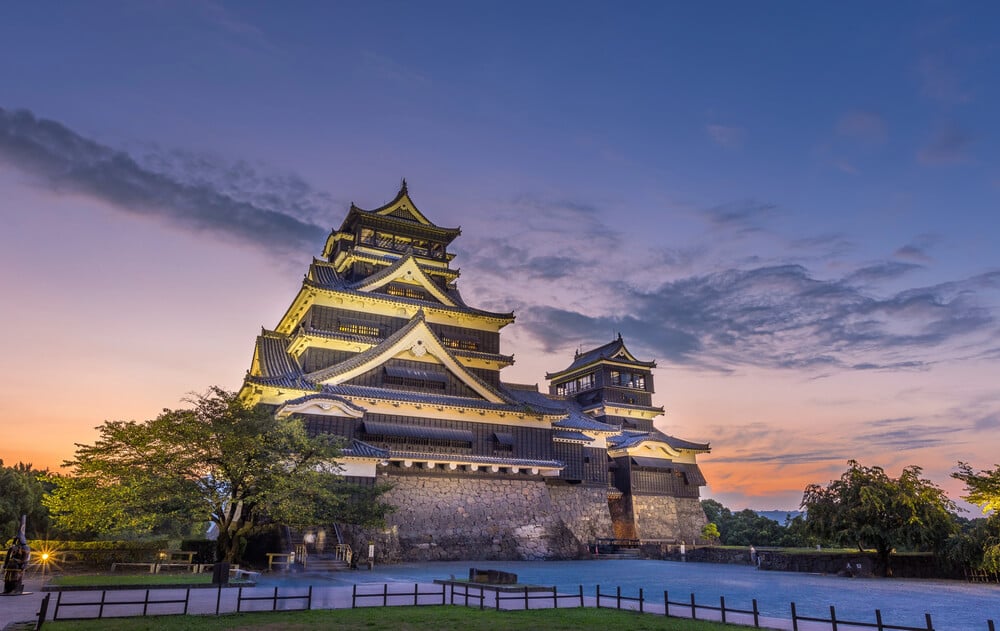
Strong earthquakes in April 2016 damaged much of Kumamoto Castle, a fortress built by Kato Kiyomasa in the early seventeenth century, toppling stone walls, cracking the keep and shattering roof tiles. One surviving turret, known as the one-legged turret, balanced on a single corner of the shattered stonework and became a symbol of the disaster.
Repairs began quickly, and the main keep reopened to visitors in 2021. A restoration plan stretching over decades aims to rebuild the stone walls stone by stone, with every block tracked so it can go back where it belongs.
Monte Cassino Abbey
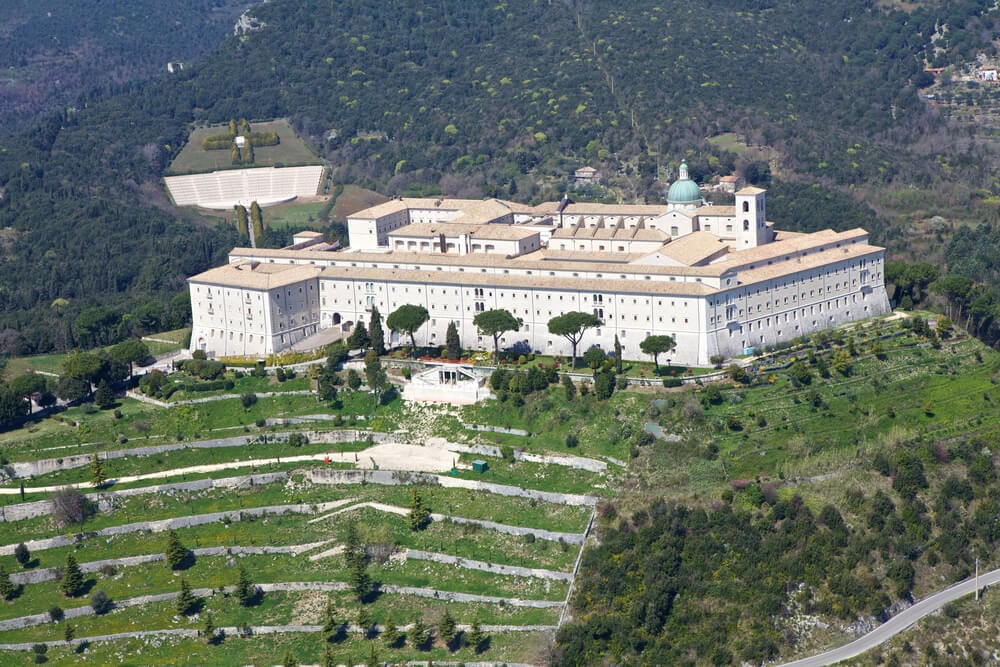
Allied bombers destroyed the hilltop abbey of Monte Cassino in February 1944, on the belief that German troops were using it, a belief that was later widely disputed. German officers had moved many of its manuscripts and treasures to Rome for safekeeping before the attack.
Italy rebuilt the abbey after the war, carefully copying its earlier form as closely as possible, and Pope Paul VI consecrated it in 1964. The monastery was founded in the sixth century, and it had been destroyed and rebuilt several times before.
Campanile of Saint Mark’s in Venice
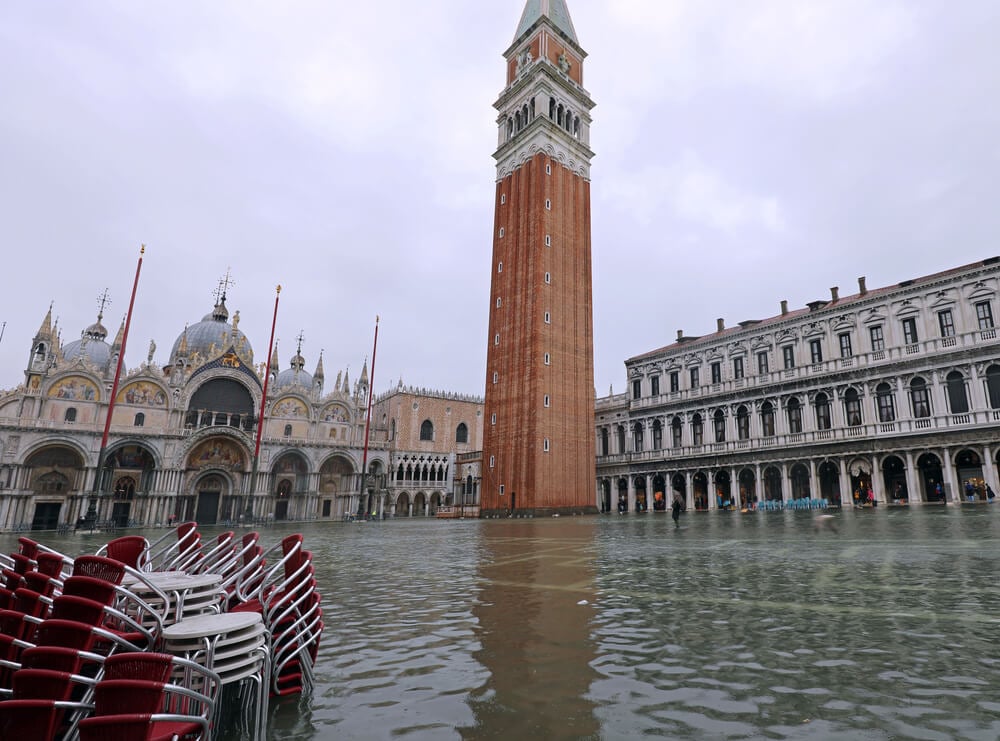
Saint Mark’s bell tower in Venice collapsed on July 14, 1902, after cracks had been noticed in the preceding days. The only reported casualty was the custodian’s cat.
Venice rebuilt the tower to the motto as it was, where it was, and the new campanile was inaugurated on Saint Mark’s day in 1912. Its outward appearance was kept faithful to the earlier tower, and a new golden angel was set on top.
The collapse had come after centuries of use as a bell tower and lookout, and Venetians saw rebuilding it as a duty rather than a choice.
Semperoper in Dresden
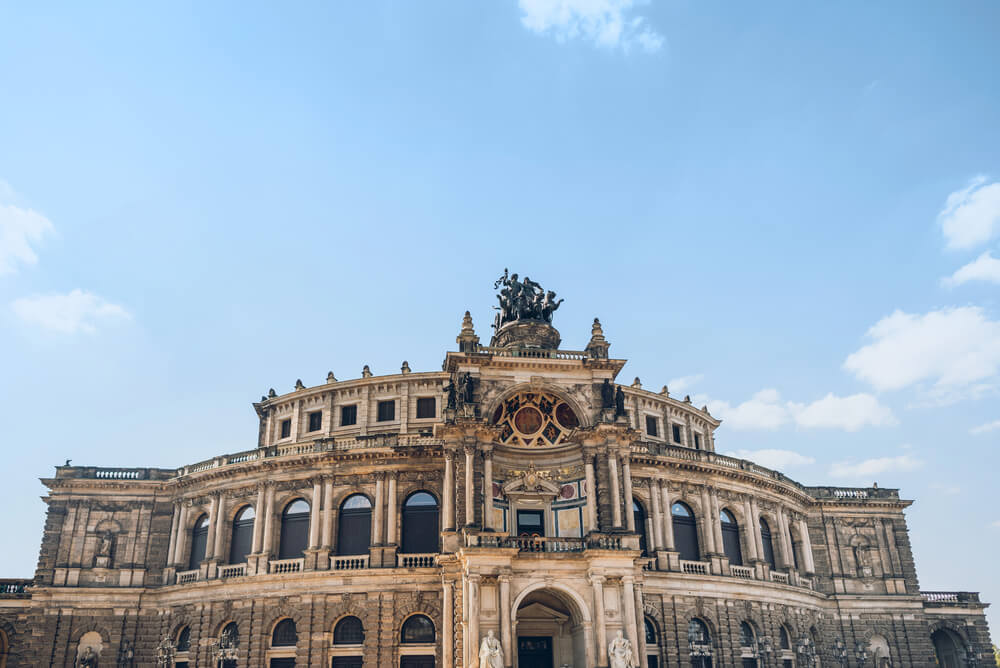
Gottfried Semper’s first opera house in Dresden burned in 1869, and a second Semperoper, designed with his son, opened in 1878. Allied bombing in February 1945 left it a burned-out shell.
East Germany rebuilt it in the following decades, and it reopened in February 1985, forty years after its destruction, with Weber’s opera Der Freischutz. The Elbe flood of 2002 inundated its lower levels again, and the house was restored once more.
Opera still plays on the same stage in a near-exact reproduction of the nineteenth-century interior.
Catherine Palace and the Amber Room
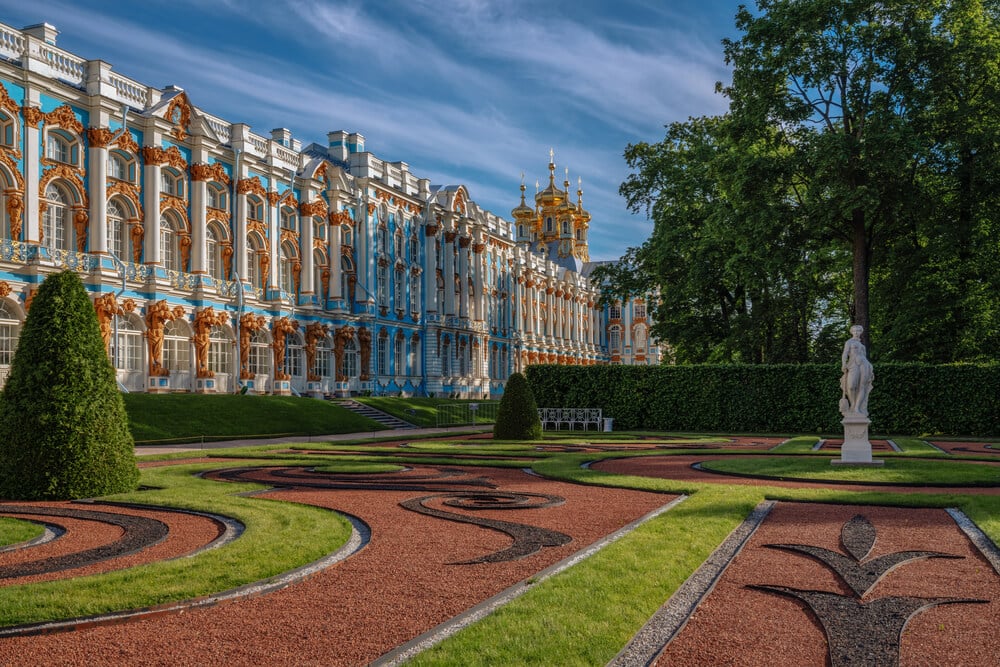
Pushkin’s Catherine Palace, near Saint Petersburg, was ruined in World War II, and Nazi troops had earlier taken the panels of its celebrated Amber Room. The panels vanished near the war’s end and have never been found.
The palace was painstakingly restored over decades, and a recreation of the Amber Room, begun in the 1970s, was finished in 2003 for Saint Petersburg’s 300th anniversary, after more than two decades of work by Russian artisans. A German energy company contributed funding, and craftspeople worked from old photographs and surviving fragments.
Rebuilding as an Argument With Loss
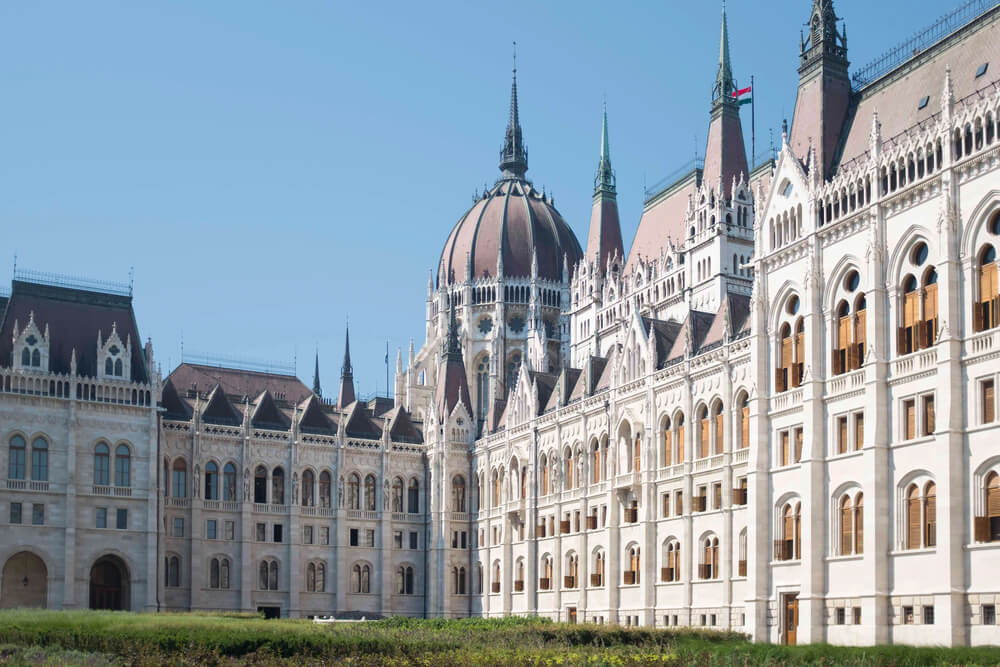
A rebuilt landmark is rarely a perfect copy. Concrete sits behind some of these stone facades, new oak replaced old oak, and a few structures moved a short distance from their original sites.
Yet each one proves that a community can refuse to accept a loss as permanent, even when the original materials are gone. The motives behind the work vary widely.
Some reconstructions answered a wartime crime, some honored a religious tradition, and some simply restored a skyline people could not imagine without. The common thread is that the buildings matter less as objects than as shared memory, which people will pay a great deal to keep.
More from Go2Tutors!

- 27 Silver Dollars and Half Dollars Worth Keeping
- 28 Restaurant Menu Items Nobody Orders Anymore
- 17 Places Built in Seemingly Impossible Spots
- 27 Vintage Rings Worth More Than They Look
- 25 Restricted Sites Tourists Can’t Enter
Like Go2Tutors’s content? Follow us on MSN.