31 Historical Hoaxes That Fooled Newspapers, Scientists and the Public for Years
A good hoax needs three things: a plausible story, a willing audience and an expert who badly wants it to be true. The most durable ones had all three, and some survived long enough to be printed in textbooks, displayed in museums and defended by people with very impressive titles.
A few of these deceptions collapsed within weeks. Others ran for decades, even centuries, before a chemist, a confession or one stubborn skeptic finally pulled the thread.
Piltdown Man and the Filed-Down Teeth

Amateur collector Charles Dawson presented fragments of a skull and jaw in December 1912, saying they came from a gravel pit near Uckfield in southern England. British scientists hailed Eoanthropus dawsoni as a missing link between apes and humans, partly because it placed a key ancestor conveniently on English soil.
For four decades it sat in reference books. Then in 1953, Kenneth Oakley, Joseph Weiner and Wilfrid Le Gros Clark ran fluorine tests and closer examinations.
The jaw belonged to an orangutan, the skull came from a far more recent human, and the teeth had been filed flat and stained to look ancient. Nobody has ever proven who planted it.
Man-Bats on the Moon in the New York Sun
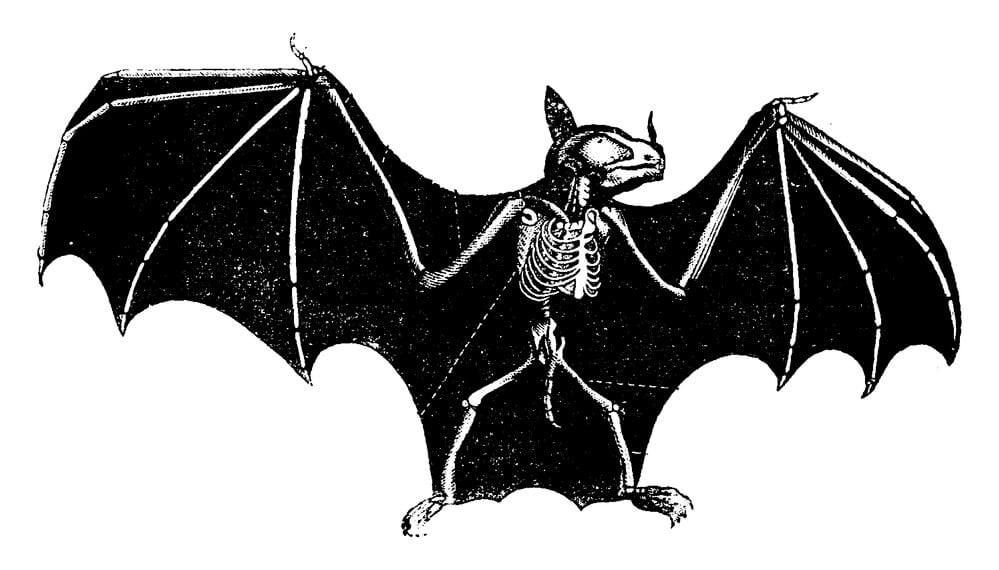
Readers of the New York Sun opened their papers in August 1835 to a six-part series claiming that astronomer Sir John Herschel had spotted life on the moon through a giant new telescope. The articles described bison-like beasts, a bluish goat with a single horn and winged humanoids the paper called Vespertilio-homo, or man-bats.
Reporter Richard Adams Locke wrote most of it, and the series helped make the Sun one of the best-selling dailies anywhere. Herschel really was working at the Cape of Good Hope at the time.
That sliver of real geography made the fiction far harder to dismiss.
Cardiff Giant Pulled From a Farm Well
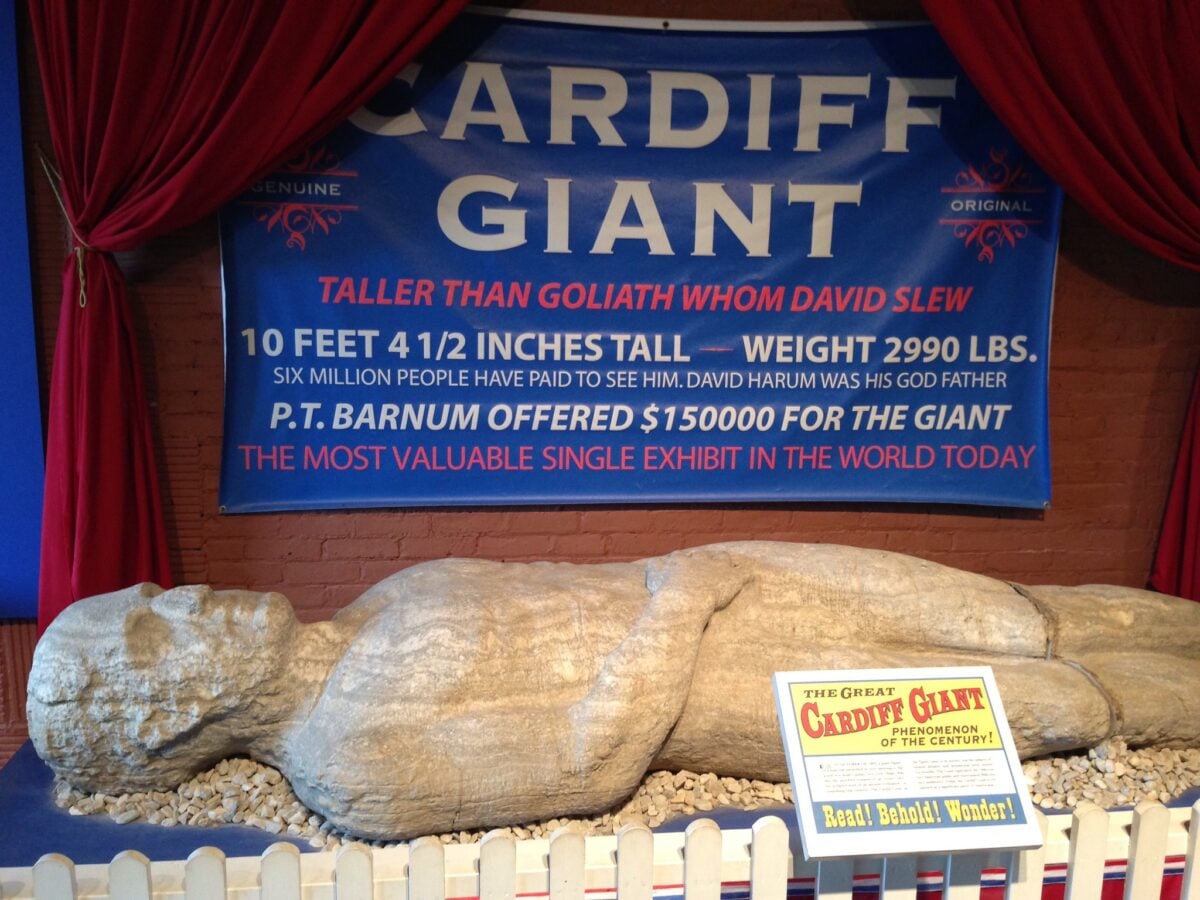
Workers digging a well on William Newell’s farm near Cardiff, New York, in October 1869 struck the stone face of a 10-foot man. Crowds paid 50 cents each to see the petrified giant, and some preachers treated it as proof that giants once walked the earth.
The figure was really a block of gypsum from Fort Dodge, Iowa, carved in Chicago on the orders of George Hull, who had argued with a minister about biblical giants. Paleontologist Othniel Marsh called it a recent fake.
When P.T. Barnum could not buy it, he made his own copy, and the copy drew bigger crowds than the original.
Hitler’s Diaries and a 9.3 Million Mark Mistake
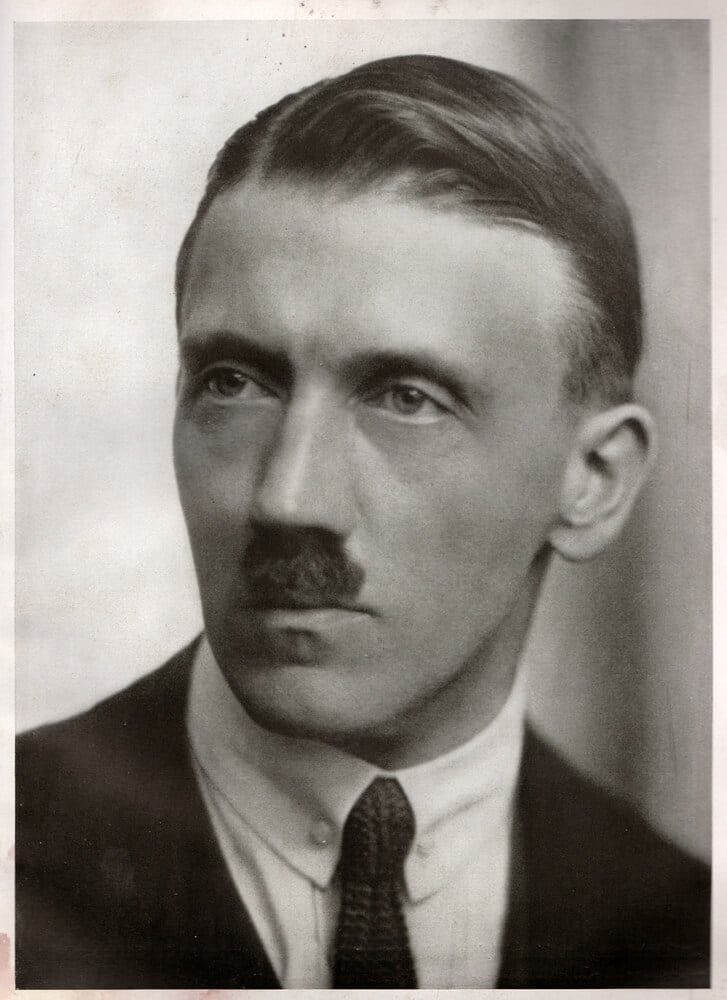
German magazine Stern announced in April 1983 that it had obtained 60 volumes of Adolf Hitler’s private diaries, bought through reporter Gerd Heidemann for about 9.3 million marks. The historian Hugh Trevor-Roper initially vouched for them, and newspapers abroad bought serialization rights.
Within about two weeks, the German Federal Archives found that the paper, bindings and glue contained materials made after the war. The forger, Konrad Kujau, had even fixed initials to one cover that read FH instead of AH.
Both Kujau and Heidemann were convicted in 1985 and sentenced to more than four years in prison.
Cottingley Fairies Captured by Two Cousins
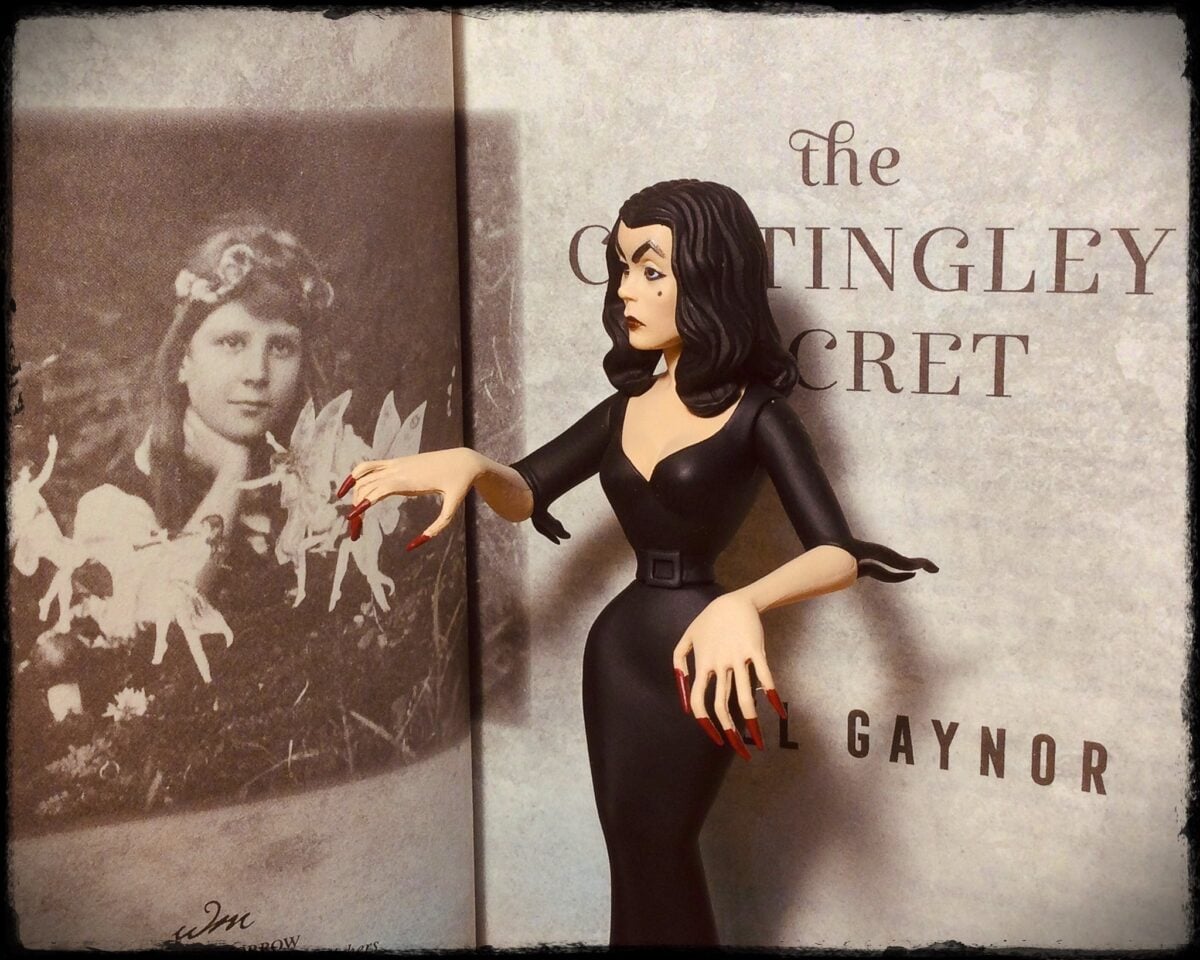
Cousins Elsie Wright and Frances Griffiths, aged 16 and 9, photographed what appeared to be fairies dancing beside a stream in Cottingley, West Yorkshire, in 1917. Arthur Conan Doyle, creator of Sherlock Holmes and a committed spiritualist, promoted the pictures in The Strand Magazine in 1920.
The fairies were paper cutouts copied from a 1914 illustrated gift book and propped up on hatpins. The cousins did not admit the trick until 1983, when both were elderly women.
Even then, Frances insisted that the fifth and final photograph showed something real, and she held that position until her death.
Surgeon’s Photograph From Loch Ness
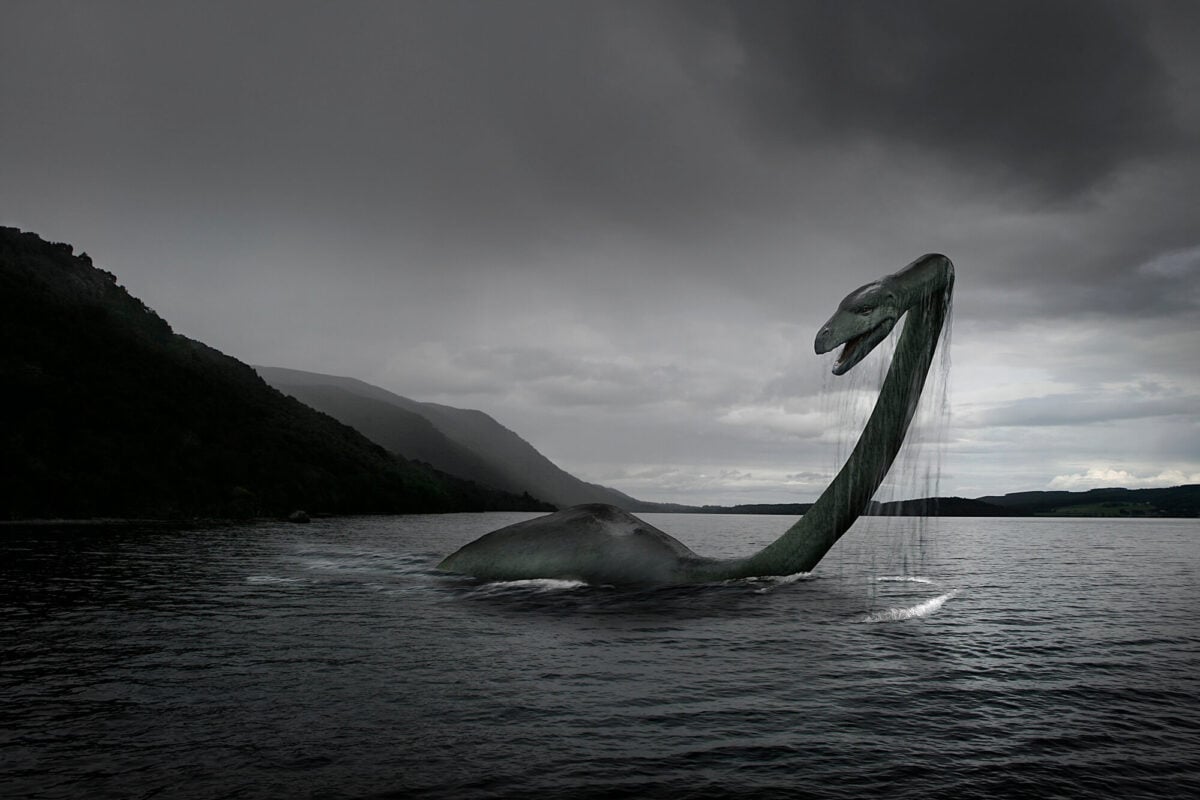
The most famous image of Nessie appeared in the Daily Mail in April 1934, credited to a London doctor named Robert Kenneth Wilson, whose profession lent the picture instant credibility. For six decades it anchored the case for a long-necked creature in the Scottish loch.
Shortly before his death, Christian Spurling confessed that the monster was a toy submarine fitted with a sculpted head and neck, and his account was published in 1994. The scheme had been organized by his stepfather, big-game hunter Marmaduke Wetherell, who had earlier been mocked by the paper over faked footprints.
Wilson had simply agreed to front the photo.
Archaeoraptor in the Pages of National Geographic
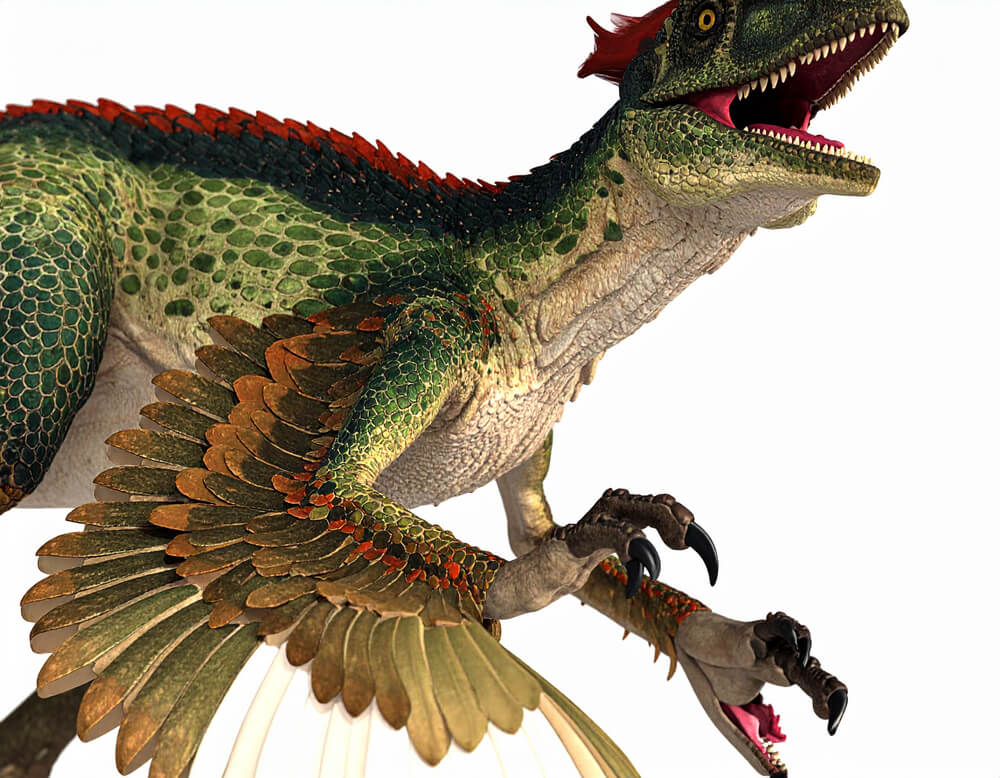
National Geographic announced in November 1999 that a fossil from Liaoning, China, showed a long-sought link between dinosaurs and birds. Named Archaeoraptor liaoningensis, the specimen had been smuggled out of China and bought at a gem and mineral show in Tucson, Arizona.
Paleontologist Xu Xing then found the matching slab of the tail and showed that the fossil was a composite glued together from more than one animal. The magazine published a correction in 2000.
The embarrassing chimera proved useful anyway, because its parts helped scientists describe the small feathered dinosaur Microraptor and the early bird Yanornis.
Tasaday Cave Dwellers of Mindanao
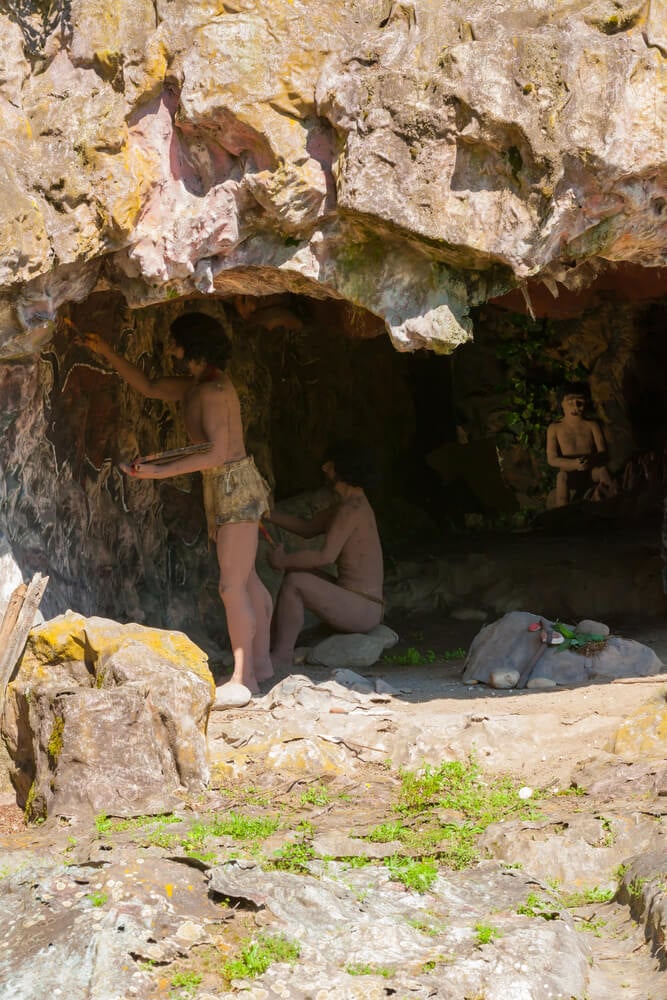
Philippine official Manuel Elizalde introduced the world in 1971 to the Tasaday, a small group living in caves on Mindanao who were said to have had no contact with outsiders for centuries. They appeared on the cover of National Geographic in 1972, and the government sealed off their forest as a reserve.
After Ferdinand Marcos fell in 1986, Swiss journalist Oswald Iten reached the site and reported that members wore ordinary clothes and lived in nearby villages. Anthropologists still argue about how much was staged.
The image of an untouched Stone Age tribe, however, did not survive the visit.
Donation of Constantine
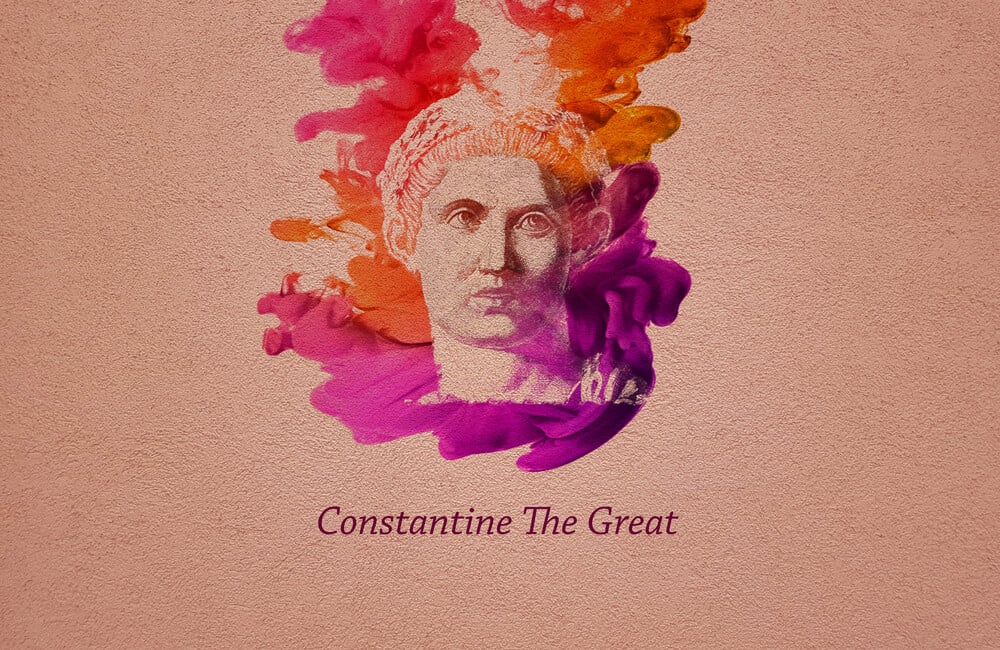
Popes and lawyers cited it for roughly 600 years: a decree in which Emperor Constantine supposedly handed authority over Rome and the western empire to Pope Sylvester. The document was probably forged in the eighth century and used to support papal claims to territory and power.
In 1440, Italian scholar Lorenzo Valla showed through close reading that its Latin contained words and forms that did not exist in the fourth century. Valla worked for King Alfonso of Aragon, a rival of the papacy, which gave him every reason to look closely.
Even so, the forgery kept defenders into the following century.
Lying Stones of Wurzburg
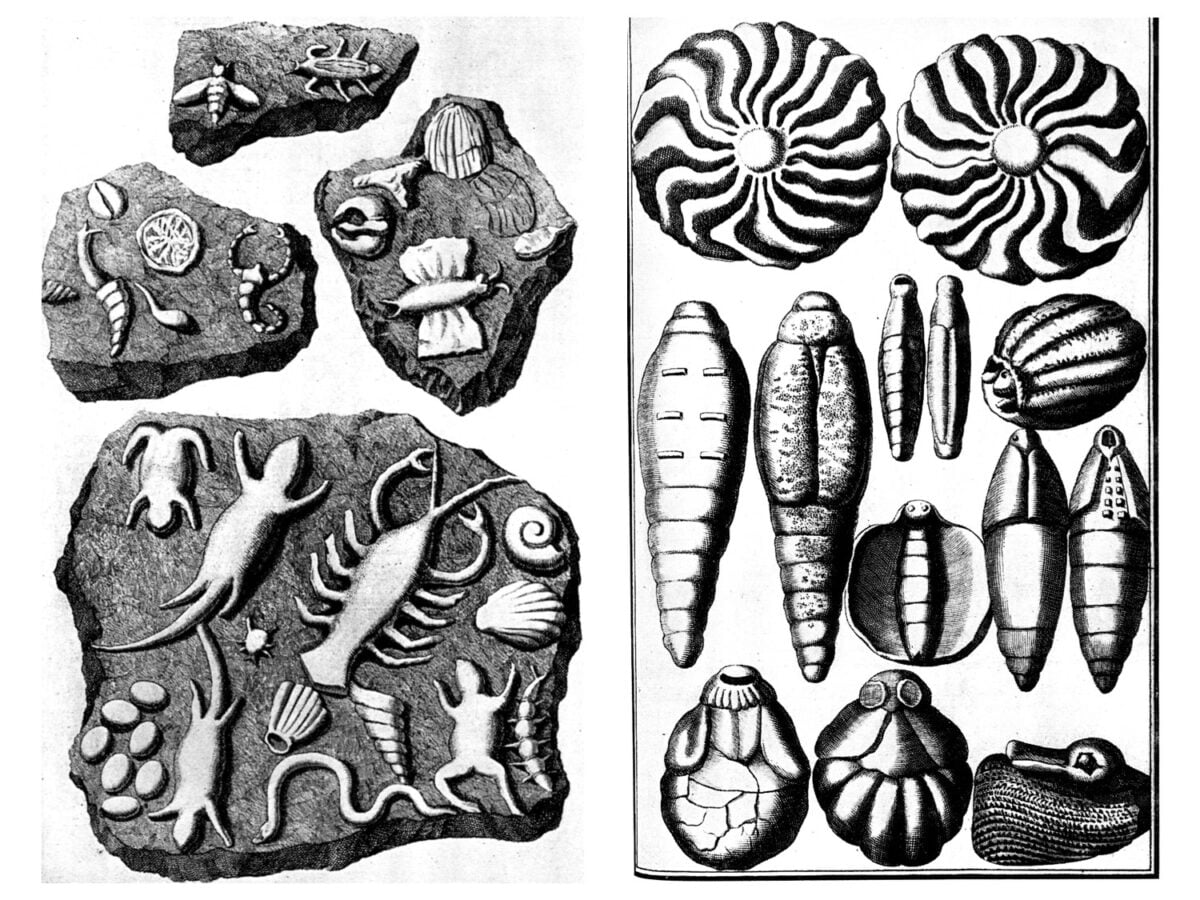
Johann Bartholomew Adam Beringer, a physician and professor at the University of Wurzburg, began receiving carved stones in 1725 that were said to come from a nearby mountain. They showed lizards, frogs, spiders, comets and even Hebrew letters spelling the name of God.
Beringer published a lavish book on them in 1726, arguing they could be natural forms or divine works. Two colleagues, J. Ignatz Roderick and Georg von Eckhart, had arranged the scheme to humiliate him, and the affair ended in court.
The stones survive in museums as a classic warning about wanting a discovery too much.
Barnum’s Feejee Mermaid
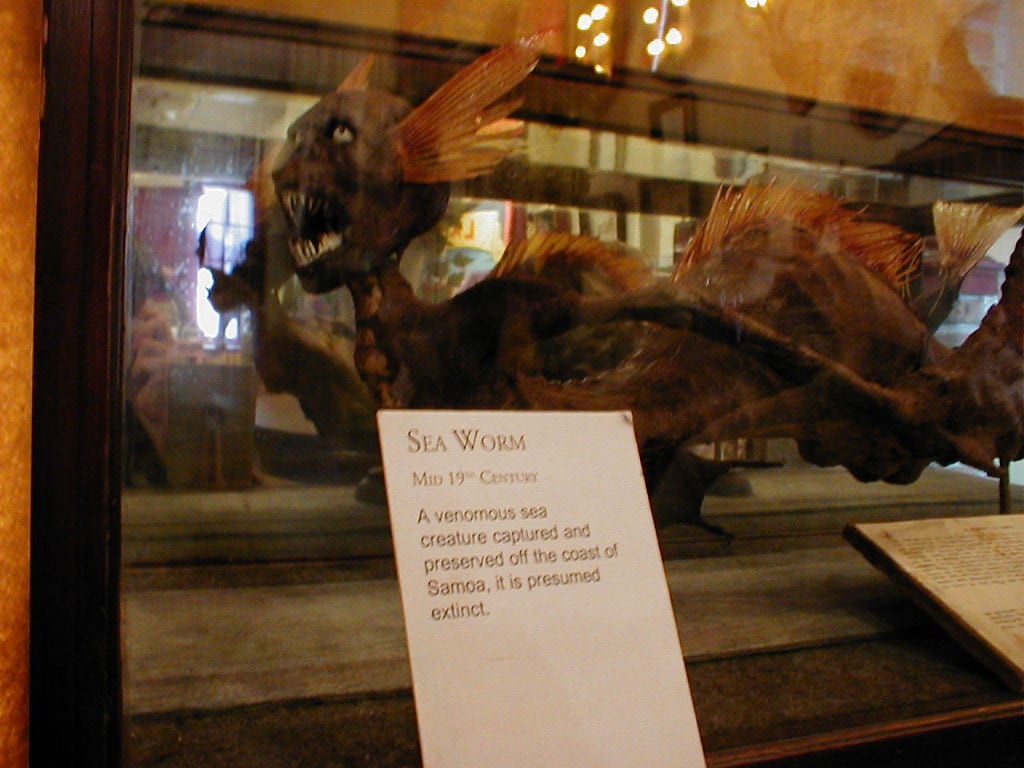
P.T. Barnum exhibited a mermaid supposedly caught near the Fiji Islands in 1842, having leased it from the owner of a Boston museum. Before the exhibit opened, Barnum fed New York newspapers letters about a naturalist called Dr. J. Griffin, who was really his associate Levi Lyman.
Crowds expecting a lovely sea maiden found a shriveled creature about three feet long, made by stitching the upper body of a monkey to the tail of a fish. Similar composite creatures had long been made by fishermen in Japan.
The original is believed to have been lost in one of the fires that repeatedly struck Barnum’s museums.
Kensington Runestone in a Minnesota Field
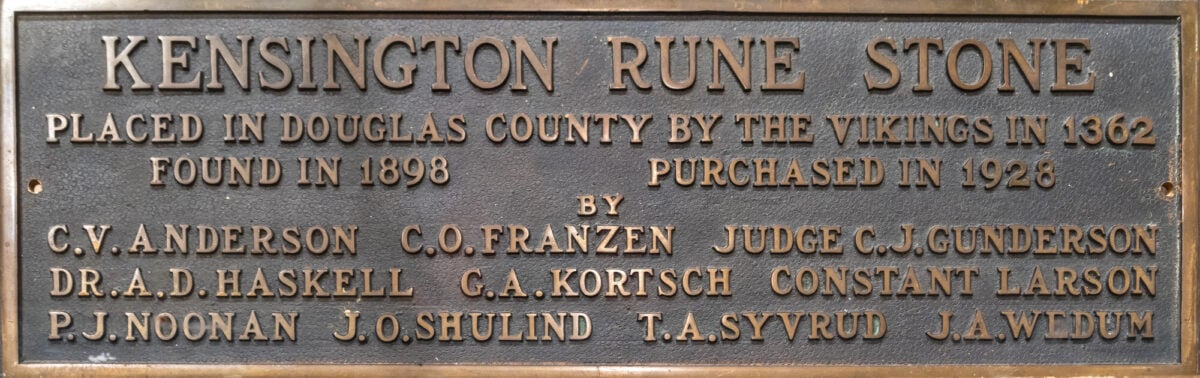
Swedish immigrant farmer Olof Ohman said in 1898 that he had found a slab of stone tangled in the roots of an aspen tree near Kensington, Minnesota. Its runic inscription described a party of Swedes and Norwegians exploring the region in 1362 and returning to find ten of their men dead.
Runologists have long judged it a 19th-century creation, pointing to spellings and word forms that fit Ohman’s era rather than the medieval one. The stone still has loyal defenders.
It sits in a dedicated museum in Alexandria, Minnesota, a town that also displays a giant statue of a Viking.
Calaveras Skull and the Pliocene Man

Miners in Calaveras County, California, handed over a skull in 1866 that was said to have come from deep in a shaft beneath layers of volcanic rock. State geologist Josiah Whitney declared it evidence that humans lived in North America during the Pliocene, millions of years earlier than anyone believed.
Locals seem to have enjoyed the joke, and Bret Harte wrote a satirical poem addressed to the skull. Radiocarbon dating in 1992 showed it was only about 1,000 years old and likely came from a local Native American burial.
Whitney defended the find for the rest of his life.
Mechanical Turk and the Hidden Chess Master
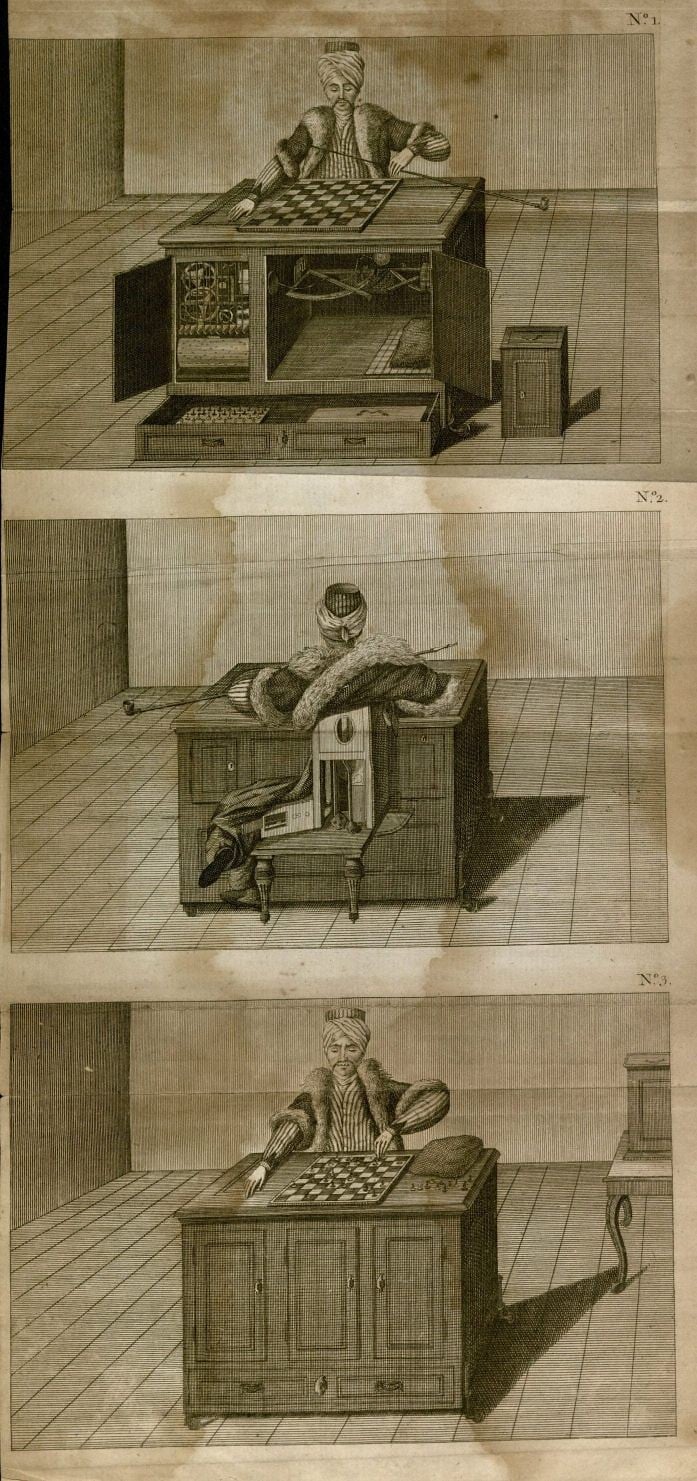
Hungarian inventor Wolfgang von Kempelen unveiled a chess-playing automaton dressed in Ottoman robes at the court of Empress Maria Theresa in Vienna in 1770. For more than 80 years the Turk toured Europe and America, beating skilled players and reportedly facing Napoleon Bonaparte and Benjamin Franklin.
Showmen opened its cabinet doors to display clockwork while a human chess master shifted position inside to stay out of sight. Edgar Allan Poe wrote an essay in 1836 trying to work out the trick.
The machine was destroyed in an 1854 fire at a Philadelphia museum, and its secret was published soon after.
Han van Meegeren’s Vermeers
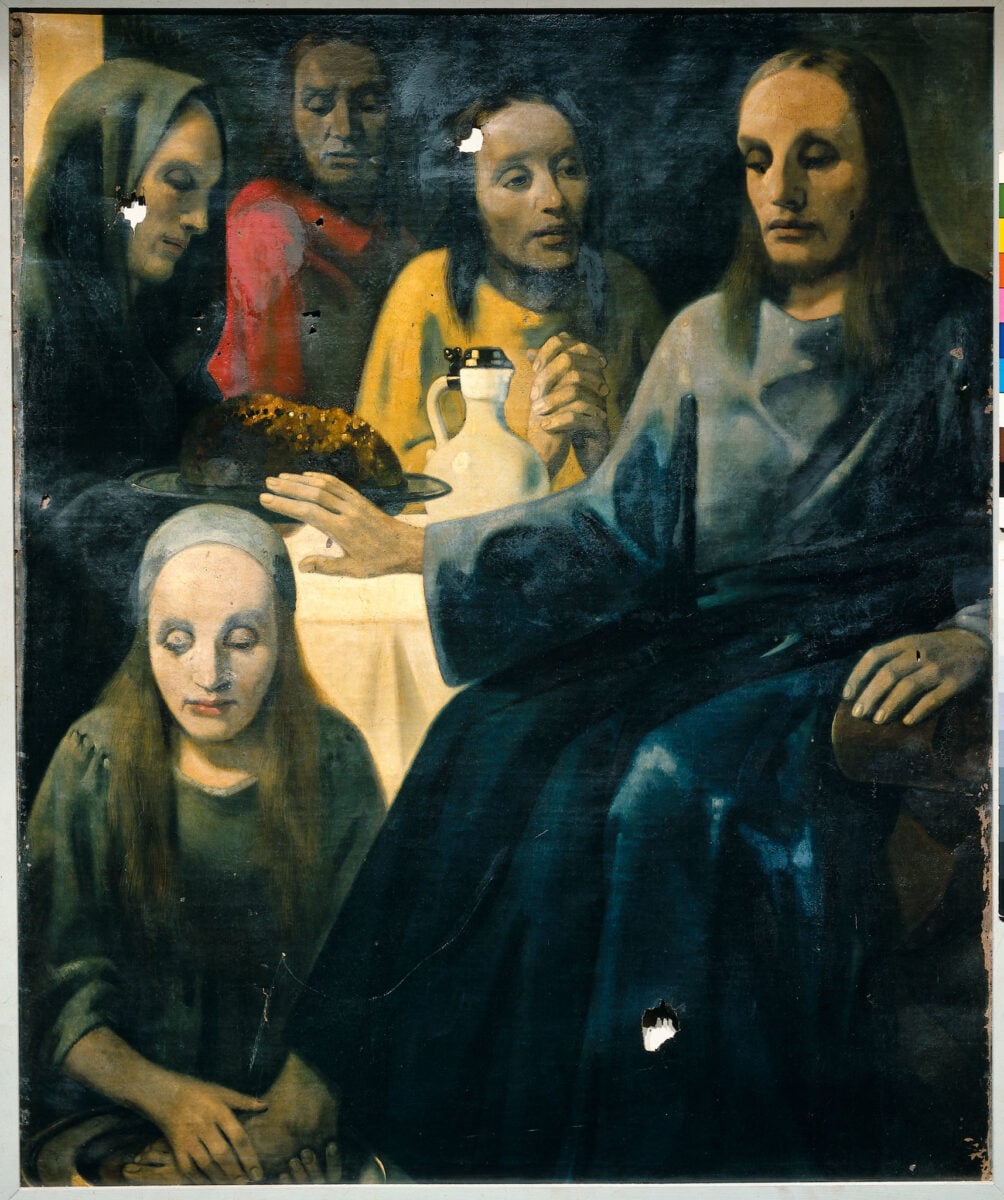
Dutch painter Han van Meegeren produced a Vermeer called The Supper at Emmaus that the respected scholar Abraham Bredius praised in 1937, and the Boijmans museum in Rotterdam bought it. He went on to sell more fakes, including one purchased by Nazi leader Hermann Goering.
Arrested in 1945 for selling a national treasure to the enemy, he faced a charge that could carry a death sentence. His defense was to prove he had painted it himself, so he produced a new Vermeer while under supervision.
He was convicted of forgery instead and died in December 1947 before serving his sentence.
Crop Circles in the English Countryside
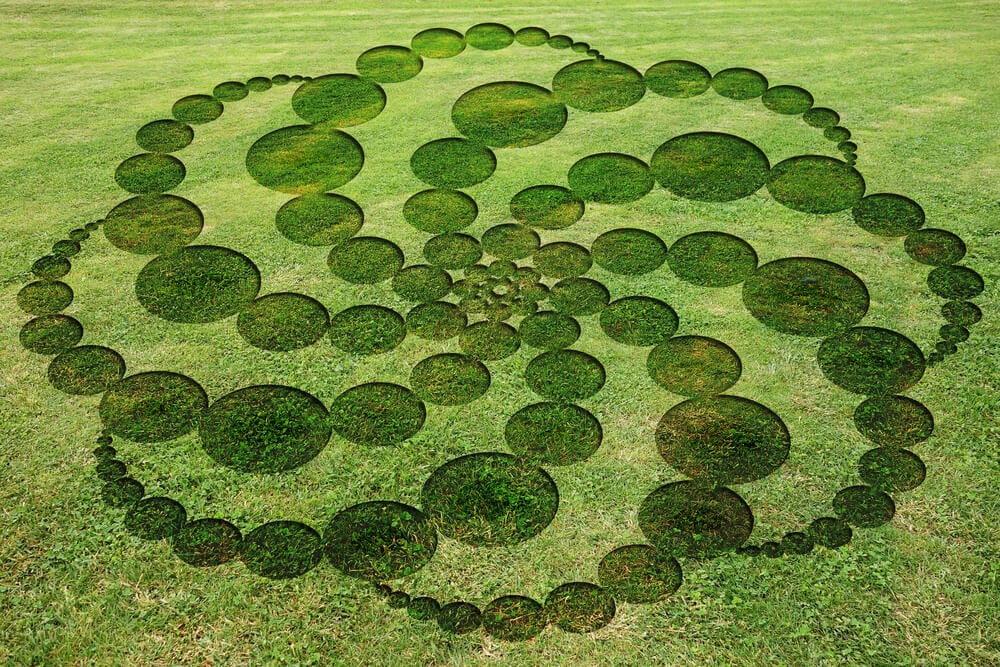
Flattened geometric patterns began appearing in wheat fields in southern England in the late 1970s, and a small industry of researchers blamed plasma vortices, earth energies and visiting aliens. In 1991, Doug Bower and Dave Chorley, two men from Southampton, told Today newspaper they had been making circles since 1976 with planks, rope and a wire sighting device attached to a cap.
They made a fresh circle for journalists, and a prominent circle researcher declared it authentic. The confession barely slowed the phenomenon.
It spread worldwide and grew more elaborate as other teams joined in.
Mencken’s Fake History of the Bathtub
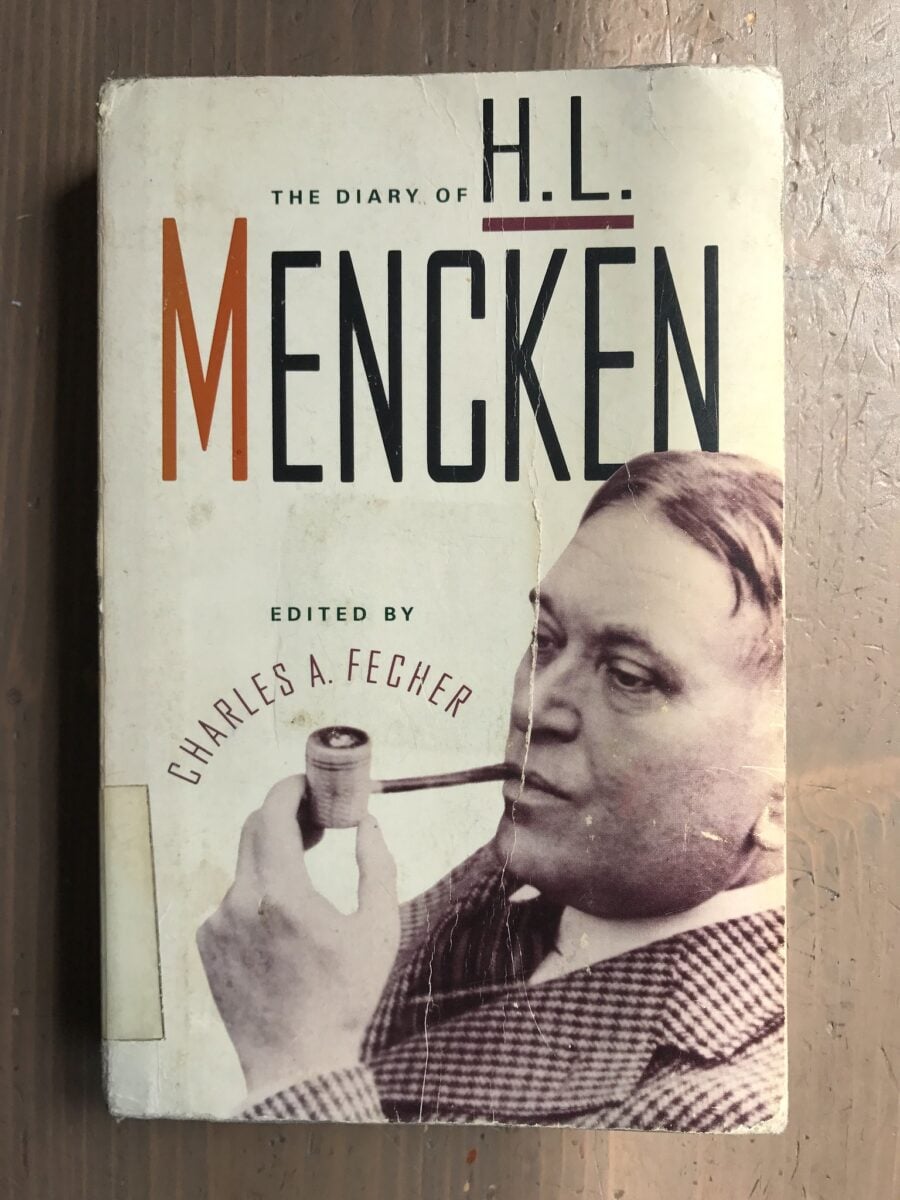
H.L. Mencken published A Neglected Anniversary in the New York Evening Mail on December 28, 1917, a history of the American bathtub that he invented from top to bottom. It claimed the first tub in the country was installed in Cincinnati in 1842, that doctors warned against it, and that Millard Fillmore made bathing respectable by putting a tub in the White House.
Mencken meant it as light relief during a grim wartime winter. Instead, his fake facts spread into newspapers, reference works and speeches.
Even his public confession in 1926 could not stop them, and some still circulate.
Ern Malley and the Poems Written in an Afternoon

Australian modernist magazine Angry Penguins devoted an issue in 1944 to the late Ern Malley, a mechanic and insurance salesman whose poems had supposedly been found by his sister after his death. Editor Max Harris hailed him as a major talent.
Malley never existed. Poets James McAuley and Harold Stewart had written all 16 poems in a single afternoon, stitching together lines from a dictionary, a book of quotations and a US Army report on mosquito control.
Harris was then prosecuted and fined for publishing indecent material. The poems have since earned admirers who argue the fake came out better than intended.
Alien Autopsy Footage and the Roswell Legend
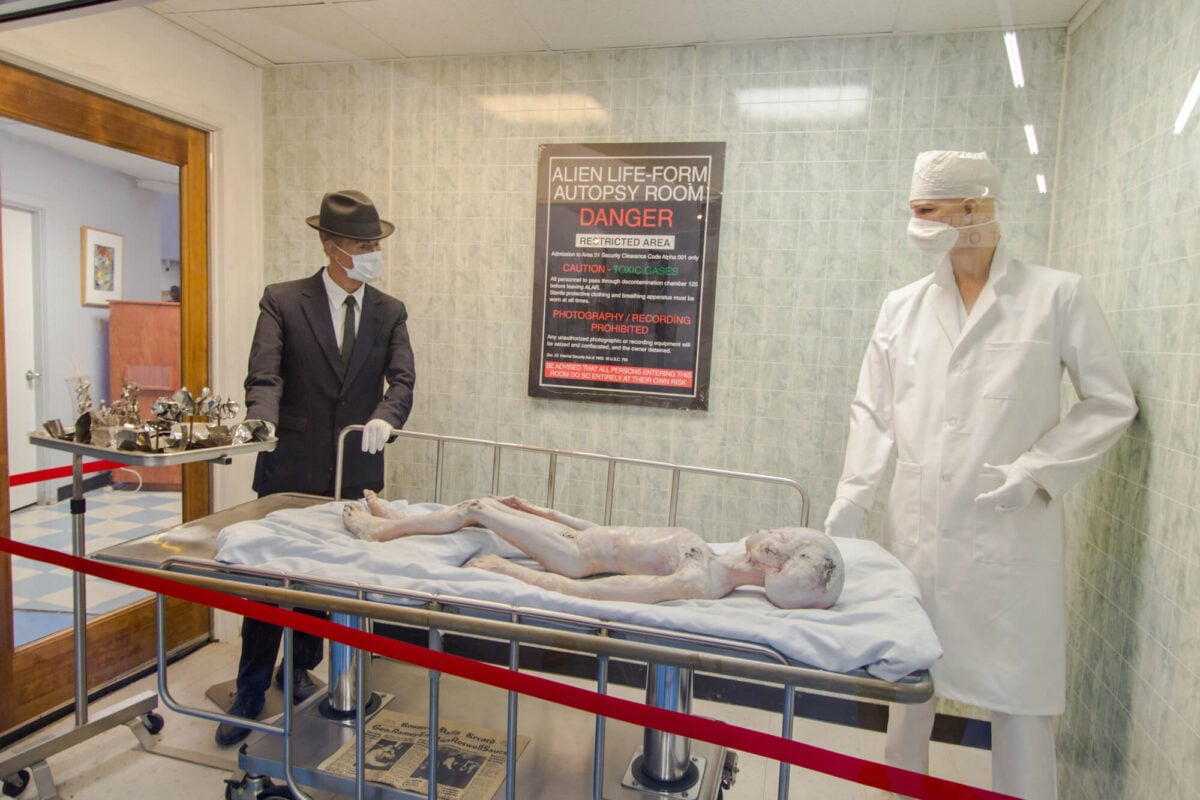
London businessman Ray Santilli released grainy black-and-white film in 1995 that supposedly showed doctors dissecting an alien recovered after the 1947 crash near Roswell, New Mexico. Broadcast in dozens of countries, it was promoted as military footage bought from a retired cameraman.
Skeptics pointed to anatomical oddities and questionable props, yet the film drew huge ratings and years of debate. In 2006, Santilli said it was a reconstruction of real footage he had once seen but which had degraded.
Sculptor John Humphreys then described building the dummy bodies and filling them with animal parts from a butcher.
William Henry Ireland’s Shakespeare Papers
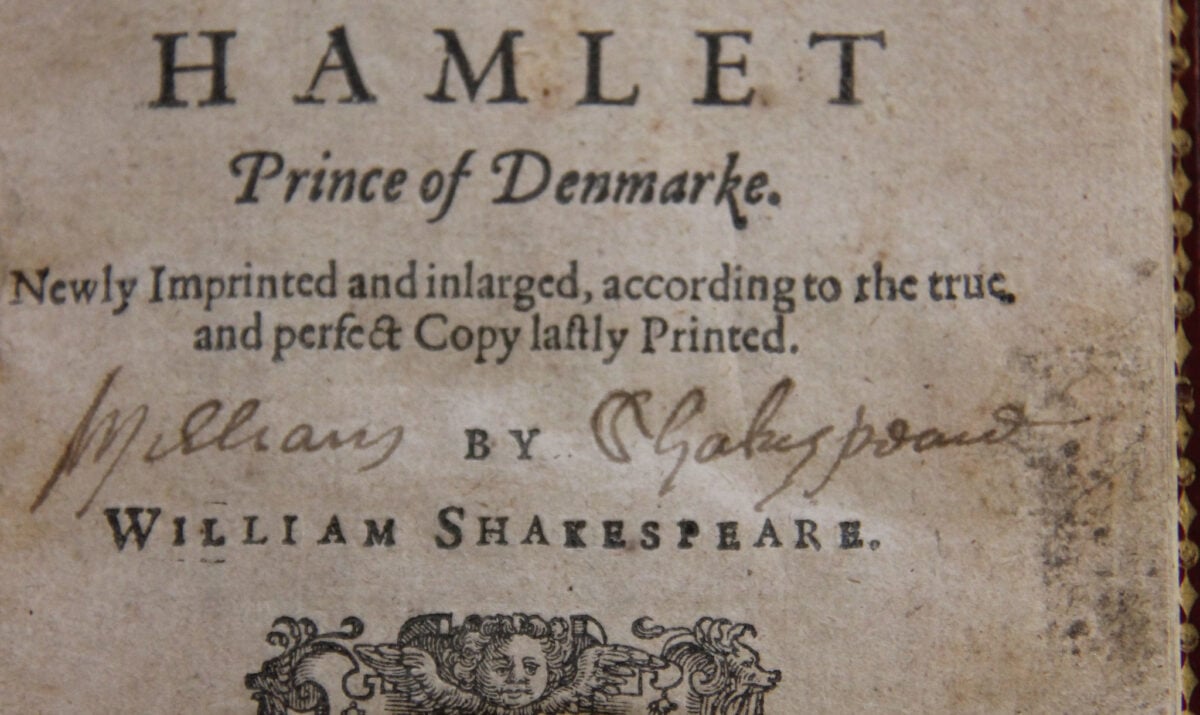
A young law clerk named William Henry Ireland began producing documents in 1794 that he said came from a trunk belonging to a mysterious gentleman. There were Shakespeare signatures, a love letter to Anne Hathaway and eventually a lost play called Vortigern and Rowena.
His father, an engraver and collector, believed every word, and James Boswell reportedly knelt to kiss the papers. Scholar Edmond Malone published a devastating exposure on March 31, 1796.
Two days later, Vortigern opened at Drury Lane and dissolved into laughter, and Ireland soon confessed to the entire scheme.
Thomas Chatterton’s Invented Monk
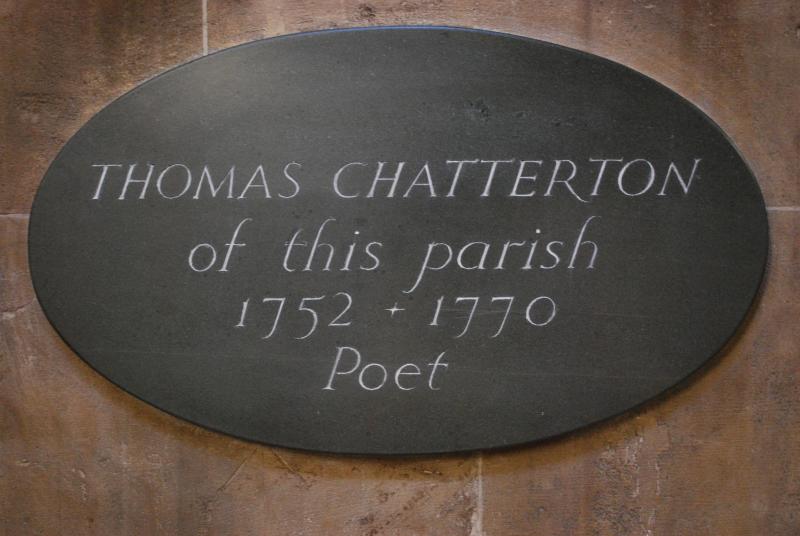
As a teenager in Bristol in the 1760s, Thomas Chatterton produced poems he said were written by Thomas Rowley, a 15th-century priest, and copied from old parchments kept in the church of St Mary Redcliffe. He aged his verses with invented medieval spellings and forged supporting documents to match.
Horace Walpole showed brief interest before growing suspicious. Chatterton died in London in 1770 at the age of 17, and arguments over the Rowley poems continued long after.
Later Romantic poets, including Wordsworth and Keats, turned him into a lasting symbol of neglected genius.
Ossian, the Ancient Bard Who Won Over Europe
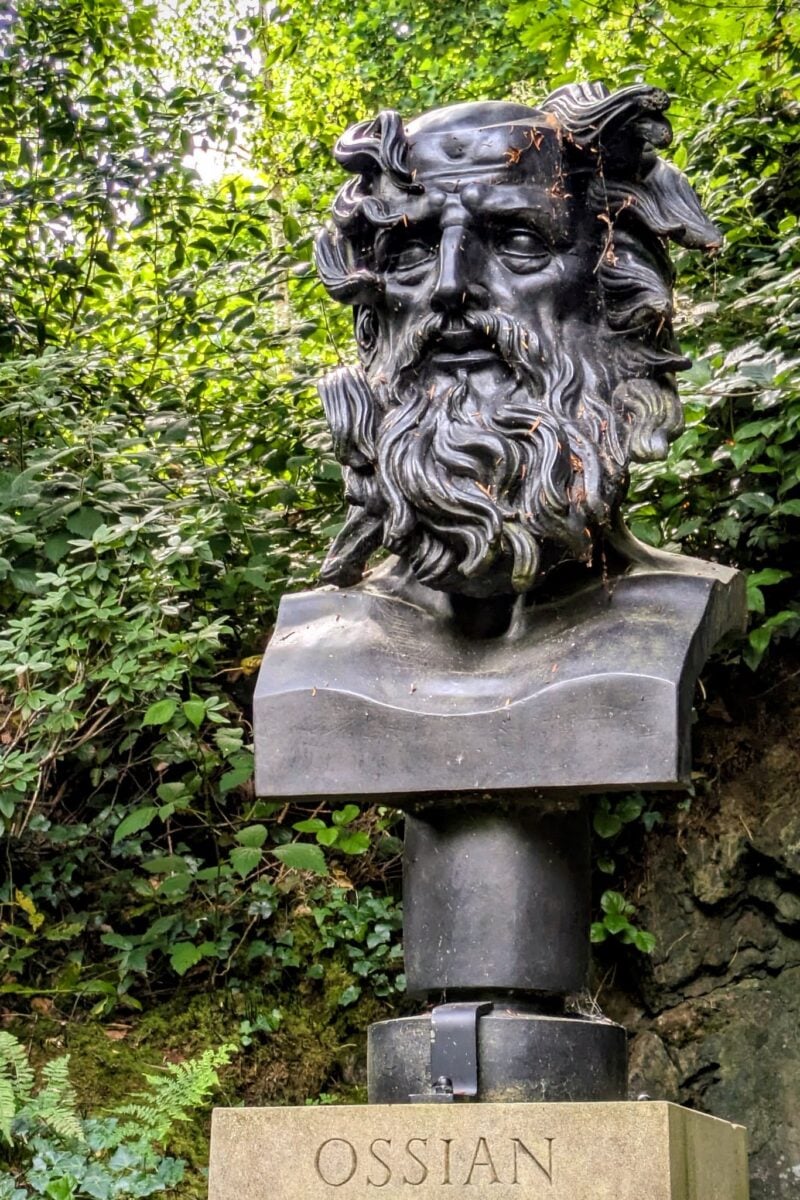
Scottish writer James Macpherson published what he called translations of ancient Gaelic poetry in 1760, attributed to a third-century bard named Ossian, followed by the epics Fingal in 1761 and Temora in 1763. The poems became a sensation across Europe, admired by Goethe and carried on campaign by Napoleon.
Samuel Johnson denounced them as a fraud and demanded to see the manuscripts, which Macpherson never produced. An 1805 inquiry by the Highland Society concluded he had used traditional Gaelic material but freely rewrote, combined and invented much of it.
The poems still left a real mark on Romantic literature.
Drake’s Plate of Brass
A brass plate turned up near San Francisco Bay in 1936 carrying an inscription in which Francis Drake claimed the land for Queen Elizabeth in 1579. Historian Herbert Bolton of the University of California declared it genuine, and it went on display at the Bancroft Library.
Metallurgical tests in 1977 showed the brass was modern rolled sheet. In 2003, researchers revealed that it had begun as a prank by members of E Clampus Vitus, a fraternal history club, aimed at Bolton, who was himself a member.
When Bolton took it seriously, the pranksters could find no graceful way to take it back.
Vinland Map at Yale
Yale University unveiled a world map in 1965 that was supposedly drawn around 1440 and showed Vinland, the Norse name for part of North America, decades before Columbus sailed. Philanthropist Paul Mellon had funded its purchase and donated it to the school.
In 1974, chemist Walter McCrone reported traces of titanium dioxide in the ink, a pigment not manufactured until the 20th century. The debate ran for more than 40 years until Yale announced in 2021 that new analysis confirmed the map as a forgery.
It had been bound with genuine medieval texts, which helped disarm early suspicion.
Tichborne Claimant From Wagga Wagga
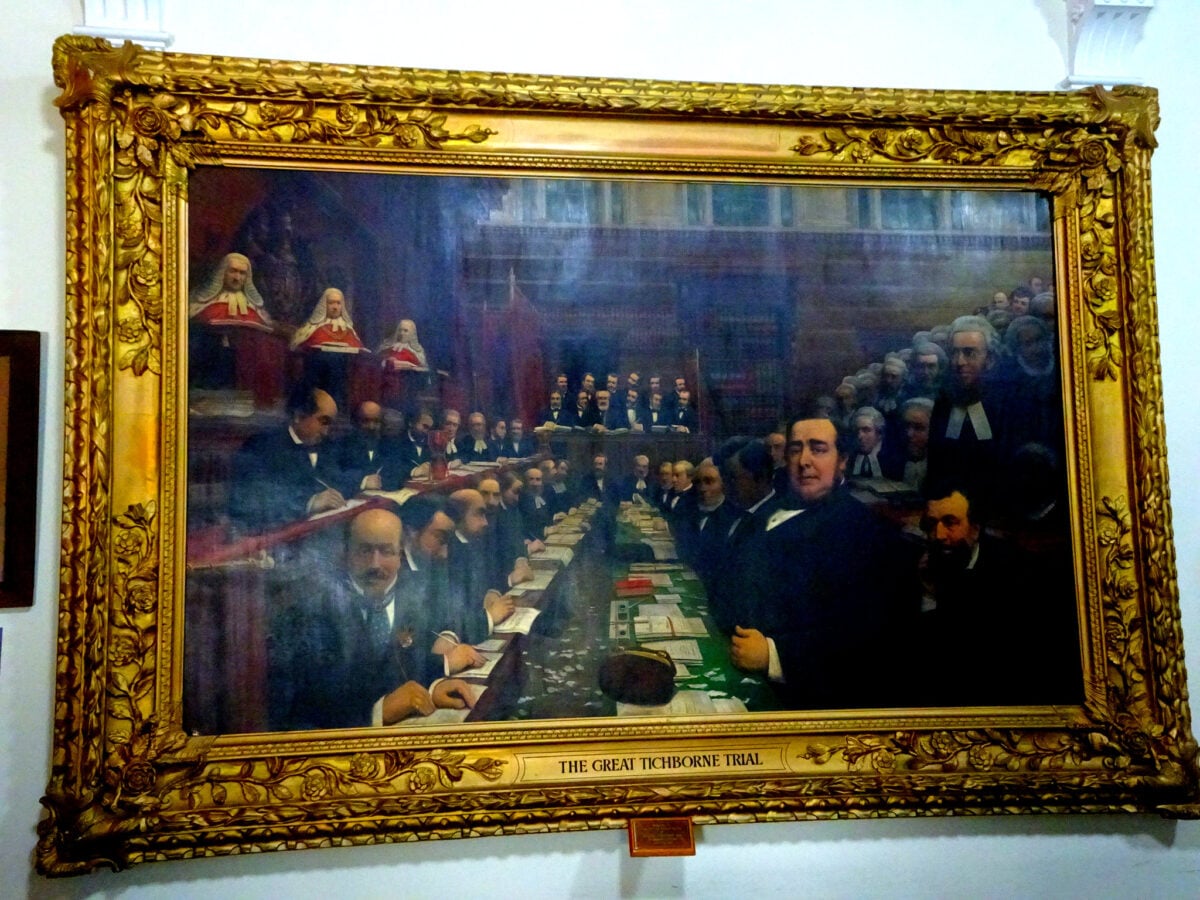
Roger Tichborne, heir to an English baronetcy, was lost at sea in 1854. His mother refused to believe he had died and placed advertisements around the world seeking news of him.
In 1866, a butcher from Wagga Wagga, Australia, answered, and despite being much heavier and unable to speak the French that Roger had grown up with, he was welcomed by the dowager Lady Tichborne as her son. He turned out to be Arthur Orton of Wapping, London.
After the longest trials English courts had seen to that point, he was convicted of perjury in 1874 and sentenced to 14 years.
Anna Anderson and the Lost Grand Duchess
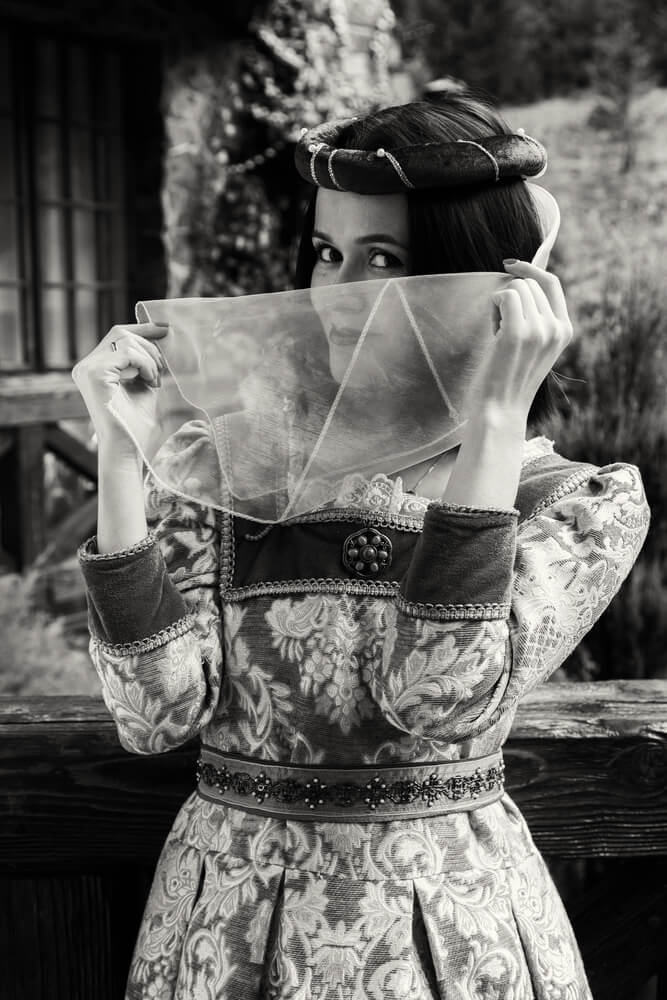
A young woman pulled from a Berlin canal in 1920 was later identified by some as Grand Duchess Anastasia, youngest daughter of Tsar Nicholas II. For more than six decades, Anna Anderson attracted loyal supporters, lawsuits and films, including a 1956 Hollywood version starring Ingrid Bergman.
German courts ruled in 1970 that her claim had been neither established nor refuted. DNA testing in 1994, a decade after her death, showed she was not related to the Romanovs.
Her DNA instead matched relatives of Franziska Schanzkowska, a Polish factory worker who had vanished around the time Anderson appeared.
Etruscan Warriors at the Metropolitan Museum
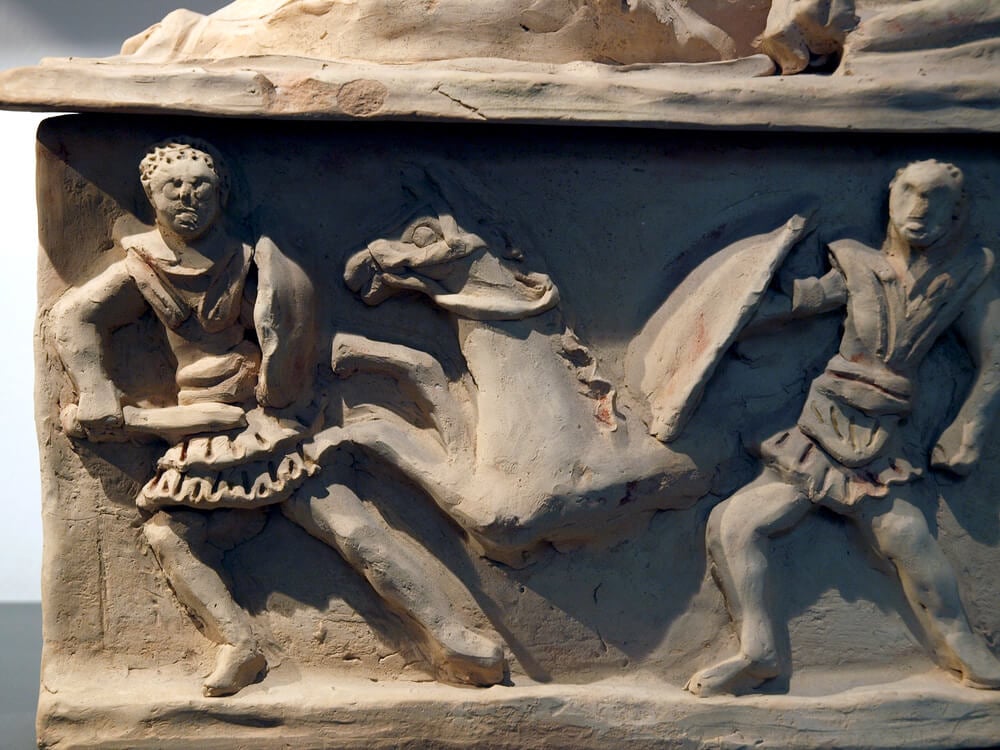
New York’s Metropolitan Museum of Art bought three large terracotta figures between 1915 and 1921, all described as ancient Etruscan warriors, one of them standing more than eight feet tall. They went on display in 1933 and appeared in books as prized examples of Etruscan art.
Doubts built for years, helped by tests showing a glaze ingredient the ancient makers did not use. In 1961, Italian forger Alfredo Fioravanti signed a confession and produced a missing thumb from one statue to prove his role.
The museum removed the warriors from display soon afterward.
Tiara of Saitaphernes at the Louvre
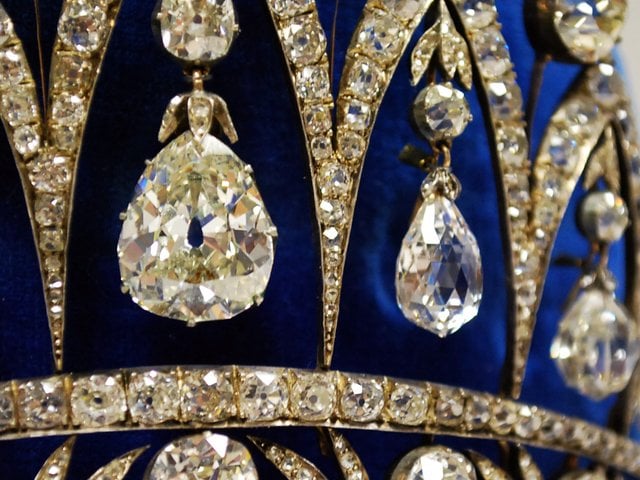
The Louvre paid 200,000 francs in 1896 for a gold tiara said to have been made for Saitaphernes, a Scythian king of the third century BC. Some specialists objected almost at once, but the museum displayed it proudly for seven years.
In 1903, a goldsmith from Odessa named Israel Rouchomovsky came forward as its maker. Asked to prove it, he reproduced part of the decoration from memory.
The Louvre withdrew the tiara from its antiquities galleries, and Rouchomovsky enjoyed a brief career as a celebrated craftsman whose skill had fooled one of the finest museums on earth.
Leo Taxil and the Imaginary Diana Vaughan
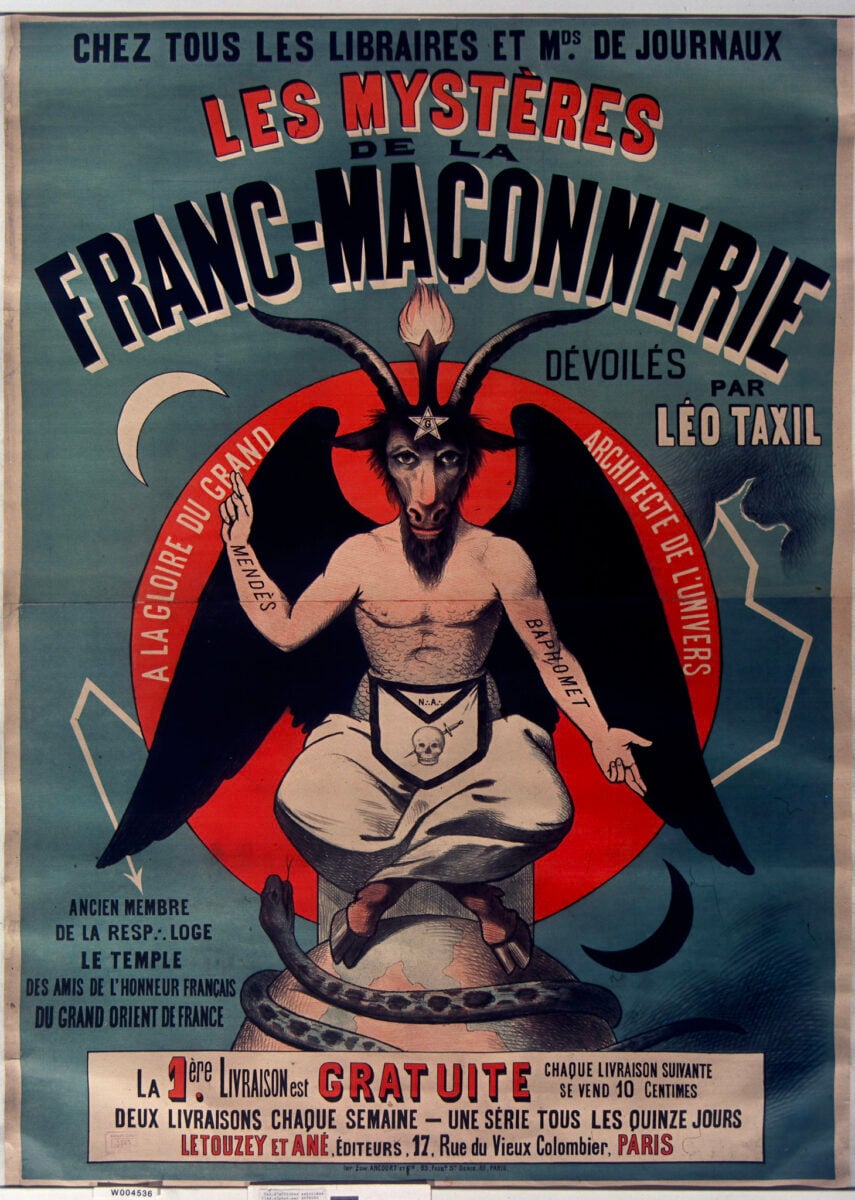
French writer Leo Taxil announced in 1885 that he had converted to Catholicism and began publishing lurid books claiming that Freemasons practiced devil worship in secret lodges. His star witness was Diana Vaughan, a supposed high priestess who had escaped the order, and her memoirs sold widely.
Taxil even received a private audience with Pope Leo XIII. At a public event in Paris on April 19, 1897, where Vaughan was expected to appear, Taxil announced that she did not exist and that the entire campaign had been a 12-year hoax.
He left the hall under police protection.
Gospel of Jesus’s Wife
Harvard Divinity School professor Karen King announced in 2012 a papyrus fragment, about the size of a business card, in which Jesus appears to refer to his wife. Radiocarbon and ink tests gave mixed signals, and scholars soon noticed that the Coptic text copied an online edition of another ancient gospel, including a modern typographical error.
In 2016, journalist Ariel Sabar traced the fragment to Walter Fritz, a Florida businessman with a background in Egyptology. King then said the evidence now tipped toward forgery.
The fragment had fooled experts partly because its message was exactly what headlines wanted.
Glozel Tablets in a French Farm Field
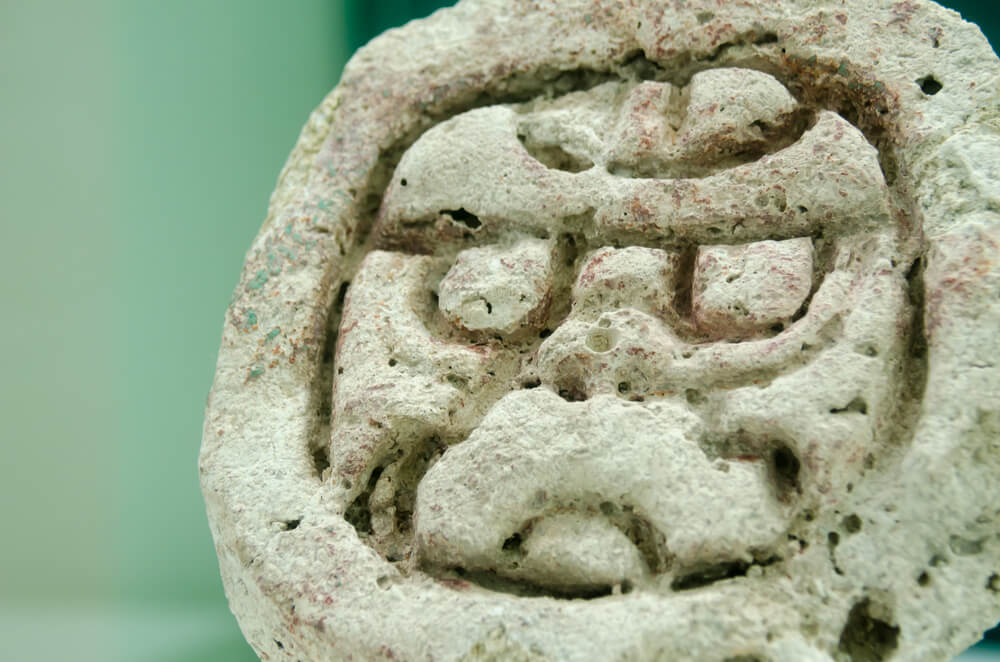
Seventeen-year-old Emile Fradin and his grandfather were plowing a field at Glozel, in central France, in 1924 when a cow’s hoof broke into an underground chamber. Over the following years, thousands of objects emerged, including clay tablets bearing an alphabet-like script that seemed to predate Phoenician writing.
Archaeologists split into bitter camps, and a 1927 international commission declared the finds fraudulent. Fradin sued for defamation and won.
Later dating returned a confusing mix of ages, and the site remains contested. Fradin, who ran a small museum on the farm, maintained his innocence until his death in 2010.
Belief Does the Heavy Lifting

Almost none of these hoaxes were technically brilliant. Plaster giants, paper fairies and filed teeth worked because they arrived at the right moment and told an audience something it already hoped was true.
Nationalism, faith, ambition and simple curiosity did most of the persuading, and the evidence was allowed to follow along behind. What finally broke them was rarely a single genius.
It was fluorine tests, ink chemistry, a stray thumb or a man in his nineties deciding to come clean. Each hoax lasted exactly as long as nobody with the right tool bothered to check.
More from Go2Tutors!

- The Romanov Crown Jewels and Their Tragic Fate
- 13 Historical Mysteries That Science Still Can’t Solve
- Famous Hoaxes That Fooled the World for Years
- 15 Child Stars with Tragic Adult Lives
- 16 Famous Jewelry Pieces in History
Like Go2Tutors’s content? Follow us on MSN.