27 Costume Jewelry Brands Worth a Closer Look
Costume jewelry was built to be affordable, which is exactly why so much of it ended up in tangled heaps at estate sales. Most of those pieces really are worth a few dollars.
A surprising number are not. The difference usually comes down to a tiny stamped signature on the back of a clasp or brooch.
Knowing which names matter turns a jewelry box rummage into something closer to a scavenger hunt.
Trifari and Its Crown Mark
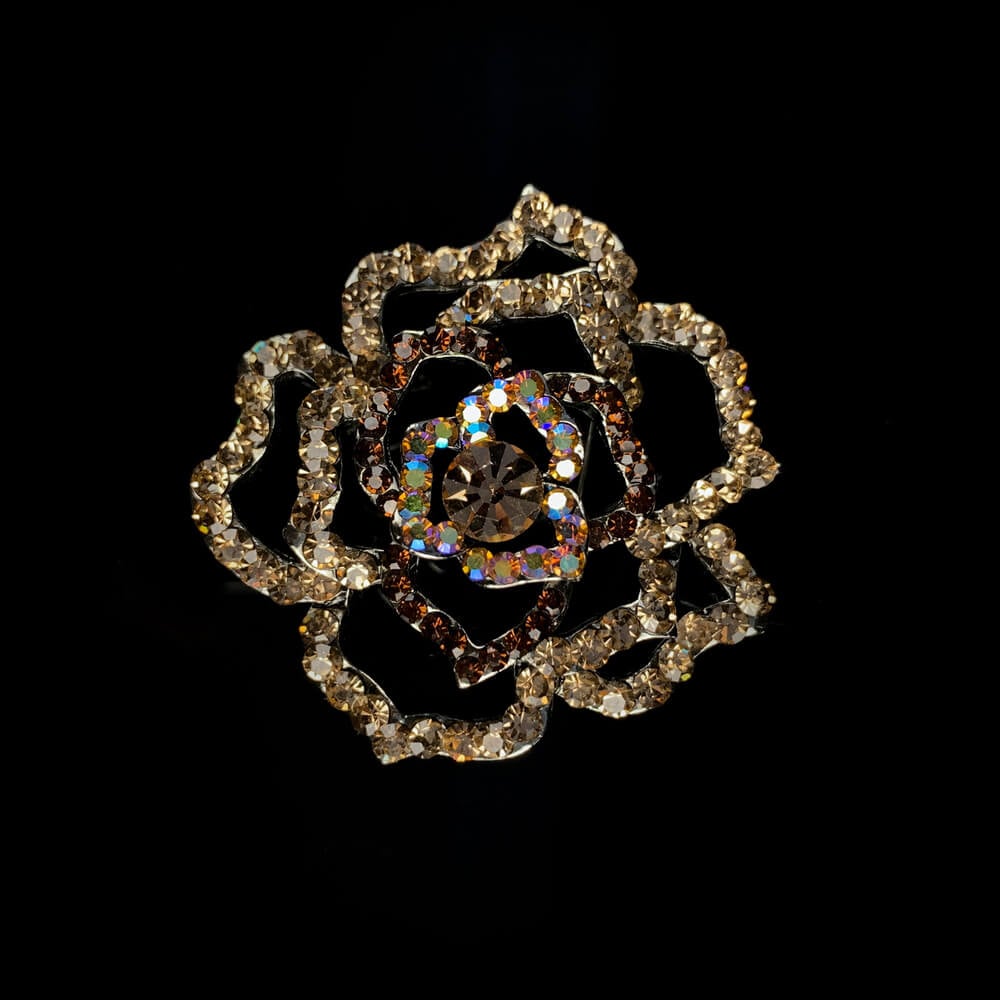
Gustavo Trifari founded his company in New York in 1910, and it became one of the most respected names in American costume jewelry. Designer Alfred Philippe, who had worked for high-end firms including Van Cleef and Arpels, brought fine-jewelry techniques to pieces made from base metal and glass.
The brand’s 1940s Jelly Belly brooches, with clear Lucite centers, are especially sought after. Trifari also made the faux pearls Mamie Eisenhower wore during the 1953 inauguration festivities.
Common pieces typically sell for 20 to 60 dollars, while rare figural brooches in clean condition with intact plating often bring several hundred.
Miriam Haskell’s Hand-Wired Pearls
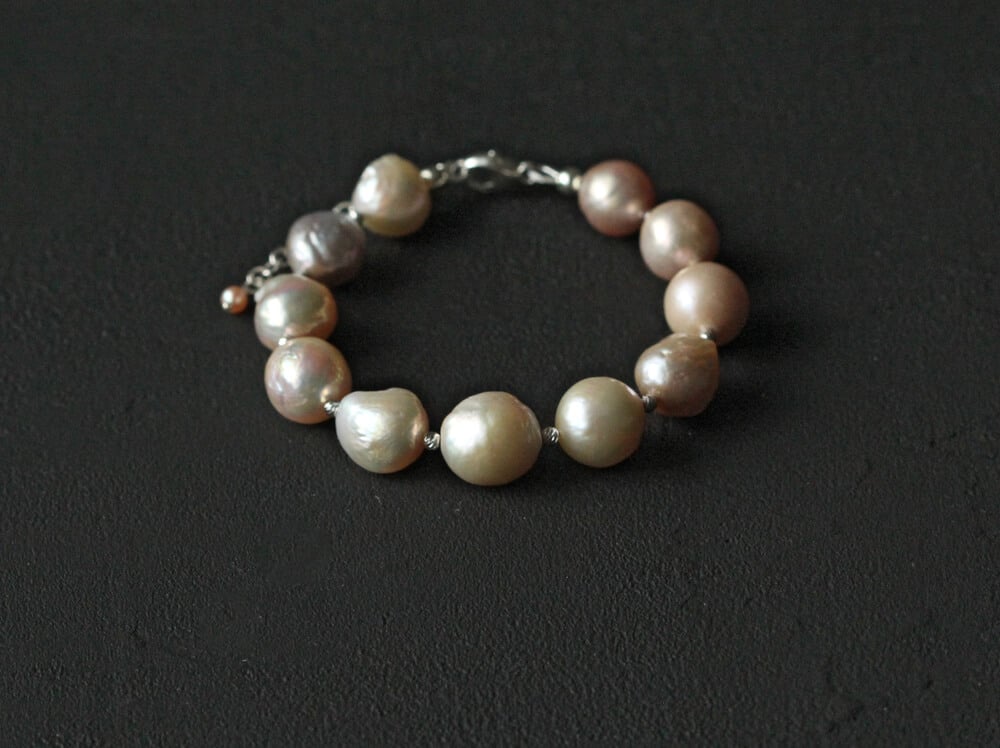
Miriam Haskell opened her first shop in New York in 1924, and her designer Frank Hess developed a distinctive look built on hand-wired seed pearls, glass beads and antiqued gold-tone filigree. Each piece was assembled by hand rather than cast, which gives Haskell jewelry a dense, almost sculptural texture.
Many early pieces were unsigned, since the company did not consistently stamp its work until the late 1940s. Signed necklaces often sell for 100 to 400 dollars, and elaborate multi-strand designs go higher.
Loose beads, missing pearls and worn gold finish can cut the price sharply.
Coro and the Duette Clip
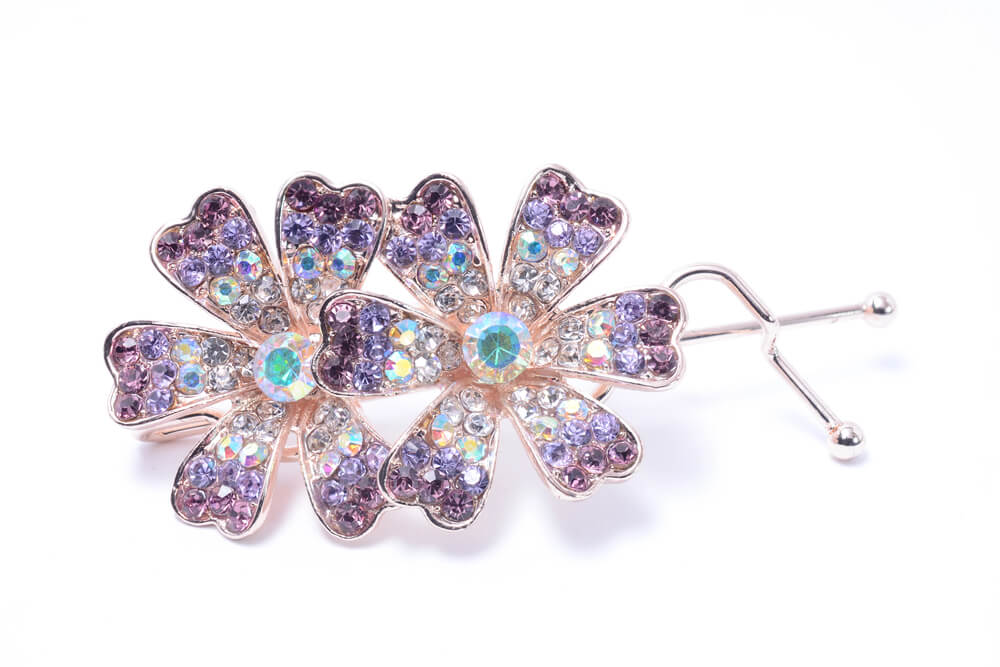
Coro was one of the largest costume jewelry makers in the United States, founded in New York by Emanuel Cohn and Carl Rosenberger. Its patented Duette mechanism, introduced in the 1930s, let two dress clips snap into a single frame and be worn as a brooch.
Coro Craft was the company’s higher-end line, and its trembler pieces, with flowers set on tiny springs, are especially collectible. Because Coro produced so much, ordinary pieces are common and inexpensive.
Duettes and Coro Craft figurals in strong condition typically sell for 75 to 300 dollars, depending on stones and plating wear.
Eisenberg Originals
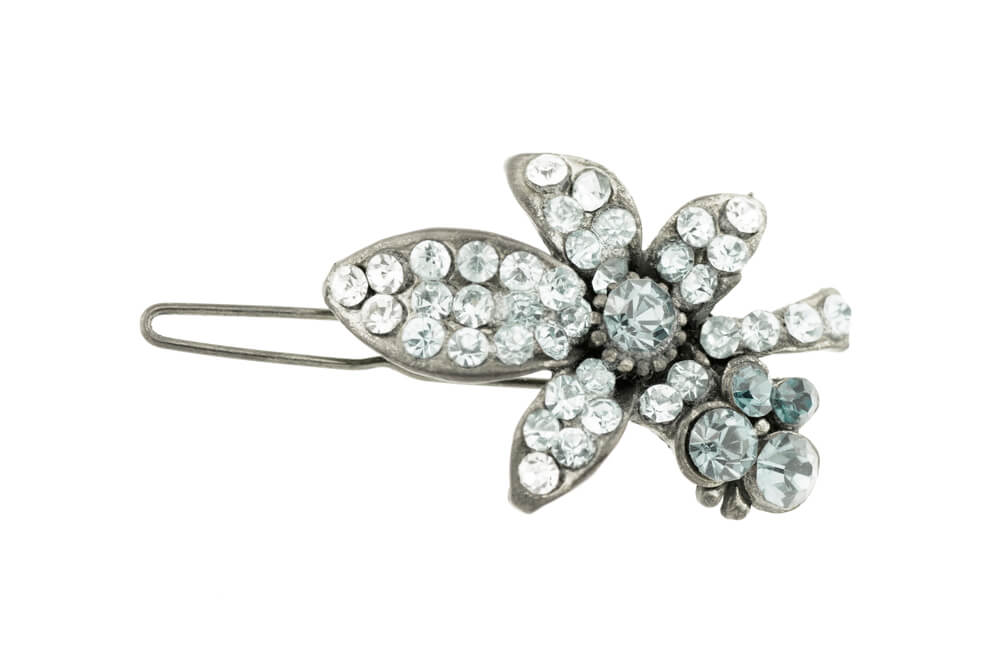
Eisenberg and Sons began as a Chicago clothing company that pinned large rhinestone brooches to its dresses. Customers kept stealing the brooches, so the company decided to sell them on their own, and a jewelry line was born in the 1930s.
The pieces used high-quality Austrian crystals and heavy settings, giving them a weight and sparkle that cheaper rhinestone jewelry lacks. Early pieces marked Eisenberg Original are the most valuable, often selling for 200 to 800 dollars.
Later Eisenberg Ice pieces are more common, and dull or replaced stones can reduce value significantly.
Weiss Rhinestones
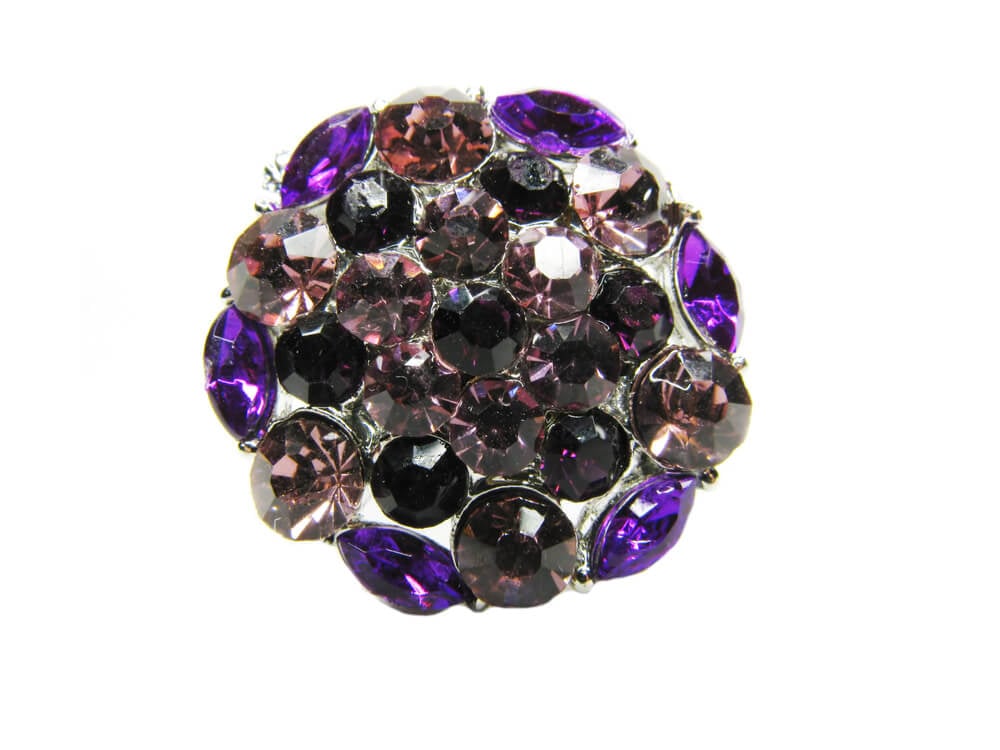
Albert Weiss, a former Coro employee, founded his company in New York in 1942. Weiss became known for high-quality rhinestone brooches, bracelets and earrings, especially pieces using aurora borealis stones and a dark gray stone collectors call black diamond.
The company closed in 1971, which keeps the supply finite. Signed Weiss brooches often sell for 40 to 150 dollars, and large figural pieces can go higher.
Missing or darkened stones are common problems, and collectors look carefully for replacement stones that do not match the originals.
Sarah Coventry Home Party Pieces
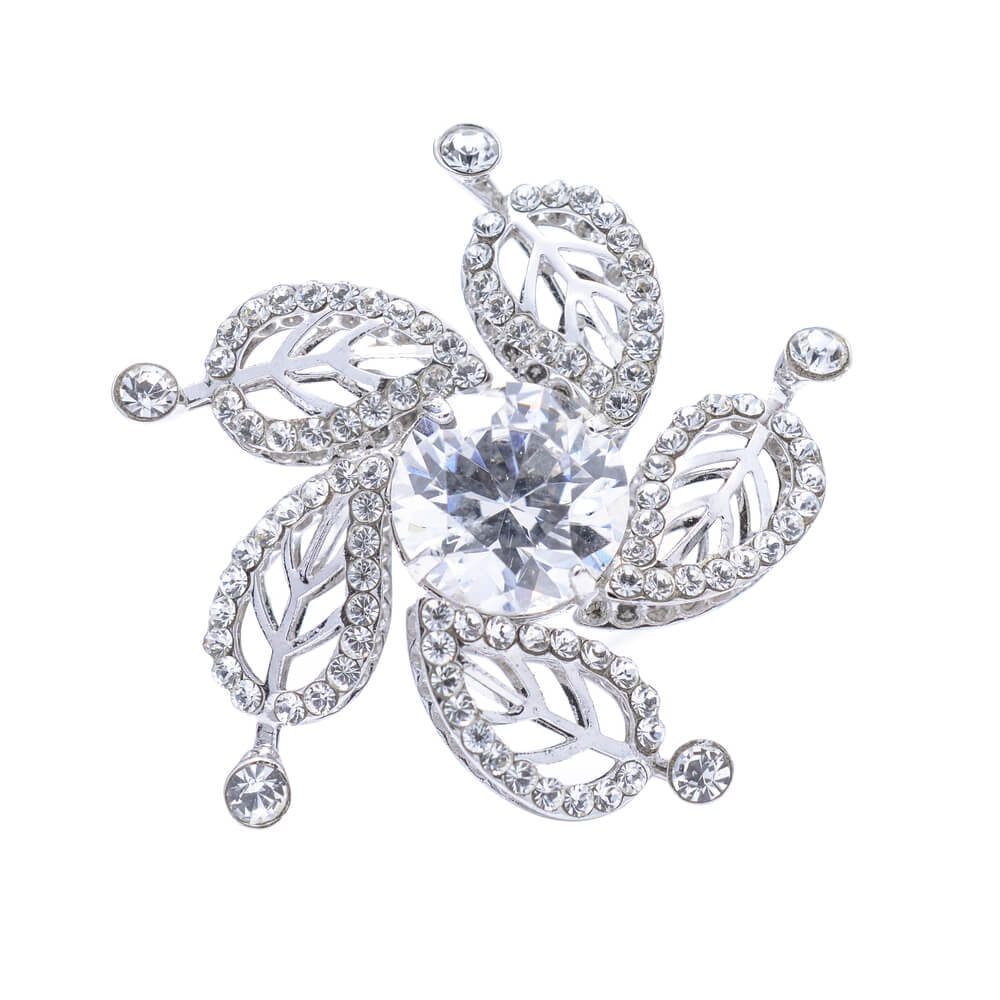
Charles W. Stuart launched Sarah Coventry in 1949 in Newark, New York, selling jewelry through home parties rather than stores. The brand was named for his granddaughter, and its pieces reached millions of households through a network of hostesses.
Because so much was produced, most Sarah Coventry jewelry sells for 10 to 40 dollars. Certain designs, including bold 1960s and 1970s brooches and full parures with matching necklaces, bracelets and earrings, can bring more when complete.
Original boxes and paper tags add appeal, while worn plating lowers prices quickly.
Napier Charm Bracelets
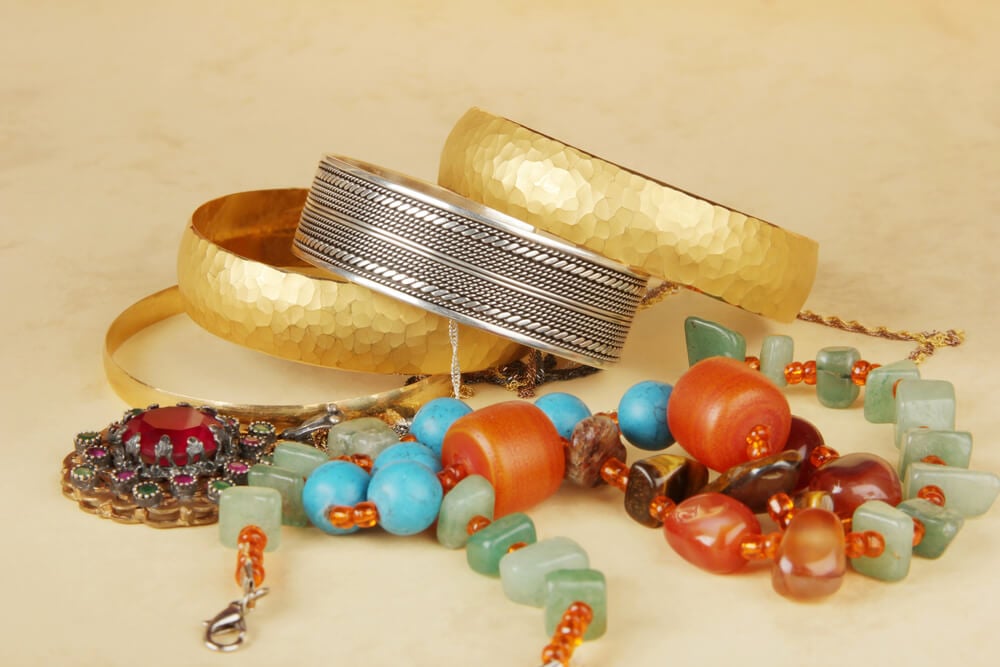
Napier traces its roots to a firm called Whitney and Rice founded in 1875, and the company took the Napier name in 1922 after executive James Napier. Over the decades, it became known for silver-tone and gold-tone designs, especially charm bracelets and bold mid-century pieces.
Some early Napier pieces were made of sterling silver, which adds value on its own. Typical pieces sell for 20 to 80 dollars, while sterling or unusual charm bracelets can bring more.
Missing charms, broken clasps and heavy tarnish all affect the final price.
Monet Gold-Tone Classics
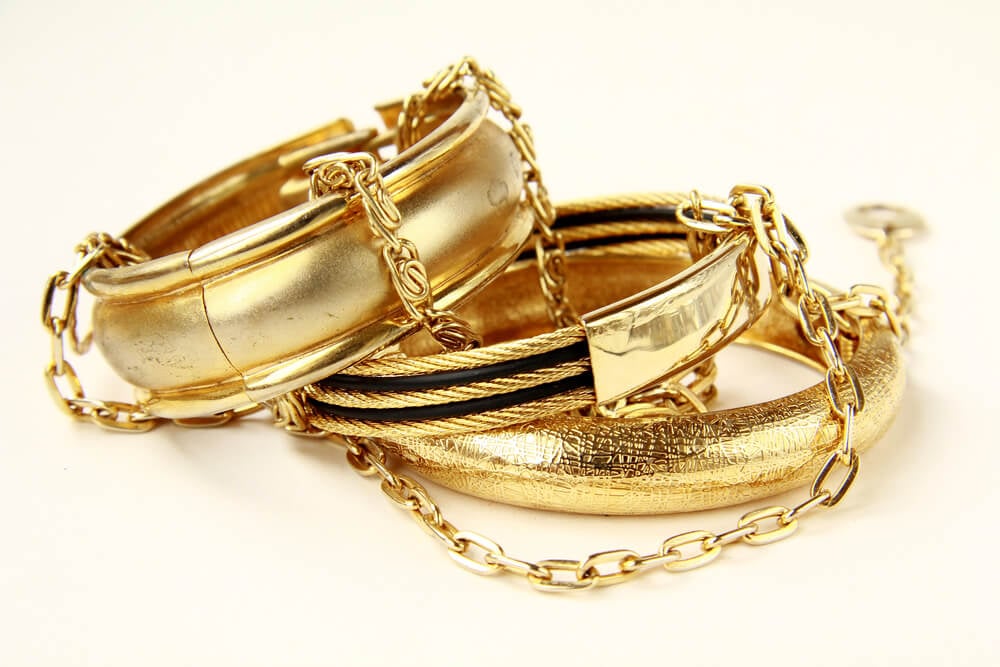
Michael and Jay Chernow founded Monet in 1929, and the brand became famous for polished gold-tone necklaces, bangles and earrings. Monet was one of the early companies to sign its pieces consistently, which helped build brand recognition.
Most Monet jewelry is common and sells for 10 to 40 dollars, but its quality construction means many pieces still look new decades later. Collectors seek out older designs from the 1950s and 1960s, along with larger statement pieces.
Worn plating, scratches and broken clasps reduce value, so condition matters even at modest prices.
Marcel Boucher Birds and Flowers
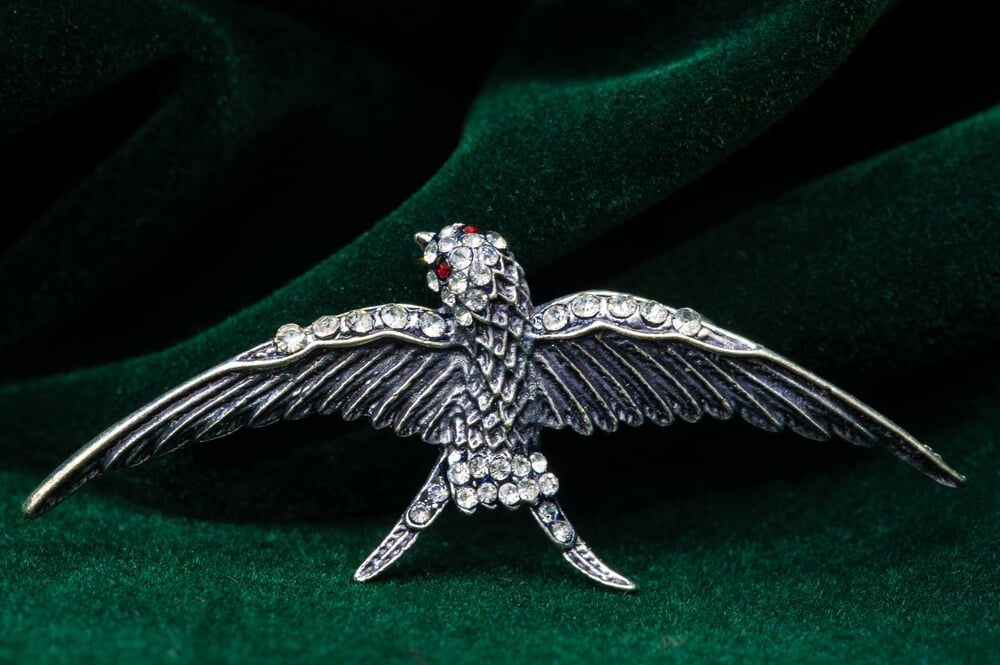
Marcel Boucher trained at Cartier in Paris before founding his own costume jewelry firm in New York in 1937. His early pieces, including enameled birds and botanical brooches, are prized for their fine detail and quality.
Boucher numbered many designs, which helps collectors date and identify pieces. Signed brooches often sell for 75 to 300 dollars, while rare early enamel figurals can go higher.
Chipped enamel and missing stones are the main condition problems, and collectors pay close attention to the clarity of the mark on the back.
Schiaparelli in Script
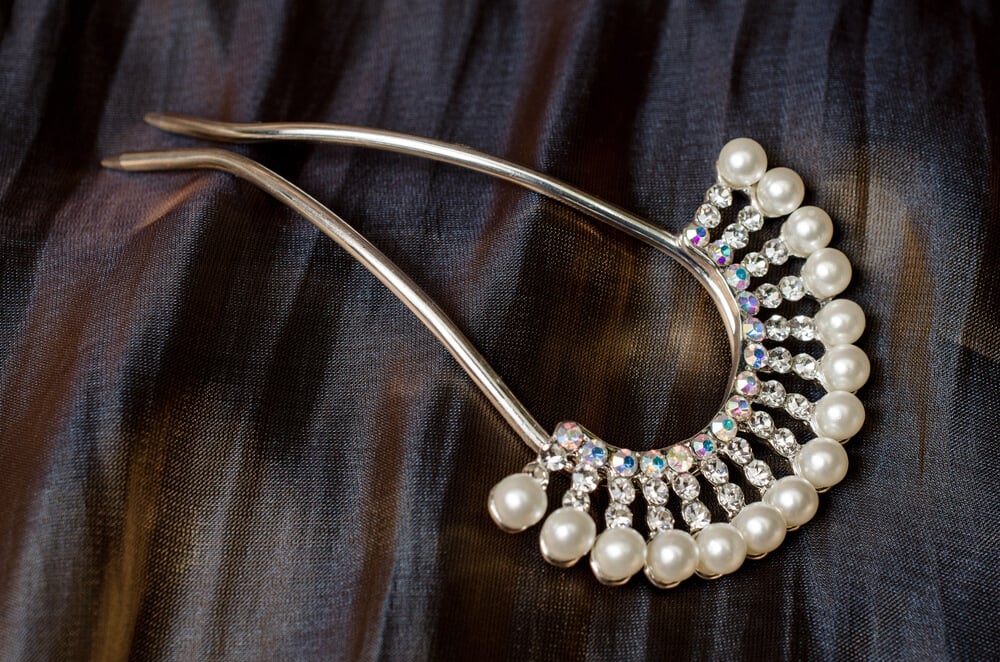
Elsa Schiaparelli, the Italian designer famous for surrealist fashion and shocking pink, also lent her name to costume jewelry. Pieces made for the American market in the late 1940s and 1950s carry her signature in script and often feature unusual stones, including textured glass that resembles lava rock.
The designs are bold, colorful and immediately recognizable to collectors. Signed necklaces and brooches often sell for 150 to 600 dollars, and complete sets can bring more.
Missing stones, broken clasps and worn finishes lower prices, and unsigned lookalikes are common.
Hattie Carnegie Whimsy
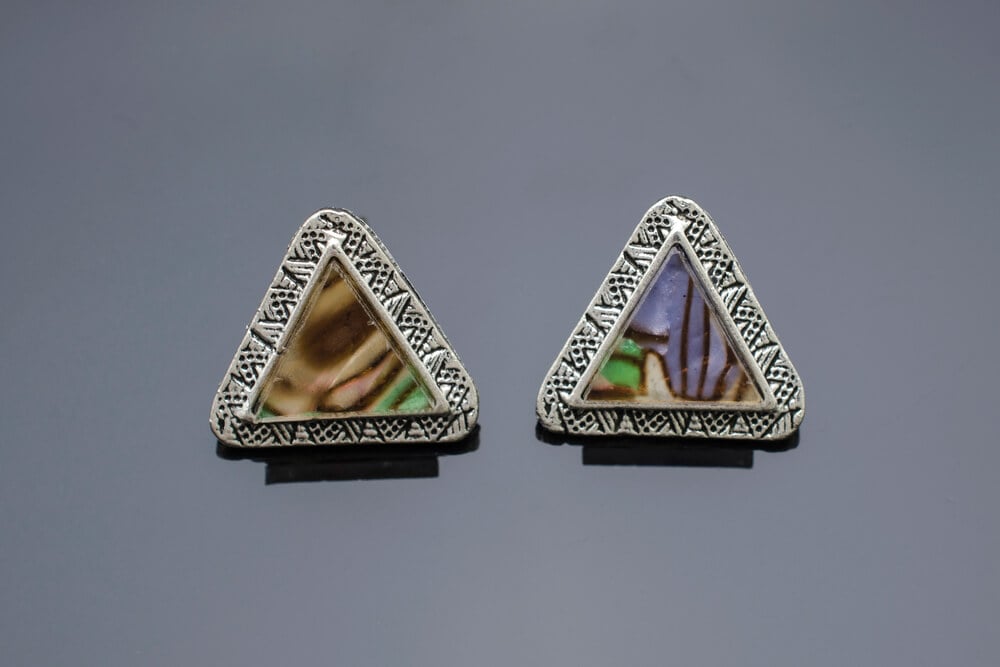
Hattie Carnegie, a fashion designer and retailer in New York, sold costume jewelry under her name from the 1940s through the 1970s. The line is known for playful figural brooches, including animals, insects and exotic characters made with enamel, Lucite and rhinestones.
Her pieces often have a sense of humor that sets them apart from more formal designs, and collectors tend to buy them one quirky creature at a time. Signed brooches typically sell for 75 to 300 dollars, and rare figurals can go higher.
Chipped enamel, cracked Lucite and missing stones can substantially reduce value.
Hobe and Its Theatrical Roots
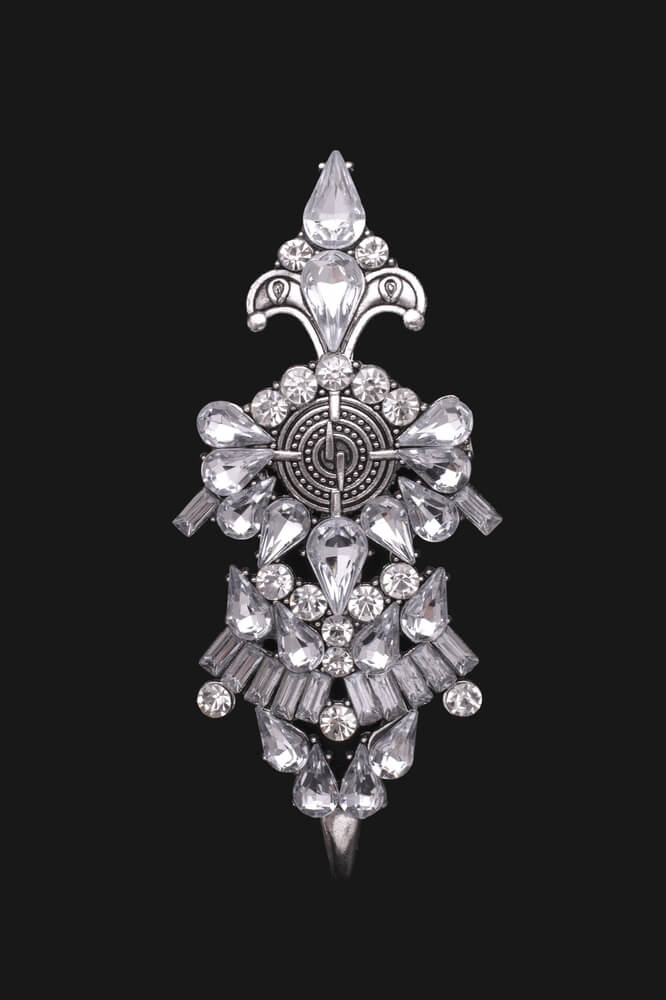
The Hobe family traced its jewelry work back to Jacques Hobe in France, and William Hobe established the American company in the early 20th century. The brand supplied jewelry for stage productions and Hollywood films and later sold elaborate pieces to the public.
Hobe is known for richly colored stones, ornate settings and fine detail. Signed brooches and necklaces often sell for 50 to 250 dollars, and elaborate designs from the 1940s and 1950s can bring more.
Missing stones, loose settings and worn plating are the main condition concerns.
Kenneth Jay Lane Statement Pieces
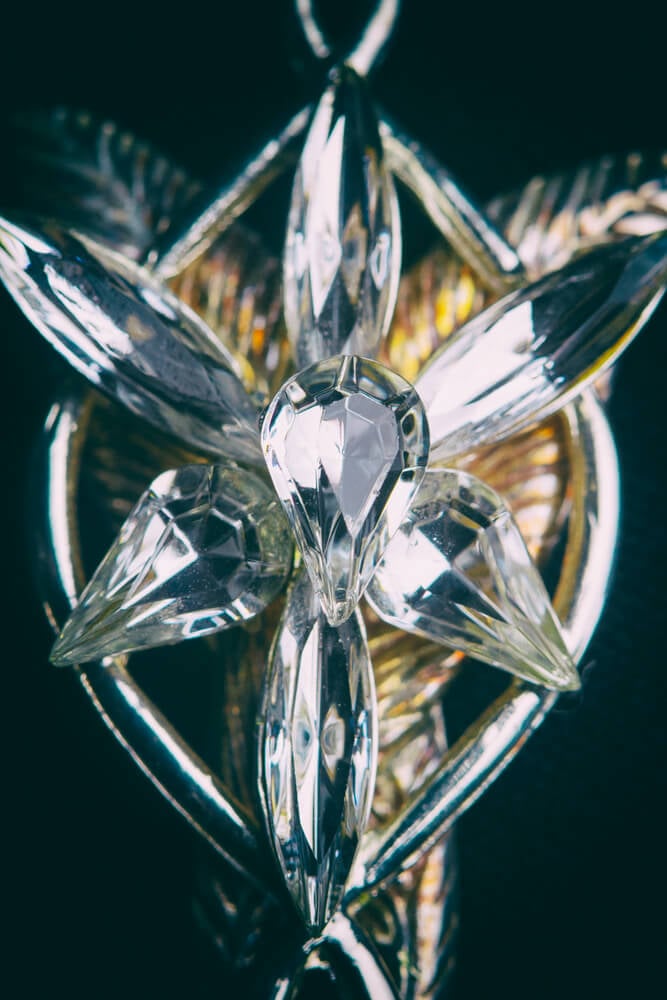
Kenneth Jay Lane launched his costume jewelry business in 1963 and became known for bold designs that often borrowed from fine jewelry. His clients included Jacqueline Kennedy Onassis, and Barbara Bush famously wore his triple-strand faux pearls to the 1989 inauguration.
The brand produced a wide range, from expensive designer pieces to more affordable lines. Early signed KJL pieces from the 1960s and 1970s are the most valuable, often selling for 100 to 400 dollars.
Later mass-market pieces sell for much less, and condition affects all of them.
Juliana Pieces by DeLizza and Elster
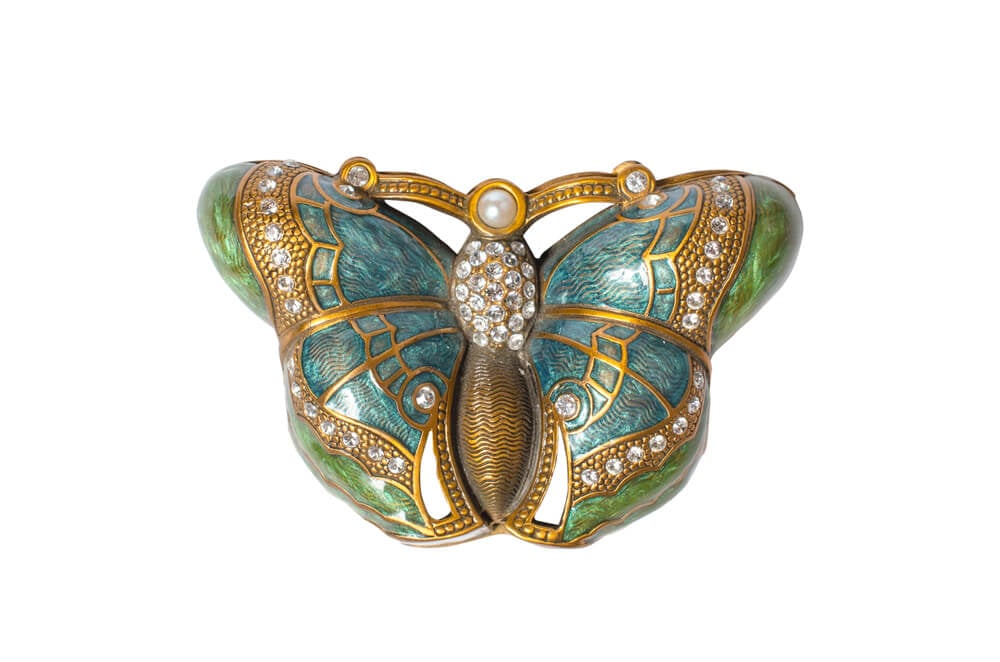
DeLizza and Elster, a New York manufacturer active from 1947 to 1990, produced some of the most elaborate rhinestone jewelry of the era. Most of its work was unsigned, and the Juliana name came from paper hang tags used on one line in the late 1960s.
Collectors identify the pieces by construction details, such as five-link bracelets and distinctive stone settings. Signed or verified Juliana pieces often sell for 75 to 300 dollars, and complete sets bring more.
Because the pieces are unsigned, misidentification is common, and missing or replaced stones lower value.
Stanley Hagler Beadwork
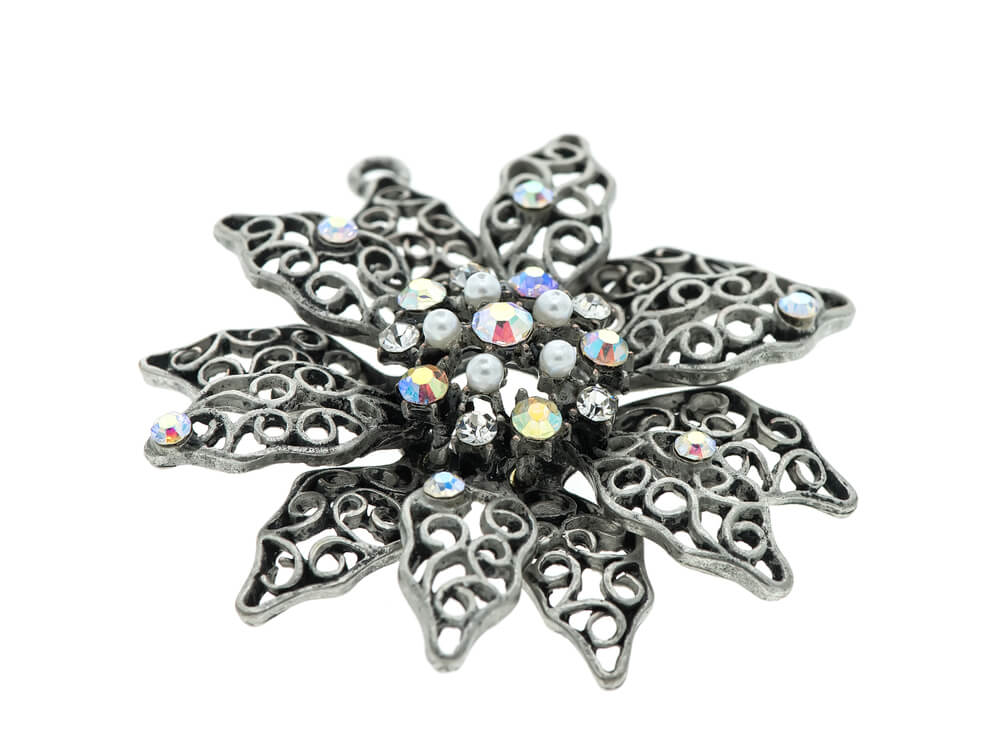
Stanley Hagler built his reputation on hand-wired beadwork in the tradition of Miriam Haskell, using seed pearls, glass flowers and intricate filigree. His company operated from the 1950s until his death in 1996, with later pieces made in Florida.
Hagler pieces are often bold and colorful, with layered designs that require hours of handwork. Signed necklaces and brooches often sell for 100 to 400 dollars, and large statement pieces can bring more.
Loose wires, missing beads and worn finishes all reduce value, so careful inspection matters.
Joseff of Hollywood Film Jewelry
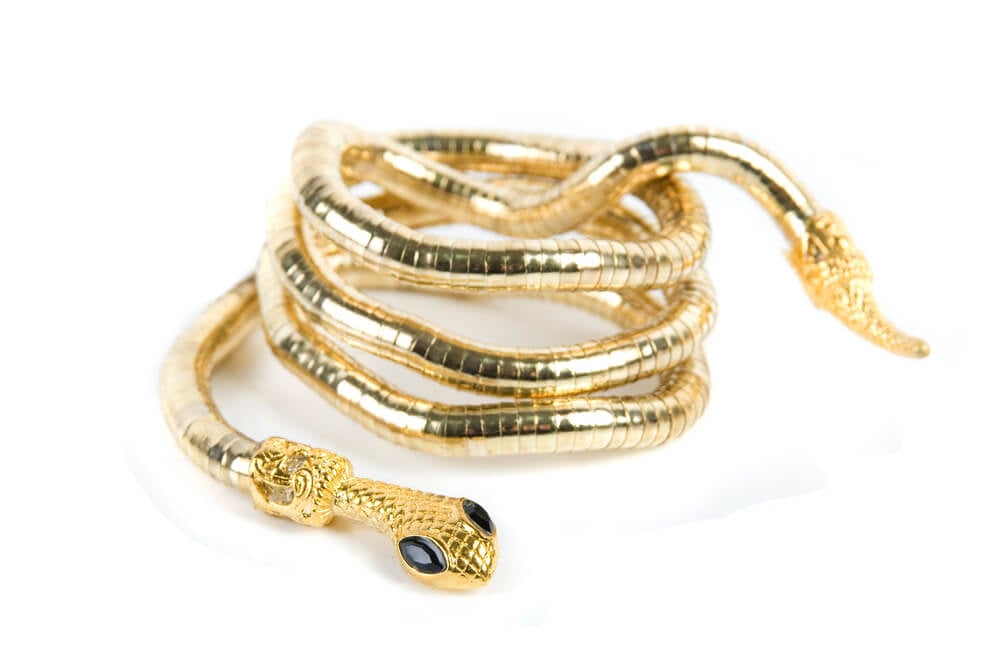
Eugene Joseff created jewelry for Hollywood studios in the 1930s and 1940s, leasing pieces for films rather than selling them outright. His work appeared in many classic films, including Gone with the Wind.
Joseff developed a matte gold finish known as Russian gold, which reduced glare under studio lights. The company later sold a retail line to the public, and signed pieces often bring 150 to 500 dollars.
Pieces with documented film history can sell for much more, while worn finishes and missing elements lower value.
Mazer Brothers Quality
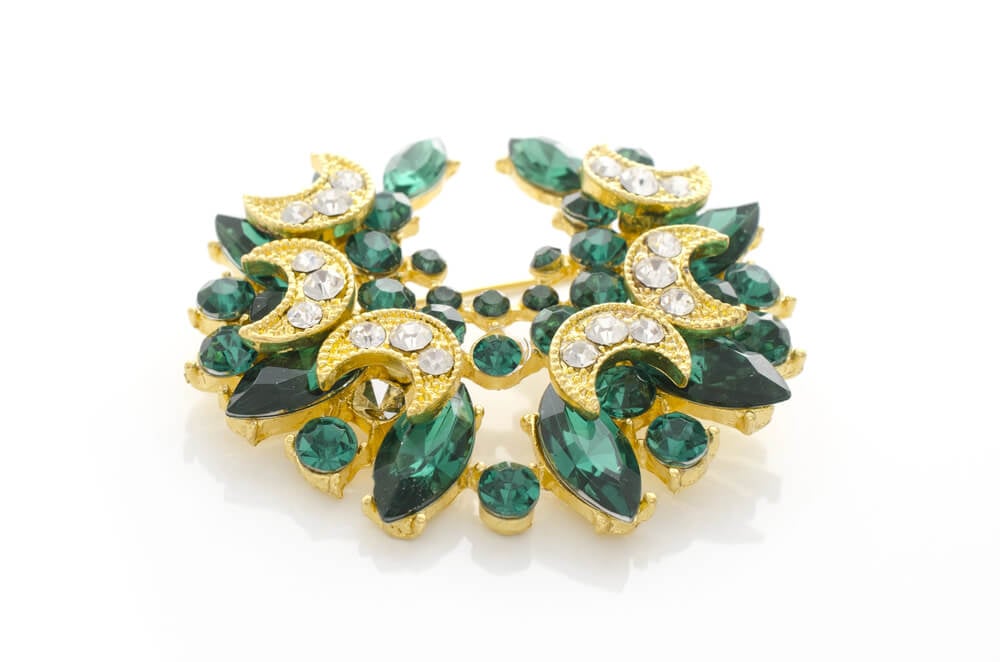
Mazer Brothers was founded in New York in the 1920s and became known for high-quality costume jewelry with fine detail. Joseph Mazer later founded a separate company called Jomaz, which continued the tradition of well-made pieces.
Mazer designs often feature bold stones and elegant settings, with a weight and finish that rival fine jewelry. Picking one up after a lighter dime-store brooch makes the difference obvious immediately.
Signed brooches and necklaces often sell for 75 to 300 dollars. Missing stones and worn plating reduce value, and collectors look closely for the Mazer mark on the back.
Lisner Leaves and Colors
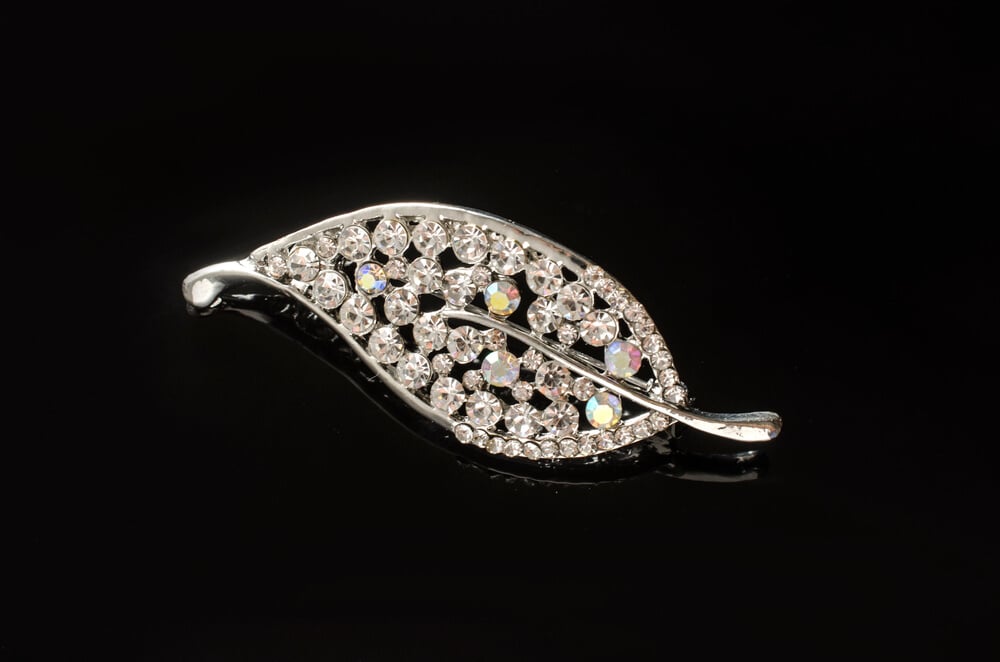
D. Lisner and Company, founded in New York in 1904, became known in the 1950s and 1960s for colorful brooches and necklaces featuring thermoset plastic leaves and flowers. The designs captured the bright, cheerful mood of mid-century fashion, and the translucent leaves glow when held up to a window.
Most Lisner pieces are affordable, often selling for 20 to 80 dollars. Complete sets with matching earrings and brooches can bring more, especially in unusual colors.
Cracked plastic, missing stones and worn plating are the main problems, and condition matters a great deal at these prices.
Sherman of Montreal
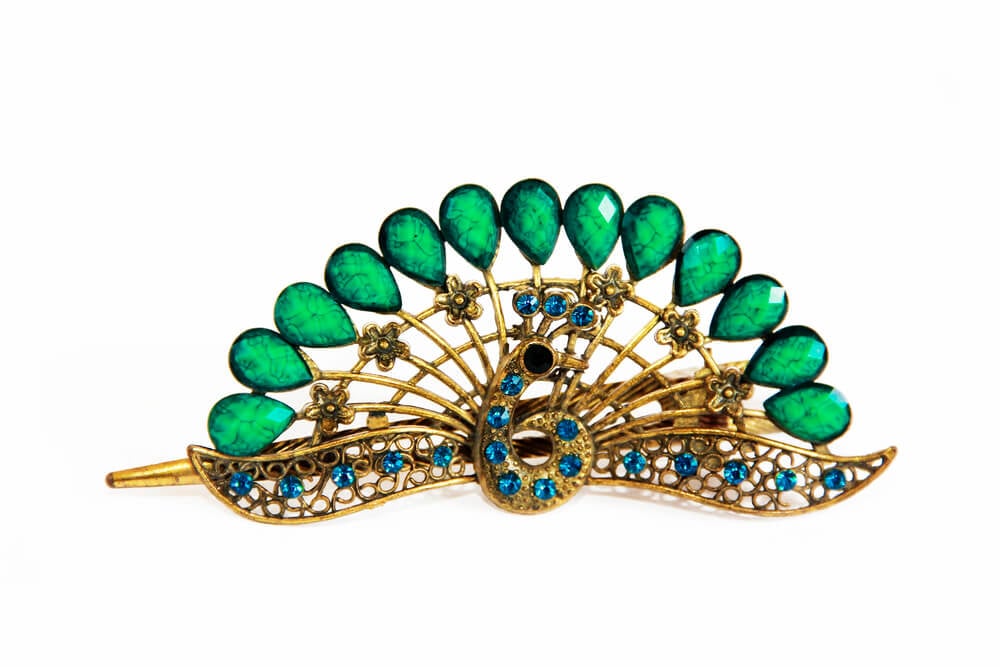
Gustave Sherman founded his company in Montreal in 1947 and produced jewelry using Swarovski crystals until the company closed in 1981. Sherman pieces are known for exceptional sparkle and quality construction, and the brand has a devoted following among collectors, particularly in Canada.
The settings were often closed-back and tightly prong-set, which kept stones secure for decades. Prices have risen steadily, with signed brooches and necklaces often selling for 100 to 500 dollars.
Complete parures can bring more. Missing or darkened crystals and broken clasps reduce value, and collectors look for the Sherman signature to confirm authenticity.
Regency Insects and Butterflies
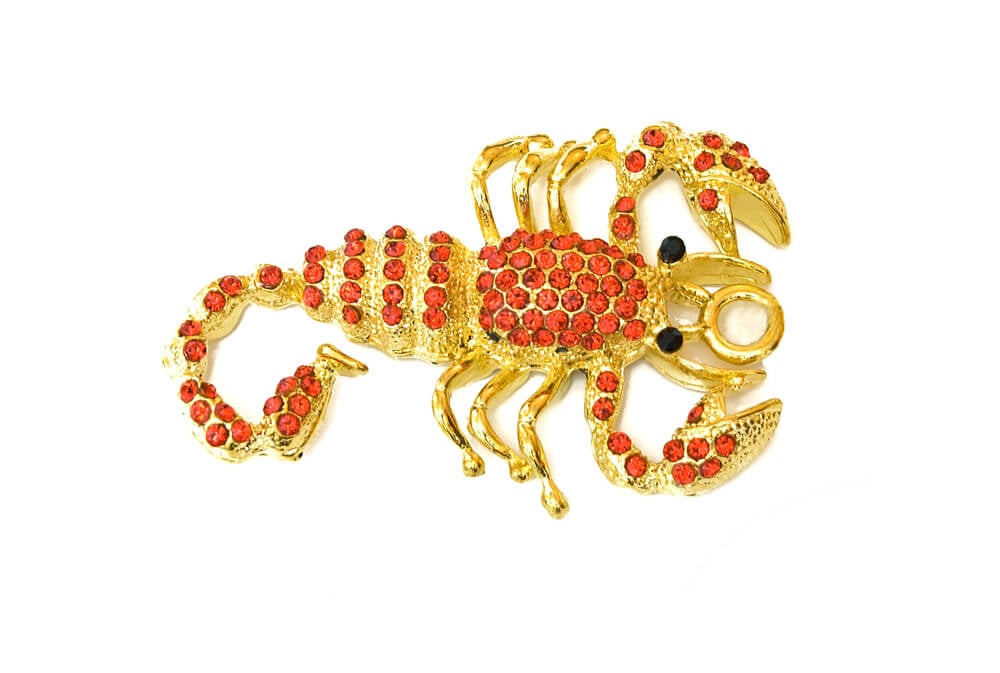
Regency Jewelry Company operated in New York from the 1950s into the 1970s and became known for colorful rhinestone brooches, especially insects and butterflies. The pieces feature bright stones, detailed settings and a playful style that appeals to collectors.
A beetle or dragonfly with mixed navette stones in several colors is classic Regency, and the best examples have no gaps between stones at all. Signed Regency brooches often sell for 50 to 200 dollars, depending on design and stone quality.
Rare designs can bring more. Missing stones, worn plating and broken pins lower value, and collectors pay attention to the condition of each stone.
Kramer of New York
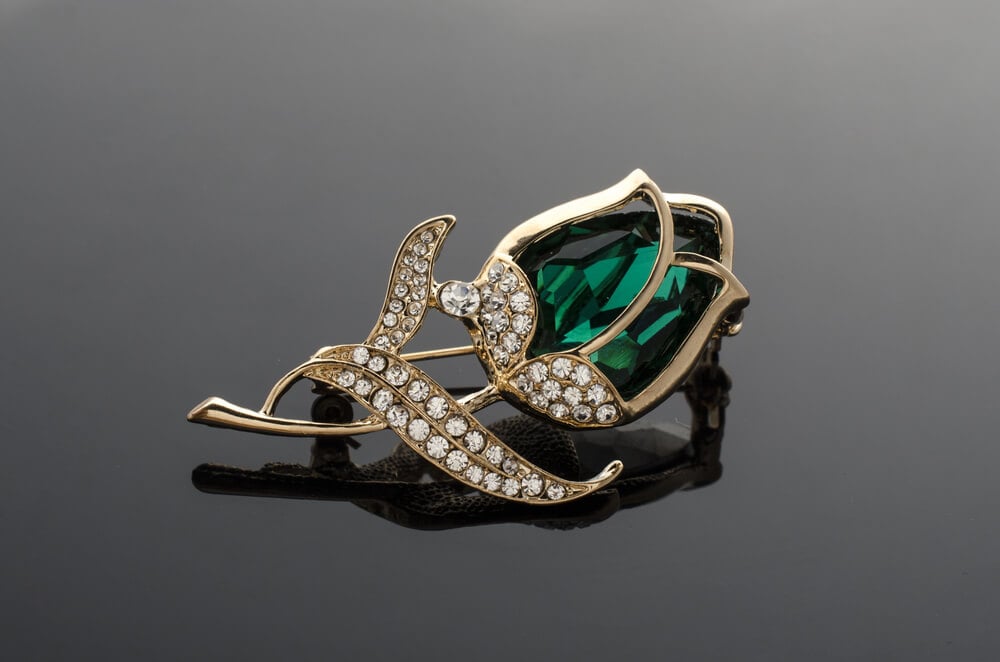
Louis Kramer founded Kramer of New York in 1943, and the company became known for bold rhinestone jewelry with strong colors and high-quality construction. Kramer also produced jewelry under license for Christian Dior in the 1950s, and pieces marked Dior by Kramer are especially collectible.
Standard Kramer pieces often sell for 40 to 150 dollars, especially bracelets set with dense rows of colored stones. Dior by Kramer designs can bring several hundred.
Missing stones and worn plating reduce value, so collectors examine both the front and the clasp area carefully.
Florenza Victorian Revival
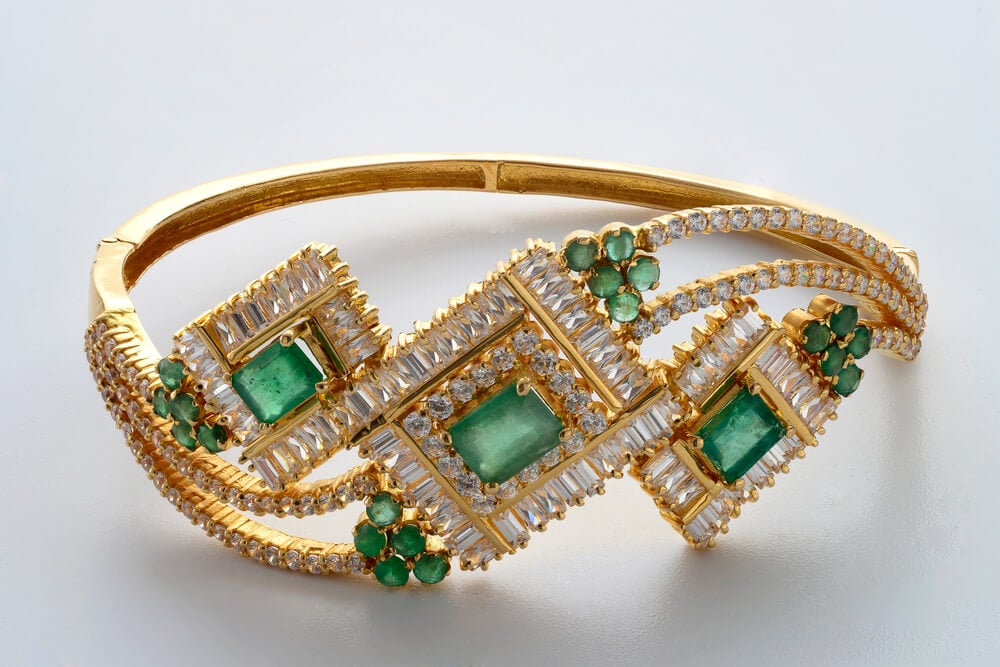
Daniel Kasoff founded Florenza in New York in the late 1940s, and the brand became known for Victorian revival designs featuring cameos, ornate frames and antique-style finishes. Florenza also produced decorative vanity items such as compacts and jewelry boxes.
Signed jewelry often sells for 30 to 120 dollars, and complete sets bring more. The vanity items have their own collector base, and a matching compact and brooch together are a pleasing find.
Worn finishes, missing stones and damaged cameos reduce value, and buyers look for the Florenza mark to confirm authenticity.
Christian Dior Costume Pieces
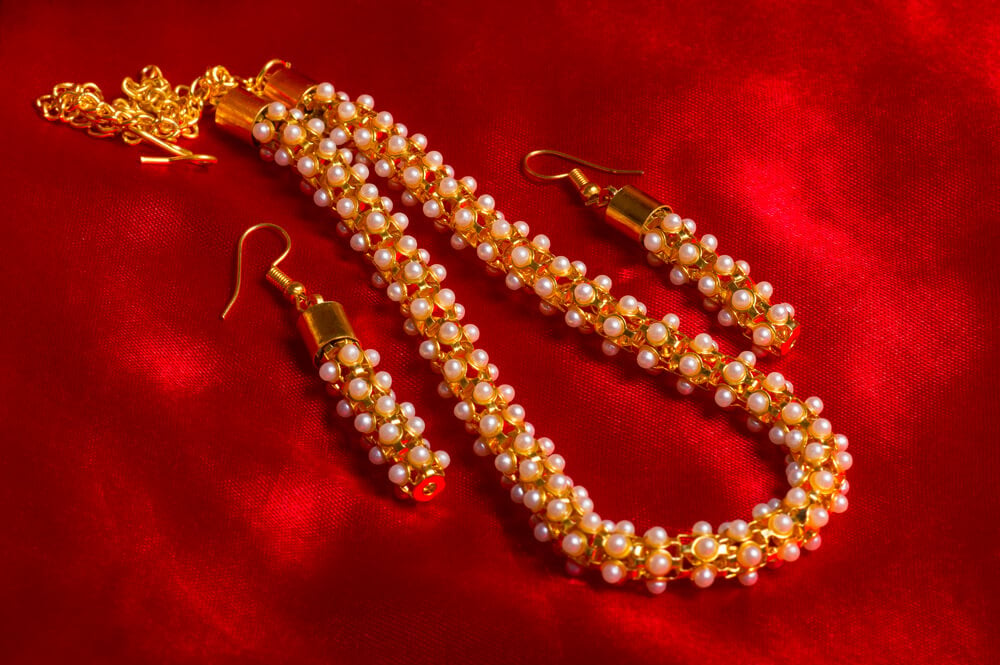
Christian Dior licensed costume jewelry production to several manufacturers, including Henkel and Grosse in Germany from 1955. Pieces made by Henkel and Grosse are often stamped with the year of production, which helps collectors date them precisely.
Dior costume jewelry is known for elegant designs, quality materials and fine detail, often in the faux pearls and crystal clusters that suited the couture house’s polished look. The German pieces are generally considered the most refined.
Signed pieces often sell for 150 to 600 dollars, and rare designs can bring more. Missing stones and worn plating lower value, and collectors look closely for the Dior signature and date stamp.
Vintage Chanel Costume Jewelry
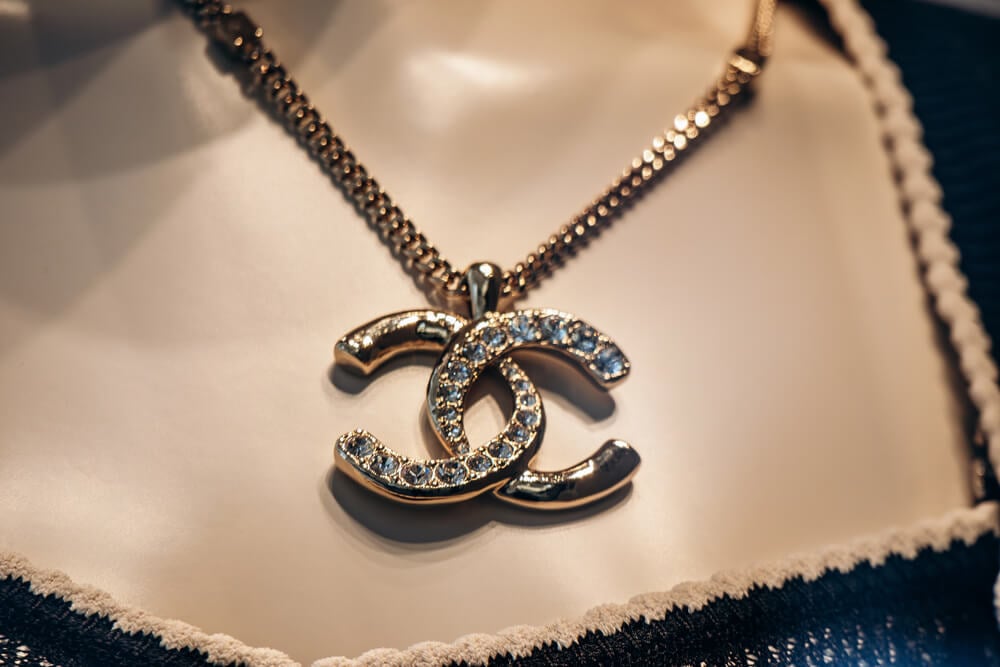
Chanel costume jewelry, especially pieces made with poured glass by the Paris workshop Maison Gripoix, is highly collectible. Coco Chanel herself championed the idea that fake pearls could be worn proudly with fine clothing, and she layered them in long ropes.
The brand’s 1980s and 1990s pieces with large interlocking CC logos remain especially popular. Authentic vintage Chanel often sells for several hundred dollars and sometimes much more, depending on design and condition.
The real thing turns up at estate sales less often than the fakes do. Counterfeits are a serious problem, so collectors check hallmarks, construction and provenance carefully.
Worn plating, missing stones and repairs can reduce value significantly.
Lea Stein Celluloid Brooches
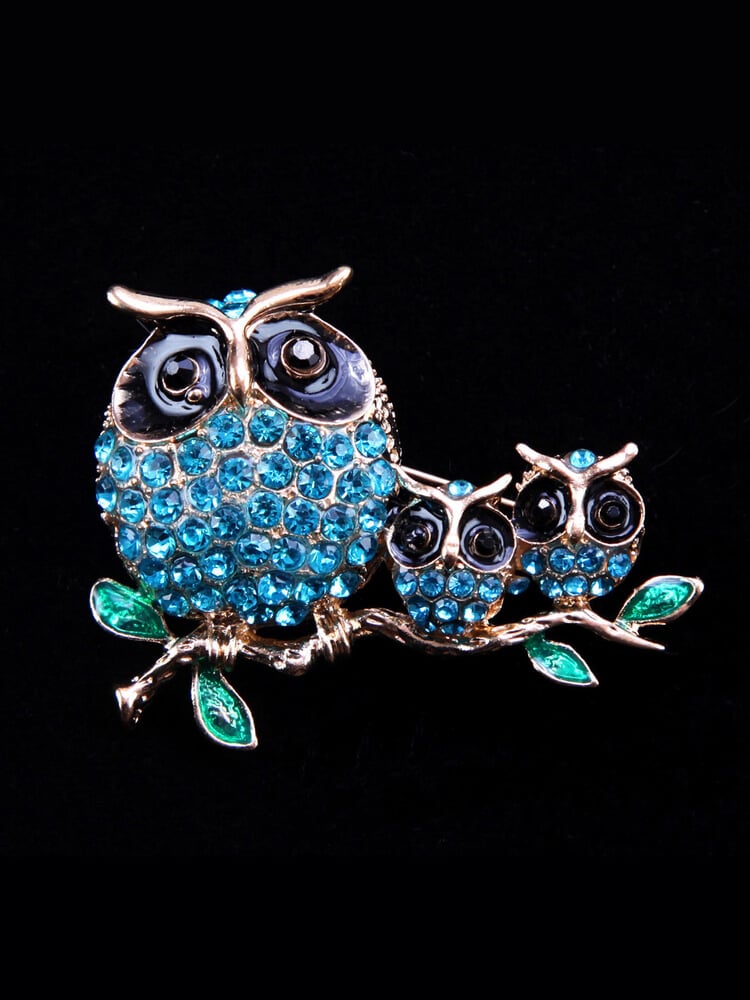
Lea Stein began producing jewelry in Paris in 1969 using layered cellulose acetate, a technique that creates distinctive colors and textures. Her brooches, especially foxes, cats and other animals, are instantly recognizable to collectors.
Each piece has a V-shaped pin back stamped with her name, a detail that helps separate authentic pieces from imitations. Her workshop paused production in the early 1980s and later resumed.
Signed brooches often sell for 50 to 200 dollars, and rare designs bring more. Cracks, chips and fading reduce value, and collectors pay attention to the color layers and the condition of the pin back.
Hollycraft Dated Pieces
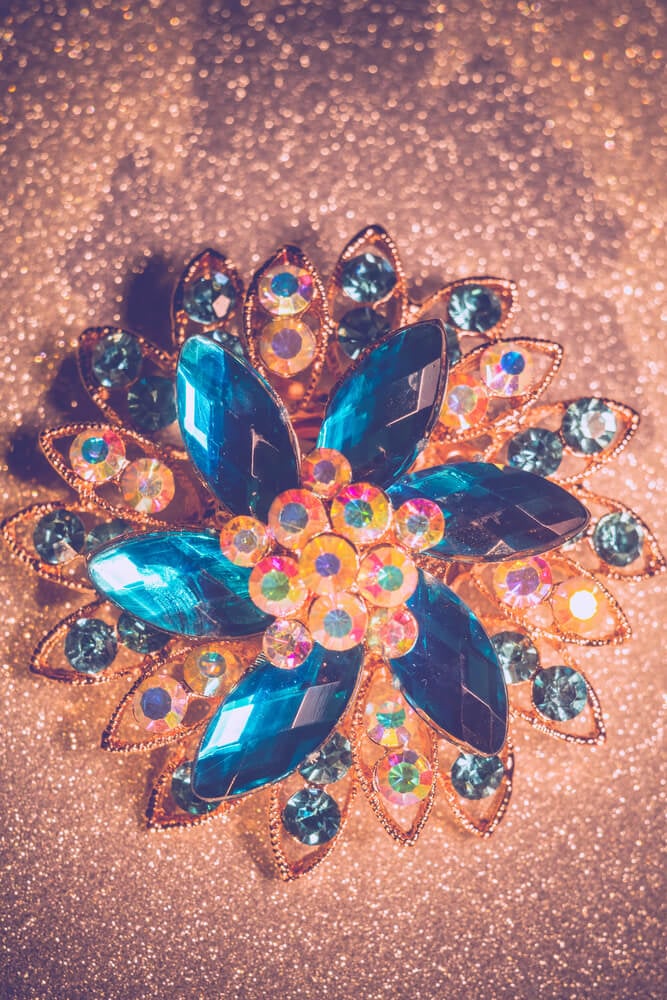
Hollycraft was founded in New York in 1948 and became known for pastel rhinestones set in antique gold-tone metal. Some pieces from the 1950s are stamped with the year of manufacture, which makes them easy to date.
Hollycraft designs often feature soft colors and Victorian-inspired settings, and the pastel mixes of pink, lavender and pale blue look surprisingly modern today. Clasps marked with a date are a welcome shortcut for anyone cataloging a collection.
Signed pieces typically sell for 40 to 150 dollars, and dated pieces in strong condition bring more. Missing stones and worn finishes reduce value, so collectors examine each piece carefully.
Vendome by Coro
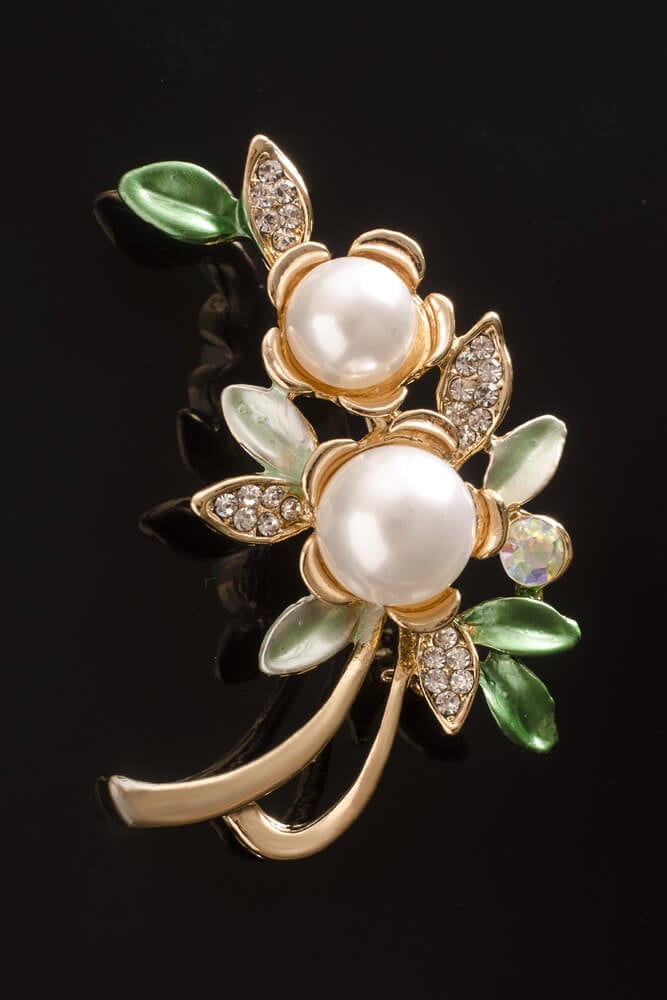
Vendome was Coro’s higher-end line, introduced in the 1940s and known for crystal, faux pearl and rhinestone designs. Designer Helen Marion created many of the line’s most admired pieces in the 1950s and 1960s.
Vendome jewelry often features layered beads and elegant settings that rival more expensive brands. Multi-strand crystal necklaces with ornate box clasps are a hallmark of the line, and they photograph beautifully for online listings.
Signed necklaces and brooches often sell for 50 to 200 dollars. Missing stones, broken strands and worn plating lower value, and collectors look for the Vendome signature to confirm authenticity.
Rhinestones Remember Who Wore Them
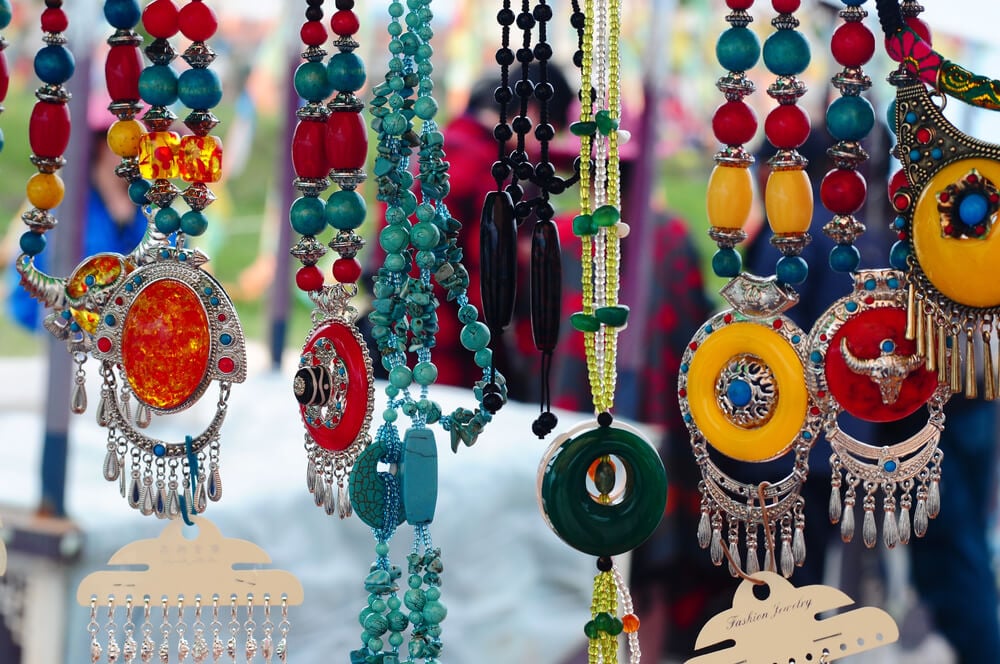
Costume jewelry began as a way to imitate luxury, but the best of it developed its own identity. Designers trained at Cartier and Van Cleef applied fine-jewelry thinking to glass, plastic and plated metal.
Companies like Coro and Sarah Coventry made glamour available to millions of households. That reach explains why so much of it still turns up today.
The value now lies in names, construction and condition rather than materials. A signed brooch with intact stones can outprice a gold ring of the same size.
Most of what sits in old jewelry boxes is still worth only a few dollars. The exceptions are the reason to look closely at every clasp.
More from Go2Tutors!

- The Romanov Crown Jewels and Their Tragic Fate
- 13 Historical Mysteries That Science Still Can’t Solve
- Famous Hoaxes That Fooled the World for Years
- 15 Child Stars with Tragic Adult Lives
- 16 Famous Jewelry Pieces in History
Like Go2Tutors’s content? Follow us on MSN.