17 Most Unique Tiny Homes Built With Recycled Goods
The tiny house movement has sparked something unexpected: a creative arms race where builders push the boundaries of what constitutes a home. But beyond the Instagram-worthy lofts and sliding barn doors lies a more resourceful branch of this movement—homes built entirely from materials that would otherwise sit in landfills.
These aren’t just statements about minimalism; they’re proof that waste can become wonder when paired with imagination and a decent set of power tools.
Shipping Container Castle

Three shipping containers stacked like oversized building blocks. Glass panels cut into steel walls.
A rooftop garden growing where cargo once sat. This isn’t subtle architecture—it announces itself from three blocks away.
The builder welded the containers at angles that shouldn’t work but somehow do, creating spaces that feel both industrial and oddly cozy.
School Bus Sanctuary

The yellow paint stayed. Everything else got stripped down to the metal frame and rebuilt as a rolling home with solar panels where the emergency exit used to be.
Most people see a retired school bus and think about field trips. This builder saw 35 feet of potential living space that already had wheels attached.
The curved ceiling forces you to duck in places, but that’s a small price for a home that can relocate whenever the rent gets too high.
Reclaimed Wood Wonderland

Barn wood carries stories in its grain—decades of weather, animals, and the particular way old nails leave rust stains that look almost intentional when you sand around them carefully (because pulling those nails out would split wood that’s been seasoning longer than most people have been alive). This tiny house wraps itself in planks that once held up dairy barns and cig sheds, creating walls that feel substantial in a way new lumber never manages to achieve. So the home doesn’t just shelter; it remembers.
And there’s something about the way reclaimed wood settles into its second life—no shrinking, no warping, just the quiet confidence of material that’s already survived everything weather can deliver. The builder left some of the original hardware in place: door hinges that operated for fifty years before finding new purpose as decorative elements, hay loft pulleys repurposed as light fixtures.
But the real genius lives in the smaller choices, the places where old wood meets new functions without trying to hide what it used to be.
Airplane Fuselage Home

Commercial aircraft don’t retire gracefully—they get parted out like vintage cars, engines sold separately, useful components stripped and catalogued. This builder bought what remained: a hollow aluminum tube with tiny windows and the kind of curved walls that make hanging pictures an engineering challenge.
Converting a fuselage into living space requires accepting that your home will always look like it should be taxiing toward a runway. The builder leaned into that oddness rather than fighting it, keeping the overhead luggage compartments as storage and installing airplane-style reading lights that actually make sense in a space this narrow.
The insulation alone took months to figure out—aircraft aren’t designed to keep Minneapolis winters on the outside.
Tire House Fortress

Tires make terrible garbage but excellent building materials. Pack them with dirt, stack them like enormous black donuts, and cover the whole thing with stucco—suddenly you have walls that will outlast everything else on the block.
This design borrows from earthship architecture, where discarded tires become the foundation for homes that heat and cool themselves. The thermal mass works better than anyone expects: those rubber walls absorb heat during the day and release it slowly through the night.
Glass Bottle Cathedral

Bottles become windows when you lay them right. Thousands of them, actually—beer bottles, wine bottles, mason jars, anything clear or colored that catches light and holds it for a moment before passing it through.
The mortar work alone represents months of careful planning, each bottle positioned to create patterns that shift as the sun moves across the sky. Green glass in the kitchen, blue glass in the bathroom, clear glass everywhere else.
The effect feels less like living inside a house and more like inhabiting a kaleidoscope.
Pallet Paradise
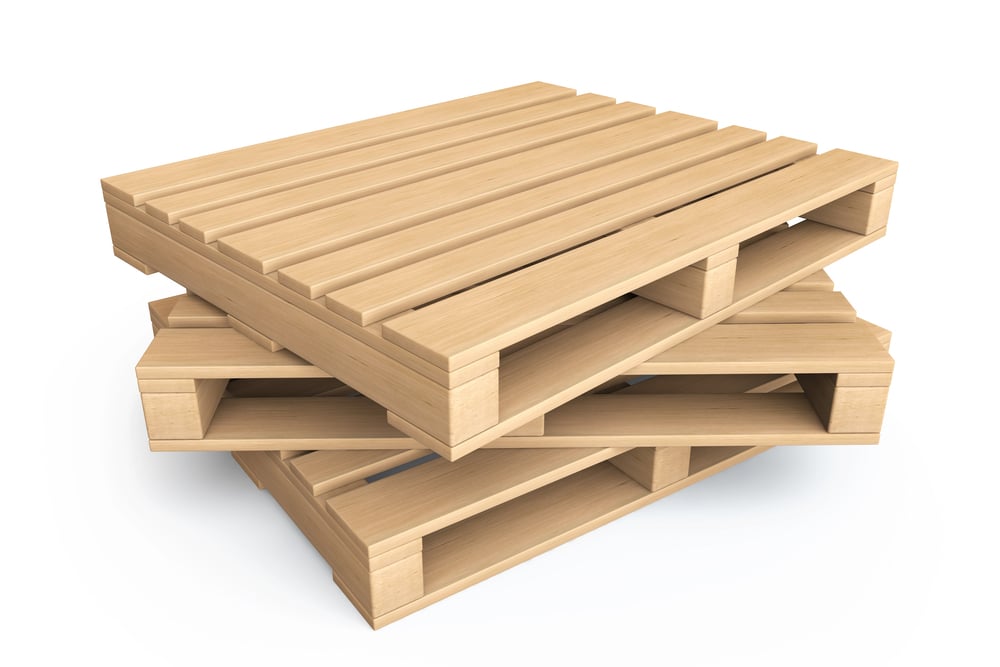
Free pallets stack behind every grocery store and loading dock, waiting for someone to recognize their potential (which most people don’t, because they see industrial shipping materials instead of pre-cut lumber that’s already been sized for construction). This builder collected hundreds of them, dismantled each one by hand, and reassembled the planks into walls that cost almost nothing but required the kind of patience that comes from genuinely enjoying repetitive work.
And the wood tells its own story—some pieces bear shipping stamps from different continents, others show the wear patterns of forklifts and warehouse floors. But here’s the thing about pallet wood that separates it from the reclaimed barn wood crowd: it’s honest about being utilitarian rather than trying to evoke rustic charm it never possessed.
The builder embraced that industrial aesthetic, leaving some of the shipping stamps visible and using the natural gaps between planks as design elements rather than problems to solve. So you end up with walls that breathe slightly and a home that acknowledges its origins without apologizing for them.
Newspaper Wall Wonder

Papier-mâché scales up better than expected. Layers of newsprint mixed with flour paste create walls that insulate surprisingly well and cost almost nothing to build.
The headlines become part of the architecture—fragments of yesterday’s urgency frozen in walls that will outlast the stories they once proclaimed important. Sports scores from decades ago peek through in random places, weather forecasts that were wrong the day they were printed, classified ads for jobs that no longer exist.
Vintage Trailer Transformation

Airstream trailers age like fine wine—aluminum doesn’t rust, and the aerodynamic design still looks futuristic seventy years after the first one rolled off the production line. This renovation kept the iconic silver exterior but gutted everything inside to create a space that works for actual living rather than weekend camping.
The curved walls and compact dimensions force creative solutions: a shower that folds into the floor when not in use, a bed that converts to a dining table, storage compartments hidden in every available gap. The result feels less cramped than cleverly organized, like a Swiss Army knife designed by an architect who understood that small spaces demand big ideas.
Reclaimed Window Greenhouse Home

Windows tell stories better than most building materials—each pane carries scratches from decades of opening and closing, paint layers that reveal the color preferences of previous owners, hardware that shows how security concerns have evolved over time (deadbolts replacing simple latches, double-pane glass replacing single). This tiny house wraps itself in salvaged windows from demolished buildings, creating walls that are more glass than frame and a living space that changes personality with the weather and the angle of the sun.
And the builder arranged them without trying to match sizes or styles, so the exterior looks like a puzzle assembled from pieces that came from different boxes. But living in a house made mostly of windows requires accepting that privacy becomes negotiable and heating bills become significant.
The builder solved the first problem with strategically placed interior partitions and the second with thermal curtains that can transform the space from greenhouse to cocoon when winter arrives. So the home breathes with the seasons in ways that conventional construction never allows.
Bottle Cap Mosaic Cabin

Bottle caps accumulate faster than anyone expects. Save them for a few years and suddenly there are enough to cover entire walls in patterns that would make a Byzantine mosaic artist jealous.
This builder sorted caps by color and brand, creating geometric designs that catch light and cast tiny shadows throughout the day. The installation process required industrial adhesive and the kind of obsessive attention to spacing that separates actual artists from people who just like crafts.
But the finished walls shimmer like chain mail made from discarded beer caps and soda tops.
Old Door Gallery House

Every door removed during a renovation gets thrown away or stored in a garage where it takes up space for years before eventually getting thrown away. This builder collected hundreds of them—front doors, interior doors, closet doors, cabinet doors—and used them as building material for walls, floors, and ceilings.
The result feels like walking through a house made of entrances, each door carrying the hardware and paint colors from its previous life. Some still have house numbers attached, others show the screw pits where mail slots used to be.
The effect creates rooms that feel like they’re always about to lead somewhere else, even when they don’t.
Reclaimed Metal Masterpiece
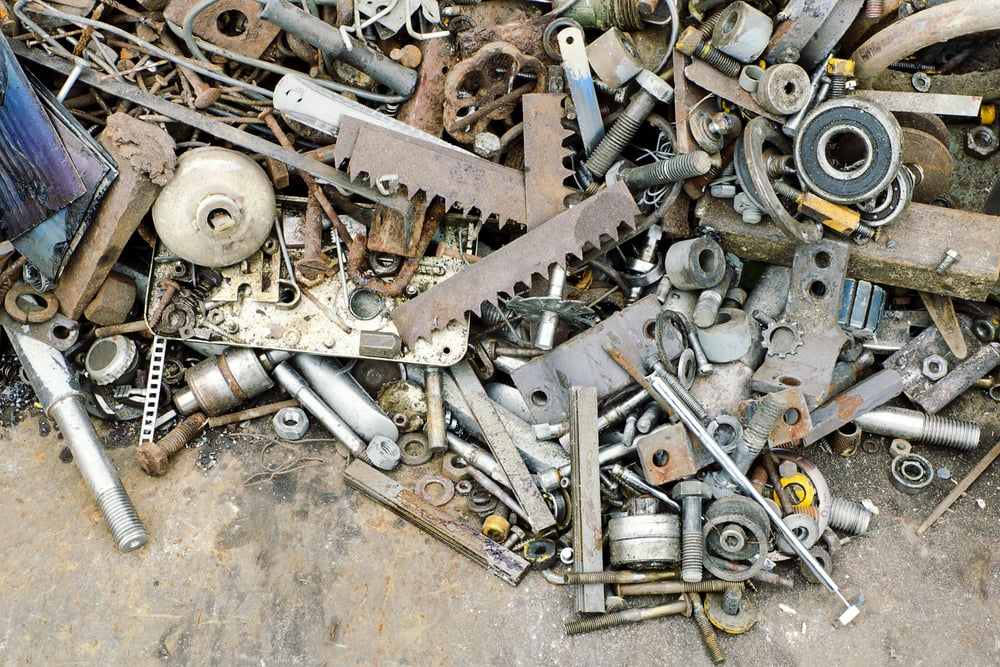
Industrial scrap metal doesn’t pretend to be beautiful—it just is, in the same way that bridges and water towers manage to achieve elegance through pure function rather than decoration. This tiny house celebrates that honesty, wrapping itself in corrugated panels, perforated sheets, and structural steel that came from demolished factories and warehouse renovations.
But the builder understood that metal needs to be handled carefully to avoid creating a home that feels like living inside a shipping container, so the interior walls got lined with reclaimed wood and the windows got positioned to prevent the space from becoming an oven during summer afternoons. The exterior changes personality throughout the day as light hits different surfaces—smooth panels reflect morning sun while textured sheets create shadow patterns that shift with the hours.
And there’s something deeply satisfying about the way metal building materials connect to each other: bolts and welds instead of nails and screws, joints that look engineered rather than crafted. So the home feels more like it was assembled than built, which turns out to be a compliment rather than criticism.
Driftwood Beach House

Driftwood carries the ocean with it long after the tide retreats. This tiny house builder collected pieces that had been polished by salt water and sand until they achieved the kind of smooth finish that no amount of machine sanding can replicate.
The walls curve and flow because driftwood doesn’t come in straight lines—each piece shaped by currents and storms into forms that look deliberate but couldn’t be planned. The builder worked with those natural curves rather than fighting them, creating a home that feels more grown than constructed.
The salt content in the wood means it will never rot, but it also means metal hardware corrodes faster than expected.
Reclaimed Brick Fortress
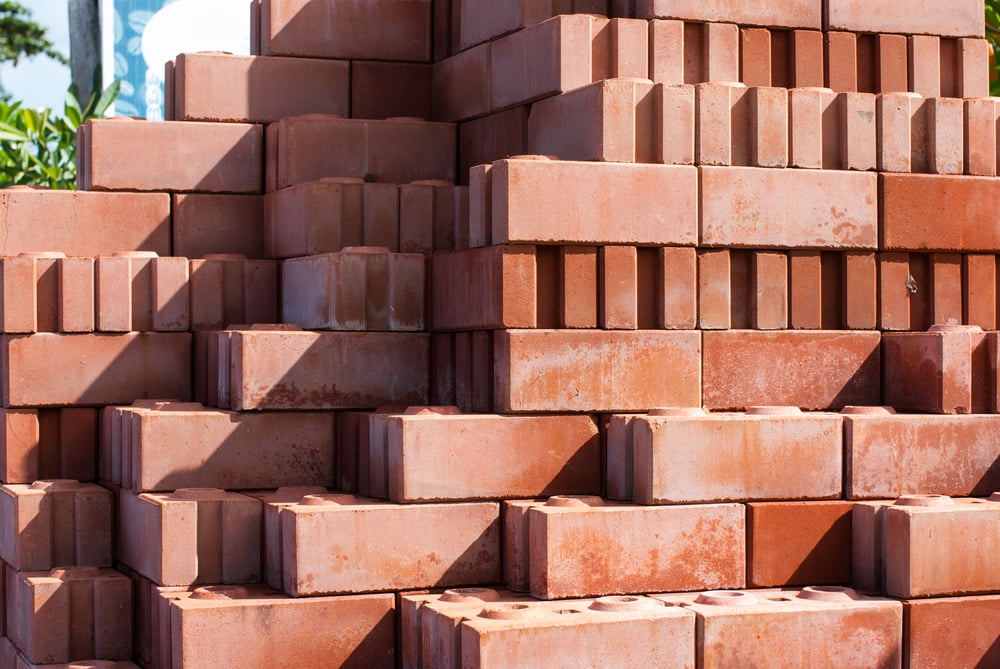
Bricks outlast the buildings they originally supported. When structures get demolished, the bricks get stacked and sold to anyone willing to clean off decades of mortar and paint—which turns out to be harder work than most people expect but worth the effort for material that improves with age.
This tiny house uses reclaimed bricks for thermal mass and visual weight, creating walls that heat slowly during the day and release that warmth through the evening. The bricks came from different eras and different kilns, so the colors vary from deep red to pale yellow, creating patterns that look intentional but actually just represent the building history of the surrounding area.
Wine Cork Wonder

Wine corks pile up in kitchen drawers until someone finds a use for them or throws them away. This builder found a use: wall insulation and decorative panels that smell faintly of the wines they once sealed.
Thousands of corks, sliced and arranged in patterns that create texture without sacrificing function. The installation process required industrial adhesive and a level of patience that borders on meditation, but the finished walls absorb sound and regulate humidity in ways that conventional insulation doesn’t match.
Transformed Train Car

Freight cars get retired when their useful life ends on the rails, but that useful life for hauling cargo represents only the first chapter in a story that can continue for decades as stationary architecture. This builder acquired a 40-foot boxcar that had spent thirty years moving grain across the Midwest, then transformed it into a home that honors its industrial origins while serving completely different purposes.
And the conversion required cutting new windows and doors into steel walls that were designed to withstand the stresses of rail travel, which turns out to be excellent preparation for withstanding the stresses of daily living. The interior dimensions forced creative solutions—8 feet wide doesn’t leave much room for conventional furniture arrangements, but it provides enough space for thoughtful design that emphasizes length over width.
So the living areas flow from one end to the other like train compartments, connected by a central corridor that leads from the kitchen to the bedroom with storage built into every available gap. But the real charm lives in the details: original railroad hardware repurposed as cabinet handles, shipping stencils left visible as decoration, the kind of industrial bones that give the space character no amount of rustic farmhouse styling could achieve.
Finding Beauty in the Discarded
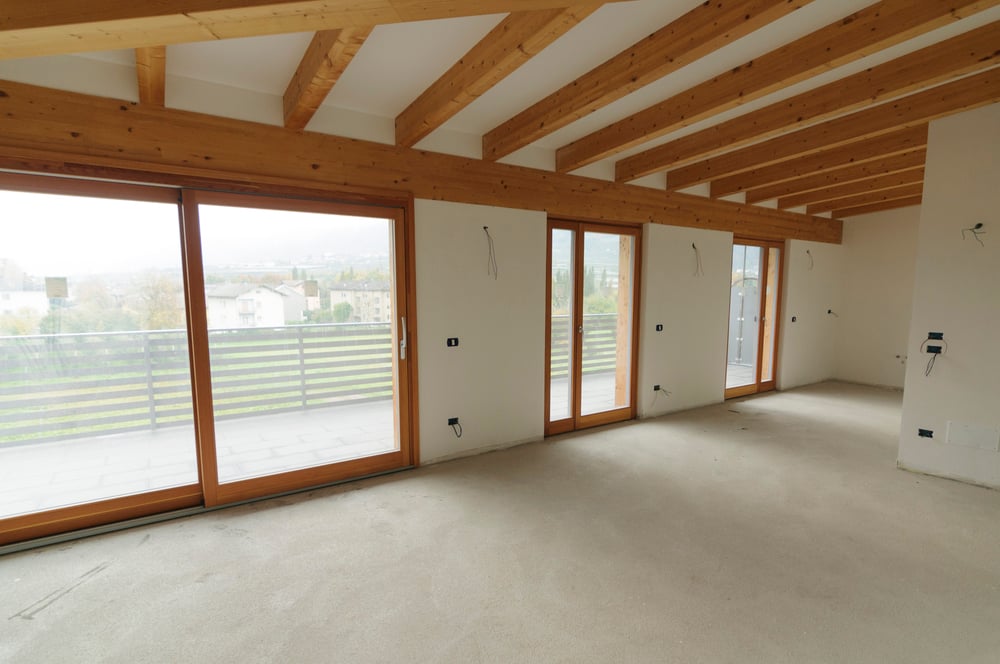
These homes prove something that most people understand intellectually but rarely see demonstrated: waste exists mostly in the eye of the beholder. Materials that seem destined for landfills can become the foundation for spaces that feel more intentional and more personal than anything available in a conventional housing development.
The builders who create these homes aren’t just saving money or making environmental statements—they’re discovering possibilities that mass production never considers.
More from Go2Tutors!

- The Romanov Crown Jewels and Their Tragic Fate
- 13 Historical Mysteries That Science Still Can’t Solve
- Famous Hoaxes That Fooled the World for Years
- 15 Child Stars with Tragic Adult Lives
- 16 Famous Jewelry Pieces in History
Like Go2Tutors’s content? Follow us on MSN.