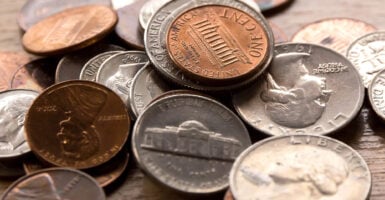
29 Rare Nickels and Dimes Worth Keeping
Small change rarely gets a second glance. It gets tossed into jars, rolled for the bank or handed to a cashier without anyone checking the date, the mint mark or the strike.
That habit has cost people real money. A few nickels and dimes carry stories of mint mistakes, tiny mintages and silver content that make them worth far more than face value, and some of them still surface in old collections, inherited jars and forgotten proof sets.
Liberty Head Nickel of 1913
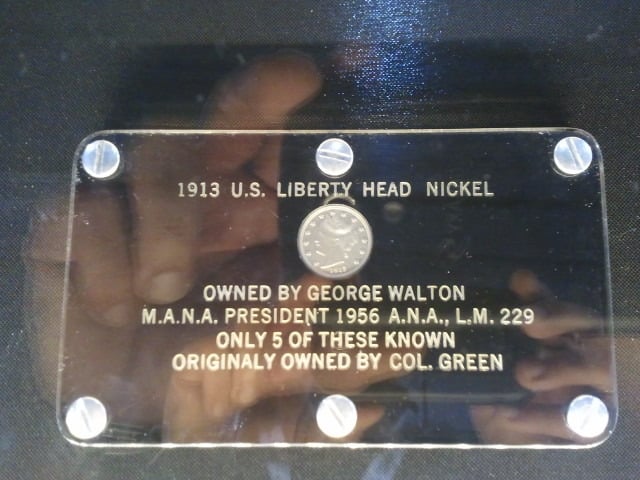
Only five 1913 Liberty Head nickels are known, and none of them should exist, since the Mint had officially switched to the Buffalo design that year. The coins surfaced in 1920 through Samuel Brown, a former Mint employee, which has led most historians to believe they were struck unofficially.
One example, known as the Eliasberg specimen, sold for about 4.5 million dollars in 2018. Counterfeits made by altering the date on a 1912 or 1903 coin are common, so any find needs authentication.
The odds of finding a sixth are tiny, but collectors still dream.
Liberty Nickel Without CENTS
Early 1883 Liberty Head nickels carried only a large V on the reverse, with no word CENTS anywhere. Con artists gold-plated them and passed them off as five-dollar gold pieces, a trick that gave these coins the nickname racketeer nickels.
The Mint quickly redesigned the reverse to add the missing word. Because many were saved as curiosities, plain examples remain affordable, often under 20 dollars in worn condition, while sharp uncirculated pieces bring hundreds.
Gold-plated racketeer versions have their own following and sell for more than ordinary circulated coins.
Liberty Head Nickel Key Date of 1885
The 1885 Liberty Head nickel had a business-strike mintage of roughly 1.5 million, one of the smallest in the entire Liberty Head series. Worn examples typically sell for several hundred dollars, and coins with full rims and readable LIBERTY on the headband climb well past 1,000 dollars.
Collectors building a full set cannot avoid it, which keeps demand steady. Because the date is so valuable, altered 1883 and 1888 coins are a known trap.
A close look at the shape of the final digit under magnification usually settles the question.
Shield Nickel With Rays of 1867
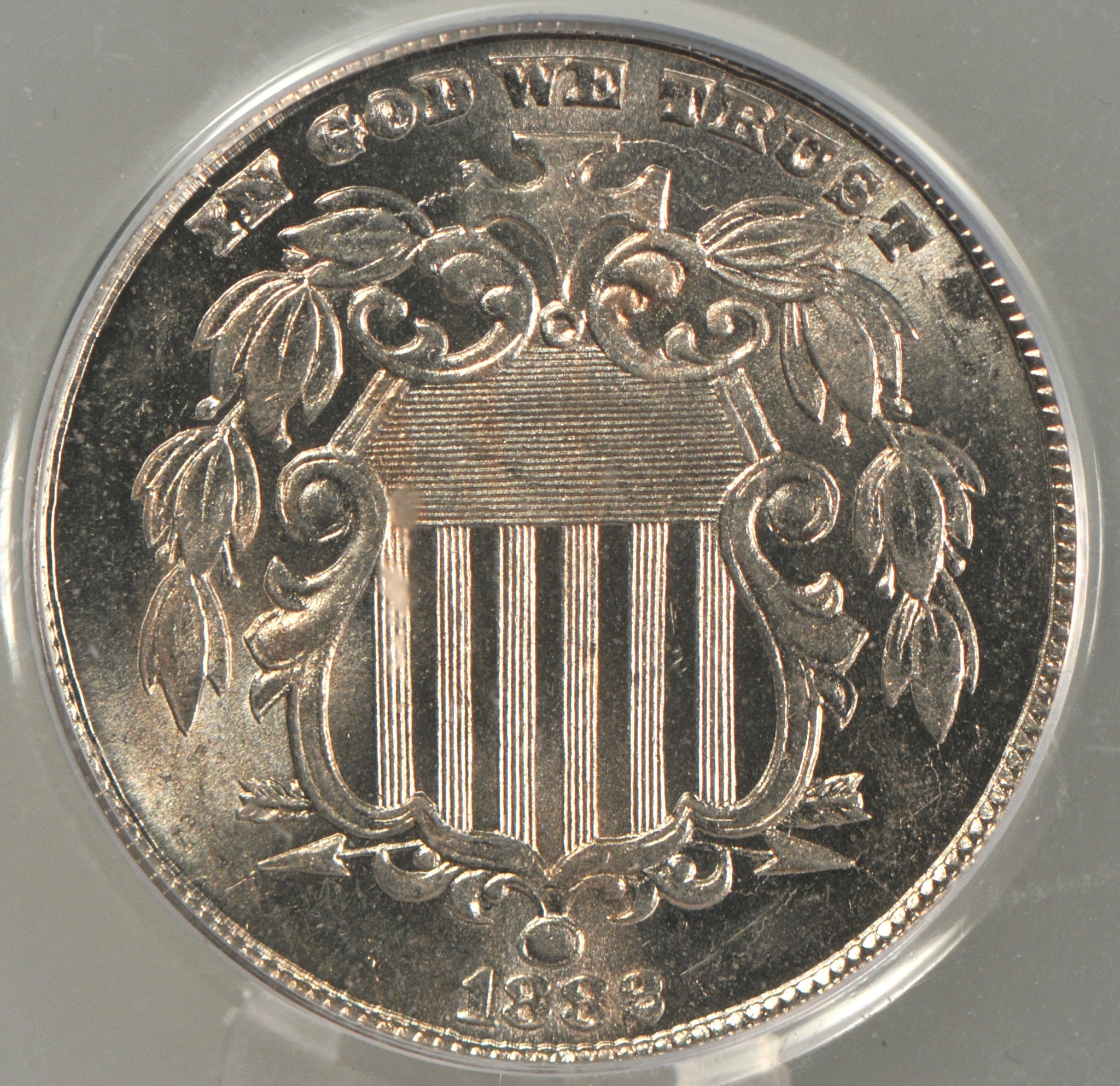
Shield nickels from 1866 and early 1867 featured rays between the stars on the reverse, but the Mint removed them partway through 1867 because the extra detail made the hard nickel alloy difficult to strike. That change left the 1867 With Rays variety far scarcer than the version without them.
Worn examples generally sell for a few dozen dollars, while well-struck uncirculated coins can reach several thousand. Collectors check the reverse closely, since the rays are the entire story here.
Weak strikes and heavy cleaning both pull prices down sharply.
Buffalo Nickel With a Doubled Date
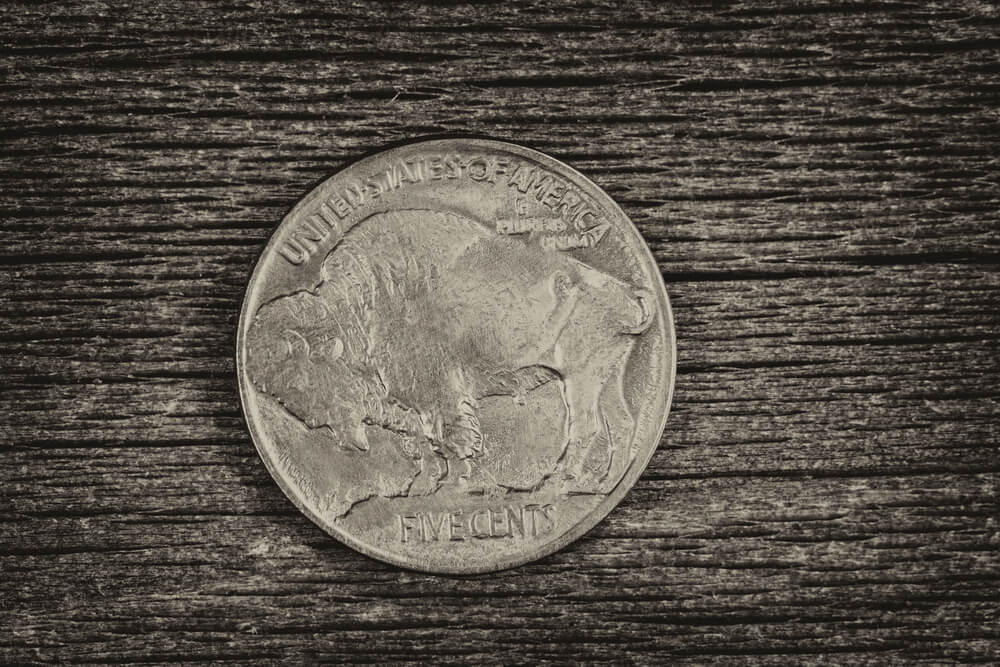
Doubling in the date, most visible in the 1 and the 6, marks the 1916 doubled die obverse Buffalo nickel. Only a small number are known, and worn examples generally sell for several thousand dollars, with top-grade coins bringing far more.
Buffalo nickel dates wore down quickly in circulation, so dates rubbed flat are common and any 1916 with a readable date deserves a careful look. Collectors use a loupe and compare against verified images before getting excited.
Authentication through a major grading service is worth the fee on a coin like this.
Buffalo Nickel Overdate From Denver
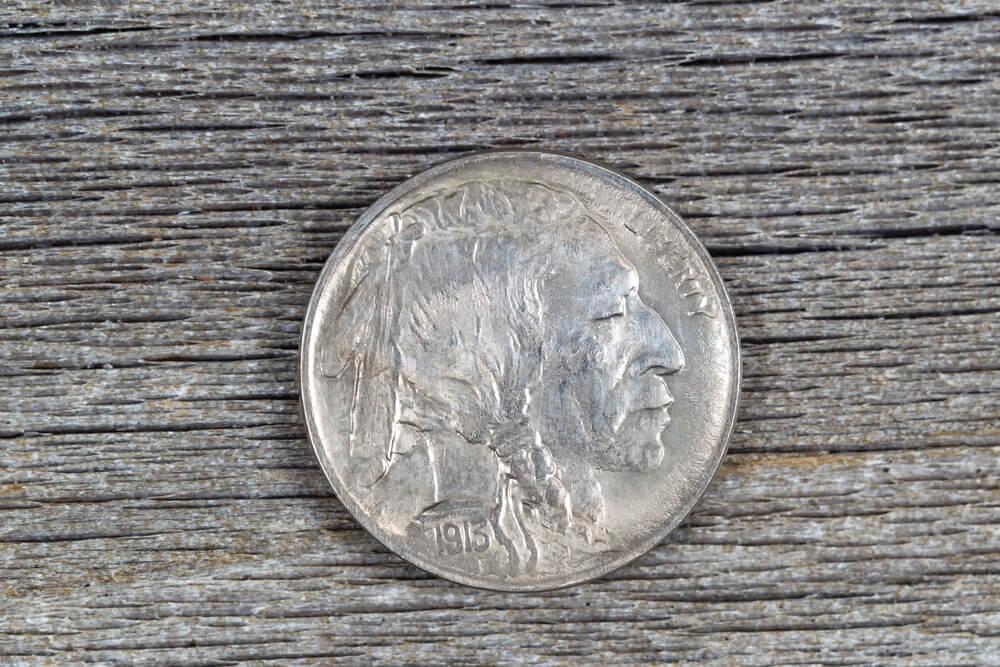
The 1918/7-D Buffalo nickel was struck from a die that had been made with a 1917 date and later overpunched with an 8, leaving the ghost of a 7 visible beneath. Few people noticed the error at the time, so most examples circulated heavily and wore down.
Even well-worn coins with a visible overdate typically sell for over 1,000 dollars, and sharp examples reach the tens of thousands. The D mint mark appears on the reverse, below the bison.
Faint dates and heavy wear make identification tricky without magnification.
Buffalo Nickel From San Francisco in 1926
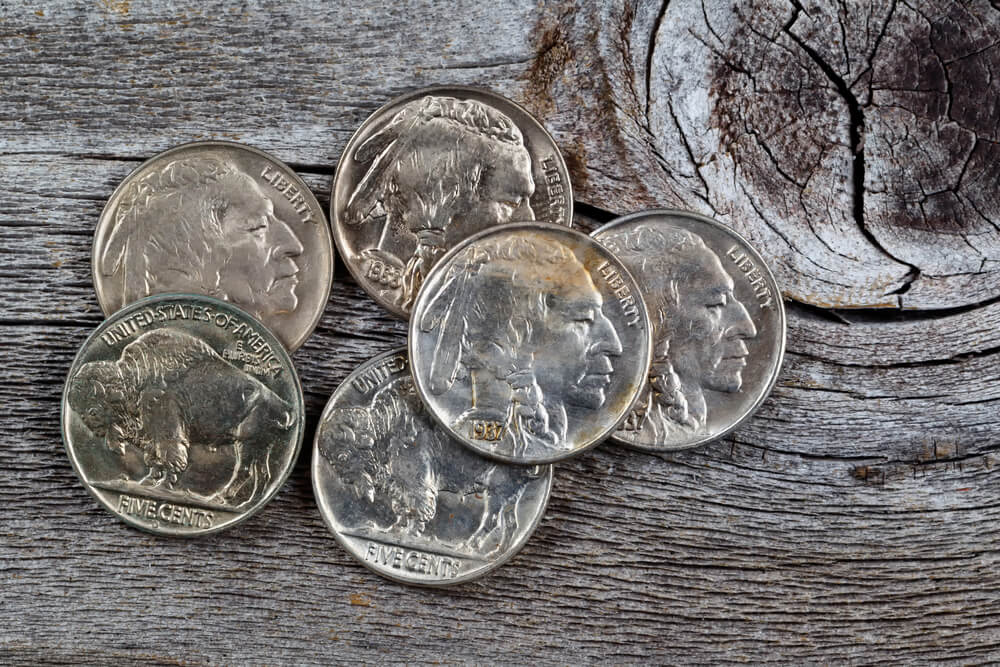
San Francisco produced only about 970,000 Buffalo nickels in 1926, the lowest mintage of any regular issue in the series, and many were poorly struck to begin with. Worn examples typically bring several dozen to a few hundred dollars depending on how much of the date remains, while uncirculated coins are rare and expensive.
Collectors filling albums often find this slot the hardest to complete. Many surviving examples show weak details on the bison’s head and the horn even when the coin barely circulated.
Sharp strikes earn a significant premium.
Three-Legged Buffalo Nickel of 1937
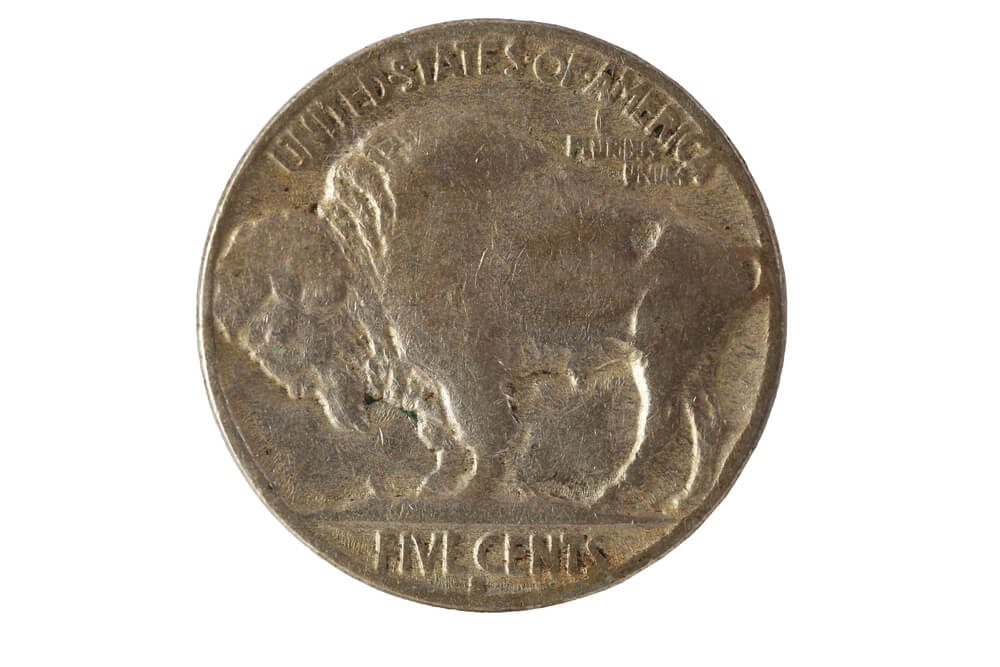
A Denver Mint worker polishing a damaged die in 1937 accidentally removed the bison’s front right leg, creating one of the most famous errors in American coinage. The resulting 1937-D Three-Legged nickel typically sells for several hundred dollars in worn condition and far more in uncirculated grades.
Collectors look for a trail of raised dots beneath the bison’s belly, a telltale sign of the over-polished die. Fakes made by grinding off a leg are common, but they lack those dots and show tool marks.
A trusted grading service settles any doubt.
Jefferson Nickel With a Sideways Mint Mark
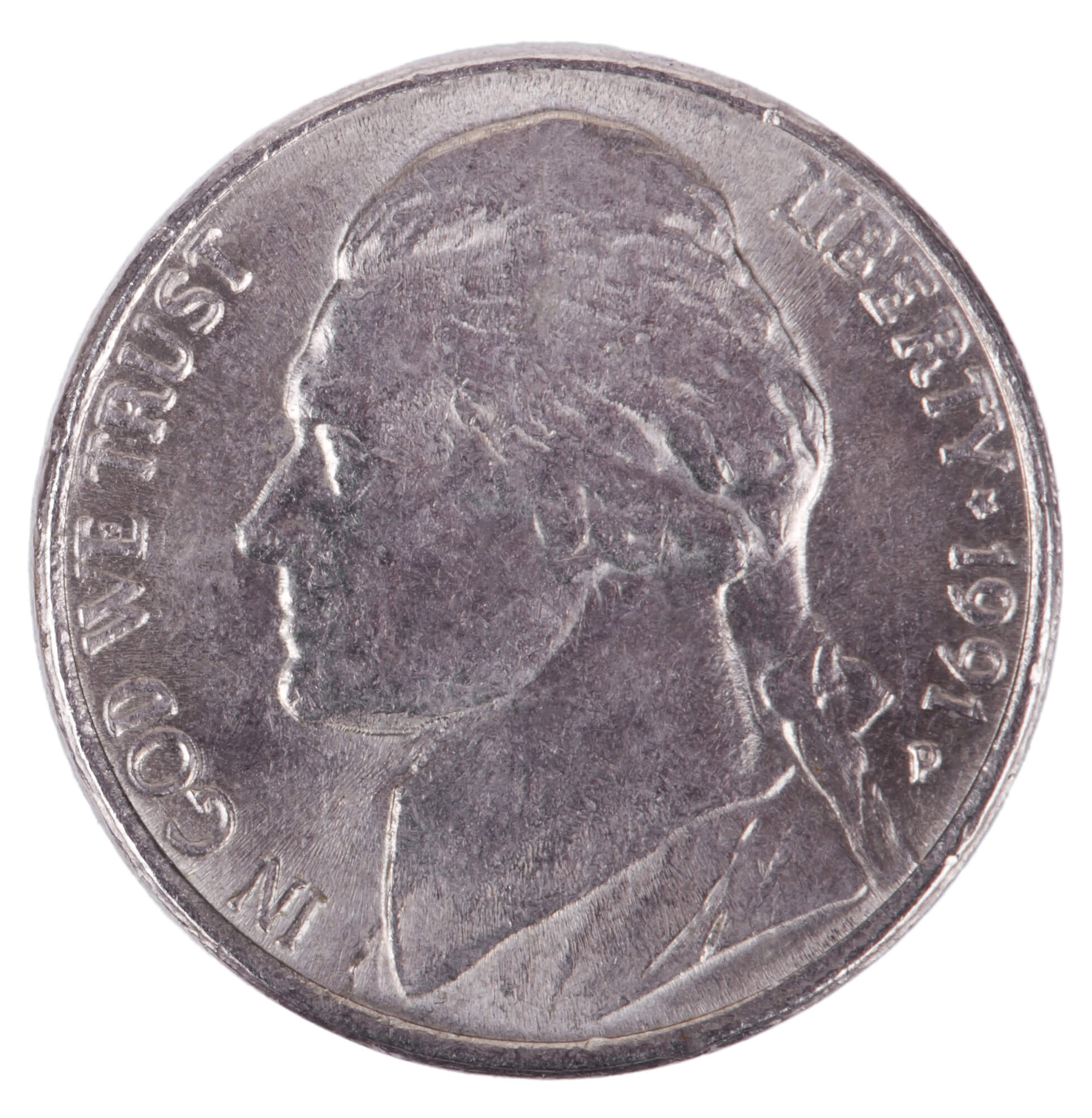
Under magnification, the 1942-D over horizontal D Jefferson nickel shows a D mint mark punched once on its side and then again upright, leaving traces of both. The error sits to the right of Monticello on the reverse.
Worn examples often sell for 50 dollars or more, while sharp uncirculated pieces bring several hundred dollars or more. It ranks among the most popular varieties in the series because it can still turn up in old rolls.
Collectors who search Jefferson nickels check every 1942-D they find.
Jefferson Nickel With Doubled Monticello
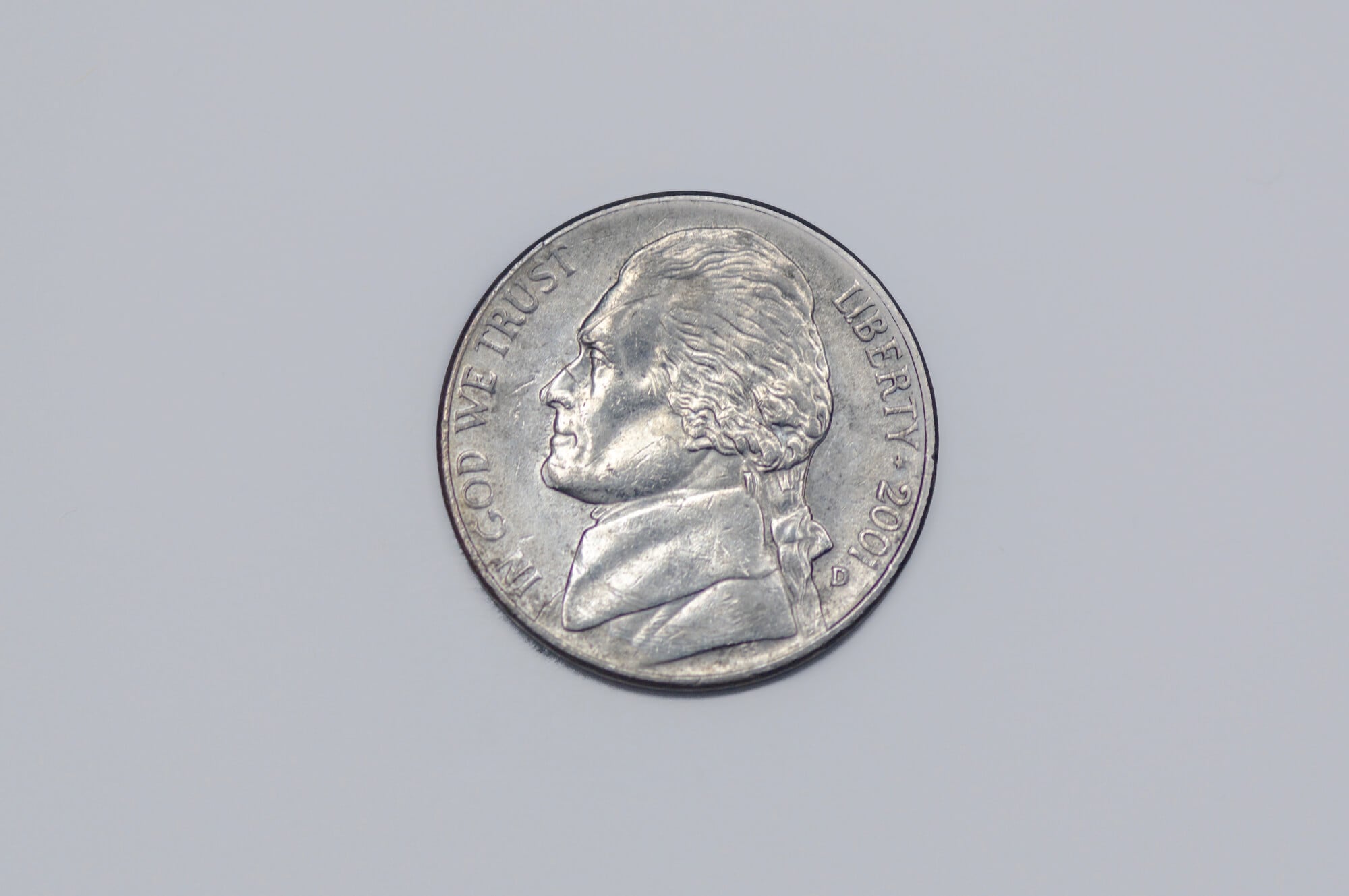
Clear doubling on the word MONTICELLO and on FIVE CENTS beneath the building marks the 1939 doubled die reverse Jefferson nickel. It is one of the strongest doubled dies in the series and is visible with a basic magnifier.
Worn examples often sell for 50 to 100 dollars, while uncirculated coins can reach several hundred or more. Because 1939 nickels circulated widely and many remain in old jars, the variety still turns up in searches.
Corrosion or heavy wear on the reverse can make the doubling hard to confirm.
Wartime Silver Nickels
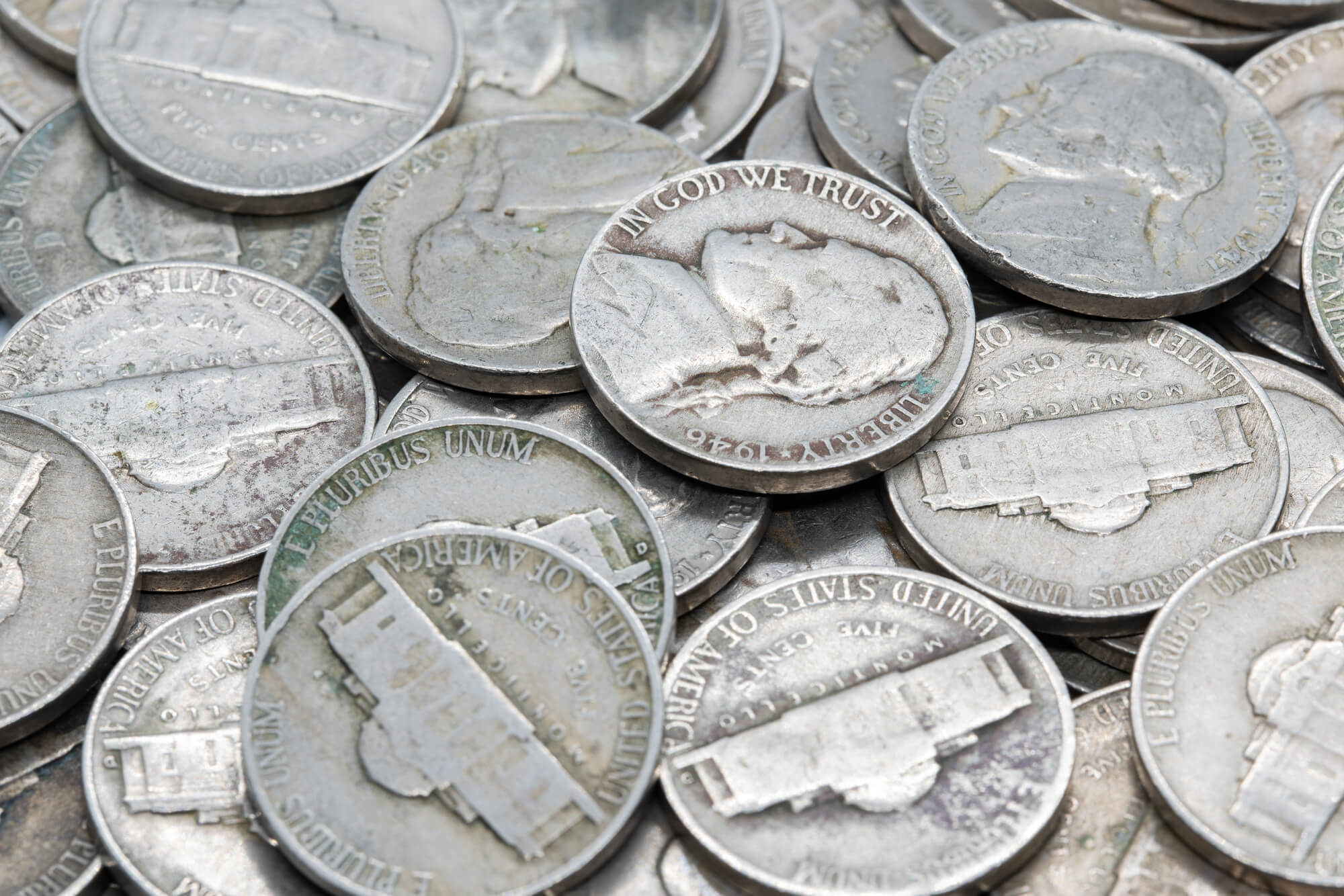
From late 1942 through 1945, the Mint removed nickel from five-cent pieces to save it for the war effort, using an alloy of 56 percent copper, 35 percent silver and 9 percent manganese. These coins are easy to spot, since a large P, D or S mint mark sits above the dome of Monticello, marking the first time Philadelphia used a P on any coin.
Common dates sell mostly for their silver content, usually a few dollars apiece depending on silver prices. Uncirculated coins with fully defined steps on Monticello bring much more.
Denver Nickel of 1950
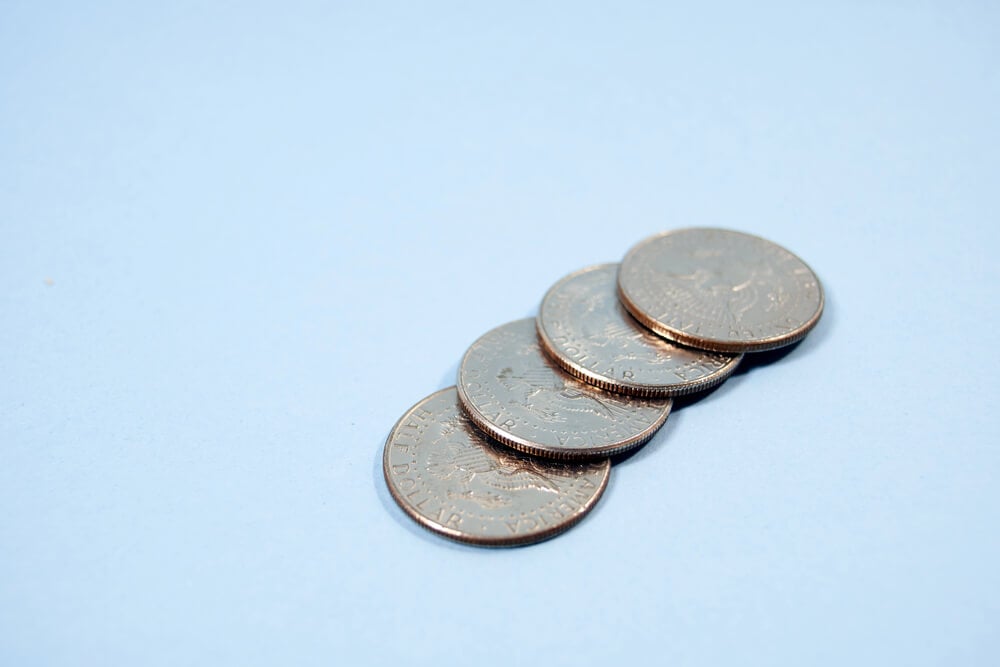
The 1950-D Jefferson nickel had a mintage of about 2.6 million, the lowest of the regular series, and speculators hoarded rolls almost immediately. Because so many were saved, uncirculated examples remain fairly easy to find, typically selling for around 15 to 30 dollars.
Circulated examples are less common than the low mintage might suggest, which is unusual. The coin is a good example of how a famous key date can be more affordable than its reputation implies.
Finding one in pocket change would still be a pleasant surprise.
Jefferson Nickels With Full Steps
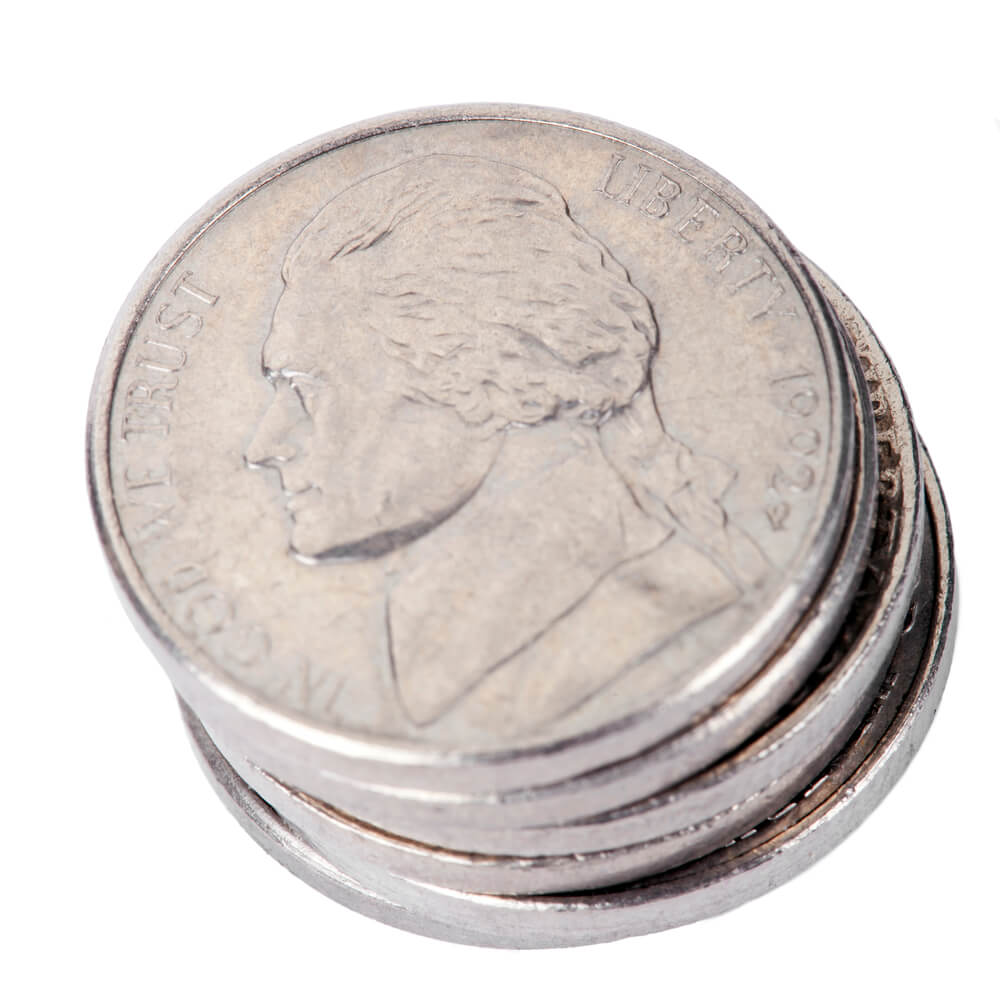
Grading services designate Jefferson nickels as Full Steps when at least five of the six steps on Monticello’s front show complete, uninterrupted lines. Many dates were routinely struck with mushy detail, so a full-steps example of a common year can sell for hundreds or even thousands of dollars more than a typical coin.
The 1953-S and 1954-S are well-known examples where full steps are exceptionally scarce. Collectors use a loupe to check whether bag marks or weak strikes break any line.
A single nick across the steps can erase most of the premium.
Speared Bison Nickel of 2005
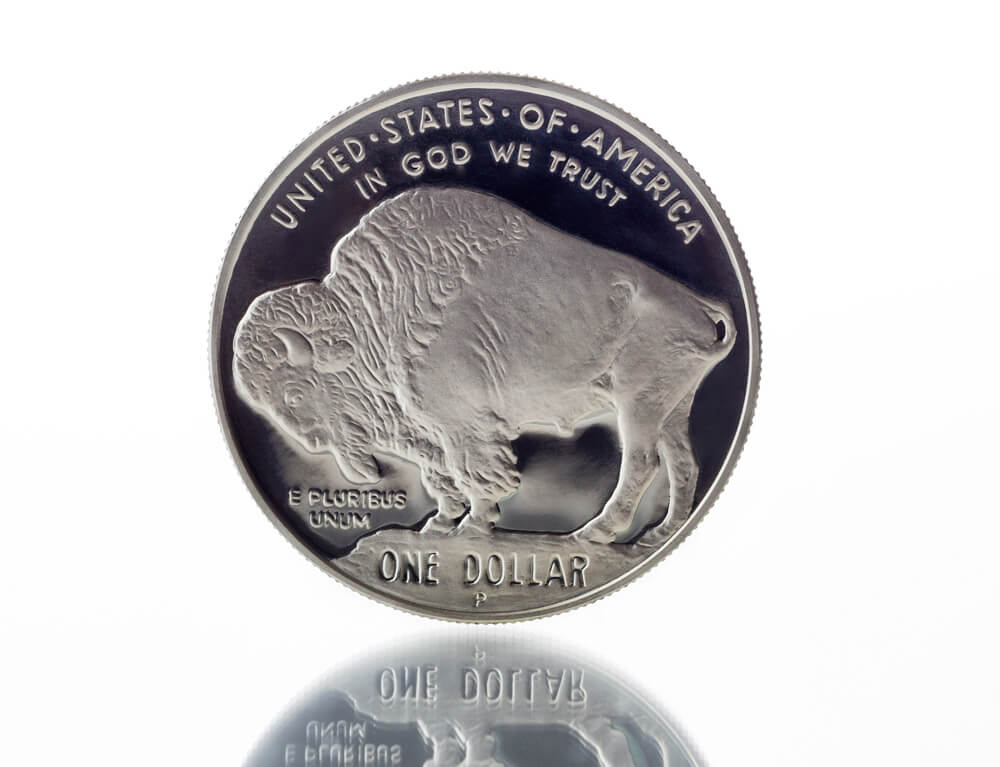
Some 2005-D bison nickels from the Mint’s Westward series show a long die gouge running from the bison’s back down toward its leg, giving the appearance that the animal has been pierced by a spear. The error was discovered soon after release, and collectors began searching rolls in earnest.
Examples typically sell for 50 to a few hundred dollars depending on grade and how bold the line appears. Because these coins are only two decades old, they can still turn up in circulation.
A scratch added after the coin left the Mint looks different from a raised die gouge, so magnification matters.
Draped Bust Dime of 1796
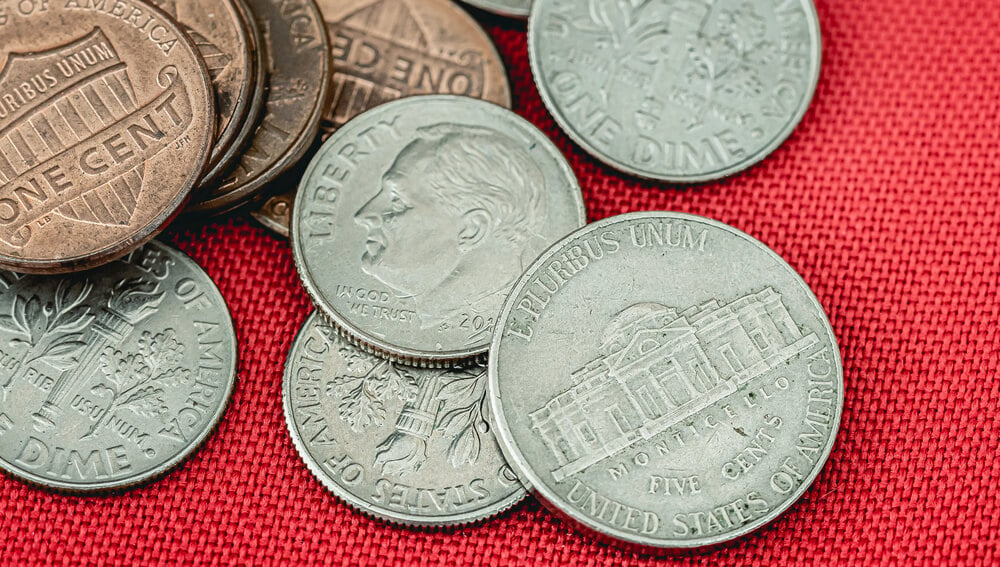
America’s first dime arrived in 1796, with a mintage of roughly 22,000 and a design showing Liberty with flowing hair and a small eagle on the reverse. Survivors are scarce, and even heavily worn coins usually bring several thousand dollars, while well-preserved examples reach six figures.
Many surviving pieces show old scratches, piercings or cleaning, which collectors weigh carefully. Finding one in a family collection is not impossible, since early coins were sometimes saved as keepsakes.
Authentication by a major grading service is essential before any sale.
Seated Liberty Dime From Carson City
Just one 1873-CC Seated Liberty dime without arrows is known, since the rest of the small mintage was apparently melted after arrows were added to mark a weight change. It sold for about 1.8 million dollars in 2012, putting it among the most valuable dimes ever traded.
Carson City coins in general draw strong collector interest because the Nevada mint operated for only a few decades. Ordinary Carson City dimes from the period can still bring hundreds or thousands.
Any CC mint mark deserves attention.
Barber Dime From San Francisco in 1894
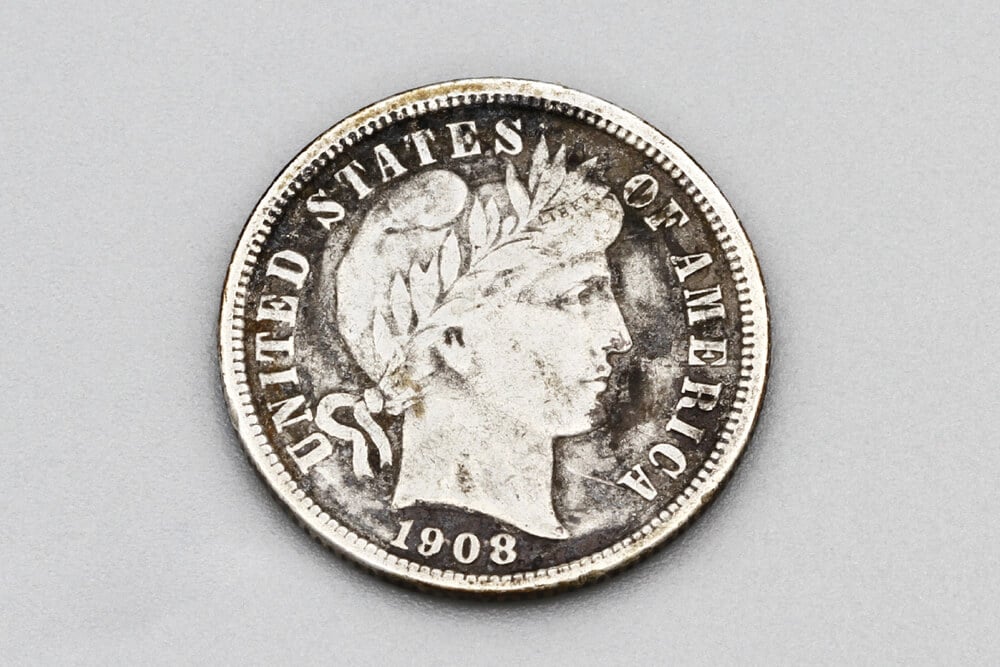
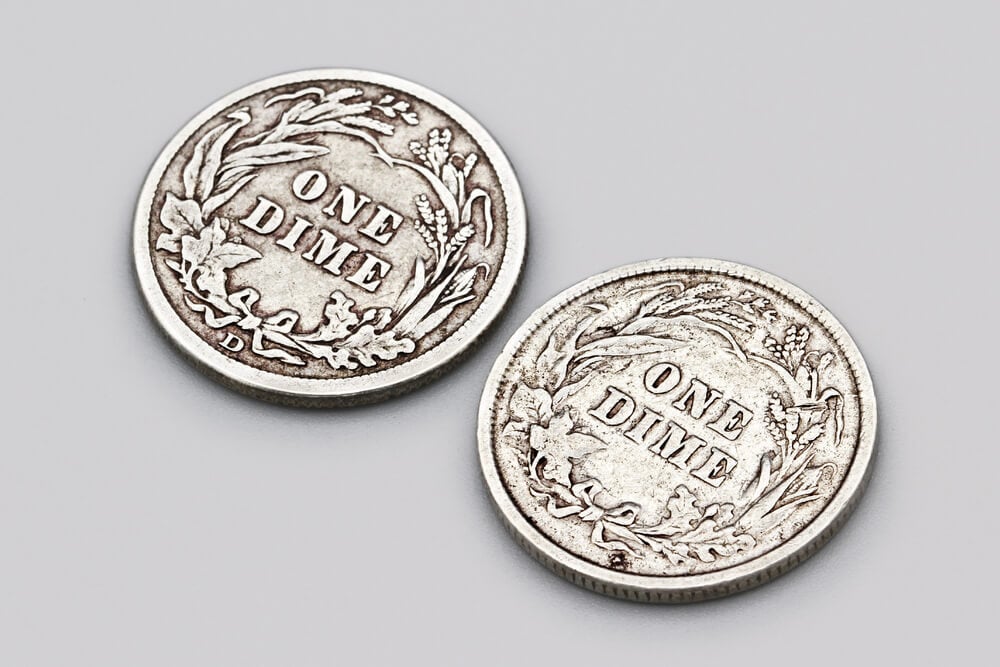
Only 24 proof dimes were struck at San Francisco in 1894, and about nine are known today. Mint superintendent John Daggett reportedly gave three to his daughter, who was said to have spent one on ice cream.
One example sold for close to 2 million dollars in 2016. The coin’s rarity has made it a favorite subject of collector folklore.
Ordinary Barber dimes are common and affordable, but any 1894-S deserves expert attention. The story of a fortune spent on dessert keeps collectors checking old family holdings.
Key-Date Denver Dime of 1916
Denver struck only about 264,000 dimes in the Mercury design’s first year, a tiny mintage compared with the millions made in Philadelphia. That makes the 1916-D the key date of the series and the coin every Mercury collector hunts.
Worn examples typically sell for over 1,000 dollars, and sharp uncirculated coins can reach five figures. Counterfeiters often add a D to a common 1916 Philadelphia dime, so the mint mark’s shape and placement need careful checking.
Professional grading is standard practice for this one, and dealers rarely buy an ungraded example.
Low-Mintage Dimes of 1921
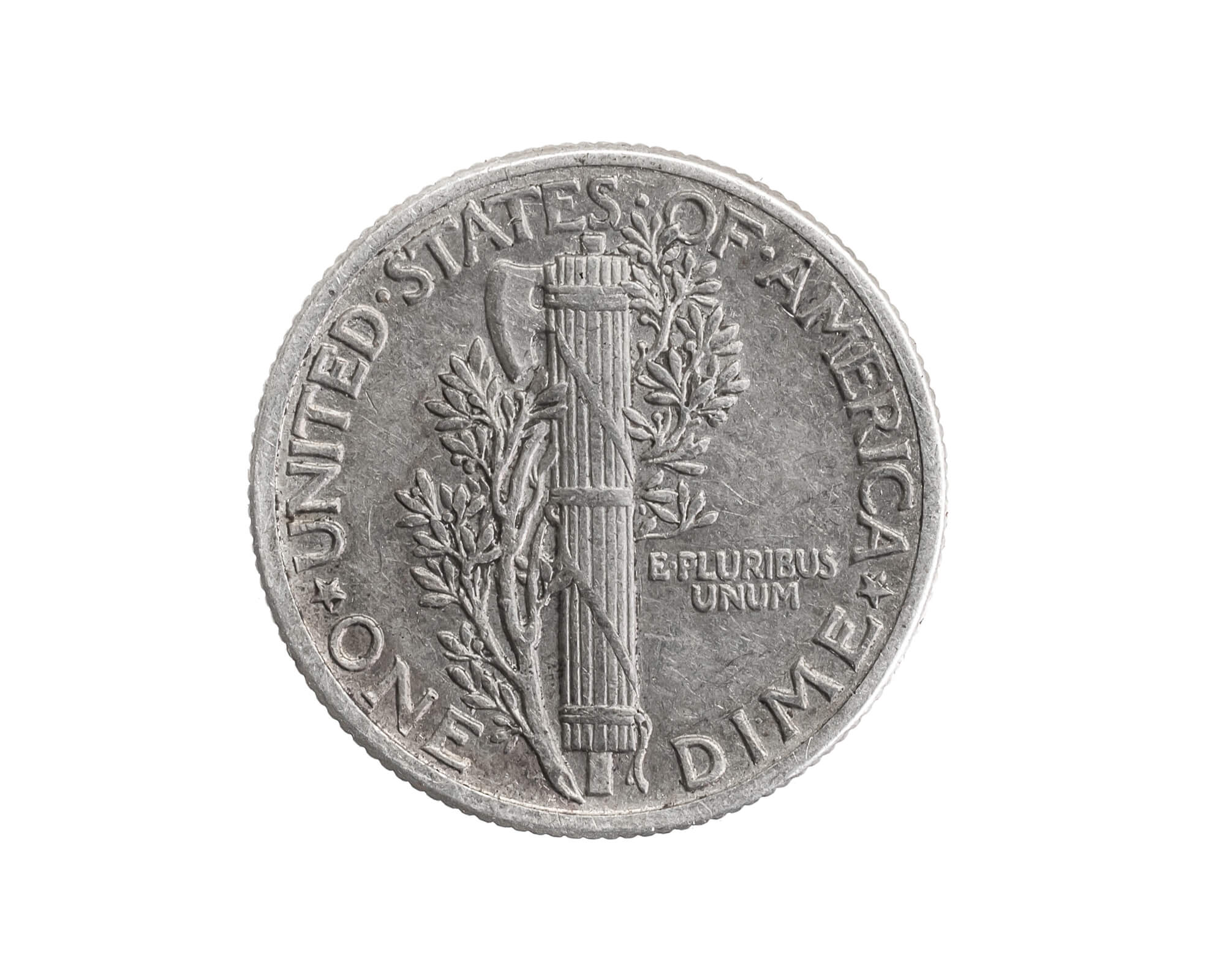
Both the 1921 Philadelphia and 1921-D Mercury dimes had low mintages of roughly 1 million each, a result of an economic slowdown that reduced demand for new coins. Worn examples usually sell for 50 to a few hundred dollars, with uncirculated coins reaching into the thousands.
Many surviving examples are heavily worn, with the date barely visible, because they circulated for decades. Coins with clear dates and visible details on the fasces command significant premiums.
These dates often lurk in old jars of silver dimes.
Overdate Dime of 1942
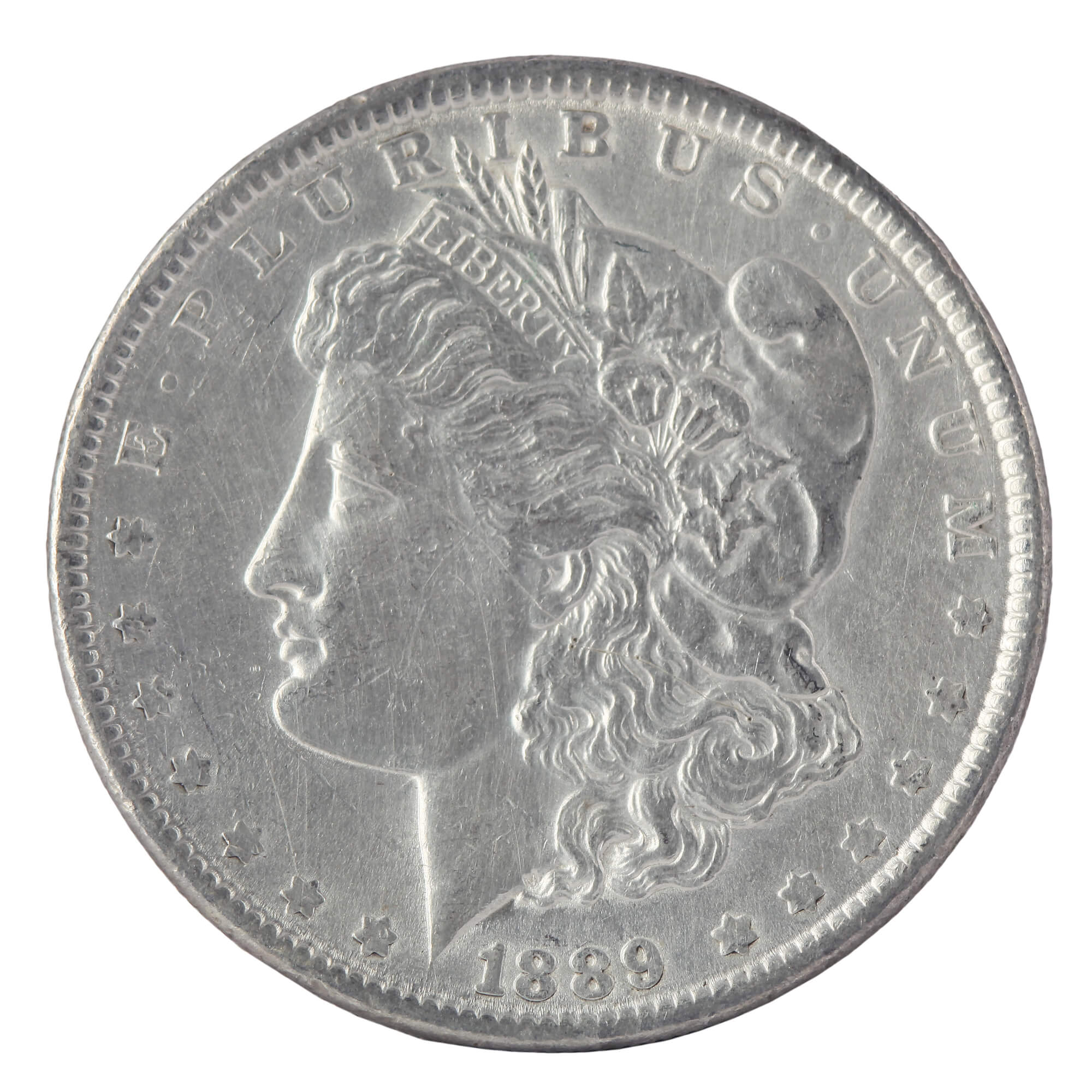
A die used at Philadelphia in 1942 was accidentally hubbed with both a 1941 and a 1942 date, leaving a clear 1 visible beneath the 2. A similar error occurred at Denver.
The Philadelphia version, typically called the 1942/1, sells for several hundred dollars in worn condition and thousands in uncirculated grades. Because 1942 dimes are so common, this variety still turns up in collections that were never carefully examined.
The overdate is visible with basic magnification. Dates obscured by wear make identification harder but not impossible.
Mercury Dimes With Full Split Bands
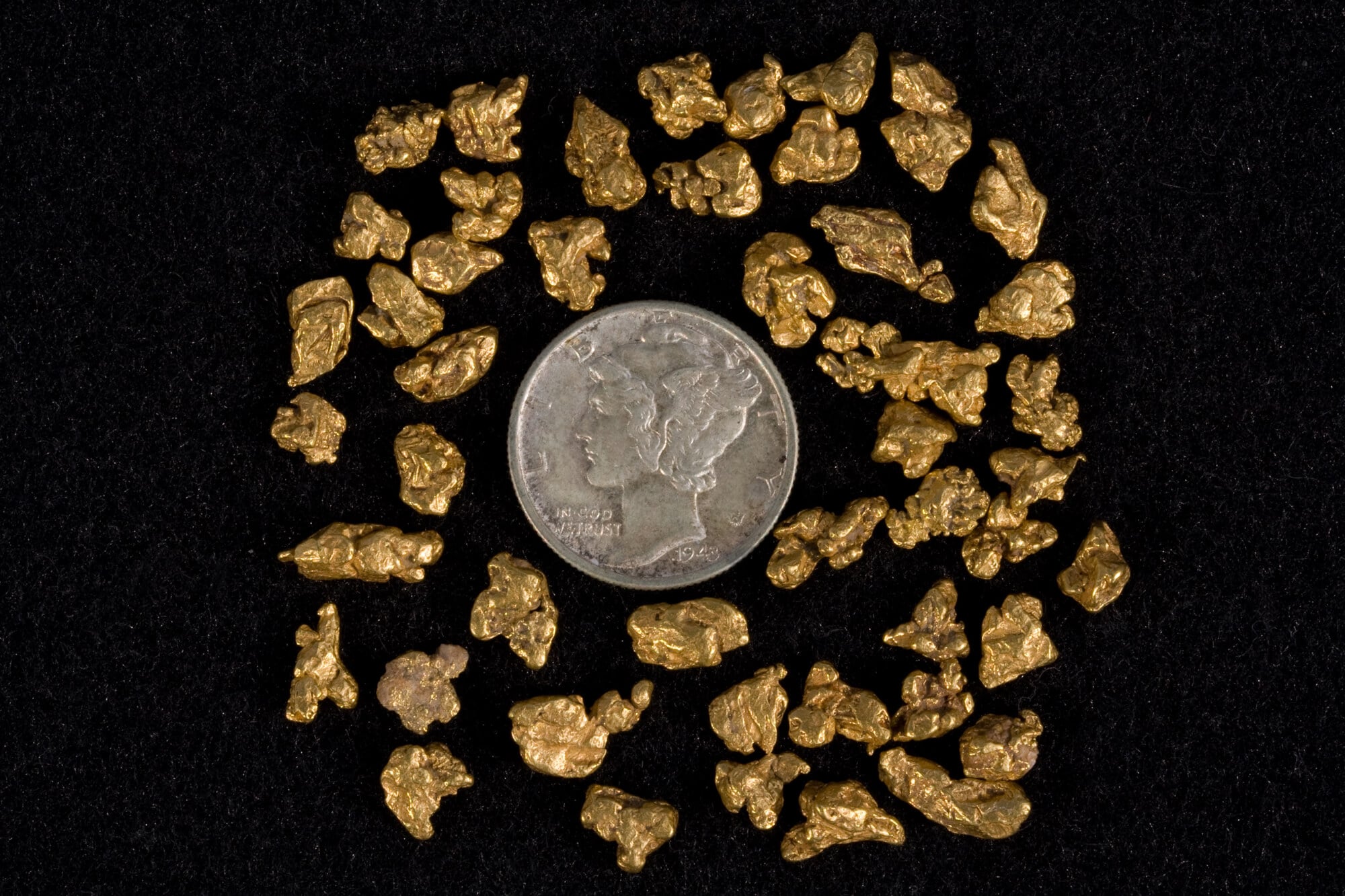
On the reverse of the Mercury dime, the horizontal bands that bind the fasces are sometimes struck so sharply that the center bands appear fully separated. Grading services call these Full Bands or Full Split Bands.
For many dates, a coin with fully split bands can sell for several times the price of an otherwise identical coin. Collectors use a loupe to check whether the bands are clearly divided with no merging.
Cleaning or scratches can ruin the effect, so original surfaces matter. Common dates with full bands are often the most affordable way to own a premium Mercury dime.
Roosevelt Dime From San Francisco in 1949
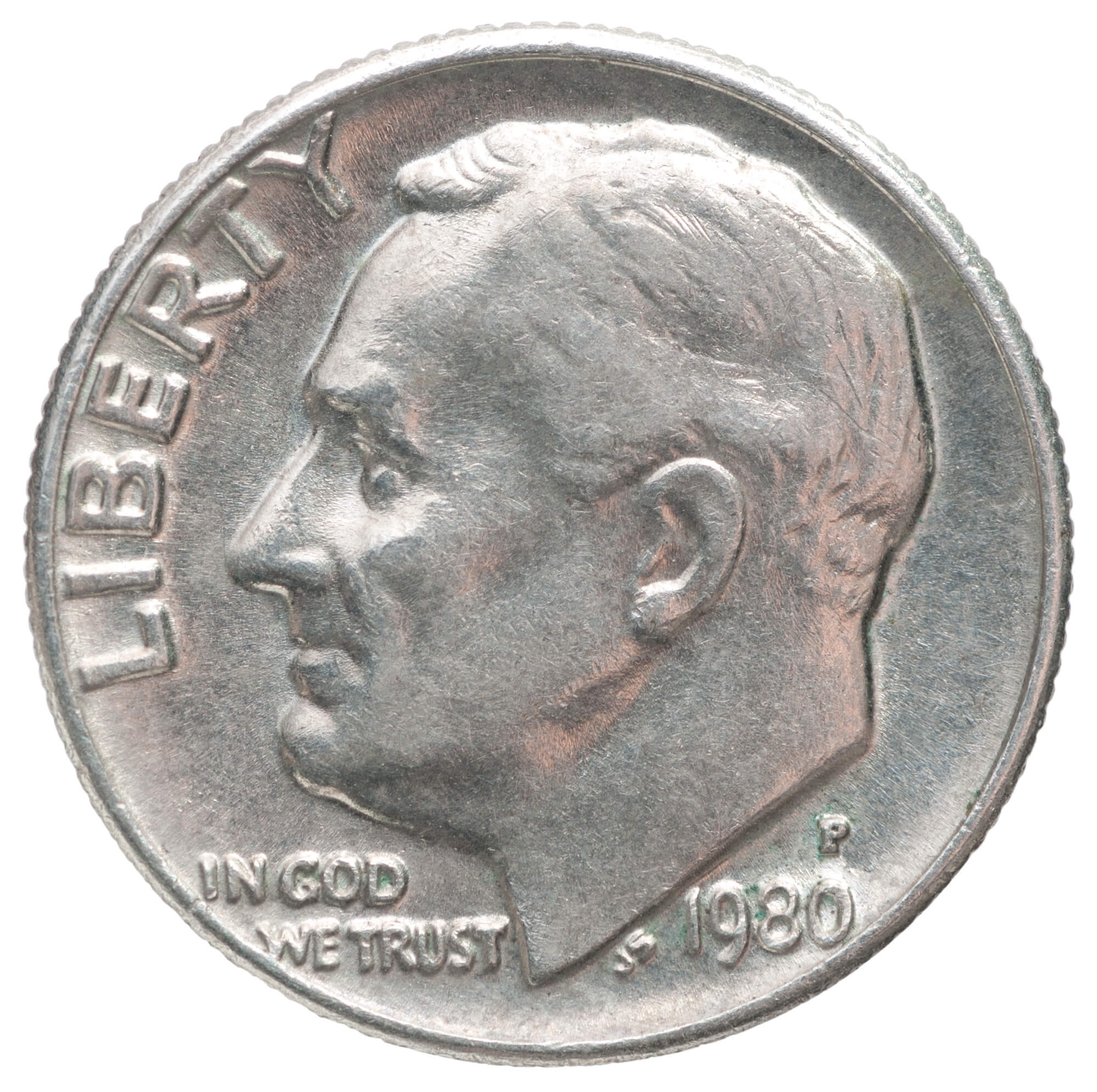
San Francisco struck about 13.5 million Roosevelt dimes in 1949, low for the series, making the 1949-S one of the key dates for collectors building early silver Roosevelt sets. Circulated examples usually sell for modest amounts above silver value, while uncirculated coins can bring 50 dollars or more, depending on luster and eye appeal.
Many collectors overlook it, assuming all silver Roosevelts are worth only their melt value. The S mint mark appears on the reverse to the left of the torch.
Bright, original examples deserve a second look.
Silver Roosevelt Dimes Before 1965
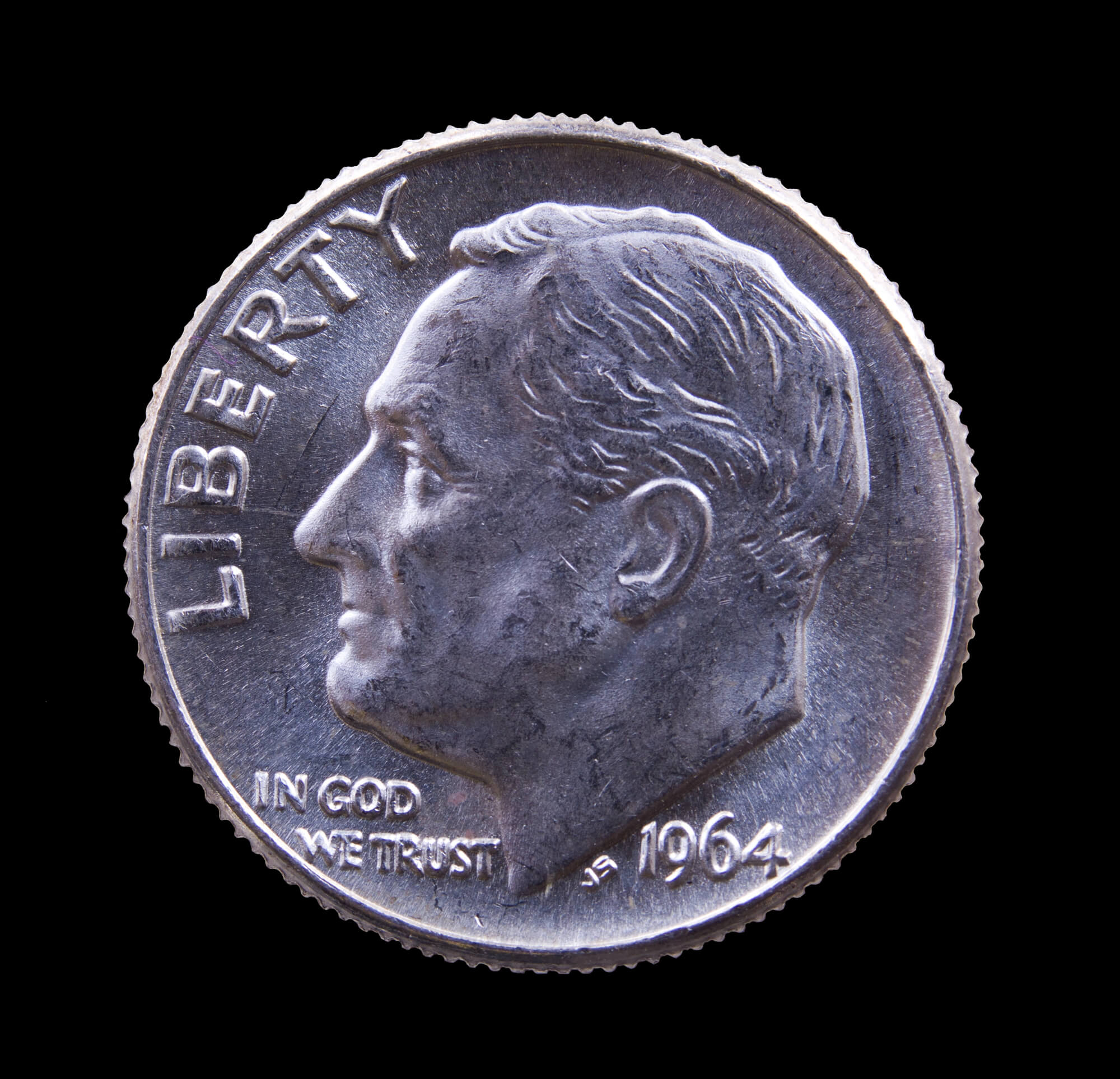
All Roosevelt dimes dated 1964 and earlier contain 90 percent silver, which gives each one a melt value well above face. They are easy to spot by the date and by their solid silver edge, which lacks the copper stripe of modern dimes.
Common dates trade mostly for silver value, usually a few dollars each depending on market prices. Rolls and jars of these coins still turn up in estate sales and old piggy banks.
Checking every pre-1965 dime takes seconds and can add up quickly.
Silver Dimes Dated 1965
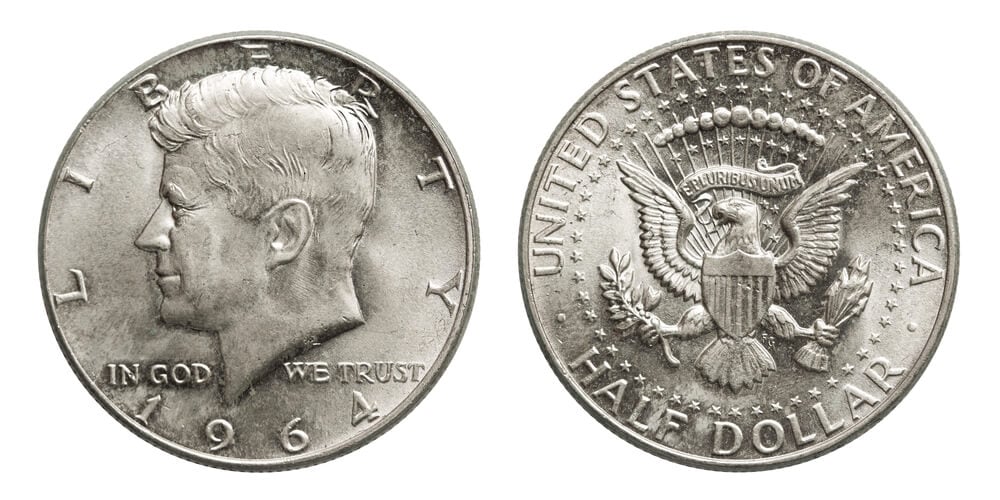
When the Mint switched to copper-nickel clad dimes in 1965, a small number were accidentally struck on leftover 90 percent silver planchets. These transitional errors are rare, and authenticated examples have sold for several thousand dollars.
They look identical to ordinary 1965 dimes but weigh about 2.5 grams instead of 2.27 grams, and their edges show no copper stripe. A digital scale accurate to a hundredth of a gram is the easiest first test.
Anyone who finds a promising candidate should have it authenticated before making plans, since plated fakes exist.
Proof Dime Without an S From 1970
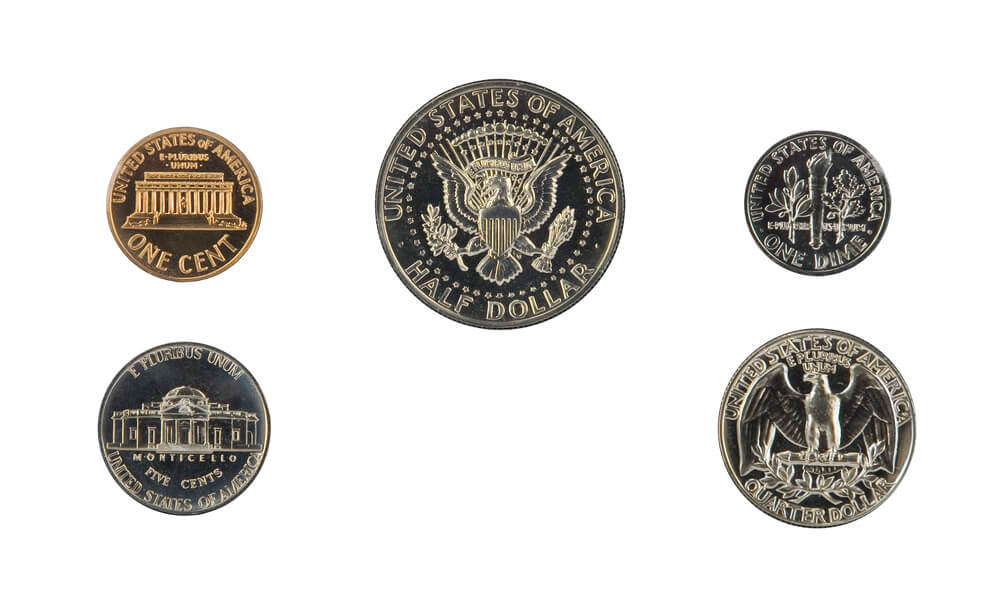
Another San Francisco slip produced the 1970 no S proof Roosevelt dime, with an estimated few thousand examples known. Collectors typically pay from several hundred dollars to well over 1,000, depending on grade and cameo contrast.
Like the 1968 version, it only appears in proof sets, so original government packaging is a good place to look. Collectors who inherited proof sets from the late 1960s and early 1970s should check every dime.
A missing mint mark on a proof coin is a reason to call a dealer.
Proof Dime Without an S From 1975
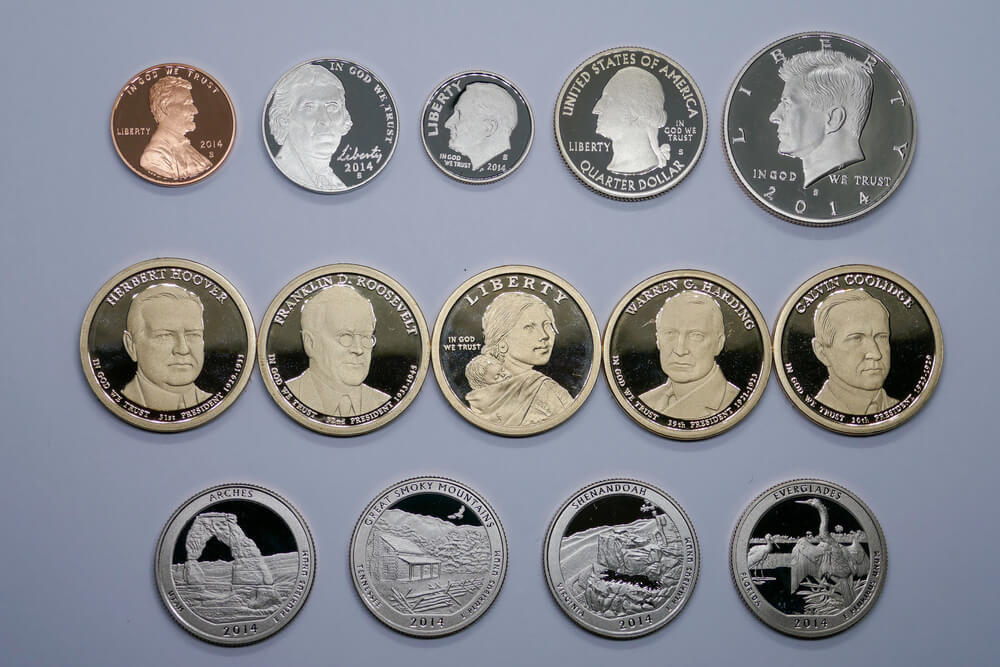
Just two 1975 no S proof dimes are known, and both came from proof sets bought directly from the Mint by a California collector. One sold for 456,000 dollars in 2019.
The other was bought in 1978 by an Ohio family for 18,200 dollars, kept in a bank vault for decades and sold in 2024 for 506,250 dollars after three sisters inherited it. More examples could still exist in untouched 1975 proof sets.
Ordinary 1975 dimes, by contrast, are worth exactly ten cents, no matter how shiny.
Philadelphia Dime Without a P From 1982
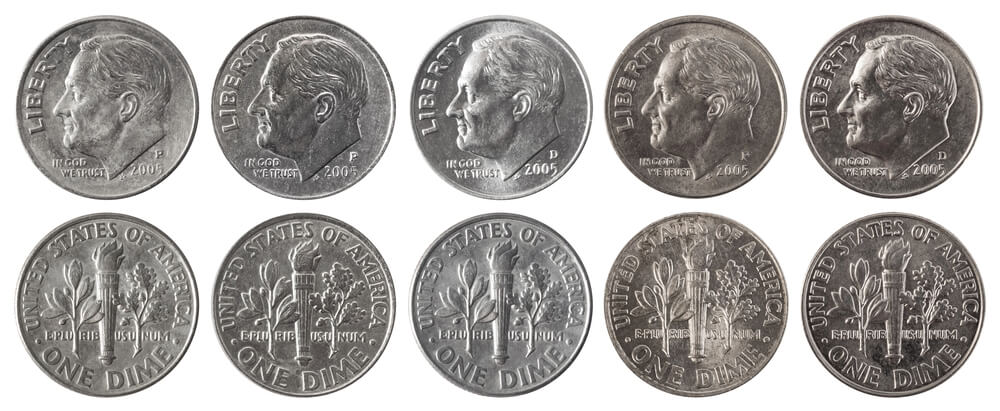
In 1982, a die at Philadelphia lacked its P mint mark, producing dimes with no mint mark at all. The mistake came just two years after the Mint began adding a P to Philadelphia dimes in 1980.
Examples typically sell for 100 to a few hundred dollars, with sharp uncirculated coins bringing more. They still turn up in circulation and in old rolls, so checking every 1982 dime in change is worthwhile.
Coins with strong strikes and original surfaces are the most desirable, while scratched or corroded pieces sell for much less.
West Point Dime of 1996
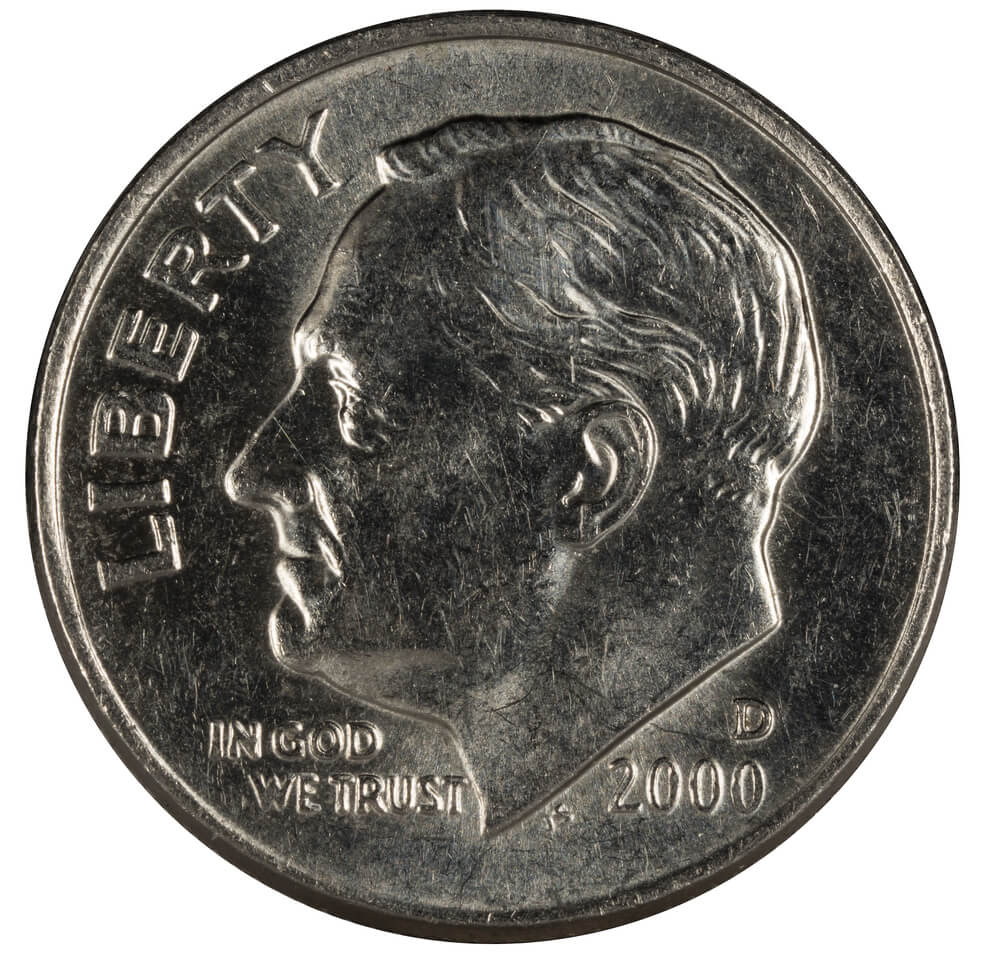
To mark the 50th anniversary of the Roosevelt dime, the West Point Mint struck about 1.46 million dimes with a W mint mark and included them in 1996 mint sets. They were never released into circulation, so most survive in their original packaging.
Typical examples sell for around 10 to 25 dollars, with high-grade pieces bringing more. The W dime is a simple, affordable addition to a collection.
Some ended up in circulation when sets were broken up, so one could still turn up in change.
Pocket Change With a Past
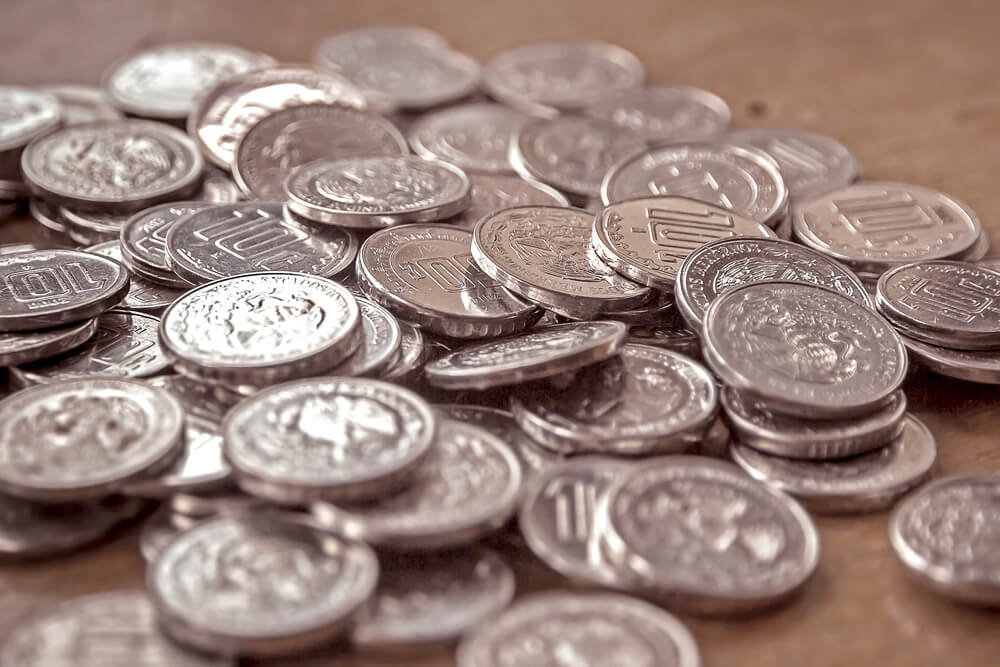
Rare nickels and dimes are often hiding in plain sight. Many of the coins on this list look ordinary unless someone stops to check the date, the mint mark or the sharpness of a detail.
That small effort separates face value from a real payday. Coin collecting rewards patience and curiosity more than money.
The best finds often come from inherited jars, old proof sets and forgotten rolls that nobody bothered to search. A loupe, a scale and a little knowledge can turn spare change into history worth keeping.
More from Go2Tutors!

- The Romanov Crown Jewels and Their Tragic Fate
- 13 Historical Mysteries That Science Still Can’t Solve
- Famous Hoaxes That Fooled the World for Years
- 15 Child Stars with Tragic Adult Lives
- 16 Famous Jewelry Pieces in History
Like Go2Tutors’s content? Follow us on MSN.