15 Highest Temperatures Ever Recorded on Earth
When people complain about a hot summer day, they usually mean temperatures around 95 or 100 degrees Fahrenheit. But some places on our planet have experienced heat so extreme that it seems almost impossible for anything to survive.
These record-breaking temperatures weren’t just uncomfortable—they were dangerous, deadly, and sometimes hard to believe. Let’s look at the places where Earth’s thermometers nearly exploded from the heat.
Death Valley holds the world record
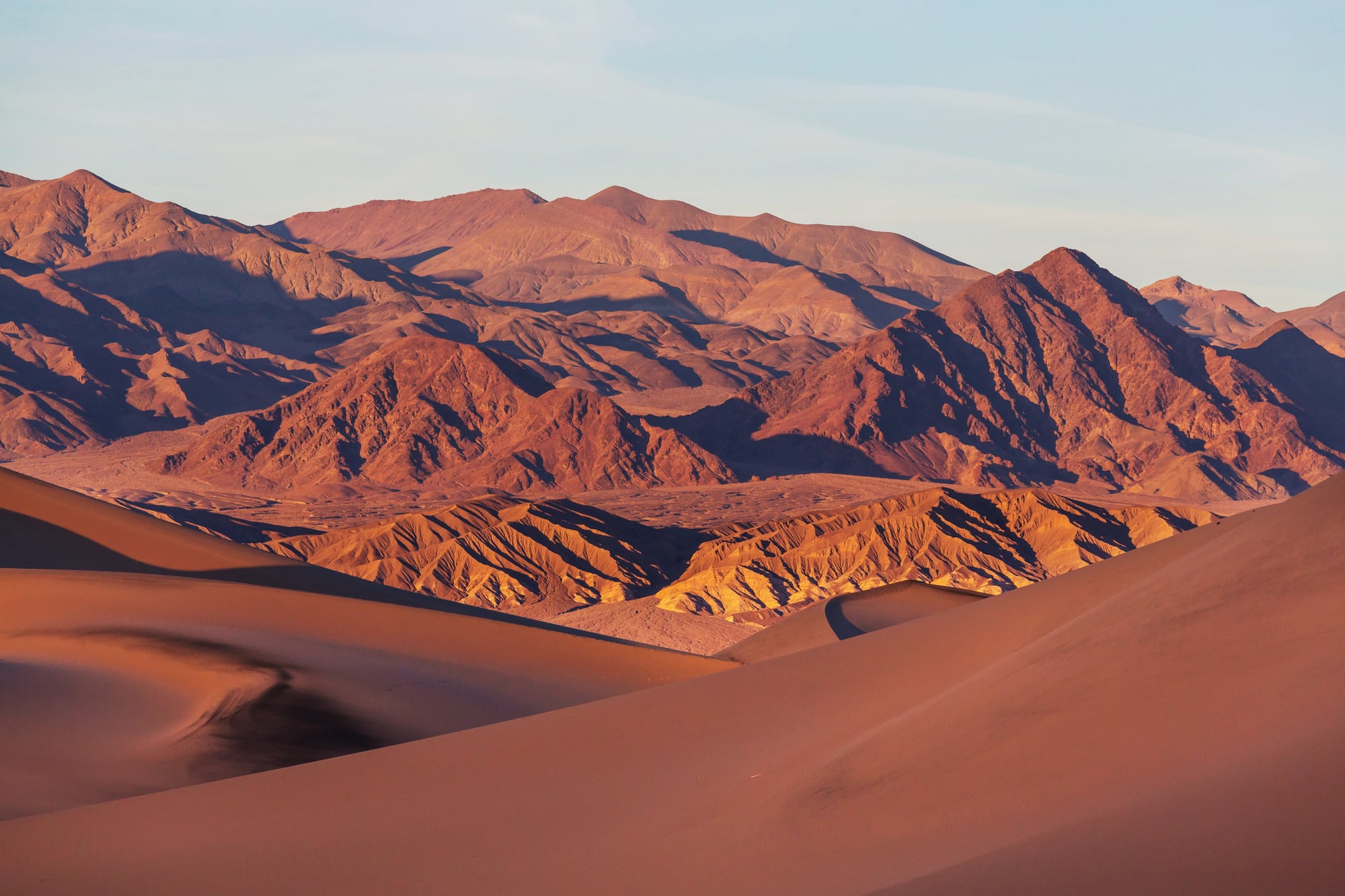
On July 10, 1913, Death Valley in California recorded 134 degrees Fahrenheit, the highest temperature ever accurately recorded on Earth. At 282 feet below sea level, this desert location retains heat like a natural oven.
Gold prospectors who barely made it across the valley in 1849 gave the area its ominous moniker, and that 1913 reading explains why the valley gained such a terrifying reputation.
Furnace Creek lives up to its name
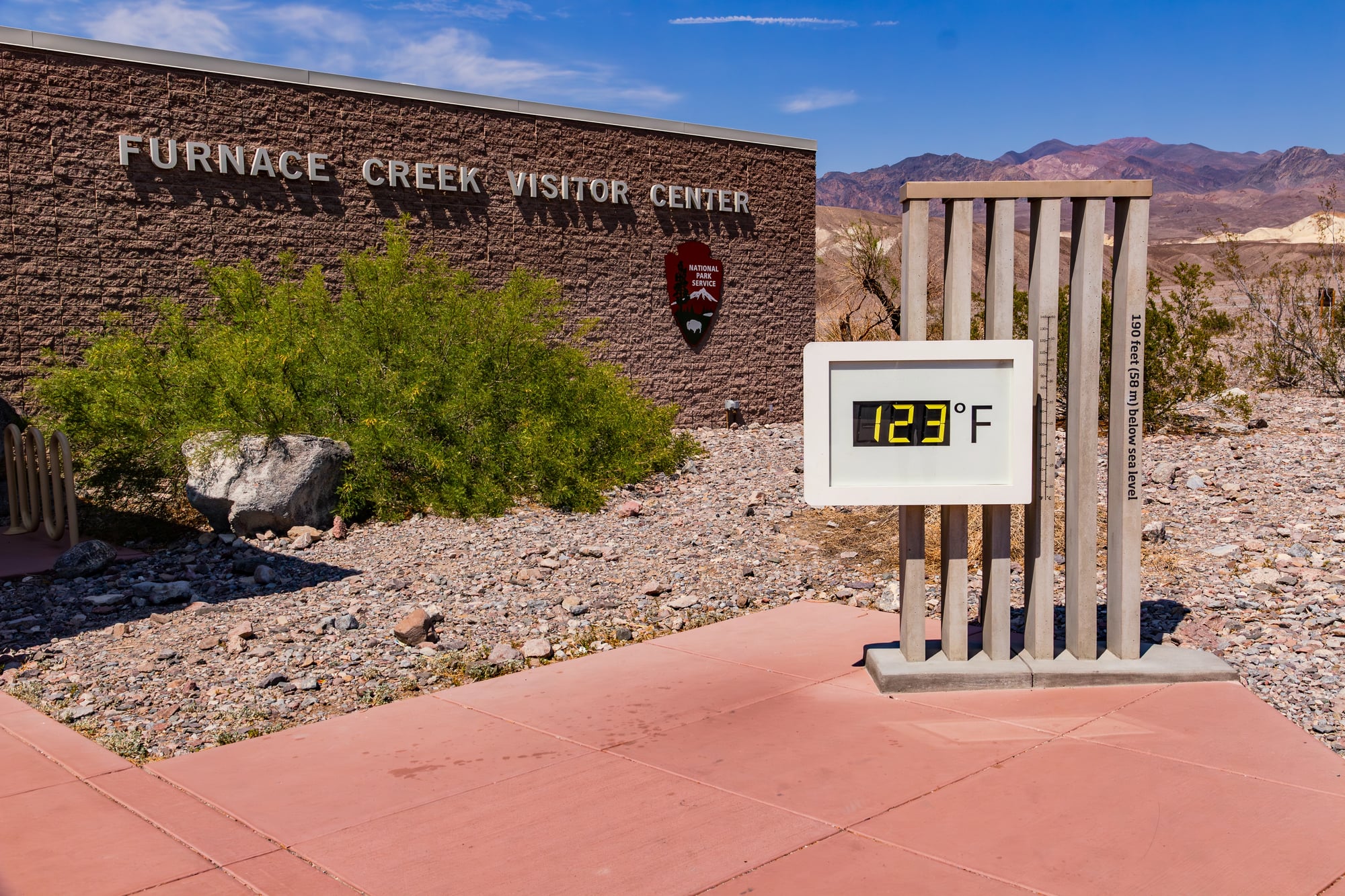
In August 2020, it reached 130 degrees Fahrenheit at the same Death Valley location, specifically at Furnace Creek. The entire western United States was hit by a severe heat wave at the time of this measurement.
This reading, which is among the most precisely recorded extreme temperatures in history, was confirmed by scientists using contemporary equipment.
Tunisia felt Africa’s worst heat

The town of Kebili in Tunisia reached 131 degrees Fahrenheit on July 7, 1931, setting the record for the African continent. This small oasis town in southern Tunisia experiences brutal summers every year, but that day in 1931 stands out as particularly harsh.
Local residents still talk about their ancestors’ stories of that summer, when even nighttime brought little relief from the scorching conditions.
Iran’s Lut Desert becomes uninhabitable in summer
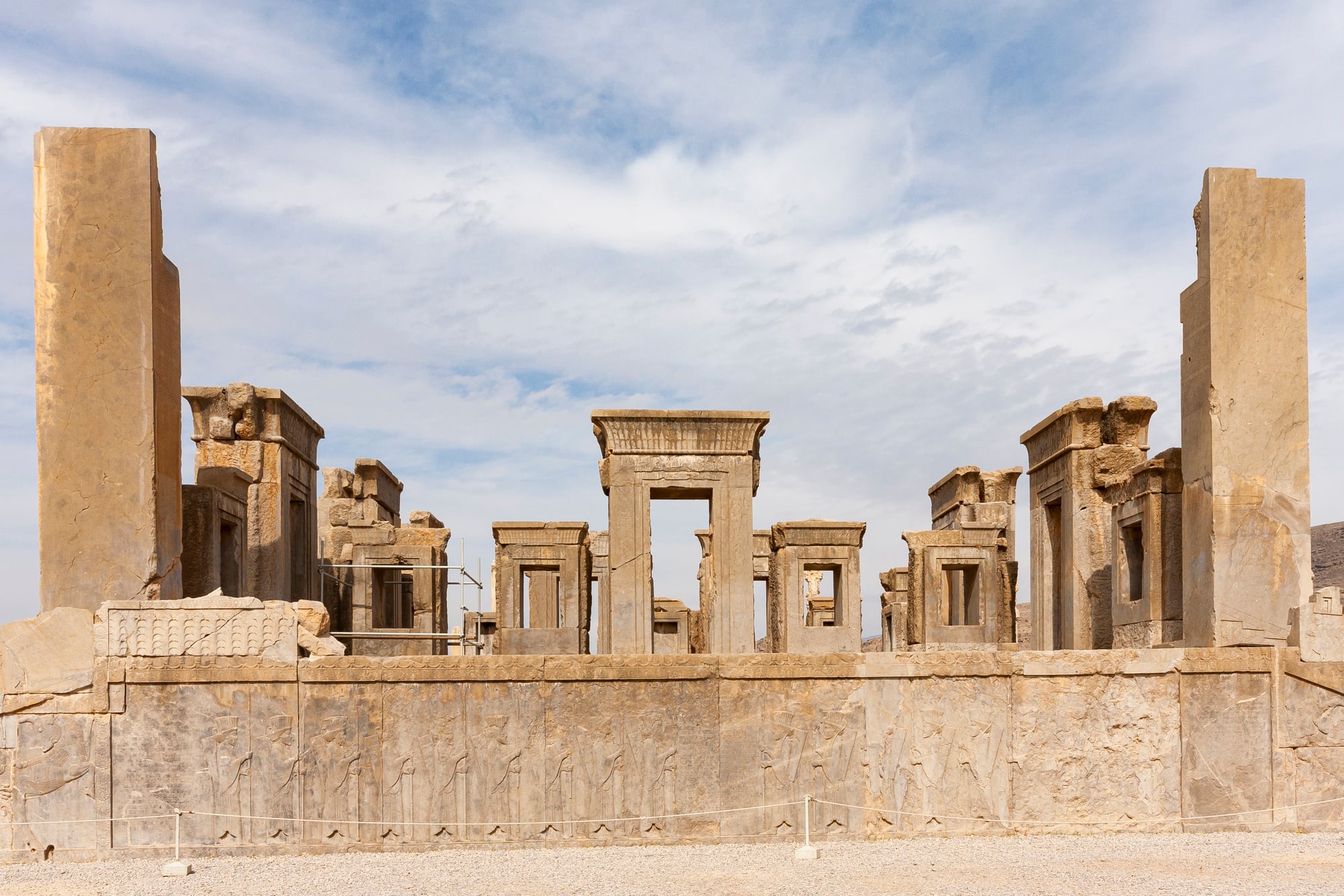
Satellite measurements of Iran’s Lut Desert recorded ground temperatures of 159.3 degrees Fahrenheit in 2005. While air temperature readings differ from ground measurements, this barren landscape regularly competes for the title of Earth’s hottest spot.
The desert’s dark rocks absorb sunlight throughout the day, then release that stored heat back into the air.
Kuwait endured Middle Eastern extremes
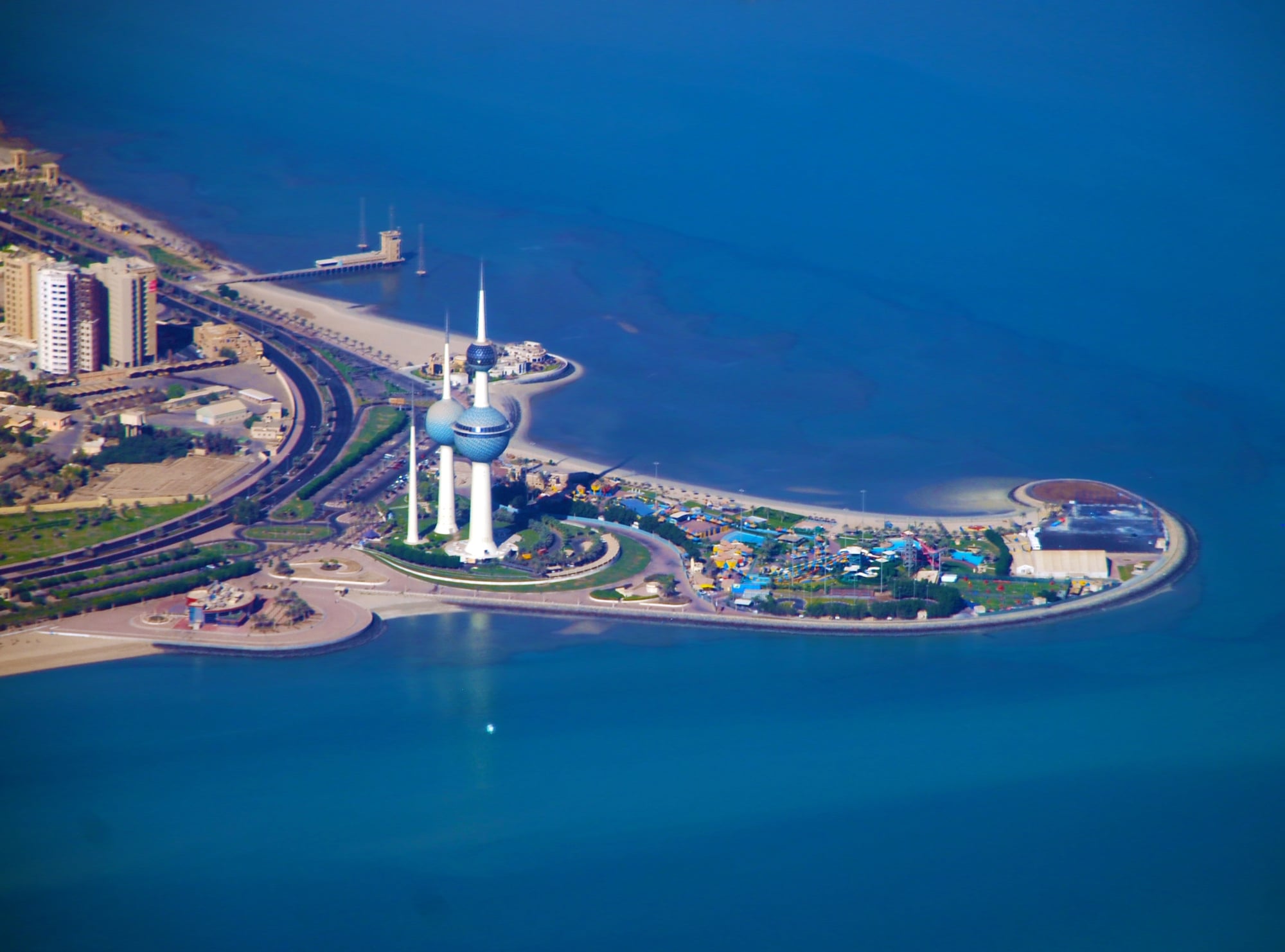
Mitribah, Kuwait, registered 129.2 degrees Fahrenheit on July 21, 2016, making it one of Asia’s hottest verified readings. This temperature came during a heat wave that affected several Middle Eastern countries simultaneously.
The reading was so extreme that weather experts had to review the data multiple times before confirming its accuracy.
Pakistan’s city felt deadly conditions

Turbat, Pakistan, reached 128.7 degrees Fahrenheit in May 2017, breaking national records. This temperature arrived unusually early in the summer season, catching residents off guard before they could prepare for extreme heat.
The city’s location in Balochistan Province puts it in a region known for temperature extremes throughout the year.
Israel recorded Mediterranean heat

Tirat Zvi, Israel, hit 129 degrees Fahrenheit on June 21, 1942, setting a record that still stands for the region. This kibbutz settlement sits in the Jordan Valley, one of the lowest spots on Earth’s surface at 722 feet below sea level.
The combination of low elevation and desert conditions creates a natural heat trap that regularly pushes temperatures to dangerous levels.
Australia’s outback reached blistering highs
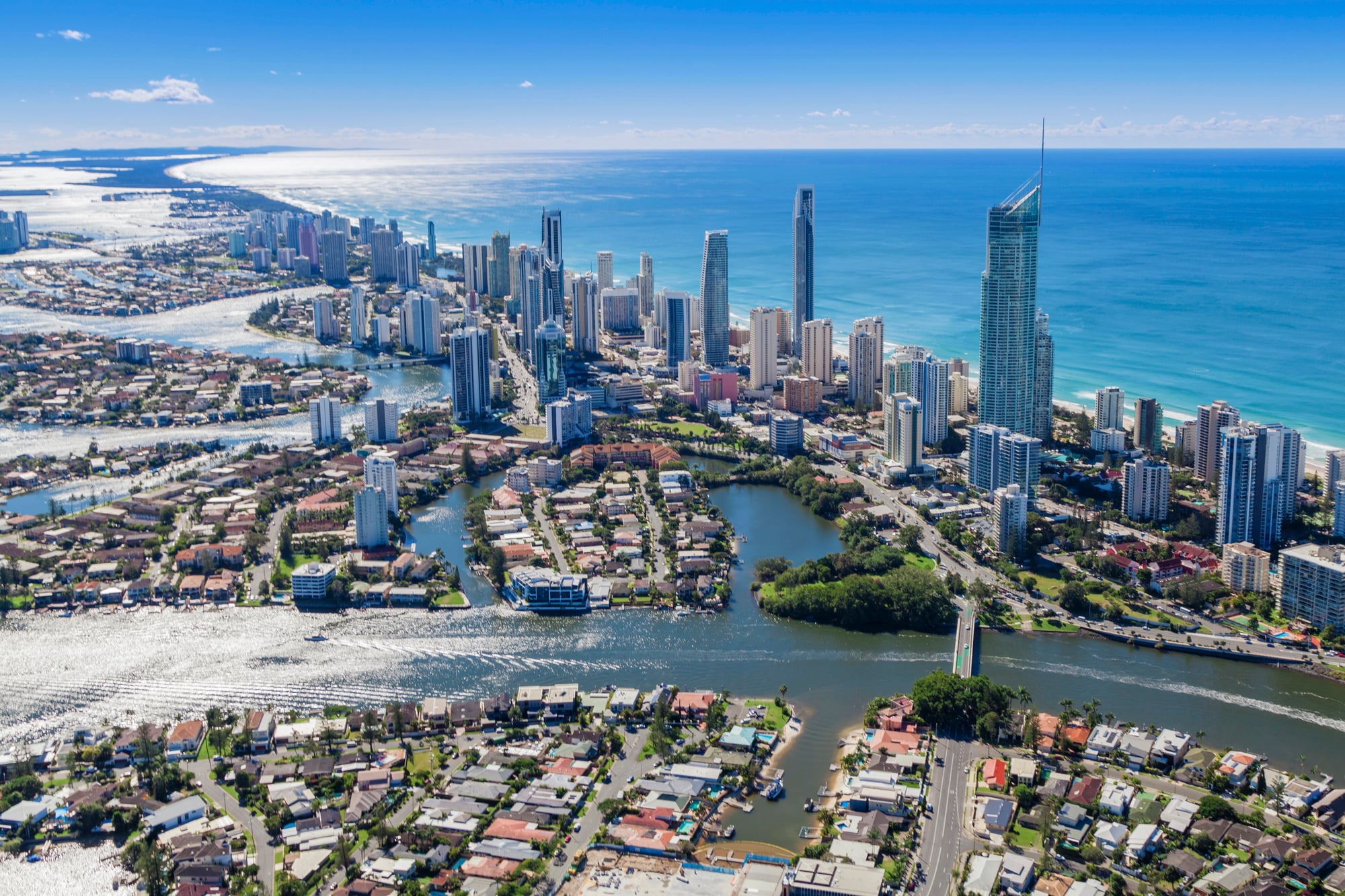
Oodnadatta, Australia, recorded 123.3 degrees Fahrenheit on January 2, 1960, marking the continent’s highest reliable reading. This remote town in South Australia sits in the middle of the outback, where summer temperatures regularly exceed 110 degrees.
Residents have adapted to these conditions over generations, but even they admit that 1960 day was exceptional.
Argentina felt South America’s peak
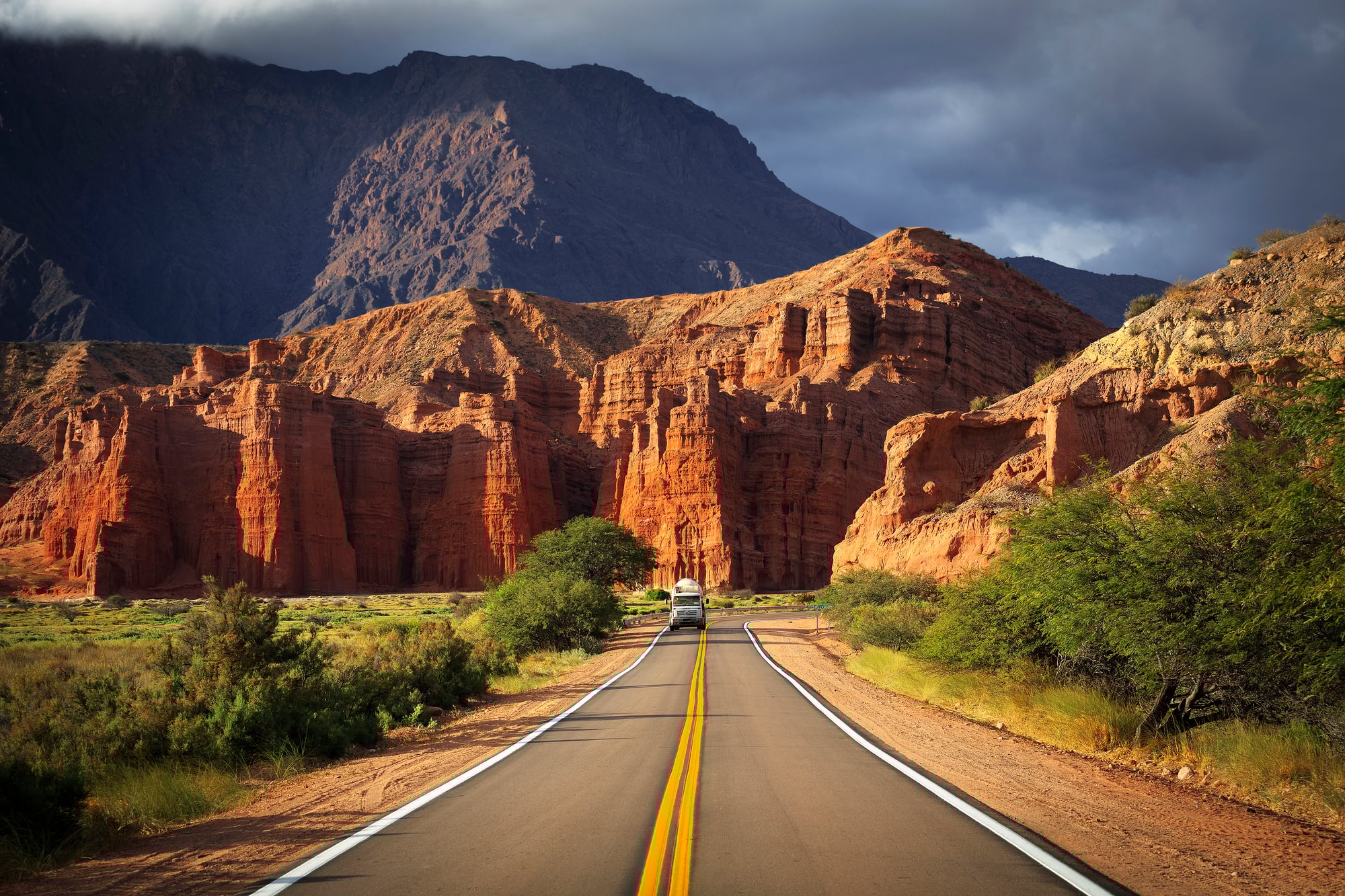
Rivadavia, Argentina, reached 120.4 degrees Fahrenheit on December 11, 1905, setting South America’s continental record. This small town sits in the northern part of the country, where the climate transitions from temperate to subtropical.
The 1905 reading remains controversial among some meteorologists who question the accuracy of equipment used that long ago.
Greece experienced European extremes

Athens, Greece, recorded 118.4 degrees Fahrenheit on July 10, 1977, though some sources cite readings from other Greek locations reaching similar heights. European countries typically don’t experience the same extreme heat as desert regions, making this reading particularly notable.
The temperature came during a brutal heat wave that affected much of southern Europe.
China’s Turpan Depression trapped heat

The Turpan Depression in China’s Xinjiang region has recorded temperatures reaching 122 degrees Fahrenheit multiple times. This area sits 505 feet below sea level, second only to the Dead Sea in terms of low-elevation depressions.
The basin’s unique geography creates conditions where heat accumulates throughout the day with nowhere to escape.
Ethiopia’s Dallol averaged extreme temperatures

With an average annual temperature of 94 degrees Fahrenheit between 1960 and 1966, Dallol, Ethiopia, holds the record for the highest temperature ever recorded at a location. No place on Earth is consistently hotter than this isolated location in the Danakil Depression, even though individual days elsewhere reached higher peaks.
The region’s proximity to active volcanic zones contributes geothermal heat to the already intense heat.
Mexico’s Mexicali competed with Death Valley
Mexicali, Mexico, is one of the hottest cities in North America, with recorded highs of 121.3 degrees Fahrenheit. Situated just south of California’s Imperial Valley, the city faces conditions akin to those of Death Valley, its neighbor.
In contrast to Death Valley’s small permanent population, Mexicali is home to hundreds of thousands of year-round residents.
Libya’s Al Aziziyah reading sparked controversy
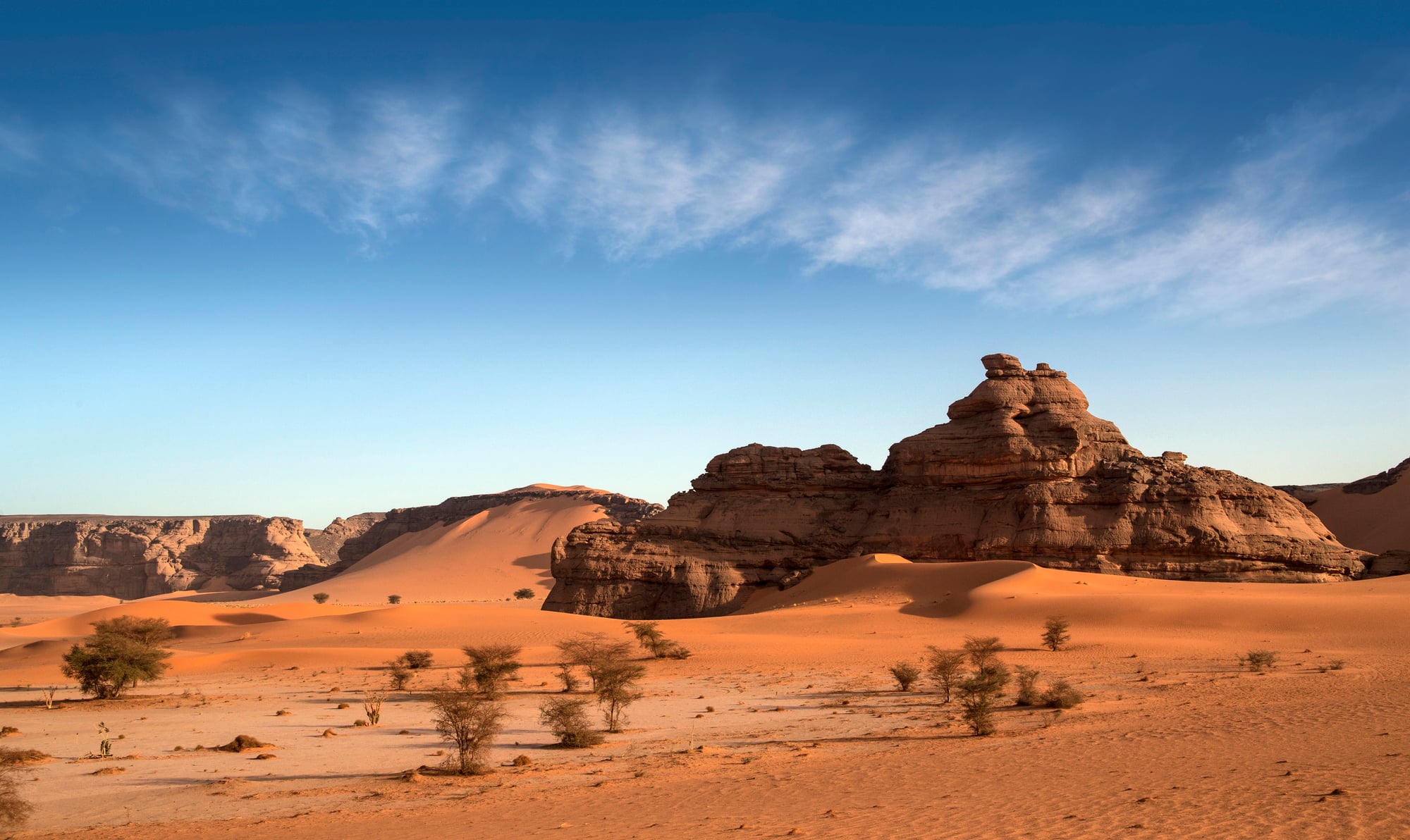
For almost ninety years, the world record of 136.4 degrees Fahrenheit was held by Al Aziziyah, Libya, in 1922. However, in 2012, weather experts found issues with the measurement apparatus and methodology, leading them to invalidate this reading.
Death Valley’s 1913 reading was reinstated as the official world record after this temperature was discredited.
Saudi Arabia’s Empty Quarter bakes continuously

Summertime temperatures in Saudi Arabia’s Rub’ al Khali, or Empty Quarter, frequently surpass 125 degrees Fahrenheit. With sand dunes as high as 820 feet, this enormous desert is still among the most hostile locations on Earth.
The region’s remote location makes it challenging to confirm precise record measurements, but satellite data attests to the region’s consistently high temperatures.
Where the heat keeps rising

These temperature records tell a story about Earth’s most extreme environments and how they push the limits of what’s survivable. Climate scientists now watch these hottest locations closely because many are seeing their average temperatures rise year after year.
The places that already hold heat records might break them again soon, while new locations could join this list as global temperatures continue climbing.
More from Go2Tutors!

- The Romanov Crown Jewels and Their Tragic Fate
- 13 Historical Mysteries That Science Still Can’t Solve
- Famous Hoaxes That Fooled the World for Years
- 15 Child Stars with Tragic Adult Lives
- 16 Famous Jewelry Pieces in History
Like Go2Tutors’s content? Follow us on MS