27 Archaeological Finds Made by Accident
Archaeology likes to present itself as careful science, with grids, trowels and years of planning. Yet some of its most famous discoveries came from people who were looking for something else entirely, such as water, clay, fertilizer, a lost tool or a stray goat.
Farmers, soldiers, road crews, hikers and children have rewritten history books simply by digging in the wrong place at the right moment. These finds came out of fields, bogs, caves and city streets, and every one of them began with an accident.
Shepherds and a Shattered Jar at Qumran
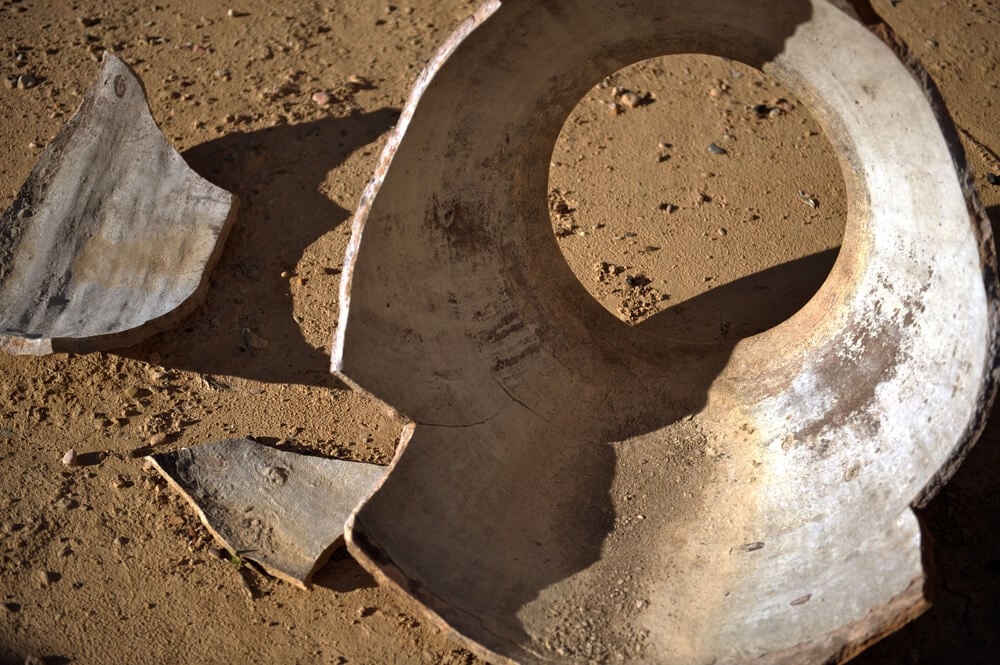
Bedouin shepherds herding goats near the northwest shore of the Dead Sea in late 1946 or early 1947 tossed a rock into a cave opening and heard pottery break. Muhammed edh-Dhib and his cousins later climbed inside and found clay jars holding leather scrolls wrapped in linen.
Those first seven scrolls passed through a Bethlehem antiquities dealer before scholars grasped their age. Eleven caves around Qumran eventually yielded fragments of roughly 900 manuscripts, including the oldest known copies of books of the Hebrew Bible, about a thousand years older than the earliest complete texts previously known.
Farmers Digging a Well Near Xi’an

DepositPhotos
During a drought in March 1974, farmers in Lintong District near Xi’an were digging a well when they struck fragments of a life-size clay figure. Yang Zhifa, one of the diggers, is usually credited with the find, and he later spent years signing books at the site museum.
The pieces belonged to the army buried near the tomb of Qin Shi Huang, the first emperor of a unified China, who died in 210 BC. Archaeologists estimate the pits hold around 8,000 soldiers, plus horses and chariots, and the faces show striking individual variation.
Teenagers Squeezing Into Lascaux
DepositPhotos
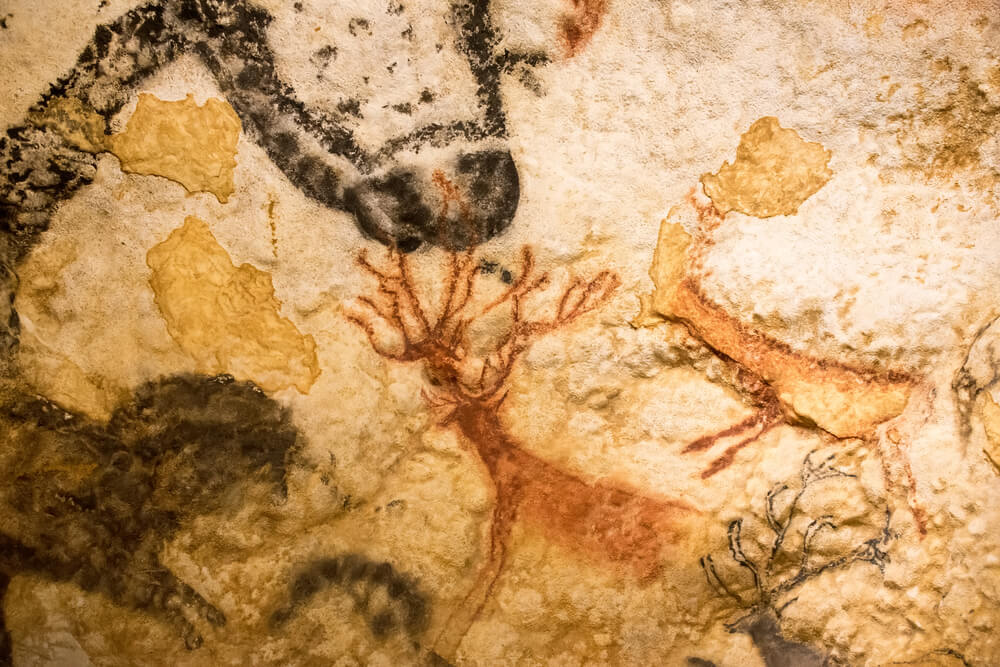
On September 12, 1940, teenager Marcel Ravidat and three friends squeezed down a narrow shaft in the woods near Montignac in southwestern France. The usual story says a dog named Robot led them to the opening, though the details shifted in later retellings.
At the bottom they found walls covered in painted aurochs, horses and deer roughly 17,000 years old. Lascaux opened to the public in 1948, but the breath and body heat of crowds fed mold and algae on the walls, and the cave closed to visitors in 1963.
Replicas now let the public see the paintings.
Soldiers Rebuilding a Fort at Rosetta
DepositPhotos
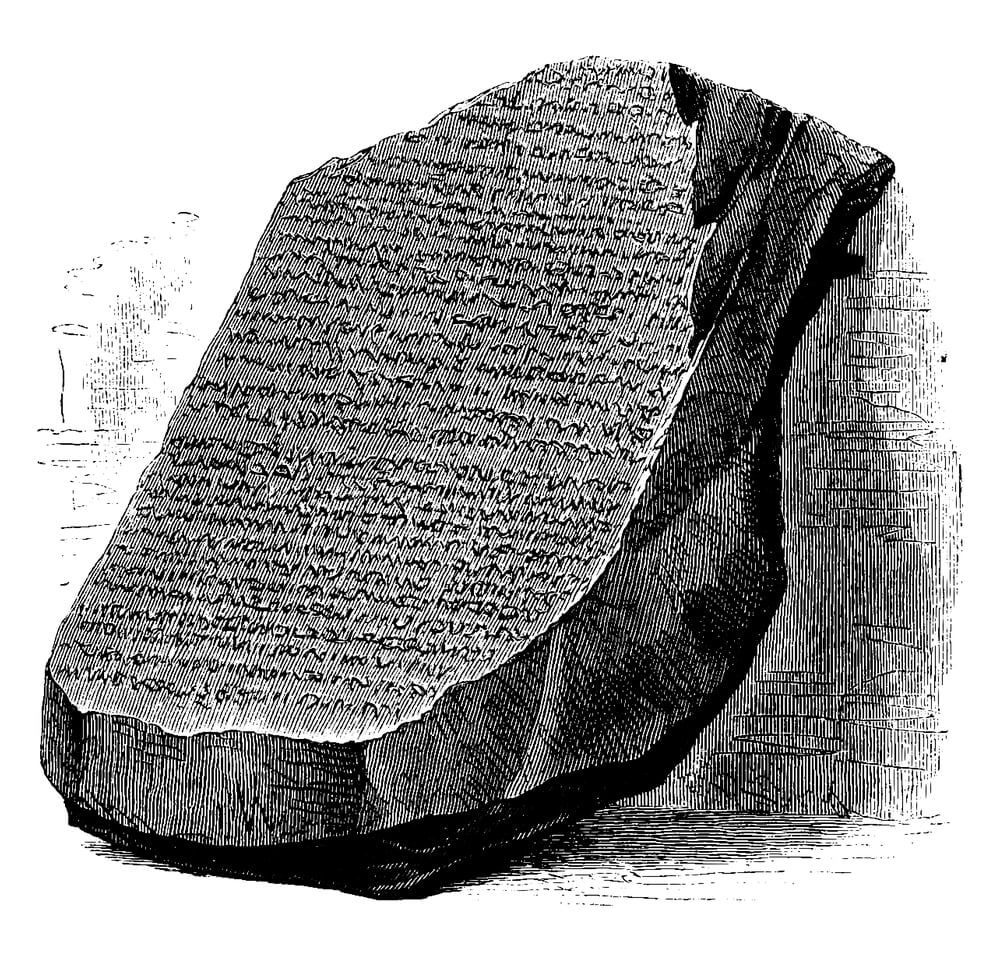
French soldiers strengthening an old fort near the Egyptian port town of Rashid, which Europeans called Rosetta, pulled a dark granodiorite slab out of a wall in July 1799. Officer Pierre-Francois Bouchard recognized that its three scripts might matter.
The stone carried a decree from 196 BC written in hieroglyphs, Demotic and ancient Greek, which gave scholars a parallel text to work from. British forces took it under the terms of the 1801 Capitulation of Alexandria, and Jean-Francois Champollion announced his decipherment of hieroglyphs in 1822.
It has been in the British Museum since 1802.
Searching for a Lost Hammer in Hoxne
DepositPhotos
Tenant farmer Peter Whatling lost a hammer in a field near Hoxne in Suffolk in November 1992 and asked his friend Eric Lawes to look for it with a metal detector. Lawes found the hammer, and he also found Roman coins.
He stopped digging and called the authorities, which allowed archaeologists to lift the hoard largely intact the next day. It held 14,865 late Roman gold, silver and bronze coins plus spoons, jewelry and a silver pepper pot shaped like an empress.
The hammer itself later joined the treasure at the British Museum.
Renovations That Opened Derinkuyu
DepositPhotos
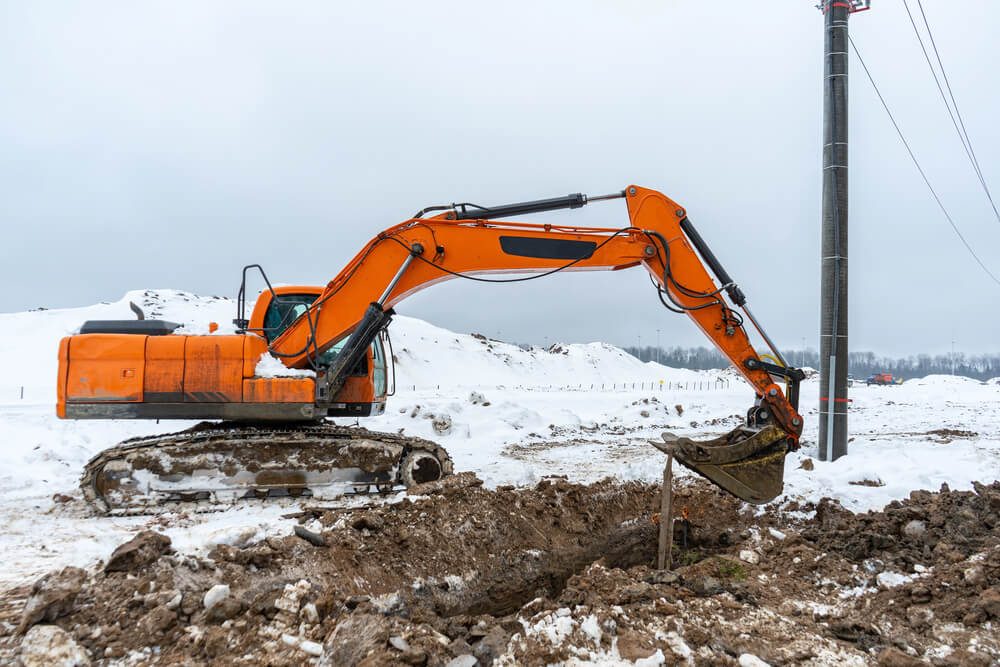
A resident of Derinkuyu in Turkey’s Cappadocia region was renovating his home in 1963 when he knocked through a wall and found a passage behind it. The tunnel led into an underground city carved from soft volcanic rock across many levels.
Its builders cut ventilation shafts, wells, stables, chapels and storerooms, and heavy rolling stone doors could seal the passages from the inside. The complex could shelter thousands of people along with their livestock, and tunnels connected it to other underground settlements in the area.
Parts of it opened to visitors in 1969.
Fertilizer Digging at Nag Hammadi

DepositPhotos
Muhammad Ali al-Samman, an Egyptian farmer, was digging for nitrate-rich soil used as fertilizer near the town of Nag Hammadi in December 1945 when he uncovered a sealed clay jar. He reportedly hesitated to open it, fearing a jinn, before hoping it held gold.
Inside were a dozen leather-bound papyrus codices from the fourth century, plus loose pages from another. The collection preserved early Christian and Gnostic texts, including the Gospel of Thomas in a complete Coptic version.
According to accounts he later gave, some loose pages were burned as kindling at his home before the books reached scholars.
Hikers Above the Otztal Valley

DepositPhotos
German hikers Helmut and Erika Simon spotted a body melting out of a glacier at about 3,200 meters on the Austrian-Italian border on September 19, 1991. Officials first assumed it was a recent mountaineering death, and the recovery crew handled the remains roughly.
Radiocarbon dating showed the man, later called Otzi, died about 5,300 years ago. He carried a copper axe, a bow, arrows and a pouch of tinder fungus.
In 2001, an X-ray revealed an arrowhead lodged in his left shoulder, which changed the story from a lonely death by exposure to a killing. He is displayed in Bolzano, Italy.
Well Diggers Above Herculaneum
DepositPhotos
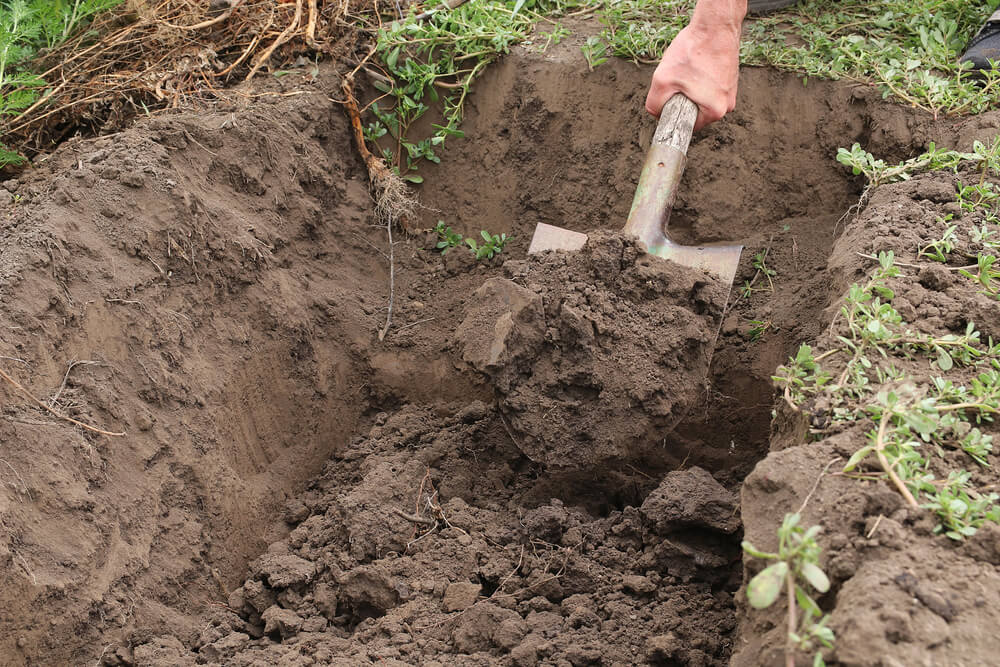
Well diggers in Resina, a town on the Bay of Naples, kept hitting fragments of colored marble far below the surface in 1709. The shaft had struck the stage of the ancient theater of Herculaneum, buried by the eruption of Vesuvius in AD 79 under some 20 meters of volcanic material.
An aristocrat known as the Prince d’Elboeuf bought the land and had tunnels dug to strip out statues for his villa. Formal royal excavations got underway in 1738, a decade before digging at Pompeii.
Herculaneum’s carbonized wood, food and papyrus scrolls later proved even better preserved than Pompeii’s.
Repaving Crews in the Zocalo

DepositPhotos
On December 17, 1790, workers leveling and repaving Mexico City’s main square uncovered a carved basalt disk nearly 12 feet across and weighing roughly 24 tons. The Aztec Sun Stone had been buried after the Spanish conquest.
Rather than destroying it, colonial authorities mounted it on the west tower of the Metropolitan Cathedral, where it stayed for nearly a century. In 1885 it moved to a museum, and since 1964 it has anchored the Mexica hall of the National Museum of Anthropology.
Despite its popular nickname, scholars generally read it as a ceremonial and cosmological monument rather than a working calendar.
Electric Company Workers at Templo Mayor

DepositPhotos
Before dawn on February 21, 1978, workers from Mexico City’s Light and Power Company were digging to lay cables in the historic center when they hit a large carved stone. It turned out to be a disk about 3.25 meters across depicting Coyolxauhqui, the moon goddess defeated by her brother Huitzilopochtli in Aztec myth.
The find prompted the government to clear several blocks of colonial-era buildings and launch the Templo Mayor Project. Excavations exposed seven construction phases of the Great Temple of Tenochtitlan.
The stone now sits in the Templo Mayor site museum, a few steps from where it was found.
Plowing a Field at West Row, Mildenhall

DepositPhotos
Gordon Butcher was plowing a field at West Row near Mildenhall in Suffolk in January 1942 when his plow struck a metal object. He fetched his employer, Sydney Ford, and the two dug up 34 pieces of Roman silver tableware.
Ford took the hoard home, cleaned it and kept it for four years without reporting it. A visitor recognized the pieces in 1946, and police were informed.
The centerpiece, the Great Dish, weighs about eight kilograms and shows the sea god Oceanus surrounded by revelers. Roald Dahl later wrote a short account of the find called The Mildenhall Treasure.
Deep Plowing at Ken Hill, Snettisham

DepositPhotos
Deep plowing in a field at Ken Hill near Snettisham in Norfolk turned up pieces of gold in 1950. One of them was the Great Torc, a neck ring made from roughly a kilogram of gold mixed with silver, twisted from 64 threads grouped into eight strands.
It dates to around 75 BC. Later work at the site, including a British Museum excavation in 1990, revealed around a dozen hoards, many buried in small pits.
The torc is regarded as one of the finest pieces of Iron Age metalwork from Britain and is on display at the British Museum.
Cable Trench Digging at Varna
DepositPhotos
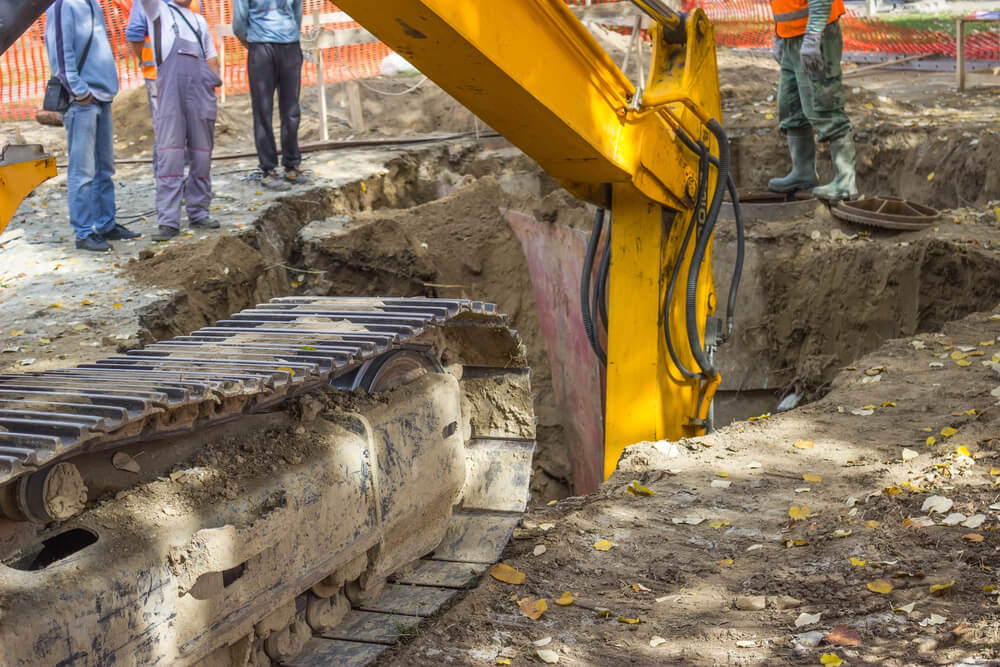
Excavator operator Raycho Marinov was digging a trench for an electric cable in an industrial zone outside Varna on Bulgaria’s Black Sea coast in October 1972. He noticed gold and copper objects in the soil, gathered them and reported the find.
Archaeologists went on to excavate about 300 graves dated to roughly 4600 to 4200 BC. One male burial alone held more gold than had been found anywhere else in the world from that period.
The collection is widely described as the oldest worked gold treasure yet found, older than the gold of the Egyptian pharaohs by well over a millennium.
Brothers Digging Clay at Panagyurishte
DepositPhotos
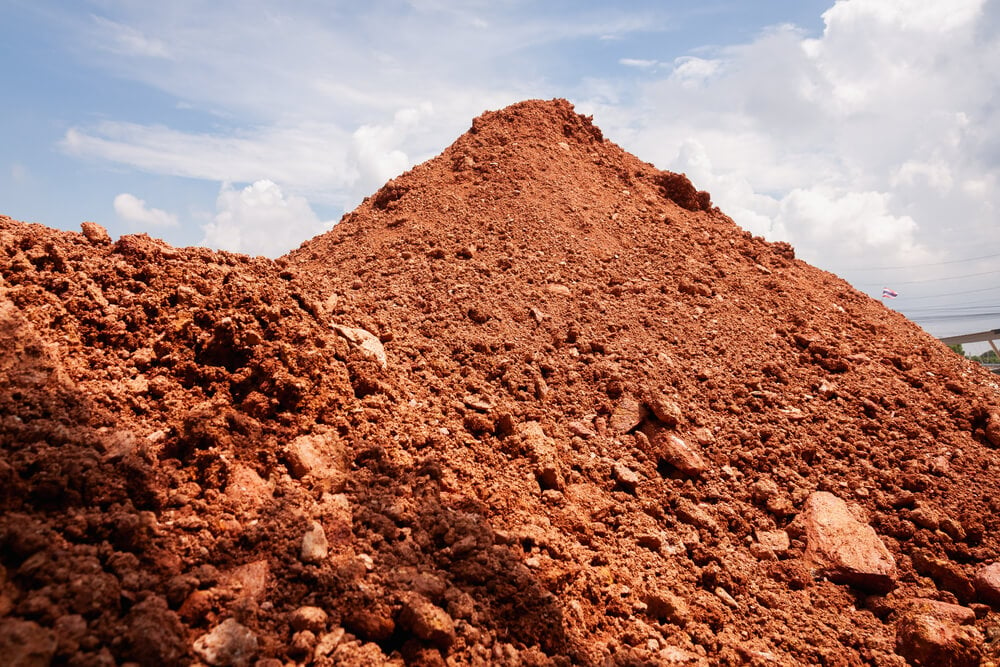
Three brothers named Deikov were digging clay for a tile works near Panagyurishte in central Bulgaria on December 8, 1949, when they unearthed a cluster of gold vessels. The hoard included a phiale, an amphora-rhyton and several rhyta shaped as animal and female heads, with a combined weight of about six kilograms of gold.
The pieces date to around the late fourth or early third century BC and are associated with Thracian elites. Their craftsmanship is so fine that the set has traveled to major museums abroad, including the Getty in Los Angeles.
Peat Workers at Lindow Moss
DepositPhotos
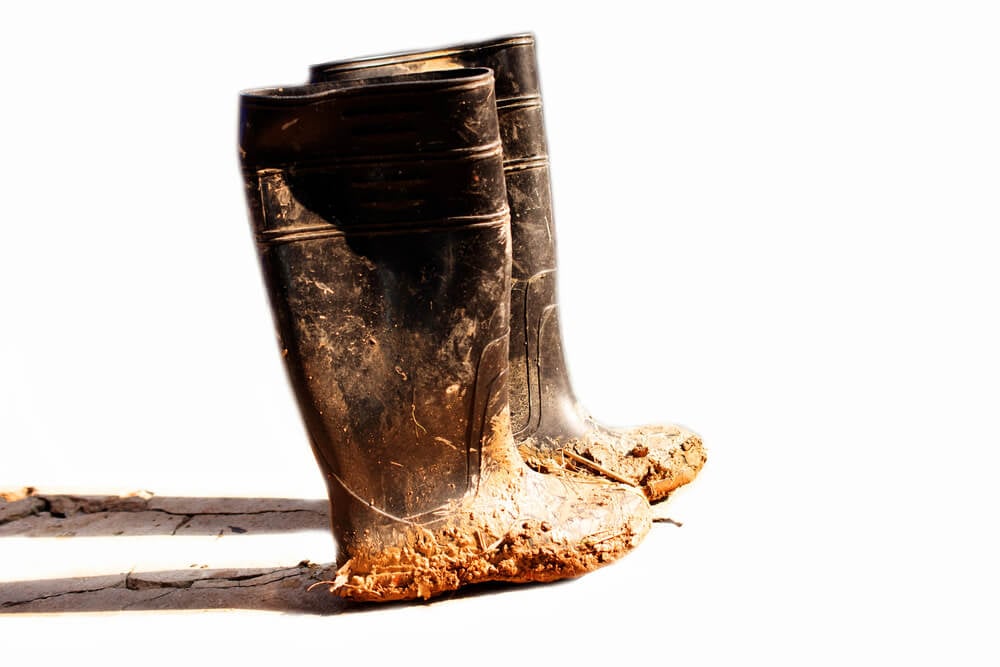
Workers at a commercial peat operation at Lindow Moss in Cheshire, England, spotted part of a human leg among the cut peat in August 1984. The rest of the body, later named Lindow Man, was recovered from the bog and dated to roughly the first century AD.
A year earlier, a skull found at the same moss had prompted a local man, Peter Reyn-Bardt, to confess to killing his wife, whose body had never been found. Dating showed that skull was also ancient, though the confession still led to his conviction.
Lindow Man is now at the British Museum.
Peat Cutters Near Silkeborg
DepositPhotos
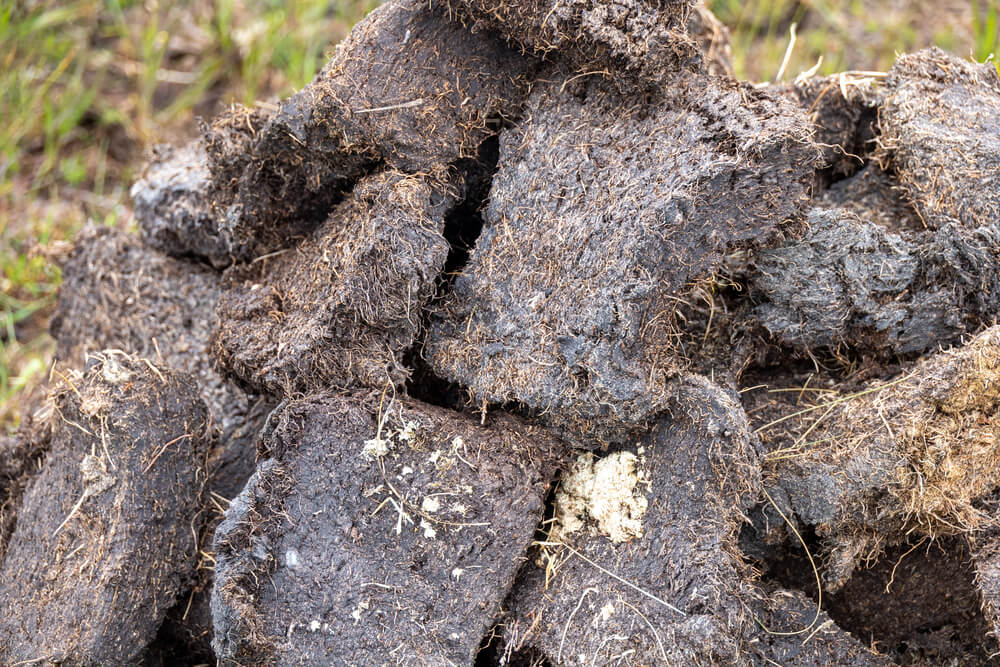
Two brothers cutting peat in a bog near Silkeborg in Jutland, Denmark, in May 1950 found a man’s body so well preserved that they assumed a recent murder and called the police. The man wore a pointed leather cap and a belt, and a plaited leather cord was still drawn around his neck.
Radiocarbon dating placed his death in the fourth century BC. His calm, stubbled face became one of the most reproduced images of prehistoric Europe.
Only the head on view at the Silkeborg Museum is original, and the body beside it is a reconstruction.
Spectators at a Hydroplane Race

DepositPhotos
Two college students wading in the Columbia River at Kennewick, Washington, while watching the hydroplane races in July 1996 found a human skull in the shallows. Police called in the county coroner, and further searching recovered a nearly complete skeleton.
Radiocarbon dating put the man at around 9,000 years old, which set off a long legal fight between scientists who wanted to study him and Native American tribes who claimed him as an ancestor. DNA results published in 2015 showed a close relationship to modern Native Americans.
Tribal members reburied the remains in February 2017.
Hunting Dog Leads to Altamira

DepositPhotos
Around 1868, a hunter named Modesto Cubillas found the entrance to a cave near Santillana del Mar in northern Spain, reportedly while freeing his dog from the rocks. Local landowner Marcelino Sanz de Sautuola explored it years later, and in 1879 his eight-year-old daughter Maria looked up and noticed bison painted across the ceiling.
Experts rejected the paintings for decades as too sophisticated to be prehistoric, and some accused Sautuola of forgery. He died in 1888, before discoveries in French caves changed expert opinion.
In 1902, French prehistorian Emile Cartailhac published a famous admission that he had been wrong.
Road Builders at Ain Ghazal
DepositPhotos
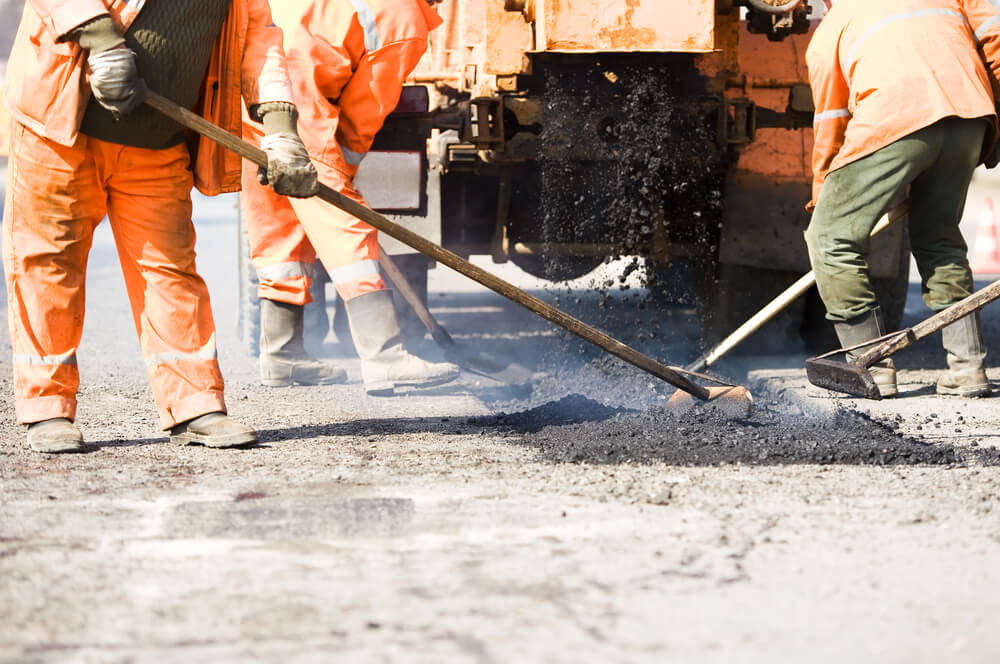
Highway construction linking Amman to Zarqa in Jordan cut through the remains of a large Neolithic settlement in 1974. Archaeologists began excavating Ain Ghazal in 1982, and in 1983 they found a buried cache of human figures made of lime plaster over bundles of reeds.
The statues date to around 7000 BC, and some stand close to a meter tall, with wide eyes outlined in dark bitumen. They are among the oldest large-scale human figures ever found.
Several of them are now displayed at the Jordan Museum in Amman, close to where they were made.
Demolition Crews in Cheapside
DepositPhotos
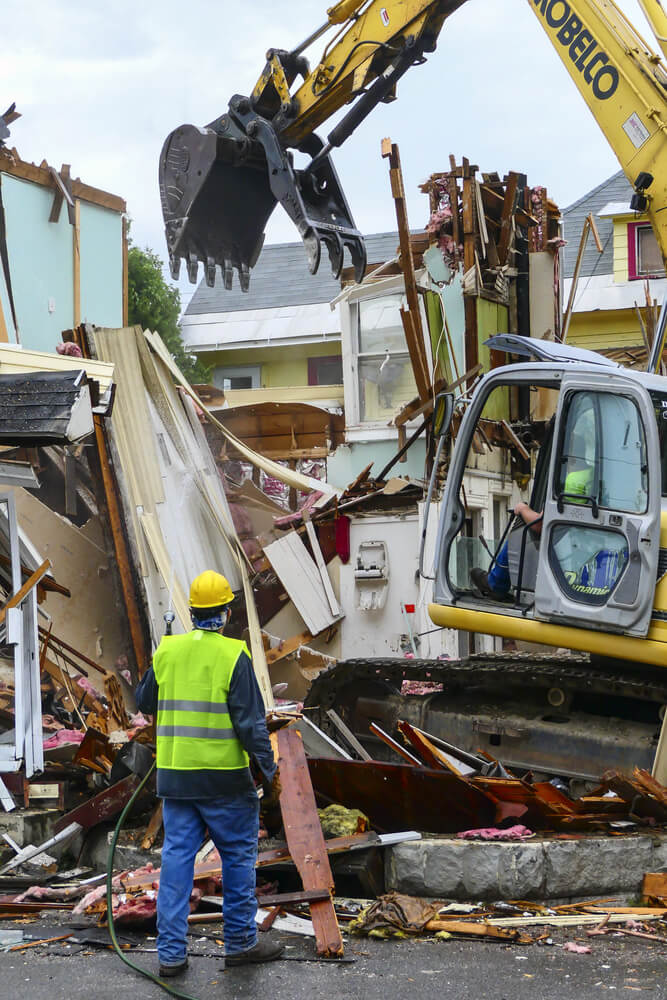
Laborers demolishing a building on Cheapside in the City of London in June 1912 dug into a cellar and found a mass of jewelry and gemstones buried beneath the floor. Many of the pieces made their way to George Fabian Lawrence, an antiques dealer known as Stony Jack who regularly bought finds from construction workers.
The hoard held nearly 500 items, including rings, chains, cameos and a watch set in a large Colombian emerald. Most of it dates to the late 1500s and early 1600s and was probably a jeweler’s stock.
The London Museum holds the collection.
Bomb Site Rebuilding on Walbrook
DepositPhotos
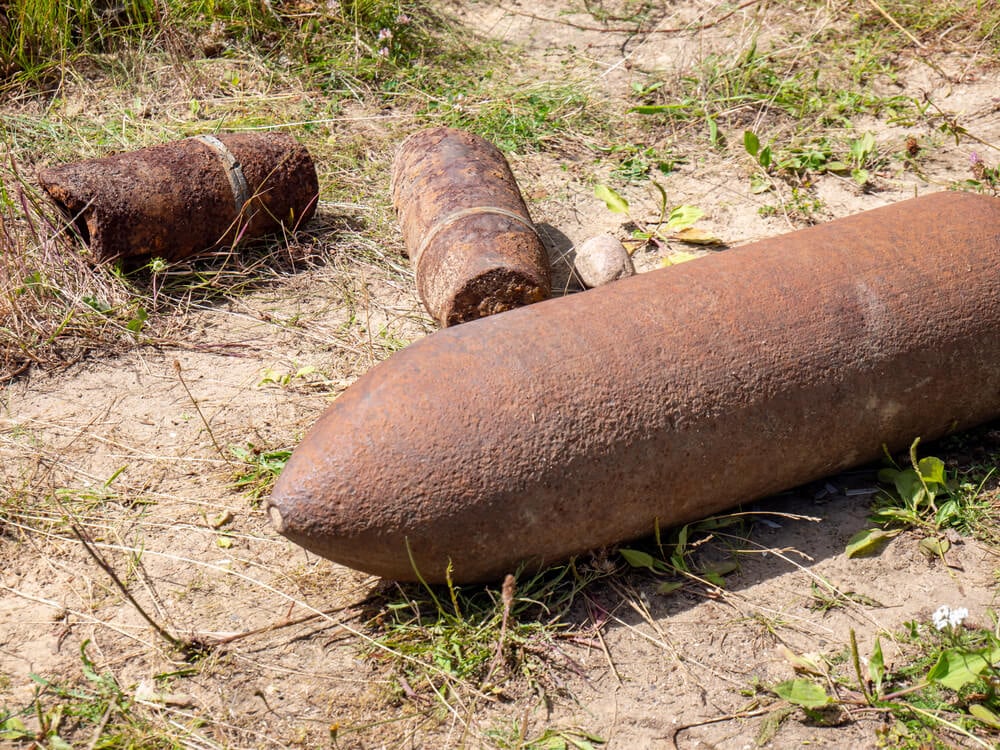
Construction crews clearing a bombed site for a new office block on Walbrook in the City of London in September 1954 uncovered the foundations of a Roman temple. Archaeologist W. F. Grimes identified it as a temple to Mithras, a god favored by Roman soldiers and merchants.
The excavation drew enormous crowds, with tens of thousands of people lining up to see the site. A marble head of Mithras turned up near the end of the dig.
The temple was moved to make way for the building, and in 2017 it was reconstructed close to its original location beneath the Bloomberg headquarters.
Beachcombing at Holme-next-the-Sea

DepositPhotos
Beachcomber John Lorimer found a Bronze Age axe head on the beach at Holme-next-the-Sea in Norfolk in 1998 and later noticed timber posts emerging from the sand nearby. They formed a ring of 55 oak posts around an upturned oak stump with its roots in the air.
Tree-ring dating showed the timbers were felled in the spring and summer of 2049 BC. The monument, quickly nicknamed Seahenge, was removed in 1999 amid protests from modern druids and some local residents.
After conservation, it went on display at Lynn Museum in King’s Lynn.
Stone Clearing on Milos
DepositPhotos
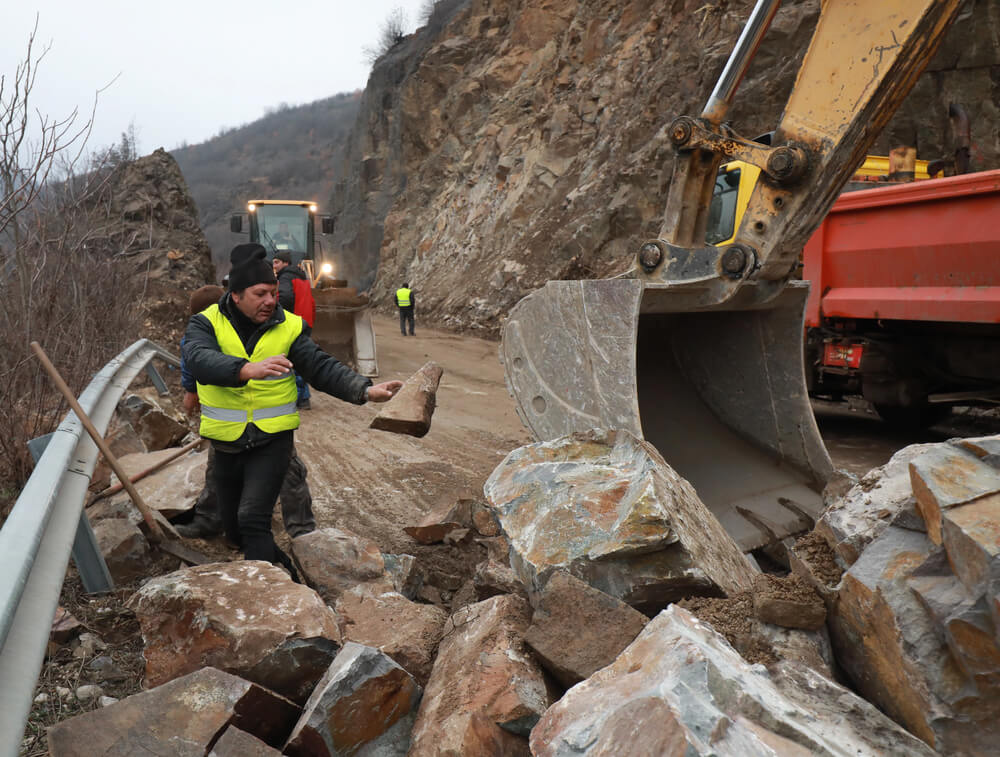
A farmer named Yorgos Kentrotas was digging for building stones near the ruins of ancient Milos in the Aegean in April 1820 when he found part of a marble statue. A French naval officer, Olivier Voutier, was nearby and urged him to keep digging.
The statue was eventually bought for France and presented to King Louis XVIII, who gave it to the Louvre. Known as the Venus de Milo, it is usually attributed to Alexandros of Antioch and dated to roughly 150 to 125 BC.
Its arms have never been found.
Embankment Repairs on the River Ribble
DepositPhotos
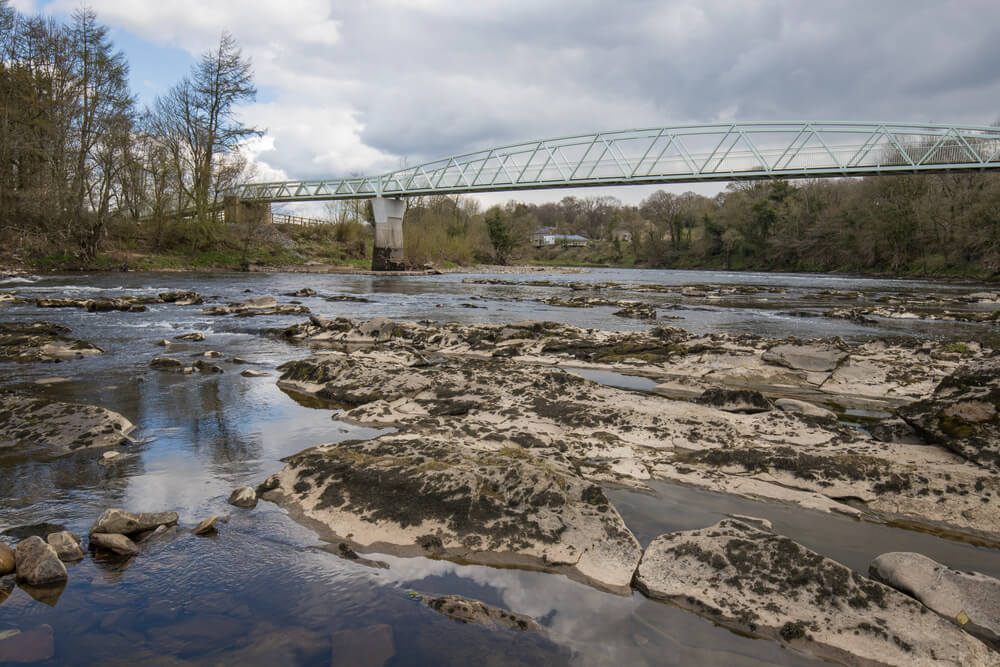
On May 15, 1840, workmen repairing an embankment of the River Ribble at Cuerdale in Lancashire uncovered a lead chest packed with silver. The hoard held roughly 8,600 items, including coins, ingots, arm rings and cut-up scrap silver, weighing about 40 kilograms.
It was buried around AD 905 to 910, probably by Vikings with links to Dublin, which had recently expelled its Viking rulers. Cuerdale is usually described as the largest Viking silver hoard ever found outside Russia.
Most of it went to the British Museum, and other pieces were distributed among museums and collectors.
Bog Workers at Raevemose

DepositPhotos
Peat cutters working in the Raevemose bog near Gundestrup in northern Jutland, Denmark, found a silver cauldron in May 1891, dismantled into plates and stacked inside its base. Its panels show gods, warriors, a horned figure often linked with the Celtic god Cernunnos, and animals including elephants.
The vessel is usually dated to the last centuries BC. At about 69 centimeters across, it is the largest known example of European Iron Age silver work.
Scholars still debate whether it was made in Thrace or Gaul. It belongs to the National Museum of Denmark.
Drained Land in Trundholm Bog
DepositPhotos
A farmer plowing newly drained land in Trundholm bog on the island of Zealand in Denmark turned up a small bronze horse and a disk mounted on wheels in 1902. The object, now called the Trundholm Sun Chariot, dates to around 1400 BC.
One side of the disk is gilded and the other left dark, which many scholars read as day and night in a Nordic Bronze Age sun cult. More fragments were recovered from the same spot in 1998, decades after the first find.
The chariot is one of the best-known treasures of the National Museum of Denmark.
Shovels, Plows and Sheer Luck
DepositPhotos
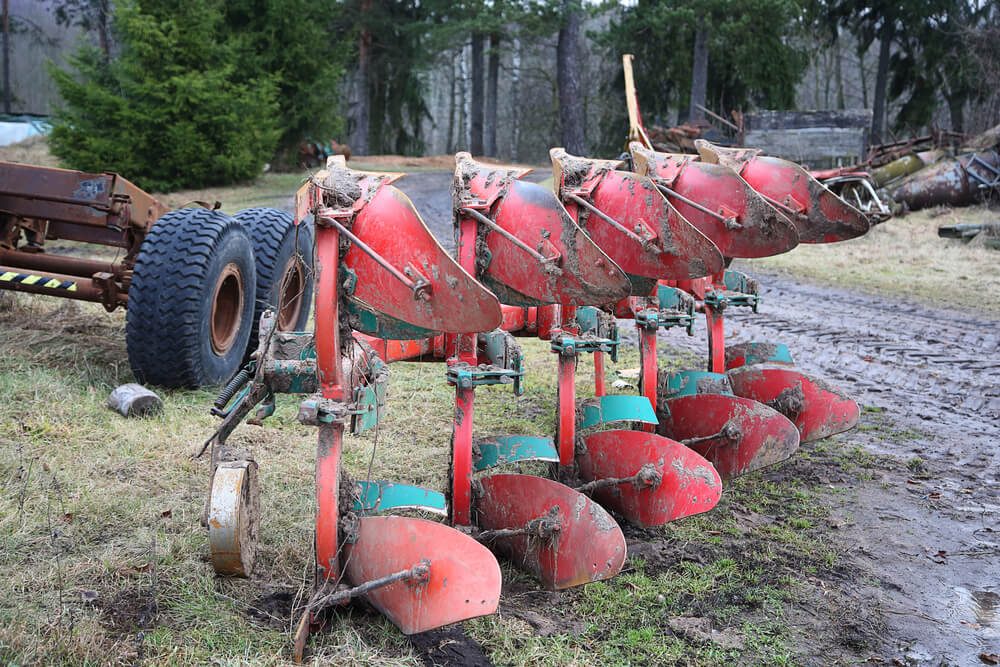
Nearly every object on this list reached a museum because someone was busy with ordinary work. A well, a cable trench, a road, a renovation and a missing hammer each did what decades of deliberate searching had not.
The pattern says less about luck than about how much of the past lies just under the surface of daily life. Accident only gets a find halfway, though. Plenty of treasures were melted, sold off or burned as kindling before anyone with training saw them.
The discoveries that survived usually had a finder who stopped digging and called someone, and that small act of restraint matters as much as the shovel.
More from Go2Tutors!

- The Romanov Crown Jewels and Their Tragic Fate
- 13 Historical Mysteries That Science Still Can’t Solve
- Famous Hoaxes That Fooled the World for Years
- 15 Child Stars with Tragic Adult Lives
- 16 Famous Jewelry Pieces in History
Like Go2Tutors’s content? Follow us on MSN.