16 Tips to Improve Your Communication for Better Relationships
Effective communication serves as the foundation for healthy, fulfilling relationships. Whether with a partner, family member, friend, or colleague, how we express ourselves and listen to others determines the quality of our connections. Even minor adjustments to communication habits can transform challenging relationships into supportive, understanding partnerships.
Here is a list of 16 practical tips to enhance your communication skills and strengthen your relationships:
Practice Active Listening

Put down your phone and give your full attention when someone is speaking to you. Make eye contact, nod to show understanding, and resist the urge to formulate your response while they’re still talking.
Active listening demonstrates respect and helps you truly understand what the other person is trying to convey.
Use “I” Statements

Frame your concerns using “I feel” rather than “You always” or “You never.” Saying “I feel frustrated when plans change at the last minute” creates less defensiveness than “You always cancel on me.”
This simple shift focuses on your experience rather than placing blame.
Be Mindful of Body Language

Your nonverbal cues often speak louder than words. Crossed arms, looking at your phone, or turning away can signal disinterest or defensiveness.
Face the person, maintain appropriate eye contact, and use open postures to show engagement and receptivity.
Validate Feelings

Acknowledge others’ emotions even when you don’t agree with their perspective. Saying “I understand why you’d feel that way” doesn’t mean you’re wrong or they’re right—it simply recognizes their emotional experience as valid, which helps defuse tension.
Ask Open-Ended Questions
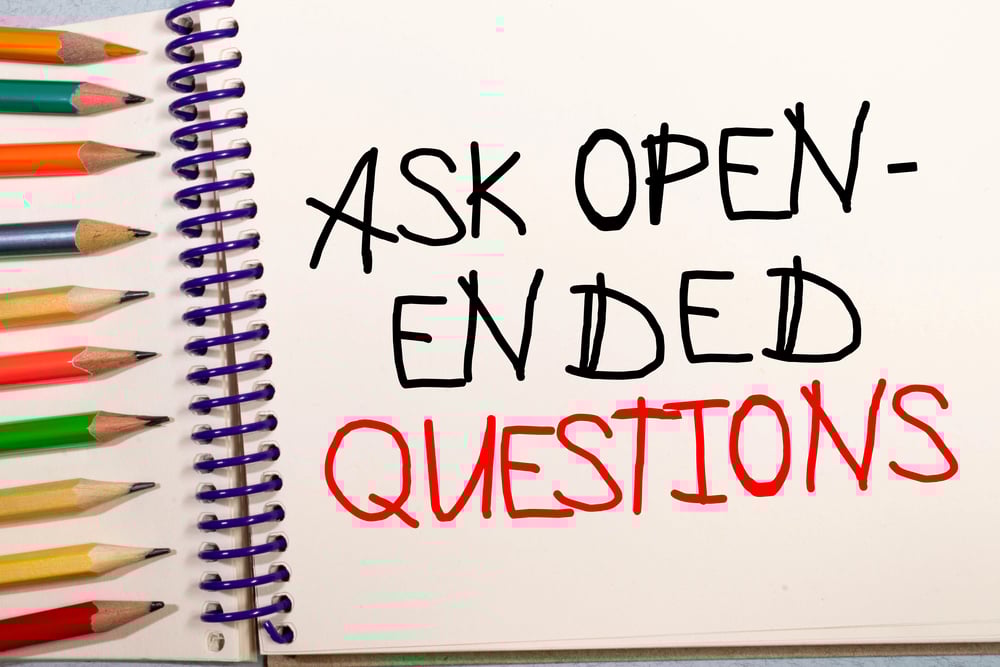
Replace yes/no questions with those that invite elaboration. Instead of “Did you have a good day?” try “What was the most interesting part of your day?”
This encourages deeper sharing and demonstrates genuine interest in the other person’s experiences.
Avoid Mind Reading

Don’t assume you know what others are thinking or feeling. Even with those closest to us, assumptions often lead to misunderstandings.
When in doubt, ask for clarification rather than jumping to conclusions about someone’s intentions.
Take Responsibility for Mistakes

Apologize sincerely when you’re wrong instead of becoming defensive or deflecting. A genuine “I’m sorry for how I spoke to you earlier” without qualifiers or excuses can repair damage and build trust in relationships.
Create Technology-Free Zones

Designate times when devices are put away, allowing for undistracted conversation. Whether at dinner, during walks, or before bed, these tech-free periods create space for meaningful connection that’s increasingly rare in our notification-filled world.
Practice Patience
Allow conversations to unfold naturally without rushing to solutions. Some discussions require time and space for processing.
Learn to sit with uncomfortable silences rather than filling them with hasty words that might not serve the conversation.
Stay Present in Conversations

Focus fully on the current discussion instead of bringing up past issues or unrelated grievances. Conversations that jump between old conflicts rarely resolve anything and often escalate tensions unnecessarily.
Monitor Your Tone

The way you say something often matters as much as what you say. Speaking softly during disagreements can prevent escalation, while a warm, enthusiastic tone strengthens positive interactions.
Your voice carries emotional information that words alone cannot convey.
Schedule Important Conversations

Choose appropriate times for significant discussions rather than bringing up sensitive topics when someone is tired, hungry, or rushed. “Can we set aside time this weekend to discuss our holiday plans?” shows consideration for both the topic and the other person.
Express Appreciation Regularly

Acknowledge the things others do that you value, however small. “I really appreciated you handling that situation earlier” or “Thank you for always remembering what I like” strengthens bonds and encourages continued positive behavior.
Clarify Expectations

Misaligned expectations cause countless relationship conflicts. Be explicit about your needs, boundaries, and hopes rather than expecting others to intuitively understand them.
Clear communication prevents the disappointment that comes from unspoken assumptions.
Take Cooling-Off Periods

Learn to recognize when emotions are too intense for productive conversation. “I need a few minutes to gather my thoughts” is better than saying something in anger that you’ll later regret.
Short breaks allow you to return to discussions with greater clarity.
Seek Understanding Before Agreement

Make your primary goal to understand the other person’s perspective, not to convince them you’re right. You can completely disagree with someone while still accurately comprehending their viewpoint, which creates the foundation for finding common ground.
The Language of Connection

Every word we exchange shapes the foundation of our relationships. The communication habits we develop over time either build sturdy bridges between ourselves and others or erect walls that separate us.
These sixteen strategies aren’t just techniques—they represent a fundamental shift in how we approach human connection. When consistently applied, they transform not only how we speak and listen, but how we experience our relationships altogether.
More from Go2Tutors!

- The Romanov Crown Jewels and Their Tragic Fate
- 13 Historical Mysteries That Science Still Can’t Solve
- Famous Hoaxes That Fooled the World for Years
- 15 Child Stars with Tragic Adult Lives
- 16 Famous Jewelry Pieces in History
Like Go2Tutors’s content? Follow us on MSN.



