25 Fashion Trends Teens Wore in the ’90s
Teenagers in the 1990s dressed for a decade that could not decide what it wanted to be. Seattle flannel, hip-hop logos, mall-store minimalism and glitter from a toy aisle all lived in the same hallway, sometimes on the same person.
Most of these looks were cheap, loud and gone within a few years. Many of them have since come back, which says something about how fashion recycles and how long a closet can hold a grudge.
Grunge Flannel Over Everything
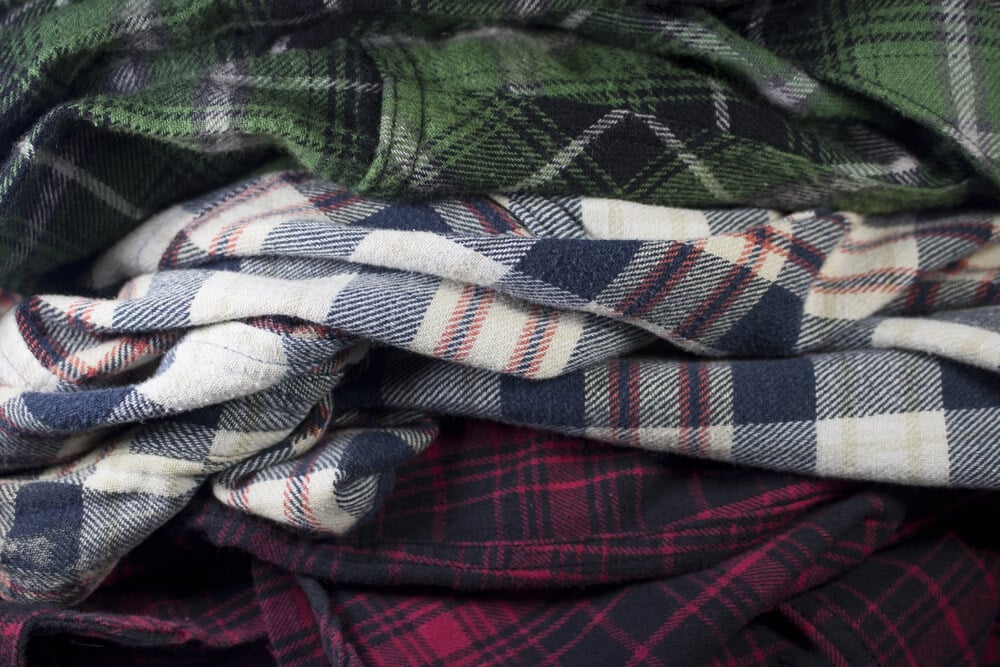
Oversized flannel shirts drifted out of the Pacific Northwest music scene and into suburban malls by the early 1990s. Bands like Nirvana and Pearl Jam wore them because they were cheap, warm and already in the thrift store, and teenagers copied the look by tying them around the waist or layering them over band T-shirts.
The fashion industry tried to catch up. Marc Jacobs showed a grunge collection for Perry Ellis in late 1992, complete with flannel and knit caps, and the response was so poor that he lost the job.
Jacobs later reissued pieces from that collection in 2018.
Dr. Martens 1460 Boots
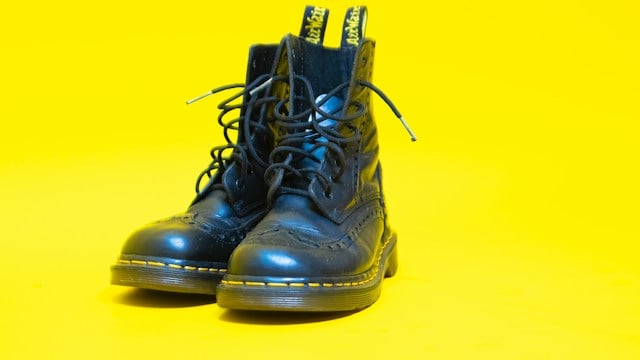
Dr. Martens named the 1460 boot for the date the first pair came off the line in Britain, April 1, 1960. It had a yellow welt stitch, an air-cushioned sole and eight eyelets on each side, and it became the uniform of factory workers, punks and skinheads before reaching American teenagers.
In the 1990s, cherry-red or black Docs went with almost everything, from grunge flannel to flowered babydoll dresses. Breaking them in was famously painful, which only made a scuffed pair more valuable as proof of commitment.
The boots still sell in nearly the same design.
Slap Bracelets in Every Classroom
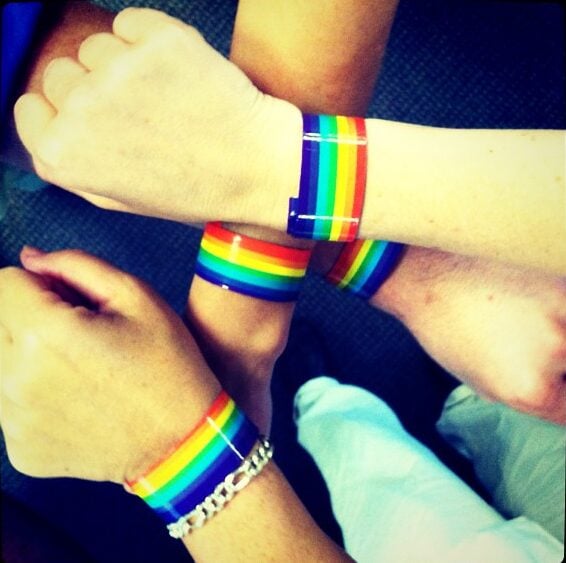
Slap bracelets were thin strips of spring steel wrapped in fabric or plastic that curled instantly around a wrist with one smack. Stuart Anders, a shop teacher in Wisconsin, came up with the idea in the 1980s, and the product reached stores around 1990 under the name Slap Wrap. Cheap imitations soon followed, and some knockoffs had metal edges that broke through the cover and cut skin.
Schools in several states banned them after reports of injuries. For a few months, though, nearly every kid owned a stack in neon or animal print.
Overalls With One Strap Down
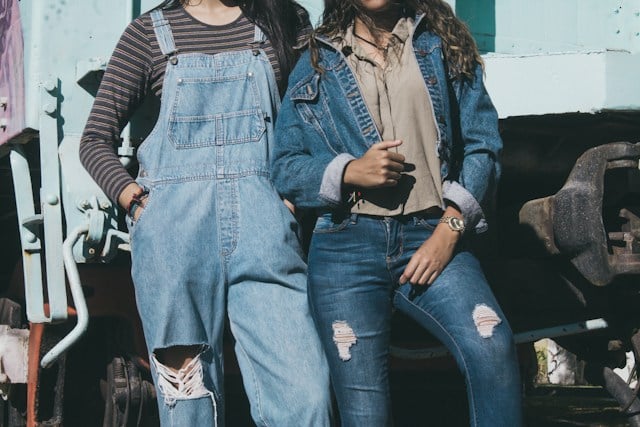
Denim overalls came straight from workwear, and brands like OshKosh B’gosh, founded in Oshkosh, Wisconsin, in 1895, had sold them for generations. In the 1990s, teenagers wore them baggy, often over a cropped top or a striped T-shirt, and left one strap unhooked and dangling.
The look appeared on sitcoms, in music videos and on the covers of teen magazines. Shortalls, the shorts version, took over in summer. The trend was comfortable and practical, and it allowed a teenager to look casual on purpose, which was the entire point of the decade.
Butterfly Clips by the Dozen
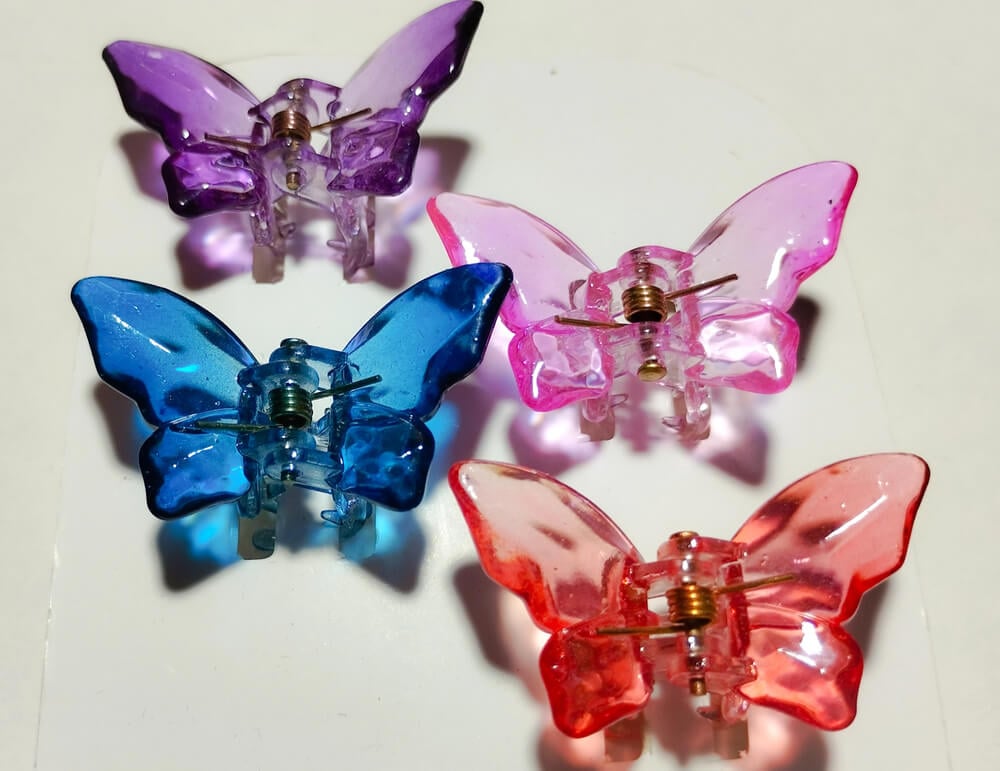
Butterfly clips were tiny plastic hair clips with wings, usually sold in packs of a dozen or more in glittery, translucent colors. Girls clipped them in rows along a part, used them to pin back twisted sections, or scattered them across the head as decoration.
They cost almost nothing, which meant every drugstore and accessory chain carried them. Pop stars of the late 1990s wore them on red carpets, and the clips quickly became shorthand for the era.
Like many of these trends, they returned in the late 2010s as part of a broader wave of ’90s nostalgia.
Tattoo Chokers
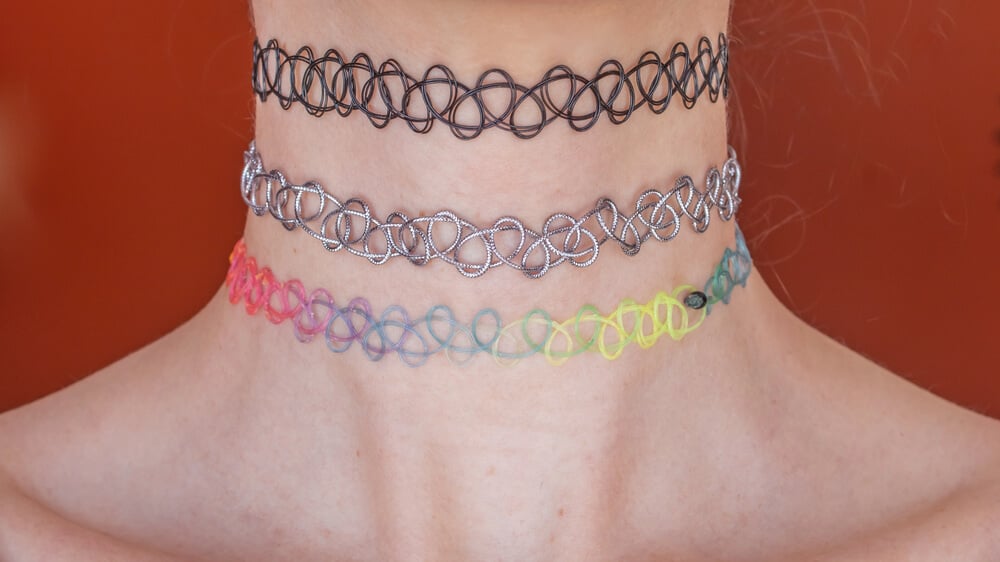
A tattoo choker was a stretchy necklace of black nylon or plastic woven into an open lattice that looked like a temporary tattoo around the neck. It sat tight against the throat and came in matching bracelets and rings.
The chokers sold for a few dollars at mall accessory shops and on cardboard cards near register counters. They appeared with grunge outfits, baby tees and little slip dresses alike.
Teenagers sometimes wore several at once. Fashion editors declared them dead by the end of the decade, but they were back on store racks within 20 years.
Platform Sneakers and the Spice Girls
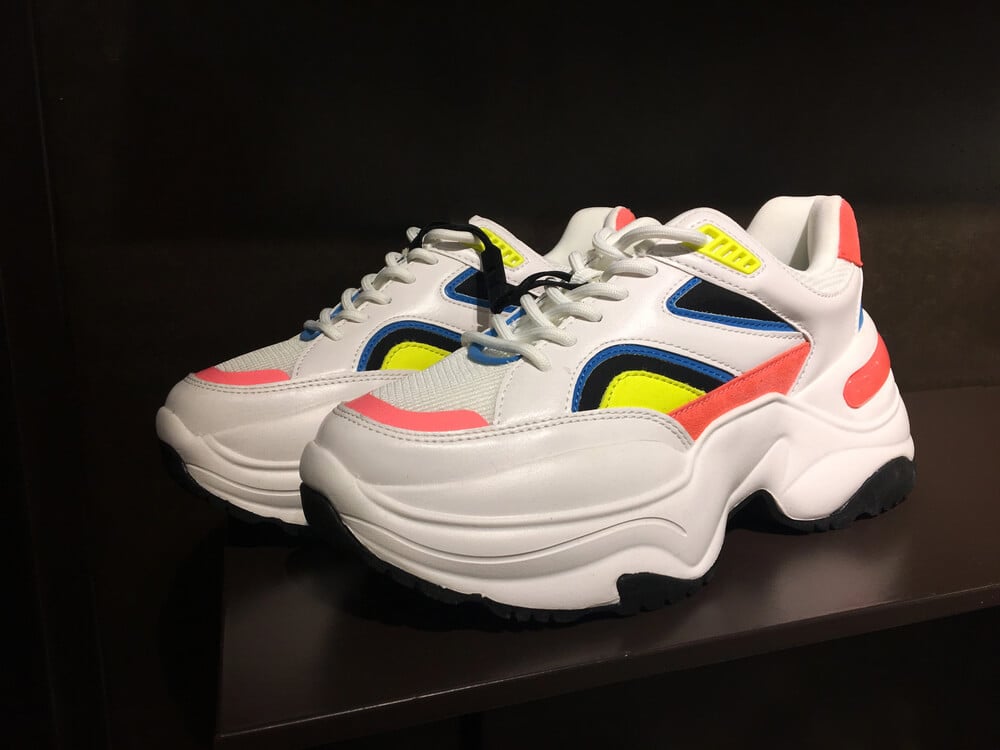
Platform sneakers rose several inches off the ground on thick foam or rubber soles, and they became a signature of the late 1990s. The British brand Buffalo made some of the most famous pairs, and several of the Spice Girls wore them on stage and in videos, which sent sales soaring among their young fans.
Cheaper versions flooded discount stores. Parents and podiatrists worried about twisted ankles, and the shoes were not easy to walk in.
That mattered less than the extra height and the attitude, which matched the decade’s loud girl-power pop.
Scrunchies and a Poodle Named Scunci
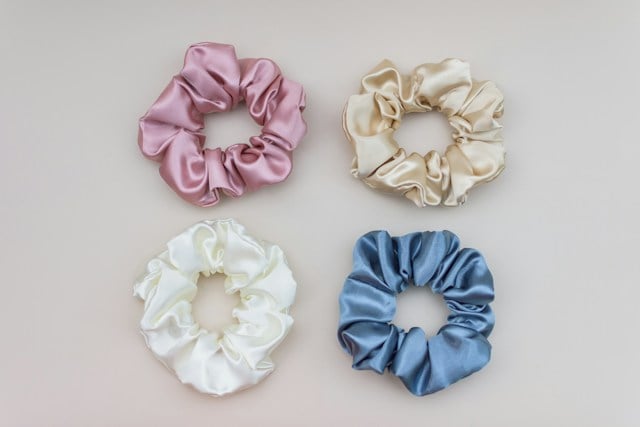
A fabric-covered elastic hair tie, the scrunchie got its patent when singer Rommy Revson received a patent for her version in 1987. She named her product the Scunci, reportedly after her toy poodle.
It took off in the late 1980s and stayed through much of the 1990s, appearing in velvet, satin and every pattern on a fabric store shelf. Teenagers wore them on ponytails and often stacked spares on their wrists.
By the end of the decade, fashion magazines treated it as a punch line, but it was back on runways and wrists by the late 2010s.
Satin Team Jackets
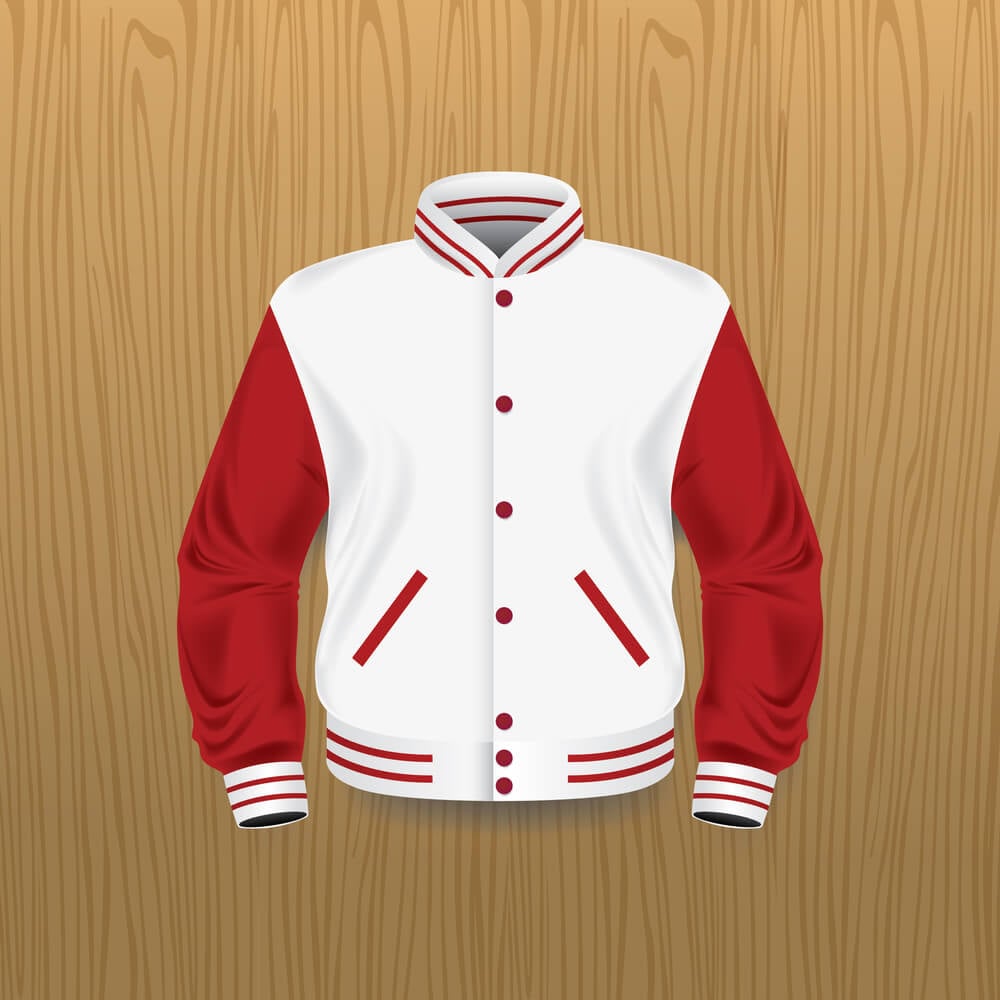
Shiny satin and puffy nylon team jackets with oversized logos were a status symbol for 1990s teenagers. The most famous came from a New Haven, Connecticut, sportswear company founded in 1971, whose jackets carried a star logo and were sold in the colors of professional sports franchises.
Rappers, music video stars and kids in malls all wore them. The jackets were expensive enough that news reports of the time described robberies over them.
The pullover half-zip versions with a front pouch became especially common. Vintage examples now sell well at resale shops and online.
Hypercolor T-Shirts

Hypercolor shirts used heat-sensitive dye that changed color when a hand, a breath or a hot day touched the fabric. Generra Sportswear, a Seattle company, launched them in 1991, and the shirts were a sensation for a short time, selling in huge numbers.
The color change had obvious drawbacks, especially in a crowded middle-school hallway, since it showed exactly where a body was warmest. The effect also faded after repeated washing in hot water.
Generra was unable to keep up with demand and then saw it disappear, and the company went bankrupt soon after.
JNCO Jeans and Their Massive Legs
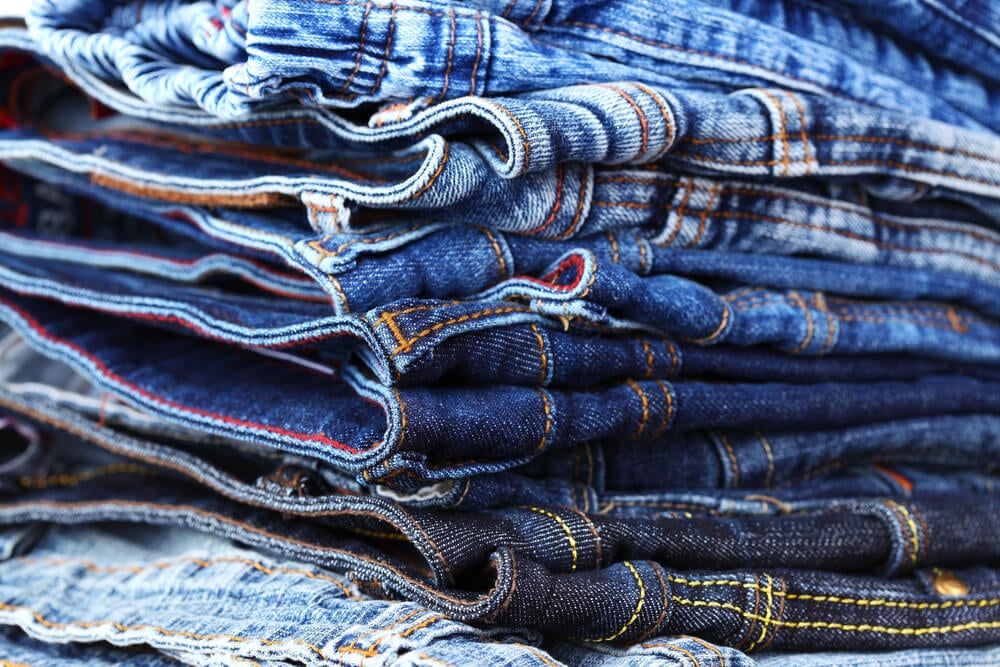
JNCO jeans were a Los Angeles brand known for enormously wide leg openings and cartoonish embroidered logos. The name was said to stand for Judge None Choose One.
The jeans found a loyal following among skaters, ravers and nu-metal fans in the late 1990s, and teenagers often wore them with the hems dragging and torn on the ground. Some cuts were so wide that the legs looked like skirts.
Their popularity was brief and fierce. JNCO faded in the early 2000s as slimmer jeans returned, though the brand has made several attempts at a comeback.
Baby Tees
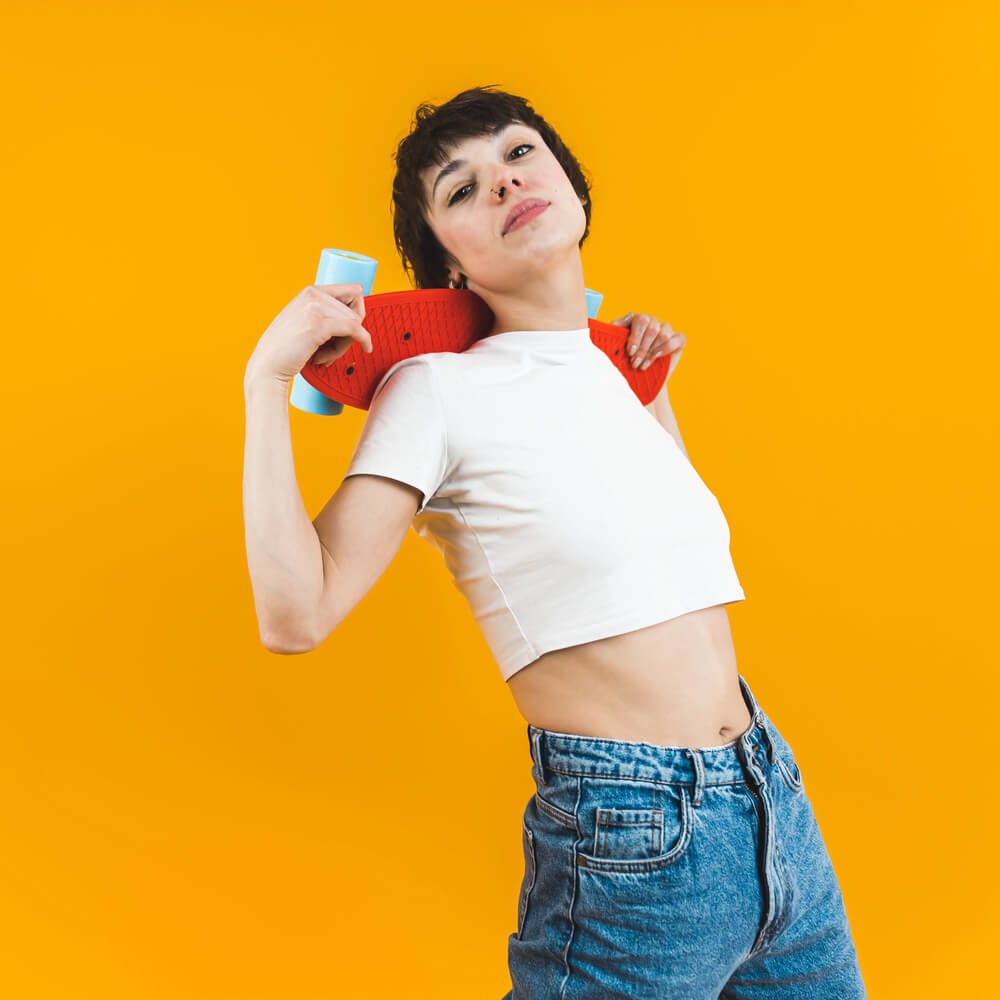
A baby tee was a small, tight T-shirt that looked as if it had been borrowed from a younger sibling. It often had short cap sleeves, contrast trim around the collar and a single word or cartoon character across the chest.
The style fit the decade’s mix of cute and ironic, and it paired easily with baggy jeans, cargo pants or overalls. Pop and rock stars wore them on stage and in magazines, which kept them in demand.
The shirts were cheap and easy to find, and they have returned to fashion more than once since.
Bucket Hats
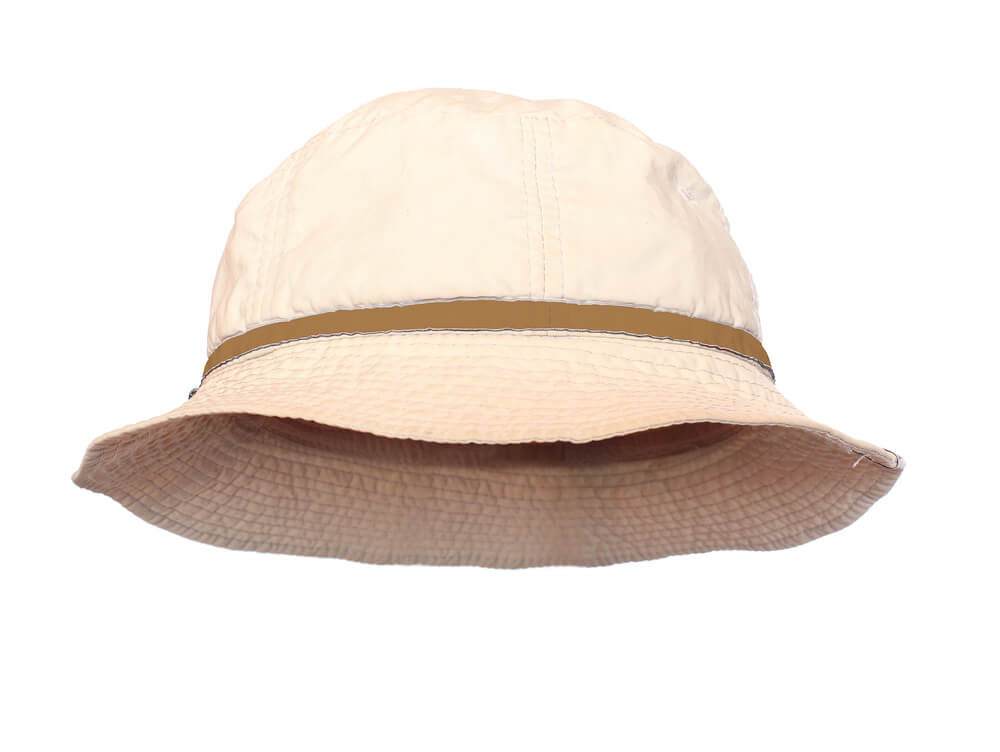
Bucket hats had a soft crown and a short, downward-sloping brim, and they moved from fishermen and soldiers into hip-hop and British rock. Kangol, the British hat maker, sold popular versions, and LL Cool J wore Kangol hats prominently in the 1980s, which kept them in hip-hop style. In the 1990s, teenagers wore them in denim, terrycloth or loud prints.
Bands from the British music scene also adopted them. They were easy to pack, flattering to almost no one and worn constantly. The hats have cycled back into fashion repeatedly since.
Frosted Tips

Frosted tips meant bleaching only the ends of short, spiky hair, usually leaving a darker root underneath. The look became tied to late-1990s boy bands, especially NSYNC, whose members wore versions on album covers and in videos.
Teenage boys copied it with home bleach kits, which sometimes produced orange instead of blond. Gel kept the spikes stiff.
The style was everywhere for a few years and then became shorthand for an entire era of pop music. Celebrity chef Guy Fieri kept a version going long after most others had moved on.
The Rachel
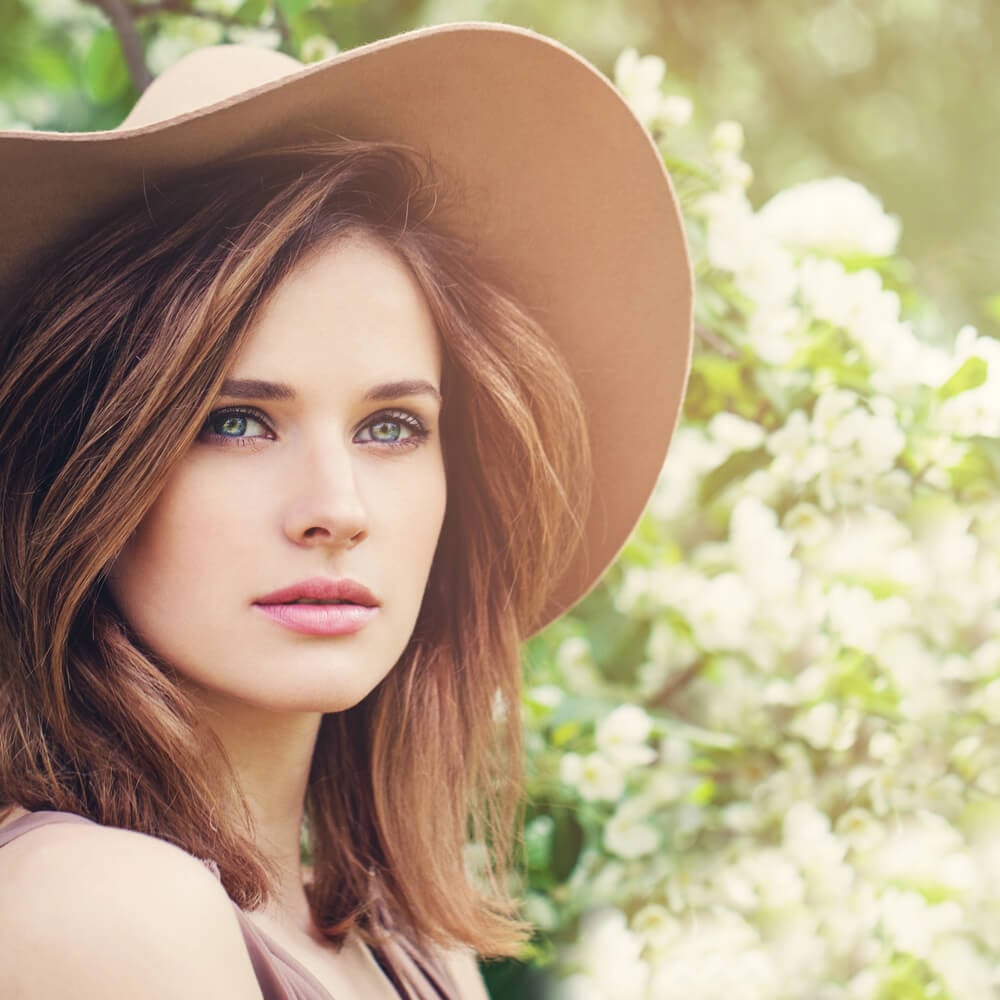
Jennifer Aniston’s layered, shoulder-length haircut on Friends, known as the Rachel, became one of the most requested cuts of the decade. Stylist Chris McMillan created it, and it took off after it appeared on the show in 1995. Salons across the country reported customers bringing in photos of Aniston and asking for the exact look.
The cut required careful blow-drying and styling, which made it harder to keep up than many fans expected. Aniston herself later said she was not a fan of it and found it difficult to manage.
Tommy Hilfiger Logos
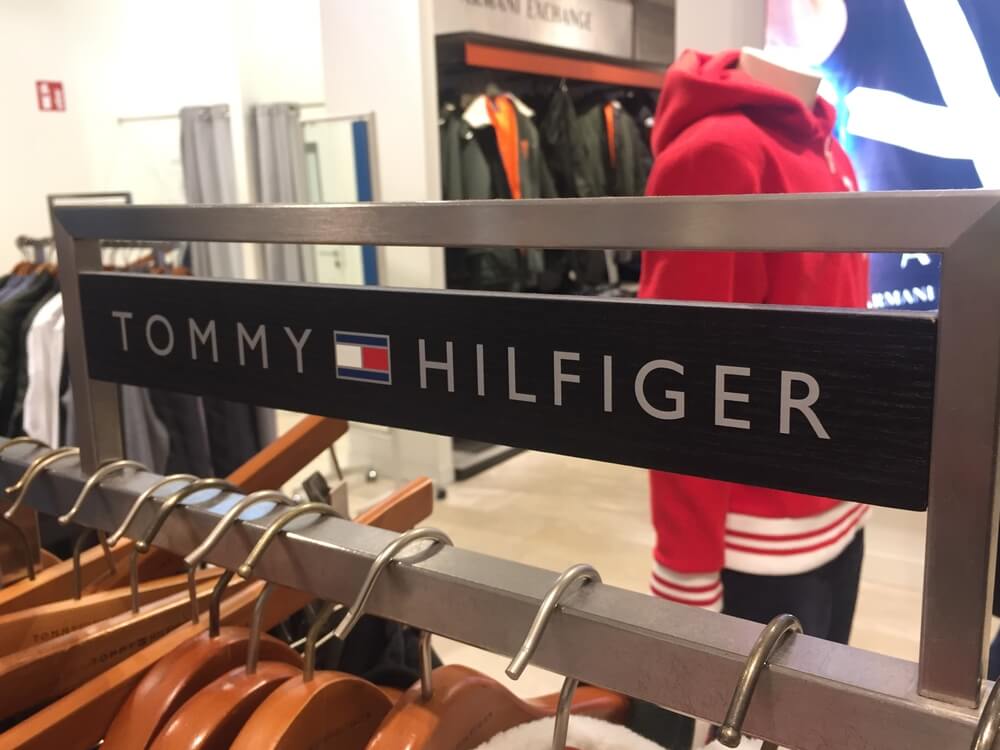
Tommy Hilfiger’s red, white and blue flag logo became one of the most visible labels of the decade. The brand was designed for a preppy customer, but it was quickly adopted by hip-hop artists, who wore it in oversized fits.
In 1994, Snoop Dogg wore a Tommy Hilfiger rugby shirt during a performance on Saturday Night Live, and the shirt reportedly sold out in New York stores soon after. The company leaned into the moment, making the logos larger and the clothes baggier.
Teenagers in malls across the country followed.
Slip Dresses and ’90s Minimalism
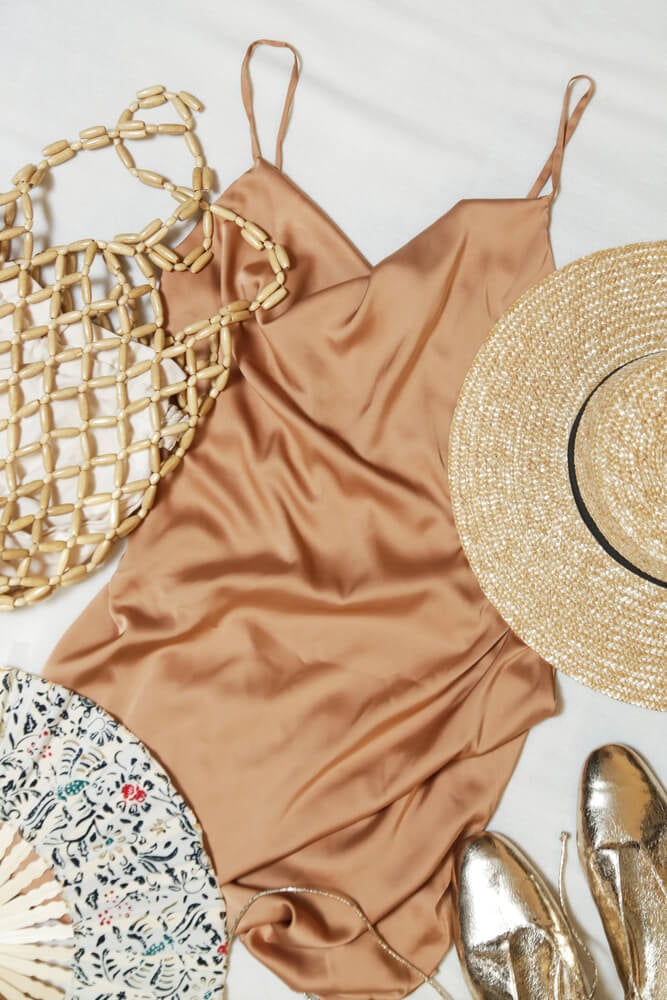
Thin, bias-cut and held up by spaghetti straps, the slip dress looked like underwear worn as streetwear. Designers such as Calvin Klein made it a centerpiece of 1990s minimalism, and model Kate Moss became closely associated with it.
Teenagers often wore it over a white T-shirt, with chunky boots or platform sandals, to make it less formal and more grunge. The style fit the decade’s move away from the big shoulders and bright colors of the 1980s.
Slip dresses have returned several times since, still in plain satin and simple colors.
Dark Nail Polish
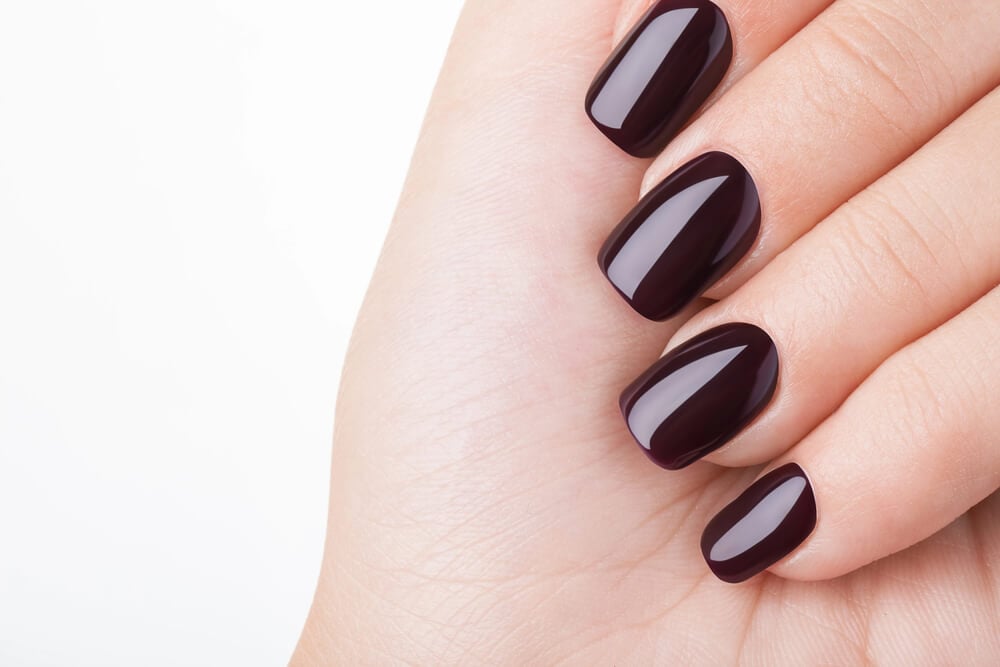
Dark burgundy and near-black nail polish moved from goth clubs to the mainstream in the mid-1990s. Chanel released Rouge Noir in 1994, sold as Vamp in the United States, and it became so popular that stores reportedly kept waiting lists for it.
Uma Thurman wore the shade in Pulp Fiction, which reinforced the polish’s moody appeal. Drugstore brands rushed out cheaper versions.
Teenagers painted their nails in the dark shades whether they listened to Nine Inch Nails, Garbage or Mariah Carey. Black lipstick and brown lip liner often completed the look.
Clueless Plaid Skirt Suits
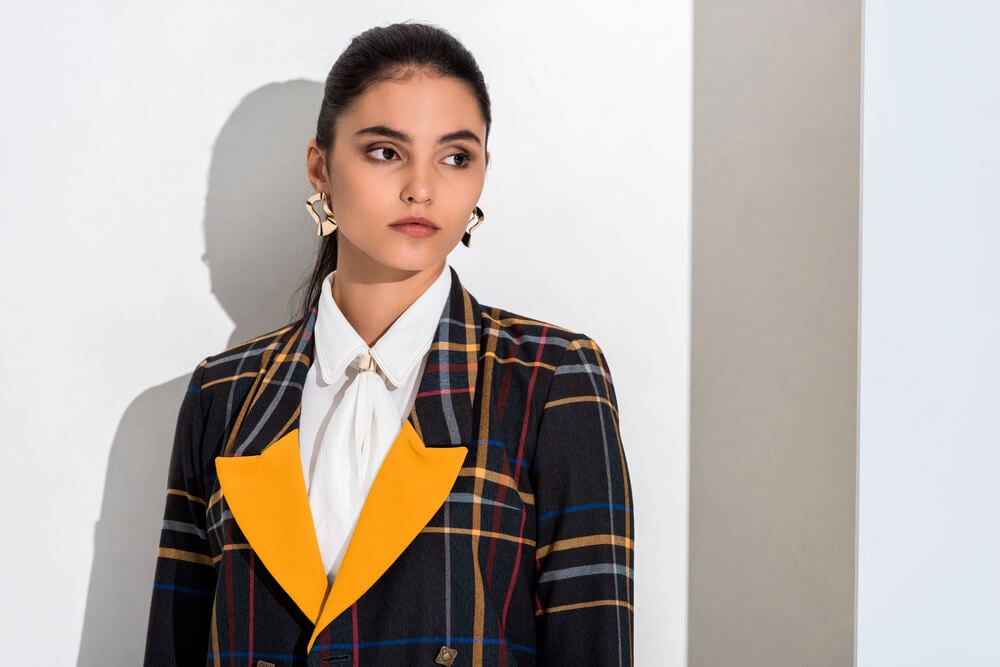
Clueless, the 1995 teen comedy, turned plaid into a teen uniform almost overnight. Costume designer Mona May dressed Alicia Silverstone’s character, Cher Horowitz, in a yellow plaid skirt and matching blazer, with knee socks and a computerized closet that chose outfits for her.
Teenage viewers copied the look with plaid miniskirts, cropped cardigans and thigh-high socks. The film’s styling borrowed from high fashion but stayed playful and bright. Department stores sold coordinated plaid sets for years afterward.
The yellow suit remains one of the most recognized costumes of the decade and is still a Halloween staple.
Light-Up Sneakers
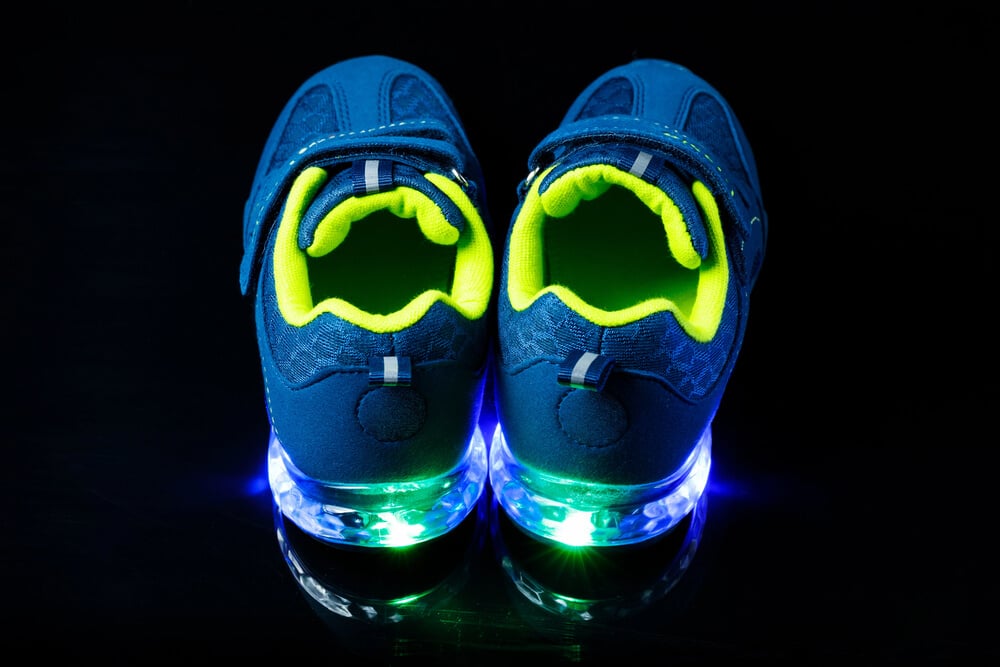
L.A. Gear, a Los Angeles shoe company, introduced L.A. Lights in 1992, sneakers with small red lights in the heels that flashed with every step. They were aimed at kids and quickly became a hit.
Other brands followed with their own blinking shoes. The flashing heels made them easy to spot on a playground and impossible to ignore in a dark movie theater.
The company later struggled financially, but light-up shoes never fully disappeared, and versions for both children and adults are still sold today, including some that charge by USB cable.
Puka Shell Necklaces
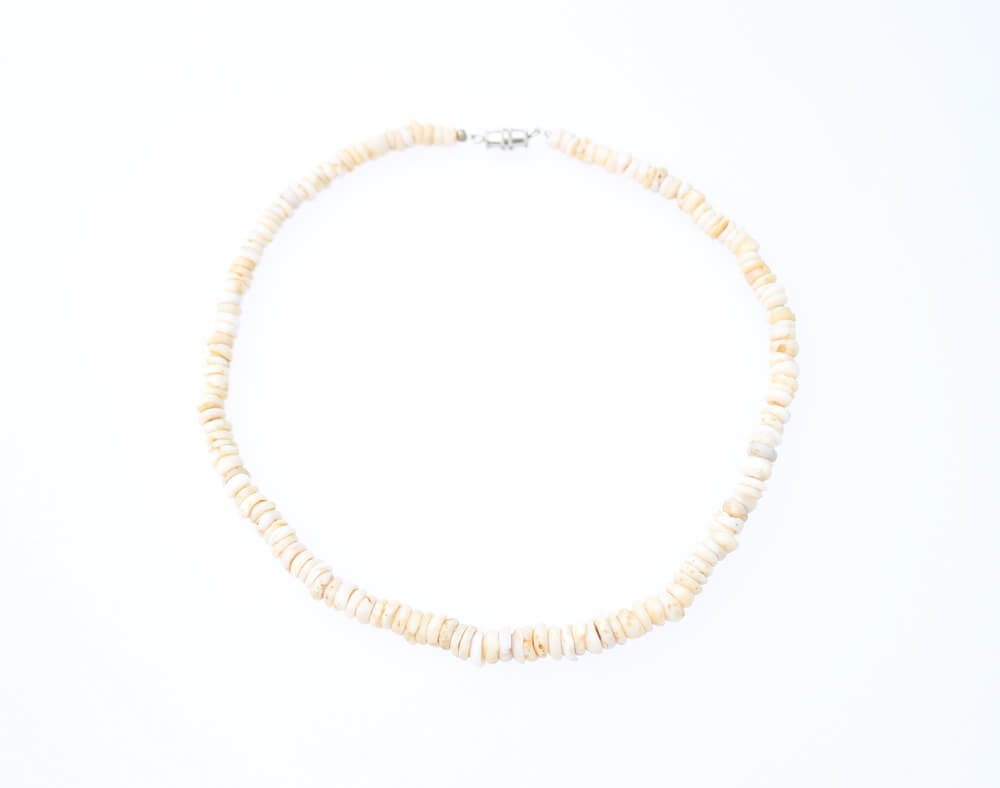
Puka shell necklaces were short strands of small, round, white shell pieces worn tight around the neck. They had roots in Hawaii, where natural shell fragments with worn centers were strung into necklaces, and they became popular on the mainland in the 1970s before returning in the 1990s.
Surfers, skaters and teen heartthrobs wore them, and they were cheap enough to buy on a beach boardwalk or at a mall kiosk. Many of the 1990s versions were mass-produced imitations rather than natural shell.
They paired naturally with board shorts and frosted tips.
Wallet Chains
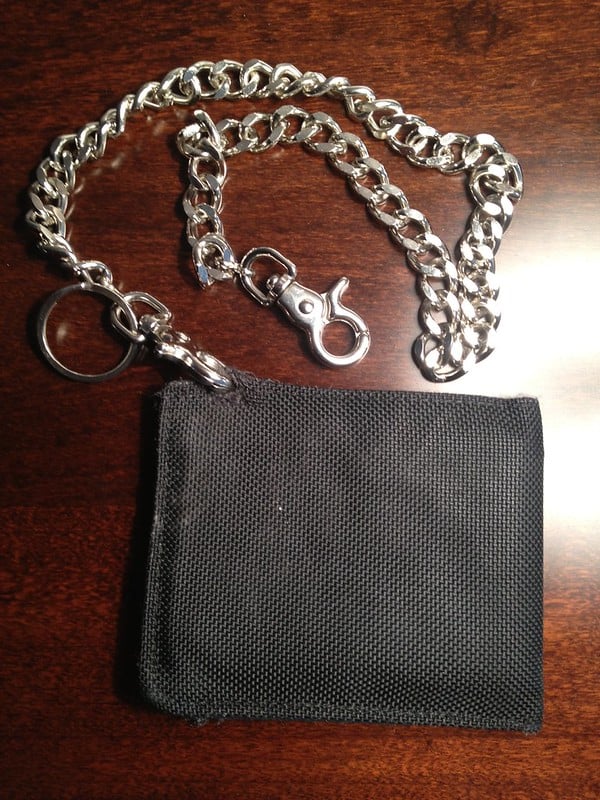
Wallet chains connected a wallet in a back pocket to a belt loop with a length of metal chain. The accessory came from bikers and truckers, who used it to avoid losing a wallet on the road, and it moved into punk, skate and grunge culture.
By the mid-1990s, teenagers wore wallet chains with baggy jeans, often looping the chain far below the knee. Many did not even keep anything valuable in the wallet.
The chain was about the sound it made and the look it gave. Mall chains and skate shops kept them stocked near the register.
Tearaway Pants
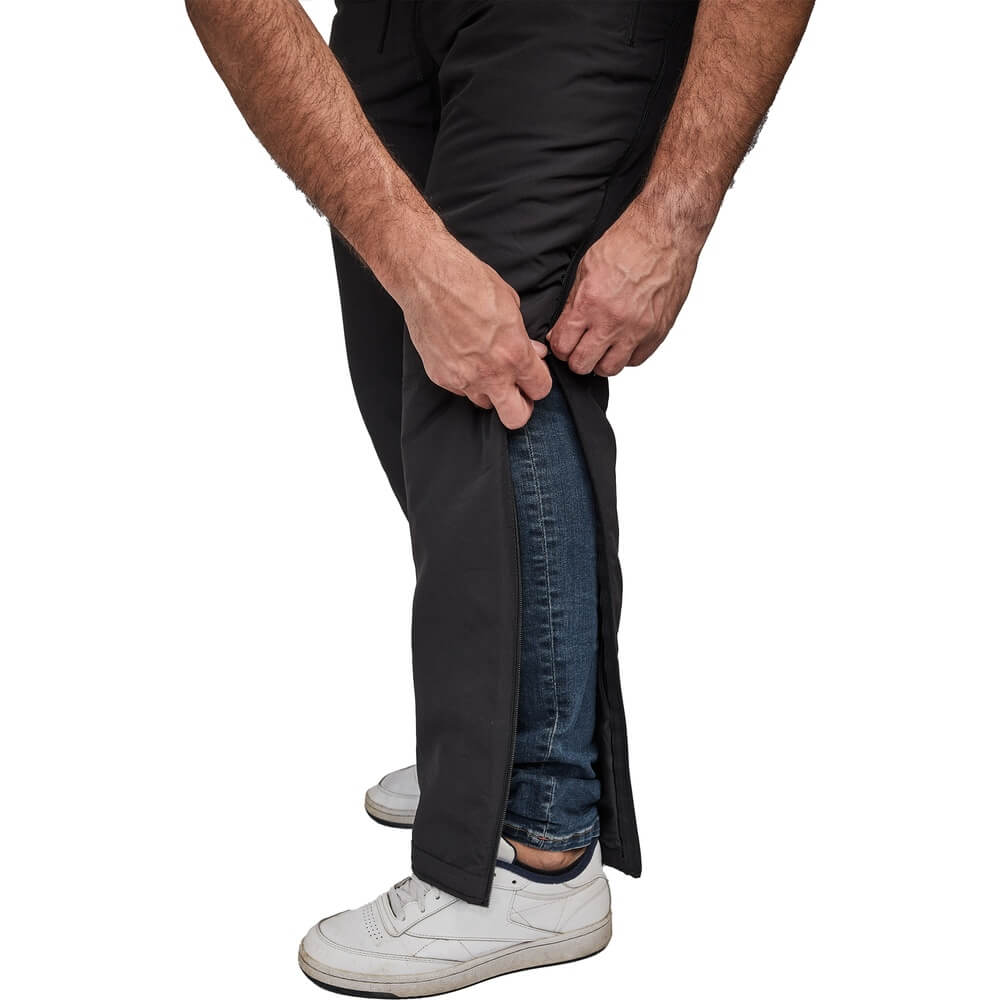
Tearaway pants were nylon track pants with a row of snap buttons down each leg, so they could be ripped off in one motion. Adidas made some of the most popular versions, with three stripes running down the sides.
Athletes wore them during warmups so they could strip down quickly before a game, and teenagers adopted them for school and the mall. The snaps had a habit of coming undone at awkward moments.
Classmates sometimes pulled them open as a prank, which became a running hallway joke and led some schools to discourage them.
Mini Backpacks
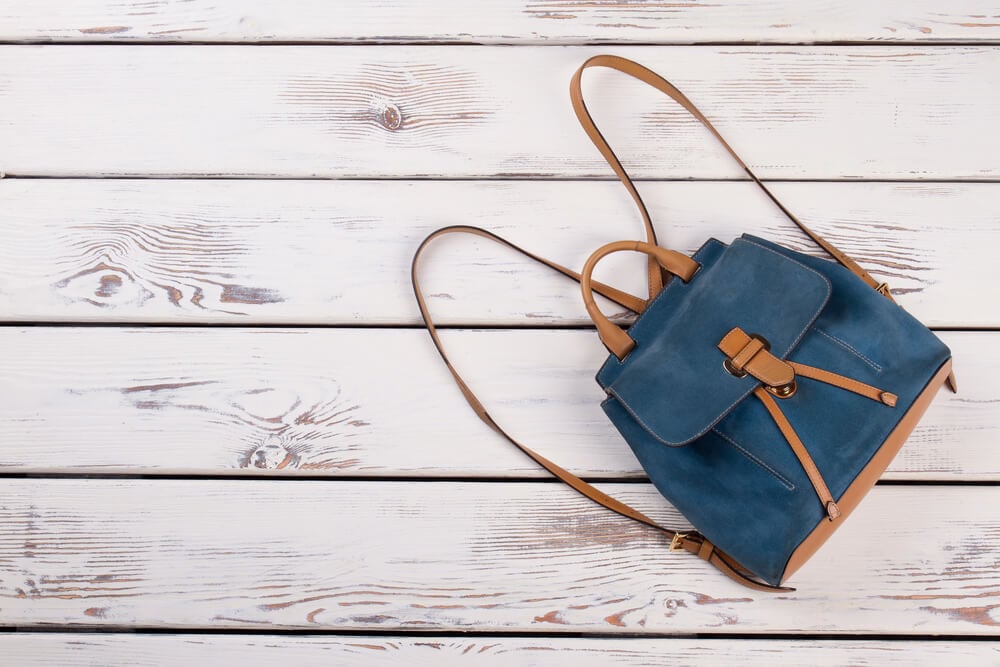
Mini backpacks were small enough to hold a lip gloss, a pager and very little else, and they replaced purses for many teenagers in the 1990s. The trend drew on Prada’s black nylon bags, made from a tough fabric the company called Pocone, which Miuccia Prada introduced in the 1980s and turned into a luxury item.
Cheaper versions came in vinyl, glitter plastic, faux fur and patent leather. Characters on television shows like Clueless and Sabrina the Teenage Witch carried them. The bags were impractical by design, which was part of their charm.
Cargo Pants
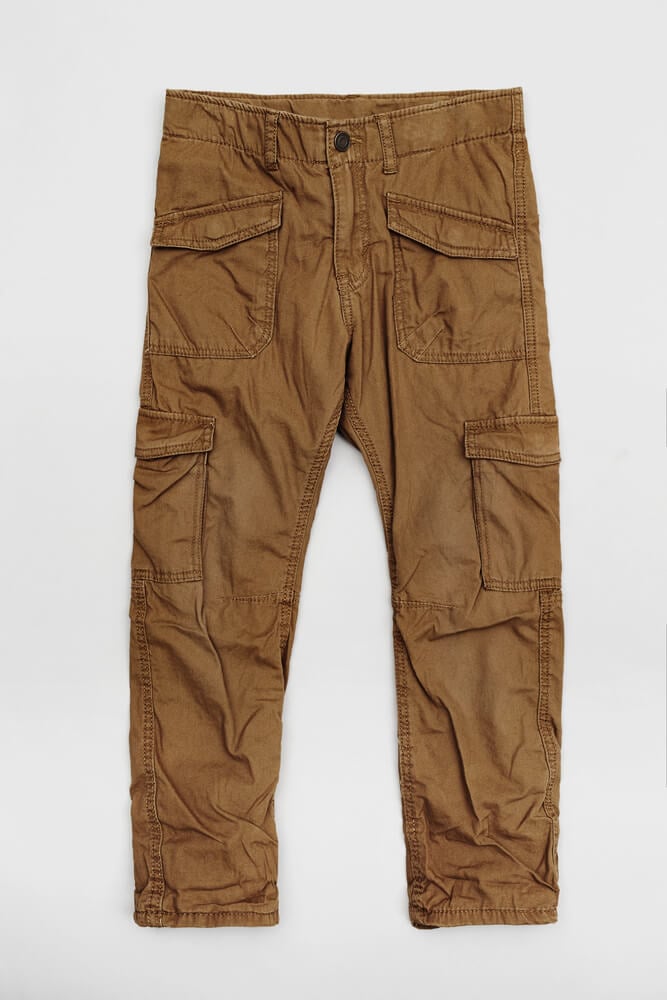
Cargo pants trace back to the British Army, which introduced a battle dress uniform in 1938 with a large pocket on the leg for maps and supplies. American paratroopers later used similar designs during World War II.
By the 1990s, wide-leg cargo pants had moved into streetwear, skate fashion and the closets of teenagers who stuffed the pockets with CDs, disposable cameras and pagers. Brands like Old Navy and the Gap sold them in khaki, olive and black.
The look was baggy and practical. It came back on runways and in malls in the 2020s.
Closets That Keep Coming Back
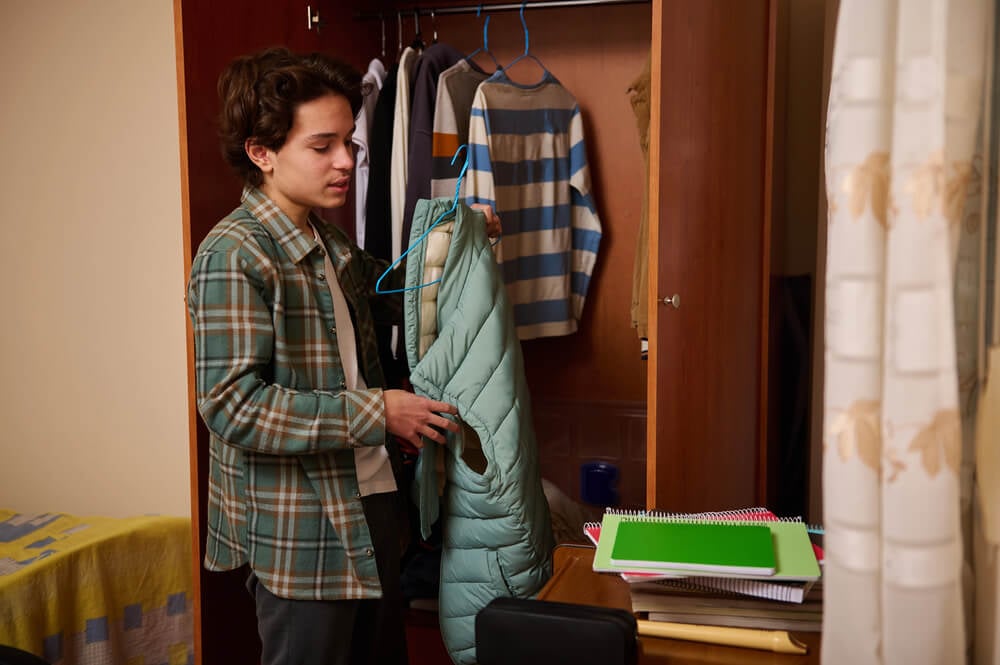
These trends came from a decade of mixed messages, when grunge, hip-hop, pop and preppy all fought for the same teenagers. The result was a style that borrowed from everywhere and rarely took itself seriously.
Most of it was cheap, mass-produced and easy to abandon when the next look arrived.
That disposability is also why so much of it returns. Teenagers today find the same clips, chokers and baggy jeans in thrift stores and resale apps, often worn with more irony than the originals.
The cycle shows that fashion rarely disappears for good, and that one generation’s embarrassing photo is another generation’s inspiration.
More from Go2Tutors!

- The Romanov Crown Jewels and Their Tragic Fate
- 13 Historical Mysteries That Science Still Can’t Solve
- Famous Hoaxes That Fooled the World for Years
- 15 Child Stars with Tragic Adult Lives
- 16 Famous Jewelry Pieces in History
Like Go2Tutors’s content? Follow us on MSN.